Miracle Knots Hairstyle: What to Know Before You Choose It
Miracle knots are a braid-and-crochet hairstyle designed to create the loose, curly appearance of boho braids without feeding extension hair through every braid. Your natural hair forms the braided foundation, while curly or wavy extension pieces are crocheted into or through those braids to build the flowing texture around them. The technique became especially visible in 2026 as a quicker, lighter-feeling alternative to conventional boho knotless braids. (Allure)
The appeal is easy to understand. You get individual braids, plenty of loose movement, and the option for a full bohemian finish while keeping more of the basic braid itself to your own hair. But the finished photo hides the decisions that matter most: how small the foundation braids are, where the added curls are attached, how much extension hair is used, and whether your own hair can comfortably support that construction.
For most people considering miracle knots, the practical default is moderate fullness on comfortably sized individual braids. Extremely tiny sections and very dense added curls can erase much of the lightweight advantage that makes the technique appealing in the first place.
What Makes Miracle Knots Different From Regular Boho Braids?
Traditional boho or goddess-style knotless braids typically incorporate extension hair as the braid is formed, with loose curly strands added throughout for the signature undone finish. Miracle knots change the construction. The base can be made from individual plaits of your natural hair, and the decorative curly hair is then introduced with a crochet technique. Current descriptions of the trend vary slightly in where and how the added hair is secured, which means the term describes a family of closely related braid-crochet methods rather than one completely standardized installation. (Allure)
That difference changes more than installation technique.
Miracle knots are therefore particularly interesting for someone who likes the appearance of boho braids but doesn’t need every natural-hair braid visually transformed into a long extension braid.
They aren’t a shortcut around basic braiding skill, though. A neat result still starts with parting, clean individual plaits, secure crochet placement, and sensible distribution of the added hair.
The Foundation Braids Decide How the Style Behaves
The loose curls attract the attention, but the natural-hair braids are doing the structural work.
Very small sections create more attachment points and can produce an airy, detailed result. They also mean more braids to install and eventually undo. On low-density hair, dividing the head into too many tiny sections can expose more scalp than the reference photo suggests. Fine strands are a separate issue: the individual hairs are smaller in diameter, so a very small braid carrying a comparatively large piece of extension hair can be an unnecessary mismatch.
Larger sections reduce the number of individual braids and can make takedown simpler, but they change the visual blend. A chunky natural braid underneath very delicate curls may remain noticeable, particularly near the roots or anywhere the crochet hair separates.
The strongest middle ground is usually a braid size that feels secure without pulling and looks proportionate to your density. The parting doesn’t need to be microscopic to make the style convincing.
Shrinkage matters as well. Natural coily hair braided in its shrunken state produces a different foundation from hair that has been gently stretched first. Stretching can make parting and plaiting easier for some people, but the hair doesn’t need to be pressed straight to wear miracle knots. The important question is whether the preparation method suits your normal routine and the condition of your hair.
And leave the perimeter out of the competition for perfect uniformity. Short, fragile, or sparse hairs around the temples don’t need to be forced into a tiny braid just because the rest of the head follows the same grid.
Fullness Comes From Placement, Not Just More Hair
The ability to decide where the curls sit is one of the most useful features of miracle knots. Crochet pieces can be distributed through the braided foundation to create anything from a relatively open, braid-forward result to a dense curtain of waves and curls. Current descriptions of the technique specifically emphasize this flexibility in placement and volume. (A&F Cosmetics)
More hair isn’t always the more convincing result.
A heavily filled installation can start hiding the braids entirely. It also puts more material around the neck and back, creates more strands to separate at night, and gives loose curls more opportunities to tangle with one another. Someone choosing miracle knots specifically for easier movement may prefer a little visible space between the curls.
Curl pattern changes the impression too. Looser waves tend to separate and hang more distinctly, while tighter curls can visually fill space with less length. Matching the extension texture to your desired finish matters more than trying to make it imitate your natural curl pattern perfectly; the whole design is a mix of braid structure and free-moving hair.
Length deserves similar restraint. Long cascading curls are dramatic, but they spend more time against clothing, backpack straps, seat belts, and chair backs. A shorter or moderate length is easier when freedom of movement matters more than maximum drama.
This is one area where a consultation photo helps, provided you discuss what the photograph doesn’t reveal. Ask about the quantity of added hair and where the curls are concentrated, not simply whether the stylist can recreate the front view.
Are Miracle Knots Really Lightweight?
They can be lighter than a comparable braided installation because the natural-hair plaits don’t require extension hair to be incorporated from root to end. That reduced use of braiding hair is one reason current coverage repeatedly describes miracle knots as a lightweight alternative to traditional boho braids. (Allure)
The construction still matters more than the label.
Think about each foundation braid as an anchor. A sensible amount of crochet hair distributed across many comfortable anchors can feel very different from thick bundles concentrated on tiny sections. Extra-long curls also create more movement at the base as you turn your head or gather the hair upward.
Comfort should remain obvious during normal movement. The root shouldn’t sting when you lift the curls, and a ponytail shouldn’t require you to ignore a sore section underneath it.
Calling miracle knots a protective style is useful only with those conditions attached. Braids can reduce daily manipulation of the loose natural hair, while the benefits depend on comfortable tension, manageable added weight, scalp access, sensible cleansing and drying, and careful removal.
A hairstyle that hurts from the beginning needs adjustment, not a break-in period.
How to Create the Miracle Knots Hairstyle
The exact attachment method varies among stylists and tutorials, so decide on the intended finish before starting. The basic construction widely associated with miracle knots uses individual natural-hair braids followed by crochet attachment of curly or wavy extension hair. (Allure)
Prepare the natural hair
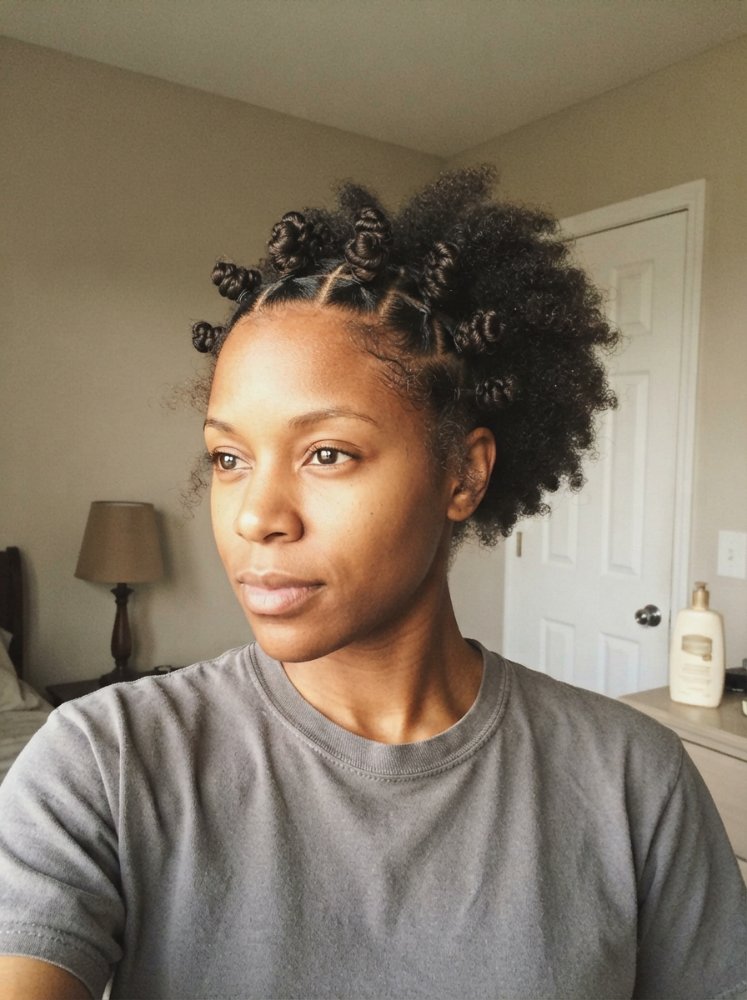
Start with hair that is detangled and prepared in a state you can comfortably section. Coily or curly hair may be braided with its natural texture visible or after gentle stretching. Avoid turning straightness into a requirement; neat sectioning and manageable hair are the useful goals.
Plan the section size
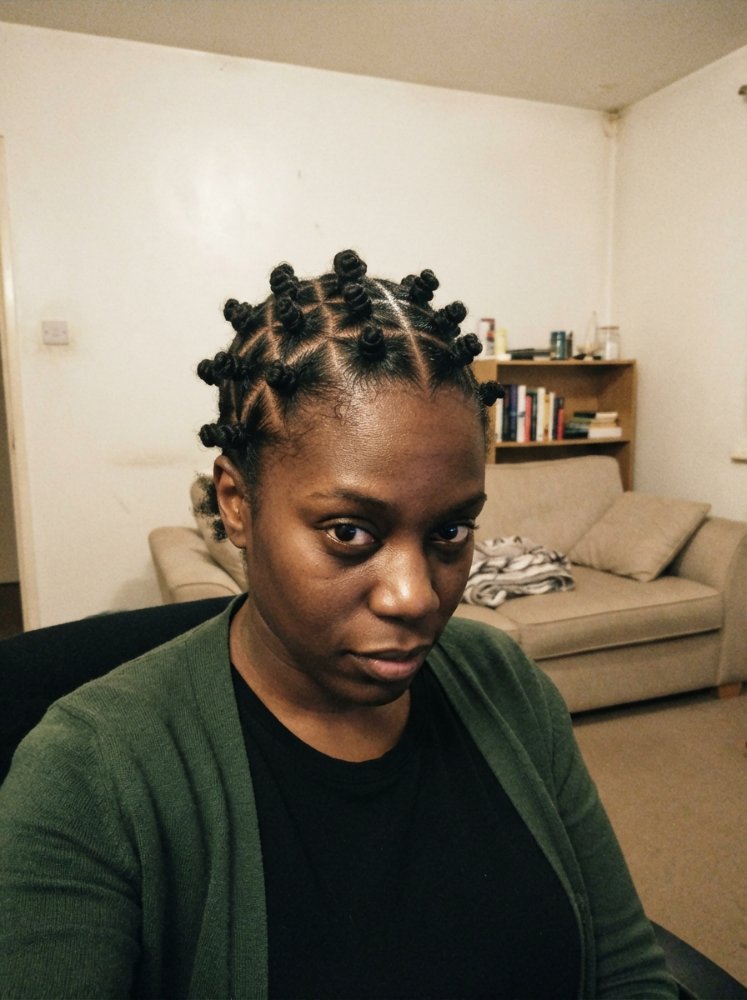
Create a grid that works with your actual density rather than copying the number of visible parts in a photograph. Keep sections around delicate areas proportionate to the hair available there.
The finished style becomes fuller once curls are added, so the bare foundation can look more open than the final result.
Plait each natural-hair section
Braid each section from the root through the available length. Keep the root secure enough to hold its shape while allowing the braid to move comfortably.
Pay attention to the ends. Tangled or roughly handled natural-hair ends will make eventual removal harder, even if they’re hidden once the curls go in.
Decide where the added hair belongs
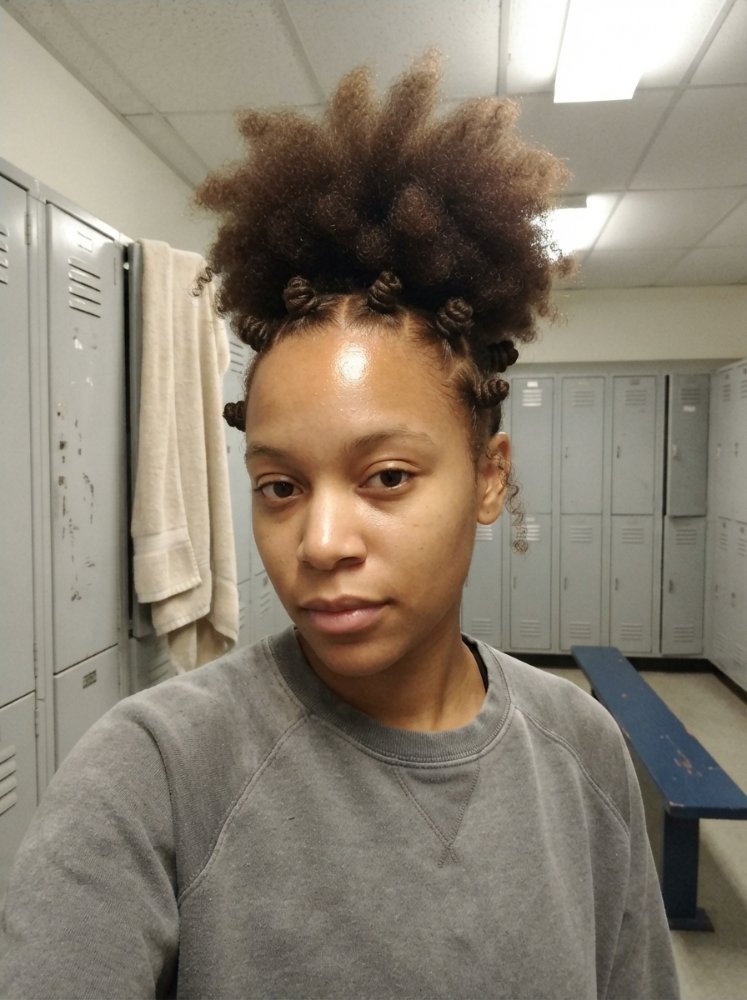
Don’t attach every curl automatically. First consider where you want fullness: around the face, through the sides, at the back, toward the ends, or evenly throughout.
Strategic spacing creates movement. Packing every available braid with dense curls produces a much heavier-looking installation.
Attach the extension pieces with the crochet method
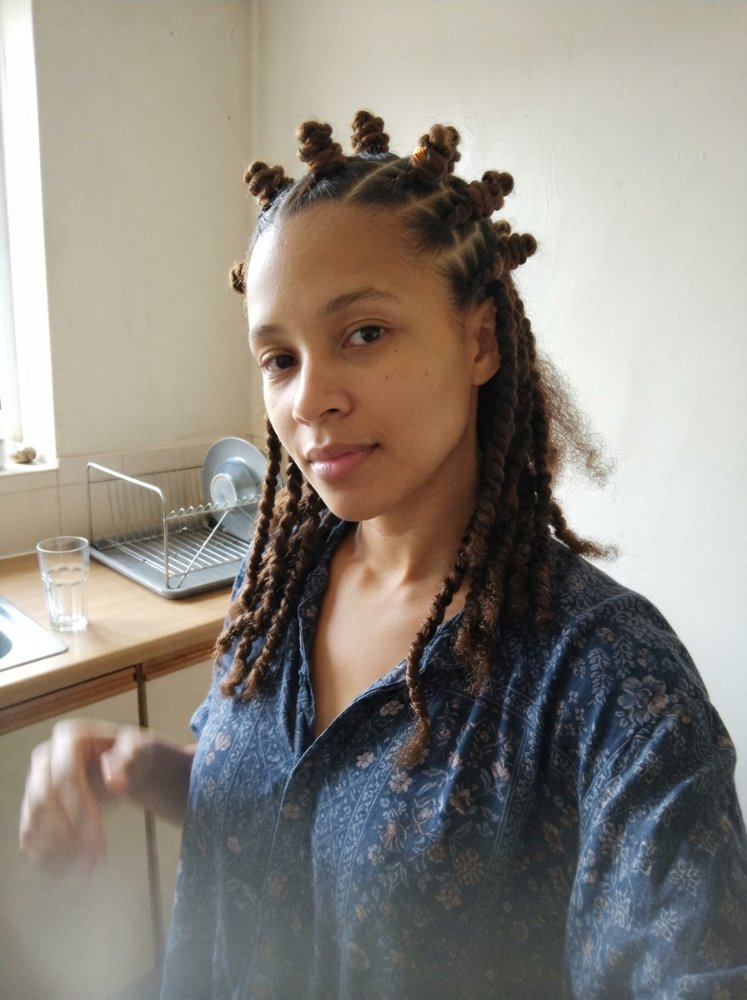
Using a crochet hook, draw the selected extension section through the appropriate point of the foundation braid and secure it according to the technique you’re following. Miracle-knot methods commonly use crochet attachment instead of relying entirely on feed-in braiding. (Allure)
Work with pieces small enough for the individual braid supporting them. Oversized attachments on delicate anchors defeat the point of distributing the style across the head.
Build the fullness gradually
Complete part of the head, then assess the overall volume before filling every remaining space.
This matters because loose curls expand visually. A quantity that seems sparse while you’re concentrating on one braid can look considerably fuller once the hair is released and allowed to fall together.
Check the style in motion
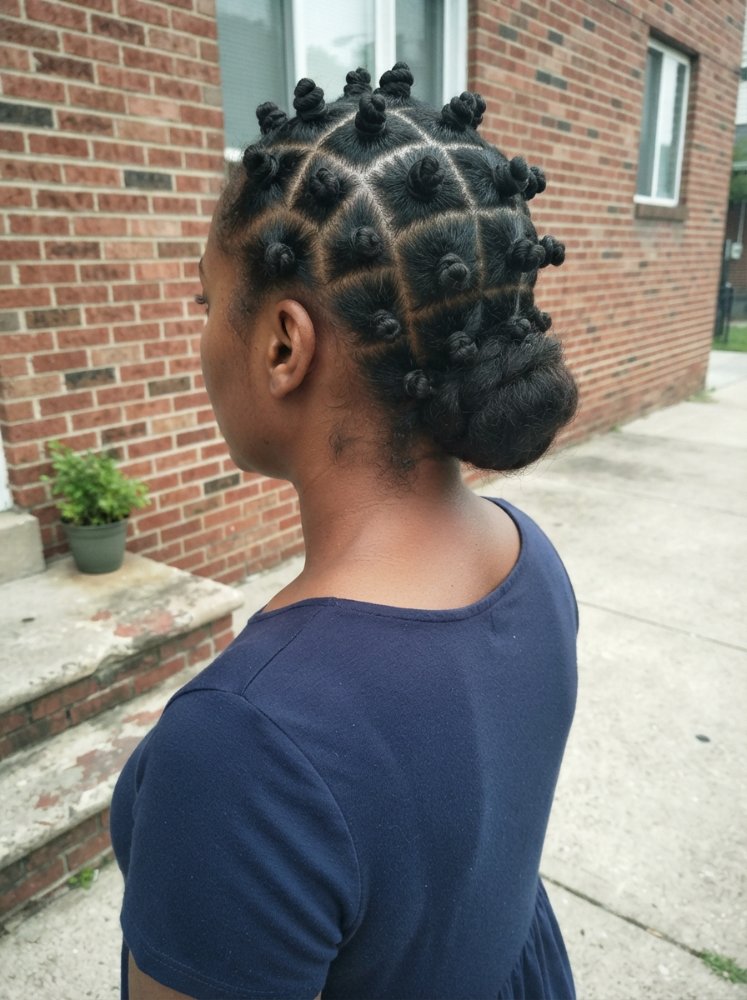
Look down, turn your head, gather the hair loosely, and let it fall again. Check around the temples, nape, and any braid carrying noticeably more added hair.
That movement test catches problems a mirror pose won’t.
What the Finished Photos Don’t Show
Miracle knots photograph beautifully because the loose curls can obscure much of the construction. Real life keeps exposing it.
The first hidden issue is scalp access. Individual plaits leave pathways between sections, which can make reaching the scalp easier than with some very dense installations. Once large amounts of curly hair are crocheted over those pathways, however, you may have to deliberately separate the curls to reach the roots.
Then there’s drying. The free hair can feel dry while the braided natural hair closer to the scalp still holds moisture. Dense roots deserve particular attention after cleansing or heavy sweating.
Clothing creates another difference between a photo and daily wear. Long curls repeatedly rub against coat collars and textured fabrics. Hair sitting beneath a shoulder bag or backpack strap gets pulled and compressed. Loose strands also need to be moved out of the way before fastening a seat belt instead of remaining trapped beneath it.
Sleeping exposes the difference between moderate and excessive fullness quickly. Gathering a huge amount of curly hair above or around the head takes more space than protecting a lighter installation. A smooth scarf, bonnet, or pillowcase can reduce friction and help keep the loose pieces from becoming unnecessarily tangled, but the curls still need room instead of being crushed into a tight nightly ponytail.
Updos deserve restraint. Miracle knots may feel light while worn down yet place more of that weight at one location once gathered high on the head. A loose low arrangement is the easier default when you simply want the hair out of the way.
Maintenance Is Mostly About the Loose Hair and the Roots
Treat the two parts of miracle knots differently. Your natural-hair braids form the base; the loose extension curls create the visible finish.
At the roots, prioritize scalp access and comfort. Clean according to your scalp, activity level, buildup, and the way your installation handles water. A universal wash schedule doesn’t make sense because exercise, climate, product use, and drying conditions vary too much from one wearer to another.
Through the added curls, minimize unnecessary manipulation. Constant combing through free pieces can disturb attachment points and encourage tangling. Separate obvious tangles carefully with your fingers and use styling products appropriate for the specific extension hair when needed. Current maintenance advice for the style similarly focuses on caring for both the exposed scalp and the loose curly extensions. (Byrdie)
Night protection helps because the moving curls otherwise rub directly against bedding. Gather them loosely enough that the foundation isn’t being pulled toward one point.
Watch the natural-hair braids as the style ages. New growth changes the relationship between the root and the attachment. A section that initially sat close to the scalp may become more mobile, and the overall style can begin looking fuller at the root before the loose curls themselves look worn.
Removal deserves patience. Locate each added section, release the crochet attachment, and distinguish extension hair from your natural braid before cutting anything. Once the extensions are out, undo the foundation gently and detangle shed hair rather than interpreting every loose strand as breakage. Shed hairs accumulate while hair remains braided; breakage refers to strands snapping along their length.
Before You Book the Style or Start a DIY Installation
A miracle-knot consultation should focus less on the trend name and more on what the person installing it actually means by that name.
Bring a reference photo, then ask how the foundation will be constructed. Will your own hair be braided without extension hair? Where will the crochet pieces be attached? How dense will the loose hair be through the crown, sides, and back? How will shorter natural-hair sections be handled?
Also discuss the state of your natural hair. Previous chemical services, fragile areas, breakage, or a significant recent density change can alter what makes sense. Fine strands and low density should be considered separately because they don’t create the same styling problem.
For DIY installation, do a small portion before committing to the whole head. Complete several foundation braids, add enough curls to understand the planned fullness, and assess the scale. It’s much easier to increase volume later than to discover halfway through that each section is carrying more hair than you wanted.
The style is especially worth considering when you already know how to part and plait your own hair but find feed-in knotless braiding frustrating. Crochet attachment removes one major technical hurdle while leaving room to customize the final volume. That accessibility has been a major part of the trend’s popularity. (Allure)
Choose something else when your real priority is a completely uniform extension braid from root to end. Traditional knotless braids produce that construction more directly. Miracle knots make more sense when the exposed natural-hair foundation and loose boho texture are features you’re comfortable maintaining.
Miracle Knots Hairstyle FAQs
Can you do miracle knots on short natural hair?
Potentially. Your natural hair needs enough length for a secure individual-braid foundation and suitable attachment, but the deciding factor is more than a specific measurement. Section security, hair condition, strand strength, and the installer’s technique all matter. Very short pieces around the perimeter shouldn’t be pulled aggressively into neighboring sections simply to make the grid uniform.
Are miracle knots suitable for fine hair?
Fine strands can wear braided styles, but the section and attachment size deserve extra attention. Avoid pairing delicate natural-hair braids with disproportionately heavy crochet pieces. Fine hair also shouldn’t be confused with low density: you can have fine strands and a high number of them, or thicker strands with relatively low density.
Can you wash your hair with miracle knots installed?
Yes, provided the installation allows you to reach the scalp and dry the braided foundation thoroughly afterward. Concentrate on cleansing where needed instead of aggressively manipulating all of the loose curls. Separate dense sections so the roots aren’t left damp simply because the outside hair feels dry.
Can miracle knots be styled in ponytails and buns?
They can, although higher styles concentrate more of the hair’s weight at one anchor point. Use a fabric-covered elastic or another secure, hair-friendly holder without pulling the base excessively tight. Very long or full installations are usually more comfortable in lower, looser arrangements than in a tightly anchored high bun.
Do miracle knots have to use human hair?
The version that drove much of the 2026 trend has commonly been described using human-hair crochet pieces, particularly for the loose boho texture. (Allure) Different extension materials behave differently in tangling, movement, heat tolerance, and maintenance, so confirm what your chosen hair is designed for before copying care methods from a tutorial using another fiber.
What should make you remove or loosen the style early?
Persistent pain, stinging, sores, significant irritation, or obvious pulling around vulnerable areas deserves attention instead of being covered with another hairstyle. Loosen or remove the source of excessive tension where appropriate. Sudden shedding or a concerning change in density should be discussed with a dermatologist or another qualified healthcare professional rather than diagnosed from the hairstyle alone.
Related Hairstyles to Explore
- Hair Inspo Aesthetic
- Dimensional Brunette for women
- Slick Baddie Hairstyles
- Baddie Hairstyles Natural Hair
Hair Texture & Upkeep Style Matcher
Select your natural hair texture and daily maintenance window to get an instant styling formula and heat safety cap.
Heat Cap: 320°F (160°C)
A versatile three-strand braid beginning at the parietal ridge, securing the top half while allowing natural wave texture to flow freely around the shoulders.
Conclusion
The strongest reason to choose the miracle knots hairstyle isn’t simply that it looks like boho braids. Its braid-and-crochet construction gives you more control over where added hair sits and how much fullness you carry.
Keep the foundation braids comfortable, add the curls gradually, and judge the installation with the hair moving instead of relying entirely on a front-facing reference photo. Moderate fullness is the safer starting decision for most routines; extra length and density are worth adding only when you actually want the extra handling that comes with them.
Before committing, settle one detail first: exactly how will your version of miracle knots be constructed? Once the foundation, attachment method, and fullness are clear, the rest of the style becomes much easier to plan.
Editorial Standards & Hair Health Guidance
Every style featured on Tress Atlas is curated with a focus on real-world wearability, scalp tension management, and cuticle preservation. When trying protective styles or tight updos, ensure perimeter hairline sections remain tension-free to avoid traction stress on delicate follicles. For heat styling, cap tools below 350°F (180°C) to prevent thermal keratin denaturation.
Scientific Sourcing: Practices aligned with the American Academy of Dermatology (AAD) on traction alopecia risk reduction and cosmetic trichology research on hair tensile strength.