Slick Baddie Hairstyles: Styling Guide & Cuts That Look Sharp Without Hiding the Tradeoffs
Slick baddie hairstyles are built around a controlled surface: smooth roots, deliberate placement, and a clear shape. The rest of the hair can be straight, curly, coily, braided, puffed, or wrapped into a bun. That contrast is what gives many of these looks their impact.
The important decision comes before the gel or edge brush. Where is the hair being gathered, and what happens after it gets there? A high straight ponytail behaves very differently from a low bun. A slick natural puff leaves more texture visible. A long braided tail adds leverage at the base. A wet-look bob depends less on a tight anchor and more on how the surface is set.
Texture also doesn’t have to disappear for a hairstyle to read as slick. Natural curls and coils can stay full through a puff or ponytail while the front and sides are smoothed. Pressed or straight hair creates a different finish, but heat isn’t a requirement for every sleek style.
Use the finished photo for inspiration, then choose the construction that fits your hair and your routine.
Slick Ponytails With a Strong, Clean Shape
Low Straight Slick Ponytail
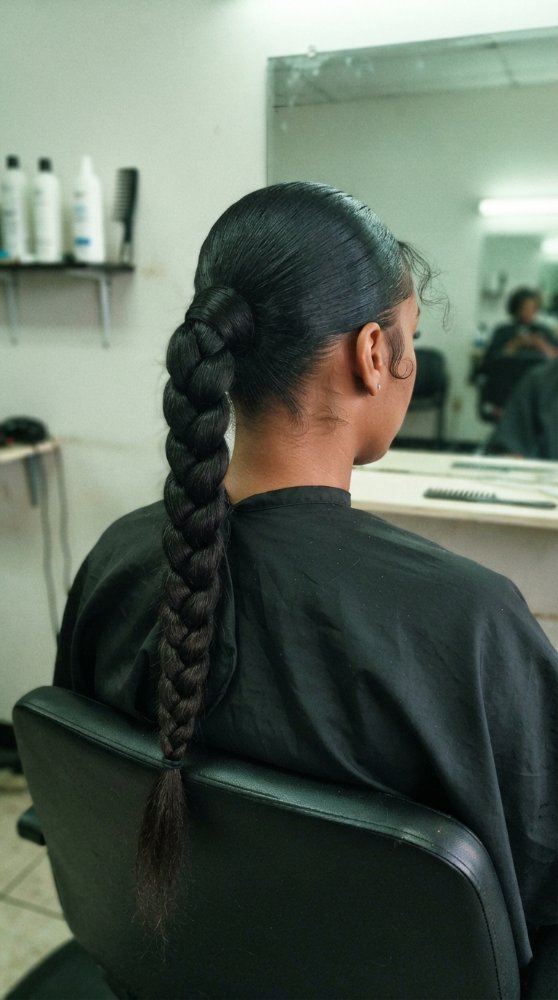
A low ponytail is one of the strongest choices when you want the sleek surface to do most of the visual work. The hair travels backward toward the nape, creating a long uninterrupted line from forehead to tail. A center part gives the style symmetry, while brushing everything straight back creates a more minimal effect.
The tail matters more than photos sometimes suggest. Straight lengths expose the perimeter clearly, so dry, thin-looking, or uneven ends become part of the finished look. Added hair can create a fuller tail, but the attachment should sit securely without relying on excessive tightness at the scalp.
Low placement is also easier around headrests than a bulky high bun or ponytail. That makes this a practical slick style for long events, dinners, or days that involve a lot of sitting.
High Straight Ponytail
Height turns a simple ponytail into a much more dramatic shape. The eye travels upward toward the crown, and the straight tail creates movement behind the head rather than resting against the back.
The downside is mechanical. A long or dense ponytail attached high on the head creates more leverage as it swings. Added length makes that effect stronger. Keep the base secure enough to control the style without treating an uncomfortable scalp as evidence of good hold. This look is worth the extra construction when the high, lifted profile is the main reason you’re choosing it.
Slick Low Curly Ponytail
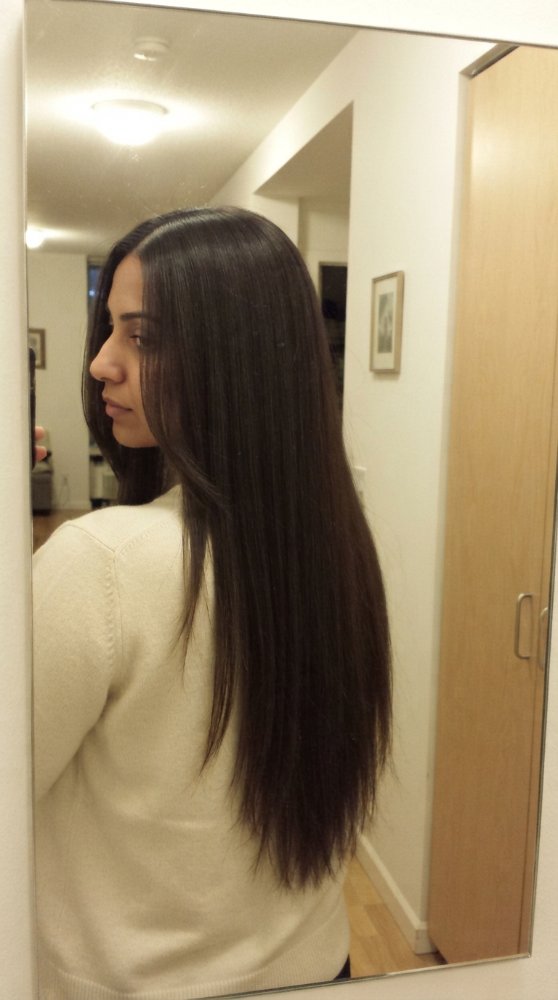
A curly ponytail gives you the clean front of a slick style without requiring the entire head to share the same texture. The roots can be smoothed into a low base while curls remain expanded through the tail.
That contrast works especially well on naturally curly or coily hair because the curl pattern becomes a feature instead of something that has to be flattened. Shrinkage changes the apparent tail length, so judge the hairstyle in the state you’ll actually wear rather than relying on a stretched reference image.
A curly attachment can also create this effect, provided the base and attachment method suit the hair underneath.
Slick Bubble Ponytail
The bubble ponytail replaces one continuous tail with a series of rounded sections. That construction makes it genuinely different from a standard sleek ponytail: the lengths become part of the architecture instead of simply hanging behind the head.
It works particularly well when you want a baddie hairstyle that reads clearly from the back. Each section needs enough fullness to create the bubble shape, so very fine or sparse lengths may need a different approach than dense hair. The strongest version keeps the scalp area simple and lets the segmented tail provide the detail.
Buns That Keep the Lengths Out of the Way
Low Slick Knot Bun
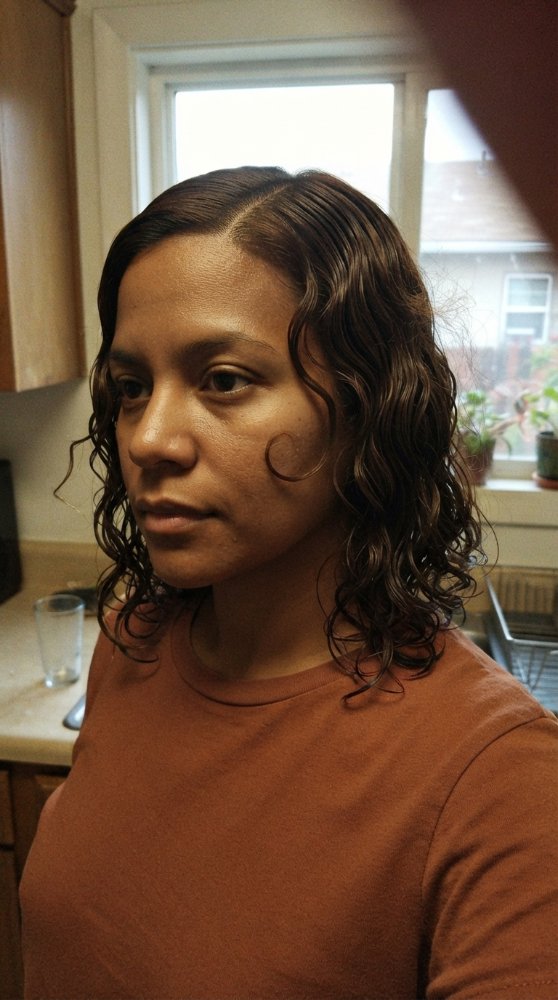
A low knot is the practical default for someone who likes the baddie aesthetic but doesn’t want a long tail moving across clothing. Hair is gathered near the nape and folded or wrapped into a compact knot, leaving the sleek roots and outline as the focal points.
The bun can be tight and small or broader and more visible depending on length, density, and whether added hair is involved. Pins should secure the wrapped hair rather than dig repeatedly into one spot. A compact low bun also sits differently against a chair than a crown-level bun, which is worth considering for an event where you’ll be seated for long stretches.
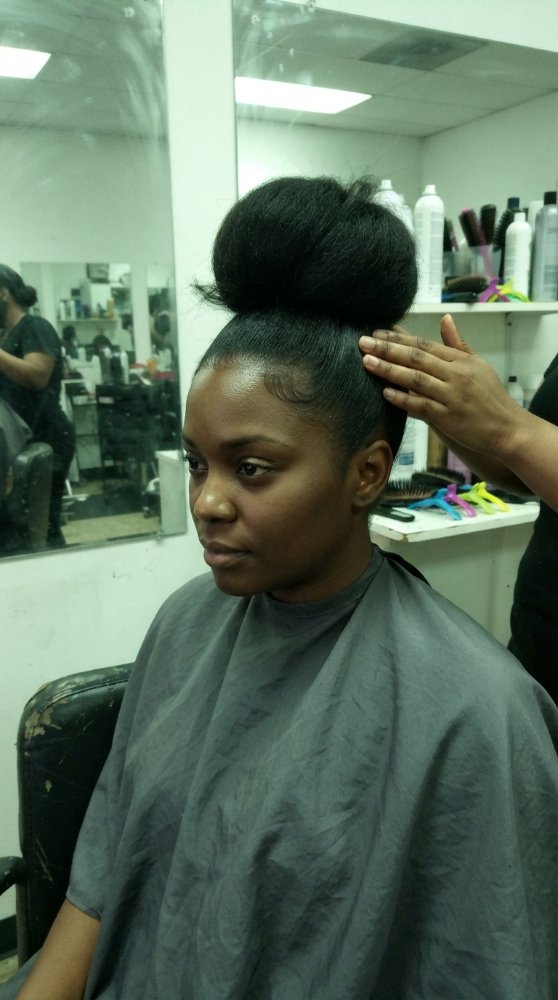
High Slick Topknot
A topknot pushes the entire hairstyle upward. It exposes more of the neck and gives the crown a defined focal point, especially with clothing that has a high neckline or strong shoulders.
Construction determines whether it feels elegant or exhausting. The ponytail base has to support the wrapped length, and a large bun can become noticeably heavier when added hair is used. Position matters too: a bun placed directly where your head meets a car seat or headrest can become irritating even when the scalp initially feels fine.
The high bun is the stronger choice for visual height. Keep the bun proportionate to what the base can comfortably support, and let shorter or delicate perimeter hairs stay out when pulling them into the anchor requires too much force.
Slick Double Buns
Two buns change the outline completely. Instead of concentrating all the hair at one central point, the style divides it into two anchors, creating a graphic look that can feel playful or sharp depending on the finish.
Clean sectioning becomes more visible here because the division between the buns is part of the design. Balance the two sides by comparing their position and apparent size before pinning everything firmly. Exact mathematical symmetry matters less than whether they look balanced from the front and back.
Slick Braided Bun
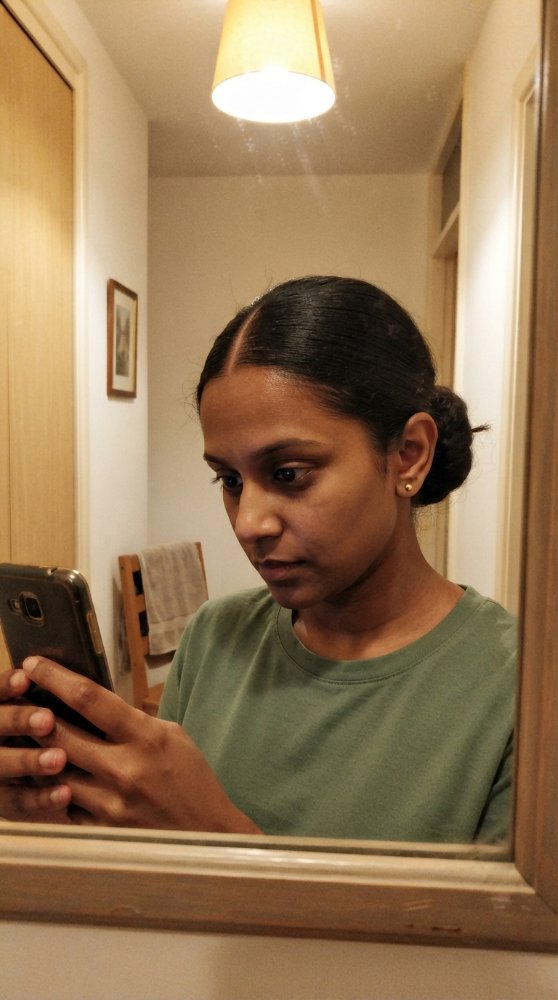
A braided bun starts with a ponytail or gathered base, then braids the lengths before wrapping them into the final shape. The braid creates visible ridges through the bun and helps keep loose lengths contained.
It’s particularly useful for longer hair that wants to escape a plain twisted knot. The braid organizes those lengths before they are pinned, giving the bun more definition from the side and back. Added hair can increase the scale, though a larger braid also means more material sitting at the anchor.
Braided Slick Styles With More Movement
Single-Braid Slick Ponytail
Few slick styles create such a strong line with so little visual clutter. Hair is gathered into a ponytail and the tail becomes one long braid, producing a narrow shape that moves as a single unit.
The braid can begin with natural hair or incorporate added hair through an appropriate attachment. Very long versions create more leverage than a short braid, particularly during walking, dancing, or exercise.
This is a better choice than a loose extension ponytail when you want the added length contained. There are fewer free-moving strands to tangle around straps or clothing, and the braid remains the main visual feature from the back.
Multi-Braid Slick Ponytail
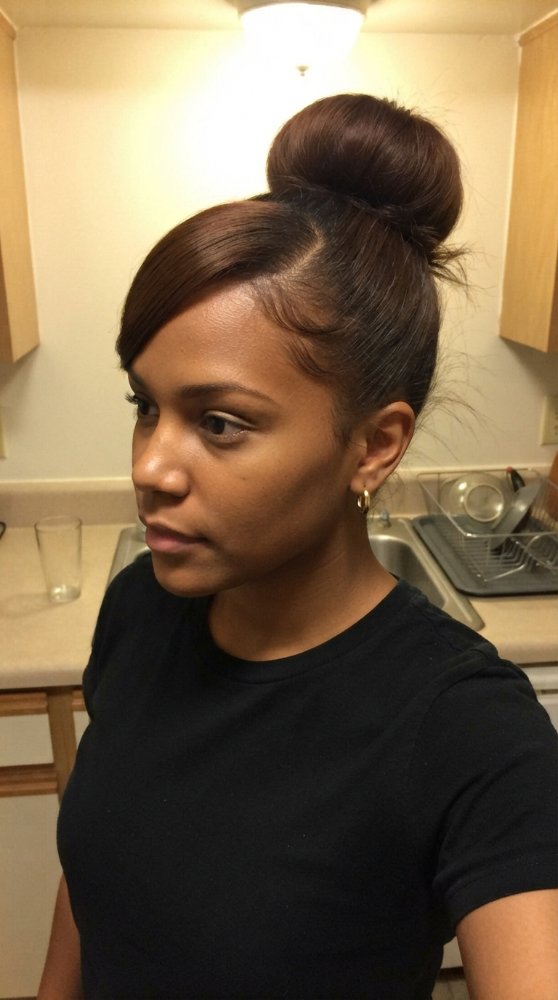
Dividing the ponytail into several braids changes both movement and volume. Instead of one substantial plait, individual braids separate as you move, creating more texture through the tail.
The base can stay extremely simple. In fact, overcomplicating the front often competes with the detail already happening behind the head. This option makes the most sense when you want braids to be clearly visible without committing the whole scalp to a braided installation.
Slick Low Braided Pigtails
Two low braided tails create a wider, more symmetrical outline than one central braid. The style begins with a clean division through the scalp, then directs each side toward a low anchor before the lengths are braided.
Hair sitting behind the shoulders is part of the appeal, but it also interacts with coat collars, backpack straps, and seatbelts more than a bun would.
Pigtails also make differences between the two sides easy to see. Compare both anchors before braiding so one doesn’t sit noticeably farther forward or higher than the other.
Slick Styles That Leave Texture or Length Visible
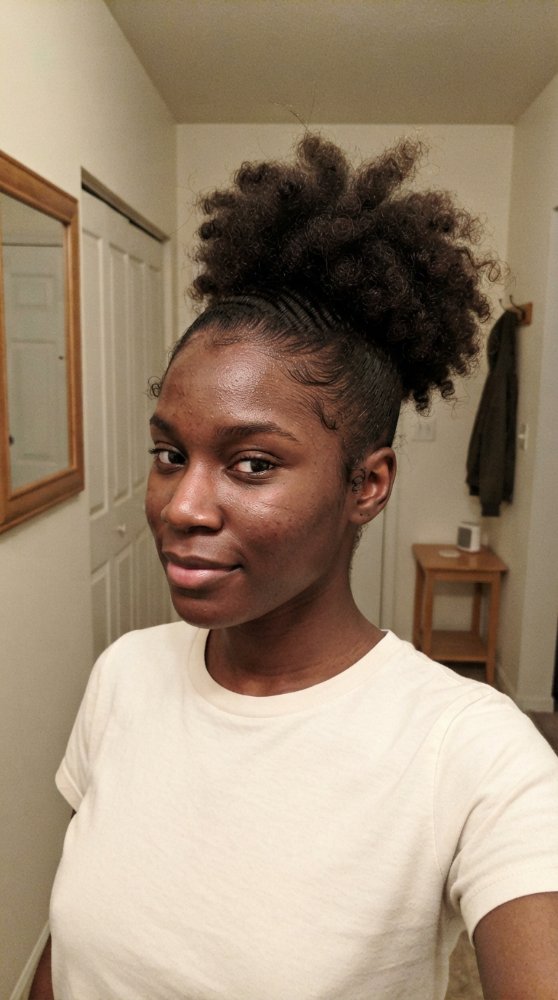
Slick-Back Natural Puff
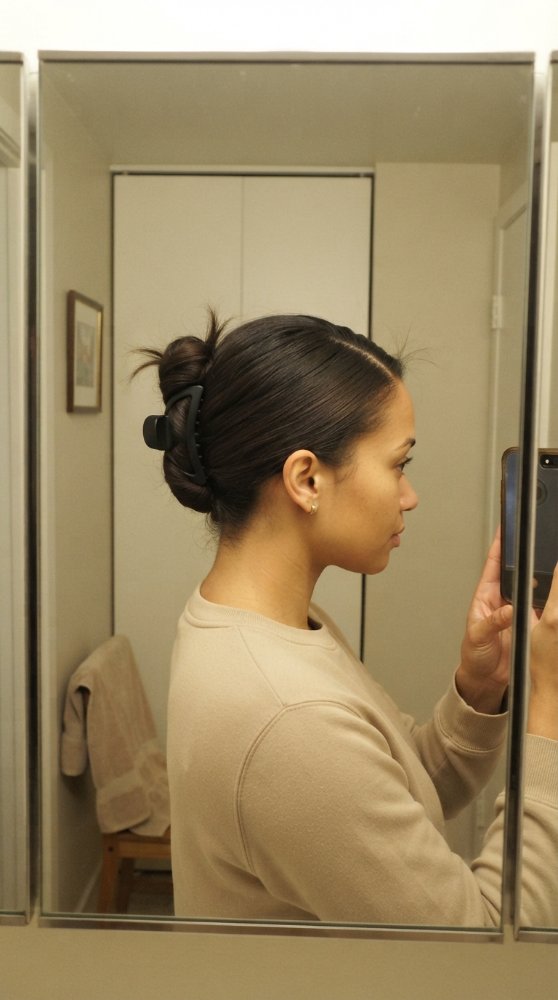
A puff offers one of the clearest examples of why slick doesn’t have to mean straight. The perimeter and roots are smoothed toward an anchor while natural curls or coils stay full beyond it. The result combines a close-to-the-head front with an expanded back.
Shrinkage, density, and curl grouping shape the puff far more than a generic texture label. A dense compact puff can appear very different from a softer, more separated one even at a similar length.
Avoid making the base tighter simply because you want the front flatter. Styling product, brushing direction, section-by-section smoothing, and setting can create control without using maximum tension as the technique. Fragile hairline sections can also be left out rather than forced into the base.
Slick-Back Curly Hair Worn Down
This style removes the ponytail anchor entirely. The front is directed backward and held close to the head, while curls remain loose through the sides and back.
That makes it useful for someone who wants a strong face-framing effect without concentrating the whole hairstyle into an elastic. The challenge shifts from ponytail tension to setting: the slick area has to transition convincingly into the curls, and repeatedly touching the roots before they have set can disturb the surface.
Half-Up Slick High Ponytail
Half-up styling gives you height while leaving a substantial amount of hair loose. The upper section is smoothed into a high ponytail, with the lower section remaining down in its natural, curled, waved, or straightened state.
This is an underrated choice when a full high ponytail feels too severe or requires too much hair to be gathered at one point. The loose lower section softens the profile and provides width through the back.
Section placement makes a visible difference. Taking too much hair into the upper ponytail can leave the bottom looking sparse; taking very little can make the top ponytail feel disconnected from the rest.
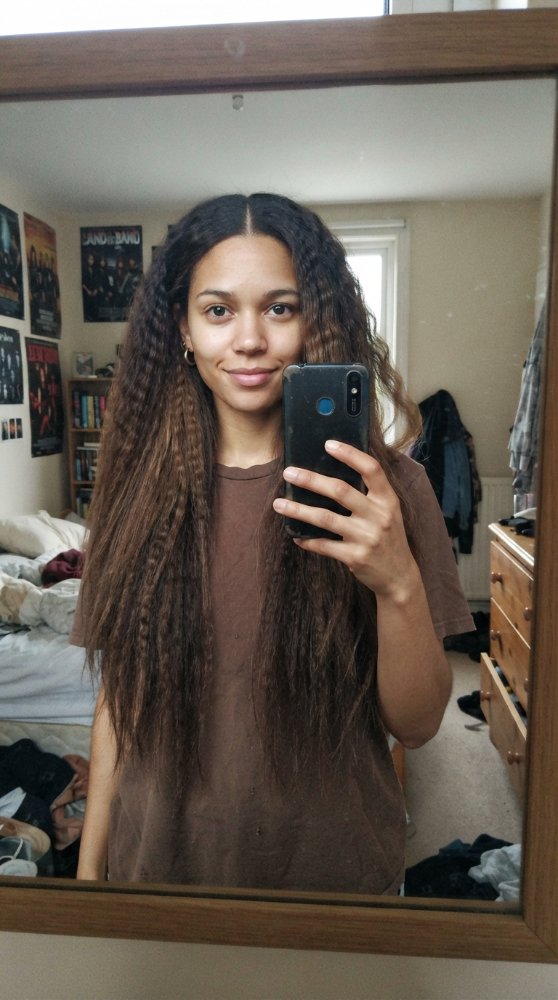
Long Straight Slick-Back Hair
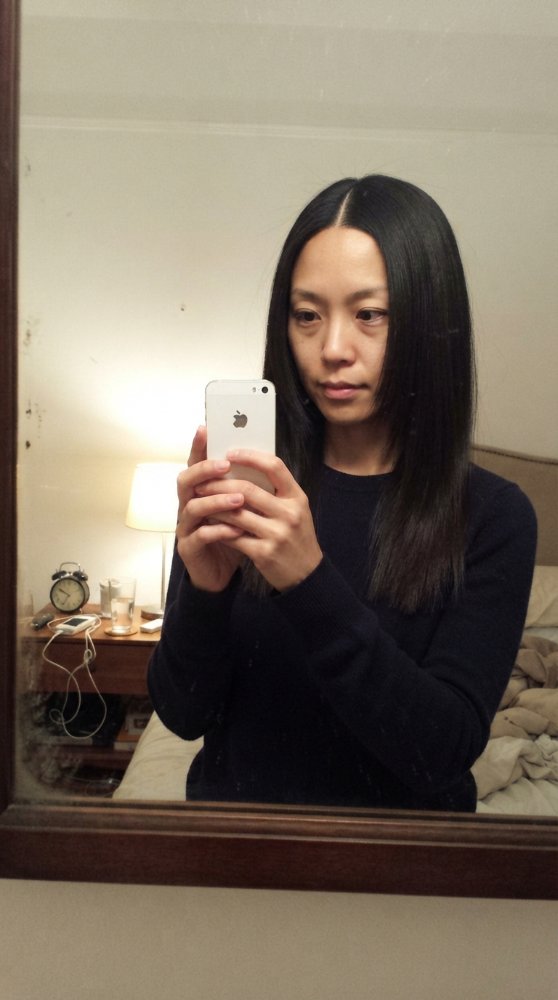
You don’t need a visible ponytail, braid, or bun for the slick effect. Long straight hair can be directed away from the face and worn down, keeping the root area close while the lengths fall freely.
This version places much more attention on the condition and movement of the lengths. Flyaways, an uneven perimeter, and areas that separate around the ears are easier to notice because there is no central anchor to organize the hair.
It also has a different daily behavior from a ponytail. Loose lengths move across clothing, get pushed forward over the shoulders, and can separate from the slicked root area over time. Choose it because you genuinely want loose hair, not because it appears simpler in a photograph.
Wet-Look and Short Slick Baddie Hairstyles
Wet-Look Waves
Wet-look waves trade the taut ponytail effect for sculpted surface texture. The hair follows defined bends while maintaining a glossy, grouped appearance, making movement across the hair itself the main feature.
This look is more styling-dependent than a basic ponytail because the wave pattern needs to hold together instead of expanding into its usual dry shape. Curly and wavy hair may already provide much of the movement; straighter starting states require a different styling approach. The aim is the visual effect of wet, controlled hair, not hair left unnecessarily damp.
Slick Side-Part Bob
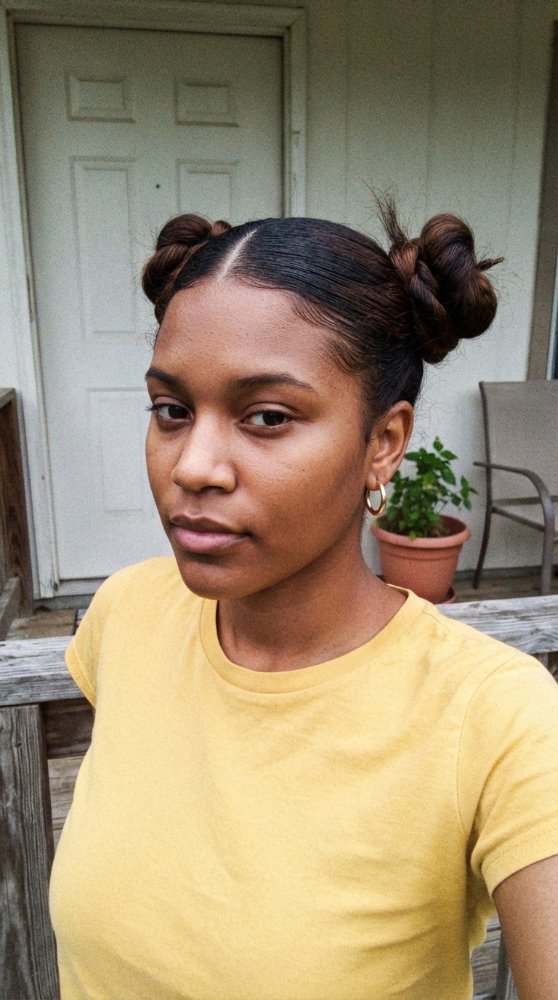
A bob turns slick styling into a haircut-led look. With less length available for a ponytail or large bun, the focus shifts to a precise part, smooth sides, and how the perimeter falls around the jaw, neck, or shoulders.
This is less forgiving when the cut has lost its outline. A bob that meets a collar can also flip or bend where the two make contact. Tucking one or both sides behind the ears changes the front profile without requiring a different haircut, though glasses arms may compete for the same space around the temples.
The strongest reason to choose this option is simplicity of shape. The haircut supplies the structure, so you don’t need an oversized attachment or elaborate anchor to make the style noticeable.
Sculpted Slick Pixie
Short hair can carry the baddie aesthetic through direction instead of length. A pixie may be brushed close to the head, swept into a defined side direction, or shaped into small waves and curves around the front.
Because the hair is short, the cut underneath stays highly visible. Grown-out areas around the ears, nape, and fringe can change the hairstyle before the overall length feels dramatically different. This option is therefore more haircut-dependent than most ponytails and buns.
It’s also one of the better slick choices for someone who doesn’t want to manage an attached tail or a large amount of hair at the back of the head.
What Slick Hairstyle Photos Often Leave Out
A front-facing photo tells you surprisingly little about how a slick hairstyle feels several hours later. Base position, added-hair weight, loose lengths, and contact with clothing all affect the real experience.
Choosing the Right Slick Style for Your Hair
Start with the shape you want to see from across the room. A high ponytail gives vertical lift. A low bun creates a compact outline. A puff adds width and texture. Loose wet-look hair keeps movement around the entire head.
Then look at your actual styling state. Natural coily hair, stretched curls, pressed hair, relaxed hair, and extensions won’t behave identically even when the reference photo shows the same finished hairstyle. Decide whether preserving your current texture is important before assuming straightening has to be part of the preparation.
Density and strand size deserve separate consideration. Fine strands describe individual hair diameter; low density describes how much hair is present overall. A person can have fine strands and high density, or coarse strands and lower density. That affects how substantial a bun, ponytail, or puff appears and how much interior hair you can comfortably gather.
Haircut shape matters most in worn-down styles. A slick bob or short pixie exposes the existing perimeter, while a ponytail temporarily gathers much of that haircut away from view.
Finally, be selective about added hair. Extensions are useful when the point of the style is an exaggerated tail, braid, or bun. They also change weight and movement. Extra length isn’t an automatic upgrade when a shorter version already gives you the shape you want.
Getting a Slick Finish Without Making Tightness the Technique
A secure hairstyle should stay in place during normal movement without constant pulling at the hairline.
Prepare according to your styling state. Detangled hair is easier to direct cleanly toward an anchor, but curls and coils don’t have to be pressed straight first. Apply an appropriate holding or smoothing product where you need surface control, then work in sections so the brush isn’t fighting the entire head at once.
Direction matters. Hair for a high ponytail travels upward toward the anchor; forcing horizontal sections suddenly upward at the last moment can create uneven bumps. Low styles generally follow a flatter path toward the nape.
Once the base is gathered, check it before finishing the tail or bun. Turn your head, look down, raise your eyebrows, and notice whether one part of the perimeter feels sharply pulled. Redoing the anchor early is easier than trying to tolerate an uncomfortable style later.
Edge styling is optional. Short perimeter hairs don’t need to be stretched into decorative swoops or pulled into the main base to make a style count as sleek.
Persistent pain, sores, significant irritation, sudden shedding, or a concerning change in density deserves more attention than another layer of styling product. Remove or loosen the source of discomfort and consider talking with a dermatologist or another qualified healthcare professional when symptoms persist or concern you.
Keeping a Slick Hairstyle Presentable
Protecting the surface from unnecessary friction usually matters more than repeatedly adding product. A smooth scarf or bonnet can help keep the root area from roughening during sleep, although the exact approach depends on whether you’re wearing a bun, ponytail, puff, or loose waves.
Long ponytails and braids need their own nighttime arrangement. Letting a heavy extension swing freely while you turn in bed can tug at the base and create tangling through the tail. A loose, supported position is usually more practical.
Product buildup deserves attention too. Adding more gel or edge control every time the surface loses perfection eventually changes the feel of the hair and scalp. Cleansing should follow your scalp comfort, activity level, product use, and styling state rather than a rigid universal schedule.
With a slick style, a little softening over time is normal. A hairstyle doesn’t need to look frozen to still look deliberate.
Related Hairstyles to Explore
FAQs
Can you do slick baddie hairstyles on short hair?
Yes. A pixie, short bob, or hair long enough to direct behind the ears can create a slick look without a ponytail. Short styles rely more heavily on the haircut and styling direction. Small attachments may expand your options when the hair can safely support them, but added hair isn’t required.
Do you have to straighten natural hair before slicking it back?
No. Natural curls and coils can be smoothed into puffs, buns, ponytails, and other slick styles while keeping their texture. Stretching changes the behavior and apparent length of the hair, so choose it because you want that styling state rather than because sleek roots supposedly require straight hair.
How can I make a slick ponytail look fuller?
Fullness can come from the natural ponytail, curl expansion, a braided construction, or an appropriately secured extension. Before adding hair, decide whether you want more density, more length, or both. A longer attachment may look dramatic while also increasing movement and leverage at the base.
Which slick hairstyle is easier for exercising?
A compact low bun or a moderate-length braided ponytail is usually more manageable than a very long loose tail because there is less hair swinging across the back and shoulders. Comfort, scalp access, sweating, and how easily the hair can dry afterward still matter. Avoid an anchor that becomes painful once you’re moving.
Hair Texture & Upkeep Style Matcher
Select your natural hair texture and daily maintenance window to get an instant styling formula and heat safety cap.
Heat Cap: 320°F (160°C)
A versatile three-strand braid beginning at the parietal ridge, securing the top half while allowing natural wave texture to flow freely around the shoulders.
Conclusion
The strongest slick baddie hairstyle isn’t necessarily the one with the flattest roots or longest extension. It is the one whose anchor, texture, and overall shape make sense together.
Choose a low bun when you want compact control, a high ponytail when height is worth the extra base demands, a puff when natural texture deserves to remain visible, or a braided tail when you want length with more containment. For short hair, let the haircut carry the style instead of trying to imitate a long-hair construction.
Before committing, look past the front of the inspiration photo. Decide where the hair is gathered, how much weight sits there, what the lengths will do against clothing and headrests, and whether you can maintain the surface without repeatedly tightening the style.
Editorial Standards & Hair Health Guidance
Every style featured on Tress Atlas is curated with a focus on real-world wearability, scalp tension management, and cuticle preservation. When trying protective styles or tight updos, ensure perimeter hairline sections remain tension-free to avoid traction stress on delicate follicles. For heat styling, cap tools below 350°F (180°C) to prevent thermal keratin denaturation.
Scientific Sourcing: Practices aligned with the American Academy of Dermatology (AAD) on traction alopecia risk reduction and cosmetic trichology research on hair tensile strength.