Baddie Hairstyles for Natural Hair: Styling Guide & Cuts That Balance Shape, Texture, and Upkeep
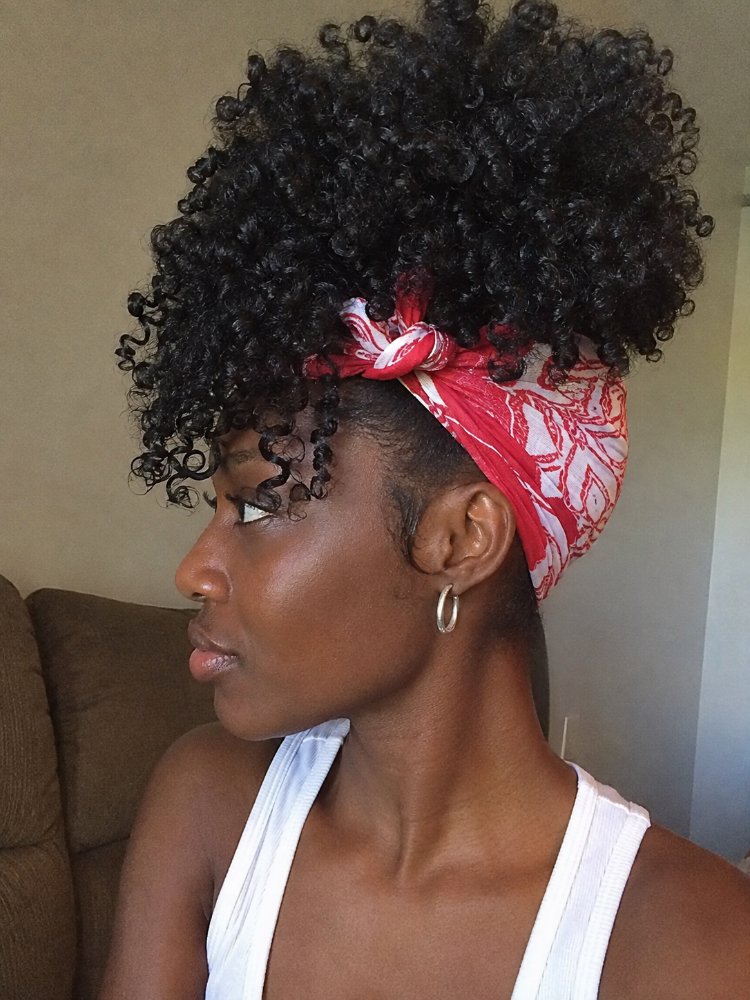
A baddie hairstyle on natural hair usually gets its impact from contrast: a clean part against a full puff, smooth sides beside defined coils, sculpted volume with a sharp outline, or a simple updo finished with enough precision to look deliberate. Getting that effect doesn’t require straightening your texture or forcing every strand into a slick finish.
The more useful decision is which version of your natural hair you want to work with. A shrunken wash-and-go behaves differently from a stretched twist-out. Dense coils create a different puff from fine strands at the same length. A style that photographs beautifully from the front may feel bulky against a headrest, hide scalp buildup, or require more brushing around the perimeter than you want to do regularly.
These 18 looks cover sleek, voluminous, defined, twisted, braided, and stretched options without treating natural hair as one texture or one routine.
Sleek Styles That Keep Natural Texture Visible
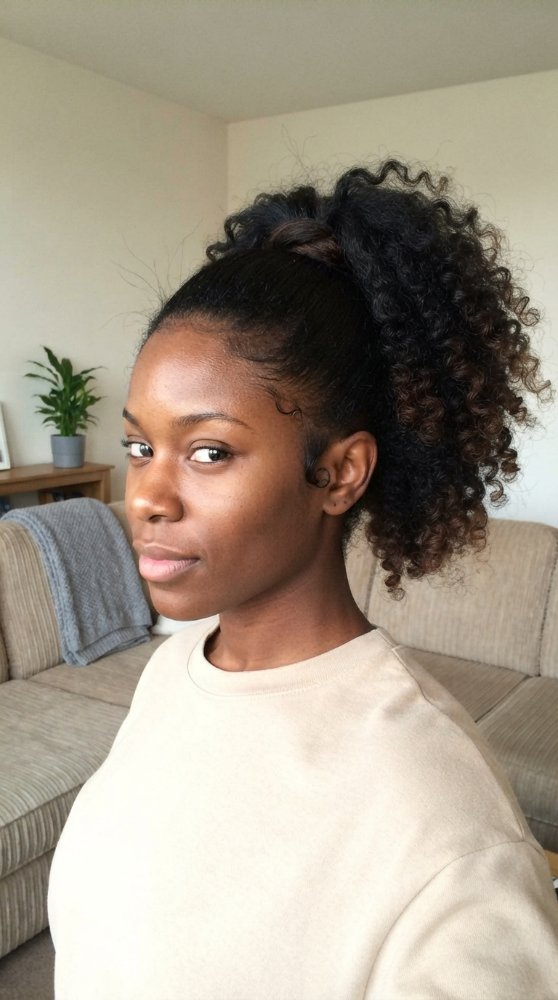
High Puff With a Smooth Base
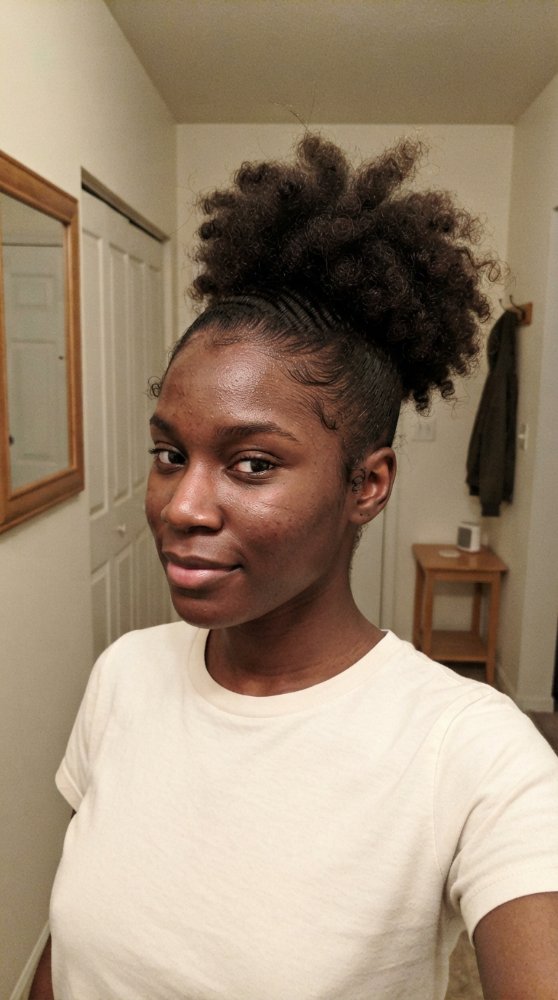
A high puff gives you one of the strongest contrasts available on natural hair: a close, clean base below and unrestricted texture above. The puff can stay compact and coily or expand into a rounder cloud depending on shrinkage, density, and how much the hair has been stretched.
The placement deserves more thought than the edges. Pulling every strand toward the highest possible point creates more concentrated force around the perimeter and may also make a dense puff feel top-heavy. A slightly lower crown placement often gives nearly the same visual lift while being easier to position comfortably.
Keep the puff itself alive. Over-brushing the textured portion can turn a quick style into unnecessary manipulation. Smooth only the areas that need smoothing, secure the base without pain, then separate or fluff the ends to create the shape you want.
Low Puff With a Deep Side Part
A low puff feels more controlled than a high puff because the volume sits at the back of the head instead of becoming the dominant feature from the front. A deep side part adds the sharper baddie element without changing the basic construction.
This is especially useful when your natural hair already has good root stretch from twists, braids, banding, or another low-heat stretching method. The front can lie flatter while the puff keeps plenty of texture. Very shrunken hair will produce a smaller, tighter puff, which can look just as deliberate when the outline is shaped cleanly.
Sleek Low Bun
Few natural hairstyles rely more heavily on the base than a low bun. The bun can be full and rounded, compact and tucked, or slightly elongated at the nape, but the style reads polished mainly because the front and sides lead cleanly into it.
Stretched hair makes the construction easier when you want a flatter surface, although pressed hair isn’t required. Work in sections instead of repeatedly brushing through the entire head. A fabric-covered elastic can establish the base, while bobby pins control the ends and let you adjust the bun without tightening the ponytail further.
A low bun is the stronger choice over a high bun when you spend a lot of time against headrests or prefer less height at the crown. Glasses also tend to compete less with a low, smooth side section than with bulky twists or puffs sitting directly above the ears.
Cornrows Into a Natural Puff
Cornrows through the front or sides can give a puff much more structure without hiding the natural texture at the back. The braids direct the eye toward the puff, so the style feels designed even when the loose hair is allowed to shrink and expand naturally.
Construction matters near the point where the braids converge. That area can become uncomfortable when several sections are pulled tightly toward one small anchor. Keeping the braids comfortable at the root and allowing adequate space at the meeting point is more important than producing an ultra-flat finish.
Volume-First Baddie Hairstyles
Sculpted Afro With a Defined Part
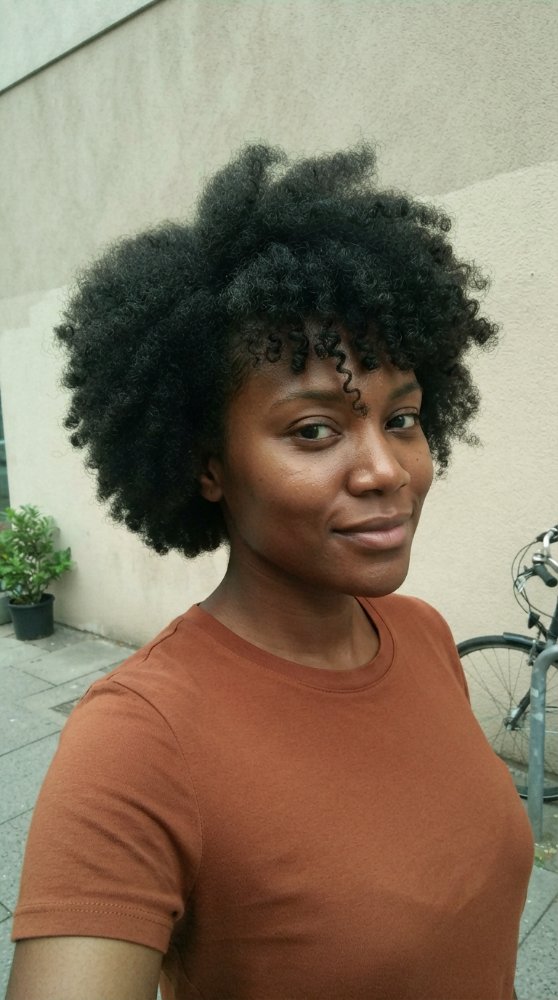
A full afro becomes noticeably sharper when the outline and part are intentional. You can keep a rounded shape, create slightly more height at the crown, or allow extra width through the sides depending on the haircut and your usual shrinkage.
This option works particularly well for someone who likes visual impact but doesn’t want a style built around tight gathering or heavy edge manipulation. The haircut carries much of the result. Uneven ends, heavily thinned areas, or disconnected layers become easier to see in a free shape, so salon shaping can matter more than styling tricks.
Natural-Hair Frohawk
The frohawk gives you height through the center while keeping the sides visually narrow. Unlike a fully braided mohawk, the central texture stays loose, so curls, coils, a twist-out, or a braid-out become part of the design.
You can create the side control with flat twists, small braids, pins, or carefully secured sections. Those choices change both the look and the maintenance. Pins make the style easier to dismantle quickly, while braided or twisted sides create a more defined structure.
The strongest frohawks have enough width through the center to look balanced from the side as well as the front. A narrow strip of very dense hair can become tall and heavy, while a broader center usually distributes the volume more naturally across the head.
Two High Puffs
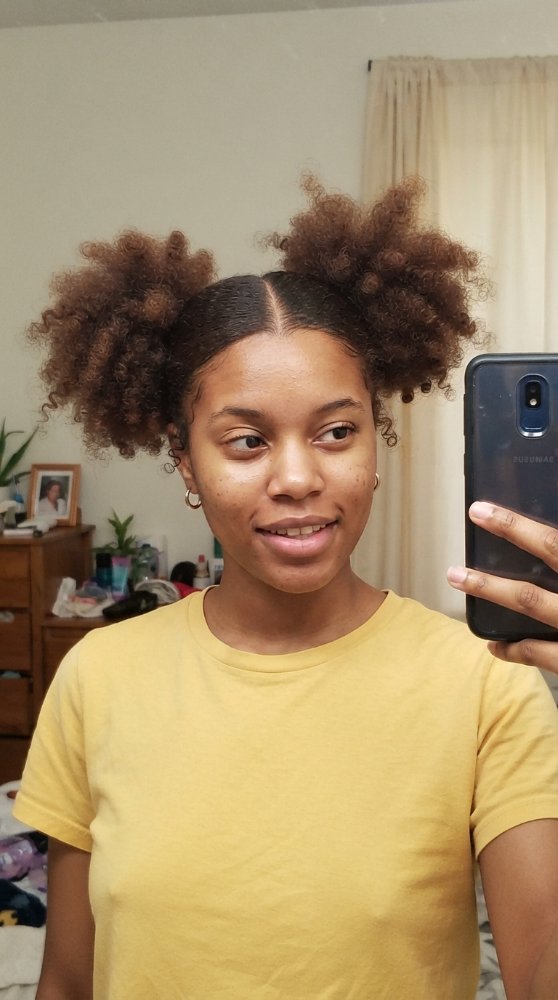
Two high puffs have more graphic impact than one. Their position frames the face, exposes the center part, and gives tightly coiled hair a bold shape even when the ends remain highly shrunken.
This style is less forgiving of unequal placement, so check both the front and back before tightening either base. Perfect symmetry isn’t necessary, but one puff sitting noticeably farther forward can make the entire style look accidental. Leave shorter perimeter hairs alone when they don’t comfortably reach the elastic.
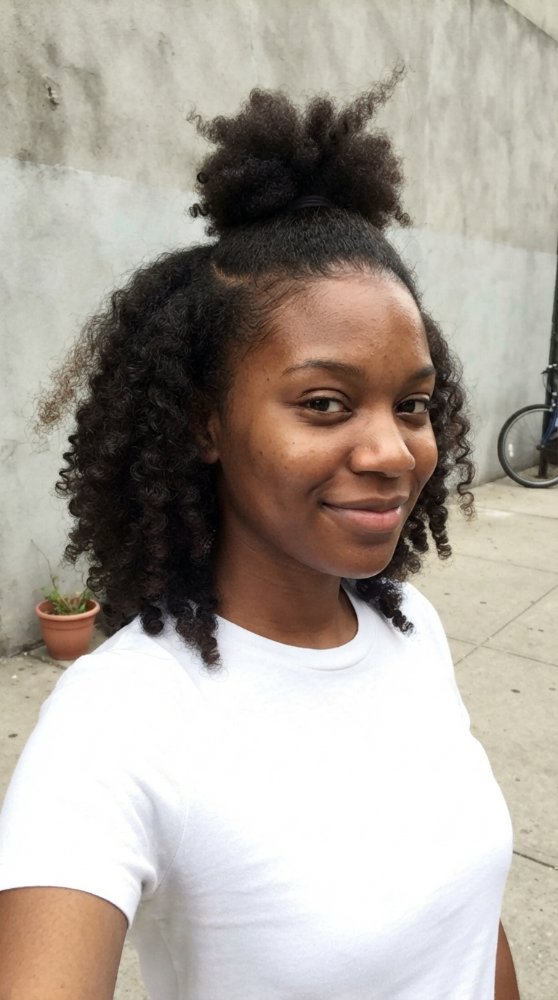
Half-Up, Half-Down Puff
The half-up puff solves a common natural-hair styling decision: you get lift around the face without giving up the movement and width of loose hair at the back.
It works especially well with a wash-and-go, twist-out, or braid-out because the two sections can share the same texture. A very smooth top paired with extremely shrunken loose hair produces more contrast; keeping a little root texture in the upper section creates a softer transition.
This is also easier to adjust during the day than a full updo. The back stays free of a central anchor, and the top section can be repositioned without dismantling the entire hairstyle.
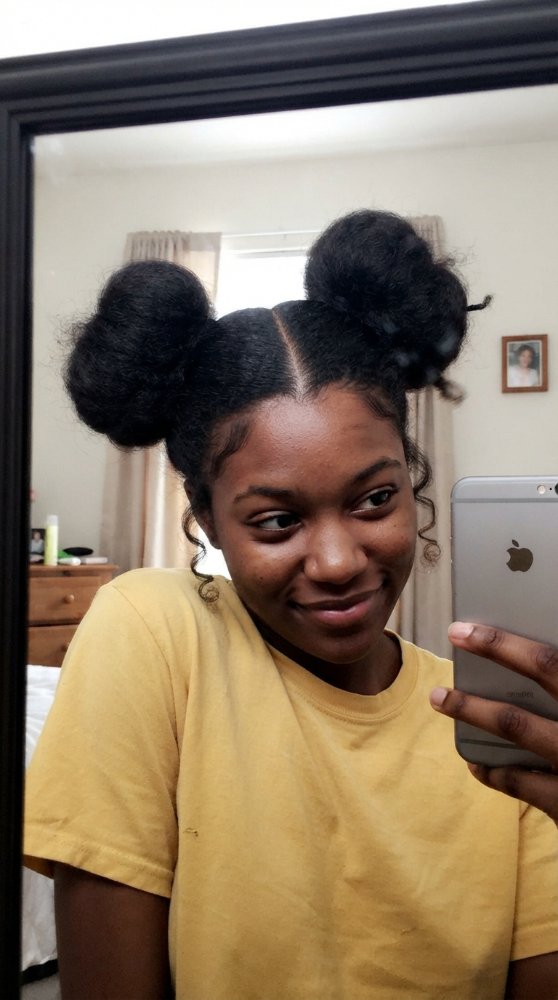
Space Buns on Natural Hair
Space buns shift the focus from loose volume to shape. Two buns can sit high and round, slightly back from the hairline, or closer to the crown for less dramatic width.
Stretched natural hair makes tucking and pinning easier, while coily ends can also be left visible for a less uniform finish. The style becomes more demanding when each bun is wrapped very tightly around a small base. Use the pins to form the bun instead of relying entirely on elastic tension.
Defined Curls, Coils, and Set Styles
Side-Parted Wash-and-Go
A wash-and-go can look every bit as deliberate as a slick bun when the part, curl grouping, and overall outline are working together. A deep side part creates instant asymmetry and gives one side more volume without adding another styling technique.
The hidden variable is shrinkage. Hair that looks shoulder length when wet may sit much higher once dry, and different areas of the head may contract differently. Build the style for its dry position instead of judging the final proportions while the hair is still elongated with water and product.
Finger Coils With a Sculpted Shape
Finger coils create stronger individual definition than most wash-and-go techniques. Because the sections are deliberately formed, the hairstyle reads more graphic and controlled even without slicking the roots.
A shorter rounded shape makes finger coils particularly striking because the individual spirals reinforce the haircut. Longer coils give more movement but also make separation, drying, and sleeping more involved.
This is worth the extra styling work when definition is the priority. Someone who prefers maximum volume with minimal section-by-section manipulation will probably find a wash-and-go or twist-out more practical.
Twist-Out With a Sweeping Front
A twist-out gains a baddie finish from direction more than from extra product. Set the front so it falls across the forehead or sweeps toward one side, then keep more lift through the crown and sides.
The shape becomes softer as the definition expands, which is part of the appeal. You don’t need every twist-out section to remain sharply separated. Keeping the roots slightly lifted stops the style from looking flat even after the ends become fuller.
Braid-Out Bob Shape
A braid-out creates a more elongated pattern than many twist-outs, making it useful when you want natural texture with less apparent shrinkage. On medium or shorter lengths, that stretch can create a convincing bob-like outline without changing the haircut.
The perimeter is the feature here. Transparent or highly uneven ends will show more clearly once the pattern is stretched, while a substantial lower edge makes the entire shape appear stronger. Hair density and strand thickness are separate factors: fine strands can still create a full braid-out when overall density is high.
The braid size and take-down technique change the pattern, but the styling decision is simpler—choose this over a fluffy twist-out when you want more visible length and a flatter wave-to-crimp pattern through the body.
Defined Curls With One Flat-Twisted Side
One flat-twisted side can completely change a regular curly style. The twist exposes more of the face and ear on one side while pushing all the loose texture toward the other, creating an asymmetric shape without cutting the hair.
It’s a useful option for a night out or event because the style looks detailed from several angles, yet most of the hair remains loose. Keep the flat-twisted section narrow enough that it acts as an accent rather than turning the look into a full braided installation.
Twists, Knots, and Statement Updos
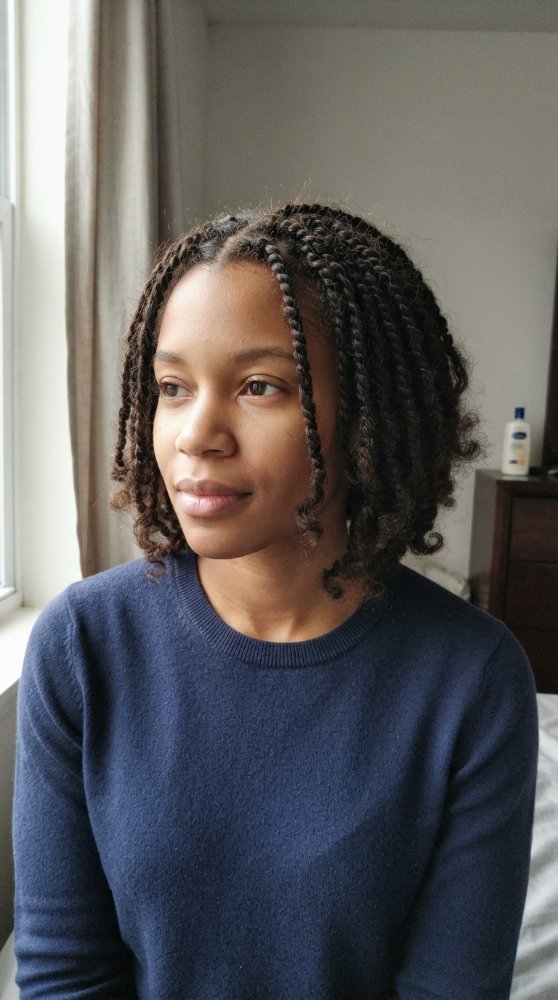
Mini Twists
Mini twists are one of the better baddie options for someone who wants visible length, movement, and an easy base for multiple updos. They can hang loose, tuck behind the ears, move into a half-up style, or gather into a ponytail without restyling every individual strand.
The real commitment is sectioning and takedown. Smaller twists create more individual movement but also require more handling at both ends of the process. Scalp access is usually better than with a dense loose style because the parts remain visible.
Mini twists also show the condition of the ends. Rough or uneven ends can make the lower portion look thinner even when overall density is high, so the finished appearance depends on both the twist size and the strength of the perimeter.
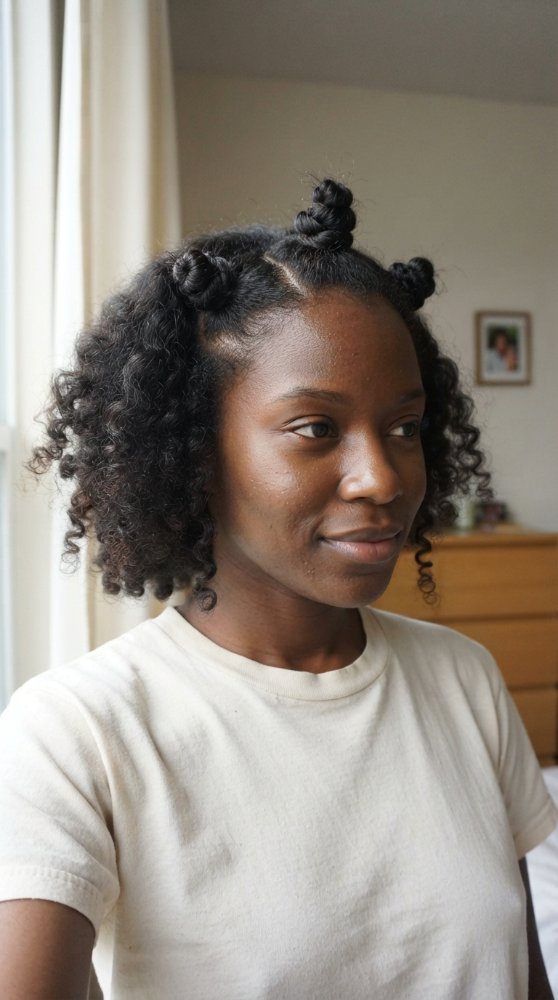
Bantu Knots
Bantu knots make the shape itself the statement. Instead of relying on length or loose volume, the hair is divided into sections and wrapped into compact knots across the head.
Part placement becomes highly visible, which means neat sectioning has more impact here than elaborate edge styling. Larger sections produce fewer, more dominant knots; smaller sections create a busier pattern and more scalp exposure.
The knots should feel secure without feeling painful. Twisting the section excessively before wrapping can create unnecessary pulling at the base, especially around finer perimeter hairs.
Flat-Twist Updo
A flat-twist updo creates direction across the head instead of concentrating everything into a single ponytail. The twists can travel upward from the nape, sweep diagonally, or feed toward a tucked section at the crown.
That construction makes this a strong choice for someone who wants an updo with detail from the back. A simple bun often looks most interesting from the front, while flat twists give the rear and side views their own structure.
The ends can be tucked with pins, formed into a compact roll, or left with a small amount of loose texture at the top. Because several sections meet in the final area, check that the convergence point remains comfortable before finishing the style.
Bubble Ponytail on Stretched Natural Hair
A bubble ponytail creates length and repetition without requiring a braid. The hair is gathered into a ponytail, then secured at intervals so each section can be gently expanded into a rounded bubble shape.
Natural hair usually needs enough stretch and workable length for the sections to read clearly. A twist-out, braid-out, banded state, or other stretched finish can make the bubbles easier to shape while keeping visible texture.
This is a better statement style than an everyday default for hair that tangles easily during repeated elastic placement. Use fabric-covered elastics and avoid cinching each section harder just to make the bubbles look smaller at their borders. The style gets its drama from the repeated shape, not from extreme tightness.
Choosing a Baddie Style Around Your Actual Routine
The easiest way to narrow these options is to decide which feature you want to carry the look.
Choose a puff, frohawk, or sculpted afro when volume is the point. These styles let shrinkage and natural fullness contribute to the design instead of treating them as problems to remove.
Choose a low bun, flat-twist updo, or Bantu knots when structure matters more than movement. They keep more hair contained and make parting, direction, and placement visually important.
Choose a wash-and-go, finger coils, twist-out, or braid-out when texture definition is doing most of the work. The question becomes whether you prefer springy grouping, individual spirals, fluffy expansion, or greater stretch.
Choose mini twists when you want one base style that can shift between loose, half-up, pinned, and ponytail looks without resetting all of your hair.
What the Finished Photo Doesn’t Show
Natural-hair inspiration photos usually capture the moment when the style is freshly shaped. Real life adds friction, moisture, movement, sleep, clothing, and shrinkage.
A large puff can press against a car headrest. A low bun may rub against a coat collar. Dense roots can remain damp after the outer hair feels dry. A dramatic side part can lose some definition as curls expand. Mini twists may stay easy to arrange while still demanding patience at takedown.
The amount of edge styling shown in a photo is also optional. Short perimeter hairs don’t need to be forced into a ponytail, bun, or puff to make the style look finished. Leaving them soft can reduce repeated brushing and allow the main hairstyle to carry the visual impact.
Tension deserves one clear rule: a hairstyle should remain comfortable during normal movement. Persistent pain, stinging, sores, bumps, sudden shedding, or a concerning change in density deserves more attention than a styling workaround. Loosen or remove the source of pulling where appropriate, and talk with a dermatologist or another qualified healthcare professional when symptoms persist or concern you.
Maintenance That Keeps the Look Worth Wearing
Preservation should match the style rather than follow one universal routine. A loose wash-and-go has different needs from mini twists or a slick bun.
A bonnet, scarf, or smooth pillowcase can reduce friction overnight. Puffs and buns may benefit from releasing or repositioning the base before sleep instead of keeping the same tension around the clock. Twist-outs and braid-outs can be loosely sectioned so the shape is easier to revive without fully redoing the set.
Cleansing also depends on scalp comfort, buildup, activity, and how accessible the roots are. An intricate flat-twist style may need more deliberate access between sections, while an afro or loose curly style can usually be separated more freely during washing.
Most importantly, don’t preserve a style by repeatedly adding more tension. Once the base has loosened, frizzed, or shifted enough that fixing it requires aggressive brushing or pulling, changing the style may be the better tradeoff.
Related Hairstyles to Explore
FAQs
Can short natural hair still work for baddie hairstyles?
Yes. Finger coils, a shaped afro, a short wash-and-go, Bantu knots, and smaller puffs can all create a strong look without long hair. Shorter lengths place more emphasis on the haircut outline, parting, curl definition, and placement because there is less length to use as the main feature.
Do I have to slick my edges for a baddie hairstyle?
No. A clean part, strong shape, defined texture, or carefully placed updo can provide enough detail on its own. Edge styling is a finishing option rather than a requirement, and short or fragile perimeter hairs are often better left outside a tightly gathered style.
Which styles work well if my natural hair shrinks a lot?
High puffs, frohawks, Bantu knots, sculpted afros, and defined wash-and-gos can use shrinkage as part of the shape. A braid-out, twist-out, banded state, or other stretching method makes more sense when visible length is central to the result.
How can I make a natural hairstyle look more polished without using heat?
Focus on sectioning, part placement, root direction, and the final outline. A paddle brush or styling brush can smooth selected areas on a puff or bun, while twists and braid-outs can create stretch without pressing the hair. Pins are also useful for shaping loose sections without repeatedly brushing them into submission.
Hair Texture & Upkeep Style Matcher
Select your natural hair texture and daily maintenance window to get an instant styling formula and heat safety cap.
Heat Cap: 320°F (160°C)
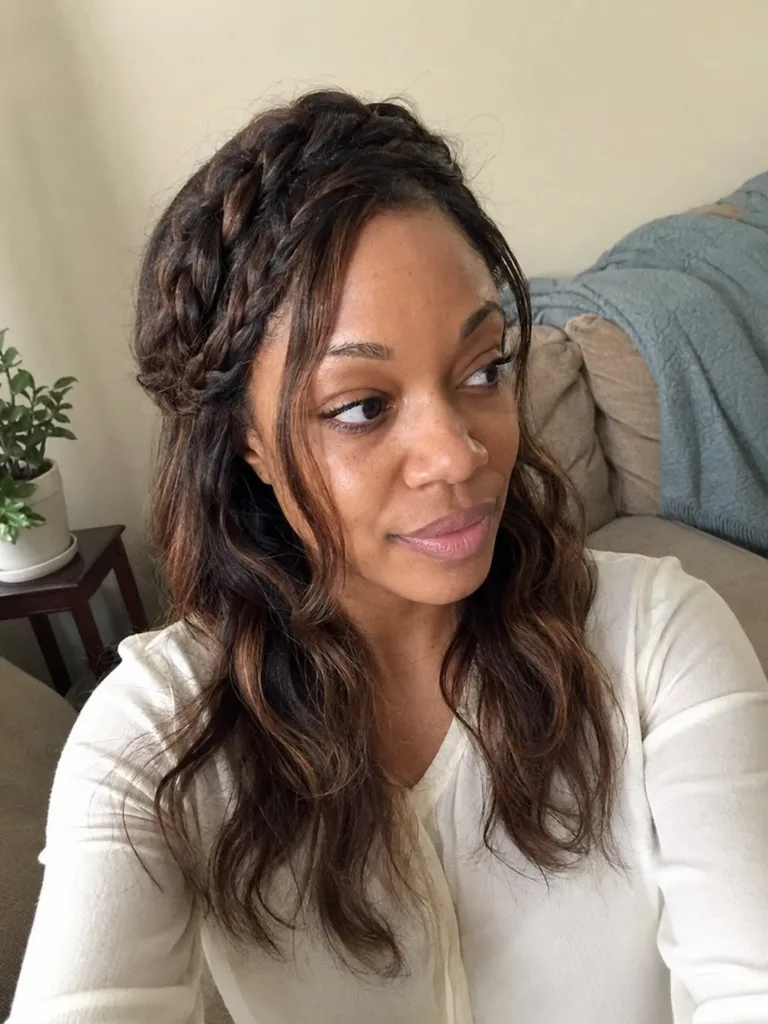
A versatile three-strand braid beginning at the parietal ridge, securing the top half while allowing natural wave texture to flow freely around the shoulders.
Conclusion
The strongest baddie hairstyles for natural hair don’t all depend on the same sleek finish. Some get their impact from a sharp base and full puff; others from a shaped afro, highly defined coils, visible parting, or a sculpted updo.
Start with the version of your hair you actually enjoy wearing—shrunken, stretched, set, twisted, or loosely defined—then choose the construction that works with it. A hairstyle becomes much easier to maintain when its drama comes from your texture and shape instead of constant correction.
Editorial Standards & Hair Health Guidance
Every style featured on Tress Atlas is curated with a focus on real-world wearability, scalp tension management, and cuticle preservation. When trying protective styles or tight updos, ensure perimeter hairline sections remain tension-free to avoid traction stress on delicate follicles. For heat styling, cap tools below 350°F (180°C) to prevent thermal keratin denaturation.
Scientific Sourcing: Practices aligned with the American Academy of Dermatology (AAD) on traction alopecia risk reduction and cosmetic trichology research on hair tensile strength.