Dimensional Brunette for Women: How to Get Depth Without Losing the Brunette
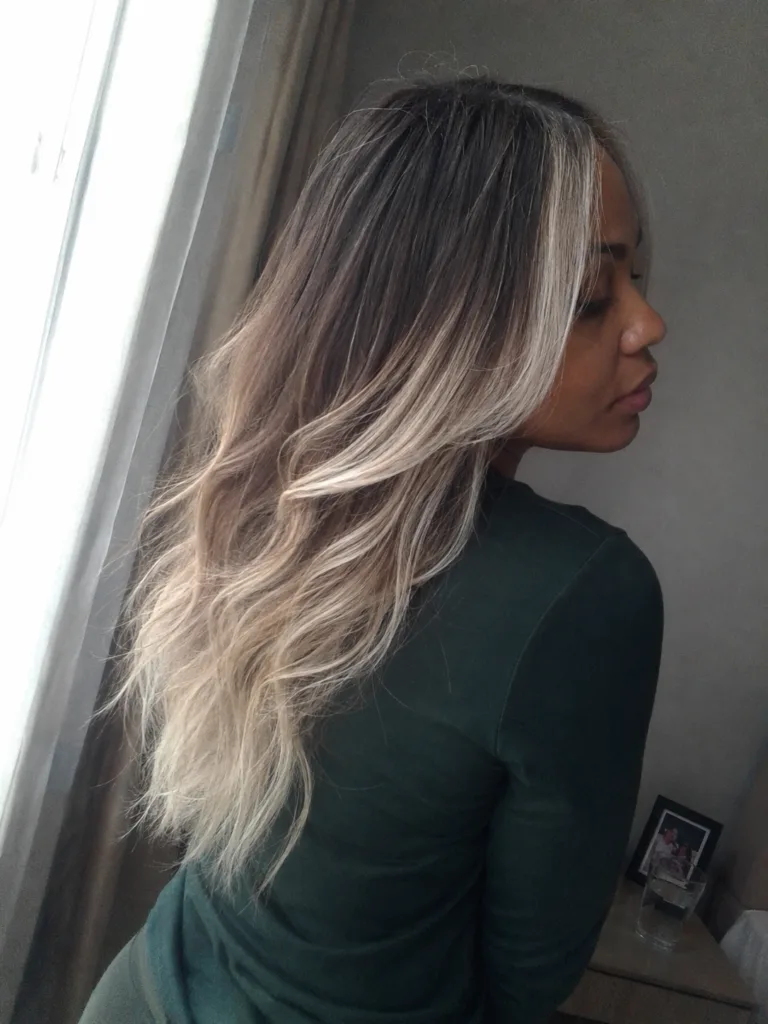
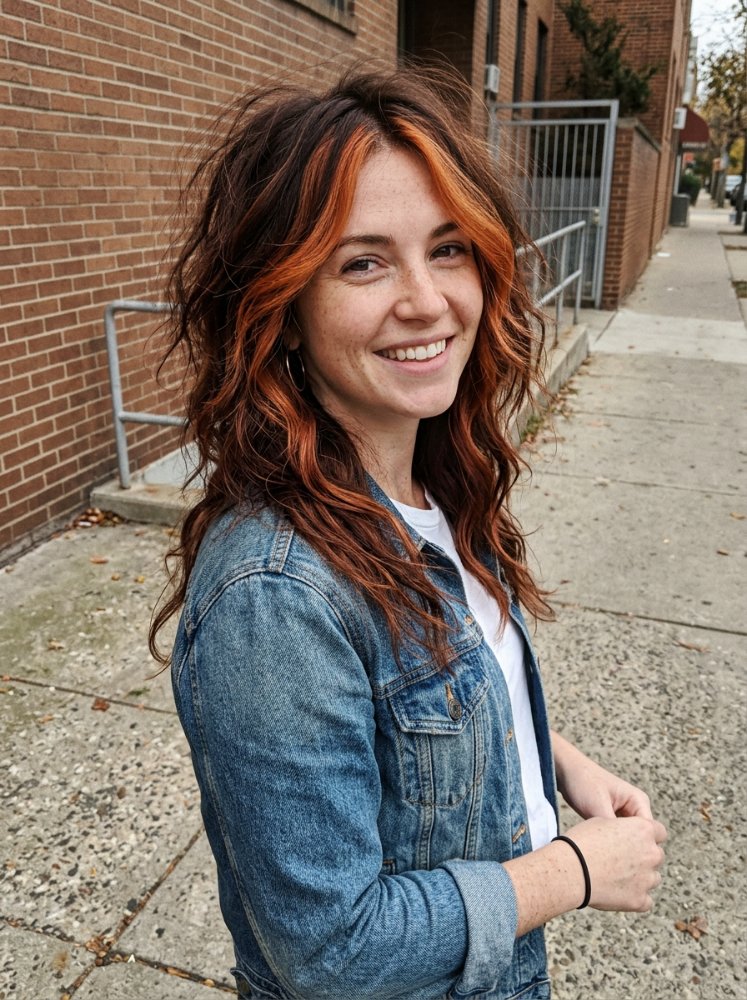
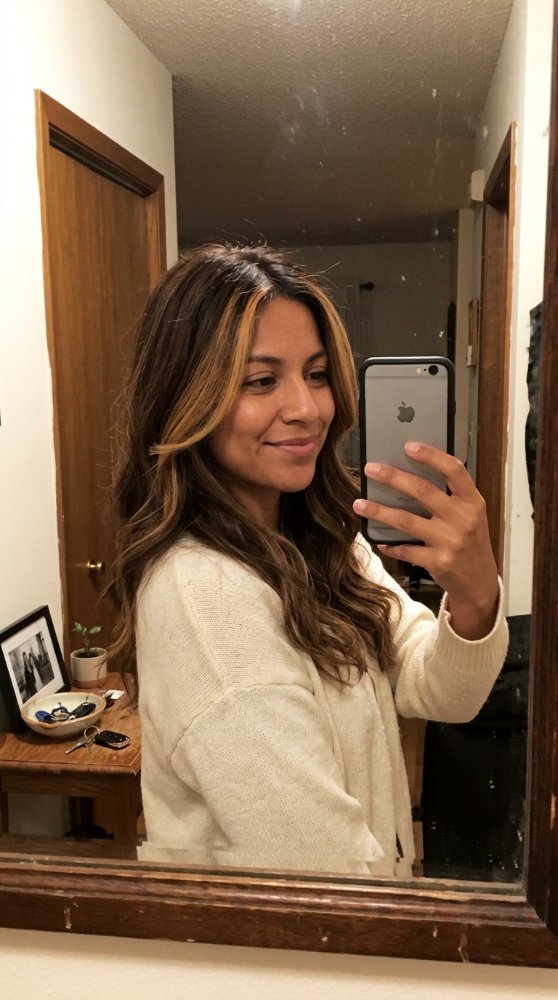
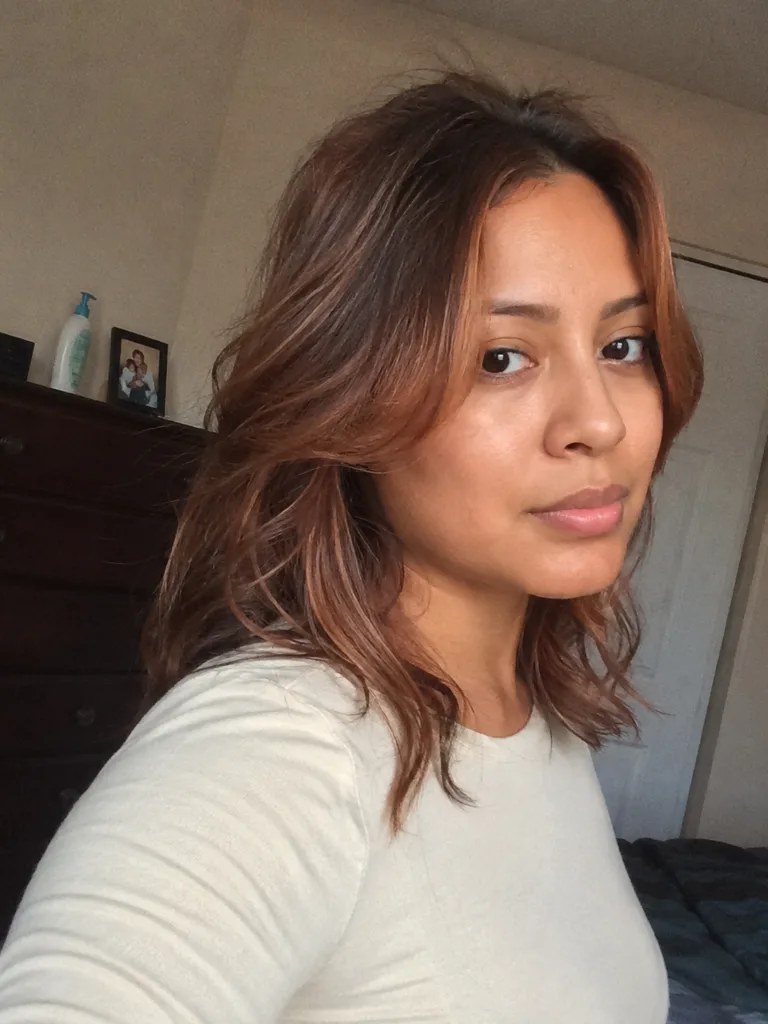
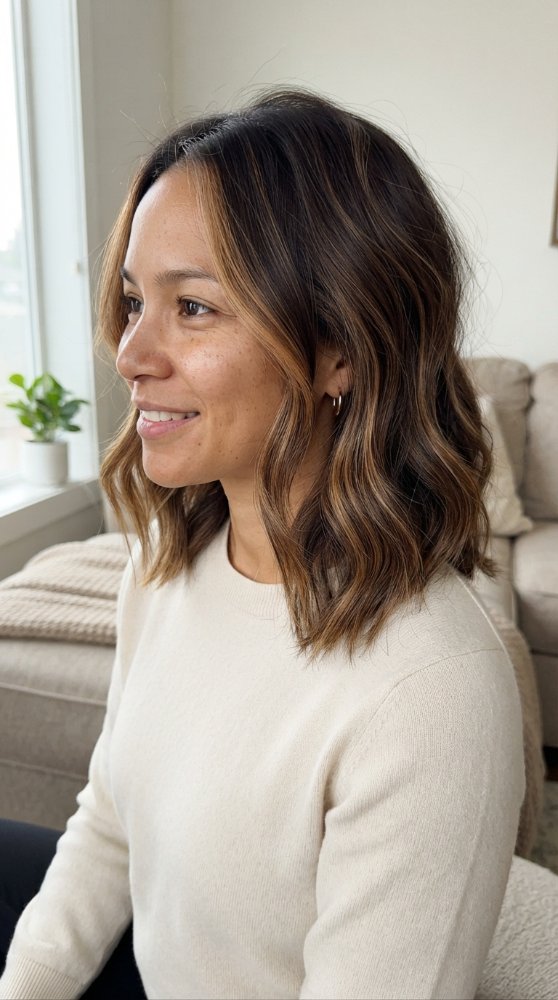
Dimensional brunette hair works because the color isn’t visually flat. Darker areas create depth, lighter pieces catch the eye, and transitions between them give the hair movement even when the overall impression remains unmistakably brunette.
The most important decision is how much contrast you actually want. A brunette with a few softly lifted ribbons around the face behaves very differently from one covered in bright highlights. Both may be described as dimensional in photographs, yet the second option requires more lightening, shows regrowth differently, and can gradually make the hair read lighter overall.
For most women who want richness rather than a dramatic color transformation, keeping a substantial brunette base and concentrating brightness where it changes the haircut most is the practical starting point. The placement should support the shape of your hair, your usual styling state, and the amount of color maintenance you’re prepared to accept.
What Dimensional Brunette Actually Means
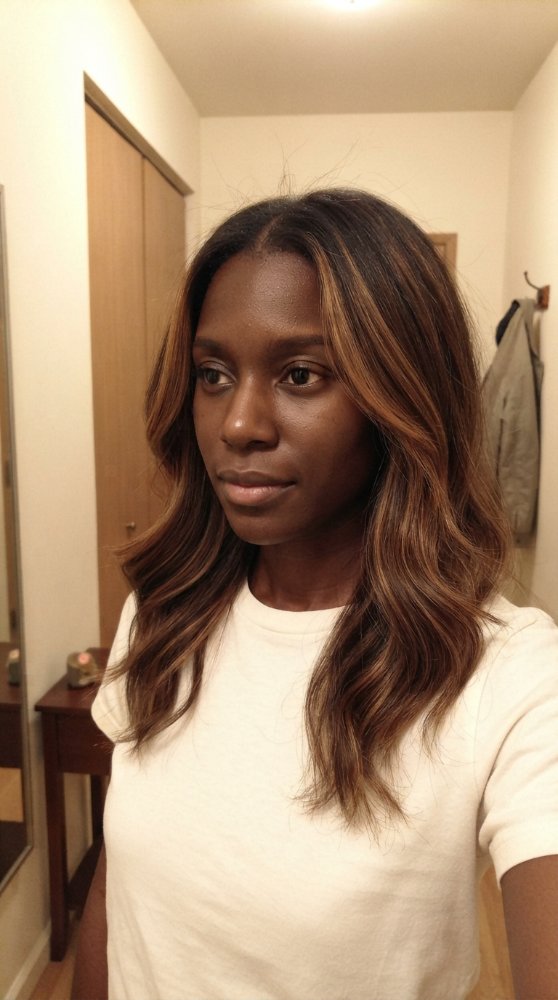
Dimensional brunette isn’t one shade or one coloring technique. It’s a visible effect created by variation within brunette hair.
That variation may come from:
Subtle highlights through selected areas
Deeper brunette pieces placed beside lighter sections
Balayage-style surface lightening
Face-framing brightness
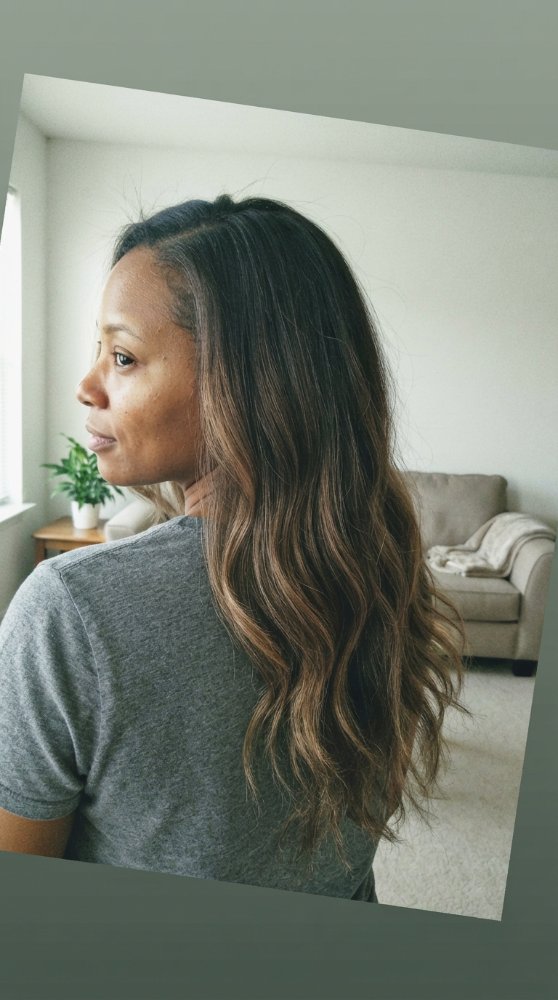
Lighter ends with a deeper root area
Natural gray incorporated into the color pattern
Several related brunette tones rather than one uniform shade
The strongest dimensional brunette colors still have an obvious relationship between the light and dark areas. You should be able to see movement without feeling that the brunette base has disappeared.
That distinction becomes especially useful when discussing reference photographs. Salon lighting, waves, editing, and shine can exaggerate tonal differences. A photo that appears deeply brunette at first glance may contain much more lightened hair than you expect.
Look at the straightest, least styled image available when possible. Waves separate light and dark sections and make almost any multidimensional color appear more dramatic.
Subtle Dimension vs High-Contrast Brunette
High contrast isn’t inherently better. In fact, women who specifically want to remain brunette often get more mileage from moderate or subtle variation because the overall depth survives between color appointments.
Your Starting Brunette Changes the Entire Plan
The same inspiration photo can require very different work depending on what is already in your hair.
A natural medium brunette with little chemical history offers a different starting point from hair that has been permanently colored very dark, repeatedly highlighted, relaxed, or previously lightened and colored back down.
Natural brunette hair
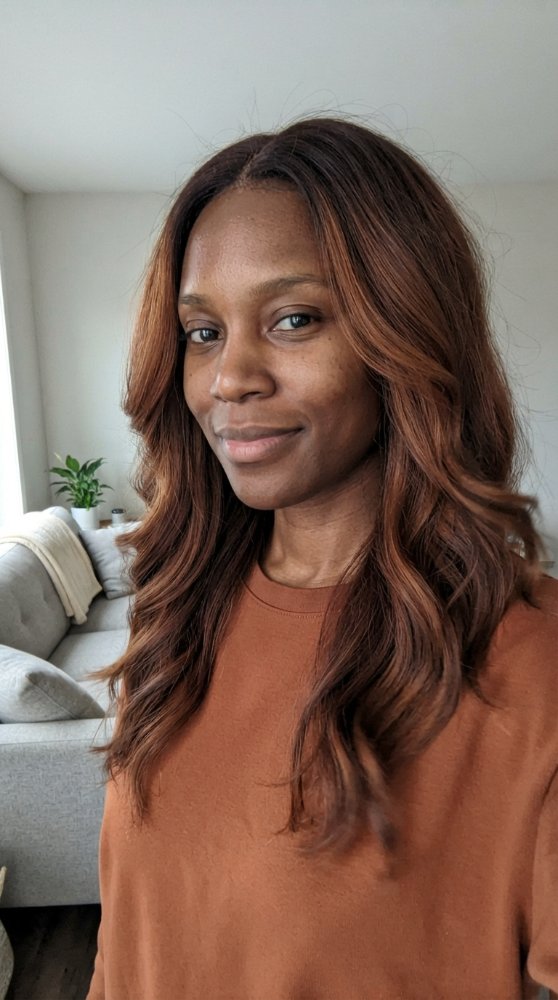
Untreated brunette hair usually gives the colorist the clearest picture of the natural starting depth and how selected pieces may respond to lightening. The placement can be planned around the haircut instead of first correcting older color patterns.
Even then, natural depth matters. Very deep brunette hair can produce stronger visual contrast with relatively small amounts of brightness. A medium brown base may need a more deliberate light-dark relationship before the dimension becomes obvious.
Previously darkened hair
Artificial dark pigment deserves special attention during the consultation.
Hair that looks like a simple dark brunette on the surface may contain layers of previous permanent color through the lengths. Lightening those areas can expose uneven warmth or produce different results from untouched root growth.
This is where a reference photograph becomes a target rather than a promise. A staged approach or a deeper final result may preserve the condition of the hair better than chasing the brightest piece in the image immediately.
Previously highlighted hair
Existing highlights can sometimes become part of a dimensional brunette result instead of being erased.
Adding depth strategically may make over-lightened hair read brunette again while preserving selected lighter areas for movement. That can be a particularly useful direction when someone likes brightness but feels the overall color has drifted too blonde.
The key is selective depth. Covering every lighter strand with one dark shade can flatten the variation that made the hair interesting in the first place.
Placement Matters More Than Collecting More Shades
Dimensional color becomes convincing when the placement supports how the hair moves.
Adding several brown and caramel-adjacent tones everywhere isn’t automatically more sophisticated. Too many similar pieces can merge visually, while excessive highlighting can weaken the brunette identity.
A few placement decisions do most of the work.
Face-framing brightness
Lighter sections around the face make dimension easy to see and can brighten the overall impression without lightening the entire head.
The width and contrast of those pieces matter. Fine, softly blended brightness feels integrated. Wider or much lighter sections become a deliberate focal point.
This area also grows directly beside the face, so a strong contrast is more obvious between appointments.
Surface ribbons
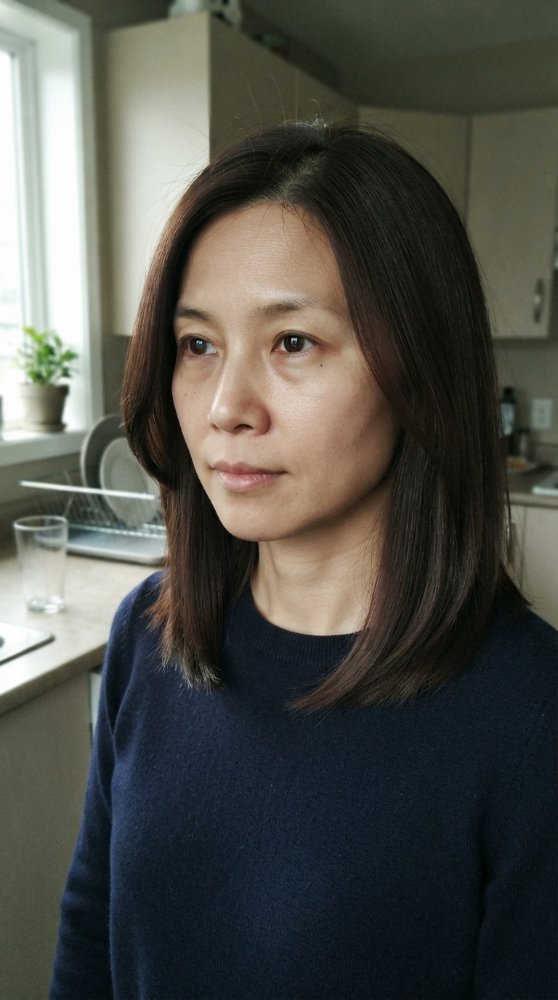
Highlights near the outer surface catch light easily and show particularly well on waves, curls, layered hair, and styles with movement.
They can create a lot of visible dimension with less brightness hidden underneath. That makes surface-focused placement useful when your priority is an obvious color effect rather than maximum overall lightening.
Surface color also faces more environmental exposure and styling wear, so condition matters.
Interior dimension
Lighter or deeper pieces inside the haircut reveal themselves as the hair moves.
This placement often gives a quieter result while the hair is smooth and a more visible effect in curls, waves, ponytails, or layered cuts. It can be a strong choice for someone who wants the color to feel rich up close without turning every section into a highlight.
Brighter ends
Concentrating more lightness toward the lower lengths creates an obvious gradient while preserving depth closer to the scalp.
It can also expose an issue that photographs hide: the ends are frequently the oldest and most chemically experienced part of the hair. Their condition should influence how far the color plan pushes them.
Transparent, fragile, or heavily processed ends don’t become healthier because they’re made brighter. Sometimes maintaining more depth through compromised lengths produces a stronger-looking perimeter.
Warm, Neutral, or Cooler Brunette?
Tone changes the personality of dimensional brunette, but it shouldn’t be chosen in isolation from the starting base.
Warm brunette dimension may show chocolate, golden-brown, caramel-like, copper-brown, or other warm reflections. Cooler versions suppress more of that warmth and may appear ashier or more muted. Neutral brunette sits between those directions.
The practical issue is what happens after the salon finish begins to evolve.
Lightened brunette hair commonly reveals underlying warm tones. How visible that warmth becomes depends on the starting depth, the degree of lightening, previous color, porosity, and the chosen target. A very cool reference image may therefore require more tonal upkeep than a result that works with some of the warmth already present.
That doesn’t mean every brunette should go warm. It means tone maintenance belongs in the original color decision.
Someone who dislikes any visible warmth should discuss that preference clearly before choosing how light the dimensional pieces need to become. The lighter the target moves from a deep brunette starting point, the more important realistic expectations become.
A neutral-to-warm dimensional brunette is often the less demanding direction when the natural or exposed underlying tones already lean warm. A distinctly cool, smoky result can be worth choosing when you strongly prefer it and don’t mind more tonal management.
Haircut, Density, and Texture Change What You See
The same foiling or painting pattern doesn’t produce the same visual effect on every head of hair.
Fine strands versus low density
Fine hair describes the diameter of individual strands. Low density means fewer strands overall. Those are separate characteristics, and the color plan should respect the difference.
Heavy contrast on fine strands can make each colored section very visible. On low-density hair, broad light sections or aggressive interior lightening may also make spaces between strands easier to notice, especially when darker roots sit underneath.
A more restrained pattern can keep visual depth through the hair.
Color itself cannot create actual density. Strategic contrast can change where the eye sees light, shadow, and perimeter weight.
Layers make dimension move
Layered cuts expose multiple levels of the hair, giving strategically placed color plenty of opportunity to appear and disappear through movement.
A one-length cut behaves differently. Much of the interior hair can remain hidden when worn straight, so the placement near the surface and perimeter becomes more important.
This is why copying the exact highlight map from a layered reference photo onto a blunt cut may produce a less visible result.
Curly and coily hair
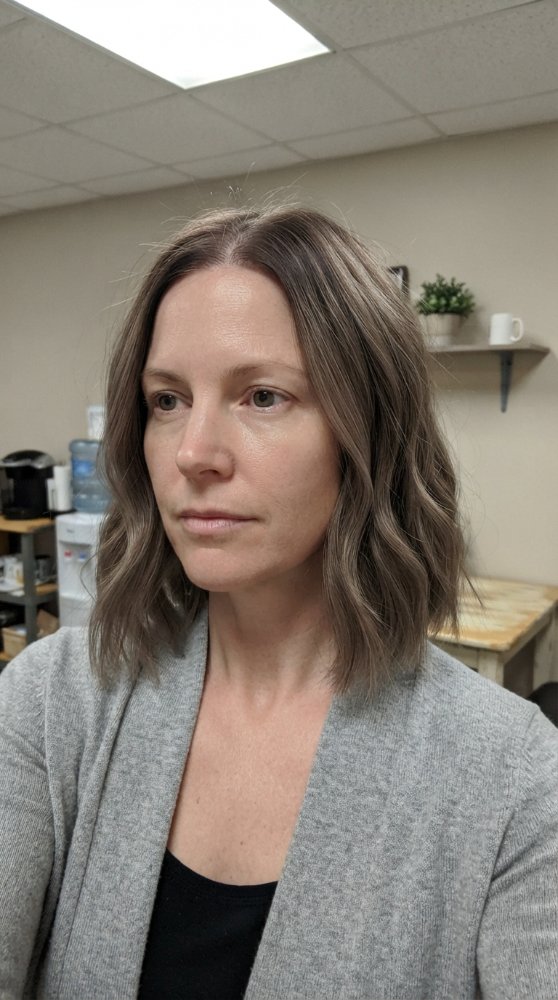
Dimensional brunette can be striking on curly and coily hair because curl groups naturally separate light from dark.
The color should be planned around the state in which the hair is normally worn. Natural shrinkage, stretched styling, blowouts, and pressed hair can all display placement differently.
Very fine scattered highlights may visually disappear once coils regroup after drying. Broader but carefully spaced pieces can be easier to see, though the right scale depends on curl grouping, density, strand size, condition, and the desired contrast.
Previously relaxed, lightened, or otherwise chemically processed hair requires additional attention to condition before further lightening.
Straight hair reveals the blend
Straight hair is less forgiving of abrupt transitions.
There are fewer bends and separated sections to disguise the boundaries between shades, so the quality of the blend becomes particularly visible. On sleek hair, subtle brunette variation can look elegant but quieter than the same color photographed in waves.
Ask yourself whether you love the color or the styling used to display it.
Gray Hair Can Become Part of the Dimension
Gray hair describes pigment loss, not a particular texture. Some gray strands feel different because of individual hair characteristics and previous treatment, but gray itself isn’t a texture category.
For women with visible gray, dimensional brunette can take several directions.
One is stronger brunette coverage with carefully placed lighter pieces. Another allows some natural gray to remain visible and treats it as part of the light-dark pattern. A third uses deeper brunette placement to add visual structure through hair that has become increasingly silver.
These approaches have very different regrowth behavior.
A brunette result designed to conceal most gray creates a clearer contrast as new gray grows in. A blending strategy allows more variation at the root, which can make the transition visually softer but won’t produce the appearance of complete brunette coverage.
Gray blending is especially worth discussing when your real goal is easier grow-out. A photograph showing rich brunette hair with silvery pieces may look similar to conventional highlighting from a distance, yet the color strategy behind it is different.
Bring that priority into the consultation before shade selection. Coverage and blending shouldn’t be treated as interchangeable goals.
What Condition and Chemical History Can Limit
Dimensional brunette frequently involves lightening at least selected strands, so condition isn’t a side issue.
The consultation should account for previous lightening, permanent dark color, relaxing or other chemical services, repeated heat exposure, breakage, and weak or transparent areas. What matters most is the actual history and current behavior of the hair, not whether it looks shiny in a reference image.
Porous sections can also accept and release color differently from less porous areas. That matters when you’re trying to maintain several tones side by side.
A dramatic light ribbon placed through already fragile lengths may produce the desired contrast initially while leaving you with a section that is harder to keep looking substantial. Moving the brightness, reducing its intensity, or keeping more brunette through compromised ends can be the better color decision.
Color plans sometimes need stages. Hair with accumulated dark pigment or extensive previous lightening may not support the desired combination of brightness, evenness, and condition in one visit. Avoid judging a sensible staged plan as a failure to reach the target quickly.
The Maintenance Is Mostly About Preserving Contrast
Dimensional brunette doesn’t require every strand to look freshly colored at all times. In many versions, some softness during grow-out actually helps the result.
What needs attention is the relationship between the dark and light areas.
Watch tone drift
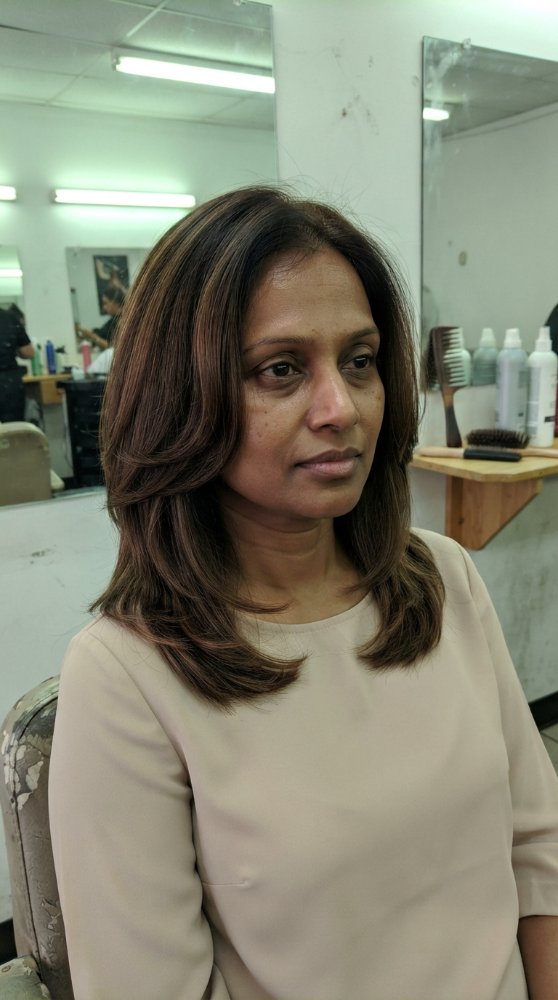
Lightened sections may change in tone between salon services. Warmth can become more noticeable, especially when your target is cool or neutral.
Toning products may be useful where an unwanted tone is actually present, but they aren’t a universal requirement for every brunette. Choose them according to the shade you’re trying to control and how the hair is behaving.
Protect the lighter pieces from unnecessary stress
The bright ribbons have generally been through more chemical change than untouched brunette sections.
That makes their condition worth watching during detangling and heat styling. More heat or repeated passes won’t improve faded color, and piling additional lightener onto a tonal problem may create more work than it solves.
Your styling routine affects how dimensional the color looks
A color that seems highly dimensional after a salon wave may look much softer once you wear it straight. Curls and bends separate the shades; sleek hair allows them to lie together.
This isn’t a maintenance failure. It’s a visual consequence of styling.
Consider your everyday routine before requesting more highlights simply because the color feels less dimensional at home.
What Reference Photos Usually Hide
Dimensional brunette is particularly easy to misread online because lighting and styling have such a large effect.
A photograph may hide:
How dark the root actually is
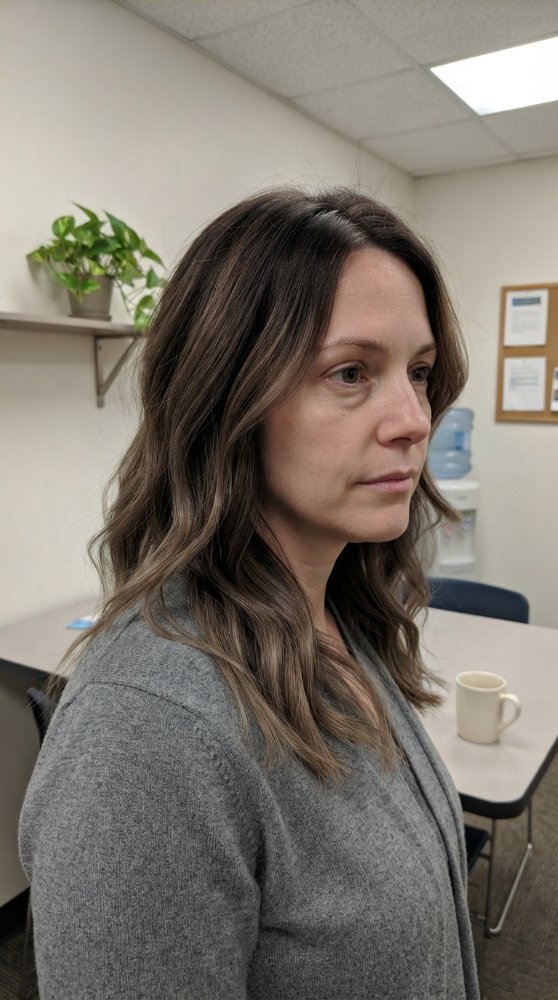
How much of the hair has been lightened
Warm tones visible in ordinary lighting
Previous color underneath the finished result
Damage or porosity through the ends
The difference between styled waves and straight hair
How obvious the regrowth becomes
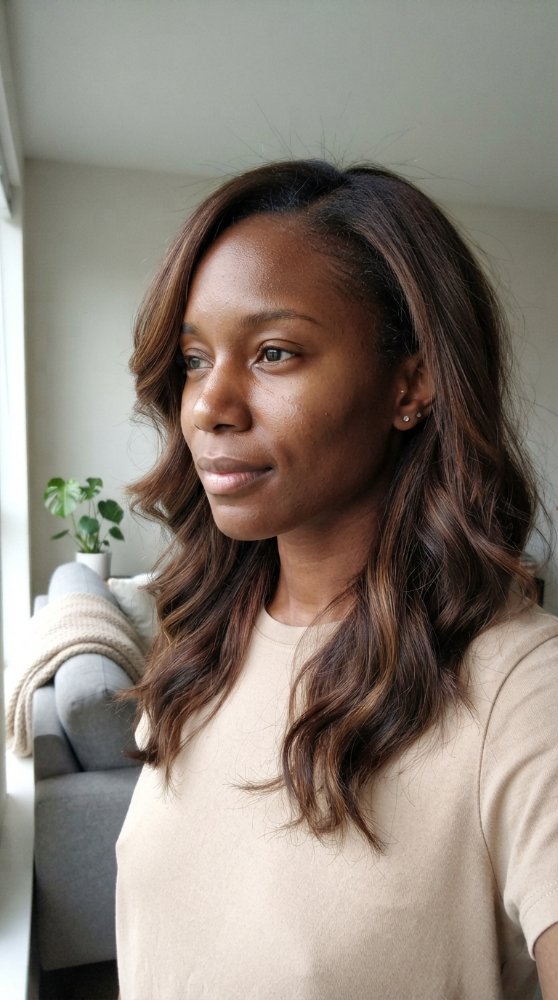
A useful consultation therefore goes beyond showing one favorite picture.
Look for multiple views of the same color direction: straighter styling, indoor lighting, the back of the hair, and a closer view of the root area. Even when those exact photographs aren’t available, you can identify what you like in the image.
Is it the deep brunette base? The brightness around the face? The ribbons through the ends? The warmth? The strong contrast?
That description gives a colorist more useful information than the label dimensional brunette alone.
How to Plan Your Dimensional Brunette Consultation
Before discussing shade names, settle the visible result you want.
A concise consultation checklist looks like this:
Define how brunette you want to remain. Decide whether you want subtle richness, obvious lighter ribbons, or a near-bronde level of brightness.
Identify your favorite placement. Face frame, surface pieces, lighter ends, or all-over scattered dimension create different effects.
Explain your color history. Include permanent dark color, previous highlights, lightening, and other chemical services.
Show how you normally wear your hair. Natural curls, stretched hair, sleek styling, waves, and updos expose color differently.
Discuss gray goals where relevant. Decide whether you want stronger coverage or a blended transition.
Be specific about unwanted tones. Saying that you strongly dislike visible coppery warmth, for example, is more useful than simply requesting cool brown.
Talk about maintenance tolerance. High contrast around the face behaves differently from a softly blended brunette base as it grows.
The strongest request isn’t a long list of color names. It’s a clear description of how light you want to look, where you want to see that lightness, and what level of upkeep makes sense for your routine.
Related Hairstyles to Explore
FAQs About Dimensional Brunette Hair
Can dimensional brunette work on very dark brown hair?
Yes. Very dark brunette hair can show strong dimension because even moderate brightness creates visible contrast against the deeper base. The attainable lightness depends on the natural depth, artificial pigment, condition, and chemical history. Previously darkened hair may need a more gradual plan than untreated hair.
Is dimensional brunette suitable for curly or coily hair?
Yes. Curls and coils naturally separate colored sections, which can make well-placed dimension especially visible. Placement should account for shrinkage, curl grouping, density, and the state in which the hair is usually worn. Color that looks balanced on stretched hair may distribute differently once the hair returns to its shrunken shape.
Can I have dimensional brunette without obvious blonde highlights?
Absolutely. Dimension can stay within the brunette family, using modest shifts in depth and strategically placed lighter brown sections. This is often the stronger option for someone whose priority is richness and movement while still looking clearly brunette.
What should I do if my hair is suddenly breaking or shedding after color?
Breakage and shedding are different problems. Breakage involves strands snapping along their length, while shedding involves hairs releasing from the scalp. Pause additional aggressive chemical changes until the situation is understood. Sudden shedding, scalp pain, redness, sores, persistent irritation, or a concerning change in density deserves assessment from a dermatologist or another qualified healthcare professional.
Hair Texture & Upkeep Style Matcher
Select your natural hair texture and daily maintenance window to get an instant styling formula and heat safety cap.
Heat Cap: 320°F (160°C)
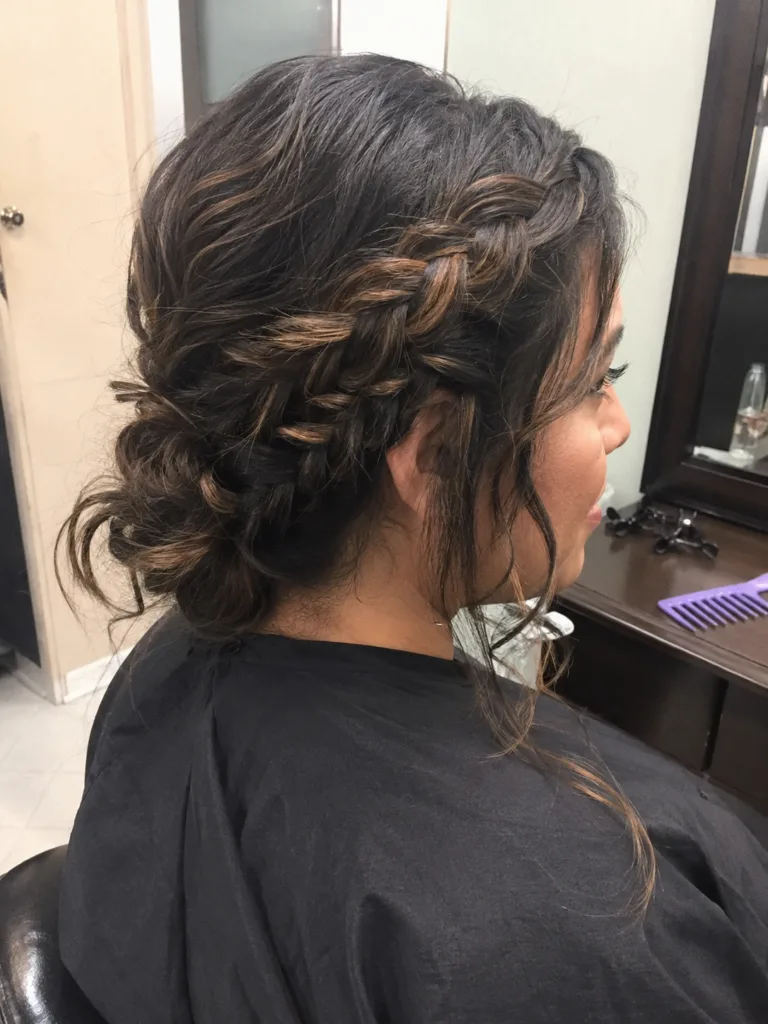
A versatile three-strand braid beginning at the parietal ridge, securing the top half while allowing natural wave texture to flow freely around the shoulders.
Conclusion
Dimensional brunette works best when the brunette base remains part of the design instead of becoming the background for as many highlights as possible.
Decide first how much contrast you want to see in your everyday styling. Then use placement to create that effect: brightness around the face for immediate impact, surface ribbons for movement, interior color for quieter depth, or lighter ends for a stronger gradient.
Your starting color, previous chemical work, hair condition, texture, haircut, and gray-coverage goals determine how that idea should be translated. Go into the consultation knowing which part of the reference photo matters most to you and how much maintenance you’re willing to build around it.
Editorial Standards & Hair Health Guidance
Every style featured on Tress Atlas is curated with a focus on real-world wearability, scalp tension management, and cuticle preservation. When trying protective styles or tight updos, ensure perimeter hairline sections remain tension-free to avoid traction stress on delicate follicles. For heat styling, cap tools below 350°F (180°C) to prevent thermal keratin denaturation.
Scientific Sourcing: Practices aligned with the American Academy of Dermatology (AAD) on traction alopecia risk reduction and cosmetic trichology research on hair tensile strength.