Hair Inspo Aesthetic: 22 Looks and What Changes the Result
A hair inspo aesthetic starts with a mood, but the hairstyle has to do more than look good in a saved photo. The same soft, minimal, romantic, edgy, or textured reference can behave very differently once strand size, density, shrinkage, haircut shape, styling state, and daily routine enter the picture.
That distinction matters most when you’re choosing between looks that seem equally appealing online. A glassy bob puts the perimeter on display. Long butterfly layers depend on movement and styling. A rounded Afro gets much of its character from the cut itself. Braids introduce installation weight and scalp access. Bold color can become the main aesthetic feature while also making chemical history and grow-out part of the decision.
So use these ideas for more than mood-board collecting. Look for the construction behind the image. Decide whether you want the haircut, the styling finish, the color placement, or the installation—and whether you’re willing to recreate what makes it recognizable.
Crisp Shapes for a Clean Hair Aesthetic
The Glassy Blunt Bob

Few haircuts deliver a cleaner outline than a blunt bob. The lower edge carries most of the visual weight, so healthy-looking ends and a deliberate perimeter matter more than elaborate layering.
The style is especially effective when you want your hair to become part of a minimalist outfit rather than compete with it. Straight or stretched finishes emphasize the geometry, while naturally wavy hair gives the same cut a softer edge.
A photo of a perfectly smooth bob may hide how easily the ends react to collars, humidity, sleep, and natural bends in the hair. Heavy interior removal can also weaken the very perimeter you’re choosing the cut for. Ask for the shape in relation to the state you normally wear your hair.
The Soft French Bob
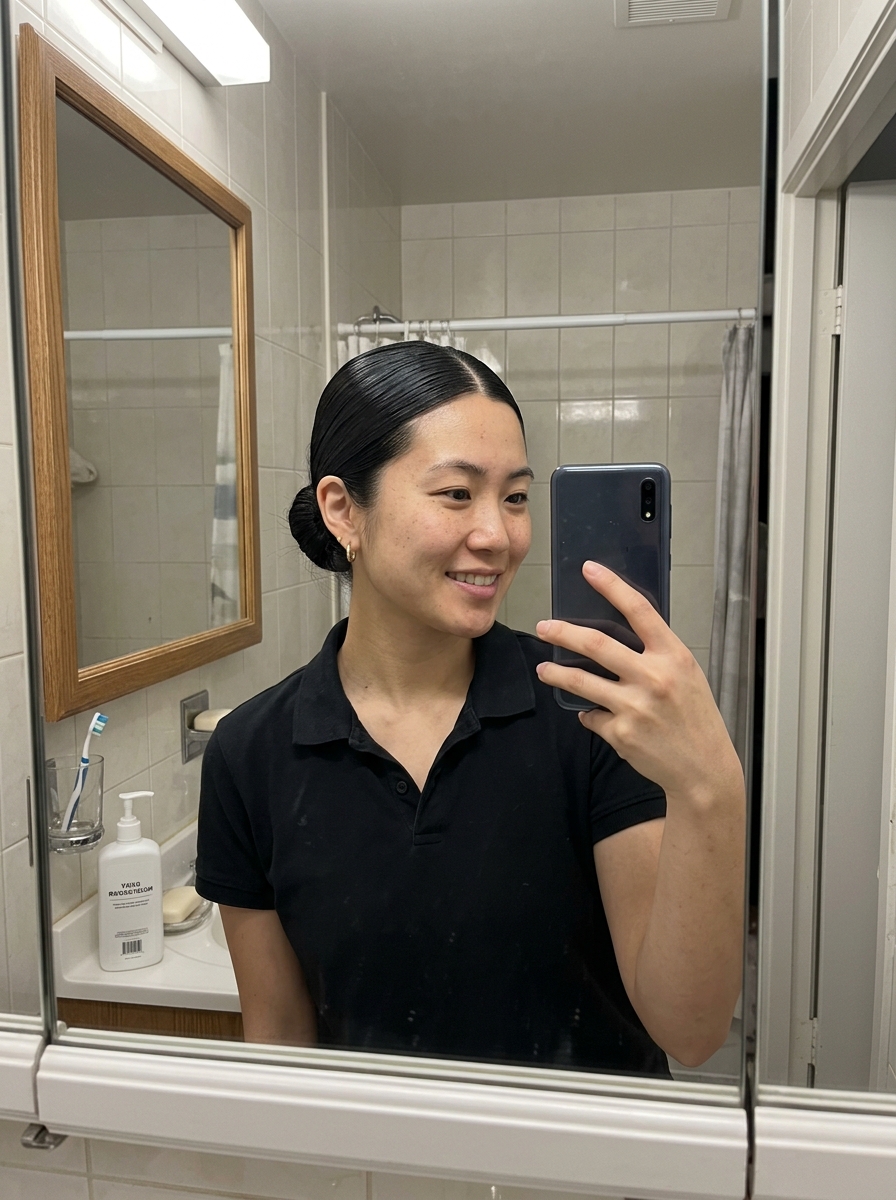
A French bob creates a more relaxed impression than a sharp glass bob. Its shorter length, visible movement, and slightly less rigid finish give it a lived-in quality that works well with waves, curls, or softly bent straight hair.
This is the stronger bob direction when you like short hair but don’t want every strand to look precisely arranged. The cut can sit beautifully around the cheek and jaw area, although there isn’t one face-shape formula you need to follow. Glasses, natural volume, fringe behavior, and your preferred length around the ears are more useful considerations.
The Bixie
The bixie sits between a bob and a pixie, giving you a short shape with enough length to move, tuck, separate, or sweep. It feels less severe than many cropped cuts and less perimeter-dependent than a classic bob.
Its hidden challenge is grow-out. Short layers can stop looking deliberately shaped before the overall haircut feels long, so this isn’t the easiest option for someone hoping to ignore the cut for a long stretch. For a light, fashion-forward short aesthetic, though, it offers much more movement than a solid crop.
Long Butterfly Layers
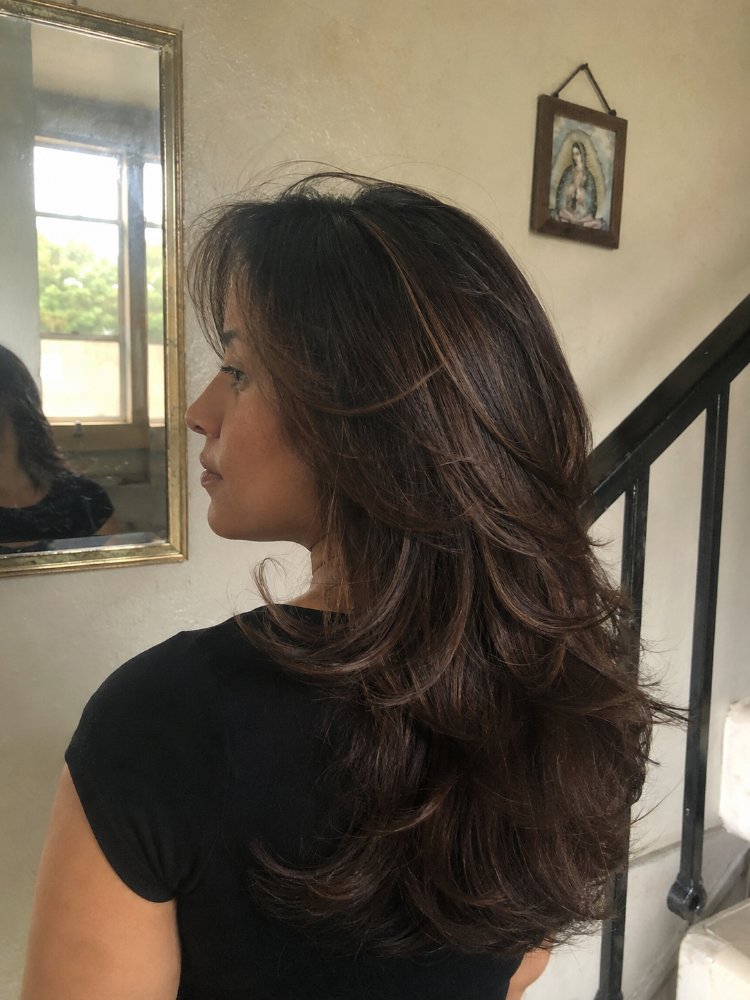
The dramatic part of butterfly layers is the movement around the face and upper lengths, not simply having long hair. Shorter face-framing pieces visually lift away from longer sections, creating the cascading effect seen in blowout-heavy inspiration photos.
That makes styling state important. On naturally straight hair, the layers may need bending or blow-drying to separate clearly. Waves can make them feel softer and less symmetrical. Curly and coily hair can carry a layered shape too, but shrinkage changes where every tier appears once dry.
Density also changes the result. Removing substantial interior weight from already low-density hair can make the lower edge appear more transparent. Fine strands and low density are separate characteristics, so the consultation should focus on how much hair is present as well as how thick each strand feels.
Choose butterfly layers because you like visible movement. Choosing them only for a smooth, voluminous reference photo can create more daily styling than expected.
Soft, Romantic, and Blowout-Led Hair Inspo
Airy Shag Layers
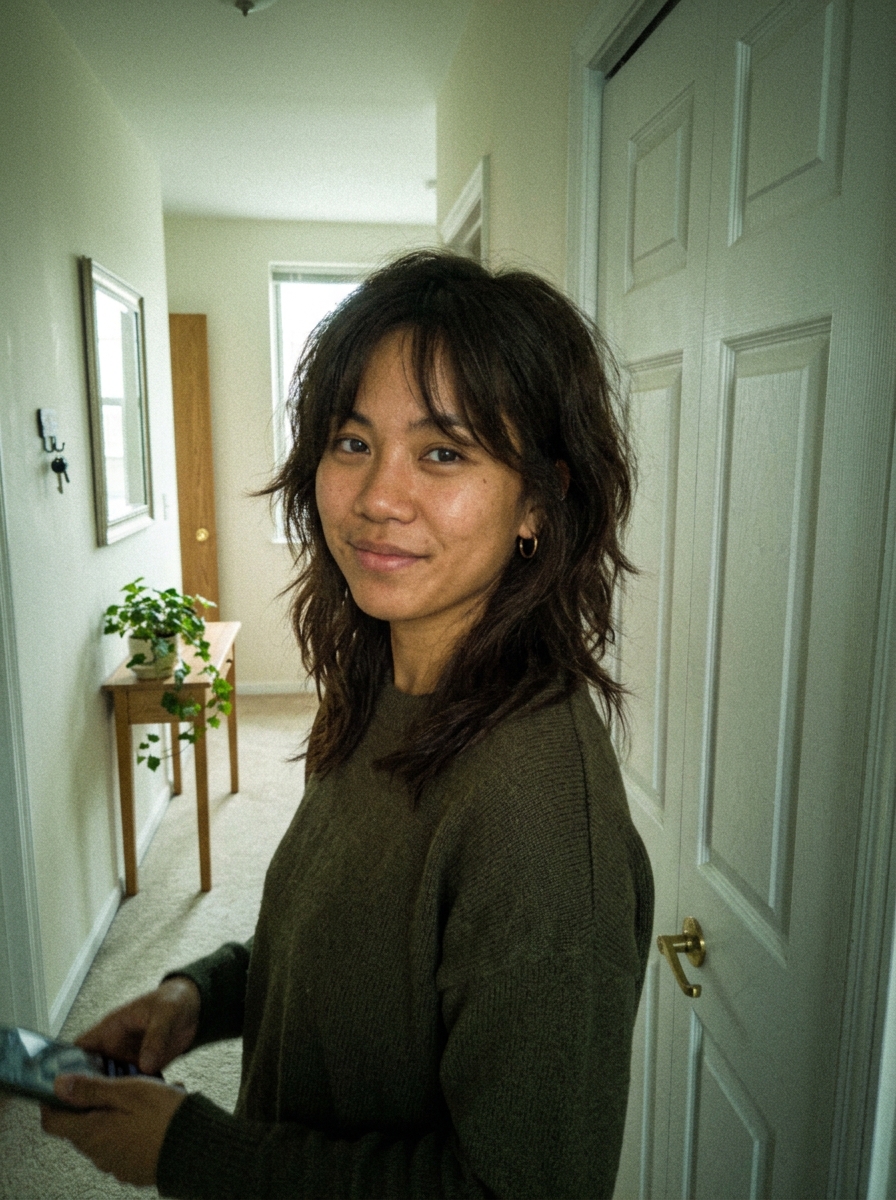
A shag works because the haircut creates separation. Crown layers, face framing, and lighter movement through the ends keep the shape from reading as one solid mass.
It suits an aesthetic that feels slightly undone rather than pristine. Natural wave and curl can make the layers especially visible without requiring a perfectly smooth finish. The important decision is how much contrast you want between the crown and perimeter; aggressive layering creates a very different haircut from a gentle shag.
The Soft Wolf Cut
A wolf cut pushes the layered idea further. More volume sits around the crown and upper sides, while the lower lengths become narrower and more separated.
That shift in weight gives the style its recognizable edge. It also means the haircut behaves differently from long conventional layers, even when both are photographed with loose waves. A wolf cut can look fuller near the top while making the lower perimeter appear lighter.
Texture changes the drama. Waves tend to emphasize the disconnected movement. Curly hair may produce considerably more crown expansion, especially after shrinkage, while straighter hair can show the individual layer lines more clearly.
This is worth choosing when you genuinely like the narrowing through the bottom. Anyone who wants thick-looking, solid ends will probably find a softer layered cut easier to live with.
The Retro Volume Blowout
Some hair inspiration is really styling inspiration. A retro blowout keeps more of the haircut intact and uses lifted roots, broad bends, and turned ends to create the aesthetic.
That’s useful if you love a glamorous shape but aren’t ready for an aggressive change in layers. The catch is simple: the finished effect depends heavily on styling. Hair that naturally dries very differently from the reference will need more manipulation to recreate the same volume and direction.
Romantic Half-Up Waves
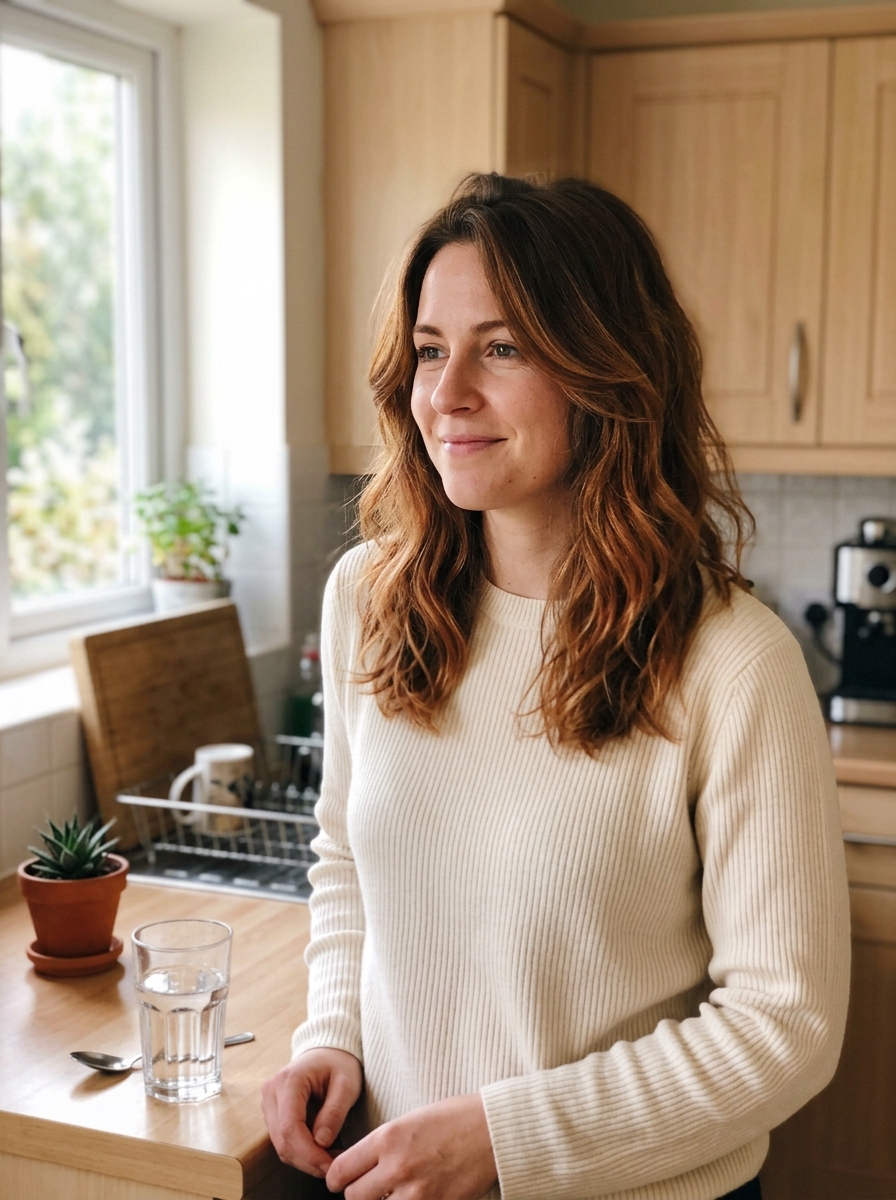
Half-up hair gives you visible length while opening the face and adding height around the crown. It can read romantic, soft, formal, or casual depending on how tightly the top is controlled.
Loose waves make the separation between the secured top and free lower lengths less obvious. Naturally curly hair can use the same construction without being straightened first. Keep some natural fullness through the lower half if you want the style to look abundant rather than overly sculpted.
The Sculpted High Bun
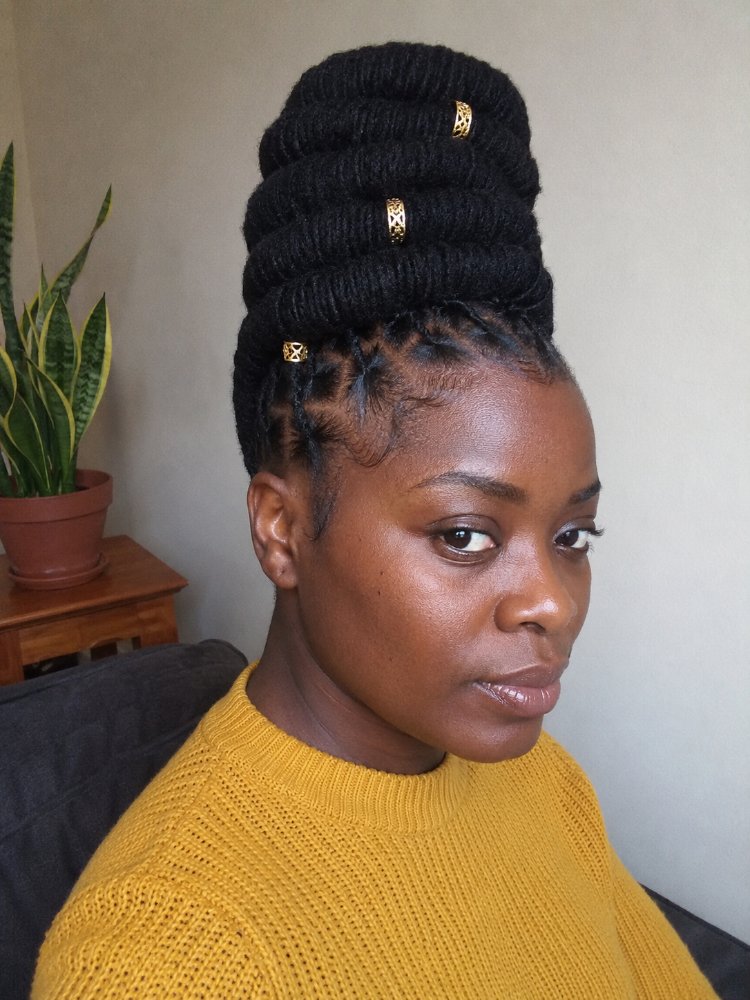
A high bun changes the whole outline of the head, which makes it useful when the hairstyle itself needs to act like an accessory. Sleek versions feel graphic; fuller buns create a softer result.
Pay attention to real-life placement. A large bun can affect hats, headrests, and the way you rest your head, while a tightly pulled base can become uncomfortable. The shape should feel secure during normal movement without relying on painful tension.
The Sleek Low Ponytail
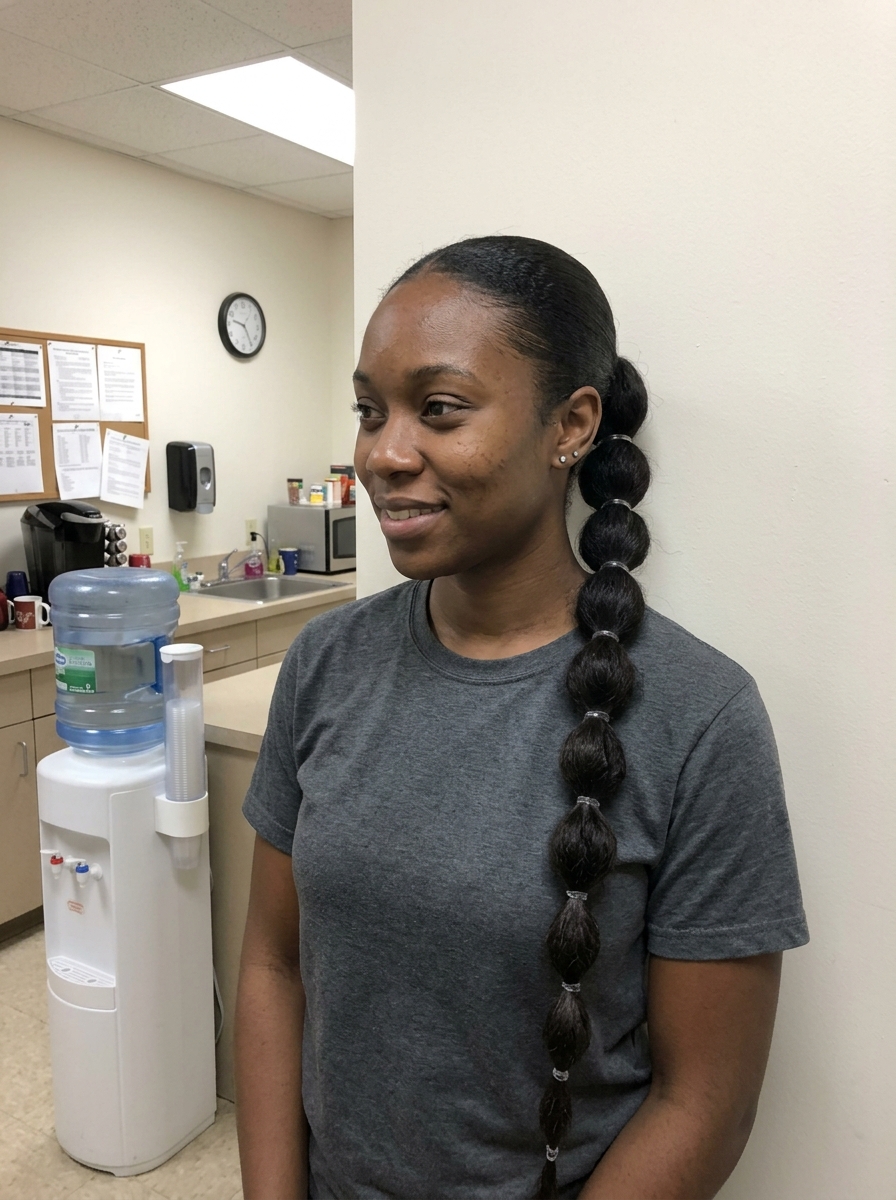
The low ponytail is an underrated choice for a minimal aesthetic because the position is simple and the line of the hair does most of the work. A clean center or side part can change the emphasis, but the basic construction remains restrained.
A fabric-covered elastic, wrapped base, or neatly finished tail can refine it without changing the style completely. Curly and coily hair can stay textured through the ponytail rather than being forced into a straight finish.
Undone, Textured, and Editorial Directions
The Claw-Clip French Twist
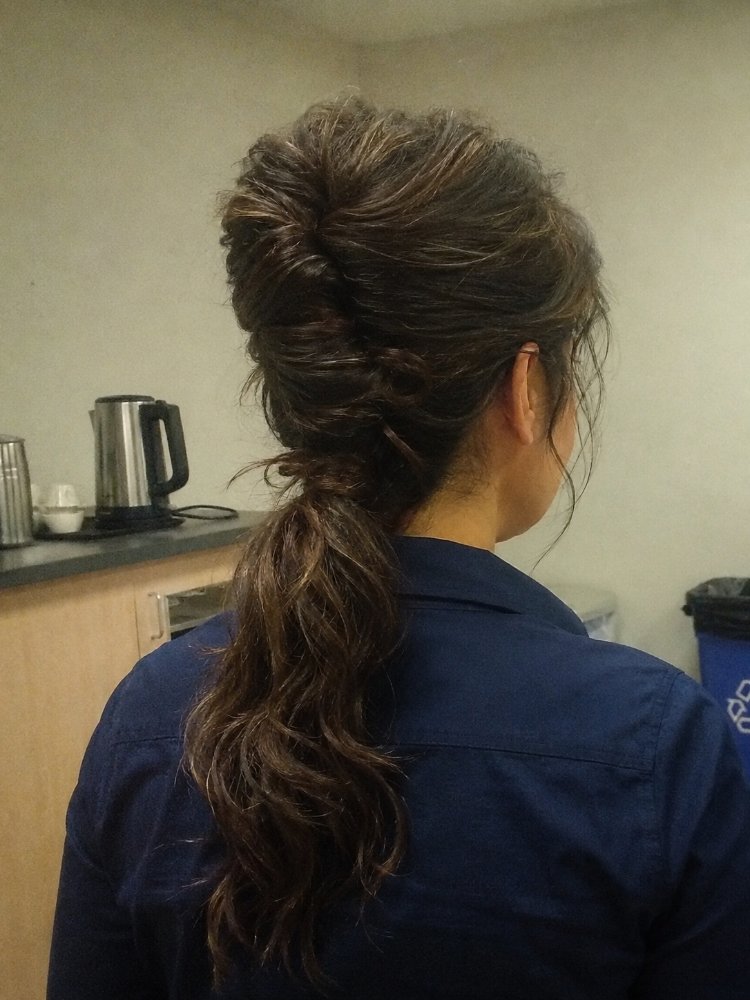
A claw-clip twist creates vertical shape without the commitment of an updo built from many pins. The hair folds upward, while the ends may stay tucked, fan out, or fall softly above the clip.
It works especially well when the aesthetic you’re chasing feels casual but composed. Very heavy or extremely slippery hair may need a clip with enough grip and a base that isn’t overloaded. The appeal comes from visible construction, so perfection isn’t necessary.
The Wet-Look Tuck

This styling direction removes volume around the sides and makes the surface finish the focus. Hair is directed back or behind the ears so the face, earrings, neckline, or makeup becomes more prominent.
It’s one of the clearest ways to create an editorial mood without changing the haircut. Product weight and natural texture affect whether the finish stays smooth, separates into defined pieces, or expands as it dries, so a reference image is most useful when the model’s starting hair behaves somewhat like yours.
The Rounded Afro
A rounded Afro gets its impact from proportion. The relationship between crown height, side width, and lower perimeter determines whether the shape feels compact, elongated, softly oval, or dramatically full.
Shrinkage is central here. A cut planned on stretched hair can settle into a different outline once the coils return to their usual state. The finished shape needs to be assessed in the state you actually intend to wear.
Density changes visual fullness, while strand size changes the feel and behavior of individual hairs. Those two traits shouldn’t be collapsed into the same description. A dense head of fine strands and a lower-density head of coarse strands can create very different results even with a similar curl pattern.
This is one of the strongest choices for an aesthetic built around natural volume because the haircut itself carries the visual idea. You don’t need to disguise the texture to make the shape deliberate.
A Shaped Wash-and-Go
A wash-and-go becomes far more distinctive when the haircut gives the curls or coils a clear perimeter. Instead of depending entirely on maximum definition, the style uses the way the hair naturally groups and shrinks to create the overall outline.
The practical issue is consistency between wash days. Different drying methods, humidity, product distribution, and curl grouping can shift the apparent volume. A strong cut gives the hair somewhere to return even when every curl doesn’t land in exactly the same place.
The Side-Swept Twist-Out
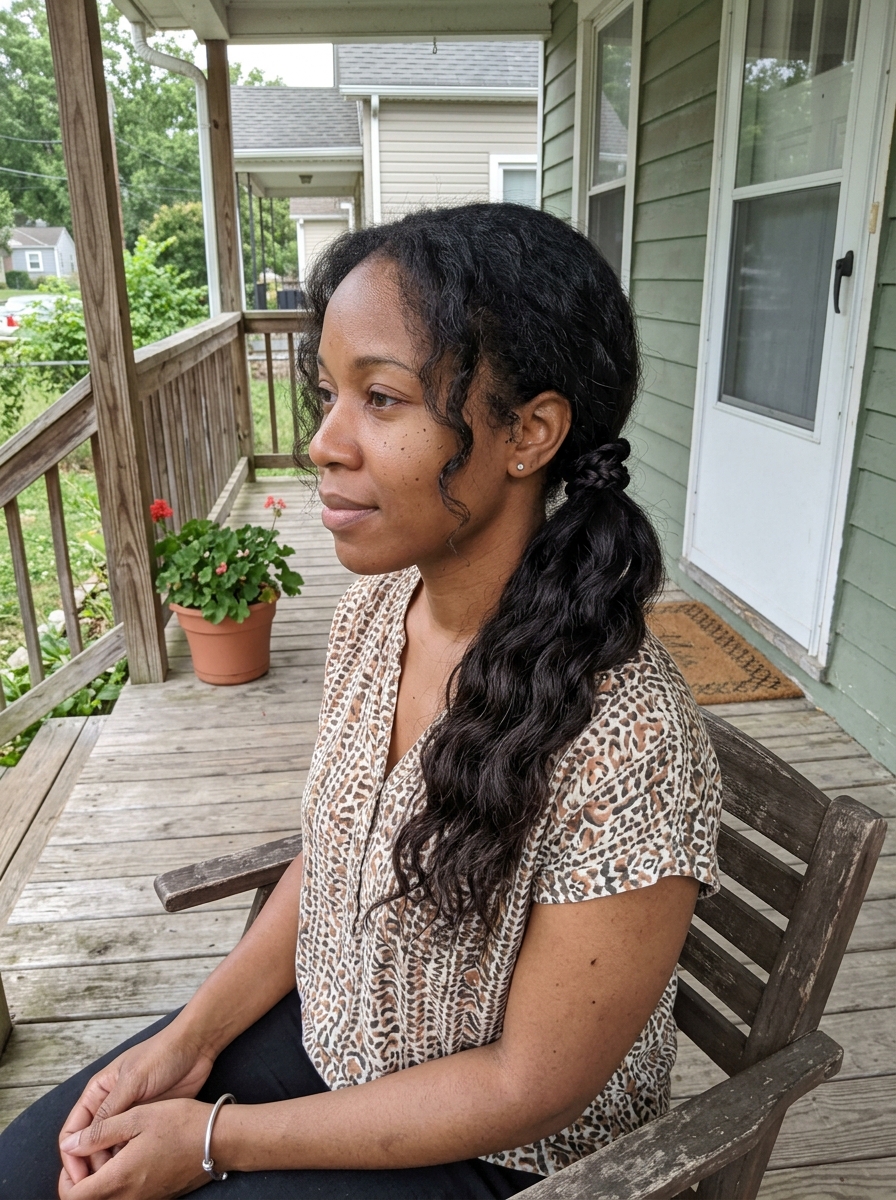
A twist-out produces a different texture from a wash-and-go because the curl pattern is temporarily reorganized through twisting and release. The result can look elongated, fluffy, defined, or somewhere between those states.
A side-swept shape adds asymmetry without requiring a new haircut. This works particularly well when you want visible texture but prefer more stretch and direction than your usual shrunken state provides.
The Curly Shag With Fringe
Curly fringe changes the front of a shag immediately. Shorter curls around the forehead connect into layered sides and crown volume, making the cut feel much more deliberate than simply adding bangs to long curls.
The fringe doesn’t need to be straightened. Its dry position should guide the length, because shrinkage can place it much higher than expected from a wet section. This is a better choice for someone who enjoys curls around the face than for someone who instinctively pushes every front section behind the ears.
Braids and Locs With Strong Visual Identity
The Braided Bob
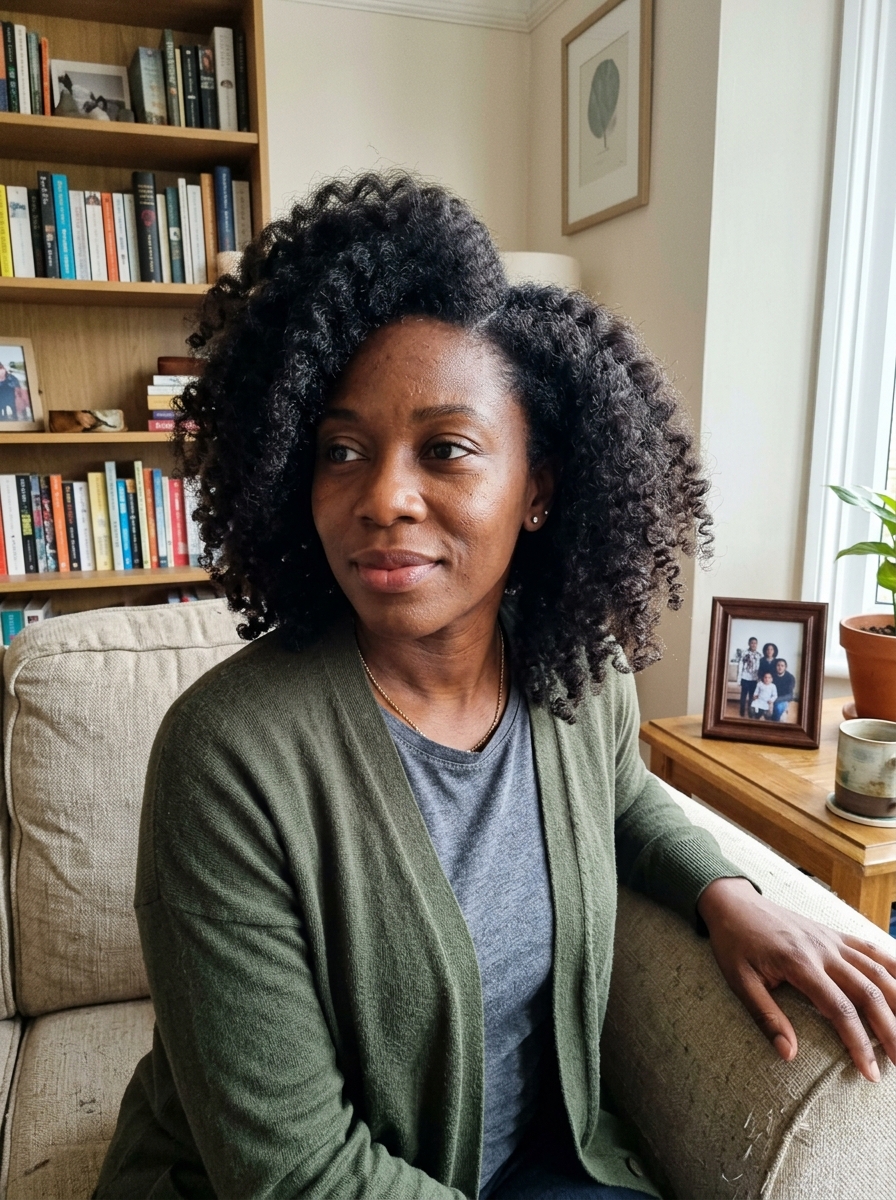
A braided bob combines the clean outline of shorter hair with the segmented texture of braids. The lower edge becomes visually important, particularly around the jaw, neck, and shoulders.
Compared with very long braids, the shorter length can be easier around clothing, bags, and seats. Installation comfort still depends on section size, tension, attachment method, and the amount of added hair. A shorter style can still feel heavy when the construction is dense.
Crown Braids
Crown braids redirect the hair around the head instead of letting the lengths hang downward. That makes the construction itself the centerpiece.
The style works beautifully for occasions where you want the neck clear or where loose hair would compete with clothing. Glasses arms and accessories near the temples should be considered before sections are positioned too close to those areas.
Medium-Length Knotless Braids
Knotless braids create a long, clean line without requiring extreme length to make an impact. A moderate length is the more practical direction when you want movement but don’t want the braid ends constantly trapped behind a seatbelt, backpack strap, or chair.
The root construction can sit relatively flat, although overall comfort still depends on the braider’s grip, the size of the sections, and how much added hair each area supports.
Scalp access deserves attention before the installation begins. Dense parting patterns can make cleansing and drying around the roots more involved. Added hair can also retain water even after the outer lengths begin to feel dry.
Choose dramatic extra length only when it contributes enough to the aesthetic to justify the extra movement and weight. The medium-length version gives the braid pattern plenty of visual presence with fewer practical obstacles.
The Loc Bob
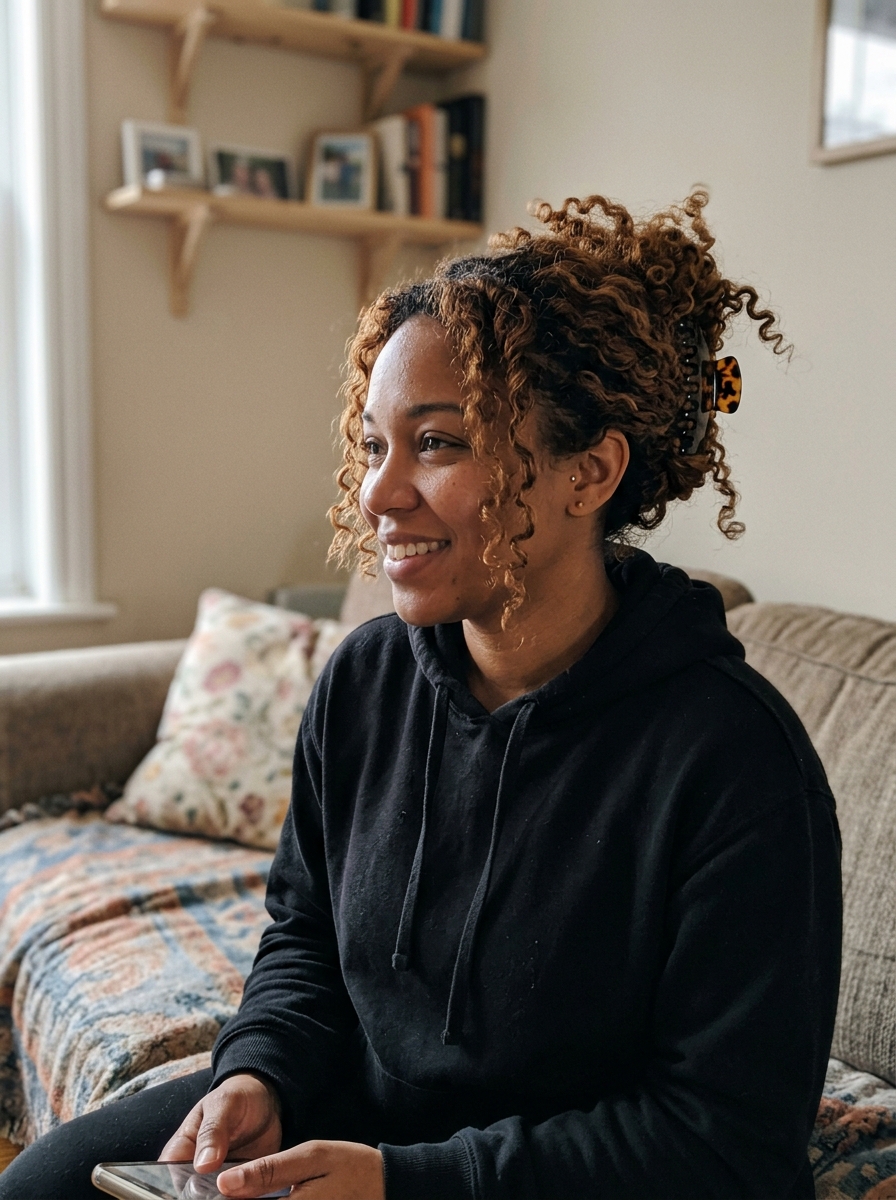
A loc bob creates a strong short outline without requiring the surface smoothness of a traditional blunt bob. Individual locs keep their own cylindrical movement while the overall length forms the larger shape.
Existing loc size, density, maturity, and natural movement influence how compact the perimeter appears. A photo showing many small locs won’t translate directly to a head of fewer, larger locs. The cut should work with the loc structure rather than treating it like loose straight hair.
Color-Forward Aesthetics
Peekaboo Color Panels
Peekaboo color hides some of its contrast beneath the surface layer, so the result changes as the hair moves, parts, or gets tied up. That makes it more dynamic than a simple all-over shade change.
Placement is the real design decision. Color closer to the face appears more often; deeper interior panels can disappear almost completely in some hairstyles. Straight, wavy, curly, and coily hair also expose the panels differently because the sections overlap in different ways.
Starting base and chemical history can affect what’s realistic. Previously darkened, lightened, relaxed, or otherwise processed hair may need a different plan from untreated hair. Condition matters more than forcing a specific level of contrast in one appointment.
This idea is strongest when you want color to appear intermittently instead of controlling every look. It can feel surprisingly subtle with the hair down and much bolder in a ponytail, twist, or half-up style.
High-Contrast Two-Tone Hair
Two-tone color makes contrast impossible to miss. Split placement, large blocked panels, or clearly separated light and dark areas create a graphic effect that survives even simple styling.
It’s also one of the more salon-dependent aesthetics in this list. Strong contrast makes root growth, fading, unwanted warmth, and uneven previous color more visible. Your starting depth and existing artificial pigment can affect how close you can safely get to the reference.
Choose this because you want the color itself to be the statement. Anyone looking for easy, low-visibility grow-out will probably be happier with a softer placement.
What Hair Inspiration Photos Often Hide
The image usually captures the moment when everything is arranged correctly. Your routine begins after that moment.
How to Choose Your Hair Aesthetic Without Copying the Photo
Start by separating the shape from the finish. A blowout might make you think you want butterfly layers when what you really love is the curled styling. A glossy bob may be appealing because of its smooth surface even though you prefer a longer haircut. A curly reference can depend more on the cut than on the exact curl definition.
Next, identify the feature you’d be disappointed to lose. For some people, that’s a dense-looking perimeter. For others, it’s crown volume, face framing, visible length, or the ability to tie everything back. That priority eliminates options more effectively than collecting another page of references.
Your normal hair state should also appear somewhere in the decision. A haircut that is always photographed pressed may behave differently when you return to curls or coils. Curly and coily cuts may be shaped wet, dry, or with a combined approach; what matters is assessing the silhouette in the state you regularly wear.
Reference photos are most useful when they answer practical questions. Look for images that reveal the sides and back as well as the front. Notice where layers begin, how solid the lower edge looks, whether extensions or added hair are involved, and how much styling appears necessary.
For color, bring the conversation back to your current hair. Artificial pigment, previous lightening, relaxer or other chemical services, porosity, and condition can change the safest route to a target. A beautiful reference is a destination idea, not a guaranteed one-session outcome.
Maintenance Should Match the Aesthetic
A good hair aesthetic can become annoying quickly when its maintenance conflicts with your routine.
Short precision cuts usually show changes in outline earlier because a small amount of growth affects the proportion. Heavily layered shapes change differently: the hair may keep its length while the crown starts to collapse or the face framing stops sitting where intended.
Style-dependent looks create another kind of upkeep. Retro blowouts, sleek ponytails, wet-look styling, and glassy bobs may require regular surface work to preserve the exact mood of the photo. Shags, wash-and-go shapes, twist-outs, and textured bobs tend to tolerate more variation because movement is part of the look.
Braids and loc styles need a different maintenance lens. Comfort, cleansing access, drying, friction, and added weight matter alongside appearance. Persistent pain, redness, sores, or concerning changes around the hairline or density are reasons to address the source of tension and seek advice from a dermatologist or another qualified healthcare professional when appropriate.
Color makes fading and grow-out part of the aesthetic. High-contrast placements show change more visibly than subtle ones. Home care can support condition and tone, but it can’t erase the limitations created by previous chemical history.
The easiest aesthetic to maintain isn’t always the simplest-looking one. A deliberately textured haircut can require less daily control than a seemingly basic, perfectly smooth finish.
What to Discuss Before the Cut, Color, or Installation
Bring references, but be ready to explain what you like about them. Saying “I like the short fringe and crown volume” is more useful than asking for the entire photograph without separating its components.
Discuss your usual styling state, how much daily manipulation feels realistic, whether you need to tie the hair back, and which parts of your routine create friction. Glasses, headrests, coat collars, helmets, exercise, frequent swimming, or regular updos can all affect a style that looks effortless in a static image.
For cuts, ask how the planned layers affect the perimeter and how the shape is expected to change as it grows. For braids or extensions, talk about section size, weight, scalp access, and attachment method. For color, make sure previous permanent color, lightening, relaxers, or other chemical services are part of the consultation.
Most importantly, decide which part of the inspiration is non-negotiable. You rarely need every detail of the reference to capture the aesthetic.
Related Hairstyles to Explore
- Dimensional Brunette for women
- Slick Baddie Hairstyles
- Baddie Hairstyles Natural Hair
- Insta Baddie Hairstyles
FAQs
Can I use hair inspo photos if my texture is different from the model’s?
Yes, but use them primarily for shape, placement, mood, or proportion. Texture affects movement, shrinkage, volume, and the visibility of layers, so an exact copy may be unrealistic. A second reference closer to your normal hair state can help clarify how you want the idea translated.
Which hair aesthetic is easiest when I don’t style my hair much?
Cut-led options usually make more sense than finish-led ones. A well-shaped bob, curly silhouette, shag, or other haircut that works with your natural movement will generally ask less of you than a look whose identity depends on repeated blowouts, smoothing, or elaborate setting.
Can low-density hair still work with layered aesthetic cuts?
Yes, but layer placement deserves more attention. Low density refers to the number of hairs present, while fine hair refers to individual strand diameter. Heavy interior removal can expose more space and weaken the appearance of the lower edge, so preserving enough perimeter weight may be more useful than copying highly layered reference photos exactly.
Do I need straight hair for a clean or minimalist aesthetic?
No. Clean styling can come from a clear shape, deliberate parting, controlled placement, or a strong perimeter. Curls, coils, locs, braids, and textured hair can all create minimal looks without being straightened.
Are braids automatically the lowest-maintenance aesthetic?
Their daily styling can be simpler, but the installation still has practical demands. Root comfort, added-hair weight, scalp access, cleansing, drying, friction, and takedown all affect whether the style fits your routine.
How can I tell whether I like a haircut or just the styling in the photo?
Imagine the same cut without the curls, blowout, slick finish, or accessories. Then look at where the perimeter sits and where the shortest layers begin. If those structural features still appeal to you, you probably like the haircut itself. If most of the appeal disappears, styling is doing more of the work.
Hair Texture & Upkeep Style Matcher
Select your natural hair texture and daily maintenance window to get an instant styling formula and heat safety cap.
Heat Cap: 320°F (160°C)
A versatile three-strand braid beginning at the parietal ridge, securing the top half while allowing natural wave texture to flow freely around the shoulders.
Conclusion
The strongest hair inspo aesthetic is the one whose defining feature still makes sense after the photo shoot is over. Decide whether you’re drawn to a sharp perimeter, airy layers, natural volume, textured construction, braids, locs, or graphic color before committing to every detail of a reference image.
Then take that priority into the consultation. A style that respects your usual hair state, maintenance tolerance, and real-life movement will carry the aesthetic far better than a literal copy that only works from one camera angle.
Editorial Standards & Hair Health Guidance
Every style featured on Tress Atlas is curated with a focus on real-world wearability, scalp tension management, and cuticle preservation. When trying protective styles or tight updos, ensure perimeter hairline sections remain tension-free to avoid traction stress on delicate follicles. For heat styling, cap tools below 350°F (180°C) to prevent thermal keratin denaturation.
Scientific Sourcing: Practices aligned with the American Academy of Dermatology (AAD) on traction alopecia risk reduction and cosmetic trichology research on hair tensile strength.