Half Wig Hairstyles: Complete Styling Guide for Different Textures, Lengths, and Leave-Out Plans
Half wigs give you more styling freedom than a full wig, but the most convincing result depends on what happens at the point where your own hair meets the hairpiece. A traditional half wig usually covers the back and much of the crown while leaving some natural hair visible at the front. Some versions can also sit behind a headband, reducing or eliminating the need to blend exposed hair.
That construction makes the hairstyle decision more important than it first appears. A straight half wig may look simple until your natural roots react to humidity. A dense curly piece can create beautiful fullness while making the transition line harder to disguise. An upstyle can work well with one half wig and expose the base of another.
Start with the amount of hair you’re comfortable leaving out, then choose a texture and shape that cooperate with your normal styling state.
Loose Half Wig Hairstyles That Depend on the Blend
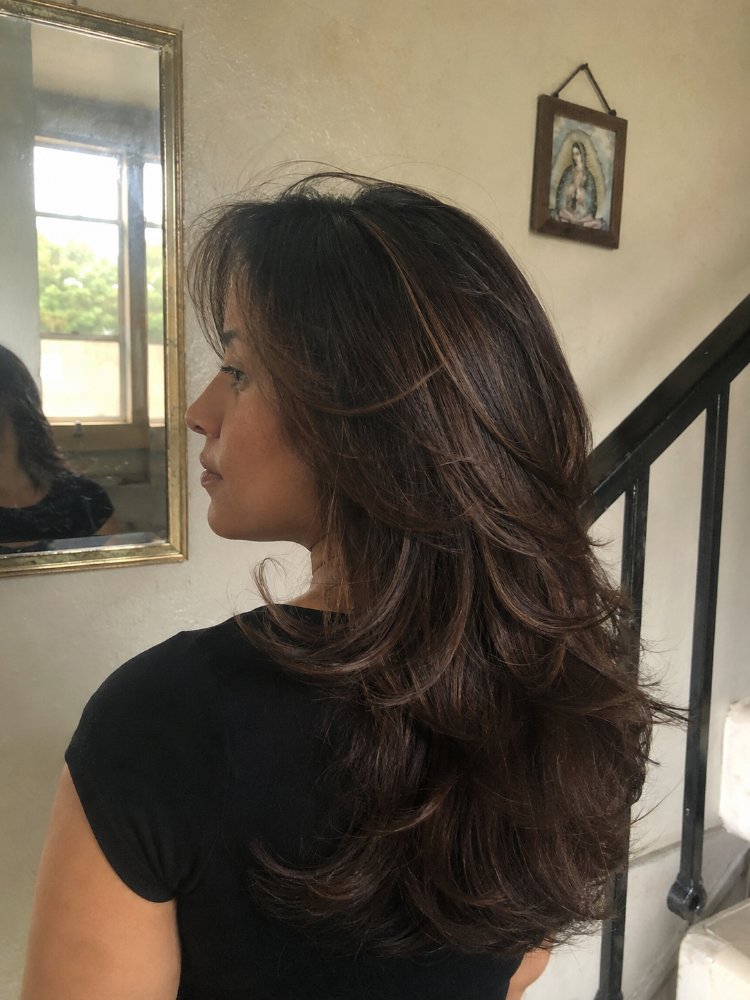
Layered Body-Wave Half Wig
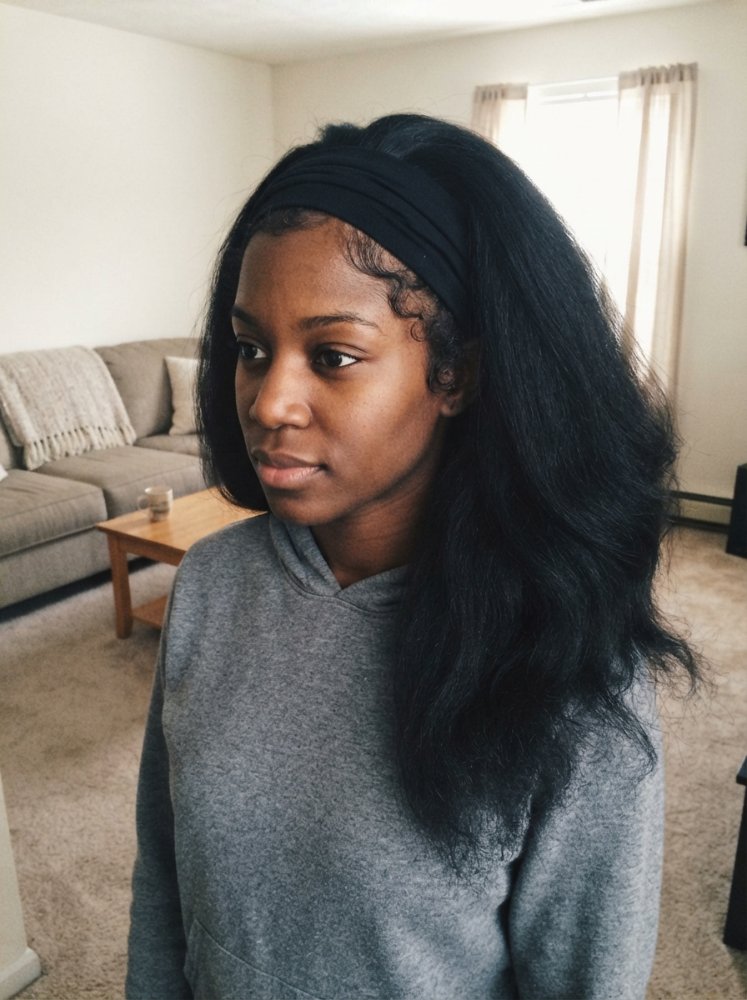
A layered body-wave half wig is one of the easier places to start because the bends create some visual forgiveness where your own hair meets the piece. The finished shape has movement instead of one perfectly flat surface, so slight differences in density are less obvious.
Keep the visible front section proportionate to what you actually want to style. Leaving out more hair doesn’t always make the result more realistic; it can simply give you more hair to smooth, curl, or protect from humidity.
Defined Spiral-Curl Half Wig
Defined curls work especially well when your own hair can be styled into a similar curl size without excessive manipulation. The curls create volume around the sides and back, while a small amount of compatible leave-out can soften the transition at the front. This is a stronger choice than straight hair when maintaining a sleek surface every day doesn’t fit your routine.
Kinky-Coily Rounded Half Wig
A rounded coily half wig can create a full silhouette without requiring the natural hair underneath to be straightened. The key decision is the relationship between the visible hair and the wig’s coil pattern. Similarity in overall fullness and curl behavior matters more than trying to match every individual coil.
Natural hair can remain shrunken or be lightly stretched depending on how the front needs to blend. A twist-out or another low-manipulation set may provide enough continuity without flattening the natural texture completely.
The shape also deserves attention from the side. Very dense hair at the back with a flat front section can make the transition obvious even when the textures are close. A little lift through the visible crown usually creates a more connected profile.
Stretched-Texture Blowout Half Wig
This look sits between defined curls and pin-straight hair. The half wig has the airy fullness of stretched or blown-out texture, which can pair well with natural hair worn in a similarly elongated state. It offers movement without demanding the glassy surface of a sleek straight style, making small changes in humidity less visually disruptive.
Sleek Straight Half Wig
Straight half wigs create a clean fall and make length especially noticeable, but they are less forgiving at the blending point. Your visible hair needs to sit convincingly against the wig without a dramatic change in surface texture.
Pressed, relaxed, naturally straight, or carefully stretched hair may all produce different results. Choose this look only when maintaining that front section fits the way you already handle your hair; repeatedly forcing naturally coily leave-out into a straight state can turn a simple hairstyle into a demanding routine.
Shorter Shapes Where the Perimeter Does More Work
Blunt Lob Half Wig
A collarbone-area lob shifts attention away from dramatic length and toward the lower edge. That strong perimeter can make the hair look substantial and deliberate, particularly when the wig isn’t heavily thinned through the ends. It is also easier to keep out of coat collars, bag straps, and chair backs than very long half-wig hair.
Curly Bob Half Wig
A curly bob gives you width and bounce without carrying a large mass of curls down the back. The shorter length makes it practical for anyone who likes textured volume but finds long synthetic or human-hair curls cumbersome.
The cut has to work with the curl pattern, though. Curls contract into different lengths as they dry and settle, so the visible shape matters more than measuring where the hair reaches while stretched.
Feathered Blowout Half Wig

Feathered layers create lift around the sides of the face and sweep the ends away from the cheeks and neck. Compared with a blunt straight half wig, this style depends much more on direction: the front needs enough movement to connect with the outward-flowing layers behind it.
A roller set, curved brushwork, or another shaping method can help the visible hair follow the same direction. The objective is continuity through the front rather than making every strand equally smooth.
Heavy layering changes the maintenance, too. Once the ends stop turning in the intended direction, the shape can look less defined even though the wig itself is still wearable. This style earns its extra effort when the feathered outline is the feature you actually want.
Shaggy Layered Half Wig
For a less structured result, a shaggy half wig uses shorter layers around the upper sections and longer, lighter pieces underneath. The uneven movement makes it more forgiving than a geometric cut and works particularly well with wavy or loose-curly textures. It is a useful option when you want volume near the crown without the solid weight of one-length hair.
Half Wig Hairstyles You Can Partly Pull Back
Upstyles need a little more scrutiny. Some half wigs are designed mainly to hang loose, and gathering the hair too high can expose combs, clips, wefts, or the edge of the base. Check the construction before choosing the hairstyle.
Half-Up, Half-Down Half Wig
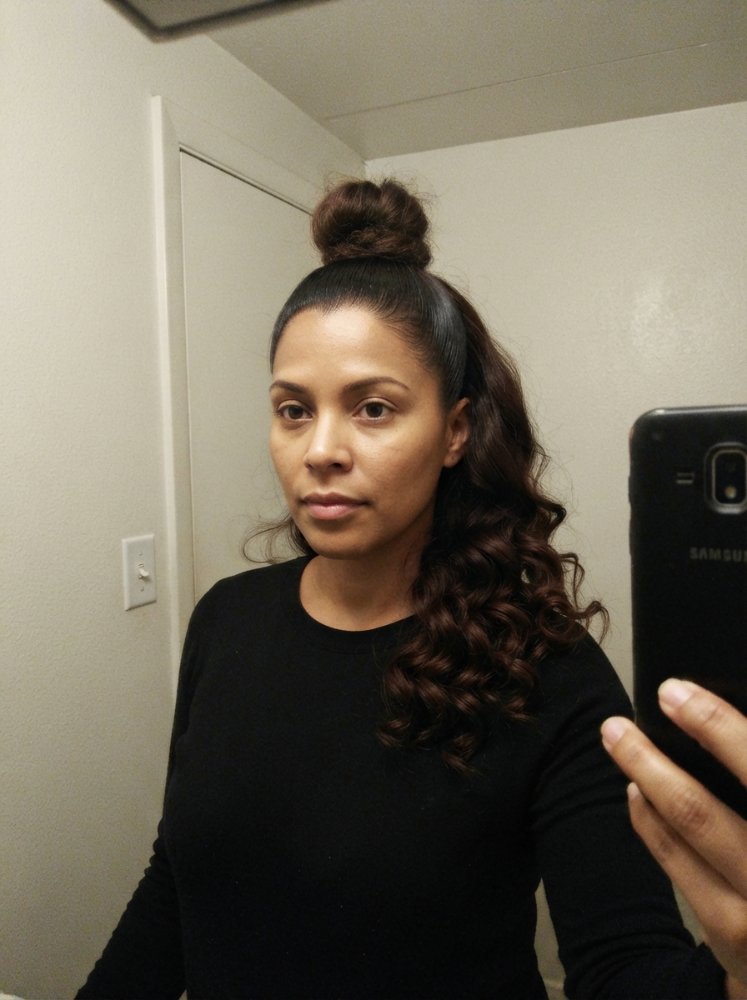
The half-up style keeps most of the added length visible while lifting a smaller upper section away from the face. It’s a good compromise when completely loose hair feels heavy around the front.
Use a modest section rather than pulling aggressively from the base. A fabric-covered elastic, small clip, or pins can hold the upper section while the lower hair continues to conceal the attachment area.
Low Ponytail Half Wig
A low ponytail can make long half-wig hair much easier to control, especially around jackets and bags. The style works best when the wig sits flat enough at the crown for the hair to travel backward without revealing its edge. Keep the ponytail low and check the back with a second mirror before relying on it outside the house.
Low Bun or Chignon

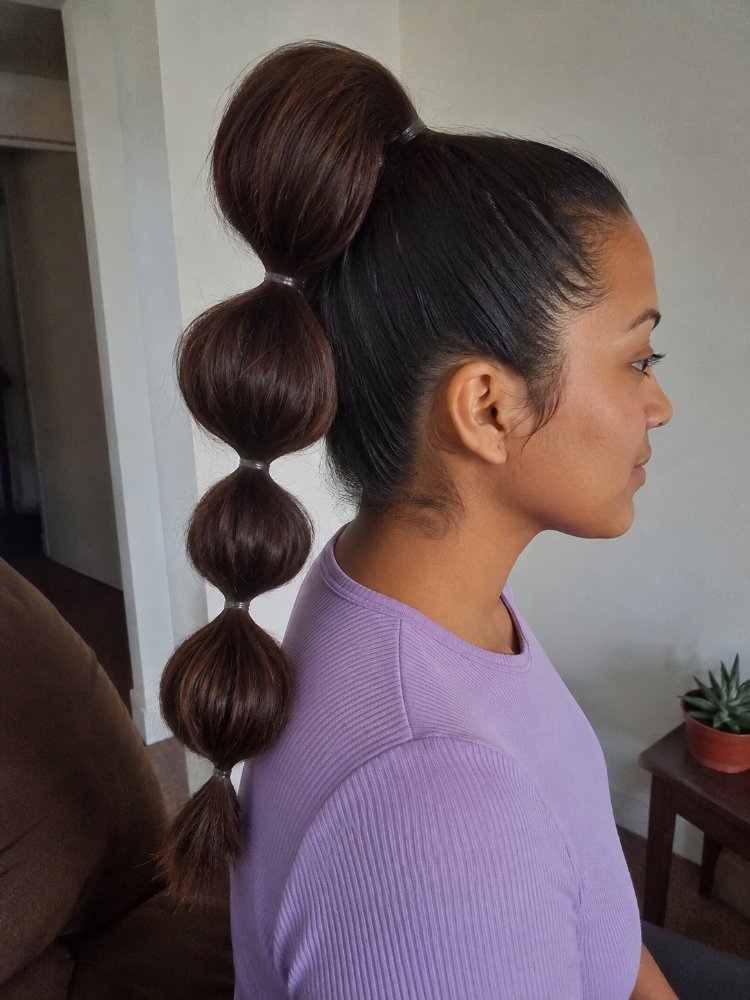
A bun changes the half wig from a length-focused hairstyle into a compact shape at the nape. This can be especially useful for dressier occasions or anywhere loose hair would compete with a neckline.
Start by gathering the lengths gently toward the lower back of the head. Twist or fold them into the chosen bun shape, then secure the hair itself with pins while keeping unnecessary pressure away from the wig attachment.
Construction matters more here than it does with loose waves. A base that becomes visible as soon as the hair moves upward is a poor candidate for a chignon. Test the style from the side and back before committing to it.
Loose Side Braid
Braiding the lengths over one shoulder changes both the appearance and the everyday behavior of a long half wig. The hair stops swinging independently across the back, while the woven texture gives the style a softer finish than a ponytail.
Keep the braid loose enough that it doesn’t pull the entire hairpiece toward one side. This works particularly well with long wavy or textured hair that already has enough surface movement to disguise small imperfections in the braid.
Claw-Clip Twist
A low or mid-level twist held with a claw clip offers a quick way to contain the lengths without creating a tight elastic anchor. It suits half wigs whose attachment remains concealed when the lower hair is lifted. Very high twists are less dependable because they can reveal the underside of a piece designed to fall downward.
Front-Detail Styles That Reduce the Blending Job
Headband Half Wig Hairstyle

A wide headband can cover the transition between your natural hair and the wig, which makes this one of the most practical options when you don’t want to straighten, curl, or otherwise match a large section of leave-out.
The headband should conceal the edge without having to compress the wig painfully against the scalp. Keep the front smooth, softly textured, or lightly defined according to how you normally wear your hair.
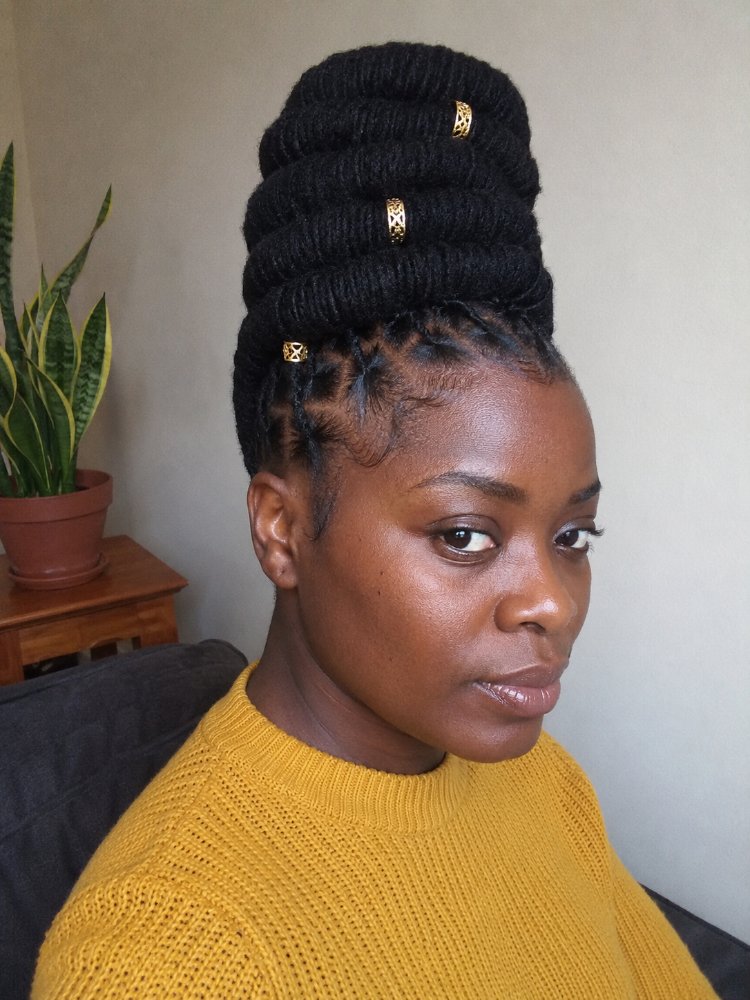
Flat-Twist Front With a Curly Half Wig
Flat twists across the front create an intentional transition into a curly or coily half wig. They work especially well when blending loose leave-out would require more manipulation than you want.
The front design can follow the head backward toward the wig or angle slightly toward the sides. The attachment area still needs to remain hidden, so place the final twists with the half wig’s edge in mind.
This option also makes the natural and added sections visually distinct on purpose. You don’t need to make the twists imitate the curls; they function as the front detail while the half wig supplies volume behind them.
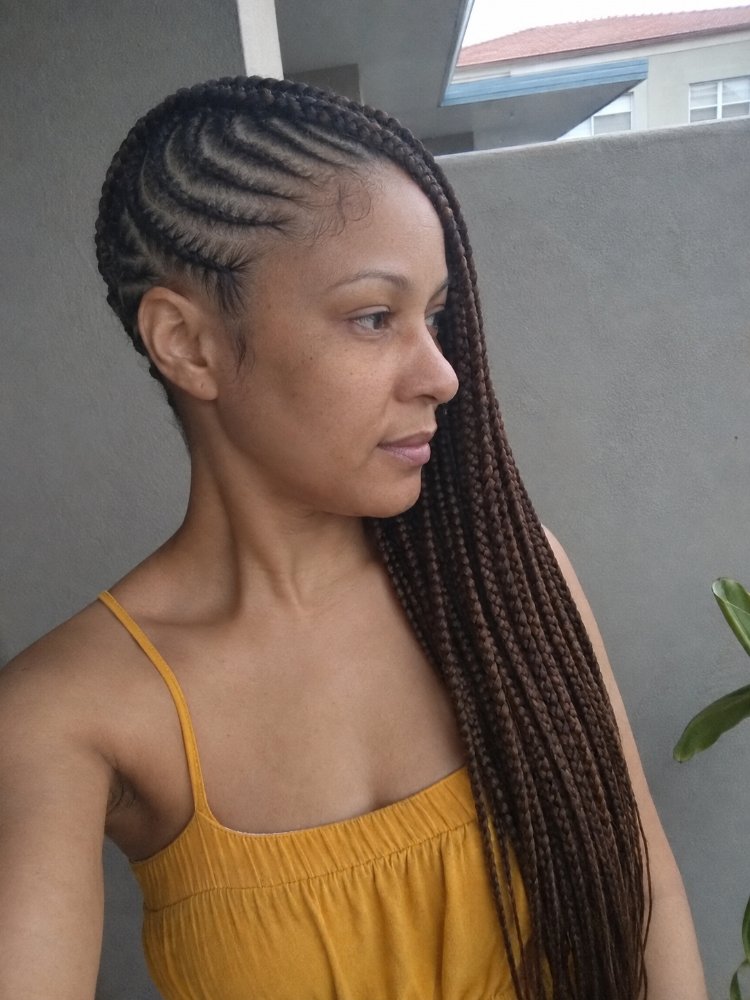
Cornrowed Front With a Full Half Wig
Cornrows at the front produce a more graphic result than loose leave-out and can keep small front sections organized. The half wig begins behind the braided area, creating the effect of a braided front flowing into loose curls, coils, waves, or straight lengths.
This is more installation-dependent than a simple headband style. Braid size, direction, and the placement of the wig edge need to work together so the attachment remains covered without forcing the braids to carry unnecessary tension.
Braided Crown With Half-Wig Lengths
A braided crown creates a visible band of natural hair across the front or upper perimeter, with the half wig providing fullness behind it. Compared with straight-back cornrows, the braid becomes part of the finished hairstyle rather than simply preparing the front. It pairs particularly well with curly and wavy hair because the texture behind the braid softens the meeting point.
Which Half Wig Hairstyle Fits Your Routine?
A reference photo can tell you whether you like the shape. It rarely tells you how much natural hair is exposed, whether the model’s texture matches the wig naturally, or how much styling was needed to make the two sections meet.
Start with the part of the hairstyle you’re least willing to maintain. Someone who doesn’t want regular heat on visible hair has little reason to choose a sleek straight half wig simply because the photograph looks effortless. A headband style, curly blend, flat-twist front, or textured blowout may fit better.
Texture matching also involves density and volume. Fine strands describe strand diameter, while low density means fewer strands overall. A very dense half wig can overwhelm a naturally low-density front even when the curl pattern is excellent. Reducing visible bulk through styling or choosing a lighter-looking piece can create a smoother transition.
Attachment, Scalp Access, and Daily Maintenance
Before styling, learn how your particular half wig is meant to attach. Depending on the construction, it may use built-in combs, clips, straps, or another securing system. These components should feel stable without scraping or concentrating uncomfortable pulling in one area.
The natural hair underneath also needs a base that suits both the attachment and your own hair. Braids, twists, or another flattened arrangement can reduce bulk, but the foundation shouldn’t be made painfully tight simply to help the wig sit flatter. Very bulky sections may create bumps; excessively tight sections create a different problem.
Leave-out deserves its own plan. Match it to the wig with the least manipulation that gives you the effect you want. Curly and coily hair can be blended through compatible curl definition, stretching, twisting, braiding, or other texture-aware methods. Straight half wigs demand more surface consistency, which may make them more maintenance-heavy for someone whose exposed hair quickly reverts in moisture.
Pay attention to friction at the hairline and anywhere combs or clips repeatedly sit. Changing an attachment point slightly may help when the wig design allows it. Persistent pain, redness, sores, or irritation are reasons to remove the source of discomfort. Sudden shedding or a concerning change in density deserves assessment from a dermatologist or another qualified healthcare professional rather than styling around the problem.
At night, the right approach depends on the wig’s construction and whether it is designed for continued wear. A bonnet or smooth surface can reduce friction on the hair itself, but it cannot correct an uncomfortable attachment or excessive pulling.
Related Hairstyles to Explore
- Hair Inspo Aesthetic
- Dimensional Brunette for women
- Slick Baddie Hairstyles
- Baddie Hairstyles Natural Hair
FAQs About Half Wig Hairstyles
Can you wear a half wig without leaving natural hair out?
Yes, some half-wig looks can minimize exposed hair by placing the piece behind a headband or using a braided or twisted front design. The exact option depends on the wig’s construction because the front edge still needs to be concealed securely and comfortably.
Are half wigs suitable for short natural hair?
They can be. Short hair needs enough control at the front and underneath to support the intended attachment and conceal the transition. A headband style can be easier than a loose leave-out blend when the front is too short to merge naturally with longer wig hair.
How do you make a curly half wig blend with natural hair?
Focus on the overall curl size, volume, and styling state instead of trying to duplicate every curl. Your visible hair might be defined, stretched, twisted out, or braided out so it meets the wig naturally. Shrinkage can change the apparent length of the leave-out after styling, so judge the blend in the state you’ll actually wear.
Can you exercise in a half wig?
That depends on the attachment, activity, heat, perspiration, and how securely the piece stays in place during movement. Test gentle movement before a workout, keep scalp comfort and access in mind, and avoid relying on extra-tight attachment simply to make the wig feel more secure.
Hair Texture & Upkeep Style Matcher
Select your natural hair texture and daily maintenance window to get an instant styling formula and heat safety cap.
Heat Cap: 320°F (160°C)
A versatile three-strand braid beginning at the parietal ridge, securing the top half while allowing natural wave texture to flow freely around the shoulders.
Conclusion
The strongest half wig hairstyle is usually the one that asks the least conflict between your natural hair and the hairpiece. A sleek straight blend can look excellent when the visible hair already cooperates with that finish. Curly, coily, braided-front, and headband styles make more sense when preserving natural texture or minimizing leave-out is the priority.
Choose the front treatment first, then the texture and length. Once that transition is practical, the rest of the hairstyle becomes much easier to live with.
Editorial Standards & Hair Health Guidance
Every style featured on Tress Atlas is curated with a focus on real-world wearability, scalp tension management, and cuticle preservation. When trying protective styles or tight updos, ensure perimeter hairline sections remain tension-free to avoid traction stress on delicate follicles. For heat styling, cap tools below 350°F (180°C) to prevent thermal keratin denaturation.
Scientific Sourcing: Practices aligned with the American Academy of Dermatology (AAD) on traction alopecia risk reduction and cosmetic trichology research on hair tensile strength.