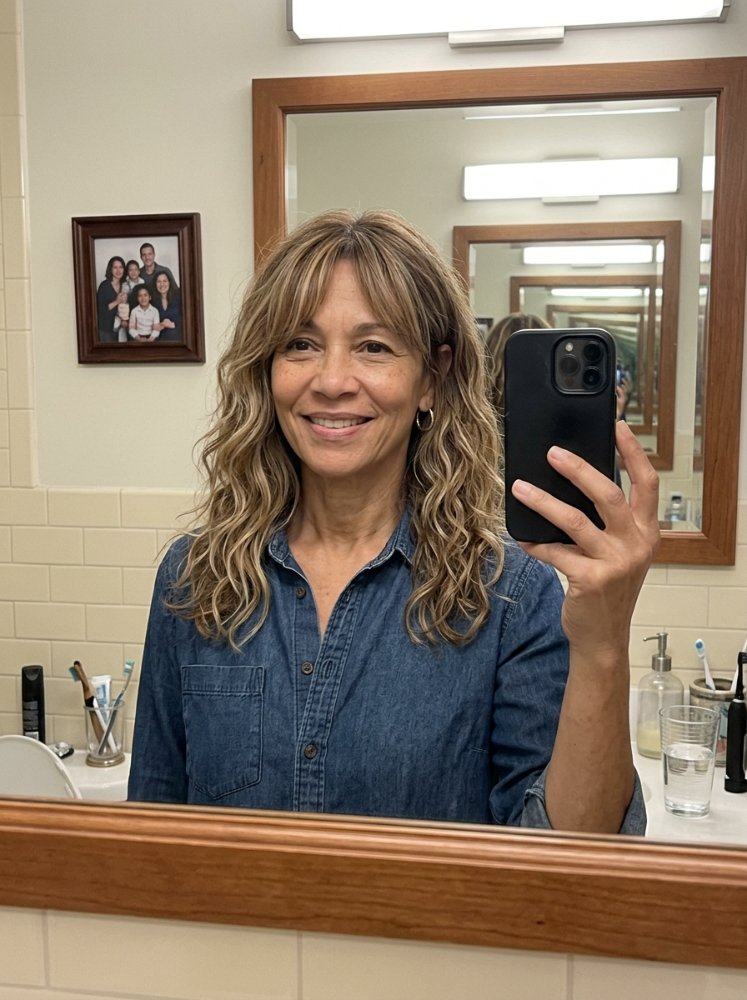
Short Hairstyles for Women Over 50: Styling Guide & Cuts That Balance Shape and Upkeep
Short hair can remove styling time, expose natural texture, sharpen a soft perimeter, or make gray and silver tones more visible. It can also require more frequent reshaping than longer hair because every change at the neckline, ears, and fringe alters the outline quickly.
That makes the haircut itself only half the decision. The stronger choice is the one that suits how you actually wear your hair: air-dried, diffused, blown smooth, curled, pressed, or mostly left alone. Density matters too. Fine strands and low density aren’t the same thing, and a haircut can redistribute visual weight without creating actual density.
For many women over 50, a short cut works best when it solves a practical problem—heavy ends, flat roots, an awkward growing-out shape, too much daily styling—while still leaving enough length where you want movement or softness.
Cropped Cuts That Put the Shape First
Classic Tapered Pixie
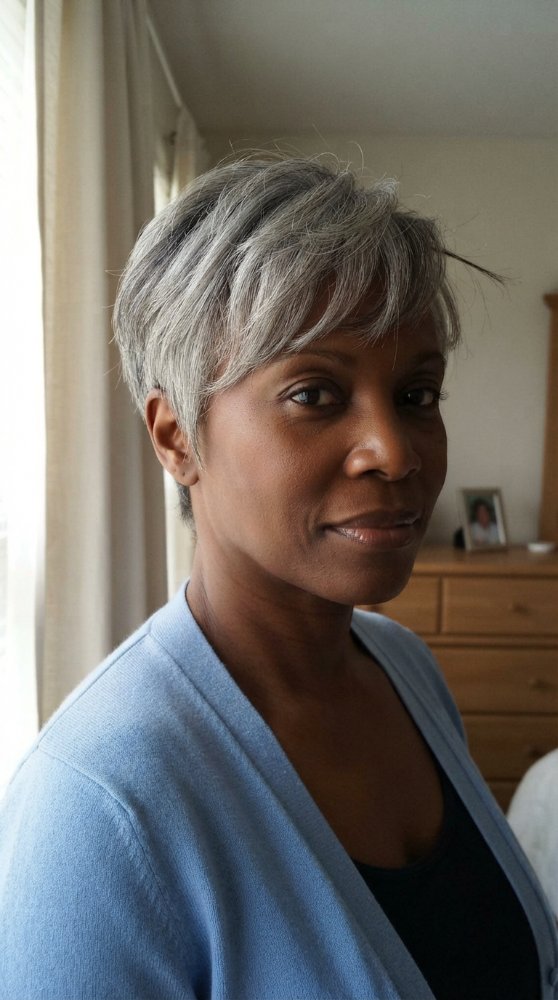
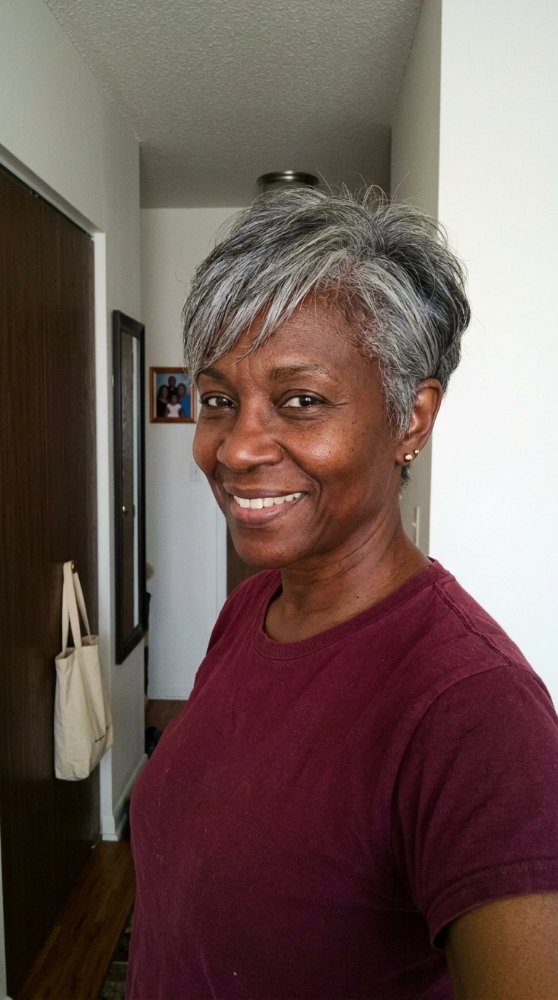
A tapered pixie is one of the clearest choices when you want short hair to look deliberate without relying on a lot of visible length. The sides and nape stay closer while the top retains enough hair for lift, separation, or a gentle sweep. That contrast is what gives the cut its shape.
This version is especially useful when you like exposing the ears, glasses, earrings, or neckline. It also puts the haircut itself under scrutiny: uneven growth around the sideburns and nape becomes noticeable sooner than it would in a bob.
Fine strands can benefit from keeping useful weight through the top instead of aggressively texturizing every section. With low-density hair, excessive interior removal can expose more scalp than the reference photo suggests.
Soft Layered Pixie
Not every pixie needs a sharply clipped outline. A softer version keeps the edges less severe and allows the crown, fringe, and temple area to move instead of sitting in one fixed direction.
This is the stronger pixie option when you want flexibility. You can let the fringe fall forward, sweep it slightly to one side, or create modest root lift without turning the haircut into a structured crop.
The extra softness does mean the shape can become fluffy instead of defined when the layers grow out. Hair that expands in humidity may need a little more control around the sides than the finished salon photo implies.
Long Pixie With Side-Swept Fringe
Keeping extra length through the front changes the entire character of a pixie. The fringe creates movement across the forehead while the shorter back prevents the haircut from feeling like a small bob.
It works particularly well for someone who wants a short cut but isn’t ready to expose the whole forehead or commit to very short hair around every feature. The longer front also gives you something to restyle on days when you want a smoother or more piecey finish.
Textured Crop
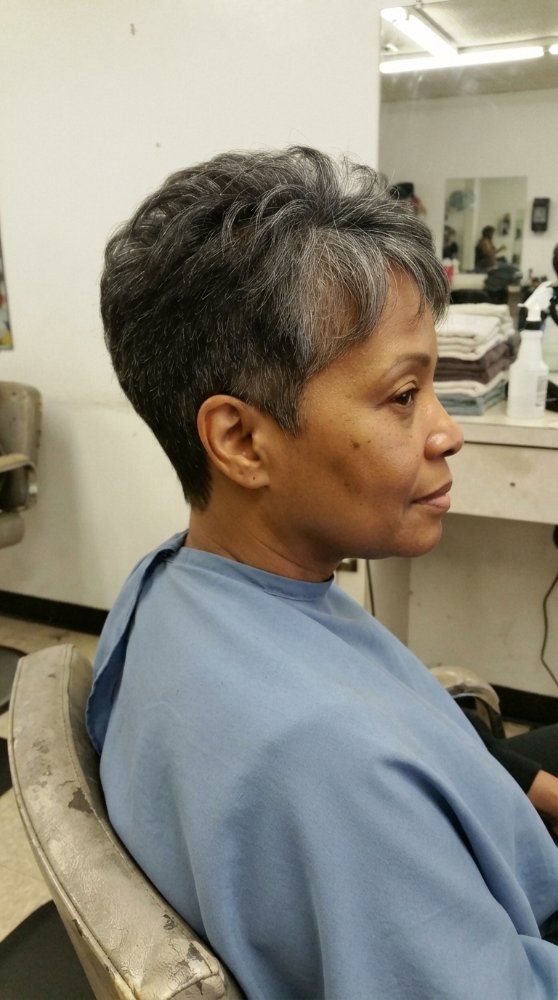
A textured crop places the interest across the top rather than in length at the perimeter. Short layers can be directed forward, lifted at the root, or separated into small pieces, which makes this a practical choice for hair that responds well to light styling.
The cut becomes more demanding when the texture has to be manufactured every morning. Very straight hair may need styling support to create separation, while naturally wavy hair may produce that broken-up surface with less effort.
Gray hair can look especially striking in this shape because variations in silver, white, and pigmented strands become more visible across the short layers. Gray describes pigment loss, though, not a specific texture; the cutting plan still needs to reflect how your individual strands behave.
Close-Cropped Cut With Longer Crown
Want short hair without giving up height at the top? Keeping the sides compact and the crown longer creates a strong vertical emphasis without requiring a long fringe.
The crown length can be worn smoother or lifted, depending on your texture. This is a more styling-dependent choice than an evenly short crop because the top has to cooperate with the tighter sides.
It also works best when your usual routine matches the reference shape. A crown shown blown upward may sit very differently once naturally curly or wavy hair is washed and allowed to return to its normal pattern.
Short Tapered Cut for Natural Curls or Coils
A tapered shape can give curly and coily hair a clear outline while leaving more curl grouping through the top. The shorter sides reduce bulk near the ears, and the longer crown keeps the cut from reading as uniformly cropped.
Shrinkage deserves attention before the first section is shortened. The shape should be judged in the state you normally wear—shrunken, stretched, defined, or otherwise styled—because the same measured length can appear very different once curls contract.
Curly and coily hair may be shaped wet, dry, or with a combined approach. What matters is that the final balance makes sense after the hair returns to its normal wearing state.
Short Bobs for More Perimeter and Movement
Chin-Length Blunt Bob
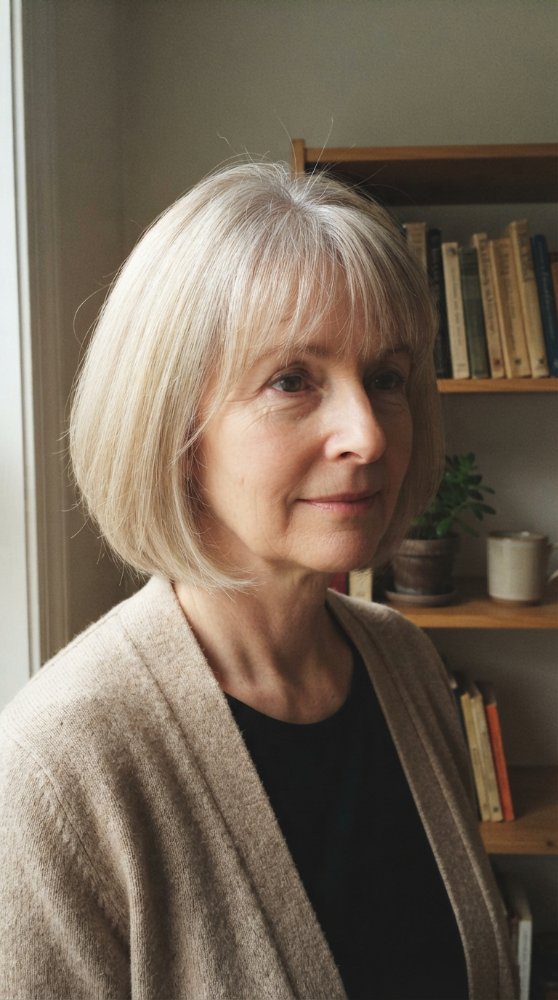
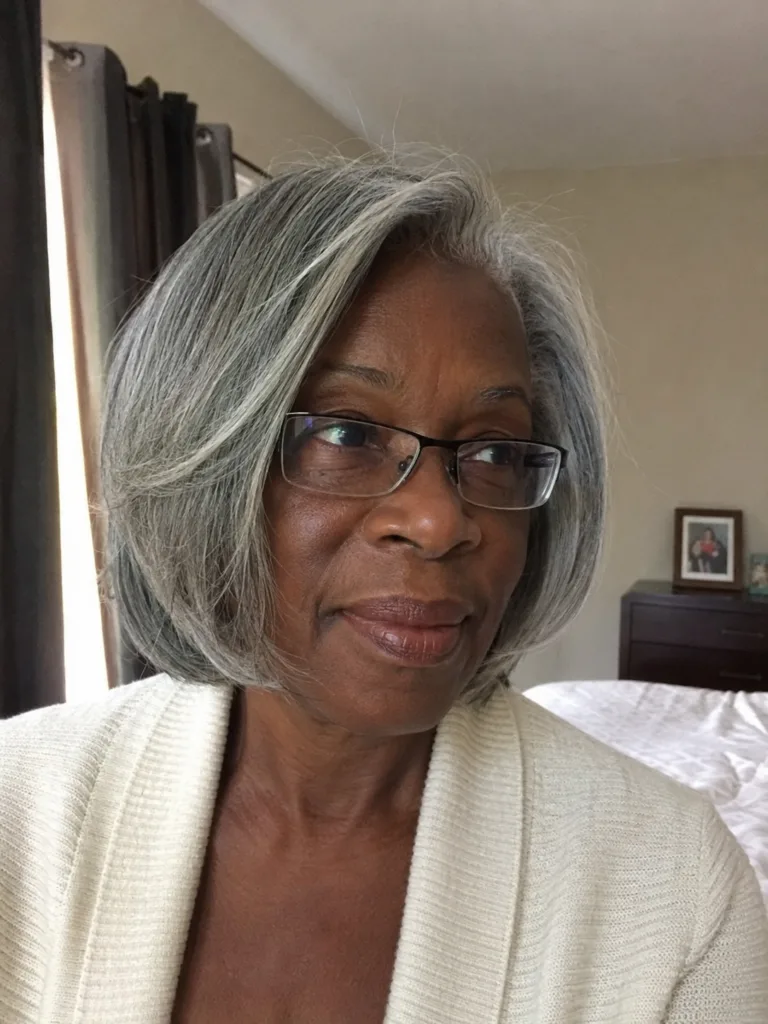
A blunt bob is the strongest starting point when the lower edge matters more than airy layering. Keeping a substantial perimeter can make healthy ends look more solid, which is useful when heavily layered cuts tend to look too wispy.
That doesn’t create new density. It simply concentrates more of the existing hair at the bottom edge instead of removing weight through numerous layers.
A chin-length bob also interacts with the jaw, glasses arms, scarves, and coat collars more than a pixie does. Slightly longer versions may begin flipping where the ends repeatedly meet clothing, so think about your everyday wardrobe as well as the front-view photograph.
Graduated Bob
Graduation builds weight through the back while allowing the front to retain more length. From the side, that creates a cleaner curve and a more sculpted profile than a one-length bob.
This is more salon-dependent than an easy blunt cut. The stacking or graduation needs to remain balanced as it grows, especially through the nape. Too much weight can make the back feel bulky; too much removal can take away the rounded effect you chose the cut for.
For someone willing to maintain the shape, though, a graduated bob gives short hair more architecture without requiring an extremely cropped finish.
Layered Bob With Soft Ends
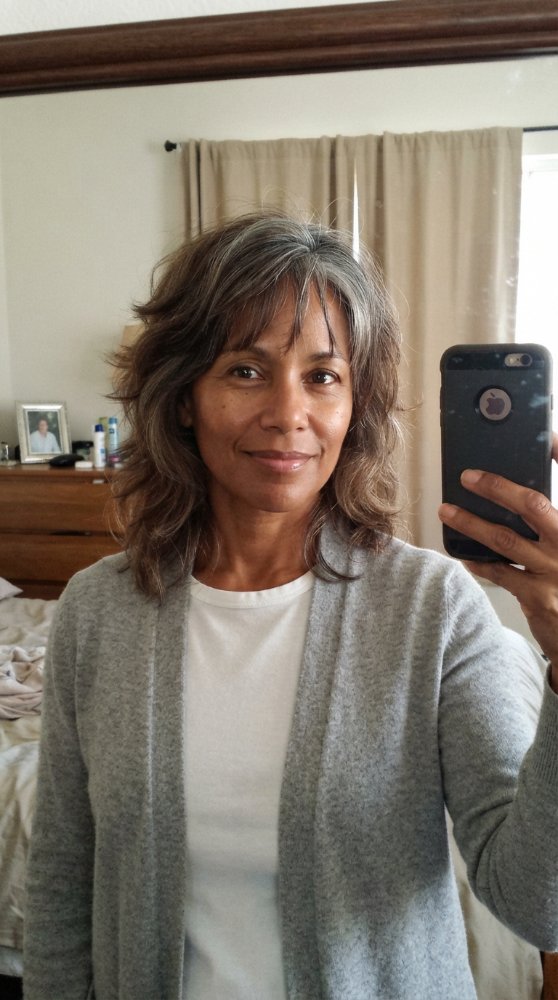
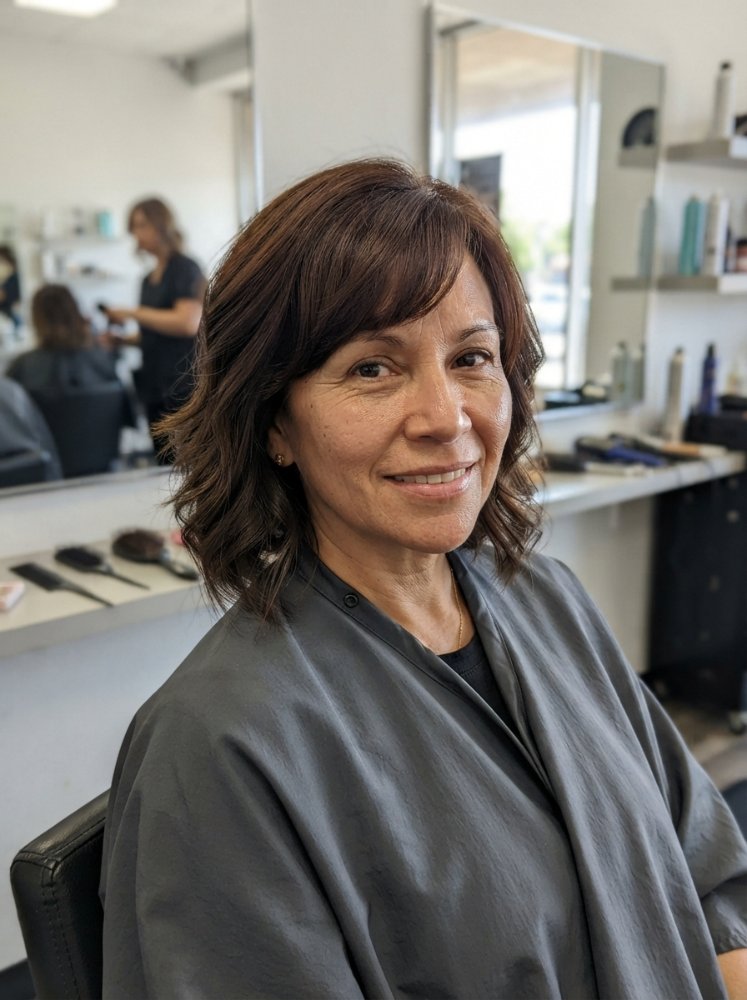
Movement is the reason to choose this over a blunt bob. The layers release some perimeter weight and let the hair bend, wave, or turn away from the head more easily.
It can suit medium or higher density particularly well when a solid one-length edge feels too heavy. Fine strands may also work with layers, but the amount of removal matters more than the label of the haircut.
The strongest version keeps a recognizable bottom line instead of thinning every end into transparency.
French-Inspired Short Bob
A compact bob with a strong outline and optional fringe creates a very different impression from a graduated or heavily layered shape. It tends to sit close to the jaw area, giving the haircut a crisp visual boundary.
The deceptively simple photo can hide some daily behavior. Hair with bends around the temples or cowlicks at the fringe may refuse to sit in a perfectly smooth curve without styling. Naturally wavy versions often look better when the cut allows some irregular movement instead of forcing every section flat.
Choose it because you like the compact outline, not because you expect every strand to remain immobile.
Short Bob With Side-Swept Bangs
Side-swept bangs give a bob more movement around the forehead without committing to a full horizontal fringe. They can connect gradually into the side lengths, which keeps the front from looking disconnected.
This is one of the easier fringe options for someone who likes occasionally pushing hair away from the face. As the fringe grows, it can usually merge into the surrounding shape more naturally than a very short blunt bang.
Hairlines and growth patterns matter here. A strong cowlick may influence where the sweep naturally wants to fall, so bring reference photos while remaining open to adjusting the exact direction.
Rounded Bob
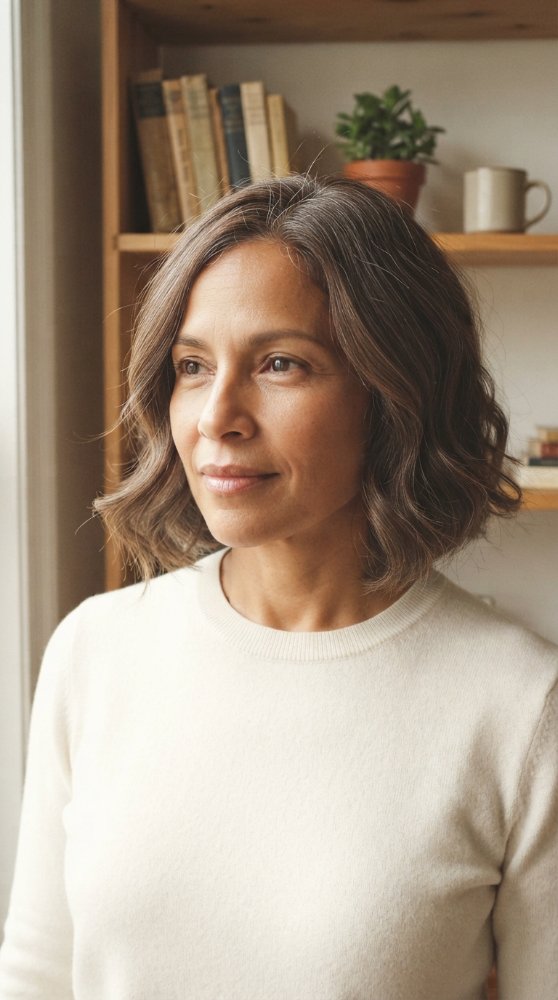
The rounded bob works through controlled volume rather than obvious choppy layers. Its curve is most visible through the sides and back, making it useful for someone who prefers a fuller outline over a wispy one.
Hair that naturally holds some bend can support the shape well. Very straight hair may need blow-drying or another styling method to recreate a highly rounded reference image.
The haircut also needs enough internal balance to avoid becoming triangular. Removing bulk in the right areas is different from indiscriminately thinning the ends.
Short Cuts That Work With Texture
Curly Bob
A curly bob is less about cutting curls to one identical measured length and more about creating a balanced shape once shrinkage and curl grouping show up.
The perimeter can be rounded, slightly graduated, or deliberately irregular depending on the curl pattern and desired volume. Different sections of the same head may spring up differently, so a reference photo should guide the general outline rather than act as an exact blueprint.
A curly bob becomes much easier to live with when it’s designed around your normal styling routine. Someone who usually diffuses will see a different result from someone who stretches the hair or wears it in a looser set.
The strongest consultation question is simple: how does the haircut need to look on an ordinary wash day?
Short Curly Shag
A shag trades some perimeter weight for movement through the crown and interior. On curly hair, that can help curls lift away from the head instead of accumulating most of their volume near the bottom.
It is a poor match for someone whose main goal is the thickest-looking lower edge. The layered construction deliberately breaks up that solid perimeter.
The cut also needs careful adaptation for low-density hair. Curl pattern can create apparent volume, yet aggressive layering may reveal spaces between curls that weren’t obvious before the haircut.
Wavy Bixie
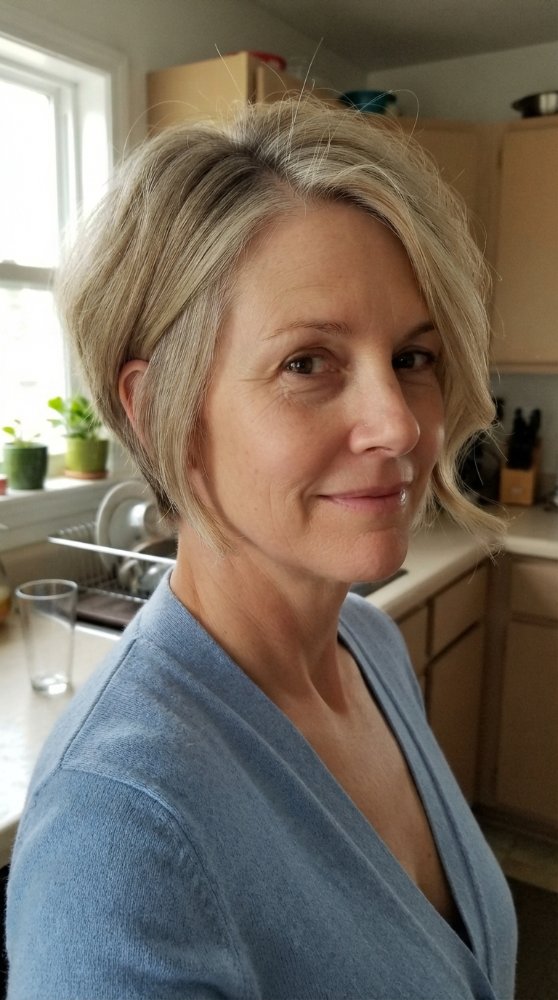
Part bob and part pixie, the bixie keeps more length around the ears and perimeter than a classic pixie while remaining shorter and lighter than most bobs. Wavy hair gives it a naturally loosened surface that suits the hybrid shape.
This is an underrated option when a pixie feels too exposed and a bob still feels heavier than you want.
Grow-out is more forgiving than on a tightly tapered crop, but the shape can lose direction once the layers become long enough to collapse. The haircut may still need reshaping before you consider it objectively long.
Tousled Short Shag
A short shag is built for visible layering, crown movement, and a less rigid perimeter. It makes sense for hair that already has some wave, bend, or volume because the texture helps separate the layers.
Straight hair can wear a shag too, but recreating a highly tousled photograph may require more daily styling than expected.
This cut also gives gray, silver, or highlighted hair plenty of movement across the surface. Different tones become visible as the layers overlap, especially around the crown and fringe.
Softer Short Styles With More Styling Flexibility
Feathered Short Cut
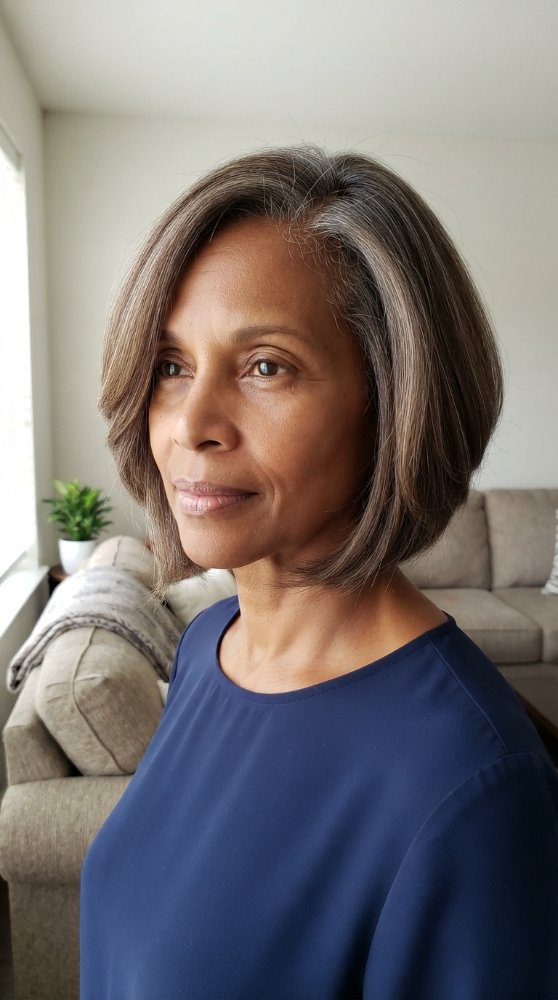
Feathering creates movement away from the face and through the sides, giving short hair a lighter, more swept-back character. It can be built into a longer pixie, short layered cut, or compact bob.
The effect depends heavily on styling. A photograph showing lifted roots and feathered ends may have been blow-dried into that position, so ask how the cut looks before styling as well as after.
This is worth the extra effort when you enjoy using a brush and dryer to shape the hair. Someone seeking true wash-and-go simplicity will usually be happier with a cut that follows the hair’s natural fall.
Short Cut With Full Fringe
A full fringe changes more than the forehead area. It moves visual weight toward the front of the haircut and can make a basic bob, crop, or bixie feel much more defined.
The practical issue is growth. Bangs can start interfering with glasses or vision before the rest of the haircut feels noticeably longer. Hairline growth patterns and natural curl also affect how a fringe sits.
Curly fringe can stay curly; straightening it isn’t a requirement. The key is deciding what state you actually want to wear it in most days.
Short Cut With Wispy Fringe
Wispy fringe keeps the front lighter than a full bang and allows more forehead to remain visible. It pairs especially well with layered bobs and longer pixies because the edges can blend into surrounding pieces.
Low-density hair deserves a little caution here. Taking too much hair forward to manufacture a fringe can leave the crown or front sides looking sparse. A lighter fringe should use only the amount of hair the haircut can spare.
Side-Parted Short Layered Cut
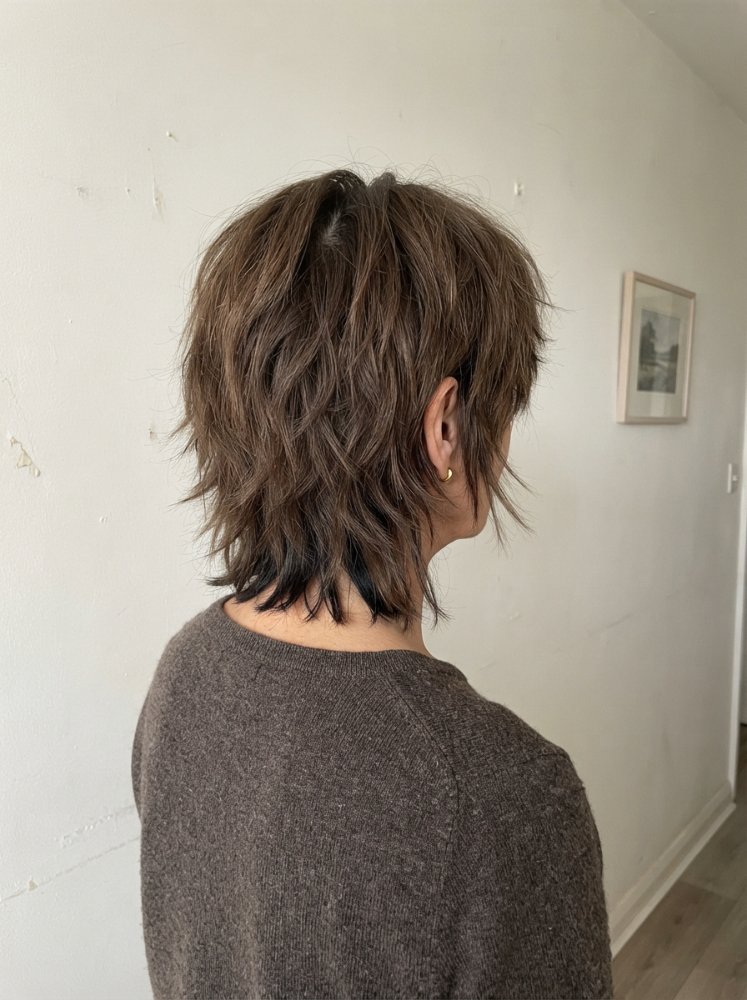
A side part can make short layers fall with more direction, particularly when one side naturally carries more volume. The cut itself needs to support that distribution rather than depending on a dramatically moved part as the only source of shape.
This is useful for women who prefer a softer asymmetry without committing to a truly asymmetrical haircut.
Natural growth patterns still have the final say. Hair that repeatedly flips back toward its original part can make a forced deep side part more work than it appears in a still photograph.
Asymmetrical Short Bob
An asymmetrical bob creates visible imbalance on purpose, usually with one side carrying more length or a stronger angle. Compared with a conventional bob, it looks more graphic and exposes the haircut’s construction immediately.
That strong shape makes precision important. As the shorter and longer sides grow, the contrast can become less clear, so this isn’t the easiest option for someone who prefers stretching salon visits as long as possible.
Keep the difference substantial enough to look deliberate. Tiny length variations can simply resemble an uneven bob.
Brushed-Back Short Cut
Brushing short hair away from the face creates openness without requiring a very short perimeter. A layered crop, bixie, or short bob can all be shaped this way when there is enough length through the front.
It is particularly useful when you like your hair off glasses frames or don’t want a fringe falling forward throughout the day.
The final result depends on root direction and hold. Hair that naturally falls toward the forehead will need more styling support than hair already inclined to move backward. A soft brushed-back finish is usually more forgiving than trying to make every strand lie perfectly flat.
What Short-Hair Photos Don’t Show
A reference photograph is excellent for communicating taste, but it rarely tells you everything about the haircut. You can’t see how much styling happened before the image, whether naturally curly hair was stretched, or how the cut behaves after sleeping on it.
Perimeter behavior matters in everyday life too. Short bobs can flip against high collars. Volume around the temples can compete with glasses arms. A pixie may still feel short while the nape has already lost its clean outline.
Density can also be misleading in photos. Styling products, root direction, curl expansion, lighting, and camera angle may make hair appear fuller. A haircut can position your existing hair more effectively; it can’t produce additional follicles.
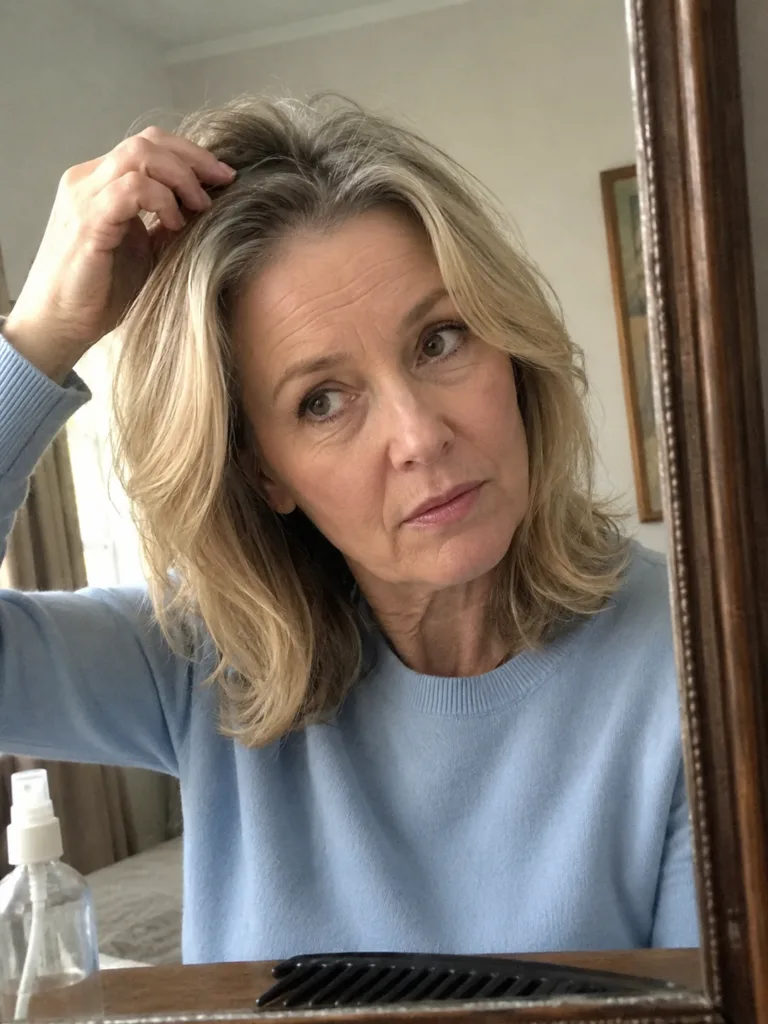
Gray and silver hair require the same individualized thinking. Pigment loss doesn’t determine whether strands will be coarse, fine, straight, wavy, curly, dry-feeling, or smooth. Build the haircut around the actual hair in front of you rather than assumptions about gray texture.
Choosing Between a Pixie, Crop, Bixie, and Bob
The easiest way to narrow the list is to decide how much perimeter you want to keep.
A pixie puts the focus on the head shape, crown, fringe, ears, and neckline. It makes the strongest statement but generally shows grow-out sooner.
A crop keeps things similarly short but often feels less dependent on a traditional pixie outline. Textured crops and curly tapered cuts fit here.
A bixie is the useful middle ground. You retain more hair around the sides and back, which gives you styling flexibility without carrying the full weight of a bob.
A bob keeps the clearest perimeter. Choose it when the bottom edge, movement around the jaw, or the ability to tuck sections behind the ears matters more than having very short sides.
Density, Fine Hair, and Thinning Need Different Decisions
Fine hair refers to individual strand diameter. Low density means there are fewer strands overall. Thinning describes a reduction or change in density. Those differences affect haircut planning.
With fine strands, a strong perimeter may help the ends look more substantial, especially when the hair is healthy. Too much razor work or interior removal can make already delicate ends look scattered.
Low-density hair often benefits from protecting useful visual weight. That doesn’t mean layers are forbidden. Strategic layers can add movement or prevent the shape from collapsing, while excessive removal may reveal more space between strands.
A sudden or concerning change in density belongs outside a haircut consultation. Sudden shedding, persistent scalp irritation, pain, redness, sores, or an unexplained density change can warrant a conversation with a dermatologist or another qualified healthcare professional.
Plan the Salon Consultation Around Your Real Routine
Bring photographs that show the overall haircut you like, but explain which part matters most. Maybe it’s the compact nape, the strong bob perimeter, the longer crown, or the ability to wear natural curls without stretching them.
Also be clear about how you style your hair between appointments. A cut designed around a smooth blowout may behave differently on hair that is normally air-dried. Curly and coily hair should be assessed with shrinkage and your usual wearing state in mind.
Useful consultation points include:
The shortest area you’re comfortable exposing
Whether you regularly wear glasses or hearing devices
How much fringe you want around the forehead
Whether perimeter fullness or internal movement matters more
Your usual natural or styled hair state
Previous chemical or color services that affect condition
Short hair gives the haircut more responsibility. Choosing a shape that works before intensive styling is usually more practical than depending on a daily reconstruction of the salon finish.
Maintaining a Short Haircut Without Turning It Into a Project
Short hair isn’t automatically low-maintenance. It often reduces detangling, drying, or styling volume, but the outline itself can need more attention.
Let the haircut tell you when reshaping is becoming useful rather than following a universal calendar. A pixie may lose definition around the ears or nape. A bob may begin turning outward at the collar. Layers can become heavy enough that the crown stops lifting or curls begin accumulating weight near the bottom.
At home, focus on preserving the styling state you actually enjoy. Smooth pillow fabrics or a bonnet can reduce friction and tangling. Curly hair may benefit from refreshing only the sections that have lost their grouping rather than completely restyling everything. Straight or blown-out short cuts often need attention at the roots and front pieces before the back requires much work.
Heat should be matched to your hair’s condition, tool, and technique instead of treated as one universal temperature rule.
Related Hairstyles to Explore
- Stylish short hairstyles for women over 50
- Hairstyles for women over 50 with fine hair
- Long hairstyles for women over 50
- Curly hairstyles for women over 50
FAQs
Are short hairstyles flattering for women over 50?
They can be, and age alone isn’t a useful way to choose the shape. Consider how much of the ears, jaw, neck, and forehead you want visible, along with your texture, density, glasses, styling habits, and preference for a softer or more structured outline.
What short haircut makes thin hair look fuller?
A blunt bob, compact crop, or pixie that preserves useful perimeter and crown weight can make the existing hair appear more substantial. The right choice depends on whether you’re dealing with fine strands, low density, or actual thinning, since those aren’t interchangeable conditions.
Can women over 50 with curly or coily hair wear pixies?
Yes. Tapered pixies, curly crops, bixies, and short layered shapes can all work with curls and coils. Plan the haircut around shrinkage, curl grouping, density, and the state in which you normally wear your hair instead of relying on a shape photographed on straightened hair.
Is a pixie easier to maintain than a bob?
Daily styling may be faster because there is less hair, but a pixie’s outline often becomes visibly overgrown sooner. Bobs retain more length and may give you more flexibility between reshaping appointments, though they can involve more drying and styling.
Should gray hair be cut differently?
Gray hair doesn’t require a specific haircut simply because it has lost pigment. Base the cut on strand size, density, texture, condition, movement, and your preferred styling routine. Silver and white sections can make layering and texture especially visible, so placement may affect the finished appearance.
What should I ask for before getting very short hair?
Explain which areas you want kept longer, how much forehead and ear exposure you’re comfortable with, your normal styling state, and the amount of daily styling you’re willing to do. Ask how the cut is expected to change as the nape, crown, fringe, and sides grow so you understand the maintenance before committing.
Hair Texture & Upkeep Style Matcher
Select your natural hair texture and daily maintenance window to get an instant styling formula and heat safety cap.
Heat Cap: 320°F (160°C)
A versatile three-strand braid beginning at the parietal ridge, securing the top half while allowing natural wave texture to flow freely around the shoulders.
Conclusion
The strongest short hairstyle for a woman over 50 isn’t simply the shortest or easiest-looking option. Start with the physical result you want.
Choose a pixie or tapered crop when a compact outline and exposed neckline appeal to you. A bixie keeps more flexibility through the sides and front. A bob is the better starting point when perimeter weight and movement matter most, while curly crops and shags make more sense when the haircut should cooperate with natural texture instead of suppressing it.
Most importantly, choose the version you can wear in your normal hair state. A haircut that still makes sense after washing, sleeping, putting on your glasses, and getting dressed is far more useful than one that works only in the reference photo.
Editorial Standards & Hair Health Guidance
Every style featured on Tress Atlas is curated with a focus on real-world wearability, scalp tension management, and cuticle preservation. When trying protective styles or tight updos, ensure perimeter hairline sections remain tension-free to avoid traction stress on delicate follicles. For heat styling, cap tools below 350°F (180°C) to prevent thermal keratin denaturation.
Scientific Sourcing: Practices aligned with the American Academy of Dermatology (AAD) on traction alopecia risk reduction and cosmetic trichology research on hair tensile strength.