Wash and Wear Haircuts for Women Over 60: Styling Guide & Cuts That Keep Their Shape
A genuinely wash-and-wear haircut does most of its work through the cut itself. After washing, you should be able to dry your hair in its natural or usual styling state, make a few small adjustments, and still recognize the shape you chose.
That makes the haircut more important than the styling trick.
For women over 60, the useful decision isn’t whether a cut looks suitably youthful, mature, or age-defying. It’s whether the perimeter, layering, and weight distribution suit the hair you have now. Fine strands, low density, natural curls, cowlicks, gray hair, and previous chemical services can all change how a haircut settles, but they’re separate characteristics. Gray describes pigment loss, for example; it doesn’t tell you whether the hair will be coarse, fine, straight, or curly.
The easiest wash-and-wear cuts also work with the way you normally dry your hair. A bob that looks effortless after a professional blowout may behave very differently when air-dried at home. If minimal styling is the priority, bring that reality into the haircut consultation from the beginning.
Short Cuts That Rely on Shape More Than Styling
Classic Tapered Pixie
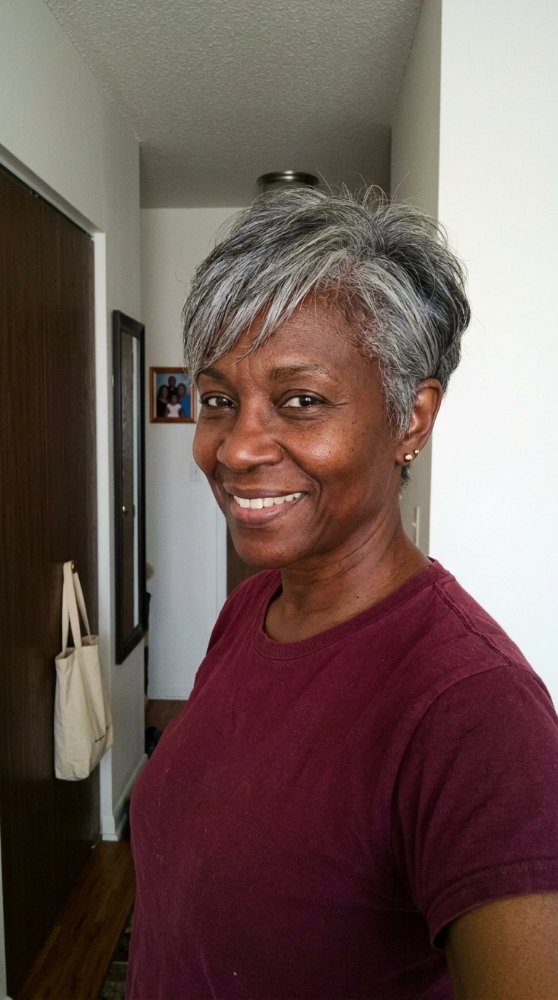
A tapered pixie is one of the strongest wash-and-wear choices when you’re comfortable with short hair. The sides and nape sit closer to the head while the top keeps enough length to prevent the cut from looking uniformly cropped. That contrast creates the shape, so you aren’t relying on a curling iron or round brush to manufacture it every morning.
The main decision is how much movement you want through the top. Straighter hair may fall into soft separation with little effort, while waves or curls create more volume naturally.
A pixie is low-effort day to day but more dependent on the haircut staying balanced. The nape, sideburn area, and outline can lose definition before the hair feels particularly long. Choose this cut because you like short-hair upkeep, not because you want to forget about reshaping altogether.
Long Pixie With a Soft Front
Keeping more length over the crown and front gives a pixie extra flexibility without turning it into a high-styling cut. You can let the front fall loosely, move it away from your face, or direct it slightly to one side with your fingers.
This version is especially useful for someone who likes short hair but doesn’t want every feature completely exposed. Glasses also deserve consideration: bulky hair around the temples can compete with the arms of the frames, so the side shape matters as much as the fringe.
Avoid making the top so long that it only looks finished after lifting, smoothing, or curling. There is a point where a long pixie stops behaving like wash-and-wear hair and starts behaving like a miniature layered blowout.
The Bixie
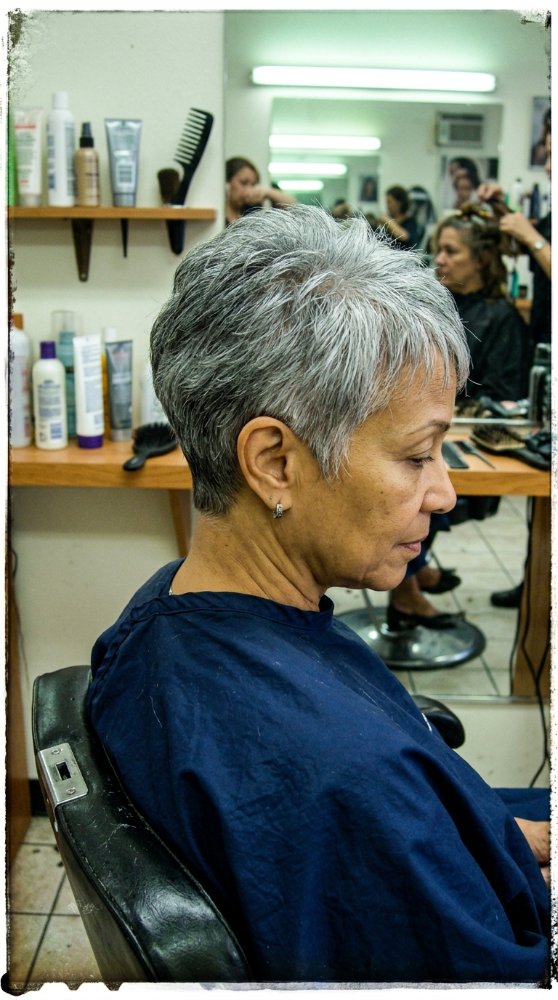
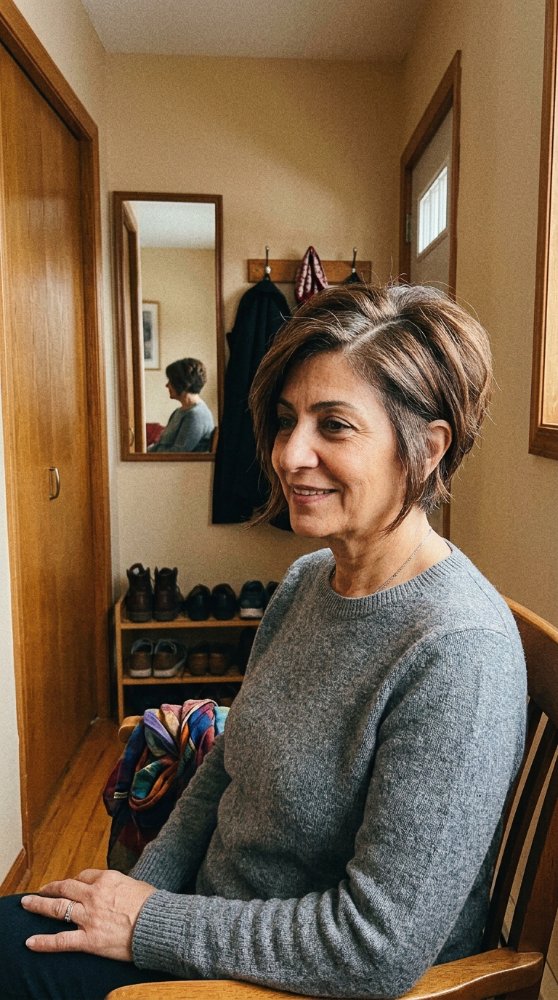
A bixie sits between a bob and a pixie, giving you cropped-hair ease with more movement around the ears and nape. It’s a useful compromise when a conventional pixie feels too short but a bob feels heavier than you want.
Its success depends heavily on the layering. Too much removal through low-density hair can make the spaces between sections more visible. A stronger lower edge and selective layering often create a more substantial appearance than aggressive texturizing.
The bixie earns its place as a wash-and-wear cut when your natural texture already has some bend, movement, or body. Pin-straight hair may still need a little directing if the chosen reference photo shows a deliberately piecey finish.
Short Textured Crop
A textured crop is less concerned with a flowing outline and more about short, separated movement across the head. That makes it forgiving for hair that refuses to sit in one perfectly smooth direction.
Cowlicks can sometimes become part of the design instead of something you battle every morning. The strongest version follows the natural growth pattern through the crown and front while maintaining enough structure around the ears and neckline to read as a haircut rather than simply short hair.
For maximum ease, ask for texture that your hair can produce in its normal drying state. A reference photo built around heavy wax, heat styling, or deliberate spikes may involve more daily work than the length suggests.
Tapered Curly or Coily Cut
For curls and coils, a tapered cut can preserve fullness through the top while reducing bulk around the sides and nape. The result is compact without flattening the natural pattern.
Shrinkage has a major influence on where the finished outline sits. A shape planned on stretched hair can look noticeably shorter or rounder once the coils return. The haircut therefore needs to be judged in the state you actually wear most often.
This is one of the better short options for someone whose wash routine already centers on encouraging their natural curl or coil pattern. Drying and product preferences still matter, but the shape itself shouldn’t require straightening first.
Bobs That Can Air-Dry Without Losing Their Identity
Blunt Chin-Length Bob
A blunt bob puts the visual emphasis on the perimeter. With little or no obvious graduation, the lower edge stays strong, which can be particularly useful when the ends are healthy and you want them to appear substantial.
Fine strands and low density aren’t the same thing, but either can influence how much layering makes sense. Removing too much interior weight from low-density hair may expose more space instead of creating fullness.
This bob is strongest for wash-and-wear routines when your natural fall is reasonably compatible with the line. Hair that flips dramatically at the chin or expands significantly in humidity may need a different length or a less rigid outline.
Softly Graduated Bob
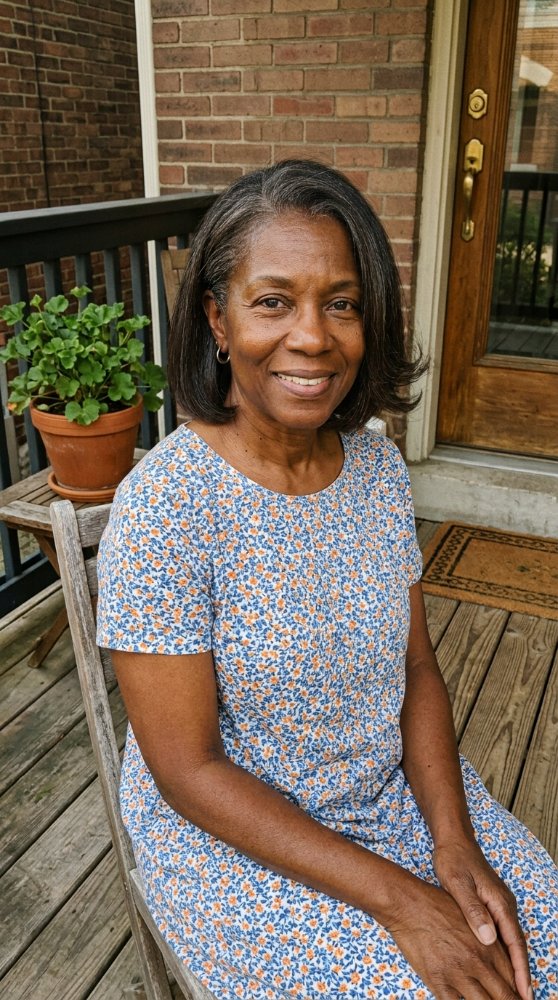
Graduation adds a little more lift through the back while leaving enough length toward the front to preserve a recognizable bob shape. Compared with a heavily stacked version, a softer graduation tends to be less dependent on careful blow-drying.
The back needs enough weight to settle naturally. Extremely short, densely layered sections can puff, separate, or expose growth patterns once you stop styling them with a brush.
This is a practical middle ground for someone who likes the neatness of a bob but finds a completely blunt shape too heavy.
Angled A-Line Bob
An A-line bob leaves the front slightly longer than the back. That forward length creates the visual interest, so the haircut can look deliberate even with a simple air-dried finish.
It also keeps more hair away from the back of the neck than a one-length bob. That’s useful if collars regularly push your ends outward. The front sections, however, need to cooperate with your usual drying pattern. A dramatic angle that curves smoothly under in a salon photo may need much more styling at home.
A moderate angle is the better wash-and-wear choice. The more architectural the shape becomes, the less forgiving it is of bends and uneven drying.
Curly Bob With Internal Shaping
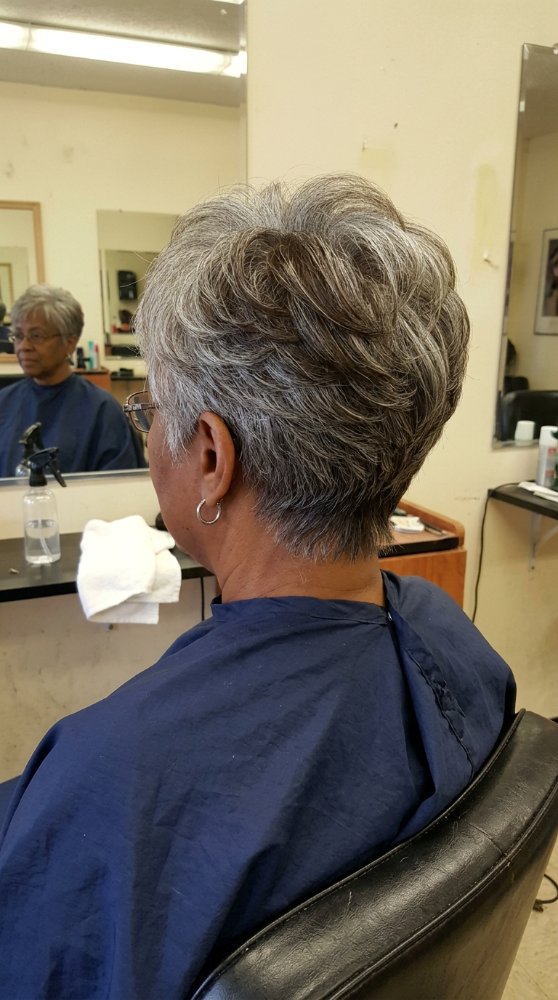
A curly bob shouldn’t simply be a straight bob that happens to contain curls. Internal shaping has to account for how the curls group, where they shrink, and where volume naturally accumulates.
Some curl patterns become triangular when too much weight remains at the bottom. Others lose desirable fullness when the interior is removed too aggressively. The haircut should be assessed with the curl pattern visible enough to predict the final outline.
This is one of the strongest options for someone who already wears a wash-and-go. You aren’t trying to force the curls into a smooth bob; you’re creating a bob-shaped framework for the curls to occupy.
Shaggy Bob
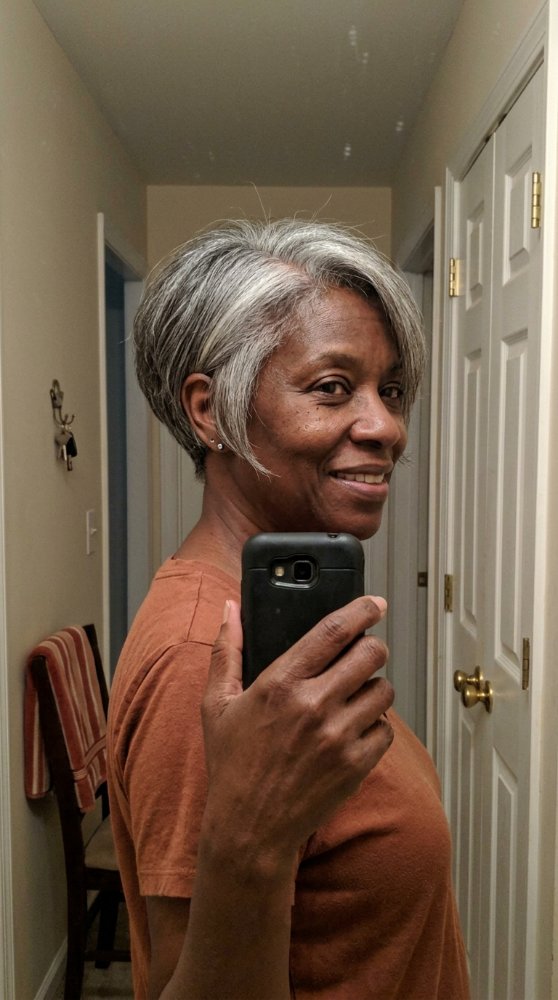
A shaggy bob is more forgiving of bends, waves, and irregular movement than a highly precise bob. Shorter layers create lift and separation while the perimeter remains short enough to avoid the maintenance of long layered hair.
Natural waviness helps considerably. Instead of trying to remove every flick or change of direction, the cut lets those variations contribute to the finish.
The shaggy bob is a poor match for someone who wants a smooth, solid line every day without styling. It’s a much stronger choice when you genuinely like visible movement and don’t mind the ends pointing in different directions.
Longer Wash-and-Wear Shapes Without Excess Layering
Collarbone Lob With a Strong Perimeter
A collarbone-length lob gives you enough length for movement and occasional tying back while avoiding some of the styling demands of longer layered cuts. Keeping the perimeter reasonably substantial helps the ends look deliberate after simple drying.
The exact resting point matters. Hair that lands directly on a shoulder or clothing collar can flip outward from repeated contact. A small length adjustment may make more difference to your daily routine than adding another layer.
This is the practical default for someone who isn’t ready to go short but still wants a haircut to do most of the shaping.
Shoulder-Length One-Length Cut
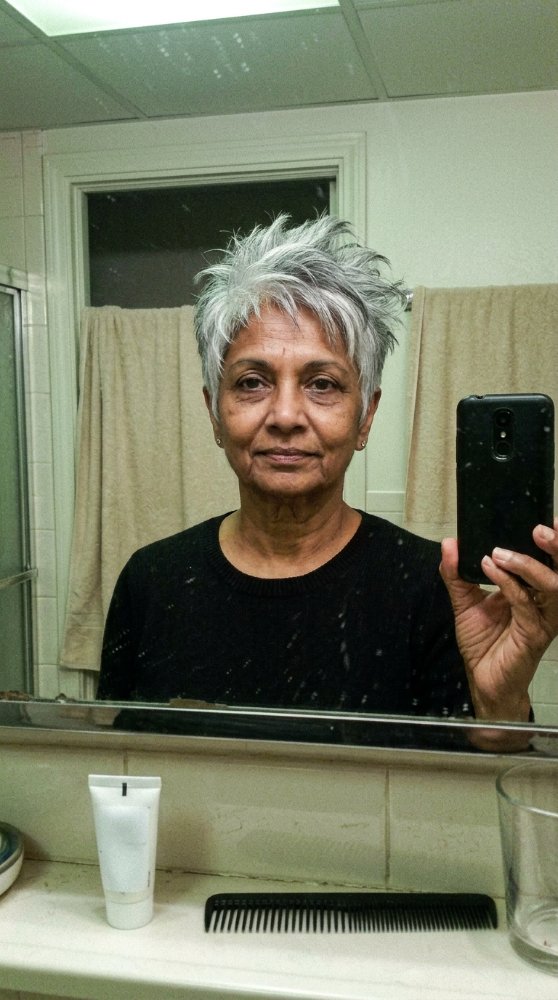
Sometimes fewer moving parts make a cut easier. A mostly one-length shoulder cut preserves weight through the lower portion and eliminates the need to coax short layers into place.
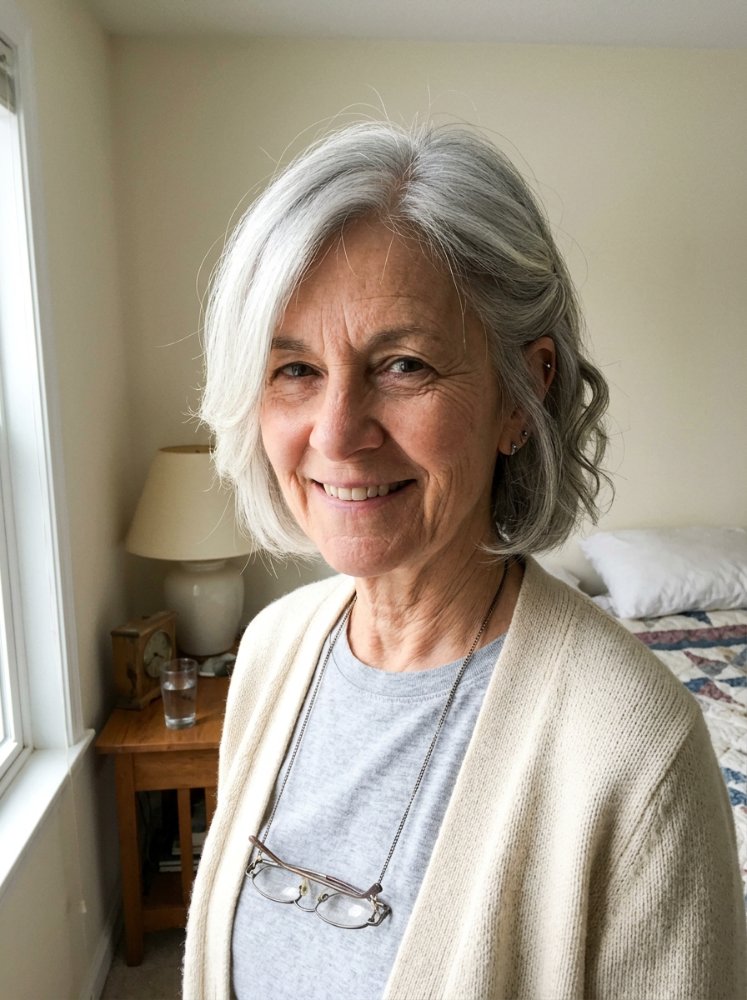
Straight and gently wavy textures may find this particularly simple: wash, dry in the preferred manner, establish the part, and let the natural fall provide the finish. Hair with a stronger wave pattern can develop a broader outline, which may be exactly what you want.
The key is choosing a length that works with your shoulders and wardrobe. Ends that repeatedly catch on jacket collars can turn an otherwise simple haircut into a daily flip.
Soft Shoulder-Length Layers
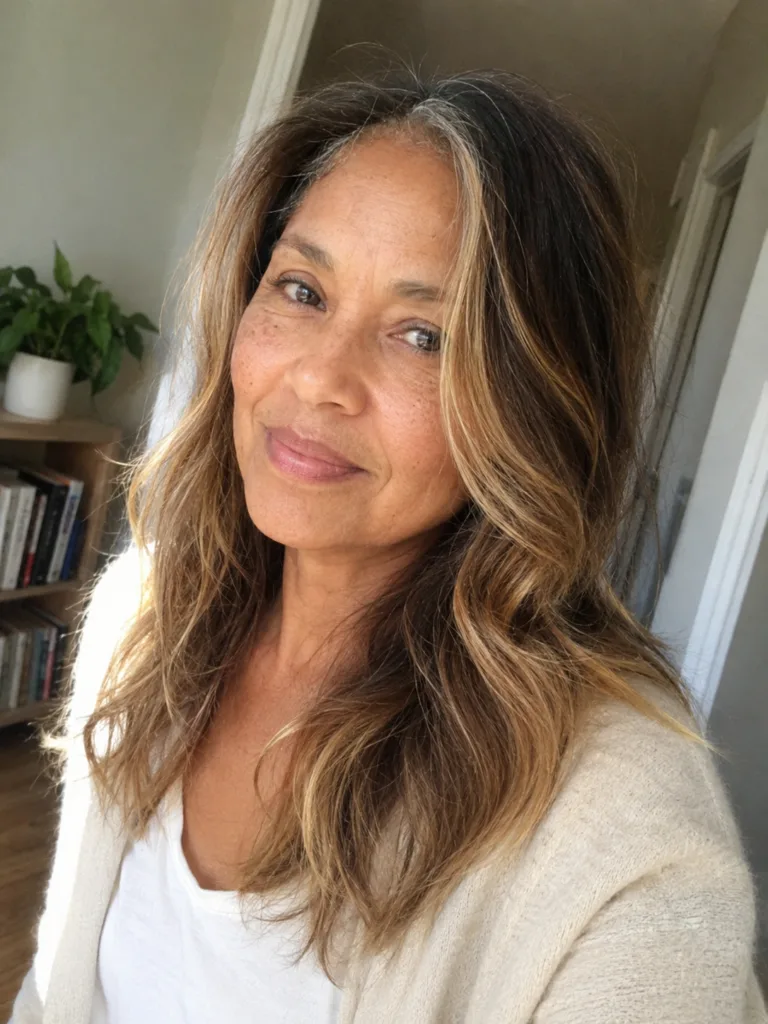
Layers don’t automatically make hair easier, but restrained layering can prevent a shoulder-length cut from sitting as one heavy block. The most useful layers for a wash-and-wear routine usually have enough length to merge back into the overall shape.
This cut makes sense for medium to higher density hair that feels bulky when left completely one length. It can also give waves more room to form.
Very short crown layers create a different commitment. They may spring up, separate, or need deliberate styling while the lower lengths remain calm. For someone prioritizing ease, softer transitions are usually the stronger choice.
Soft Shag for Naturally Wavy Hair
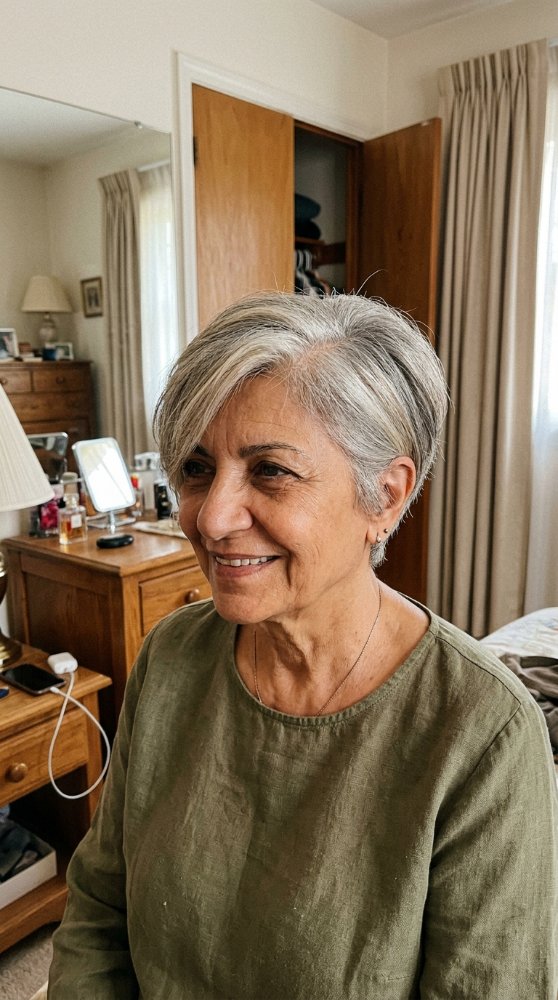
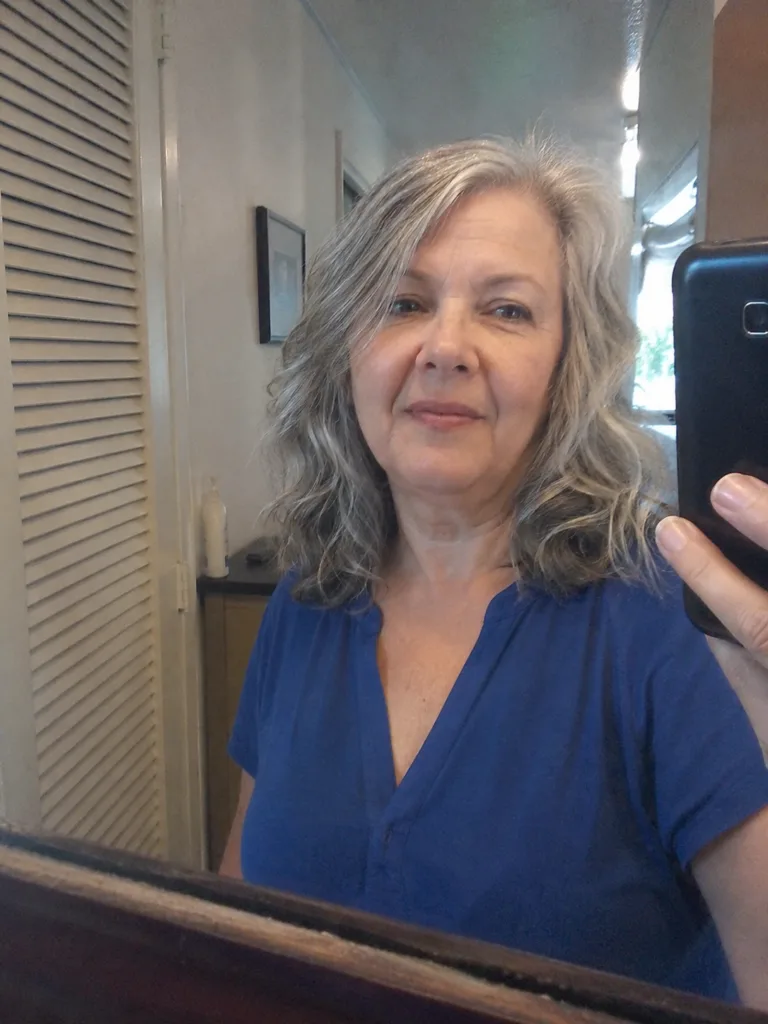
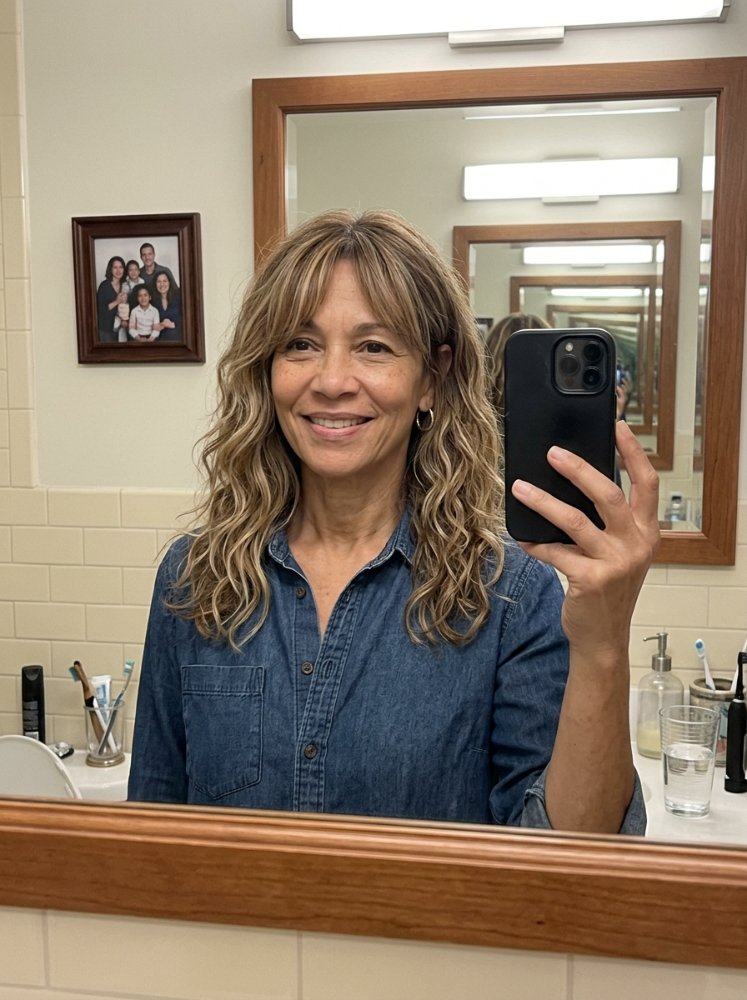
The shag works because imperfect movement is part of its character. Waves can expand, flick, and separate without making the haircut appear unfinished, which gives it an advantage over highly geometric cuts for certain textures.
The challenge is layer placement. Too many short layers can make the crown much fuller than the ends, especially where density is already limited through the perimeter. A softer shag keeps enough weight below the cheek and jaw areas to prevent the lower half from disappearing.
This cut is worth the extra layering when your natural wave needs release rather than control. On straight hair, reproducing a tousled reference image may require more styling than the name wash-and-wear suggests.
Rounded Mid-Length Curly Cut
A rounded curly shape keeps enough length to show the curl pattern while distributing fullness around the head instead of concentrating everything at the bottom. Depending on shrinkage and density, the outline can sit anywhere from softly oval to fuller and more circular.
The haircut should be evaluated in your usual curl state. Someone who normally wears stretched curls needs a different plan from someone who lets coils shrink fully after washing.
This cut also gives you more flexibility than a short tapered shape. You retain movement around the sides and back, but the layers still provide enough structure for the curls to create the outline with limited manipulation.
What Makes a Haircut Truly Wash and Wear?
Length alone doesn’t decide how easy a haircut will be. A cropped style with the wrong growth pattern can demand more attention than a shoulder-length cut that naturally falls into place.
Your normal drying method is the first clue. Someone who air-dries curls needs a haircut designed around curl grouping and shrinkage. Someone with straight hair who dislikes blow-drying needs the perimeter to behave without being curved into position by a brush.
Density affects the strategy too. Low-density hair often benefits from protecting visible weight through the perimeter instead of automatically adding more layers. Fine strands can still be very dense, so strand diameter alone isn’t a reason to choose a blunt haircut.
Gray hair deserves equally individual treatment. Loss of pigment doesn’t establish one universal texture. Some gray hair feels different from previously pigmented strands, while some changes very little. Cut according to the hair’s actual behavior rather than assuming gray must be coarse, wiry, dry, or difficult.
What Reference Photos Often Hide
A wash-and-wear haircut can look remarkably polished in a photograph because the picture captures the best version of one moment. It rarely tells you what happened before the shutter clicked.
A short pixie may have been directed into place with heat. A bob may have been smoothed with a round brush so the ends curve perfectly inward. A supposedly effortless shag may rely on styled waves that don’t exist naturally in straight hair.
Look beyond the finish and study the construction. Where does the weight sit? How short is the crown compared with the perimeter? Does the style require lift at the root to maintain its shape? Are the ends naturally irregular, or have they been deliberately curled?
Curly and coily references need another layer of scrutiny because shrinkage changes visible length. Compare the photograph with your own usual styling state, not merely your stretched length.
Your everyday environment matters as well. A bob that stops exactly at a coat collar may flip. Hair around the temples has to coexist with glasses. A fuller shape behind the head may flatten temporarily against a headrest. These aren’t reasons to reject a cut, but they’re far more useful than deciding from the front view alone.
Salon Planning for a Lower-Effort Haircut
Lead with your routine rather than simply asking for a short cut. Saying that you normally air-dry, diffuse, wrap, stretch, or let your hair shrink naturally gives the person cutting your hair much more useful information.
Bring reference photos for shape, but explain which details actually matter. You might like the strong perimeter of one bob but not its smooth blowout, or the crown volume of a pixie without wanting a long styled fringe.
Useful consultation points include:
The state in which you normally wear your hair
Where your hair naturally bends, flips, shrinks, or separates
Whether you want to keep enough length to tuck behind the ears or tie back
How glasses, hearing devices, collars, or preferred necklines interact with the cut
Whether preserving a fuller-looking perimeter matters more than creating extra internal movement
For curls and coils, discuss how the shape will be assessed in the state you wear most. Curly hair may be cut dry, wet, or with a combined approach; the important point is that the finished result accounts for the real curl pattern and shrinkage.
Tell your stylist how much daily intervention you’re genuinely willing to do. A haircut that requires a quick finger adjustment and a small amount of styling product may still fit your definition of wash-and-wear. A cut that depends on a complete blow-dry every morning probably doesn’t.
Maintenance Without Turning the Cut Into a Project
Wash-and-wear describes styling effort, not an absence of haircut maintenance. Short cuts in particular depend on their outline. A pixie’s neckline and side shape may stop looking balanced while you still feel that the overall length is short.
Watch the haircut rather than following one universal calendar. The useful signs are physical: the taper no longer sits cleanly, a bob’s perimeter begins losing its intended line, layers stop connecting well, or a curly shape starts becoming much heavier in one area.
Your cleansing and drying routine should also suit the scalp and hair in front of you. There isn’t one ideal wash interval for every woman over 60. Activity, buildup, scalp comfort, texture, styling products, and drying method all matter.
Minimal styling doesn’t require ignoring changes in your hair either. A noticeable or concerning change in density, sudden shedding, persistent scalp irritation, redness, sores, or pain deserves attention beyond choosing another haircut; a dermatologist or another qualified healthcare professional can assess symptoms that concern you.
Related Hairstyles to Explore
- Curly hairstyles for women over 60
- Hairstyles for women over 60 with fine hair
- Long hairstyles for women over 60
- Medium length hairstyles for women over 60
FAQs
What is the easiest wash-and-wear haircut for a woman over 60?
A tapered pixie is among the easiest when you genuinely enjoy short hair, because the shape is built into the cut and there is little length to manage. A collarbone lob is a better low-fuss default for someone who wants to retain more length. The easiest option ultimately depends on how your hair naturally dries.
Are wash-and-wear haircuts good for fine or thinning hair?
They can be. Fine strands describe strand diameter, while thinning refers to a change or reduction in density, so the cutting strategy shouldn’t treat them as the same issue. A stronger perimeter can make healthy ends appear more substantial, while excessive interior removal may expose more space in low-density hair. A haircut can’t create actual density.
Can curly or coily hair be wash and wear after 60?
Yes. Curly and coily hair can be especially compatible with a wash-and-wear approach when the haircut is shaped around the natural pattern, shrinkage, density, and normal drying routine. A curly bob, tapered natural cut, or rounded mid-length cut can all work without straightening the hair first.
Should gray hair be cut shorter to make it easier to manage?
Gray hair doesn’t need to be short simply because it has lost pigment. Choose length according to density, strand behavior, texture, condition, and the routine you prefer. Someone with long, smooth gray hair may find a lob easier than a pixie, while another person may prefer the simplicity of a crop.
Hair Texture & Upkeep Style Matcher
Select your natural hair texture and daily maintenance window to get an instant styling formula and heat safety cap.
Heat Cap: 320°F (160°C)
A versatile three-strand braid beginning at the parietal ridge, securing the top half while allowing natural wave texture to flow freely around the shoulders.
Conclusion
The most convincing wash-and-wear haircut is the one that still looks like itself after you style it the way you actually live.
For very short hair, a tapered pixie or textured crop puts the shape in the haircut. Strong-perimeter bobs and lobs are better choices when you want more length without excessive layering. Curls, coils, and natural waves often become easier when the cut is designed around their movement instead of asking them to imitate a smooth reference photo.
Choose the shape first, then judge it against your real drying method, density, natural pattern, glasses, clothing, and tolerance for reshaping appointments. A haircut that cooperates with those details will save far more effort than one chosen simply because it looked effortless in a photograph.
Editorial Standards & Hair Health Guidance
Every style featured on Tress Atlas is curated with a focus on real-world wearability, scalp tension management, and cuticle preservation. When trying protective styles or tight updos, ensure perimeter hairline sections remain tension-free to avoid traction stress on delicate follicles. For heat styling, cap tools below 350°F (180°C) to prevent thermal keratin denaturation.
Scientific Sourcing: Practices aligned with the American Academy of Dermatology (AAD) on traction alopecia risk reduction and cosmetic trichology research on hair tensile strength.