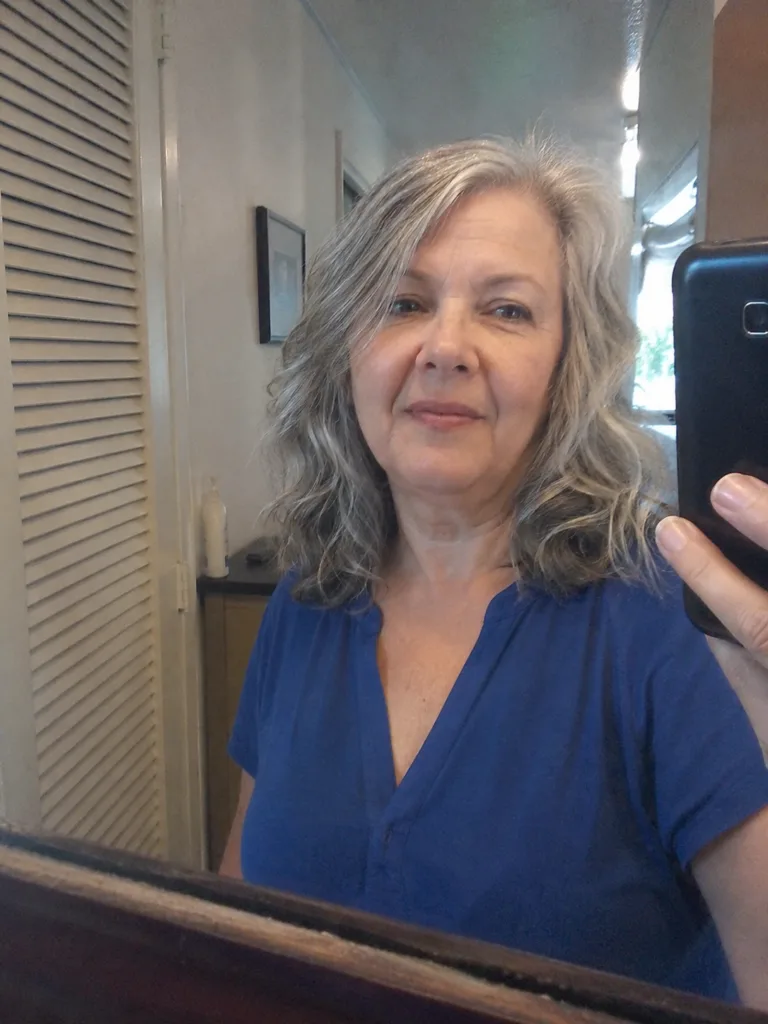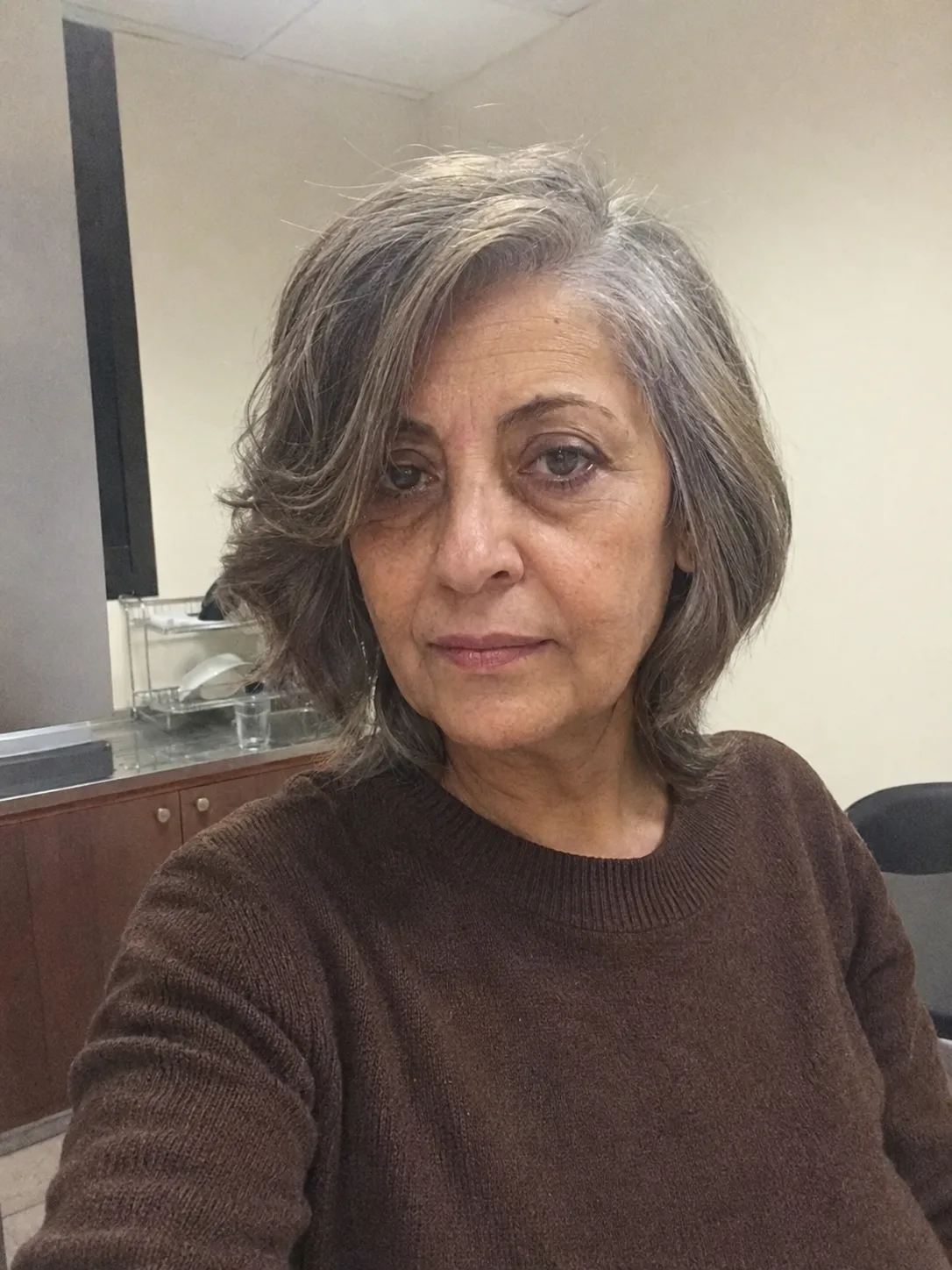
Hairstyles for Women Over 60 With Fine Hair: Styling Guide & Cuts That Keep Fullness in View
Fine hair changes the haircut decision because each strand has a small diameter. Remove too much weight and the ends can look wispy; leave everything long and one-length, and the roots may sit flatter than you want. The strongest hairstyles for women over 60 with fine hair work with that balance.
Fine strands are also different from low density. You can have very fine strands and plenty of them, or thicker strands with fewer hairs overall. Thinning is another issue again. A haircut can improve the appearance of fullness through perimeter strength, movement, and weight placement, but it can’t create actual density.
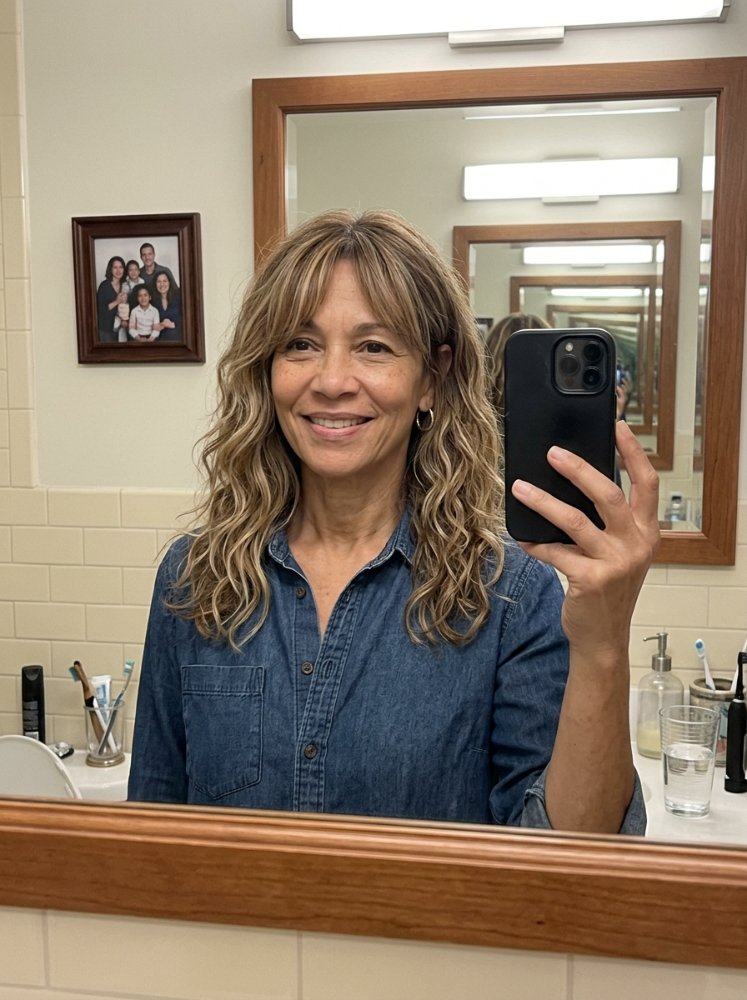
For most people, a strong starting point is a cut with a clear outline and controlled layering. Shorter shapes make lift easier to see, while bobs and lobs can keep more visual weight through the ends. Curls, waves, gray hair, glasses, cowlicks, and your willingness to style should all influence the final choice.
Short Cuts That Put Shape Above Length
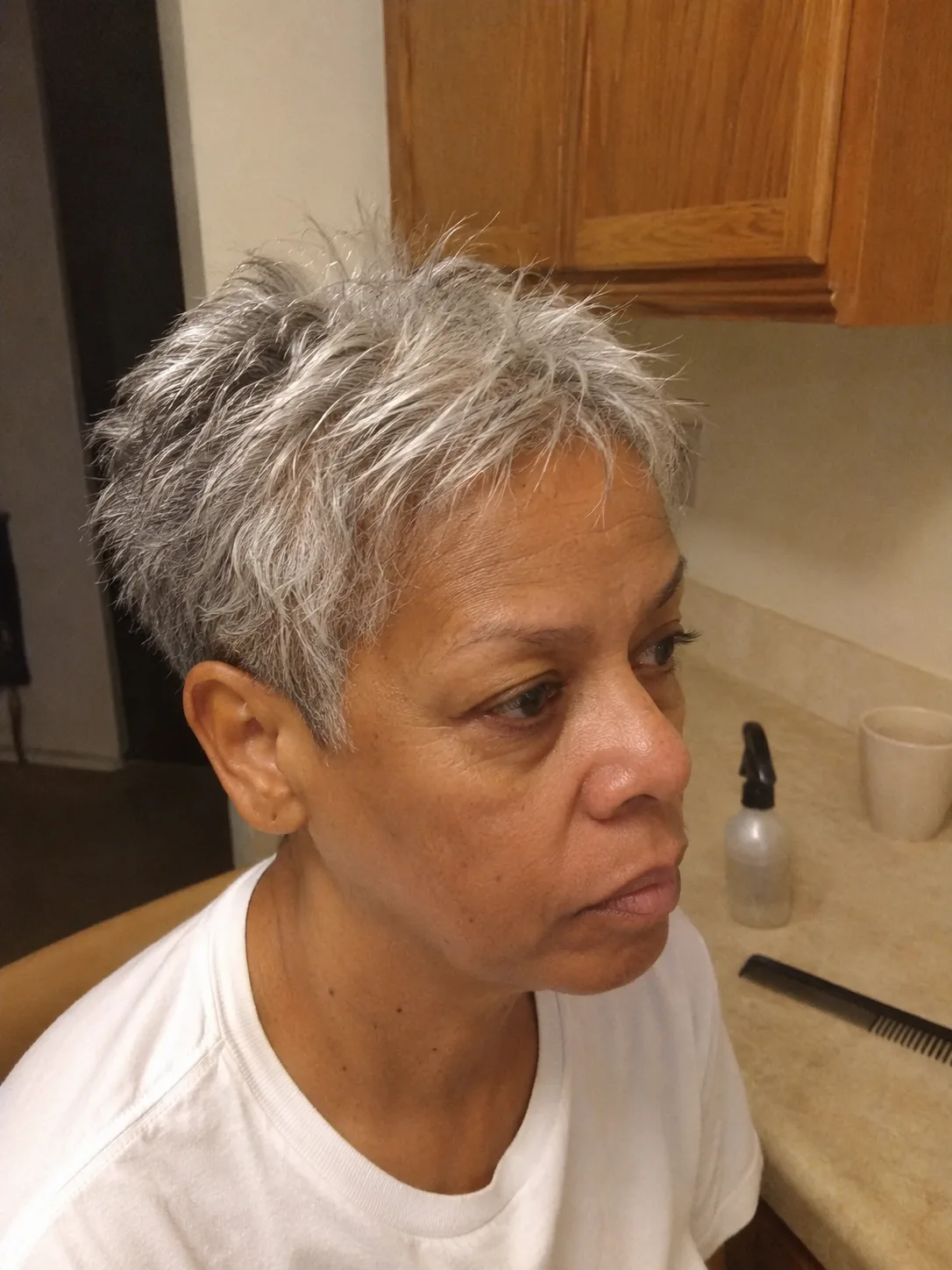
Soft Tapered Pixie
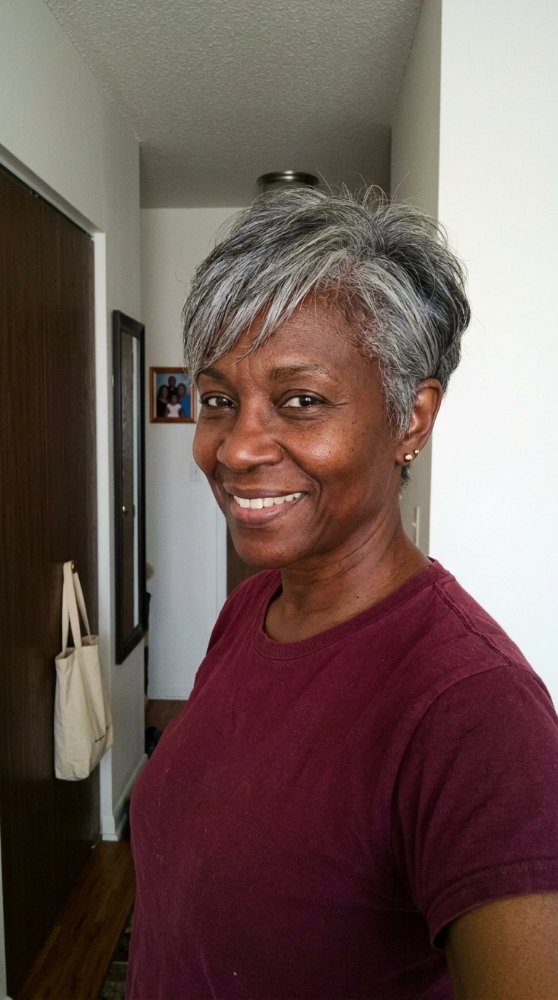
A soft tapered pixie is one of the most practical choices when fine hair tends to collapse as it grows. The shorter sides and nape keep the outline neat, while slightly more length through the crown gives you somewhere to build lift. It also avoids relying on long, delicate ends to create the shape.
Keep the top soft rather than aggressively texturized. Deep point-cutting or heavy thinning through already fine strands can leave the crown separated and transparent. A little controlled movement usually reads fuller than lots of tiny, feathered pieces.
This cut is salon-dependent in one important way: its outline matters. The pixie can start looking shapeless before the hair feels particularly long, especially around the ears and nape.
Long-Crown Side-Swept Crop
Keeping the crown noticeably longer changes the character of a short crop. You gain enough length to sweep the hair diagonally, lift it away from the scalp, or soften the forehead without carrying the weight of a bob.
This is a stronger choice than a very short pixie for someone who enjoys changing the part or using a brush to create volume. It is less useful for a completely wash-and-go routine because the longer top can fall flat without some direction from drying or setting.
Glasses also deserve consideration. A soft side sweep generally interferes less with frames than bulky sections left over the temples.
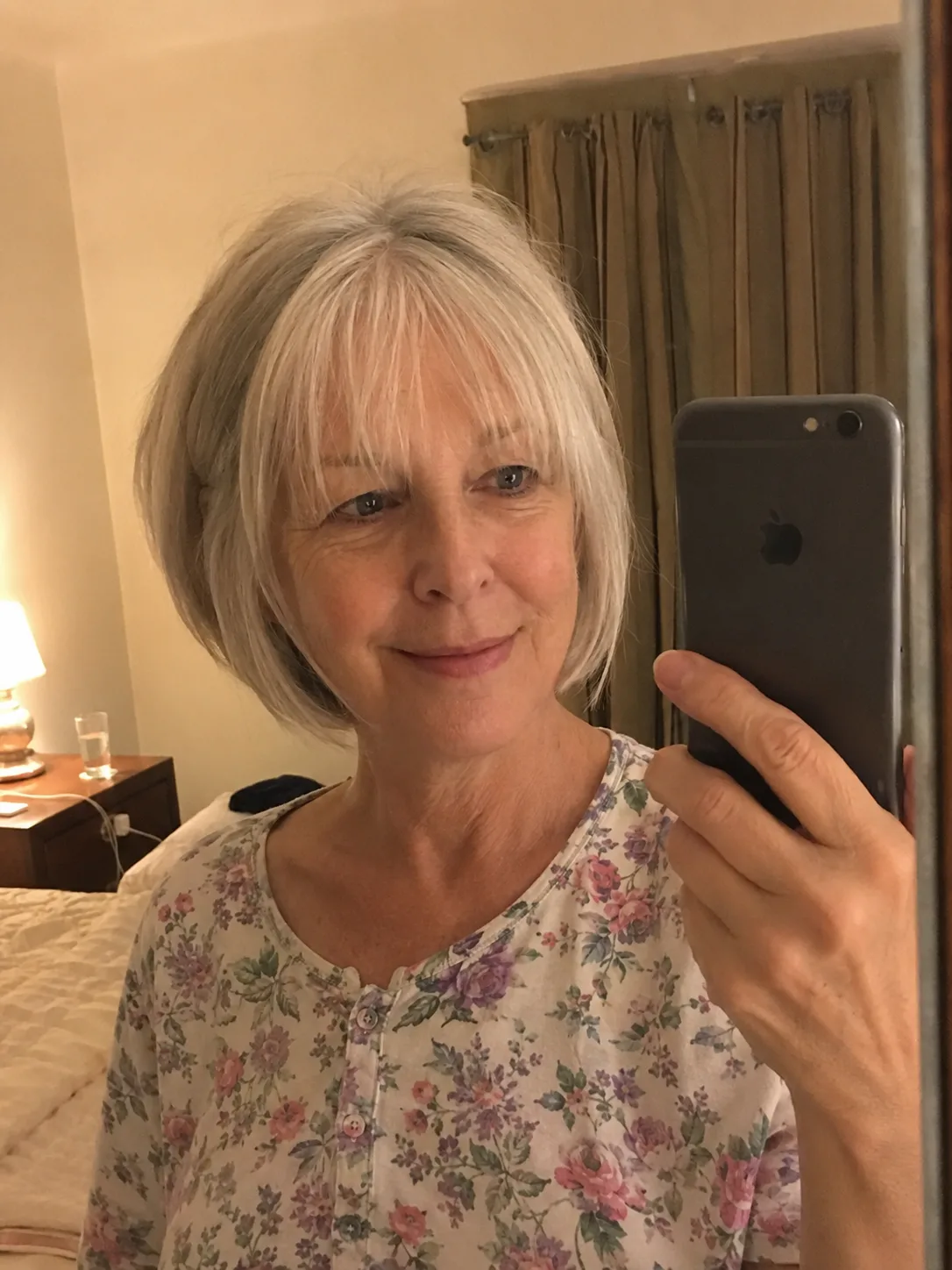
Bixie With a Full Perimeter
The bixie sits between a pixie and a short bob, giving you more softness around the ears and nape while keeping the overall length manageable. On fine hair, the most successful version usually preserves enough weight at the lower edge to keep it from looking feathery.
The hidden tradeoff is grow-out. A bixie has more moving parts than a one-length bob: crown length, side pieces, and the nape can all start behaving differently as they grow.
Choose it when you want a short cut that feels less exposed than a close crop but lighter and more animated than a conventional bob.
Short Curly Crop
Natural waves and curls can give fine strands useful movement without requiring a smooth, blown-out finish. A short curly crop concentrates the shape closer to the head, allowing curl groups to create dimension through the crown and sides.
The haircut should be judged in the state you normally wear it. Shrinkage can move the perimeter much higher than it appears when the hair is wet or stretched, and a fringe can stay curly rather than being straightened to make the cut work.
Fine curly hair also varies greatly in density. Sparse areas generally need more restraint with interior removal than dense fine curls that have plenty of coverage.
Bobs With Stronger Edges and Clearer Structure
Blunt Chin-Length Bob
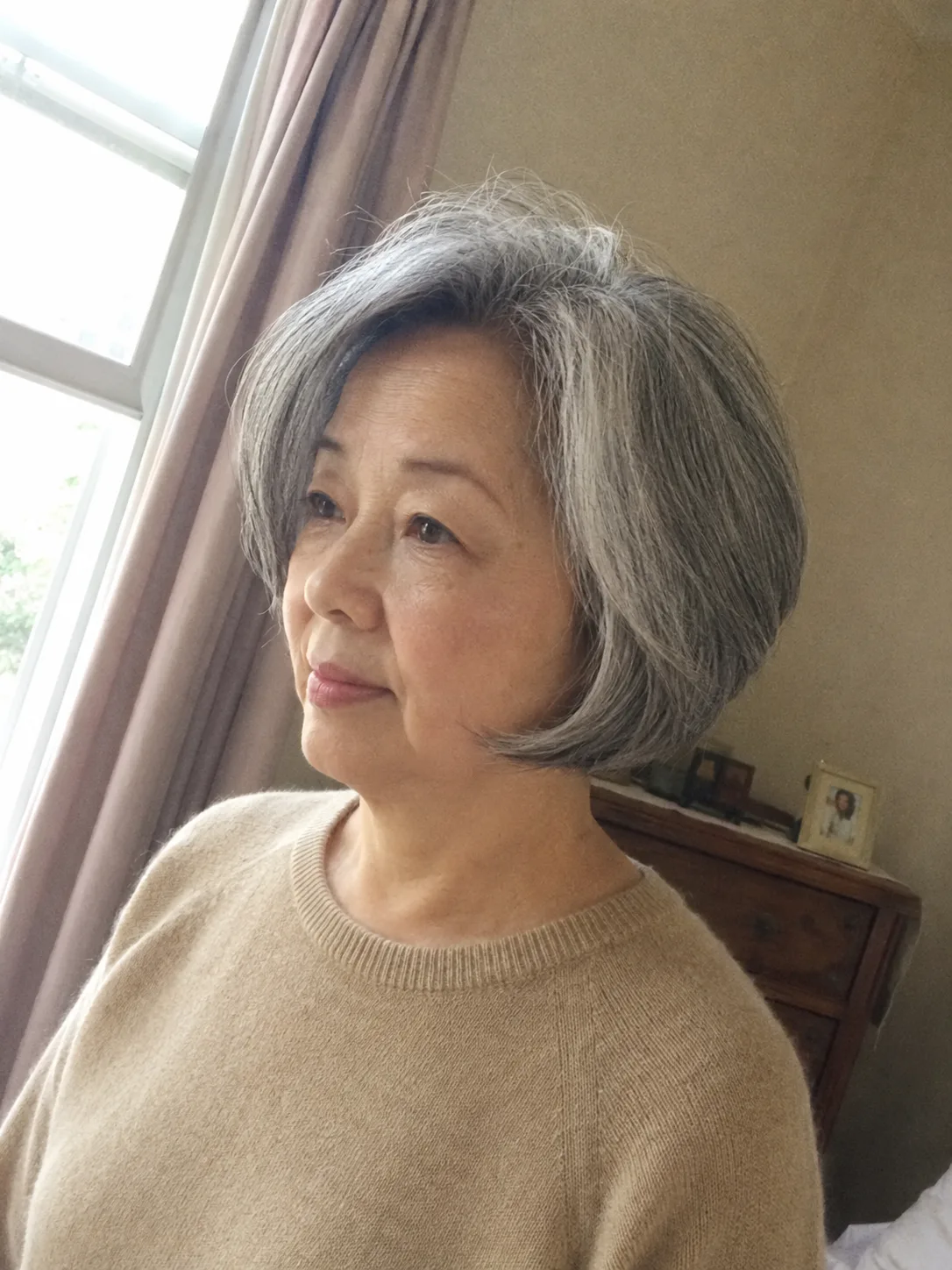
The blunt chin bob earns its place because the perimeter does most of the visual work. Healthy ends meet at a defined line, which can make the lower section look more substantial than a heavily layered shape.
It suits straight, slightly wavy, blown-out, or softly curved styling. The cleaner the outline, the more obvious uneven or fragile ends become, so the cut works best when the perimeter can support that graphic edge.
A perfectly flat finish isn’t required. A little lift at the root keeps the bob from looking pasted to the head.
Graduated Bob
A graduated bob builds shorter layers through the back while preserving more length toward the front. That changes weight distribution without turning the entire haircut into layers.
The shape is particularly useful when the back tends to collapse but you still want a visible perimeter around the jaw. Subtle graduation can create a rounded profile; aggressive graduation removes more internal weight and may expose scalp or separation in lower-density hair.
From the side, this bob has more architecture than a blunt cut. From the front, it can remain soft and wearable.
Salon planning matters here because the angle and graduation should respond to your density and natural growth pattern rather than being copied exactly from a photograph.
Asymmetrical Bob
An asymmetrical bob creates interest through length rather than extra layering. One side sits longer, giving the cut a diagonal line that draws attention to the shape itself.
That makes it an underrated option for fine hair. You can keep the lower edge relatively solid while still getting something more distinctive than a classic bob.
A dramatic imbalance requires more commitment during grow-out. A subtle asymmetry is easier to reshape later and usually works better for someone who changes their hairstyle frequently.
Rounded Pageboy-Inspired Bob
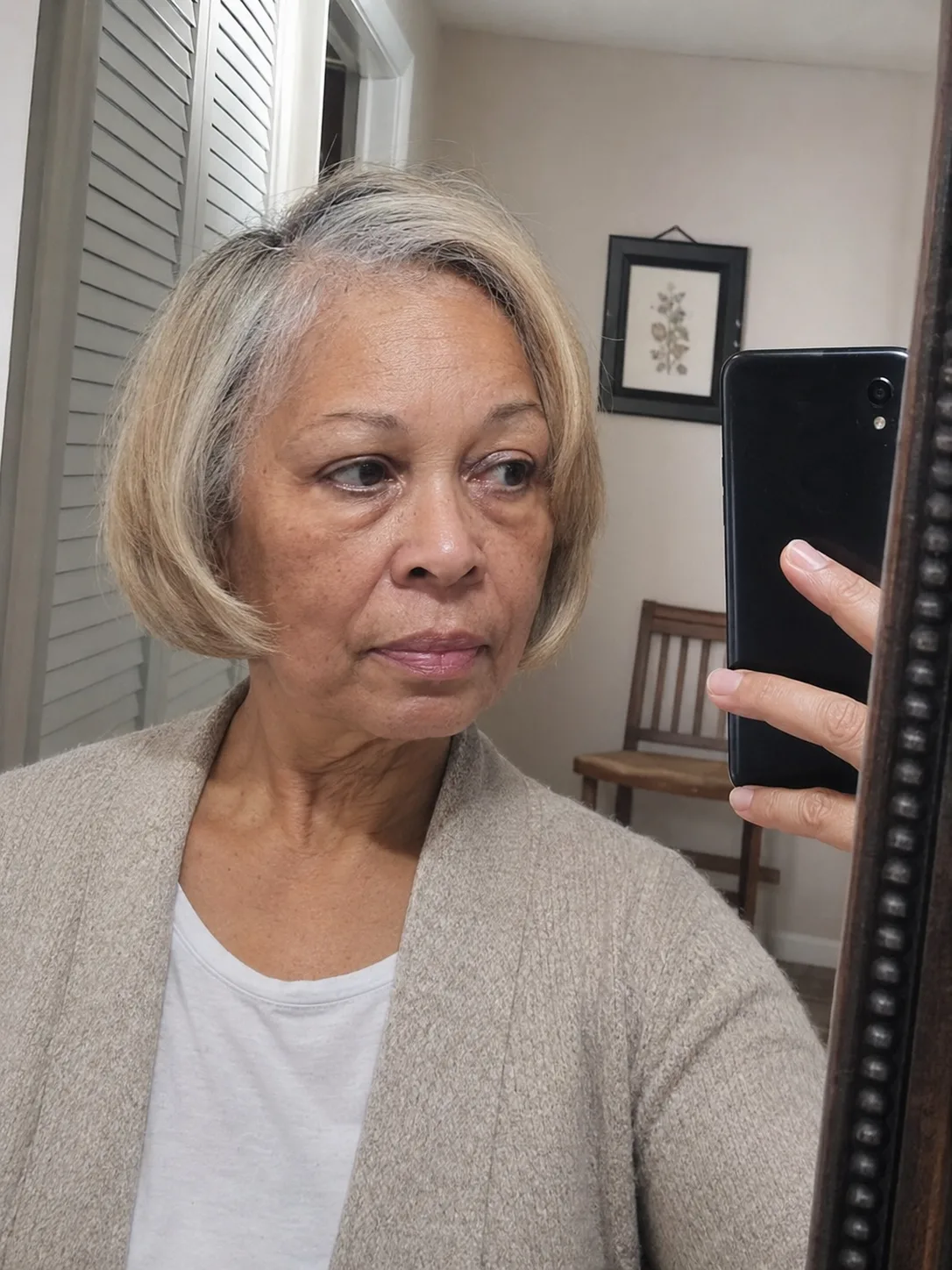
A curved bob with tucked-under or naturally bending ends creates a completely different outline from a blunt, straight-across bob. The weight sits close to the jaw and nape, with the surface kept comparatively smooth.
This shape can be very effective on fine hair that responds well to a round brush, rollers, or a set. The curve creates body through direction rather than relying on extensive layering.
It’s more styling-dependent than a tousled crop. Hair that naturally kicks outward at the neckline may need extra work to maintain the rounded edge, especially where the cut meets a collar.
Longer Cuts That Resist Wispy Ends
Blunt Collarbone Lob
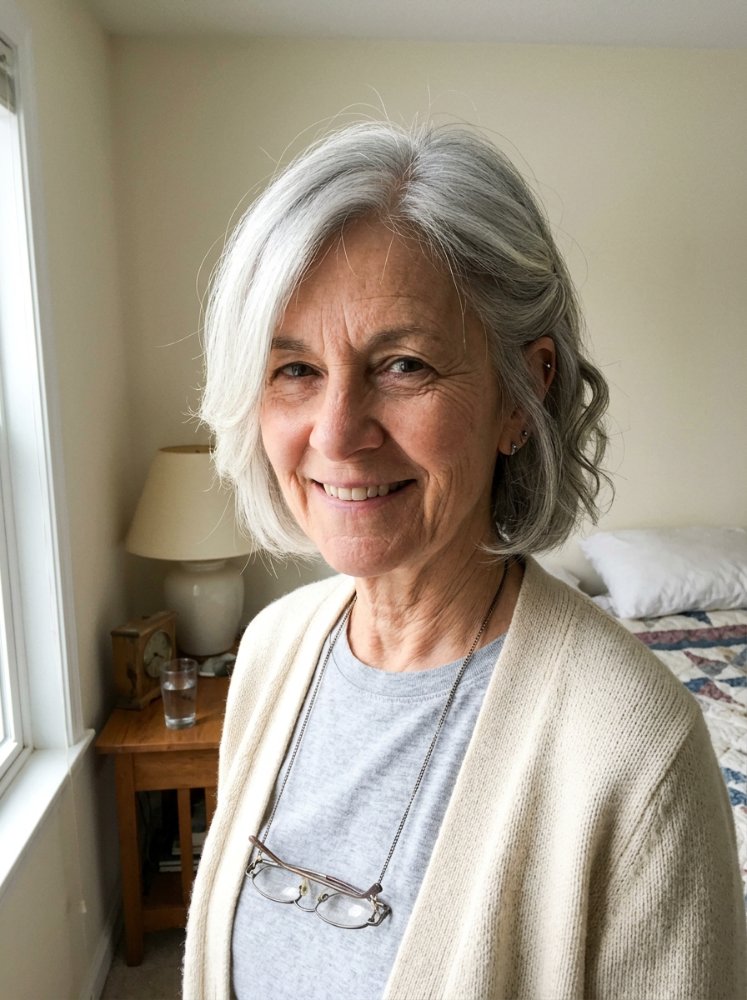
Want to keep noticeable length? A collarbone lob is one of the safest places to start. It is long enough to tuck, tie back, or wave, yet short enough that the ends can remain a major part of the haircut.
The key feature is the perimeter. A relatively solid lower edge keeps fine strands from dissolving into thin points through the last few inches.
The collarbone itself can affect the shape. Hair may flip where it touches clothing or the shoulders, so decide whether you like that movement or prefer the cut sitting slightly above that contact point.
Minimally Layered Lob
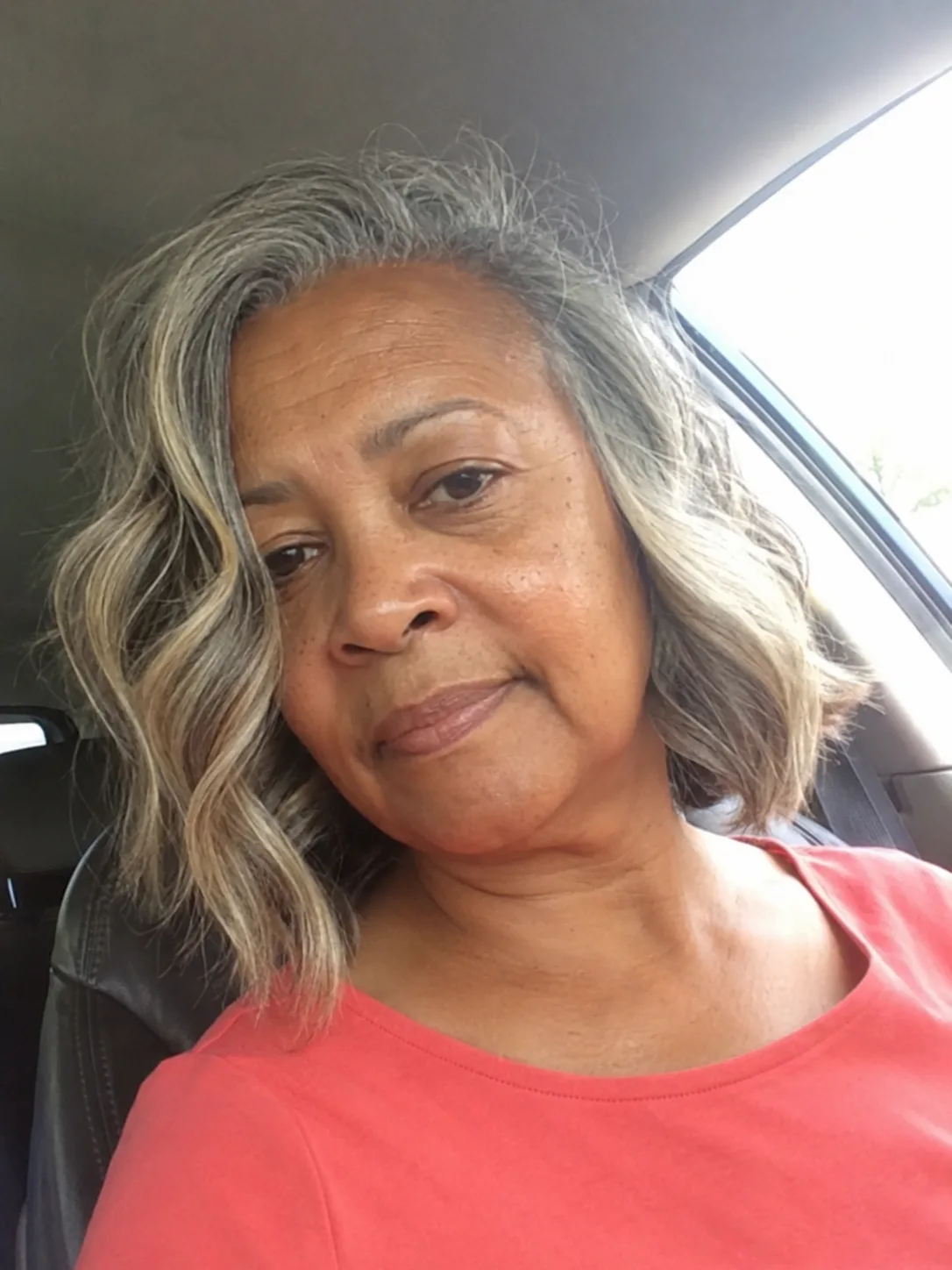
Some fine hair benefits from movement, especially when a completely blunt lob feels heavy and flat. The solution doesn’t need to be a head full of short layers. A few longer internal or surface layers can loosen the shape while leaving the lower edge visually intact.
This option works better for someone who styles with waves, a bend, or some root lift than for someone who wants the hair pin-straight every day.
Ask to see where the shortest layers will land. Once those pieces are cut, their effect on ponytails, parting, and the appearance of the ends is much more significant than it appears in a front-facing inspiration photo.
Airy Shag With a Dense Lower Edge
A shag can work on fine hair, but the cut needs discipline. The useful version creates movement around the crown and face without stripping so much weight from the bottom that the perimeter becomes see-through.
This is the more adventurous choice for someone who actively likes piecey movement. It isn’t the strongest option when maximizing the appearance of dense ends is your only goal.
Fine strands with natural wave often help the cut along because the layers separate and bend on their own.
Straight fine hair may need styling to reveal the shag shape. Without lift or bend, excessive layering can simply read as less hair.
Shoulder-Length Cut With Flipped Ends
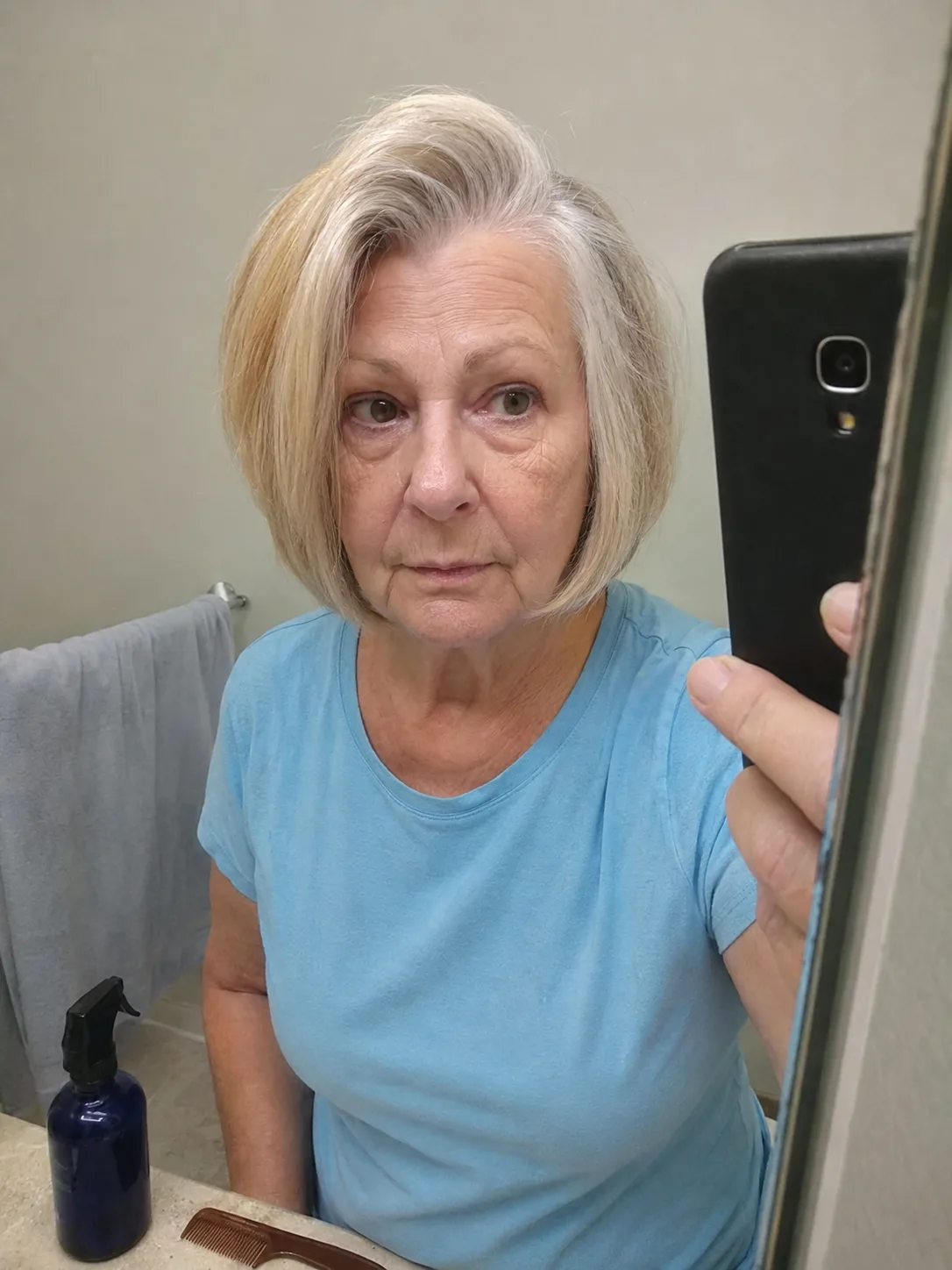
Sometimes the hairstyle can do the work that extra layering would otherwise be asked to do. A shoulder-length cut with ends styled outward creates movement at the perimeter while leaving much of the haircut itself fairly solid.
The flip can be subtle or deliberately retro. It also makes the unavoidable contact between hair and shoulders feel like part of the design.
This is a useful option for fine hair that looks fuller with a set or blow-dry but feels too plain in a straight one-length shape. The look depends more on styling than the haircut alone, so factor that into your morning routine.
Texture-Based Styles That Add Movement
Loose Roller-Set Waves
A roller set changes the apparent body of fine hair without requiring a heavily layered cut underneath. Broad curves break up a flat surface and create movement through the mid-lengths and ends.
The roller size and placement determine whether you get lift, bend, or a more defined curl pattern, so the finished effect can be adapted to a bob or longer cut.
This is especially useful for someone who wants a fuller look for particular days rather than a permanent change to the haircut. Keep the brushing gentle; fine strands don’t need aggressive backcombing to create shape.
Soft Root-Lifted Curls
Fine hair can look noticeably different when the roots are lifted and the curl begins away from the scalp instead of hanging from a flat base. The style works with naturally curly hair as well as hair that is safely set into curls.
The emphasis should stay on airy separation, not making every curl perfectly identical. Too much surface product can weigh fine strands down and pull the very lift you created back toward the scalp.
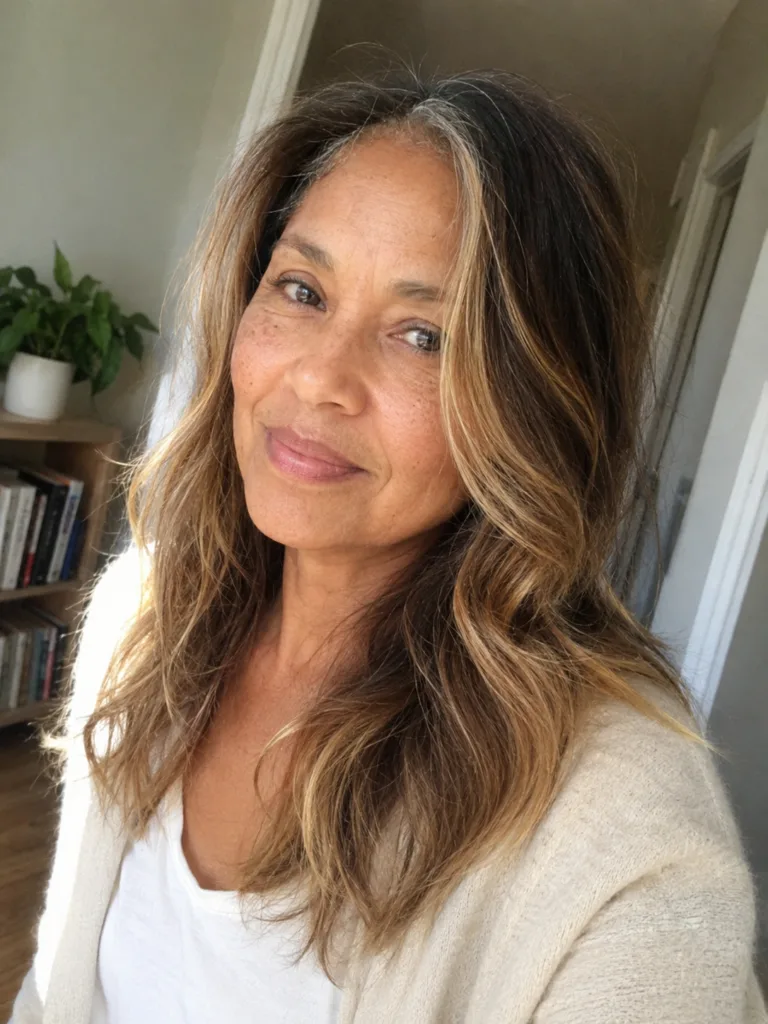
For naturally curly or wavy hair, the haircut still controls where the volume sits. Shorter pieces at the crown create a different profile from a mostly one-length curly cut, so decide whether you want height or a fuller perimeter before adding layers.
Half-Up Style With Crown Lift
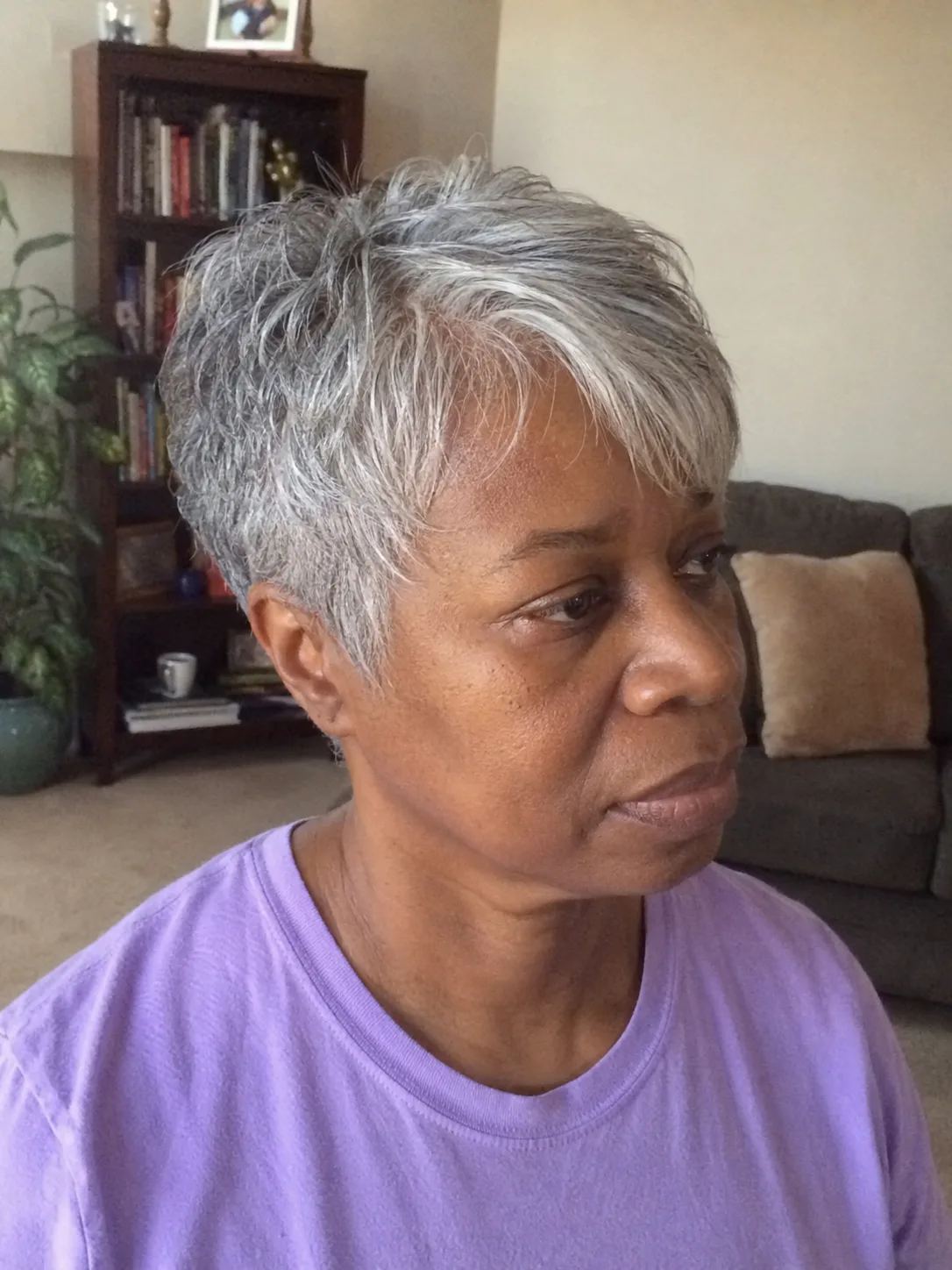
The half-up style solves a practical problem: it moves hair away from the face without asking fine lengths to fill a full bun or thick ponytail. Leave the lower hair loose and secure only the upper section.
A small amount of crown lift keeps the style from looking tight against the scalp. Use a fabric-covered elastic, clip, or pins that hold without requiring hard pulling.
This is also easier to wear with glasses than styles that build a lot of bulk directly over the ears. The lower lengths can stay straight, softly waved, or naturally textured.
Polished Styles Without Needing Thick Lengths
Low Chignon
A low chignon can make fine hair feel more substantial because the available length is gathered into one compact shape at the nape. It doesn’t need to be large to look finished.
The most convincing version usually has a little softness at the crown and around the sides instead of being pulled completely flat. Pins can secure folded or twisted sections into the base, and shorter pieces can be incorporated according to the haircut.
Fine hair that is also low density may produce a smaller bun. Treat that scale as part of the style instead of repeatedly backcombing fragile strands to imitate a much larger shape.
French Twist
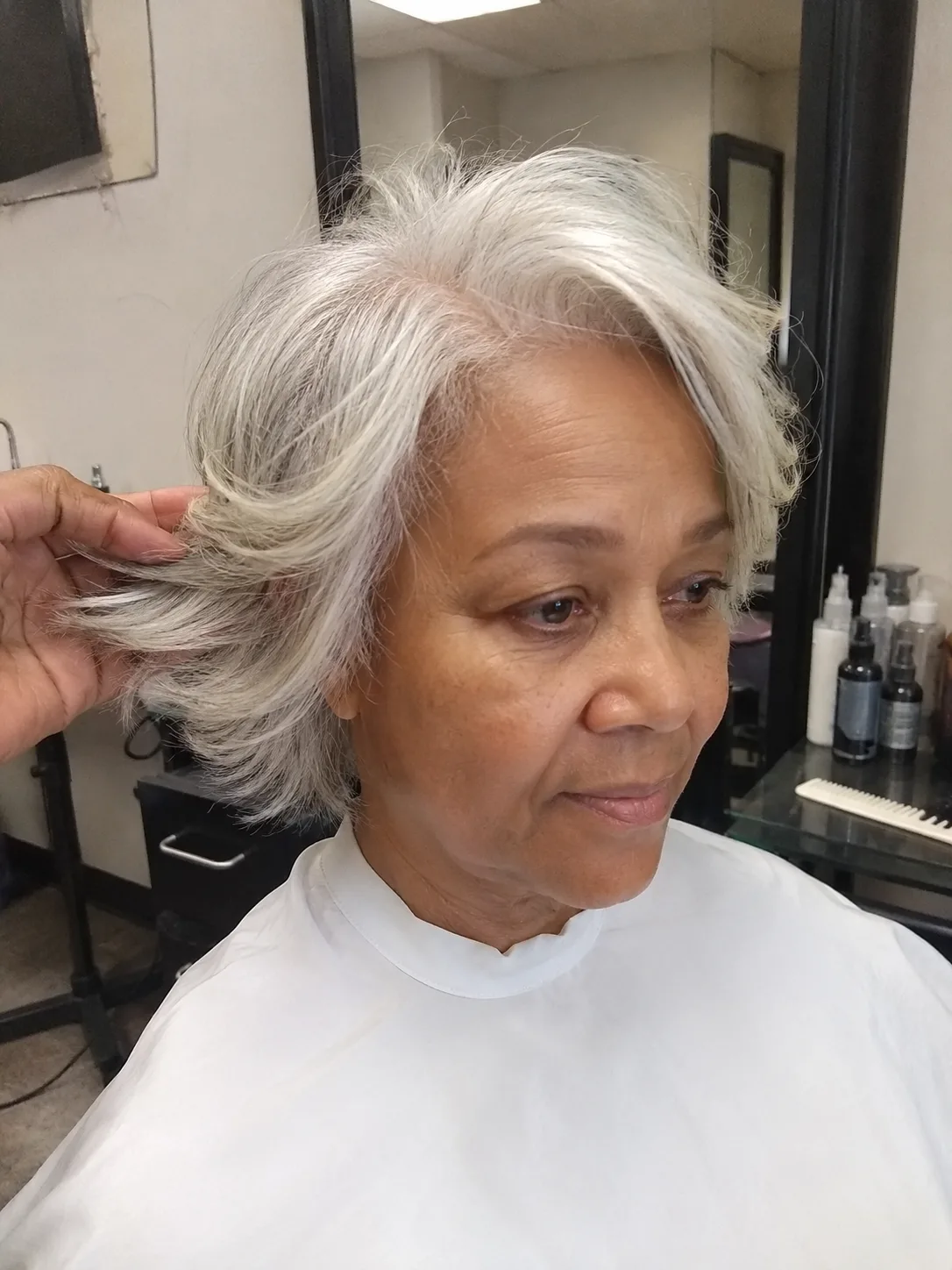
The French twist uses vertical construction, which makes it visually different from a bun. Hair is directed toward the back, folded inward, and pinned so the shape rises along the head.
That vertical line makes the French twist a particularly strong formal option for fine hair. It can look complete without requiring a large mass of hair at one point.
A slightly textured surface is more forgiving than a glass-smooth finish because tiny separations become part of the style. Bobby pins need a secure base, but the twist should still feel comfortable during normal movement.
With shorter hair, some ends may need to be tucked individually instead of disappearing neatly into one continuous roll.
Side-Swept Low Ponytail
The low ponytail is the simplest option in this group, but moving it slightly off-center changes the visual result. The tail becomes more visible from the front, which can make the style feel deliberate even when the ponytail itself is fine.
Keep some lift through the crown and gather the hair without repeatedly tightening the elastic. A small section of hair can wrap around the base if there is enough length, though the style works perfectly well with the elastic visible.
This is more practical than a high ponytail for many fine-hair routines because it asks less of the roots and sits more comfortably against headrests.
Which of These Styles Fits Your Routine?
The photograph you save should be the beginning of the decision, not the whole consultation. Fine hair can photograph beautifully after styling and still behave very differently during an ordinary week.
Start by deciding what you want the haircut to accomplish. A stronger perimeter is usually more useful when transparent ends bother you. Crown movement matters more when flatness at the top is the main frustration. Someone who needs to pull the hair back regularly should also consider whether shorter layers will escape from elastics and pins.
Then look at how you actually style your hair. A beautifully rounded bob may be a poor tradeoff for a routine that never includes a blow-dry or set. A slightly longer blunt bob could look better most days simply because it matches what you’re willing to do.
Fine Hair, Low Density, and Thinning Need Different Decisions
Fine hair refers to strand diameter. Density describes how many strands are present in an area. That distinction becomes especially important when choosing layers.
Fine but dense hair can sometimes support far more internal movement than fine, low-density hair. With fewer strands overall, aggressive thinning or short layers may create visible gaps that weren’t obvious before the haircut.
A recent or concerning reduction in density also deserves different attention from hair that has always been naturally fine. A haircut can change the outline and make the perimeter look stronger, but it can’t address the underlying cause of sudden shedding or a significant density change. Pain, redness, sores, persistent irritation, or unexpected shedding are reasons to speak with a dermatologist or another qualified healthcare professional.
Gray hair deserves the same precision. Gray describes pigment loss, not a particular strand texture. Some gray hair feels coarser, some remains fine, and some heads contain a mixture.
Maintenance Matters More Than the Age on the Search Box
Women over 60 don’t need a separate rulebook for what lengths or shapes they are allowed to wear. The useful differences are physical: strand diameter, density, growth patterns, condition, natural texture, and the amount of styling you want to do.
Short cuts depend more heavily on their outline. A pixie or bixie may begin to lose its intended shape while the hair still feels quite short. Bobs often make grow-out less visually obvious, though the perimeter can start flipping against collars and shoulders.
Fine hair also shows product weight quickly. Apply styling products according to what your hair needs for control or hold instead of assuming more product will create more volume. A hairstyle that looks airy immediately after styling can become flatter when the strands are coated too heavily.
Heat should be equally individualized. Tool design, technique, hair condition, previous chemical services, and the finished style all matter more than one universal temperature.
What to Discuss Before the Cut
Bring reference photos, but treat them as information about shape rather than a guarantee of identical volume. Photographs rarely tell you how much natural density the model has, whether extensions are involved, how the hair behaves without styling, or how much product and tool work created the finish.
A useful salon conversation should cover:
whether your strands are fine, your density is low, or both;
where you want the haircut to look fullest;
whether you normally wear the hair straight, wavy, curly, stretched, or set;
how much styling you realistically want to do;
whether glasses or hearing devices affect the hair around your temples and ears;
whether you need enough length for ponytails, clips, or updos;
which areas already feel fragile or sparse.
Ask where the shortest layers will fall and what the perimeter will look like without curling or blow-drying. Those two answers often reveal more about daily wear than the front view of the finished salon style.
Related Hairstyles to Explore
- Curly hairstyles for women over 60
- Long hairstyles for women over 60
- Wash and wear haircuts for women over 60
- Medium length hairstyles for women over 60
FAQs
What hairstyle makes fine hair look fuller after 60?
Cuts with a clear perimeter and controlled weight distribution are often the strongest starting point. A blunt chin bob, tapered pixie, or collarbone lob can keep fullness visible without depending on extensive layering. The better choice depends on where your hair feels flat and how much styling you want to do.
Should fine hair be layered or kept one length?
Both approaches can work. Fine hair with good density may support soft layers that create movement, while lower-density hair may look stronger with fewer layers and more weight through the ends. The amount and placement of layering matter more than the label itself.
Can women over 60 with fine hair wear long hair?
Yes. Length is mainly a question of condition, density, perimeter strength, and routine. Longer fine hair can look excellent when the ends remain substantial enough for the shape you want. If the final several inches have become very transparent, a shorter perimeter may create a stronger overall result.
Are pixie cuts always better than bobs for fine hair?
No. Pixies make it easier to build visible crown lift and remove the downward pull of longer hair, but they depend heavily on regular shaping. Bobs preserve more length and can make the perimeter look substantial. A blunt or subtly graduated bob is often the better choice for someone who wants fullness at the ends rather than height at the crown.
Hair Texture & Upkeep Style Matcher
Select your natural hair texture and daily maintenance window to get an instant styling formula and heat safety cap.
Heat Cap: 320°F (160°C)
A versatile three-strand braid beginning at the parietal ridge, securing the top half while allowing natural wave texture to flow freely around the shoulders.
Conclusion
The strongest hairstyles for women over 60 with fine hair don’t all chase maximum volume. Some create a firmer edge, some shift attention toward the crown, and others use waves, curls, or structured styling to make fine strands move more visibly.
Start with the area you most want to improve. Flat roots point toward shorter shapes or controlled crown movement. Wispy ends make a strong bob or lob more compelling. A desire to keep length favors restraint with layering.
Then choose the version that still makes sense on an ordinary morning. That routine fit is more valuable than copying every detail of the most dramatic reference photo.
Editorial Standards & Hair Health Guidance
Every style featured on Tress Atlas is curated with a focus on real-world wearability, scalp tension management, and cuticle preservation. When trying protective styles or tight updos, ensure perimeter hairline sections remain tension-free to avoid traction stress on delicate follicles. For heat styling, cap tools below 350°F (180°C) to prevent thermal keratin denaturation.
Scientific Sourcing: Practices aligned with the American Academy of Dermatology (AAD) on traction alopecia risk reduction and cosmetic trichology research on hair tensile strength.