Hairstyles for Women Over 50 With Fine Hair: Complete Guide to Volume & Shape
Fine hair changes the haircut decision because each strand has a smaller diameter. Remove too much internal weight and a style that looked airy in the reference photo can become wispy around the ends. Leave everything one length and the hair may keep a stronger perimeter but sit flatter through the crown.
That balance matters more than chasing a haircut that promises “volume.” A cut can redistribute weight, create movement, expose or cover the neckline, and make healthy ends look more substantial. It cannot create additional follicles or turn fine strands into coarse ones.
Fine hair also isn’t the same as low-density hair. You can have many fine strands, relatively few of them, or a mixture of fine hair and changing density. That distinction should influence how aggressively the hair is layered.
For many women over 50, the strongest starting point is a haircut with a deliberate perimeter and selective movement rather than extensive thinning throughout the interior. From there, length, natural texture, gray coverage or blending, glasses, styling habits, and willingness to reshape the cut determine which option makes sense.
Short Cuts That Make the Perimeter Do More Work
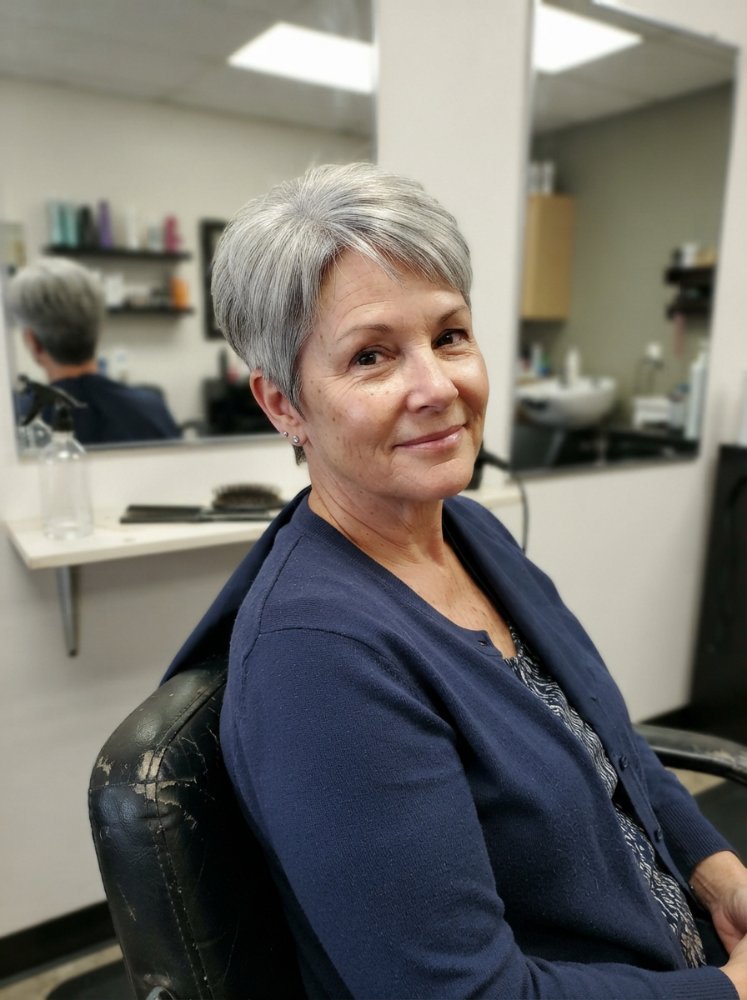
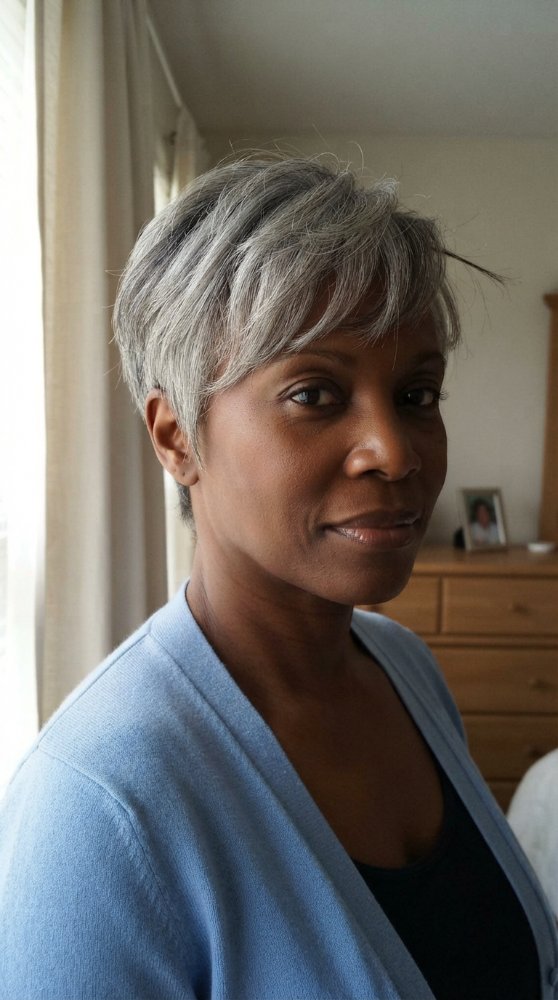
Soft Tapered Pixie
A tapered pixie removes length without automatically removing all visual weight. Keeping the top slightly longer gives fine hair enough material to move, separate, or lift, while a closer nape keeps the shape neat.
This cut is especially useful when longer fine hair collapses against the head by midday. The top can be worn smoother or encouraged upward with light styling support, so you aren’t locked into one finish.
The important salon decision is how aggressively the interior is texturized. Fine strands can look sparse quickly when too much hair is carved away. A soft taper with a controlled amount of separation is usually more forgiving than an extremely shattered pixie.
Side-Swept Pixie
A longer front section changes a pixie from exposed and cropped to softer and more directional. The fringe travels across the forehead instead of standing upright, which works well for anyone who likes some coverage around the temples or prefers wearing glasses without extra width over the ears.
The style is still short enough to avoid the limpness that can appear at longer lengths. It does, however, depend on the fringe falling in the right direction, so cowlicks and natural growth patterns deserve attention before the front is cut too short.
Cropped Pixie With a Defined Top
Some fine hair holds a compact, piecey top better than a sweeping fringe. This version leaves usable length through the upper head while keeping the sides and nape restrained. That contrast creates visible shape without asking the hair to support a large amount of height.
It’s a stronger choice than a highly layered crop when your main concern is preserving enough hair to avoid a see-through surface.
Rounded Crop
A rounded crop keeps the outline soft instead of tapering tightly everywhere. Hair remains fuller around the crown and upper sides, producing a curved shape that can be especially flattering with natural wave or a gentle bend.
The cut needs thoughtful weight placement. Too much bulk near the ears can overwhelm glasses, while removing too much above them can expose more scalp than you intended.
A rounded crop is worth considering when you want short hair without the distinctly sharp outline of a classic pixie.
Short Textured Crop for Wavy Fine Hair
Natural bend can do useful work in fine hair. A short crop that follows that movement allows small waves to create separation and dimension without demanding a perfectly smooth blowout.
The haircut should be evaluated in the state you actually wear it. Fine wavy hair may sit quite differently wet, stretched, and air-dried. Cutting solely for a straight finish can leave an awkward outline once the wave returns.
Bobs That Preserve Weight Without Looking Severe
Chin-Length Blunt Bob
Few cuts use the perimeter as efficiently as a blunt bob. Keeping the lower edge relatively solid can make healthy fine ends appear more substantial because the hair finishes at a clear line instead of tapering through multiple layers.
Chin length also keeps the hair light enough that the roots aren’t supporting a long curtain of hair. It can be worn sleek, softly bent, or tucked behind one ear without changing the basic construction.
This is one of the strongest options when fine hair is in good condition but the ends start looking transparent as they grow longer.
Jaw-Length French-Inspired Bob
A jaw-length bob brings the outline higher than a conventional chin or neck-length shape. The result is compact and graphic, particularly with a soft fringe or naturally irregular movement.
The shorter perimeter puts more emphasis on the jaw and lower face, so choose it because you like that feature focus, not because of a rigid face-shape rule.
Fine hair benefits from the reduced length, but the cut becomes less forgiving as it grows. Once the ends move beyond the intended line, the shape can start feeling ordinary before the hair technically seems long.
Slightly Graduated Bob
A small amount of graduation at the back can encourage the bob to sit closer to the head while allowing a touch more fullness through the crown. This is useful when a completely blunt shape falls too flat.
Moderation matters. Strong graduation removes more interior weight and creates a noticeably stacked silhouette. Fine hair with lower density may show gaps when the layers become too aggressive.
A subtle version gives you the structure of a bob with more lift than a single-length cut.
Angled Bob
The angled bob keeps the back somewhat shorter and lets the front travel longer toward the jaw or neck. That forward line gives fine hair a strong visual direction without relying on many layers.
It’s particularly effective for someone who wants the ease of shorter hair at the back but still likes enough front length to tuck, bend, or frame the face. The angle can be quiet rather than dramatic; the construction is more important than creating a severe point.
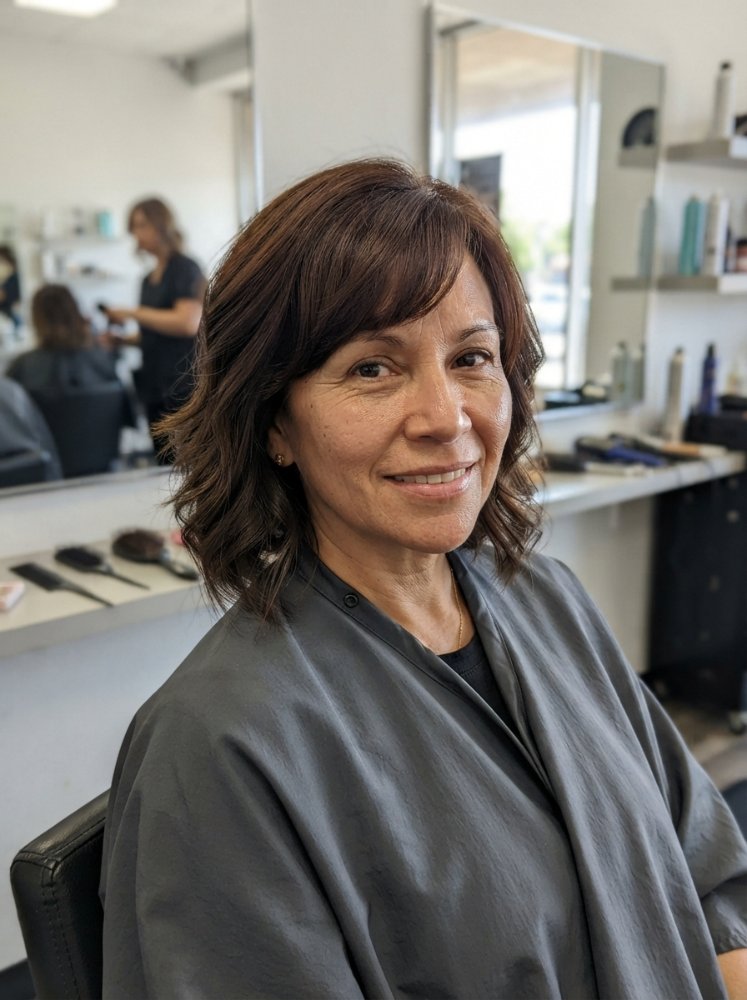
Soft Wavy Bob
A blunt perimeter doesn’t have to look rigid. Add a loose bend through the middle of the hair and the lower edge stays substantial while the surface gains movement.
Fine hair that already has wave may need only the right haircut and drying approach. Straighter hair usually requires more styling to maintain that texture, making this less effortless than an air-dried photograph might suggest.
The key is avoiding excessive separation at the ends. Large amounts of texturizing combined with waves can leave the bottom looking thinner than the rest of the cut.
Curly Bob With a Full Lower Shape
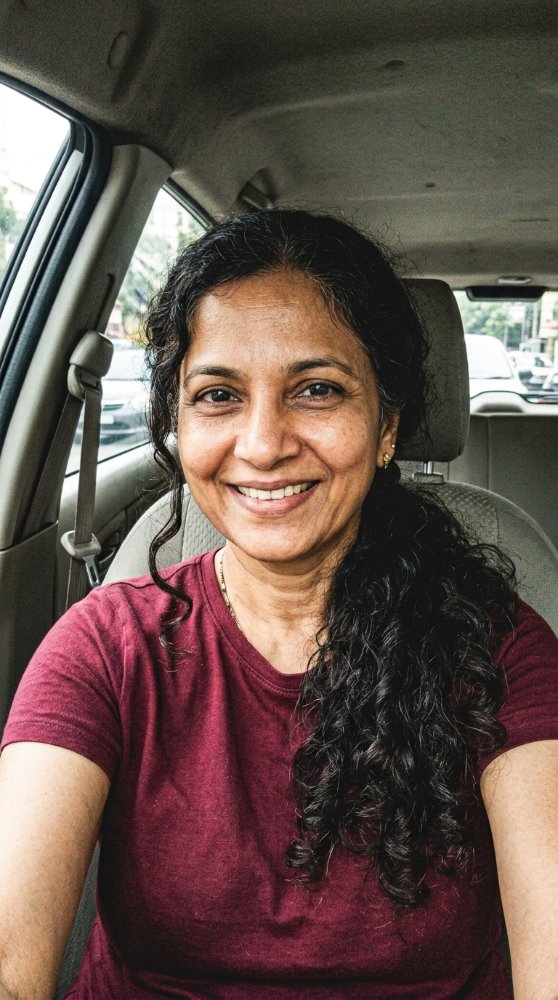
Fine curly hair benefits from preserving enough weight for the curls to group together. A bob with a visible lower shape can provide definition without flattening every curl into one uniform line.
Shrinkage changes the final length, so the curl pattern should be assessed in its normally worn state. A bob that reaches the jaw while wet or stretched may finish considerably higher once curls spring back.
This cut is better approached as a shape for curls than as a straight bob that happens to be curled afterward.
Medium-Length Styles for More Styling Flexibility
Collarbone Lob With Minimal Layering
The collarbone lob is a practical compromise for anyone reluctant to go short. It provides enough length for a small ponytail or tucked styles while keeping the ends closer to a strong perimeter.
Fine hair usually looks more substantial here when the layering is restrained. A few sections may be adjusted for movement or face framing, but extensive layers can leave the lower third looking depleted.
Watch where the ends meet clothing. Coat collars and high necklines can flip the hair outward, changing the shape throughout the day.
One-Length Lob With a Side Part
The side part earns its place here because it works with a fundamentally different construction: a mostly one-length lob designed to retain maximum lower-edge weight.
Moving more hair to one side can change how the top sits, but it won’t manufacture density. The advantage is visual direction. Hair sweeps across the crown and creates asymmetry without requiring additional layers.
This is an understated option for fine hair that behaves best when left relatively intact.
Collarbone Cut With Long Face-Framing Pieces
You don’t need layers everywhere to soften longer fine hair. Keeping the back and much of the perimeter solid while cutting controlled pieces around the face gives movement where it is visible without sacrificing as much weight through the ends.
The framing should connect naturally into the surrounding hair. Very short front layers beside much longer lengths can become separated, especially after air-drying.
This approach is more practical than a fully layered cut when you value length and fullness equally.
Soft Shoulder-Length Shag
A shag shifts the priority from a dense perimeter to movement throughout the haircut. Shorter pieces near the crown can encourage texture and prevent the top from lying completely flat, while longer sections preserve some length.
That makes it a better fit for fine hair with enough overall density to support layering. Fine strands combined with low density may look too separated when the interior is heavily reduced.
Natural wave gives the shag an advantage because the haircut has movement to work with before styling begins. Straight fine hair can still wear it, though you may need more daily effort to keep the layers from collapsing together.
Styles That Use Texture and Direction Strategically
Short Shag With Wispy Fringe
A shorter shag brings the movement higher and removes the need for long ends to carry the style. The fringe blends into layers around the temples, while the crown has enough variation to avoid a solid cap-like shape.
This is one of the more styling-dependent choices in the list. Without natural bend or some deliberate drying and separation, the layers may simply lie together and lose the reason for choosing the cut.
Choose it for texture, not as a workaround for significant density loss.
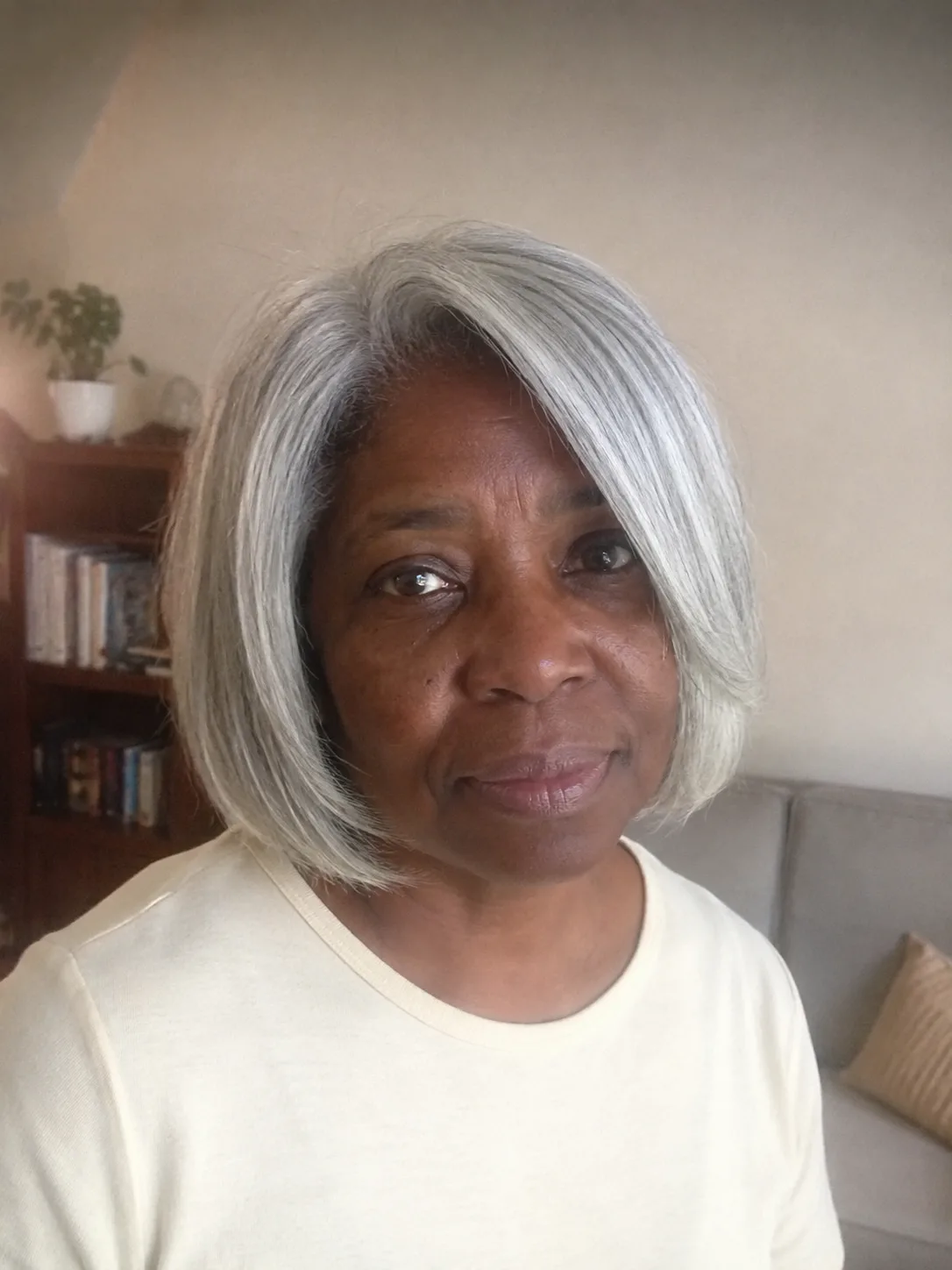
Side-Swept Bob With Soft Volume
A smooth bob can feel fuller when its direction changes across the head instead of falling evenly from a central part. A deeper sweep at the front works particularly well with a chin- or neck-length perimeter that still carries visible weight.
The volume should come from how the hair is directed and dried, not from removing large amounts of material underneath. For fine strands, preserving that internal support often produces a better result than trying to manufacture lift through extensive thinning.
Natural Gray Textured Bob
Gray hair describes pigment loss, not a specific texture. Some gray strands remain fine and straight, while others feel different from the pigmented hair growing beside them. A textured bob works when the cut responds to the hair you actually have rather than treating grayness itself as a texture category.
A soft bend or natural wave can make variations in tone more visible, especially where silver, white, and remaining pigmented strands sit together.
Keep the haircut decision separate from the color decision. The bob still needs a useful perimeter, sensible weight distribution, and a shape that fits your styling routine.
Which Haircut Makes the Most Sense for Your Fine Hair?
The difference between the right short cut and the wrong one often appears after you style it yourself. A photograph can hide teasing, extensions, strategic camera angles, or a blowout that won’t be part of your normal morning.
Start with the issue you most want the haircut to solve.
Density deserves a separate conversation from strand size. Fine hair with relatively high density can often tolerate more layering because many strands remain to form the overall shape. Fine hair with low density usually benefits from more restraint, particularly through the lower half.
Look at the ends as well. Breakage and transparent ends can make a haircut appear thinner regardless of the number of strands at the scalp. Removing damaged or highly see-through length may produce a stronger shape even though the hair becomes shorter.
Styling Fine Hair Without Working Against the Cut
Fine hair is easy to overload. Heavy styling material can pull down a shape that was designed to stay light and movable, while too little control may leave shorter layers scattered rather than defined. Product category, amount, hair condition, and desired finish matter more than assuming every fine-haired person needs the same formula.
Drying direction can have a large visual effect. Lifting the roots away from their natural resting position during drying creates a different result from directing everything flat against the head. A round brush, paddle brush, diffuser, or simply your hands can each make sense depending on the texture and haircut.
Heat should be matched to your hair’s condition, the tool being used, and the result you need. Repeated passes over fragile areas can work against the healthy perimeter you’re trying to preserve.
Natural wave and curl deserve their own approach. Let the haircut support the pattern instead of repeatedly stretching the hair straight just to make the cut work. Fine curly hair can still have significant density, so the amount of layering should respond to the full head of hair rather than strand diameter alone.
Salon Planning and Maintenance
Bring reference images, but use them to discuss construction rather than asking for an exact copy. A helpful consultation identifies where the perimeter sits, how much layering is present, whether the photo shows natural or heat-styled texture, and how much daily work produced the finish.
Tell your stylist how you actually wear your hair. A cut designed around a smooth blowout may behave differently when you air-dry it most days. Likewise, a curly cut should be judged with shrinkage and the normally worn curl pattern in mind.
Glasses matter with very short styles and bobs. Extra width around the temples may compete with the arms of the frames, while an extremely tight side can expose more of the area around the ears than you prefer. Necklines matter at bob and lob lengths because collars can repeatedly push the ends outward.
The haircut also needs reshaping according to how its outline changes, not an arbitrary universal calendar. A very short pixie can lose its intended proportions while still feeling short. A lob has more room to grow before the change becomes obvious.
Sudden shedding, scalp pain, redness, sores, persistent irritation, or a concerning change in density goes beyond a haircut-selection problem. A dermatologist or another qualified healthcare professional can assess those changes.
Related Hairstyles to Explore
- Short hairstyles for women over 50
- Long hairstyles for women over 50
- Curly hairstyles for women over 50
- Stylish short hairstyles for women over 50
FAQs
What hairstyle makes fine hair look fuller after 50?
A blunt or lightly graduated bob is one of the strongest starting points because it preserves a visible perimeter. Short pixies can also work well by reducing length and moving the focus toward the crown. The right choice depends on density, condition, texture, and how much styling you want to do.
Should fine hair be layered or kept one length?
Both can work, but the amount of layering matters. Fine hair with healthy ends and lower density often benefits from a stronger perimeter and restrained layering. Higher-density fine hair may support more internal movement without looking depleted. Ask where the stylist plans to remove weight and what that will do to the lower edge.
Are bangs a good idea for fine hair over 50?
They can be. Side-swept or soft fringes use the front hair as a design feature without requiring a heavy, dense bang. A very thick fringe takes hair away from the rest of the haircut, so its effect on the temples and sides should be considered before committing.
Can fine hair still be worn long after 50?
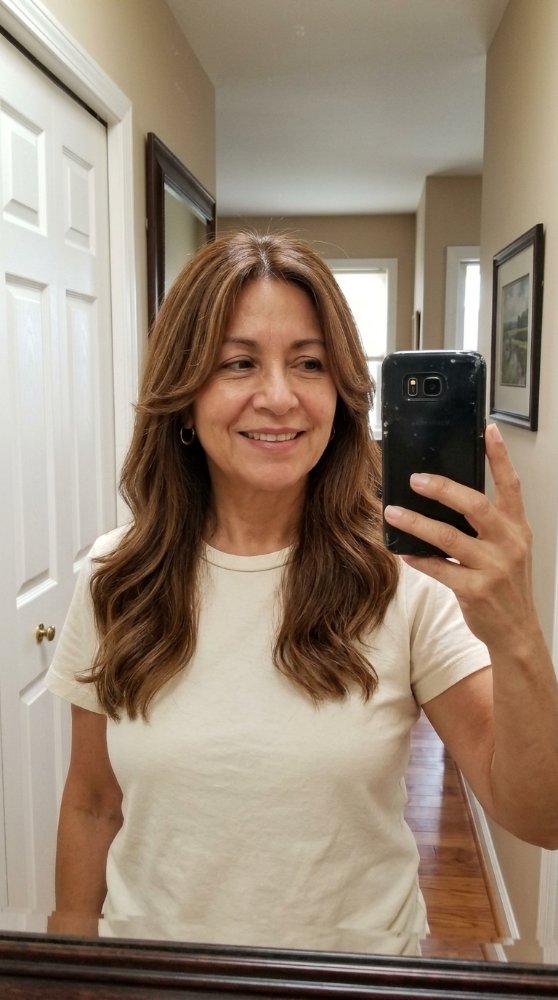
Yes. Age doesn’t create a mandatory length limit. The practical issue is whether the ends remain healthy and substantial enough for the length to look the way you want. A collarbone or shoulder-length cut often gives fine hair more movement and a stronger edge than keeping several inches of increasingly transparent ends.
Hair Texture & Upkeep Style Matcher
Select your natural hair texture and daily maintenance window to get an instant styling formula and heat safety cap.
Heat Cap: 320°F (160°C)
A versatile three-strand braid beginning at the parietal ridge, securing the top half while allowing natural wave texture to flow freely around the shoulders.
Conclusion
For women over 50 with fine hair, the most useful haircut decision is usually about where to preserve weight and where movement genuinely helps. A blunt bob is hard to beat for a stronger-looking perimeter, while a soft pixie makes sense when shorter length and easier crown lift suit your routine. Shags and more layered shapes earn their place when you have enough density or natural texture to support them.
Before your next haircut, decide which matters more: maintaining length, strengthening the ends, creating crown movement, or reducing daily styling. Take that priority into the consultation and choose the shape around your actual hair rather than the finished photograph.
Editorial Standards & Hair Health Guidance
Every style featured on Tress Atlas is curated with a focus on real-world wearability, scalp tension management, and cuticle preservation. When trying protective styles or tight updos, ensure perimeter hairline sections remain tension-free to avoid traction stress on delicate follicles. For heat styling, cap tools below 350°F (180°C) to prevent thermal keratin denaturation.
Scientific Sourcing: Practices aligned with the American Academy of Dermatology (AAD) on traction alopecia risk reduction and cosmetic trichology research on hair tensile strength.