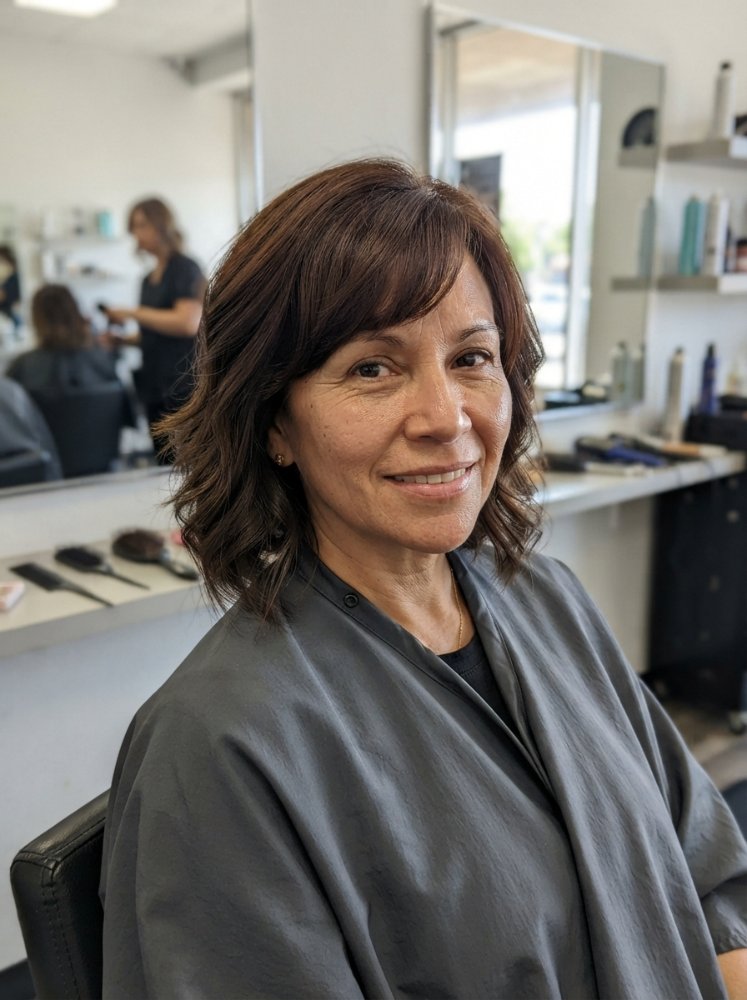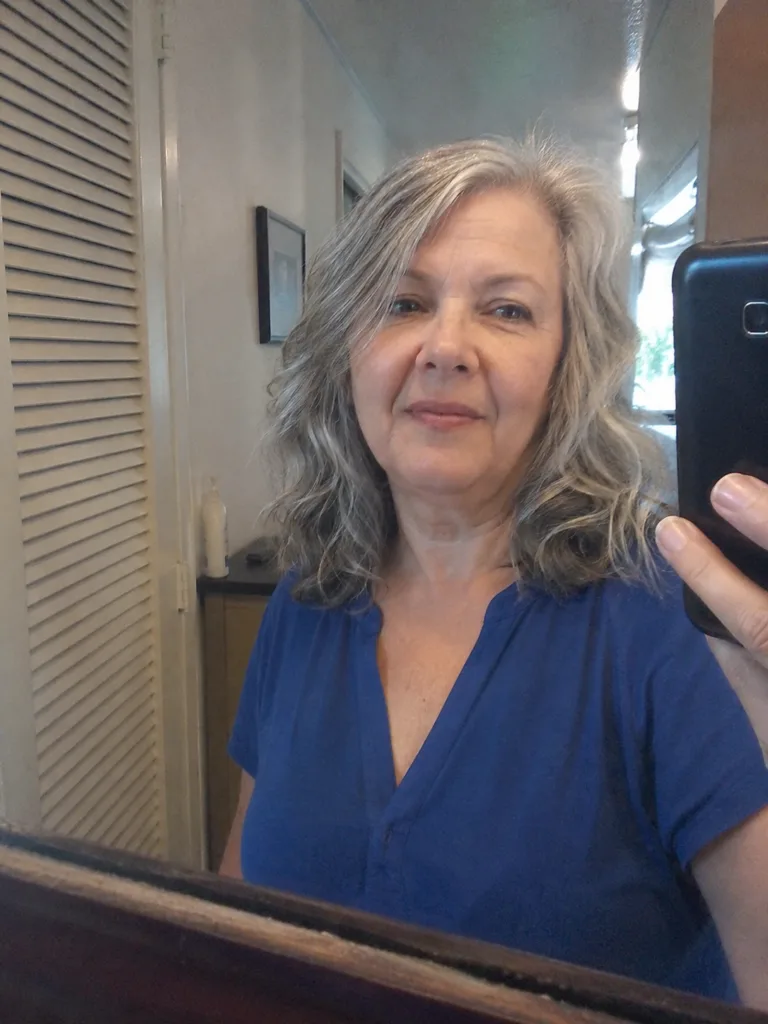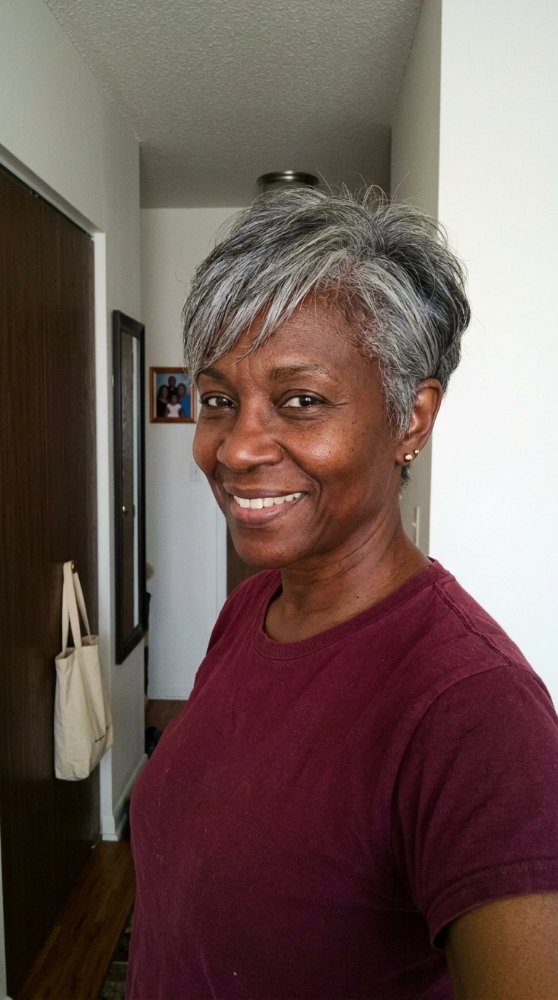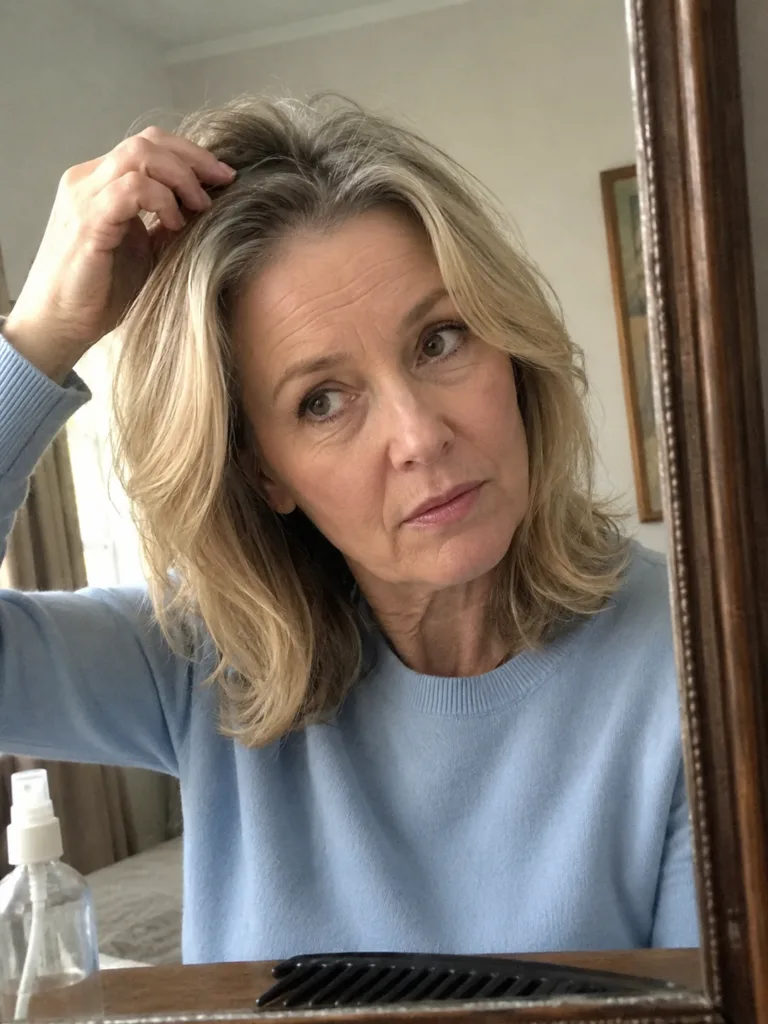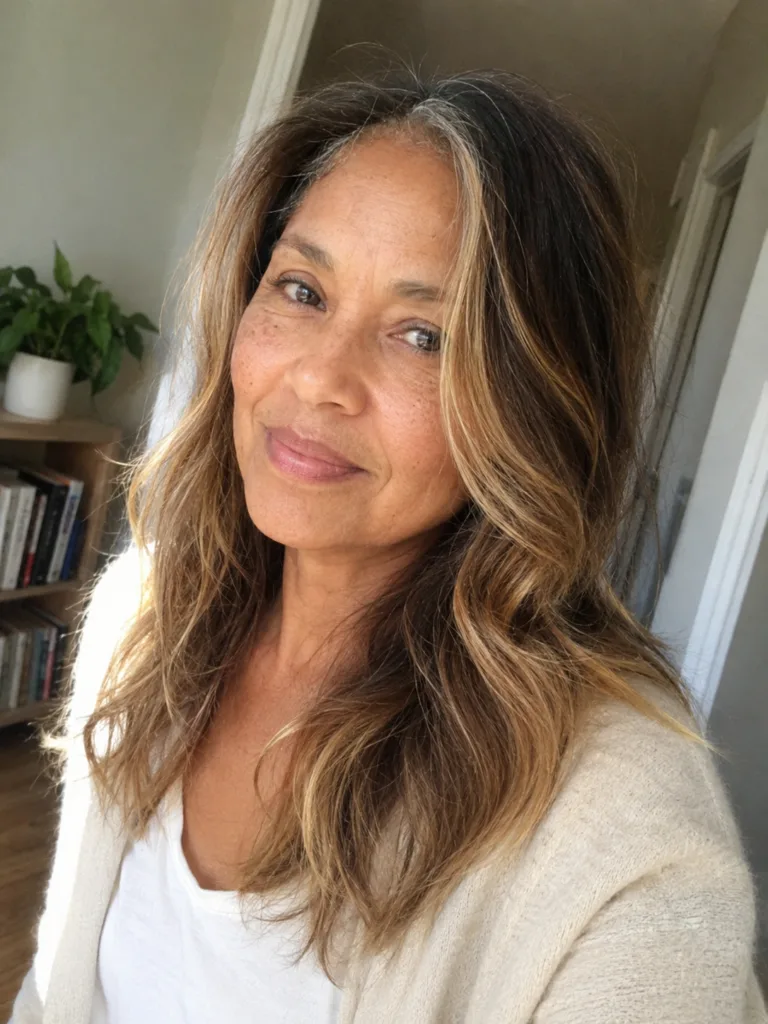
Hairstyles: Complete Styling Guide for Women Over 60 With Glasses
Glasses change a haircut in a very physical way. The arms sit through the temple area, frames create a strong horizontal or curved line across the face, and bulky hair around the ears can compete with both. A hairstyle that looks light and open without glasses may suddenly feel crowded once the frames go on.
That makes hairstyles for women over 60 with glasses less about following an age rule and more about deciding where you want the hair to carry its weight. Short cuts can expose striking frames. Bobs can create a clean line around them. Layers and curls can soften the outline without hiding it.
Hair density, strand size, curl pattern, shrinkage, gray percentage, and everyday styling habits matter more than age by itself. Gray hair describes pigment loss, not a particular texture, so don’t assume a silver crop needs the same cutting or styling approach as someone else’s.
A useful starting point is simple: put on the glasses you wear most often before judging a reference photo or discussing a haircut. The relationship between the frames, temples, cheek area, and haircut is part of the finished design.
Short Hairstyles That Keep the Frames Visible
Soft Tapered Pixie
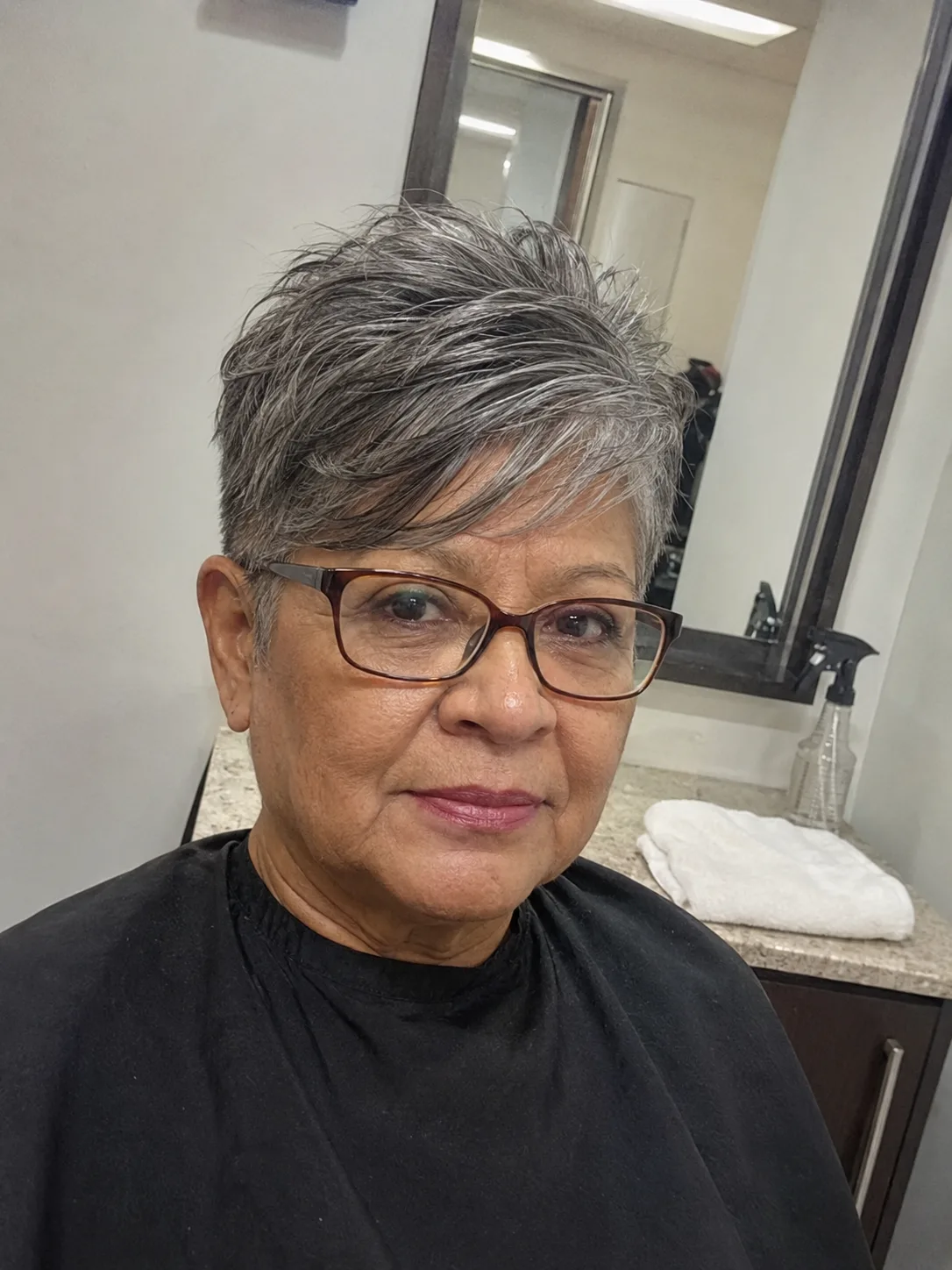
A tapered pixie clears much of the hair away from the glasses arms while keeping enough length on top to avoid a severe outline. The sides and nape sit closer to the head, while the crown can be directed forward, upward, or slightly to one side.
This is one of the stronger choices when your frames are a feature rather than something you want the hair to disguise. The important salon decision is how much scalp exposure you actually like. Fine strands and low density are different concerns: very aggressive thinning or separation can expose more scalp when density is already limited.
Side-Swept Pixie
A longer top sweeping diagonally across the forehead gives short hair movement without piling volume beside the temples. That diagonal line also contrasts nicely with rectangular or strongly horizontal frames.
The fringe can stay soft and piecey, smooth, wavy, or naturally curly. It doesn’t need to cover the whole forehead to create the effect. Keep enough room around the side pieces for glasses to slide on and off without repeatedly catching hair.
Textured Crop With an Open Temple Area

The appeal here is contrast: texture through the top, cleaner space around the ears. Instead of shaping the entire cut close to the head, the crown can retain visible separation and movement.
For straighter hair, that might mean soft pieces directed in different directions rather than a perfectly smooth surface.
Wavy or curly hair can create the texture naturally. The cut should be assessed in the state you normally wear it because shrinkage can move the apparent length considerably.
This style is especially useful with thicker frames. Clearing some hair from the temples prevents the frames, side volume, and ear area from becoming one visually dense block.
Rounded Pixie With Crown Fullness
A rounded pixie leaves more fullness through the upper head than a very tapered crop. That makes it useful for someone who wants short hair without exposing every contour around the sides.
The key is where the roundness sits. Crown fullness gives lift above the glasses, while too much width directly beside the frames can make the hairstyle feel broader than expected. Ask to judge the shape with your glasses on instead of treating them as an accessory added after the cut is finished.
Short Curly Crop
Natural curls and coils can work beautifully in a short shape because the frames provide structure while the hair supplies softness and dimension. A defined perimeter isn’t required; some cuts look better with an airy outline that follows the curl pattern.
Shrinkage deserves more attention than the reference photograph. A curl sitting just above the frame while stretched or wet may finish considerably higher once dry. The strongest result comes from shaping for the state in which the curls are normally worn.
Bobs and Layers That Balance Glasses
Chin-Length Bob With Tucked Sides
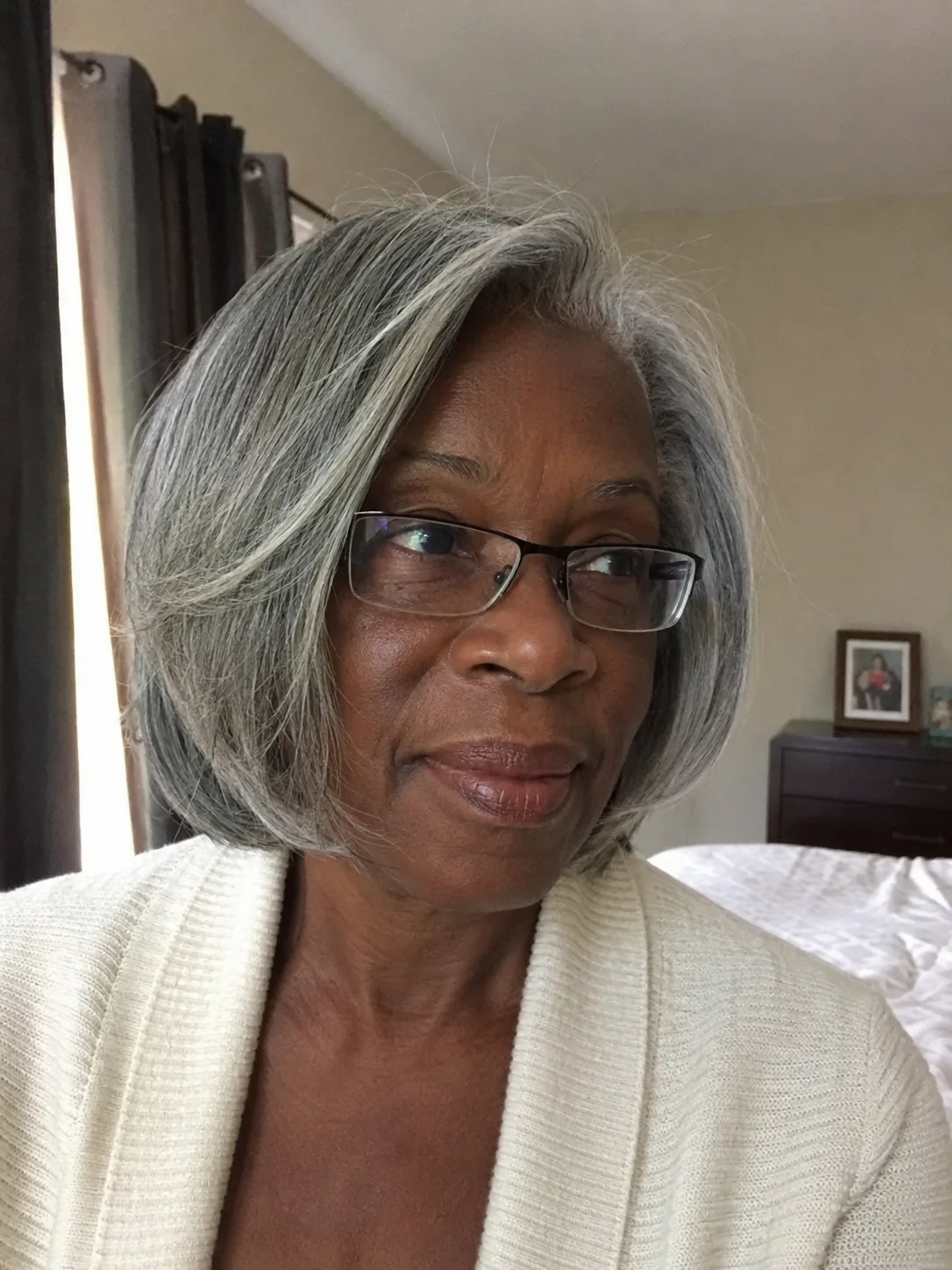
For a clean relationship between hair and eyewear, the tucked bob is hard to beat. The front stays long enough to create a clear perimeter, while slipping one or both sides behind the ears opens the temple area.
That tuck also reveals something photographs sometimes hide: the haircut has to look intentional both tucked and untucked.
Hair with a strong natural bend may flip once it meets the jaw, collar, or glasses arms. That isn’t necessarily a problem, but it changes the sleek geometric effect seen in many inspiration photos.
A chin-length bob is more salon-dependent than a loose layered cut because its lower line is such a visible feature. As the perimeter changes, the entire haircut reads differently even when the overall length still feels short.
Softly Layered Bob
A layered bob gives the face movement without creating the solid visual weight of a blunt perimeter. It works particularly well when you want your glasses to remain visible but prefer softness around the cheeks.
Layer placement matters more than simply asking for layers. Too much interior removal can make low-density hair look more separated. A modest amount of movement through healthy ends is usually the more practical starting point when fullness at the perimeter matters.
Blunt Bob With Minimal Layering
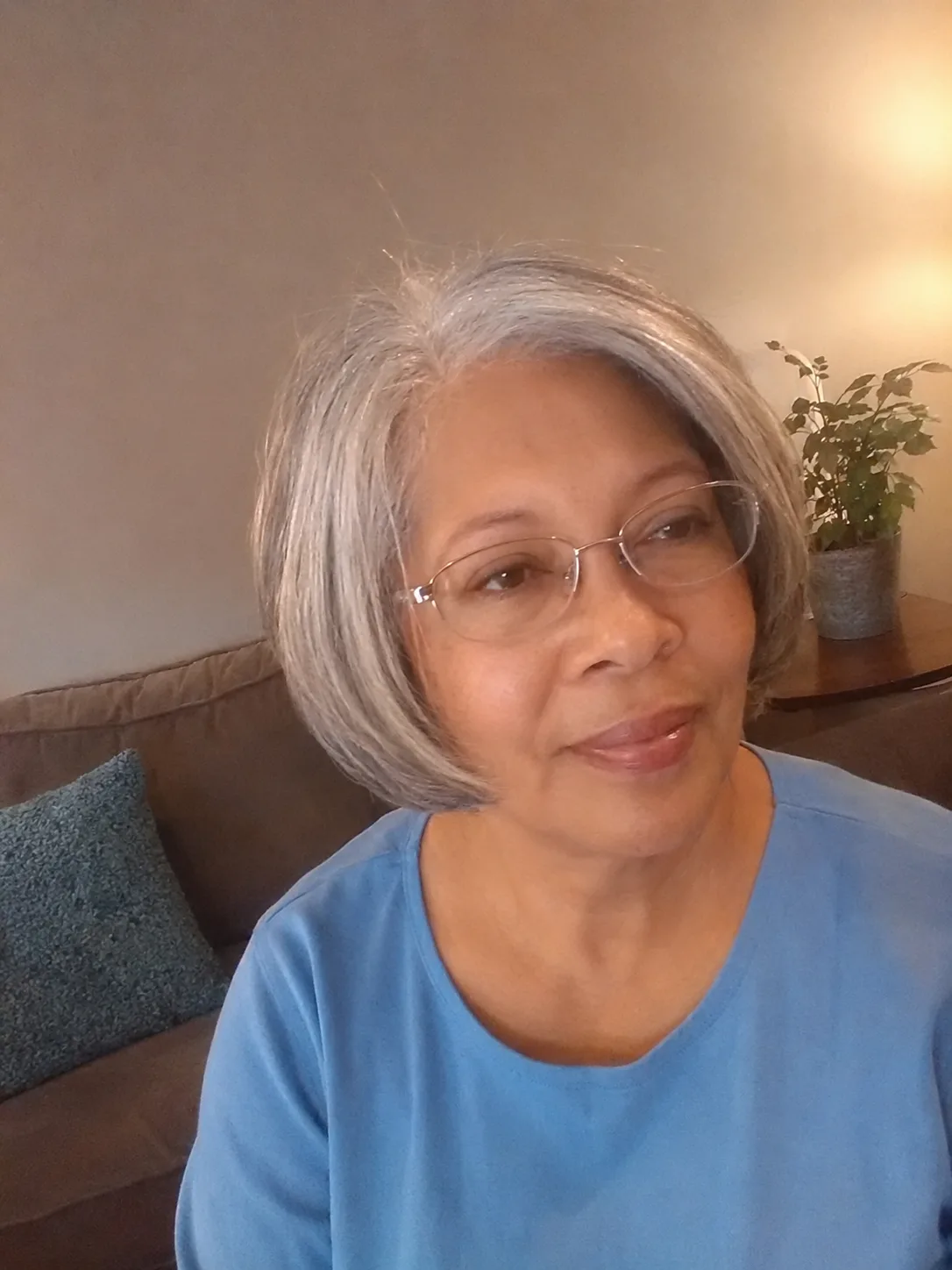
Strong frames and a strong haircut can coexist. A blunt or nearly blunt bob creates a deliberate lower edge that can make fine strands appear more substantial through the ends, provided the perimeter itself is healthy.
The tradeoff is movement. A solid shape won’t behave like a feathered layered bob, and it can feel heavier beside the jaw. Keeping the temple area smooth or occasionally tucked prevents the haircut from competing unnecessarily with wider frames.
Graduated Bob
A graduated bob builds more shape at the back while allowing the front to remain slightly longer. This can give short hair structure without requiring lots of visible layers around the glasses.
Its success depends heavily on the haircut itself.
The graduation needs to work with density and natural movement rather than becoming over-stacked. Dense hair may need thoughtful weight distribution; lower-density hair can lose substance if too much interior hair is removed.
The longer front also gives you options. Wear it forward for a defined jaw-length line, or place it behind the glasses arms when you want a clearer view of the frames.
Wavy Bob
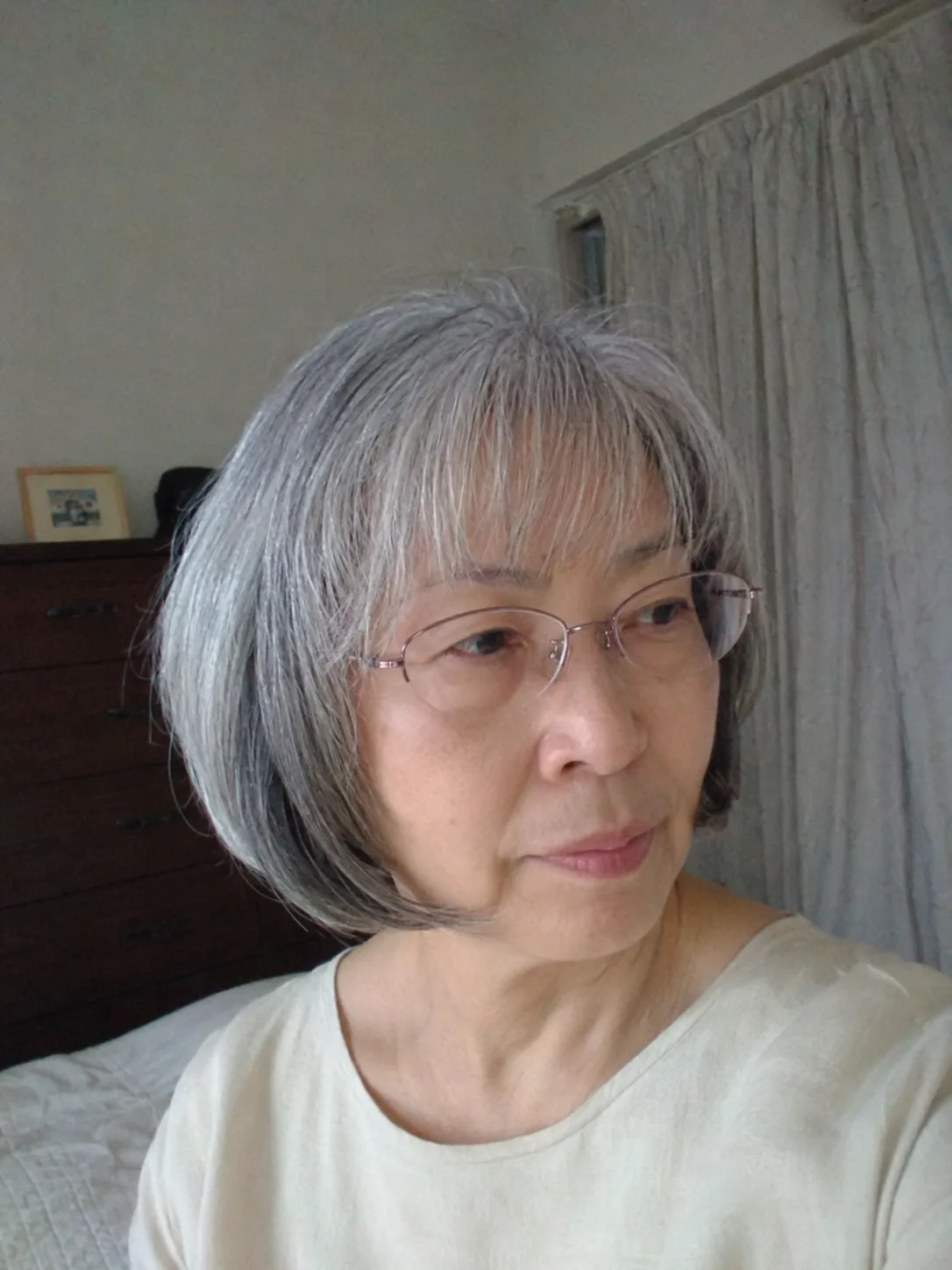
A bob with natural or styled waves creates movement through the mid-lengths instead of relying on a sharp perimeter. It’s a useful middle ground for someone who likes short hair but finds a sleek bob too rigid.
Try to avoid concentrating the widest part of the wave exactly where wide frames already create visual width. Moving some fullness above or below that line keeps the hair from swallowing the eyewear. Humidity, natural wave pattern, and how the cut dries at home will influence the result more than a perfectly arranged reference photo.
Curls and Texture With Glasses
Rounded Curly Bob
A rounded curly bob makes the natural curl pattern part of the haircut rather than treating it as decoration added afterward. The shape can sit near the jaw or slightly longer, with enough room around the sides for curls to move.
Glasses introduce a practical issue at the temples: curls repeatedly trapped under the arms can flatten or snag. Some readers prefer leaving those pieces shorter; others simply position the glasses beneath the hair.
Neither approach requires straightening the sides. Choose the arrangement you can repeat comfortably on ordinary mornings.
Layered Coily Shape
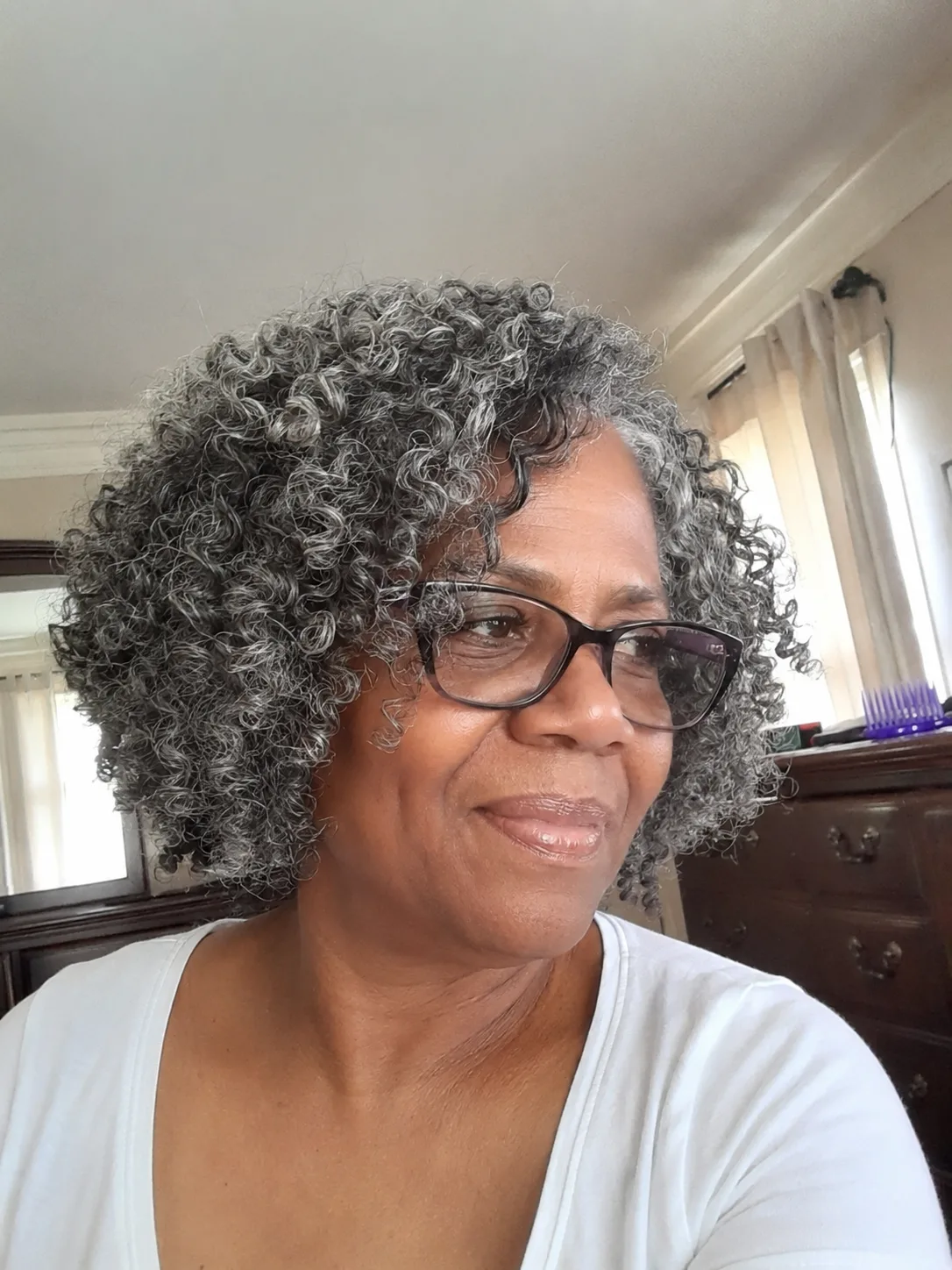
A layered shape on coily hair can create height, controlled width, and a defined outline while keeping the glasses visible. The cut should account for coil grouping and shrinkage, particularly through the front and temple sections.
This is a stronger choice than trying to force naturally full hair into an unnecessarily flat shape just to accommodate eyewear. Instead, decide where you want the volume. More height through the crown can leave breathing room around prominent frames, while deliberate side fullness can create a bold, balanced look.
Curly Pixie With Longer Top
Short sides paired with a longer curly top put most of the visual interest above the glasses. That makes the style especially useful for larger frames that already occupy plenty of space through the middle of the face.
The upper curls can lean forward, move to one side, or stay rounded.
The side sections need enough consideration to accommodate both the frames and, where relevant, hearing devices. Extra bulk behind the ear can make either uncomfortable to position.
Because curls change length as they dry, evaluate the finished cut in its usual worn state. A fringe that looks perfectly positioned while stretched may sit much higher once the curl fully contracts.
Soft Wash-and-Go Shape
A wash-and-go doesn’t have to mean leaving the haircut undefined. Curly and coily hair can be shaped so the natural pattern forms a recognizable outline with less dependence on stretching or heat styling.
This option makes sense for a routine centered on wearing your natural texture most days.
The glasses should be considered while the shape is established. Fullness at the crown creates a different effect from a wider cheek-level shape, and neither is inherently better. Your frame size, preferred volume, shrinkage, and drying routine determine which feels balanced.
Medium and Longer Styles That Don’t Hide the Frames
Shoulder-Length Layers
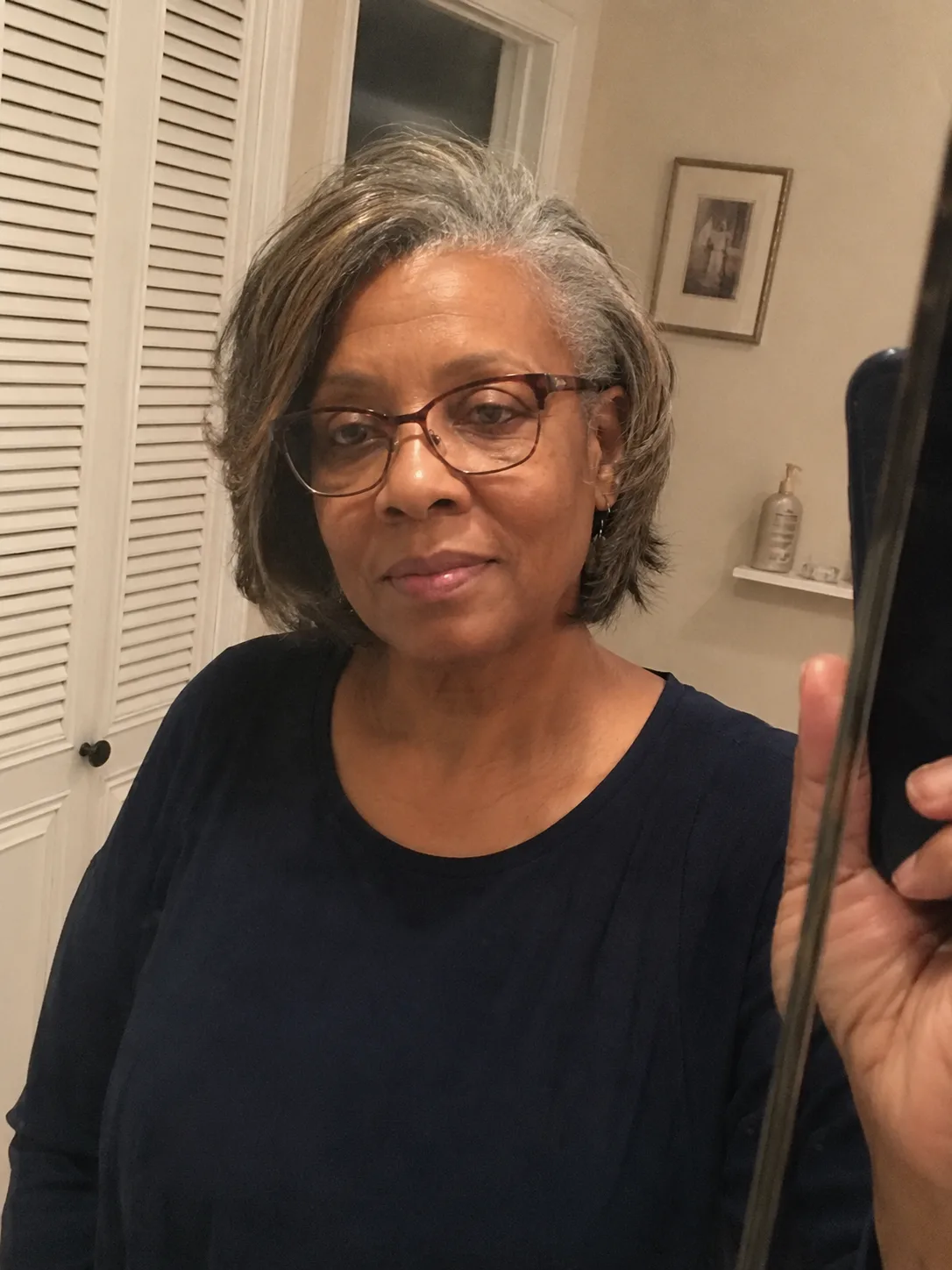
Keeping more length doesn’t require letting the hair hang flat on both sides of the glasses. Shoulder-length layers can introduce movement around the jaw and collar while preserving enough length for ponytails, clips, and tucked styles.
This is an underrated option for someone who enjoys styling flexibility more than the precision of a short cut. The main question is whether the shortest layers help the hair move or simply create extra pieces that fall onto the frames. Long, blended layers are often easier to manage than numerous short layers when you want the hair to tuck away cleanly.
Collarbone-Length Cut With Face-Framing Pieces
A collarbone-length base gives the haircut a strong lower boundary while shorter pieces around the front keep the shape from feeling heavy. Those front pieces can begin above, beside, or below the glasses depending on the effect you want.
Pieces ending directly against thick frame arms may flick outward or get trapped each time you put your glasses on. Moving the shortest point slightly higher or lower can make daily wear smoother.
This length also interacts with clothing. Coat collars and high necklines can push the ends outward, so the at-home shape may differ from the haircut as it appears in a salon cape.
Soft Waves With a Side Part
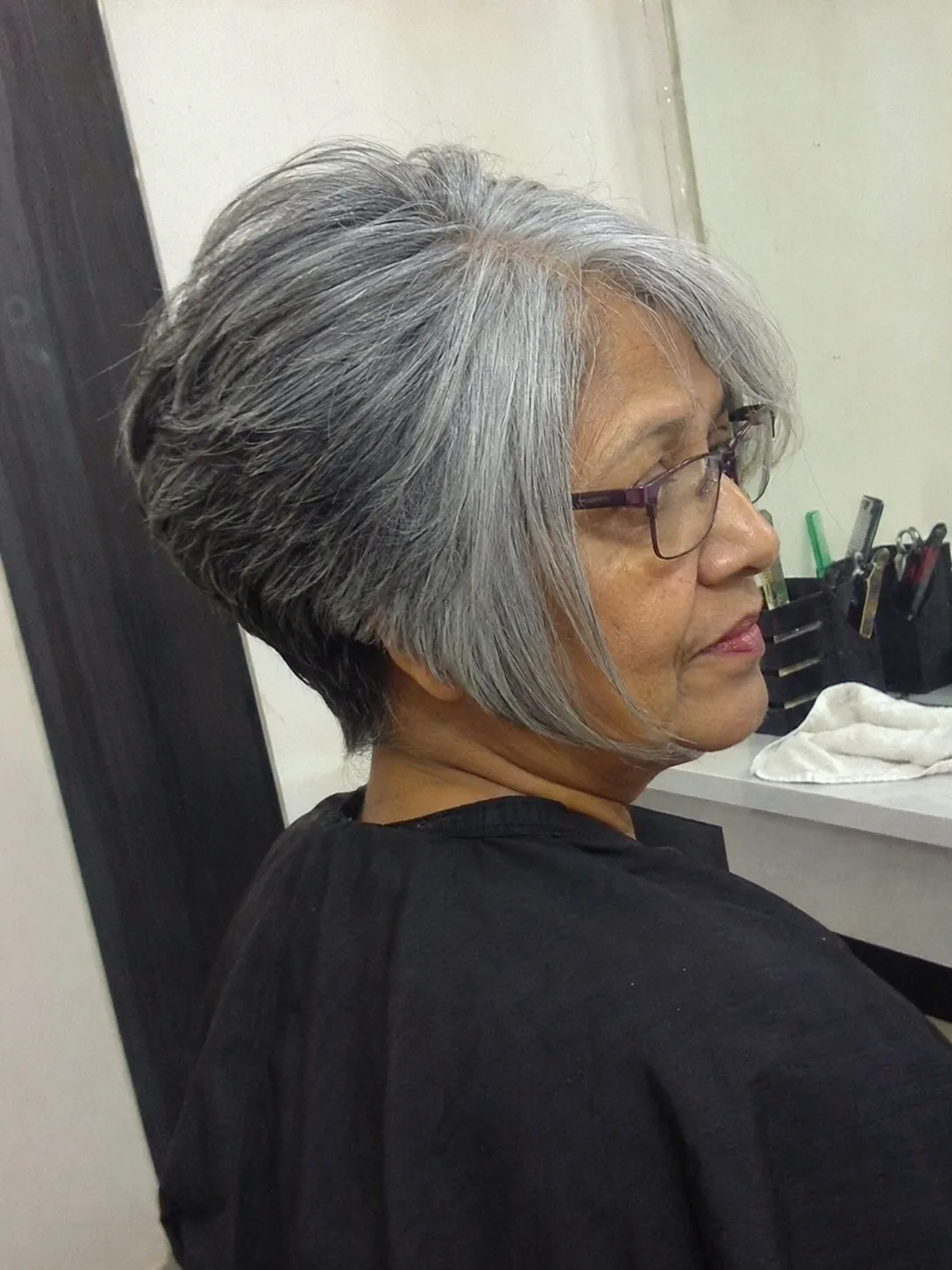
The useful feature of side-parted waves is asymmetry. One side can stay fuller while the other is tucked, exposing more of the frame and preventing equal volume from building around both temples.
The wave pattern doesn’t need to be perfectly uniform.
Loose natural bends can create enough movement on their own, while straighter hair may need styling to maintain the effect. The more the look depends on repeated heat work or careful setting, the less effortless it becomes in daily life.
Frame design also changes the visual balance. Angular glasses paired with soft waves create contrast; rounded frames and waves create a gentler overall line.
Keep the part only if it works with your growth pattern. Fighting a strong natural part every morning usually adds work without improving the haircut itself.
Low Ponytail With Soft Front Pieces
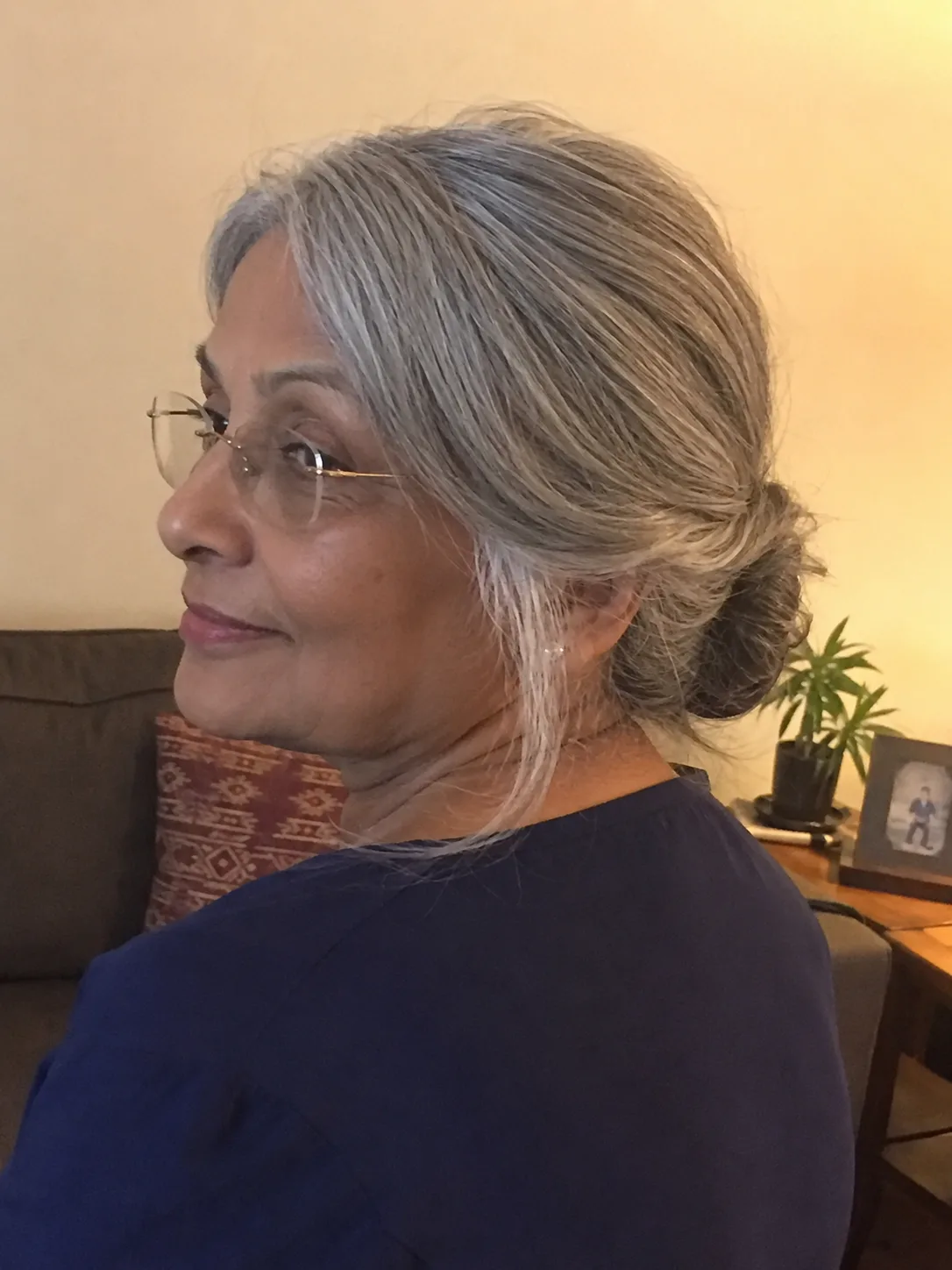
A low ponytail is a hairstyle rather than a haircut, but it earns a place here because glasses often make simple pulled-back styles look especially strong. Clearing the temples exposes the frames and opens the ear area, while a few soft front pieces prevent the result from feeling overly severe.
Avoid forcing fragile hairs around the perimeter into a tight anchor. A ponytail should remain comfortable during normal movement. The most useful version is the one you can secure without repeatedly pulling at the same temple areas where your glasses already create contact.
Choosing a Hairstyle Around Your Glasses
Your glasses don’t need to dictate the haircut, but they should be present during the decision.
Large or bold frames already create significant visual weight around the eyes. Short crops, tucked bobs, and hairstyles with crown fullness often give them more space. Very dense temple volume can create a crowded effect, which may be exactly what you enjoy—or something you want to reduce.
Smaller or lighter frames leave more room for hair around the face. Layered bobs, curls, waves, and longer face-framing pieces can sit closer to the glasses without dominating them.
Frame arms are just as important as the front of the glasses. Hair that repeatedly catches underneath them gets flattened and rearranged throughout the day. Try taking your glasses on and off with the hairstyle before deciding whether the temple length is practical.
Fringe also deserves its own decision. Side-swept, wispy, curly, and fuller bangs can all work with glasses. What changes the result is where the fringe meets the top edge of the frames. A long fringe that constantly falls behind the lenses or catches at the hinges can become irritating even if it photographs well.
No face-shape formula needs to make this decision for you. Look at where the haircut creates height, width, and weight, then compare those lines with the frames you actually wear.
What to Discuss Before the Cut
Bring your everyday glasses to the appointment, not just the pair you wear occasionally. A haircut assessed without them can leave too much bulk at the temples or place front layers at an awkward point.
Also describe how you normally wear your hair. A curly cut judged only when the hair is stretched won’t tell the full story if you usually wear significant shrinkage. Likewise, a bob designed around a smooth blowout may behave very differently when air-dried on naturally wavy hair.
Density and strand size deserve separate conversations. Fine strands don’t automatically mean low density, and thicker strands don’t guarantee abundant density. The amount of hair present and the diameter of each strand influence layering differently.
Maintenance That Matters More Than Age
A very short cut can simplify washing and drying while making reshaping more noticeable as it grows. Bobs retain more length but depend on the perimeter, layering, or graduation staying balanced. Longer styles give you more ways to tie the hair back, although they may require more detangling and drying.
Choose maintenance based on what you are willing to style, not on assumptions about what women over 60 should wear.
Glasses also create repeated friction in the temple area. Try not to trap and pull the same hairs every time you put the frames on. Smooth the sides back, tuck them deliberately, or let the hair sit over the arms—whichever arrangement feels comfortable and works with the haircut.
Gray or silver hair may be straight, wavy, curly, coily, fine, coarse, dense, or sparse. Build the routine around the hair you have rather than treating pigment loss as a texture category.
Heat styling should also follow the hair’s condition, your tools, and the result you’re trying to create. A haircut that only feels successful after extensive daily styling may be a poor bargain when easier mornings are one of your priorities.
Pay attention to changes that go beyond normal styling. Sudden shedding, persistent scalp irritation, sores, pain, or a concerning change in density is a reason to talk with a dermatologist or another qualified healthcare professional rather than trying to solve the issue through a different haircut.
Related Hairstyles to Explore
- Curly hairstyles for women over 60
- Hairstyles for women over 60 with fine hair
- Long hairstyles for women over 60
- Short hairstyles for women over 60
FAQs
What is the easiest hairstyle for a woman over 60 who wears glasses?
A softly tapered pixie, simple bob, or shoulder-length layered cut can all be relatively straightforward. The easiest choice depends on your natural texture and how much styling the haircut needs to look the way you want. A shape that works with your usual air-dried, curly, wavy, or smooth state tends to require less correction each morning.
Do short hairstyles look good with glasses?
Yes. Short hair can give glasses more visual space because less hair sits around the temples and ears. Pixies and crops are particularly effective when you enjoy prominent frames. The main decision is how much side volume, scalp exposure, and regular reshaping you prefer.
Should bangs sit above or below glasses?
Both can work. A shorter fringe leaves a clear gap above the frames, while a longer fringe creates a softer overlap. Problems usually arise when the fringe repeatedly catches on the top edge or hinges. Test the length while wearing your normal glasses before committing to it.
What hairstyles work well with glasses and curly hair?
Curly pixies, rounded curly bobs, layered coil shapes, and longer natural curls can all work. Concentrate on where the haircut puts its width and how much the front sections shrink. Curly fringe can remain curly; straightening it isn’t a requirement for wearing glasses.
Can women with fine hair wear layered styles with glasses?
Yes, but the amount and placement of layering matter. Fine hair refers to strand diameter, while density describes how much hair is present. Heavy interior removal can expose more space in lower-density hair, so preserving a stronger perimeter may be more useful than adding many short layers.
What if I wear hearing aids as well as glasses?
Comfort around the ears becomes a more important design consideration. A close crop can clear the area completely, while a bob or longer style can be tucked away. Try the haircut position with both devices in place so hair isn’t constantly trapped between them or interfering with access.
Are longer hairstyles suitable for women over 60 with glasses?
Absolutely. Shoulder-length and longer cuts can work very well, especially when layers or face-framing pieces stop the hair from sitting heavily beside the frames. Longer hair also gives you the option to tuck, clip, or tie it back when you want the glasses to take more visual focus.
Hair Texture & Upkeep Style Matcher
Select your natural hair texture and daily maintenance window to get an instant styling formula and heat safety cap.
Heat Cap: 320°F (160°C)
A versatile three-strand braid beginning at the parietal ridge, securing the top half while allowing natural wave texture to flow freely around the shoulders.
Conclusion
The most useful hairstyle isn’t the one that hides your glasses or follows an age-based rule. It’s the one that puts hair in the right places around the frames while still working with your texture, density, styling habits, and preferred amount of maintenance.
Start by deciding whether you want the glasses exposed, softly framed, or balanced by more volume above and around them. Then look at the practical details: what happens at the temples, whether the hair tucks comfortably, how the shape behaves in its normal dry state, and how much reshaping or styling you’re prepared to maintain. Those decisions will narrow 18 appealing hairstyles into the few that make sense beyond the photograph.
Editorial Standards & Hair Health Guidance
Every style featured on Tress Atlas is curated with a focus on real-world wearability, scalp tension management, and cuticle preservation. When trying protective styles or tight updos, ensure perimeter hairline sections remain tension-free to avoid traction stress on delicate follicles. For heat styling, cap tools below 350°F (180°C) to prevent thermal keratin denaturation.
Scientific Sourcing: Practices aligned with the American Academy of Dermatology (AAD) on traction alopecia risk reduction and cosmetic trichology research on hair tensile strength.