Long Hairstyles for Women Over 50: 15 Ways to Keep Length Looking Strong
Long hair after 50 works best when the length has a purpose. The deciding factor usually isn’t age; it’s whether the haircut supports the perimeter, whether the layers suit your density, and how much styling the shape needs before it resembles the photograph that inspired you.
That distinction becomes especially useful when hair has changed over time. Fine strands are different from low density, and either can exist with thick-looking hair. Gray describes pigment loss, not a particular texture. Curls may become looser or tighter for many reasons, while chemical services, heat styling, breakage, and everyday handling can also change how long hair behaves.
So keeping length doesn’t mean keeping every inch at any cost. Sometimes the stronger choice is a cleaner lower edge. In other cases, well-placed layers make long hair easier to wear because they release bulk and give curls or waves room to move.
These 15 hairstyles cover several genuinely different approaches, from substantial one-length cuts to layered curls, long shags, loose braids, and half-up styling.
Long Cuts That Make the Perimeter Matter
Long One-Length Hair With a Strong Lower Edge
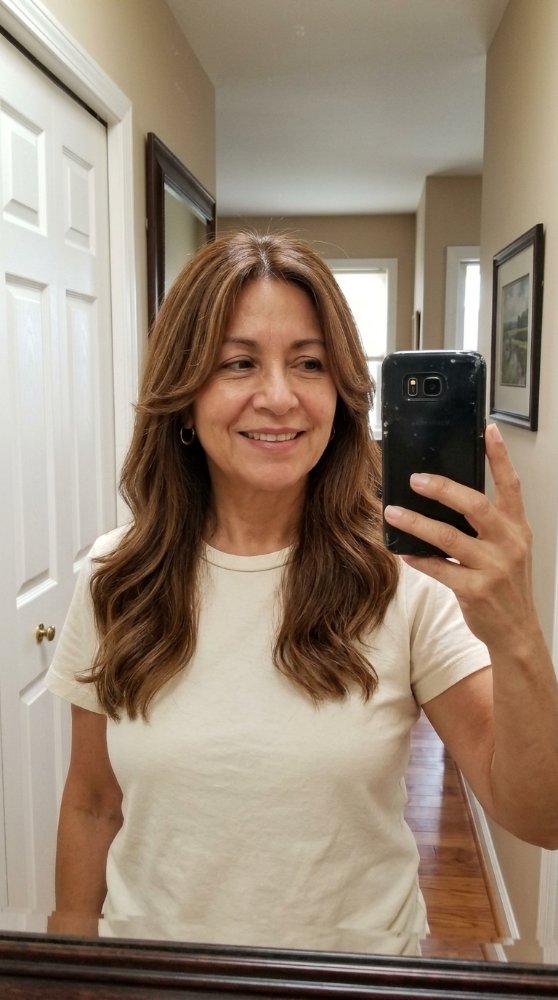
A one-length cut puts most of its visual weight at the bottom. That’s useful when healthy ends are one of your strongest features or when too much layering has previously left the lower portion looking wispy. The line doesn’t need to look severe; even a subtle amount of shaping can stop the back from feeling rigid.
This is one of the more practical long hairstyles for women over 50 who prefer uncomplicated wash-and-style routines. It also translates well between straight, softly waved, and stretched styling states. The limitation is movement: without interior layering, very dense hair can feel heavy, while naturally wavy hair may form a broader triangle through the lower half.
Soft U-Shaped Long Hair
From the back, a U-shaped perimeter keeps the center slightly longer while the sides curve upward. The effect is softer than a straight-across line but still preserves enough hair at the bottom to make the length look substantial.
It’s an underrated option when you want visible shape without committing to obvious layers. The curved outline shows particularly well with hair worn down and creates less of a sharp point than a V-shaped cut.
Long V-Shaped Hair
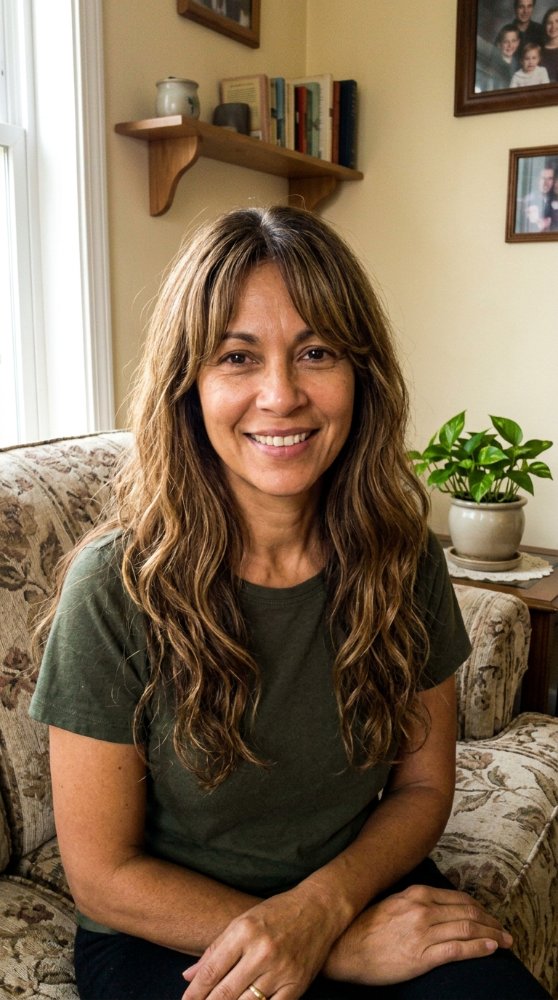
The appeal of a V-cut is visible from across the room: the hair narrows toward one distinct point down the back. It gives very long hair direction and can make a relatively simple haircut look more designed.
That shape comes with a real perimeter decision. The center keeps maximum length while the outer sections become progressively shorter, so the lower edge won’t look as uniformly dense as a blunt or U-shaped cut. On hair with transparent or fragile ends, an exaggerated V can emphasize the very area you’re trying to make look stronger.
Dense straight or wavy hair usually displays the geometry most clearly. Curls soften the point because shrinkage changes where individual sections land. Ask to evaluate the outline in the styling state you normally wear rather than judging the cut only while the hair is wet and stretched.
Layers That Change How Long Hair Moves
Long Face-Framing Layers With a Substantial Back
You don’t have to layer the entire haircut to create movement around the face. Face-framing pieces can begin around the cheek, jaw, or farther down while the back remains comparatively full. That makes this a strong compromise for anyone who likes the lift of shorter pieces but doesn’t want thinner-looking ends throughout the haircut.
Glasses deserve consideration here. Pieces that finish close to the temple can repeatedly fall across the arms of the frames, while slightly longer sections may tuck away more easily. The same practical detail matters for anyone wearing hearing devices.
Keep the framing proportional to your normal styling routine. A dramatic series of short-to-long pieces becomes much more visible with a blowout or wave than when the hair is allowed to dry with minimal manipulation.
Cascading Long Layers
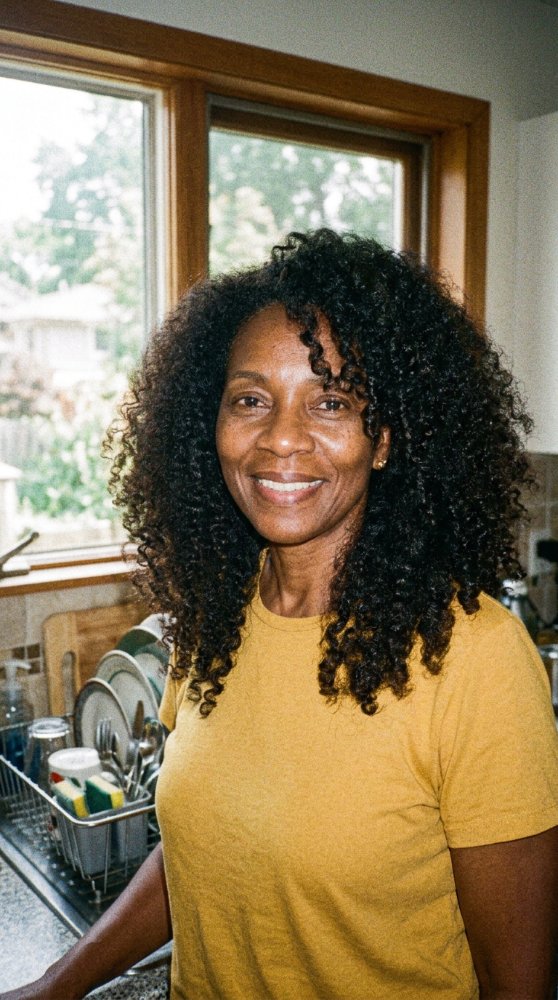
Movement is the point here. Cascading layers create several visible levels through the mids and ends, so long hair lifts and separates instead of hanging as one continuous sheet.
This version earns the extra cutting when your hair has enough density through the lower half to support it. Heavy interior removal on low-density hair can reveal more space and make the perimeter appear lighter. A stylist can preserve more weight at the bottom while distributing shorter pieces through selected areas rather than aggressively thinning everything.
With waves or a round-brush finish, the layers become obvious. Worn straight, they read as a softer progression. The haircut is more salon-dependent than a simple one-length shape because uneven or overgrown layers can change the balance well before the overall length feels too long.
Long Shag With Soft Fringe
A long shag deliberately shifts attention away from a heavy perimeter. Shorter layers around the crown and face create separation, while the overall length remains well below the shoulders. The result feels airier and less formal than conventional long layers.
This is worth the extra styling when you actually like visible texture and a little irregularity. Straight, fine hair that falls flat may need more styling encouragement to show the intended shape, whereas naturally wavy hair can provide much of the movement on its own.
Fringe can be full, curtain-like, wispy, or curly depending on the cut and your normal styling state. It doesn’t need to be straightened simply because the rest of the haircut is shaggy. What matters more is how the shorter front sections behave on an ordinary morning, not only after a styled salon finish.
Long Hairstyles Built Around Natural Texture
Long Curly Hair With Graduated Layers
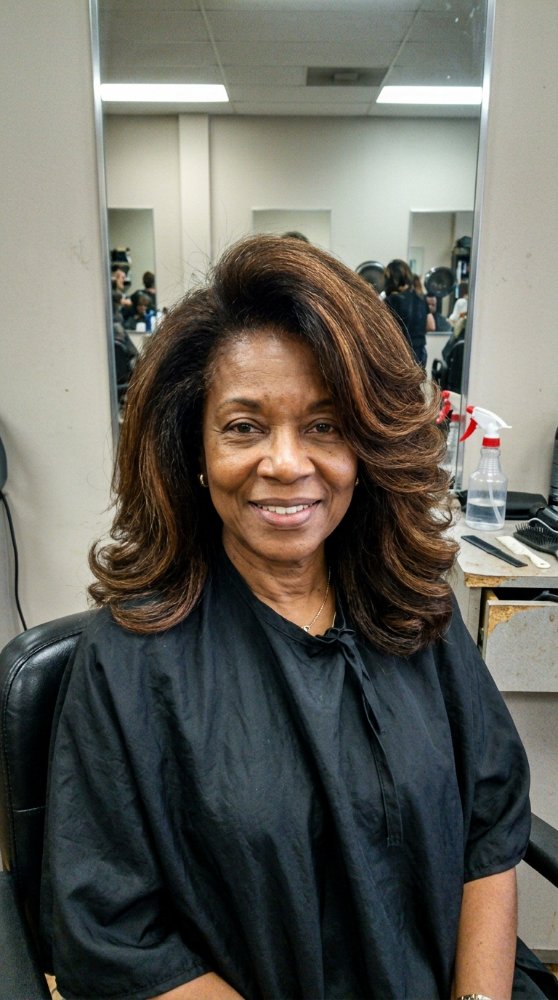
Long curls can become bottom-heavy when most of the length finishes at a similar level. Graduated layering redistributes that weight, letting shorter curls contribute to the outline instead of leaving all the fullness near the ends.
Shrinkage should guide the design. A curl that appears long while stretched may settle much higher once dry, and different areas of the head can shrink by different amounts. The finished haircut needs to make sense in the state you normally wear.
This is also why copying the exact layer placement from a straight-haired reference photo rarely gives enough information. Curl grouping, density, strand size, condition, and shrinkage all affect where the outline finally sits.
Long Coily Hair With a Rounded Shape
A rounded long shape lets coily hair remain expansive without losing its overall outline. Instead of forcing the hair into a narrow downward line, the cut can keep width through the sides while preserving meaningful length underneath.
This works especially well for readers who want their natural volume to be visible. The haircut may be assessed dry, wet, or with a combined approach, but the final balance should be checked in the state you actually plan to wear. A cut that looks even only when fully stretched can behave very differently after coils return.
Length also changes wash-day logistics. Dense long roots may remain damp after the outer hair feels dry, so sectioning and drying access can matter as much as the final silhouette.
Long Stretched Natural Hair With Gentle Layers
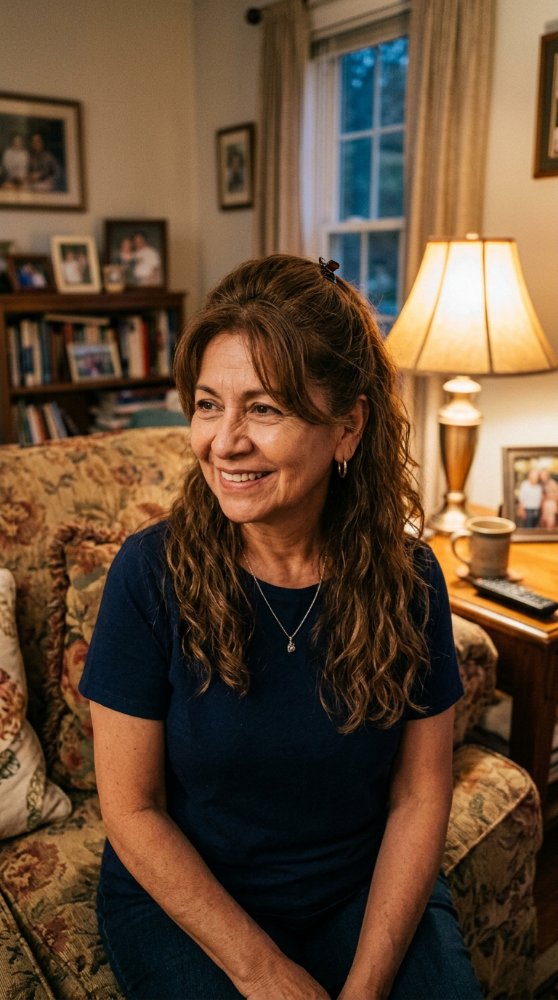
Stretched natural hair gives you a different visual result from a fully shrunken shape without requiring a permanently straight texture. The hair may be banded, wrapped, tension-dried, braided, or otherwise elongated through the styling process, depending on your routine.
Gentle layering can stop long stretched hair from looking too blocky while keeping enough weight through the ends. This is a better starting point than dramatic interior removal when preserving a substantial perimeter matters.
The important consultation detail is consistency. A haircut planned around a stretched state should also be evaluated for what happens when the hair is worn with more shrinkage. Shorter layers can spring substantially higher, which changes the balance around the face and crown.
Long Styles That Add Shape Without Another Haircut
Soft Brushed Waves
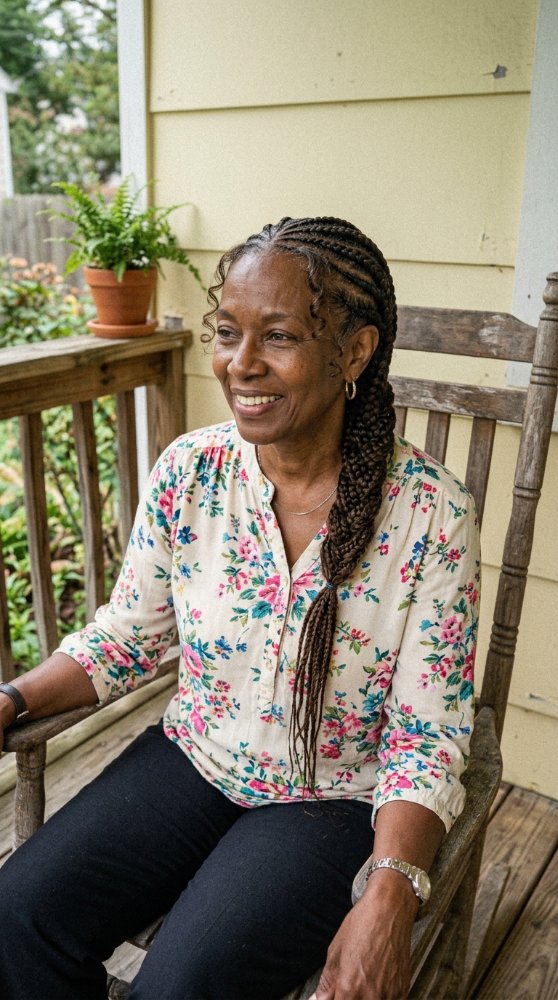
Soft waves can transform a straightforward long cut because the bends create width through the mids while the ends remain visible. They work with blunt, U-shaped, and layered cuts, although each produces a different finish.
Large, relaxed bends are especially useful when you want movement without making every layer look sharply separated. Heat isn’t required for every wave pattern; setting, braiding, or other low-manipulation methods may create a softer result depending on your texture.
Gray and white hair can look particularly striking with waves because the curves expose different strands to the light. Pigment loss itself doesn’t tell you whether the hair will be coarse, fine, dry, smooth, straight, or curly, so choose the styling method according to the hair’s actual condition.
Sleek Low Ponytail
A low ponytail is one of the simplest ways to make long hair feel deliberate without hiding the length. The anchor sits near the nape, allowing the tail to fall naturally down the back instead of concentrating it high on the crown.
This is more practical than a very high ponytail for long, dense hair because the hanging length creates less leverage at a low anchor. A fabric-covered elastic can secure the base, while a small section of hair wrapped around it gives the finish a cleaner appearance if desired.
Avoid forcing shorter or fragile perimeter hairs into the elastic simply to make the surface perfectly smooth. A slightly softer hairline can be the better tradeoff.
Half-Up Twist With the Length Left Loose
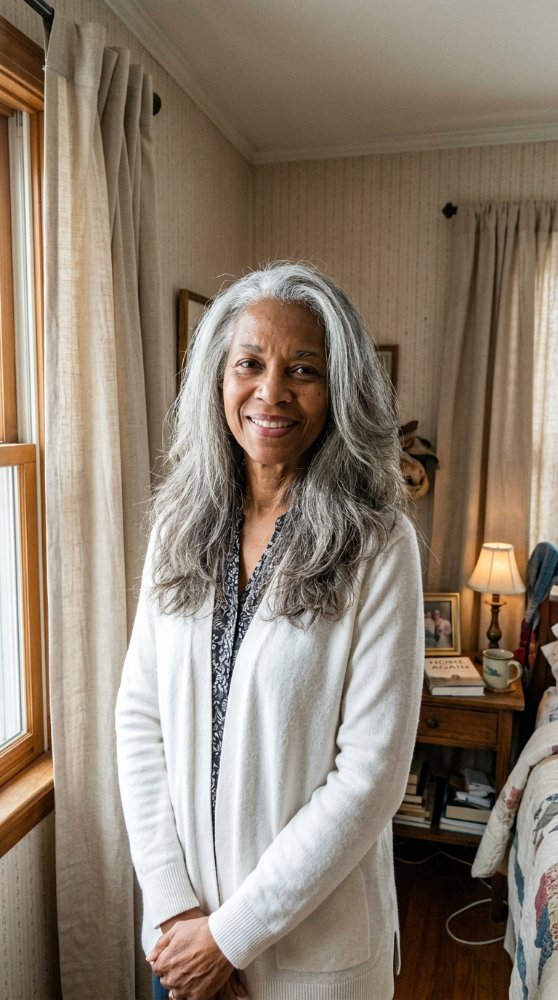
The strongest reason to choose a half-up style is control. Pulling the upper sections away from the face keeps the front manageable while leaving most of the length visible.
A twist creates a different construction from a standard half ponytail. The side sections travel backward, turn over one another, and can be secured with pins or an appropriate clip. Wavy and curly hair brings extra volume underneath, while straighter hair creates a smoother fall.
Placement changes daily comfort. A bulky clip positioned exactly where your head meets a car seat or headrest can become annoying even when the style looks excellent from the back. A flatter anchor or slightly adjusted position solves more than another layer of styling product.
Loose Single Braid
A single low braid gives long hair structure while reducing the amount of loose hair rubbing against clothing or moving across the shoulders. It also shows off length without requiring a complicated updo.
The stronger version for everyday wear starts with a comfortable base at the nape and keeps the braid secure without pulling tightly at the hairline. A looser construction can look fuller, though very slippery hair may need more deliberate anchoring.
This style is particularly practical under coats compared with loose curls, which can repeatedly rub against collars and scarves. The ends still need attention: a braid can conceal a thin perimeter in photographs, but it doesn’t change the condition of the hair underneath.
Half-Up Braided Crown
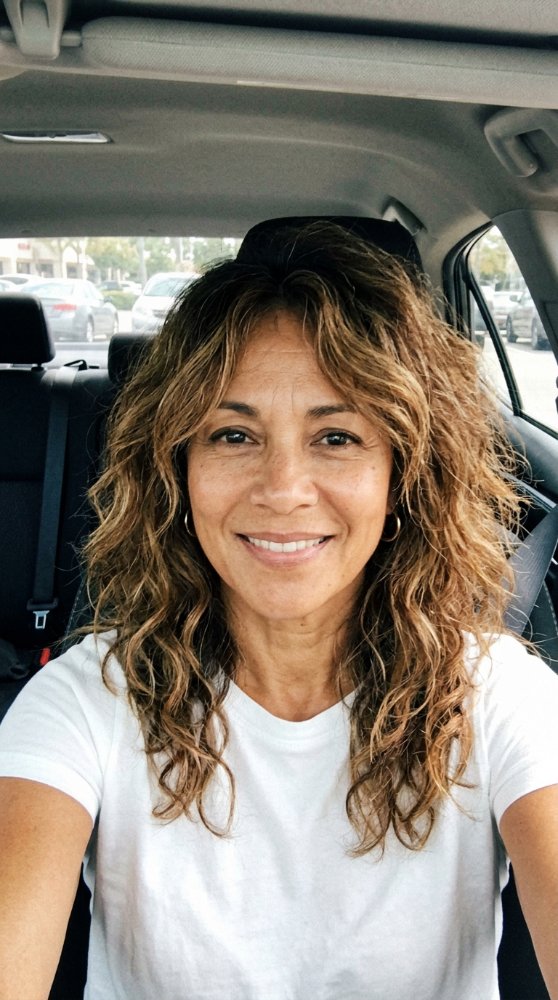
A braided crown uses the upper side sections to create detail across the back or around part of the head while the rest of the hair remains down. Unlike a simple half-up twist, the braid itself becomes the focal point.
This makes sense for weddings, dinners, or other occasions when completely loose hair feels too casual but a full updo would hide the length you want to show. It also gives curls and waves a secure area around the face without flattening the entire top.
Long Hair With One Side Pinned Back
Asymmetry can change the whole impression of long hair without changing the cut. Sweeping one side back and securing it close to the head exposes the cheek, jaw, earrings, or neckline while the opposite side retains its full length and movement.
The construction is simple, but pin position matters. Bobby pins need enough hair to grip without scraping the scalp, and very heavy sections can slide if they’re secured too far from their natural fall. Using a smaller section is often more stable than trying to pin half the head behind one point.
On curls, let the pinned section follow the curl pattern rather than stretching it flat unless a sleek contrast is specifically the look you’re after. With straight or waved hair, a little crown lift prevents the side-swept finish from appearing overly flat from the front.
What Long-Hair Photos Often Fail to Show
A reference image captures one styling state, one angle, and one moment. It doesn’t show what happens after the hair meets a coat collar, how shorter layers behave in humidity, whether a fringe falls into glasses, or how much work went into creating smoothness and volume.
The perimeter deserves particular attention. Long hair can remain technically long while the final several inches become increasingly transparent from breakage or accumulated wear. Preserving those ends simply because they’re the longest part may make the haircut look less substantial.
Density changes need equally careful language. Low density means fewer strands overall. Fine hair refers to small individual strand diameter. Thinning describes a reduction or change in density, while breakage is snapping along the hair shaft. A haircut can redistribute weight and create a stronger-looking outline, but it can’t create new follicles.
Sudden shedding, scalp pain, persistent irritation, sores, or a concerning change in density is a different issue from choosing layers. Those symptoms are worth discussing with a dermatologist or another qualified healthcare professional rather than trying to solve them through a haircut.
Matching the Cut to the Way You Actually Wear Your Hair
Your normal styling state should influence the haircut more than the occasional special-event finish. Hair worn naturally curly most days needs to look balanced with its ordinary shrinkage. Hair that’s usually stretched or blown out can be assessed with that finish in mind while still accounting for what happens on days you wear more texture.
Color also changes the visual effect without dictating the cut. Gray, silver, white, highlighted, and naturally pigmented strands can make layering more visible because tonal differences reveal movement. The underlying texture and condition still determine how those layers behave.
Maintaining Long Hair Without Turning It Into a Project
Long hair accumulates more opportunities for friction because the ends have been exposed to brushing, clothing, heat, color, sun, and everyday handling longer than the hair near the roots. Maintenance should respond to what your hair is actually doing rather than follow one rigid calendar.
Pay attention to the lower edge. Increasing tangles, splitting, rough ends, and breakage can signal that keeping every bit of length is working against the appearance you want. A modest reshaping may make the hair look longer in a visual sense because the perimeter reads as cleaner and more continuous.
Nighttime friction can also matter. A smooth pillowcase, scarf, or bonnet may reduce rubbing and tangling, depending on your hairstyle and texture. It won’t repair damaged hair, but it can make long lengths easier to manage.
Layered cuts need a different kind of observation. Watch where the shortest pieces settle as they grow. Long shags and strongly layered shapes can lose their proportions before the ends seem noticeably longer, while a one-length cut tends to grow out more quietly.
A Practical Consultation Checklist
Bring reference images that show both the front and back when possible, then discuss the parts of the hairstyle that actually affect your routine.
Explain how you wear your hair most days: natural, curly, stretched, straightened, blown out, braided, or another regular state.
Point out whether preserving maximum length or strengthening the perimeter matters more.
Mention glasses, hearing devices, frequent ponytails, or other details that affect face-framing pieces.
Ask where the shortest layer will land after your normal shrinkage or styling.
Discuss previous color or chemical services when they affect the condition of the ends.
Say how much daily styling you’re realistically willing to do.
Ask to see the back outline before losing more interior weight than you want.
A reference photo is most useful when it starts a discussion. The finished haircut still has to work with your actual density, strand size, texture, condition, and routine.
Related Hairstyles to Explore
- Hairstyles for women over 50 with fine hair
- Short hairstyles for women over 50
- Curly hairstyles for women over 50
- Stylish short hairstyles for women over 50
FAQs
Can women over 50 still wear very long hair?
Yes. Age alone doesn’t establish a maximum useful length. The more practical questions are whether the ends remain healthy enough to support the shape, whether the hair feels manageable, and whether the haircut works with your usual styling state. Very long hair that retains a strong perimeter can look more convincing than slightly shorter hair with heavily weathered ends, and the reverse can also be true depending on the cut.
What long hairstyle can make thin-looking ends appear fuller?
A one-length or softly U-shaped perimeter usually keeps more visual weight at the bottom than aggressive layering. That can make healthy ends appear more substantial. Haircuts can’t increase actual density, however, so a sudden or concerning reduction in density should be treated separately from a styling decision.
Are layers a good idea for long gray hair?
They can be. Gray refers to reduced pigment, so the decision should be based on strand size, density, texture, condition, and the amount of movement you want. Long layers can show tonal variation beautifully, while minimal layering may make more sense when preserving a strong lower edge is the priority.
How can I wear long hair during exercise without always using a tight high ponytail?
A low ponytail, loose braid, or secure low bun can keep length contained while placing the anchor lower on the head. Choose an elastic and placement that hold the hair without painful pulling. Heavy, very long hair can create considerable leverage in a high ponytail during movement, so a lower position is often the more comfortable everyday option.
Hair Texture & Upkeep Style Matcher
Select your natural hair texture and daily maintenance window to get an instant styling formula and heat safety cap.
Heat Cap: 320°F (160°C)
A versatile three-strand braid beginning at the parietal ridge, securing the top half while allowing natural wave texture to flow freely around the shoulders.
Conclusion
Long hairstyles for women over 50 become easier to choose once you stop treating length as the only goal. Decide first whether you want a strong perimeter, visible layers, natural volume, or a style that stays out of your way with minimal effort.
For the most forgiving starting point, a substantial lower edge with selective face framing gives you room to adjust later. More dramatic layers, shags, and highly shaped curls are worth choosing when their movement matters enough to justify the extra styling and reshaping.
Take your normal hair state and one realistic reference photo into the consultation, then decide how much length you want to preserve only after looking closely at the perimeter. That single decision usually tells you more than an age-based hairstyle rule ever could.
Editorial Standards & Hair Health Guidance
Every style featured on Tress Atlas is curated with a focus on real-world wearability, scalp tension management, and cuticle preservation. When trying protective styles or tight updos, ensure perimeter hairline sections remain tension-free to avoid traction stress on delicate follicles. For heat styling, cap tools below 350°F (180°C) to prevent thermal keratin denaturation.
Scientific Sourcing: Practices aligned with the American Academy of Dermatology (AAD) on traction alopecia risk reduction and cosmetic trichology research on hair tensile strength.