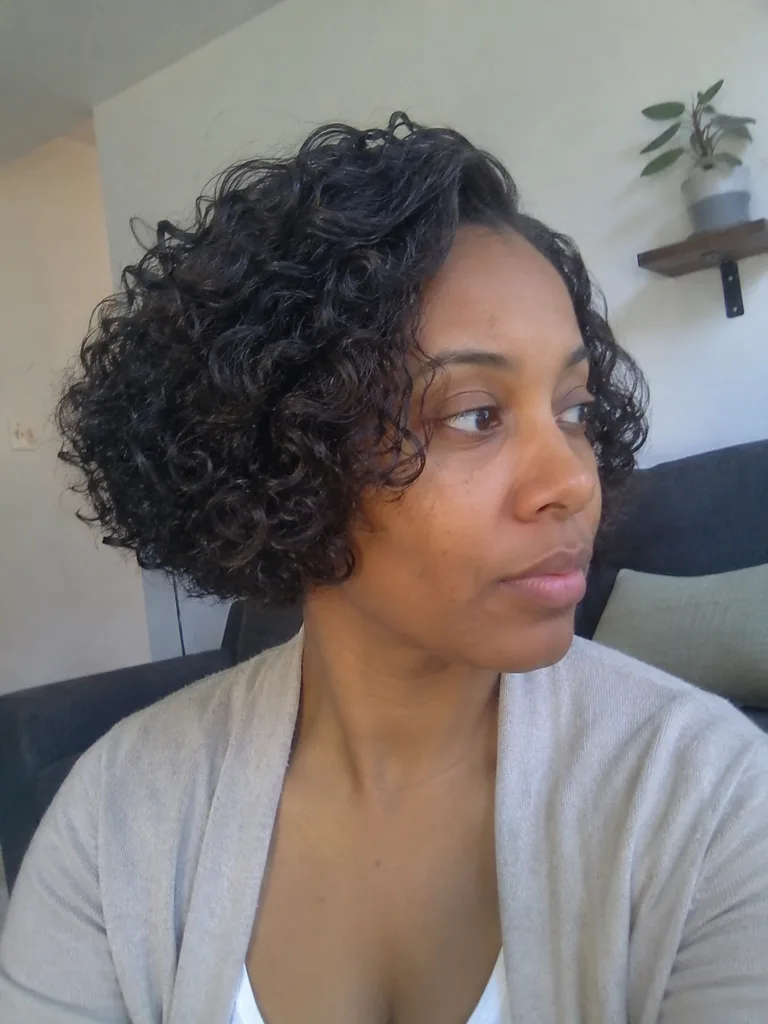
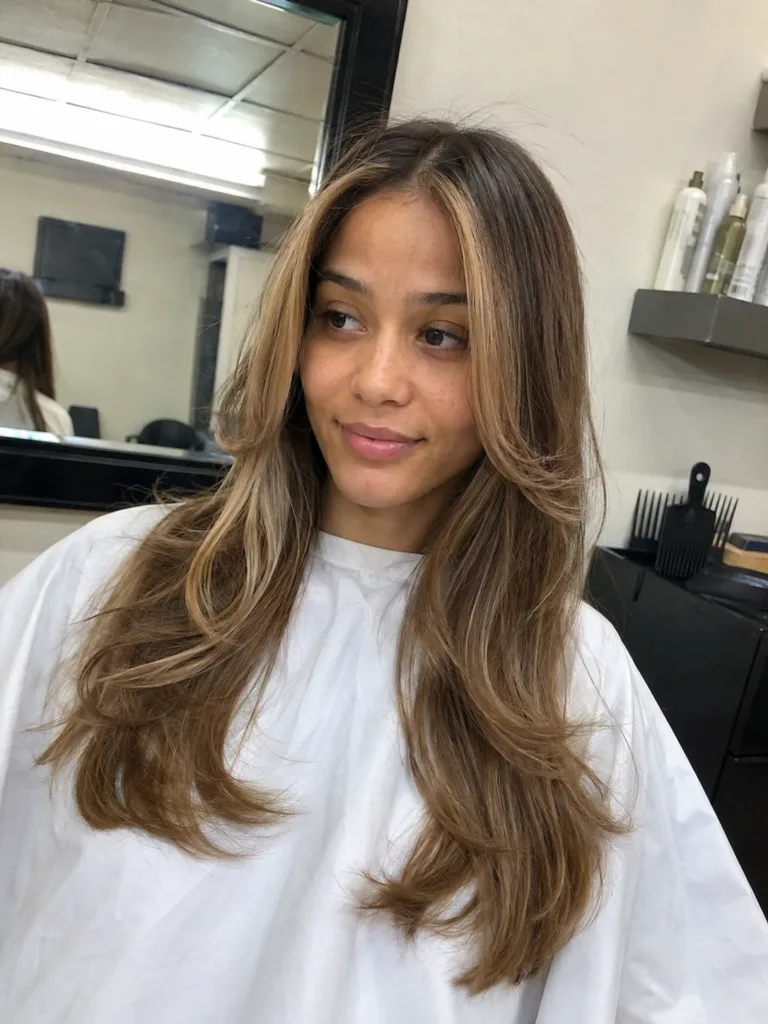
Simple Hairstyles for Medium Hair: Styling Guide & Cuts That Are Easy to Live With
Medium-length hair gives you enough length to tie, twist, braid, and pin, but it also has an awkward side: shorter layers can escape, thick ends can make buns bulky, and a style that looks effortless from the front may need far more pinning at the back.
The easiest hairstyles for medium hair work with those limits instead of pretending they aren’t there. A low bun needs less length than a high one. A claw-clip twist can hold hair that won’t cooperate with a neat French twist. Half-up styles keep shorter face-framing pieces out of the way without forcing every strand into one elastic.
The right choice also depends on how you normally wear your hair. Naturally curly or coily medium hair behaves differently from straightened, stretched, wavy, or fine-stranded hair. Use these ideas as constructions you can adapt, rather than as instructions to flatten or change your natural texture.
Fast Styles for Busy Mornings
Claw-Clip Twist
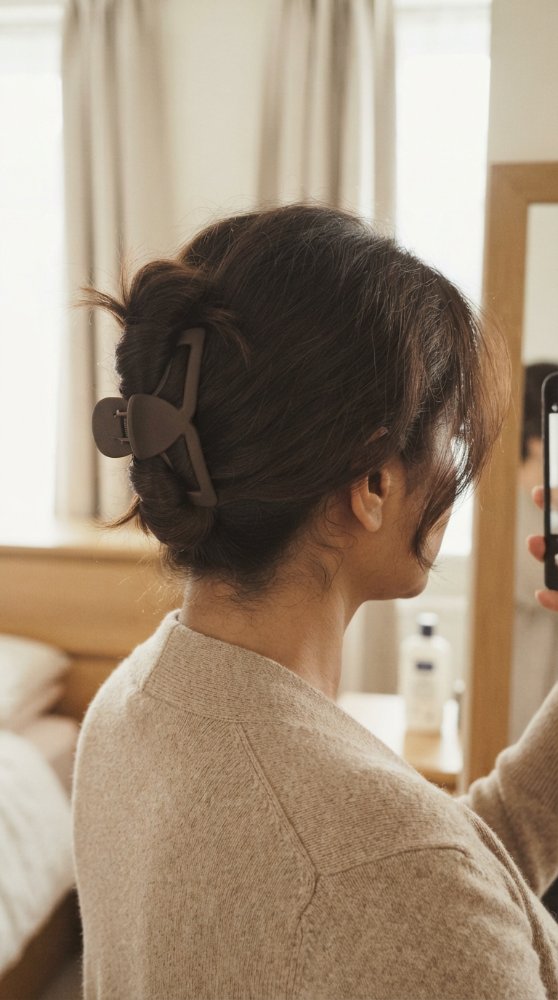
Few styles make better use of medium length than a claw-clip twist. Gather the hair at the back as though you’re making a low ponytail, twist the length upward, fold any excess back down, and secure the center with a claw clip. The ends can stay tucked or fan slightly over the top.
The clip needs to match the amount of hair you’re asking it to hold. Dense hair usually needs more interior space and a stronger grip, while low-density or fine-stranded hair can disappear inside an oversized clip. The useful test is movement: turn your head normally after securing it. A clip that immediately slides or pinches isn’t saving you any effort.
This style also handles layers well because the hair doesn’t have to reach a single elastic. A few loose pieces around the face can look completely natural.
Low Folded Ponytail
A folded ponytail is the answer when a regular ponytail feels too plain but a bun seems like unnecessary work. Make a low ponytail, then on the final pass through the elastic, pull the hair only partway through. You end up with a soft loop and a short tail rather than a full hanging ponytail.
It works especially well on medium hair because you don’t need enough length to wrap repeatedly around the base. Leave the loop relaxed for a casual shape or make it smaller for a tidier finish. A fabric-covered elastic is generally kinder to the hair surface than repeatedly catching strands on a rough fastener.
Half-Up Twist
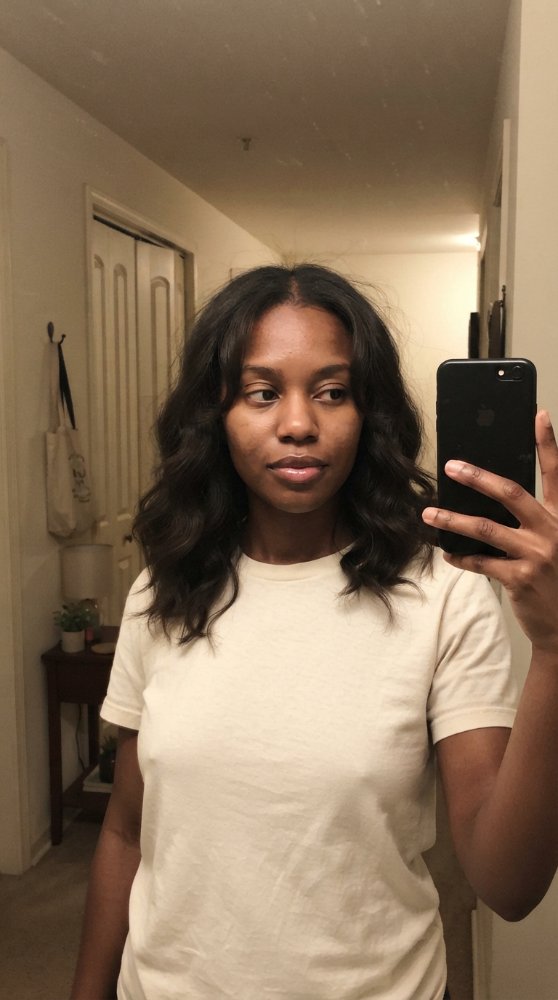
Pulling all medium-length hair back can expose every short layer around the temples and nape. A half-up twist avoids that battle.
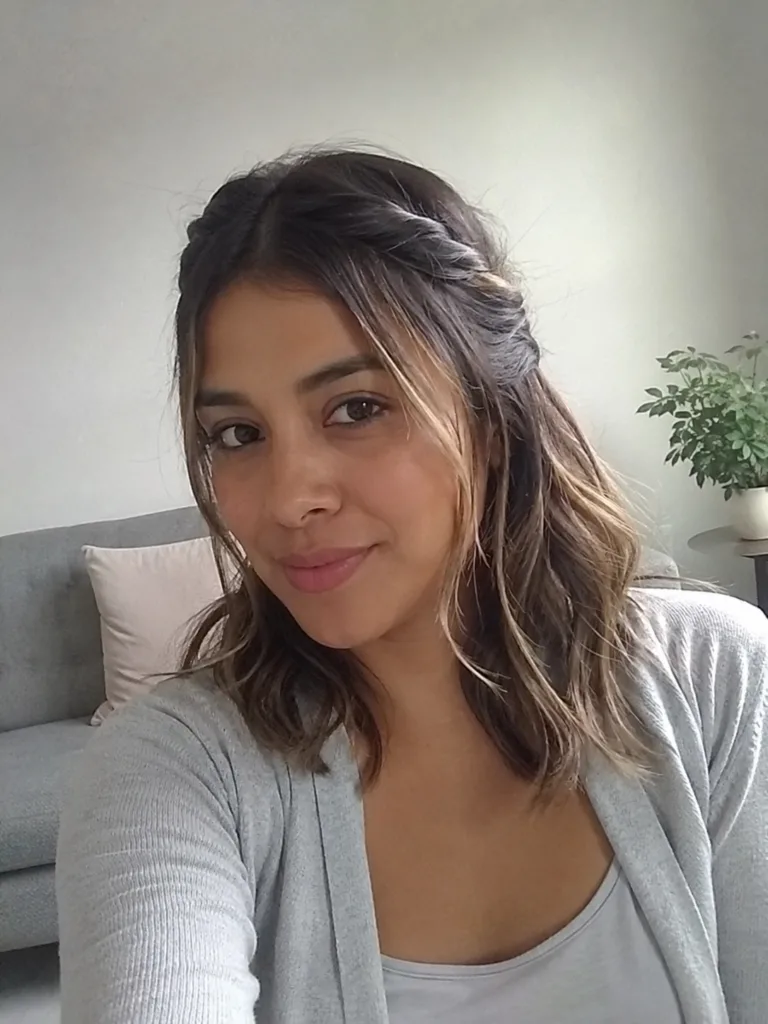
Take a section from each side above the ears, bring the two sections toward the back, twist them together, and secure them with a small clip or pins. Keep the crown slightly loose if you prefer some lift instead of pulling everything flat.
Curly and wavy hair can keep its natural fullness through the lower section. On straight hair, the contrast comes from the clean upper shape and loose length beneath it.
The half-up twist is one of the stronger everyday choices for layered medium hair because it controls the pieces most likely to fall forward while leaving the difficult shorter sections alone.
Headband Sweep
A headband can do the job of several pins in seconds. Brush or finger-comb the hair away from the face, place the band where it feels secure, and let the rest of the hair stay loose.
The result depends more on proportion than perfection. A very wide band takes up more visual space and can flatten volume around the front, while a narrower one leaves more of the hairstyle visible. Glasses wearers should also notice where the band sits around the ears; bulky accessories can compete with the arms of the frames.
This is a useful option on days when the problem is mainly the front of the hair rather than the whole style.
Buns That Don’t Require Extra-Long Hair
Low Twisted Bun
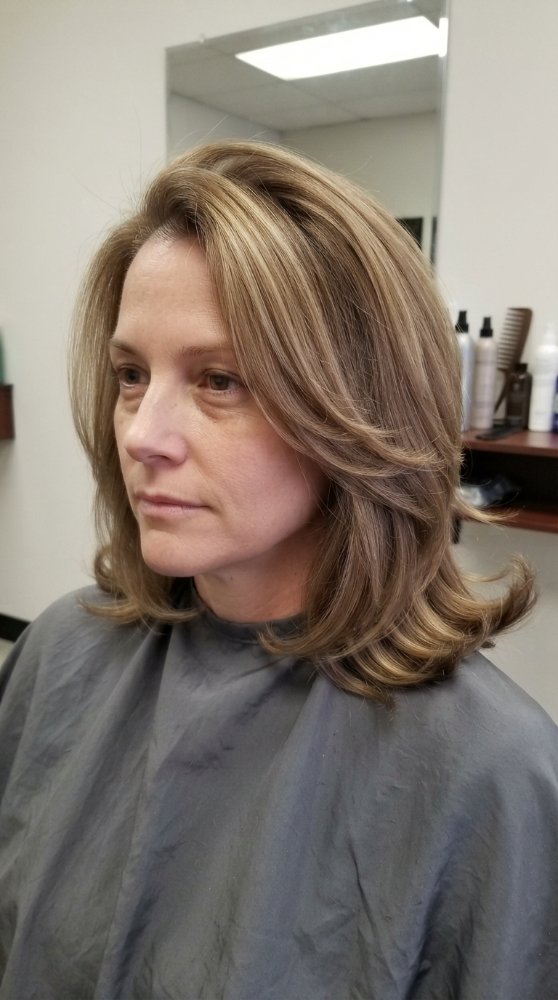
Medium hair generally behaves better in a bun when the anchor stays low. Gather the hair near the nape, twist the ponytail, coil it around its base, and pin or secure the shape.
A low position lets shorter sections travel a shorter distance, so fewer pieces tend to drop out around the back. Hair with substantial layers may still need a couple of bobby pins where the sides meet the bun.
Avoid chasing an unnaturally tiny knot if your hair has thick strands or high density. A broader, flatter bun often looks more balanced and is easier to secure than compressing a lot of hair into a tight little coil.
Soft Topknot
A topknot on medium hair won’t always produce the oversized bun seen on very long hair, and that’s perfectly useful. A smaller, softer knot can look lighter and takes less rearranging.
Bring the hair toward the crown, secure a ponytail, then loosely twist or fold the ends around the base. Let short pieces stay free if forcing them into the elastic makes the style feel tight.
This one works best when you care more about getting the hair up than creating a perfectly smooth surface. It is less forgiving on heavily layered cuts, since short nape sections have the farthest distance to travel.
Two Small Buns
One large bun asks every strand to reach the same point. Two buns divide that job in half.
Part the hair into two sections, place the buns where the available length reaches comfortably, and twist each side around its own base. Medium hair creates compact buns rather than very large coils, which keeps the style light and playful.
This construction can also be practical for thick hair because you’re no longer trying to contain all the density inside one elastic. The part doesn’t need to be perfectly centered unless a precise finish is part of the look.
Easy Braids and Twists
Loose Side Braid
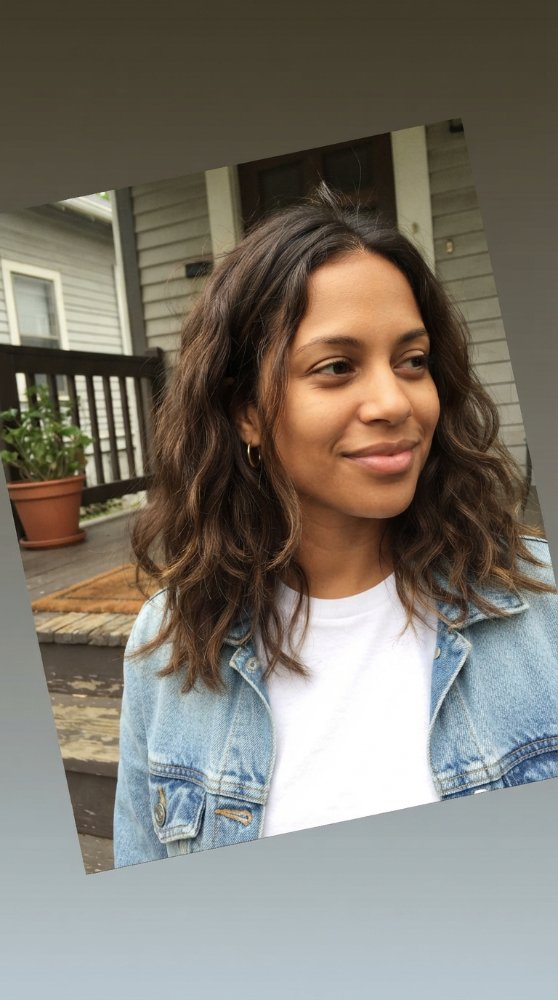
A side braid is easier on medium hair than a long braid hanging straight down the back because you can see and control the ends as you work.
Sweep the hair over one shoulder and create a basic three-strand braid, stopping where the shorter pieces begin to escape. Secure the end without trying to braid down to the final few wisps.
Layers will make the braid look softer. That isn’t a reason to keep tightening it. A few short pieces can sit around the face or be tucked with pins.
For a genuinely quick braid, this is usually more practical than a detailed braided style that requires clean sectioning across the back of the head.
Two Loose Braids
Two braids spread the hair into smaller sections, which makes them useful for medium hair that slips out of one thick braid. Divide the hair, braid each side, and secure the ends.
The style works on straight, wavy, curly, or stretched textured hair without requiring the surface to be sleek. Looser braids also preserve more fullness through the pattern, while tighter braiding creates a narrower result.
Two braids are particularly useful when your main priority is keeping hair contained rather than creating height or volume at the crown.
Rope-Twist Ponytail
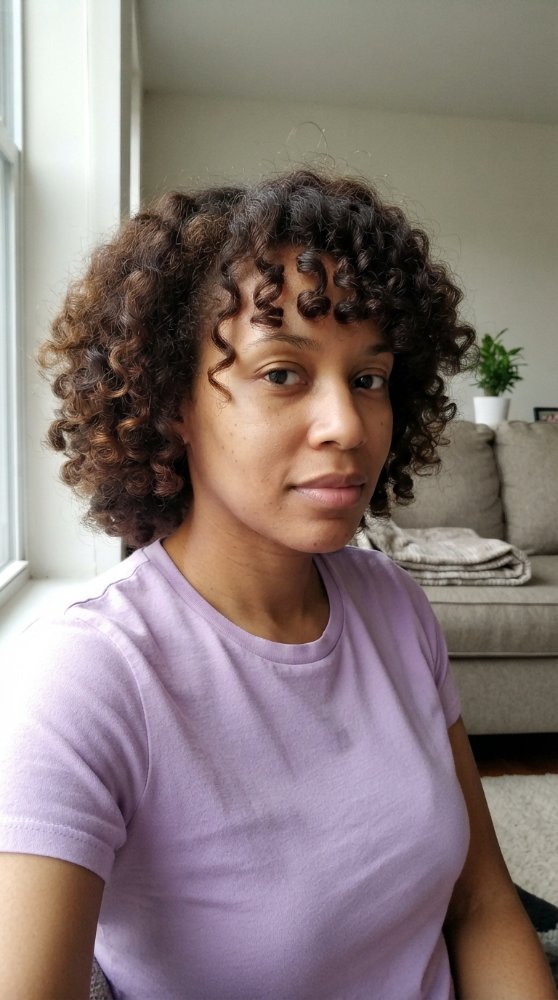
A standard ponytail becomes much more defined with one simple construction change. Split the tail into two sections, twist each section, then wrap them around each other and secure the bottom.
Because the twist happens only after the ponytail is secured, you aren’t trying to control the entire head at once.
The result is cleaner than a loose ponytail without requiring the sectioning skill of a braid. Medium length works nicely here because the twisted tail stays compact.
Hair with very short layers through the back may release some pieces from the base, so let those sections sit naturally or pin only the areas that genuinely interfere with the shape.
Front Rope Twists With Loose Hair
Keeping hair away from your face doesn’t require pulling back the entire upper half. Take a small section near each temple, create a rope twist on both sides, and pin them behind the ears or toward the back of the head.
This construction leaves most of your length untouched, making it a good choice for curls or waves you don’t want to disturb.
It’s also easier to adjust around a fringe. Bangs can remain forward while the sections immediately behind them are twisted back.
The visible effect is subtle, but the function is different from a decorative accessory: the twists physically control the front sections while preserving fullness elsewhere.
Simple Styles That Look More Dressed Up
Easy French Twist
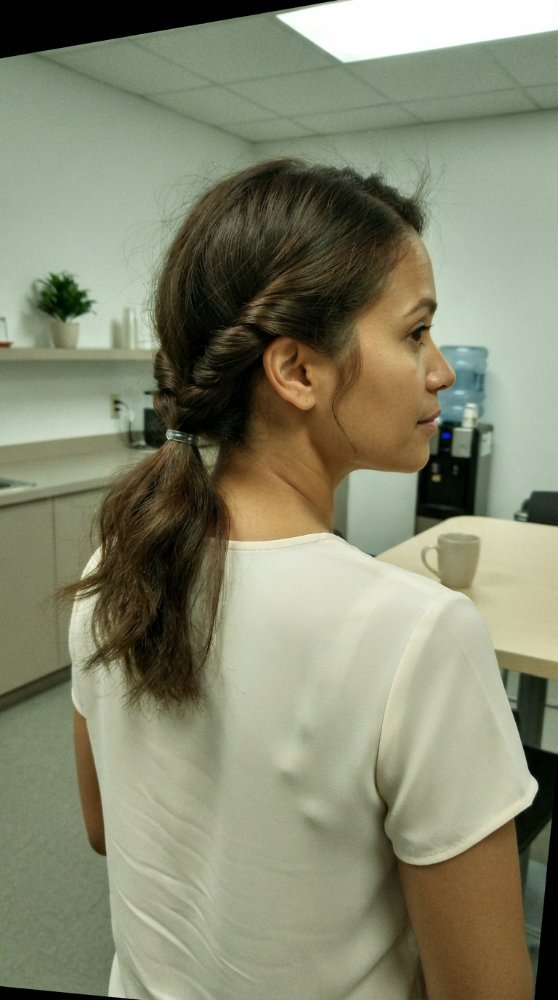
A French twist looks complicated mainly because very polished versions hide every pin and loose end. A softer version is much more achievable on medium hair.
Sweep the hair toward the center back and use bobby pins to create an anchor line. Bring the loose length across that line, roll it inward, and pin into the fold. The ends can be tucked inside or allowed to sit softly near the top.
Medium hair has an advantage here: there is less excess length to conceal inside the roll.
A formal event calls for a little testing before the day itself. The back of a chair, a high collar, or repeated head movement can change how secure the twist feels even when it looks perfect in a mirror.
Low Side Bun
Moving a bun slightly to one side changes more than the photograph. The shape becomes visible from the front, which makes a simple low bun feel more styled without requiring extra braiding or accessories.
Gather the hair behind one ear, twist it into a coil, and secure it close to the head. Keep the placement low enough that the opposite side can reach without being pulled aggressively across the scalp.
The low side bun works especially well with a side part or soft face-framing pieces. It is worth choosing when you want an evening look but don’t want the height or pinning involved in an updo at the crown.
Tucked Low Roll
Shorter than a French twist and flatter than a bun, a tucked roll is useful when you want the back of the hair to look neat without building much volume.
Start with a low ponytail held loosely. Create space above the elastic, turn the ponytail inward, and continue tucking the remaining length into the pocket you’ve created. Secure the roll with pins where needed.
The strongest version of this style has a little width across the nape. Packing all the hair into a tiny central point makes thick hair harder to pin and can cause the sides to bulge.
Half-Up Mini Bun
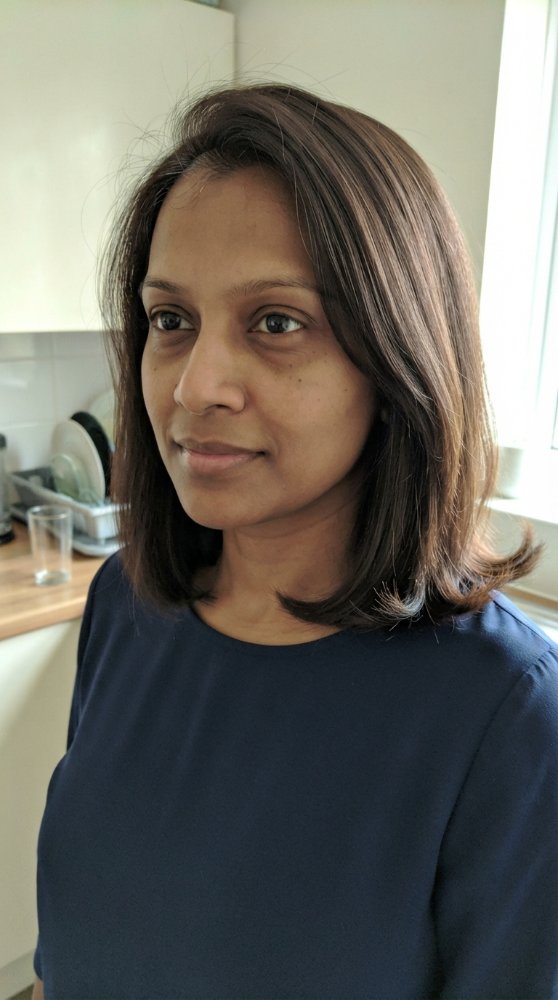
The half-up mini bun keeps the convenience of a topknot while leaving the majority of your hair down. Take the upper section from around the temples and crown, create a small ponytail, then twist or fold it into a compact bun.
This is more forgiving than a full topknot on layered cuts because the short sections around the nape never have to reach the crown.
Think carefully about how much hair you take into the upper section. Removing too much can make the loose lower half look thin, especially where density is already lower. Start with a modest section and adjust after seeing the hair from the back.
Curly hair can keep its natural pattern below the bun, while straight or wavy hair creates a cleaner contrast between the gathered crown and loose ends.
Styles That Use Your Natural Texture
Defined Curls With One Side Pinned
Sometimes the simplest hairstyle is mostly about changing the outline. Wear your curls or waves in their usual pattern, then take one side back and secure it above or behind the ear.
That small shift exposes one side of the face and moves more volume toward the opposite side. It works particularly well when a full updo would disrupt the curl pattern you already have.
Choose the pinning point based on comfort around glasses and the ear. You only need enough tension to keep the section in place.
Pineapple-Inspired Half-Up Style
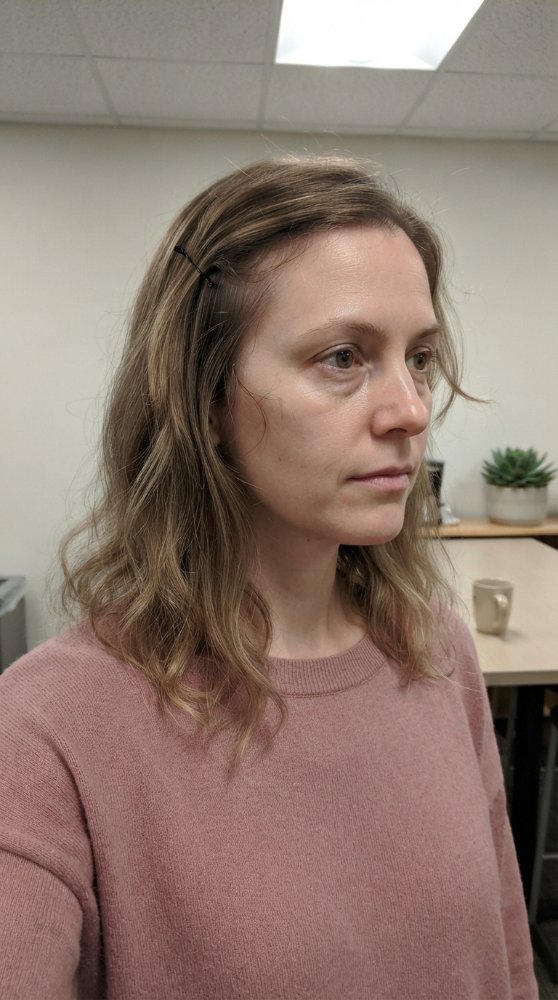
Medium curly or coily hair may not be long enough for a traditional high gathered shape that keeps every curl at the top. A half-up version asks much less of the length.
Gather only the crown and upper side sections into a loose high ponytail or puff, leaving the lower curls free. The upper section gives you height while the bottom retains fullness and avoids stretching shorter curls toward an unreachable anchor.
Shrinkage changes where the style appears to sit, so judge the placement in the state you actually plan to wear. A stretched version and a fully shrunken version can have very different proportions even with the same haircut.
This is a better choice than forcing every coil upward when the lower sections naturally fall away from the crown.
Heat-Free Braid-Out or Twist-Out Shape
A braid-out or twist-out can function as a hairstyle in itself when you want movement and definition without leaving the hair braided or twisted. The technique you use should suit your existing texture, condition, and usual handling routine.
Work with appropriately prepared hair, divide it into manageable sections, then braid or twist. After the hair is properly set and dry for your method, undo the sections gently and separate only as much as needed for the shape you want.
Medium hair benefits from deliberate placement during styling. Directing some sections away from the face can create lift around the front, while downward sectioning keeps more length visible.
The final result doesn’t need identical curls from root to tip. Natural variation can give the style a softer, fuller appearance.
Which Simple Style Fits Your Medium Hair Best?
Length alone doesn’t tell you which hairstyle will be easiest. The haircut underneath it matters just as much.
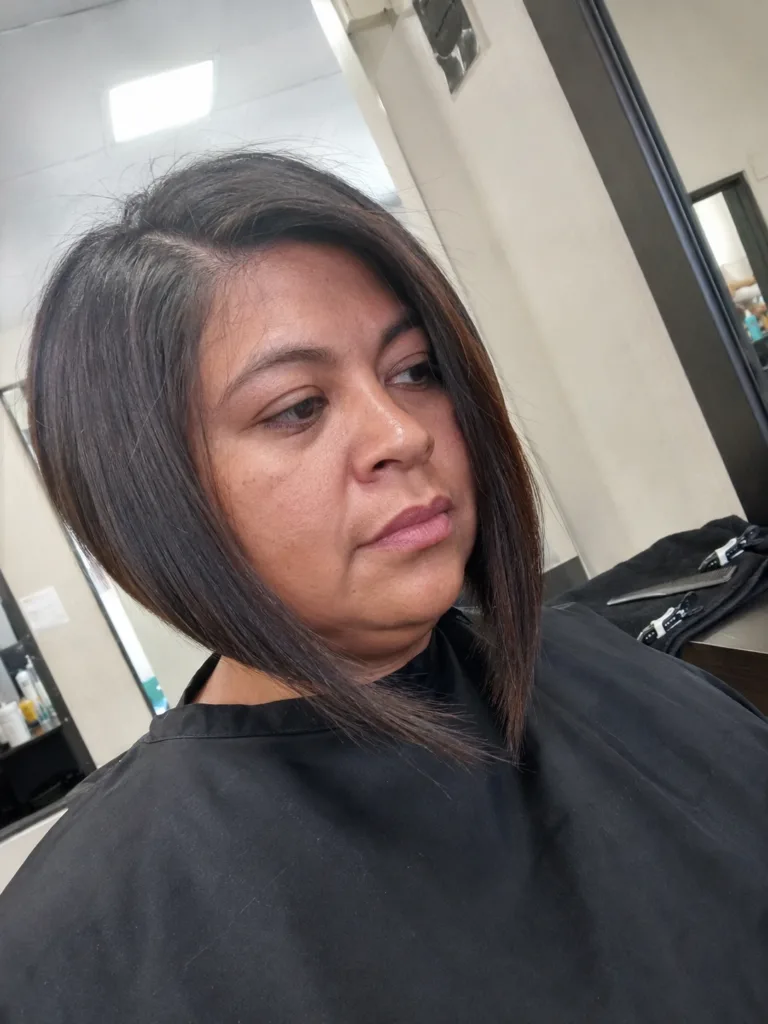
A blunt or lightly layered medium cut usually gives you more usable length at the perimeter, so low buns, rolls, braids, and twists have plenty of hair to work with. Heavily layered cuts tend to favor claw clips, half-up styles, loose braids, and designs that allow shorter pieces to remain free.
Density changes the construction too. High-density hair may overwhelm a small clip or create a thick bun that needs several anchor points. Low-density hair often benefits from styles that preserve visible fullness instead of removing most of the hair into a tiny upper section. Fine strands describe strand diameter, not how many hairs you have, so don’t use fine and thin as interchangeable styling labels.
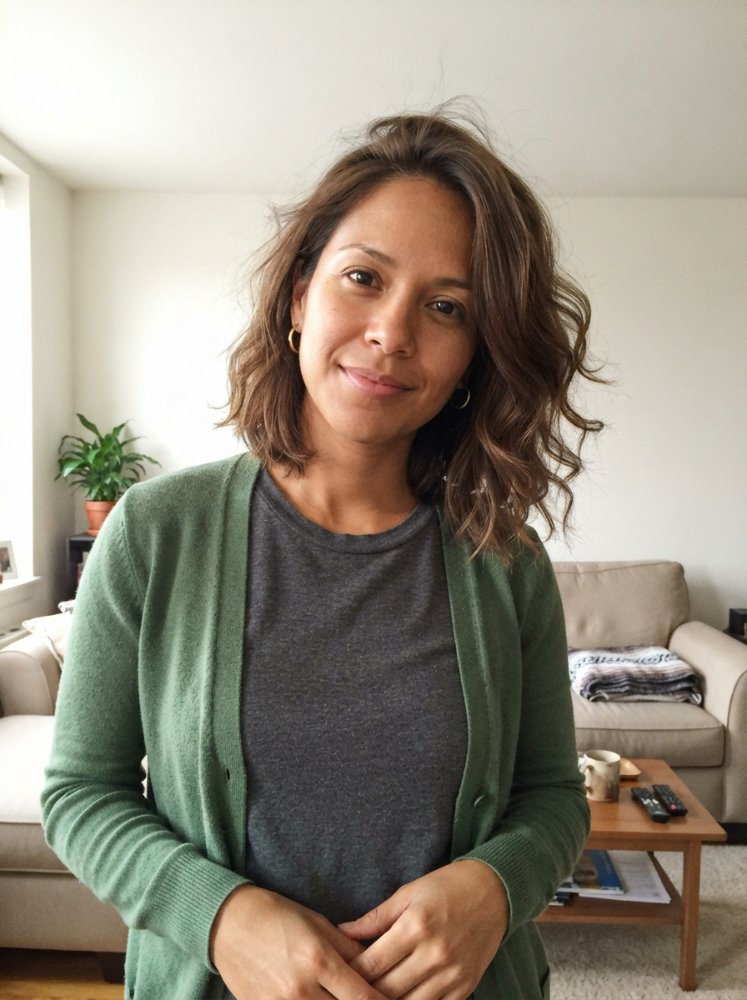
Your usual texture state deserves the same attention. A medium cut worn naturally curly may appear much shorter than the same hair stretched or straightened. Build the hairstyle around the state you actually plan to wear that day.
Keep the Routine Simple Too
A hairstyle stops being simple when it needs constant correction. Before adding more pins or pulling harder, figure out what is actually slipping.
Short layers around the face usually need a different solution from a loose anchor at the back. A small clip can control one stubborn section without making the entire style tighter. Hair that continually escapes from a high bun may simply be better suited to a lower placement.
Accessories should fit the hair they’re holding. An elastic that has to be wrapped until the base feels uncomfortable isn’t a good shortcut, and a claw clip should close securely without pinching against the scalp.
Repeated tension deserves particular attention around the hairline and other fragile areas. A style should remain comfortable during normal movement. Persistent pain, redness, sores, irritation, sudden shedding, or a concerning change in density is a reason to stop relying on the hairstyle as a fix and speak with a dermatologist or another qualified healthcare professional.
At night, the maintenance depends on the style you want to preserve. A loose braid, bonnet, scarf, or smooth pillowcase can help reduce friction and tangling for some routines, while structured pinned styles are often easier to take down and rebuild than to sleep in.
A Quick Styling Check Before You Leave
Look at the hairstyle from the back as well as the front. Medium hair often appears finished in a bathroom mirror while one short section at the nape is already working its way loose.
Then move normally. Turn your head, bend slightly, put on your glasses if you wear them, and check how the style interacts with a collar or jacket. An updo that depends on constant stillness isn’t especially useful for an ordinary day.
Finally, decide which loose pieces are actually a problem. A few soft strands around the face or nape can suit the style. Pinning every short hair often adds more work without improving the overall shape.
Related Hairstyles to Explore
- Curly Hairstyles For Medium Hair
- Cute Hairstyles For Medium Hair
- Prom hairstyles for medium length hair
- Medium length layered haircuts
FAQs
What is the easiest hairstyle for medium hair?
A claw-clip twist is one of the easiest starting points because medium hair doesn’t need to wrap into a complete bun. Half-up styles are another practical choice for layered cuts because only the upper sections need to reach the anchor.
Can medium hair be put into an updo?
Yes. Low buns, French twists, tucked rolls, and side buns can all work at medium length. Lower placements usually require less reach from shorter layers, which can make them easier to secure than very high updos.
What simple hairstyles work well for medium curly hair?
Half-up puffs, one-side pinned curls, loose twists, and twist-out or braid-out shapes let you use your existing curl or coil pattern. Plan around shrinkage and the state in which you normally wear your hair rather than judging the style only on stretched length.
How can I make a simple hairstyle look more polished without using heat?
Concentrate on the construction. A clean anchor, an evenly shaped bun, a deliberately placed twist, or a few well-positioned pins can make the style look finished without straightening the hair. You can also leave natural texture visible instead of trying to make every surface perfectly smooth.
Hair Texture & Upkeep Style Matcher
Select your natural hair texture and daily maintenance window to get an instant styling formula and heat safety cap.
Heat Cap: 320°F (160°C)
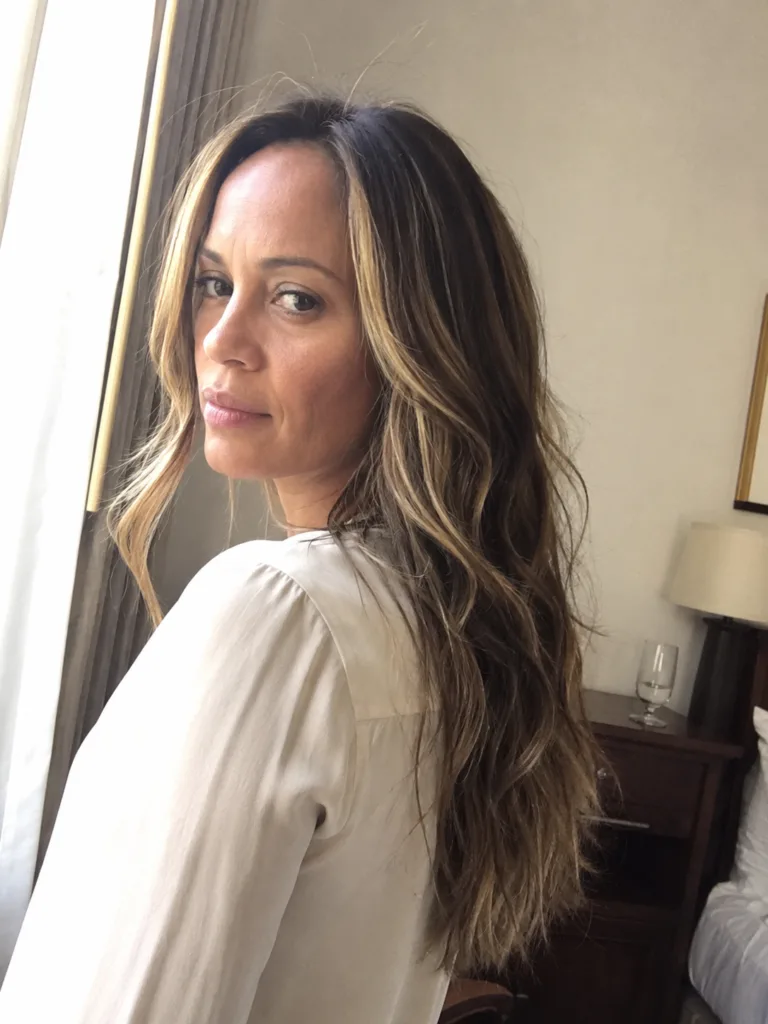
A versatile three-strand braid beginning at the parietal ridge, securing the top half while allowing natural wave texture to flow freely around the shoulders.
Conclusion
The easiest medium-length hairstyles are the ones that respect how far your hair actually reaches. Low anchors suit shorter layers, half-up styles preserve length and fullness, and clips handle awkward sections without demanding a perfectly neat perimeter.
Start with the construction that solves your main problem—hair falling forward, too much bulk, loose layers, or the need to get everything off your neck. Once that part works, the finishing details become much simpler.
Editorial Standards & Hair Health Guidance
Every style featured on Tress Atlas is curated with a focus on real-world wearability, scalp tension management, and cuticle preservation. When trying protective styles or tight updos, ensure perimeter hairline sections remain tension-free to avoid traction stress on delicate follicles. For heat styling, cap tools below 350°F (180°C) to prevent thermal keratin denaturation.
Scientific Sourcing: Practices aligned with the American Academy of Dermatology (AAD) on traction alopecia risk reduction and cosmetic trichology research on hair tensile strength.