Cute Hairstyles for Medium Hair: Styling Guide & Cuts That Balance Shape, Ease, and Personality
Medium hair gives you enough length to braid, curl, pin, and pull back without the weight and handling that come with very long hair. That flexibility is exactly what makes it appealing—and also why choosing a hairstyle can feel strangely difficult. A shoulder-length cut can look completely different depending on whether the ends are blunt, layered, curled, stretched, or gathered away from the face.
The most useful way to choose among cute hairstyles for medium hair is to think beyond the front-view photograph. Pay attention to what happens at the perimeter, how much hair needs to reach an elastic or pin, and whether your usual texture supports the style or has to be changed first. Collar contact matters too. Medium hair frequently sits right where jackets, scarves, and shirt collars can flip or separate the ends.
The ideas below range from loose everyday styling to braids and pinned-up looks. Some make the most of a strong medium-length outline. Others work better with layers, natural curls, or enough length to create a secure base.
Easy Medium Hairstyles That Make the Length Work
Soft Bent Waves
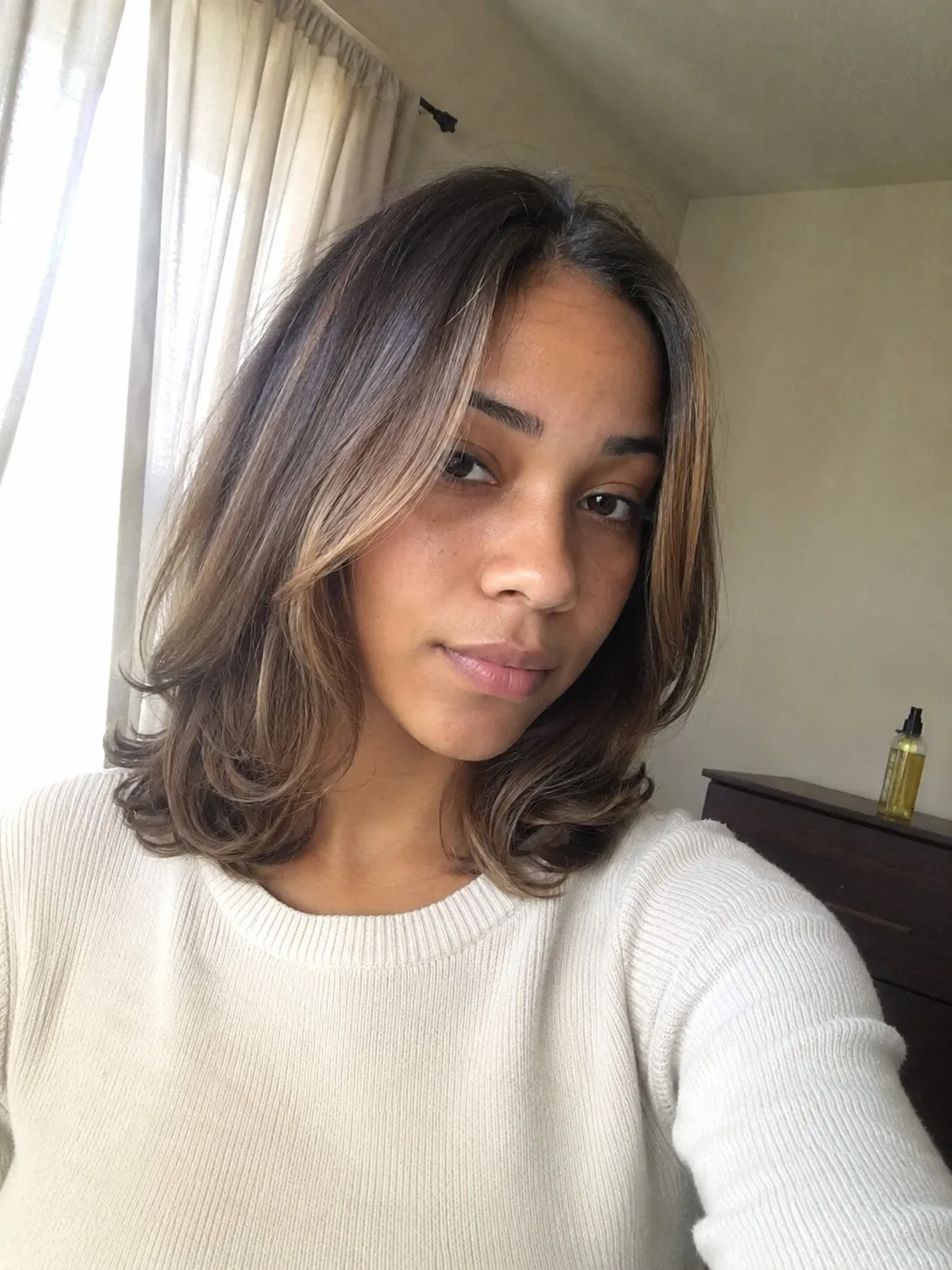
Soft bends are one of the strongest choices for medium hair because they create movement without making the ends disappear into a mass of tight curls. The effect works especially well on shoulder-length and collarbone-length cuts with a reasonably healthy perimeter.
Keep the bends relaxed through the middle of the hair instead of curling every section uniformly from roots to ends. Leaving some variation makes the style feel lighter and keeps medium hair from forming a triangular block around the shoulders.
Layering changes the result. Long layers encourage separation and movement, while a blunt cut produces a fuller lower edge. Hair that naturally waves may need only light definition and drying in its usual pattern. Straighter hair requires more deliberate shaping, so the daily effort depends heavily on your starting texture.
Half-Up Ponytail
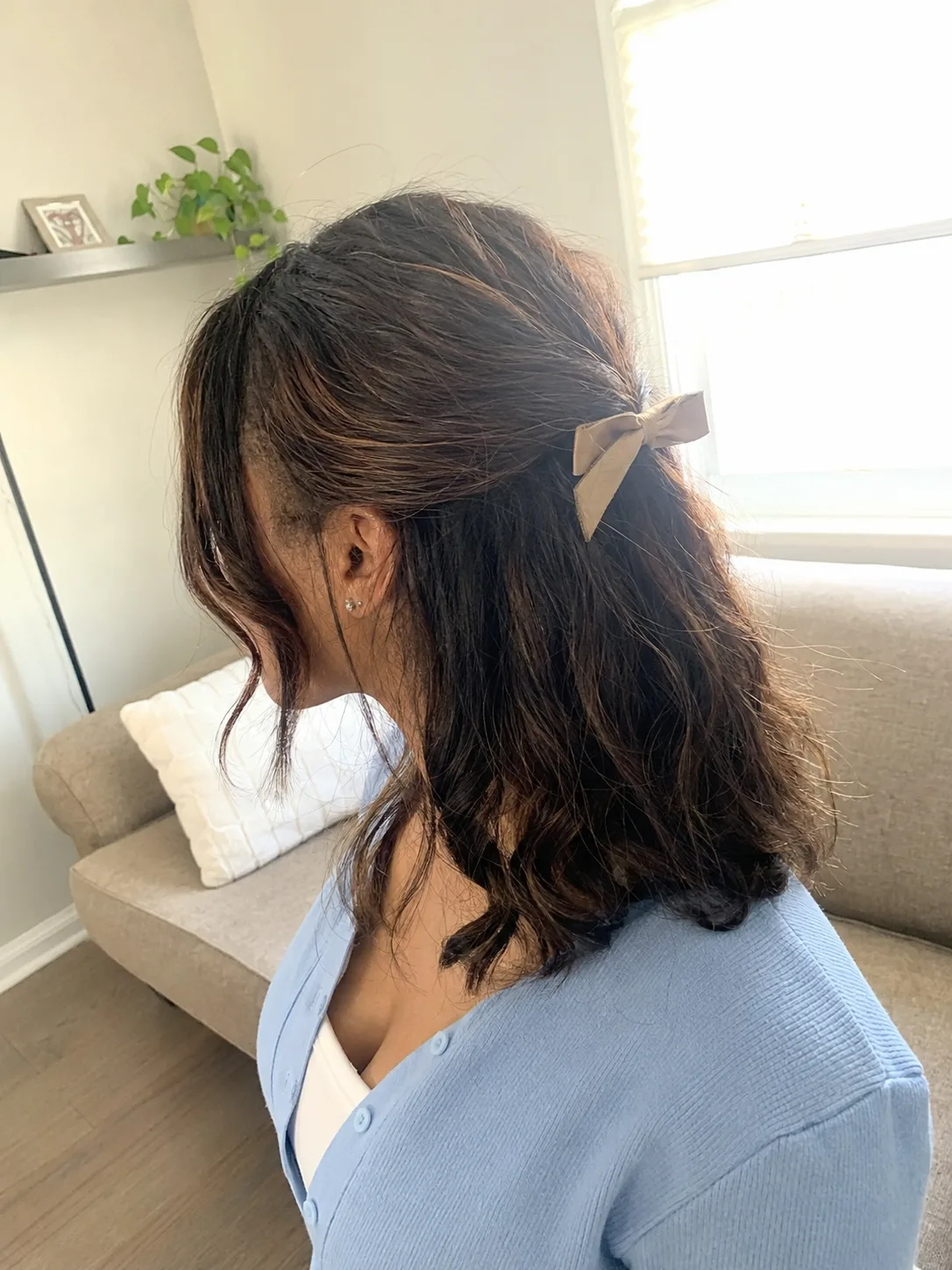
A half-up ponytail solves one of medium hair’s most common annoyances: front sections falling forward while the back still looks good worn down. Gather the hair from above the ears toward the crown and secure it with a fabric-covered elastic.
The placement controls the mood. A higher base gives more lift and a playful finish, while a lower base looks softer and exposes less of the sides. You can leave natural curls full through the loose section instead of smoothing everything into the same texture. This is an easy style to adapt without changing the haircut underneath it.
Claw-Clip Twist
Medium hair is particularly well suited to a claw-clip twist because you usually have enough length to fold the hair upward without creating an oversized bundle. Twist the length loosely at the back, lift it vertically, tuck the ends where needed, and let the clip secure the folded section.
Shorter layers may fall around the face or nape. That can look deliberate, but a very slippery cut may need a few bobby pins around the base. Choose a clip that can actually close around your hair; high density and thick strands can overwhelm a small clip even when the haircut itself is only medium length.
Low Ponytail With Face-Framing Pieces
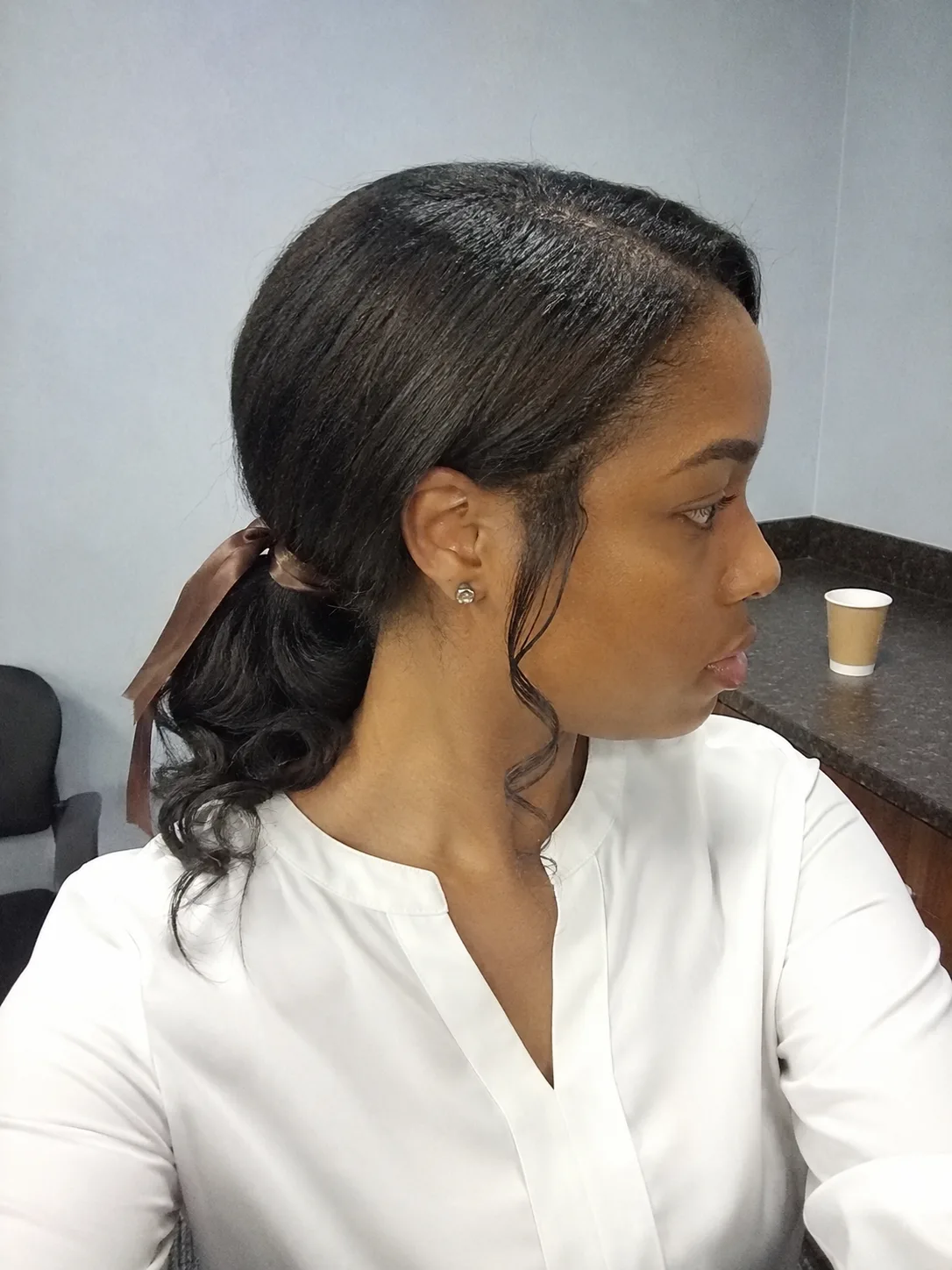
For a clean style that doesn’t require every section to behave perfectly, a low ponytail is hard to beat. The base sits near the nape, so shorter medium-length pieces have less distance to travel than they would in a high ponytail.
The strongest version keeps some structure at the crown instead of pulling the hair completely flat. You can also leave selected pieces around the front when they’re already part of the haircut.
A low ponytail is especially useful on days when collars or humidity are disrupting the ends. The hair stays contained without demanding the length needed for a large bun.
Hairstyles That Use Texture as the Main Feature
Defined Natural Curls With a Rounded Shape
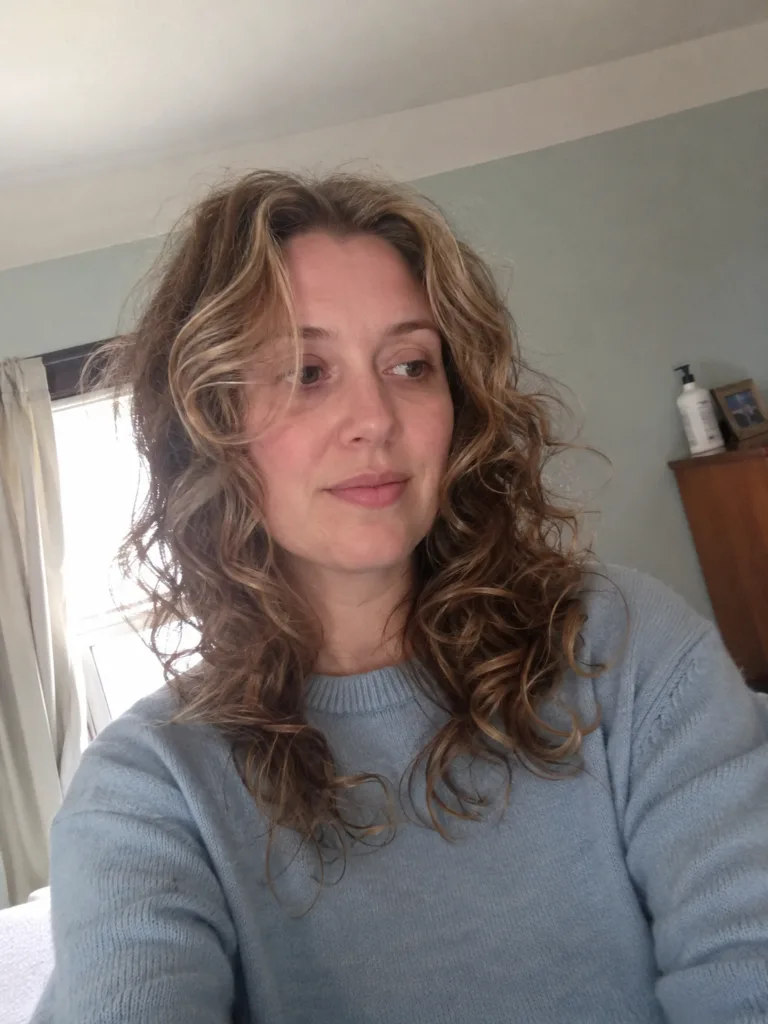
Natural curls can make medium length look dramatically shorter because of shrinkage, so the haircut should be judged in the state you usually wear it. A rounded shape keeps the sides and lower sections connected while allowing the curls to build volume around the head.
This is more haircut-dependent than the finished photo suggests. Randomly removing bulk can leave gaps or thin-looking areas, especially where curl groups naturally separate. A shape designed around your curl pattern gives the style more structure without forcing the hair straight first.
Flipped-Out Ends
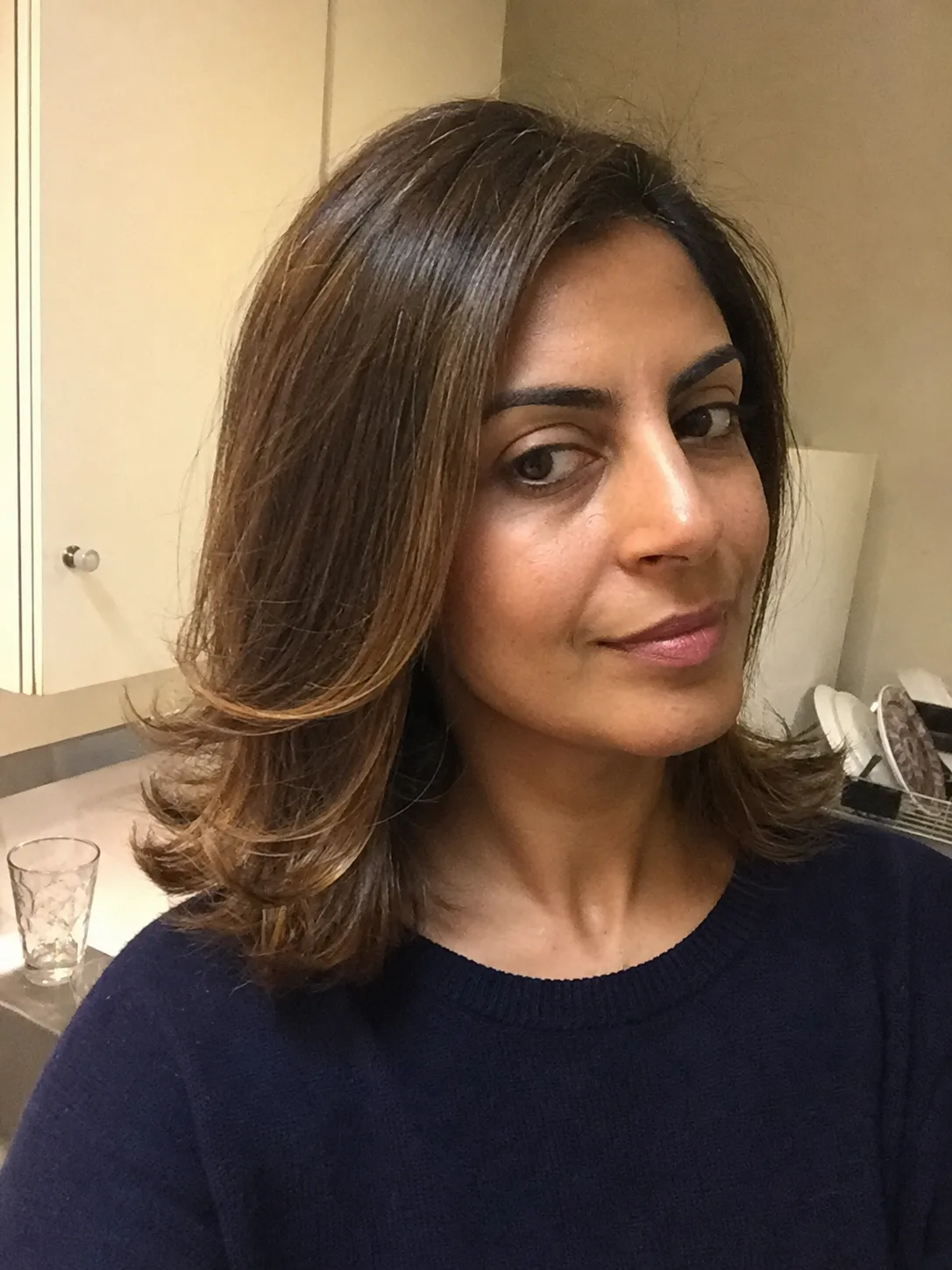
Flipped ends turn the exact point where medium hair meets the shoulders into the feature. Instead of fighting the outward movement caused by collars and shoulder contact, the ends are intentionally directed away from the neck.
This works especially well with a bob or lob whose perimeter is visible. Too many short layers can make the flip look scattered because different sections finish at unrelated heights.
The surface can be smooth, softly waved, or gently rounded before the ends turn outward. The effect is cute without relying on accessories, and it gives an otherwise simple haircut an obvious change in character.
Voluminous Blowout Shape
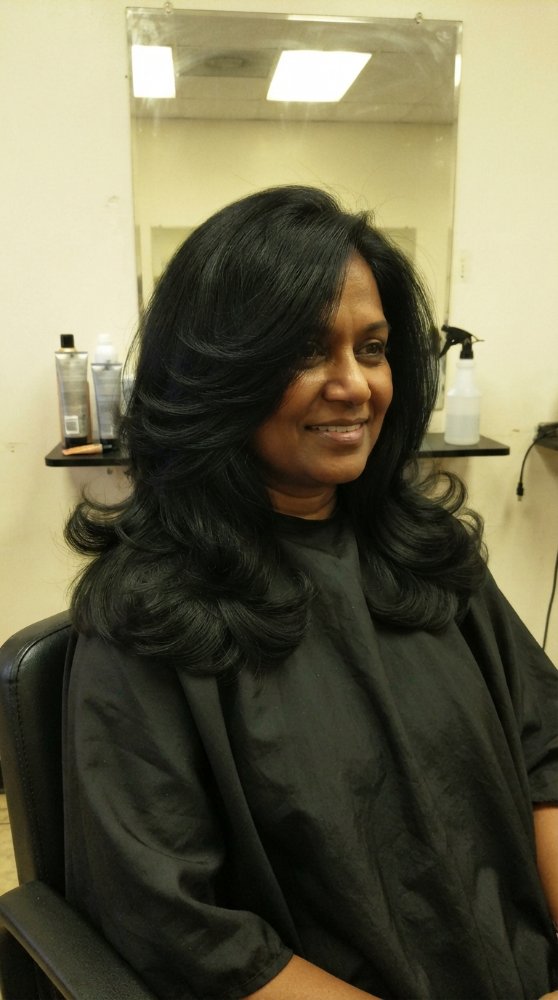
A medium-length blowout is less about making the hair perfectly straight and more about creating lift through the roots and curved movement through the ends. The volume keeps shoulder-length hair from hanging flat against the sides of the head.
A round brush or another suitable styling method can direct the ends inward, outward, or in alternating directions. Hair with significant natural curl or coil may require more manipulation to reach this styling state, so the routine matters as much as the photograph.
This is worth the extra styling when you want the haircut itself to be visible. Layers, face-framing pieces, and the lower perimeter all read clearly once the sections are separated and moving.
Deep Side Part With Natural Texture
Changing the part alone isn’t usually enough to count as a completely different hairstyle, but combining a deep side placement with full natural texture creates a distinct asymmetrical shape. One side becomes compact near the temple while the opposite side carries more lift and width.
This is particularly effective for curls, coils, waves, or textured blowouts that hold volume away from the scalp. You don’t need to flatten the smaller side completely; keeping some texture there prevents the style from looking disconnected. Glasses wearers may prefer less bulk directly above the arms of the frames.
Half-Up and Pinned Styles With More Structure
Half-Up Mini Bun
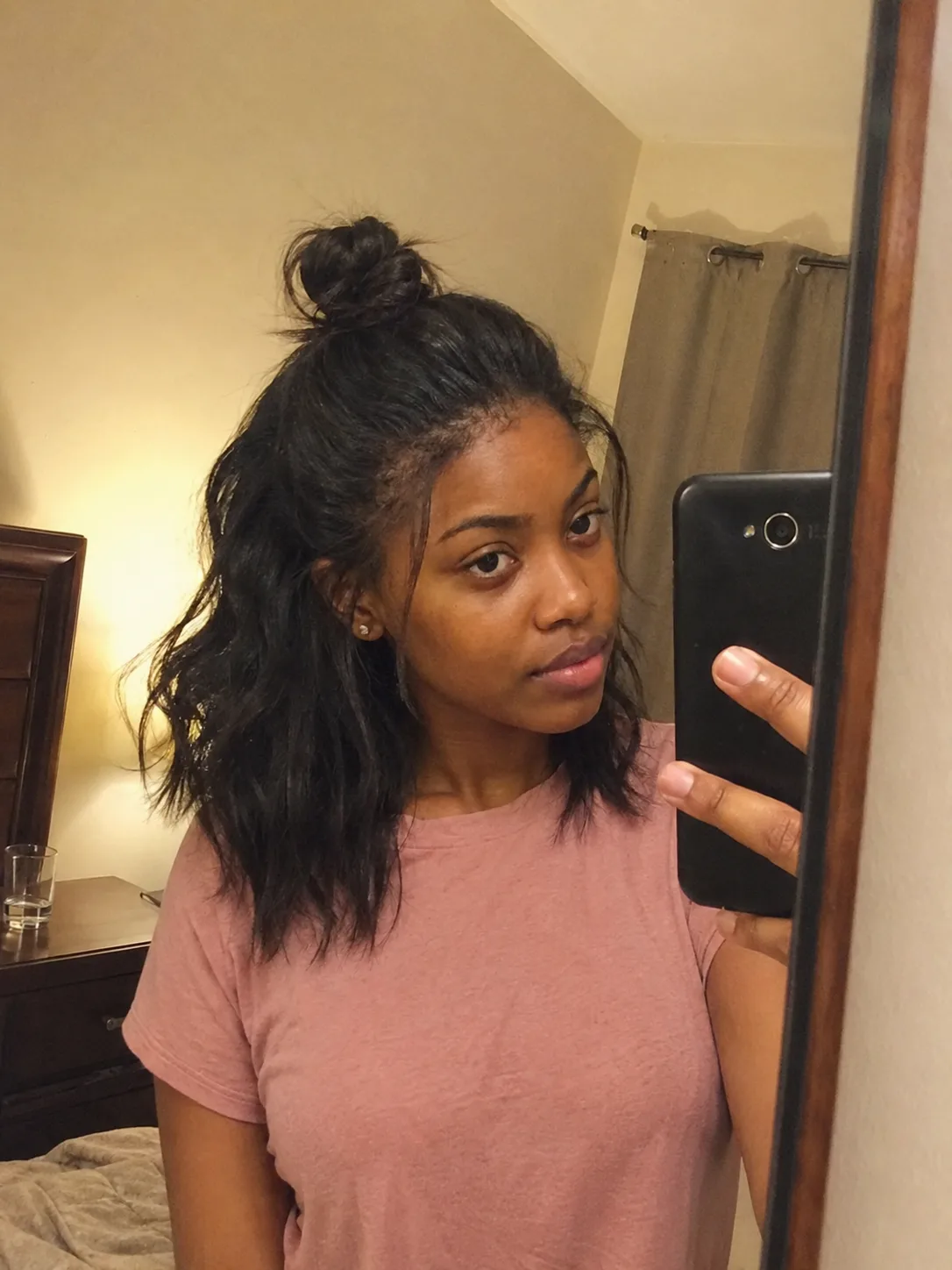
A half-up mini bun gives you the look of an updo without asking medium-length hair to reach one full bun. Gather the upper section near the crown, twist it into a compact coil, and pin or secure it while leaving the lower half loose.
A loose bun feels softer on layered cuts because shorter pieces can sit naturally around the base. Dense hair may need a smaller upper section than expected; taking too much hair can create a bulky knot while leaving the bottom thin. It looks strongest when the loose portion still has enough fullness to balance the bun.
Low Tucked Bun
The low tucked bun is the more practical choice when your medium hair won’t cooperate with a large traditional bun. Start with a low ponytail or gathered base, fold the length inward, and pin the tucked ends close to the nape.
Because the construction is compact, it can work even when the ends don’t wrap around themselves several times. A few shorter face-framing pieces can remain out rather than being repeatedly pulled toward the base.
This style also avoids placing a bulky knot high on the back of the head, which makes it easier with headrests, hats, or certain formal accessories.
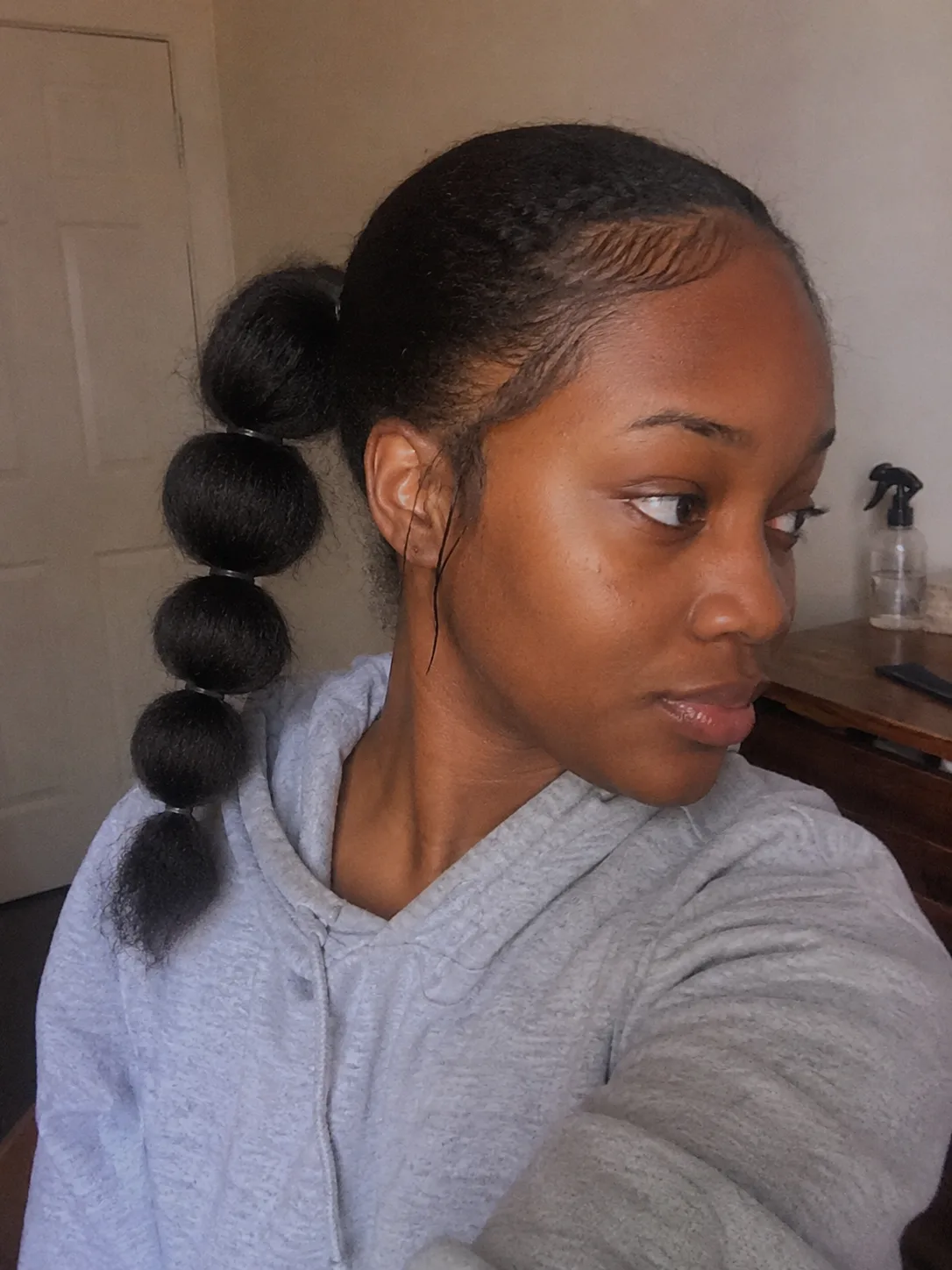
Bubble Ponytail
A bubble ponytail adds visible detail without requiring braiding skill. Begin with a secure ponytail, add elastics down the length, then gently expand the sections between them to create rounded bubbles.
Medium length naturally produces a shorter, more compact version than waist-length hair, and that can be an advantage. The proportions stay playful without creating a long series of sections down the back. Hair with layers may release small ends between the elastics, so this works more cleanly when the ponytail itself has reasonable length through the perimeter.
French Twist for Medium Hair
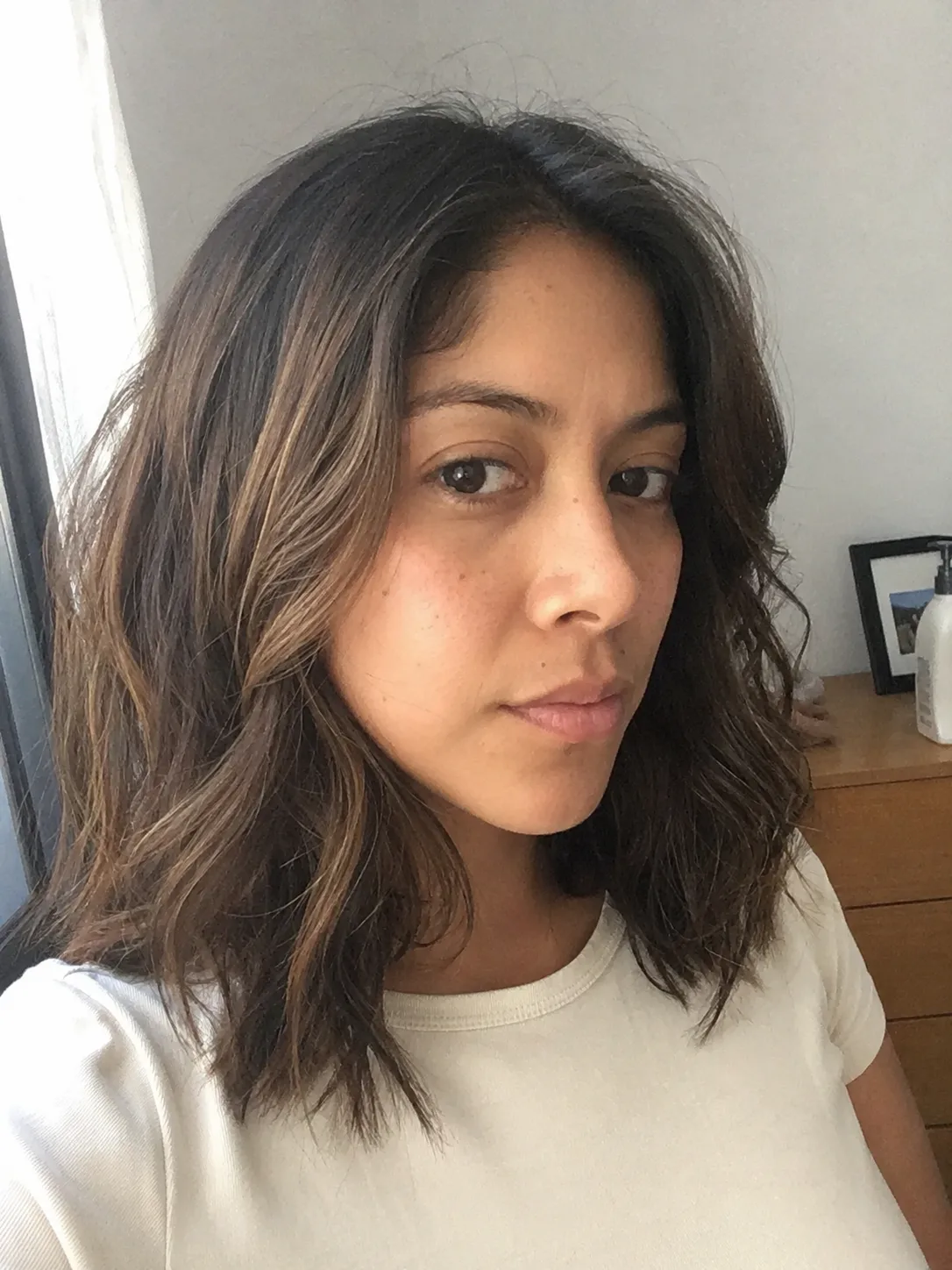
A French twist makes medium hair look more formal while using its shorter length to keep the roll compact. Sweep the hair toward the center back, secure the foundation with pins, then fold or roll the remaining length inward and pin it over the base.
The main challenge is layers. Very short pieces around the nape or sides may need separate pinning before the central roll is formed.
Medium hair often creates a smaller, lighter-looking twist than very long hair, which suits anyone who wants an updo without a large amount of hair sitting against the back of the head. It can stay sleek or retain some texture through the crown.
Double Mini Buns
Two compact buns divide medium-length hair into manageable sections and create a much more playful shape than one low bun. Part the hair into two sides, create ponytail bases, then wrap or fold each section into a small bun.
Placement matters more here than perfection. Higher buns feel youthful and graphic; lower buns sit closer to the nape and tend to capture shorter sections more easily.
This style can also work on curly and coily hair without changing the natural texture first. Keep the bases comfortable and avoid forcing fragile perimeter hairs into either elastic simply to create a sharper outline.
Braided and Twisted Ideas for Medium Hair
Loose Side Braid
Medium hair produces a shorter side braid with more focus around the face and shoulder than a long braid down the torso. Sweep the length toward one side and begin the braid low enough that the shorter opposite-side pieces can reach.
A slightly relaxed braid suits layered hair better than an extremely rigid construction because small sections can blend into the surface instead of visibly sticking out. A standard three-strand braid is enough; the attraction comes from the placement and the way the braid rests over one shoulder.
Two Front Rope Twists Pinned Back
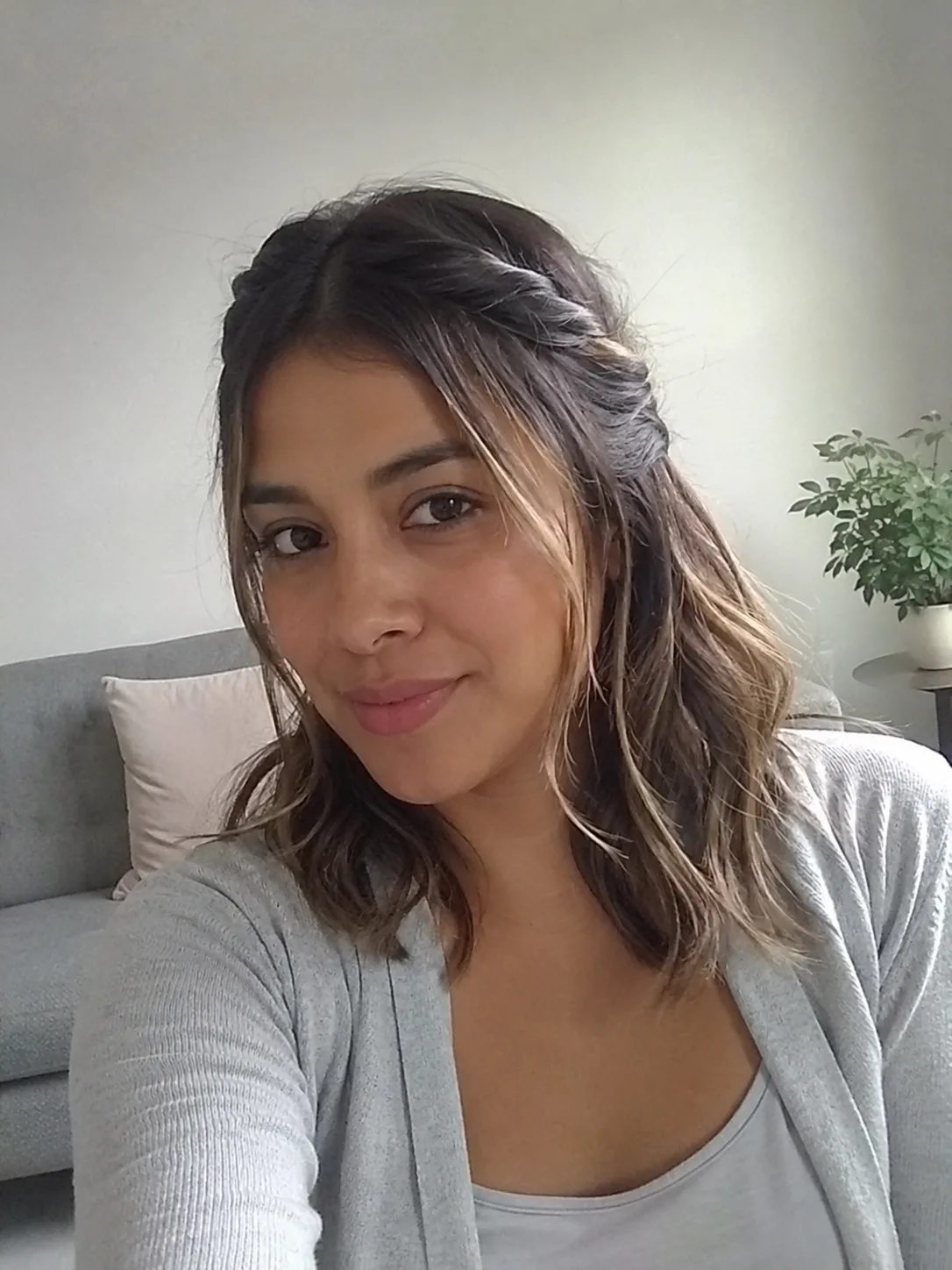
This style keeps most of your hair loose while giving the front a deliberate shape. Take a section near each temple, divide each section into two pieces, twist them together, then secure both toward the back of the head.
It works particularly well when your medium cut has attractive waves, curls, or a full perimeter you don’t want to hide. The twists also keep front sections away from the face without gathering the crown into a ponytail.
The stronger choice is usually a moderate section rather than a thick one. Oversized twists can remove too much fullness from the sides and make the loose hair at the back look disconnected.
Braided Crown With Loose Length
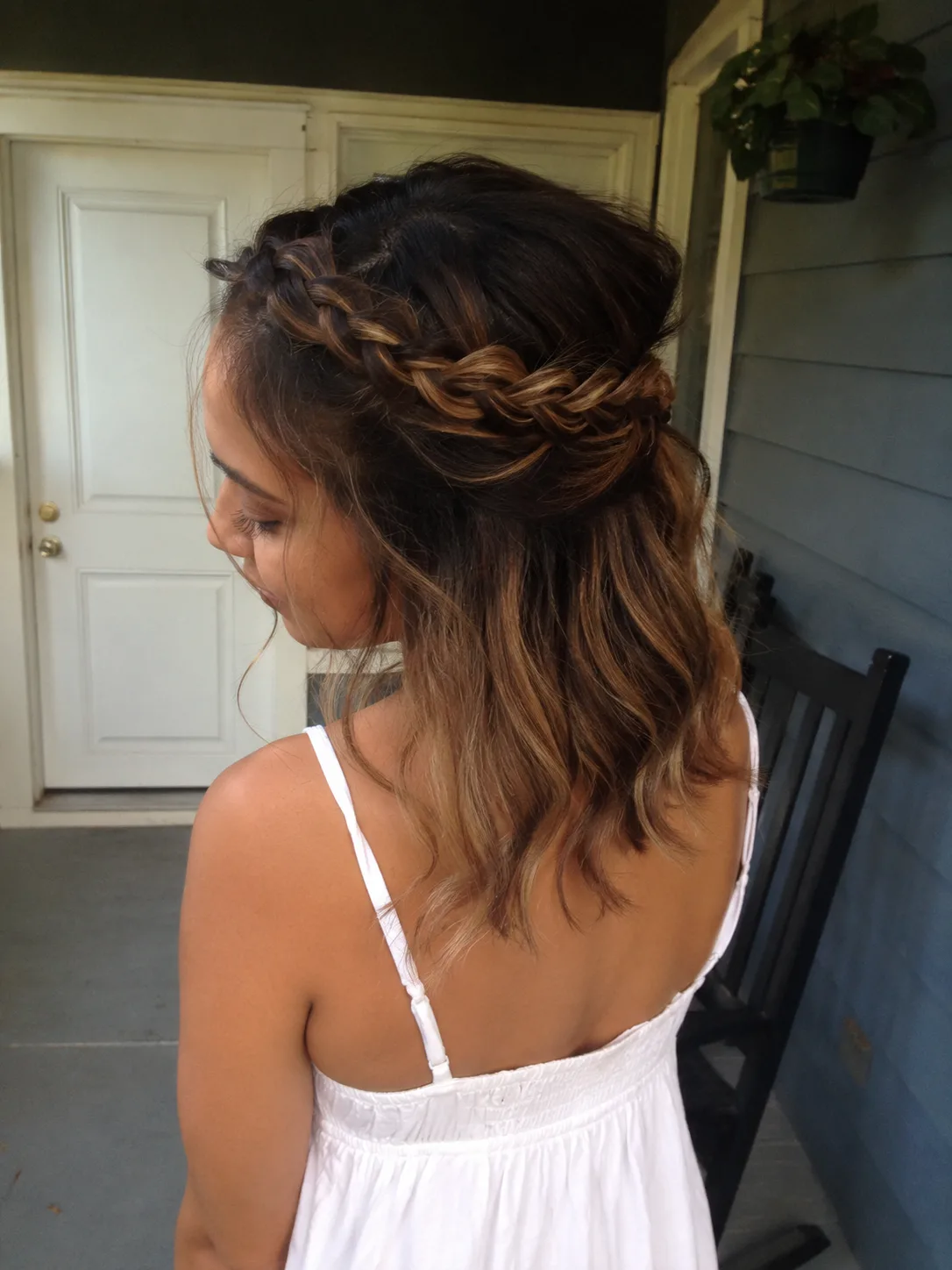
A partial braided crown creates the appearance of a more complex hairstyle while allowing the majority of medium hair to stay down. Braid sections from either side and pin them across or around the back of the head, keeping the remaining length loose.
This construction differs from simply pinning two front braids together because the braids become a visible band through the upper shape. Waves or curls underneath add contrast between the tighter braided structure and the loose lower section.
Hair that is very heavily layered may need extra pins where short ends leave the braid. Avoid tightening the braid simply to catch every small piece; a softer crown often suits the hairstyle better anyway.
Cute Medium Hairstyles for Dressier Days
Soft Hollywood-Inspired Waves
For an evening or event hairstyle, coordinated waves create a more deliberate finish than casual beachy bends. Sections are shaped in a similar direction, then arranged so the curves appear to flow together through the mid-lengths and ends.
Medium hair keeps the pattern close to the shoulders, making the lower edge important. Healthy-looking ends and a clear haircut outline contribute as much to the effect as surface smoothness.
This is more styling-dependent than most loose hairstyles in the list. Humidity, your natural texture, and how readily your hair holds a set all affect how the wave pattern behaves. Test the styling approach before an important event instead of relying on a photograph of a different hair type or haircut.
Tucked Chignon With a Soft Front
The tucked chignon is the strongest formal option here for medium hair that can reach a low base but doesn’t create a substantial wrapped bun. Gather the length near the nape, fold the ends inward, and secure the roll with bobby pins.
Keep the front compatible with the haircut. Bangs, curly tendrils, or existing face-framing layers can remain visible instead of being pulled tightly backward.
The tucked construction also makes accessory placement easier than a high, bulky bun in many cases. Decorative pins or a comb can sit above or beside the roll without having to compete with a large mass of hair. For weddings or other events, check how any accessory interacts with the hairstyle from the side and back as well as the front.
Match the Hairstyle to Your Actual Medium Haircut
Medium length describes where the hair falls, but it doesn’t tell you how much usable length you have in every section. A collarbone-length cut with long layers behaves very differently from a shoulder-length shag with short crown pieces.
A few practical pairings make the decision easier:
Fine strands and low density require different thinking. Fine describes individual strand diameter, while low density means fewer strands overall. A person can have fine strands with high density, or thick individual strands with lower density. Your hairstyle should respond to the hair you actually have instead of treating those terms as interchangeable.
Shrinkage deserves the same attention. A curly or coily medium cut may appear well above the shoulders while still having much more stretched length. Plan ponytails, buns, and braids from the hair’s normal styling state rather than relying only on where stretched ends reach.
What Photos Don’t Show About Medium-Length Styles
Medium hair sits in an awkwardly practical zone: long enough to move but short enough for perimeter pieces to escape certain styles.
A low bun may look completely secure from the back while small layers at the nape are barely reaching the elastic. A polished lob can start flipping outward after repeated contact with a jacket collar. A half-up style can leave the lower half looking unexpectedly thin if too much hair is collected at the crown.
Accessories introduce another variable. Claw clips need enough capacity for your density, bobby pins need a stable section to grip, and decorative combs need somewhere to sit without displacing the structure underneath them.
These details matter more than copying a reference photo exactly. Use the photograph to choose the shape you like, then adapt the construction to your haircut and texture.
Keeping Cute Medium Hairstyles Practical
Daily styling gets easier when you stop asking one hairstyle to solve every situation. Loose waves can be ideal when the perimeter looks fresh, while a claw-clip twist or low ponytail may be more useful once humidity, clothing friction, or an active day starts changing the ends.
Rotate where you gather the hair instead of repeatedly pulling the same areas into a tight base. Elastics, clips, and pins should secure the style without creating persistent pulling or soreness.
Wash and styling frequency should follow your scalp, hair condition, product buildup, activity level, and styling state rather than a rigid calendar. Curly and coily hair also needs enough drying time after cleansing, especially when dense sections are gathered while still damp.
The haircut itself eventually becomes the limiting factor. Medium styles that depend on a strong perimeter can lose their character as the ends become uneven or the original layering grows out. Salon reshaping makes more sense based on how the cut is behaving than on a universal trim interval.
What to Ask for at the Salon
Bring reference photos that show more than one angle when you’re changing the haircut to support these styles. The back and side views reveal perimeter weight and layer placement that a front-facing image can hide.
Useful consultation points include:
Whether you usually wear the hair natural, stretched, blown out, or heat-styled
Which hairstyles you use most often
How much length you need to reach a ponytail or low bun
Whether you want a strong perimeter or more internal movement
How much face-framing hair you’re comfortable leaving out
How your hair behaves around collars and shoulders
Any concerns about fragile areas, breakage, or changing density
A haircut that looks great worn loose but constantly drops out of the styles you rely on can become frustrating quickly. Tell the stylist which everyday constructions matter before major layering or perimeter changes are made.
Related Hairstyles to Explore
- Curly Hairstyles For Medium Hair
- Simple Hairstyles For Medium Hair
- Prom hairstyles for medium length hair
- Cute beach hairstyles
FAQs
Can medium hair be long enough for an updo?
Yes. Many medium cuts can form low buns, tucked chignons, French twists, and half-up styles. The deciding factor is how much usable length reaches the chosen base. Heavy layering or short perimeter pieces can reduce that reach even when the longest hair sits at the collarbone.
What cute hairstyles work well for naturally curly or coily medium hair?
Rounded wash-and-wear shapes, textured half-up ponytails, mini buns, pinned twists, and loose updos can all work well. Plan from your normal amount of shrinkage and curl grouping. A hairstyle shown on stretched hair may sit very differently in a shrunken state.
How can I style medium hair for exercise without pulling it too tightly?
A low ponytail, divided braids, or a secure but comfortable half-up style can keep hair controlled without requiring a very high, tight anchor. Your choice will depend on length and activity. Persistent pain, stinging, sores, or concerning changes around repeatedly pulled areas deserve attention rather than tighter styling.
What should I do when short layers keep falling out of medium hairstyles?
Work with their position instead of forcing every piece into the main base. Face-framing layers can remain loose, while shorter nape pieces may be secured separately with bobby pins. Half-up styles and claw-clip twists are also more forgiving than hairstyles that depend on every strand reaching one elastic.
Hair Texture & Upkeep Style Matcher
Select your natural hair texture and daily maintenance window to get an instant styling formula and heat safety cap.
Heat Cap: 320°F (160°C)
A versatile three-strand braid beginning at the parietal ridge, securing the top half while allowing natural wave texture to flow freely around the shoulders.
Conclusion
The most useful cute hairstyles for medium hair take advantage of what the length already does well: visible movement, manageable updos, compact braids, and enough versatility to change the shape without adding more hair.
Start with the construction your haircut can support. A blunt medium cut makes a strong perimeter and compact ponytails easy to showcase; layers favor waves, texture, and relaxed pinned styles; curls and coils need decisions based on their normal shrinkage and shape. Once that is clear, choosing a hairstyle becomes much easier than trying to reproduce whichever reference photo happens to look cutest.
Editorial Standards & Hair Health Guidance
Every style featured on Tress Atlas is curated with a focus on real-world wearability, scalp tension management, and cuticle preservation. When trying protective styles or tight updos, ensure perimeter hairline sections remain tension-free to avoid traction stress on delicate follicles. For heat styling, cap tools below 350°F (180°C) to prevent thermal keratin denaturation.
Scientific Sourcing: Practices aligned with the American Academy of Dermatology (AAD) on traction alopecia risk reduction and cosmetic trichology research on hair tensile strength.