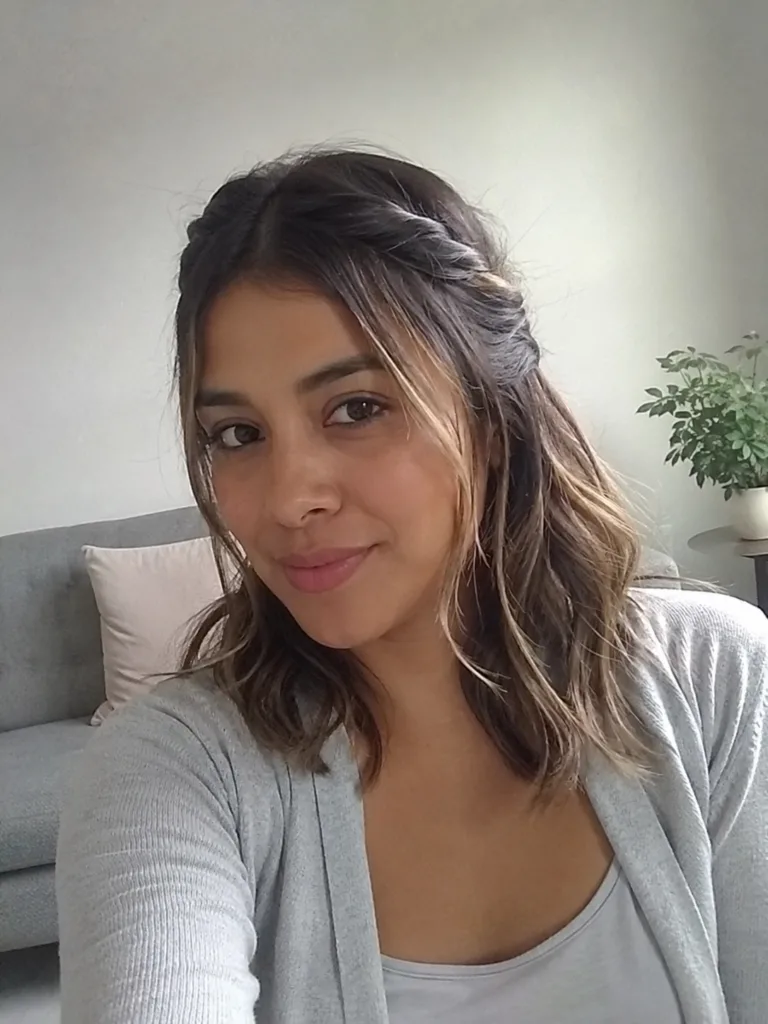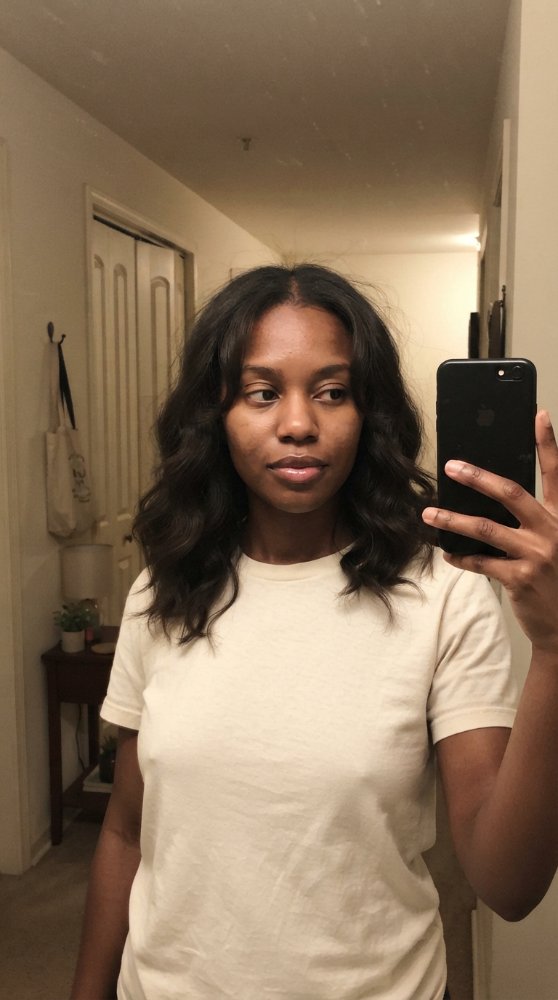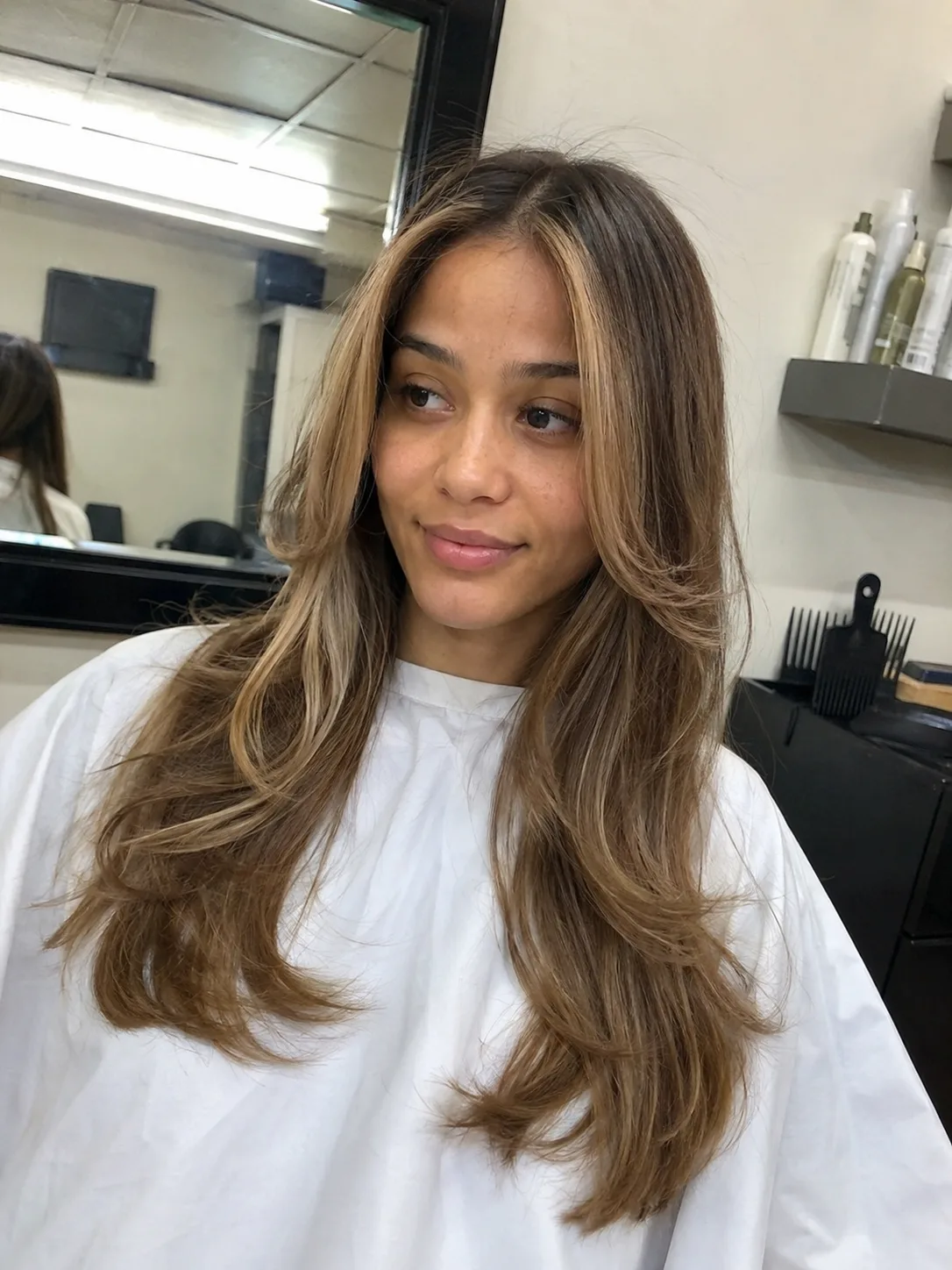
Hairstyles for Long Hair: 25 Looks Worth Choosing for Real Life
Long hair gives you plenty of styling options, but length alone doesn’t make every hairstyle equally practical. The real decision is where you want the visual weight to sit, how much daily styling you’re willing to do, and whether you want your length to look sleek, full, airy, structured, or deliberately undone.
A waist-length blunt cut behaves very differently from long layers. A high ponytail changes where the weight of your hair sits. Loose waves can make fine strands look fuller, while dense curls may need shaping that prevents the bottom half from becoming disproportionately heavy. Even clothing matters: long hair repeatedly rubs against coat collars, backpack straps, and seat backs.
These 25 hairstyles cover genuinely different ways to wear long hair, including cuts, loose styles, updos, braids, ponytails, and curly or coily options.
Long Haircuts That Change the Shape Without Losing Length
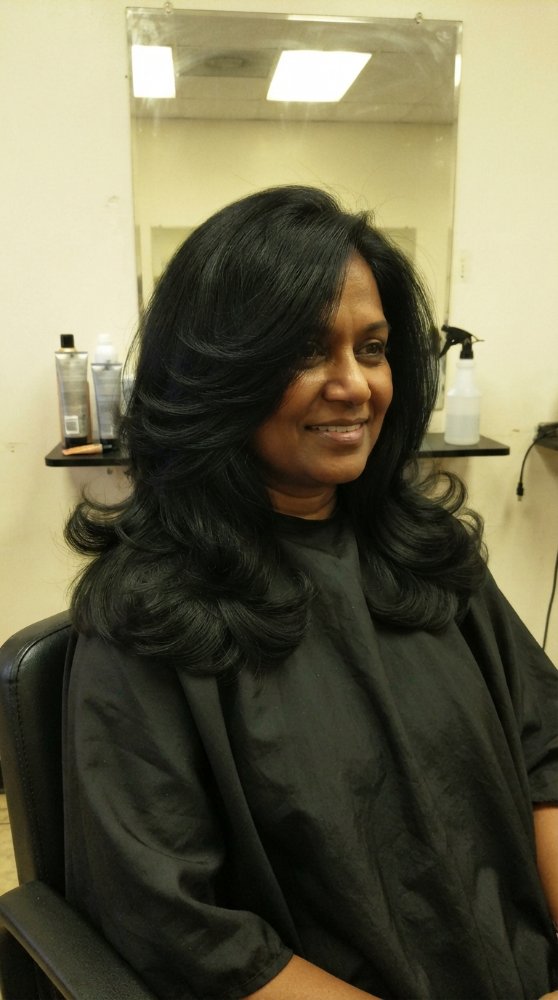
Long Layers
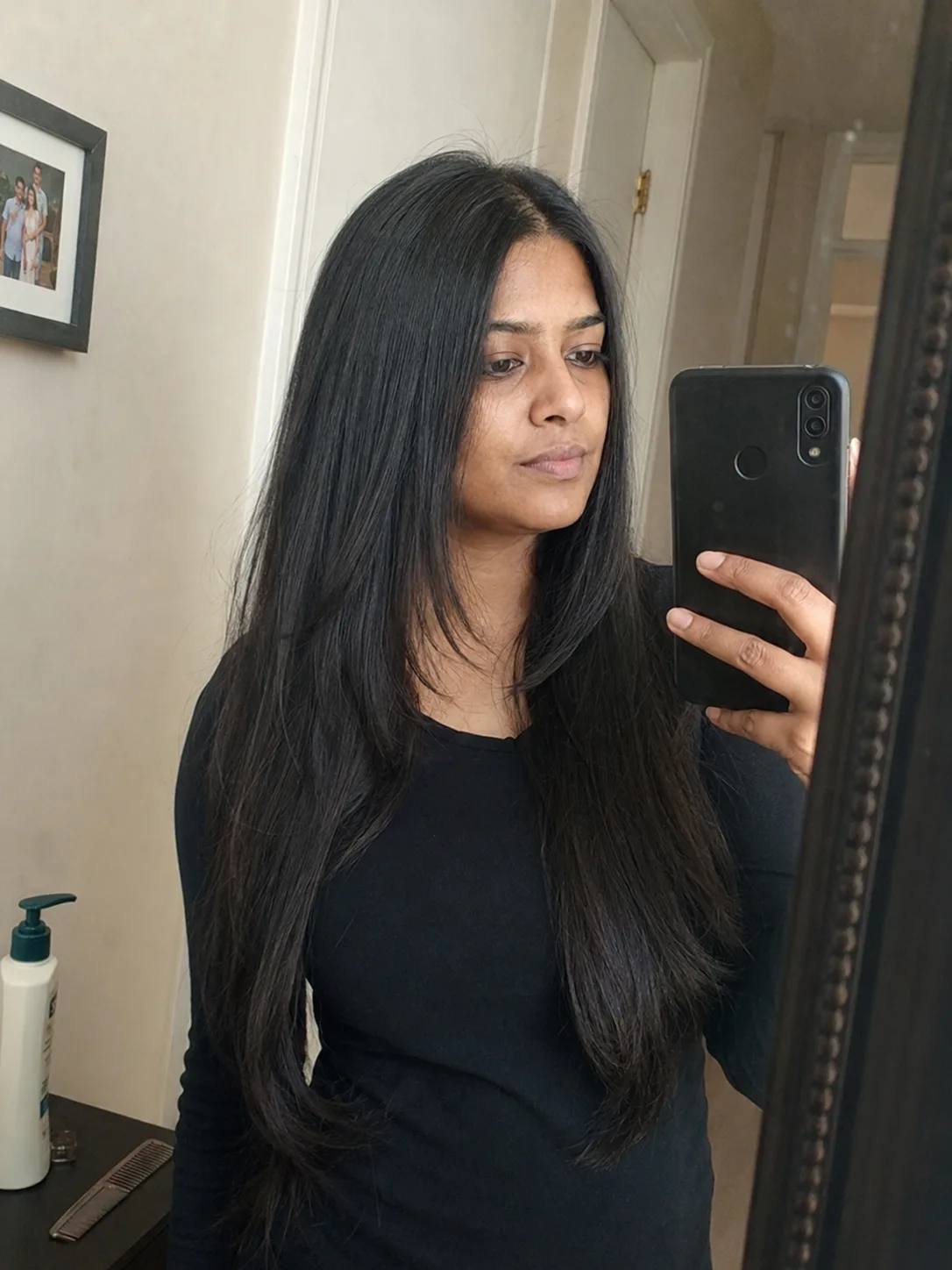
Long layers are one of the strongest choices when you want movement without giving up the overall impression of long hair. They remove some weight through selected areas while keeping substantial length at the perimeter.
The placement matters more than simply asking for layers. Layers concentrated around the upper back create a different effect from shorter pieces beginning near the shoulders. On straight or stretched hair, you see the separation clearly. Waves and curls blend the levels more naturally.
Very low-density hair deserves a more conservative approach because heavy interior removal can make the lower edge look sparse. Healthy, substantial ends give the cut more freedom.
Butterfly Layers
Butterfly layers combine shorter, sweeping pieces around the face and upper sections with noticeably longer hair underneath. They work especially well for people who like the movement of a shorter layered cut but aren’t ready to sacrifice their longest lengths.
Styling usually determines how dramatic the cut appears. A blowout, large bends, or lifted roots make the shorter pieces separate visibly from the longer sections. Worn completely straight, the same haircut can look subtler.
This is more styling-dependent than many reference photos suggest.
U-Shaped Long Cut
Seen from the back, a U-shaped cut curves gradually from slightly shorter outer sections into the longest point at the center. It softens the bottom edge without introducing lots of layering.
That makes it useful for long hair that needs movement at the perimeter while retaining a substantial-looking baseline. Dense straight, wavy, curly, or stretched hair can all use the shape, although the curve becomes more or less obvious depending on shrinkage and texture.
It also grows out gently because there isn’t a sharp geometric edge to preserve.
Blunt Long Hair
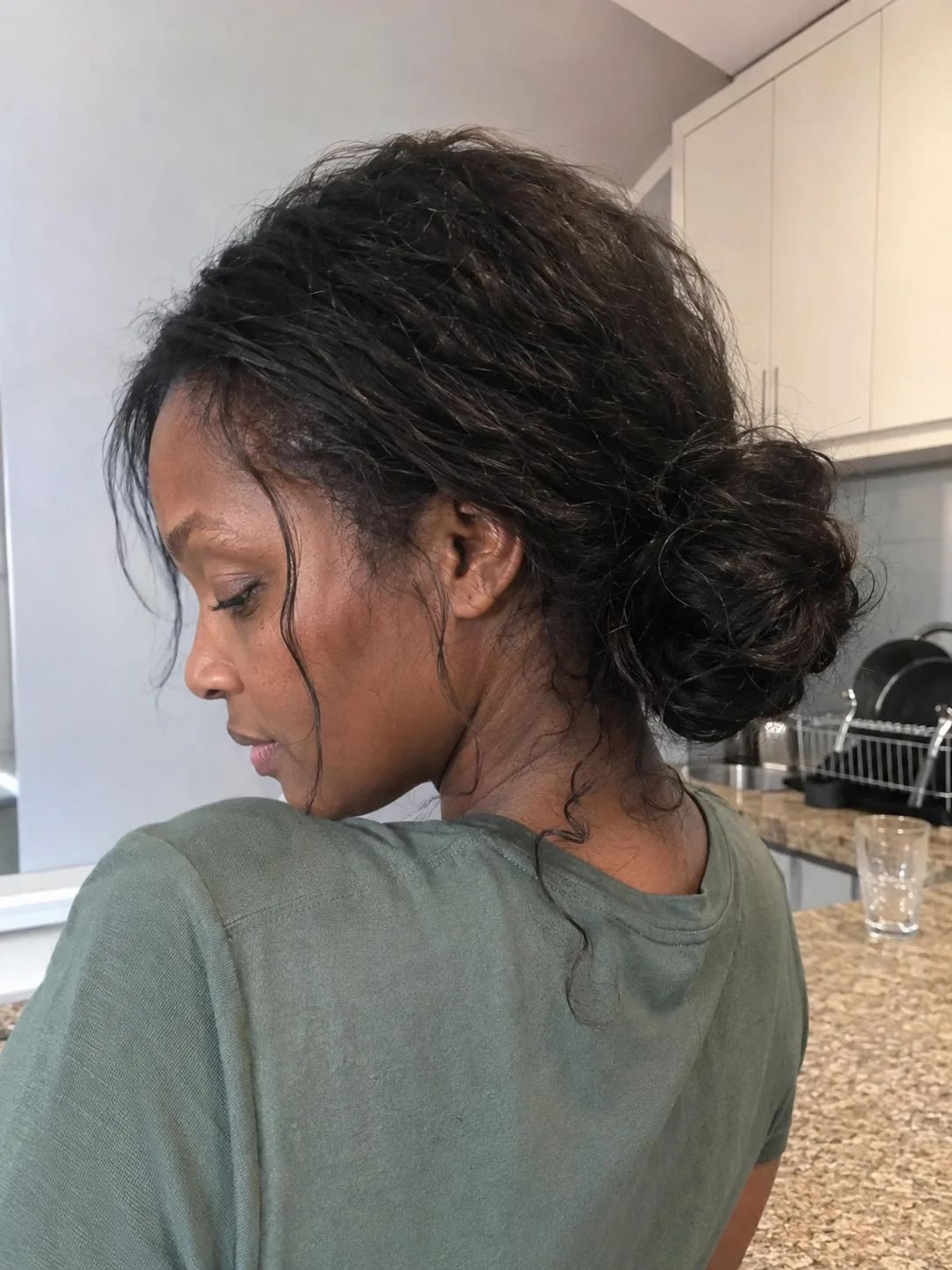
A strong, relatively even perimeter puts the focus squarely on length. This is an underrated option for hair with healthy ends when fullness at the bottom matters more than airy movement.
The cut can make the lower edge look more substantial, but it doesn’t create actual density. On very dense hair, that same solid perimeter may feel heavy and can create a broad triangular outline depending on texture.
Long blunt hair is simplest visually, not necessarily lightest physically.
Face-Framing Layers With Long Length
You don’t have to layer the entire haircut to change what happens around your face. Shorter front pieces can create movement near the cheekbones, jaw, or collarbone while the back remains comparatively full.
This is particularly useful when you like a strong perimeter but find one-length long hair visually flat from the front. The shorter pieces also change how ponytails and buns look because some hair naturally sits outside the secured style.
Think about whether you enjoy styling those front pieces. They become a visible feature of almost every hairstyle you wear.
Loose Hairstyles That Make Long Hair Feel Different
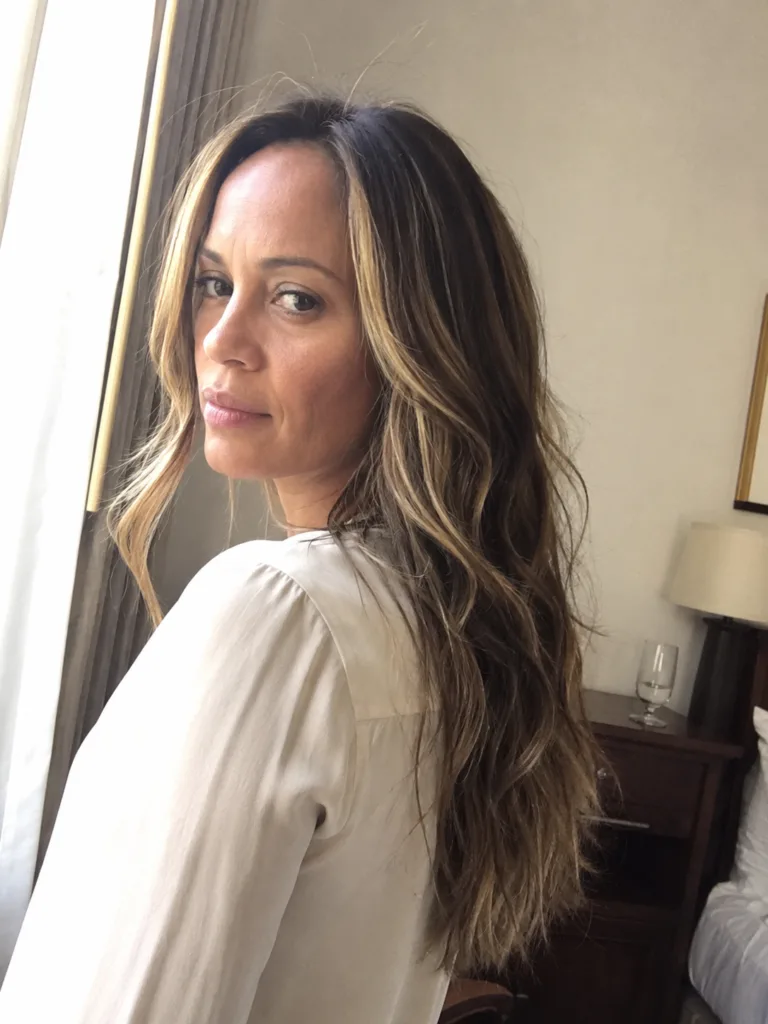
Soft Loose Waves
Loose waves break up a large sheet of long hair and create visible movement from different angles. They’re especially effective when you want your length to look relaxed without disguising it in an updo.
Wave placement controls the effect. Bends beginning higher create more volume through the upper half, while waves concentrated lower down keep the crown calmer.
Long hair can also stretch waves under its own weight, so naturally wavy hair may look looser at the roots than at the ends.
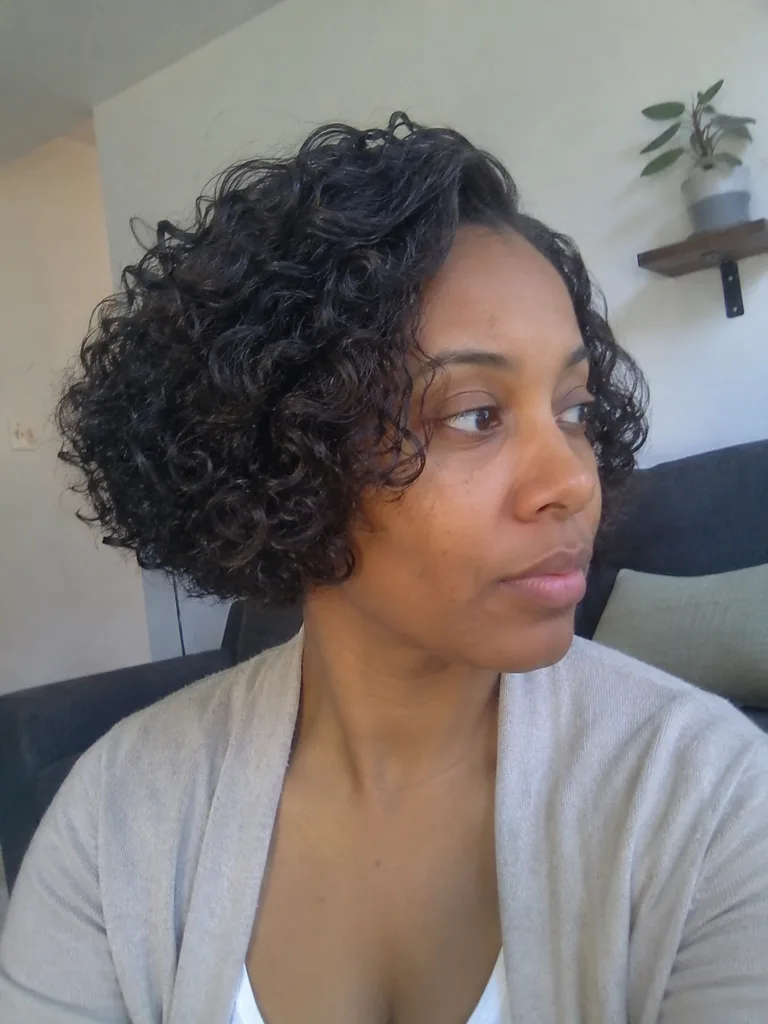
Defined Natural Curls With Long Layers
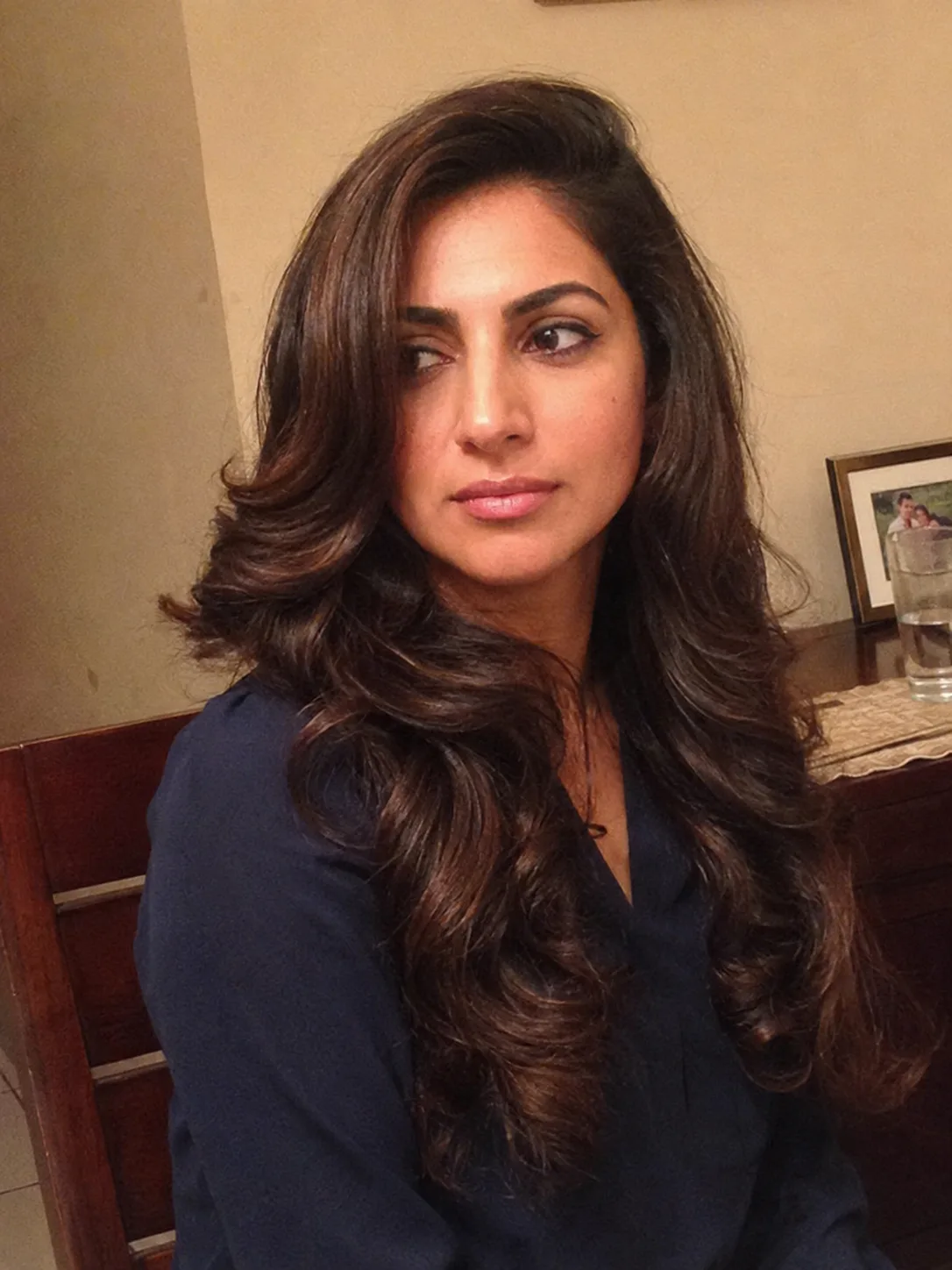
Long curls need to be judged in the state you normally wear them. Shrinkage can make a haircut that appears extremely long while stretched sit much higher once the curls regroup.
Strategic layering can prevent all the volume from settling at the bottom. The amount of layering should reflect density, curl grouping, shrinkage, and the outline you want.
Dry, wet, and combined cutting methods can all be used for curly hair. What matters most is assessing the final balance in its usual styled state.
Long Coily Hair With Rounded Shaping
For coily hair, retaining length doesn’t require keeping the outline narrow or bottom-heavy. Rounded shaping distributes volume around the sides and lower sections so the hair reads as a deliberate shape instead of simply a long mass.
Shrinkage plays a major role here. The longest stretched strand doesn’t tell you where the shape will sit once the coils contract.
This option is particularly strong for someone who wants to celebrate fullness as part of the style rather than repeatedly stretching the hair to emphasize length.
Sleek Straight Length
Straightening puts the cut itself under a spotlight. Uneven ends, layering, and perimeter density become far more visible once waves or curls are temporarily removed from the equation.
A sleek finish works beautifully when you want uninterrupted vertical lines, but it can demand more styling from naturally curly or coily hair than the photograph suggests. Humidity, exercise, and moisture can also change the finish.
Frequent heat styling should reflect your hair’s condition, tool design, technique, and previous chemical history rather than a single universal temperature rule.
Voluminous Blowout
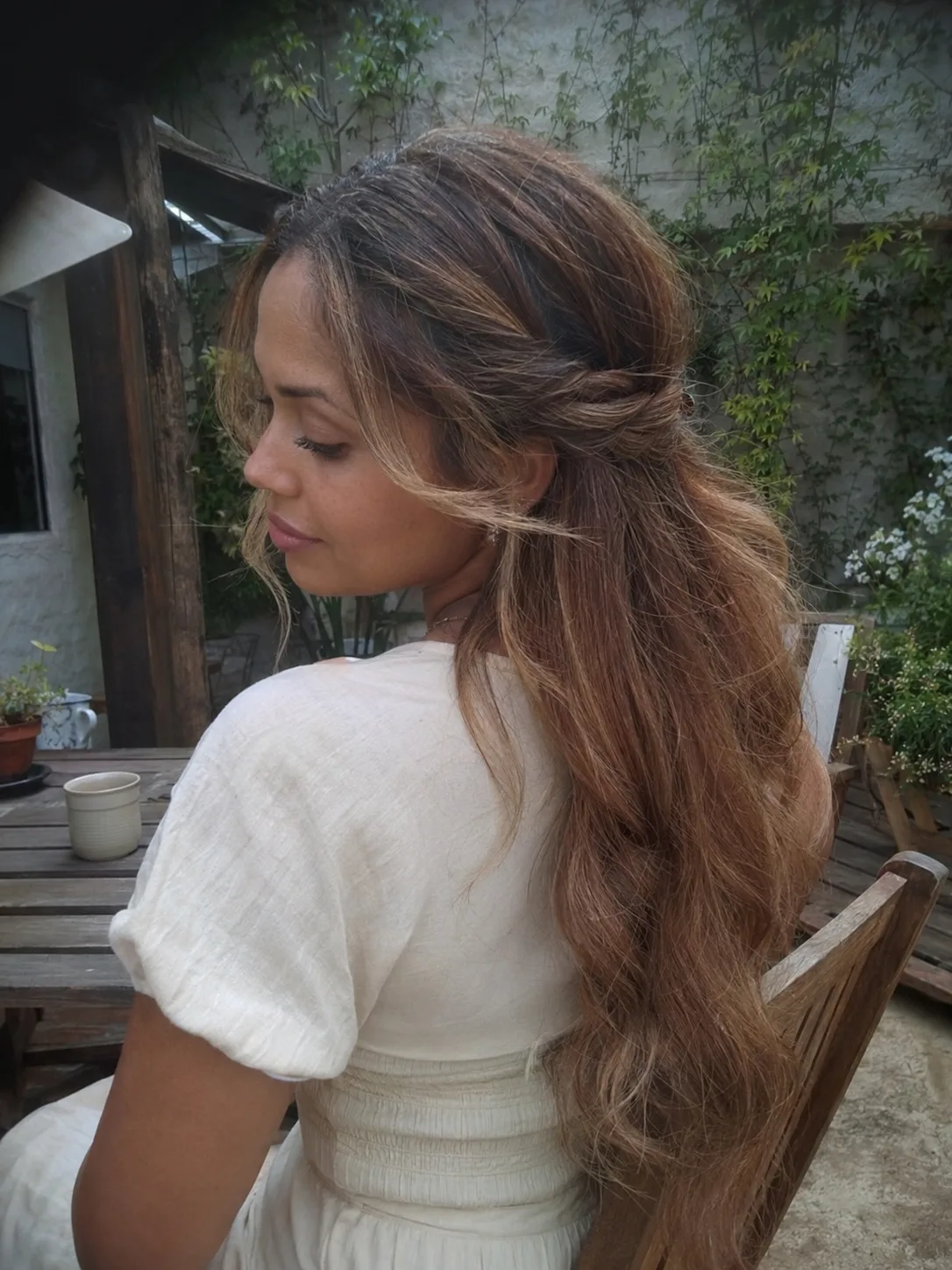
A long blowout shifts attention from sheer length to body and movement. Lift at the roots, curved ends, and broad bends through the mid-lengths keep long hair from hanging completely flat.
This look is worth the extra styling when you like the drama of long layers but don’t want defined curls. It also reveals why two people with the same haircut can leave very different impressions: styling creates much of the visible volume.
The effect softens as the hair encounters humidity, sleep, friction, and normal movement, so it suits readers who are comfortable with a finish that evolves.
Ponytails and Half-Up Styles for Long Hair
Low Sleek Ponytail
A low ponytail is one of the easiest ways to control very long hair without concentrating all of its weight high on the head. It works with a center part, side part, or hair brushed straight back.
A fabric-covered elastic can secure the base, while a small section wrapped around it creates a cleaner finish when desired. Straight, wavy, braided, and stretched textures all give the tail a different character.
The low anchor also behaves better against many headrests than a high ponytail.
High Ponytail
A high ponytail makes long hair look even more dramatic because the tail falls from the crown rather than the nape. It brings more movement into view from the front and keeps the lengths away from collars.
Long or dense hair places more leverage at that raised anchor during movement. A very tight base isn’t worth choosing simply to keep the ponytail high.
This style is strongest when the base feels secure during normal head movement without relying on painful tension.
Bubble Ponytail
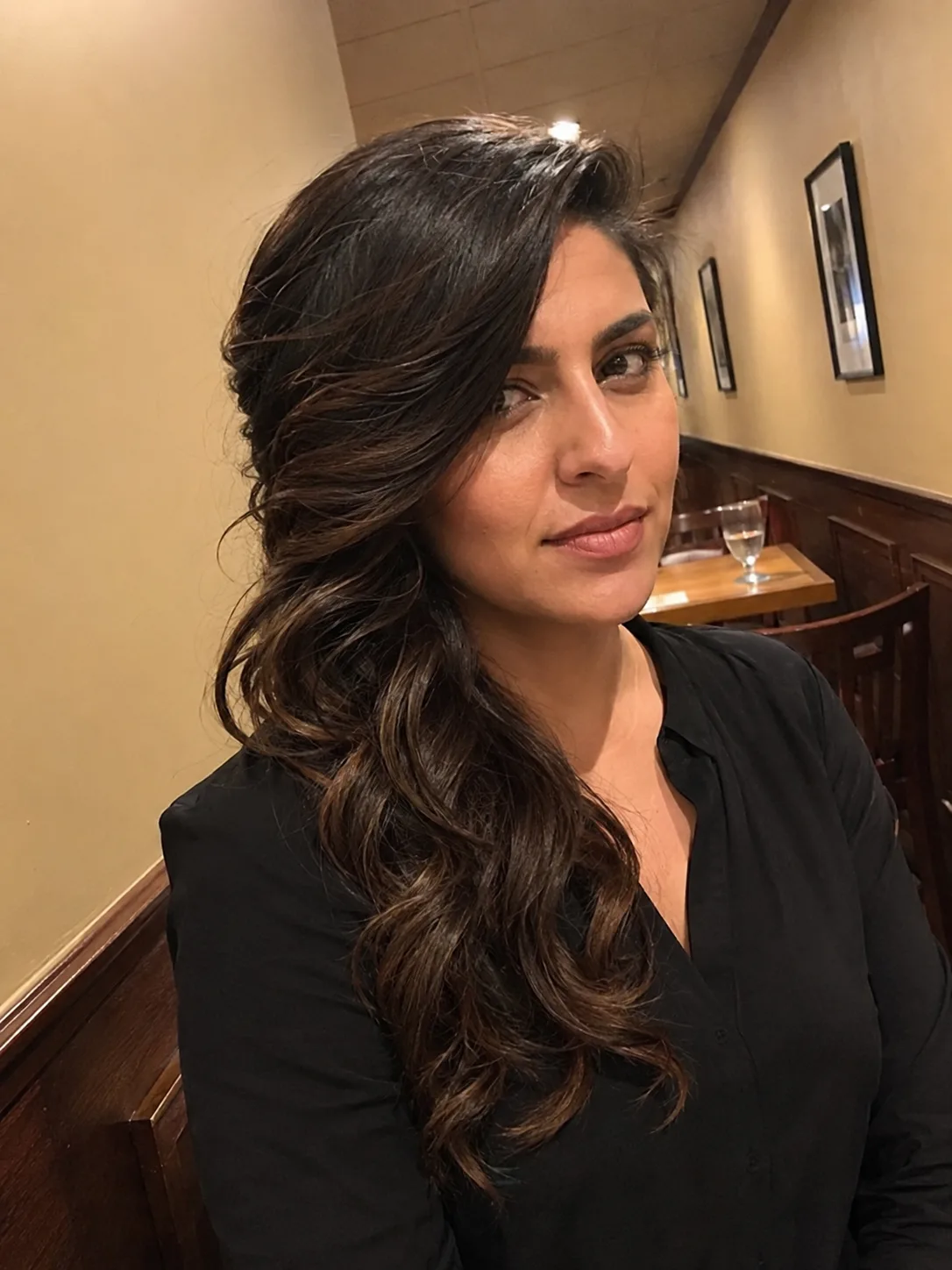
The bubble ponytail turns one long tail into a segmented style by securing elastics at intervals and gently expanding the hair between them.
It creates a very different visual result from a standard ponytail because the length becomes a sequence of rounded shapes rather than one continuous fall. Straight, wavy, stretched, and extension-enhanced hair can all produce the effect.
The style also makes long length feel decorative without requiring intricate braiding skills.
Half-Up, Half-Down Hair
Half-up styling solves a common long-hair problem: you keep most of your length visible while moving hair away from the face.
The upper section can be secured with an elastic, barrette, or clip depending on the look and hair density. Leaving some volume at the crown creates a softer result, while smoothing the top makes it more formal.
This is more practical than a fully loose style for work, meals, or events where front sections constantly falling forward becomes distracting.
Half-Up Top Knot
The half-up top knot has more vertical emphasis than a standard half-up ponytail. The upper section is twisted or wrapped into a small bun while the rest remains loose.
It works particularly well when long hair feels visually heavy around the sides because the bun lifts part of that mass upward.
On curly or coily hair, you can leave the lower texture fully intact instead of smoothing everything into one uniform finish. The contrast between the compact bun and full loose lengths becomes part of the look.
Braids and Twists That Use Long Length Well
Classic Three-Strand Braid
Few styles make long hair easier to manage as efficiently as a basic three-strand braid. It gathers the lengths into one flexible structure while remaining relatively quick to create and remove.
The braid can begin at the nape or lower down from a ponytail. A looser construction keeps more width, while firmer braiding creates a narrower, more defined pattern.
It’s particularly useful on days when loose hair keeps catching beneath bags, jackets, or seat belts.
French Braid
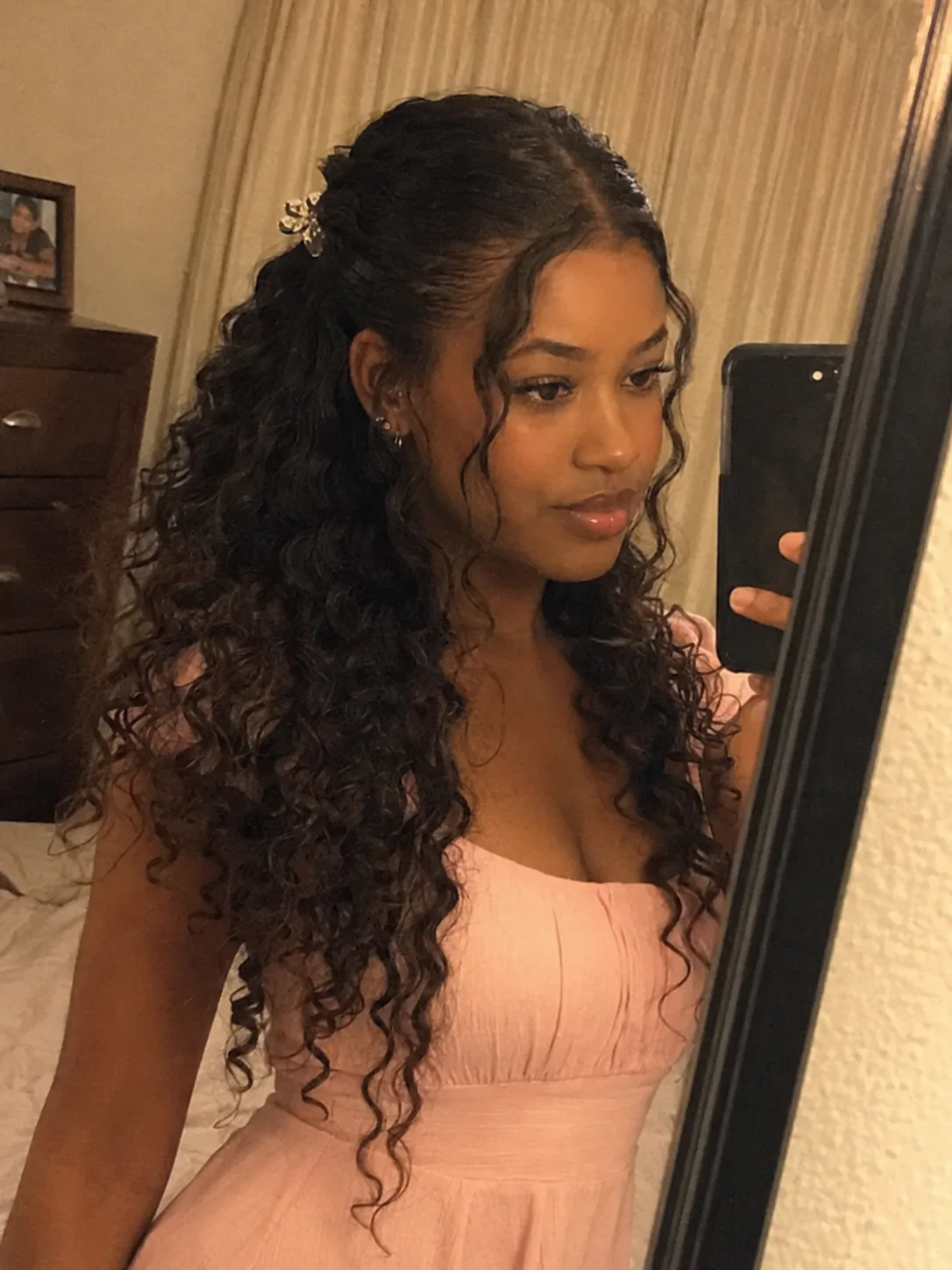
A French braid begins integrating hair near the scalp before continuing into a free-hanging braid. That construction controls both the upper sections and the long tail.
Unlike a standard low braid, it distributes the visible pattern over the head instead of placing all the detail below the nape. It can be useful for exercise or active days because fewer loose sections move independently.
Comfort at the scalp should remain part of the construction. Secure doesn’t need to mean painfully tight.
Dutch Braid
A Dutch braid creates a raised braid that sits visibly on top of the surrounding hair. The under-crossing technique gives it more definition than a French braid.
Long hair makes the pattern especially noticeable because the braid can continue well beyond the nape. Gently expanding the outer sections creates more visual width once the braid is secure.
This is a stronger choice than a subtle French braid when the braid itself is meant to be the main visual feature.
Two Long Braids
Dividing the hair into two braids changes both balance and practicality. The weight is distributed to two sides, and the braids can be brought forward over the shoulders instead of remaining down the center of the back.
That can make very long hair easier to control during travel or casual days. The construction can be simple three-strand braids, French braids, Dutch braids, or braids created from stretched natural hair.
Very small or fragile hairs around the perimeter don’t need to be forced tightly into the base.
Rope-Twist Ponytail
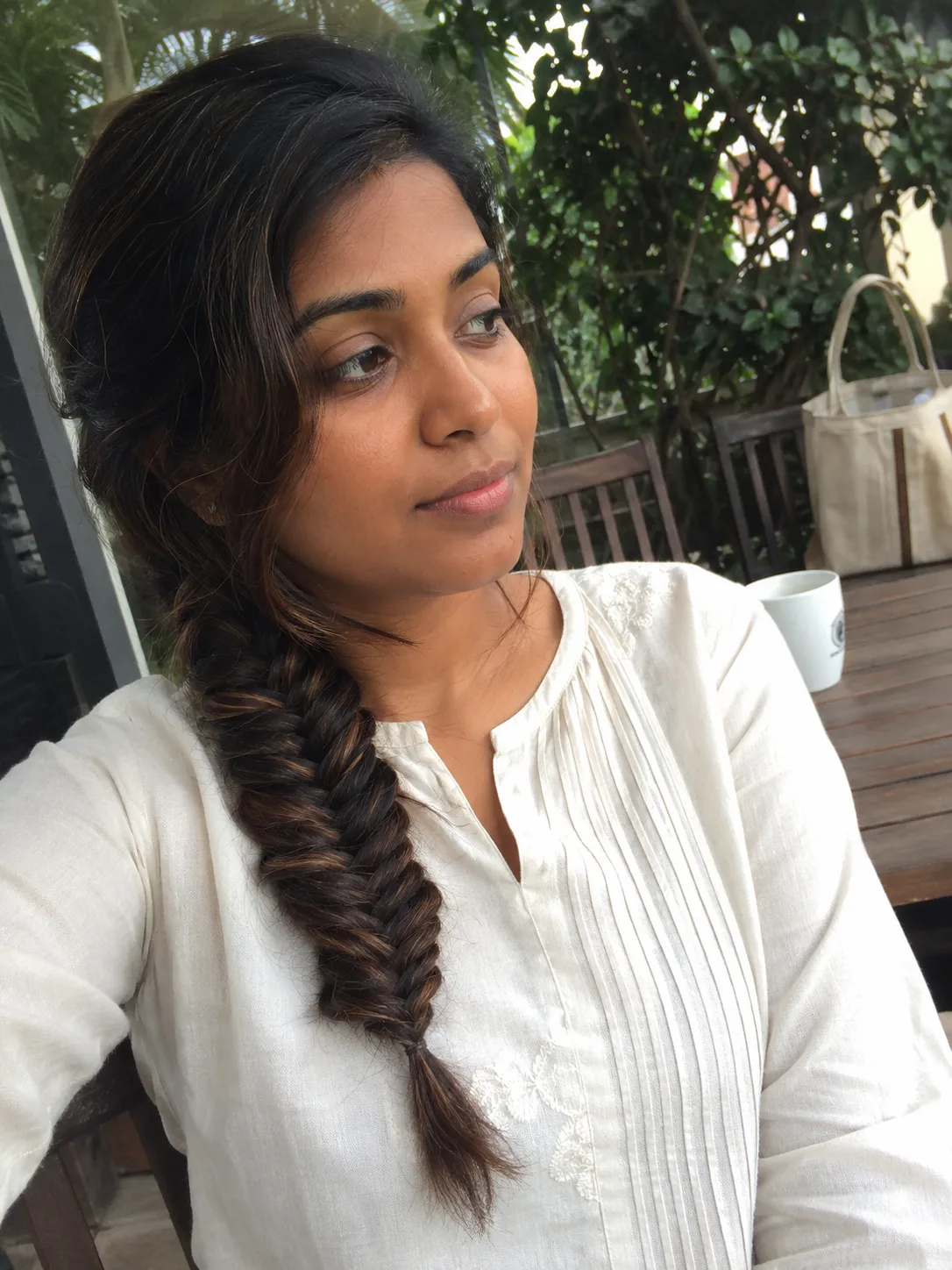
A rope twist gives you the control of a ponytail with a spiral structure instead of a braid. The tail is divided into two sections, twisted, and wrapped around itself in the opposite direction so the pattern holds together.
Long hair displays that spiral particularly well. The result is sleeker and more graphic than a loose three-strand braid.
It also works as a useful alternative for someone who wants visible technique without creating several overlapping braid sections.
Buns and Updos for Getting Long Hair Off Your Back
Low Chignon
A low chignon gathers long hair close to the nape and converts all that length into a compact shape. It can be smooth and formal or slightly softer around the front.
Long hair gives you plenty of material to wrap, but more hair isn’t always easier to pin. Dense lengths may create a larger bun than the reference image suggests. Bobby-pin placement and how tightly the hair is wrapped affect both size and stability.
A low position works especially well with many formal outfits because it leaves the crown clear for decorative accessories.
High Bun
Putting long hair into a high bun completely changes its relationship with clothing. The ends no longer rub against your back, collars, or shoulder straps, making the style useful on warm or active days.
The physical tradeoff shifts upward. Dense or very long hair can create a substantial bundle at the crown, so a balanced base matters more than making the bun as tight as possible.
A high bun can also become uncomfortable against certain car or airplane headrests once its position moves toward the back of the crown.
Claw-Clip French Twist
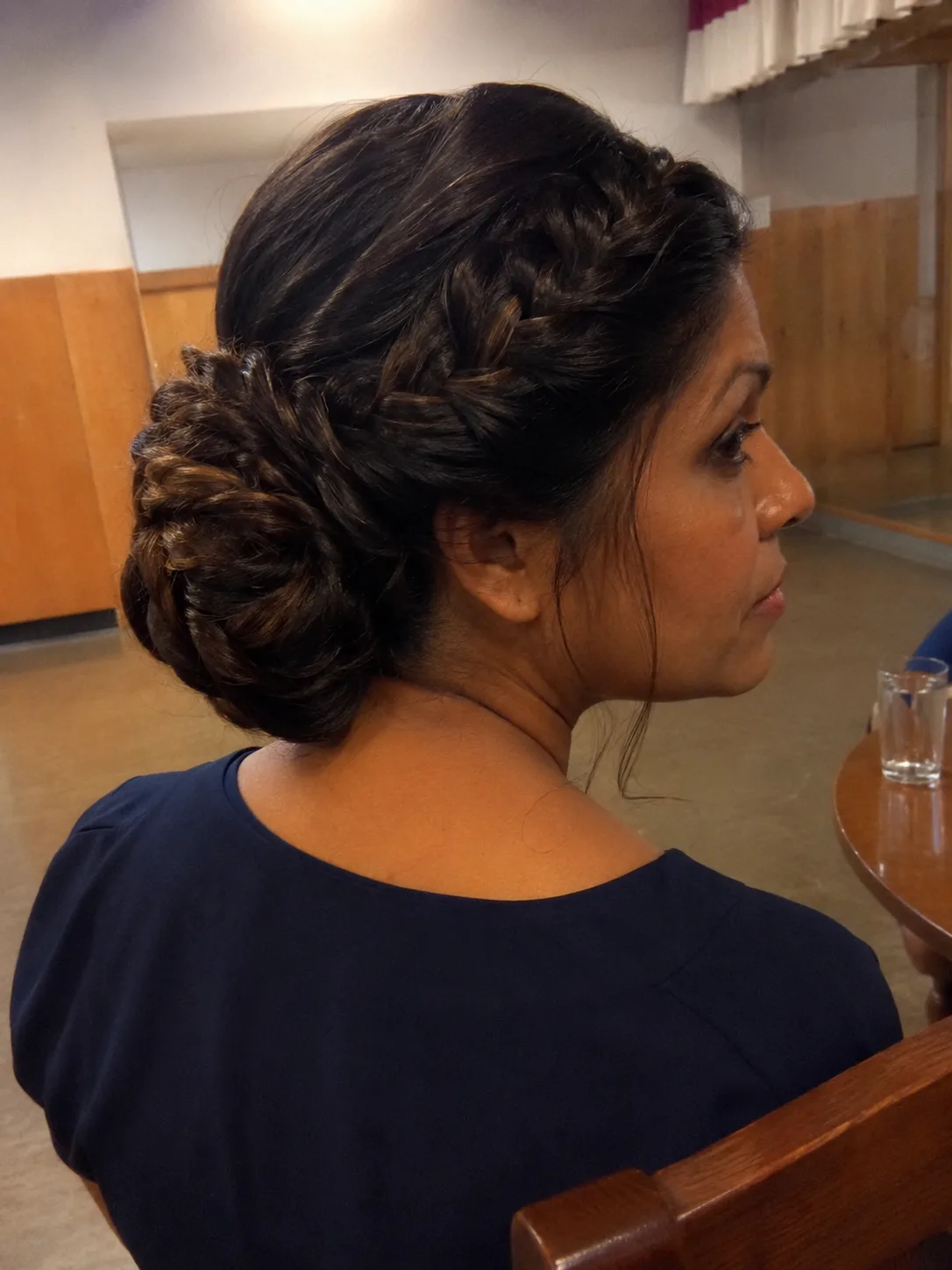
A claw clip is a practical way to secure long hair without building a formal pinned updo. Gather the hair toward the back, twist the lengths upward, fold or tuck the remaining ends, and place the clip across the central twist.
Very long or dense hair needs a clip with enough capacity for the actual amount of hair being held. Trying to force a small clip around a large twist usually creates slipping or excessive pressure.
This style earns its place because it can go up and come down quickly.
Braided Bun
A braided bun combines two forms of control: the braid organizes the long tail first, then the braid itself is wrapped into an updo.
That structure creates visible pattern around the bun and can make pinning long hair more predictable than trying to manage loose lengths all at once. A low braided bun reads more classic; a higher placement creates more visual lift.
The braid can stay compact for definition or be gently widened before wrapping for a fuller effect.
Twisted Formal Updo
Long hair gives a twisted updo enough material to create overlapping sections, tucked ends, and dimensional detail without relying on one large bun.
Instead of pulling everything toward one anchor, sections can be directed toward the back and pinned in stages. That makes it easier to create a broader shape across the back of the head.
For formal events, test decorative combs, veils, or headpieces with the finished placement. A veil comb inserted exactly where the style needs lift can flatten or distort the structure.
What Long-Hair Photos Usually Don’t Show
A finished photograph captures one moment. It rarely tells you what happens after you put on a coat, sit against a headrest, exercise, sleep, or spend a day moving between indoor and outdoor humidity.
Long loose hair creates the most contact with clothing and furniture. Braids reduce loose tangling but still move against straps and seat backs. High buns remove the length from your back but place a larger structure near the crown. Low buns feel compact yet may press against a headrest.
Your hair’s actual density also changes the scale of these styles. Fine strands can exist at high density, while coarse strands can exist at low density; strand diameter and overall density describe different things. A reference photo with a large bun may involve more hair, added hair, padding, or simply a different strand and density combination.
Curly and coily readers should also compare photographs with their own usual styling state. Stretched length and shrunken length can produce dramatically different proportions.
Choosing a Long Hairstyle by Hair Behavior
Start with the state you actually wear most often. Someone who keeps naturally curly hair in its shrunken state needs a different haircut conversation from someone who usually stretches or presses the same hair. The outline should make sense in the state that matters in everyday life.
Density influences how much hair a style needs to contain. High-density long hair can create large buns, thick braids, and heavier ponytails without any added hair. Lower-density hair may produce smaller versions of the same shapes, which can be equally attractive but won’t necessarily match the scale shown in a reference image.
The perimeter matters too. Transparent or damaged ends can make very long hair look less substantial even when the upper lengths are full. Keeping maximum length isn’t always the strongest visual decision when the lowest section has lost too much integrity.
Your routine should narrow the options further:
Frequent exercise favors styles that keep front sections controlled and can be adjusted comfortably.
Regular helmet use makes large crown buns impractical.
Glasses can compete with bulky sections positioned directly over the temples.
Heavy coats and high collars increase friction against loose ends.
Formal accessories should be tested with the hairstyle rather than added as an afterthought.
A useful salon conversation includes the look you want when the hair is down and the styles you wear when it’s tied up. Face-framing pieces that look beautiful in a blowout may fall loose from every ponytail. Very short internal layers can also limit braids and sleek buns until they grow.
Maintaining Long Hair Without Letting the Hairstyle Dictate Everything
Long hair spends more time in contact with clothing, bedding, elastics, and everyday surfaces simply because there is more length to manage. Maintenance works better when it responds to what your hair is doing instead of following a rigid calendar.
Watch the ends. Roughness, splitting, tangling, and see-through areas tell you more about perimeter condition than a universal trim interval. Removing damaged ends changes the appearance of the haircut but cannot create new density.
Alternate placement when you regularly wear secured styles. Repeatedly pulling the same small areas into a tight high ponytail or bun concentrates stress in predictable places. Fabric-covered elastics, suitable clips, and gentler anchoring can make everyday styling easier.
Long curly and coily hair also needs enough drying access after cleansing. Dense roots can stay damp after the outer lengths feel dry, especially when the hair is braided or gathered before it has fully dried.
Protective styling deserves the same practical judgment. Braids, twists, wigs, weaves, and other installations are protective only under suitable conditions, including manageable tension and weight, scalp access, adequate drying, limited friction, and careful removal.
Persistent pain, redness, sores, irritation, sudden shedding, or a concerning change in density deserves more attention than another styling adjustment. A dermatologist or another qualified healthcare professional can assess symptoms that may extend beyond routine hair care.
Related Hairstyles to Explore
- Long hairstyles
- Layered haircuts for long hair
- Prom hairstyles for long hair
- Beach hairstyles for long hair
FAQs
What is the easiest hairstyle for very long hair?
A low ponytail or simple three-strand braid is usually the most practical starting point because either style gathers the length quickly without requiring complicated pinning. A claw-clip twist is another easy option when you have a clip large enough to hold your hair comfortably.
Do long layers make hair look thinner?
They can reduce visible weight through the areas where hair is removed, but the effect depends on density, strand size, layer placement, and perimeter condition. Lower-density hair often benefits from more conservative layering if a substantial-looking bottom edge is the priority.
Can curly or coily hair wear all of these long hairstyles?
Most style families can be adapted to curly and coily hair, but the visible result changes with shrinkage, curl grouping, density, and whether the hair is worn natural, stretched, or pressed. You don’t need to straighten curly fringe or loose sections simply to make an updo or layered haircut work.
How can I stop long hair from getting in the way during sleep?
Gathering the length loosely can reduce tangling and prevent hair from becoming trapped beneath your shoulders or back. A loose braid, gentle high gathering position, bonnet, or smooth pillowcase can reduce friction depending on your texture and preferred sleep position. Avoid creating a tight anchor simply to keep every strand contained.
Hair Texture & Upkeep Style Matcher
Select your natural hair texture and daily maintenance window to get an instant styling formula and heat safety cap.
Heat Cap: 320°F (160°C)
A versatile three-strand braid beginning at the parietal ridge, securing the top half while allowing natural wave texture to flow freely around the shoulders.
Conclusion
The most useful hairstyle for long hair isn’t always the one that shows the maximum amount of length. A strong choice makes the length behave better for the way you actually live.
Choose long layers when movement matters, a substantial perimeter when fuller-looking ends are the priority, braids when loose lengths become inconvenient, or an updo when getting the hair completely off your back solves the bigger problem. Before committing to a new cut, bring reference photos showing both the hair down and secured so you can judge how the shape will work across your real styling routine.
Editorial Standards & Hair Health Guidance
Every style featured on Tress Atlas is curated with a focus on real-world wearability, scalp tension management, and cuticle preservation. When trying protective styles or tight updos, ensure perimeter hairline sections remain tension-free to avoid traction stress on delicate follicles. For heat styling, cap tools below 350°F (180°C) to prevent thermal keratin denaturation.
Scientific Sourcing: Practices aligned with the American Academy of Dermatology (AAD) on traction alopecia risk reduction and cosmetic trichology research on hair tensile strength.