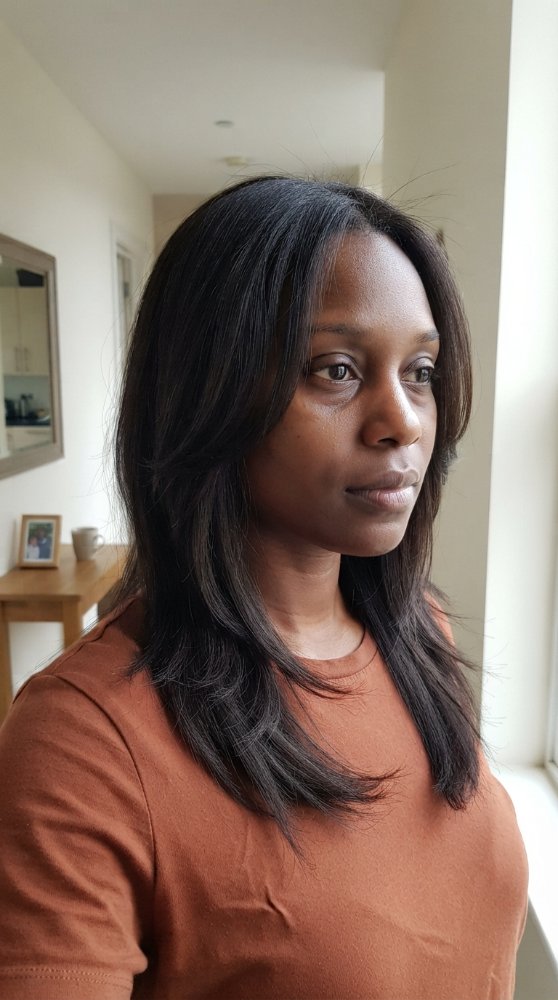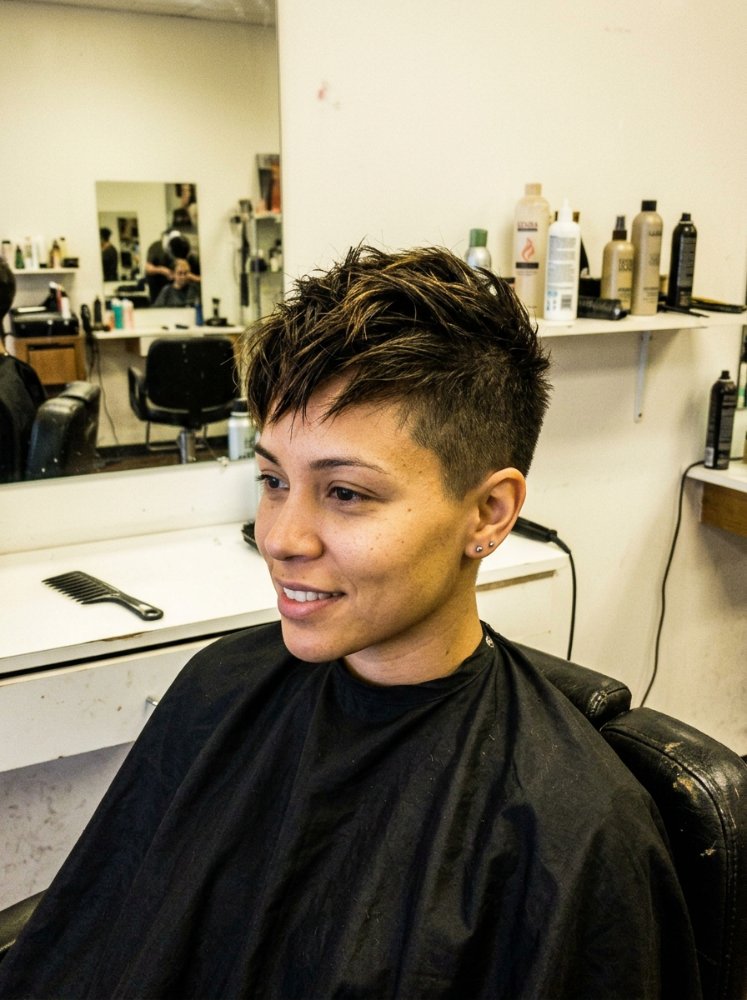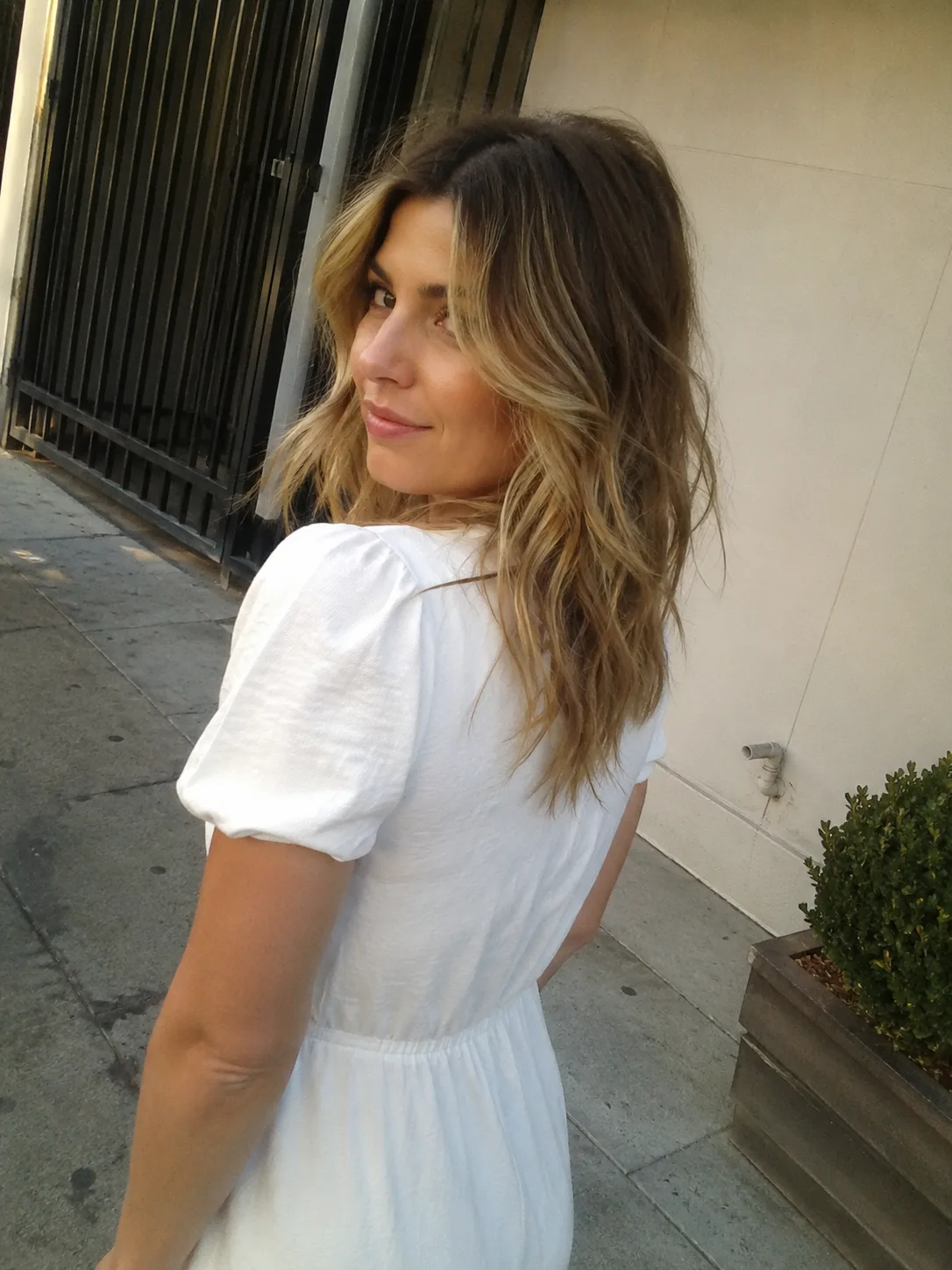
Medium-Length Layered Haircuts: What Changes the Shape
Medium-length layered haircuts look straightforward until you have to decide where the layers should actually begin. Two cuts can both sit around the shoulders or collarbone and behave completely differently: one keeps a substantial lower edge with soft movement through the ends, while another removes enough interior weight to create a much airier, more tapered shape.
That distinction matters more than simply asking for “layers.”
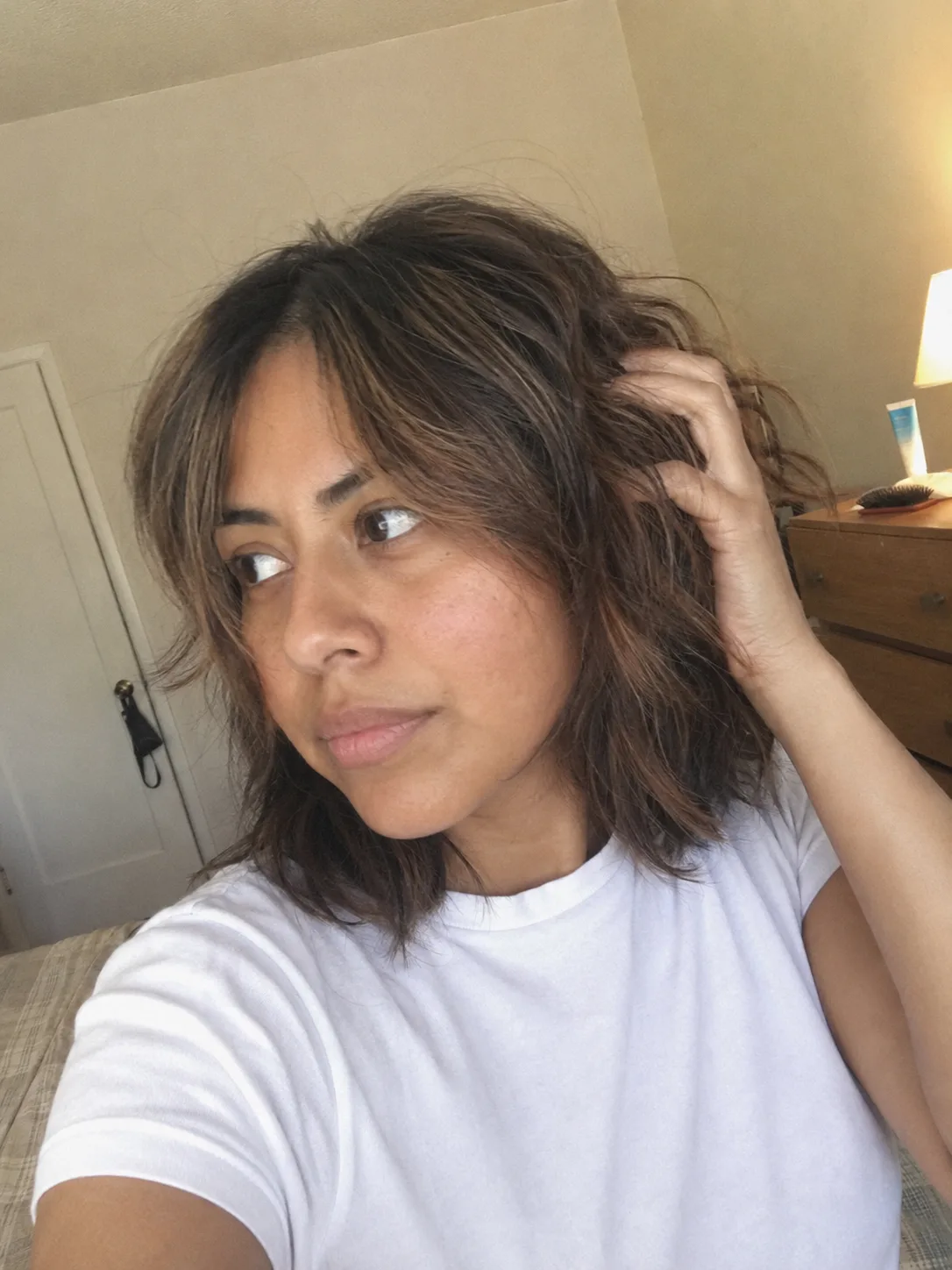
For most people, the safest starting point is a medium-length cut with a reasonably strong perimeter and layers placed according to the way the hair is normally worn. You can always build more movement into the interior or around the face. Rebuilding a bottom edge that has been thinned too aggressively takes longer.
The right version depends on what you want the haircut to do. Layers can help curls stack more freely, stop dense straight hair from hanging as one heavy block, or give waves more room to bend. They can also expose sparse-looking ends, encourage shoulder-length hair to flip outward, and increase styling work when the shape depends heavily on blow-drying.
Before choosing a reference photo, decide how much weight you want to keep at the bottom, where you want the first obvious layer to appear, and whether you expect the cut to work in your natural texture, a stretched state, or a regularly heat-styled finish.
Medium Length Is a Particularly Active Place to Add Layers
Medium hair commonly lives somewhere around the shoulders and collarbone area, which puts the ends in constant contact with clothing and the body. That physical contact changes how a layered haircut behaves.
A sleek photo taken immediately after styling may show the ends falling neatly inward. Once the hair brushes a shoulder, blazer, coat collar, or scarf, those same pieces can kick outward. Shorter layers may stay above that contact point while the longest pieces move against the shoulders, creating more separation between the upper and lower portions of the cut.
This isn’t necessarily a flaw. A slight flip can make a layered haircut feel relaxed and mobile. It becomes frustrating when you wanted a smooth, compact outline and the cut requires frequent restyling to achieve it.
Collarbone-grazing cuts often give you a little more room because more of the perimeter falls below the widest part of the shoulder. Hair that ends directly on top of the shoulder tends to interact more with clothing.
Medium length also offers enough hair for meaningful layering without immediately turning the cut into a short shag or heavily graduated shape. That makes it versatile, but it also means the word “layered” covers a huge range of results.
A few long layers near the bottom create a very different haircut from short crown layers, strong face framing, or a highly textured interior.
Choose the Layer Pattern by What You Want to Change
The most useful way to plan medium-length layered hair is to start with the problem you want the layers to solve.
Long, Low Layers Keep the Cut Looking Fuller
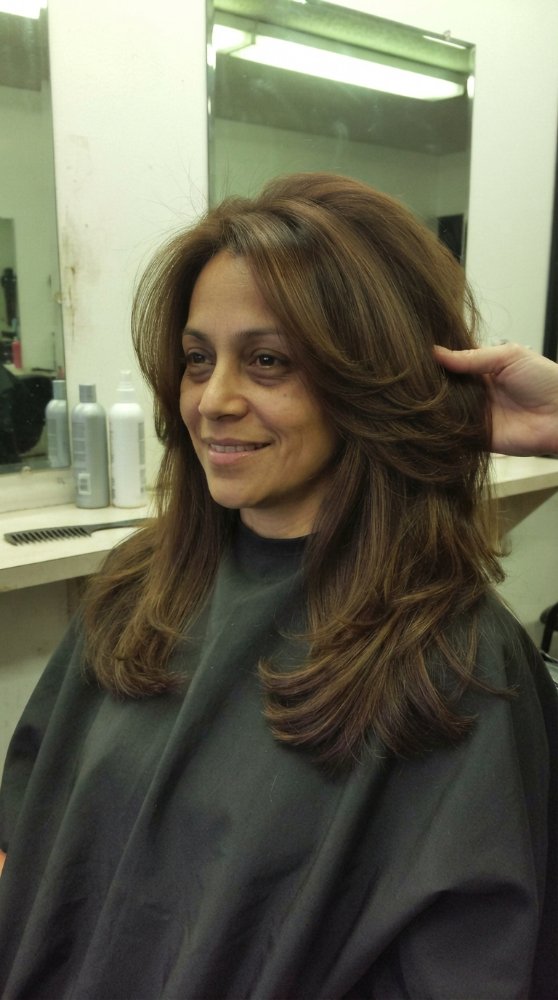
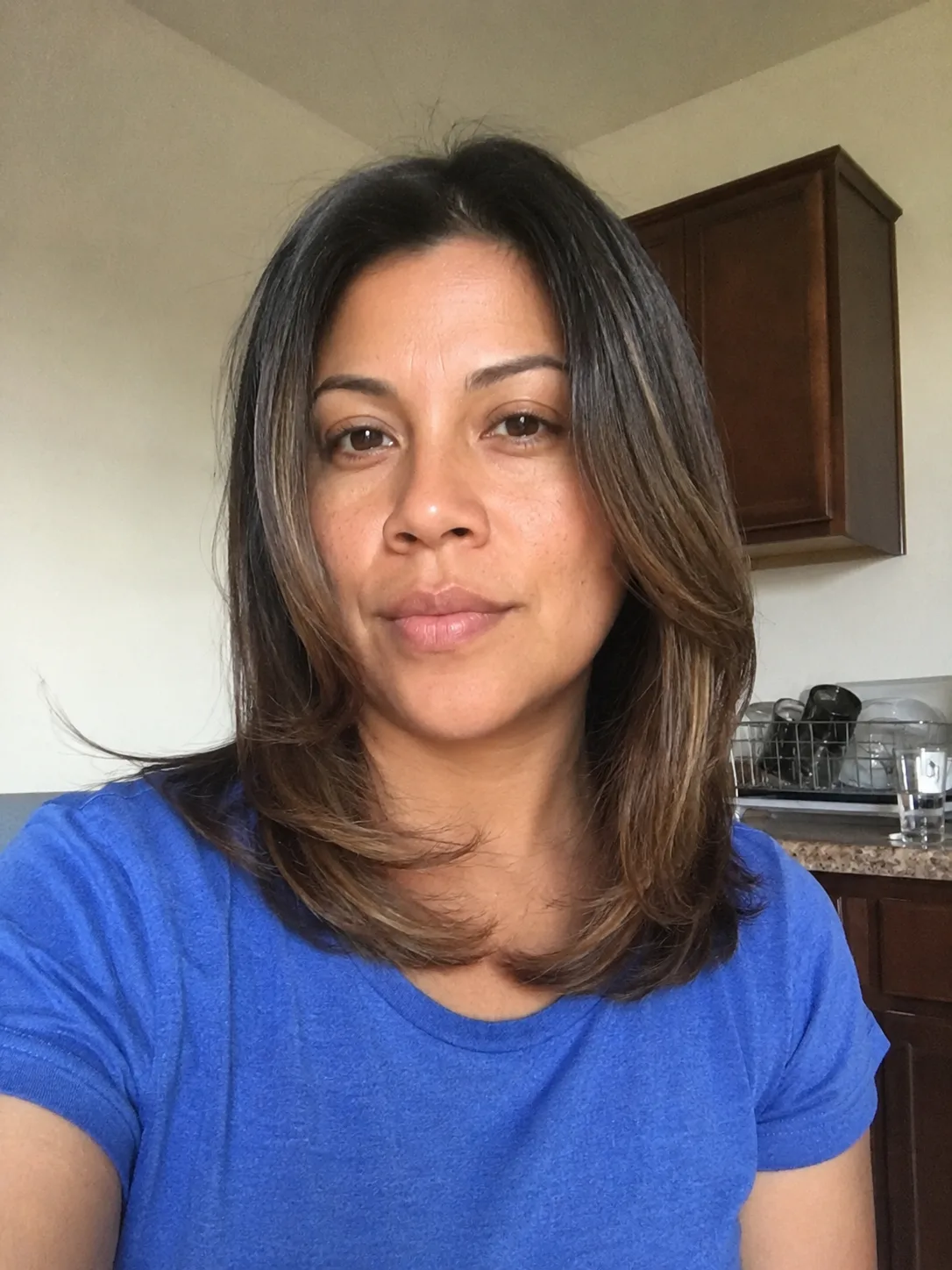
Long layers are the practical default when you like movement but still want the haircut to read as medium length from the front and back. Most of the weight remains near the lower part of the cut, while the ends gain enough variation to stop them looking completely solid.
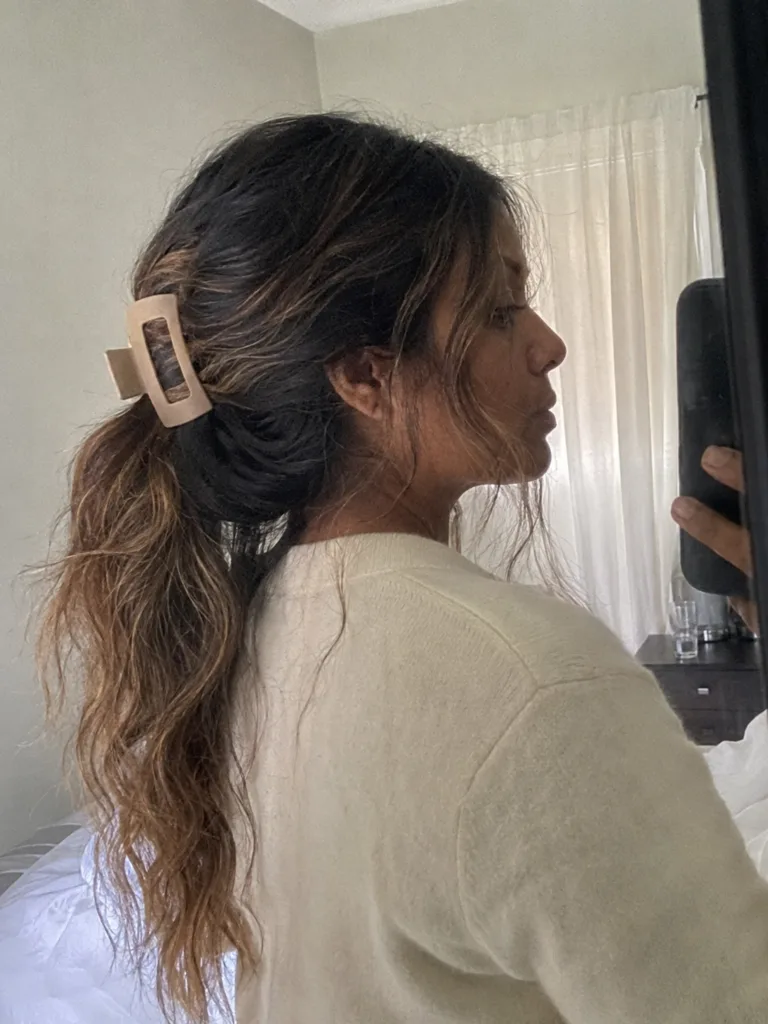
This approach is especially useful when the perimeter is one of your favorite features. It also gives you more flexibility for ponytails, half-up styles, and simple blowouts because fewer short pieces need to be controlled.
Long layers can look subtle on very straight hair and more obvious on wavy hair, where each change in length encourages a different bend.
Mid-Level Layers Create More Visible Movement
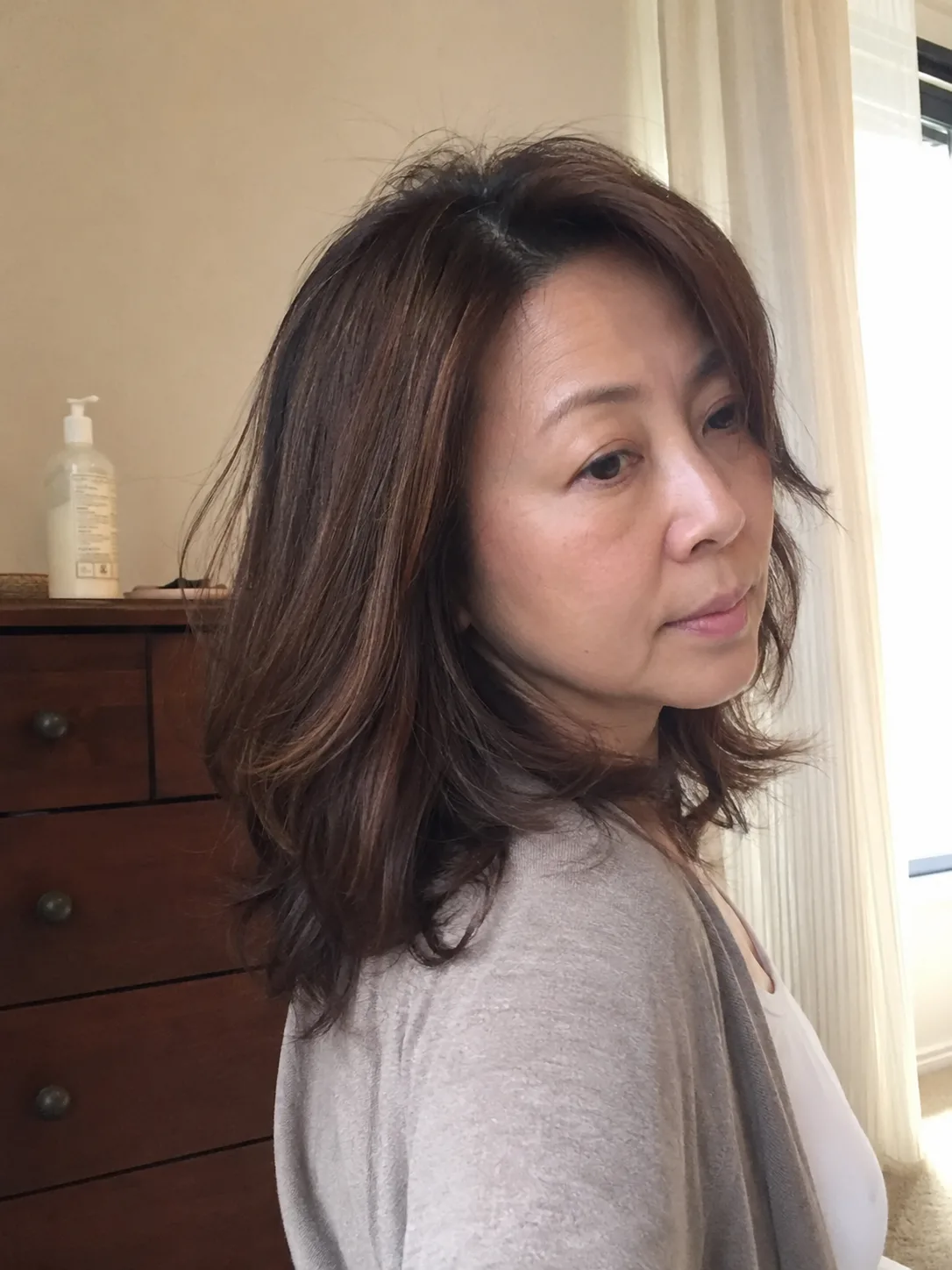
Moving the layers higher makes the haircut lighter through the middle. The outline becomes less compact, and the individual sections separate more readily during styling.
This can be a strong choice for dense hair that tends to form one heavy mass. It can also make waves feel less pulled down.
The cut becomes less forgiving as more weight disappears from the lower half. Medium hair with delicate or already transparent ends may look even lighter after aggressive interior removal.
Shorter Crown Layers Make the Cut More Style-Dependent
Crown layers can create lift and a more pronounced rounded or tousled profile. They also change the haircut more dramatically than a few long layers near the ends.
Straight hair may need blow-drying, directional brushing, rollers, or another styling method to make shorter crown pieces sit the way they did in a reference image. Wavy and curly textures may gain natural lift with much less manipulation, provided the layer placement works with the pattern.
Choose noticeable crown layering because you want that shape, not simply because you want “volume.” A haircut redistributes existing hair; it doesn’t create additional strands.
Density and Strand Size Change How Much Layering the Hair Can Carry
Fine strands and low density are different issues, and they shouldn’t lead automatically to the same haircut.
Fine hair refers to the diameter of individual strands. Someone can have fine strands and a lot of hair overall.
Low-density hair means there are fewer strands across the scalp. The individual strands may be fine, medium, or coarse.
That distinction becomes important with layers because every shorter section removes some hair from the longest perimeter.
A person with fine strands but generous density may have plenty of hair to support substantial layering. Someone with lower density may prefer to preserve more of the lower edge, particularly when the ends already look light.
Look at the perimeter before deciding how much layering you want. Healthy, reasonably substantial ends give the cutter more freedom. See-through ends usually benefit from prioritizing the overall baseline before adding extensive interior texture.
Very dense hair creates the opposite decision. Keeping nearly every strand at one length can leave a medium cut feeling heavy at the bottom, particularly on straight or wavy hair. Thoughtful layering can redistribute that weight so the haircut moves instead of sitting as one block.
Heavy thinning isn’t the only solution. Layer placement, graduation, point cutting, and other cutting approaches can change weight in different ways. The appropriate method depends on the hair, the desired finish, and the stylist’s cutting plan.
The visual target should come first: Do you want a firm lower edge, an airy perimeter, visible separation, or a rounded shape with more internal movement?
Straight, Wavy, Curly, and Coily Hair Need Different Layer Placement
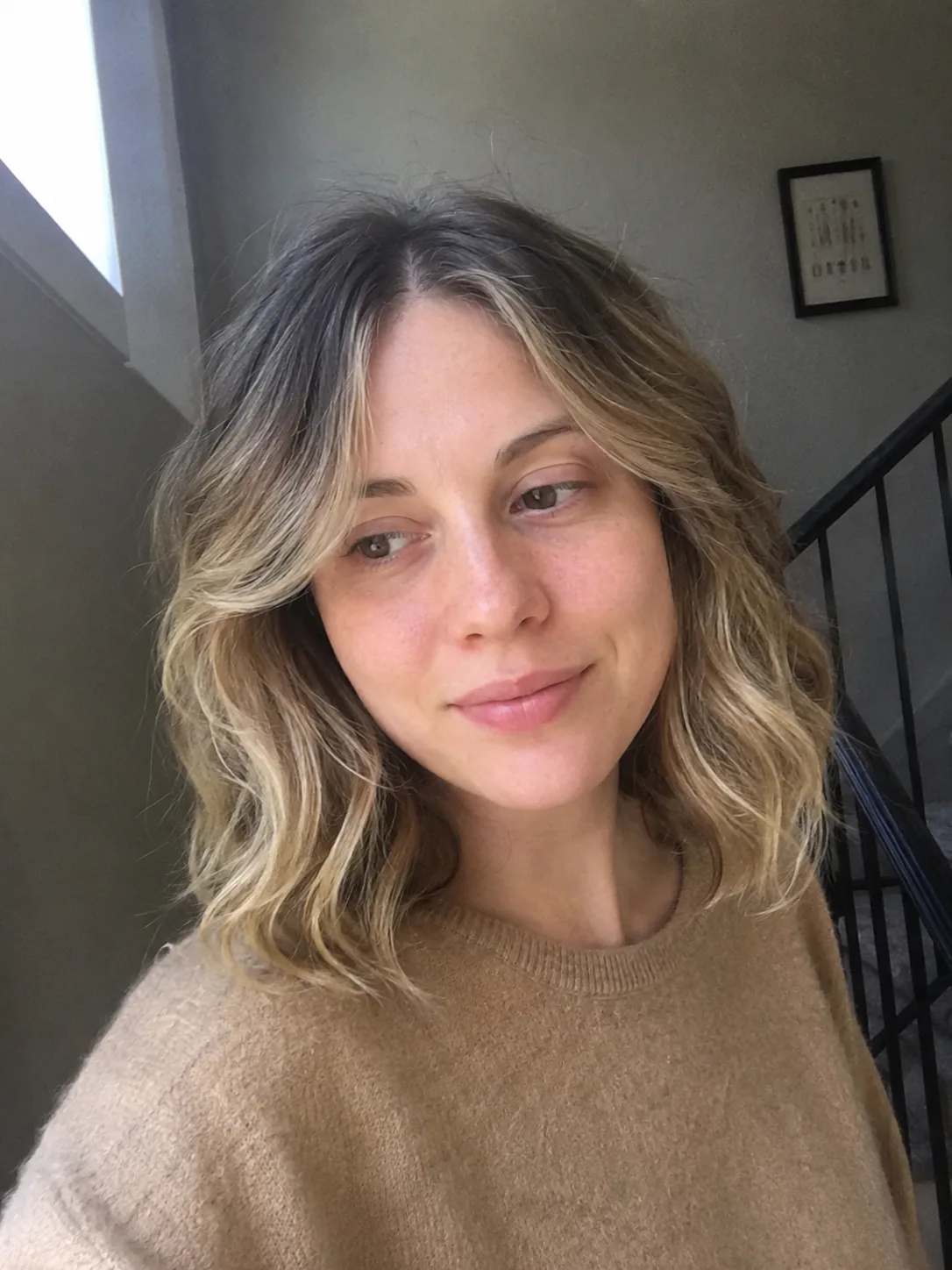
The same cutting diagram won’t produce the same visible shape across every texture.
Straight Hair Shows the Geometry Clearly
Straight hair makes changes in length easy to see. Strong layers can create clean movement, but abrupt transitions also become more obvious.
Long, blended layers tend to be forgiving when you want a smooth everyday cut. Shorter sections around the crown or face create a stronger shape and often benefit from deliberate styling.
Very straight hair can also expose an overly thinned perimeter quickly. There is less curl or wave movement available to visually blend uneven weight distribution.
Wavy Hair Can Gain Definition or Become Wider
Layers often help waves form because shorter sections aren’t carrying the same length and weight. The result may look fuller, especially through the sides.
That can be exactly what you want.
Someone trying to reduce width through the middle, however, needs more careful placement. Cutting too many layers into the widest part of the head can encourage the hair to expand there once its wave returns.
A reference image taken after a smooth blowout won’t show that behavior. Bring photos that resemble the texture you actually wear most often.
Curly Hair Needs Shape Planning in Its Worn State
Curly hair can change length dramatically between wet, stretched, and dry states. Layering needs to account for that shrinkage and for the way different curl groups spring up.
A medium curly haircut may be cut wet, dry, or with a combined approach. The important part is assessing how the shape behaves in the state you usually wear.
Layers can release bulk and stop longer curls from pulling the entire haircut downward. Shorter curls around the crown may spring considerably higher than expected, so the desired dry shape matters more than a generic measurement.
Coily Hair Can Build a Strong Sculpted Shape
Coily hair gives layering enormous shape potential. It can create a rounded outline, more height at the crown, controlled fullness through the sides, or a tapered lower edge.
Shrinkage makes the visual result particularly dependent on the worn state. A stretched medium-length shape and a fully shrunken medium-length shape may appear dramatically different.
The strongest consultation focuses on the outline you want when the hair is finished, not on forcing a straight-hair layering model onto coils.
Face-Framing Layers Change the Front Without Rebuilding the Whole Cut
Face framing is useful when you want a visible update but don’t necessarily want extensive layering throughout the back.
The shortest front pieces might begin around the cheek, jaw, or lower depending on the desired effect and your styling habits. Their position affects where the eye is drawn and how easily the hair tucks behind the ears.
Glasses deserve consideration here. Layers that land directly around the temple may sit over or beneath the arms of the frames, which can make them kick outward. That may look soft and effortless on one haircut and permanently untidy on another.
The same practical issue applies to people who regularly tuck their hair behind their ears. Very short face-framing pieces may slip forward repeatedly. Longer framing sections usually stay integrated with the rest of the haircut more easily.
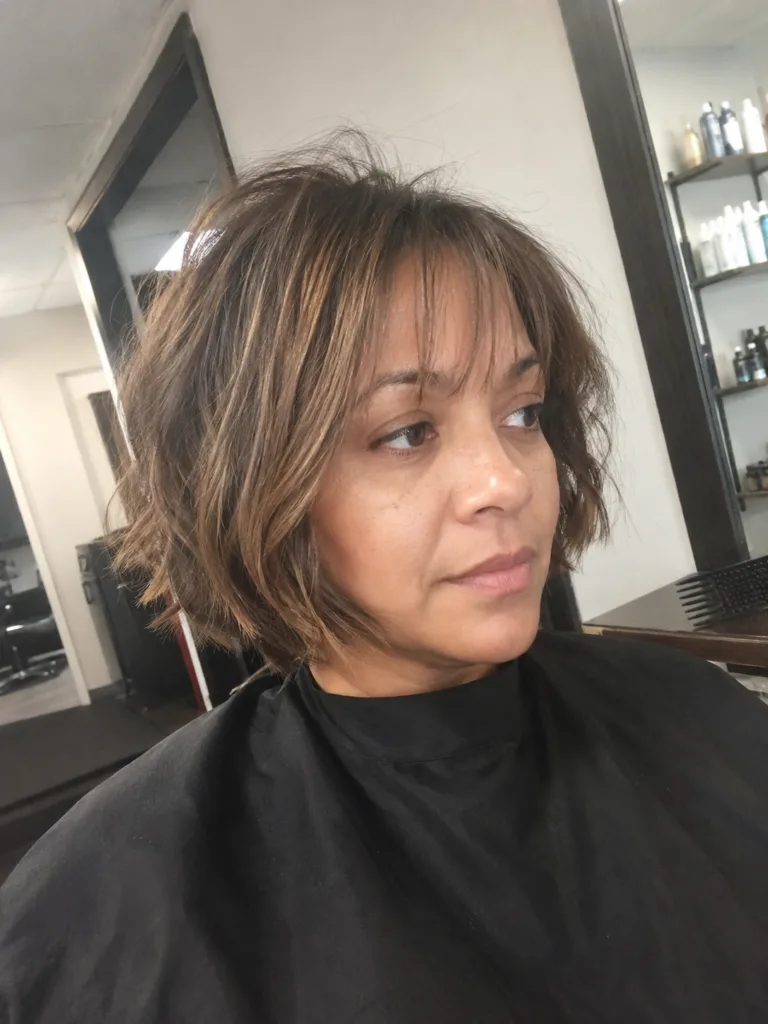
Curtain-style fringe can blend naturally into medium layers, but it adds another short zone that needs to behave well without the rest of the hair supporting it. A fringe that looks feathered after a round-brush blowout may sit very differently when air-dried.
Curly fringe can remain curly. Straightening the front isn’t a requirement for combining bangs with layered curly hair.
For a lower-maintenance update, face framing that begins below the most active part of your natural texture is generally easier to live with than a dramatic short-to-long cascade. A stronger frame is worth the extra styling when you specifically want the front of the haircut to become a focal point.
A Layered Haircut Can Make Styling Easier—or Create More Styling
Some layered cuts fall into place with very little effort because the haircut is doing work that previously had to be created with styling. Others look simple only because the reference photo shows a carefully finished blowout.
Long layers tend to offer more styling flexibility. You can wear the hair smooth, softly waved, naturally textured, or tied back without dealing with many short pieces.
A cut with strong crown layers or pronounced face framing asks more from the routine. Shorter pieces can bend differently after sleep, react more quickly to humidity, and escape from ponytails.
Round-brush styling can exaggerate the separation between layers. A flat or paddle-brush blow-dry usually shows less movement. Diffusing wavy or curly hair may reveal far more height and width than either method.
Air-drying is the test that many reference images skip.
Someone who prefers air-dried hair should ask whether the proposed layers will still form an appealing shape without a brush directing each section. That conversation can prevent choosing a haircut whose main selling point exists only after styling.
Your current routine is more useful than an aspirational one. A haircut that assumes regular heat styling will probably become annoying when you rarely reach for a dryer.
What the Finished Photos Don’t Show
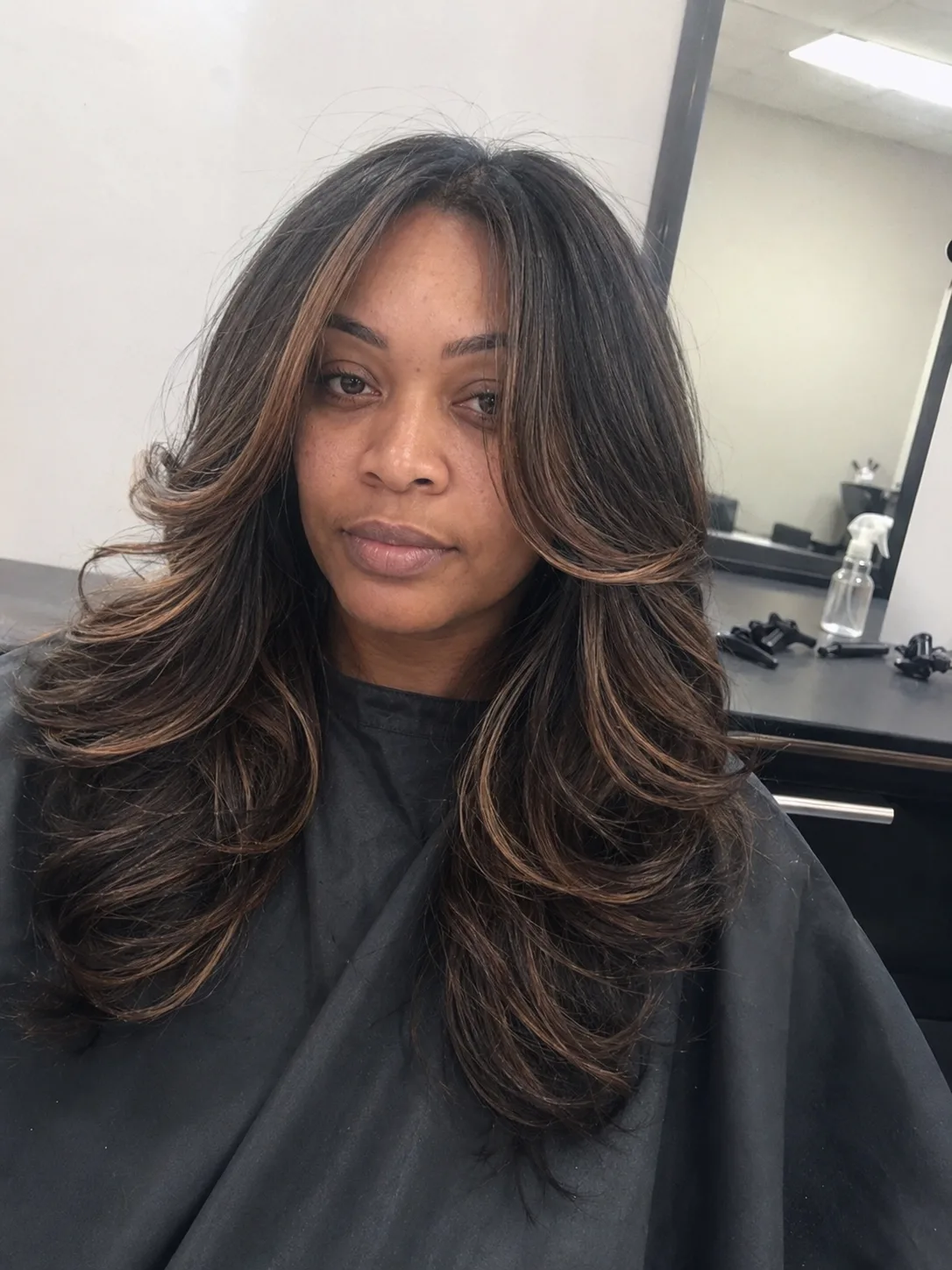
Freshly styled medium-length layered hair photographs beautifully because the sections have been deliberately separated and positioned. Daily life changes that arrangement.
The shoulder is one of the biggest variables. Ends that sit directly against it can flip, especially after moving under a jacket or coat. Hair tucked behind one ear can create asymmetry until it settles again. A car headrest compresses crown volume. Humidity can increase separation in wavy, curly, and coily hair while reducing the smooth finish of a blowout.
Grow-out also matters.
Long layers usually soften into the overall length without creating an obvious awkward stage. Shorter crown layers remain visibly separate for longer because they have farther to travel before they reconnect with the lower shape.
Face-framing pieces often feel grown out before the back of the haircut does because you see and handle them constantly. Once they stop sitting where intended, they may fall into the eyes, refuse to tuck neatly, or lose the curve that originally connected them to the longer hair.
Layered cuts therefore need reshaping based on how the silhouette is changing, not a universal calendar. Hair growth, styling habits, condition, and the original construction all affect when the haircut starts feeling off.
Keep the Perimeter in Mind During Maintenance
Layers can make healthy movement more visible, but they can’t repair damaged ends.
Breakage is strand snapping, while thinning refers to a reduction or change in density. A layered outline can sometimes make breakage harder to distinguish visually because different lengths already exist by design. Pay attention to whether the pattern matches the haircut or appears as irregular short pieces in areas exposed to frequent manipulation.
Medium hair also receives a lot of mechanical contact. Coat collars, scarves, shoulder bags, and repeated tucking can increase friction through the ends and front sections.
You don’t need a complicated routine solely because the hair is layered. Cleansing frequency, conditioning, heat use, and styling products should still be chosen according to your scalp, hair condition, texture, activity level, and preferred finish.
After washing, notice whether the haircut still has an identifiable shape before styling. That reveals a lot about whether the layers suit your natural behavior or depend mainly on finishing technique.
For wavy, curly, and coily hair, assess how the layers settle once the hair is completely dry. Uneven shrinkage may make one area appear much shorter even when the cut looked balanced while wet or stretched.
What to Ask for at the Salon
A useful consultation goes beyond showing one photograph and saying you want medium layers.
Start by showing the length you want the perimeter to reach in the way you normally wear your hair. Then discuss how much of that bottom edge you want to preserve.
Ask where the shortest layer is expected to fall. This gives you a much clearer picture of the haircut than the word “layered” alone.
Also explain your regular styling state. A person who wears naturally wavy hair most days but arrives with it straightened needs the stylist to understand that the finished cut must work after the wave returns. The same applies to curly or coily hair that is sometimes stretched or pressed.
A practical consultation checklist includes:
The length you want the perimeter to appear when finished
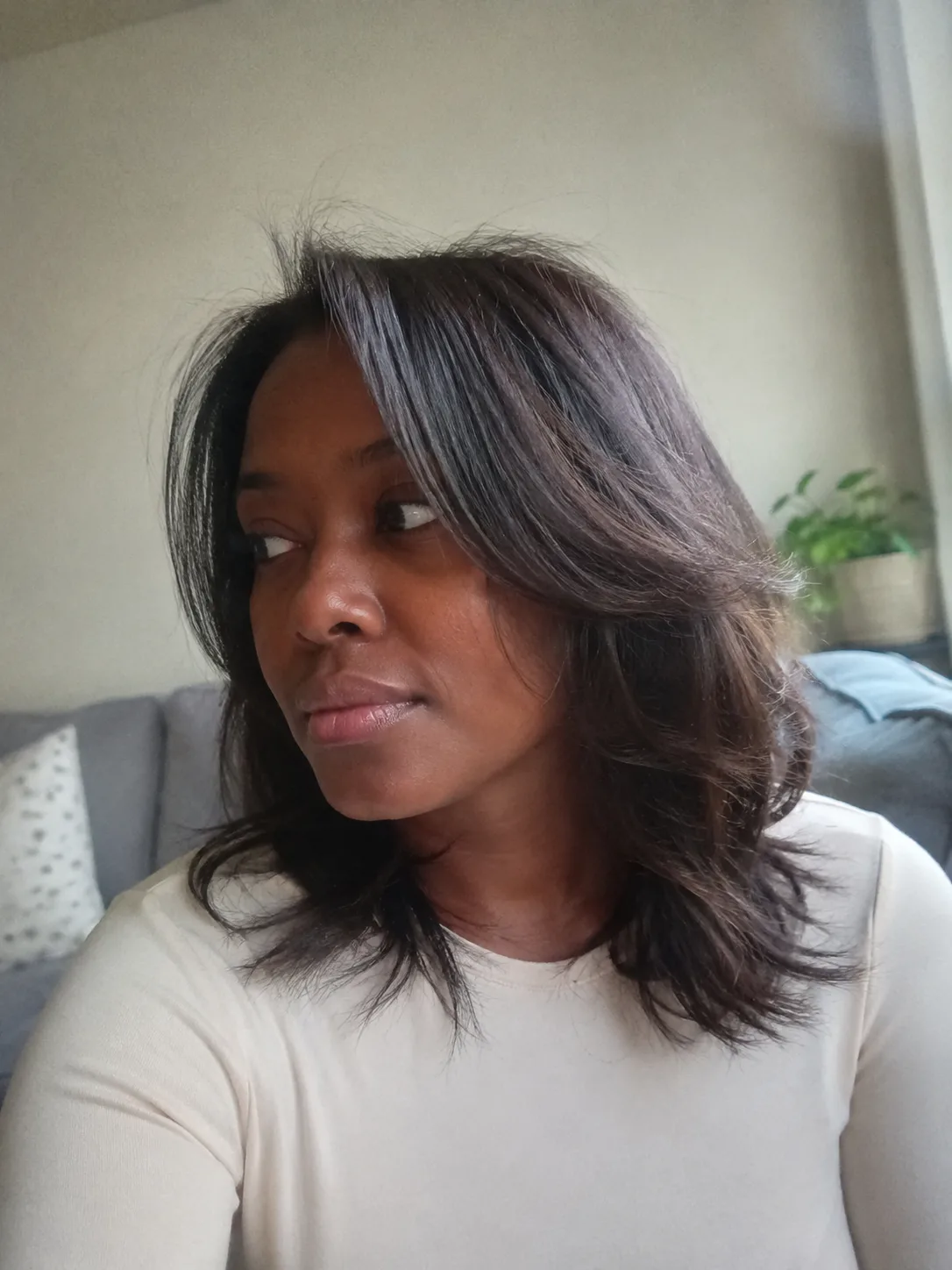
Whether you prefer a substantial or airy lower edge
How much crown lift you actually want
Where face-framing pieces should begin
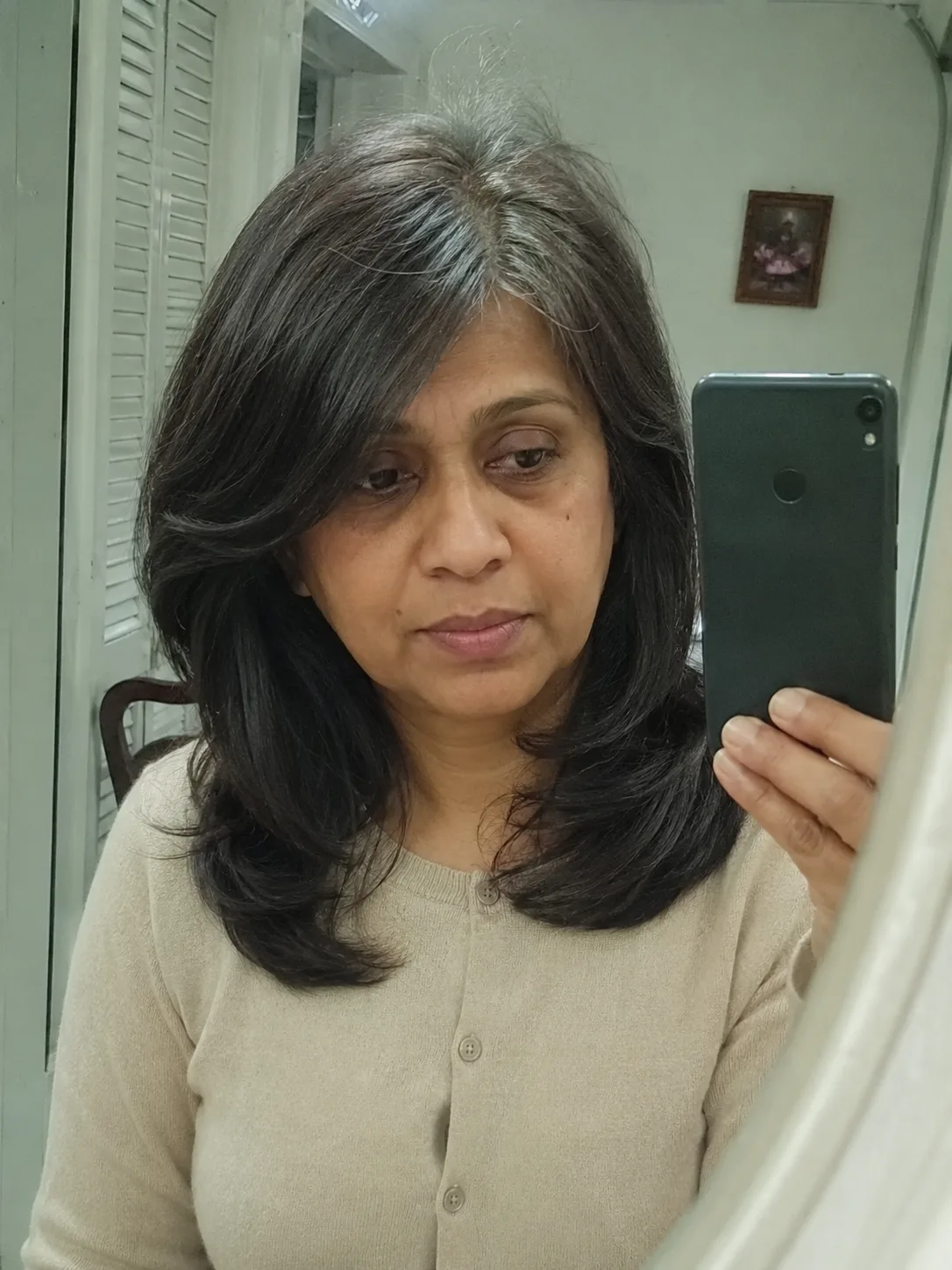
Whether you tuck your hair behind your ears or wear glasses regularly
Your usual air-dried, diffused, stretched, or heat-styled state
Any previous color or chemical processing that affects condition
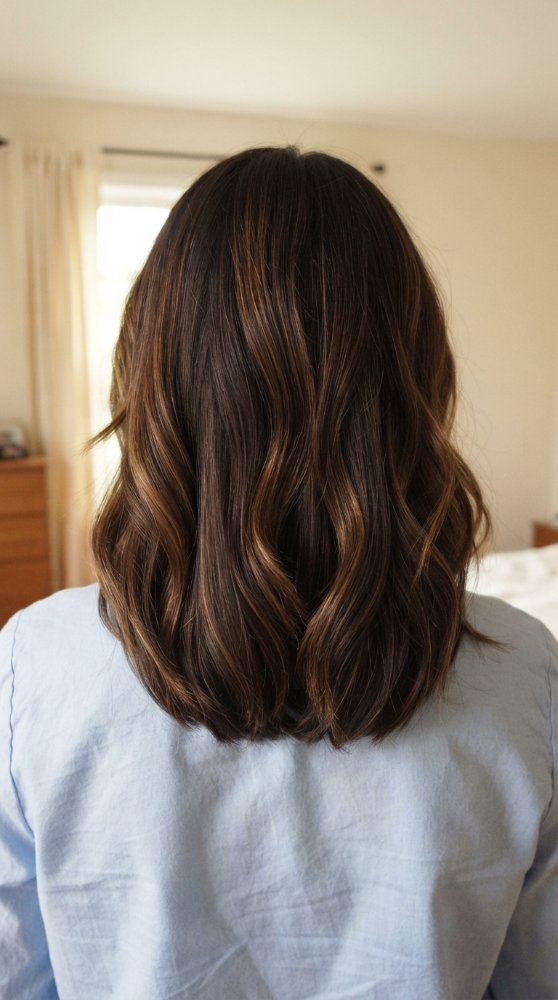
Whether keeping enough length for ponytails or updos matters
Bring more than one reference image when possible. One can show the overall length, another the front framing, and another the amount of layering you like. The photos don’t need to be identical. They need to make your priorities clear.
Most importantly, describe what you don’t want in physical terms. “I want movement but I don’t want thin-looking ends” is more useful than simply requesting subtle layers. “I like the crown in this photo, but I usually air-dry” opens an important conversation about how much styling creates the photographed result.
Related Hairstyles to Explore
FAQs
Are medium-length layered haircuts good for fine hair?
They can be. Fine describes the diameter of individual strands, not the amount of hair on the head. Fine hair with moderate or high density may support plenty of layering. With lower density or a transparent perimeter, longer layers and a stronger bottom edge are often a more flattering starting point than extensive interior removal.
Do layers make curly hair more voluminous?
They can change where the fullness sits. Shorter curls carry less length and may spring higher, creating more lift through the crown or sides. The exact effect depends on curl pattern, shrinkage, density, and where the layers are positioned. Plan the cut around the dry shape you want to wear.
Can you still put medium layered hair in a ponytail?
Usually, although the shortest layers determine how much hair reaches the elastic. Long layers are the easiest choice when ponytails and half-up styles are regular parts of your routine. Strong face framing or short crown pieces may need pins, clips, or a softer loose finish instead of a completely contained ponytail.
Should layered hair be cut wet or dry?
Either approach can be appropriate. Straight hair is frequently shaped wet and refined after drying, while curly and coily hair may be cut wet, dry, or through a combined method. What matters is that the stylist accounts for the state in which you normally wear the hair and checks how the final shape behaves there.
Hair Texture & Upkeep Style Matcher
Select your natural hair texture and daily maintenance window to get an instant styling formula and heat safety cap.
Heat Cap: 320°F (160°C)
A versatile three-strand braid beginning at the parietal ridge, securing the top half while allowing natural wave texture to flow freely around the shoulders.
Conclusion
Medium-length layered haircuts work best when the layers have a specific job. Keeping the lower edge substantial while adding deliberate movement is the most versatile starting point; shorter crown layers, stronger face framing, and heavier interior removal make sense when you actively want the shape they create.
Before your cut, decide which matters more: fullness at the perimeter, movement through the middle, crown lift, or a pronounced frame around the face. Then judge every reference photo against the way your own hair is usually worn. That conversation will tell you far more than asking for layers alone.
Editorial Standards & Hair Health Guidance
Every style featured on Tress Atlas is curated with a focus on real-world wearability, scalp tension management, and cuticle preservation. When trying protective styles or tight updos, ensure perimeter hairline sections remain tension-free to avoid traction stress on delicate follicles. For heat styling, cap tools below 350°F (180°C) to prevent thermal keratin denaturation.
Scientific Sourcing: Practices aligned with the American Academy of Dermatology (AAD) on traction alopecia risk reduction and cosmetic trichology research on hair tensile strength.