Chocolate Brown Hair With Highlights: What Changes the Result
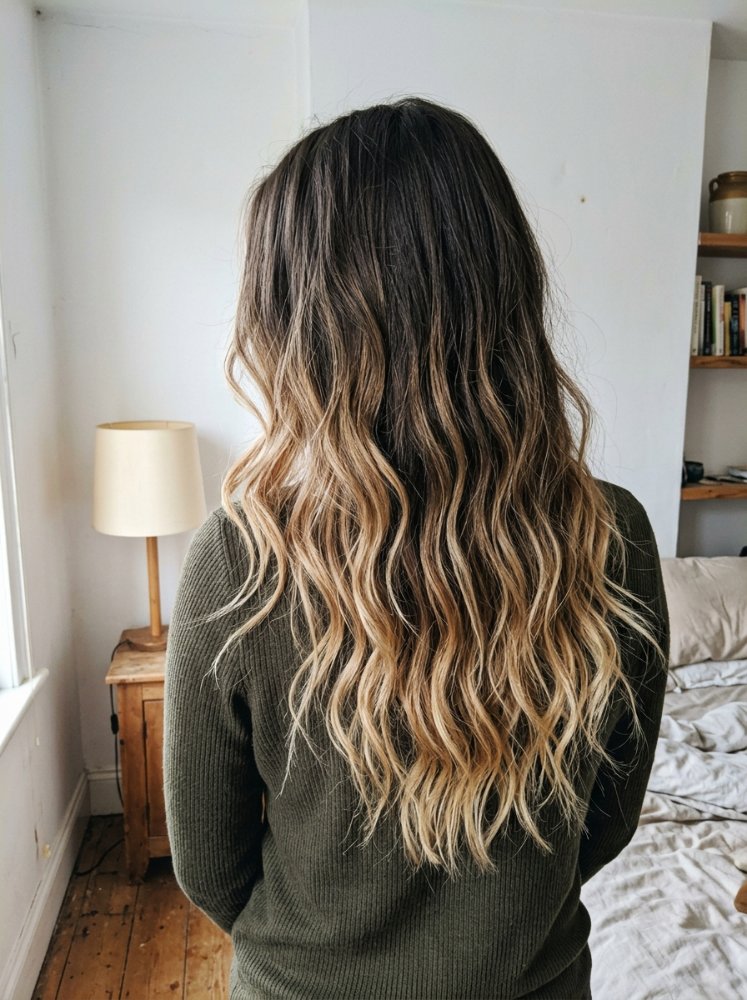
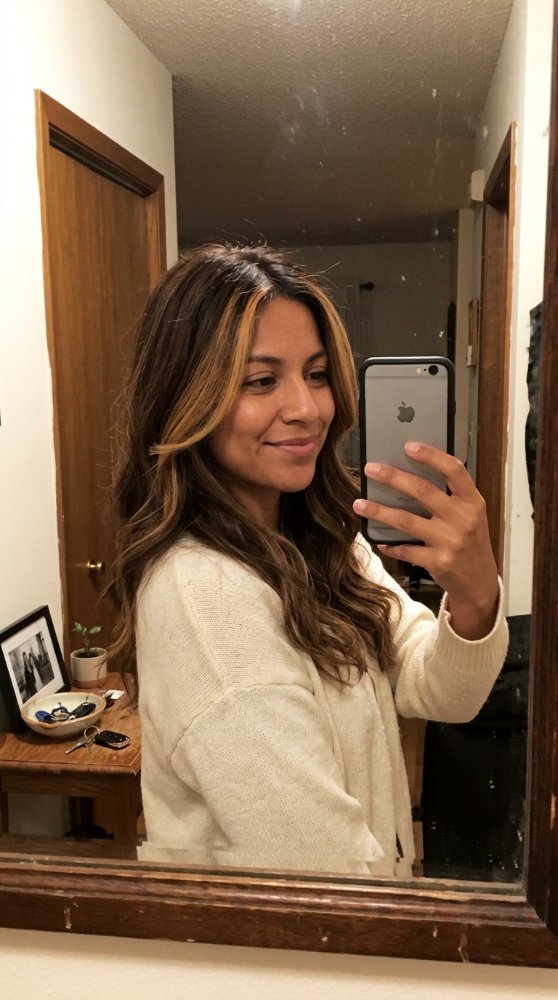
Chocolate brown hair with highlights looks simple in a finished photograph: a deep brunette base, lighter pieces, plenty of shine. The real decision is how much contrast you want and where that lightness should sit.
A soft chocolate base with fine caramel ribbons behaves very differently from a dark brunette base with bright face-framing highlights. Both can fit the same search phrase, yet they create different grow-out, different maintenance, and different demands on previously colored hair.
The most useful starting point is to decide whether you want the highlights to blend into the brown or clearly break it up. From there, placement, starting depth, hair condition, chemical history, and the way you normally wear your hair determine how achievable the reference photo really is.
Decide on Contrast Before You Choose a Highlight Shade
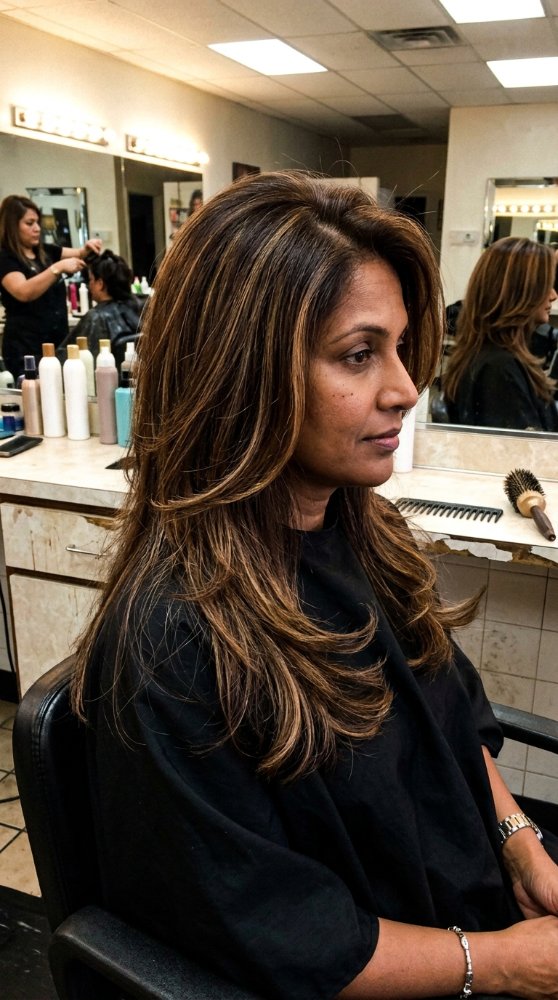
“Chocolate brown” usually describes a rich brunette effect with warm or neutral depth. It can lean cocoa, chestnut, mocha, or softly warm depending on the base and lighting. Highlights then change how dimensional, bright, or blended that brown appears.
Low-contrast highlights sit relatively close to the base. Think subtle caramel, muted toffee, or softly beige-brown pieces that become most visible when the hair moves. This is the easier direction when you want richness without turning the overall result into a noticeably highlighted brunette.
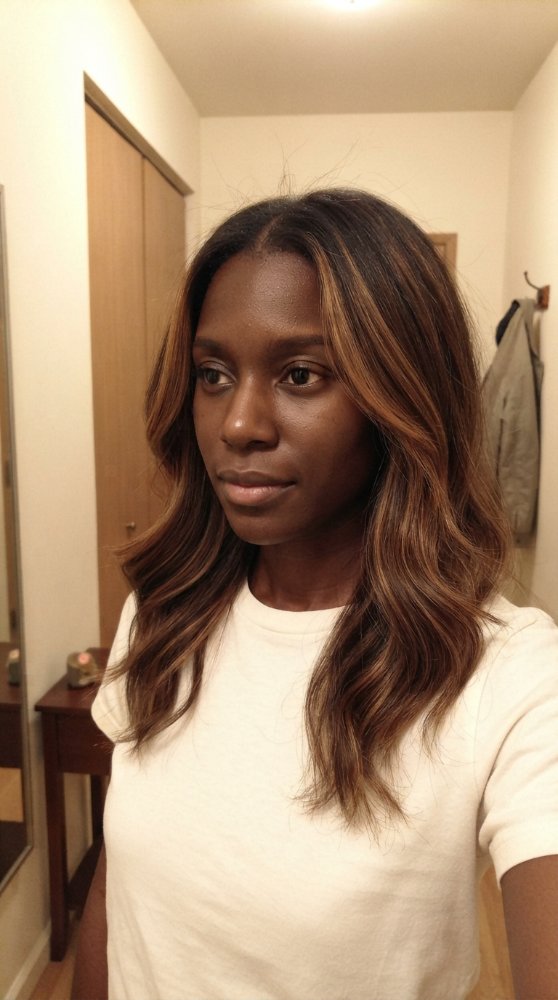
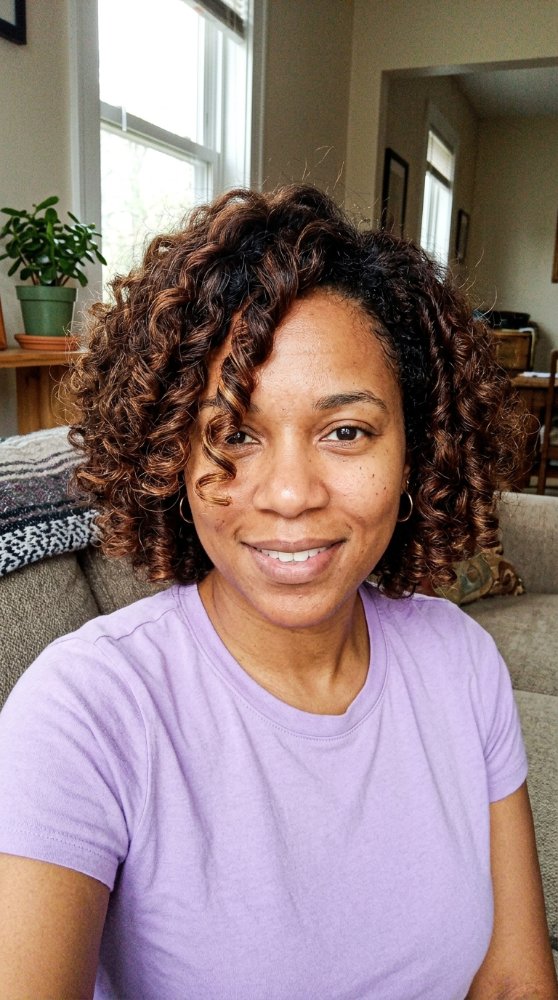
Medium contrast creates clearer ribbons. The lighter pieces are visible from conversational distance, especially around the face and through the mid-lengths. This is often the most versatile choice because the hair still reads chocolate brown first, but the highlight pattern has enough separation to show in waves, curls, and layered cuts.
High contrast changes the balance. Bright face-framing pieces, pale beige ribbons, or noticeably lighter ends make the highlights a major feature of the color. That can be striking, but it also exposes regrowth, toner fade, and uneven lift sooner.
A useful salon reference photo should match your preferred contrast as closely as possible. Shade names can be inconsistent, but the distance between the base and the lighter pieces is easy to see.
Your Starting Base Controls How Much Work the Color Requires
Chocolate brown hair with highlights can begin on natural brunette hair, previously colored brunette hair, lighter hair being taken darker, or hair that already contains old highlights. Those starting points are not interchangeable.
Natural medium-to-deep brunette hair often gives a colorist more freedom to place lighter pieces without first dealing with layers of artificial pigment. The exact result still depends on depth, undertone, strand condition, and how light the target highlights need to become.
Previously darkened hair deserves more caution. Permanent or repeated dark color can remain through the mid-lengths and ends even when the roots are natural. A bright caramel or beige reference may require more correction than the surface appearance suggests, and the old color can lift unevenly.
Hair that has already been highlighted presents the opposite problem. Some sections may be light enough, while others need depth restored to make the chocolate base feel substantial again. In that case, more highlights may not be the main service. The stronger plan can involve preserving usable light pieces, adding brunette depth where needed, and refining the tone.
Naturally lighter hair can also be moved into a chocolate-brown direction. Here the issue is often balance: enough depth has to be built into the overall result so the highlights still read as highlights. If everything remains too close in value, the color may look more like an all-over light brown than chocolate brown with dimension.
Bring an accurate color history to the consultation, including permanent color, lightening, relaxers, smoothing services, and other chemical processing. What is inside the hair matters more than how dark or shiny it appears in a photo.
Highlight Placement Changes the Hair More Than Most Shade Names Do
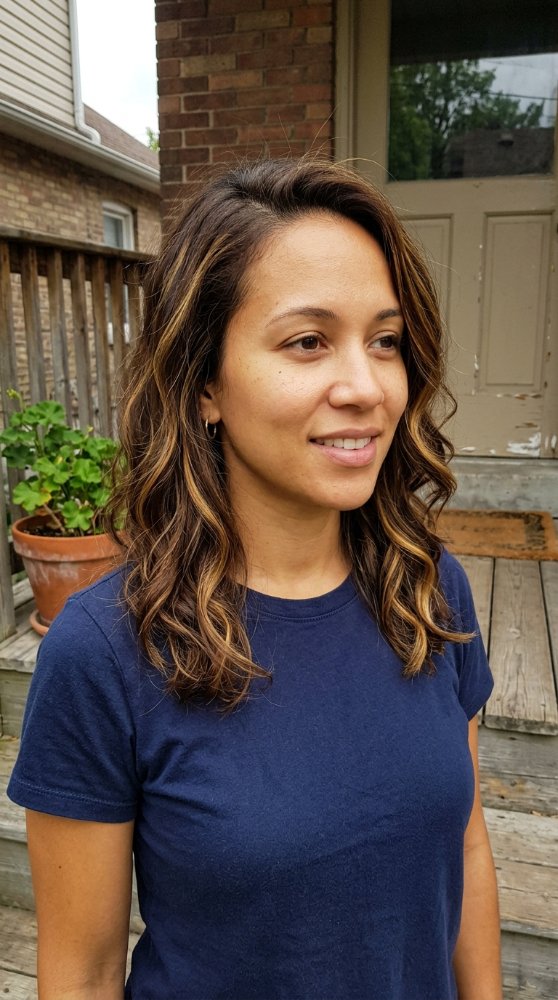
Two people can choose the same caramel tone and leave with completely different results because the placement is different.
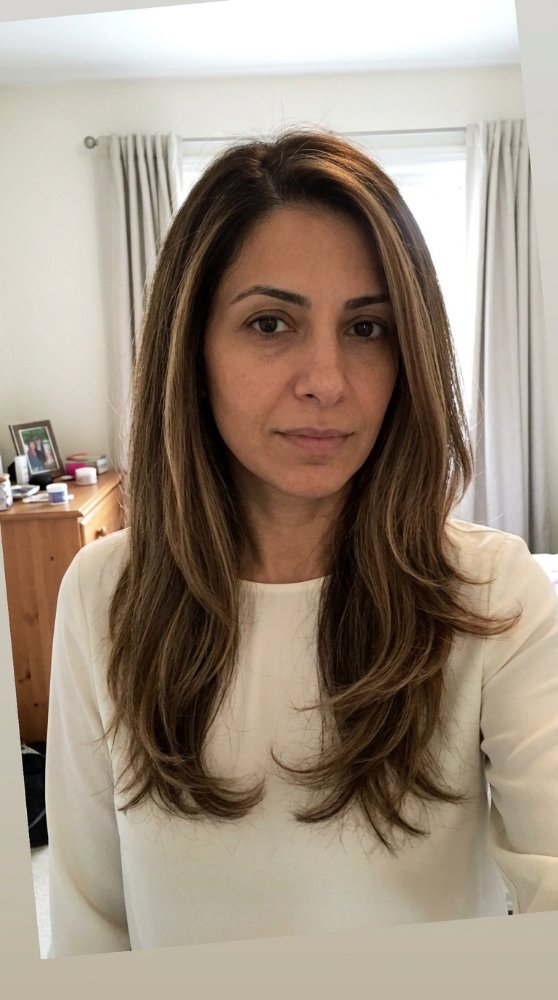
Fine highlights distributed through the interior create quiet movement. They work well when you want the brown base to dominate and the lightness to appear as the hair separates. This placement can be especially effective on layered hair because the lighter pieces catch through different levels of the cut.
Chunkier ribbons create stronger visual breaks. On waves or curls, those wider pieces can trace the bend pattern and make the shape easier to read. On straight hair, the same width may look more graphic because each highlight is seen as a clearer stripe.
Face-framing highlights concentrate brightness where people notice it first. They can range from a few soft pieces to a much brighter front panel. The closer those pieces sit to the hairline and the lighter they become, the more important condition and breakage risk are. Fine hairline strands may be less forgiving than the denser interior.
Balayage-style placement usually leaves more of the root area dark and builds brightness through the mid-lengths and ends. That can make grow-out feel softer, especially for someone who doesn’t want a repeated root-focused highlight pattern. The tradeoff is that long, lightened ends can accumulate chemical history over time.
A combination approach often gives chocolate brown hair the most depth: controlled brightness around the face, scattered ribbons through the body, and enough untouched or darkened brunette between them to keep the chocolate effect intact.
Your haircut matters here. A blunt bob displays placement differently from long layers. Curly and coily hair should be assessed in the state you normally wear it because shrinkage and curl grouping change where the highlights visually land. A placement map that looks balanced on stretched hair can gather into very different clusters once the hair returns to its usual curl pattern.
Which Highlight Tones Work With Chocolate Brown?
The strongest tone choice supports the brown you already want. You don’t need the lightest possible highlight to make chocolate brown look dimensional.
Caramel is the easiest place to start for a warm, blended result. It keeps enough brown in the highlight that the transition from the base feels connected. This pairing tends to emphasize richness more than brightness.
Toffee highlights push slightly brighter and more golden. They show more clearly through waves and layered movement, so they suit readers who want the highlights to register without moving into very pale blonde territory.
Honey-toned pieces create a warmer, sunnier effect. They can be beautiful against chocolate brown, but they also make warmth a deliberate feature of the color. If your reference image looks creamy or neutral rather than golden, honey may pull the result in the wrong direction.
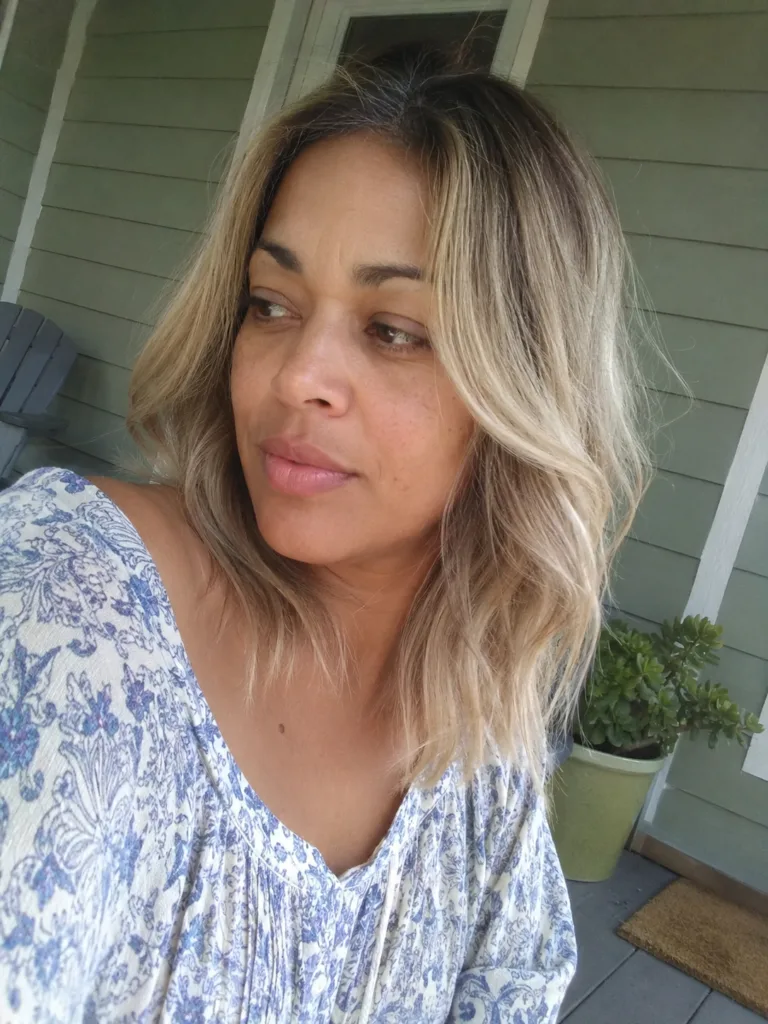
Beige-brown or neutral-beige highlights reduce the obvious warmth. They can make the finished color feel softer and more muted, particularly when the chocolate base is neutral rather than red-leaning. Keeping them in the brunette-to-dark-blonde family usually preserves a more cohesive result than chasing a very pale blonde.
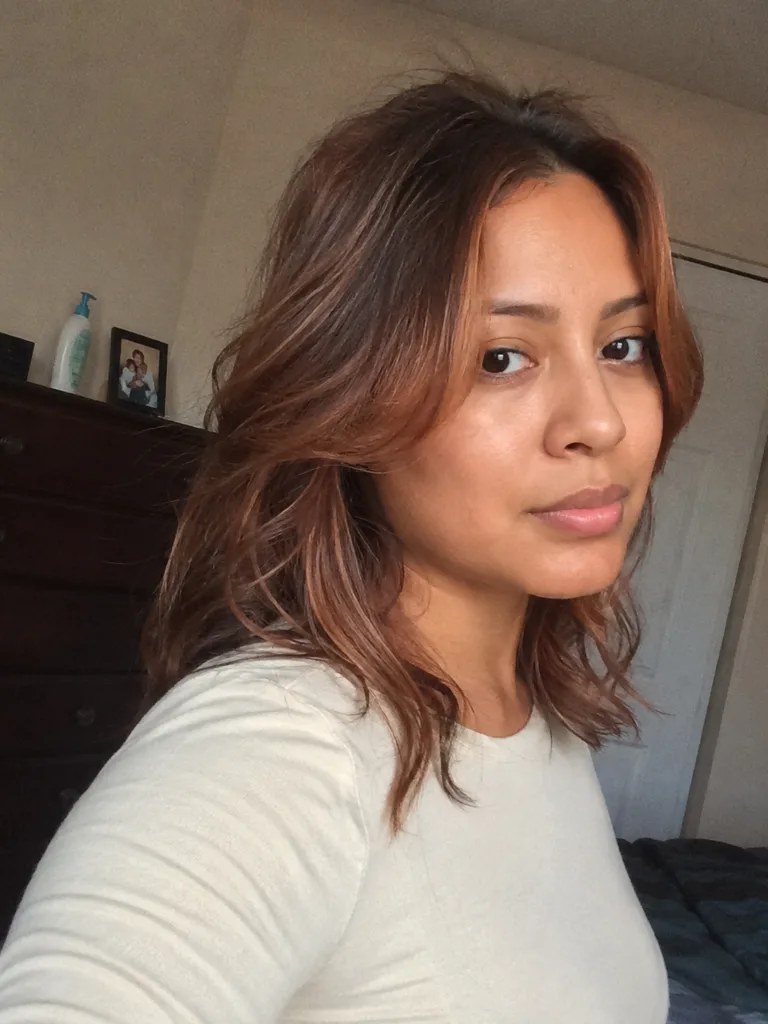
Chestnut or copper-brown accents bring visible red warmth into the color. This is a different mood from caramel. Instead of looking sunlit, the hair reads warmer and more autumnal, especially in direct light.
Mocha-on-chocolate is the lowest-contrast option. The lighter pieces may only be a little brighter than the base, but they create separation and movement without making the hair look heavily highlighted. This is an underrated choice for someone who likes brunette depth and wants the easiest visual transition during grow-out.
Tone can drift between appointments. Warmth may become more obvious as a cool or neutral finish fades, while very porous ends can hold or release tone unevenly. Maintenance should respond to the tone you actually see rather than following a fixed product routine.
Hair Condition and Chemical History Set the Real Limit
The healthiest-looking reference result is rarely about shade alone. Shine, smooth ends, and even reflectivity depend heavily on the condition of the hair before and after color.
Highlights involve lightening selected sections, so previously processed lengths deserve careful assessment. Hair that has been lightened before, permanently darkened, relaxed, or otherwise chemically altered may need a more conservative target. A staged plan can be more sensible than forcing maximum contrast immediately.
Transparent ends, frequent breakage, or a fragile hairline also change the placement decision. Strong brightness concentrated in the weakest area can make a dramatic photograph, but it may be a poor tradeoff if those strands cannot tolerate the same processing as the interior.
Fine strands and low density need separate consideration. Fine describes strand diameter; low density describes how many strands are present. Fine strands may require more conservative lightening because each strand has less physical mass. Low-density hair may look more separated when strong highlights create clear contrast between individual sections. A colorist can adjust highlight width, spacing, and depth to support the visual effect you want.
Porosity matters as well. More porous areas can accept and lose tone differently from less porous sections, which is one reason old lightened ends sometimes look warmer, duller, or more hollow than newer highlights.
This is where a consultation earns its value. The target should be built around the hair you have now, not the lightest photo you can find.
What Reference Photos Fail to Show
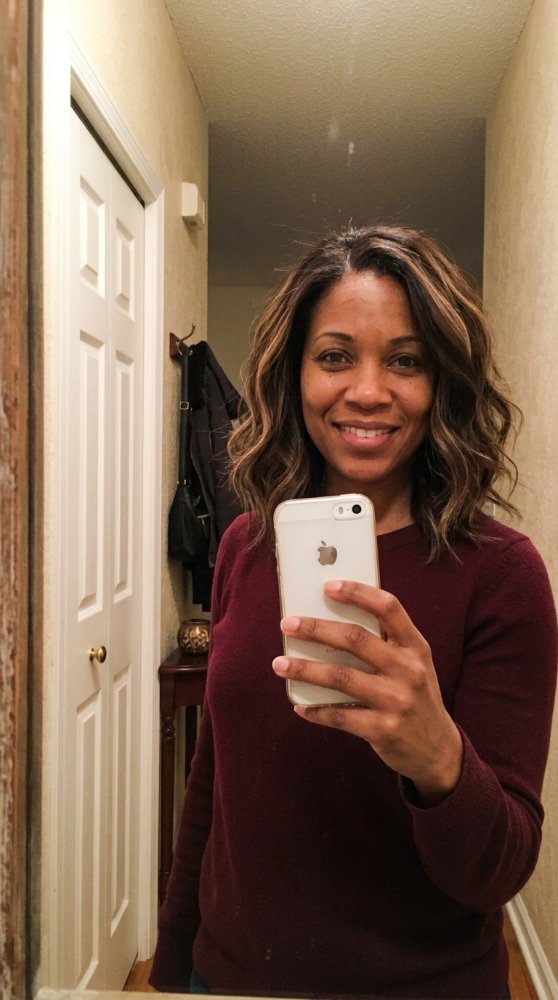
Lighting can make chocolate brown hair appear several shades different. Warm indoor light can exaggerate caramel and copper tones. Bright daylight can reveal contrast that looked subtle indoors. Edited photos may also smooth out tonal variation that is obvious in person.
Styling changes the color just as much. Waves separate highlight ribbons and expose multiple surfaces of the hair, which makes dimension look stronger. Straight hair lays those same pieces flatter, so spacing and line become more visible. Curly and coily hair group into sections; one lightened ribbon may disappear inside a curl cluster while another becomes a focal point.
Density changes how much brunette remains between highlights. Dense hair can hold many lighter pieces and still read dark overall. Lower-density hair may reach a visibly highlighted effect with less lightened hair because there is less background depth between the sections.
Length changes the balance too. On long hair, highlights can gradually become brighter toward the ends without taking over the root area. On a bob, there is less vertical space for that transition, so the placement has to work harder. A very bright end can represent a large percentage of the visible haircut.
Even the way you part your hair matters, though it shouldn’t become the only placement decision. A center part, side part, fringe, or frequently changing part can expose different sections. Tell your colorist how you actually wear the hair, including ponytails, buns, stretched styles, or natural curls. Highlights that look ideal with the salon finish should still make sense on an ordinary wash day.
Grow-Out, Tone Drift, and Everyday Upkeep
Maintenance begins with the type of contrast you choose.
Fine, blended highlights generally grow out more quietly because there is less obvious separation between the natural root and the lighter pieces. A diffused root area also reduces the look of a hard line. Brighter highlights placed close to the scalp make new growth easier to notice, especially around the face.
Tone maintenance is separate from root maintenance. The placement may still look balanced while the lighter pieces become warmer, flatter, or less glossy. A salon gloss or toner may be used to refine unwanted tone, but the right approach depends on what the highlights have shifted toward and the condition of the hair.
At home, treat highlighted sections as processed hair. Gentle detangling, sensible heat use, and enough conditioning to support flexibility matter more than chasing a complicated routine. Heat settings should match the tool, technique, and condition of the hair rather than a universal number.
Frequent swimming, sun exposure, hard water, and repeated hot-tool use can all change how the color looks or feels. You don’t need a rigid correction schedule. Dullness, roughness, unwanted warmth, or a loss of contrast are practical reasons to reassess the routine or salon plan.
For curly and coily hair, the wash-and-dry process deserves extra attention after highlighting. Lightened sections may feel different from the rest of the hair, especially when there is existing porosity variation. Detangle carefully and judge the finished shape in the curl pattern you normally wear.
Build the Salon Plan Around the Result You Can Maintain
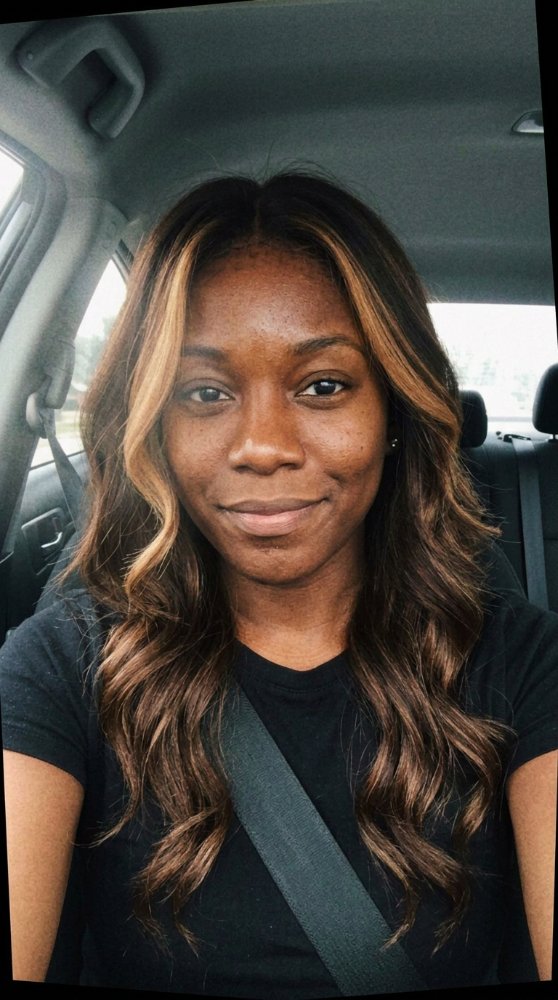
A useful consultation is more specific than “I want chocolate brown with caramel highlights.” Bring photos that show the contrast, placement, and overall brunette depth you like. A second set of too-bright or too-striped references can be just as useful because it defines your limit.
Discuss the following before the service:
Your natural base and visible regrowth
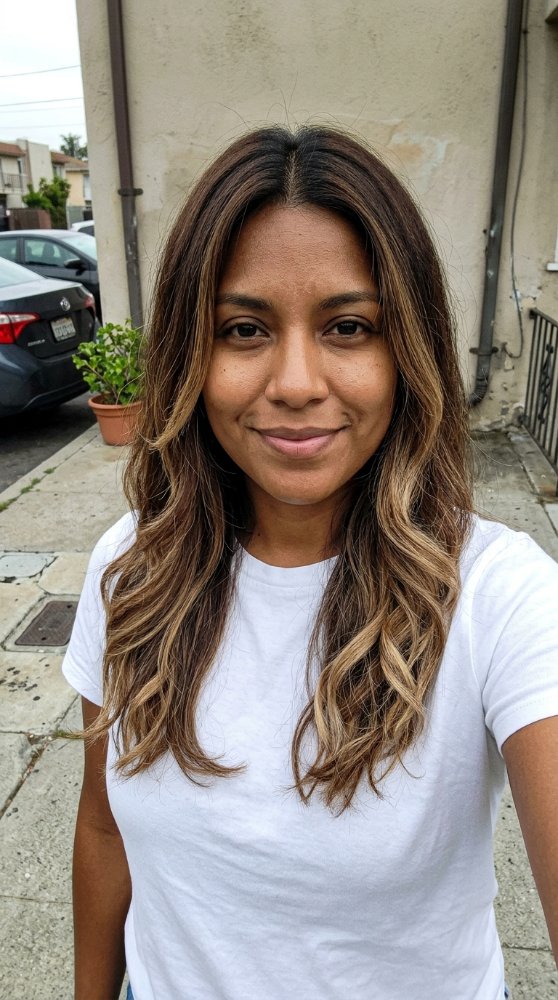
Permanent color or previous lightening through the lengths
Any relaxer, smoothing, or other chemical history
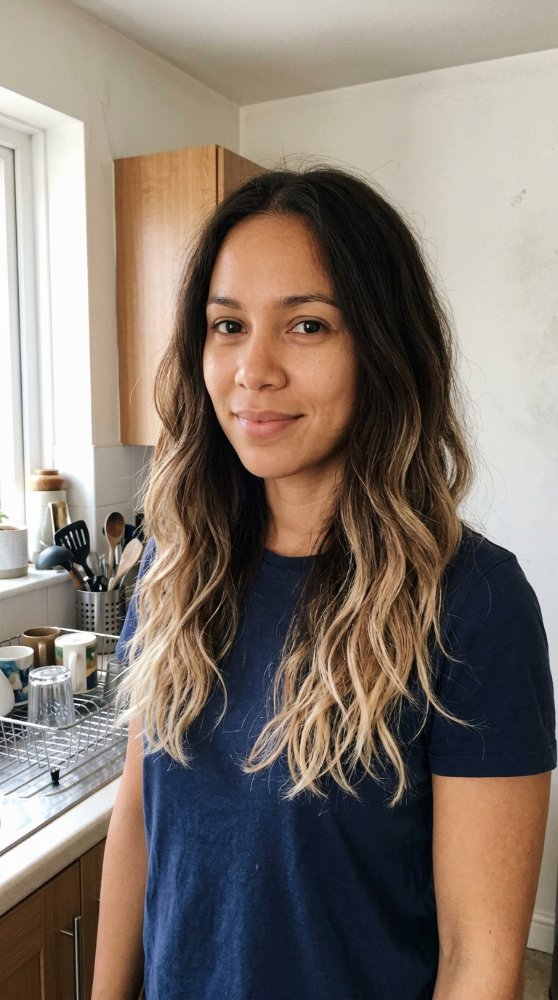
Where you want the brightest pieces to appear
Whether you normally wear the hair straight, wavy, curly, coily, stretched, or in updos
How much visible grow-out you are comfortable with
Which areas feel fragile or break easily
Whether preserving length matters more than reaching the lightest target immediately
A practical default for many readers is medium contrast: keep the chocolate brown dominant, place the clearest brightness around the face and through selected lengths, and avoid pushing every highlighted section to the same level. It gives the color movement without making the whole result depend on constant tonal perfection.
Very high contrast is worth the extra upkeep when the brightness itself is the point. Very low contrast is stronger for someone who wants brunette richness first and highlights second.
The salon plan should also leave room to change direction later. Overly dense lightening can make it harder to return to a deeper chocolate result without adding depth back into the hair. Strategic negative space—the brunette left between highlights—is what keeps the color dimensional.
Related Hairstyles to Explore
- Dark Brown Hair With Highlights
- Dark brown hair with blonde ideas
- Dark brown hair color ideas
- Whimsical Hairstyles
FAQs
Can chocolate brown hair with highlights work on naturally black hair?
Yes. The achievable contrast depends on the starting depth, undertone, condition, and whether the hair contains artificial color. On very dark hair, a soft caramel result can be a more realistic first target than a pale beige highlight. Previously colored black hair may require a more corrective or staged approach because artificial pigment can lift unevenly.
What highlights look most natural with chocolate brown hair?
Low- to medium-contrast caramel, mocha, toffee, and soft beige-brown highlights tend to blend most easily with chocolate brown because they preserve enough depth to stay connected to the base. Placement matters as much as shade. Fine ribbons and diffused brightness usually look more blended than wide, bright sections placed uniformly from root to end.
Is chocolate brown with highlights a good choice for curly or coily hair?
It can work very well because curls and coils naturally separate the color into visible sections. The placement should be assessed in the texture and styling state you usually wear. Shrinkage and curl grouping can move the visual position of a highlight, so a pattern planned only on stretched or straightened hair may look different once the hair returns to its usual shape.
Can I keep chocolate brown hair if my highlights get too light over time?
Usually, yes, but the right correction depends on the condition of the lightened hair and how much depth has been lost. A colorist may preserve some lighter pieces while adding brunette depth back between them or refining the tone. Repeatedly lightening already-bright ends is rarely the useful response when the main problem is that the overall color no longer reads chocolate brown.
Hair Texture & Upkeep Style Matcher
Select your natural hair texture and daily maintenance window to get an instant styling formula and heat safety cap.
Heat Cap: 320°F (160°C)
A versatile three-strand braid beginning at the parietal ridge, securing the top half while allowing natural wave texture to flow freely around the shoulders.
Conclusion
Chocolate brown hair with highlights works best when the brunette base still has a clear job. Decide first whether you want subtle dimension, visible ribbons, or a brighter face-framing effect, then choose the tone and placement that support that level of contrast.
The next useful step is to compare your reference photo with your actual starting base and chemical history. If the hair is already heavily colored or lightened, protect condition and preserve useful depth before chasing more brightness. A well-planned chocolate brown result should still look like the color you chose once the salon waves are gone and you’re styling it in your normal routine.
Editorial Standards & Hair Health Guidance
Every style featured on Tress Atlas is curated with a focus on real-world wearability, scalp tension management, and cuticle preservation. When trying protective styles or tight updos, ensure perimeter hairline sections remain tension-free to avoid traction stress on delicate follicles. For heat styling, cap tools below 350°F (180°C) to prevent thermal keratin denaturation.
Scientific Sourcing: Practices aligned with the American Academy of Dermatology (AAD) on traction alopecia risk reduction and cosmetic trichology research on hair tensile strength.