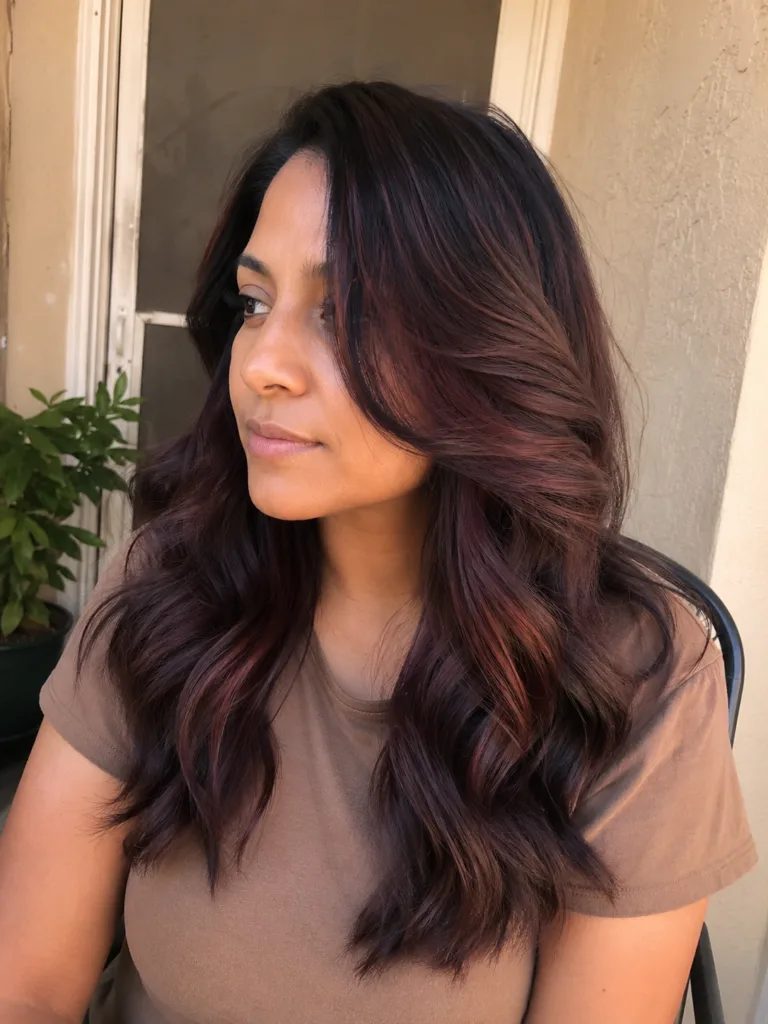
Red Hair Color Ideas, From Soft Copper to Deep Cherry: Complete Styling & Placement Guide
Red hair can be quiet enough to read as warm brunette or bright enough to become the first thing anyone notices. That range is exactly why choosing “red” from a reference photo can be frustrating. Two shades with similar names may require very different starting bases, placement, lightening, and upkeep.
The most useful decision is how much red you want to see in ordinary light. Strawberry blonde and ginger brown keep the effect blended into a familiar base. Copper makes warmth much more obvious. Auburn and mahogany add depth. Burgundy and mulberry push toward violet. Vivid cherry, crimson, and raspberry require greater commitment to saturation.
Your existing hair matters just as much as the target shade. Natural depth, artificial pigment, previous lightening, porosity, condition, and chemical history all affect how easily a red can be created and how evenly it holds. A color that looks almost effortless on a light natural base may involve significant lightening or color correction on previously darkened hair.
This first comparison helps narrow the visual direction before you start choosing shade names.
Warm Reds That Can Still Feel Natural
Strawberry Blonde

Strawberry blonde is the softer end of the red spectrum: a light base warmed with enough copper-red to keep it from reading simply golden. It makes the most sense when you want people to notice warmth before they notice “red hair.” On a naturally light starting point, the effect can remain delicate. A considerably darker base changes the service because the lightness is part of the look, not just the red tone.
Apricot Copper
Apricot copper has a lighter, softer quality than a classic orange-copper. Think peach, pale copper, and warm golden-red living in the same family.
The appeal is its brightness without the visual heaviness of a deeper auburn. It can be especially striking on hair with movement because bends, curls, and layers create lighter-looking and deeper-looking areas as the hair turns. The lightness required for a clear apricot result makes starting depth and previous color important consultation points.
Classic Copper
For someone who wants unmistakably red hair while staying on the warm side, classic copper is one of the strongest starting points. It sits between strawberry softness and vivid fashion red, with enough orange warmth to look luminous instead of brown.
The reference photo matters here. Copper can range from muted penny tones to a much brighter orange-red, and indoor photographs frequently make those versions look closer than they are. Compare images taken in more than one lighting condition and pay attention to whether the root, midlengths, and ends are actually the same depth.
Hair history can change the plan substantially. Previously darkened lengths may resist the brightness shown in a photo, while porous or previously lightened areas can take and release tone differently from healthier sections. A believable copper result depends on creating the right canvas as well as choosing the right red.
Golden Copper

Golden copper gives red a sunnier finish. Compared with classic copper, it carries enough gold that the color can look almost honeyed through the brightest pieces.
This is a useful direction when pure orange-copper feels too intense but strawberry blonde feels too pale. The gold component also changes how fading looks, so discuss whether you enjoy a warmer, softer evolution between color appointments rather than focusing only on the freshly colored result.
Ginger Brown
Ginger brown keeps a recognizable brunette foundation while warming it with copper and muted red. It’s one of the more practical choices for someone who likes red hair but doesn’t want the base to feel dramatically lighter.
Compared with auburn, ginger brown generally reads earthier and more copper-forward. It also works well when the haircut itself has a strong shape—such as a bob or heavy layered cut—because the color adds warmth without competing with the outline through extreme contrast.
Terracotta Red
Terracotta sits between copper and brown with an earthy, slightly muted orange-red character. The restraint is what makes it interesting. Instead of aiming for maximum brightness, the color looks grounded and clay-like, especially through medium depths.
This direction is worth considering when clear copper feels too fiery and auburn feels too conventional. Texture adds plenty of variation on its own, so curls and waves can give terracotta depth without requiring sharply contrasting highlight placement.
Auburn
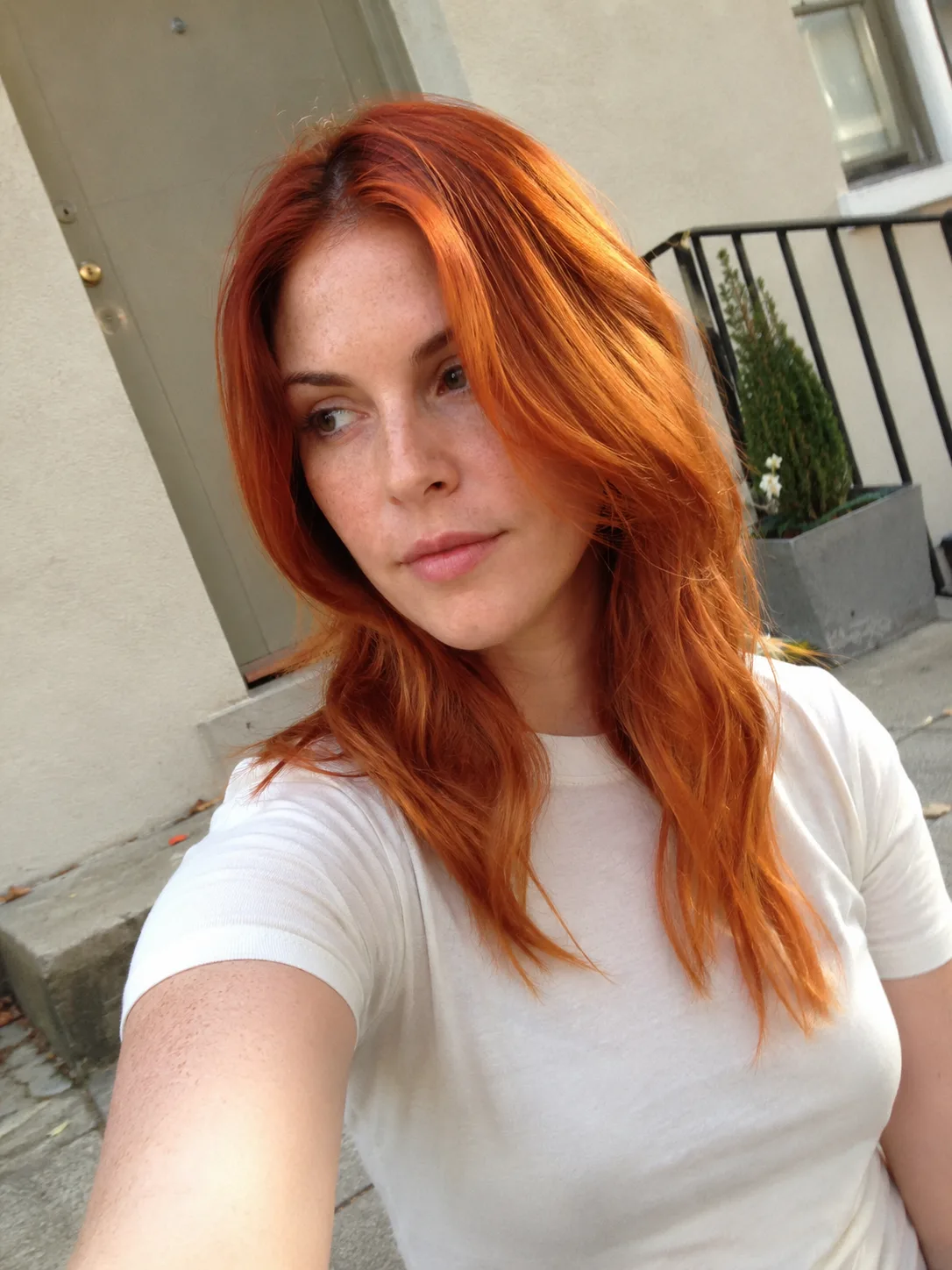
Auburn is the strongest all-round option in this group when you want red to feel rich rather than bright. Brown depth supports the red, which gives the overall color more weight than strawberry blonde or copper.
There’s also room to adjust how auburn behaves. A warmer version leans copper-red; a cooler version moves closer to mahogany. That distinction should be visible in your reference images, because simply asking for auburn leaves a wide tonal range open to interpretation.
Auburn is particularly useful when you prefer a root area that doesn’t look dramatically separated from medium or dark natural growth. It still needs color maintenance, but the visual transition can be softer than a much lighter copper against a deeper base.
Deep Reds With More Brunette or Violet Depth
Mahogany Red-Brown
Mahogany is a better choice than bright copper when depth is part of the appeal. The red sits inside a substantial brown base, often with a cooler or slightly violet influence that keeps the result from looking orange.
On straight or smooth hair, mahogany can look almost uniform until light hits the surface. On curls, waves, and layered shapes, that same depth can separate visually as different sections catch the light. It’s a sophisticated route into red for someone who wants richness without a high-brightness finish.
Cherry Cola

Cherry cola relies on contrast between a deep brunette foundation and a visible cherry-red reflection. In lower light it can look dark and restrained; brighter light reveals much more of the red.
That lighting dependence is part of the style, not a flaw. Choose cherry cola because you like a red that shifts with the environment. Someone hoping for obvious red in every room will usually be happier moving toward a brighter cherry or true red.
Burgundy
Burgundy takes red toward wine and violet instead of copper. It creates a cooler, deeper mood than auburn, especially when placed over a medium-to-dark-looking base.
The important distinction is how much purple you actually want. Some burgundy references remain clearly red with a cool cast, while others approach plum. Put several references side by side before a consultation; the amount of violet affects the entire impression of the color far more than the burgundy label suggests.
Mulberry Red
Mulberry pushes the red-violet relationship further. It has a berry quality that separates it clearly from warm auburn and orange-based copper.
That cooler direction can be especially effective when you want red to look saturated without becoming fire-engine bright. Deep mulberry on a brunette base can retain plenty of shadow, while a lighter canvas makes the berry tone far more obvious.
The practical question is whether you enjoy the violet side of the fade as much as the fresh result. Red and violet tones don’t always leave the hair at the same visual rate, so the balance you see immediately after coloring may evolve. Maintenance should be planned around the direction the color tends to drift, not simply around making it “red again.”
Espresso Red
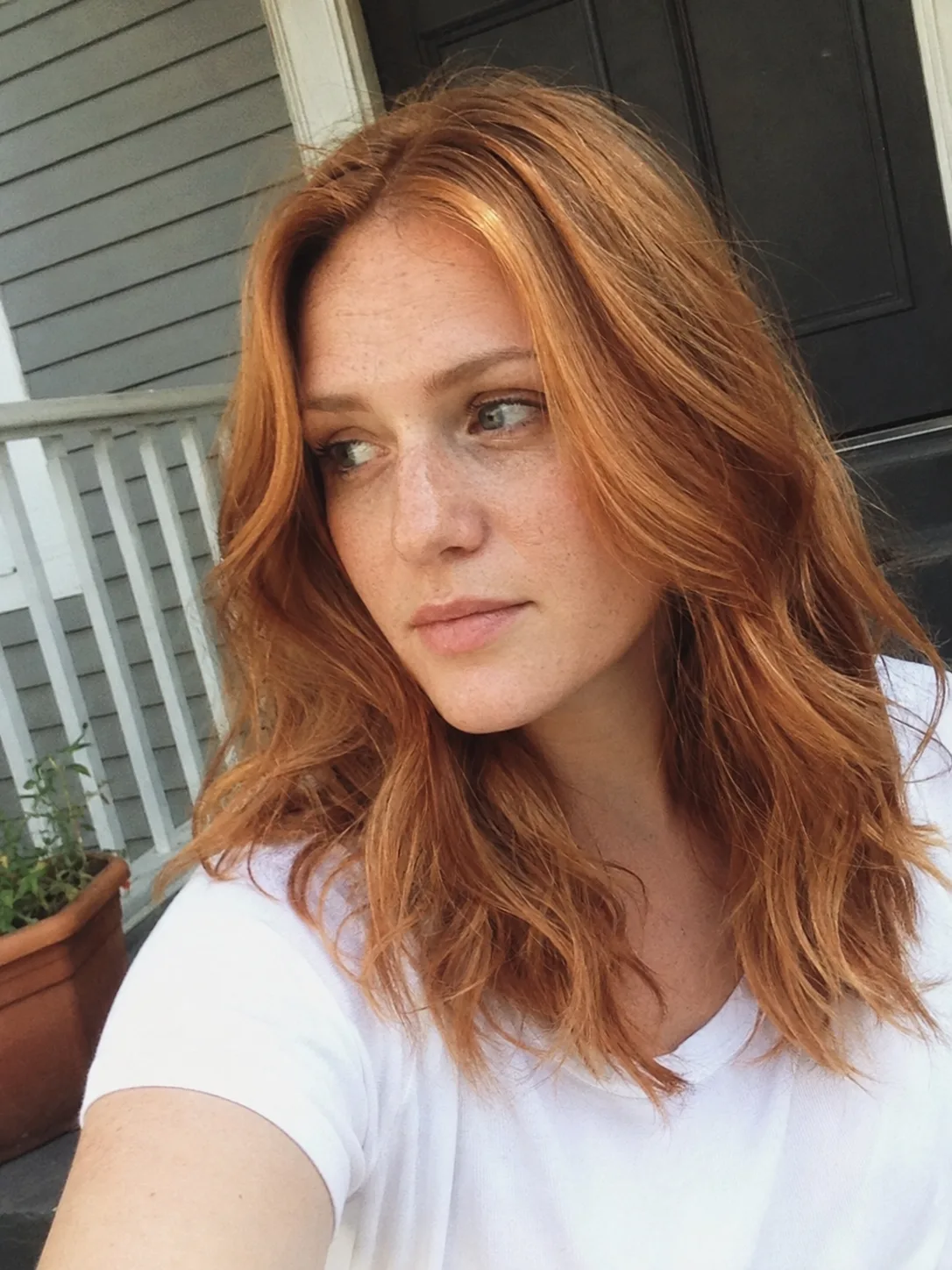
Espresso red is for the reader who wants the smallest step away from dark brunette. The base stays deep, while a red cast becomes apparent across the surface and through movement.
A gloss-like approach can make this family feel especially low-drama because the hair doesn’t need to look vividly red from across the room. It’s a poor match for reference photos showing bright ruby ribbons or fiery copper ends; those depend on much more visible contrast and, in many cases, a lighter underlying canvas.
Brighter Reds That Make the Color the Main Feature
True Red
True red avoids leaning heavily orange or violet. It’s the central, saturated red people often picture when they ask for a bold transformation.
Because the color itself is the focal point, uneven starting depth becomes easier to notice. Existing highlights, dark artificial pigment, porous ends, or bands from previous coloring can all influence how consistent the red appears. A full consultation is more useful here than choosing a swatch in isolation.
Vivid Cherry Red
Cherry red brings more brightness and a slightly juicy, energetic quality to the red family. Compared with cherry cola, there’s less brunette restraint and much more obvious saturation.
This shade earns the extra maintenance when you actively want red to dominate the look. On a layered cut, the brightness can emphasize movement through the ends; on a blunt shape, the uninterrupted surface creates a stronger block of color. Dark roots can also become a deliberate part of the design rather than something that must be completely concealed.
Crimson Red

Crimson has a deeper, cooler feeling than a bright cherry but still reads as a clear statement red. It works particularly well for someone who finds orange-based reds too warm yet doesn’t want to cross fully into burgundy.
A darker root can give crimson more dimension and soften the appearance of regrowth. A more uniform application creates greater graphic impact, especially on smooth bobs and long, relatively solid shapes.
Condition deserves attention before chasing maximum intensity. Hair that has already been heavily lightened or chemically processed may need a different color strategy from strong, minimally processed hair. Pushing for a specific brightness at the expense of the hair’s condition is rarely a worthwhile trade.
Raspberry Red
Raspberry moves red toward pink instead of purple-brown. It feels brighter and more playful than burgundy while staying cooler than classic cherry.
It’s especially useful when you want a vivid result that doesn’t resemble copper in any lighting. The pink-red balance can be adjusted in strength, but the starting canvas has a major influence on how cleanly that character appears. On darker hair, a subtle raspberry cast and a clearly vivid raspberry are two very different targets.
Placement-Led Red Hair Color Ideas
Copper Balayage
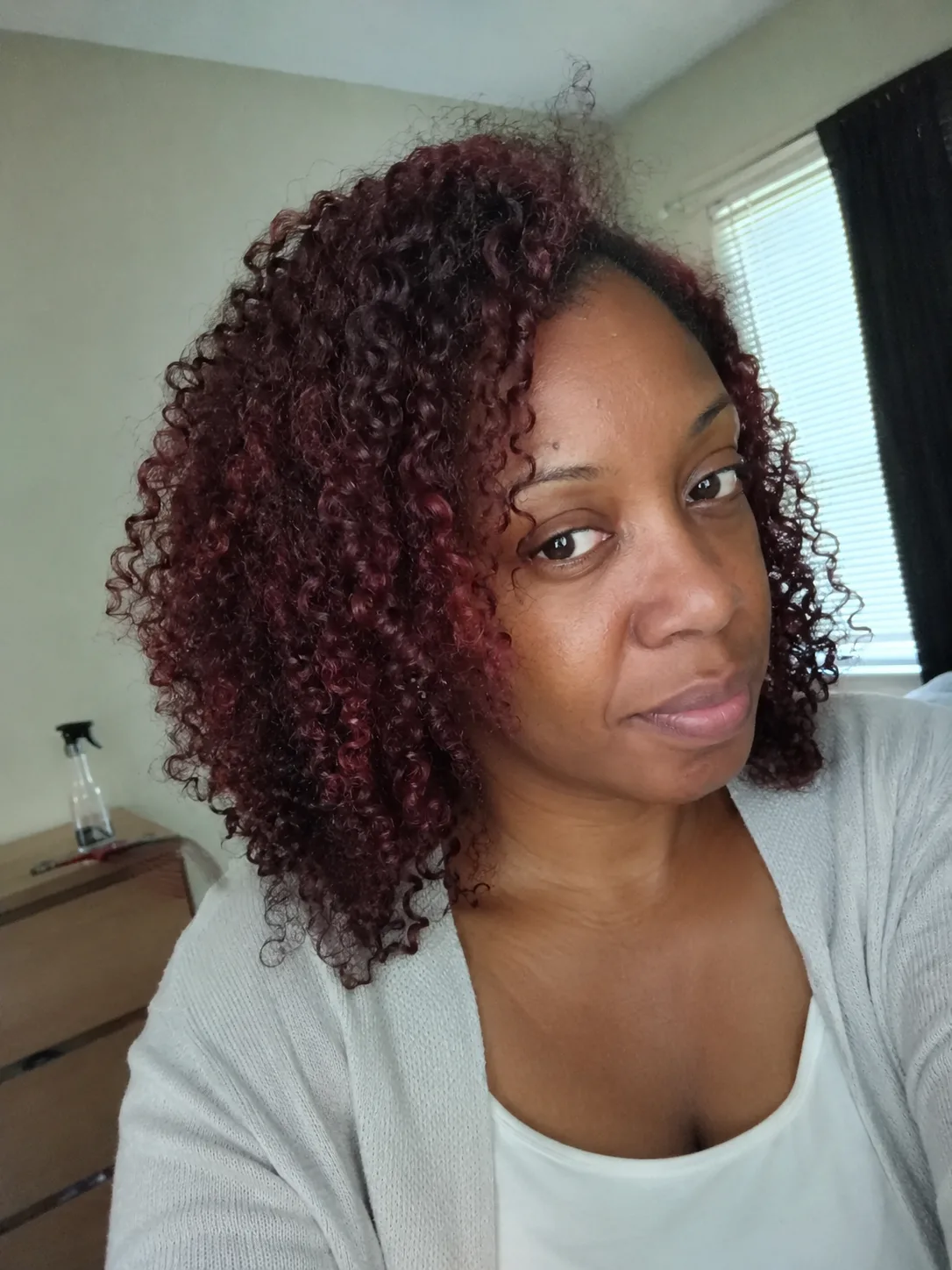
Copper balayage keeps natural or darker depth through part of the hair and places warmer lightness where movement can show it. The contrast makes copper visible without requiring every strand to become the same red.
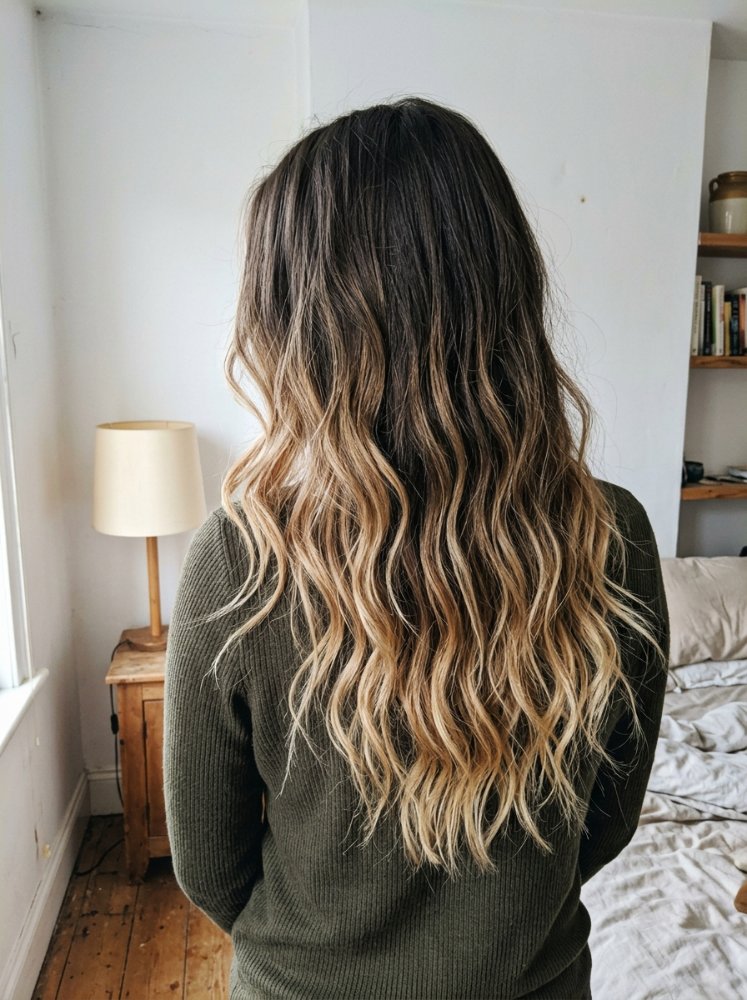
It’s one of the strongest options for someone who likes dimension more than uniform color. The placement should follow the haircut and normal styling state: a balayage designed around loose waves can distribute very differently when the hair is usually worn tightly curled, stretched, or straight.
Red-to-Copper Ombré
Ombré gives red a clear vertical progression. A deeper red or brunette-red root area moves into brighter copper through the lower lengths, creating a visible transition rather than scattered highlights.
The effect is especially strong on medium and longer lengths because there’s enough space for the gradient to develop. Shorter hair can still use the concept, but the transition becomes tighter and more graphic. Ask where you want the brightest section to begin; that decision changes whether the result feels mostly brunette, mostly red, or mostly copper.
Ribboned Red Highlights on Brunette Hair
Red ribbons create deliberate strands of contrast through a brunette base. Unlike balayage, which usually aims for a more diffused transition, ribbon placement lets the colored pieces remain visibly separate.
The width and spacing have a large effect. Finer ribbons create shimmer through movement, while broader pieces make the red part of the haircut’s graphic structure. Placement around the crown and sides also determines how much red appears when the hair is tied back.
Curly and coily hair deserve planning in the state you normally wear. A highlight that looks perfectly spaced while the hair is stretched can cluster differently after shrinkage and curl grouping return. The most useful reference is a finished result with a texture and styling state reasonably close to yours.
Red Peekaboo Underlayer

A red underlayer hides much of the color beneath a darker top section, then reveals it through movement, half-up styles, ponytails, or tucked sections. It gives you a genuinely bold red without turning the entire outer surface into a vivid color.
The concealed placement also changes the grow-out experience because the root transition isn’t always sitting along the most visible parting. Choose this for the reveal effect. Someone who wears the hair down and wants red visible from every angle will get more value from surface ribbons or an all-over color.
Color-Blocked Red Panels
Color-blocking uses larger, deliberate sections instead of blending the red throughout the hair. A red side panel, broad interior slice, or contrasting back section creates a stronger geometric effect than conventional highlights.
The haircut becomes important because the panel needs somewhere to live. Layers may expose and conceal different portions as they move, while a blunt bob can turn a color block into a very crisp design element.
This is also a smart option for someone who wants one area of high-impact red while preserving a substantial amount of the original base. The tradeoff is precision: as the haircut grows or the usual part changes, the block can sit differently than it did in the original design.
Split-Dye Red and Brunette
Split color makes the contrast impossible to miss. One side or major section remains brunette while the other becomes red, creating two distinct color fields instead of blended dimension.
The strongest versions use enough tonal separation for the division to stay visible from a distance. Copper against medium brown feels warmer and softer; vivid red against very dark brunette becomes much more graphic.
Think about your normal part before committing. A centered split behaves differently from an asymmetrical block, and moving the part later can disrupt the visual balance. This is a statement choice, so it works best when the contrast itself—not effortless grow-out—is the reason you’re choosing it.
Match the Red to Your Starting Point
Shade inspiration becomes much more useful once you separate the color you like from the canvas you currently have. A naturally light base, untouched brunette, permanently darkened hair, and previously lightened hair can all require different routes to a similar-looking reference.
Artificially dark color deserves particular attention. Putting a brighter red target on top of dark permanent pigment doesn’t make that underlying pigment disappear. A salon may need to discuss color removal, lightening, a deeper target, or a staged approach depending on the hair’s history and condition.
Previously lightened hair creates the opposite concern. The canvas may already be bright enough, but porous sections can grab, fade, or shift differently from stronger areas. This is where an even-looking reference photo can hide the most important part of the service: preparing different areas of the head to behave as consistently as possible.
Natural, curly, and coily hair can wear every red family in this guide. Judge the final placement in the state you actually use most—shrunken, stretched, diffused, pressed, braided out, or otherwise styled. Shrinkage and curl grouping can change where highlights appear and how much separation you see between red and the base.
Red Maintenance Is Mostly About the Result You Chose
A subtle espresso-red cast and a vivid cherry transformation don’t create the same maintenance problem. The farther the target sits from your natural depth and tone, the more obvious regrowth and tonal change tend to become.
Red pigments are also visually sensitive to fading. A fresh copper can become softer and more golden; a deep violet-red may reveal more of its brown or purple foundation; vivid reds can lose saturation. Plan for the version you will live with between salon visits, not only the freshly colored photograph.
Hair care should support both the color and the condition of the hair. Frequent high heat, aggressive cleansing, and repeated chemical stress can make maintaining a highly saturated result harder. Use heat thoughtfully, choose cleansing and conditioning based on your scalp and hair needs, and avoid treating additional lightening as the default fix for every unwanted tonal change.
Color-depositing or toning products can sometimes support a particular direction, but they should match the tone you are actually trying to maintain or correct. More red isn’t always the answer when the issue is excess orange, violet drift, uneven porosity, or a base that has become too dark.
What to Bring Up During a Red Hair Consultation
Reference photos work better when you use them to identify specific features. Look beyond the shade name and point out what you actually like: the darkness at the root, the amount of orange or violet, the brightness around the face, the contrast between sections, or the way the ends become lighter.
Bring a few examples that show the color in different lighting when possible. Also be ready to describe your recent chemical history, including permanent dark color, previous lightening, relaxers, or other processes that may affect the plan. Color history hidden beneath the current shade can matter more than the color currently visible on the surface.
A useful consultation should settle these decisions:
How light or dark the finished red should appear
Whether you prefer copper, balanced red, or violet-red
How much of your natural or current base you want to keep
Whether the red should be uniform, dimensional, hidden, or color-blocked
How visible you are comfortable with regrowth becoming
Whether the current condition of the hair supports the reference target
For a major change, the strongest plan is the one that respects both the visible target and the hair you are starting with. A slightly deeper red on sound hair is often a better result than forcing a brighter reference onto a compromised canvas.
Related Hairstyles to Explore
FAQs
Can dark brown or black hair be dyed red?
Yes, but the visible result depends on how bright you want the red to look and whether the dark base is natural or artificially colored. Deep cherry cola, espresso red, mahogany, and burgundy can work with substantial depth. Bright copper or vivid red may require lightening to create enough brightness underneath. Previously darkened hair can be more complicated because artificial pigment affects what can be revealed safely and evenly.
Does red hair color work on curly and coily hair?
Yes. Red can look especially dimensional on curls and coils because different curves catch the light differently. Placement should be assessed with shrinkage, curl grouping, density, and the usual styling state in mind. Highlights planned on stretched hair can appear closer together once the hair returns to a shrunken state, so reference photos with a similar finished texture are particularly useful.
Which red hair colors make regrowth less obvious?
Reds that stay closer to your natural depth usually create a softer root transition. Auburn, ginger brown, mahogany, espresso red, and dimensional techniques that deliberately retain some natural root can be easier visually than an all-over light copper or vivid red on a much darker base. Placement also matters: balayage and some underlayer designs can keep the regrowth line from becoming the main feature.
Can I go red if my hair has already been dyed or highlighted?
Often, but previous color becomes part of the new plan. Dark permanent dye, old highlights, bleach, and other chemical services can create different starting depths and levels of porosity through the hair. Tell your colorist the history even when the older color is no longer obvious. Depending on condition and pigment buildup, the realistic target may be deeper, more dimensional, or reached in stages rather than through one aggressive transformation.
Hair Texture & Upkeep Style Matcher
Select your natural hair texture and daily maintenance window to get an instant styling formula and heat safety cap.
Heat Cap: 320°F (160°C)
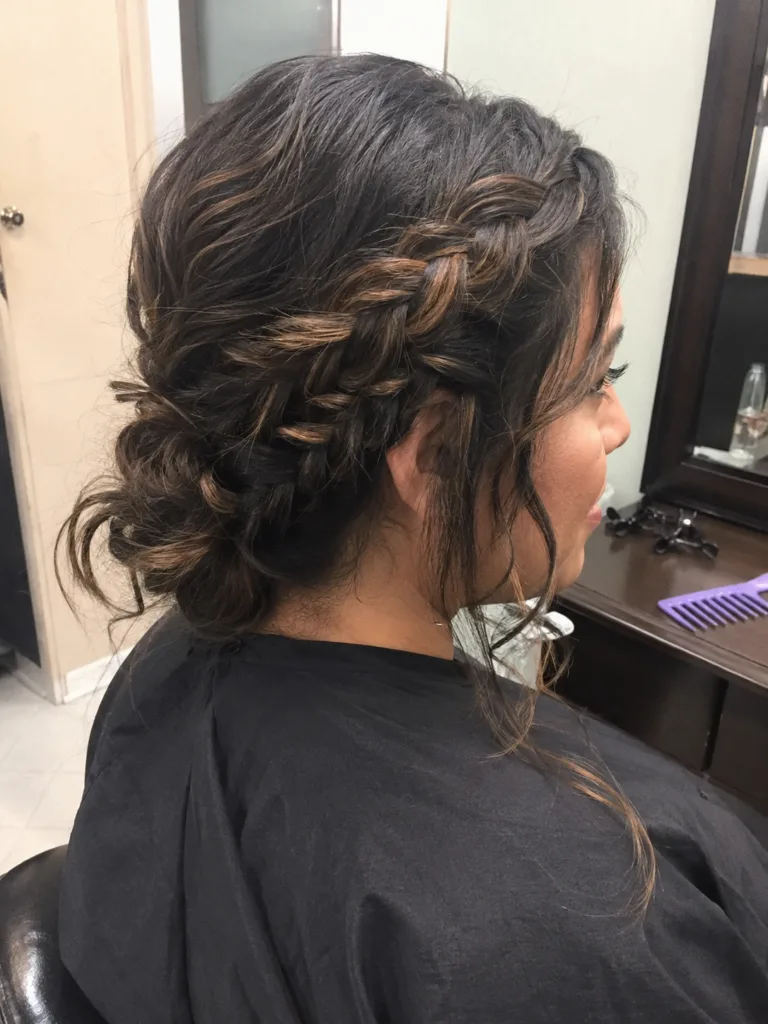
A versatile three-strand braid beginning at the parietal ridge, securing the top half while allowing natural wave texture to flow freely around the shoulders.
Conclusion
The strongest red hair color choice starts with visibility: decide whether you want a hint of red, an unmistakable warm copper, deep brunette-red richness, a cooler berry tone, or a vivid statement.
Then choose the construction. All-over color makes the red the main event. Balayage and ribbons create movement. Ombré gives you a gradient. Peekaboo color and panels let you keep much more of the original base.
Most importantly, compare your reference with your actual starting hair. Natural depth, previous pigment, porosity, condition, and normal styling state can change the route considerably. Choose the version of red whose grow-out and fading you can live with as comfortably as the freshly colored result.
Editorial Standards & Hair Health Guidance
Every style featured on Tress Atlas is curated with a focus on real-world wearability, scalp tension management, and cuticle preservation. When trying protective styles or tight updos, ensure perimeter hairline sections remain tension-free to avoid traction stress on delicate follicles. For heat styling, cap tools below 350°F (180°C) to prevent thermal keratin denaturation.
Scientific Sourcing: Practices aligned with the American Academy of Dermatology (AAD) on traction alopecia risk reduction and cosmetic trichology research on hair tensile strength.