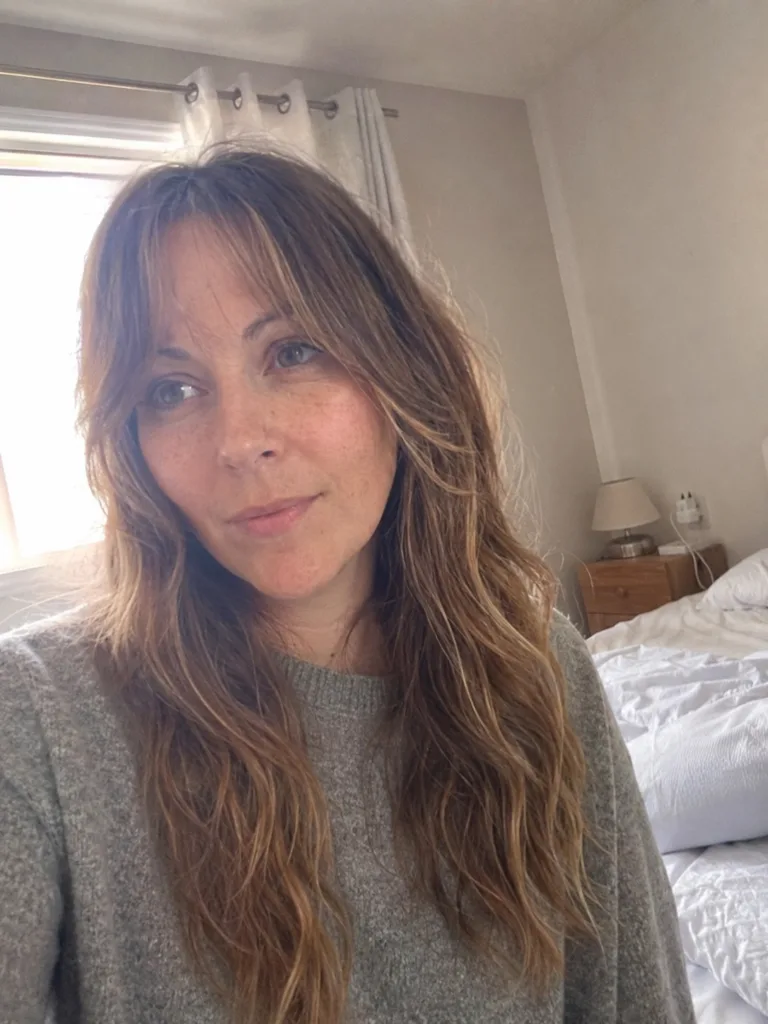
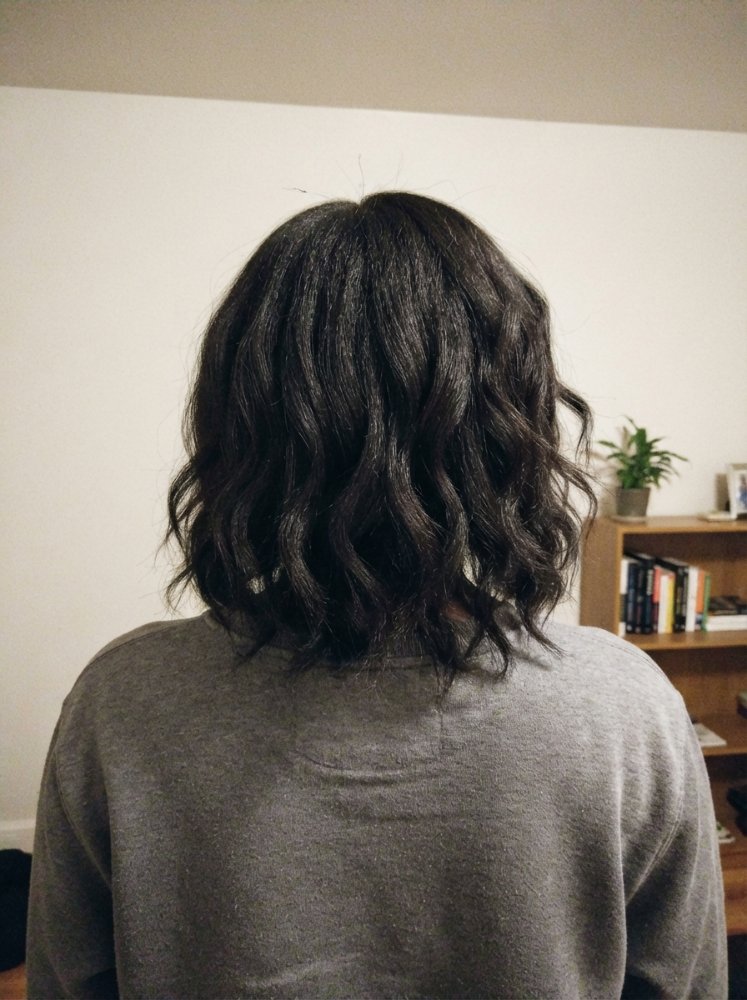
Short Haircuts: Complete Styling Guide for Older Women: Shape, Upkeep, and Real-Life Tradeoffs
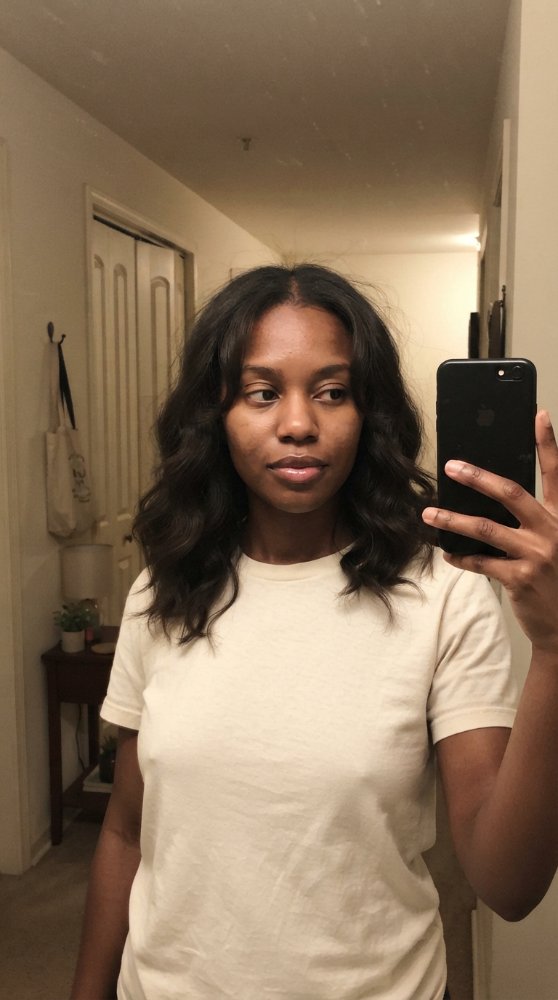
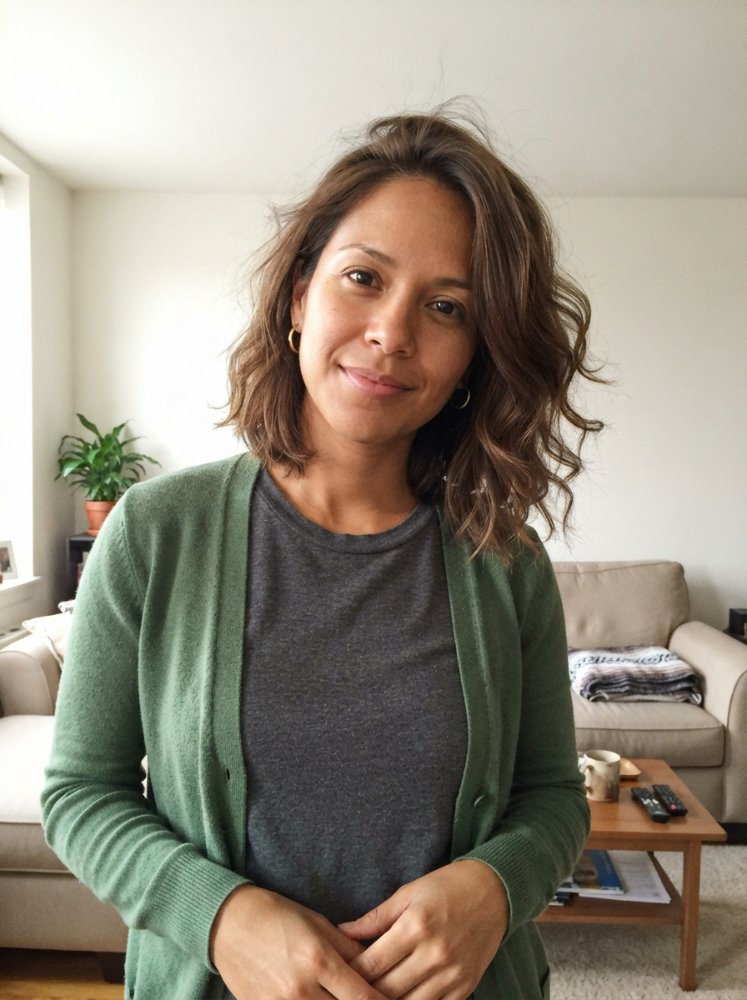
A short haircut can make daily styling faster, but cutting off length doesn’t automatically make hair easier. Once the perimeter moves above the shoulders, details such as crown weight, neckline shape, fringe placement, curl shrinkage, and the way the cut grows out become much more visible.
That makes the real decision less about finding a haircut that looks appropriately short and more about choosing a shape that behaves well with your hair.
Fine strands and low density need different solutions. Curls and coils need enough room for shrinkage. Gray hair may be straight, wavy, curly, coarse, fine, dense, or sparse because gray describes pigment loss rather than a texture type. Glasses can also change how temple volume and fringe feel around the face.
The 22 short haircuts below offer genuinely different approaches, from close pixies and tapered curls to structured bobs and softly layered crops. Some are forgiving between salon visits. Others depend heavily on precise shaping. That difference is worth considering before the first cut.
Close-Cropped Cuts That Put the Shape First
Soft Tapered Pixie
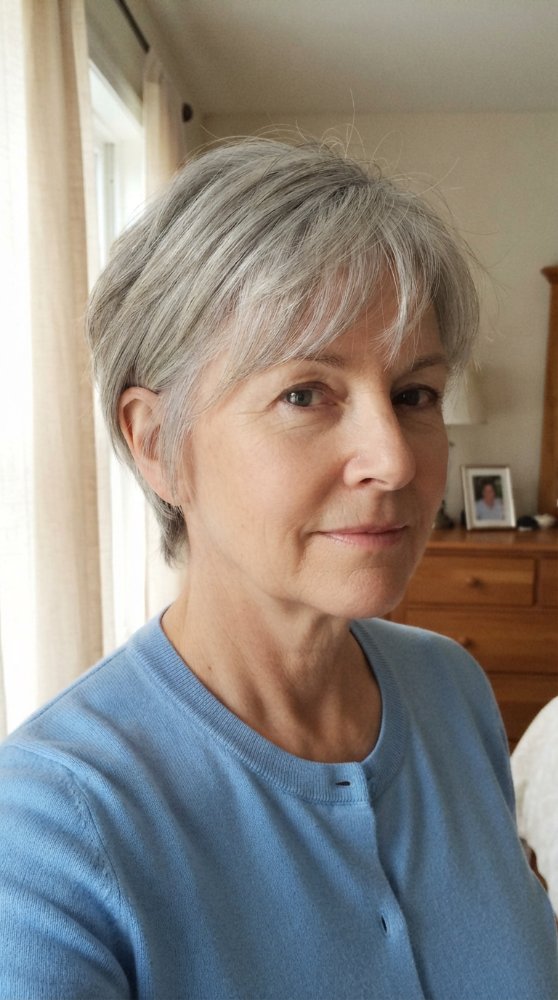
A softly tapered pixie keeps the nape and sides controlled while leaving enough length through the top to move, sweep, or lift. Compared with a very close crop, it gives you more styling flexibility without creating much bulk around the ears.
The taper is particularly useful when you want a neat outline with glasses because the hair around the temples can be shaped to sit above or behind the arms rather than fighting them.
This cut is more salon-dependent than a longer crop. The outline can lose its crispness well before the hair feels genuinely long, especially at the nape and around the ears. Choose it because you like a defined short shape, not because you want to forget about haircuts for long stretches.
Textured Pixie Crop
Texture across the top makes a pixie less dependent on a perfectly smooth finish. The hair can be separated into small pieces, encouraged into its natural bend, or gently lifted at the roots.
This is one of the stronger choices for someone who wants a short haircut that still looks good with a little irregularity. Fine strands can benefit from keeping some surface movement, although excessive thinning can make a low-density head of hair look more exposed. Those are separate concerns: strand diameter describes how fine each hair is, while density describes how many hairs are present overall.
Side-Swept Pixie
A longer front section changes the character of a pixie considerably. Instead of exposing the entire forehead, the fringe travels diagonally across it and creates movement toward one side.
The extra front length is useful when you enjoy changing your part or prefer some softness around the brow. It also means the fringe becomes a styling feature. Cowlicks, growth direction, humidity, and glasses all influence where that section naturally falls.
A side-swept pixie makes more sense for someone happy to adjust the front in the morning than for someone looking for a completely hands-off crop.
Close Crop With Longer Crown
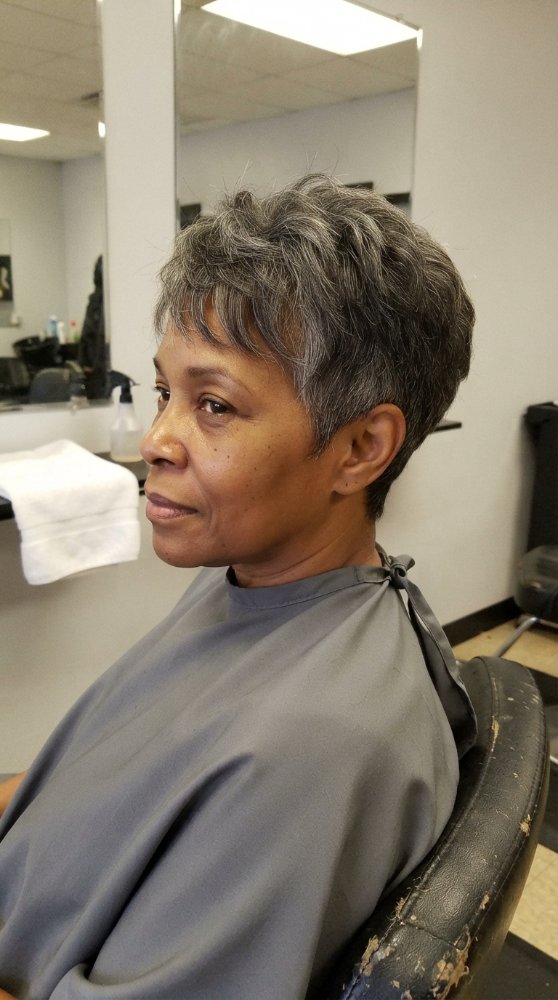
Taking the sides quite short while preserving noticeable length at the crown creates a taller, narrower outline. It can be styled softly upward, forward, or with a little separation.
The crown is doing most of the visual work here. Hair that lies very flat may need deliberate root direction to produce the lifted version commonly shown in photographs. Naturally wavy or curly movement can make the shape easier to build without creating a rigid finish.
This is also a haircut where head shape becomes more visible. Ask to see the planned profile from the side as well as from the front before committing to a dramatic contrast between the crown and sides.
Feathered Pixie
Feathering gives a pixie lighter edges and overlapping movement instead of one compact mass. The effect works especially well through the fringe, crown, and sideburn area.
It suits hair with enough density to support some internal movement. On already sparse areas, aggressive texturizing can expose more scalp than expected. A conservative approach preserves coverage while still creating separation.
The appeal is softness: you get a short outline without making every edge look sharply cut.
Short Bobs for Stronger Perimeters
Blunt Jaw-Length Bob
Few short haircuts rely on the perimeter as much as a blunt bob. The lower edge carries most of the visual weight, so healthy ends can appear more substantial than they would in a heavily layered shape.
That makes this an excellent starting point when the ends have become wispy and you want the haircut to look denser around the bottom. The cut cannot create actual density, but a strong edge can reduce the see-through effect of a fragile perimeter.
Jaw length also interacts with the neckline more than photographs suggest. Hair may tuck behind the ears, flip where it meets a high collar, or swing forward when you look down.
Rounded Bob
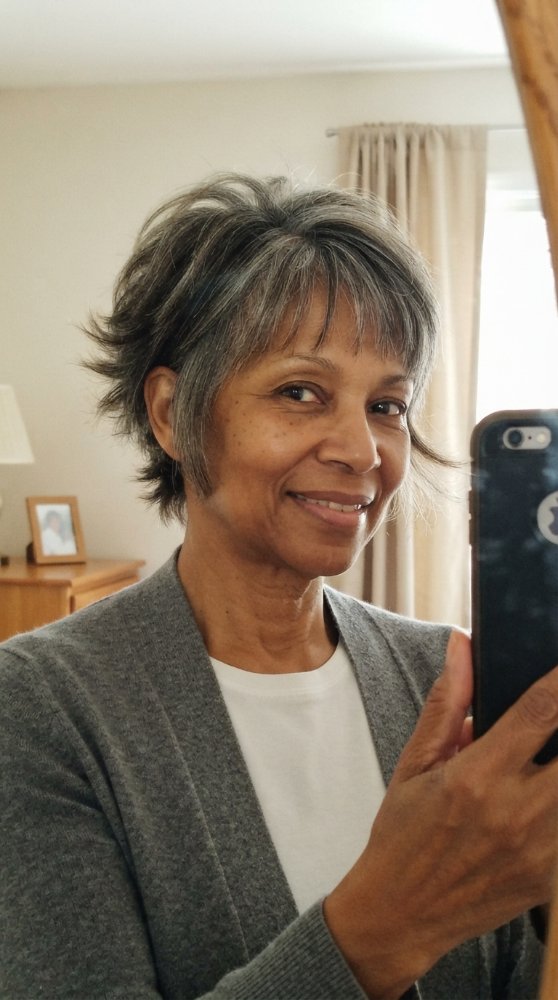
A rounded bob keeps a fuller curve through the back and sides instead of dropping into a completely straight line. The result feels softer and more sculpted than a classic blunt bob.
Some internal graduation can help build the shape, particularly around the back of the head. Too much stacking, however, can produce a much more dramatic profile than expected.
This is a strong choice when you want structure without the exposed neckline of a pixie. It also gives straight and softly wavy hair enough weight to avoid looking excessively piecey.
French Bob
The French bob sits short, usually with the perimeter near the jaw or above it, and commonly pairs that compact length with a fringe or strong front framing.
Its appeal comes from proportion. The visible line around the jaw makes the haircut feel deliberate even with natural texture or slight movement. The fringe can be blunt, soft, wavy, or curly; it doesn’t need to be pressed straight to make the cut work.
Because several features are concentrated close to the face, bring your glasses to a haircut consultation. The relationship between fringe depth, temple hair, and frames can change the balance considerably.
Short Graduated Bob
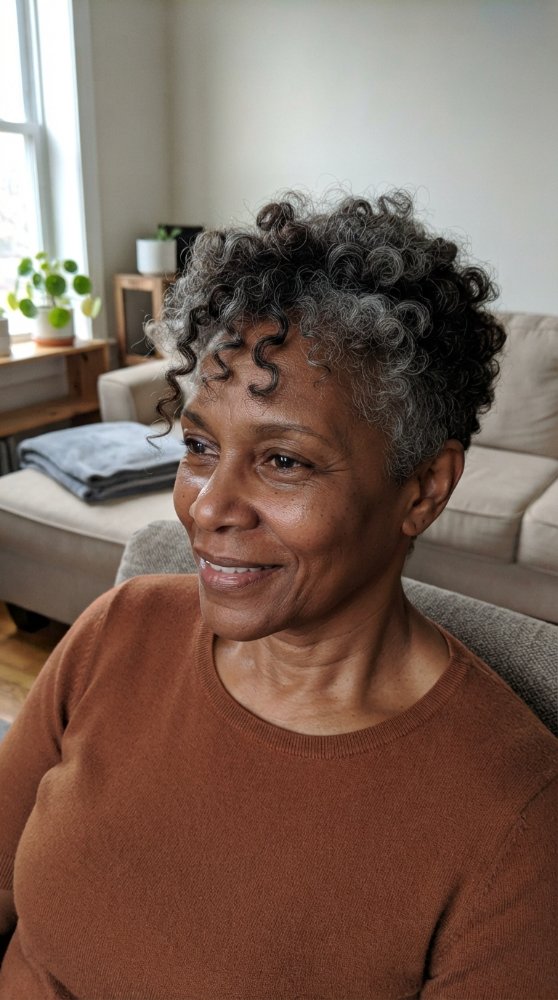
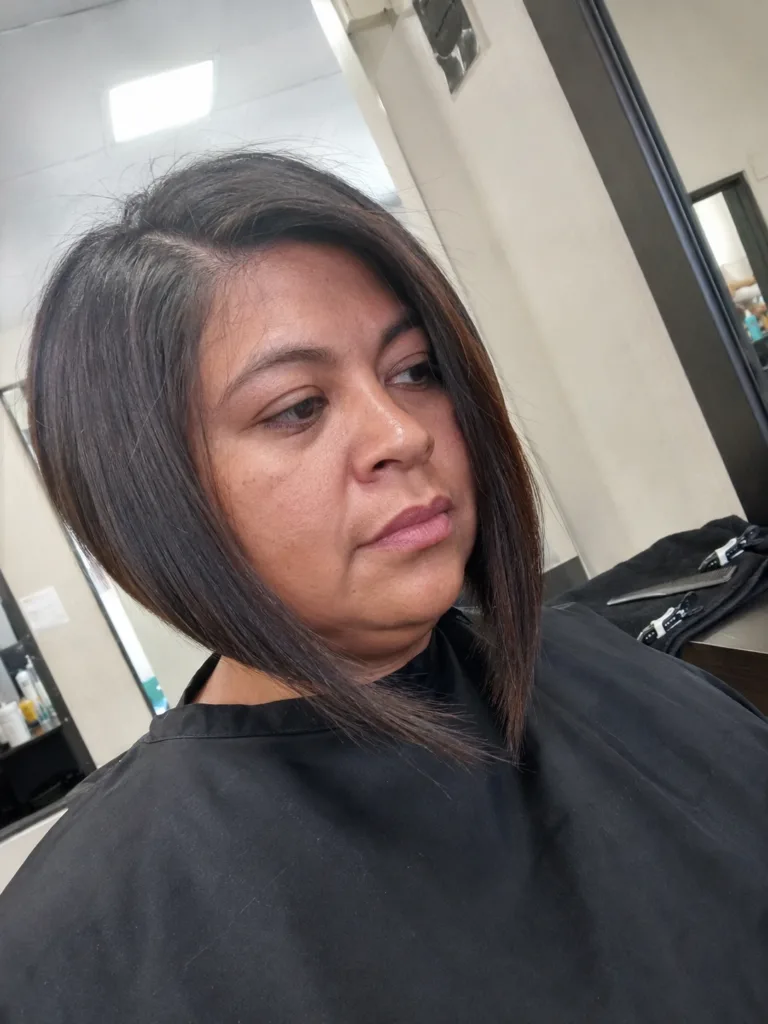
Graduation removes some length at the back while retaining a longer line toward the front. That creates a more directional shape than a rounded bob.
The cut can help hair sit closer to the neck and keep the front pieces long enough to tuck or frame the face. Its main drawback is grow-out. Once the back loses its stacked structure, the haircut may feel bulky before the front feels long.
It’s worth the extra reshaping when you specifically want that angled profile. For a reader who prefers a low-dependency salon routine, a simpler bob is usually easier.
Short Layered Bob
A short layered bob trades some perimeter strength for movement. The layers can release weight, encourage waves, and prevent dense hair from forming one solid block.
This cut is especially useful when a blunt bob feels too triangular or heavy. The amount of layering matters more than the label. Long, restrained layers preserve more fullness; aggressive internal removal creates a lighter and more separated result.
Low-density hair generally benefits from protecting enough material at the lower edge so the ends don’t become overly transparent.
Short Cuts That Let Natural Texture Lead
Tapered Curly Cut
A tapered curly cut keeps more curl volume on top while gradually reducing bulk toward the sides and nape. It can create a clean outline without flattening the natural curl pattern.
Shrinkage should be part of the length decision from the beginning. A curl that reaches the cheek when stretched may sit considerably higher once dry, depending on the individual’s pattern and styling routine.
The cut should be evaluated in the state you normally wear it. Someone who alternates between a shrunken wash-and-go and stretched styling may need a shape that behaves acceptably in both rather than one optimized for only a single finish.
Rounded Curly Crop
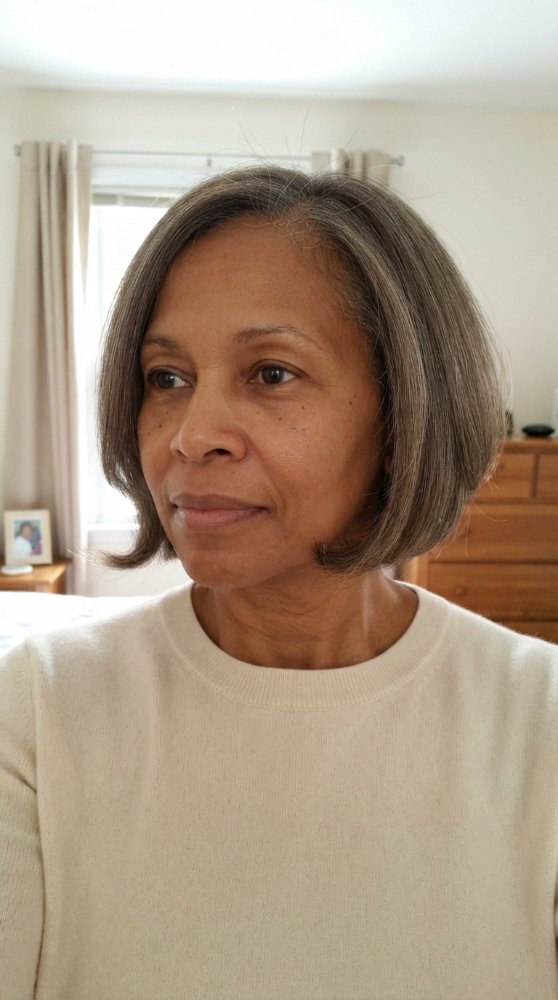
Instead of tapering closely at the sides, a rounded crop keeps more width around the head and distributes curls into an even, curved shape.
This is an underrated option when you enjoy visible curl volume and don’t want the narrow silhouette of a traditional tapered cut. Dense curls can create a beautifully full outline, while lower-density hair may need a more conservative approach to layering.
Drying method affects the final profile too. Diffusing, air-drying, stretching roots, or encouraging maximum shrinkage can make the same haircut appear noticeably different.
Short Coily Taper
A coily taper keeps the neckline and sides compact while allowing coils through the crown to remain more prominent. The contrast can make the overall shape feel crisp without requiring the top to be smoothed.
Coil grouping, shrinkage, strand size, and density all influence how much height the crown carries. Cutting solely from a stretched reference image can lead to a very different dry result.
The perimeter should also remain comfortable. Hairline areas that are already fragile don’t benefit from being repeatedly pulled, brushed, or manipulated simply to make a short cut appear sharper.
Curly Pixie With Fringe
Curly fringe changes a pixie from an exposed, cropped shape into something softer around the forehead. The curls can sit forward, break into irregular pieces, or sweep slightly to one side depending on their natural direction.
This cut works best when the fringe length is chosen according to its dry position. Cutting it as though the curls will remain stretched risks taking it much shorter than intended.
There’s no technical need to straighten curly bangs simply because the rest of the haircut is short. Letting the fringe retain its normal pattern usually gives a clearer picture of how the cut will behave day to day.
Short Shag for Waves or Curls
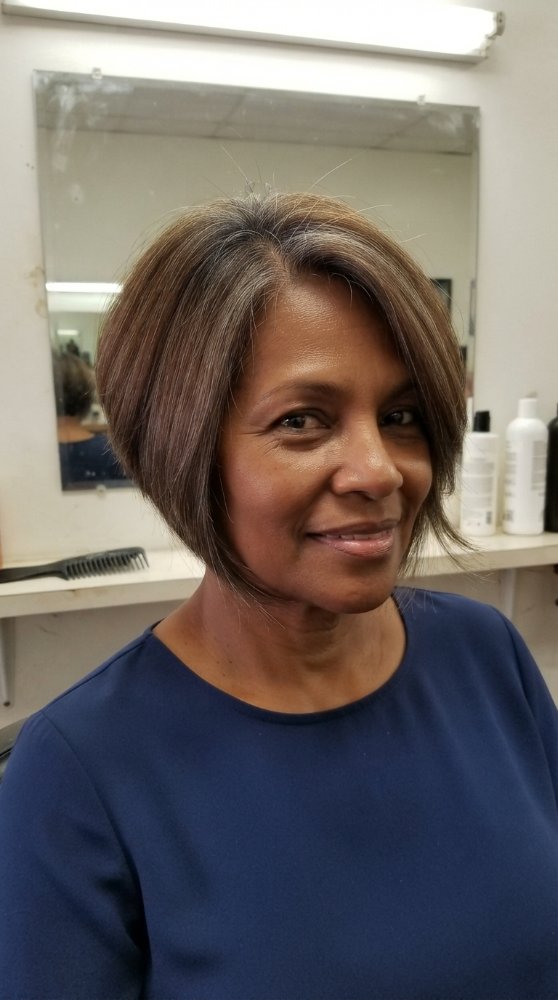
A short shag introduces obvious layering through the crown, sides, and perimeter. Compared with a rounded curly crop, it produces more separation and less solid weight.
That makes it useful for waves or curls that become bulky when kept at one length. It can also encourage movement in areas that otherwise collapse.
A shag is less forgiving when preserving maximum density is the priority. Because internal layers deliberately break up the mass of the hair, sparse areas can become more noticeable if too much is removed. Keep the layering strategic rather than chasing an extremely wispy reference photo.
Softer Short Haircuts With More Movement
Bixie Cut
The bixie sits between a bob and a pixie: longer than a conventional crop, but lighter and more layered than most short bobs.
Its biggest advantage is flexibility during grow-out. The ears and nape aren’t usually exposed as tightly as they are with a true pixie, so the shape can tolerate additional length without immediately losing its identity.
A bixie also gives you more options around the front. Pieces can be tucked behind the ears, swept away from the face, or worn forward. For someone intrigued by short hair but hesitant about a dramatic crop, this is one of the most practical starting points.
Short Shag With Wispy Fringe
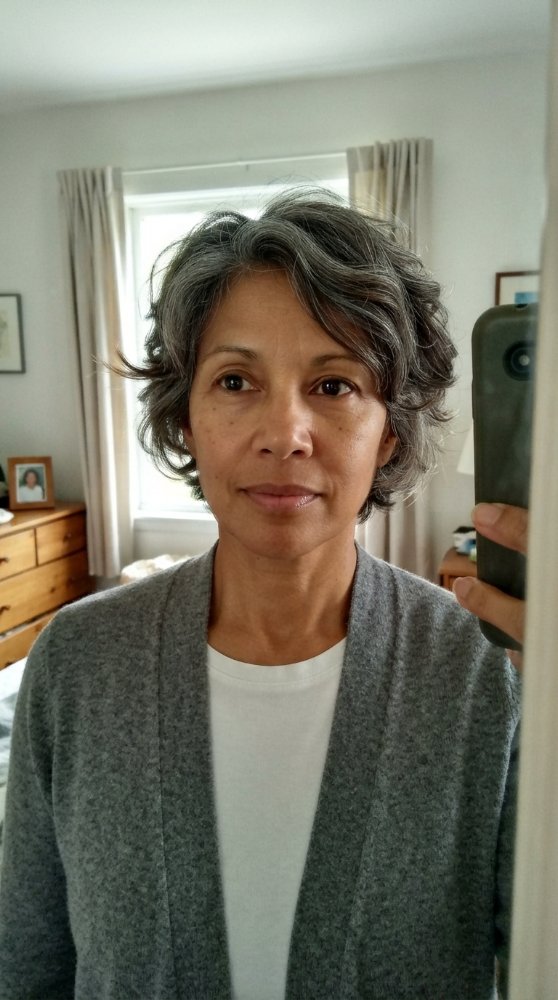
A wispy-fringe shag creates lightness around the forehead while maintaining layered movement through the rest of the cut. It feels deliberately less compact than a bob and less tidy than a classic pixie.
The fringe works best as part of the whole layered shape rather than as an isolated add-on. Hair with some bend or wave can make the transition between fringe and side layers especially natural.
Daily styling may be simple, but the haircut itself needs thoughtful construction. Randomly removing weight won’t create the same result as deliberately placed layers.
Ear-Length Layered Cut
Keeping the perimeter around ear length creates a useful middle ground between a crop and a bob. The hair remains short enough to expose the neck while retaining enough length for movement around the temples and cheeks.
Light layering can stop the sides from becoming blocky, particularly on dense hair. The haircut also works well with glasses because the area directly around the ears can be tailored around the frames.
This length is less severe than a tight pixie and usually easier to grow into a bob later.
Short Cut With Long Curtain Fringe
A longer curtain-style fringe can soften the transition into short hair without covering the forehead completely. The center or near-center opening creates movement to both sides, while the rest of the haircut remains cropped or bob-length.
Unlike a short blunt fringe, these longer pieces can often be tucked away when you don’t want them forward. They do need sufficient length to bend and separate naturally, so cutting them too short changes the effect.
This is worth considering when facial framing matters more to you than having the shortest possible front section.
Cuts That Prioritize Fullness Without Pretending to Create Density
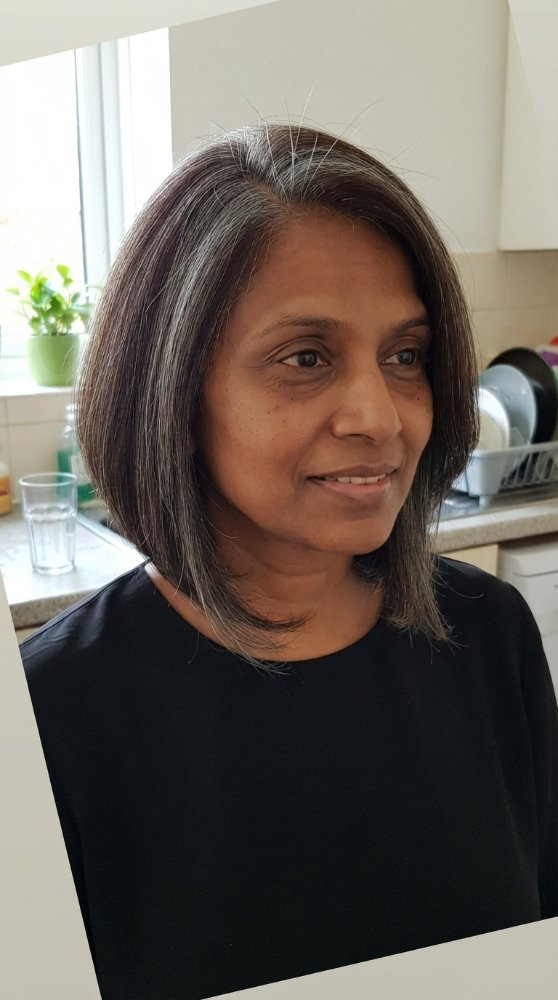
Compact Bob With Minimal Layering
A compact bob keeps the bulk of the hair working together. The perimeter stays strong, while internal layering is limited to what is necessary for movement or shape.
That can be helpful for low-density hair because too much interior removal may make the spaces between strands easier to see. Fine strands can also suit this shape, although fine hair isn’t automatically low density; someone can have many fine hairs and a visually full head of hair.
A compact bob is often more useful than an extremely feathered cut when the priority is preserving visible fullness through the lower half.
Soft Crop With Forward-Directed Fringe
Directing the front hair forward creates coverage and movement through the forehead without requiring a heavy, perfectly straight bang. The crown can remain softly layered while the sides stay relatively compact.
Growth direction deserves attention here. A strong cowlick may push the fringe away from its intended position, while naturally forward-growing hair can make the cut comparatively easy to style.
This is also a useful alternative to relying on exaggerated crown volume for the appearance of fullness. The eye sees movement across the front rather than focusing solely on height at the top.
One-Length Short Bob With Side Part
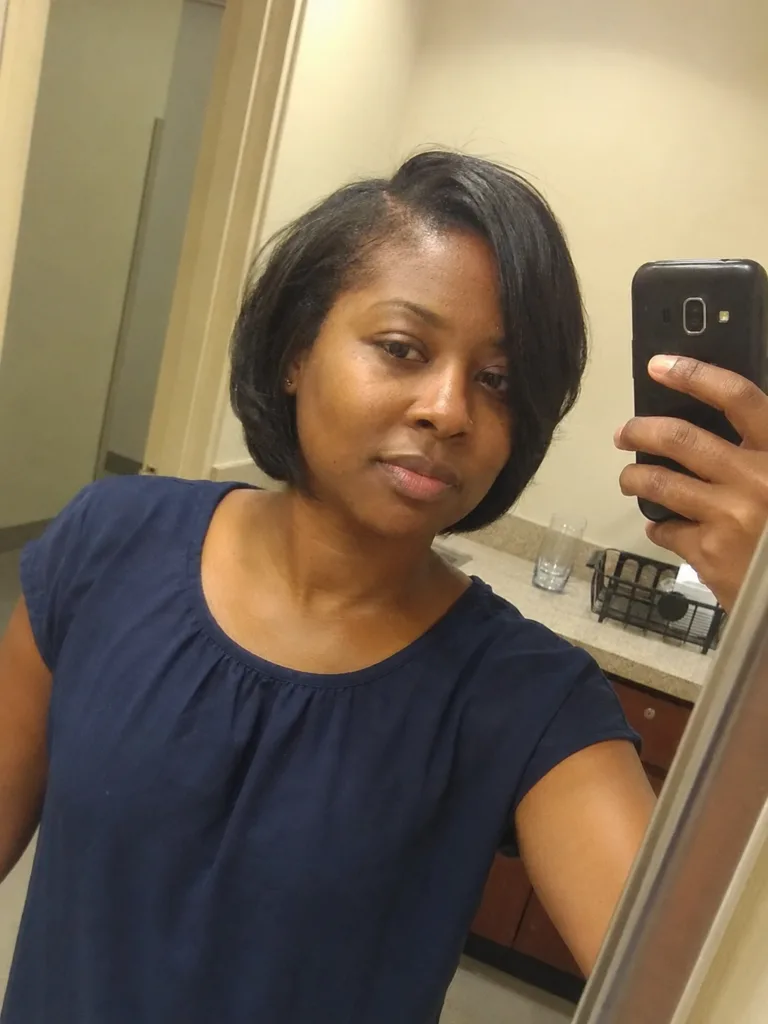
Sometimes fewer cutting details produce the stronger haircut. A one-length short bob keeps most strands near the same perimeter, while a side part shifts volume naturally from one side to the other.
Unlike a heavily graduated or layered bob, the shape doesn’t depend on multiple internal levels. That can make maintenance straightforward and preserve more weight through the ends.
The side part should be treated as flexible rather than permanent. Natural growth patterns and changes in density may make a slightly different placement more flattering or more comfortable over time.
What Short-Hair Photos Often Fail to Show
The front view rarely tells you how a short haircut behaves in normal life.
A pixie that looks effortless in a photograph may depend on a carefully directed crown. A sleek jaw-length bob can flip where it meets a coat collar. A sculpted temple section may sit awkwardly beneath the arms of glasses. A curly crop photographed after stretching or diffusing may shrink differently during your normal routine.
The side and back views matter just as much. Ask yourself where the widest point of the haircut sits, how tightly the nape is shaped, whether the ears are exposed, and how much volume is concentrated at the crown.
Gray hair deserves its own clarification. Loss of pigment doesn’t dictate whether the hair will become coarse, wiry, soft, dry, straight, or curly. Build the haircut around the texture and condition you actually have rather than treating gray as a hair type.
Choosing Between a Pixie, Crop, and Bob
These three families solve different problems.
A pixie is the stronger choice when you genuinely want an exposed, deliberately short haircut and you’re comfortable maintaining its outline.
A crop makes sense when natural wave, curl, coil, or piecey movement is part of the design. It can feel less rigid than a sharply finished pixie.
A short bob is usually the safest transition for someone who wants a noticeable change without surrendering all of the perimeter. It also gives fine or lower-density hair more opportunity to retain weight through the ends.
Plan the Haircut Around Your Actual Styling Routine
Bring reference photos, but treat them as a starting point. The more useful salon conversation is about how you normally wear your hair.
Mention whether it is usually natural, diffused, stretched, pressed, relaxed, or heat-styled. With curly and coily hair, discuss shrinkage and where you want the shape to sit once the hair is dry. A cut planned around stretched length alone may look very different after the curls return.
Talk about the amount of daily styling you’re willing to do. A side-swept pixie may involve directing the fringe each morning, while a compact bob relies more on the cut itself. An airy shag can need very little smoothing but still depend on deliberate layer placement.
Glasses, hearing devices, high collars, and preferred earrings can also influence the most comfortable length around the temples and ears. These details are easy to overlook in photographs and very obvious once you’re living with the haircut.
For density concerns, describe what has changed rather than simply asking for a cut for thin hair. Fine strands, naturally low density, recent thinning, and breakage along the length aren’t interchangeable problems. A haircut can redistribute weight and create a stronger perimeter, but it can’t restore lost follicles.
Sudden shedding, scalp pain, sores, persistent redness or irritation, or a concerning change in density deserves assessment by a dermatologist or another qualified healthcare professional rather than being treated purely as a haircut issue.
Maintaining Short Hair Without Over-Scheduling It
Short hair often requires more attention to shape than long hair because a small amount of growth can alter the neckline, ear area, fringe, or crown proportions. That doesn’t mean everyone needs the same haircut schedule.
A tightly tapered pixie will show growth differently from a bixie or jaw-length bob. Your preferred neatness, growth pattern, curl shrinkage, and willingness to restyle an evolving cut all matter.
Pay attention to the point at which the haircut stops behaving as intended. Perhaps the crown becomes heavy, the fringe drops into your glasses, the nape loses its line, or a bob begins catching against the collar. Those observations are more useful for planning future reshaping than following one universal calendar.
At home, work with the finish the haircut was designed for. Curly crops benefit from styling that preserves curl grouping. Soft pixies can be redirected with fingers, a brush, or light styling product depending on the texture. Smooth bobs may need more attention to drying direction because their perimeter exposes flips and bends readily.
A short cut should simplify the parts of hair care you actually want simplified. A haircut that requires daily work you dislike isn’t low-maintenance merely because it is short.
Related Hairstyles to Explore
FAQs
Are short haircuts flattering for women over 60 or 70?
They can be. Age alone doesn’t determine whether a pixie, crop, or bob will work. Hair texture, density, styling preference, glasses, neckline, and the amount of facial framing you prefer are more useful considerations. Choose the shape according to how you want the hair to sit and how much maintenance you’re comfortable with.
What short haircut is good for fine hair?
Fine hair often benefits from keeping enough weight through the perimeter rather than removing large amounts of material from the interior. A compact bob, minimally layered crop, or restrained pixie can all work. Density should be considered separately because someone can have fine strands with either high or low overall density.
Can curly or coily hair be cut into a pixie?
Yes. Pixies, tapers, rounded crops, and curly fringe can all work with curly or coily hair. The key is planning the shape around shrinkage and the way the hair is normally worn. The finished cut should be assessed in its usual styling state rather than judged only while stretched or wet.
What if I want short hair but I’m nervous about going very short?
Start with a bixie, ear-length layered cut, or short bob. These shapes create an obvious change while keeping more length around the ears and perimeter. They also provide a gentler route back toward a bob if you later decide that a close pixie isn’t for you.
Hair Texture & Upkeep Style Matcher
Select your natural hair texture and daily maintenance window to get an instant styling formula and heat safety cap.
Heat Cap: 320°F (160°C)
A versatile three-strand braid beginning at the parietal ridge, securing the top half while allowing natural wave texture to flow freely around the shoulders.
Conclusion
The most useful short haircut isn’t the one that removes the most length. It’s the one whose shape matches how your hair actually behaves.
Choose a pixie when you want a defined short outline and don’t mind reshaping it as it grows. Choose a crop when texture and movement are central to the result. Choose a short bob when perimeter weight, flexibility, or a less dramatic transition matters more.
Before the cut, decide where you want fullness, how much forehead and ear exposure feels right, and which part of the style you’re willing to maintain. Those choices will tell you far more than age alone ever could.
Editorial Standards & Hair Health Guidance
Every style featured on Tress Atlas is curated with a focus on real-world wearability, scalp tension management, and cuticle preservation. When trying protective styles or tight updos, ensure perimeter hairline sections remain tension-free to avoid traction stress on delicate follicles. For heat styling, cap tools below 350°F (180°C) to prevent thermal keratin denaturation.
Scientific Sourcing: Practices aligned with the American Academy of Dermatology (AAD) on traction alopecia risk reduction and cosmetic trichology research on hair tensile strength.