Long Hairstyles for Women Over 60: Shape, Movement, and Real-Life Upkeep
Long hair after 60 works best when the length has a clear job. A strong perimeter can make healthy ends look more substantial. Layers can release movement or help curls stack properly. Face-framing pieces can shift attention toward the cheekbones, jaw, or glasses. The wrong combination, however, can leave the lower half looking thin, make daily styling more demanding, or create a haircut that only behaves after considerable effort.
Age alone doesn’t decide whether long hair works. Strand size, overall density, breakage, shrinkage, condition, natural texture, and the way you usually style your hair matter much more. Gray hair also deserves to be considered by its actual behavior rather than treated as a separate texture simply because pigment has changed.
The strongest choice is usually the one that looks convincing in your normal styling state and still feels manageable several days after the salon finish has disappeared.
Long Cuts That Keep the Perimeter Strong
One-Length Long Hair
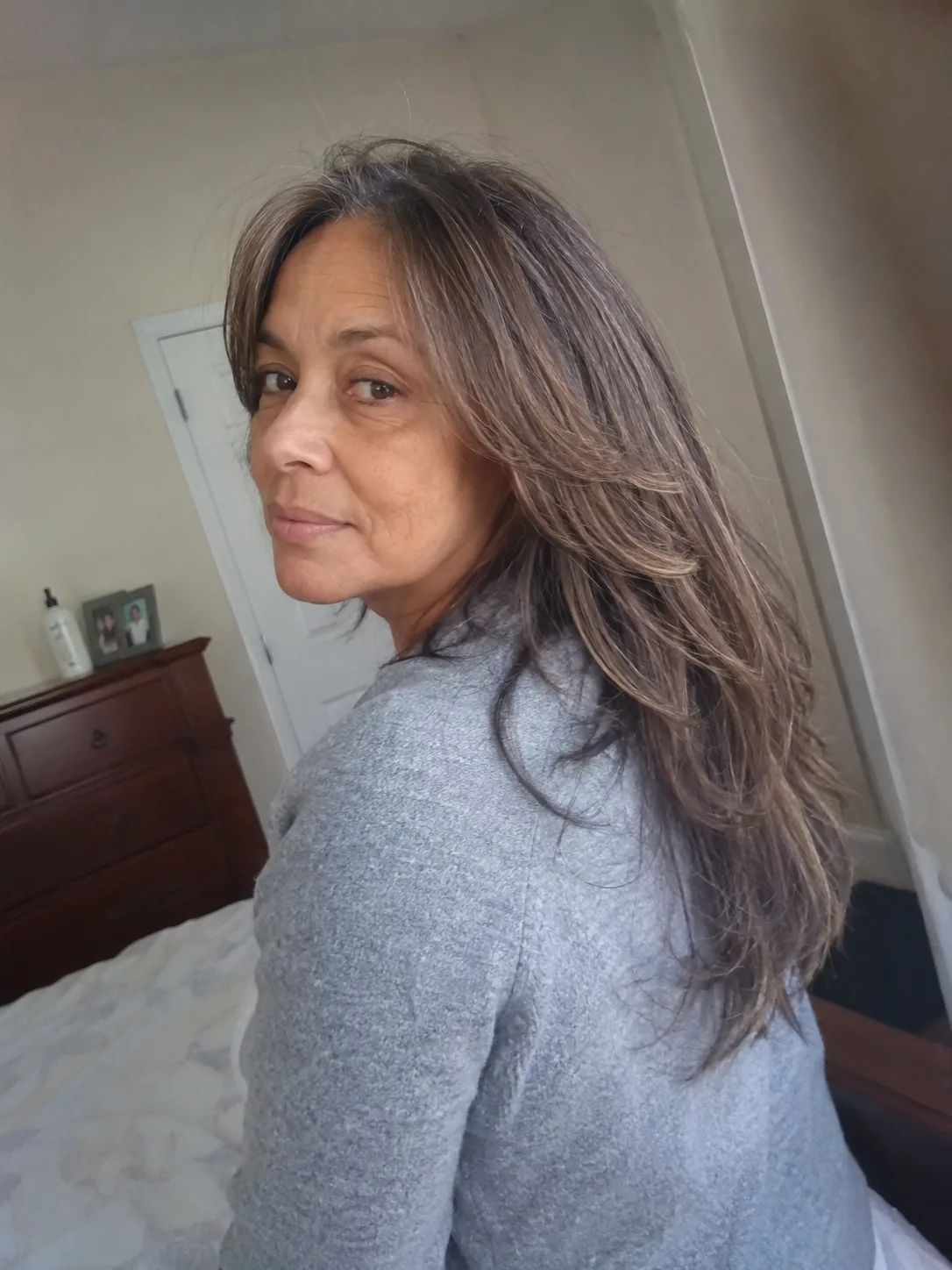
A one-length cut is one of the strongest options when the lower edge of the hair is the feature you want to preserve. Keeping most of the weight at the perimeter can make healthy ends appear more substantial, particularly when extensive layering would expose spaces through the bottom.
This shape works beautifully straight, softly waved, or stretched. It is less forgiving when the ends are heavily weathered or broken, because the straight lower line makes unevenness easier to see.
Long Hair With a U-Shaped Perimeter
A U-shaped perimeter keeps noticeable length through the center back while gently shortening the outer edges. The curve is softer than a blunt horizontal line and gives long hair a little more movement without requiring extensive interior layering.
It is a practical middle ground for someone who wants length to remain visually dominant. From the front, the slightly shorter sides can sit more naturally around the shoulders and chest.
The back view matters with this cut. A shallow U preserves more weight, while a deeper curve removes considerably more length from the sides. Bring reference photos that show the back as well as the front so the intended curve is clear.
Long V-Shaped Hair
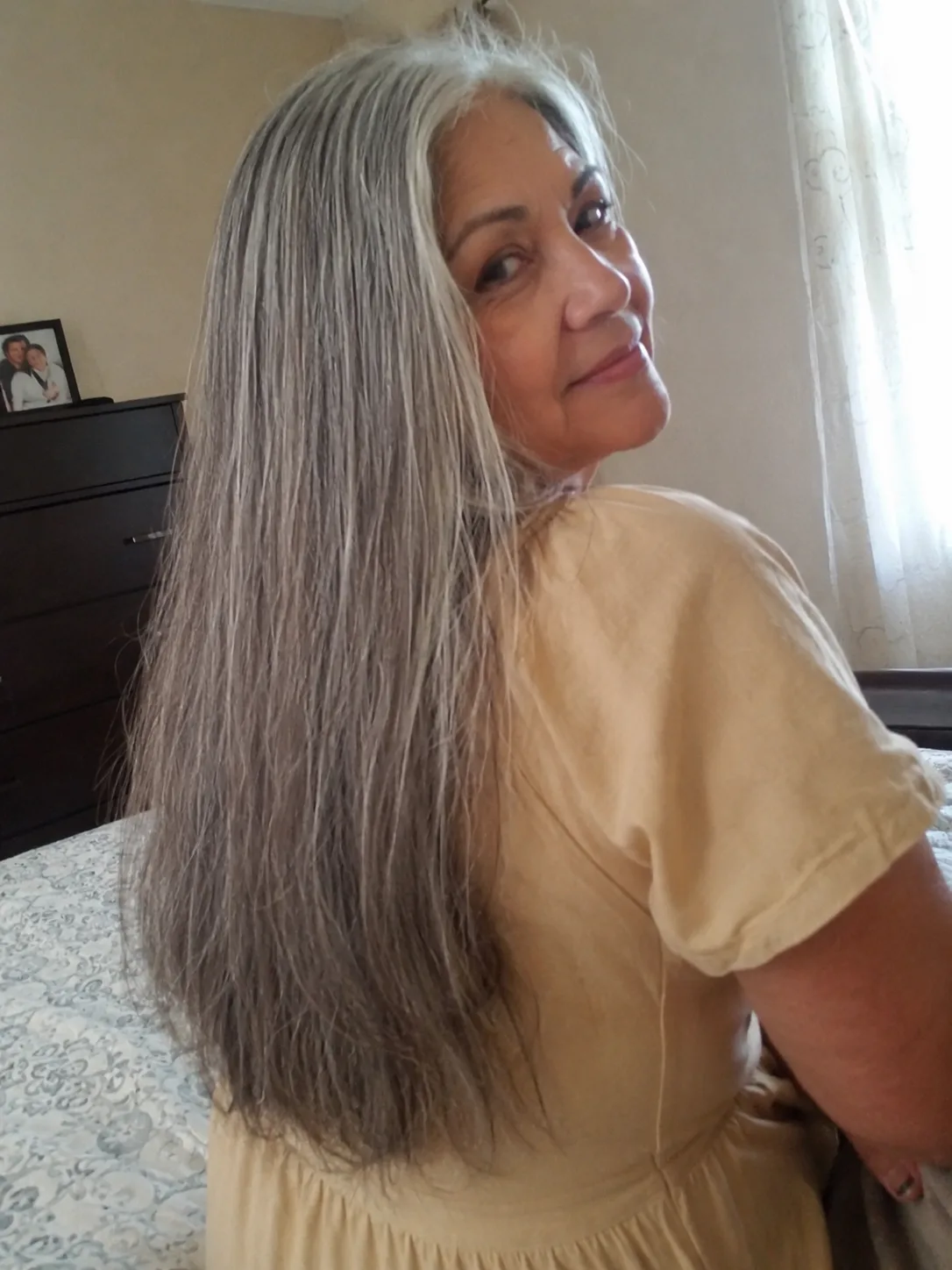
A V-shaped cut creates a more dramatic point through the center back. It suits someone who enjoys the visual sweep of very long hair and wants the outline itself to create movement.
The tradeoff appears toward the sides. Because those sections are shorter than the center, the perimeter can feel lighter around the front of the body. Low-density hair or transparent ends may look stronger with a U-shape or straighter perimeter.
This is a cut worth viewing from every angle before committing. A dramatic V can look striking from behind while producing far less visible length around the shoulders.
Long Hair With Face-Framing Layers
You don’t need layers throughout the entire haircut to make long hair feel lighter around the face. Face-framing pieces can begin around the cheek, jaw, or lower depending on how much movement you want, while the back remains comparatively full.
This is one of the better choices when preserving the perimeter matters more than creating volume throughout the entire cut. The shorter front pieces can also work around glasses more easily than one heavy curtain of hair.
The front will change shape before the longest sections seem noticeably grown out. Decide how much regular reshaping you’re comfortable with before asking for very short framing pieces.
Layers That Create More Movement
Cascading Long Layers
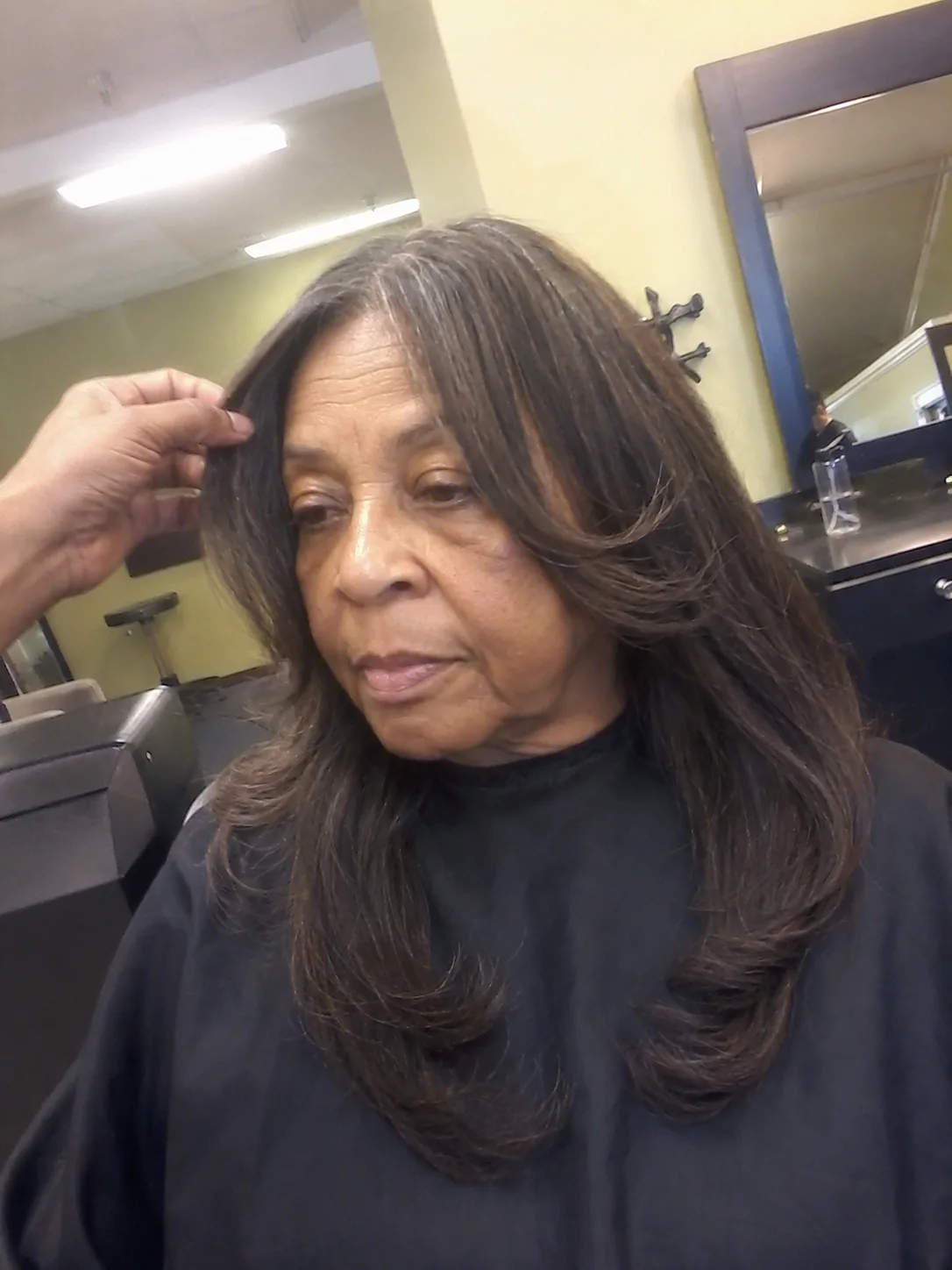
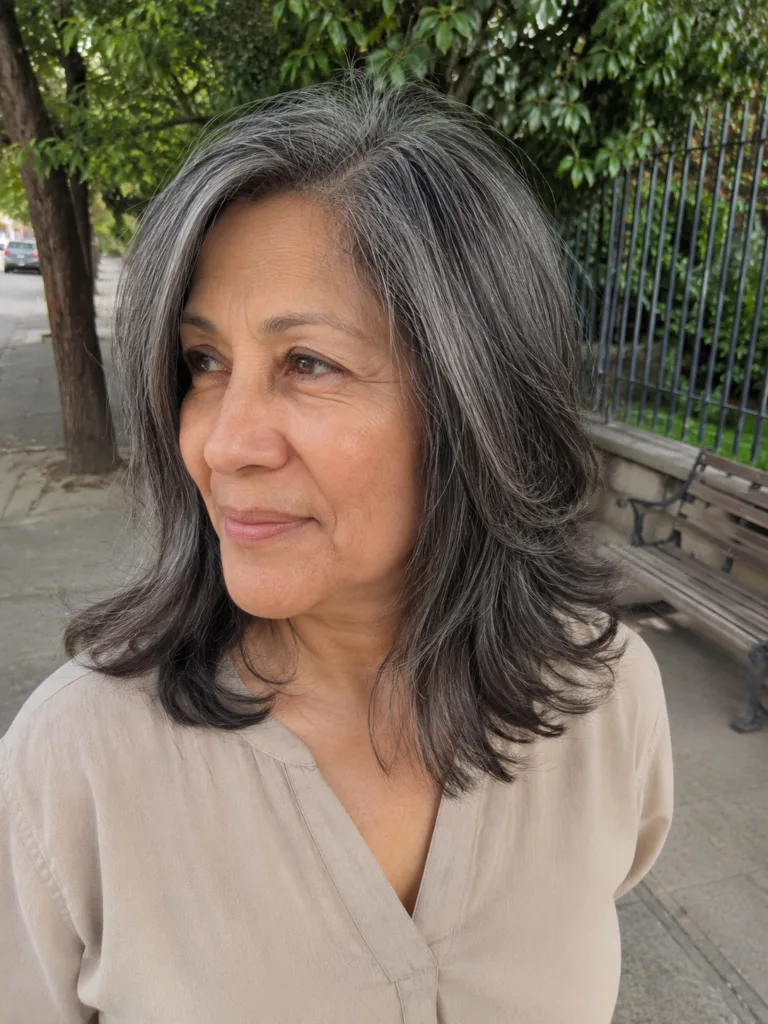
Cascading layers create visible movement from the upper lengths down through the ends, making long hair easier to bend, wave, or blow out with separation between sections.
They’re most convincing when enough hair remains at the bottom to support the overall shape. Removing too much interior weight from low-density hair can make the perimeter look sparse even though the haircut technically has plenty of movement.
This cut is more styling-dependent than a one-length shape. Air-dried straight or slightly wavy hair may show the layers subtly, while a blowout or set makes the cascading effect much more obvious.
Soft Long Shag
A long shag moves the emphasis upward. Shorter layers around the crown and face create a looser, more broken-up outline than traditional long layering, while the back can still remain below the shoulders.
This is worth choosing when texture and movement matter more than maintaining a heavy lower edge. Wavy and curly hair can make the separation visible with relatively little manipulation.
On very low-density hair, aggressive interior removal may create more space than desired. A softer interpretation with fewer short layers is usually the stronger starting point when fullness through the ends is a priority.
Long Hair With a Full Fringe
A substantial fringe changes long hair much more than a simple parting adjustment. It creates a defined upper frame around the face while allowing the remaining length to stay heavy and simple.
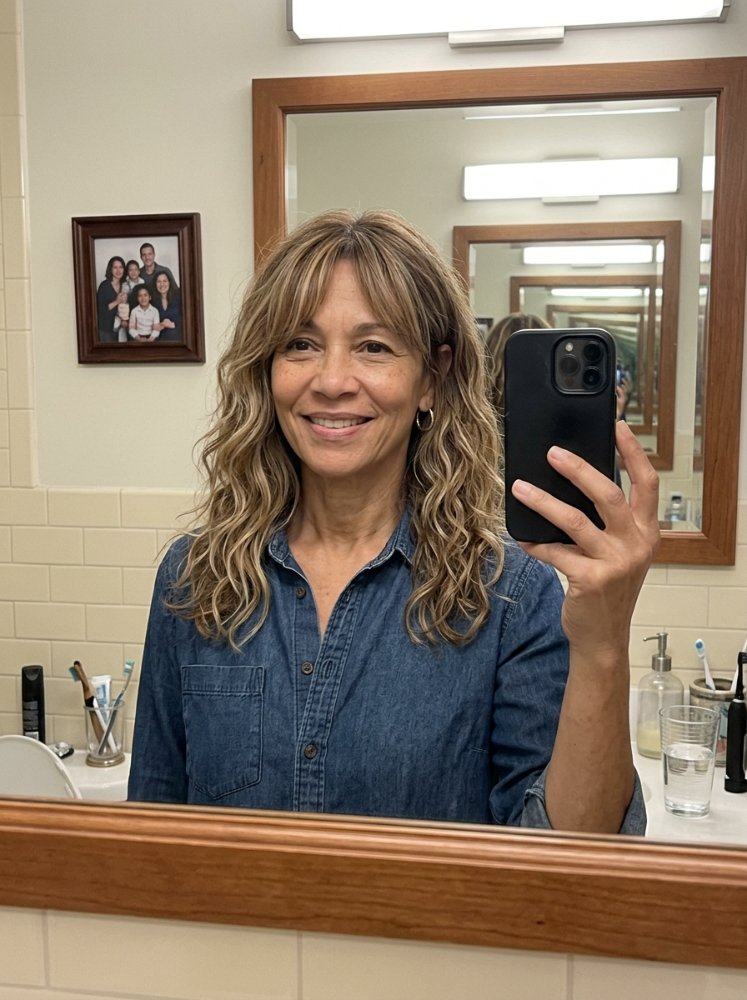
A fringe can be worn straight, softly curved, wavy, or curly. It does require its own routine because forehead contact, humidity, curl shrinkage, and sleeping can all change the way it sits before the rest of the haircut needs attention.
Glasses are worth considering during the consultation. The fringe, frame, and temple pieces all occupy the same visual area, so the finished length should be judged with your usual glasses on.
Long Hairstyles for Curly, Coily, and Natural Hair
Long Layered Curls
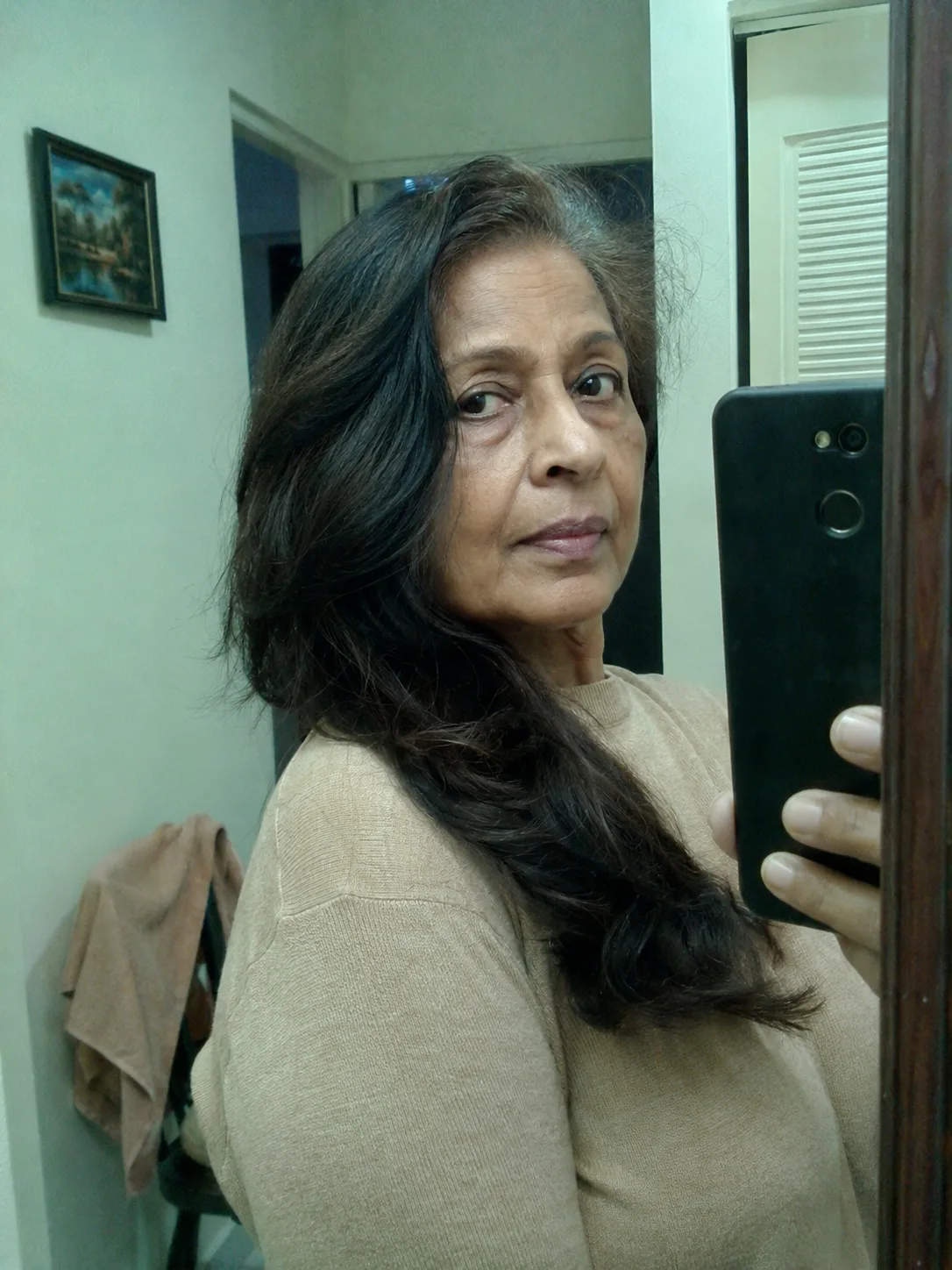
Long curls often benefit from some weight distribution because a single heavy outline can pull the upper sections downward while the ends remain fuller. Layer placement changes where the curl mass sits.
The haircut should be assessed in the state you actually wear most often. Hair that appears extremely long while stretched can finish much shorter after curl formation because of shrinkage.
A useful consultation is less about requesting generic layers and more about showing where you want the widest part of the shape to sit. Higher fullness feels very different from a long triangular shape that carries most of its width toward the bottom.
Long Rounded Coily Shape
Coily hair can keep substantial length while forming a rounded outline instead of hanging in one narrow vertical column. The shape comes from the distribution of length around the crown, sides, and perimeter.
Shrinkage is part of the design. The visible outline should be judged after the coils settle into their usual pattern rather than by stretched length alone.
This is an especially strong choice when you enjoy wearing your natural volume out. Keeping enough length in the lower sections prevents the shape from becoming much shorter than intended once the hair contracts.
Stretched Natural Hair With Graduated Layers
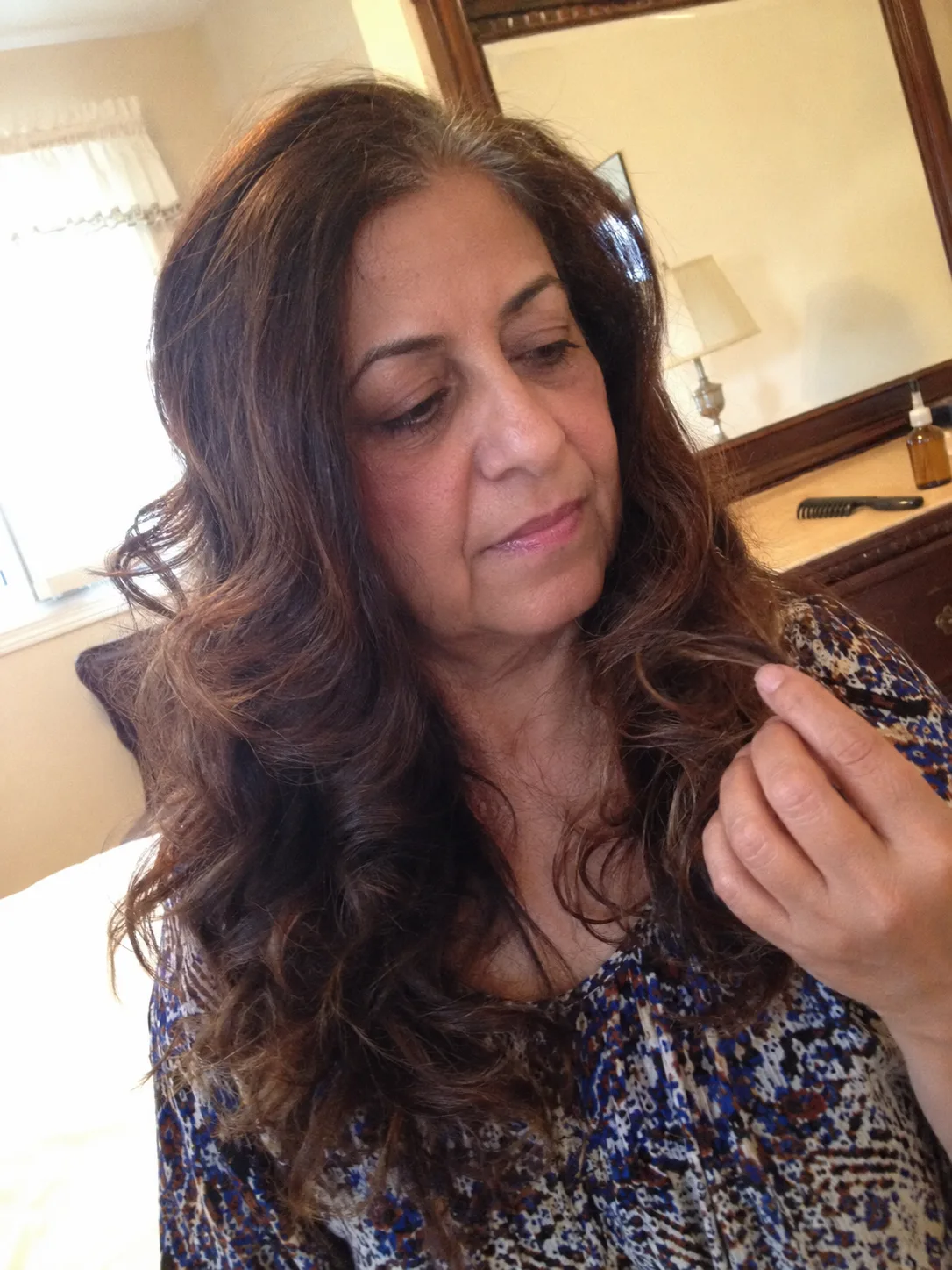
Some women primarily wear naturally textured hair stretched through braiding, banding, wrapping, blow-drying, or other techniques. A cut planned around that state can produce a longer, softer outline with controlled movement through the ends.
The haircut should still account for what happens on wash day. Sections that line up neatly while stretched may sit at noticeably different heights once coils or curls return.
Discuss both states during shaping if you regularly alternate between them. The strongest haircut is one that doesn’t depend on a single temporary texture to make sense.
Long Twist-Out
A twist-out lets long natural hair keep visible texture while creating larger, more organized sections than many wash-and-go results. Length appears differently depending on how tightly the hair was twisted and how much it contracts after separation.
This option works especially well when you enjoy volume but want more predictable grouping through the lengths. The style can be refreshed selectively instead of repeatedly manipulating every section.
Nighttime friction can disturb the outer layer before the entire style loses its shape. A smooth scarf, bonnet, or pillowcase may help reduce tangling and surface friction, although it won’t correct existing breakage.
Long Pressed Hair With Body
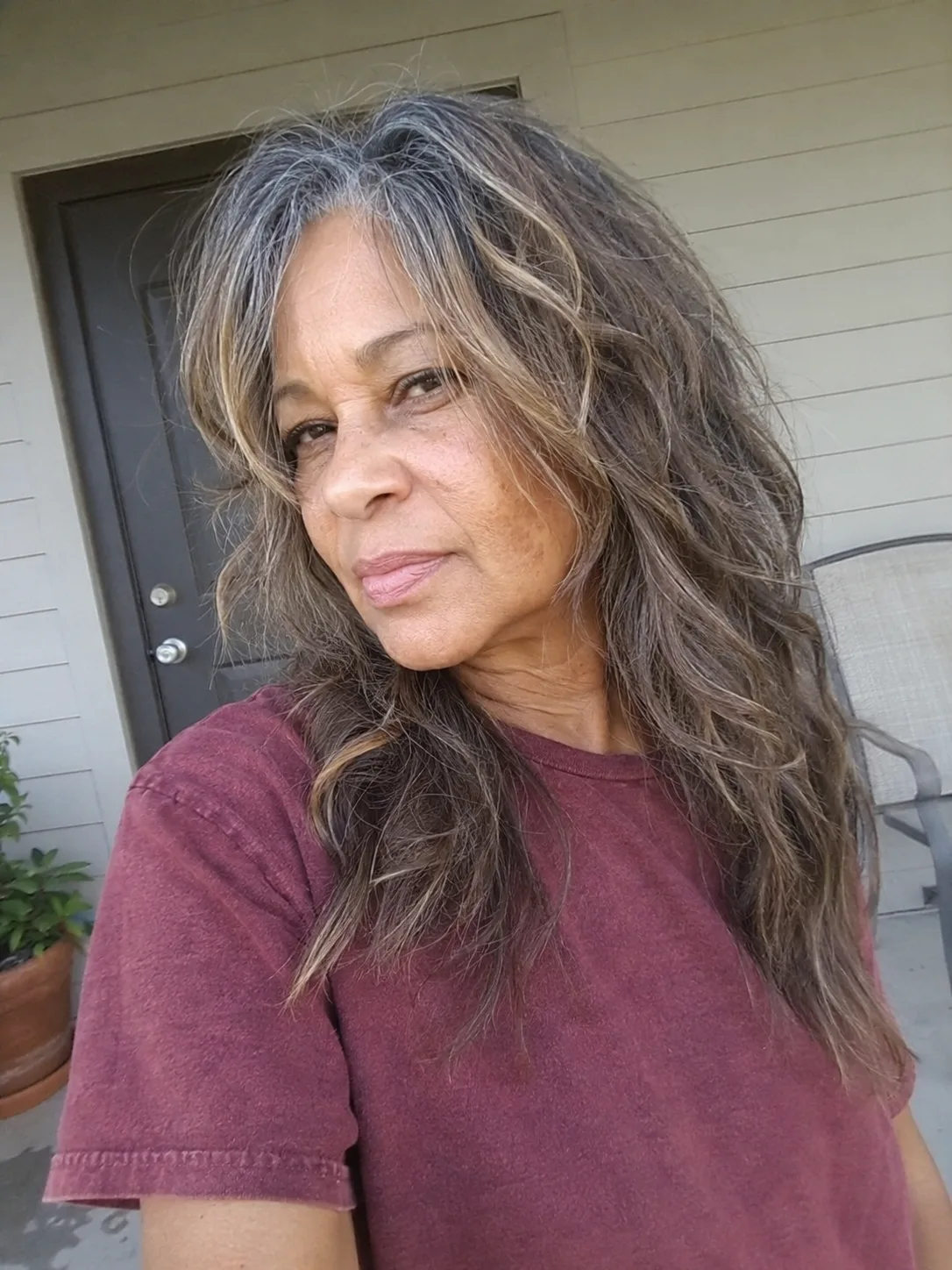
Pressed or heat-styled natural hair can show the geometry of a long haircut very clearly. U-shaped perimeters, face framing, and long layers become easier to see once shrinkage is temporarily reduced.
A slight bend through the ends generally gives the length more movement than an extremely flat finish. It also keeps the haircut from depending entirely on pin-straight styling.
Heat choices should be based on hair condition, tool design, previous chemical services, and technique rather than one universal temperature. Repeated passes and excessive manipulation can matter as much as the number displayed on the tool.
Long Styles That Change the Shape Without Cutting Much Length
Soft Low Ponytail
A low ponytail is one of the most useful ways to control long hair without building height at the crown. It works with straight, wavy, curly, stretched, and many textured states.
Leaving a little natural volume through the crown gives the style a softer profile, while a smoother base creates a more formal effect. A fabric-covered elastic can reduce snagging compared with rough or exposed hardware.
The low position also behaves better against many headrests than a bulky high ponytail. That matters during long drives, flights, and events where you’re seated for extended periods.
Half-Up, Half-Down Hair
Half-up styling removes hair from the face while keeping most of the visible length. It’s an underrated option for anyone who likes long hair down but gets tired of repeatedly tucking the temple sections behind the ears.
The anchor can sit at the back of the head without pulling every front hair tightly toward one point. Clips, pins, or a covered elastic all create slightly different results.
Curly and coily hair can keep considerably more volume through the loose lower section, while straighter hair shows the length more clearly. The construction should work with your texture instead of forcing the surface unnaturally flat.
Loose Low Bun
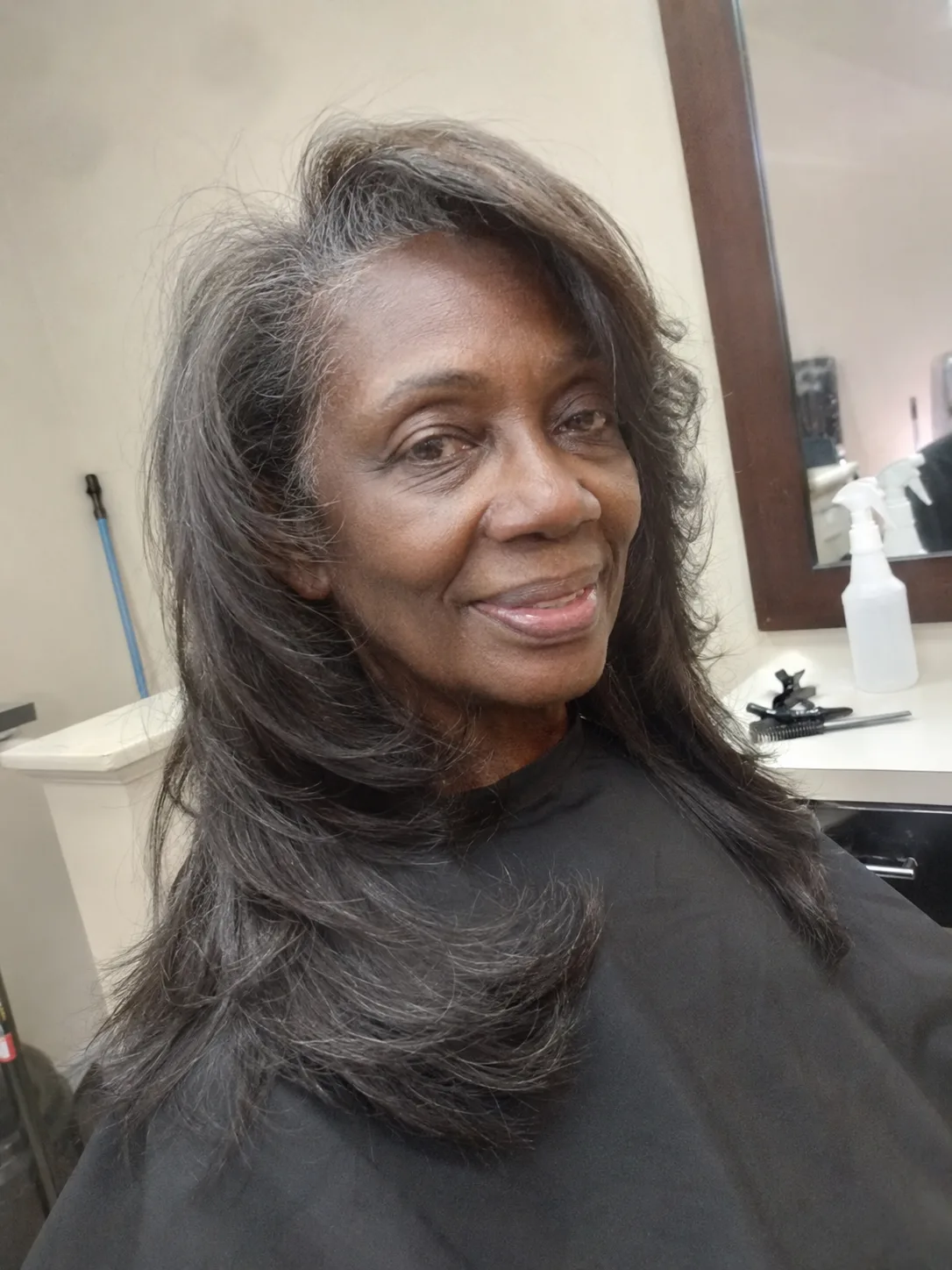
Long hair gives a low bun enough material to look substantial without requiring a very high anchor. The style can be smooth and compact or deliberately loose, depending on the occasion.
A low bun is particularly practical when you want the neck clear while avoiding a large shape directly against the back of the head. The exact position matters with coat collars, scarves, and high necklines.
Keep the anchor comfortable. Hair that feels painfully tight during ordinary movement has been secured more firmly than necessary.
Long Natural and Installed Styles
Long Two-Strand Twists
Two-strand twists give long natural hair a defined structure while keeping individual sections flexible. They can be created with natural hair alone or with added hair, and those two versions can feel very different in weight.
Natural-hair twists make scalp access relatively straightforward and allow the actual length to remain visible in a controlled form.
Added hair can create more length or fullness, but section size, attachment, total weight, and root tension become part of the decision. The most dramatic length isn’t always the most practical one for sleeping, cleansing, exercise, or frequent repositioning.
Long Locs
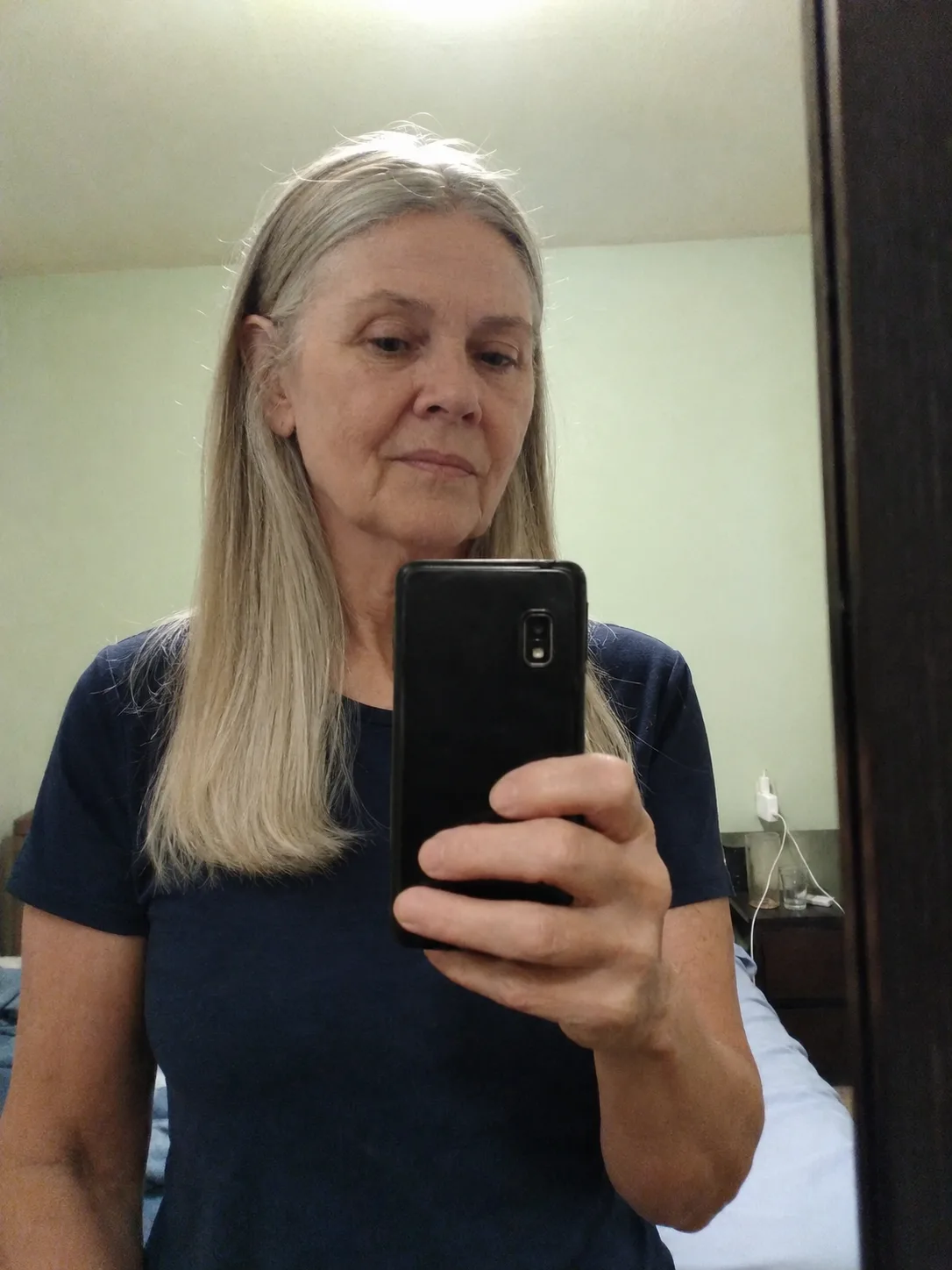
Long locs create their own movement and weight distribution, so styling them should account for more than the outline seen in a photograph. Mature locs may carry substantial weight, particularly when gathered into high buns or ponytails.
Wearing them loose keeps that weight distributed more evenly. Low gathers, partial updos, and simple side positioning can change the appearance without concentrating the entire length at one anchor.
Scalp access also stays important. Cleansing and thorough drying need to remain realistic for your loc density, length, and routine.
Long Layered Wig
A long wig provides the look of significant length without requiring your own hair to reach the same point. Layering can keep the front from feeling like one heavy curtain and can reduce excess bulk around the shoulders.
Construction matters as much as the haircut. Cap fit, attachment method, hair density, parting flexibility, and the amount of material around the temples all influence everyday comfort.
This is the strongest option in the article for someone who wants to change length dramatically without making a permanent haircut decision. Check the profile with your usual glasses, earrings, and neckline before settling on the final density and face framing.
What Long Hair Photographs Often Hide
Long hair can look simple in a still image because the photograph captures a single arrangement. Daily life adds movement, friction, weather, clothing, and sleeping position.
Very long hair may sit underneath handbag straps or coat collars. Layered ends can flip where they meet the shoulders. A large low bun can compete with a high collar. Long curls may look dramatically shorter after washing than they appeared in a stretched reference photo.
Density also changes the interpretation of a style. Fine hair refers to individual strand diameter, while low density describes having fewer strands overall. Someone can have very fine hair with high density, coarse strands with low density, or many combinations between them. A haircut can’t create new density, although its perimeter and weight distribution can change how full the hair appears.
Gray hair should be judged the same way: by strand behavior, condition, density, porosity, and styling needs. Pigment loss itself doesn’t define whether the hair is straight, wiry, soft, fine, coarse, curly, or easy to manage.
Planning Your Salon Appointment
Long hair is easy to under-discuss because the request can sound simple: keep the length and change the shape. The important decisions are more specific.
Bring photographs that show the front, side, and back when the perimeter matters. For curly or coily hair, include images that represent the texture state you actually intend to wear. A beautifully blown-out reference provides limited guidance for a haircut that will spend most of its life in natural shrinkage.
Be clear about what you don’t want removed. Someone asking for movement may mean subtle face framing, while another person expects layers throughout the entire head.
Maintaining Long Hair Without Making It a Full-Time Project
Length is only worth keeping while the ends, routine, and styling demands still make sense.
Focus on detangling in a way that suits your texture and condition, minimizing unnecessary friction, and handling the oldest ends with care. Long hair has more opportunity to rub against clothing, become caught beneath straps, and tangle during sleep simply because more of it is exposed.
There’s no universal washing or trimming schedule that works for every woman over 60. Scalp comfort, activity, buildup, texture, chemical history, breakage, and the condition of the perimeter should guide those decisions.
Pay attention to what the ends are showing you. Transparent sections, increased tangling at the bottom, or visible breakage may justify reshaping even when you would prefer to preserve every inch. Keeping damaged length solely because it’s long can make the overall hairstyle look less substantial.
Sudden shedding, persistent scalp irritation, pain, redness, sores, or a concerning change in density deserves more than a haircut solution. A dermatologist or another qualified healthcare professional can assess changes that fall outside ordinary styling and maintenance.
Frequently Asked Questions
Does long hair make a woman over 60 look older?
There isn’t a useful age rule that makes long hair inherently aging or flattering. Shape and condition have a much stronger visual effect. Long hair with a healthy-looking perimeter and deliberate movement can look current, while badly broken ends or a shape that drags downward may feel less successful at any age. Choose the length according to your hair’s condition and the amount of styling you actually enjoy.
Can low-density hair still look good long?
Yes, although the perimeter deserves careful planning. Low density means fewer strands overall, so extensive layering can expose more space through the lower lengths. A straighter or gently rounded perimeter often keeps the ends looking stronger. Fine strands and low density are different characteristics, so don’t assume fine hair automatically needs the same haircut as sparse hair.
How often should women over 60 trim long hair?
Use the condition of the haircut rather than a fixed calendar rule. Some people notice the perimeter becoming uneven quickly, while others maintain a clean shape much longer. Increased tangling, split or broken ends, transparent sections, and a loss of the intended outline are more useful signs that reshaping may be worthwhile.
Is long gray hair harder to maintain?
Gray describes pigment loss, not a specific hair texture. Some gray strands may behave differently from previously pigmented strands, while others remain very similar. Build your routine around how your own hair responds to moisture, cleansing, heat, styling, and friction. Color history matters too; naturally gray hair and previously lightened or chemically processed hair can have very different needs.
Related Hairstyles to Explore
- Curly hairstyles for women over 60
- Hairstyles for women over 60 with fine hair
- Wash and wear haircuts for women over 60
- Medium length hairstyles for women over 60
Hair Texture & Upkeep Style Matcher
Select your natural hair texture and daily maintenance window to get an instant styling formula and heat safety cap.
Heat Cap: 320°F (160°C)
A versatile three-strand braid beginning at the parietal ridge, securing the top half while allowing natural wave texture to flow freely around the shoulders.
Conclusion
The strongest long hairstyles for women over 60 don’t depend on disguising age. They depend on choosing where the hair should carry weight, where it should move, and how much daily styling you’re willing to support.
Start with the perimeter. Decide whether you want fullness, movement, natural volume, or styling flexibility to lead the look. Then choose layers, texture, or an updo strategy that supports that priority instead of working against it. Long hair earns its place when the shape still looks convincing after the salon finish is gone.
Editorial Standards & Hair Health Guidance
Every style featured on Tress Atlas is curated with a focus on real-world wearability, scalp tension management, and cuticle preservation. When trying protective styles or tight updos, ensure perimeter hairline sections remain tension-free to avoid traction stress on delicate follicles. For heat styling, cap tools below 350°F (180°C) to prevent thermal keratin denaturation.
Scientific Sourcing: Practices aligned with the American Academy of Dermatology (AAD) on traction alopecia risk reduction and cosmetic trichology research on hair tensile strength.