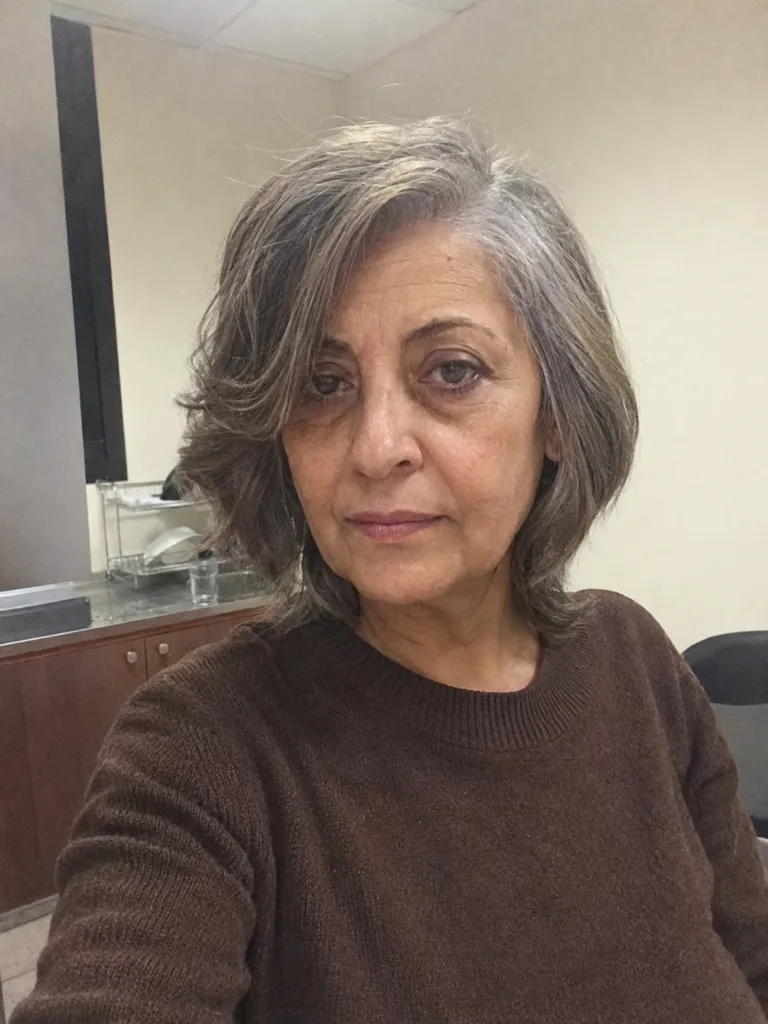
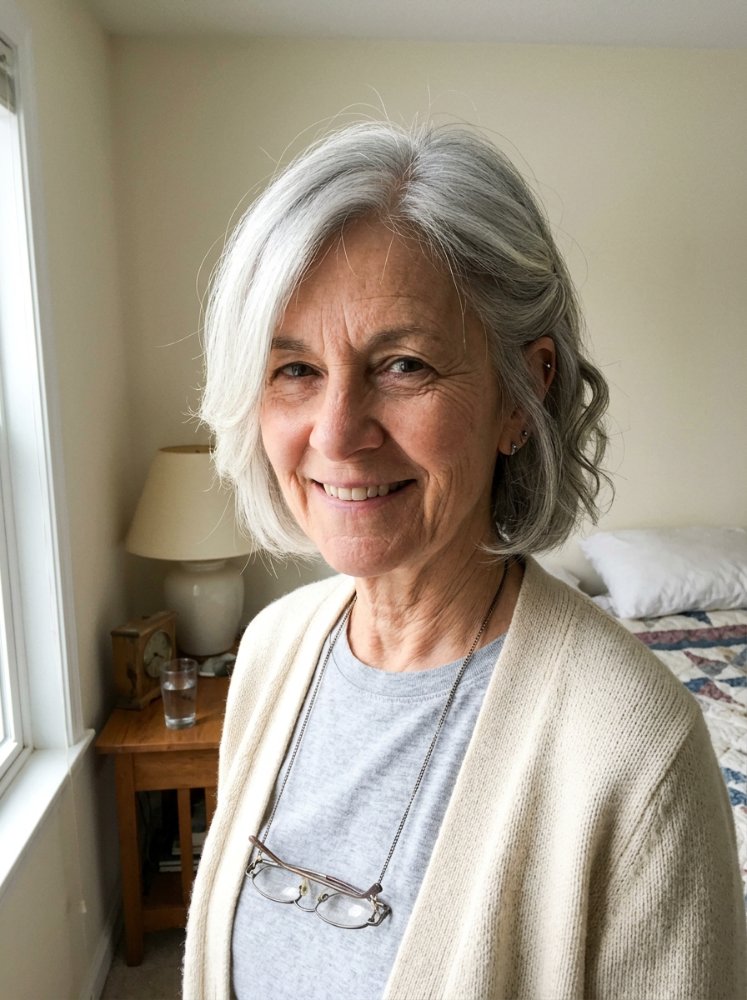
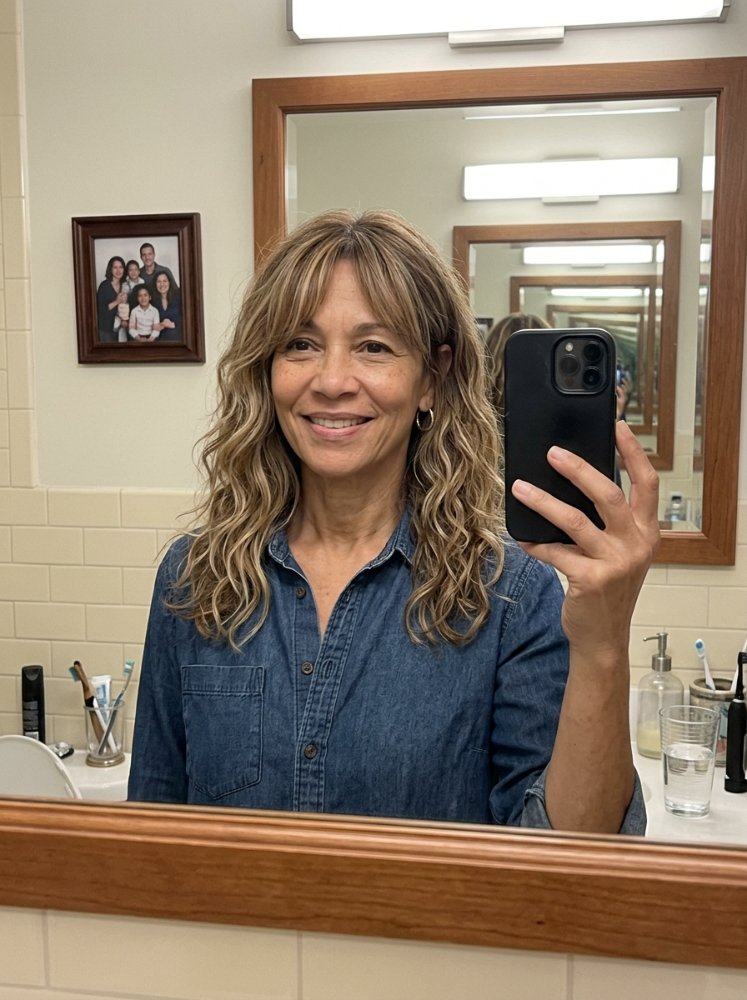
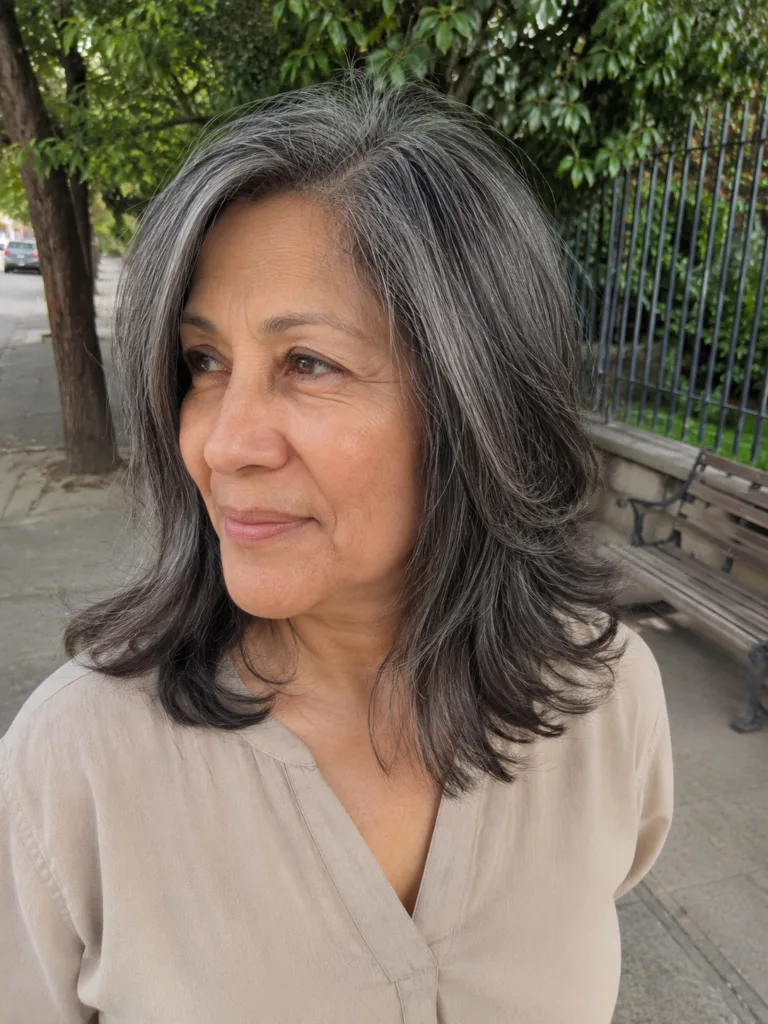
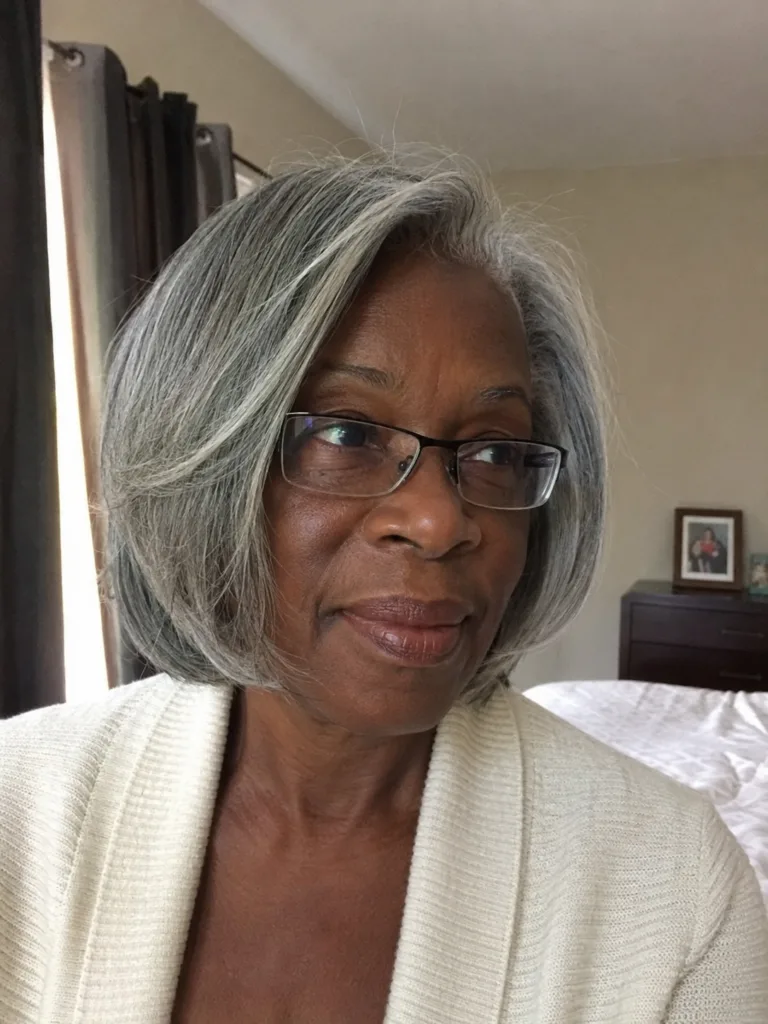
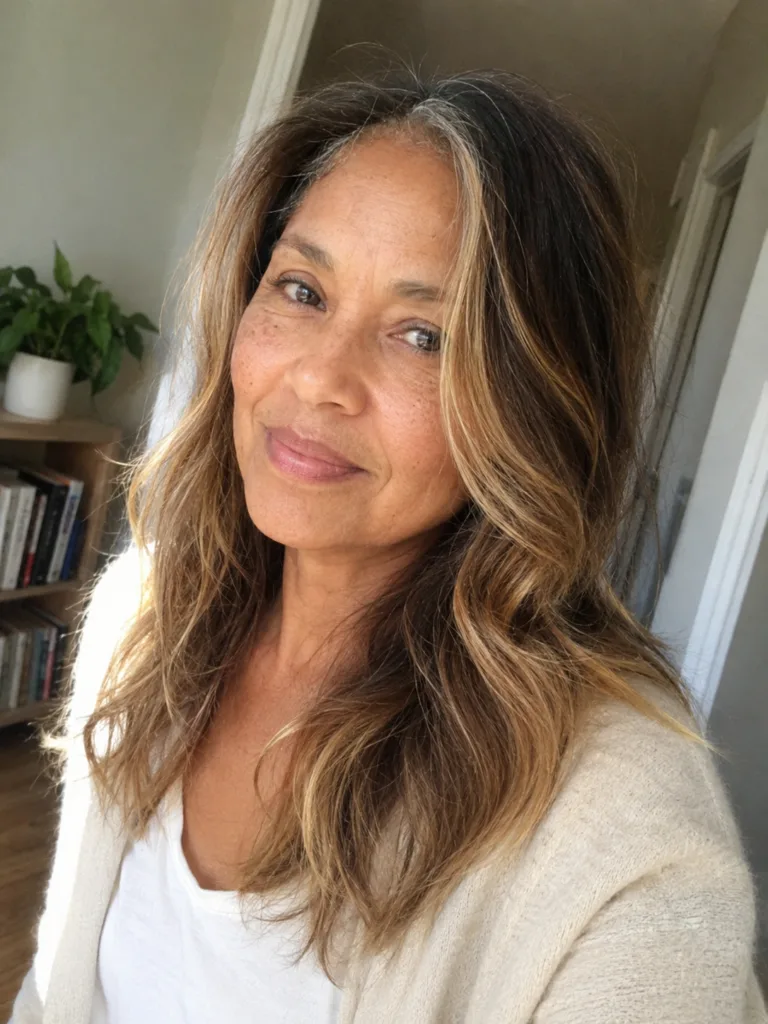
Curly Hairstyles for Women Over 60: Complete Shape, Definition & Upkeep Guide
The most flattering curly hairstyle after 60 is rarely about following an age rule. It comes down to choosing a shape that works with your curl pattern, density, strand size, shrinkage, neckline, glasses, and the amount of styling you actually want to do.
A photograph can make a haircut look effortless while hiding the work underneath. Some shapes depend on deliberate root lift or careful arranging every morning. Others are forgiving because the curl pattern itself creates the movement.
Gray hair deserves separate consideration too. Gray describes pigment loss, not texture. Your haircut should still be planned around how your hair actually behaves, including its condition, density, curl grouping, and usual styling state.
Short Curly Shapes With a Clear Outline
Tapered Curly Pixie
A tapered curly pixie keeps the sides and nape compact while leaving enough length on top for visible curl definition. It is one of the strongest choices when you want a genuinely short haircut without losing the character of your texture.
The taper can be close and crisp or softer around the temples and ears. A softer outline preserves more fullness and can also work well with glasses because the hair can be shaped around the frames instead of competing with them.
Short cuts expose changes in shape quickly. The nape and sides may lose their intended outline while the top still feels like a comfortable length, so salon upkeep matters more here than with a longer layered cut.
Long-Top Curly Crop
Keeping extra length through the crown and front gives a short crop much more flexibility. You can lift the curls away from the forehead, let them fall forward, or direct them to one side while the shorter back keeps the profile light. Density matters: fine strands can still look abundant, while low-density hair needs restrained interior cutting so unnecessary scalp exposure doesn’t undermine the fullness you’re trying to keep.
Curly Pixie-Bob
A pixie-bob sits between a crop and a conventional bob, retaining more fullness around the sides and back than a tapered pixie. It is useful when you want visible curl movement but aren’t ready for chin-length hair.
Its softer perimeter also makes grow-out less abrupt. Keep the areas around the ears and nape deliberate, especially if your curls expand significantly after drying; excess bulk there can quickly change the proportions of the cut.
Side-Swept Curly Crop
Asymmetry gives a short curly haircut a different personality without requiring dramatic length. One side stays controlled while the top and front carry enough length to sweep across the forehead. This version asks for more daily arranging than a uniformly rounded crop because sleep and humidity can disturb the direction, but it is a strong option when you prefer movement concentrated toward one side of the face.
Curly Bobs and Lobs With More Perimeter Weight
Rounded Curly Bob
A rounded curly bob is dependable when you want fullness without a heavily layered appearance. A substantial lower edge gives the cut presence, while selected layers help the curls stack instead of spreading into a triangular shape.
This can be especially effective when healthy ends look scattered at one length. A stronger perimeter can make the lower edge appear fuller, although the haircut cannot create actual hair density.
Dry length matters. Depending on your shrinkage, hair that reaches the collarbone while wet may sit much higher once the curls have fully formed. The final bob should be assessed in the styling state you normally wear.
Graduated Curly Bob
Graduation builds more weight toward the back and allows the front to remain slightly longer. On curls, that creates a defined profile without depending on extensive internal layering.
It is more salon-dependent than a softly rounded bob because the nape can become heavy as it grows. A bob resting directly on a coat collar may also flip outward at the back, which is worth considering if high necklines are part of your everyday wardrobe.
Collarbone Curly Lob
The collarbone lob is one of the safest starting points when you want change without giving up versatility. It provides enough length for movement, a half-up style, or a loose ponytail while avoiding some of the weight of very long curls. Moderate layering can prevent bottom-heavy width while preserving a solid perimeter, and the shape remains fairly forgiving as it grows.
Curly Shag With an Airy Crown
The curly shag shifts volume upward through shorter crown layers and face-framing pieces. Compared with a bob, it looks lighter, less compact, and more deliberately separated.
Choose it when crown lift and movement matter more than having a thick-looking lower edge. The haircut intentionally removes some weight from the perimeter.
Low-density hair needs particular restraint with this shape. Excessive interior removal can reveal more scalp and leave the ends looking sparse. A modified shag with fewer layers is often the stronger direction when visible fullness is the priority.
Medium and Long Curls With Controlled Movement
Shoulder-Length Layered Curls
Shoulder length gives curls space to move while remaining easy to pull back. The most successful layer pattern removes enough weight to stop the hair from collecting heavily at the bottom without weakening the perimeter.
This length adapts well to different curl patterns because the layering can respond to shrinkage and density. It is also practical if you regularly exercise, garden, cook, or simply like having the option to get your hair off your neck.
Midi Cut With Curly Fringe
A curly fringe can change a medium-length haircut dramatically without sacrificing much overall length. The fringe might fall as a full group of curls, separate into softer pieces, or sweep gently to one side. It doesn’t need to be straightened; it should be shaped according to the curl pattern and shrinkage you actually wear. Expect a little more morning attention around the forehead because humidity and sleep affect shorter curls quickly.
Face-Framing Curly Layers
Face-framing layers create movement around the cheek, jaw, or collarbone while leaving most of the back length intact. They are an underrated option when you want a visible update but still value a strong perimeter.
Placement should be judged after the curls spring into place. A stretched section that appears to reach the jaw can finish significantly higher, and front layers can also be adjusted so they fall beside glasses instead of directly over the frames.
Long Curls With Low, Restrained Layers
Long curls don’t need aggressive layering to gain movement. Lower layers can remove some heaviness while keeping enough length at the bottom for a substantial-looking edge.
This is the stronger choice when maintaining length matters more than producing maximum crown volume. It also suits hair whose curl groups already separate and move well without extensive shaping.
The everyday cost is mostly practical: longer curls spend more time rubbing against clothing and require more detangling and drying than a lob or bob. Simple cutting doesn’t always mean simple maintenance.
Natural Curl and Coil Shapes That Let Texture Lead
Rounded Wash-and-Go Afro
A rounded wash-and-go shape lets natural curls or coils build volume around the head in their normal shrunken state. The main decision is where you want the widest point to sit: higher creates more crown lift, while lower placement produces a fuller side profile. Because wet length can reveal very little about the final outline, this is a haircut that benefits greatly from being assessed after the hair is completely dry.
Tapered Coil Cut
A tapered coil cut keeps greater height on top and gradually removes bulk toward the sides and nape. Unlike an ultra-short pixie, the coil pattern remains a major part of the visible shape.
This can be especially practical for dense hair that feels heavy around the lower head. With low-density hair, preserving strategic fullness becomes more important, so a softer taper may serve the overall shape better.
Stretched Curl Set With a Soft Rounded Shape
Not every curly hairstyle has to be worn in its most shrunken state. Twists, braids, rollers, or another setting method can create elongated curls while preserving visible texture.
That styling state should influence the haircut. A shape planned entirely around a compact wash-and-go may sit very differently after the hair is stretched.
This is a useful direction when you enjoy curl definition but prefer less height or shrinkage around the crown and sides. The amount of elongation can change from one styling method to another, so flexibility in the cut is valuable.
Curly Styles for Days You Want Hair Off Your Face
Half-Up Curly Style
A half-up style clears the forehead and temples while leaving the curls loose through the back. Gather the crown section with a fabric-covered elastic, clip, or pins and allow naturally shorter hairline pieces to remain free rather than forcing every strand into the anchor. It’s especially practical with glasses because removing some temple volume prevents curls from repeatedly falling over the frames.
Low Curly Chignon
A low curly chignon works well for dressier occasions because the anchor sits at the nape while the curl pattern can remain visible through the bun. Naturally curly hair, a stretched texture, or a set can all support the shape.
The low placement is also easier around many headrests and hats than a high bun. Bobby pins can secure individual sections without brushing every curl into a rigidly smooth surface.
Loose Curly Ponytail
A loose curly ponytail is simple, but placement changes its character. A low base looks relaxed, while a mid-height base gives more lift through the back. Use a secure, comfortable elastic without pulling the hairline unnecessarily tight, and leave the front as textured as you prefer. For a dressier finish, a small section of hair can wrap around the elastic while the curly tail remains untouched.
How to Choose the Right Curly Hairstyle After 60
Start with the state in which you wear your hair most often. A haircut designed for a defined wash-and-go behaves differently on curls that are routinely stretched, roller-set, pressed, or gathered into an updo. Reference photos are much more useful when the model’s styling state resembles yours.
Consider density and strand size separately. Fine hair means small-diameter strands; it doesn’t necessarily mean there are fewer hairs. Low density refers to having fewer strands overall. Low-density curls often benefit from preserving perimeter weight, while very dense hair may need more deliberate weight distribution to keep the shape manageable.
Shrinkage becomes particularly important with fringes, bobs, short layers, and rounded natural cuts. Ask where each major layer is expected to sit once your curls are fully dry rather than judging the haircut only at stretched length.
Your everyday accessories belong in the conversation too. Glasses arms can compete with bulky temple sections. Hearing devices may require extra clearance around the ears. High collars and scarves repeatedly touch the nape, while hats can flatten a crown-heavy style.
Curly Hair Maintenance After 60
A workable maintenance routine should support your actual scalp, hair condition, and styling habits instead of following an age-based schedule. Cleanse according to scalp comfort and buildup, then condition and style according to what your curls need to remain manageable.
A bonnet or smooth pillowcase can reduce overnight friction and tangling. Longer curls may also tolerate loose gathering at night, while a short pixie or bob may simply need light protection and a small morning refresh.
Heat use should be guided by the condition of the hair, the tool, and your technique rather than one universal temperature. Washing and trimming also resist rigid calendars. A short tapered cut may need reshaping sooner because its outline is the main feature, while a lob can often tolerate considerably more visible growth before the proportions change.
Healthy maintenance also means noticing changes that fall outside your normal pattern. Sudden shedding, persistent pain, redness, sores, or a concerning change in density deserves assessment by a dermatologist or another qualified healthcare professional.
Related Hairstyles to Explore
- Hairstyles for women over 60 with fine hair
- Long hairstyles for women over 60
- Wash and wear haircuts for women over 60
- Medium length hairstyles for women over 60
FAQs
Are short curly hairstyles flattering for women over 60?
Yes. Short curls can look soft, sculpted, relaxed, or bold depending on the shape. A tapered pixie, long-top crop, or pixie-bob is particularly useful when you want less length to manage while keeping your natural curl pattern visible.
Which curly haircut can make low-density hair look fuller?
Cuts with a stronger perimeter and restrained interior layering often preserve more visible fullness. A rounded bob, collarbone lob, or carefully shaped short cut may work well. Haircuts can change how density appears, but they cannot create additional follicles or actual density.
Should gray curly hair be cut differently?
Gray hair should be cut according to its current texture and behavior rather than pigment loss alone. Some people notice changes in feel or curl behavior as their hair grays, while others notice very little difference. Condition, density, strand size, shrinkage, and styling habits remain the more useful haircut factors.
Can women over 60 wear long curly hair?
Absolutely. Long curls make sense when you enjoy the length and the maintenance fits your routine. They involve more detangling, drying, and contact with clothing than a shorter cut, so keeping them simply because age rules say you shouldn’t cut them is no more useful than cutting them because someone says you should.
What is an easy curly hairstyle to maintain?
A shape that follows your natural curl behavior will generally demand less manipulation than one requiring constant straightening, directional styling, or root lift. Rounded bobs, shoulder-length layers, tapered coil cuts, and well-shaped wash-and-go styles are practical places to start.
How should I prepare for a curly haircut consultation?
Wear your hair in its normal curly or styled state when practical and bring reference images showing the type of shape you want. Explain how much daily styling you’re prepared to do, how much your hair shrinks, where it tends to expand or flatten, and whether glasses, hearing devices, hats, or high collars affect your routine.
Hair Texture & Upkeep Style Matcher
Select your natural hair texture and daily maintenance window to get an instant styling formula and heat safety cap.
Heat Cap: 320°F (160°C)
A versatile three-strand braid beginning at the parietal ridge, securing the top half while allowing natural wave texture to flow freely around the shoulders.
Conclusion
Curly hairstyles for women over 60 work better when the haircut responds to the hair in front of you instead of an age category. Decide first where you want fullness, how much length you want to keep, and how your curls should look once completely dry.
The strongest choice is usually the one that still makes sense on an ordinary morning, without requiring your hair to behave like the perfectly arranged curls in a reference photo.
Editorial Standards & Hair Health Guidance
Every style featured on Tress Atlas is curated with a focus on real-world wearability, scalp tension management, and cuticle preservation. When trying protective styles or tight updos, ensure perimeter hairline sections remain tension-free to avoid traction stress on delicate follicles. For heat styling, cap tools below 350°F (180°C) to prevent thermal keratin denaturation.
Scientific Sourcing: Practices aligned with the American Academy of Dermatology (AAD) on traction alopecia risk reduction and cosmetic trichology research on hair tensile strength.