Hairstyles for Older Women: 25 Styles Built Around Shape, Texture, and Real-Life Upkeep
The most useful way to choose a hairstyle as you get older isn’t to search for a cut that looks suitably mature. It’s to decide what you want your hair to do now.
Maybe you want a stronger-looking perimeter because your ends seem less substantial. Perhaps you’re tired of styling around glasses, a stubborn crown, or hair that takes longer to dry than it once did. You may want to keep your natural curls, wear your gray fully visible, hold onto long hair, or stop arranging your entire routine around a haircut.
Age alone doesn’t answer any of those questions. Density, strand size, curl pattern, shrinkage, condition, haircut construction, and the way you normally style your hair have far more influence on how a style behaves.
The 25 hairstyles below cover short cuts, bobs, medium and long shapes, natural textures, locs, and styles that put the hair up. The strongest option is the one whose maintenance makes sense after the photograph is gone.
Short Hairstyles With a Clearer Outline
Soft Tapered Pixie
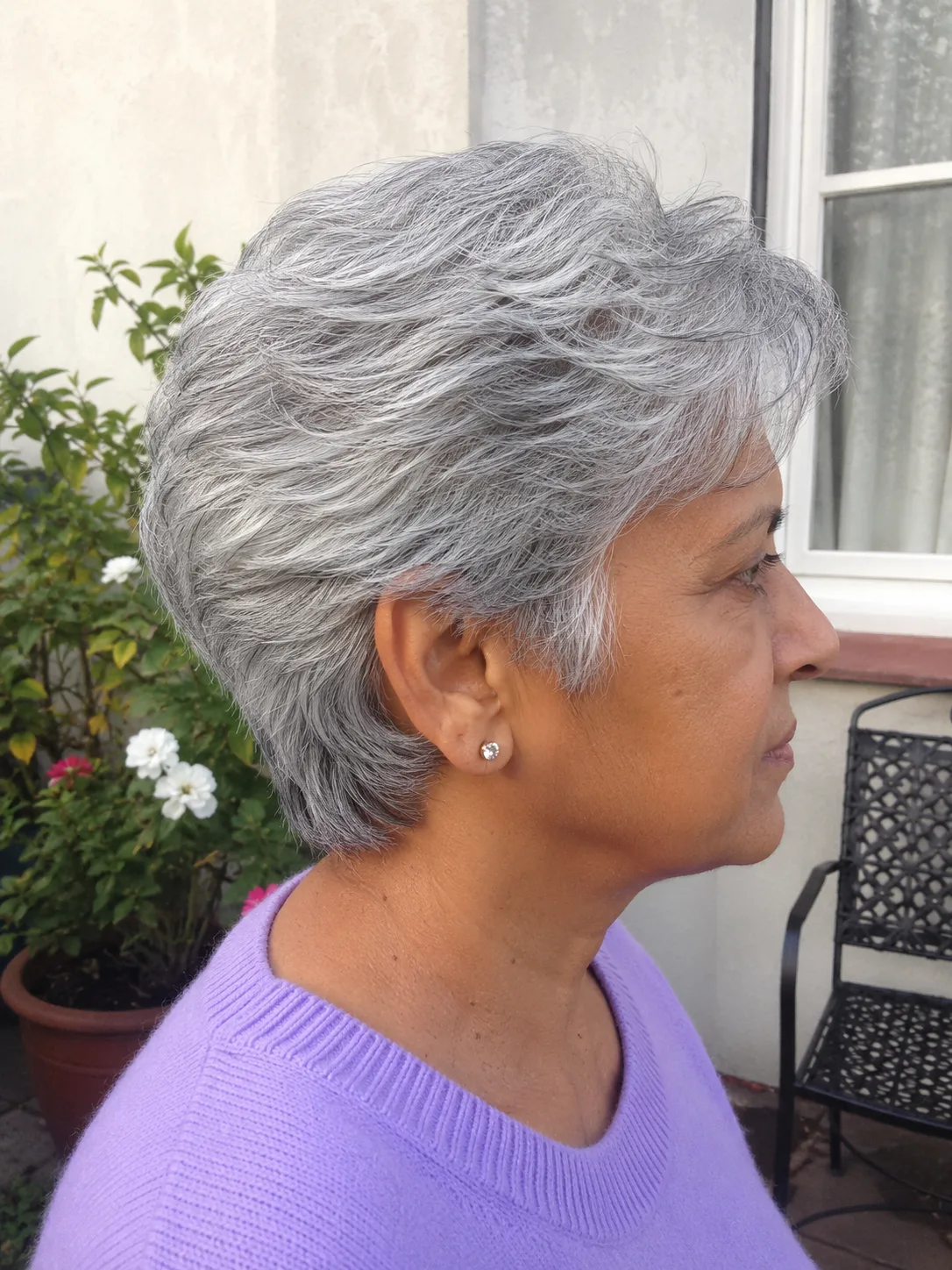
A soft tapered pixie keeps the sides and back close while leaving enough length through the top to create movement instead of a hard, cropped outline. It’s especially practical when you want short hair without making every morning depend on precise sculpting. The exposed neckline also avoids the flipping and bunching that can happen when a bob repeatedly meets a coat collar.
Long Side-Swept Pixie
More top length changes a pixie dramatically. The fringe can sweep across the forehead, move away from the face, or be lifted slightly at the front, giving you more control over feature emphasis than a uniformly short crop.
This version is more styling-dependent than the shortest pixie. Hair that collapses easily may need some root support, while very dense hair can require careful weight removal so the top bends instead of sitting like a solid block. Glasses also matter: keeping the temple area relatively neat prevents the frame arms from fighting with bulky side sections.
Curly Pixie With a Full Top
Curls make a short pixie feel less severe because the top has natural variation rather than one smooth surface. A shorter perimeter with a fuller crown works particularly well for someone who likes curl definition but doesn’t want the drying, detangling, and shrinkage management of longer hair.
The haircut has to be judged in the state you actually wear. A shape that looks balanced on stretched curls may sit considerably higher after the hair contracts.
Curly fringe can stay curly. Straightening the front merely to make the cut work introduces another styling requirement, so the better shape is one that lets the fringe form naturally with the rest of the hair.
Tapered Natural Crop
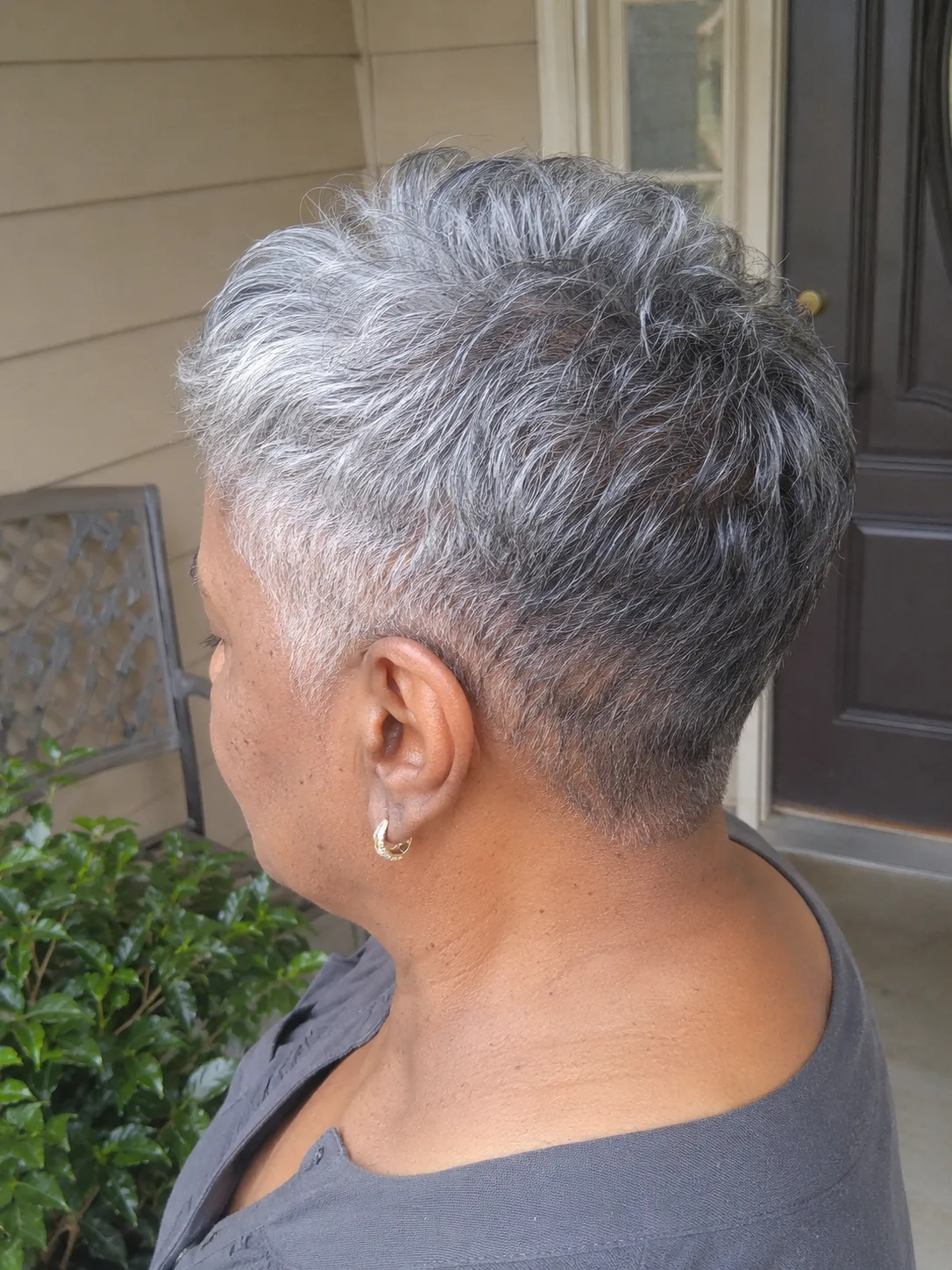
A tapered natural crop is one of the stronger short options for coily or tightly curled hair because the silhouette comes from the haircut itself. The sides and nape are controlled while the crown stays fuller, leaving room for coils, a small twist-out, sponge-defined texture, or a compact wash-and-go. The taper also reduces bulk around glasses without requiring the top to be flattened.
Sculpted Short Afro
A short afro keeps more fullness through the sides than a taper, creating a rounded or softly squared outline. That makes it a better choice when visible volume is part of the appeal and you don’t want the head-hugging sides of a pixie-inspired crop.
The final shape depends heavily on shrinkage and curl grouping. A good cut should look deliberate at the length you normally wear, whether that’s fully shrunken or lightly stretched. Very aggressive interior thinning can create gaps in a lower-density shape, so removing bulk and preserving visual fullness need to be balanced carefully.
Bobs That Put the Perimeter in Charge
Blunt Chin-Length Bob
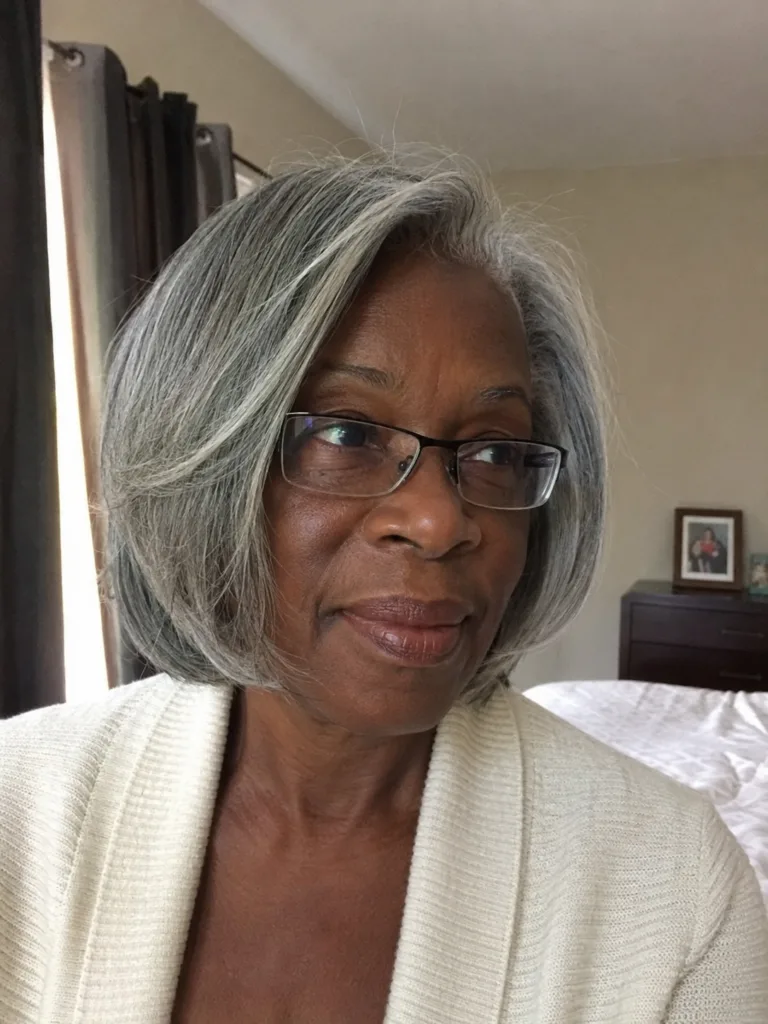
A chin-length bob concentrates attention at the lower edge. Healthy ends cut to a strong line can appear more substantial than long, heavily layered ends, which makes the style worth considering when the perimeter is your main concern.
That visual effect has limits. A haircut can redistribute weight, but it can’t create follicles or actual density. Fine strands and low density are also different issues: fine hair describes the diameter of individual strands, while low density refers to how much hair is present overall.
The bob is least forgiving when the ends are badly compromised, because the entire design depends on that lower line looking clean. It also reacts noticeably to clothing. A chin-length version usually clears collars better than a shoulder-skimming cut, which is useful if jackets and high necklines are part of your daily wardrobe.
Graduated Bob
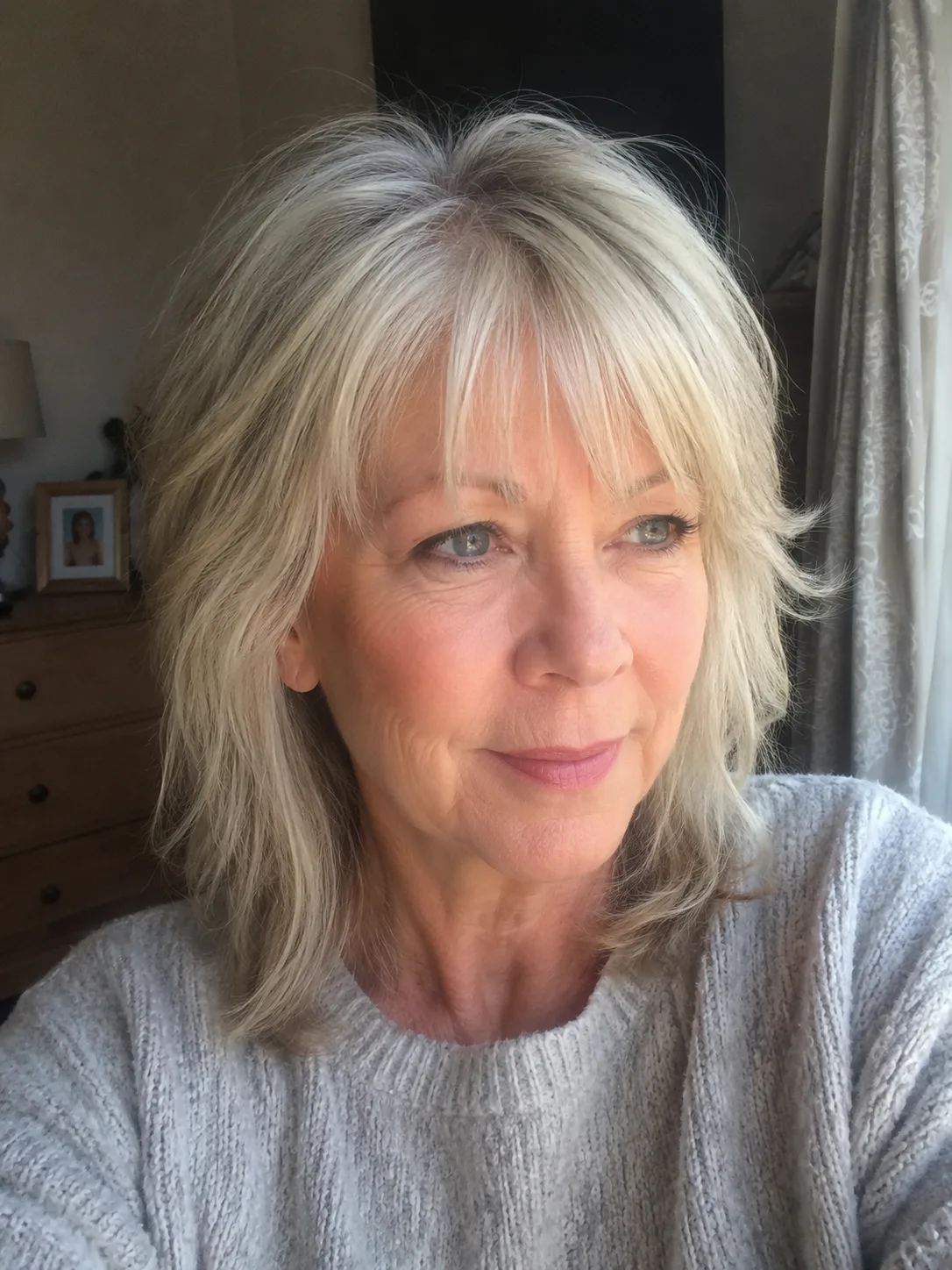
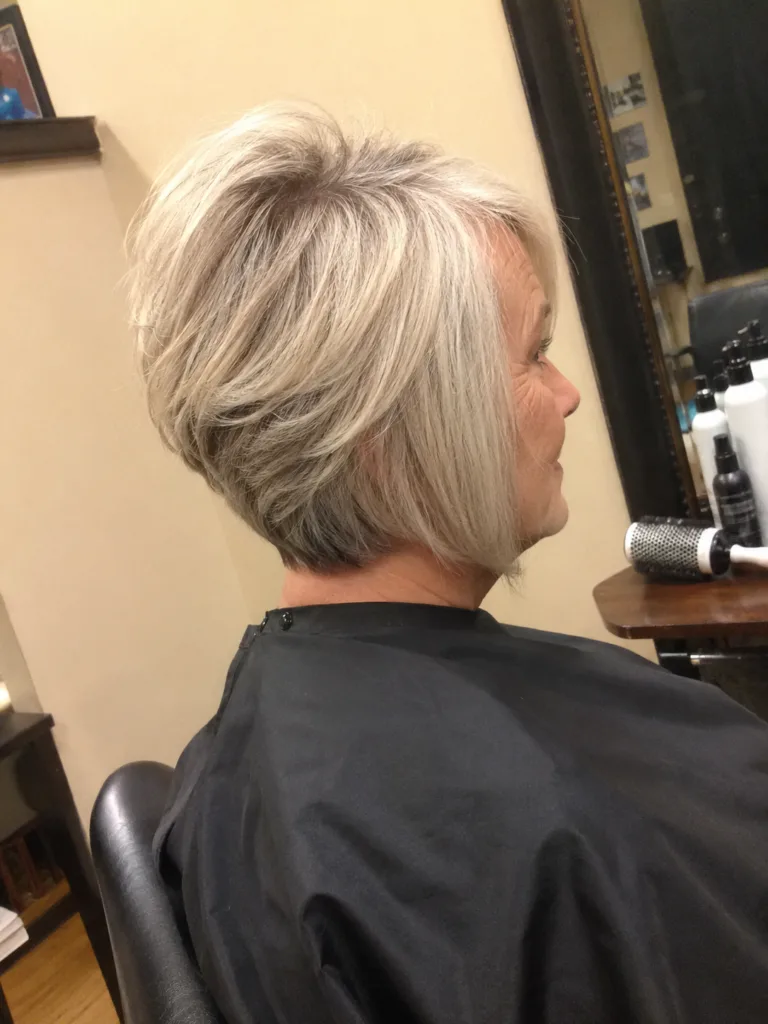
A graduated bob builds more weight toward the back of the head while keeping the neckline shorter. The result feels structured without requiring the same blunt horizontal line all the way around. It’s a useful choice when you like the neatness of a bob but want a little more crown shape and less hair sitting directly on the neck.
Soft Layered Bob
The layered bob trades some perimeter strength for movement. Strategic layering helps a dense bob bend and swing, and it can release curls or waves that become triangular when too much weight collects near the bottom.
This isn’t the style to layer aggressively just because the hair feels thick. Density, strand thickness, and bulk aren’t interchangeable. Coarse strands can create substantial volume even at moderate density, while low-density hair may reveal too much space after heavy interior removal. The amount of layering should solve a specific shape problem.
Curly Bob
A curly bob works best when the cut is designed around where the curls actually land. The same nominal length can sit at the jaw on one curl pattern and well above it on another because shrinkage changes the vertical result.
A rounded version creates more fullness through the sides. A slightly elongated outline keeps more weight toward the bottom and can feel less expansive around the cheeks.
The biggest mistake is choosing length from a straight-haired reference and assuming the curly result will occupy the same space. Look at the perimeter, crown height, and shortest curl in your reference photographs, not simply where the longest pieces end.
Asymmetrical Bob
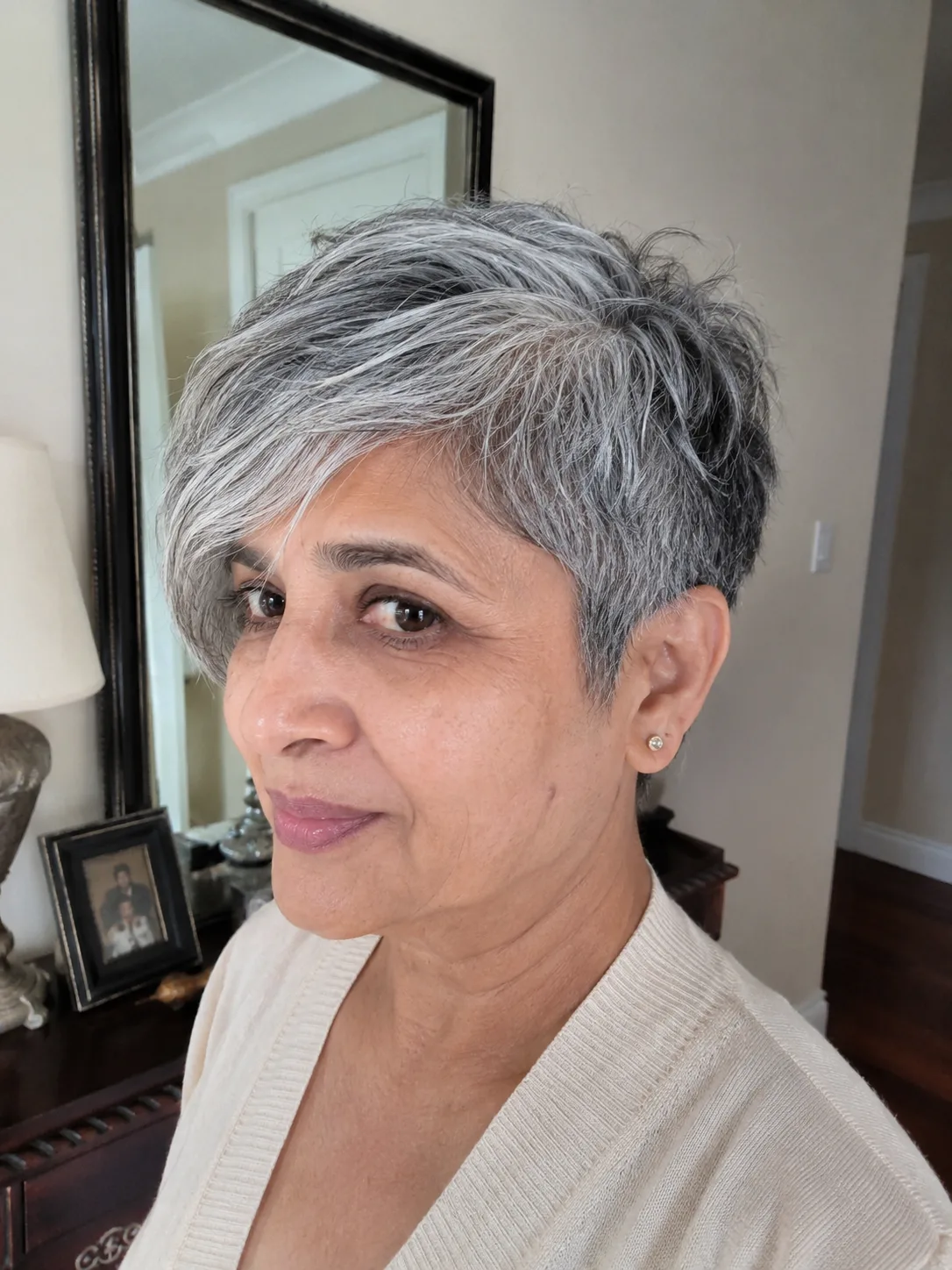
An asymmetrical bob gives a familiar shape a stronger directional line, with one side visibly longer or more extended than the other. It’s a sharper choice than a softly layered bob and works particularly well when you want the haircut itself to supply interest without depending on curls, accessories, or elaborate styling. The uneven perimeter also gives you more freedom to tuck the shorter side around glasses or behind the ear.
Medium and Long Cuts Without Unnecessary Bulk
Collarbone Lob
The collarbone lob is a practical middle ground for anyone who doesn’t want genuinely short hair. There’s enough length to make a small ponytail or low bun possible, yet much of the weight and tangling associated with longer hair disappears.
Its awkward point is exactly where the name suggests: the ends can meet shoulders, collars, scarves, and jacket necklines. That contact may make a smooth lob kick outward even when it behaved perfectly indoors.
A slightly shorter or longer finish can sometimes be easier than landing directly on the most collision-prone point. Bring the clothing you wear frequently into the decision, especially if a sleek perimeter is the feature you care about most.
Shoulder-Length Shag
A shag redistributes weight more aggressively than a conventional layered cut. Shorter crown layers, visible movement, and an airy perimeter make it useful for waves and curls that need release through the top.
It asks more from the haircut than from a polished blowout, which is part of its appeal. The downside is that the shorter layers can’t simply be pulled into every low style. Someone who regularly wants all the hair secured neatly at the nape may find a collarbone lob easier to live with.
One-Length Shoulder Cut
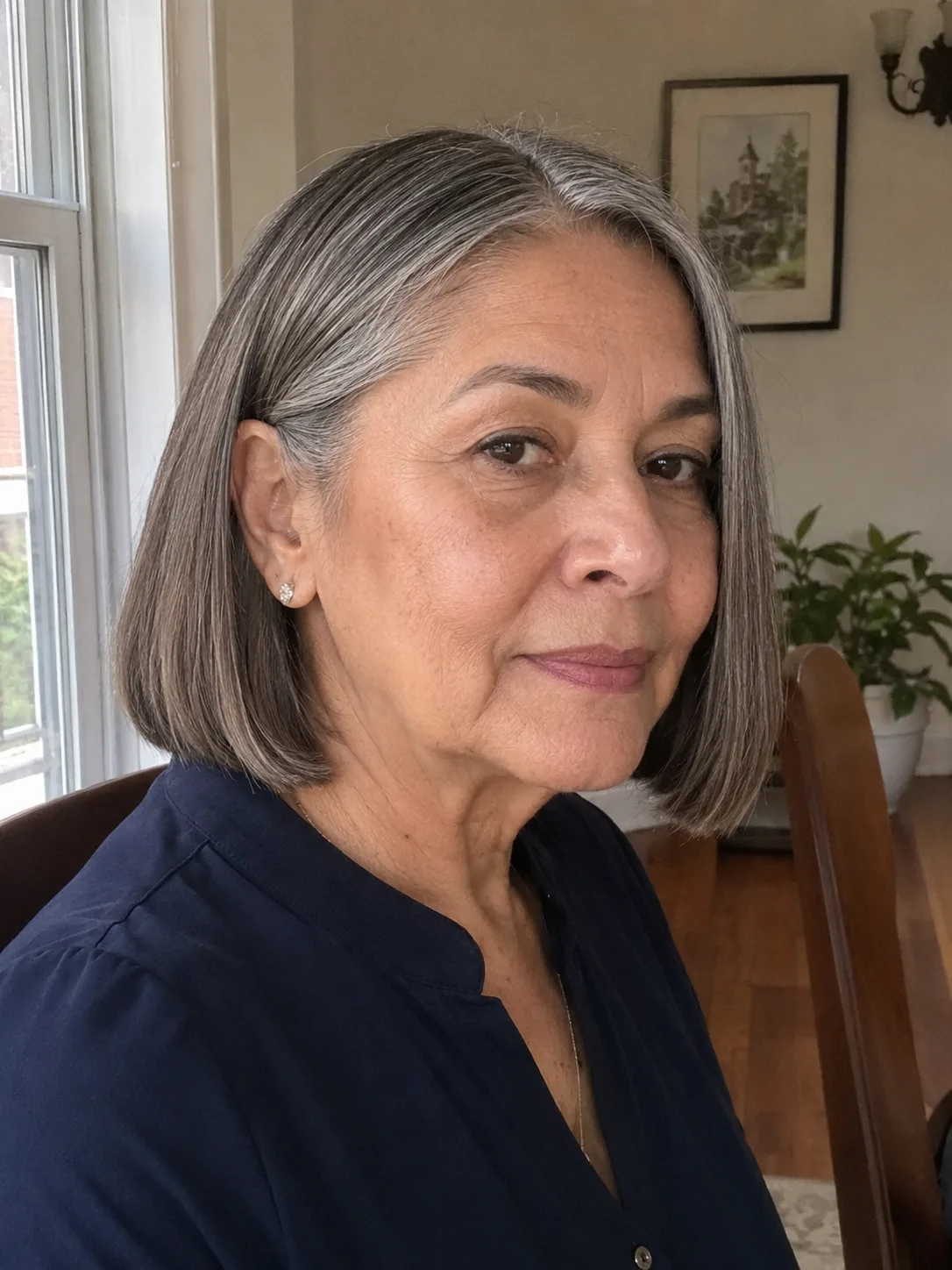
A one-length shoulder cut keeps more weight at the bottom and minimizes short interior pieces. It’s an underrated choice for straight or softly wavy hair when you prefer an uncomplicated outline and want the option of wearing the hair down, tucked, ponytailed, or in a low bun. The cleaner perimeter can also make healthy ends look more substantial than a heavily feathered shape.
Long Layers With Face-Framing Pieces
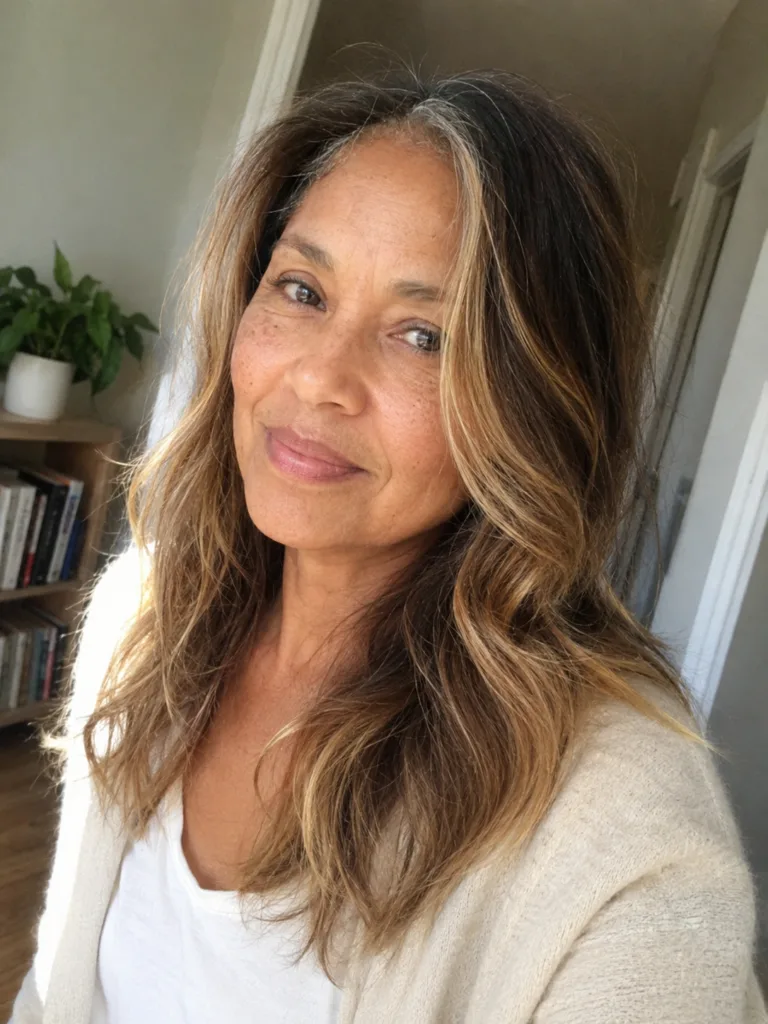
Long layers let you keep overall length while preventing the hair from moving as one heavy sheet. The face-framing pieces can begin wherever you want the strongest movement, which is more useful than following a rigid rule about where older women should place layers.
They do require enough hair to support the design. Too many short layers through lower-density hair can leave the ends looking transparent, particularly when the perimeter was already fragile. Preserve more weight at the bottom when a substantial lower edge matters more than maximum movement.
Long U-Shaped Cut
Long hair doesn’t need dramatic layering to look considered. A U-shaped perimeter keeps the center back longer while the outer edges rise gradually, creating a softer outline than a completely straight baseline.
It works especially well for someone who wants to retain length and still see an obvious haircut when viewed from behind. Compared with dense cascading layers, the lower edge keeps more visual weight.
The practical cost is still long-hair maintenance. Detangling, drying, heat styling, and sleeping all involve more hair than they would with a lob. Keeping long hair is worthwhile when you genuinely enjoy the length itself, not because age-related haircut rules have convinced you that cutting it would mean surrendering something.
Styles That Let Texture Lead
Rounded Wash-and-Go
A shaped wash-and-go lets curls or coils create most of the visible surface while the haircut controls the outer boundary. The strongest versions have a recognizable outline even before every curl is perfectly separated. This is easier to maintain than a shape that only looks finished after extensive stretching, picking, or reshaping, especially when natural shrinkage is part of your everyday hair state.
Twist-Out With a Defined Perimeter
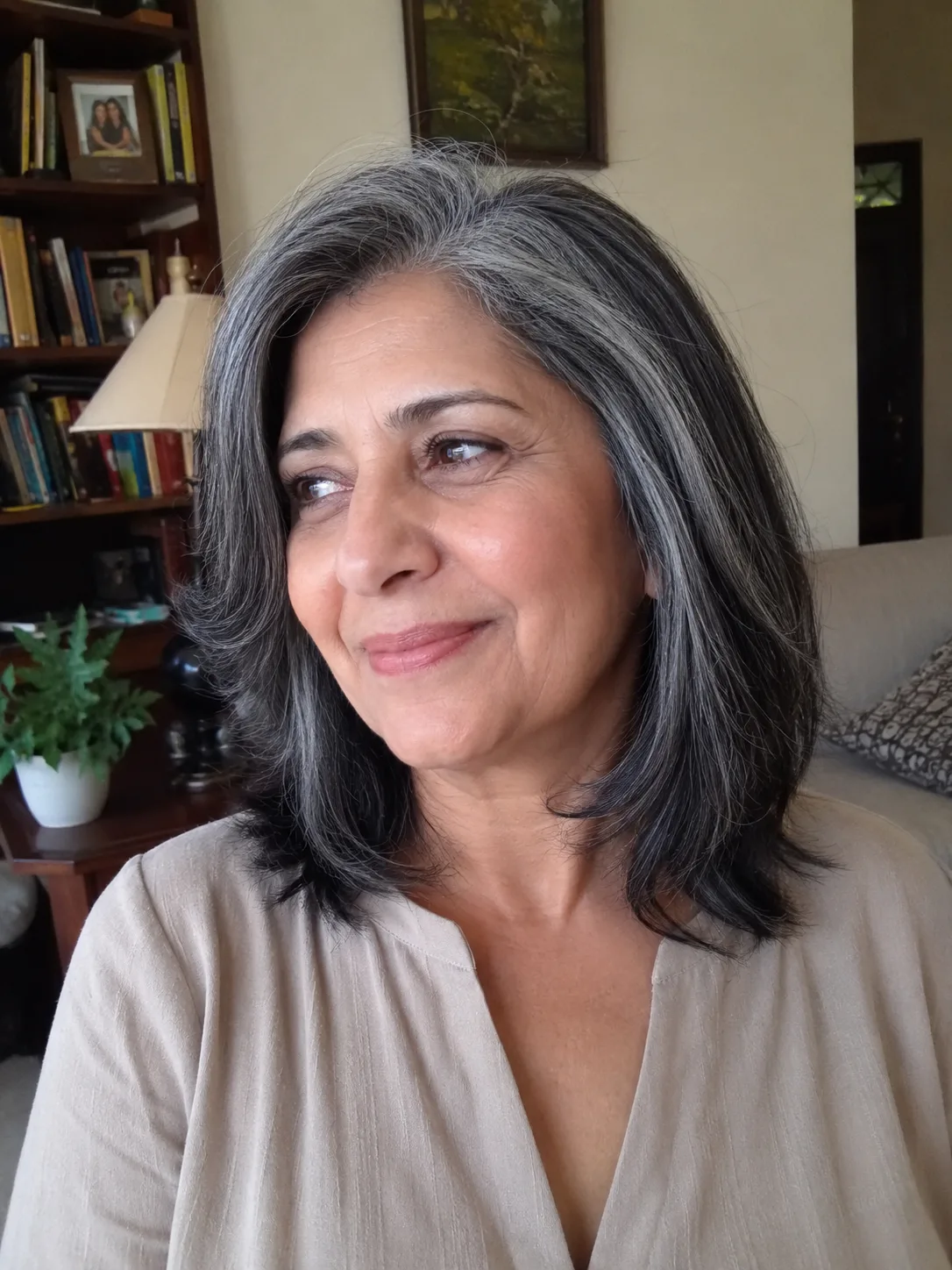
A twist-out changes the styling state without requiring a new haircut. It can elongate tight coils, enlarge the visible curl pattern, and create more directional control than a fully shrunken wash-and-go.
The haircut underneath still matters. Uneven or see-through ends become more noticeable once the twists are separated and stretched. A clear perimeter gives the style somewhere to finish, while the amount of separation determines whether the result stays chunky or expands into softer volume.
Soft Roller Set
A roller set is useful when you want smooth bends and controlled volume without relying on a pin-straight finish. It suits bobs, lobs, and longer shapes, so it’s more of a styling strategy than a haircut commitment. Larger, softer curves can also keep gray or highlighted hair visually dimensional because the surface catches light at different angles rather than forming one flat plane.
Long Curly Layers
Long curls need room to stack without letting all the volume collect at the bottom. Well-placed long layers can create a more balanced outline while preserving enough length for the curls to remain visibly long.
Shrinkage deserves more attention here than the label on the haircut. A top layer that appears modest when wet or stretched may spring much higher in its normal dry state.
The strongest consultation reference is your own hair worn as usual. Photos of curls with a very different spring factor can still be useful for general shape, but they shouldn’t become a promise about where each layer will land on you.
Shoulder-Length Loc Bob
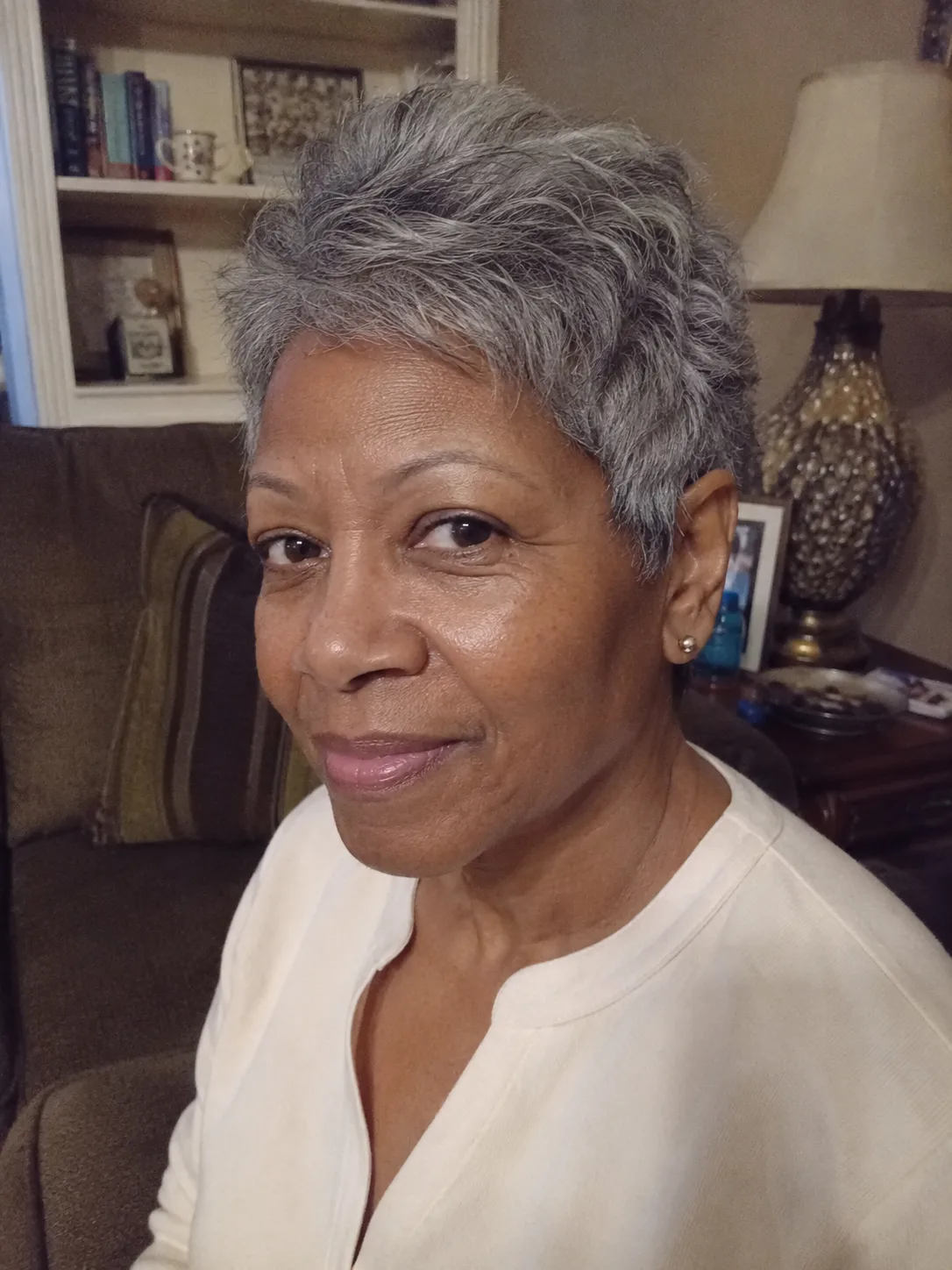
Locs cut around chin to shoulder length create a defined perimeter without requiring loose-hair styling. Compared with very long locs, a loc bob also removes some of the length that can press against chair backs, collect inside coat collars, or need frequent repositioning.
Mature locs carry their own weight and structure, so the shape needs to account for individual loc size, density, and where the ends naturally fall. A blunt visual line may require selective length balancing rather than treating every loc as though it behaves like straight loose hair.
Hairstyles That Keep Hair Controlled or Off the Face
Low Ponytail With a Soft Crown
A low ponytail is one of the most useful styles to test before making a major haircut change. It works with straight, wavy, curly, stretched, or pressed hair and can be adjusted from sleek to softly textured without moving the anchor far from the nape.
A small amount of crown lift prevents the profile from looking unnecessarily flat. You can also leave natural movement through the tail instead of smoothing every surface.
Anchor comfort matters more than extreme tightness. A fabric-covered elastic and a lower placement usually make the style easier to wear than repeatedly pulling fragile perimeter hairs into a severe high ponytail. Leave shorter hairline pieces alone when forcing them into the elastic would require excessive tension.
Half-Up Style With Natural Volume
Half-up hair is a strong compromise when you want the face-opening effect of an updo without giving up the movement of your length. Keep the upper section modest so the lower hair still has enough density to look full. This is particularly useful with curls and waves because you can secure the crown while allowing the texture underneath to remain largely undisturbed.
Low Chignon
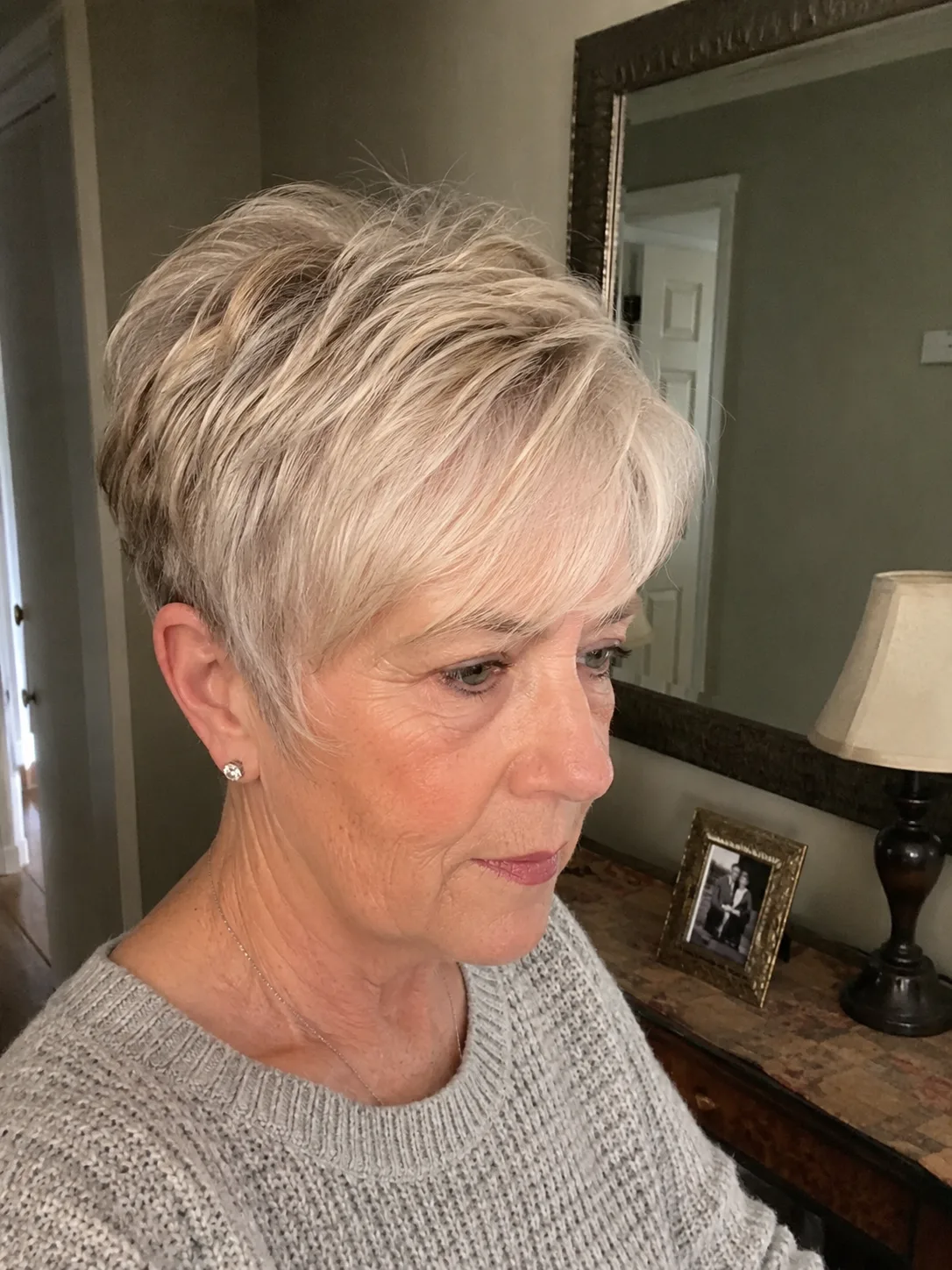
A low chignon concentrates the hair close to the nape, making it more practical around headrests and easier to balance than a large high bun. The surface can stay smooth, softly waved, or textured; the important distinction is the compact placement.
Hair doesn’t need to be extremely long for the effect. A smaller bun can be folded and pinned with bobby pins, while shorter front pieces can remain soft instead of being pulled aggressively backward. Check the finished placement with glasses and earrings if you wear them, since the styling around the temples changes how all three elements sit together.
French Twist
The French twist gives medium or long hair a vertical shape instead of a horizontal bun. Hair is gathered toward the back, rolled inward, and pinned along the fold, leaving the crown as smooth or full as you prefer.
Its advantage for formal styling is efficiency of shape. The hair itself supplies most of the structure, so you don’t need a wide bun occupying the nape.
The hidden issue is security. Dense or slippery hair needs enough internal anchoring for the roll to stay stable without relying on uncomfortable pulling at the front. Bobby pins should secure the folded interior, while the visible surface remains separate from the job of carrying the style.
Flat-Twist Updo
A flat-twist updo is a useful option for natural hair when you want the hair contained without erasing its texture. Flat twists can travel upward or toward a low gathering point, with the ends pinned into a bun, roll, or compact tucked shape. Keep the sections and anchor comfortable, and make sure the scalp remains accessible enough for your normal care. Added hair can change the weight substantially, so it should serve a clear styling purpose rather than being treated as essential.
What Photographs Don’t Tell You About These Hairstyles
Reference photos are useful for deciding what you like, but they rarely show the whole maintenance story.
A pixie photographed immediately after shaping may have a much softer outline as it grows. A bob can look perfectly turned under until the ends start hitting a jacket collar. Long curls may appear light and airy while still requiring substantial detangling and drying. A neat updo gives you no information about whether the anchor feels comfortable after several hours.
Gray hair also deserves a clearer distinction. Gray describes pigment loss. It doesn’t tell you whether the strand is fine, coarse, straight, wavy, curly, porous, smooth, dry, or resistant. Some people notice changes in texture alongside graying; others don’t. Your haircut should respond to the hair you actually have rather than assumptions about gray hair as a category.
Density can change the appearance of almost every cut on this list. Low-density hair often benefits from preserving enough perimeter weight to keep the lower edge visible. Very dense hair may need strategic weight removal so a bob, pixie, or layered cut doesn’t expand beyond the intended outline.
Sudden shedding or a concerning change in density is a different issue from simply having naturally lower density. Pain, persistent irritation, sores, redness, or unexplained shedding are reasons to talk with a dermatologist or another qualified healthcare professional instead of trying to solve the problem through a new hairstyle.
How to Choose a Hairstyle Without Letting Age Make the Decision
Start with the outline you want to see in the mirror. A close crop exposes the neck and emphasizes the top of the head. A blunt bob creates a stronger horizontal edge. Layers produce movement but remove some weight. Long hair creates a vertical line and gives you more options for ponytails, buns, and braids.
Then look at the styling state behind your inspiration photograph. Curly hair cut for a wash-and-go may behave very differently when stretched. Pressed natural hair won’t show the same dimensions after it returns to its usual curl pattern. A smooth bob created with regular heat styling carries a different routine from a bob designed to air-dry into waves.
Your regular accessories belong in the consultation too. Glasses arms occupy space around the temples. Hearing devices can make dense sections around the ear awkward. Collars interfere with certain bob and lob lengths. Someone who frequently wears hats or helmets may prefer less height at the crown than a reference image suggests.
Finally, be realistic about maintenance. A short cut can reduce drying and detangling while becoming more dependent on professional reshaping. Long hair can go longer without the outline appearing dramatically different, but every wash involves more length. Neither is inherently easier. They move the work to different parts of the routine.
A useful salon checklist is simple:
Decide whether keeping length or gaining a stronger shape matters more.
Bring photographs of the overall outline, not only the fringe.
Show how your hair normally dries or shrinks when texture affects the result.
Mention glasses, hearing devices, frequent collars, or other practical constraints.
Discuss areas where density or breakage has changed instead of asking the haircut to disguise everything.
Agree on how the cut should look in the styling state you actually expect to wear.
Maintenance That Matters More Than the Hairstyle Name
Short cuts show growth through the outline first. The top may still be easy to style while the nape or sides begin losing their intended shape. Bobs reveal change at the perimeter, especially when one section starts flipping or the baseline becomes uneven.
Layered medium and long cuts tend to grow more softly, but damaged or transparent ends can weaken the whole shape before the length itself becomes a problem. Let condition guide reshaping rather than following one universal calendar.
Heat styling also needs to match your hair and tools. There isn’t one temperature or frequency that works for everyone. Condition, previous chemical processing, tool design, technique, and how many passes you use all matter. A cut that looks good with your normal styling routine is usually more practical than one that requires you to dramatically increase heat use.
For curls, coils, twists, and locs, drying deserves equal attention. Dense roots can remain damp after the outer surface feels dry. Styles that give you comfortable scalp access and realistic drying are easier to maintain than intricate constructions that make routine care unnecessarily difficult.
Nighttime friction is another small detail with a visible payoff. A smooth pillowcase, scarf, or bonnet can reduce tangling and surface friction where appropriate, though it won’t repair damaged strands or compensate for an uncomfortable style.
Related Hairstyles to Explore
- Short haircuts for older women
- Hairstyles for women over 40
- Curly hairstyles for women over 60
- Hairstyles for women over 60 with fine hair
FAQs
What hairstyle makes thin-looking hair appear fuller?
A stronger perimeter is often the better starting point when the ends look sparse. A blunt bob or one-length shoulder cut keeps more hair concentrated near the lower edge than extensive layering.
First identify what you’re seeing. Fine strands have a smaller diameter, while low density means fewer strands overall. Thinning describes a change or reduction in density. A haircut can redistribute visual weight, but it can’t create actual density.
Should older women cut their hair short?
Only if short hair suits the shape and routine you want. Pixies and crops can reduce drying and detangling, expose the neckline, and make the haircut itself the main feature. They also show growth in their outline relatively quickly.
Long hair remains a perfectly reasonable choice when you enjoy the length and its maintenance. Age isn’t a technical reason to cut it.
Can gray hair be worn long?
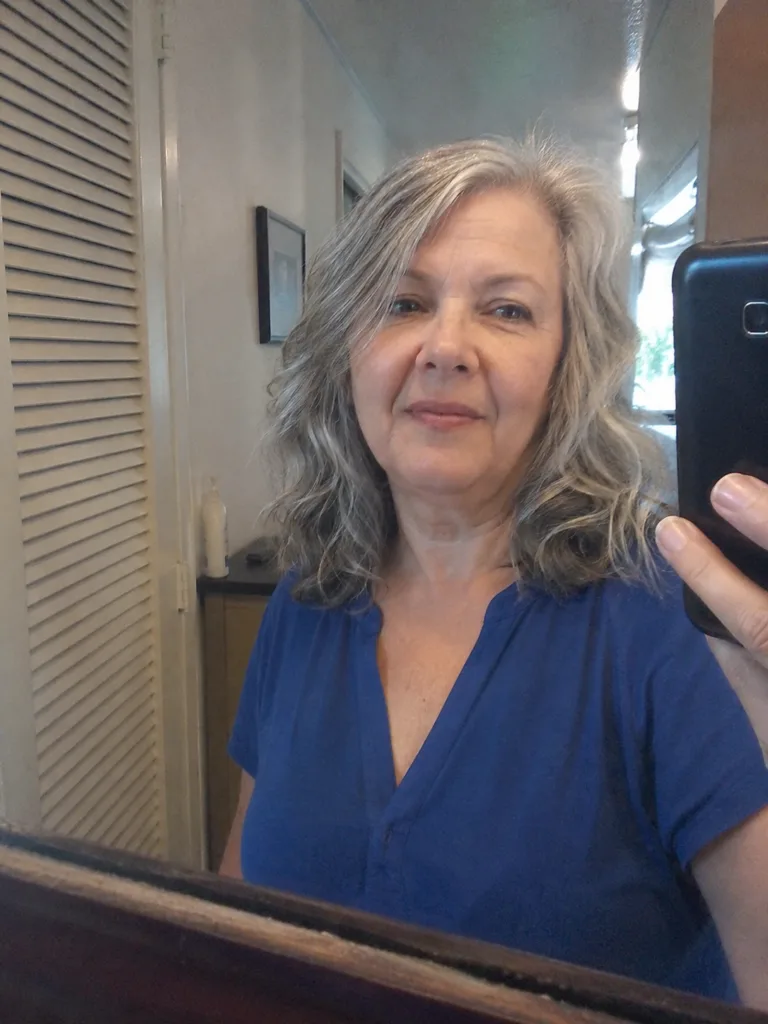
Yes. Gray refers to pigment loss, not a required haircut or a particular texture. Long gray hair can work as a U-shaped cut, long layers, curls, locs, or a mostly one-length shape.
Condition and perimeter quality matter more than the color itself. Healthy-looking long ends create a stronger result than keeping compromised length solely to reach a particular measurement.
Which hairstyles work well with naturally curly or coily hair?
Curly pixies, tapered natural crops, shaped afros, curly bobs, long curly layers, wash-and-go shapes, twist-outs, and flat-twist updos can all work well. The haircut should account for your shrinkage, density, curl grouping, and usual styling state.
Bring references that show a curl pattern or degree of shrinkage reasonably close to yours, then focus on the overall outline rather than expecting every curl to land in the same place.
Hair Texture & Upkeep Style Matcher
Select your natural hair texture and daily maintenance window to get an instant styling formula and heat safety cap.
Heat Cap: 320°F (160°C)
A versatile three-strand braid beginning at the parietal ridge, securing the top half while allowing natural wave texture to flow freely around the shoulders.
Conclusion
The strongest hairstyles for older women aren’t defined by how youthful or age-appropriate they’re supposed to look. They’re the styles that give you the outline you want without demanding a routine you no longer want to maintain.
Choose a pixie because you want a sharper short shape. Choose a bob because the perimeter matters. Keep long curls or gray hair because you enjoy the length. Put your hair into a low chignon because getting it away from your face makes your day easier.
Before committing, decide which matters more: preserving length, creating movement, strengthening the visual perimeter, showing natural texture, or reducing daily styling. That decision will narrow 25 possibilities far more effectively than your age ever could.
Editorial Standards & Hair Health Guidance
Every style featured on Tress Atlas is curated with a focus on real-world wearability, scalp tension management, and cuticle preservation. When trying protective styles or tight updos, ensure perimeter hairline sections remain tension-free to avoid traction stress on delicate follicles. For heat styling, cap tools below 350°F (180°C) to prevent thermal keratin denaturation.
Scientific Sourcing: Practices aligned with the American Academy of Dermatology (AAD) on traction alopecia risk reduction and cosmetic trichology research on hair tensile strength.