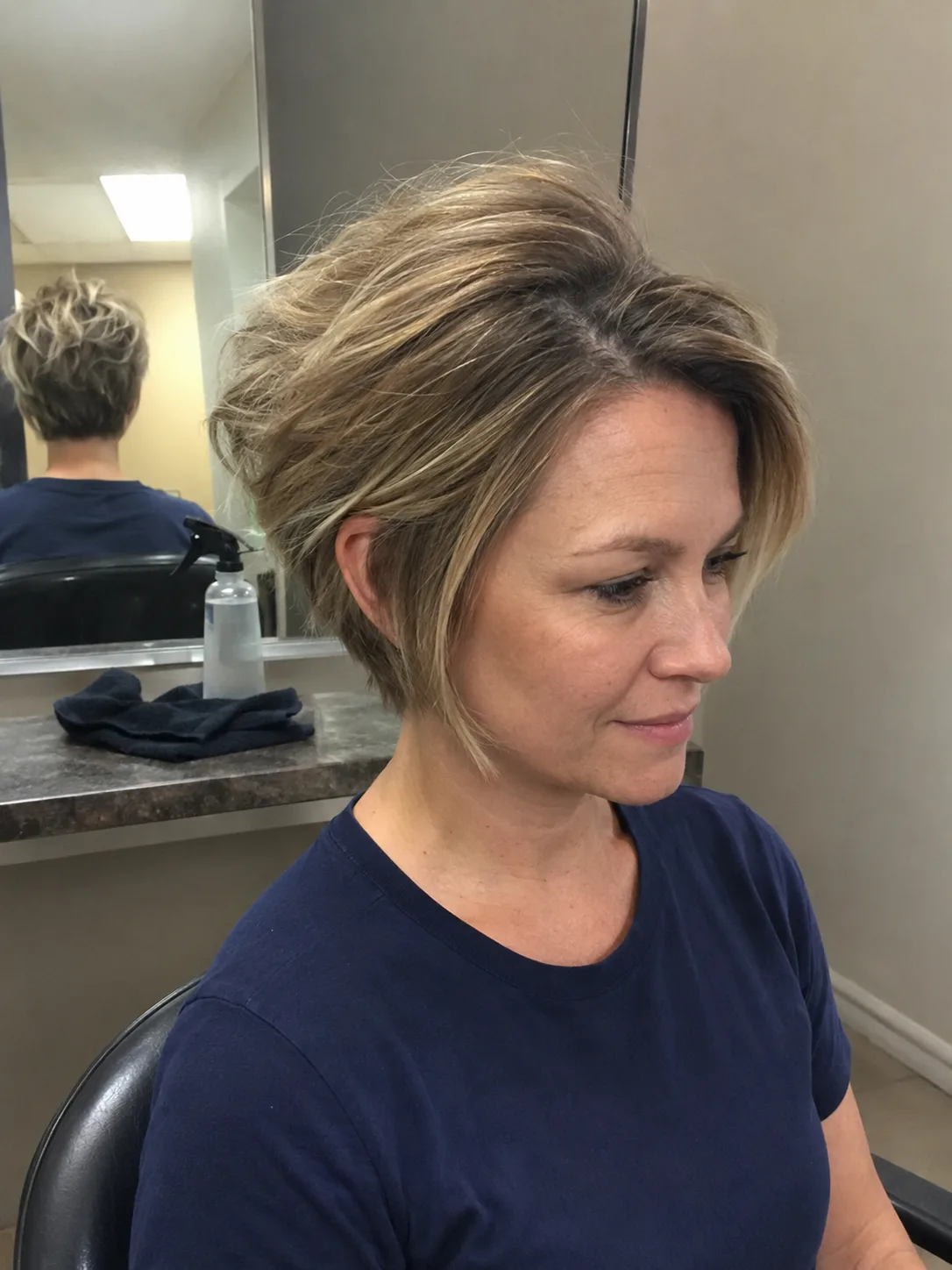
Blowout Hairstyles: Complete Styling Guide for Volume, Movement, and Shape
That makes the haircut underneath the styling especially important. Long layers encourage movement. A blunt perimeter keeps the bottom edge looking substantial. Short face-framing pieces create dramatic bends around the cheekbones, while heavily layered ends can become much airier after drying.
Your starting state matters too. A blowout on naturally straight hair may focus mainly on lift and bend. Wavy or curly hair usually requires more stretching and smoothing to reach the same visual result. Coily hair can be blown out into an elongated, soft texture without needing to look pressed flat. The useful reference photo is the one that resembles both your desired finish and the construction of your haircut.
Blowouts Built Around Fullness and Movement
Classic Full-Bodied Blowout
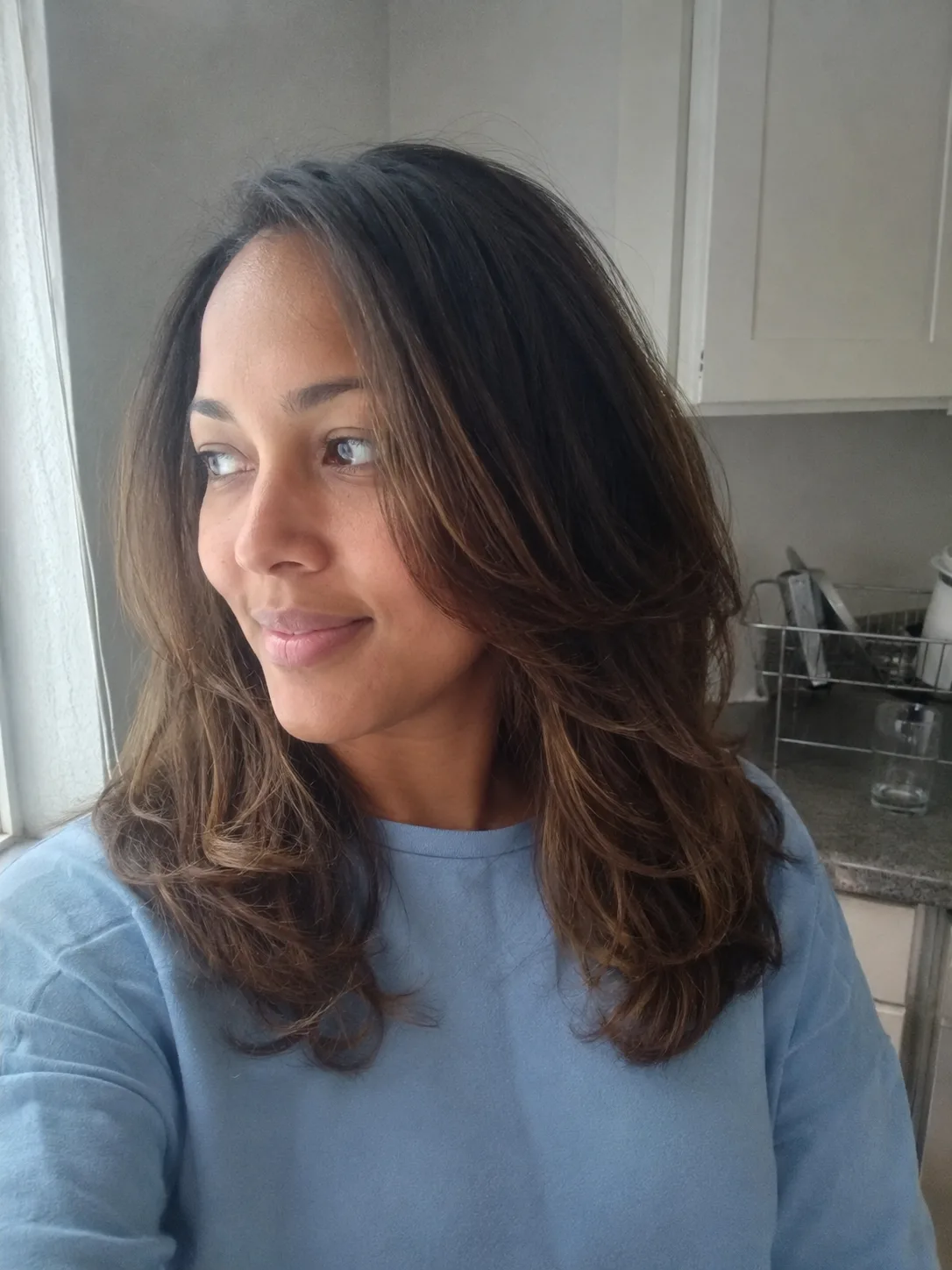
The classic version keeps the roots lifted, the mid-lengths smooth, and the ends softly curved instead of ruler-straight. It works particularly well when you want your hair to look finished without making the styling itself the main event. Medium to long hair gives the bend room to develop, although shorter cuts can use the same principle. The strongest version has enough movement that the hair separates naturally when you turn your head rather than sitting as one solid sheet.
90s Supermodel Blowout
This is the more dramatic relative of a standard bouncy blowout. Volume begins near the roots and continues through broad, sweeping sections, with the front pieces pushed away from the face. The overall impression comes from width and movement rather than tightly formed curls.
The haircut determines how convincing that shape looks. Long hair with substantial layering gives the sections somewhere to lift and fall. Very blunt, one-length hair can still become voluminous, but it won’t separate into the same cascading pieces without enough internal movement.
This style also asks more from your routine than its effortless photographs suggest. Sleeping compresses the crown, and jackets or collars can disturb the ends. It’s worth the extra reshaping when maximum volume is the point; for a consistently sleek workday finish, a simpler blowout is easier to maintain.
Long Layered Blowout
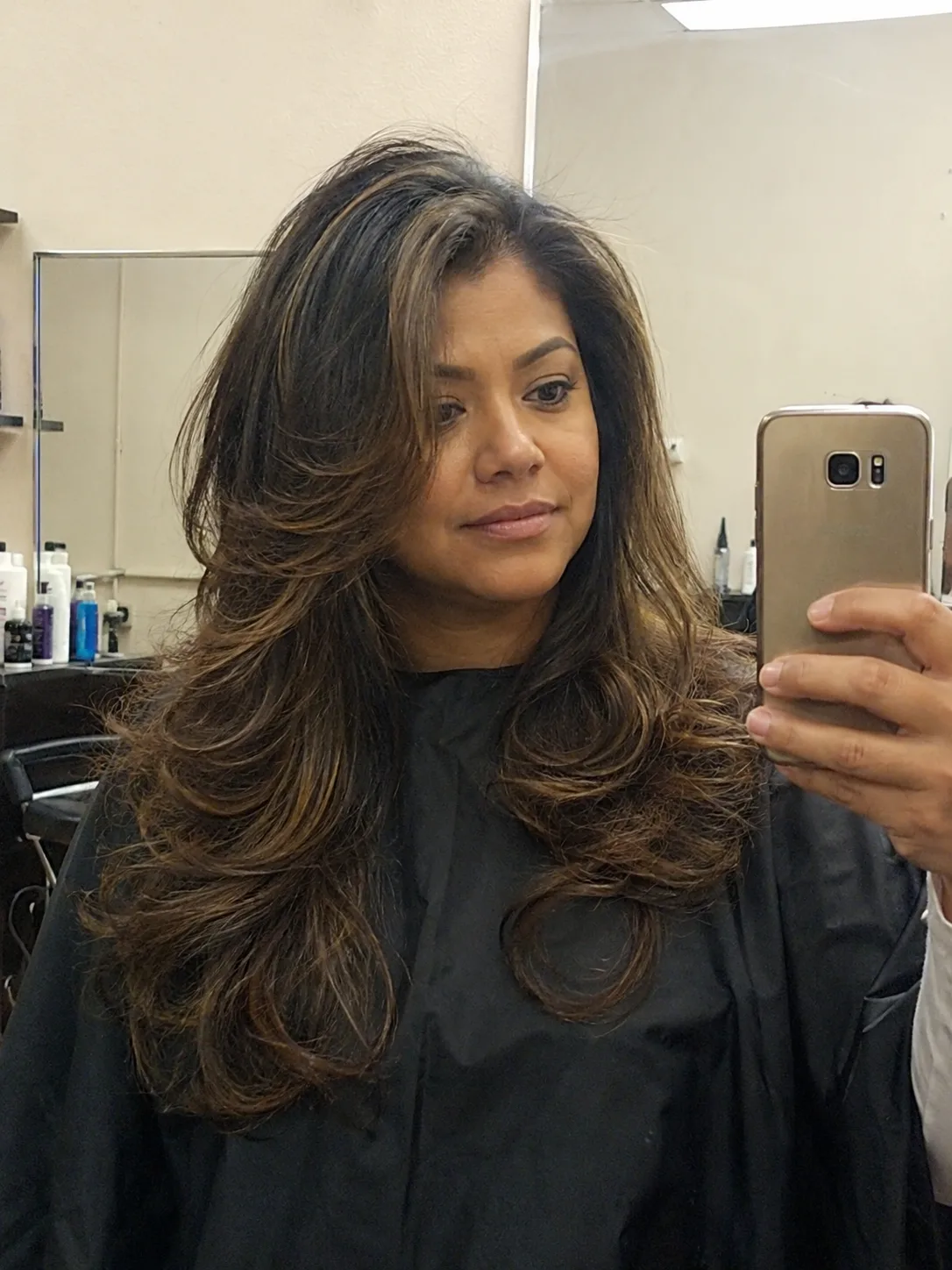
Long layers become much more visible once they are dried with bend and lift. Shorter sections float away from the longer perimeter, giving the hair movement without removing the impression of length.
The important salon decision is how much layering you actually want. Too little can leave the blowout looking heavy despite plenty of styling. Very aggressive layering can make the lower edge look thinner, especially on hair with lower density or transparent ends. A substantial perimeter paired with selective layering is often the more forgiving balance.
Feathered Blowout
Feathering directs the layers outward so that the sides open away from the face. Compared with a rounder blowout, this creates a more obvious stepped effect through the front and sides. It suits haircuts with deliberate face-framing layers because each section can bend in its own direction. The look is less dependent on perfect smoothness than a glassy finish, which makes a little movement or separation part of the appeal.
Blowouts That Make the Haircut the Main Feature
Butterfly-Cut Blowout
Few cuts rely on blow-drying quite as heavily as the butterfly cut. Its shorter upper layers are meant to lift away from the longer lengths, creating a shorter-looking frame around the face while preserving overall length.
A blowout reveals that separation clearly. The crown and face-framing pieces can be directed outward, while the longer layers fall below them. Without enough lift, those different lengths can collapse together and the signature shape becomes much less obvious.
The hidden consideration is daily styling commitment. A butterfly cut can still be worn with natural texture or simpler drying, but the dramatic reference-photo version usually assumes that the shorter layers have been intentionally shaped. Choose it because you like the haircut in more than one styling state, not only because you like a freshly finished blowout.
Face-Framing Layer Blowout

Here, most of the attention stays around the front rather than throughout the entire haircut. Sections around the cheeks, jaw, or collarbone bend away from the face while the back can remain relatively simple.
This is a useful option when you want visible movement without committing to heavy layering everywhere. It also lets the front do more of the visual work, which can be especially practical on long hair where styling every section for maximum volume feels excessive.
Curtain-Bang Blowout
Curtain bangs need direction more than extreme curl. Their defining feature is the split through the center or slightly off-center part, followed by a soft sweep away from the face. The surrounding hair can stay smooth or full, so the bangs still work with several blowout finishes. Glasses are worth considering before cutting them: the bang length and side volume should sit comfortably around the frames instead of repeatedly catching behind the arms.
Side-Swept Voluminous Blowout
Moving most of the front volume toward one side immediately changes the balance of a blowout. One side gains height and sweep while the other sits closer to the head, creating a more dramatic profile than an evenly centered finish.
This approach can be useful when a center part feels too symmetrical or when you want a formal look without constructing an updo. Longer front layers make the sweep easier to shape because they can move across the forehead and blend back into the lengths.
Strong root direction is part of the style, so the part may settle back toward its usual position as the hair is slept on or exposed to humidity. It’s a better choice for occasional drama than for someone who wants the same effortless placement for several days.
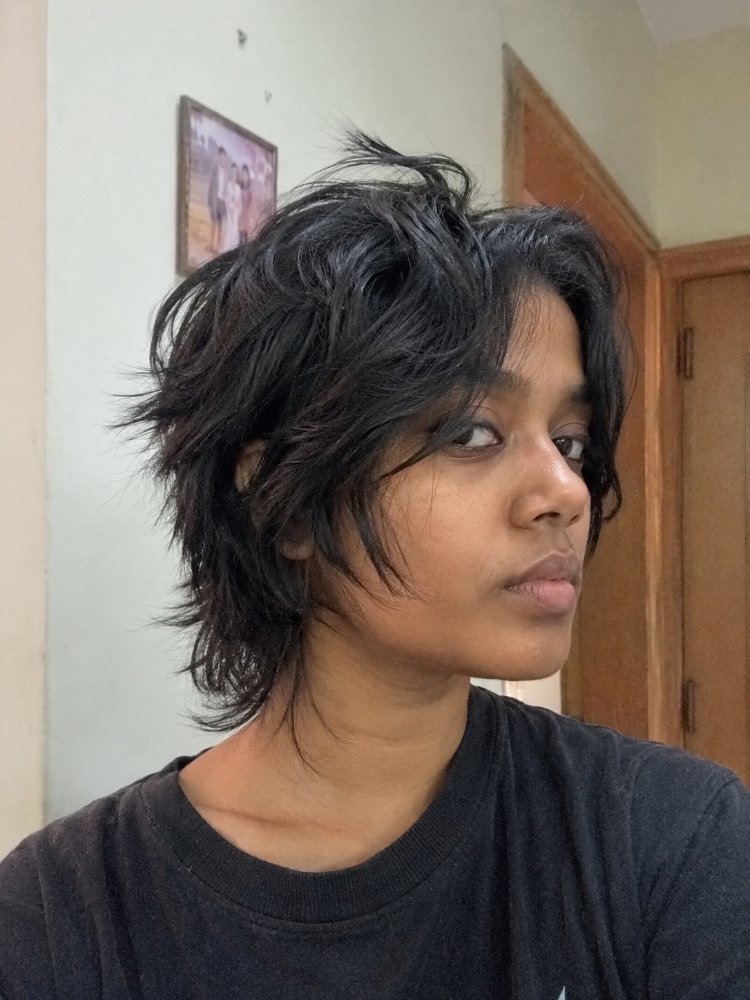
Shag Blowout
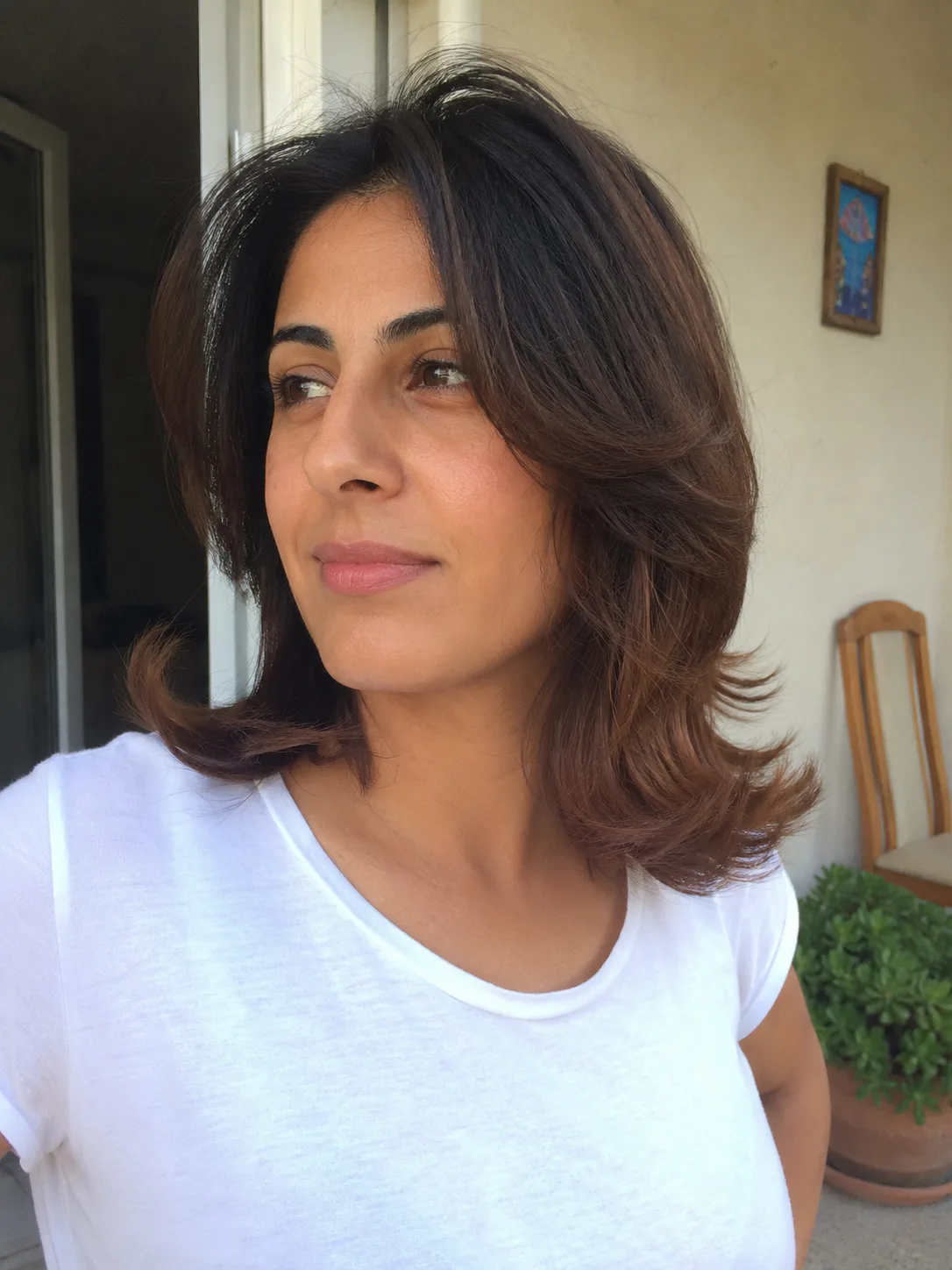
A shag reacts very differently to blow-drying than a long blended cut. Shorter crown layers lift easily, the ends separate, and the perimeter often remains deliberately less solid. A blowout can make those layers look airy and directional while preserving some roughness through the tips. Trying to make every section perfectly rounded can erase the relaxed quality that makes the cut work, so this is one style where controlled imperfection is useful.
Sleeker Blowout Hairstyles
Sleek Blowout With Curved Ends
This version keeps most of the length close and smooth, saving the visible bend for the last portion of the hair. It gives long hair a cleaner outline than a highly layered, bouncy finish.
It’s particularly effective when the perimeter is healthy and fairly substantial because the curved ends emphasize that edge. Hair with extensive layering will show more separation even when styled sleekly, so reference photos should match the haircut as well as the surface finish.
Blunt Bob Blowout
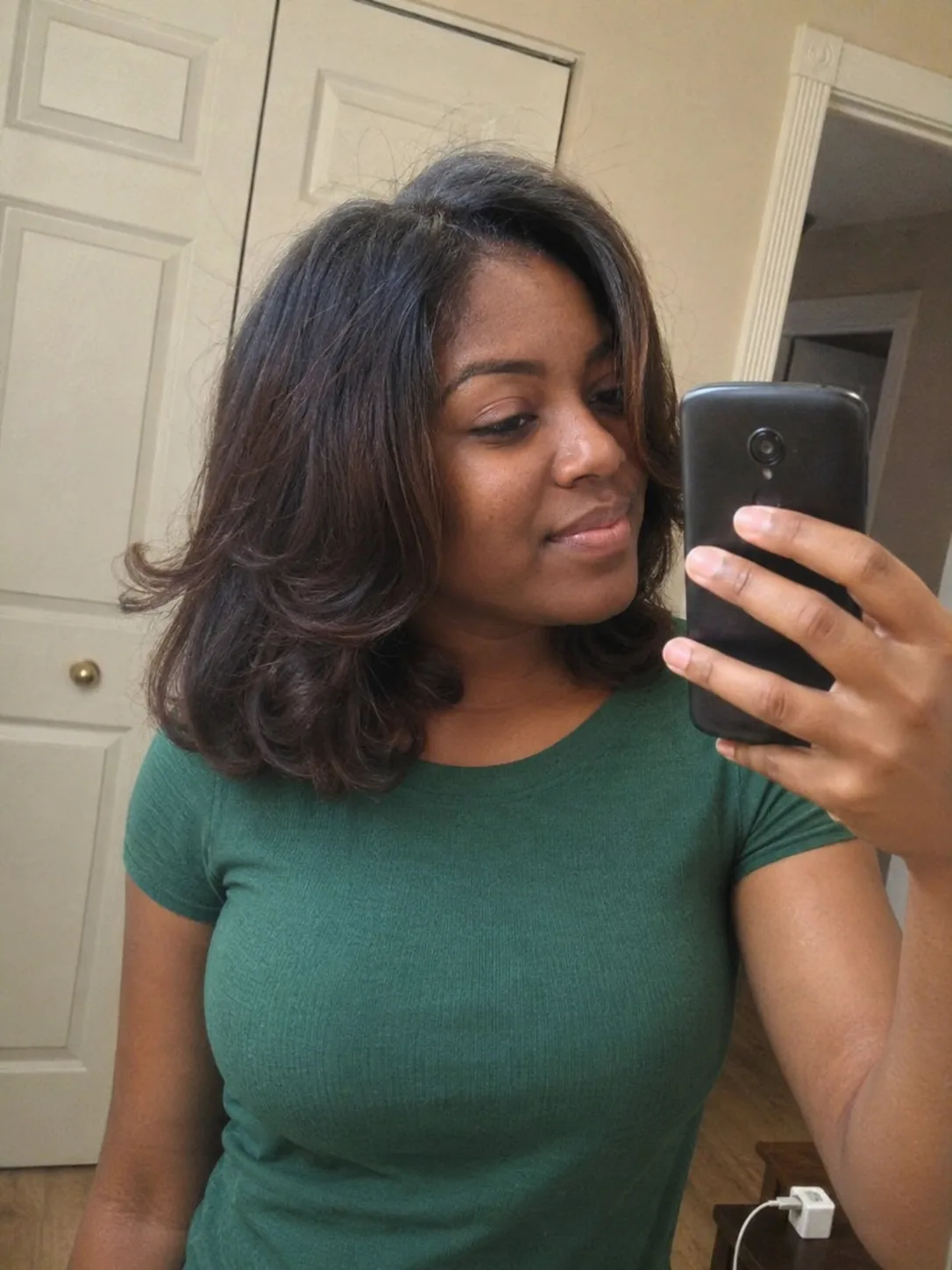
A blunt bob gains much of its impact from the bottom line. Blow-drying smooths the surface and helps that perimeter read clearly, whether the ends turn gently inward or sit closer to straight.
Heavy interior removal can work against this effect by making the lower edge look less substantial. Fine strands and low density also need to be considered separately: small strand diameter doesn’t automatically mean the haircut lacks fullness, while lower density can make aggressive internal removal more noticeable.
Rounded Bob Blowout
The rounded bob places more bend through the body of the cut, not only at the ends. That creates a curved profile around the head and a softer perimeter than a very straight blunt bob. It can look particularly refined with a tucked-under finish, but collars become part of the maintenance equation: once the hair reaches a neckline, repeated contact can flip sections outward and disturb the rounded shape.
Long Bob With Flipped Ends
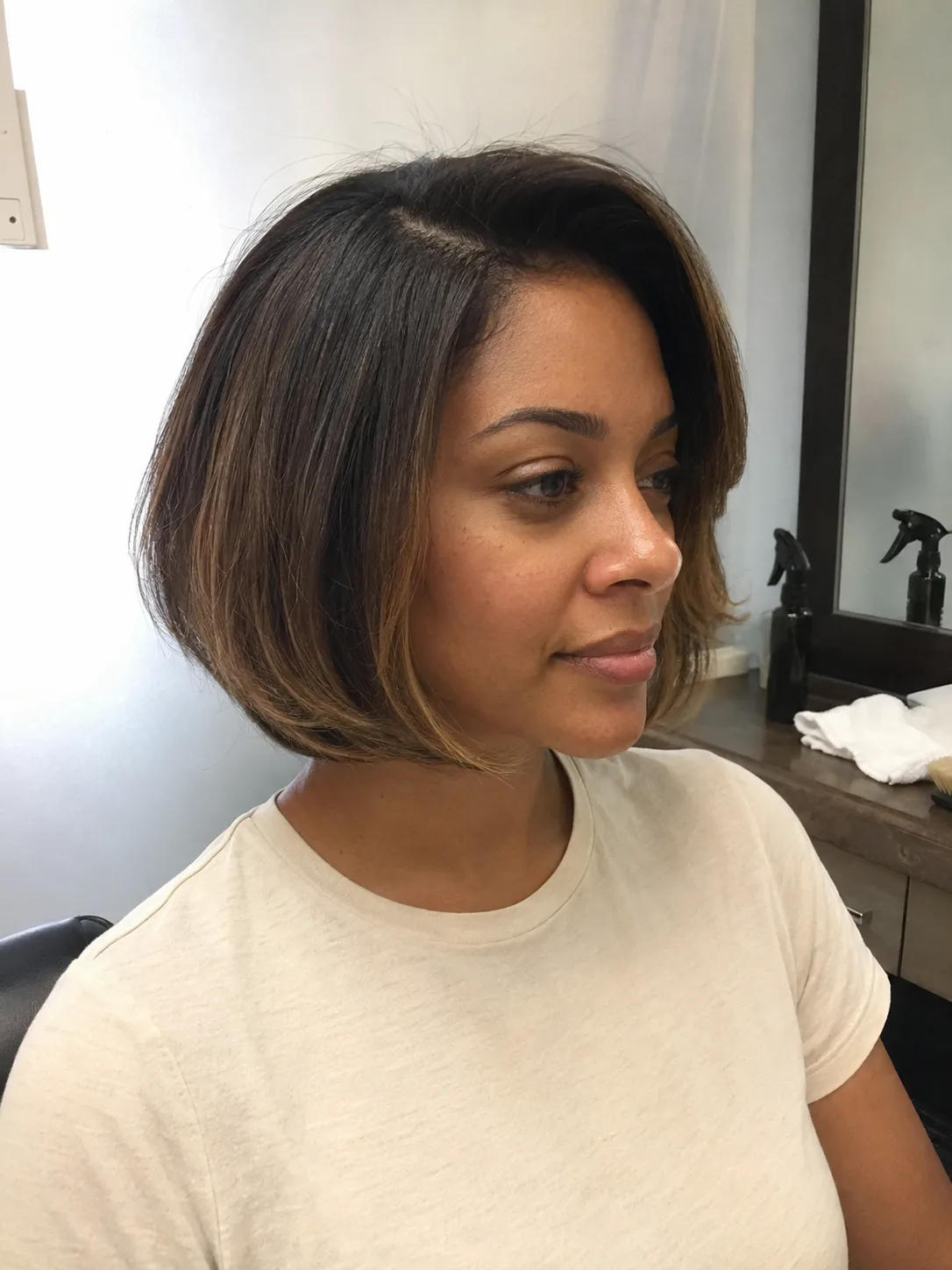
A lob gives you enough length for a visible outward flip while keeping the overall cut relatively compact. The ends turn away from the neck, creating a lighter, more playful finish than the tucked-under bob.
This style is especially useful when you like a strong perimeter but don’t want the hair to look static. The movement is concentrated at the bottom, so you can keep the upper lengths fairly smooth.
Placement changes the result. A consistent flip creates a clean graphic edge, while mixed directions feel softer and less deliberate. Coat collars and shoulder contact can exaggerate or disrupt those ends during the day, which is worth considering if the haircut lands directly at that point.
Blowouts That Keep More Natural Texture
Soft Blowout on Natural Coily Hair
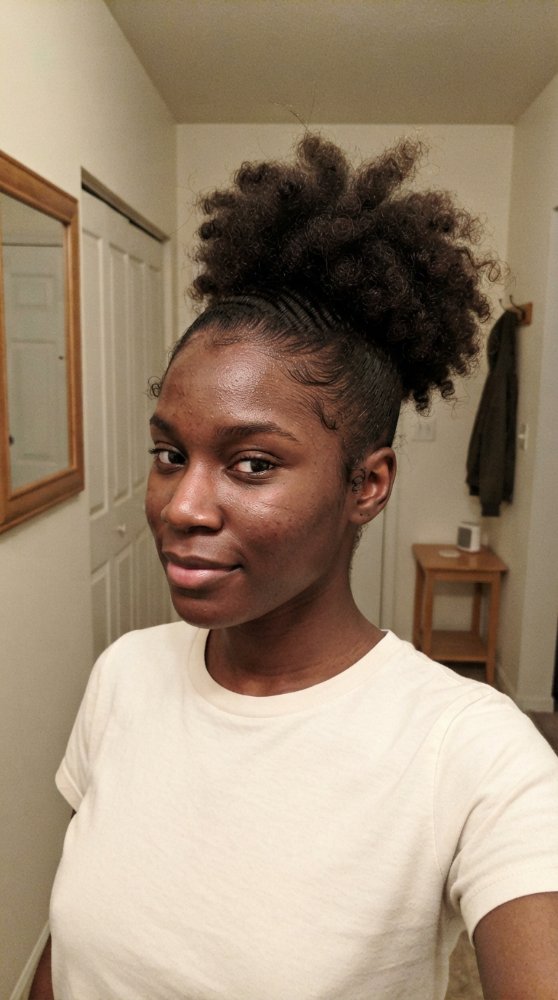
A blowout on coily hair can focus on elongation and softness without trying to mimic pin-straight hair. The coils are stretched during drying, creating more visible length and a fuller, airy shape. Depending on the starting texture and technique, some bend, expansion, and texture can remain through the lengths.
Shrinkage means the starting haircut may look dramatically different once stretched. A shape that sits above the shoulders in its shrunken state can reveal considerably more length after a blowout. Anyone cutting or reshaping the hair should understand which state you wear most often, because the perimeter and layering need to make sense there too.
Textured Blowout With Full Ends
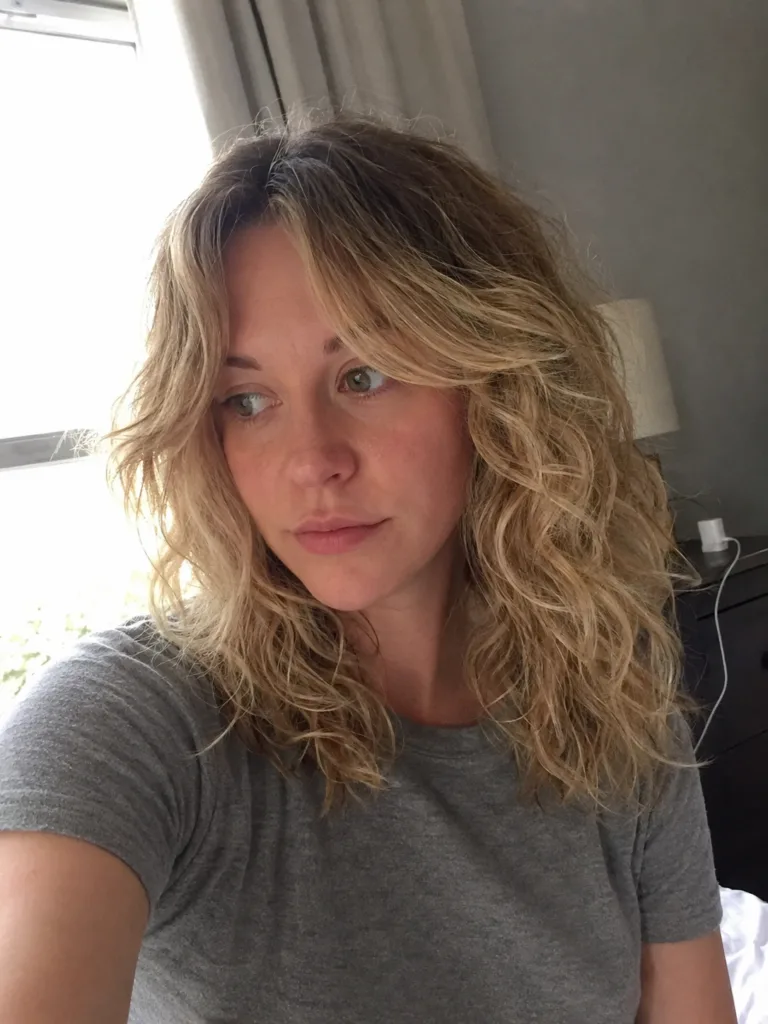
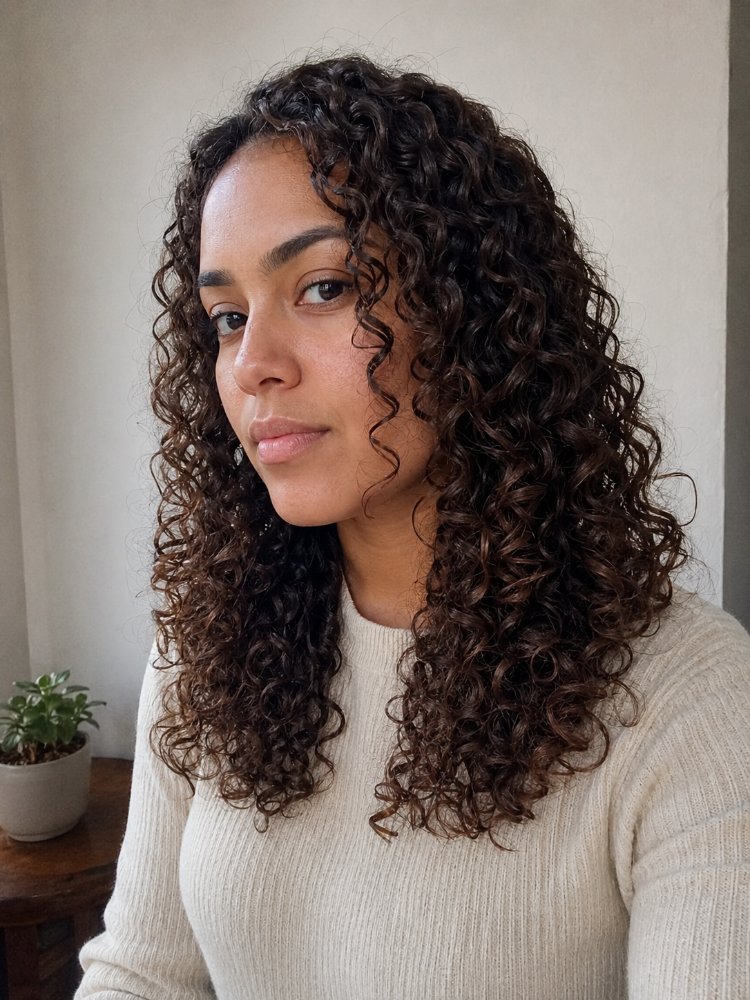
Maximum smoothness isn’t required for a blowout to look finished. Leaving a little natural expansion through the lengths creates a fuller result, especially on wavy, curly, or coily hair that has been stretched rather than pressed. This approach is a strong choice when you want easier movement and a less exacting finish; minor changes from humidity tend to blend into the overall texture more naturally than they would on a highly sleek style.
Stretched-Root Blowout With Soft Bends

Sometimes the priority is simply reducing bulk or shrinkage at the roots while leaving more movement through the rest of the hair. The root area is elongated, and the ends retain a softer bend rather than being polished into a uniform curl.
This can make later styling easier. Ponytails, half-up styles, loose twists, or large curls often become simpler to arrange once the roots are stretched and the hair is more elongated.
The condition of the hair should guide how much heat and repeated tension it receives. Previously lightened or chemically processed sections may behave differently from untreated hair. A blowout should leave the hair manageable without requiring repeated passes simply to chase an increasingly smooth surface.
Blowouts for Events and Restyling
Blowout Finished With Loose Barrel Curls
A smooth blowout can serve as the foundation for loose, larger curls, giving the finished style more structure than a blowout alone. The roots remain smoother, while the mid-lengths and ends gain broad bends that can be separated for movement.
This is more formal-looking than a basic bouncy finish and works well when you want hair down without leaving it completely loose and undefined. The curl size, haircut, and amount of layering determine whether the result looks like soft waves or clearly separated curls.
Half-Up Blowout
Pulling the upper section back changes a blowout without hiding the work through the lengths. Crown hair can be secured with an elastic, barrette, or pins while the lower sections remain full and mobile. It’s particularly useful when front layers keep falling forward or you want the face opened up for an event. Keep enough lift at the crown so the attachment doesn’t flatten the exact area that gives the blowout its volume.
Two More Ways to Use a Blowout as the Base
High Ponytail With Blowout Lengths
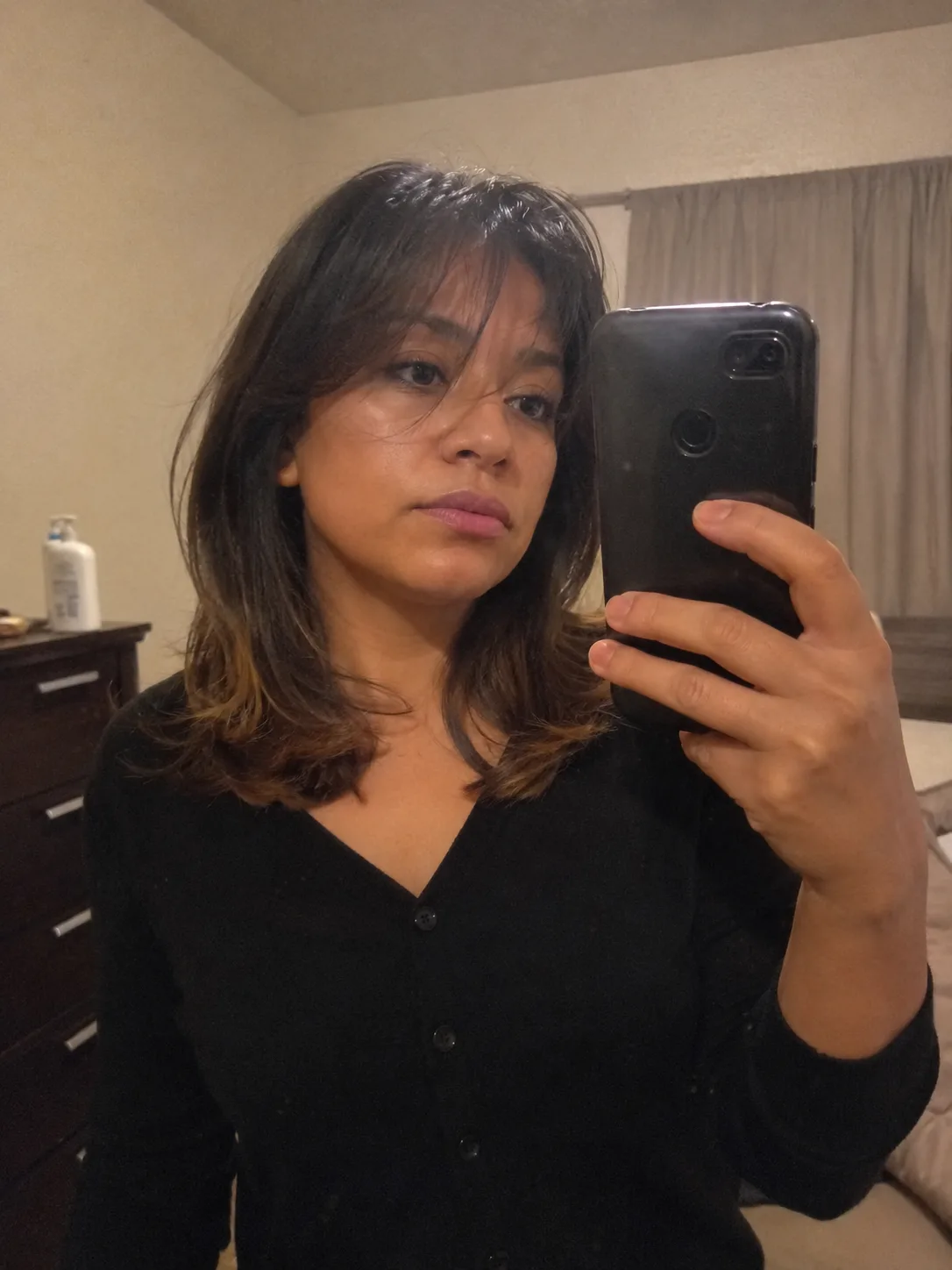
A blowout creates an especially smooth base for a ponytail while leaving the tail soft and full. The contrast between the controlled root area and moving lengths gives the style a more dressed-up finish than simply gathering air-dried hair.
Placement affects comfort. A very high anchor puts the tail closer to the crown and can feel less comfortable with long, dense hair, particularly when the ponytail is heavy. A moderately high placement is the stronger practical option when you still want lift but expect to wear the style for an extended day.
Low Ponytail With Curved Ends
A low ponytail preserves the smooth surface of the blowout and moves the styling focus to the ends. The tail can stay softly curved, lightly flipped, or loose and full.
It also avoids much of the crown compression involved in higher styles. That makes it useful for travel, work, or situations where your head will repeatedly touch a seat or headrest. A small section of hair wrapped around the elastic can disguise the base for a more formal finish.
Choosing Between Similar Blowout Looks
Blowout photos can make several styles appear interchangeable because they share shine, volume, and smoothness. The more useful comparison is where the haircut creates movement.
A salon consultation is more productive when you can describe the movement you want rather than simply saying “volume.” Decide whether you prefer crown height, wide sides, flipped ends, a rounded perimeter, obvious face framing, or an elongated natural texture.
Your everyday styling state should influence the cut as much as the blowout itself. Someone who wears their hair naturally curly most of the week needs the shape to function with curl formation and shrinkage. Someone who primarily wears a smooth blowout may place more importance on how layers fall when stretched.
What Blowout Photos Usually Don’t Show
The first hidden factor is the haircut underneath. A dramatic 90s finish may owe much of its appearance to layered construction. Styling can emphasize those layers, but it can’t create them where they don’t exist.
Density changes the visual result as well. Lower-density hair can look more exposed through heavily layered ends, while a stronger perimeter may make the bottom edge appear more substantial. Fine strands refer to strand diameter and shouldn’t be treated as another word for low density.
Then there is real-life movement. Hair rubs against coat collars, scarves, car seats, pillows, glasses, and clothing. A perfectly turned-under bob may flip at the neck. Large front sections can fall forward. Crown volume compresses while you sleep. Those changes are normal physical consequences of wearing the style.
Humidity also matters, especially when naturally wavy, curly, or coily hair has been stretched smoother than its usual state. A finish that depends on very precise smoothness tends to show environmental changes more quickly than one designed with a little expansion and movement.
Maintaining a Blowout Without Chasing Perfection
Start by deciding which part of the blowout deserves preserving. For a 90s style, that may be the crown and front sweep. For a bob, the ends matter more. With a natural-hair blowout, maintaining elongation without repeatedly restyling every section may be the priority.
Reducing friction overnight can help preserve the surface and limit tangling. A smooth pillowcase, scarf, or bonnet may be useful depending on the length and way the hair is arranged. Longer hair can also be loosely gathered so the ends aren’t crushed underneath the body.
Avoid turning touch-ups into repeated full restyling. Brush manipulation and heat both add up. Tool design, hair condition, previous chemical services, strand size, and the degree of smoothing you want should guide how much heat the hair receives rather than relying on one universal temperature.
Scalp comfort remains part of maintenance once a blowout is restyled into ponytails or half-up looks. Persistent pain, stinging, sores, sudden shedding, or a concerning change in density deserves more attention than trying to keep the hairstyle intact. Loosen or remove the source of pulling, and consider speaking with a dermatologist or another qualified healthcare professional when symptoms persist or concern you.
Before Your Next Blowout Appointment
A useful reference photo should show more than the surface finish. Look closely at the apparent haircut: where do the shortest layers begin, how substantial are the ends, and does the front have bangs or face-framing pieces?
Then decide which styling state matters most after you leave the salon. Bringing photos of both your desired blowout and the way you normally wear your hair can make the discussion much clearer, particularly with curls and coils.
The most useful points to settle are:
How much root volume you actually like
Whether you want the ends curved in, flipped out, or loosely bent
How visible you want the layers to become
Whether your natural texture will also be worn regularly
How much reshaping you’re comfortable doing between wash days
Whether collars, glasses, workouts, or frequent tying-up will affect the style
A beautiful finish that depends on a haircut or routine you don’t want is a poor bargain. Start with the shape you can live with, then use the blowout to exaggerate its strongest features.
Related Hairstyles to Explore
FAQs
Can short hair have a blowout?
Yes. Bobs, lobs, pixies with longer top sections, and other short cuts can all be blow-dried for lift, smoothness, or bend. The result simply depends more on the haircut’s existing shape because there is less length available for large sweeping movement.
Can curly or coily hair be worn in a blowout without becoming completely straight?
Yes. A blowout can stretch curl or coil formation while leaving visible fullness, bend, or texture. The amount of elongation depends on the starting pattern, technique, condition of the hair, and how much smoothing you actually want. A pressed-flat appearance isn’t required.
Which blowout is easiest to maintain?
A moderate, softly curved blowout is generally more forgiving than one built around extreme crown height or precisely flipped sections. Small changes from sleeping, clothing, and humidity blend into the style more easily.
Do you need layers for a bouncy blowout?
You can create bend and root lift on one-length hair, but layers make separated movement much more visible. Long, blended layers are especially useful for cascading volume. Keep the perimeter in mind, because extensive layering can change how substantial the ends appear.
Can a blowout be put into a ponytail without ruining it?
Yes. A ponytail can become a second hairstyle once the original blowout begins to settle. A low or moderately high placement generally preserves more of the smooth lengths, while a very tight or high anchor can create stronger bends at the base. Use an attachment method that feels secure without requiring painful tension.
What should I ask for if I want a 90s-style blowout?
Describe the physical result: strong root lift, broad movement through the layers, and front sections that sweep away from the face. Also discuss whether your current haircut has enough layering to create that effect. A photograph of a heavily layered cut won’t translate exactly onto long, blunt hair through blow-drying alone.
Hair Texture & Upkeep Style Matcher
Select your natural hair texture and daily maintenance window to get an instant styling formula and heat safety cap.
Heat Cap: 320°F (160°C)
A versatile three-strand braid beginning at the parietal ridge, securing the top half while allowing natural wave texture to flow freely around the shoulders.
Conclusion
The most useful way to choose among blowout hairstyles is to decide where you want the movement to live. Big crown volume points toward a 90s finish. Visible face framing favors layered, butterfly, or feathered cuts. Strong ends look better with a blunt bob or sleek curved finish. Natural curls and coils can be stretched into an airy blowout while keeping fullness and texture.
Before changing the haircut to match a blowout photo, picture the same layers on an ordinary day without fresh styling. If you still like the shape, you’ve found a much stronger starting point.
Editorial Standards & Hair Health Guidance
Every style featured on Tress Atlas is curated with a focus on real-world wearability, scalp tension management, and cuticle preservation. When trying protective styles or tight updos, ensure perimeter hairline sections remain tension-free to avoid traction stress on delicate follicles. For heat styling, cap tools below 350°F (180°C) to prevent thermal keratin denaturation.
Scientific Sourcing: Practices aligned with the American Academy of Dermatology (AAD) on traction alopecia risk reduction and cosmetic trichology research on hair tensile strength.