Short Hairstyles: Complete Styling Guide for Black Women: Shape, Texture, and Upkeep
Short hair can look deceptively simple in a photograph. The bigger decision is where you want the shape to come from: the haircut itself, your natural curl or coil pattern, a set such as finger coils, or an installation such as braids, locs, crochet, or a wig.
That distinction matters for Black women because one short length can behave very differently on shrunken natural hair, defined curls, stretched hair, pressed hair, relaxed hair, locs, or an installed style. Shrinkage can move a cut much higher than expected. A close taper exposes more of the perimeter. A bob that hangs cleanly when straight may become rounder and shorter when curly.
The strongest option is usually the one that matches how you wear your hair most days. Decide on the outline first, then consider how much defining, smoothing, setting, or reshaping you’re willing to do.
Natural Short Cuts That Let the Shape Do the Work
Even TWA
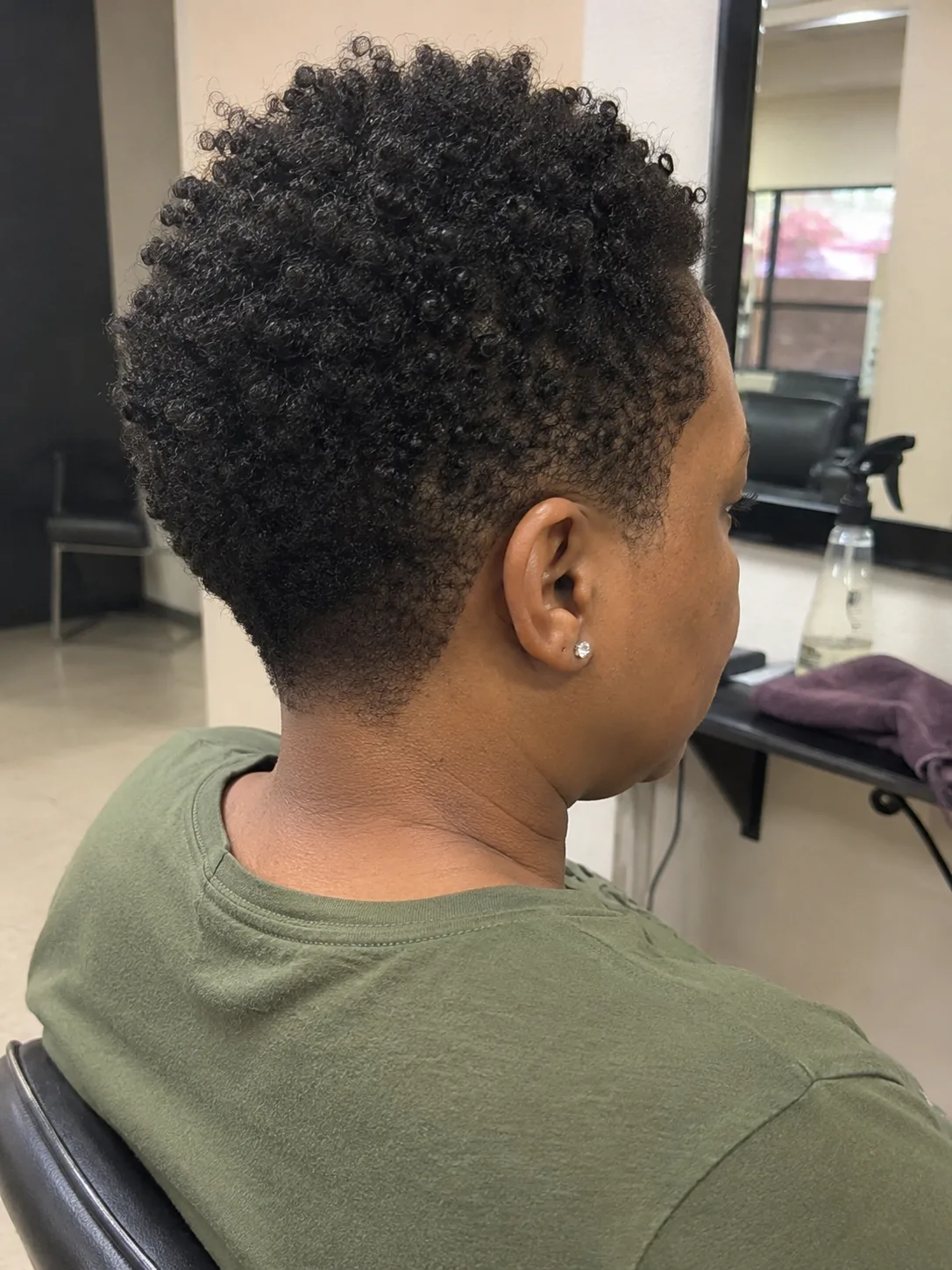
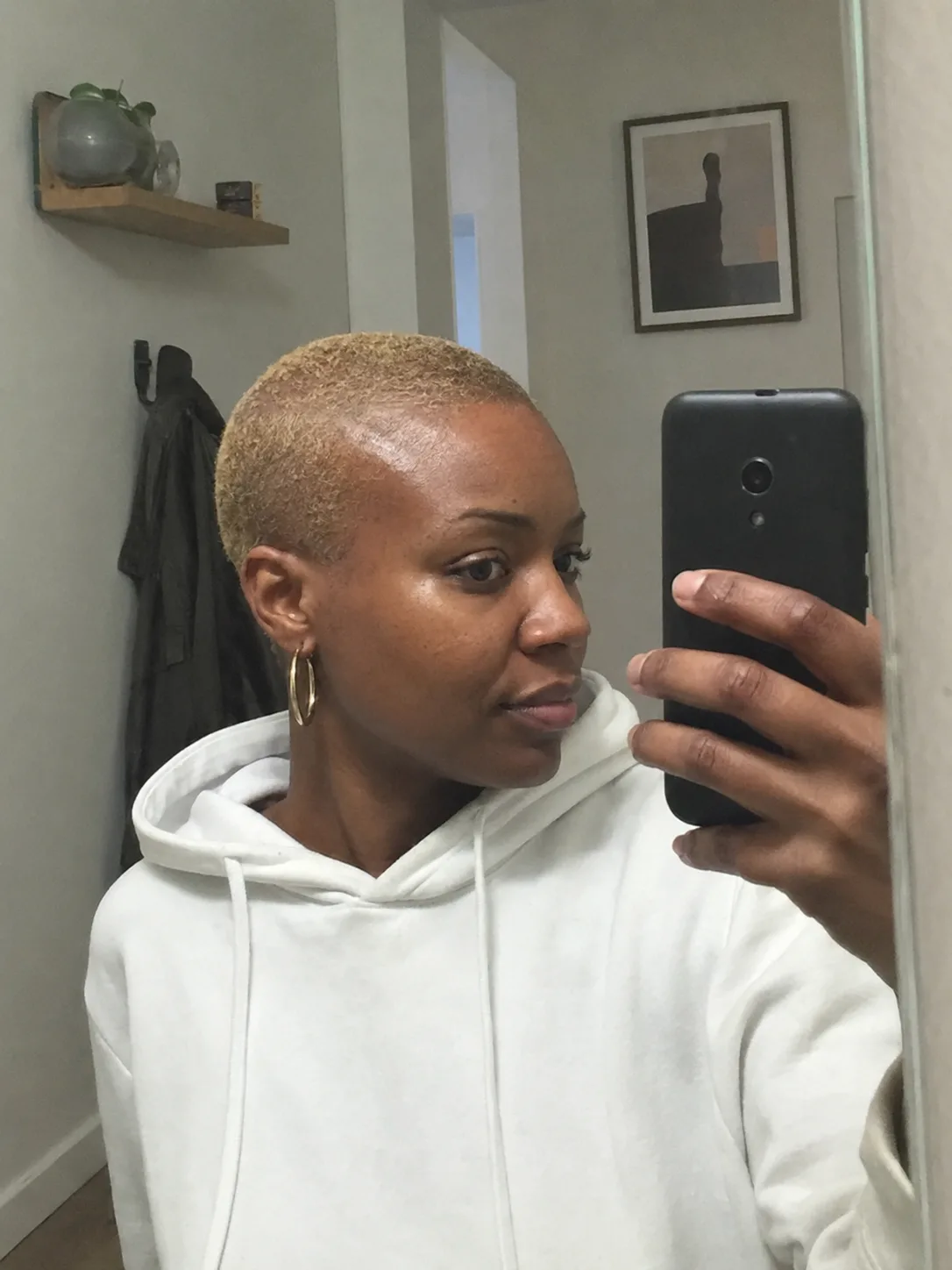
An even teeny weeny afro keeps the length fairly consistent around the head, allowing the natural coil pattern to create the surface texture. It’s one of the clearest short options when you want the overall outline to matter more than a dramatic taper.
The important length is the one visible after shrinkage. Fine strands and low density also need separate consideration: a compact cut can strengthen the outline of healthy hair, but a haircut cannot create additional density.
Tapered TWA
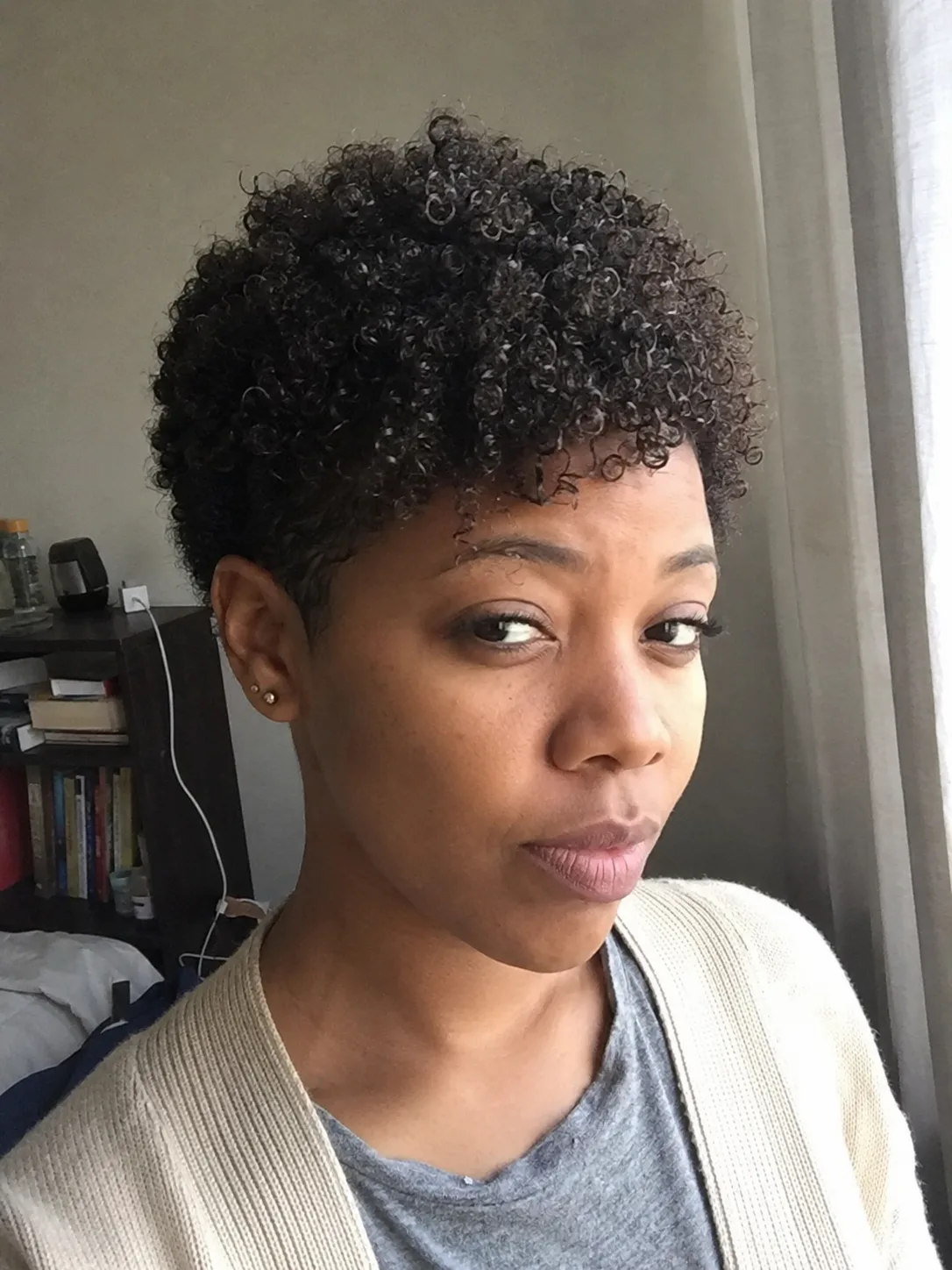
A tapered TWA keeps the sides and nape shorter while preserving more length through the top. That contrast gives you extra styling room without leaving the short-hair category. The top can be picked, defined into coils, or softly stretched. It’s more shape-dependent than an even TWA, so changes in the shortest areas become visible sooner during grow-out.
Rounded Mini Afro
A rounded mini afro keeps more fullness through the sides than a taper, producing a soft halo instead of a narrow, top-heavy shape. It works particularly well when your natural hair expands outward easily.
Shrinkage determines both width and height. A cut assessed only while the hair is stretched can look very different once the coils return to their usual position.
The broad shape also makes grow-out relatively forgiving. Small changes in length blend into the overall roundness more easily than they do around a sharply tapered neckline.
Tapered Frohawk
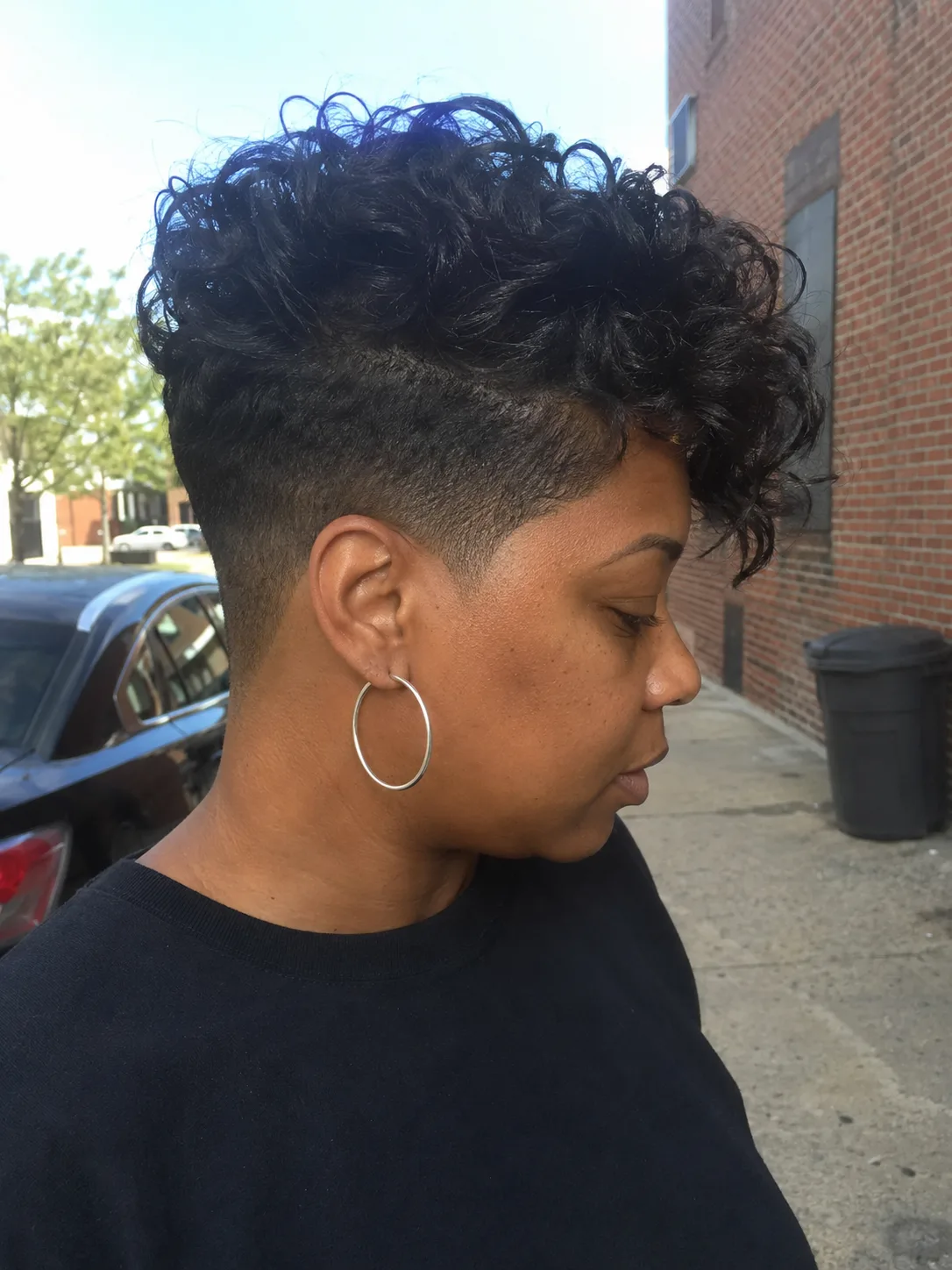
The tapered frohawk concentrates volume through a central strip from the front toward the nape while the sides stay noticeably shorter. Coils can remain fluffy, defined, twisted, or picked upward. Compared with a regular tapered TWA, it needs stronger contrast to keep its identity, making it a better choice for someone who enjoys a directional shape and is willing to maintain the shorter sides.
Coily Pixie With a Longer Crown
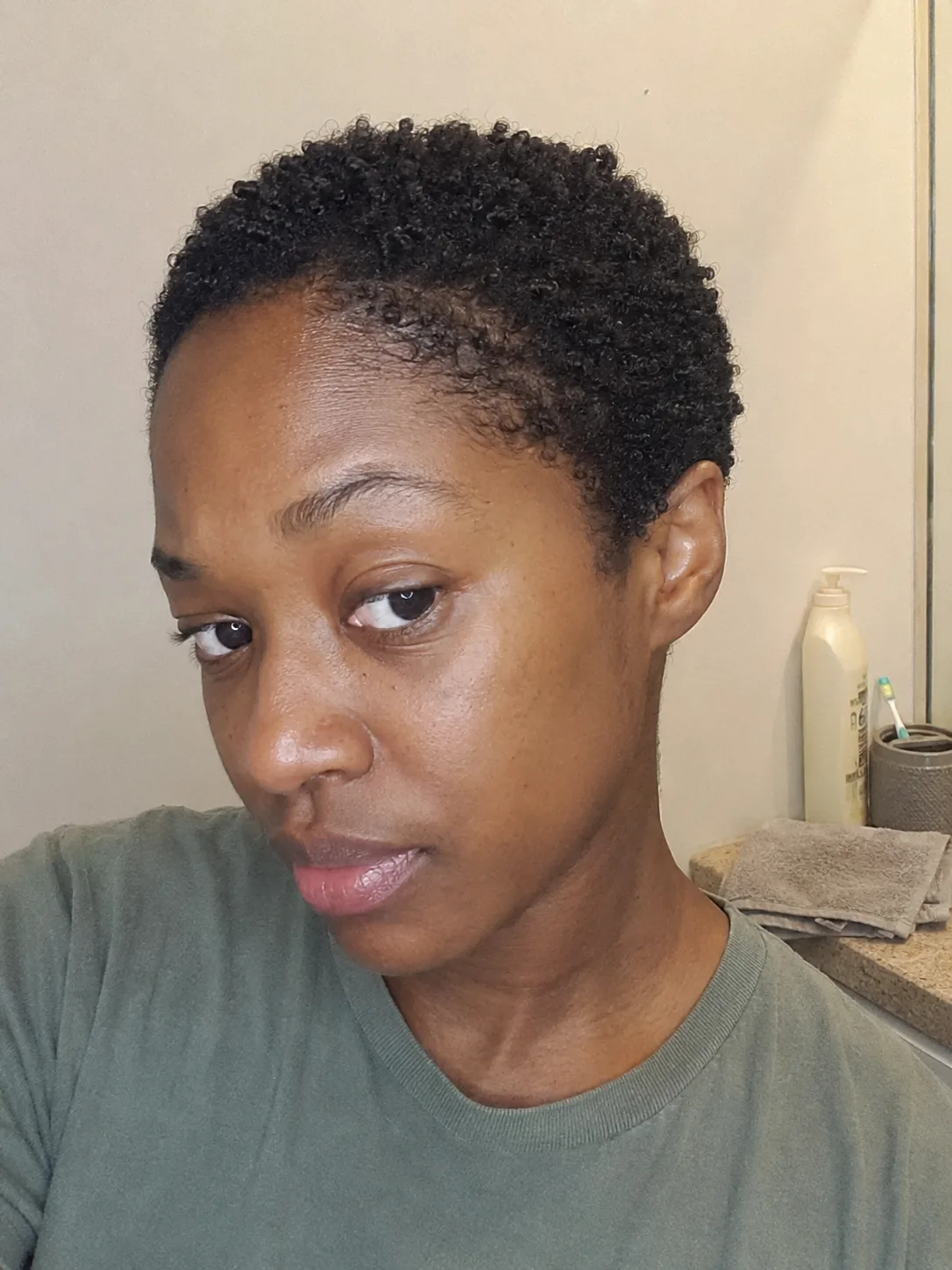
A coily pixie gives the crown enough length for individual curl or coil groups while keeping the perimeter compact. It sits between a TWA and a longer curly crop.
The crown carries most of the visual weight. Too little length moves the cut toward a simple taper; too much can make the top spread sideways and change the pixie proportion.
Density affects the cutting plan as well. Very dense hair may benefit from carefully placed interior shaping, while aggressive interior removal can expose more space in low-density hair.
Curly Crop With Fringe
Bringing curls or coils forward into a short fringe softens the forehead line and changes the emphasis of a cropped cut. The fringe can remain completely natural; it doesn’t need to be straightened to function as bangs.
The front often springs higher than a reference photo suggests, so its length should be checked in the state you actually wear. This is more forgiving than a sharply swept pixie when you prefer movement over a fixed styling direction.
Finger-Coil Crop

Finger coils add piece-by-piece definition to an otherwise simple short haircut. The underlying shape may be even or tapered, but the visible finish comes from forming individual coil groups.
That makes the style more dependent on setting than a picked TWA. As the coils separate, the hair gradually becomes fuller and less uniformly defined.
Dense roots deserve attention during drying. The surface can feel ready while closely grouped hair nearer the scalp remains damp, so airflow and complete drying matter more than the short length suggests.
Twist-Out Crop
A short twist-out gives you stretched definition with more softness and expansion than finger coils. Two-strand twists temporarily organize the pattern, then the hair opens into a fuller finish after takedown. It’s a useful option when you like a cropped silhouette but don’t want to see maximum shrinkage every day; the haircut can also transition naturally from tighter first-day definition into a larger shape.
Short Pixies and Bobs for Smoother Styling States
Finger Waves

Finger waves create repeating curves close to the scalp, making surface pattern the dominant feature. The effect is completely different from a fluffy crop even at a similar length.
This is a technique-dependent style. Hair may be relaxed, naturally suited to molding, or otherwise styled into the pattern, and the finished wave needs enough control to hold its curved lines.
Humidity, exercise, and sleep can soften the definition before the haircut itself changes. A smooth scarf can reduce overnight friction, but finger waves still suit routines that allow some resetting.
Side-Swept Pixie
A side-swept pixie keeps enough length at the front to move diagonally across the forehead while shortening the sides and back. It can work with pressed, relaxed, stretched, or softly curled hair. This is one of the more versatile pixie shapes when you want coverage around the forehead without carrying bob-length hair around the sides.
Asymmetrical Pixie
An asymmetrical pixie makes one side or front section clearly longer than the opposite side. The imbalance needs to be obvious enough to look deliberate rather than like uneven grow-out.
It is less forgiving between reshaping appointments than a balanced pixie because the longer section gradually pulls more visual weight downward. Choose it when you want the cut itself to create drama even with minimal finishing.
Undercut Pixie With Textured Top

An undercut removes substantial length from the lower sides or back while leaving a visibly fuller top. The separation is stronger than a soft taper, making the crown the focal point. Natural curls, coils, or stretched texture can all work on top, but this is a high-contrast cut: once the undercut fills in, the original architecture becomes less distinct.
Blunt Ear-Length Bob
A blunt ear-length bob gets most of its impact from a strong lower edge. Pressed or relaxed hair makes that line particularly easy to see, although the exact placement can be adjusted around your ears and preferred length.
The perimeter is doing important work here. Healthy ends can look more substantial along a clean edge, while heavy interior thinning can weaken that effect.
This is the stronger bob for someone who wants a clear graphic line and less interest in piecey layers or stacked volume.
Graduated Short Bob
A graduated bob carries more weight through the back while keeping some length toward the front. That construction produces lift and a rounded back without relying entirely on styling.
It is more salon-dependent than a one-length bob because the graduation needs to remain balanced. High collars can also push against the short back and flip sections outward—something a front-facing inspiration photo rarely shows.
Curly Ear-Length Bob
A curly bob offers a short shape without taking the sides as close as a pixie. It can be softly rounded, fuller toward the sides, or slightly narrowed near the nape.
Shrinkage controls where the perimeter actually lands. Hair that reaches the ears while stretched can sit considerably higher once the curl pattern rebounds.
Curly and coily hair may be shaped wet, dry, or through a combined approach. What matters is evaluating the final balance in the state you normally wear.
Short Styles With Twists, Braids, Locs, and Crochet
Short Mini-Twist Bob
Mini twists can create a compact bob silhouette without cutting the loose natural hair into the same line. The ends of the twists form the visible perimeter, while section size affects how full the style appears. It’s useful for experimenting with shorter proportions, although very small sections also make takedown more detailed and require good access to the roots for cleansing and drying.
Short Braided Bob
A braided bob creates a structured short outline through individual braids instead of loose hair. It gives a more graphic result than twists or curls and keeps added length from extending far down the back.
The installation should still move comfortably at the roots. Section size, braiding grip, and added-hair weight matter more than the simple fact that the finished braids are short.
Short Loc Bob
A loc bob brings existing locs into a compact frame around the head. Depending on the starting lengths, the perimeter can be rounded, softly angled, or slightly irregular.
Cutting mature locs deserves more planning than simply selecting a line on a reference photo. Different loc thicknesses can settle differently once their weight changes.
This style is especially useful when you want less hair resting against the neck while keeping enough loc length for basic side placement or pinning.
Tapered Loc Crop
A tapered loc crop keeps more loc length through the top and takes the sides or lower back substantially shorter. The result has the architecture of a tapered haircut while retaining visible loc texture.
The transition needs careful balance because a very full top can overwhelm an extremely close lower section. It also exposes more of the scalp and perimeter than a loc bob, making changes during grow-out easier to see.
Crochet Curly Bob
A crochet curly bob creates a short, full shape with installed hair while the natural hair remains prepared underneath. This gives you the visual effect of a curly bob without cutting your own hair into that outline.
The base pattern, attachment density, curl size, and added weight influence how the style sits. Excessive fullness can make a short bob bulky around the sides and reduce easy access to the base for cleansing and drying.
Short Hair Without Cutting Your Own Hair
Pixie Wig
A pixie wig lets you test a close silhouette before committing to a haircut. Exposed ears, a short nape, and a side-swept front can feel surprisingly different from longer hair once clothing and accessories enter the picture.
Fit matters as much as the haircut design. Combs, clips, elastic, lace, or other attachment methods need to sit comfortably around the temples and nape.
Wear your usual glasses during fitting, too. Thick material or excess volume around the temples can compete with the glasses arms even when the wig looks streamlined from the front.
Short Bob Wig
A short bob wig offers more neck coverage than a pixie while still giving you a defined short perimeter. It’s an easier commitment when you want to try a blunt, softly rounded, or graduated-looking shape without cutting your own hair. Check where the ends meet your everyday collars and jackets, because repeated contact at the nape can make a perfectly smooth bob flip outward during wear.
How to Choose the Right Short Hairstyle
Start with the hair state you actually live in. A pixie designed around pressed hair behaves differently when the same hair is allowed to shrink, while a curly bob planned only in a stretched state may finish much shorter than expected.
Next, decide where you want fullness. A rounded afro carries width through the sides. A taper directs attention upward. A blunt bob concentrates weight along the lower edge. An asymmetrical pixie moves the eye toward its longer section.
Density and strand size change those shapes without meaning the same thing. Fine strands can exist in high-density hair, and coarse strands can exist at low density. A strong perimeter can visually support low-density ends, while overly aggressive interior removal may expose more scalp.
Bring reference photos that resemble your usual styling state. During a haircut consultation, discuss how you want the outline to sit around the ears, forehead, glasses, jaw, and neckline, plus what will happen as the shortest areas grow.
For wigs, braids, locs, twists, or crochet styles, the construction deserves equal attention. The base, sectioning, attachments, and added weight determine how practical the short silhouette feels after the photograph is taken.
Maintenance, Comfort, and Salon Planning
Short hair can reduce detangling and handling, yet precise cuts often reveal small changes in growth quickly. A pixie may lose its outline before it feels long. A blunt bob can start flipping where it meets a collar. A taper gradually becomes softer as the shortest sections fill in.
Plan reshaping around the feature that makes your chosen style work instead of following one rigid schedule. The key feature might be an even TWA length, the short sides of a pixie, the graduation at the back of a bob, or the clean perimeter of a tapered cut.
At home, a smooth scarf, bonnet, or pillowcase can reduce friction during sleep. Heat choices should reflect hair condition, the tool, and technique rather than one universal temperature. Sets and installed styles also need adequate airflow so roots can dry completely after cleansing.
Braids, crochet, wigs, and loc styling still require a comfort check at short lengths. Persistent pain, stinging, sores, irritation, sudden shedding, or a concerning density change deserves attention. Remove or loosen a source of excessive tension where appropriate and talk with a dermatologist or another qualified healthcare professional when symptoms persist or concern you.
Related Hairstyles to Explore
FAQs
Are short hairstyles good for natural Black hair?
Yes. Natural Black hair can support TWAs, tapers, rounded afros, curly pixies, cropped sets, and bobs. Plan the cut around shrinkage and your normal curl or coil pattern so the finished length is assessed where the hair actually settles.
Which short hairstyle is easiest to maintain?
An even TWA or rounded mini afro is often simpler than a highly sculpted pixie because the shape relies less on sharp contrast between very short and longer sections. Finger waves, defined coils, and sleek pixies generally put more of the result in the styling routine.
Can I wear short hair without cutting my own hair?
Yes. Pixie wigs, short bob wigs, mini twists, braided bobs, and crochet bobs can all create a short silhouette without a major haircut. The maintenance shifts toward base preparation, attachment, scalp access, drying, and eventual takedown.
Do short hairstyles make low-density hair look thicker?
A haircut cannot create more strands. A strong perimeter can make healthy ends look more substantial, while heavy interior removal may reveal more scalp in low-density hair. The useful goal is better weight placement and a stronger outline, not a promise of increased density.
Can short hairstyles work well with glasses?
Yes. Check the area around your temples and ears while wearing your normal frames. A clean taper can create plenty of room, while thick wig material, bulky curls, or long side sections may compete with the glasses arms.
What should I tell my stylist before going short?
Explain how you normally wear your hair, how much daily styling you want, and which feature of your reference photo matters most. Discuss shrinkage, perimeter length, ear and nape exposure, density, previous color or chemical services, and how you want the cut to behave as it grows.
Hair Texture & Upkeep Style Matcher
Select your natural hair texture and daily maintenance window to get an instant styling formula and heat safety cap.
Heat Cap: 320°F (160°C)
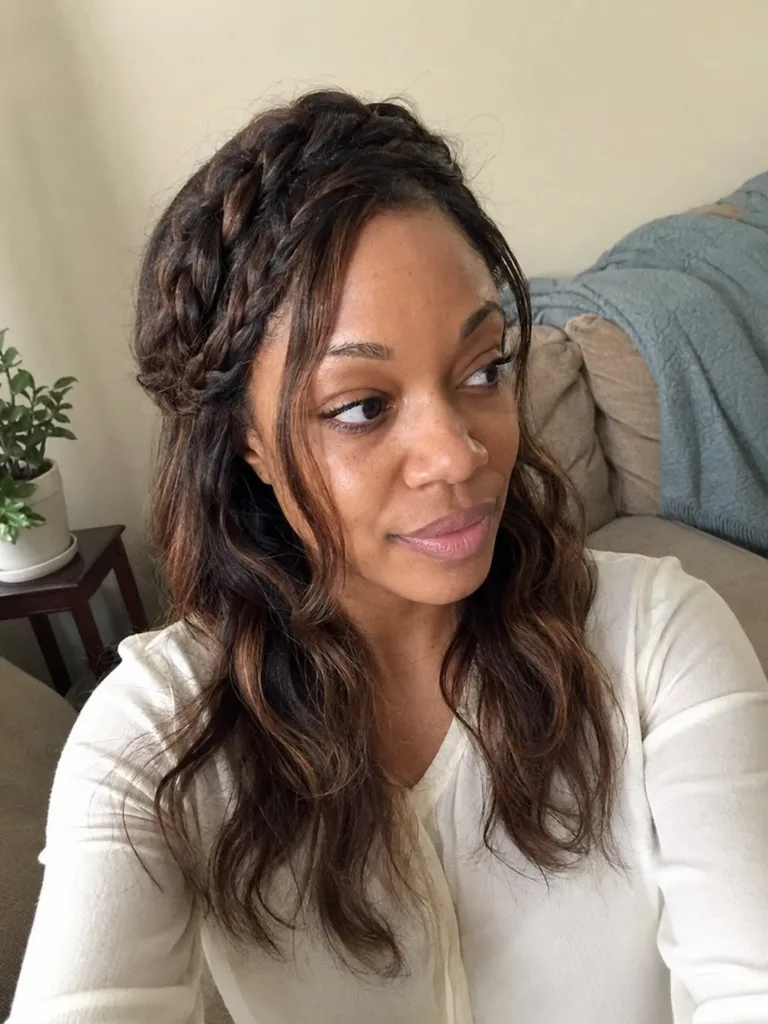
A versatile three-strand braid beginning at the parietal ridge, securing the top half while allowing natural wave texture to flow freely around the shoulders.
Conclusion
The most useful distinction between short hairstyles for Black women is how the shape is built. A TWA or mini afro works with natural expansion. Pixies and tapers create contrast. Bobs depend heavily on their perimeter. Braids, locs, crochet, and wigs can reach a similar visual length through completely different construction.
Choose the shape that makes sense in your everyday hair state and with the amount of setting, reshaping, or installation upkeep you’re comfortable maintaining. Short hair works best when the routine fits as well as the haircut.
Editorial Standards & Hair Health Guidance
Every style featured on Tress Atlas is curated with a focus on real-world wearability, scalp tension management, and cuticle preservation. When trying protective styles or tight updos, ensure perimeter hairline sections remain tension-free to avoid traction stress on delicate follicles. For heat styling, cap tools below 350°F (180°C) to prevent thermal keratin denaturation.
Scientific Sourcing: Practices aligned with the American Academy of Dermatology (AAD) on traction alopecia risk reduction and cosmetic trichology research on hair tensile strength.