Prom Hairstyles for Long Hair: Styling Guide & Cuts That Balance Drama, Hold, and Comfort
Long hair gives you plenty to work with for prom, but extra length also creates the problem that polished photos rarely show: there’s more hair to secure, control, and carry through an entire evening. A loose style can collapse around the shoulders. A high updo may feel heavier once you’ve been dancing. Elaborate curls can disappear into the back of a dress instead of framing it.
Start with the part of your look you care about most. Long waves make the hair itself a feature. Half-up styles keep length visible while clearing your face. Ponytails create movement without leaving everything loose. A compact bun is easier around detailed necklines, earrings, and open backs.
Your normal styling state matters too. Naturally curly or coily hair doesn’t need to be straightened before it can look formal, and long locs can be arranged into elegant prom updos without disguising their structure.
Long, Loose, and Half-Up Prom Hairstyles
Old Hollywood Waves
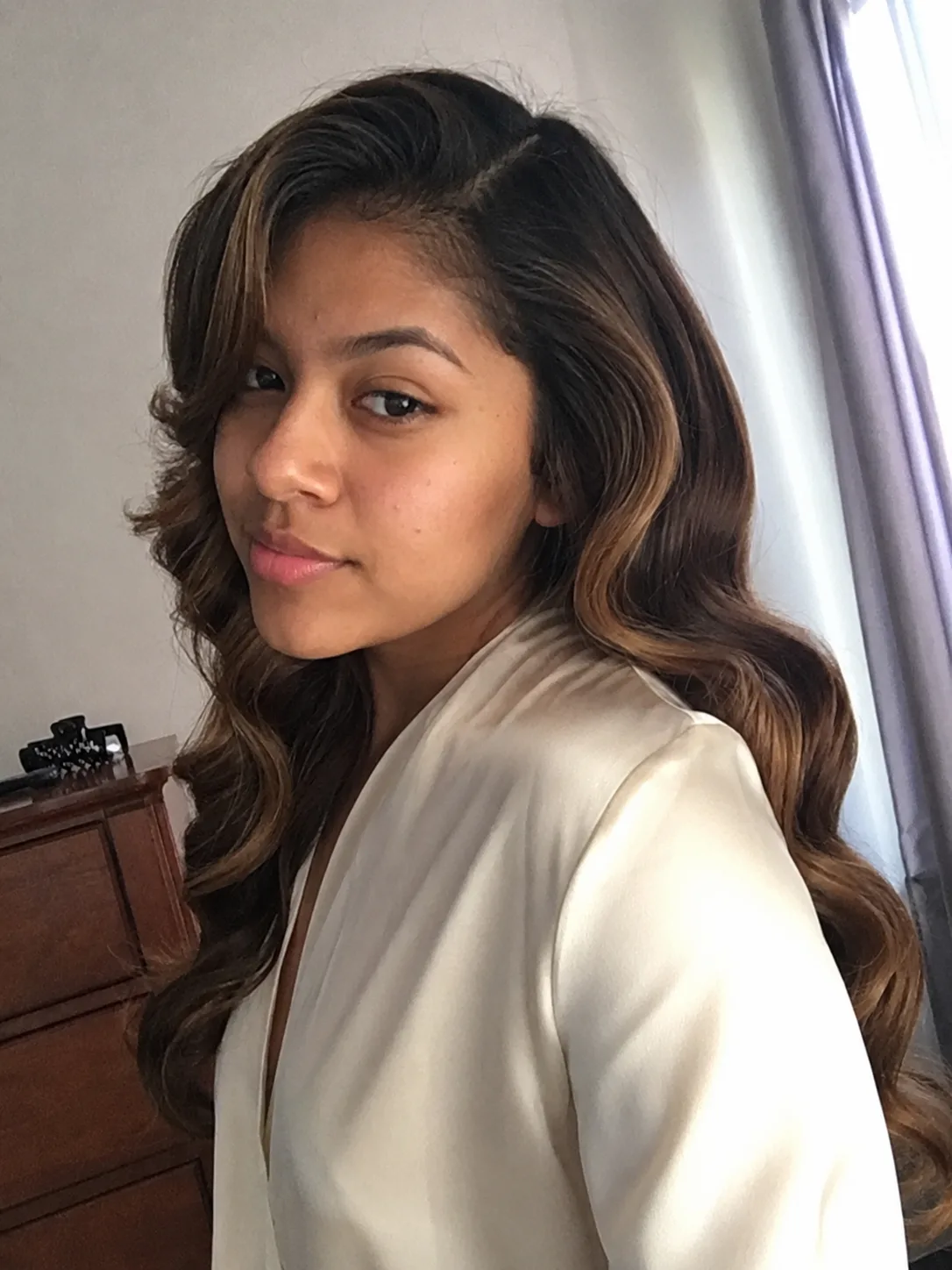
Few long hairstyles create as much visual impact with such simple construction. Deep, continuous waves turn the length into the main feature, especially when the hair has enough movement to form broad curves from the mid-lengths downward.
The catch is that long hair can stretch curl patterns under its own weight. A heavily layered cut will also produce a different finish from a blunt, dense perimeter: shorter layers create more movement around the face, while fuller ends make the wave pattern look heavier and more continuous. This is strongest with dresses that leave the shoulders or back relatively uncluttered.
Sleek Straight Hair With Tucked Front Sections
Straight hair can look every bit as formal as curls when the surface is smooth and the shape is deliberate. Keeping the lengths long and fluid while tucking the front sections behind the ears puts the emphasis on earrings, makeup, and the neckline.
This is an especially clean choice for a highly embellished dress because the hairstyle doesn’t compete with it. Healthy-looking ends matter more here than elaborate construction; a transparent or uneven perimeter will be visible.
Sculpted S-Waves With Sleek Roots
This version of a down style concentrates the drama lower on the hair. The roots stay close to the head while the lengths form larger S-shaped bends. Visually, you get a sharper contrast than with fluffy curls.
Long hair helps the pattern read clearly because each bend has room to develop. Hair with strong natural texture may need a different preparation strategy from naturally straight hair, and that choice should reflect both condition and the state you actually want to wear.
Think about your dress before deciding where those waves begin. A wave pattern that becomes fullest around the shoulders can compete with structured sleeves or a high neckline. Dropping the fullness lower lets the dress and hairstyle occupy separate areas.
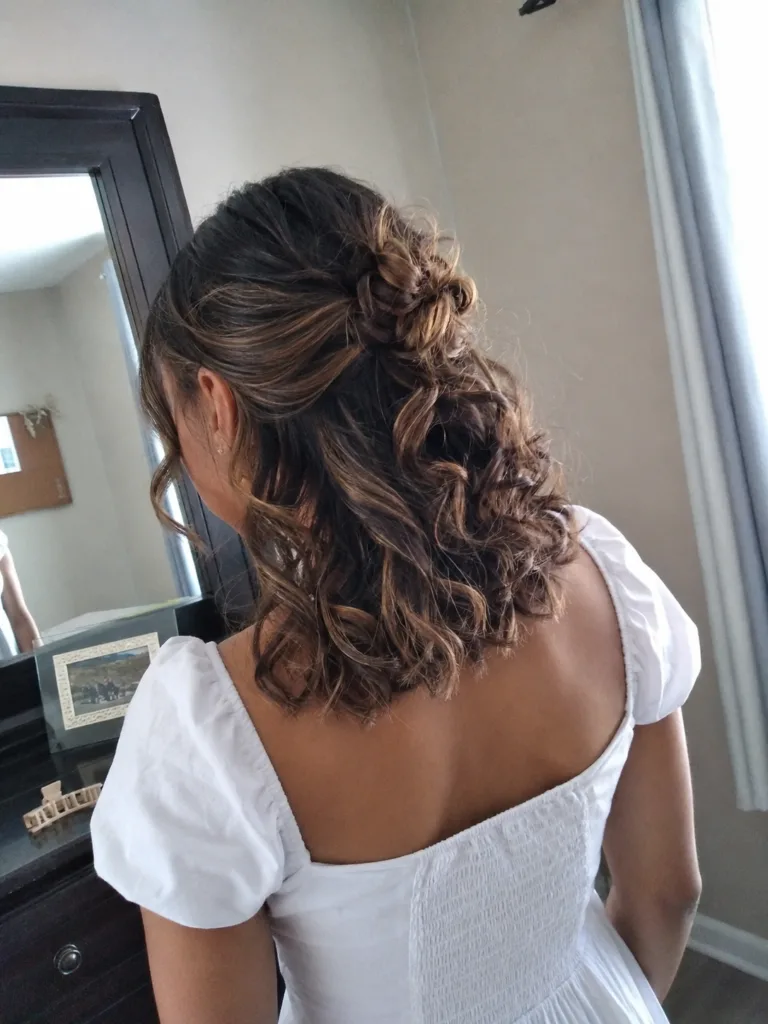
Twisted Half-Up Crown
Two front or temple sections travel toward the back and are twisted before being secured together, leaving most of the length loose. The result is softer than a high half-up ponytail and less intricate than a full braided crown.
This construction works particularly well when you want curls or waves visible but know you’ll be annoyed by hair falling across your face. The rear anchor can also support decorative pins without requiring the accessory itself to hold the entire hairstyle.
Waterfall Braid With Flowing Lengths
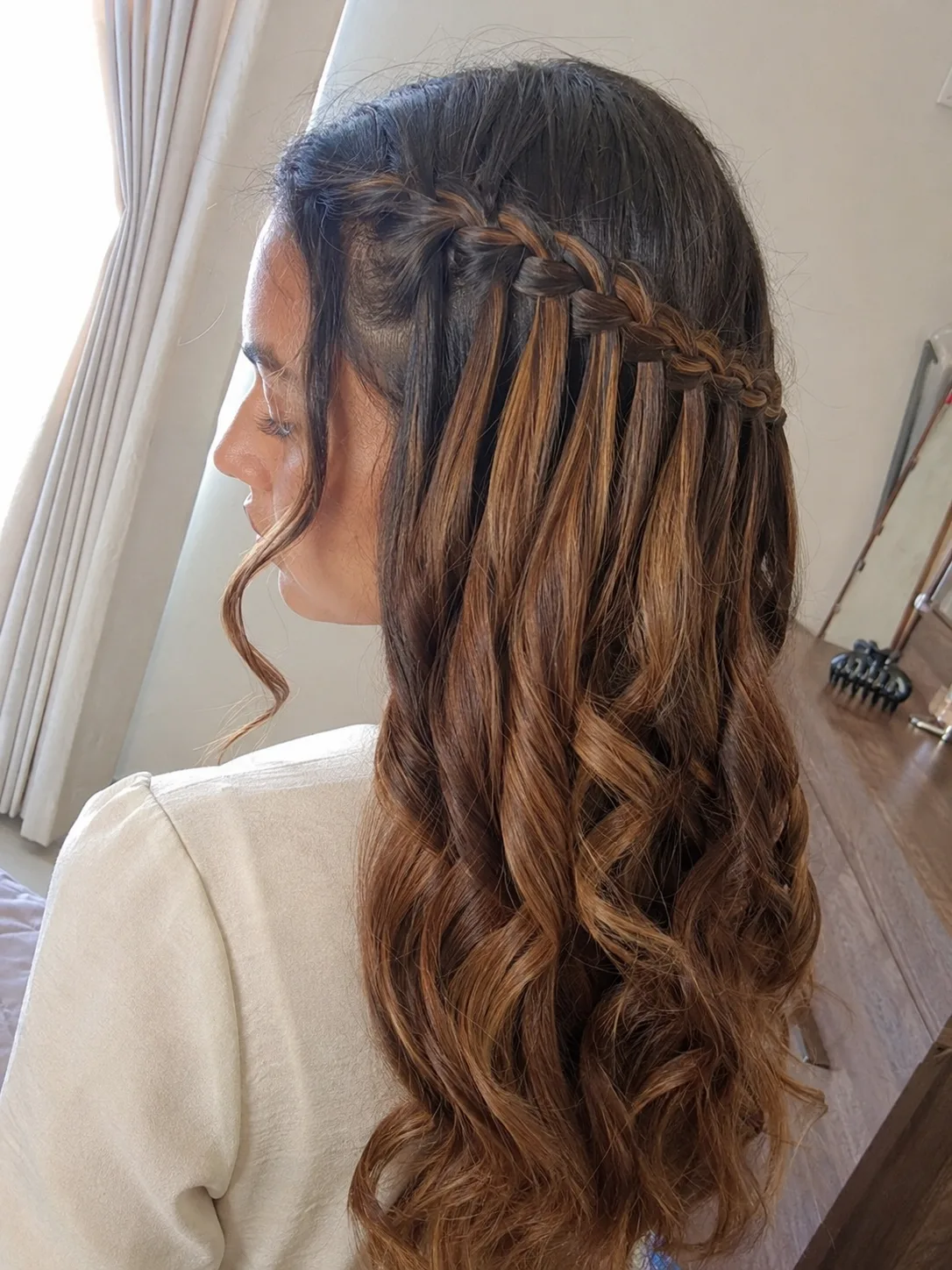
A waterfall braid gives you visible braid detail while deliberately releasing strands into the hair below. On long hair, those dropped pieces become part of the loose wave or curl pattern, creating a layered effect across the back.
Choose it for detail rather than maximum security. Most of the hair remains down, so you’ll still deal with the same friction, humidity, and movement as another loose hairstyle.
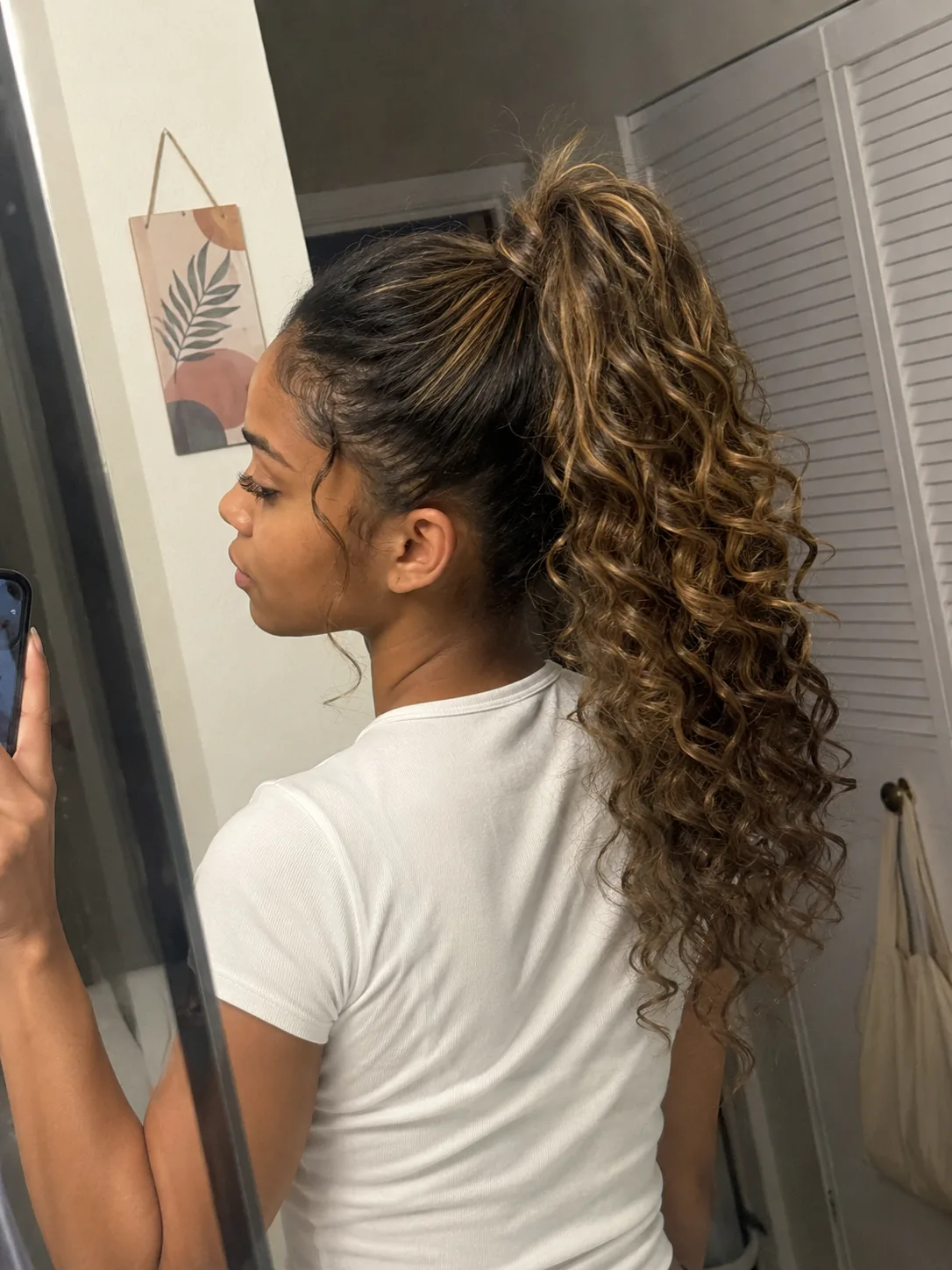
Half-Up Ponytail With Curled Lengths
Pulling the upper section into a ponytail lifts hair away from the cheeks and gives the crown more height while keeping the lower length completely visible. Curling or defining the ponytail and remaining lengths makes the separation between the two sections less obvious.
Placement changes the personality of the style. A higher anchor feels more energetic and exposes more of the jaw and neckline. A mid-height anchor reads softer and tends to sit more comfortably against the shape of the head.
Long, dense hair deserves a secure but comfortable base. The upper ponytail shouldn’t need to drag aggressively at the temples to stay up. Leave fragile perimeter hairs out when pulling them tightly into the anchor would create unnecessary strain.
Ponytails and Braids With More Movement
High Wrapped Ponytail
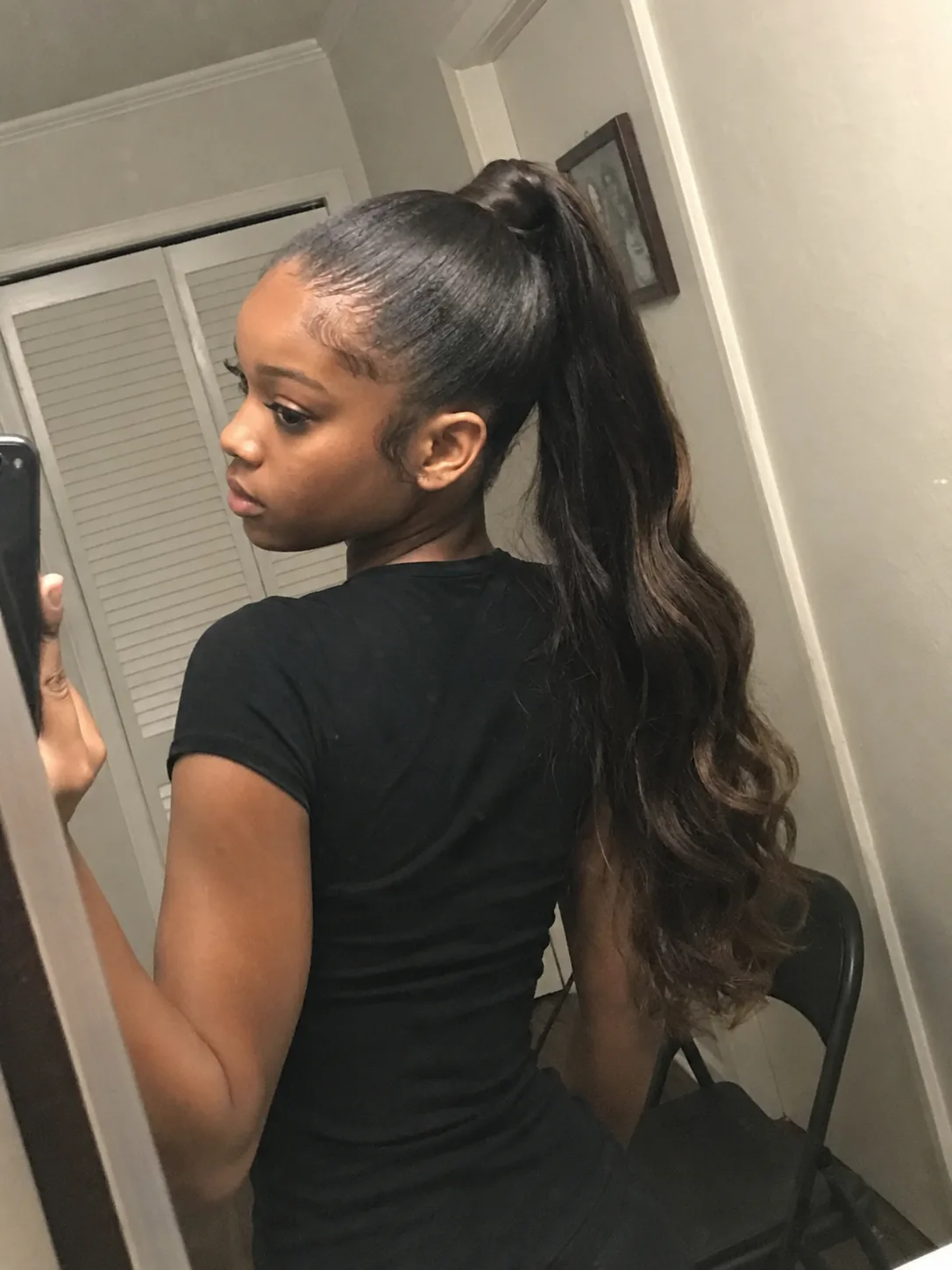
A high ponytail turns length into motion. The hair swings freely while the face and shoulders stay open, and wrapping a small section of hair around the elastic conceals the basic anchor.
Extra-long hair creates more leverage at a high base as it moves, so this style is worth testing before prom rather than judging while standing still in front of a mirror. Walk, sit, and turn your head. The ponytail should feel secure without requiring uncomfortable tension.
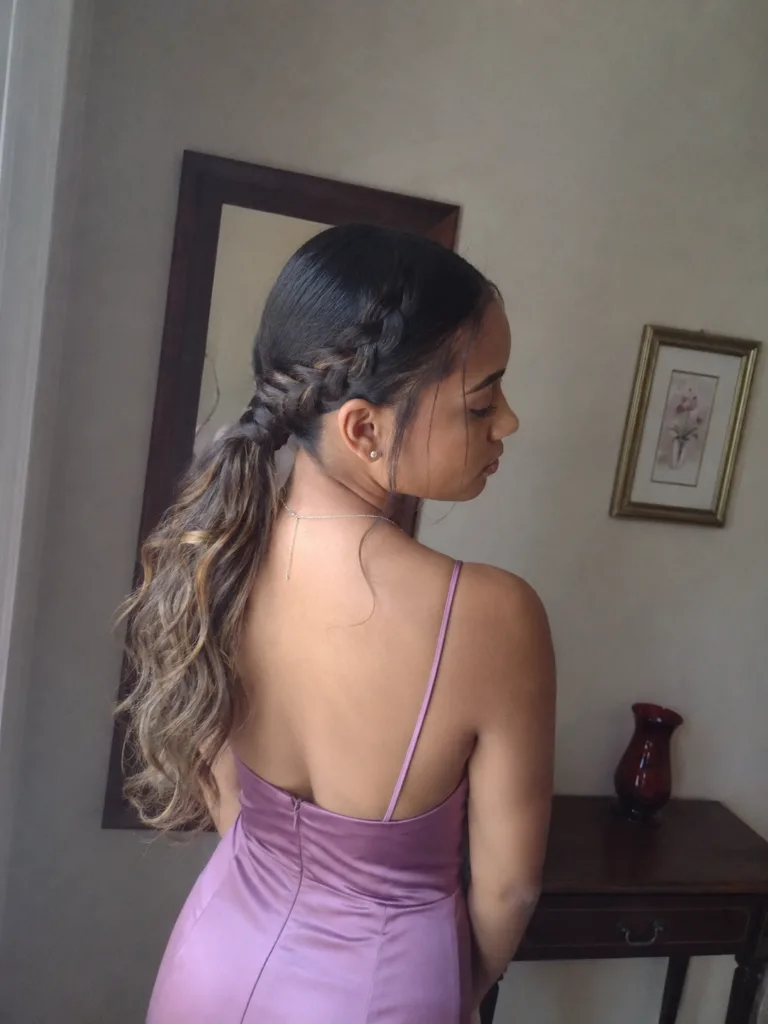
Low Ponytail With Crown Volume
A low ponytail sits closer to the natural fall of long hair, making it a practical alternative to a dramatic high pony. Keeping some lift through the crown prevents the style from looking like an everyday ponytail, while a smooth or softly curled tail provides the formal finish.
It also works better with many headrests than a bulky bun positioned directly at the back of the head.
Bubble Ponytail
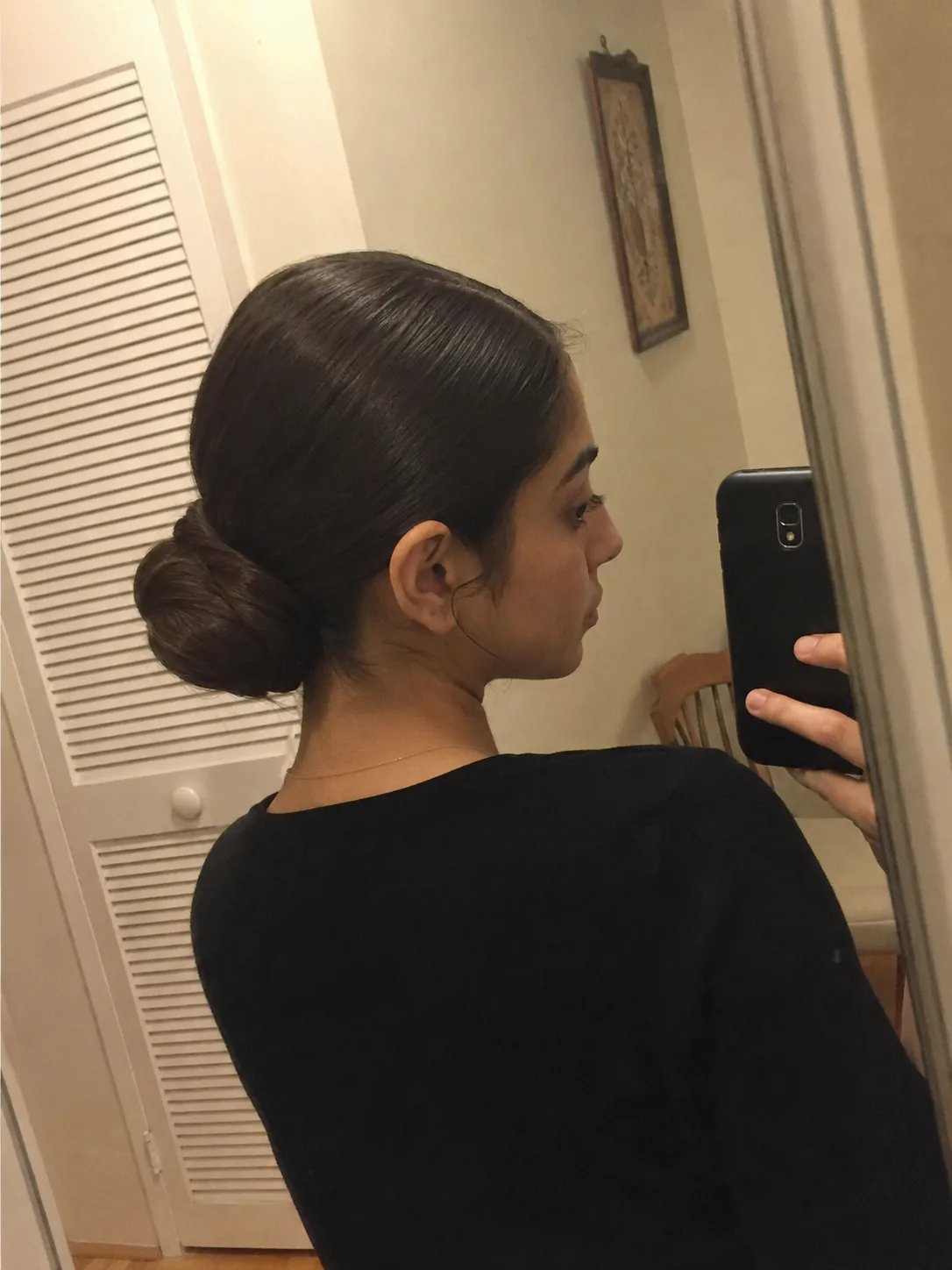
The bubble ponytail uses several secured points down the length, with each section gently expanded between them. The segmented shape is more graphic than a standard ponytail and makes substantial length obvious even when the hair isn’t curled.
It’s particularly useful when you want a statement style without relying on intricate braiding. The sections should remain balanced, though; aggressively pulling each bubble wider can create an uneven shape and unnecessary manipulation.
Side Fishtail Braid
A long fishtail braid brings nearly all the hair over one shoulder, which changes how the hairstyle interacts with the dress. Instead of hiding back details, the braid becomes an accessory-like feature along the front or side of the body.
The narrow woven pattern becomes more visible with length. A slightly expanded braid reads softer, while a tighter weave gives a cleaner, more compact result.
Consider what happens during photos and dancing. Very long braids can slip behind an arm, under a bag strap, or against the edge of a seat. That isn’t a reason to avoid the style; it simply makes length management part of the choice.
Pull-Through Braid
A pull-through braid creates oversized braid-like sections using a series of ponytail connections rather than a traditional three-strand technique. On long hair, it produces a bold, dimensional column down the back.
This is the stronger choice when you want braid drama to show from a distance. Tiny intricate details can disappear in full-length prom photographs, while the larger repeated sections remain obvious.
Braided High Ponytail
Here, braids or cornrow-style sections travel toward a ponytail anchor before the lengths continue into a loose or braided tail. The direction of the sections creates much of the visual interest before you even reach the ponytail.
The convergence point deserves attention. Several sections meeting at one high spot can concentrate force there, especially with substantial natural length or added hair. The base should feel stable during normal head movement, not sore or sharply tight.
This style can work beautifully on textured hair because the braid pattern becomes part of the design instead of something hidden beneath a smooth finish. Added hair is optional, and extra length should be weighed against the additional movement and load it creates.
Buns and Updos That Clear the Neckline
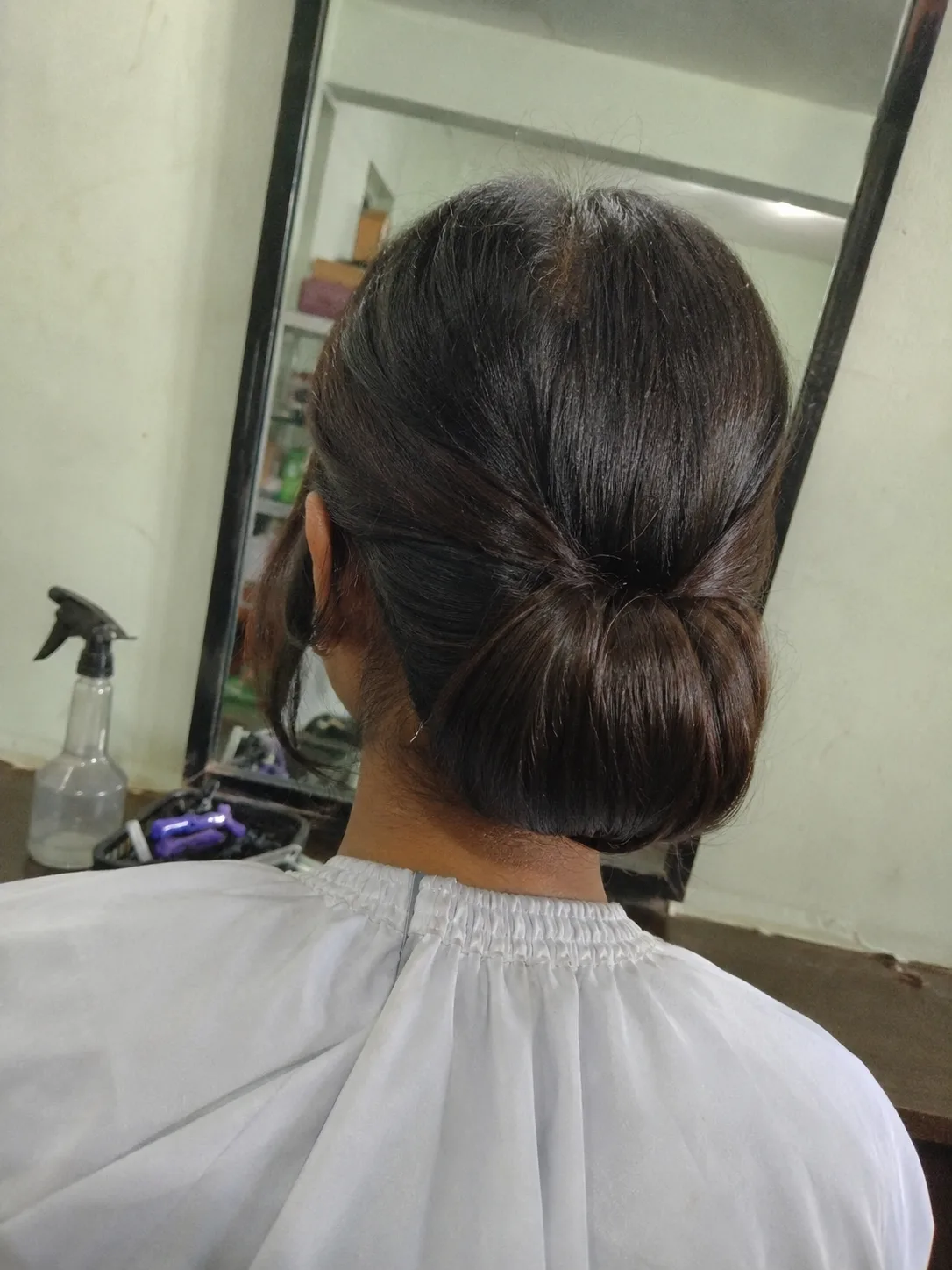
Soft Low Chignon
A low chignon collects the length near the nape in a folded or coiled shape. It exposes the shoulders while keeping the visual weight of the hairstyle low, making it a reliable match for strapless dresses, detailed backs, and statement earrings.
Long hair gives the chignon plenty of material, but more hair doesn’t always require a larger bun. Folding sections inward and pinning them strategically can create a compact result instead of an oversized coil.
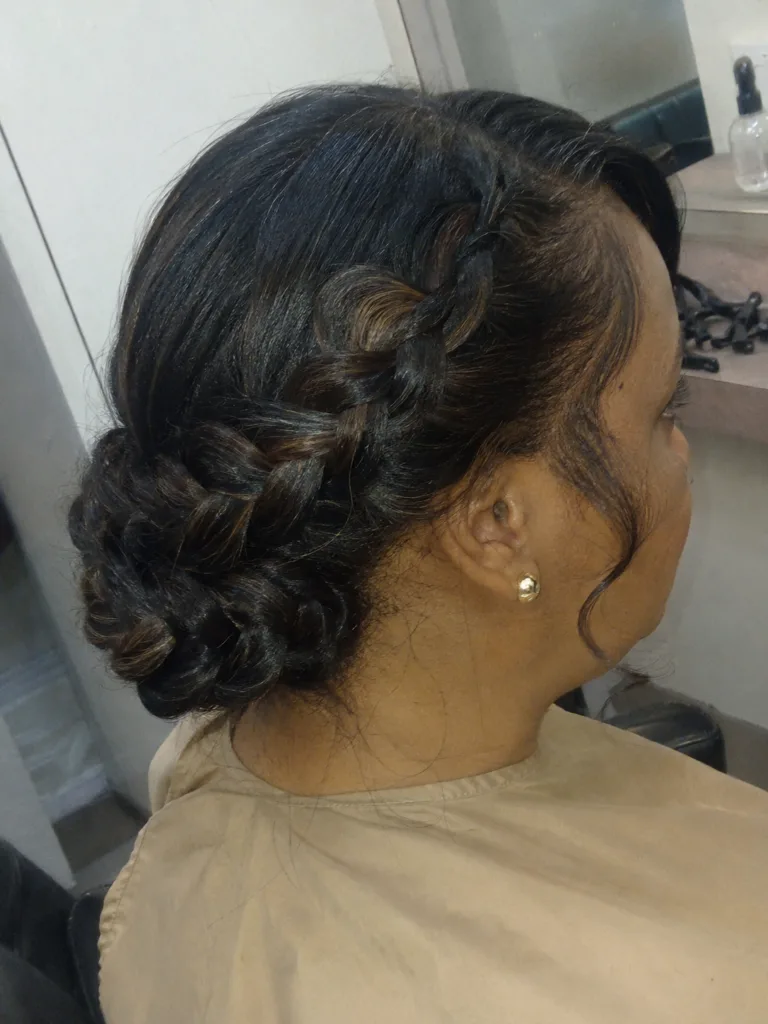
Braided Low Bun
Braiding the hair before wrapping it into a low bun adds visible texture to an otherwise restrained shape. The braid breaks up the surface and makes the construction easier to see in photos, particularly on lighter or highlighted hair where individual sections catch light differently.
It’s a useful middle ground between a romantic braid and a fully contained updo.
Modern French Twist With Soft Ends
Long hair can turn a French twist into something more flexible than the traditional smooth roll. The main length is directed upward and secured vertically, while selected ends can remain softly curved near the crown.
That vertical shape is useful with dresses that already create width across the shoulders. It keeps the hairstyle narrow through the back of the head instead of adding another broad horizontal element.
Long layers change the finish. Shorter pieces may escape the main twist and can be incorporated as deliberate face-framing sections or pinned into the structure. A trial is valuable here because the internal pinning matters far more than the front-view photograph suggests.
High Formal Bun
A high bun gives long hair a strong, architectural presence while leaving the entire neckline clear. It can be smooth and compact or gently expanded depending on density, strand size, and the amount of hair being wrapped.
Check the bun from all angles. A very large mass at the crown can dominate a smaller head shape or compete with a dramatic dress. It may also change how comfortably you sit in a car depending on its exact placement, though it avoids the direct headrest contact of many mid-height buns.
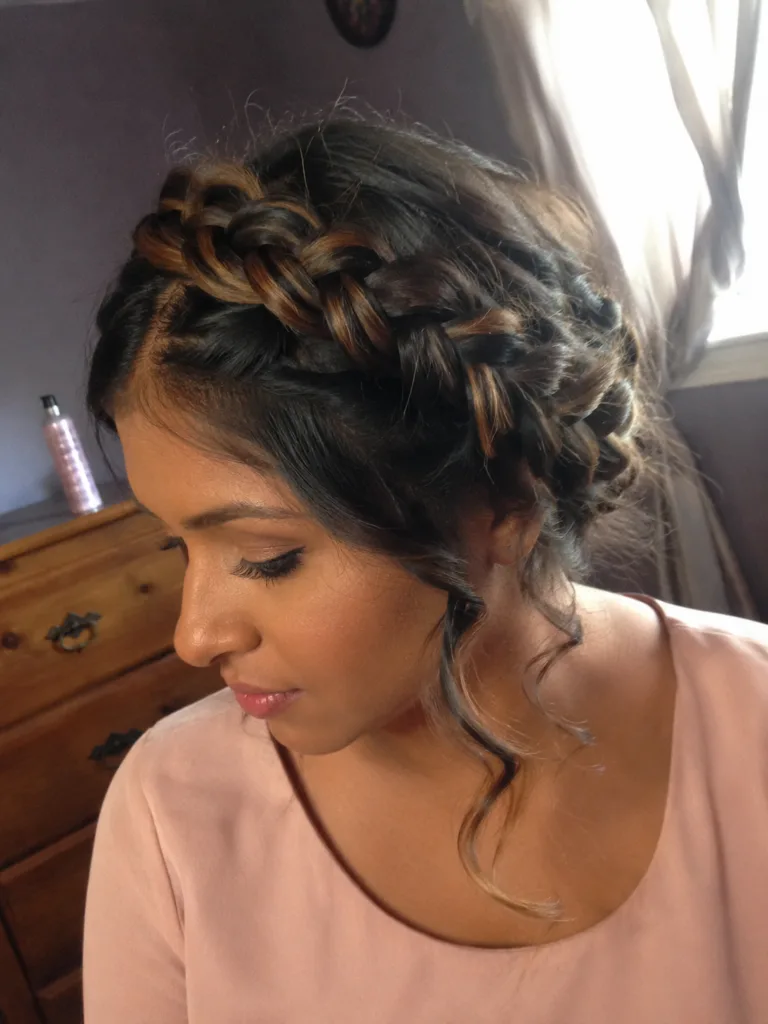
Halo Braid
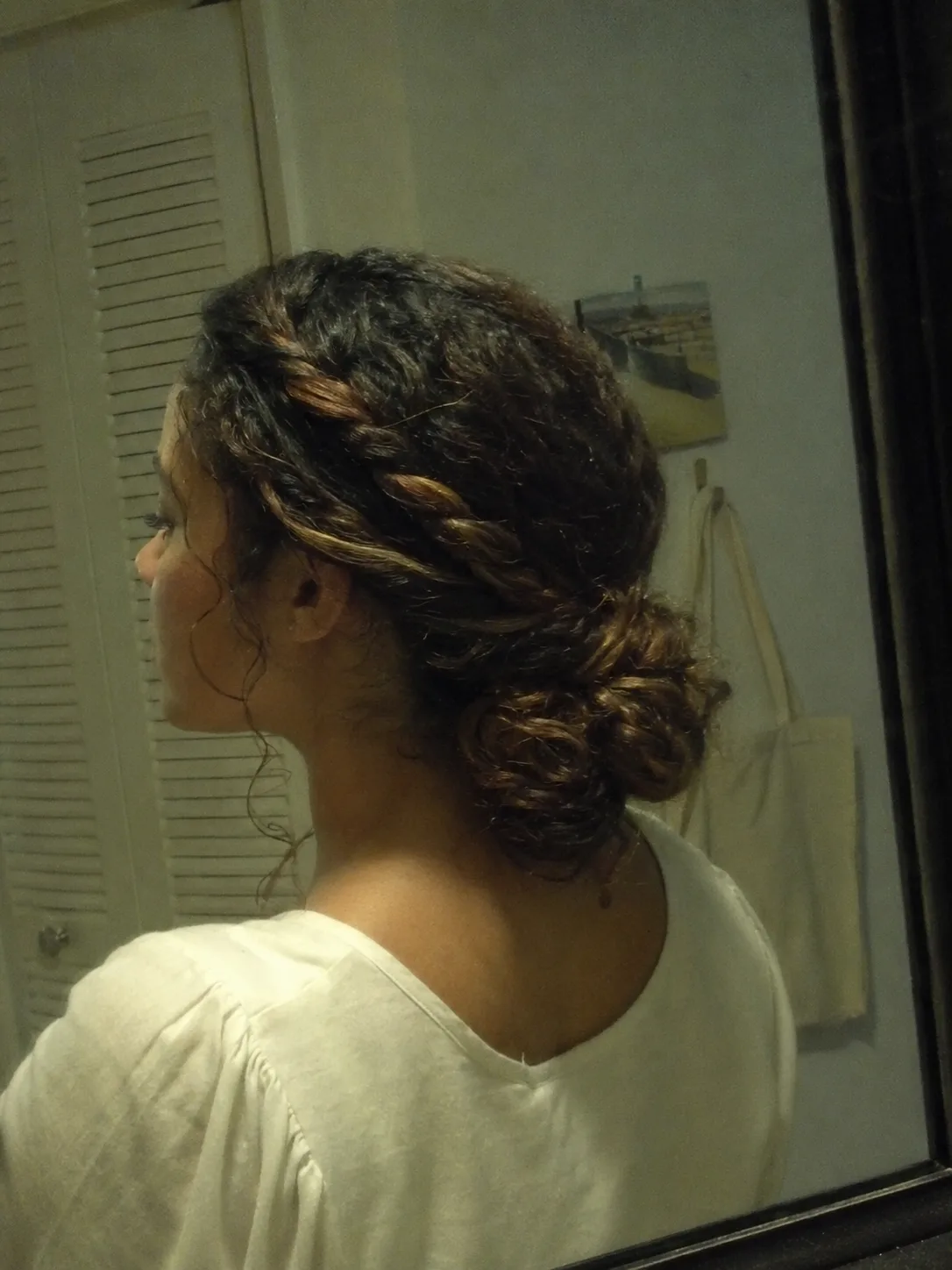
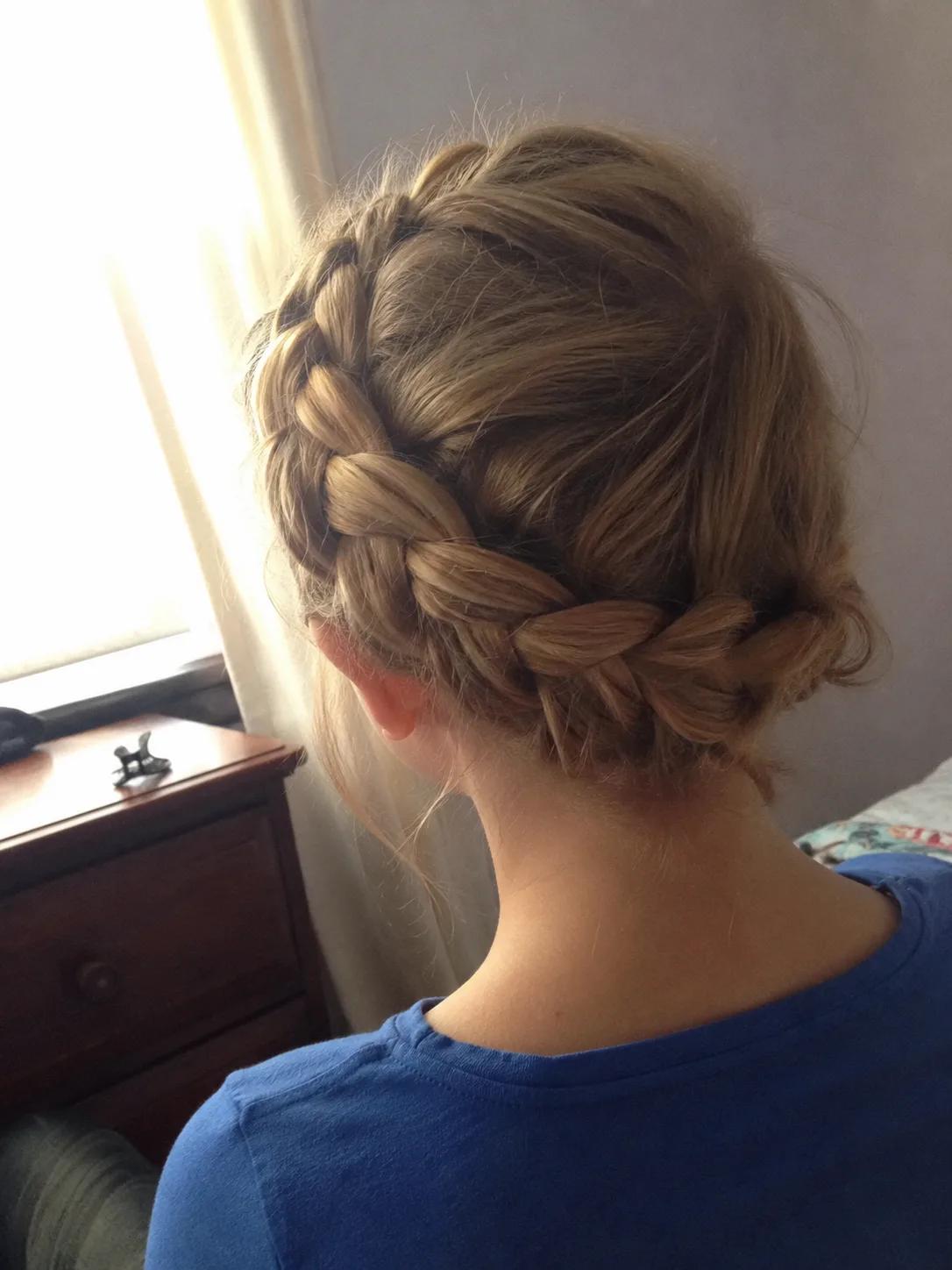
Wrapping a braid around the head creates a continuous crown shape and contains long hair without concentrating everything into one rear bun. It also gives the hairstyle visible interest from the front, side, and back.
This is an underrated prom option for someone whose dress has elaborate back detail that would disappear beneath waves. The braid frames the head while leaving the garment visible.
Pinned-Under Faux Bob
Long hair doesn’t have to look long at prom. A faux bob rolls or folds the lengths underneath and pins them closer to the head, creating the impression of a much shorter cut without making an actual length change.
This works especially well with soft waves because the bends disguise the folded ends and pinning points. The hairstyle also shifts visual attention upward toward the face, shoulders, and neckline.
Construction matters. Thick, very long hair creates more bulk to hide underneath, while lower-density hair can be easier to tuck but may need careful shaping so the perimeter appears full. Ask for the finished outline to be evaluated from the side as well as the back; that’s where an uneven roll tends to become obvious.
Texture-Led Prom Styles for Long Hair
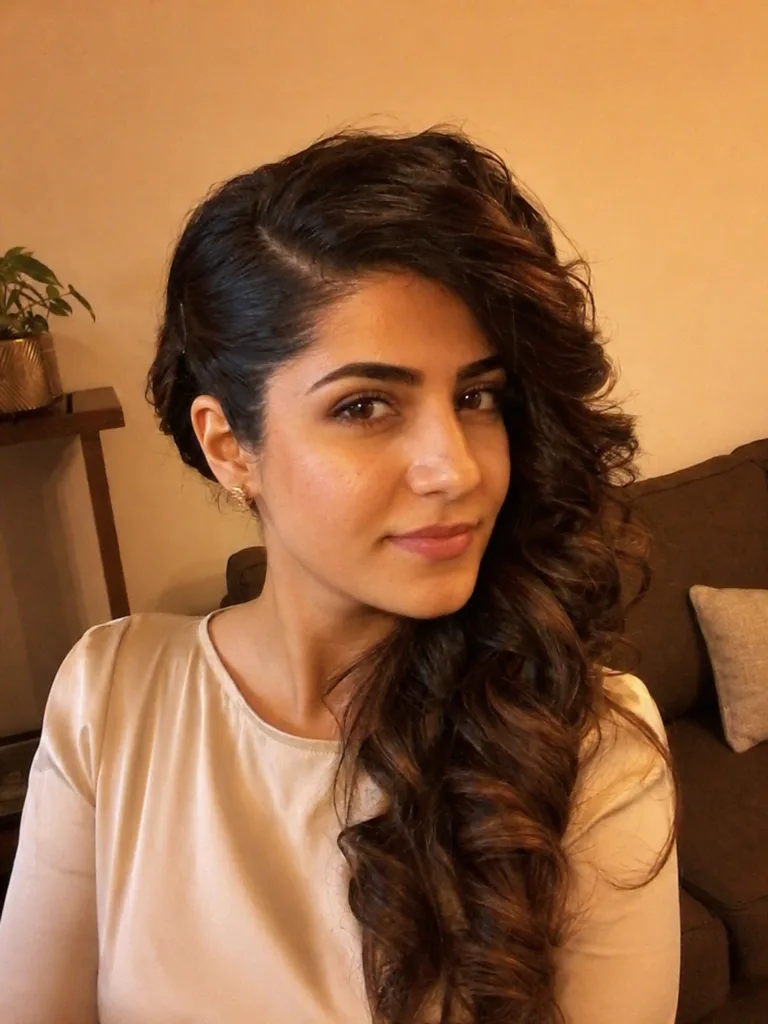
Defined Natural Curls With One Side Pinned
Defined curls already provide movement and dimension, so an elaborate updo may be unnecessary. Pinning one side back creates asymmetry, opens the face, and leaves the rest of the curl pattern intact.
Work from the length the curls actually reach when styled, not the stretched length. Shrinkage affects where the fullness sits against the shoulders and dress. The strongest version preserves the natural grouping of the curls instead of repeatedly separating them for extra volume.
Long Curly High Puff
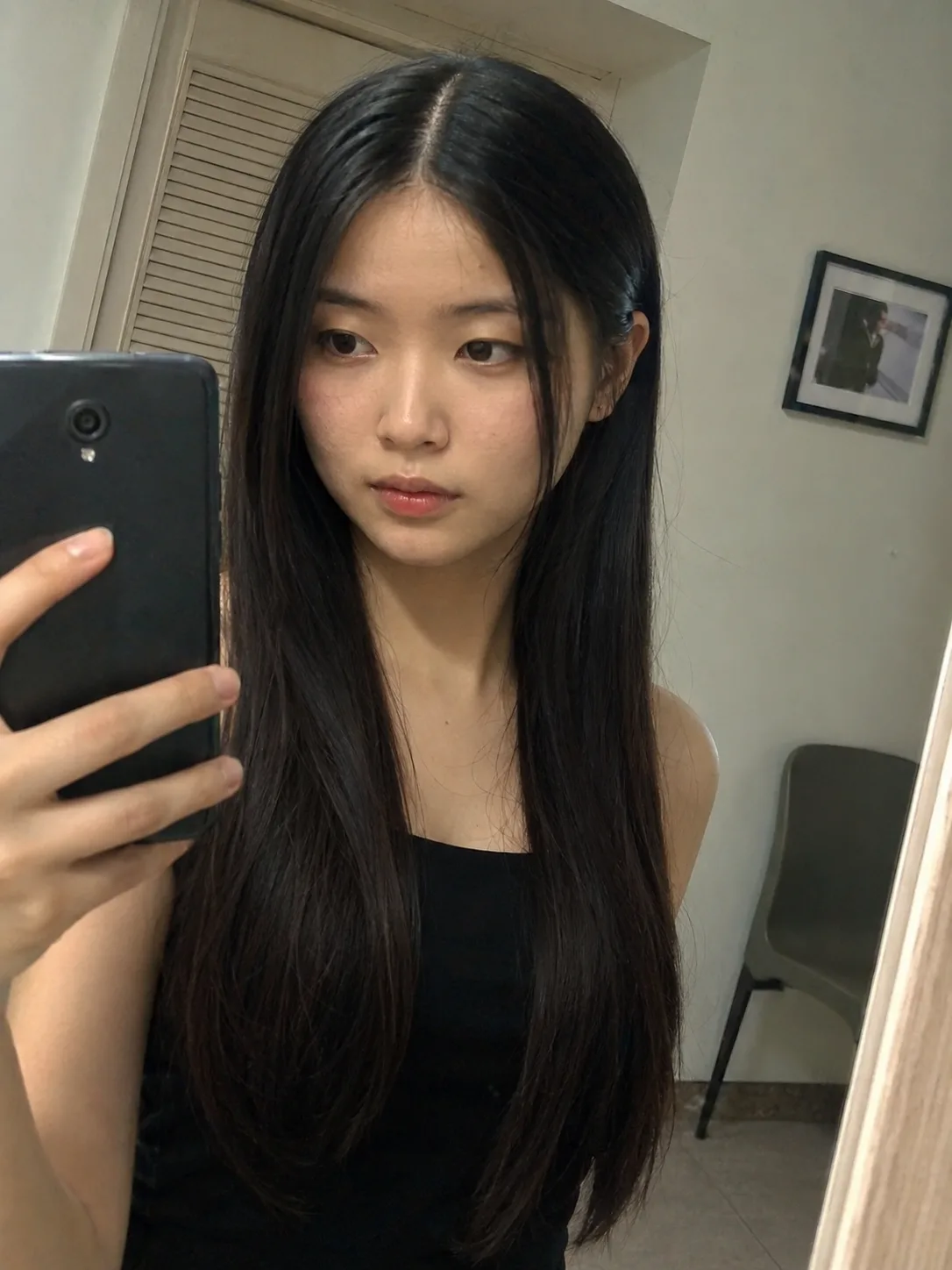
Long curly or coily hair gathered high creates a large halo of texture above the face. Depending on shrinkage and density, the result may read as a puff, ponytail, or cascading mass of curls.
This makes the hair visible in front-facing photographs without requiring the texture to be straightened first. Keep the base comfortable and allow shorter or delicate hairs around the perimeter to stay out of the tightest part of the style when needed.
Sculpted Updo for Long Locs
Long locs can be folded, looped, or directed upward into a formal updo while leaving their individual structure visible. The best shape depends heavily on loc length, thickness, density, and weight; a compact arrangement that works with lighter locs may behave very differently with substantial mature length.
Choose the anchor points with comfort in mind. Concentrating a large amount of loc weight at the highest part of the head can feel dramatically different after you’ve been moving for a while. A lower or more distributed construction often makes sense when comfort is the priority.
Knotted Low Updo
A knotted updo divides the hair into larger sections that are looped or crossed before being pinned near the nape. Compared with a smooth chignon, it leaves more visible structure and irregular movement through the bun.
It’s especially good for long layered hair because every end doesn’t need to disappear into one perfect coil. Selected pieces can be incorporated into neighboring knots, while soft front sections can remain free. The final effect has complexity without requiring a large accessory to create the detail.
How to Choose the Right Prom Hairstyle for Your Long Hair
Prom hairstyles are easier to narrow down once you stop comparing them only by appearance.
Start with your dress neckline and back. Long loose hair may cover embroidery, straps, cutouts, bows, or other details you specifically chose the dress for. An updo or side braid lets those features remain visible. A simple strapless or minimal dress, on the other hand, can support much more hair around the shoulders.
Next, think about your haircut and density. Fine strands describe strand diameter; low density means there are fewer strands overall. They aren’t the same thing. A person with fine but dense hair can still have a substantial amount of length to secure. Low-density hair may look fuller with a strong curled perimeter or carefully expanded braid, while aggressive interior separation can expose more space.
Your normal texture deserves equal weight. Curly and coily hair can be shaped in its natural, stretched, or another intentionally chosen state. Judge the final length and volume in the state you’ll actually wear to prom. Natural shrinkage can move a hairstyle much higher than a stretched reference image suggests.
Then decide how much of the evening you’re willing to spend managing your hair. Loose waist-length curls make a dramatic entrance, but they’ll move against your dress, shoulders, and other people on the dance floor. A bun removes most of that interaction. A ponytail sits between the two.
Prom-Day Hold, Comfort, and Salon Planning
Bring reference photos that show more than the front. A front-facing image may tell you almost nothing about how a long-hair updo is anchored, how large the bun is, or where the loose length sits across the back of the dress. Side and rear views are far more useful for discussing construction.
A trial becomes particularly valuable for styles with complicated internal pinning, strong height, significant natural length, or added hair. You don’t need to copy the trial perfectly on prom day; the purpose is to discover whether the general placement and structure make sense for your hair.
Move during that test. Turn your head. Sit back in a chair. Bend slightly. Wear your glasses if you’ll wear them to prom so decorative sections don’t compete with the arms at the temples. Try on earrings and any hair accessory that affects the same area.
Comfort shouldn’t be postponed until the finished style is complete. An updo or braided base that causes persistent pulling, pain, or stinging needs adjusting. Added hair can increase both length and weight, so using more solely for maximum drama may create a poor tradeoff when your natural hair already provides substantial material.
For loose styles, pay attention to the ends and surface condition before chasing extra volume. Healthy-looking movement usually photographs better than repeatedly manipulating compromised lengths. Heat styling should be adapted to your hair’s condition and the tool being used rather than following one universal temperature.
Pack only the touch-up items that relate to your hairstyle: perhaps a few bobby pins for an updo, an extra suitable elastic for a ponytail, or the styling product you already know works with your chosen finish. Prom is a poor night to discover that an unfamiliar product changes the feel or appearance of your hair.
Related Hairstyles to Explore
- Easy prom hairstyles to do yourself
- Hairstyles for prom
- Prom hairstyles for medium length hair
- Beach hairstyles for long hair
FAQs
Should long hair be up or down for prom?
Either can work, but the dress and your tolerance for hair movement should make the decision. Wear it down when the length is a major part of the look. Choose an updo when you want the neckline, back of the dress, or earrings to remain unobstructed.
What prom hairstyle works well for very long hair?
Low chignons, braids, ponytails, and folded updos make particularly good use of substantial length because the hair becomes part of the construction. Loose waves are also striking, though very long hair may stretch curls more quickly under its own weight.
Can naturally curly or coily long hair be worn to prom without straightening?
Yes. Defined curls, half-up styles, curly ponytails, puffs, braids, and texture-led updos can all create formal results. Plan around shrinkage and the shape of the hair in the styling state you intend to wear rather than treating straightening as a required preparation step.
Are hair extensions necessary for a long prom hairstyle?
No. Long natural hair may already provide enough length and volume for the style you want. Extensions can change fullness, length, or construction, but they also add material and potentially weight. Use them when they contribute something specific rather than as an automatic step.
How can I keep a prom hairstyle from falling apart while dancing?
Secure construction matters more than making every section rigid. The anchor should suit the amount of hair it’s supporting, and bobby pins should stabilize the structure rather than simply sit on the surface. Testing normal movement before the event exposes weak points much more effectively than checking the style only while standing still.
What should I do with long hair before a prom styling appointment?
Follow the preparation instructions provided for the specific style or service, because clean, stretched, curly, or otherwise prepared hair may be required depending on the plan. Make sure your stylist knows your normal texture, previous chemical or color services when relevant, and whether you’re bringing an accessory or extensions.
Hair Texture & Upkeep Style Matcher
Select your natural hair texture and daily maintenance window to get an instant styling formula and heat safety cap.
Heat Cap: 320°F (160°C)
A versatile three-strand braid beginning at the parietal ridge, securing the top half while allowing natural wave texture to flow freely around the shoulders.
Conclusion
The strongest prom hairstyle for long hair isn’t necessarily the most elaborate one. Choose the style that uses your length in a way that supports the rest of your look: waves when you want the hair to dominate, a half-up style when you need balance, a ponytail for movement, or an updo when the dress deserves more visual space.
Before committing, look beyond the reference photo. Check where the hair sits against your dress, how the style feels while seated and moving, and whether the construction makes sense for your actual density, texture, length, and styling state. That practical test will narrow 22 beautiful possibilities down much faster than another hour of scrolling.
Editorial Standards & Hair Health Guidance
Every style featured on Tress Atlas is curated with a focus on real-world wearability, scalp tension management, and cuticle preservation. When trying protective styles or tight updos, ensure perimeter hairline sections remain tension-free to avoid traction stress on delicate follicles. For heat styling, cap tools below 350°F (180°C) to prevent thermal keratin denaturation.
Scientific Sourcing: Practices aligned with the American Academy of Dermatology (AAD) on traction alopecia risk reduction and cosmetic trichology research on hair tensile strength.