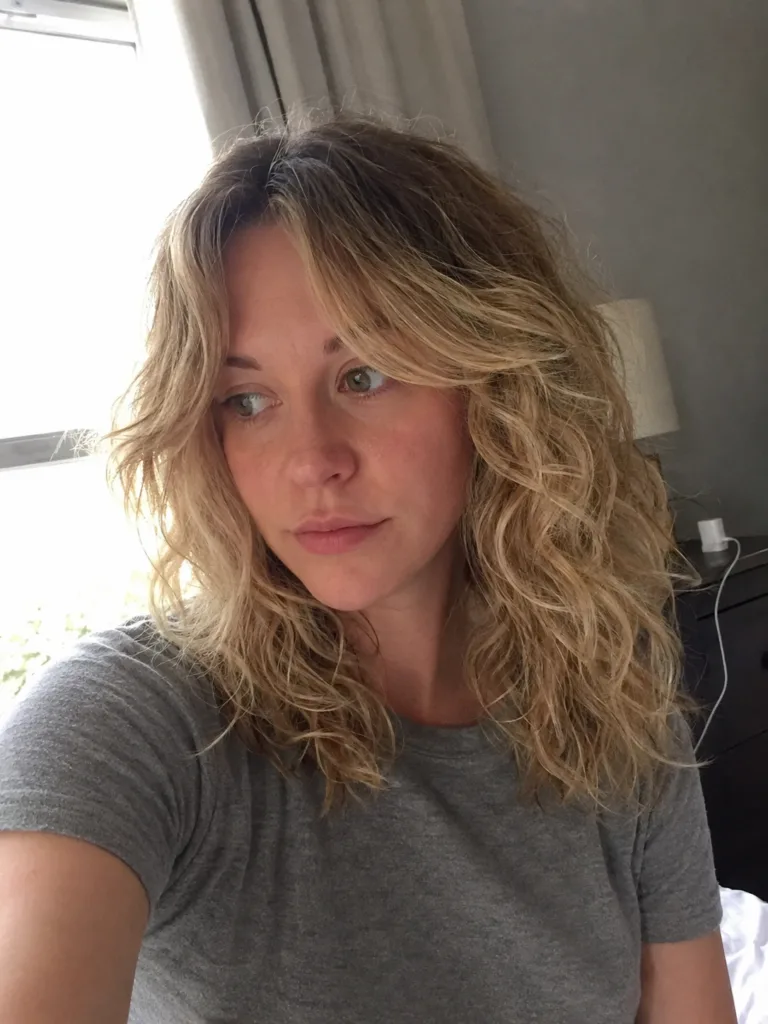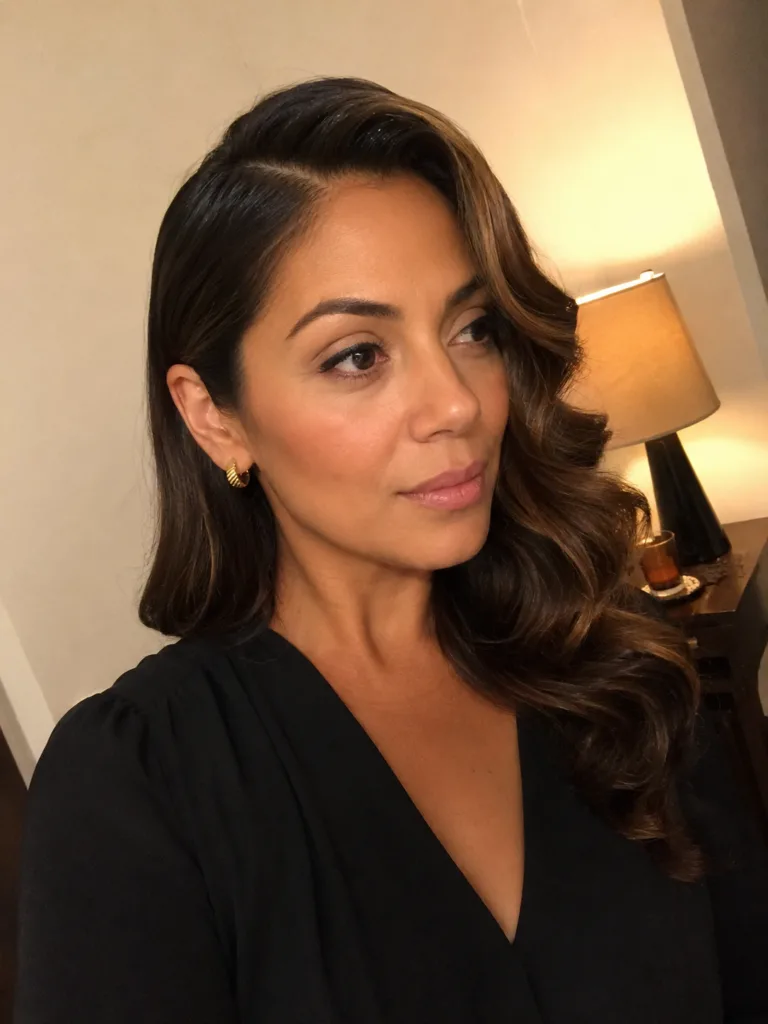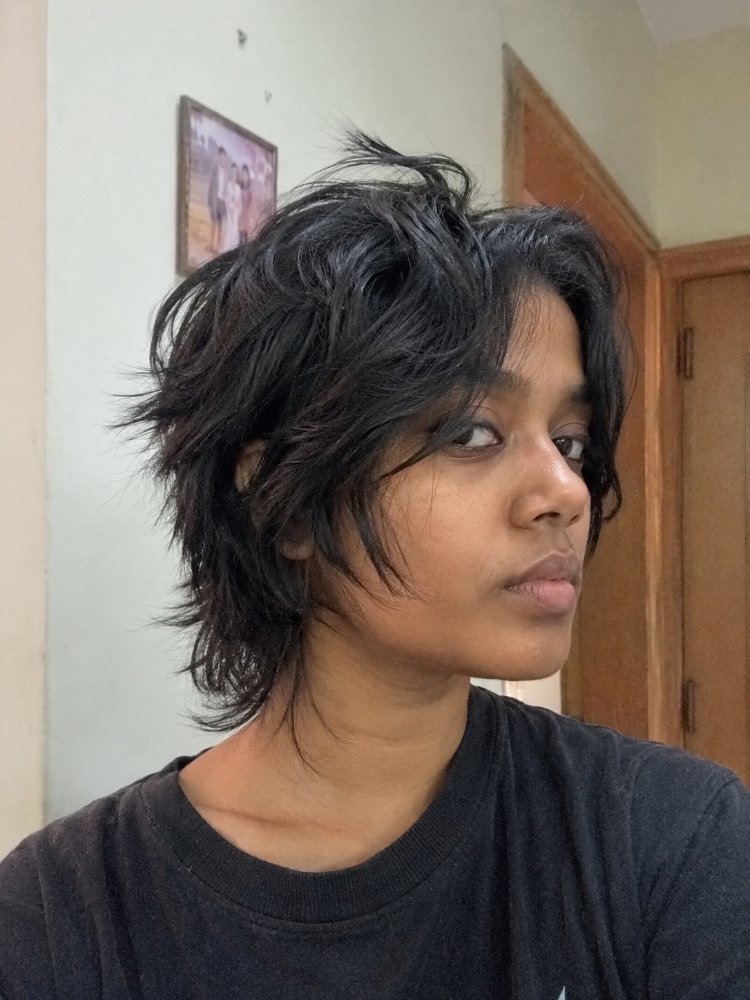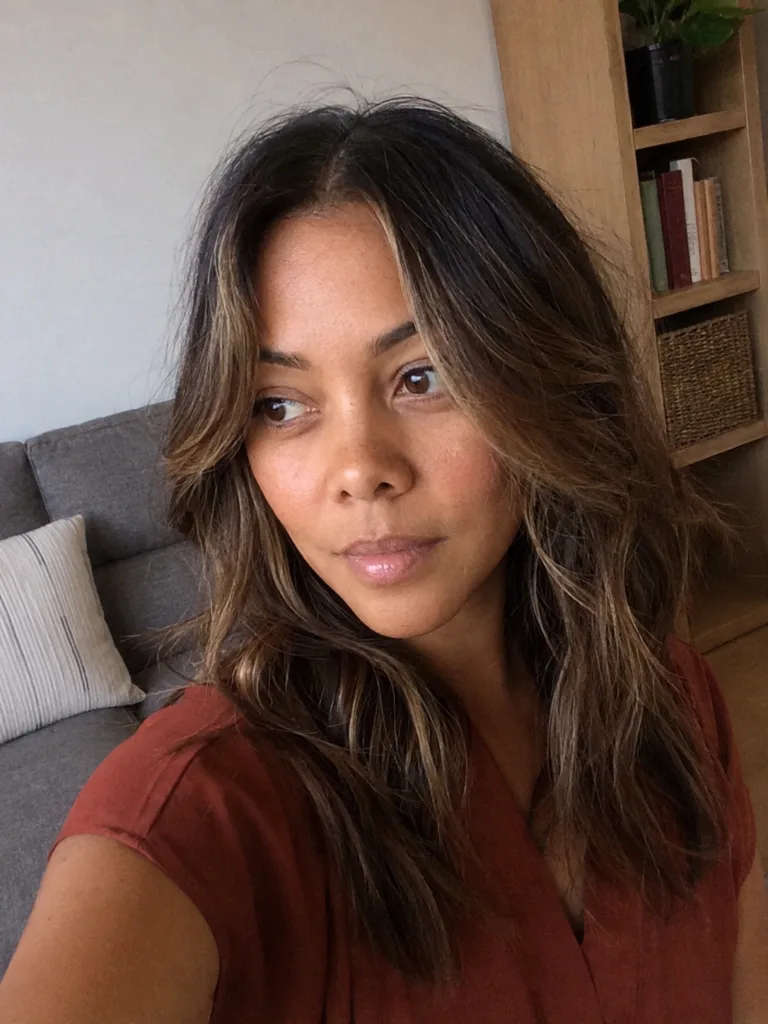
Hairstyles: Complete Styling Guide for Women: Choose by Shape, Texture, and Daily Routine
A hairstyle can look effortless in a photograph while depending on a very specific haircut, styling state, density, or amount of daily work. That hidden construction matters more than whether a style happens to be trending.
The useful starting point is how you want your hair to behave. A strong bob keeps more visual weight at the perimeter. Layers create movement but can expose sparse-looking ends when taken too far. Short cuts reduce length without necessarily reducing styling work. Braids, twists, and loc styles change the routine entirely because root comfort, scalp access, added weight, drying, and takedown become part of the decision.
Texture also changes the result. Naturally curly and coily hair brings shrinkage and curl grouping into the shape, while stretched, pressed, relaxed, or blown-out hair creates a different outline at the same apparent length. Fine strands describe strand diameter; low density means fewer strands overall. Those two characteristics can call for different haircut choices.
Use the ideas below as starting points, then choose according to the shape you want to see most often—not only the version produced immediately after styling.
Short Hairstyles With a Strong Outline
Soft Textured Pixie
A textured pixie works best when you want a short haircut that still has visible movement through the top. Keeping some length around the crown gives curls, waves, or styled texture enough room to separate instead of forming one compact shape. The perimeter can stay neat around the ears and nape while the top remains flexible.
It is more styling-dependent than a very close crop. Your usual finish—air-dried curl, finger-styled wave, blown-out texture, or smooth separation—should guide how the top is cut.
A pixie also changes quickly during grow-out. The outline around the ears and nape may lose its definition while the hair still feels short, so this cut makes the most sense when periodic reshaping fits your routine.
Tapered Natural Crop
For naturally curly or coily hair, a tapered crop puts much of the visual interest at the top while reducing bulk through the sides and lower back. It can create a strong shape without requiring the hair to be stretched or straightened.
Shrinkage is central to the decision. A section that appears generous when stretched can sit much shorter once dry, and different curl groups may shrink by different amounts. The finished haircut should therefore be judged in the state you actually intend to wear.
This is one of the stronger short options when you enjoy natural texture but want a defined outline rather than an evenly rounded crop.
French Bob
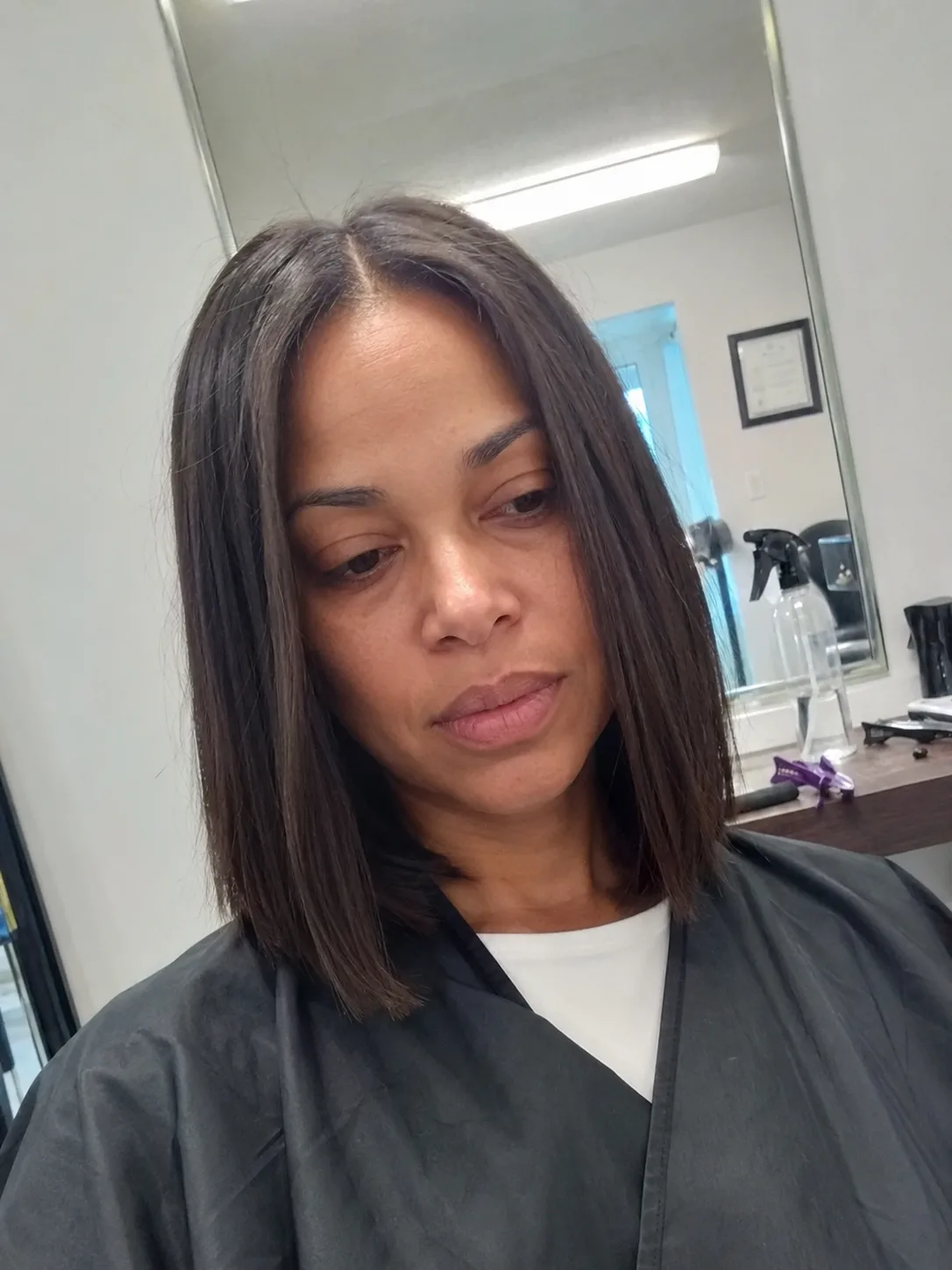
The French bob places the perimeter high enough to make the lower edge a major part of the haircut. That clean boundary gives the style its character, whether the hair is worn smooth, softly wavy, or with natural curl.
Because the lower edge is so visible, excess internal thinning can work against the look, particularly when density is already limited through the ends. A fuller perimeter usually contributes more to this style than lots of disconnected layering.
Rounded Curly Bob
A curly bob is shaped around volume as well as length. The sides, crown, and perimeter have to work together once the curls return to their normal dry position.
A rounded version keeps enough width through the sides to create a balanced, full shape. It is especially useful when you like your curls to look substantial rather than sharply tapered toward the bottom.
Curl grouping can change from wash to wash, so the outline needs some tolerance for movement. A photograph showing every curl in an exact position may be a styling moment, not the way the haircut sits every day.
Collarbone Lob
The collarbone lob is a practical middle ground between a bob and longer hair. There is enough length for ponytails, clips, and loose updos, but the perimeter still reads as a deliberate haircut.
Collars matter more than photos suggest. A lob that lands directly on a jacket or coat collar may kick outward, while a slightly different finished length can fall more freely. Discuss where you want the ends to sit with your normal posture and everyday clothing in mind.
Layered Cuts for Movement and Volume
Long Layers
Long layers are the safer starting point when you want movement without dramatically changing the overall length. They remove some weight through the interior while allowing the longest perimeter to remain visually dominant.
Dense hair can gain easier movement from this construction. Lower-density hair needs more restraint because aggressive interior removal can reveal additional space between the ends.
Think about how you normally style the hair before asking for highly visible layers. A smooth blowout reveals the steps differently from natural waves, curls, or air-dried texture.
Butterfly Cut
The butterfly cut relies on shorter face-adjacent and upper layers connecting into considerably longer lengths. Its appeal comes from the contrast between movement around the upper half of the head and length through the bottom.
This haircut earns its place when you actually enjoy styling movement. Round-brushing, blow-drying, roller setting, or another shaping method makes the separation between layer lengths easier to see.
Air-dried results can be softer and less dramatic, especially on straighter hair that doesn’t naturally bend. Choose the cut for the way you plan to wear it most days, not only for a highly styled reference image.
Modern Shag
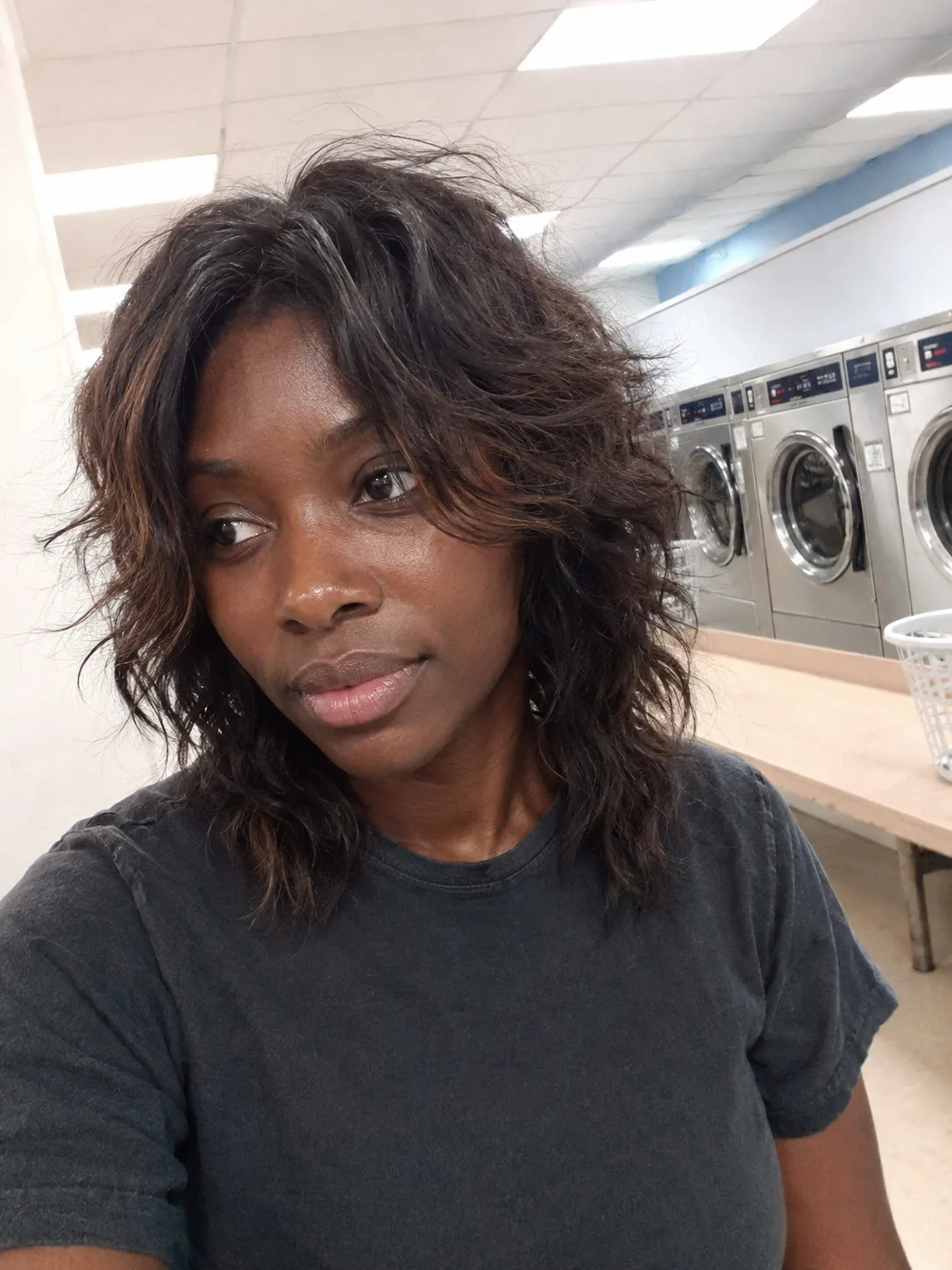
A shag creates more internal separation than conventional long layering. Crown movement, shorter pieces, and a lighter perimeter produce a less compact shape.
That makes it useful for hair that benefits from movement and visible irregularity. Waves and curls can respond particularly well because shorter sections have more freedom to spring up.
The cut is less forgiving when your main priority is a thick-looking lower edge. Heavy layering removes some of the visual mass that a blunt perimeter preserves, so a shag and a dense one-length finish solve different problems.
Curly Layered Cut
Curly layering works best when the haircut follows the way curls actually group and shrink. The goal isn’t simply to shorten random sections; the layers need to create useful space while keeping the overall shape connected.
A rounded result can distribute volume through the sides, while more height at the crown creates a taller outline. Longer layers retain more weight and may stretch some curl groups.
The normal styling state belongs in the consultation. Hair worn shrunken most days should be assessed that way. Hair usually stretched or set will behave differently. Curly hair can be shaped wet, dry, or with a combined approach depending on the cutting method and desired result.
Blunt Mid-Length Cut
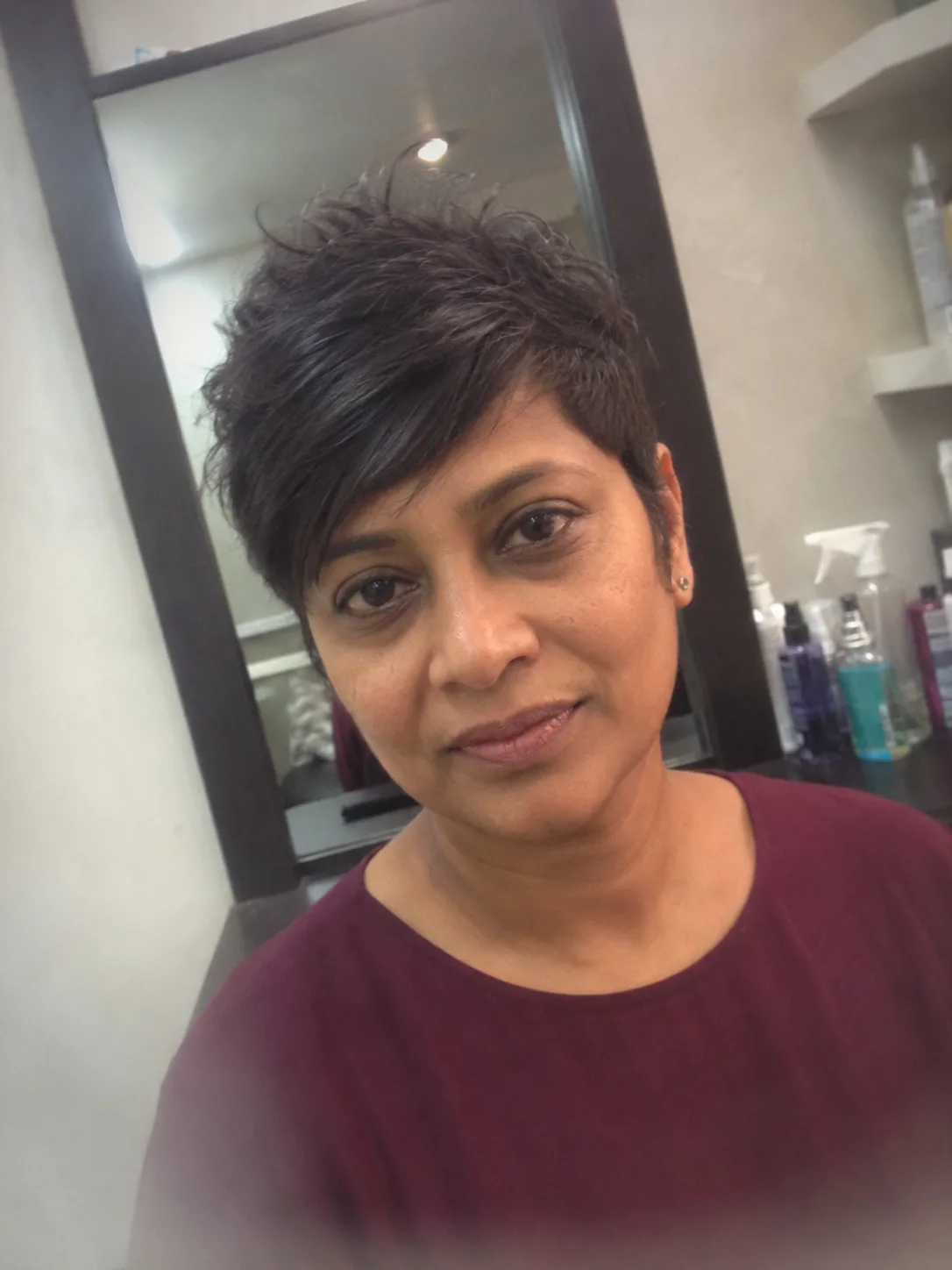
A blunt mid-length cut is the stronger choice when the ends are meant to look substantial. Keeping the perimeter relatively solid minimizes the feathered effect created by extensive layering.
Fine strands and low density are different concerns, but either can influence how the lower edge appears. A strong perimeter can make healthy ends look more compact; it can’t create actual density where there are fewer strands.
This length also keeps styling options open. You retain enough hair for ponytails and many updos without carrying the weight of very long lengths.
Hairstyles That Change the Look Without a Major Cut
Sleek Low Ponytail
The low ponytail gives a clean result with less leverage at the anchor than a very high, long ponytail. It sits well with jackets and headrests and can move between casual and formal settings with small changes in surface finish.
A center part creates symmetry, while a side part shifts the visual balance, but the bigger decision is how much smoothing your hair requires. Naturally textured hair doesn’t need to be straightened for a low ponytail; curls or coils can stay visible through the tail while the front is arranged to your preference.
Avoid making tightness the method of achieving neatness. A controlled surface can come from sectioning, brushing, appropriate styling product, and careful elastic placement.
High Curly Ponytail
The high curly ponytail puts volume at the crown, so the tail becomes part of the upper shape instead of hanging from the nape. Natural curls, a curled ponytail, or an appropriate attachment can create the effect.
The higher anchor makes long or dense hair more noticeable during movement. That matters during exercise, commuting, or any situation where the ponytail repeatedly swings.
It is worth the extra anchoring work when height is the main feature you want. For all-day physical comfort, a lower placement is usually easier.
Half-Up, Half-Down Hair
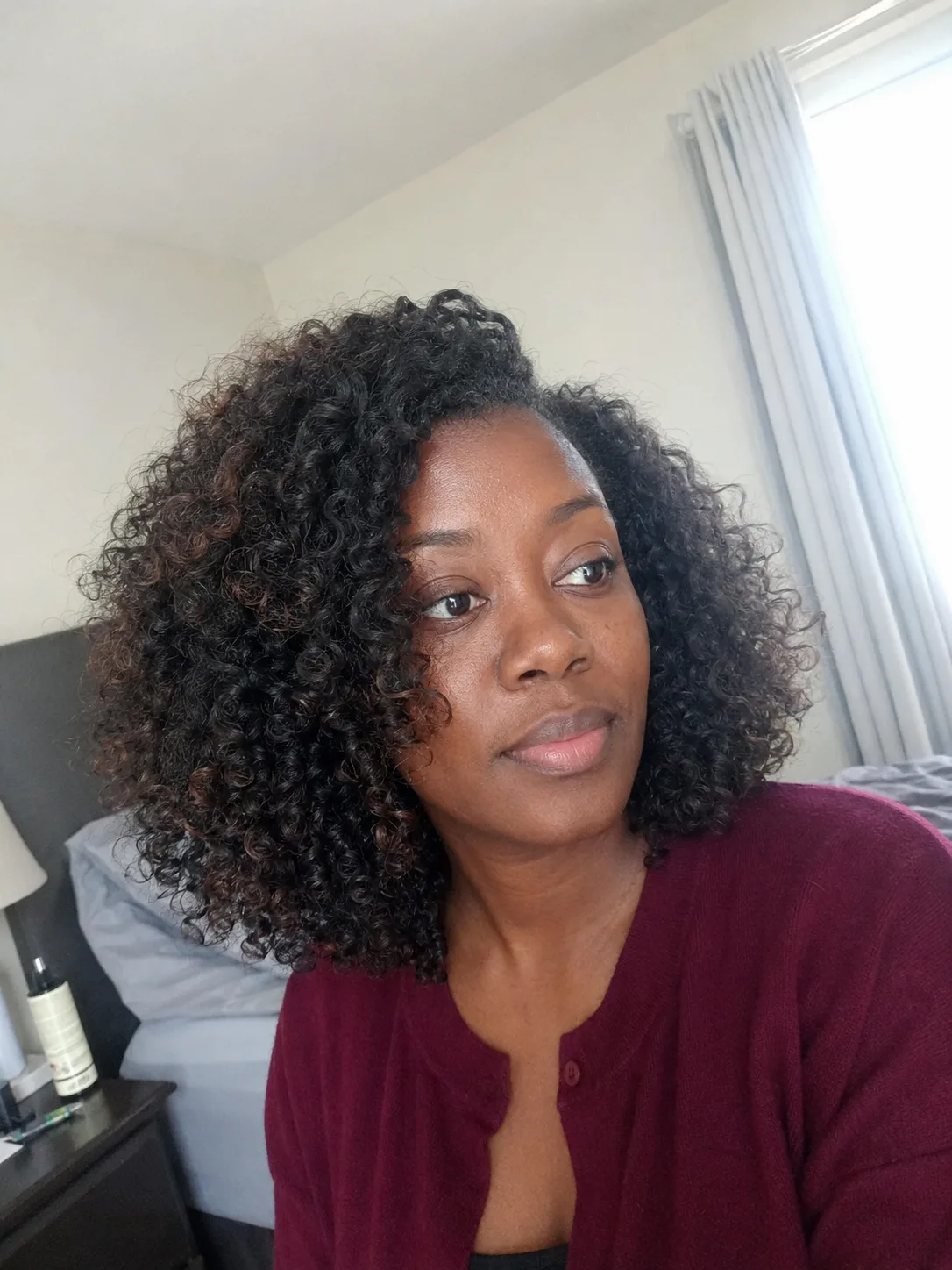
Half-up styling is useful when you want the face more open while keeping most of the length visible. The upper section can be secured with an elastic, barrette, or clip while the lower hair stays straight, wavy, curly, or coily.
The amount of hair taken into the top section changes the result substantially. A smaller section gives light crown control; a larger one shifts more volume upward.
This style is also forgiving during grow-out because it doesn’t depend on a precise perimeter or fringe length. Shorter front layers can join the upper section while longer pieces remain loose.
Claw-Clip French Twist
A claw-clip twist offers one of the easiest ways to lift medium or long hair without constructing a formal updo. Gather the hair toward the back, twist the length upward, fold or tuck the ends as needed, and secure the central twist with a clip that comfortably accommodates the hair’s thickness.
The clip matters mechanically. Too small and it won’t hold enough hair; overly aggressive teeth or pressure can feel uncomfortable.
Curly and coily textures can keep visible texture around the twist instead of being smoothed flat. That makes the style useful on days when you want the hair contained without changing its natural surface.
Voluminous Blowout
A blowout changes the styling state more than the haircut. It stretches and shapes the hair so layers, curved ends, and crown lift become more visible.
This option works particularly well with layered cuts because the direction of each section can be emphasized during drying. A paddle brush gives a different result from a round-brush finish, and naturally curly or coily hair may require more stretching to reach the same visual effect.
Repeated heat styling should be adjusted to your hair’s condition, previous chemical services, tool design, and technique rather than following one universal temperature rule.
Braids, Twists, and Loc Styles
Medium-Length Knotless Box Braids
Medium-length knotless braids offer a useful balance between movement and manageability. They can be worn down, gathered back, or arranged into loose upstyles without the same amount of swinging weight created by extremely long added hair.
Root comfort still depends on the installation itself. Section size, the amount of added hair, and braiding tension all affect how the style feels.
Scalp access is another practical advantage of clearly defined parts. Cleansing and drying need enough access to reach the roots, especially where sections stay dense.
Cornrow Ponytail
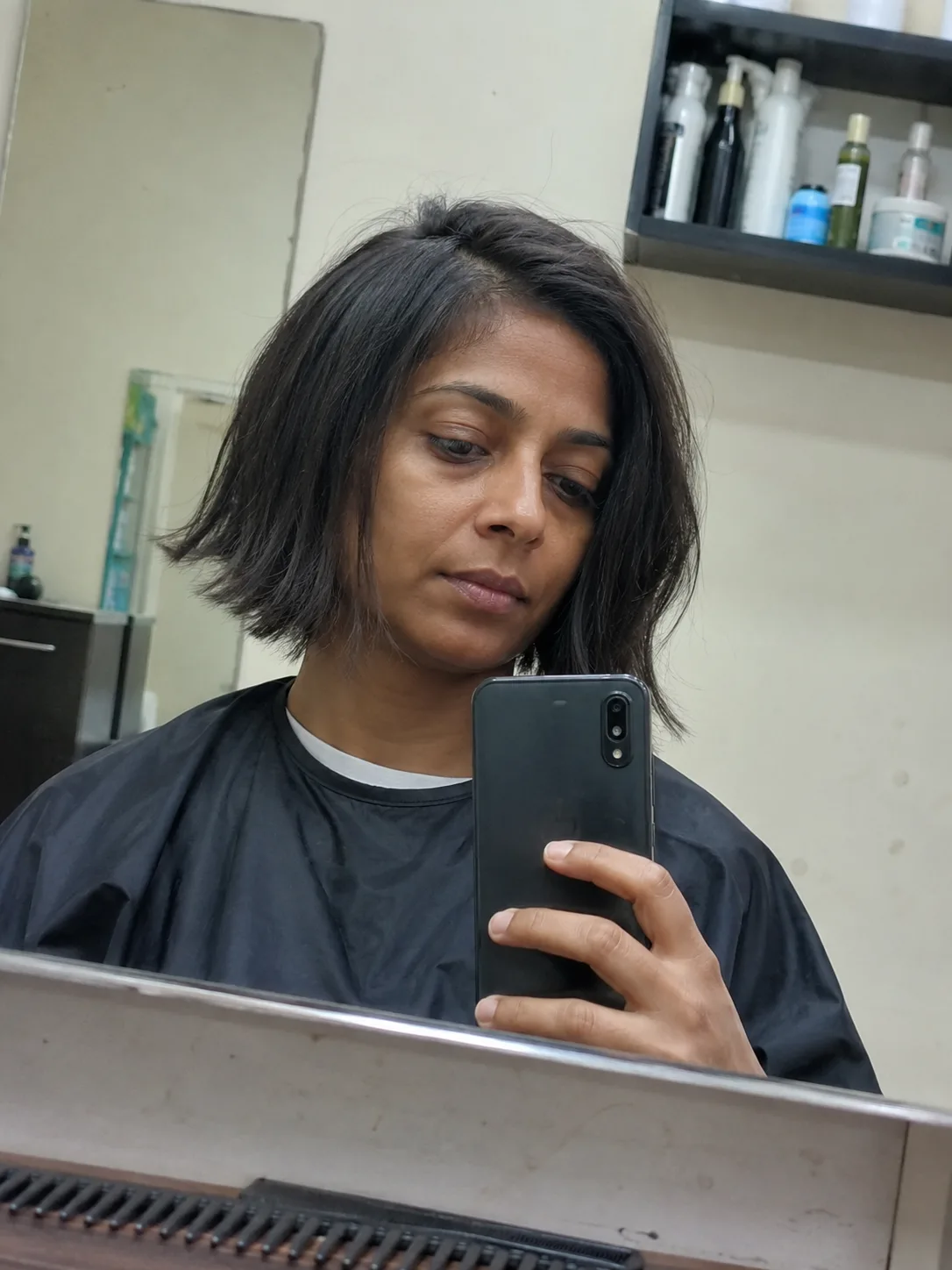
A cornrow ponytail creates its shape by directing multiple braids toward a shared anchor. That convergence is what separates it mechanically from loose box braids pulled into a ponytail afterward.
The direction of the cornrows can create strong visual lines across the head, making this a useful choice when you want the scalp pattern to be part of the finished hairstyle.
Because several sections travel toward the same point, comfort at that convergence area matters. The base should feel secure without persistent pulling or stinging.
Flat-Twist Updo
Flat twists offer a softer-looking alternative to many cornrow updos while still keeping the hair arranged close to the scalp. The twists can travel toward the crown, diagonally across the head, or toward a tucked back section.
This style works especially well on natural hair when you want visible texture to remain part of the design. The ends can be tucked, pinned, or gathered depending on available length.
A flat-twist updo also gives you more control over where bulk sits. Keeping the finished volume lower at the back is easier around headrests and high collars than building a large crown arrangement.
Two-Strand Twists
Two-strand twists are an underrated choice when flexibility matters more than a perfectly fixed installation. Natural hair can be divided into sections and twisted using two strands, leaving the resulting twists loose enough to move independently.
Section size controls much of the visual result. Larger twists look fuller and make the overall shape easier to read, while many small twists create more individual movement and a more involved takedown.
The style can also transition into a twist-out after unraveling, which gives it a second styling state without requiring a new haircut.
Loc High Bun
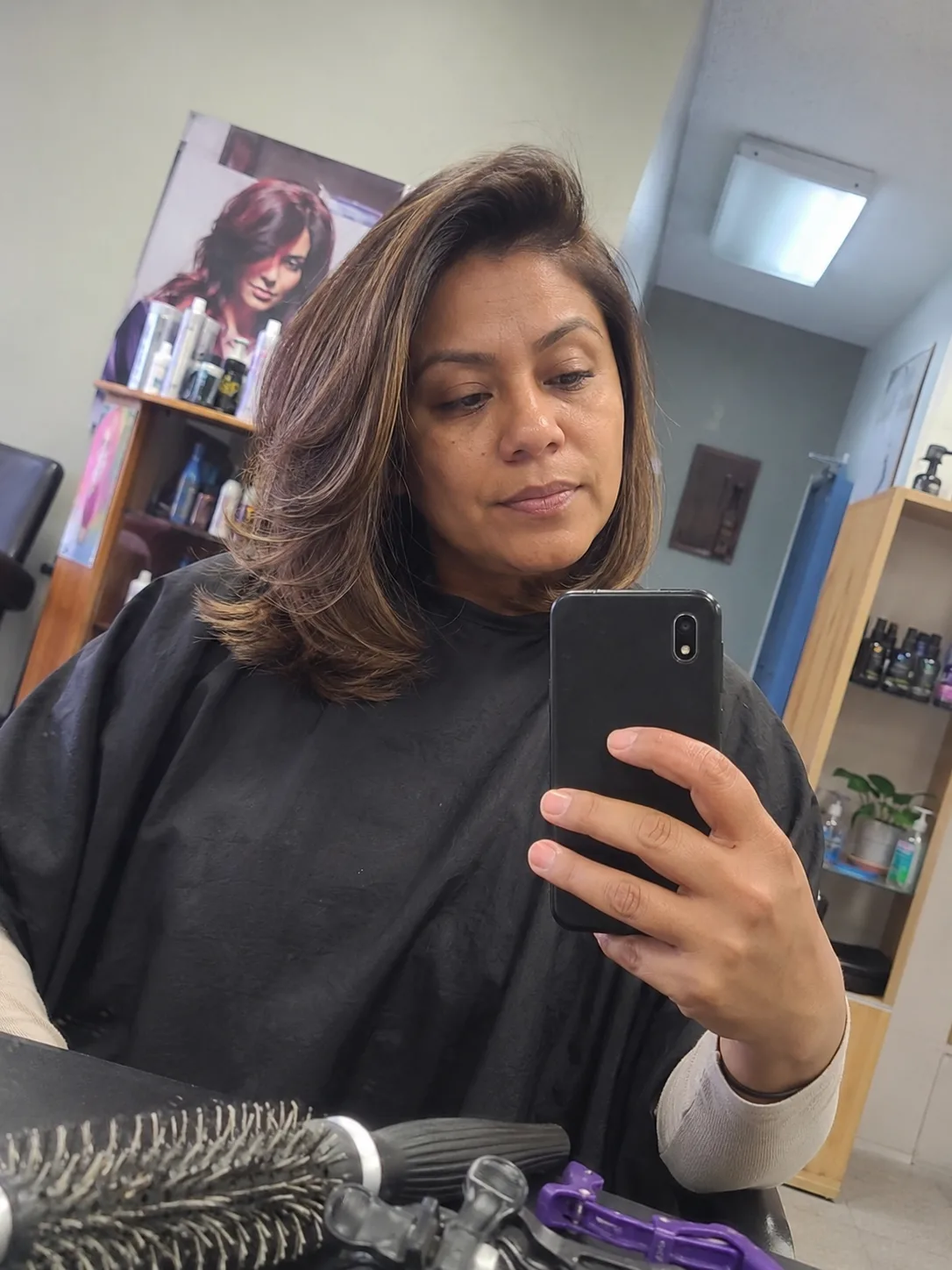
A high loc bun gathers the weight and length of locs into a compact upper shape. It can be visually striking, particularly with mature or longer locs, but the gathered weight becomes the central practical issue.
A very high, dense bun can press against the scalp and may be awkward against car seats or headrests. A slightly lower placement often preserves the updo effect with easier day-to-day positioning.
Fragile perimeter hairs don’t need to be forced into the base. Leaving short edge sections free can be more comfortable than pulling every strand into one anchor.
Soft Updos and Occasion Hairstyles
Low Chignon
The low chignon is one of the most adaptable formal hairstyles because the structure stays close to the nape. The hair can be twisted, looped, braided, or folded into the base, then secured with pins.
Its low profile works especially well with veils, hats, and headrests, although accessories need to be tested with the finished placement. A veil comb inserted directly into the fullest part of the chignon can flatten or destabilize it.
This style also gives you room to decide how polished the front should be. A smooth hairline, soft front pieces, or natural curl around the face can all work without changing the core construction.
Braided Low Bun
Braiding the hair before forming the bun adds visible structure and can help keep shorter layers incorporated into the finished shape. One larger braid produces a bolder pattern; several braids create more surface detail before they are pinned together.
Compared with a loose chignon, the braided version usually looks more defined from the back. It is a stronger choice when hairstyle detail will be visible in photographs from several angles.
The bun shouldn’t rely on excessive pulling to stay secure. Good pin placement supports the braided sections while keeping the base comfortable.
Soft Side-Swept Waves
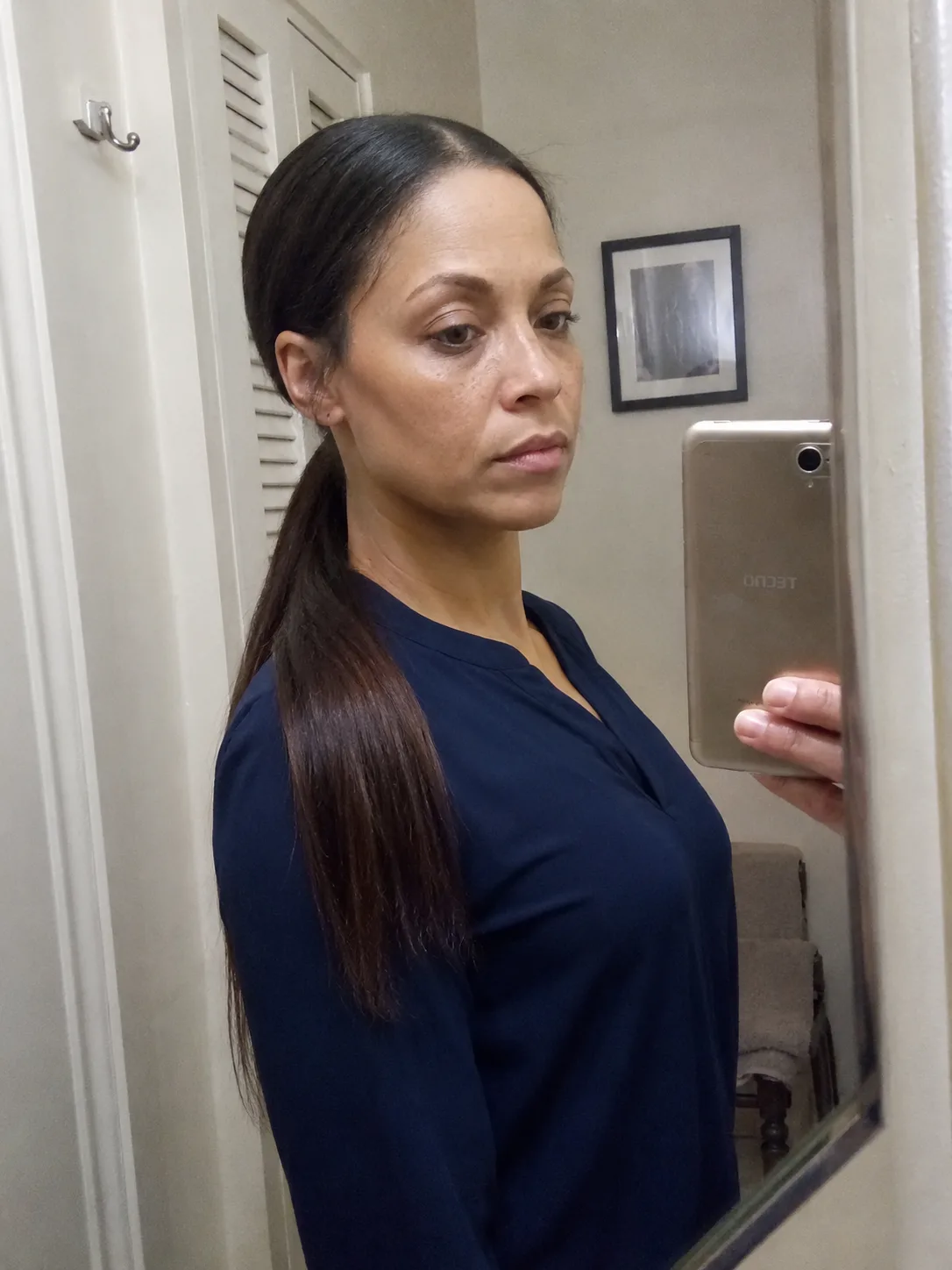
Side-swept waves shift most of the visual movement toward one shoulder. The asymmetry makes the style particularly effective with necklines or earrings you want to leave visible on one side.
The style needs enough control near the part and above the ear to keep the sweep from collapsing forward. Bobby pins hidden beneath the upper layers can support the direction without turning the look into a rigid updo.
This finish makes more sense when you are comfortable maintaining shaped waves. Humidity, natural texture, and the way your hair holds a set will influence how crisp or relaxed the waves become over time.
Curly Pineapple Updo
A pineapple-style updo gathers curls or coils high while leaving the textured ends free. It creates substantial height without pinning every curl into a fixed arrangement.
The look is especially useful when you want to preserve curl definition through the ends. A fabric-covered elastic or gentle tie can secure the base while allowing the upper curls to spread naturally.
Shorter layers may fall around the sides or back, which can become part of the style instead of a flaw that needs more tension. The finished effect depends strongly on curl length and shrinkage, so a stretched reference photo can be misleading for hair normally worn shrunken.
Loose Textured Updo
A loose textured updo works by pinning sections individually instead of smoothing the entire head into one tight base. Waves, curls, coils, or pre-set texture remain visible through the bun or pinned shape.
That construction makes it one of the stronger occasion choices when you want dimension from multiple angles. It also gives the stylist flexibility to position volume around glasses, earrings, a veil, or a specific neckline.
Loose should still mean secure. Pins need to support the actual weight of the sections, particularly on dense or long hair. Before an event, turn your head, sit against a chair, and check any accessory placement rather than judging the style only while standing in front of a mirror.
What Photographs Don’t Tell You About a Hairstyle
A reference image is useful for communicating shape, but it rarely tells you how the style behaves several hours later.
Short hair can look extremely simple while depending on frequent reshaping around the ears and nape. A layered blowout may appear full because the hair has been carefully dried and directed away from the scalp. Braids photographed hanging straight down won’t show how they feel gathered into a bun or pressed between your back and a chair.
Clothing changes hairstyles too. A bob can flip where it repeatedly hits a coat collar. Very long braids can become trapped under backpack straps or seatbelts. A high bun may be perfectly comfortable while standing and irritating against a headrest.
Texture photographs deserve another check: identify whether the hair is shown natural and shrunken, stretched, pressed, relaxed, wet, diffused, or freshly set. The same haircut can appear considerably longer or more compact in another styling state.
Choosing by Hair Density, Strand Size, and Texture
Hair density and strand diameter answer different questions. Fine hair has smaller individual strands. Low-density hair has fewer strands overall. You can have fine, dense hair or coarse strands with low density.
That distinction becomes useful when deciding how much hair to remove. Heavy internal layering on low-density hair may expose more space through the bottom. Dense hair may benefit from strategic weight removal when excess bulk prevents the shape from moving.
Curly and coily hair adds shrinkage and grouping. The haircut should make sense once curls are fully dry in the state you wear most. Cutting only according to stretched length can produce a very different result after shrinkage returns.
Gray hair deserves the same individual assessment as pigmented hair. Gray describes pigment loss; it doesn’t define whether the strand is fine, coarse, straight, wavy, curly, dry, dense, or sparse.
Maintenance Should Influence the Choice
A hairstyle deserves a place in your routine only when you can maintain the feature that makes it attractive.
Pixies and sharp bobs depend heavily on their outline. Layered cuts depend more on how the hair is dried, curled, or allowed to form naturally. Long blunt hair asks less of the haircut structure between salon visits but brings more length to wash, dry, detangle, and style.
Updos and ponytails shift the maintenance question toward anchoring. Persistent pulling, stinging, or soreness is a reason to loosen or change the style rather than trying to make discomfort normal.
Braids, twists, loc arrangements, wigs, weaves, and extension styles require particular attention to scalp access, attachment, friction, drying, and removal. A style described as protective only earns that description when the installation and routine actually reduce unnecessary manipulation without creating excessive tension or weight.
Hair condition can also change what is sensible. Previously lightened, relaxed, or otherwise chemically processed hair may need gentler handling than an inspiration photo suggests.
Sudden shedding, sores, persistent irritation, pain, or a concerning change in density goes beyond ordinary hairstyle troubleshooting. A dermatologist or another qualified healthcare professional can assess those symptoms appropriately.
A Practical Salon Consultation Checklist
Bring reference images, but explain what you like about them. Saying that you want the dense lower edge of a bob is more useful than simply asking for the exact picture. The same applies to layers: identify whether you want crown lift, movement around the face, a lighter perimeter, or more curl expansion.
Be clear about your normal styling state. Mention whether you usually air-dry, diffuse, stretch, press, wear your natural shrinkage, use heat tools, or keep your hair in installed styles.
Then discuss the parts a still photograph leaves out:
Where should the perimeter fall against your shoulders or collar?
How much length are you comfortable losing after curl shrinkage?
Is keeping a substantial-looking lower edge more important than maximum movement?
Will glasses, hearing devices, a helmet, a veil, or a regular headrest affect the shape?
How much daily restyling are you prepared to do?
For added-hair styles, where will the weight sit and how accessible will the scalp remain?
What will the haircut look like in your ordinary styling state, not only immediately after the appointment?
The right hairstyle is the one whose everyday version still gives you the feature you chose it for.
Related Hairstyles to Explore
FAQs
Which hairstyle is easiest for women who don’t want much daily styling?
A blunt lob is a strong starting point because it keeps a clear perimeter while remaining long enough for a ponytail or clip. Natural texture, density, and your preferred finish still affect the routine. A pixie can use less hair product and drying time yet demand more frequent reshaping and surface styling than its short length suggests.
Can women with curly or coily hair wear all of these hairstyles?
Many of them translate well to curly and coily hair, but the construction may need to change. Shrinkage affects bobs and layers, curl grouping affects the perimeter, and a sleek reference image may assume a stretched styling state. A curly bob, layered natural cut, pineapple updo, flat twists, ponytails, and textured updos can all preserve natural texture without requiring straightening.
Should low-density hair always be kept one length?
No. Low-density hair can still be layered, but the amount and placement of layering deserve careful control. A stronger perimeter often makes the lower edge look more substantial, while excessive internal removal may expose more space between the ends. The best balance depends on where density is limited and what shape you want.
How do I know whether an extension or braided hairstyle is too heavy?
Pay attention to how the roots and scalp feel during normal movement. Persistent pulling, pain, stinging, or an anchor that feels increasingly uncomfortable deserves attention. Added length, dense sections, and high placement can all increase the load. A lighter or shorter installation, different sectioning, or another attachment approach may be more practical.
Hair Texture & Upkeep Style Matcher
Select your natural hair texture and daily maintenance window to get an instant styling formula and heat safety cap.
Heat Cap: 320°F (160°C)
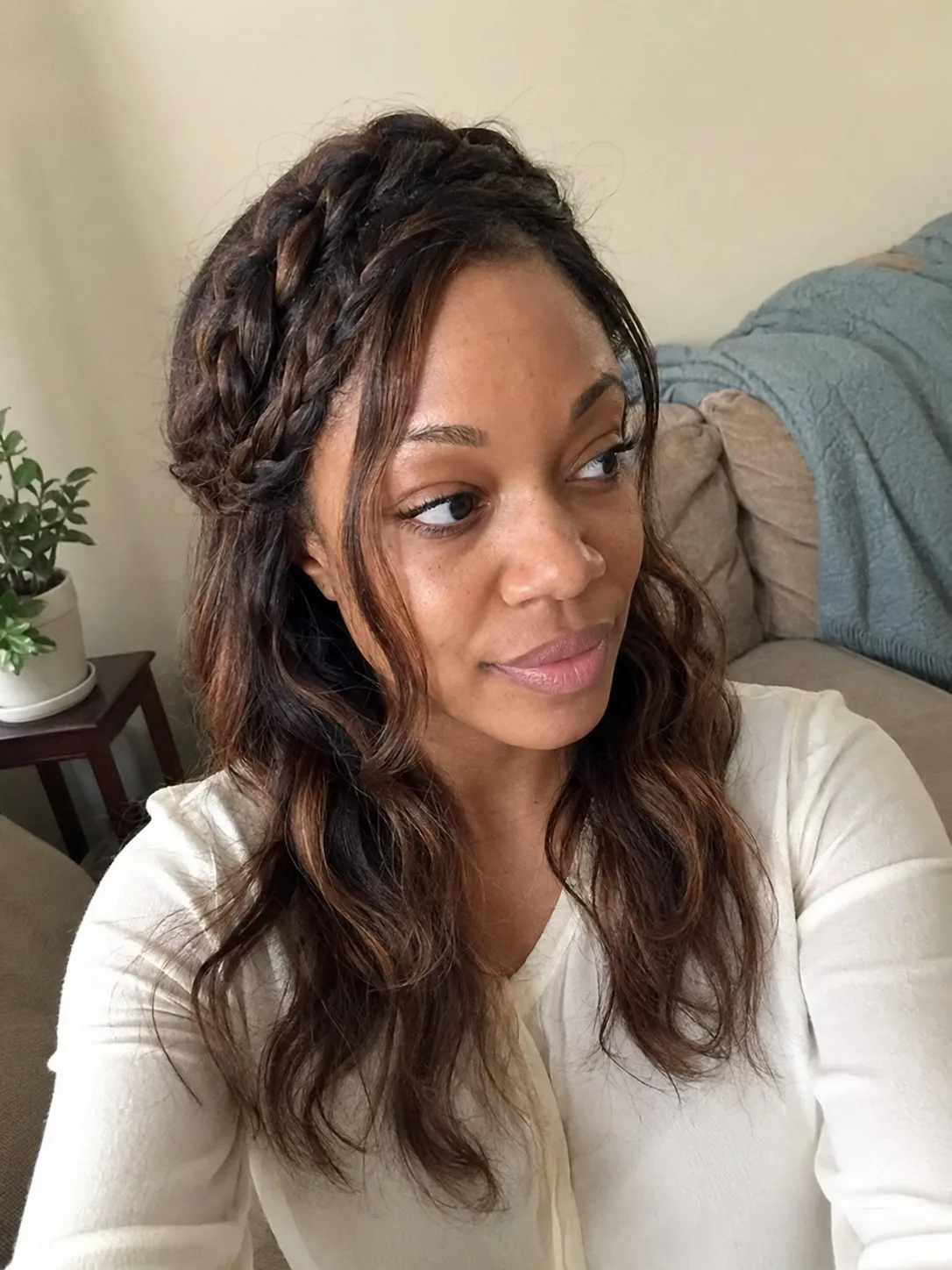
A versatile three-strand braid beginning at the parietal ridge, securing the top half while allowing natural wave texture to flow freely around the shoulders.
Conclusion
The most useful way to choose among hairstyles for women is to decide which feature deserves priority: a strong perimeter, visible movement, natural texture, easy containment, dramatic length, or a formal shape.
Then judge the everyday version. A butterfly cut has little value if you dislike styling layers. Very long braids become a poor bargain when the extra weight constantly gets in your way. A sharp bob is worth considering when you care more about a defined edge than maximum versatility.
Take one or two styles that fit your normal hair state and routine to your next consultation, then discuss how the length, weight distribution, shrinkage, and maintenance will behave after the reference-photo finish is gone.
Editorial Standards & Hair Health Guidance
Every style featured on Tress Atlas is curated with a focus on real-world wearability, scalp tension management, and cuticle preservation. When trying protective styles or tight updos, ensure perimeter hairline sections remain tension-free to avoid traction stress on delicate follicles. For heat styling, cap tools below 350°F (180°C) to prevent thermal keratin denaturation.
Scientific Sourcing: Practices aligned with the American Academy of Dermatology (AAD) on traction alopecia risk reduction and cosmetic trichology research on hair tensile strength.