Frizzy Wavy Hair: Why It Happens and What to Change
Frizzy wavy hair usually needs a more specific fix than “add moisture.” The useful clue is when the frizz appears and what the rest of your hair is doing at the same time.
Waves that look smooth while soaking wet but turn fuzzy during drying often need better clump protection and hold. Hair that feels coated, flat at the roots, and puffy through the lengths may need lighter styling or more effective cleansing. A rough, irregular perimeter can point toward weathering or breakage. Humidity can then magnify any of those problems.
Wavy hair sits in an awkward middle ground: it needs enough conditioning to keep strands flexible and enough styling support to keep neighboring hairs moving together, yet excessive weight can stretch the wave until the hair looks limp.
The most practical starting point is to stop treating every flyaway as the same problem. Identify where your frizz appears, preserve the wave groups you already have, and change one part of the routine that directly affects that problem.
What Kind of Frizz Are You Actually Seeing?
“Frizz” can describe several different results.
A soft halo around otherwise defined waves is different from an entire head of hair expanding into a fluffy shape. Undefined ends behave differently from frizz concentrated around the crown. Hair that becomes rough only after sleeping has another set of likely causes.
This distinction matters because piling richer conditioner onto every version of frizz can make some wavy hair harder to style.
Some frizz is simply individual strands refusing to remain inside a larger wave group. That can happen even on healthy hair. The aim doesn’t have to be a perfectly sealed surface with every hair lying in exactly the same direction.
A better benchmark is whether your waves have the amount of definition, softness, volume, and movement you actually want.
Why Wavy Hair Can Turn Frizzy So Easily
Wave definition depends partly on groups of hairs staying together as they bend. Pull those groups apart and each strand starts following its own path. From a distance, that separation reads as fuzziness or volume without a clear wave pattern.
Several ordinary parts of a routine can cause that separation.
Brushing dry waves is a common example. A brush can turn a few larger S-shaped sections into hundreds of individually arranged strands. That may be useful before a smooth ponytail or blowout, but it works against clumped definition when you intend to wear the natural wave.
Rough towel drying creates a similar problem. Twisting, rubbing, or repeatedly rearranging wet hair can disturb the groups formed during conditioning and styling.
Humidity adds another variable. Wavy hair may change shape as environmental moisture changes, particularly when individual strands aren’t strongly grouped by the styling process. The effect can be subtle on one day and much more visible on another.
Hair condition matters too. Frequently lightened, chemically processed, mechanically worn, or heavily heat-styled lengths can behave differently from healthier new growth. Damage isn’t the only reason for frizz, so a fuzzy surface by itself doesn’t prove that your hair is damaged.
Then there is density and strand size. Fine hair means the individual strands have a smaller diameter; low density means there are fewer strands overall. They aren’t interchangeable. Fine, dense wavy hair may need very different product amounts and haircut choices from coarse-stranded hair with lower density.
Wave labels such as 2A, 2B, and 2C can describe visible pattern, but they won’t tell you the entire routine. Density, strand size, condition, porosity, haircut, styling technique, and weather can change the result more than the label suggests.
Cleansing and Conditioning Need to Stay in Balance
Frizz often sends people toward increasingly rich conditioning routines. Sometimes that helps. Sometimes the hair becomes softer yet flatter, coated, or harder to encourage into lasting waves.
Start with how your hair behaves after cleansing.
Hair that feels coated before styling, loses root movement quickly, or seems difficult to wet evenly may have accumulated styling residue or conditioning ingredients. Effective cleansing can restore a better starting point. How often you need that level of cleansing depends on your products, scalp, water, activity, and routine; there isn’t one schedule that fits every head of wavy hair.
At the other end, lengths that feel rough and snag easily may benefit from more attention during conditioning. Work conditioner through the areas that need slip instead of automatically concentrating the richest layer at the roots.
Detangling during this stage can also make later styling easier. Once you have removed knots and arranged the hair, you can rinse and move into styling without repeatedly combing through developing wave groups.
Porosity can influence how hair takes up and loses water, but it shouldn’t become a complicated rulebook. Pay more attention to observable behavior. Does your hair feel coated? Does it become rough quickly? Does a small amount of styling product overwhelm it? Do the ends remain tangled even after conditioning?
Those answers give you more useful information than trying to force the whole routine around a single label.
A Better Styling Method for Frizzy Wavy Hair
Technique usually matters more than adding another product category. A simple routine gives you a clearer way to see which variable actually changes the result.
Begin with thoroughly wet hair
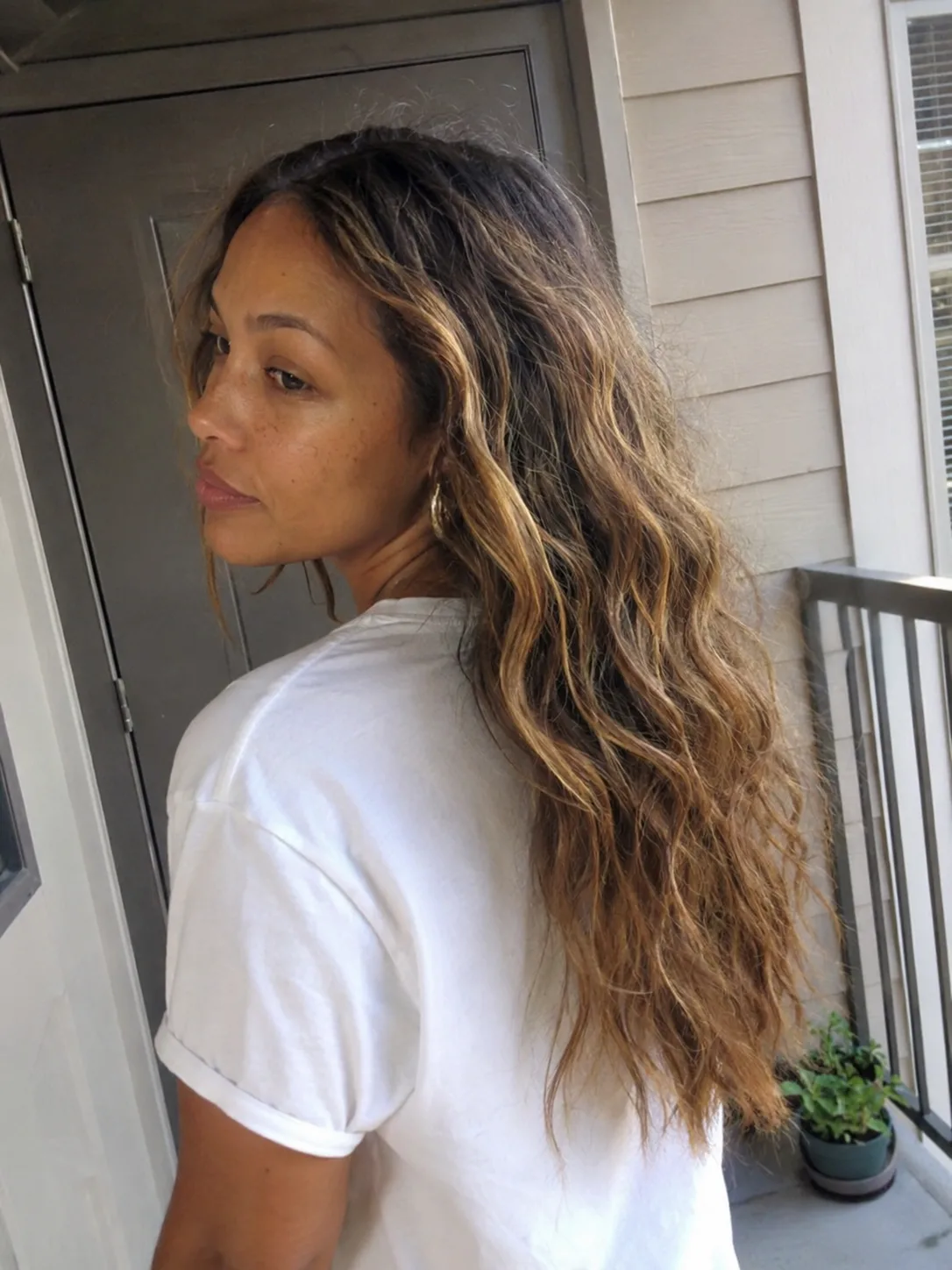
Water helps neighboring strands collect into larger groups. Hair that has already begun separating and drying before styling often requires more manipulation to bring those groups back together.
You don’t need water dripping across the floor, but visibly wet, flexible hair is usually easier to arrange than hair that is halfway dry.
Add conditioning support only where you need it
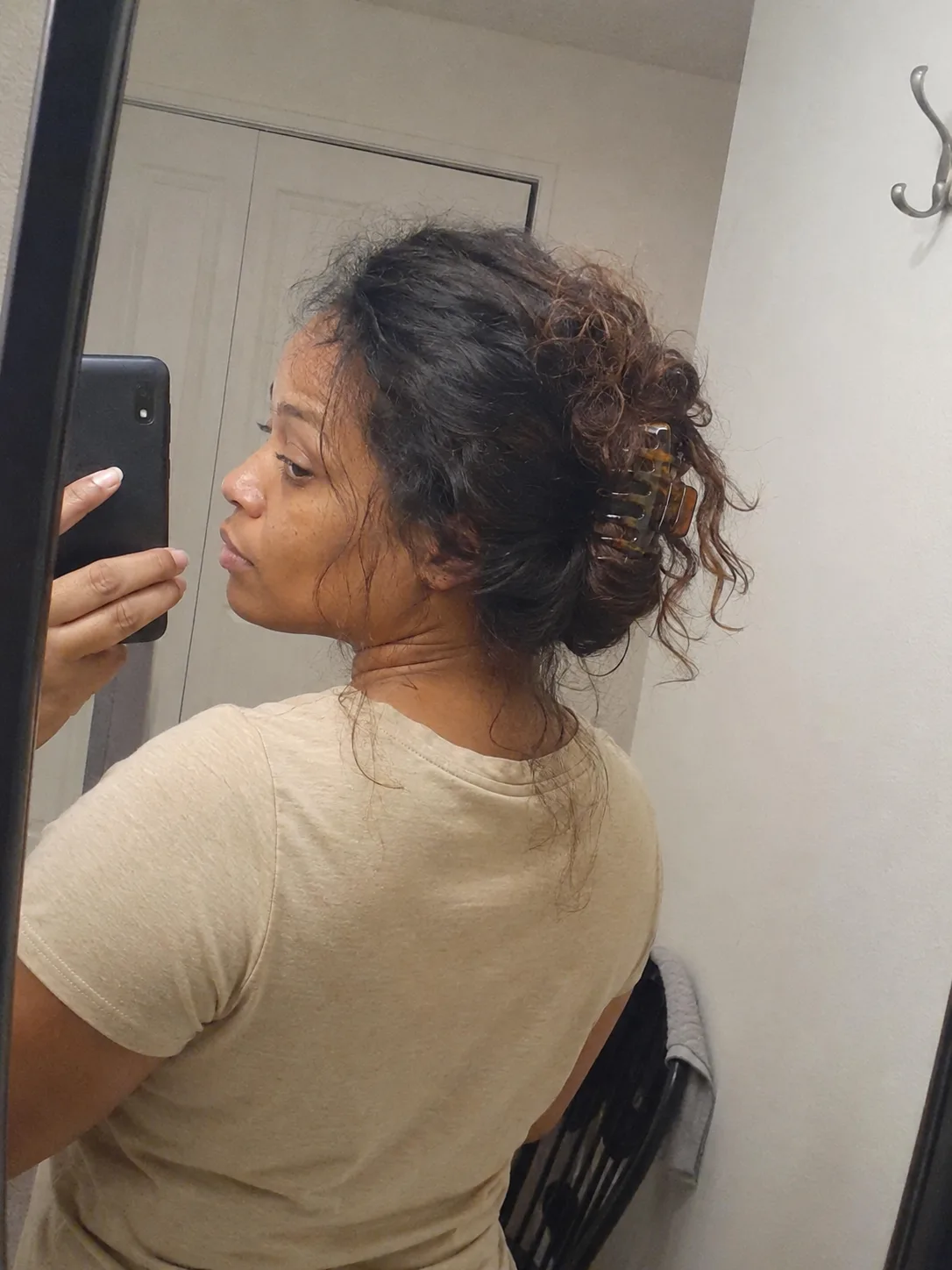
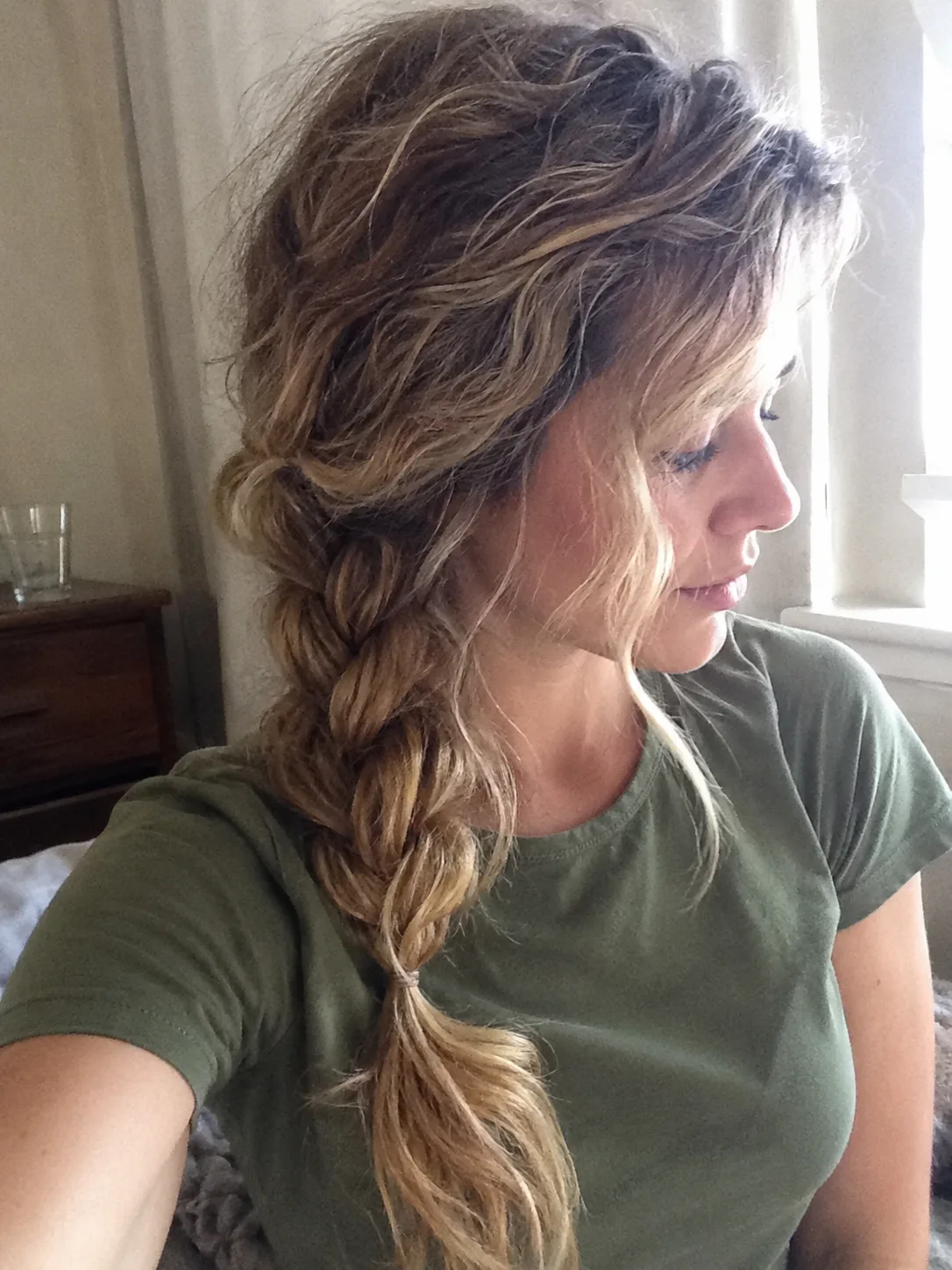
A leave-in or similar lightweight conditioning step can improve slip when the lengths feel rough. Hair that becomes limp easily may need very little.
More isn’t automatically better. Wavy hair can lose movement when several rich layers are placed underneath the styling product.
Encourage groups instead of repeatedly separating them


Use your hands, a suitable brush while the hair is wet, or a combination of both to distribute product and form wave sections. Once you like the general grouping, reduce unnecessary combing.
Scrunching can encourage bends upward from the ends. Some heads of hair form attractive waves with very little manipulation; others respond better to deliberate sectioning or brushing before the final scrunch.
Use hold where definition tends to collapse
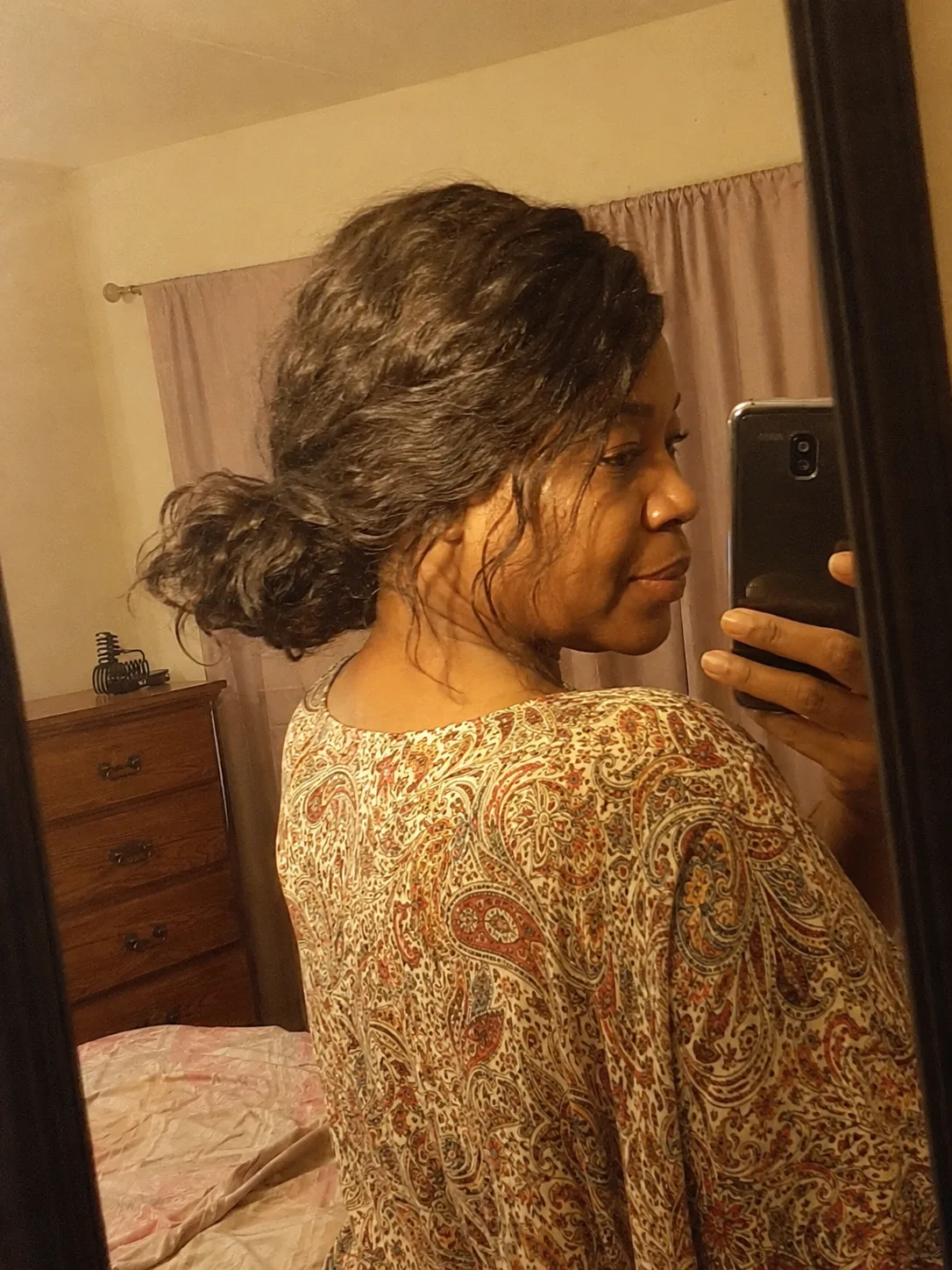
Mousse, foam, gel, or another styling product with hold can help neighboring hairs remain together while they dry.
The correct amount and strength depend on the hair. Very fine waves may lose bounce under a heavy application, while dense or stronger waves may need more support than a tiny surface layer provides.
Pay attention to distribution. Applying plenty of product to the outer canopy while leaving the underside almost bare can create an uneven mix of defined sections and fuzzy ones.
Stop rearranging the hair
This is the point many routines lose their definition.
Repeatedly touching, flipping, separating, or checking damp waves breaks apart the groups you just created. Position the hair where you want it to dry, then leave the structure alone as much as practical.
After it is fully dry, a firm product cast can be gently scrunched to restore a softer feel without dismantling the whole pattern.
Drying Is Often the Hidden Variable
You can have a well-balanced wash and perfectly distributed styling product and still create frizz during drying.
Air drying is simple, but long wet lengths can stretch some wave patterns downward. Moving around with damp hair rubbing against clothing also disturbs the lower sections. Touching the hair repeatedly to see whether it has dried adds still more separation.
A diffuser can support the pattern while speeding up drying. The exact technique matters more than treating diffusion as automatically superior.
Strong airflow that blows the hair in every direction can break up clumps. A gentler approach keeps sections contained and avoids constantly tossing them from side to side. Some people prefer placing sections into the diffuser bowl; others get better results hovering near the hair first and handling it less.
There is no universal heat setting that every wavy head should use. Tool design, hair condition, distance, technique, and previous heat or chemical history all affect what is appropriate.
Towel technique deserves attention as well. Pressing or gently scrunching excess water with a smooth absorbent cloth causes less disruption than vigorous rubbing. Removing too much water before styling, however, can make certain wave patterns harder to group.
Watch what your hair does. Waves that form beautifully during styling and disappear only during drying are giving you a strong clue that cleansing isn’t the first thing you need to overhaul.
Your Haircut Can Make Frizz Look Better or Worse
A styling routine can’t completely compensate for a haircut that fights the way you want to wear your waves.
Longer hair carries more weight, which can stretch the pattern and make the upper sections appear straighter. Strategic layering can remove some of that weight and allow more movement. Heavy interior removal, however, can create a thinner-looking perimeter or encourage short pieces to sit separately from the rest of the hair.
This becomes especially relevant with low-density hair. Removing too much internal weight can expose more space between strands even though the haircut hasn’t changed the number of follicles.
A stronger perimeter may make healthy ends look more substantial. That isn’t the same as creating density.
Fringe and shorter face-framing pieces also behave differently from long sections. They dry faster, move more around the forehead, and are touched more frequently. On wavy hair, those pieces may appear fuzzier even when the rest of the cut behaves well.
Consider the state in which you usually wear your hair during a haircut consultation. A shape designed primarily around straightened hair may sit differently once the waves return. Likewise, judging every length while soaking wet can hide how much it will spring, bend, or expand when dry.
Frizz concentrated almost entirely at worn, transparent, or repeatedly splitting ends may be partly a condition issue rather than a styling failure.
Refreshing Waves Without Starting the Frizz Cycle Again
A full restyle every morning is rarely the most practical answer. The challenge is refreshing the sections that need help without breaking apart everything that survived the night.
Start by looking rather than immediately brushing.
Some waves may still be intact. Leave those alone.
Misshapen sections can be lightly dampened and encouraged back into their previous grouping. A small amount of styling support may be enough where the wave has separated. Saturating the entire head and piling more product over yesterday’s layers can eventually create heaviness or buildup.
Sleeping creates friction, especially where the back of the hair moves against bedding. A bonnet, scarf, or smooth pillowcase can reduce rubbing and tangling, although none of these will repair damaged strands or correct an unsuitable haircut.
Putting wavy hair up for sleep can help some patterns retain shape, but the placement needs to suit your length and wave behavior. An anchor that is too tight may create dents or discomfort. Very short layers may simply fall out of a high loose arrangement.
Exercise, hats, damp weather, and frequent touching can all rearrange waves between wash days. In those situations, preserving every original curl clump may be less realistic than refreshing the most visible pieces and accepting a softer overall result.
Day-two hair doesn’t have to look identical to wash day to look good.
How to Decide What to Change First
Frizz routines become confusing when everything changes at once. New cleanser, richer conditioner, a different gel, a new drying method, and a haircut all arrive in the same week, leaving no clear explanation for what worked.
Choose the variable that matches the symptom.
Hair that looks excellent wet and fuzzy dry points toward styling hold and drying technique.
Hair that feels coated, unusually heavy, or flat even before styling makes cleansing and product load a better place to investigate.
Hair that turns fluffy immediately after dry brushing suggests a clump-preservation problem, so change when and how you detangle.
Rough ends that never sit with the rest of the pattern deserve a closer look at condition and haircut shape.
Frizz that changes dramatically with weather may require more realistic expectations alongside stronger styling support. A routine that produces controlled, defined waves indoors may still soften outside in humid conditions.
Photographs can also create a misleading standard. A finished image doesn’t show how much the hair was touched up, how it behaved several hours later, whether the underside stayed defined, or what the style looked like after sleep. Decide whether you actually want highly separated, glossy wave clumps or a fuller, softer texture with some halo frizz.
That choice changes the routine.
Salon Planning and Signs That Styling Isn’t the Whole Problem
Bring your normal styling habits into a haircut conversation. Explain whether you air dry, diffuse, straighten occasionally, wear your hair up frequently, or usually brush the waves out. The same cut can behave differently across those states.
Photos are most useful when you discuss the construction behind them. Look at where layers begin, how full the bottom edge appears, how much volume sits around the crown, and whether the reference hair seems denser or more strongly waved than yours.
Chemical and color history also matters. Previously lightened or otherwise processed lengths may need different expectations from untreated new growth, particularly where the texture feels rougher or breaks more easily.
Hair that suddenly changes in density deserves different attention from ordinary cosmetic frizz. Sudden shedding, persistent scalp pain, redness, sores, ongoing irritation, or a concerning change in density is a reason to speak with a dermatologist or another qualified healthcare professional rather than continuing to troubleshoot it as a styling problem.
Frequently Asked Questions
Why is my wavy hair frizzy even when I use conditioner?
Conditioner addresses only part of the routine. Your waves can still become frizzy when wet clumps are separated through brushing, rubbing, excessive handling, or turbulent drying. Styling hold may also be too light for the definition you want. On some wavy hair, adding more conditioner simply increases weight without solving the way the strands separate during drying.
Should I brush wavy hair?
You can brush wavy hair; timing changes the result. Brushing while the hair is wet and lubricated during detangling or styling can help arrange strands before waves form. Brushing fully dry hair usually separates established wave groups, producing a fluffier, less defined finish. That can be desirable when you want soft volume, but it works against clumped definition.
Why is the top layer of my wavy hair frizzier than underneath?
The outer layer receives more direct exposure to weather, sunlight, friction, touching, and styling. It also dries sooner than protected interior sections. Apply styling product deliberately to the canopy instead of assuming that scrunching the ends distributes everything evenly. Haircut length and shorter regrowth around the crown can also make the surface look less uniform.
Can fine wavy hair use gel without becoming flat?
Yes. Fine describes strand diameter, so fine waves can still benefit from hold. The amount, application, and product weight matter. Concentrating a heavy layer near the roots may reduce lift, while better distribution through wet lengths can preserve definition without making every section feel coated. Low density is a separate characteristic and may change how much product the overall head of hair needs.
Related Hairstyles to Explore
Hair Texture & Upkeep Style Matcher
Select your natural hair texture and daily maintenance window to get an instant styling formula and heat safety cap.
Heat Cap: 320°F (160°C)
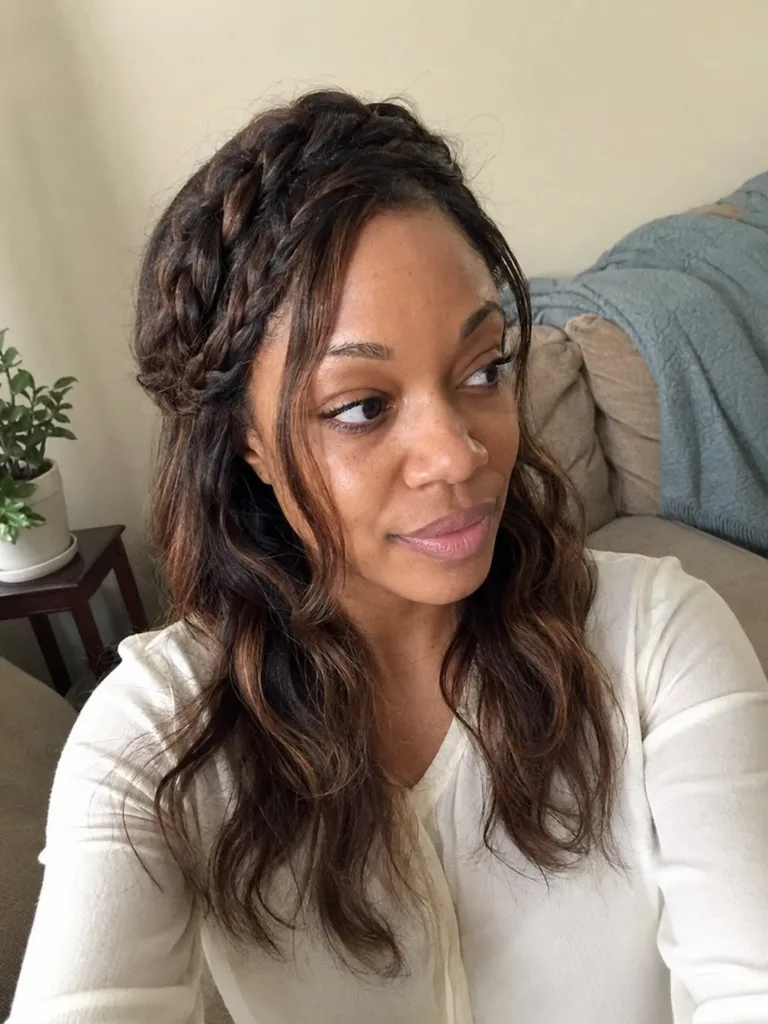
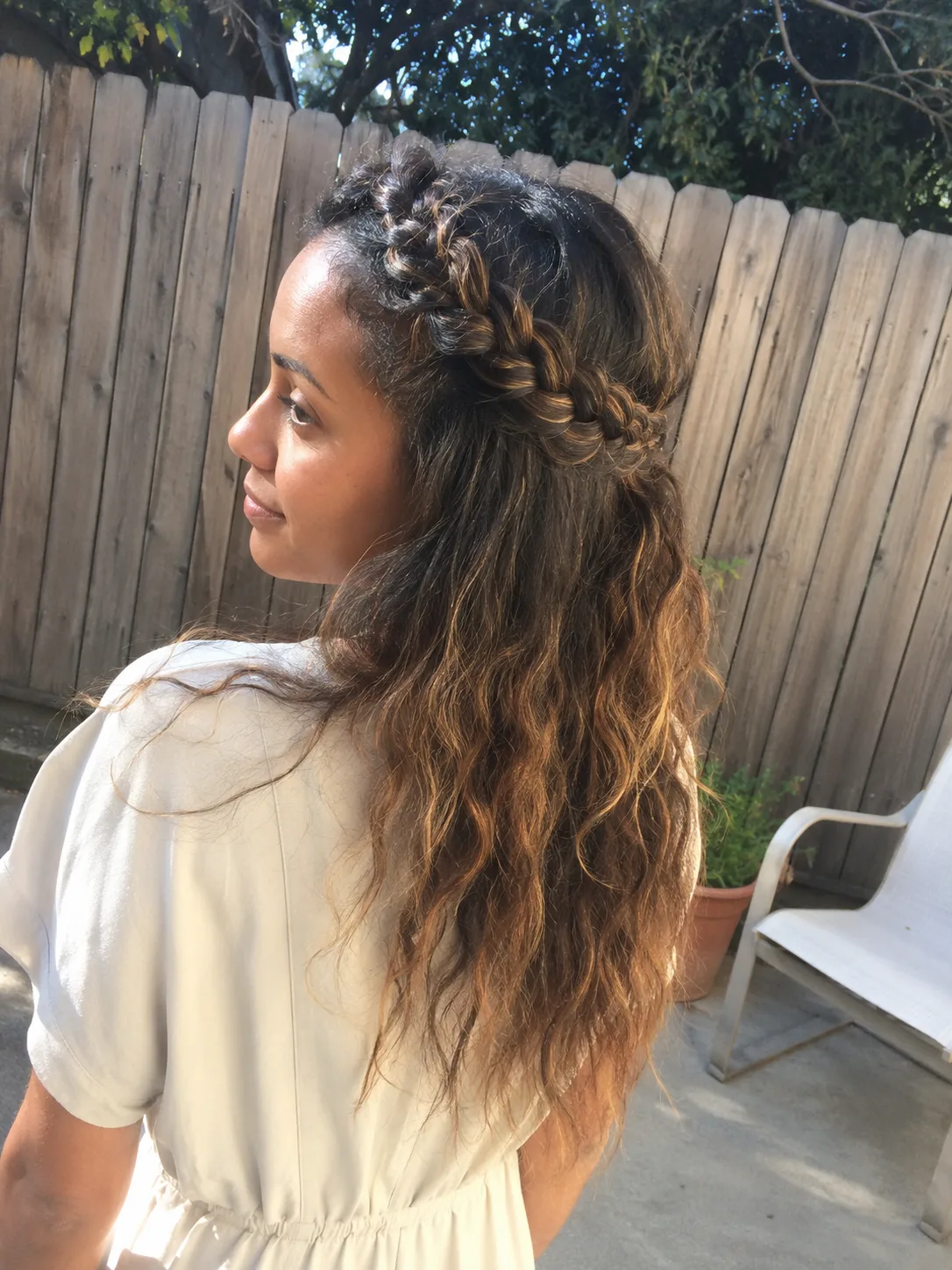
A versatile three-strand braid beginning at the parietal ridge, securing the top half while allowing natural wave texture to flow freely around the shoulders.
Conclusion
The most useful fix for frizzy wavy hair depends on where your wave pattern is being lost.
Smooth wet waves that become fuzzy during drying call for better clump protection and hold. Coated, limp hair deserves a closer look at cleansing and product weight. Dry brushing creates a different problem from worn ends, and neither needs to be solved by automatically adding more moisture.
Start with the stage where your hair first stops behaving the way you want. Keep the rest of the routine familiar, make one meaningful adjustment, and judge the result after the hair is fully dry.
Editorial Standards & Hair Health Guidance
Every style featured on Tress Atlas is curated with a focus on real-world wearability, scalp tension management, and cuticle preservation. When trying protective styles or tight updos, ensure perimeter hairline sections remain tension-free to avoid traction stress on delicate follicles. For heat styling, cap tools below 350°F (180°C) to prevent thermal keratin denaturation.
Scientific Sourcing: Practices aligned with the American Academy of Dermatology (AAD) on traction alopecia risk reduction and cosmetic trichology research on hair tensile strength.