Short Wavy Hairstyles Built Around Shape and Movement: Complete Styling & Placement Guide
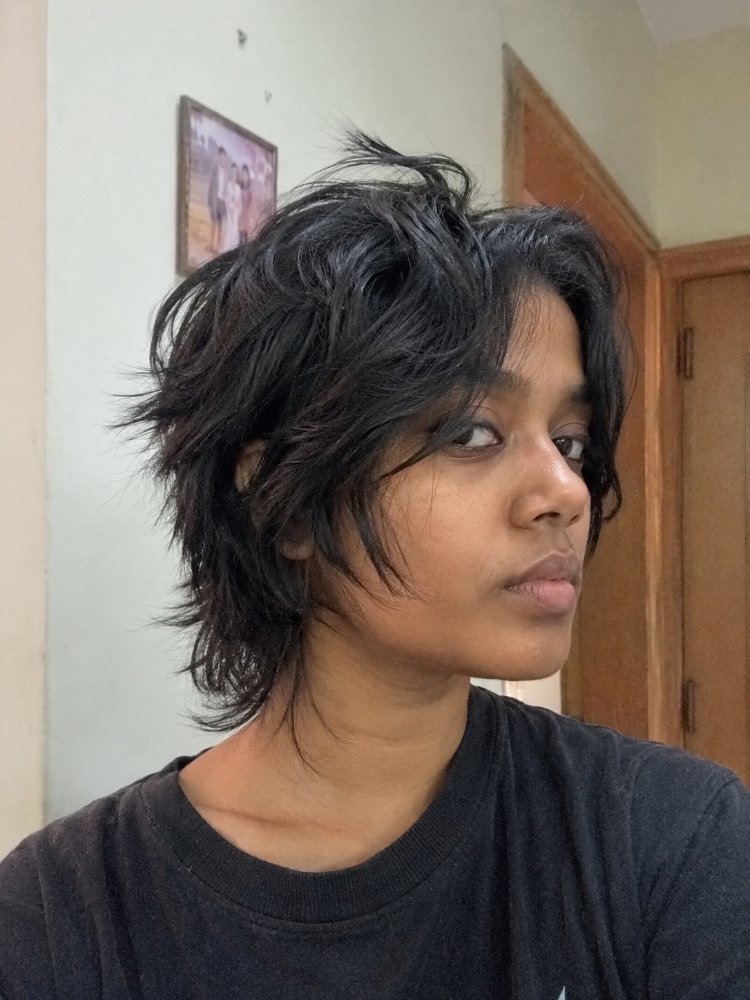
Short wavy hair looks simple in a photograph because the wave does so much visual work. In real life, the haircut underneath decides whether that texture feels airy, bulky, flat at the crown, or overly wide at the sides. A shorter cut also exposes details that longer hair can hide: where the wave bends, how much the ends spring
The strongest short wavy hairstyles work with your usual styling state. A cut that looks balanced after a smooth blowout can sit very differently when worn air-dried. Density matters too. Fine strands can still be dense, while low-density hair may need a cleaner perimeter and less interior removal to keep the ends looking substantial.
Use the ideas below as shape references, then judge them by the routine they require rather than by the finish in one photo.
| Your priority | Strong starting point | Think carefully about |
|---|---|---|
| Easy air-drying | Soft layered bob or long pixie | Very blunt shapes that need frequent reshaping |
| Fuller-looking ends | Blunt chin bob or rounded bob | Heavy interior thinning |
| Maximum movement | Shag bob or razor-textured bob | Expecting a dense, solid perimeter |
| Strongest graphic shape | Micro bob or asymmetrical bob | Low-commitment grow-out |
Cropped Shapes That Keep the Wave Visible
Tapered Wavy Crop
A tapered crop keeps the sides and nape neat while leaving enough length through the top for the wave pattern to show. It is one of the cleaner choices for someone who likes short hair but doesn’t want the surface pressed flat. The contrast between the closer perimeter and the fuller top creates shape without relying on a dramatic fringe.
This cut is more salon-dependent than a grown-out pixie because the outline does part of the visual work. Glasses, sideburn placement, and how the hair sits around the ears are worth checking before the final taper is set.
Long Wavy Pixie
A long pixie is an easy cropped starting point for many wavy textures because it leaves room for bends and loose S-shapes to form. Longer pieces around the crown and front can be pushed back, parted loosely, or allowed to fall forward. It also gives you flexibility on low-effort days: unevenness in the wave pattern tends to read as movement, making this more forgiving than a very precise micro crop.
Undercut Wavy Pixie
The appeal here is contrast. The top stays visibly wavy while one or both lower sections are clipped shorter, removing bulk where the hair would otherwise widen around the temples or nape.
That contrast can be useful on dense hair that feels heavy in a standard pixie. It can also make the haircut feel more severe, especially once the undercut begins to grow.
Think through the grow-out before choosing it. The short section and long section will move through different stages, so returning to a softer all-over pixie later usually requires patience or another reshaping cut.
Wavy Bixie
The bixie sits between a bob and a pixie: shorter and lighter than a traditional bob, but with more perimeter and swing than a cropped pixie. Waves keep it from looking too helmet-like, especially when the back is softly shaped rather than tightly stacked.
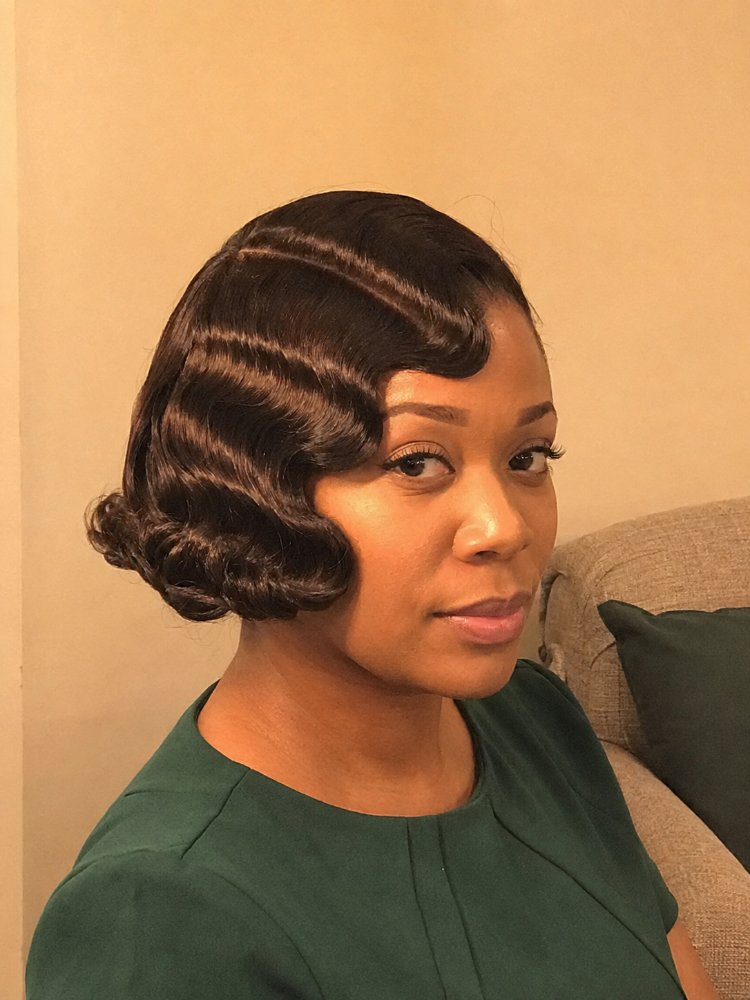
This is a smart choice when you want short hair without exposing the neck and ears as much as a pixie would. It does need deliberate weight placement. Too much internal removal can make the ends scatter, while too much bulk can turn the shape rounder than intended.
Bowl-Inspired Wavy Crop
A bowl-inspired crop creates a continuous curved line around the head, while natural wave breaks up the strict geometry. That gives the cut a fashion-forward shape without requiring perfectly smooth hair. The strongest version keeps enough length for the wave to bend instead of puffing straight outward. Choose it when you enjoy a noticeable outline; it is less useful when an unobtrusive grow-out is high on your priority list.
Short Bobs With a Strong Perimeter
Wavy Micro Bob
A micro bob ends high around the jaw or near the ears, so every detail of the perimeter shows. On wavy hair, that compact length creates lift and width quickly while keeping the overall shape crisp. Reference photos taken on stretched or polished hair can be misleading. Discuss where the line should sit after your own hair dries, because spring-up can move the edge higher than it appeared while wet.
Blunt Chin-Length Wavy Bob
For a stronger-looking lower edge, the blunt chin bob is hard to beat. Keeping the perimeter relatively solid allows the wave to sit on top of a clear line, which can make healthy ends look more substantial.
This is especially useful when low density is a concern and heavy layering would expose too much space between strands. Fine hair and low density are different issues, but both can benefit visually from a perimeter that isn’t over-thinned.
The tradeoff is shape sensitivity. A blunt bob announces small changes in length, and collars can flip the ends once it grows past the intended line. Choose it because you like a defined edge, not because the photo makes it look maintenance-free.
French Wavy Bob
The French bob usually sits around the jaw with a compact, slightly undone shape. On wavy hair, the texture can create softness around the cheeks without requiring a highly styled surface. Fringe is optional; the short, deliberate perimeter is the more important feature. Decide whether you want the line to emphasize the cheeks, jaw, or exposed neck before settling on the exact length, particularly if your waves spring noticeably as they dry.
Rounded Wavy Bob
A rounded bob builds fullness through the sides and keeps the outline curved rather than sharply angled. Wavy texture supports that shape naturally, especially when the hair has enough density to hold a soft arc around the head.
This is a stronger choice than a shag when you want fullness to look contained instead of feathery. The interior should still move, but the perimeter stays visually connected. On very dense hair, selective weight removal may be useful so the shape doesn’t expand farther from the head than you want.
Pageboy-Inspired Wavy Bob
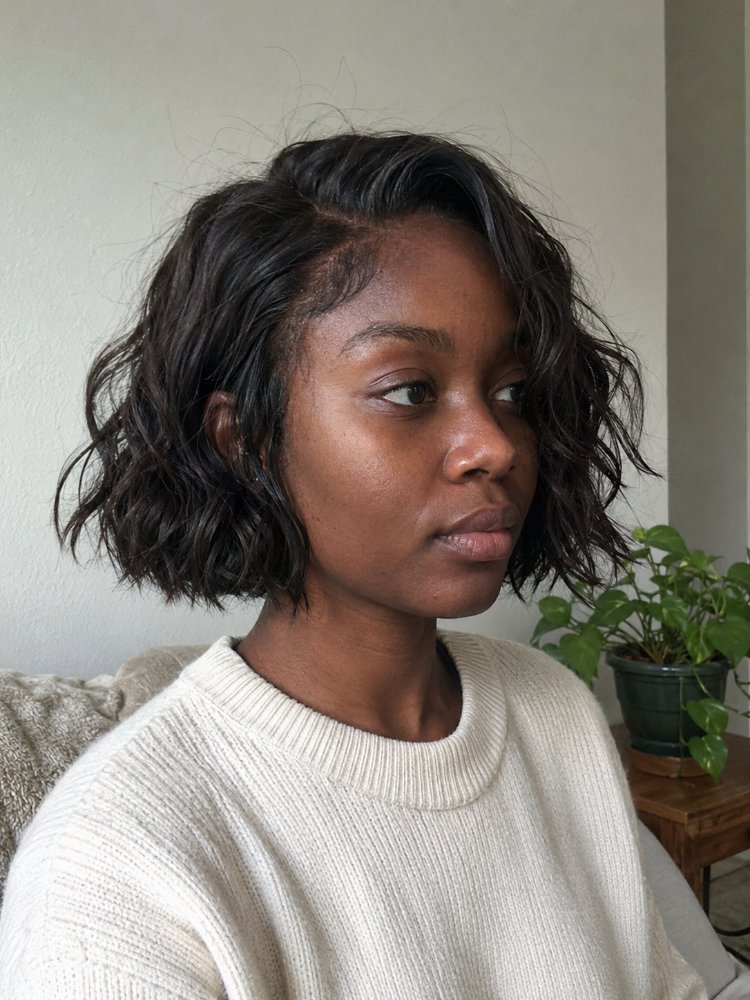
The pageboy influence comes from a smooth, continuous perimeter with a gently curved-under shape. Waves loosen the formality and keep the cut from depending on a perfectly tucked finish. It works particularly well for someone who likes a compact silhouette with a noticeable edge. As the ends reach a coat collar or shoulder, however, they can begin to kick outward and change the curved shape that originally defined the cut.
Bobs Built for Movement
Soft Layered Wavy Bob
Soft layering is the practical default when you want movement without turning the cut into a shag. The layers release enough weight for waves to bend while keeping the lower edge connected.
This approach can help a bob dry with more lift through the mid-lengths instead of collecting all its bulk near the bottom. It is also easier to wear in more than one styling state because the shape doesn’t depend on a single crisp perimeter.
Layer placement matters more than simply asking for “layers.” On low-density hair, too much internal removal can make the ends look sparse. On dense hair, leaving too much weight in the same area can flatten the crown and widen the sides.
Shaggy Wavy Bob
A shaggy bob moves the focus upward. Shorter layers around the crown and face create lift, separation, and a less compact outline than a classic bob. Waves make the transitions feel natural because the bends soften some of the difference between lengths.
This is worth the more textured grow-out when your main goal is movement. It is a poor match for someone who wants a thick, uninterrupted lower edge or dislikes pieces flipping in several directions.
Razor-Textured Wavy Bob
A razor-textured bob has softer, more tapered ends and a deliberately airy finish. The cutting method changes how the perimeter separates, giving loose waves more freedom to break apart instead of landing in one heavy line. Condition matters here. Hair that is already fragile, highly porous, or prone to split-looking ends may suit a different cutting approach. The desired effect is light movement while retaining healthy-looking ends.
Asymmetrical Wavy Bob
An asymmetrical bob creates its interest through unequal length, usually with one side clearly longer than the other. Wavy texture softens the geometry without erasing it.
This is one of the strongest choices when you want the haircut itself to look styled before much finishing is done. The harder stage comes during grow-out: once the difference between the sides becomes less deliberate, the cut can feel awkward before it feels long. Reshaping keeps the asymmetry looking purposeful.
Edgier Short Wavy Silhouettes
Wavy Mullet Crop
A wavy mullet crop keeps the sides lighter and preserves more length through the back. The wave pattern helps connect the shorter front and longer nape, so the shape feels textured instead of sharply divided.
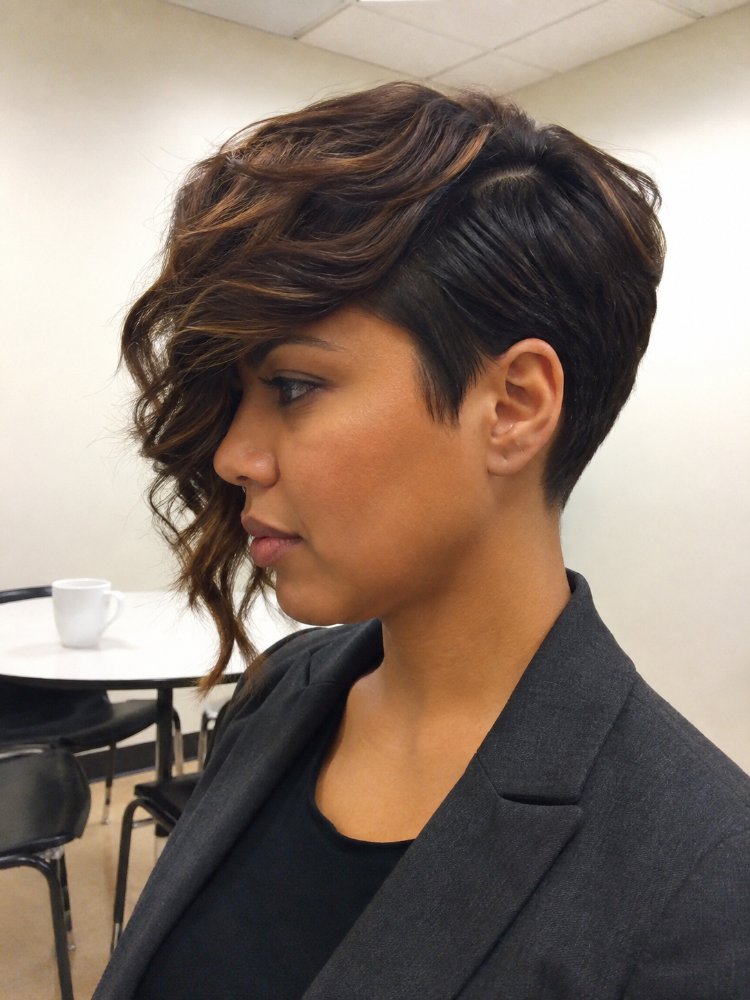
This cut earns its place when you want direction and movement without the roundness of a bob. It also works well for hair that naturally bends away from the face because the front can stay loose while the back carries more length.
The back section will be the first area you notice during grow-out. It can begin brushing collars while the front still feels cropped, so decide whether you want to preserve that contrast or eventually soften the whole cut into a shag.
Short Wavy Shag
The short shag is less bob-like than the shaggy bob because the perimeter is more broken and the layers are allowed to separate throughout the cut. It suits waves that form in different directions and don’t need to be forced into a smooth edge. This is an underrated option when you dislike frequent precision styling, since a little expansion, frizz, and irregular bend can sit naturally within the haircut instead of fighting its intended shape.
Rounded Bixie With Longer Sides
This version of the bixie keeps extra length around the sides and temples, creating a softer frame than a tightly tapered crop. The back stays short enough to feel light, while the side pieces give the waves room to curve.
It can be particularly practical if you wear glasses because the temple area can be shaped around the arms instead of being cut uniformly short. Check how those pieces behave both tucked and untucked; a section that looks neat behind the ear may spring forward once it dries.
Short Wavy Lob
A short lob sits at the longer edge of short hair, close enough to the shoulders to give the wave pattern more room to stretch than it gets in a chin bob. It is an easier transition for someone leaving longer hair behind and gives you more flexibility during grow-out. This is the most forgiving option here when you want short-hair movement without committing to a crop or a highly precise bob perimeter.
What Photographs Often Hide
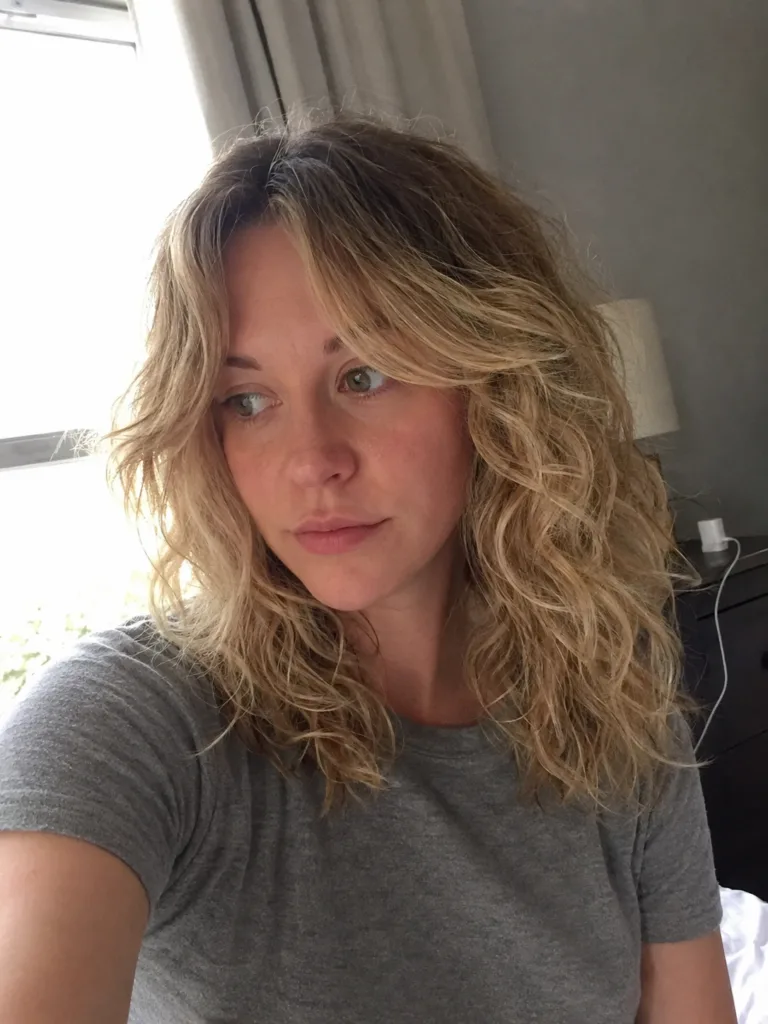
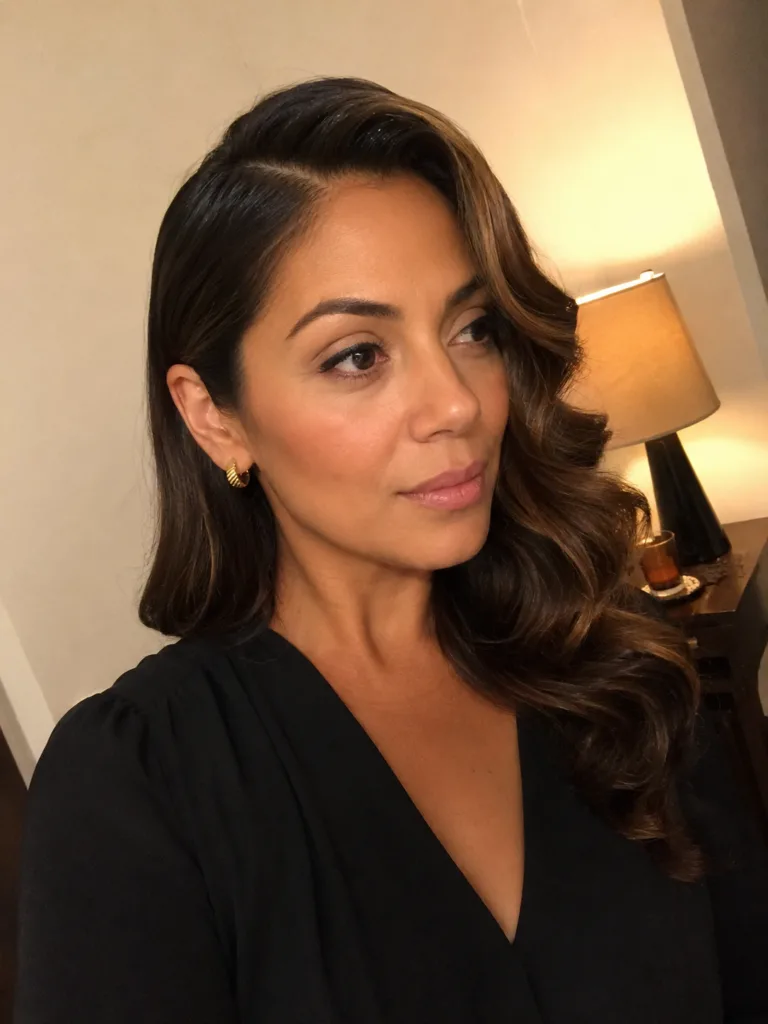
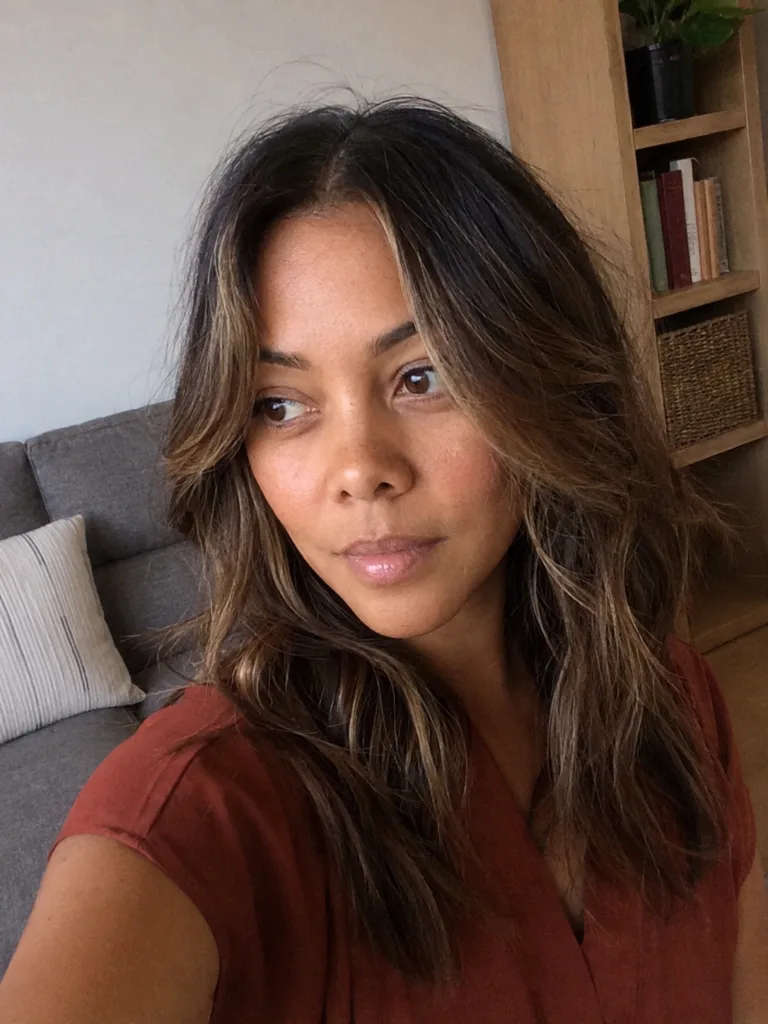
The same haircut can look dramatically different depending on how it was dried, stretched, diffused, brushed, or heat-styled for the photo. A wet-hair reference can hide spring-up. A front-facing image may conceal a bulky back section. A tucked-behind-the-ear pose can make the side perimeter look cleaner than it sits during normal movement.
| Photo detail | What to check in real life | Styles most affected |
|---|---|---|
| Hair tucked behind ears | Temple bulk and side length | Bixies, French bobs, rounded bobs |
| Freshly diffused crown | How much lift lasts on your texture | Shags, layered bobs, long pixies |
| Smoothed perimeter | Where natural waves make the edge rise | Micro bobs, blunt bobs, pageboy shapes |
| Side-only angle | Nape weight and back projection | Rounded bixies, mullet crops |
Choosing the Right Short Wavy Shape
Start with your usual drying method. Air-dried waves need a cut that works with their natural bend and spring-up. A style worn mostly stretched or smoothed can support a different perimeter because the finished length behaves differently.
Next, decide where you want the visual weight. A blunt bob concentrates it at the bottom. A rounded bob keeps more fullness through the sides. A shag pushes the interest toward the crown and face. Crops remove weight from the neck and place greater emphasis on the top.
Density changes how aggressively hair should be removed from the interior. Low-density hair can lose too much lower-edge strength with heavy layering. Dense hair may benefit from selective weight removal so the cut doesn’t become wider than intended. Fine strands can exist at either density, so the cutting plan should account for both strand size and the amount of hair.
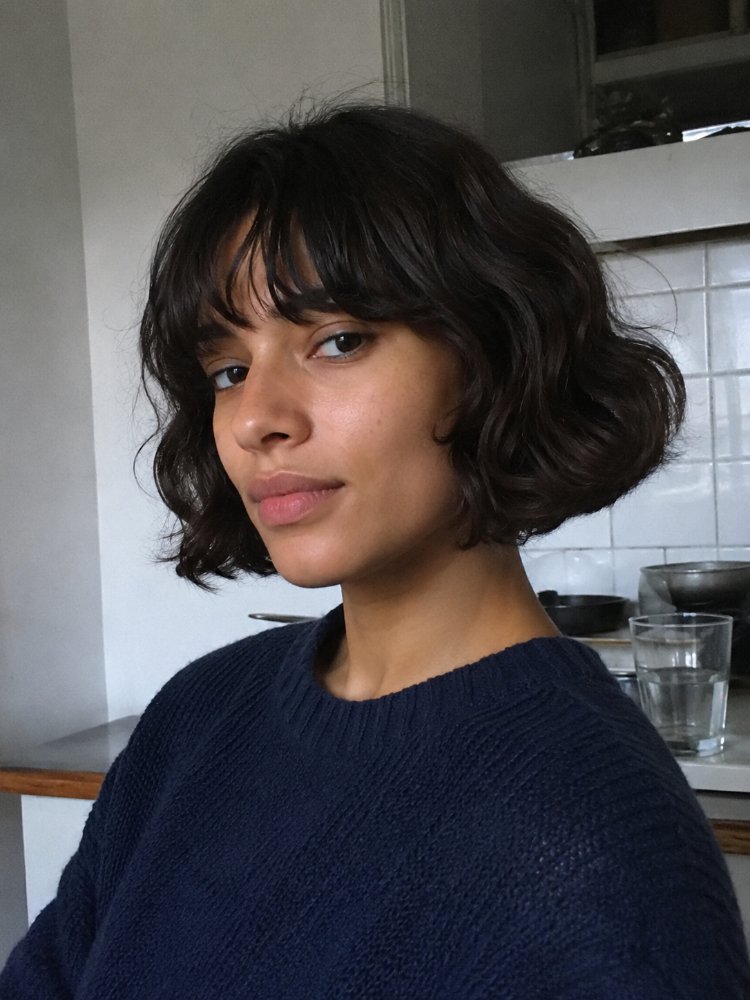
Your consultation should also cover the details that touch daily life: glasses arms, collars, headrests, preferred parting, and whether you routinely tuck the sides. Those small physical interactions can change which short shape feels easiest to live with.
Upkeep Without Over-Styling the Waves
Short wavy hair usually benefits from a routine that preserves movement instead of forcing every section into the same pattern. Use enough moisture and hold to support your texture without coating the hair so heavily that the crown collapses. The right amount depends on strand size, density, porosity, condition, and the finish you prefer.
Drying technique makes a visible difference. Air-drying tends to show the most natural variation, while diffusing can encourage lift and more defined grouping. Brushing or stretching the waves changes the shape again. The haircut should ultimately be judged in the state you wear most often.
Sleeping on a smooth surface or using a bonnet can reduce friction and tangling, though neither can repair damaged ends or correct a cut carrying too much weight. At your next salon visit, describe what happened as the style grew: where it widened, which pieces flipped, whether the crown collapsed, and whether the perimeter became too soft. That information is more useful than simply asking for the original haircut again by name.
FAQs
Are short wavy hairstyles good for fine hair?
Yes. Fine hair refers to strand diameter, so the most suitable shape still depends on density and condition. A blunt or softly layered bob can preserve a stronger-looking lower edge, while aggressive texturizing may make fine ends appear more scattered. The cutting plan should retain enough weight for the amount of hair you actually have.
What short haircut works well when my waves are uneven?
A long pixie, soft layered bob, or short shag is usually more forgiving than a strict geometric bob. Those cuts allow different sections to bend at slightly different points without making the outline look accidental. A precise micro bob can still work, but it depends more heavily on consistent styling and reshaping.
Can I wear a short wavy haircut without using heat?
Absolutely. Air-drying can show the natural variation in the wave pattern, while a diffuser can be used when you want more lift or grouping without smoothing the texture straight. The main requirement is a haircut that remains balanced in your usual styling state. Bring references that resemble how you actually wear your hair and discuss where the dry perimeter should land.
What should I ask for at the salon if I want less triangle-shaped width?
Ask where the stylist plans to keep and remove weight instead of requesting “more layers” by itself. A rounded bob intentionally carries more side fullness, while a soft layered bob or shag can shift some volume upward. Density, wave behavior, and the amount of lower-edge strength you want to preserve should guide the final placement.
Hair Texture & Upkeep Style Matcher
Select your natural hair texture and daily maintenance window to get an instant styling formula and heat safety cap.
Heat Cap: 320°F (160°C)
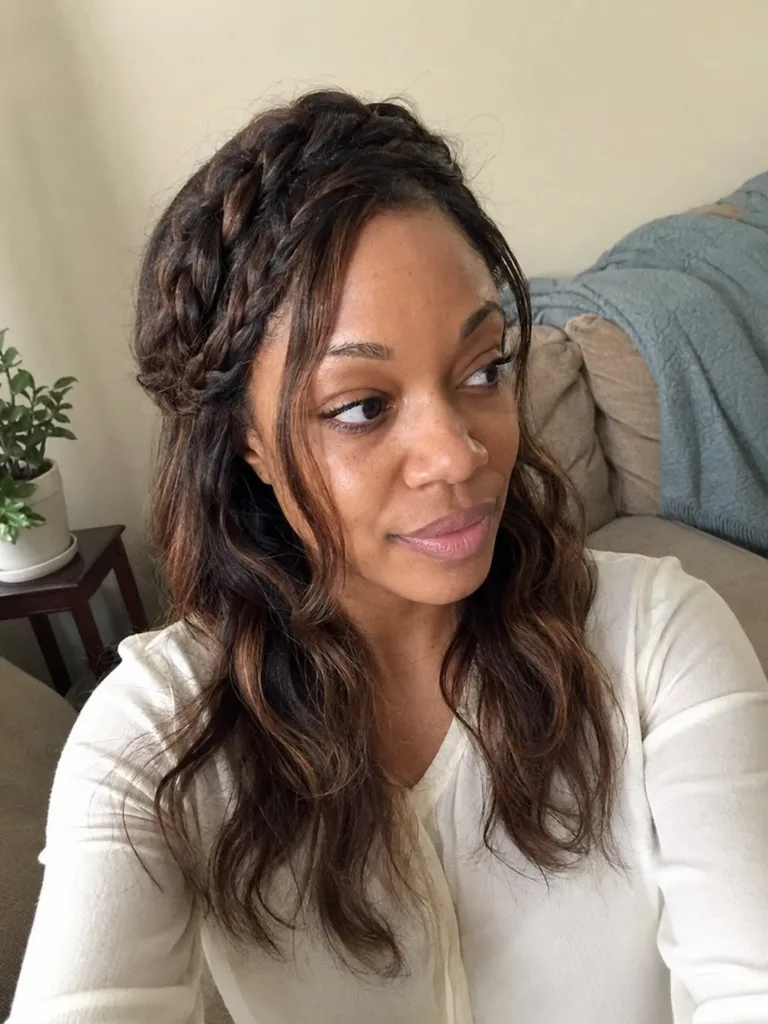
A versatile three-strand braid beginning at the parietal ridge, securing the top half while allowing natural wave texture to flow freely around the shoulders.
Conclusion
Short wavy hair becomes easier to choose once you stop treating “short” as one category. A blunt chin bob, long pixie, shag, and micro bob all ask the waves to behave differently. Pick the silhouette first, then make sure the cutting plan matches the way your hair dries, the amount of perimeter weight you want, and how much reshaping fits your routine.
Editorial Standards & Hair Health Guidance
Every style featured on Tress Atlas is curated with a focus on real-world wearability, scalp tension management, and cuticle preservation. When trying protective styles or tight updos, ensure perimeter hairline sections remain tension-free to avoid traction stress on delicate follicles. For heat styling, cap tools below 350°F (180°C) to prevent thermal keratin denaturation.
Scientific Sourcing: Practices aligned with the American Academy of Dermatology (AAD) on traction alopecia risk reduction and cosmetic trichology research on hair tensile strength.