Baddie Curly Hairstyles With Shape, Volume, and Edge: Complete Styling & Placement Guide
Baddie curly hairstyles work because of contrast. Full curls paired with a clean part, a lifted crown, a sleek base, sculpted edges, or a sharply defined perimeter tend to read more deliberate than curls that have been styled the same way from roots to ends.
You don’t need to flatten every root or create perfectly uniform ringlets to get that effect. In fact, some of the strongest looks keep plenty of natural volume. The more useful decision is where you want the drama: around the face, above the crown, through the length, or at the ends.
Your normal styling state matters too. A look photographed on stretched curls won’t fall the same way on hair worn fully shrunken, while a curly ponytail made with added hair behaves differently from one created entirely from your own length. Density, strand size, shrinkage, haircut shape, and previous chemical services all affect the final result.
This quick guide gives you a starting point before the individual styles.
Big Curls That Let the Shape Do the Work
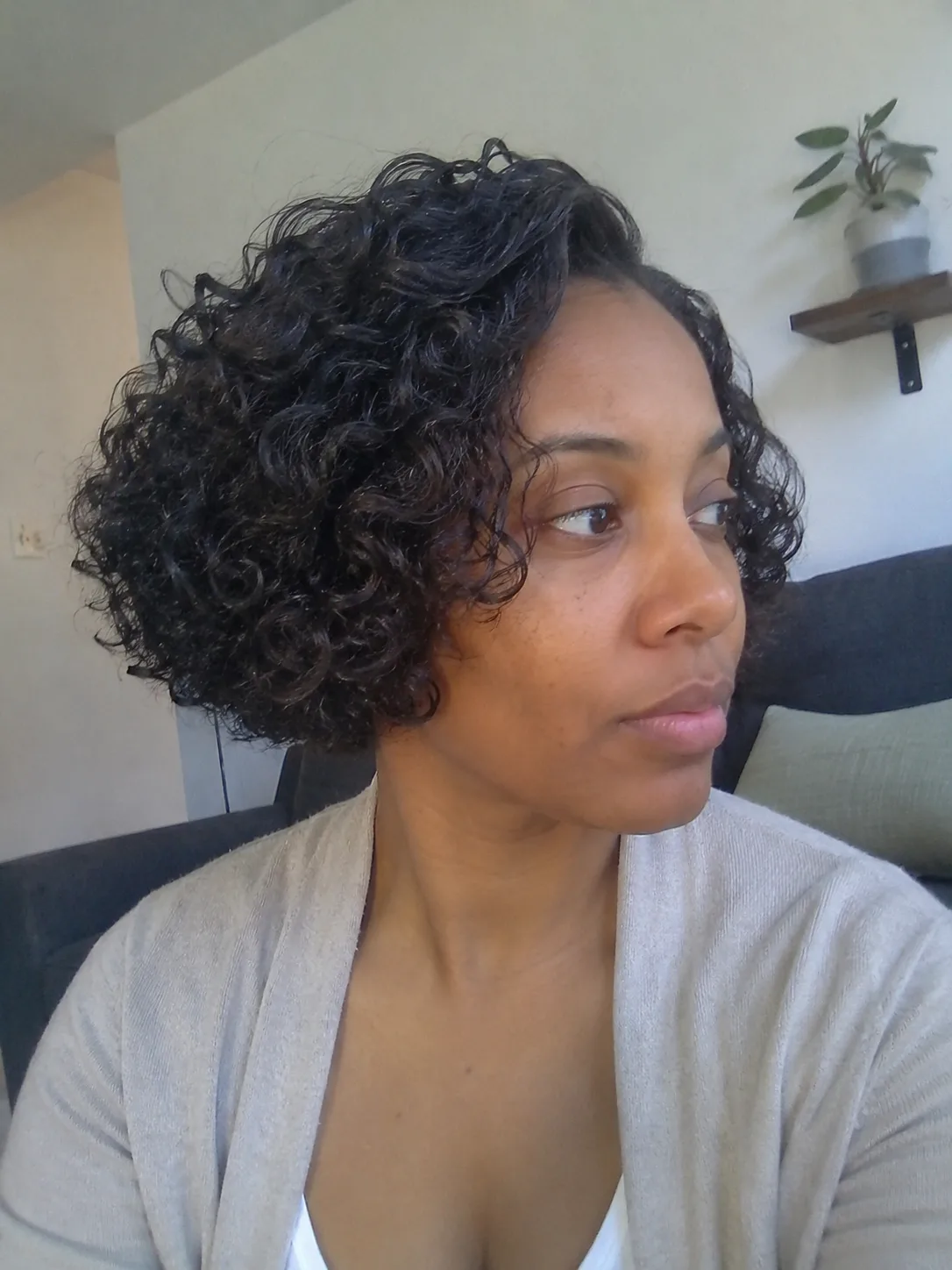
Deep Side-Part Curly Volume
A deep side part shifts a large amount of hair to one side, creating instant height and making the opposite side look cleaner without requiring a full updo. It suits curls with enough movement to stack and expand around the crown. The stronger choice is to preserve some root volume instead of pressing the hair flat beside the part; too much smoothing can make the top look disconnected from the full lengths.
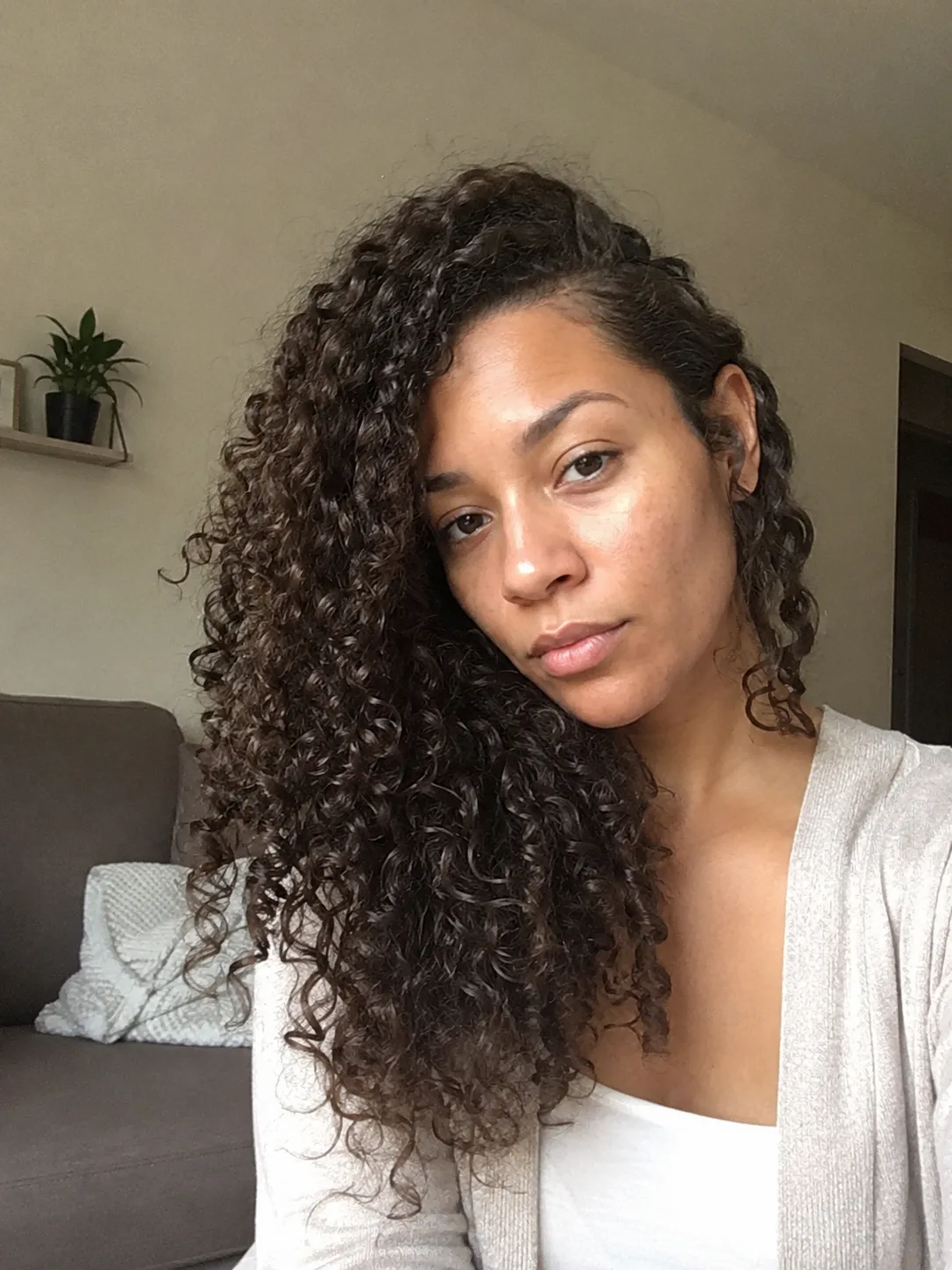
Center-Part Curls With Long Layers
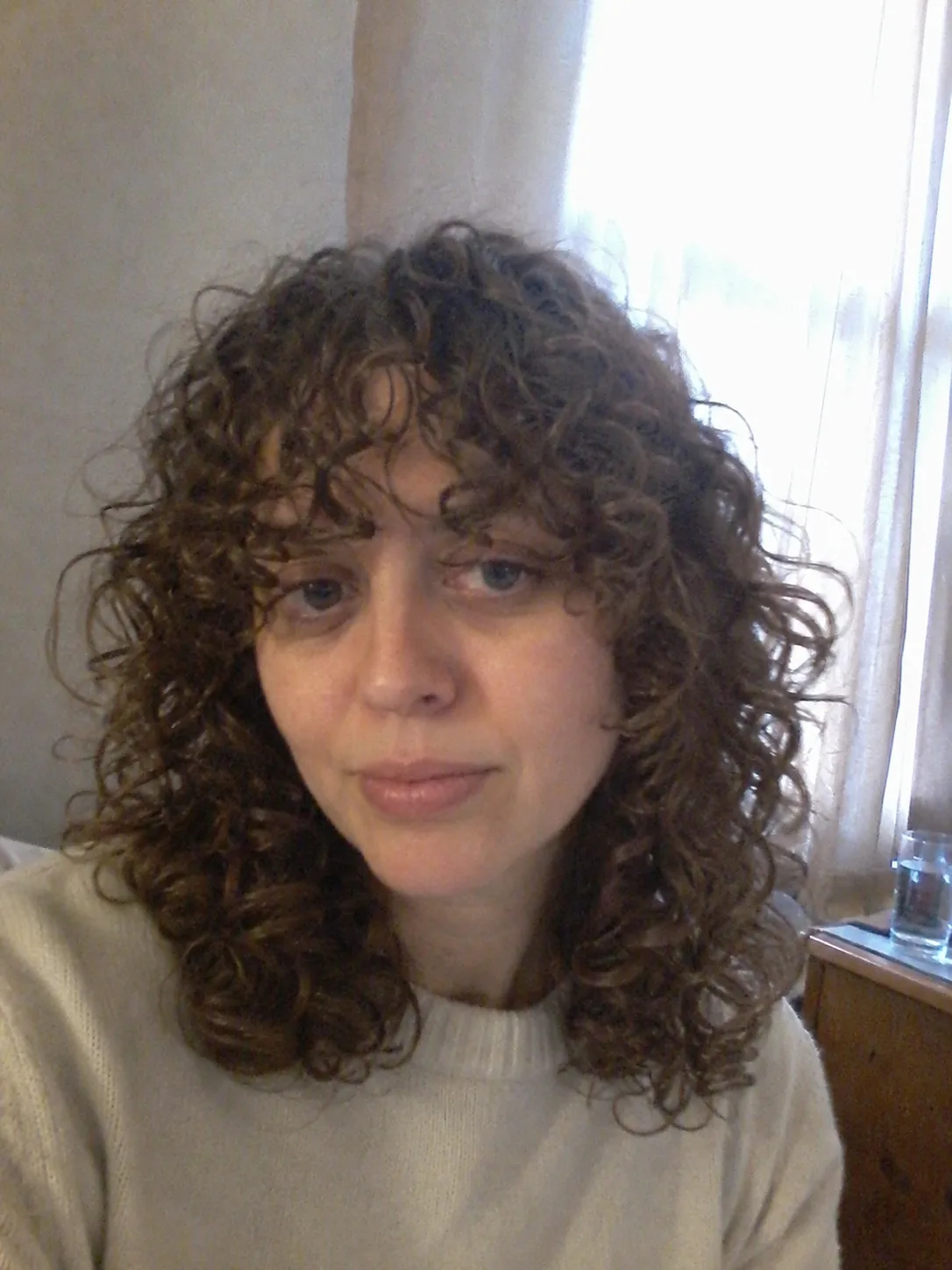
A center part gives curly hair a balanced, face-framing outline, but the haircut underneath determines whether it looks glamorous or triangular. Long layers can release weight through the interior while keeping enough length around the perimeter for fullness.
This works especially well when you like defined curls but still want movement. Very aggressive layering can expose more space in low-density hair, so the amount of interior removal should match your actual density rather than the amount of volume shown in a reference photo.
Rounded Curly or Coily Shape
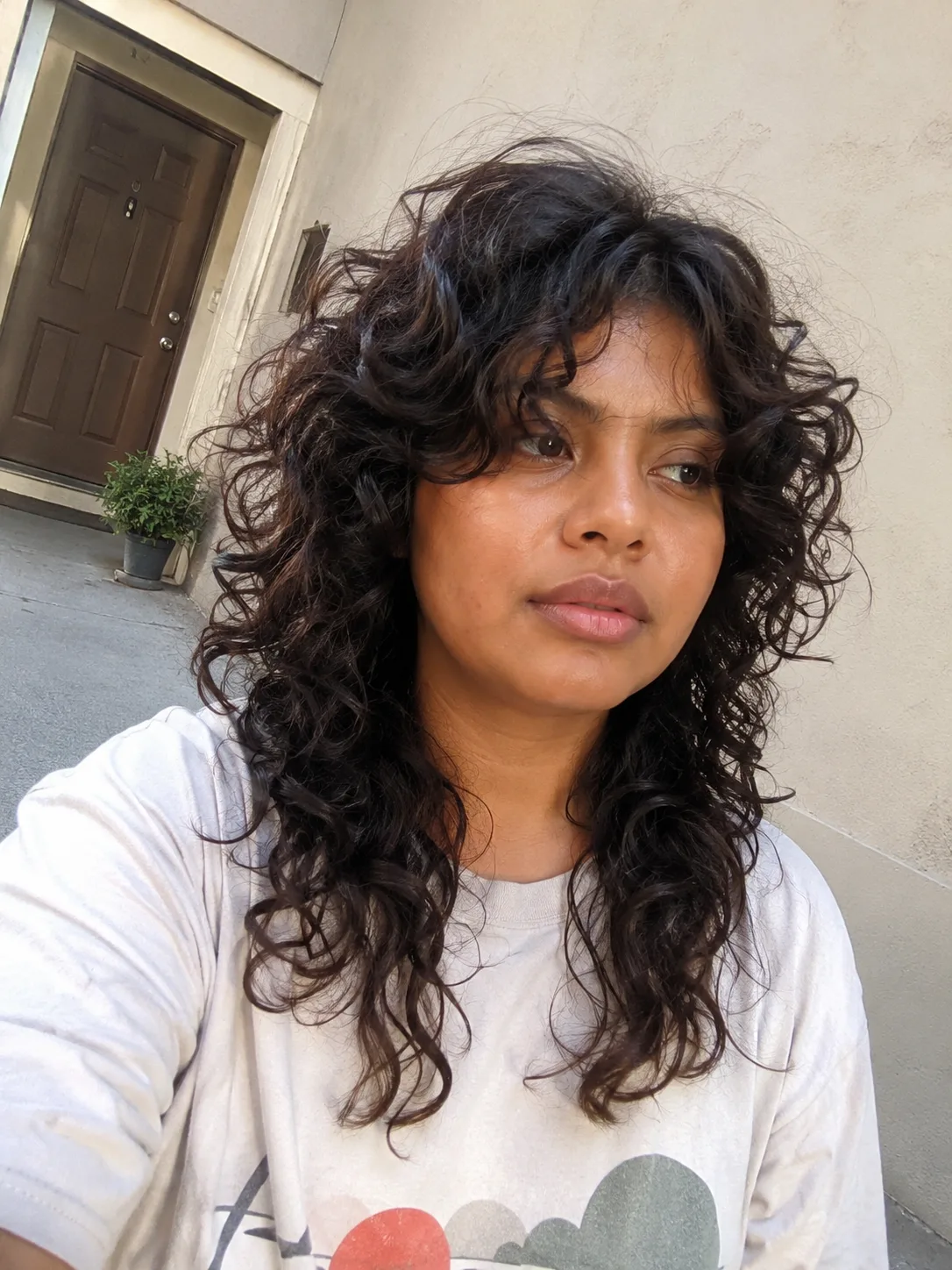
For a look that feels bold without relying on slick roots, build the style around a rounded outline. Curls and coils remain full through the sides and crown, with the haircut controlling the outer shape.
Shrinkage changes this style dramatically. A cut that looks long while stretched may sit much higher once the hair is fully dry, and curl groups around the crown may shrink differently from those near the nape.
The strongest version is shaped for the state you wear most frequently. Natural, shrunken curls should be assessed in that state before too much length is removed. This is also a particularly good option when you want a baddie aesthetic without tying the hairline back.
Blunt Curly Bob
A curly bob brings the focus down to the perimeter. The ends look more substantial when the lower edge stays relatively strong, while curl expansion keeps the shape from feeling severe. This cut is more haircut-dependent than a long curly style because a small change in length affects where the hair meets your jaw, shoulders, or clothing. A bob that constantly lands against a coat collar may also flip or compress differently during the day.
Curly Pixie With a Longer Crown
Short curls can still deliver plenty of drama. Leaving more curl length through the crown creates height and movement while tighter sides keep the outline sharp.
This is a strong option for someone who wants the hair itself to frame the face without managing long sections every morning. The catch is grow-out: a short cut can lose its intended outline before it feels especially long. Choose it because you like maintaining a defined short shape, not simply because the daily styling looks easy in photographs.
Pulled-Up Styles With More Height
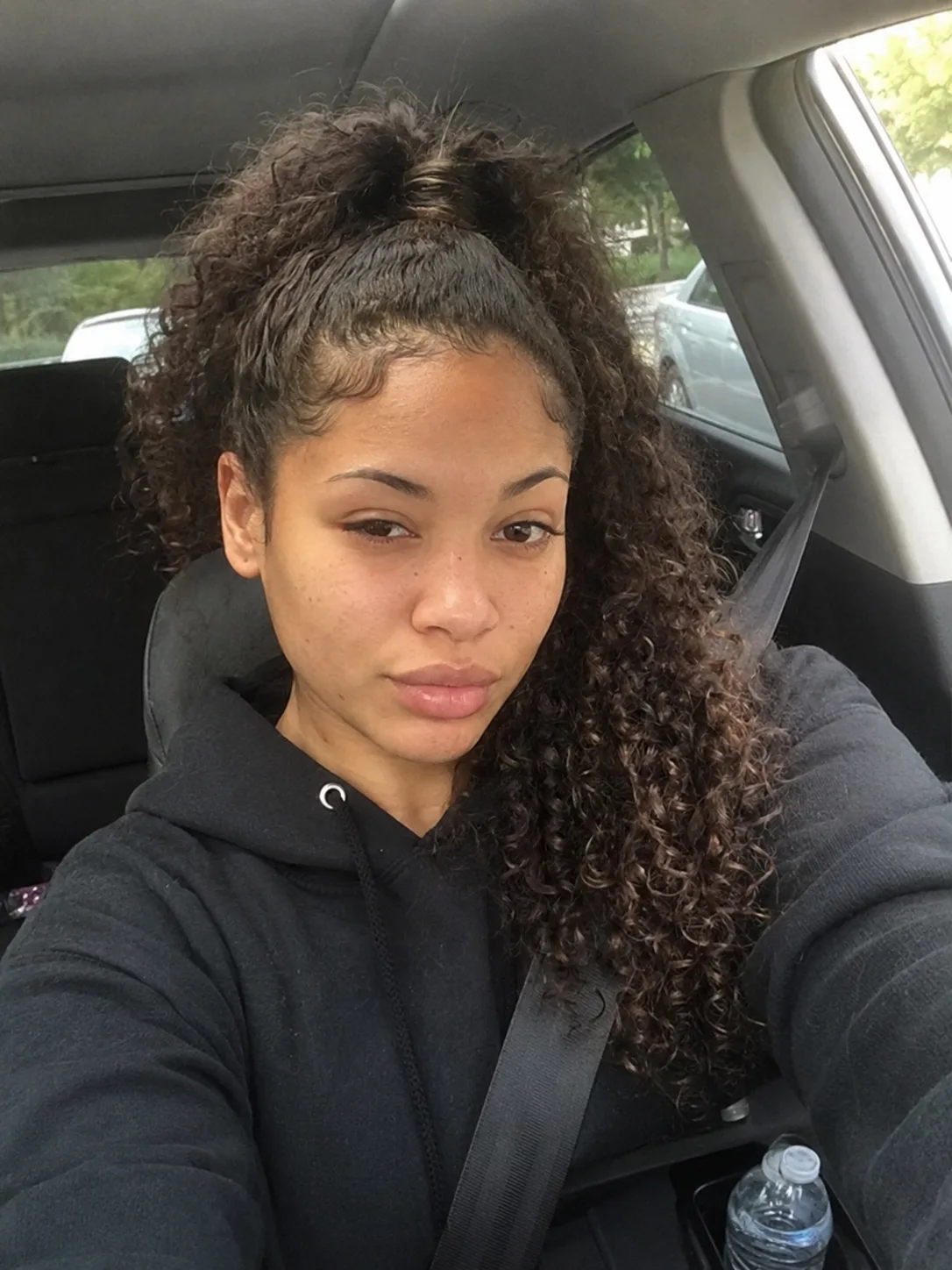
Sleek High Curly Ponytail
The high curly ponytail creates one of the clearest baddie contrasts: a controlled base with a full, mobile tail. Place the anchor where it feels secure during normal head movement, then let the curls provide the volume. Extra-long or very dense added hair produces more leverage at that single anchor, so bigger isn’t always more wearable. Leaving fragile perimeter hairs out of the slicked section can also be more comfortable than forcing every strand into the elastic.
Full High Puff
A high puff gives natural curls and coils height without requiring the lengths to be smoothed into a ponytail. The shape can stay cloudlike and expansive, or the outer curls can be lightly defined for a more separated finish.
The puff usually works better when the base isn’t cinched smaller than necessary. A fabric-covered elastic or other flexible anchor should hold the style without making your scalp feel pulled. Because most of the visual interest comes from the puff itself, perfectly laid edges are optional.
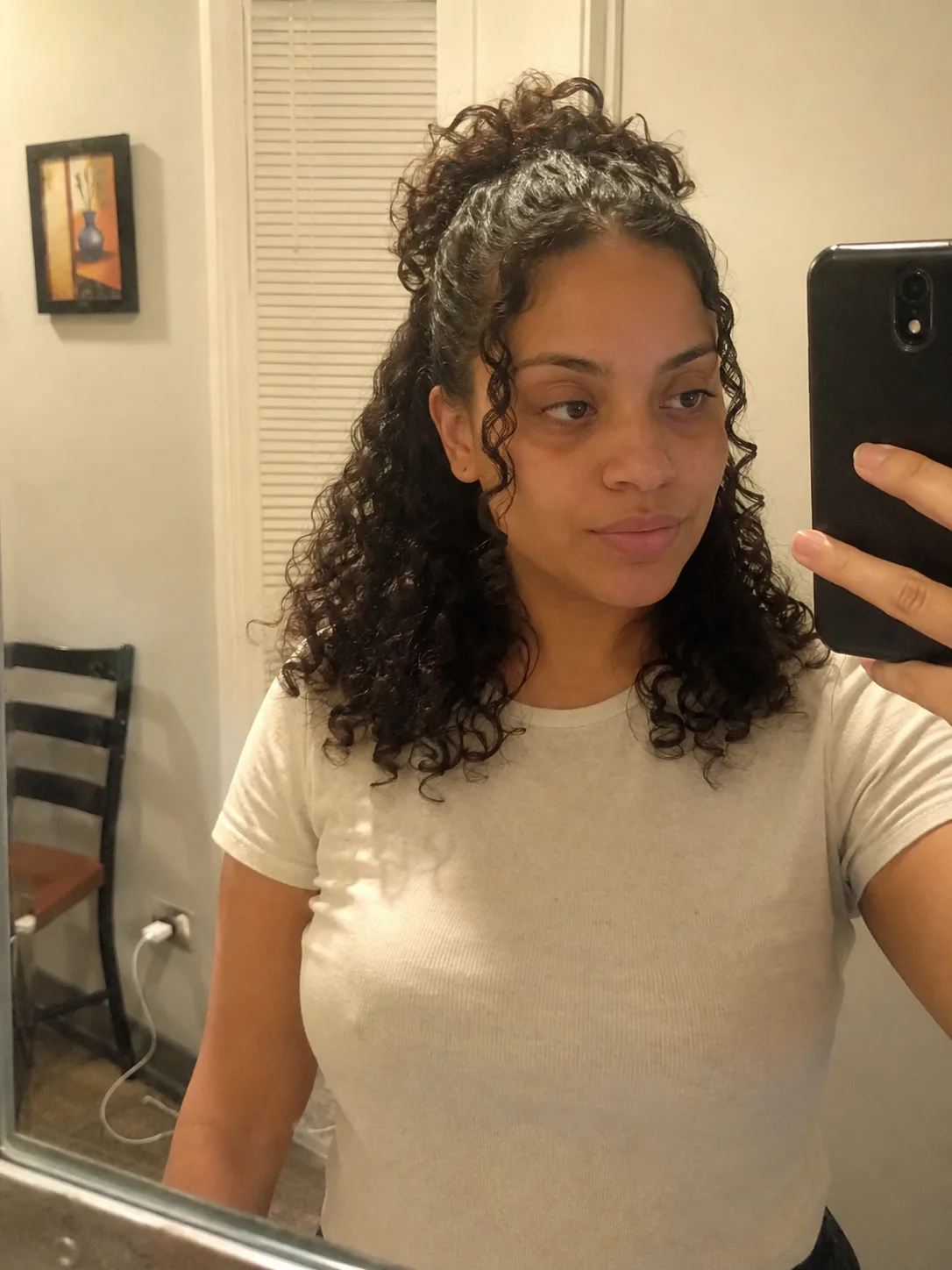
Half-Up, Half-Down Curls
Half-up curls are useful when you want height around the crown but still want your length visible. The upper section opens the face while the lower curls keep the hairstyle soft and full.
Section placement changes the result more than people expect. Taking too much hair into the top ponytail can leave the lower half looking thin, especially when overall density is lower. A smaller crown section usually preserves more fullness through the back.
This is also easier to live with than a very high full ponytail for long curls. Less hair is concentrated at one anchor, and the loose lower section can move naturally around the shoulders.
Pineapple Updo With Loose Face-Framing Curls
The pineapple takes curly volume upward instead of stretching it down the back. Most of the hair gathers toward the crown, while selected curls can fall around the forehead or temples.
It photographs beautifully from the front because the curls create height close to the face. From the side and back, the base becomes much more visible, so placement and pinning still matter.
For sleeping, the same general pineapple concept may be used more loosely, but a daytime baddie version needs enough structure to stay balanced. Avoid making a very tight anchor simply to keep the curls higher. Secure, comfortable positioning works better than maximum tension.
Curly Faux Hawk
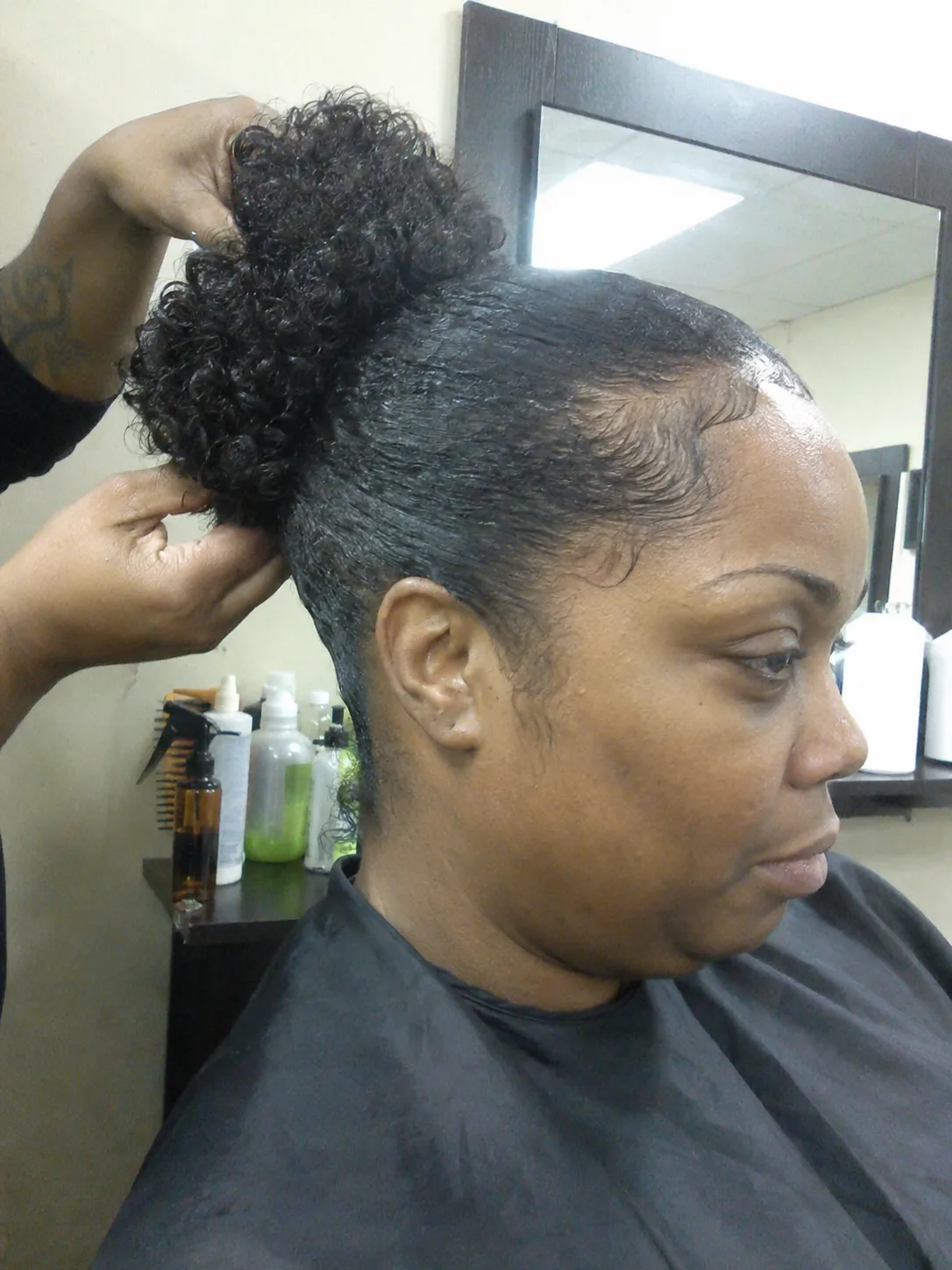
A curly faux hawk moves the volume into a vertical strip from front to back while the sides are smoothed, braided, twisted, or pinned closer to the head. It creates a noticeably different outline from a puff because the height continues through the crown instead of concentrating at one point. This is worth the extra pinning when you want an updo with visible structure from every angle.
Sleek Details Against Full Texture
Wet-Look Curly Hair
Wet-look styling keeps curl groups glossy and relatively close together, giving the hair a darker, more sculpted appearance while it is styled. The effect depends on product distribution and curl definition, not on leaving the hair literally wet for prolonged periods.
It tends to show the haircut and part very clearly, so uneven ends or areas that shrink differently may become more noticeable. Hair that takes a long time to dry also needs enough airflow at the roots instead of repeatedly being left damp under a heavy layer of styling product.
Braided Front With Loose Curly Lengths
Cornrows or flat braids through the front create a graphic detail before the hair opens into loose curls behind them. That construction makes this look materially different from simply adding a dramatic side part. The braids can expose more of the face and scalp while the back remains full. Keep the braided sections comfortable, particularly around the temples; a crisp design doesn’t require painful grip or tiny, heavily loaded sections.
Curly Space Buns With Loose Pieces
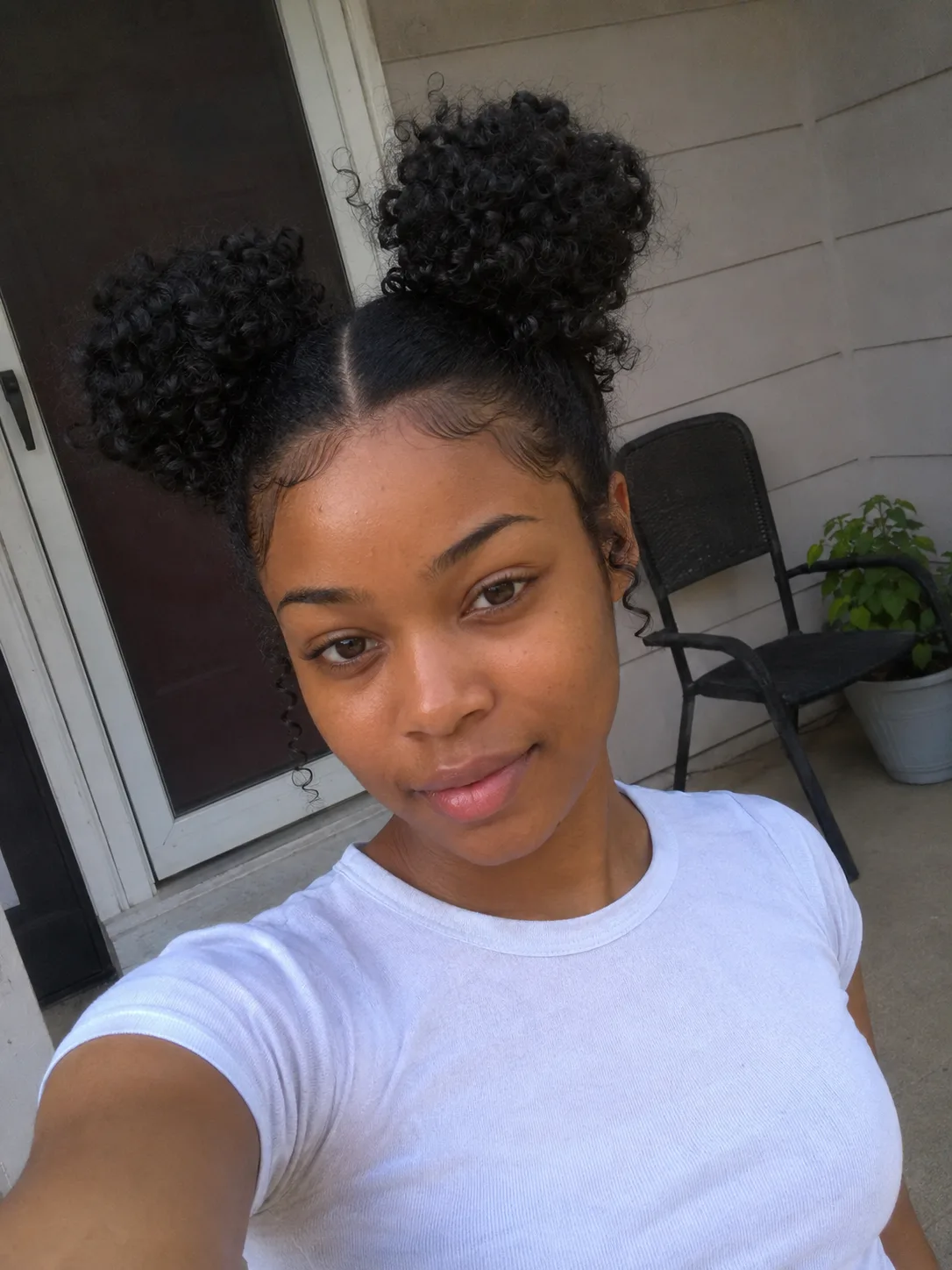
Two curly buns create width and symmetry higher on the head, making them more playful than a single bun while still fitting a dressed-up baddie look. Leaving a few curls loose around the face softens the geometry.
The buns don’t need identical curl placement. Matching their overall size and anchor height usually matters more than trying to arrange every ringlet symmetrically. Hair with substantial length may need folding and pinning instead of repeated twisting, which can keep more of the natural curl shape visible.
Side-Swept Curly Updo
A side-swept updo moves most of the visible curl mass toward one side of the head. Unlike simply wearing a deep side part, the lower lengths are pinned up, so the neck and opposite side remain exposed.
This works particularly well for an occasion where you want earrings, a neckline, or one side of the face to stay visible. The pins need to support the curl mass from underneath instead of sitting only on the surface.
Check the style from the back before leaving it alone. Front-facing photos can hide a cluster of visible pins or an uneven base. A few strategically placed curls can cover the construction without turning the entire updo into one dense bundle.
Baddie Curls With Added Hair
Curly Wrap-Around Ponytail
A wrap-around curly ponytail gives you an instant change in length or fullness while keeping your own hair gathered into the base. The attachment method matters more than chasing maximum volume: the wrap, combs, clips, or pins should sit securely without digging into one small area. This is a practical route to a dramatic ponytail when you don’t want to style every loose curl into the final tail.
Full Curly Wig With a Defined Part
A curly wig lets the entire length, density, and curl pattern change at once, which makes it fundamentally different from adding only a ponytail. A clean center or side part can give the style the structured baddie finish while the lengths stay large.
Look beyond the front view when choosing the shape. Density around the crown, bulk near the ears, and how the hair sits against the nape affect daily comfort. Glasses arms can also compete with very dense curls at the temples. A secure wig should feel stable without relying on excessive tightness.
Curls With Extra Movement Around the Face
Curly Bangs With Layered Length
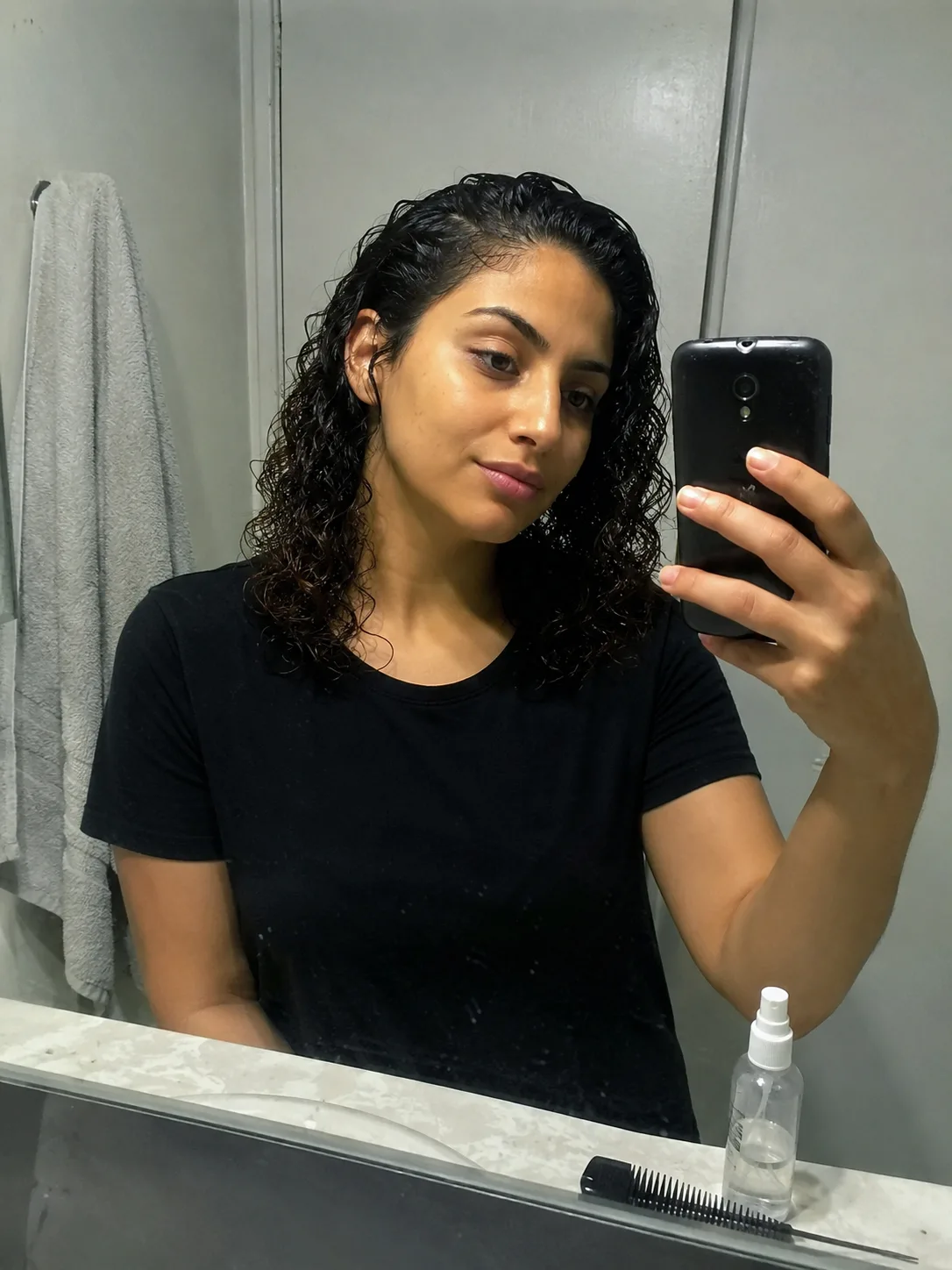
Curly bangs put the texture directly across the forehead instead of using slick edges or long pieces to frame the face. They can be airy, full, or broken into several curl groups depending on the cut and shrinkage.
The fringe should be planned in its curly state. Straightening it before deciding the length can hide how far it rises once the curl returns. A few longer pieces toward the sides can connect the fringe to the rest of the haircut, giving the front a more continuous shape rather than making the bangs look like a separate block.
Stretched Curly Blowout
A stretched curly blowout gives you more length and swing than a fully shrunken curl set while keeping curved, curled, or fluffy movement through the ends. The roots appear more elongated, so the overall shape sits lower and often looks fuller through the mid-lengths. This is a stronger choice for someone who wants soft glamour instead of a sharply slicked base. Heat use should be adapted to your hair’s condition, tools, and technique rather than following one universal temperature.
What Baddie Curly Hair Looks Like in Real Life
The reference photo usually shows the best angle. Your actual routine includes sleeping, humidity, jackets, workouts, headrests, wash day, and whatever happens around your hairline after several hours of movement.
A high ponytail can press against a car headrest. Long curls can become trapped beneath bag straps. Dense roots can remain damp after the ends seem dry. Curly bangs may need refreshing sooner than the hair at the back.
Those details shouldn’t stop you choosing a dramatic style. They should influence which kind of drama is worth maintaining.
How to Choose the Right Version for Your Hair
Start with the silhouette you want, then work backward to the construction. A photo of waist-length curls may appeal because of the volume around the face, even though you don’t actually need that much length to create the same upper-body effect.
Next, identify the state shown in your reference image. Are the roots stretched? Are the curls naturally shrunken? Is added hair involved? Has the crown been flattened while the ends remain full? Those details often explain why the photographed result seems different from your normal curl pattern.
Density deserves separate attention from strand size. Fine strands describe individual hairs with a smaller diameter; low density describes having fewer strands overall. A very layered haircut can give dense curls more freedom while exposing too much space in lower-density hair. A stronger perimeter may be the better move when preserving visual fullness at the ends matters.
For salon planning, bring photos that show the front, side, and back whenever possible. Discuss the length in the state you usually wear, how much shrinkage you experience, whether you want your hairline included in slick styles, and how much daily refreshing you actually enjoy doing.
Keep the Finish Without Fighting Your Hair
Preservation starts with reducing unnecessary friction. A smooth pillowcase, scarf, or bonnet can help curls stay grouped overnight, though very high styles may need to be taken down or repositioned before sleep.
Refresh only the areas that need it. A flattened front curl doesn’t require soaking the entire head, and a fuzzy ponytail base doesn’t necessarily justify repeatedly brushing every edge back into place. Concentrating on the visible problem usually preserves the style with less manipulation.
Pulled-back styles should remain comfortable through ordinary movement. Persistent pain, stinging, sores, redness, or a concerning change in density deserves attention rather than tighter styling. Loosen or remove the source of pulling and talk with a dermatologist or another qualified healthcare professional when symptoms persist or concern you.
Cleansing and drying also change with construction. Loose curls offer direct root access. Braided fronts, wigs, and tightly gathered bases may require more deliberate access to the scalp and enough drying time at the roots before the hair is covered again.
Related Hairstyles to Explore
- Curly Hairstyles For Medium Hair
- Curly hairstyles for women over 60
- Curly Hair Inspo Hairstyles
- Slick Baddie Hairstyles
FAQs
Are baddie curly hairstyles only for long hair?
No. Curly bobs, pixies, rounded shapes, faux hawks, and shorter half-up styles can all create the same combination of structure and curl volume. Shorter hair often makes the haircut itself more important because there is less length available to redistribute.
Can I get a baddie look without laying my edges?
Yes. A sharp part, well-shaped curls, strong perimeter, lifted crown, braided detail, or sculpted updo can provide plenty of definition. Edge styling is an optional finishing choice rather than a requirement for the aesthetic.
Which curly style is easiest if I exercise regularly?
Loose curls with a strong haircut or a moderate half-up style usually involve less concentrated anchoring than a very high, heavy ponytail. Your preferred workout, sweat level, drying needs, and how easily you can access the roots matter more than choosing one universal gym hairstyle.
Can I use extensions even if my natural hair is short?
Depending on the attachment method and condition of your hair, added ponytails, wigs, and other extension-based options can create length without requiring long natural hair. The base still needs enough secure, comfortable support for the chosen method. Avoid using a very heavy attachment simply to compensate for having a smaller natural base.
Hair Texture & Upkeep Style Matcher
Select your natural hair texture and daily maintenance window to get an instant styling formula and heat safety cap.
Heat Cap: 320°F (160°C)
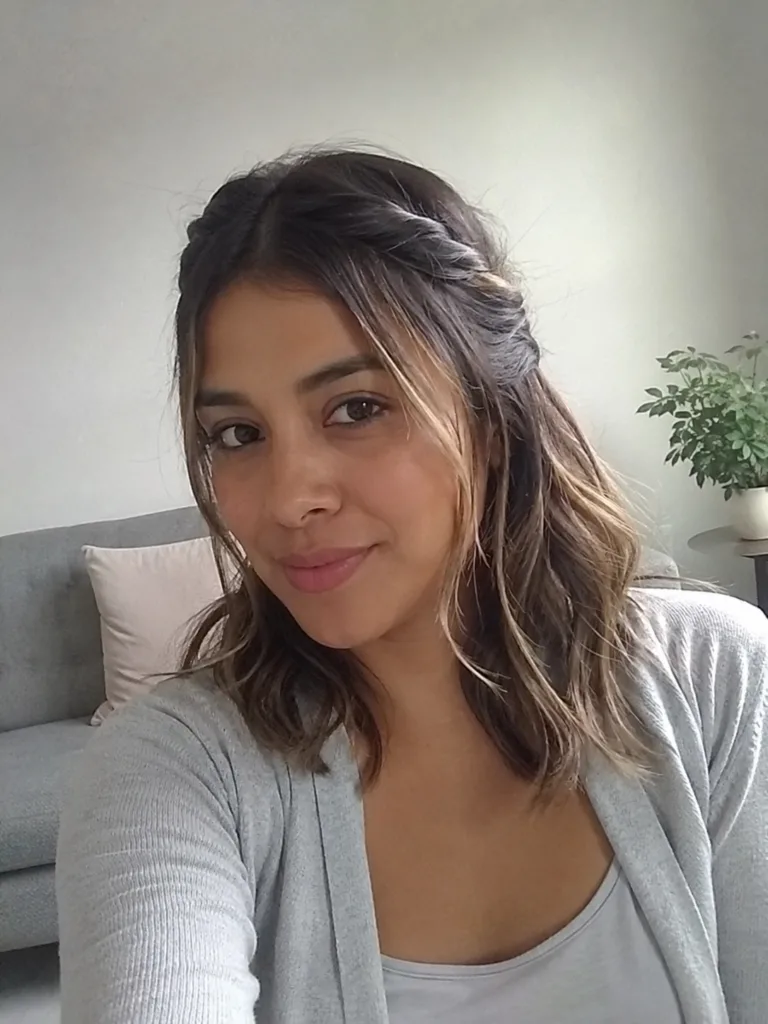
A versatile three-strand braid beginning at the parietal ridge, securing the top half while allowing natural wave texture to flow freely around the shoulders.
Conclusion
The strongest baddie curly hairstyle isn’t necessarily the one with the slickest roots or the longest curls. It is the one where the contrast makes sense for your hair and your routine.
Choose where you want the focus first: height, a sharp part, a strong perimeter, face-framing curls, or temporary added length. Then match the construction to your normal curl state, density, shrinkage, and tolerance for daily styling. A well-shaped head of loose curls can look every bit as deliberate as a high ponytail with a sleek base, while demanding a completely different kind of upkeep.
Editorial Standards & Hair Health Guidance
Every style featured on Tress Atlas is curated with a focus on real-world wearability, scalp tension management, and cuticle preservation. When trying protective styles or tight updos, ensure perimeter hairline sections remain tension-free to avoid traction stress on delicate follicles. For heat styling, cap tools below 350°F (180°C) to prevent thermal keratin denaturation.
Scientific Sourcing: Practices aligned with the American Academy of Dermatology (AAD) on traction alopecia risk reduction and cosmetic trichology research on hair tensile strength.