Mid-Length Hair With Layers: Shape, Movement, and What to Ask For
Mid-length hair with layers sits in a useful middle ground: there’s enough length for movement and styling, but the haircut can still have a clear shape. The bigger decision is where the layers begin and how much weight they remove.
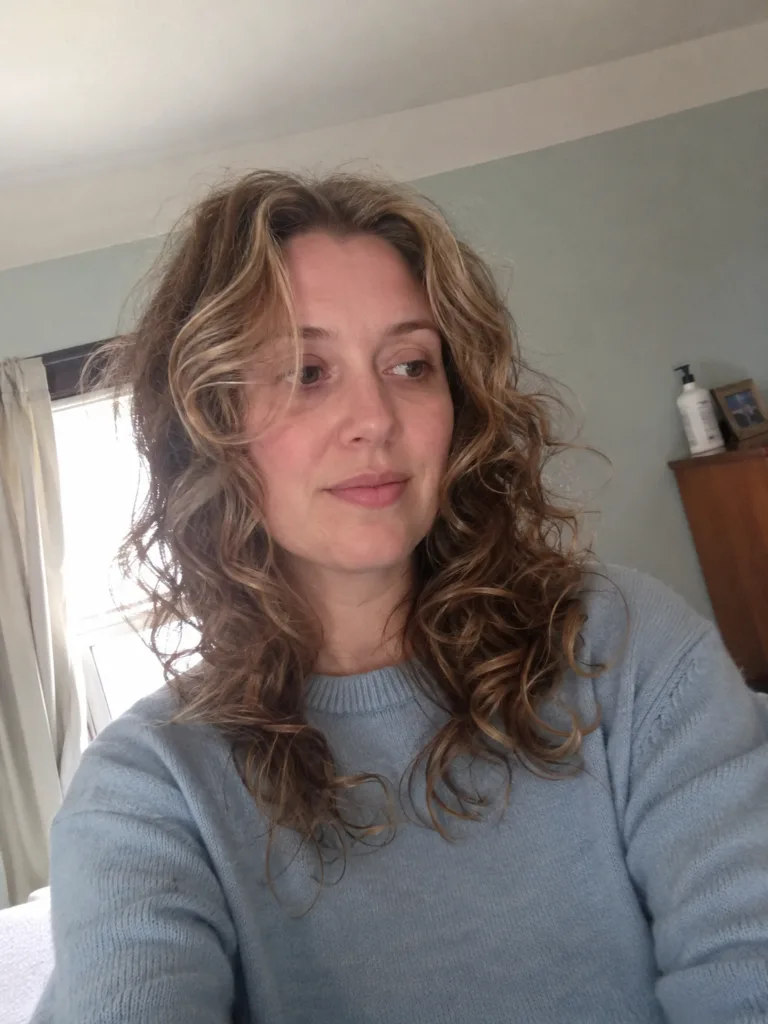
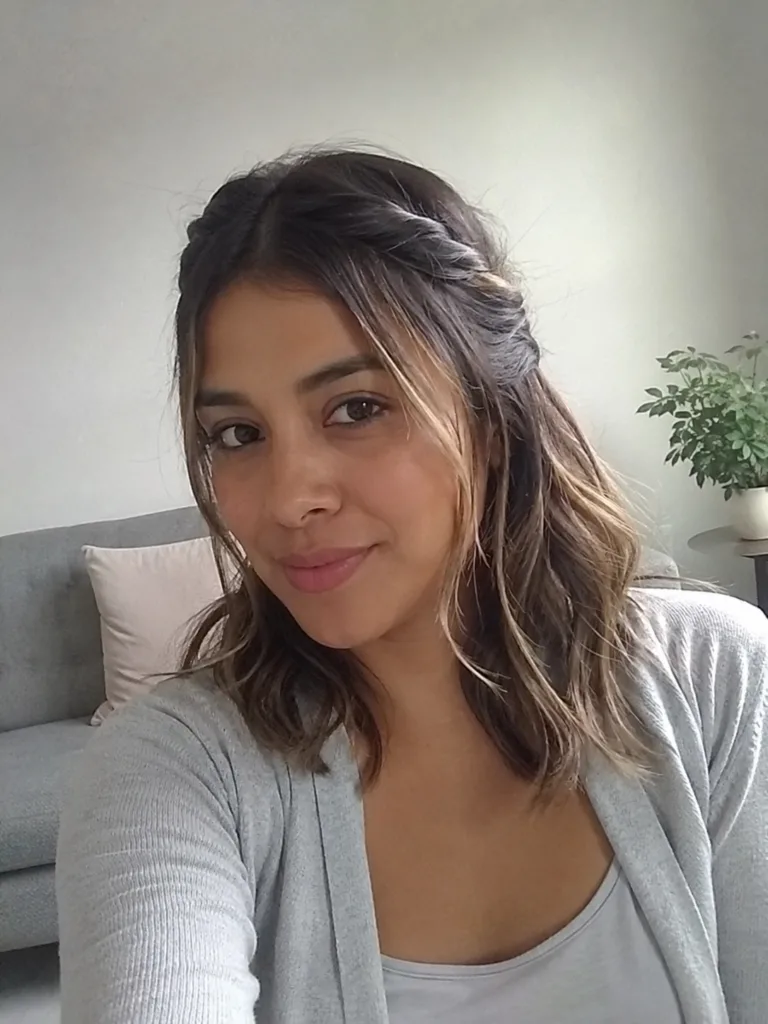
Two cuts can both be described as shoulder-length or medium-length layered hair while behaving completely differently. Long, restrained layers keep the lower edge substantial. Shorter layers around the crown create more lift and separation. Face-framing pieces shift attention toward the cheekbones, jaw, or collarbone without requiring heavy layering through the back.
Your natural texture, density, strand size, usual styling method, and preferred perimeter matter just as much as the reference photo. A layered cut that looks airy after a blowout may sit much fuller when air-dried. Curly hair can spring upward once weight is removed. Fine strands may benefit from movement without benefiting from aggressive thinning.
The most versatile starting point for many people is a mid-length perimeter with moderate, connected layers and deliberate face framing. From there, the haircut can be made softer, fuller, rounder, more piecey, or more dramatic according to how you actually wear your hair.
First Decide What You Want the Bottom of the Hair to Look Like
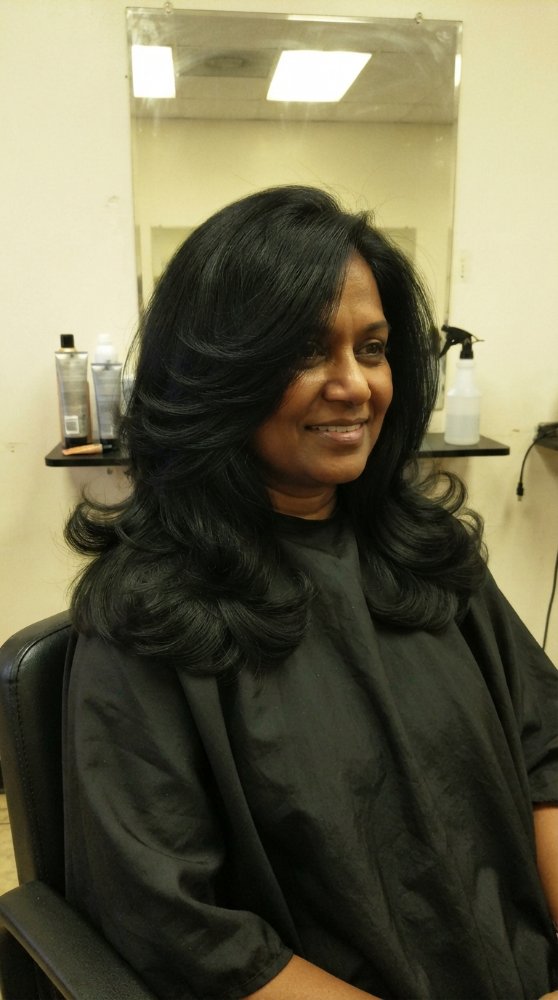
Layer discussions often focus on movement at the top, but the lower edge determines much of the haircut’s overall character.
A strong perimeter leaves more hair reaching the longest point. Visually, the ends appear fuller and the haircut carries more weight around the shoulders or collarbone. This is especially useful when you like a substantial-looking bottom edge, frequently wear your hair straight, or want enough length for ponytails and other pulled-back styles.
A softer perimeter has more variation in length. The outline looks lighter and individual sections separate more readily when the hair moves. Waves and bends can become easier to see because they aren’t sitting inside one solid mass.
Neither approach requires the entire cut to be blunt or heavily layered. You can keep considerable weight through the bottom while adding movement higher up.
That distinction becomes particularly important with low-density hair. Density refers to the number of strands present, while fine hair describes the diameter of individual strands. A person can have fine strands and plenty of density, or coarse strands with relatively low density. Those situations shouldn’t receive identical layering simply because both are sometimes described as thin hair.
Heavy interior removal can expose more space in hair that already has low density. Keeping more weight near the perimeter can make healthy ends appear more substantial, although a haircut can’t create actual density.
Layer Height Changes More Than the Reference Photo Suggests
The first major choice after overall length is where the shortest meaningful layer sits.
Long layers keep the haircut calmer
Long layers remove some bulk and introduce movement without greatly changing the outer shape. The shortest sections remain relatively close to the overall length, so the haircut still reads as medium-length hair first and a layered cut second.
This is one of the safer directions when you want versatility. Long layers are easier to incorporate into ponytails, buns, half-up styles, and smooth blowouts because there are fewer short sections to manage.
They also tend to grow out with less obvious disruption. As the cut gets longer, the difference between the layers gradually becomes less noticeable.
For straight or gently wavy hair that becomes triangular or heavy toward the bottom, long layers can release enough interior weight to improve movement while preserving the perimeter.
Mid-level layers create clearer separation
Bring the shortest layers higher and the haircut becomes more visibly layered. Sections begin moving independently rather than falling together as one curtain of hair.
This works particularly well when the aim is an airy blowout, more obvious wave definition, or movement around the shoulders. It can also remove excess weight from dense hair that tends to collapse at the roots and spread outward farther down.
The haircut becomes more dependent on how the layers are connected. Poorly blended transitions can create ledges or make one part of the cut look detached from another.
Short upper layers create lift but demand commitment
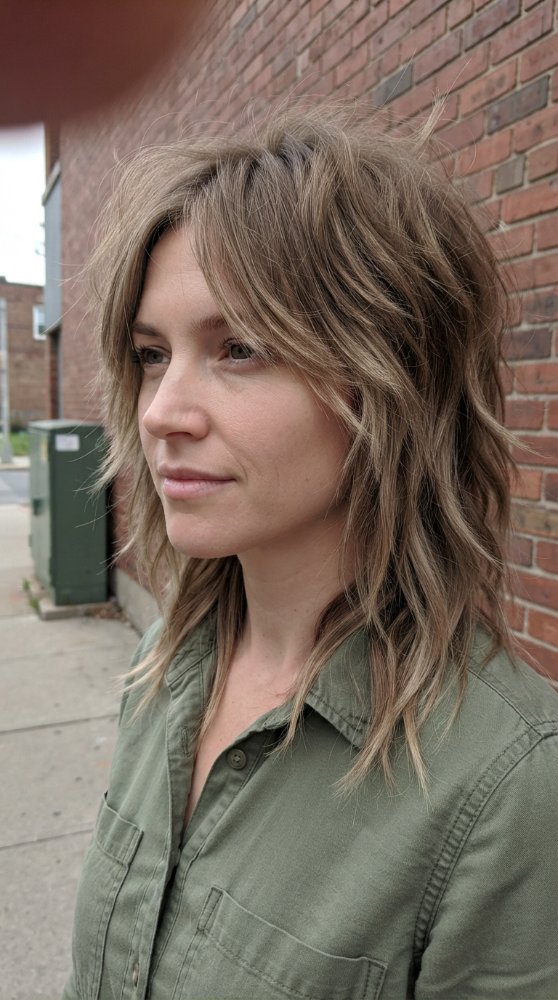
Layers around the upper head can produce more expansion and movement through the crown. On curly or wavy hair, they may help release texture that was being stretched by length.
They’re also the option most likely to look substantially different from one styling state to another.
A smooth blowout may show obvious cascading layers. The same haircut air-dried could appear rounder, shorter, or much fuller. On straight hair, short layers can need more intentional styling to achieve the sweeping movement shown in highly finished reference images.
Choose this direction because you want visible layering, not simply because the front view of a photograph looks voluminous.
Face-Framing Layers Should Have a Specific Job
Face framing doesn’t have to mean cutting everything around the face dramatically shorter.
The useful question is where you want the eye to land.
A longer front section that starts around the lower jaw or below can open the front of the haircut without creating a major length difference. It blends naturally into medium-length hair and usually retains considerable styling flexibility.
Bring those pieces higher and they become a stronger feature. Layers near the cheeks can create a more noticeable sweep away from the face during a blowout. Curly pieces may fall closer to the cheek area or spring higher depending on the curl pattern and shrinkage.
Shorter pieces around the front also affect everyday routines. They can fall loose from a ponytail, move around glasses, or require separate styling when the rest of the hair is pulled back.
That may be exactly what you want. Some people like loose framing pieces because they prevent tied hair from looking severe. Others would rather have the front sections reach the elastic without pins.
Avoid treating face shape as a strict formula where one layer placement is correct for every round, square, heart-shaped, or oval face. Consider what you actually want to emphasize, along with your glasses, fringe, neckline, parting preference, and normal styling state.
Bring a reference image for the front and another for the back when possible. A photograph that beautifully shows face framing may reveal almost nothing about how heavily the rest of the hair has been layered.
Texture Determines How the Layers Reveal Themselves
The same cutting idea behaves differently on straight, wavy, curly, and coily hair.
Straight hair shows the cutting lines clearly
On straight hair, differences in length tend to be easy to see. Strong layering produces visible steps of movement, especially after a smooth blow-dry or styling that curves the ends.
This makes blending important. Extremely subtle layers can disappear visually unless the ends are styled, while aggressive removal can create a thin-looking lower section when too much hair is taken away.
Straight medium-length hair with a naturally heavy shape often benefits from strategic movement rather than maximum layering.
Wavy hair can gain definition as weight is released
Medium-length wavy hair frequently sits at an interesting point: enough length to stretch some bends downward, but short enough that weight removal can noticeably change the pattern.
Layers can help waves form at different heights instead of collecting mainly toward the ends. A cut with moderate layering may therefore look fuller through the middle even though some weight has been removed.
Air-drying behavior deserves more attention than a styled photograph. Hair that looks softly layered after brushing and blow-drying may separate into much stronger bends once allowed to dry in its natural pattern.
Curly and coily hair requires shrinkage awareness
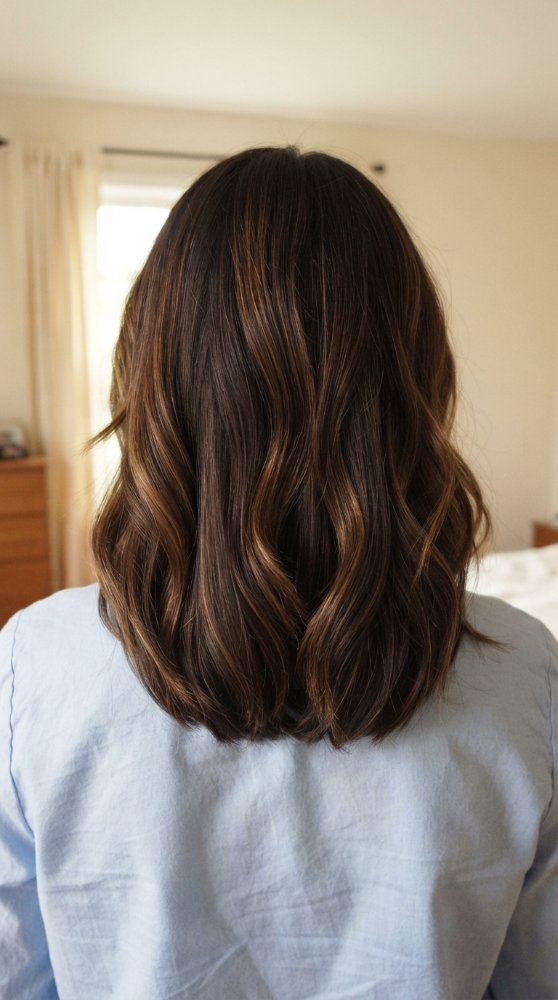
Removing length also removes weight. Curls and coils may spring higher once they have less hair pulling them downward, so the visual gap between layers can become larger than it appeared during cutting.
The finished shape should be assessed in the state you normally wear. Curly and coily hair may be cut wet, dry, or with a combined approach depending on the haircut, technique, and stylist. The method matters less than whether the person cutting it understands the intended worn shape.
A rounded medium-length layered cut can distribute fullness beautifully through curly hair. Longer layering gives a more elongated result. More pronounced upper layers create additional expansion and can emphasize curl groupings around the crown.
Shrinkage isn’t consistent across every part of the head, either. Different sections may contract differently, making a technically even arrangement of lengths look visually uneven once dry.
Density and Strand Size Should Influence How Much Hair Is Removed
Layering changes weight distribution. It doesn’t add hair.
That sounds simple, but it’s one of the most important distinctions to make before requesting a highly feathered or heavily textured medium cut.
Dense hair may feel bulky when much of its weight sits at one level. Thoughtful layering can distribute that bulk and let the haircut move more freely. On straight or wavy dense hair, interior weight may also be adjusted so the surface doesn’t expand excessively while the ends collapse inward.
The stronger choice usually isn’t to remove as much hair as possible. Enough weight needs to remain for the layers to sit together.
Fine strands need a different discussion. Fine describes the diameter of each strand, and fine hair can still be dense. In that situation, moderate layering can work very well because there is enough overall hair to support movement.
Low-density hair requires more restraint when fullness through the perimeter is the priority. Too many short pieces can leave fewer strands reaching the bottom, making the ends appear more transparent.
Hair with breakage also deserves separate consideration. Broken lengths scattered through the hair can resemble layering from a distance, but cutting additional short layers doesn’t address the underlying breakage. A stylist can assess whether shaping the perimeter, adjusting the target length, or working around fragile sections produces a stronger result.
Sudden shedding or a concerning change in density is different again. That falls outside ordinary haircut planning and may warrant a conversation with a dermatologist or another qualified healthcare professional.
Think About Your Normal Styling State Before Choosing Dramatic Layers
A layered haircut shouldn’t depend on a styling routine you rarely perform.
This is where many reference images become misleading. Layered medium-length hair is frequently photographed after a round-brush blowout, curling tool styling, smoothing, stretching, or careful curl definition. Those techniques exaggerate separation and make each layer easy to see.
Your daily version may behave differently.
Hair worn mostly straight tends to display the cutting structure clearly, so highly graduated layers remain visible even without much styling. A little bend at the ends can make them more pronounced.
Waves need enough space to form. Brushing them smooth may temporarily hide some layering, while air-drying can reveal it again.
Naturally worn curls and coils can transform the haircut’s proportions through shrinkage. Someone who alternates between a shrunken curly state and stretched styling should discuss both. A front layer that lands around the jaw while stretched may sit much higher when coiled.
Heat styling isn’t a requirement for layered hair. A haircut can be planned around air-dried waves, curls, coils, roller sets, stretched hair, or smooth styling. The important part is aligning the cut with the state you use most often.
People who alternate frequently between textures may prefer connected, moderate layering over an extreme structure. It gives the haircut enough movement to look deliberate in several states without demanding that one finish be recreated every morning.
What Mid-Length Layers Are Like in Everyday Life
Medium hair is often described as easy because it avoids the extremes of very short and very long lengths. Layers can improve that versatility, but they introduce their own small practical details.
Shorter front pieces may escape ponytails. That matters for workouts, cooking, work routines, or anyone who regularly wants every strand secured away from the face. Bobby pins, clips, or a headband can handle them, though a slightly longer face frame is easier if frequent tying back is a priority.
The shoulder area creates another hidden factor. Hair ending around the shoulders can flip where it meets coat collars, jacket shoulders, scarves, or high necklines. Layers around that same area may exaggerate the movement. Moving the perimeter slightly above or below the point of repeated contact can sometimes give a more predictable shape.
Sleeping can also change how pronounced the layers look the next morning. Waves and curls may flatten differently at the shorter sections. A smooth pillowcase or bonnet can reduce friction and tangling, although the haircut still needs whatever refreshing method suits your texture.
Layered hair doesn’t demand one fixed washing or styling schedule. Scalp comfort, buildup, activity level, texture, and the products you use all influence that routine.
The grow-out is usually forgiving—until one layer becomes the dominant line
Long, blended layers generally become less noticeable as they grow. More dramatic upper layers can go through a stage where they feel neither short enough to create obvious lift nor long enough to merge into the bottom.
Face-framing pieces show grow-out differently because they’re isolated near the front. You may notice them losing their intended placement before the overall haircut feels noticeably longer.
That makes layered mid-length hair more salon-dependent when the architecture is dramatic. A subtle cut can evolve quietly for longer. A strongly tiered cut relies more heavily on keeping the intended proportions.
Salon Planning: Describe the Shape, Not Just the Word “Layers”
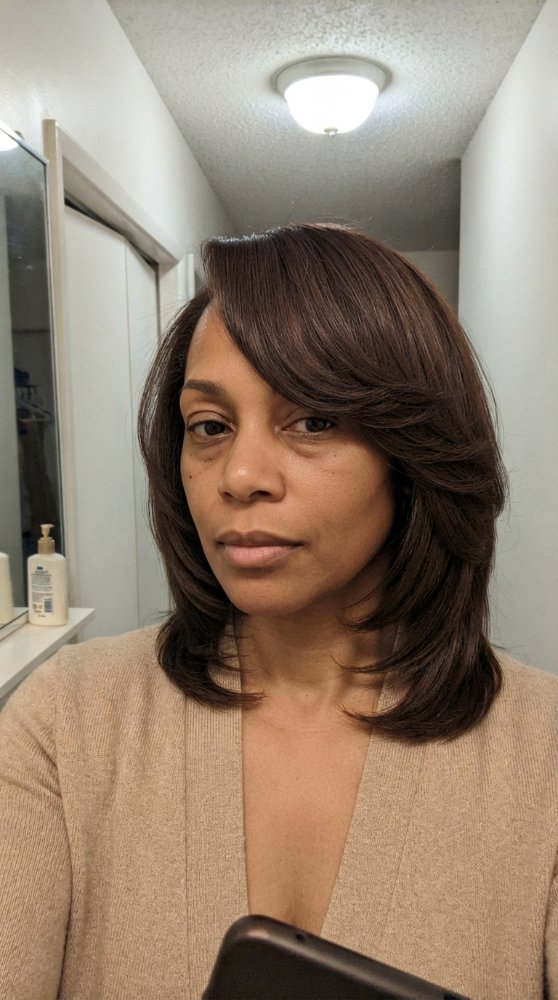
Asking for layers is only the beginning of the consultation.
Bring photographs, but use them to identify specific features rather than expecting one image to function as a complete blueprint. Look at where the shortest visible layers begin, how dense the bottom edge appears, whether the crown is full, and what is happening around the face.
Then explain how you actually wear your hair.
A useful consultation can cover:
Your preferred finished length and how much length you’re willing to lose
Whether you want a substantial or lighter-looking perimeter
Where you want the shortest noticeable layer
How much movement you want through the crown
Whether front pieces need to fit into a ponytail
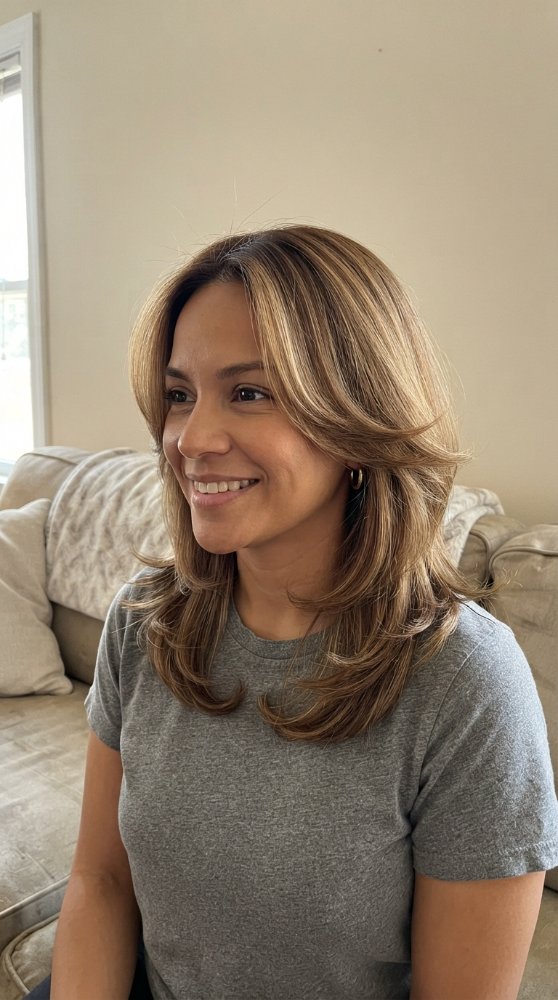
Your usual natural, stretched, curly, straight, or otherwise styled state
Areas of low density, breakage, or previous chemical processing that affect the plan
With curly or coily hair, showing the stylist how the hair behaves fully dry can be particularly useful even when part of the cutting process occurs in another state.
Ask to discuss weight removal separately from visible layering. They aren’t identical. A haircut can have obvious surface layers while retaining considerable density underneath, or it can have more subtle-looking lengths with significant interior weight removed.
Also pay attention to the back of your reference image. Dramatic front framing sometimes accompanies a much more heavily layered rear shape than the front-facing photograph suggests.
For many people unsure how far to go, moderate connected layers are the practical default. They create movement without committing the entire haircut to short crown pieces or an extremely light perimeter. More dramatic layering is worth choosing when that visible separation is one of the main reasons you want the cut.
Keeping the Shape Working Between Haircuts
Layered hair usually looks its best when the ends move as intended instead of collapsing into one undefined mass. That doesn’t require elaborate daily styling.
Start with the way your own texture behaves.
Straight hair may need little more than directional drying or a slight curve through the ends to reveal the layering. Wavy hair often benefits from keeping its natural grouping intact rather than repeatedly brushing it apart after drying. Curly and coily hair may need refreshing where shorter sections flatten or lose definition faster than the longer layers.
Product weight can also change the visible result. Very heavy application may pull down fine strands or softer waves, while insufficient hold can allow some textures to lose definition. Choose product types according to your hair’s behavior and the finish you’re trying to maintain rather than following a universal layered-hair routine.
As the cut grows, watch the relationship between the crown, middle, and perimeter. You don’t need to follow an arbitrary trim interval. Reshaping becomes useful when the features you chose the haircut for—movement, face framing, crown lift, or a defined perimeter—stop behaving the way you want.
Before automatically cutting the layers shorter again, decide whether you still like the original architecture. Growing some of them longer can create a fuller, calmer shape without sacrificing the entire mid-length cut.
Related Hairstyles to Explore
- Curly Hairstyles For Medium Hair
- Cute Hairstyles For Medium Hair
- Long Layers With Face Framing Pieces
- Hair styles for long hair
FAQs
Does layered mid-length hair make thin hair look thicker?
It depends on what thin means in this situation. Fine strands can respond well to layering when overall density is sufficient. Low-density hair may look less substantial at the bottom when too many strands are cut into short layers. A stronger perimeter with restrained layering is often the better starting point when visible fullness through the ends is the priority.
Can you have mid-length layers without losing much overall length?
Yes. Layers can be created within the existing shape while keeping much of the perimeter length, provided the ends and current haircut allow it. Long layers and front framing can change movement noticeably without converting the haircut into a much shorter style.
Are layers a good choice for naturally curly hair?
They can be excellent for curly and coily hair because weight distribution strongly affects shape. Layer placement needs to account for curl grouping, shrinkage, density, and the state in which you usually wear your hair. Removing weight higher up can create more expansion, while longer layers keep the shape more elongated.
What should I do if I want layers but wear a ponytail often?
Keep functional length in mind, particularly around the temples and front hairline. Longer face-framing pieces and moderate layers are easier to gather than short cheek-level pieces or heavily cropped crown layers. Show your stylist where you normally position your ponytail so the haircut can be planned around that routine.
Hair Texture & Upkeep Style Matcher
Select your natural hair texture and daily maintenance window to get an instant styling formula and heat safety cap.
Heat Cap: 320°F (160°C)
A versatile three-strand braid beginning at the parietal ridge, securing the top half while allowing natural wave texture to flow freely around the shoulders.
Conclusion
Mid-length hair with layers works best when the layering has a clear purpose. Decide whether you want fuller ends, stronger crown movement, more visible waves or curls, or framing around the face before deciding how short the layers should become.
For the widest styling flexibility, keep the perimeter substantial and begin with moderate, connected layering. Push the layers higher only when extra separation and volume are worth the additional styling and grow-out considerations.
At your consultation, don’t stop at asking for medium-length layers. Show the shape you like, explain how you normally wear your hair, and identify the one feature you most want the haircut to change. That gives the stylist far more useful direction than the word “layers” alone.
Editorial Standards & Hair Health Guidance
Every style featured on Tress Atlas is curated with a focus on real-world wearability, scalp tension management, and cuticle preservation. When trying protective styles or tight updos, ensure perimeter hairline sections remain tension-free to avoid traction stress on delicate follicles. For heat styling, cap tools below 350°F (180°C) to prevent thermal keratin denaturation.
Scientific Sourcing: Practices aligned with the American Academy of Dermatology (AAD) on traction alopecia risk reduction and cosmetic trichology research on hair tensile strength.