Curly Hair Inspo Hairstyles Worth Choosing: Complete Styling Guide for the Way They Actually Wear
Curly hair inspiration photos can make two very different styles look almost interchangeable. Both may show glossy definition and plenty of volume, yet one depends on a carefully shaped haircut while the other gets most of its effect from stretching, setting, pinning, or deliberate curl separation.
That distinction matters once you leave the photograph. Shrinkage changes where a bob lands. Dense curls can hide internal layering. A high ponytail concentrates hair at one anchor point. Long layers that look airy immediately after styling may settle differently once humidity, sleep, and wash day enter the picture.
The strongest curly hair inspo starts with the result you want in ordinary life: a haircut that falls into shape with minimal rearranging, an updo that gets the lengths off your neck, a defined style that changes your curl pattern temporarily, or a dramatic silhouette worth a little more styling work.
Short Curly Cuts Where the Haircut Does Most of the Work
Rounded Curly Pixie
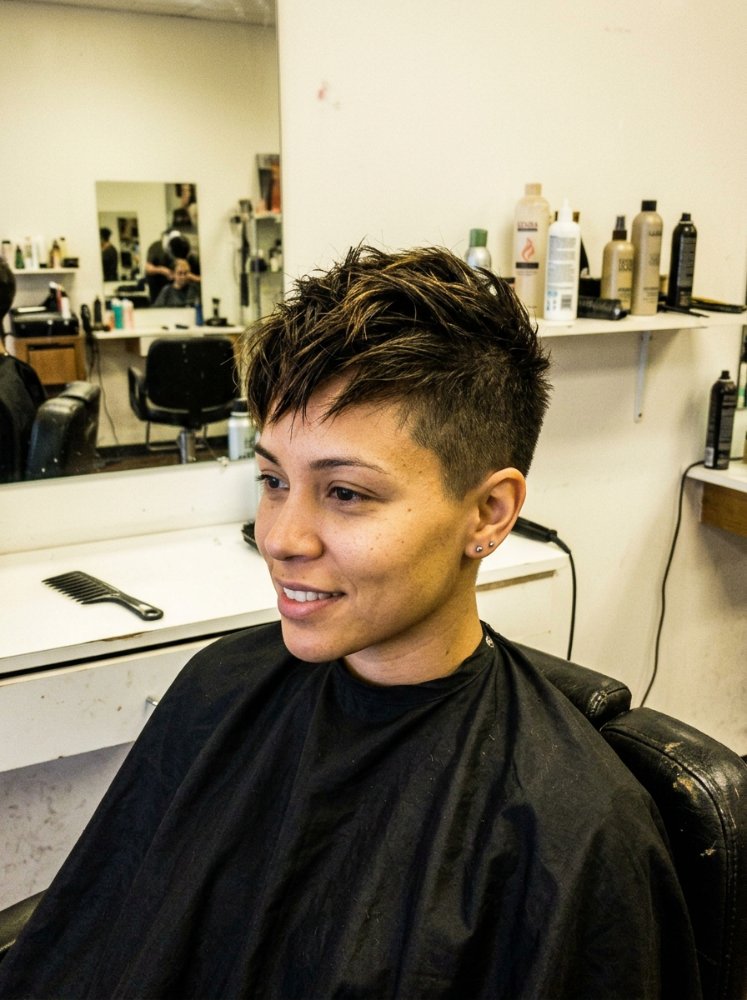
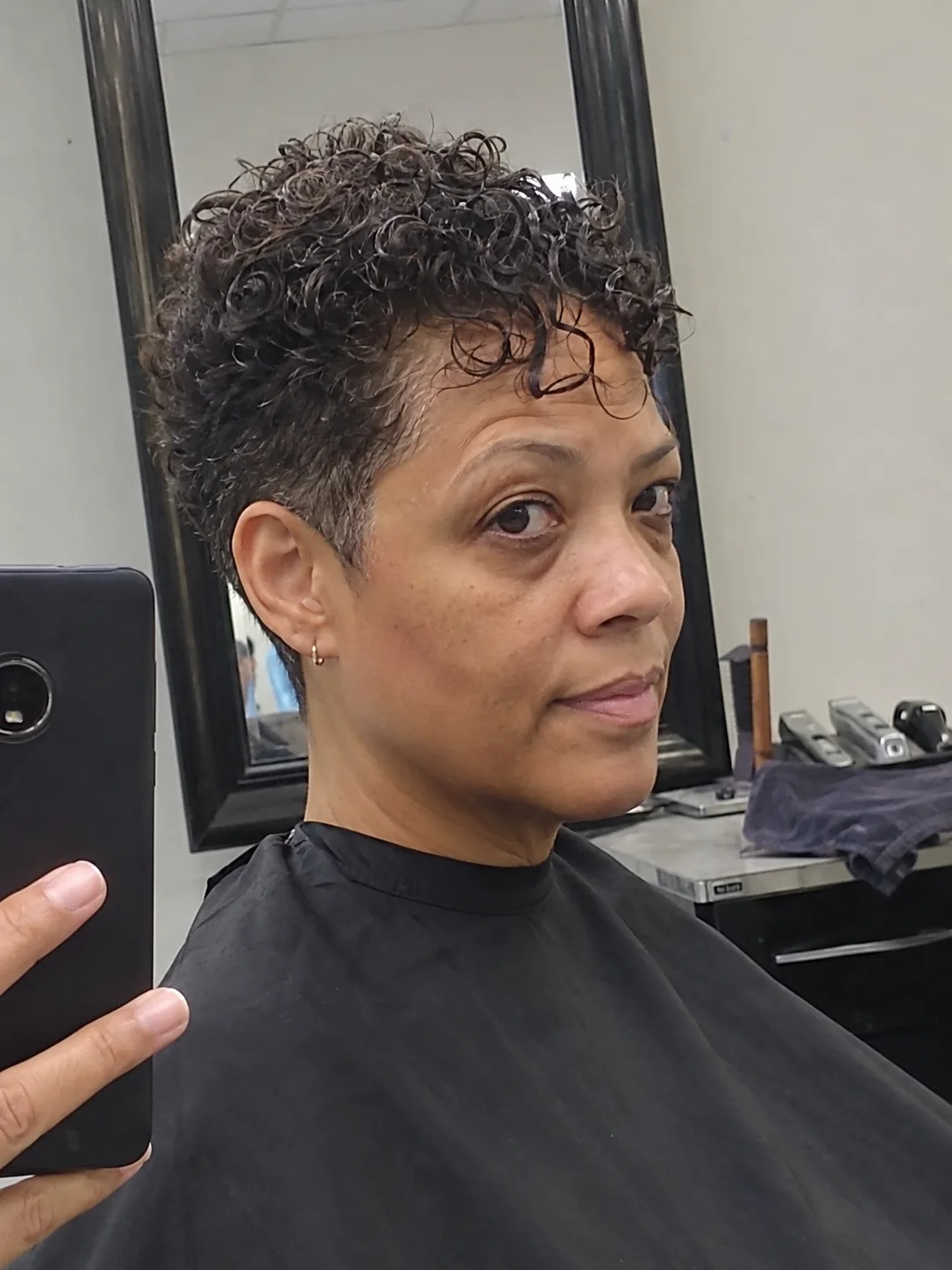
A rounded pixie keeps the overall outline soft instead of carving the hair into a very narrow crop. Curl volume stays concentrated across the crown and upper sides, while the perimeter remains short enough to expose the ears, cheek area, and neckline. It works particularly well when you want your natural curl grouping to remain visible rather than brushing or pressing everything into a sleek pixie finish. The real commitment is shape maintenance: a short curly cut can lose its outline while it still feels objectively short.
Tapered Curly Crop
The tapered crop creates stronger contrast. The nape and sides sit closer to the head, leaving more curl length through the top. That makes the upper texture the obvious feature and reduces the amount of hair competing around glasses, collars, or the sides of the face.
Density changes this look considerably. A dense top can create a dramatic vertical or rounded shape, while lower-density hair may benefit from keeping more substance through selected areas instead of removing too much interior weight. Ask for the cut to be evaluated in the curl state you actually plan to wear most often.
Curly Bixie
Somewhere between a bob and a pixie, the curly bixie is useful when a very short crop feels too exposed but a conventional bob feels heavier than you want. The back can sit relatively compact while longer curls around the crown and front create movement.
Shrinkage deserves attention here. A front section that looks jaw-length when stretched may spring substantially higher once fully dry. The finished dry position is more useful than the apparent length of a wet curl.
The bixie is also less forgiving during grow-out than a simple long layered cut. Different areas begin changing the outline at different speeds, so choose it because you like the cropped shape—not because it appears to be a maintenance-free version of a bob.
Chin-Length Curly Bob
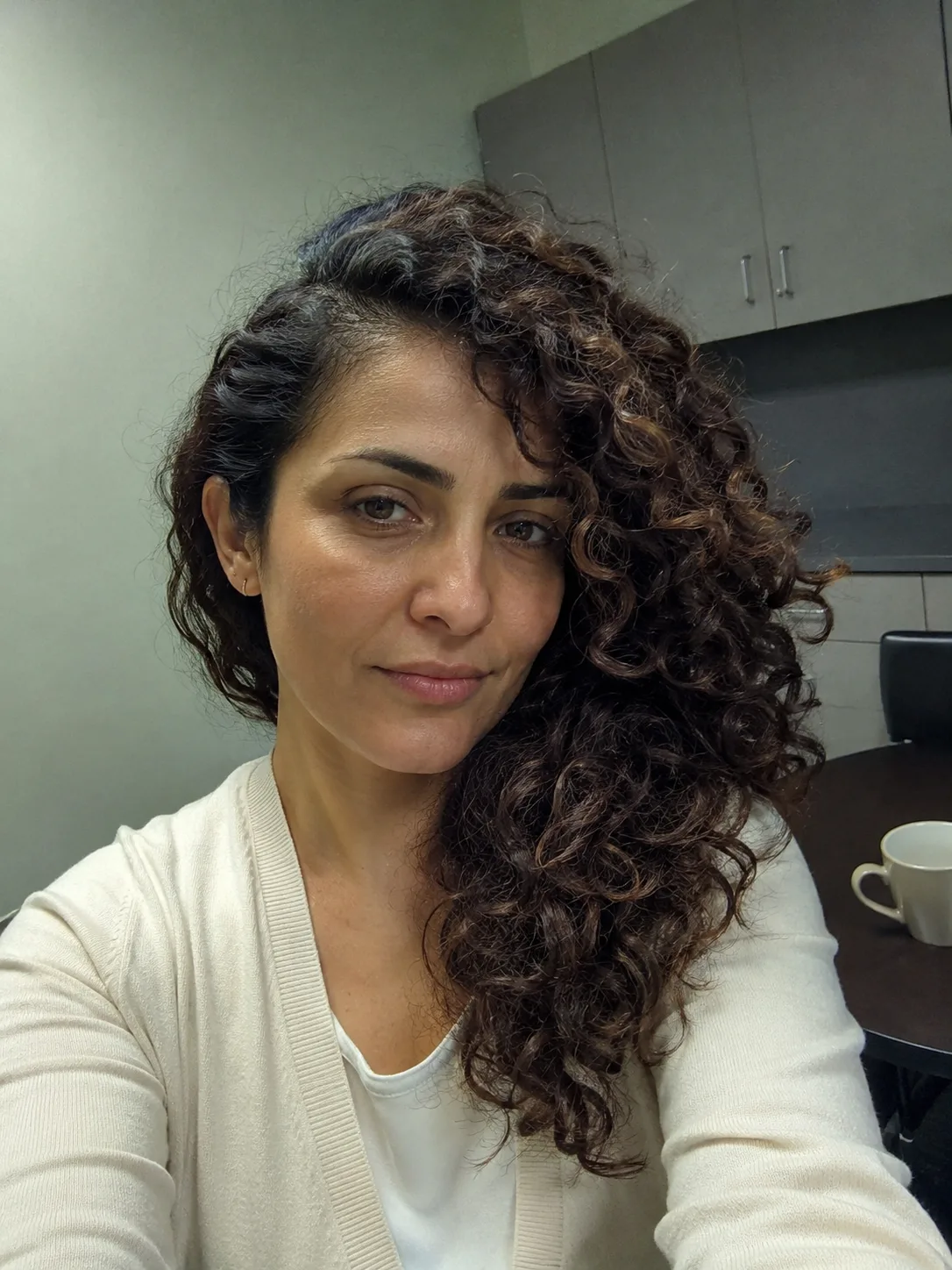
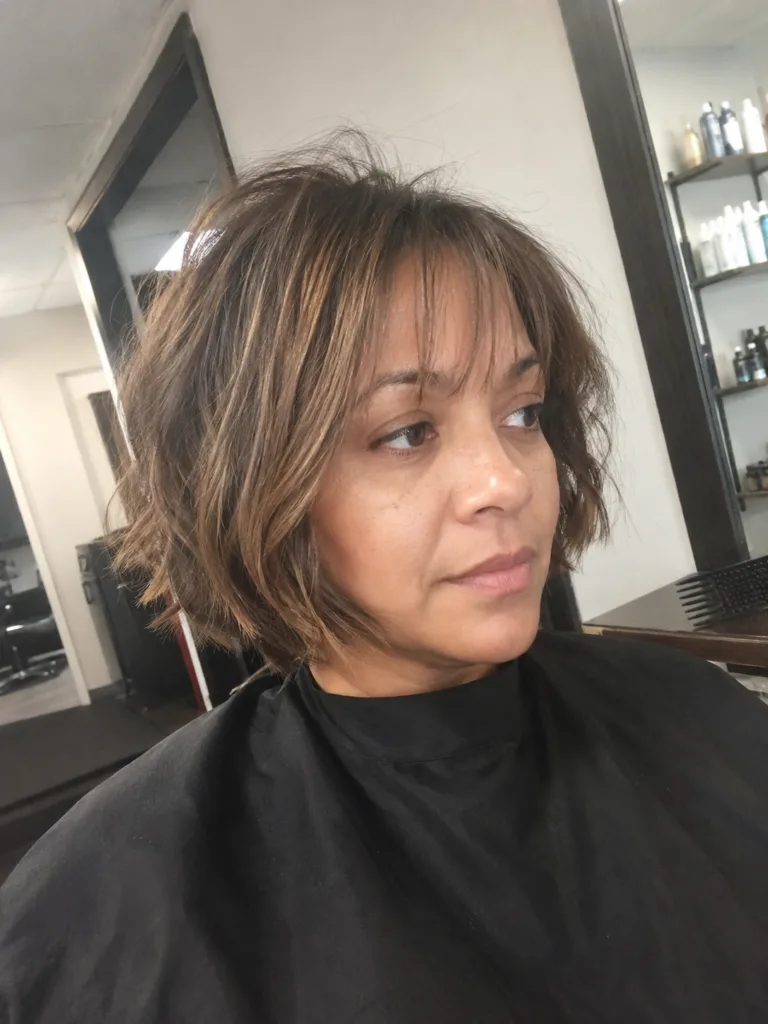
A chin-length bob places most of its visual emphasis around the jaw and lower face. The strongest versions preserve enough perimeter weight to make the bottom edge readable while allowing the curls above it to move. Very heavy graduation can turn that clear bob line into a rounder layered shape. Curl-by-curl shrinkage may also make the hemline look less geometrically even than it would on straight hair, which is often part of the appeal.
Curly Shag With Fringe
The curly shag is built around movement through the crown and upper lengths. Shorter layers encourage lift, while longer pieces keep the cut from becoming uniformly round. A curly fringe can connect naturally into those layers; it doesn’t need to be straightened to qualify as bangs.
This is one of the stronger choices for someone who actively wants separation and an airy outline. It is less useful when the priority is a dense-looking bottom edge. Fine strands and low density are separate concerns here: fine curls can still be abundant, while genuinely low-density hair may reveal more scalp when the interior is cut too aggressively.
Curly Mullet
A curly mullet creates deliberate front-to-back contrast. The sides and front are comparatively compact, while noticeable length stays through the back. Curls soften the geometry, but the difference between the shorter upper shape and longer tail should still be visible.
This cut earns its place when you want something more directional than a shag. Making every section equally blended can erase the feature that makes a mullet recognizable in the first place.
Grow-out changes the balance quickly. The side sections may begin looking fuller before the back feels meaningfully longer, and coat collars can push the extended nape outward. Bring reference photos showing both the front and side view so the intended length distribution is clear.
Medium and Long Curly Hair Inspo Built Around Shape
Collarbone Curly Lob
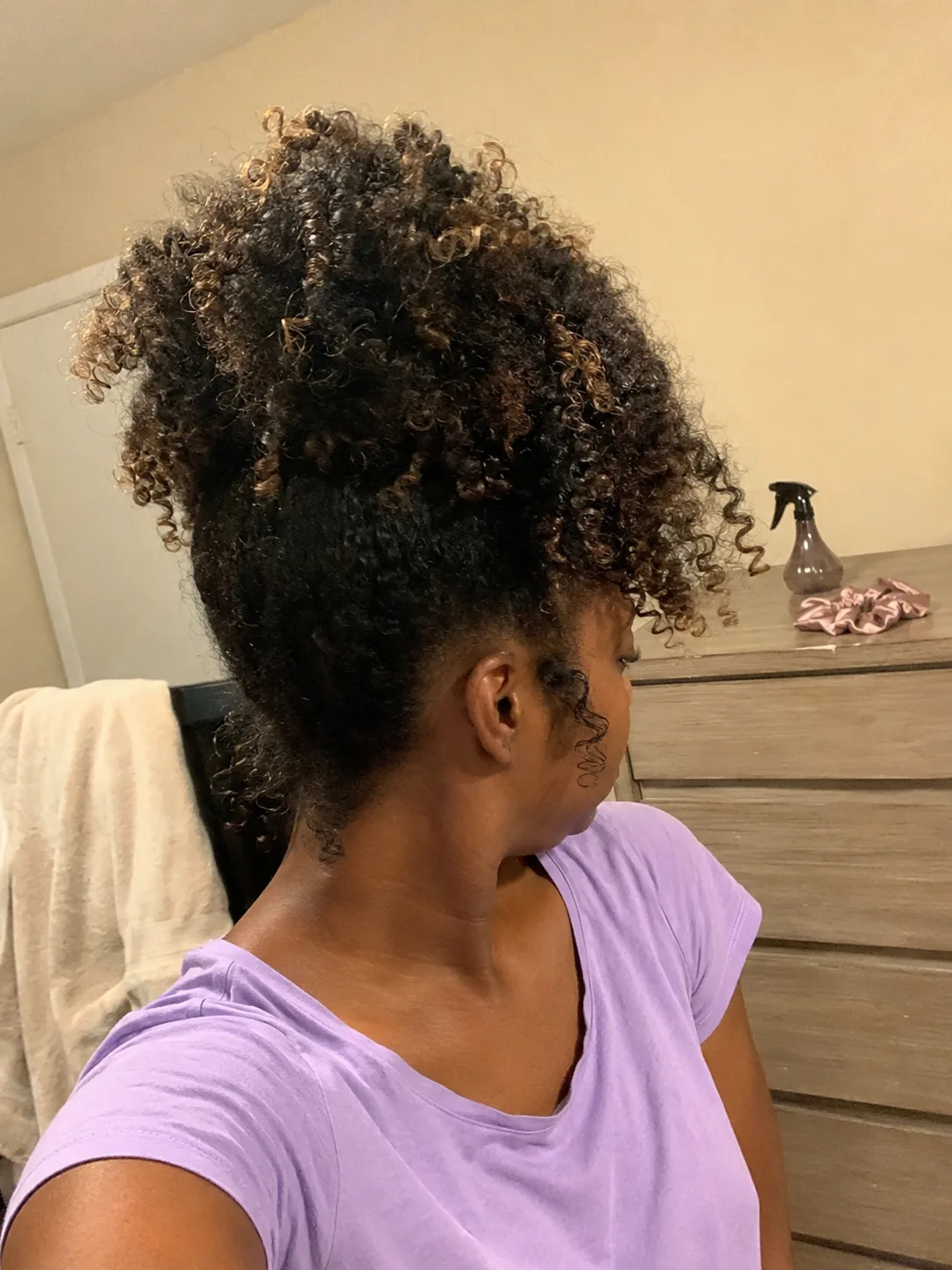
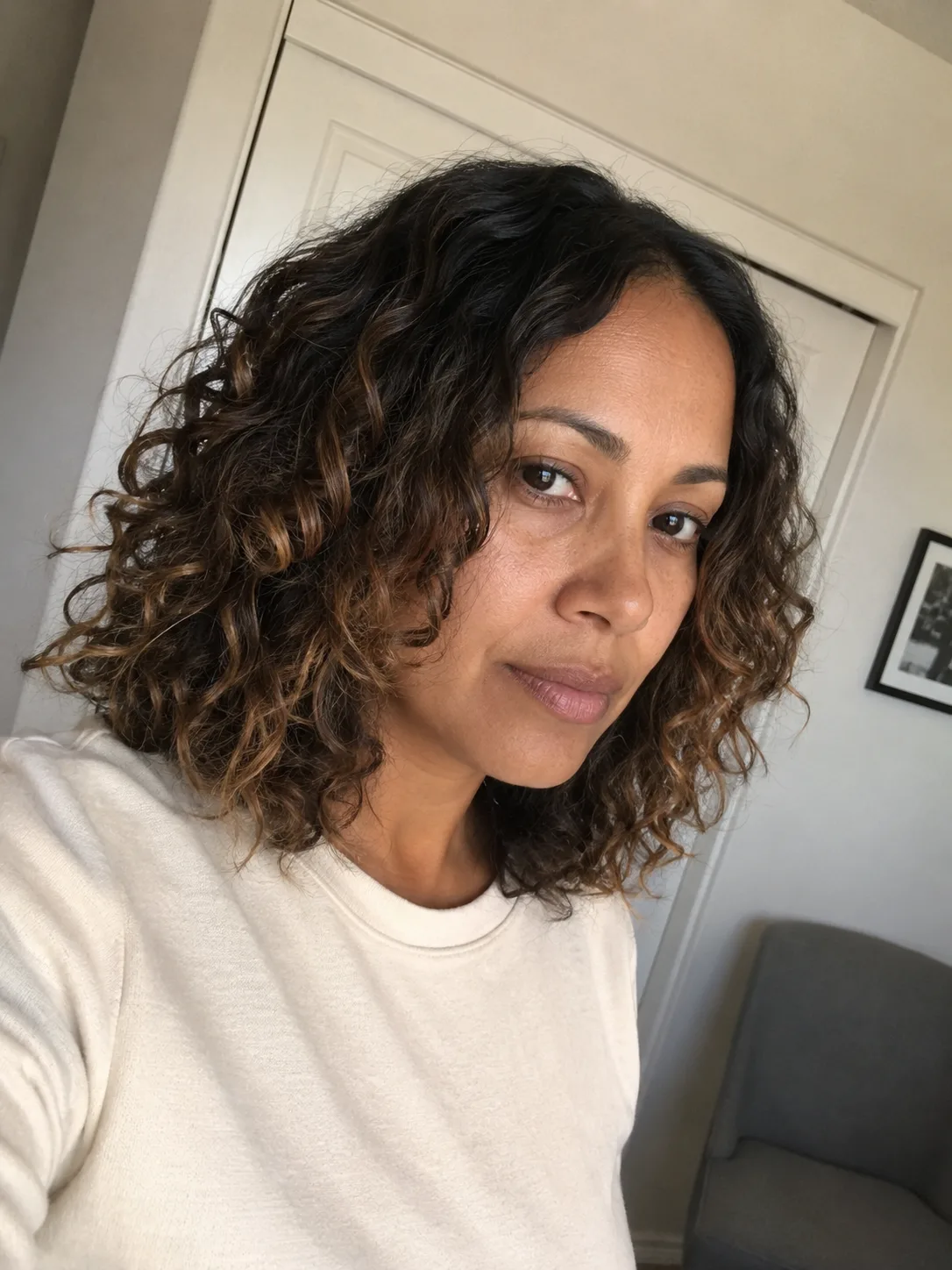
A curly lob gives you a defined medium-length outline without committing to the compactness of a chin bob. Around collarbone length, curls can still gather into a ponytail more easily while the perimeter remains a visible part of the haircut. The collar itself can affect the result: curls resting directly against clothing may flip, compress, or bunch differently from a studio photograph. This length is a practical middle ground for someone who wants a noticeable cut without giving up much styling flexibility.
Shoulder-Length Curls With Soft Layers
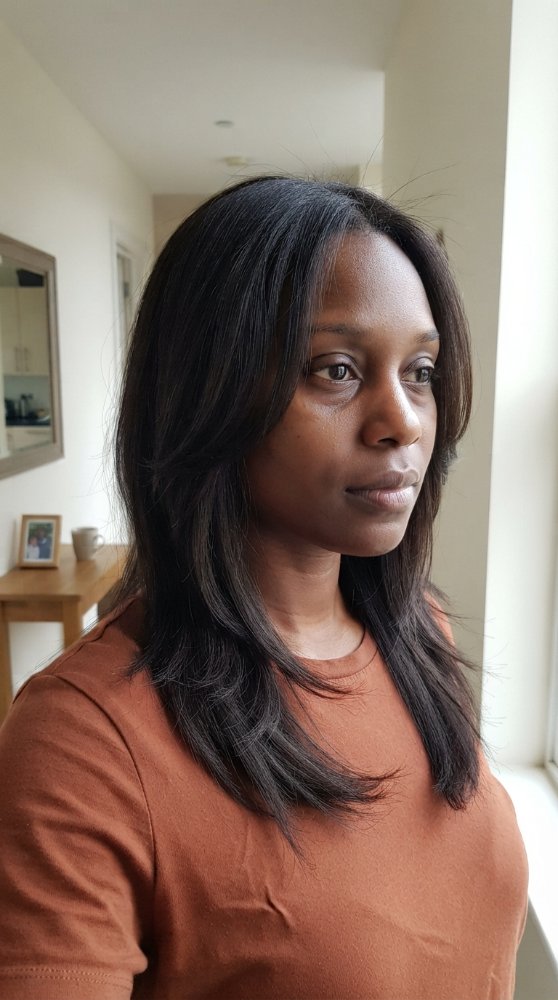
Shoulder length is often easier to reshape than a short bob and lighter-feeling than very long curls. Soft layering keeps the hair from forming one dense block, yet it preserves enough length for buns, ponytails, and half-up styles.
The word soft matters. Large differences between the shortest and longest layers produce a more dramatic silhouette. Smaller differences keep the perimeter fuller. A useful consultation starts with how much crown lift you actually want rather than simply asking for “curly layers.”
Long Rounded Layers
Long rounded layers distribute volume around the head instead of leaving most of it at the ends. The outer outline becomes broader through the middle, which can make abundant curls look especially full without requiring a short haircut.
The hidden variable is shrinkage. Curl groups can contract by different amounts, so a perfectly symmetrical shape while the hair is stretched may look more organic once it returns to its normal state.
This style is worth the layered cutting when you regularly wear your curls loose. Someone who keeps the hair stretched, braided, or tied back most days may get less benefit from intricate curl-specific shaping. The haircut should make sense in the state that occupies most of your actual week.
U-Shaped Long Curly Cut
A U-shaped perimeter keeps the center back longer while gradually shortening toward the sides. Compared with a strongly layered round cut, it preserves more uninterrupted length and gives the back view a clear, gentle curve. This is an underrated choice for long curls when you want movement without sacrificing the impression of length. Transparent or fragile ends need a different discussion, however; preserving length at all costs won’t make a weak perimeter look fuller.
Pulled-Back Curly Styles for Volume, Height, and Convenience
Curly Puff
The puff gathers the base while leaving the curls themselves expanded, making it one of the simplest ways to turn natural volume into the main feature. Placement changes the effect considerably: a higher base lifts the entire shape, while a lower one creates more width through the back.
Avoid forcing every short perimeter hair into the anchor. A puff looks finished without excessive pulling at the hairline, and leaving small curls free can reduce unnecessary tension. A soft band or appropriately secure elastic should hold the style without producing pain or stinging.
High Curly Ponytail
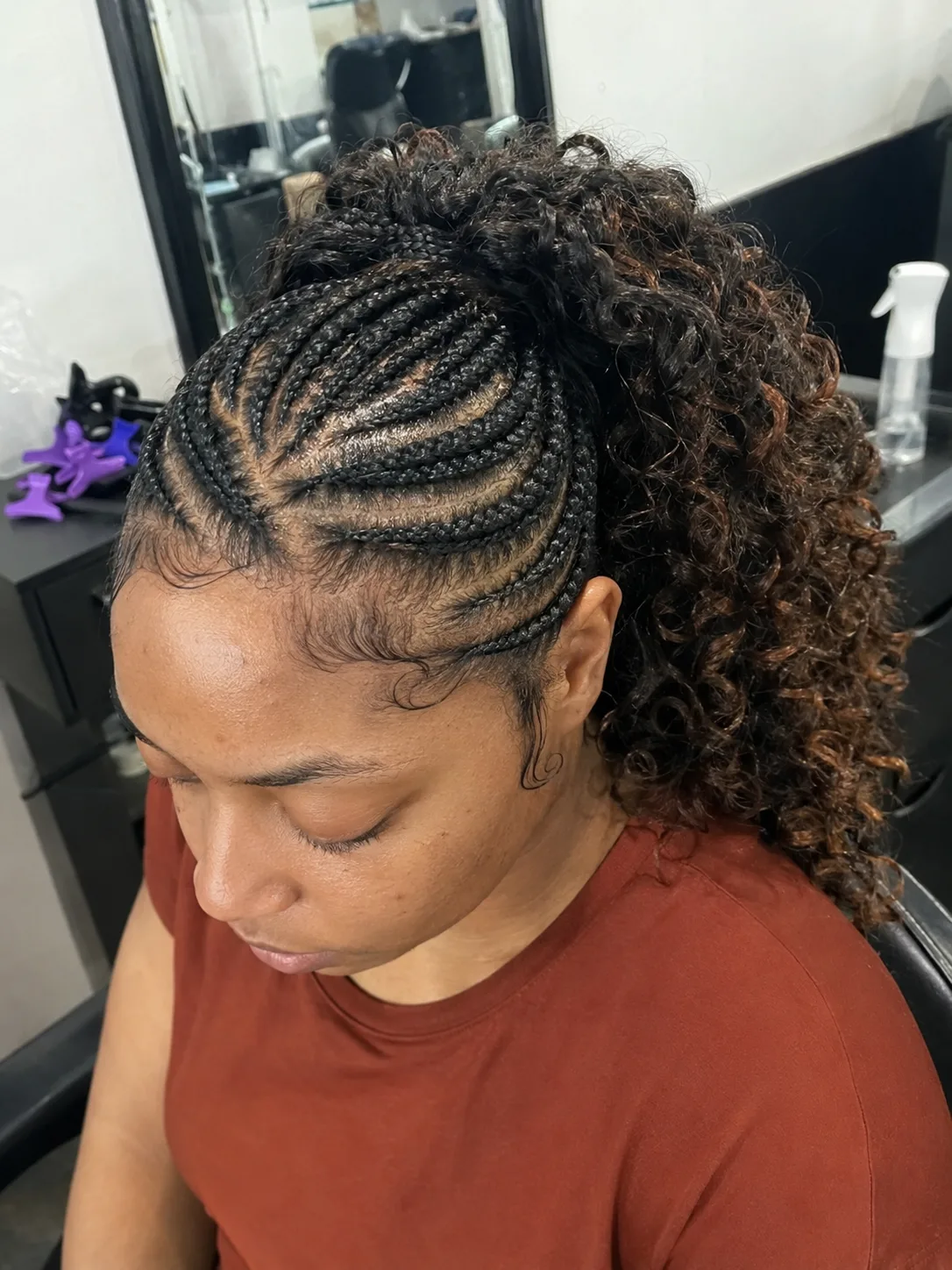
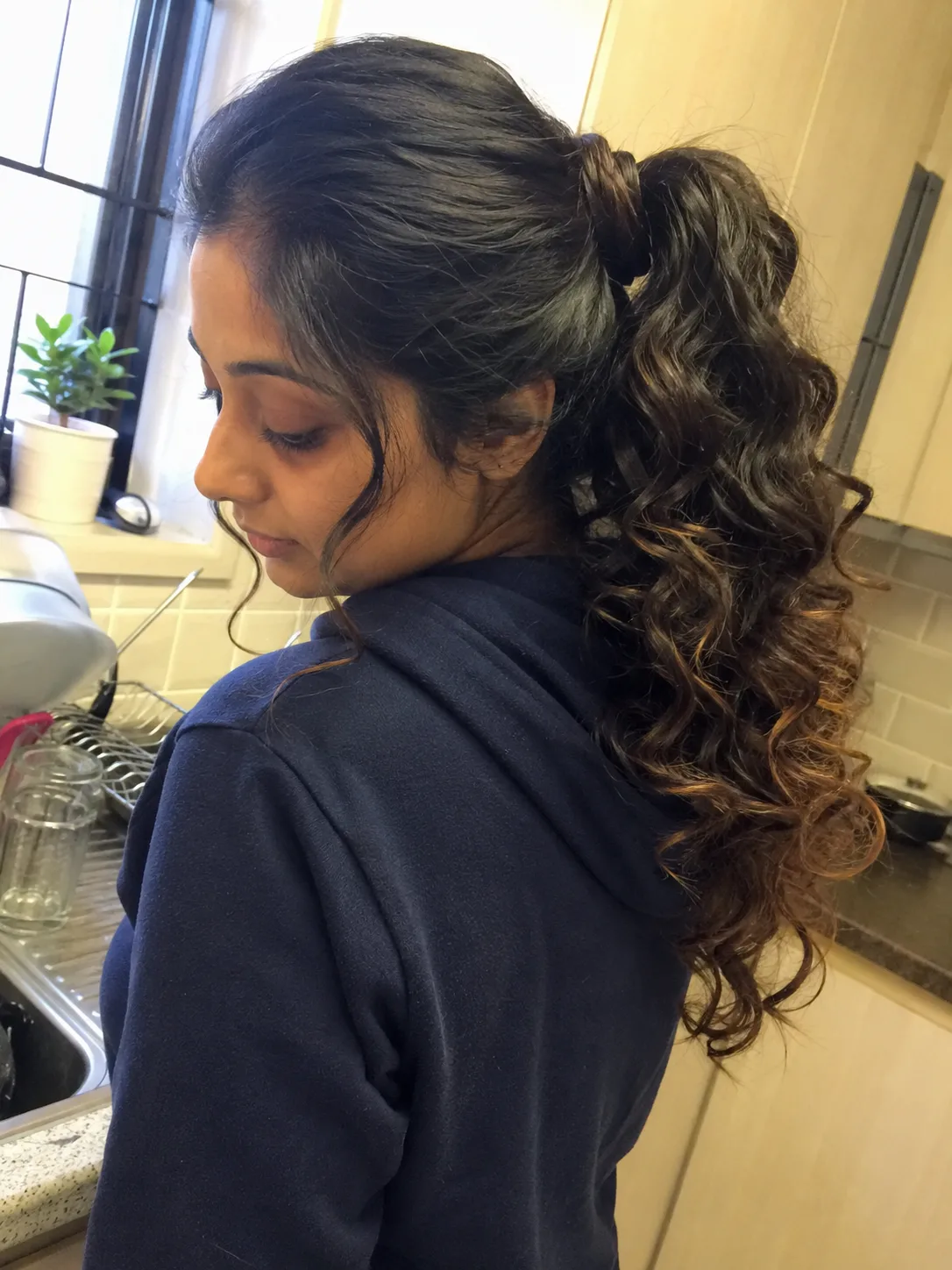
A high ponytail gives long curls a completely different silhouette without changing the haircut. The tail falls from the crown rather than the nape, so the curls appear more elevated and often more compact from the front. It’s a strong option for showing off length while clearing the shoulders, although very long or dense hair creates more movement at the base as you walk, exercise, or turn your head.
Low Curly Ponytail
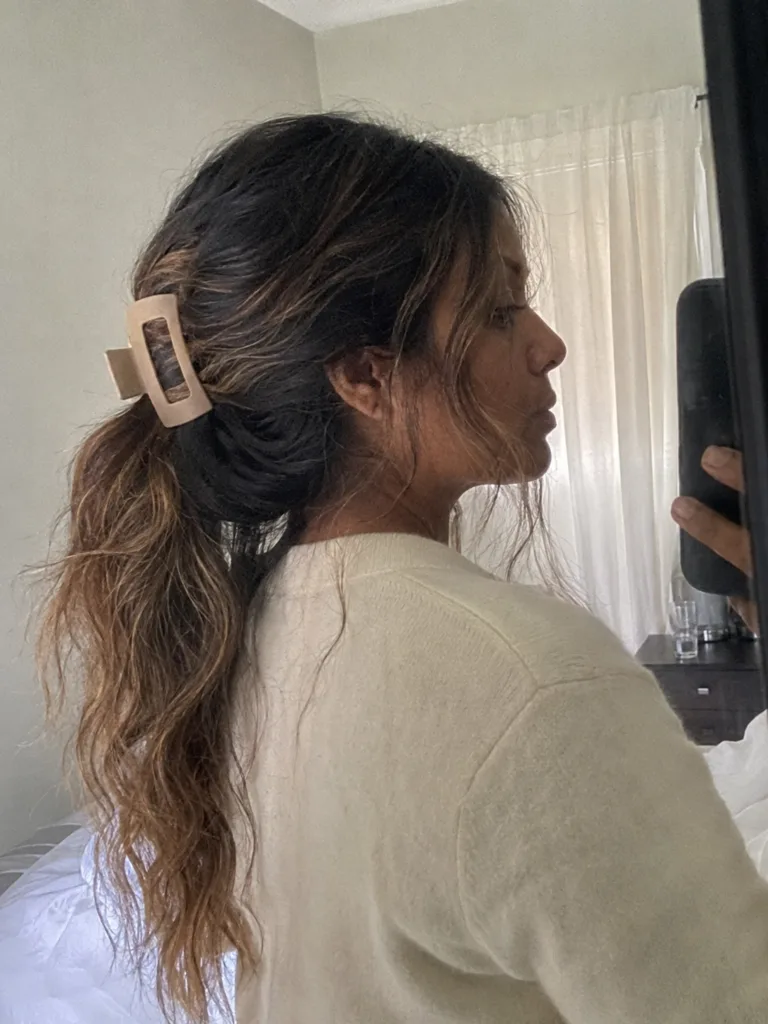
A low ponytail is the quieter alternative. It keeps the anchor near the nape, allows crown volume to remain softer, and tends to interfere less with the overall shape of the curl pattern around the upper head.
It also behaves differently in real life. A low tail sits against jacket collars, scarves, and high-backed seats more readily than a high one. Loose curls can rub against clothing through the day.
For a more substantial-looking tail, resist the urge to brush every curl flat before securing it. Keeping some natural expansion through the ponytail preserves the texture that makes the style visually interesting. The front can stay sleek, softly gathered, or deliberately curly depending on the contrast you want.
Half-Up Curly Ponytail
Half-up styling solves a common problem: you can clear curls from the eyes and temples without giving up the width and length of wearing the rest down. The upper section provides height, while the lower curls continue to frame the shoulders and back.
Section size controls the balance. Taking too much hair upward can leave the lower portion looking unexpectedly thin, particularly in lower-density hair. A smaller crown section gives the style lift while keeping more fullness underneath.
Curly Frohawk

Pinned or gathered sides create the long central ridge that defines a curly frohawk. Unlike a traditional mohawk haircut, the side length can remain intact; the temporary construction provides the contrast. This makes it especially useful for curls and coils with enough body to hold visible height through the center. Bobby pins, small secured sections, or flat twists can form the sides, depending on the hair and desired finish.
Low Curly Bun
A low bun is the practical choice when you want the hair contained without concentrating everything high on the crown. Curly texture gives the bun natural dimension, so it doesn’t need to be compressed into a perfectly smooth knot.
The shape can be tucked and pinned, loosely coiled, or built from a ponytail base. Keep the anchor comfortable and consider where the bun lands before a long drive, flight, or event with a high-backed chair. A bun placed directly against a headrest becomes noticeable very quickly.
Braids and Twists That Keep the Curls Visible
Braided Crown With Loose Curls
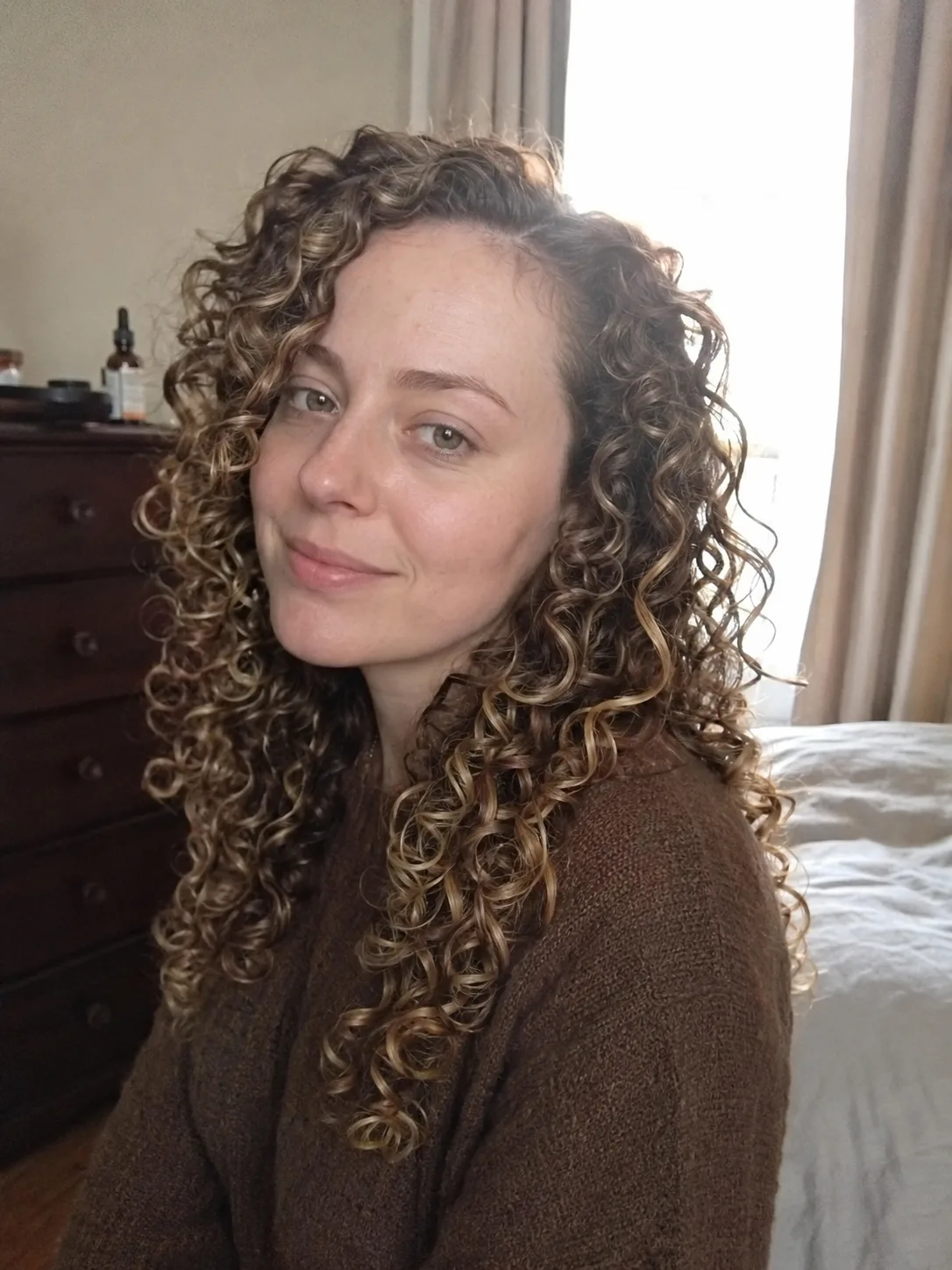
A braid running across the crown or around part of the head creates structure without hiding the majority of the curl pattern. It works particularly well when you like wearing your hair down but want a more finished frame around the face.
The braid shouldn’t need extreme tightness to stay visible. Section size, curl density, and pin placement can provide enough control while leaving the scalp comfortable.
This style is also useful for occasions involving decorative pins or a veil because the braid creates a defined area for placement. Test the accessory with the completed hairstyle beforehand. A comb or clip can flatten the exact crown volume you were trying to preserve if its position is decided only after styling.
Front Braids With Loose Curly Lengths
Braiding only the front or temple sections creates a clear textural contrast while leaving the bulk of the hair free. The braids can direct hair away from the face and make the loose lengths look even fuller by comparison. This is a better choice than a full braided installation for someone whose main goal is still to showcase their own loose curls. Small sections should remain comfortable, especially around the finer hairs of the hairline.
Flat-Twist Updo With a Curly Top
Flat twists can guide hair upward toward a concentrated section of loose curls at the crown. The result has some of the vertical drama of a frohawk but with a more structured base and fewer loose side sections.
Direction is the defining feature. Twists that travel upward create the visual lift; simply adding a few unrelated twists around an updo doesn’t produce the same effect. The crown curls can remain fluffy, defined, or pinned into a compact cluster.
Because several sections converge toward the upper head, comfort deserves a final check before you leave the style in place. Normal movement shouldn’t produce persistent pulling, soreness, or stinging.
Definition-Focused Styles That Change How the Curl Pattern Reads
Lifted Wash-and-Go
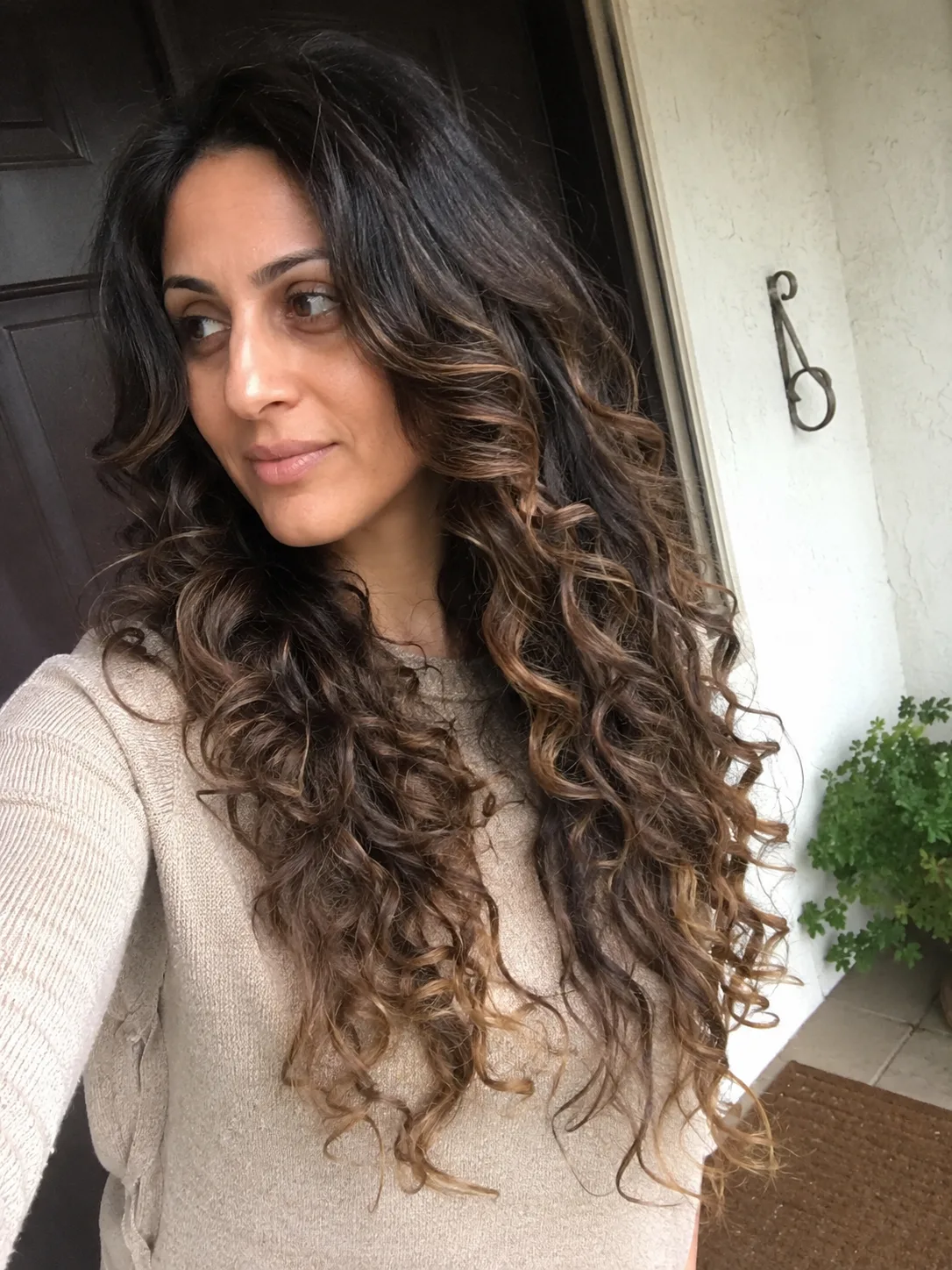
A wash-and-go puts your existing curl or coil pattern at the center of the look. Styling product and drying technique can encourage grouping and reduce unwanted frizz, while root lifting prevents the shape from collapsing tightly against the scalp.
A diffuser can help dry curls with less disruption than vigorous handling, but the finished volume still depends on the haircut, density, strand size, and natural shrinkage. Separating a few dry curl groups can increase fullness; excessive manipulation can turn deliberate separation into fuzzier definition. The strongest wash-and-go isn’t necessarily the one with the most individually perfect curls. The whole shape matters more.
Twist-Out
A twist-out temporarily reorganizes the visible pattern by setting the hair in twists and releasing them once the hair is properly dry. Compared with a wash-and-go, the finished sections can look more elongated and uniform, which is useful when your natural curls shrink unevenly or you simply want a different texture for a few styling cycles. The tradeoff is preparation: sectioning, twisting, drying, and careful separation add work that a simple wash-and-go doesn’t require.
Finger Coils
Finger coils create highly deliberate individual curl groups. Small sections are wrapped around a finger using an appropriate styling product, producing a defined pattern that can read more sculpted than a wash-and-go.
They make the most sense when definition is the priority and you’re willing to spend more hands-on time creating it. On very dense hair, individually forming many coils becomes a substantial styling project.
Unlike a haircut, finger coils don’t permanently change the natural curl pattern. Moisture, cleansing, manipulation, and ordinary wear gradually loosen the set, leaving you free to return to your usual curls or choose a different styling method.
What the Inspiration Photo Usually Doesn’t Show
The picture captures one styling state. Your day includes much more: shrinkage after complete drying, a bonnet or pillowcase at night, humid air, coat collars, exercise, hair ties, wash day, and the point where an initially crisp style begins to soften.
How to Choose From Curly Hair Inspo Without Copying the Wrong Detail
Start by deciding which part of the reference image you actually want. Is it the overall haircut, the amount of crown volume, the compact perimeter, the temporary definition, or simply the way the hair is pulled away from the face? That answer keeps you from requesting one cut while expecting the behavior of another.
Use this checklist before a salon appointment or major styling change:
Identify whether the reference hair is naturally shrunken, stretched, set, or heavily defined.
Compare the shortest visible curl with where you want your own hair to land dry.
Decide whether fullness at the perimeter or lift through the crown matters more.
Consider whether your usual routine supports loose curls, frequent updos, or detailed setting.
Show front, side, and back references whenever the haircut shape is important.
Mention previous chemical or color services when they affect condition and styling.
Discuss areas where density is changing instead of assuming more layering will create fullness.
Check that any gathered, braided, or twisted style stays comfortable during normal movement.
Photos are most useful as a vocabulary tool. They help establish proportion and mood, but your own curl grouping, density, length, and shrinkage determine how that idea translates.
Maintaining Curly Hairstyles Without Fighting the Shape
Maintenance gets easier when the routine supports the specific look.
A curly bob or pixie depends heavily on the outline of the haircut, so reshaping becomes relevant when the perimeter and volume distribution stop sitting as intended. Long layered cuts generally give you more room for growth before the silhouette changes dramatically.
Loose curly styles benefit from reducing unnecessary friction and tangling overnight. A bonnet, scarf, or smooth pillowcase can help preserve curl grouping, though none of those tools repairs existing damage. Refresh only the sections that genuinely need attention instead of repeatedly rebuilding the whole style.
Gathered styles should feel secure without hurting. Persistent pulling, stinging, redness, sores, or broken hairs around a stressed area are reasons to loosen or remove the source of tension. Sudden shedding or a concerning change in density deserves assessment from a dermatologist or another qualified healthcare professional rather than a hairstyle diagnosis.
For twist-outs, coils, and other set styles, complete drying matters because separating damp sections can disturb the pattern. Drying needs vary with density, porosity, section size, climate, and the method used, so a universal time estimate isn’t useful.
Related Hairstyles to Explore
- Curly hairstyles for women over 60
- Curly Hairstyles For Medium Hair
- Baddie Curly Hairstyles
- Curly hairstyles for women over 50
FAQs
Is layered hair always better for curly hair?
No. Layering is useful when you want movement, crown lift, or a rounder distribution of volume. A stronger perimeter can be preferable when the main goal is a substantial-looking lower edge. The amount and placement of layering matter more than simply having layers.
Which curly hairstyle is easiest to grow out?
Medium and long layered cuts usually change more gradually than highly structured short shapes such as a pixie, bixie, or mullet. The easiest option still depends on whether you enjoy wearing intermediate lengths and how strongly the original cut relies on a precise perimeter.
Can low-density curly hair wear a shag?
It can, but the interior removal deserves restraint. Low density means fewer strands overall, so aggressive layering may expose more space between curls. Keeping strategic perimeter weight while creating movement in selected areas can be more useful than copying a heavily layered reference literally.
Do curly bangs have to be straightened?
No. Curly fringe can be cut and worn in its natural curl pattern. Its dry length deserves particular attention because shrinkage can place the fringe considerably higher than the same section appears when wet or stretched.
Are high puffs and ponytails damaging to curly hair?
They can be comfortable styles when the base isn’t excessively tight and the same fragile areas aren’t repeatedly stressed. Pay attention to tension, elastic placement, hairline comfort, and the weight of the gathered hair rather than assuming every high style behaves the same way.
What should I tell a stylist when showing curly hair inspiration photos?
Explain which feature you want copied: the perimeter, crown volume, shortest layer, fringe, overall length, or styling finish. Mention how you normally wear and dry your hair, plus any significant chemical history. A reference showing multiple angles is far more useful for a shape-based haircut than a single front-facing image.
Hair Texture & Upkeep Style Matcher
Select your natural hair texture and daily maintenance window to get an instant styling formula and heat safety cap.
Heat Cap: 320°F (160°C)
A versatile three-strand braid beginning at the parietal ridge, securing the top half while allowing natural wave texture to flow freely around the shoulders.
Conclusion
The most useful curly hair inspo is the style whose construction fits your normal routine. A perfectly defined photo matters less than whether you want a haircut that naturally creates the outline, an updo that changes where the volume sits, or a setting technique that temporarily changes the visible curl pattern.
Choose the physical result first. Then match the cut, styling state, and maintenance to that goal. A curly bob, frohawk, twist-out, and long rounded cut can all look striking, but they ask completely different things from your hair once the photograph is gone.
Editorial Standards & Hair Health Guidance
Every style featured on Tress Atlas is curated with a focus on real-world wearability, scalp tension management, and cuticle preservation. When trying protective styles or tight updos, ensure perimeter hairline sections remain tension-free to avoid traction stress on delicate follicles. For heat styling, cap tools below 350°F (180°C) to prevent thermal keratin denaturation.
Scientific Sourcing: Practices aligned with the American Academy of Dermatology (AAD) on traction alopecia risk reduction and cosmetic trichology research on hair tensile strength.