Wedding Guest Hairstyles: Styling Guide & Cuts That Balance Style and Staying Power
A good wedding guest hairstyle has to do more than photograph well for ten minutes. It needs to work with your neckline, hair texture, venue, weather, accessories, and the amount of maintenance you’re willing to do once the ceremony starts.
That changes which styles are genuinely useful. A loose wave set may look beautiful at an indoor evening wedding but become much more demanding at a humid garden event. A sculpted updo keeps hair away from a high neckline, yet a large bun can become annoying against a car seat or chair back. Extra-long extensions add drama while also adding movement, weight, and more hair to reposition while dancing or eating.
Your normal styling state matters too. Natural curls don’t need to be straightened to look formal, and short hair doesn’t need added length to feel occasion-ready. The strongest choice usually develops what your hair already does well and adds enough structure to survive the event.
Start With the Dress, Venue, and Real-Life Wear
The hairstyle and outfit should share the visual space instead of fighting for it. High necklines, statement earrings, open backs, collars, and shoulder details can all change where the hair looks most balanced.
One more consideration is often missing from inspiration photos: sitting down. Large low buns can press into headrests, long braids get trapped behind shoulders, and dense curls may rub repeatedly against textured dress fabric. Formal doesn’t have to mean complicated.
Updos That Keep the Neckline Clear
Sleek Low Bun
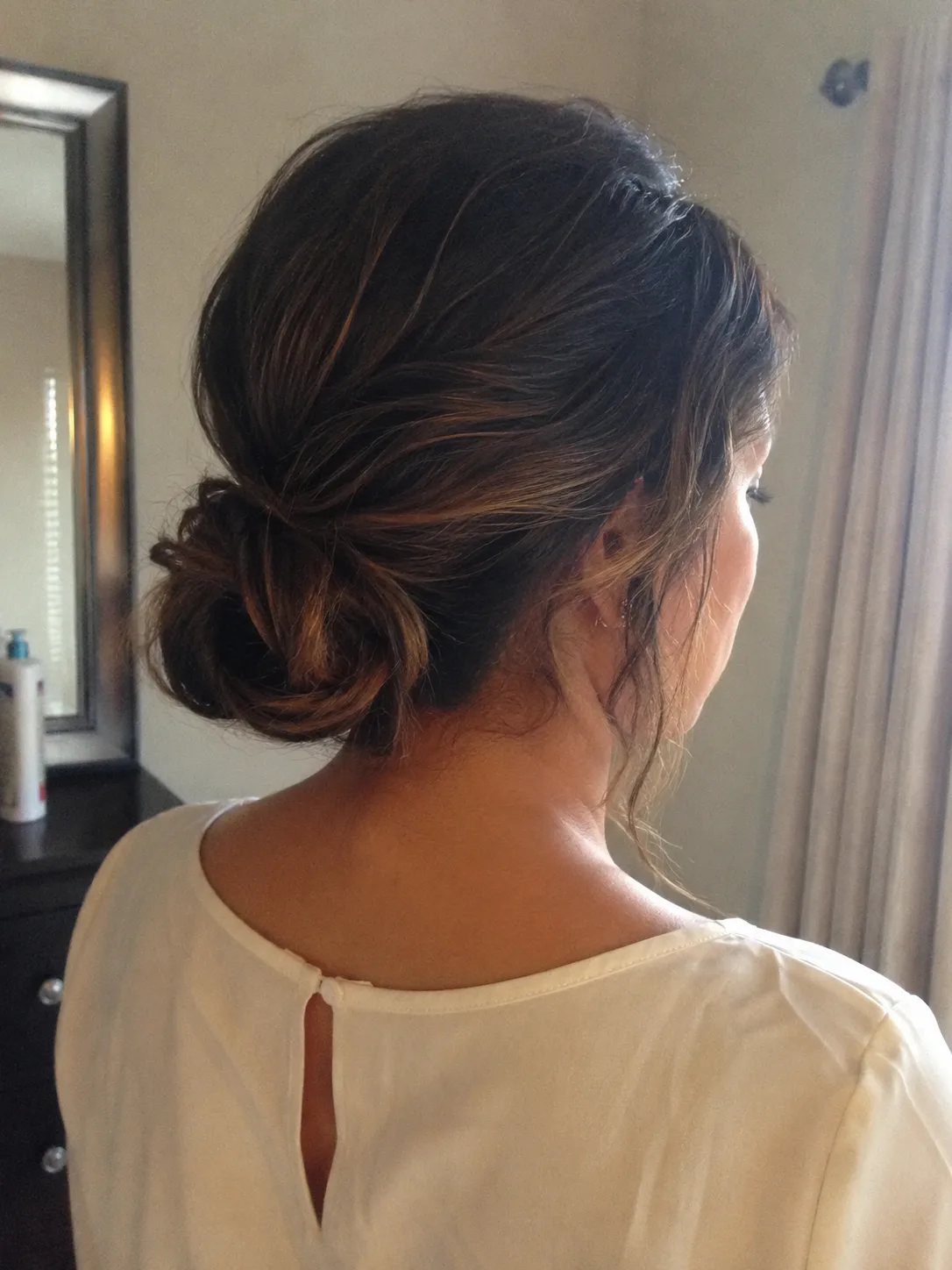
A sleek low bun is one of the strongest wedding guest options when your outfit already carries plenty of detail. Smooth the hair toward the nape and keep the bun compact enough that it doesn’t overwhelm the back of the head. A center part creates a clean, symmetrical finish; a soft side part changes the feature emphasis without altering the construction.
The surface is what makes this style feel formal, so concentrate your effort there. Flyaways can be directed with a brush and an appropriate styling product instead of repeatedly adding more tension. Leave fragile perimeter hairs alone if pulling them into the bun makes the hairline feel strained.
Textured Low Chignon
A textured chignon gives you more softness than a tight bun without requiring the hair to stay loose all evening. Curls, bends, or lightly separated sections can be pinned around a low base so the finished shape looks dimensional from the side and back. It is especially useful with simple dresses because the hairstyle provides visual detail of its own. The looser surface also makes slight movement during the reception less obvious than it would be on a glass-smooth bun.
French Twist
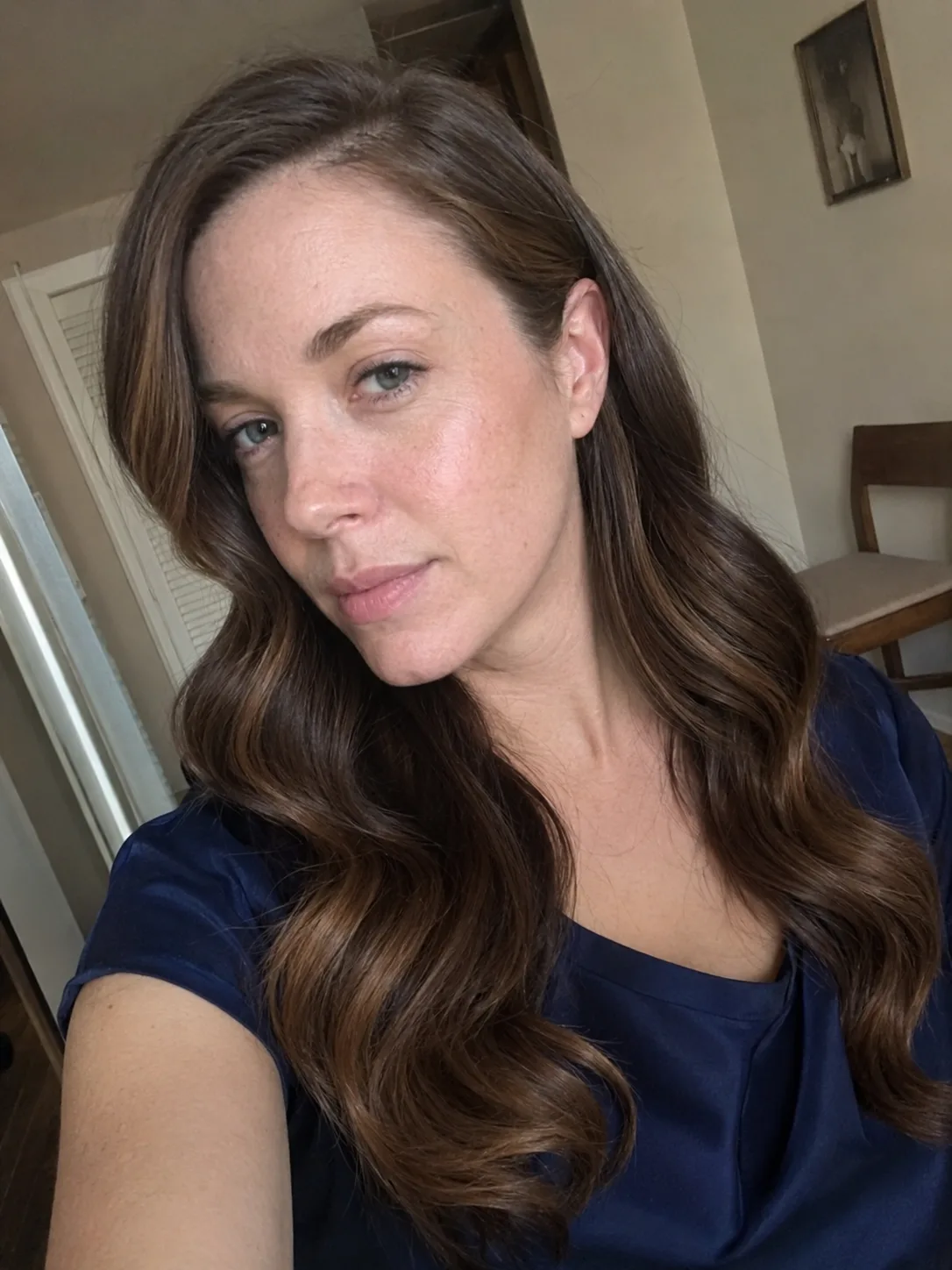
The French twist works particularly well when you want height without building a wide bun at the back of your head. Hair is swept inward and secured vertically, producing a narrow shape that exposes the neck and works beautifully with structured tailoring.
The hidden challenge is pinning. A twist that looks secure from the front can start separating at the center seam once you move around. The interior needs a stable base, with bobby pins supporting the rolled section rather than simply decorating the outer surface.
This is more salon-dependent than a basic bun for anyone who rarely pins their own hair. Practice matters if you’re styling it yourself, especially on very silky hair or heavy lengths that tend to slide.
High Curly Updo
Curls gathered high on the head create drama without requiring a completely smooth finish. Keep the curl pattern visible through the top instead of brushing everything into one dense mass. The result works well with open shoulders, halter necklines, and dresses where you want the hairstyle to lift attention upward.
Placement changes comfort. A very high mound can feel awkward during car travel, while a slightly forward crown placement often keeps the bulk away from the headrest. Curly and coily hair can stay in its natural or stretched state; straightening is unnecessary unless it’s part of the look you actually want.
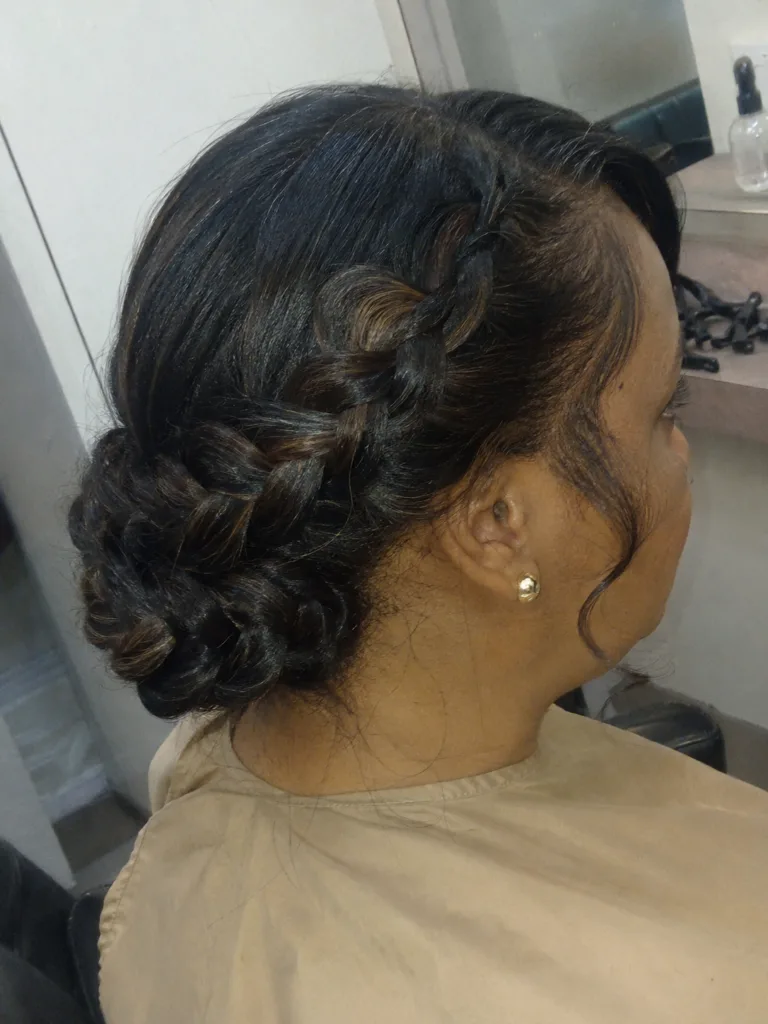
Braided Crown Updo
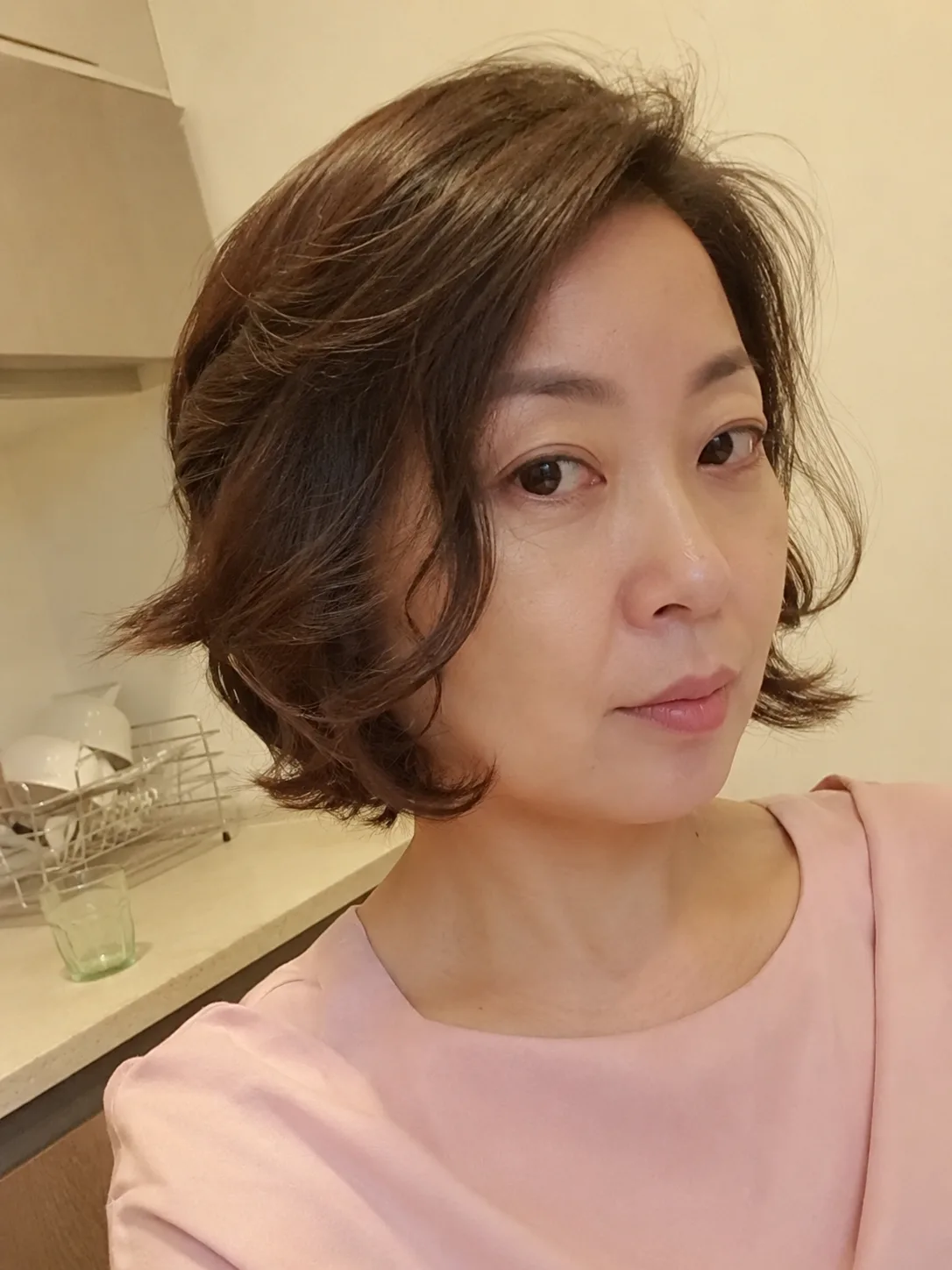
A crown braid moves the detail around the head instead of concentrating everything at the nape. It suits outdoor weddings particularly well because the structure remains readable even after the surface softens slightly. The braid can be created from your own length or through an appropriate added-hair technique, but added hair changes the weight. Keep the construction comfortable at the roots and make sure the scalp remains accessible enough for the length of time you’ll be wearing it.
Side-Swept Low Bun
An asymmetrical bun earns its place when a centered style feels too severe. The hair travels toward one side before being pinned near the lower back corner of the head, creating a clear angle from the opposite temple.
That off-center placement is useful with one-shoulder dresses. Positioning the bun opposite the strongest clothing detail can create visual balance, while placing it on the same side produces a more deliberately concentrated look.
The practical issue is weight distribution. A large side bun can pull differently from a centered one because the hair is travelling farther toward one anchor. A moderate shape is easier to keep stable and comfortable through a long reception.
Half-Up and Loose Hairstyles With More Movement
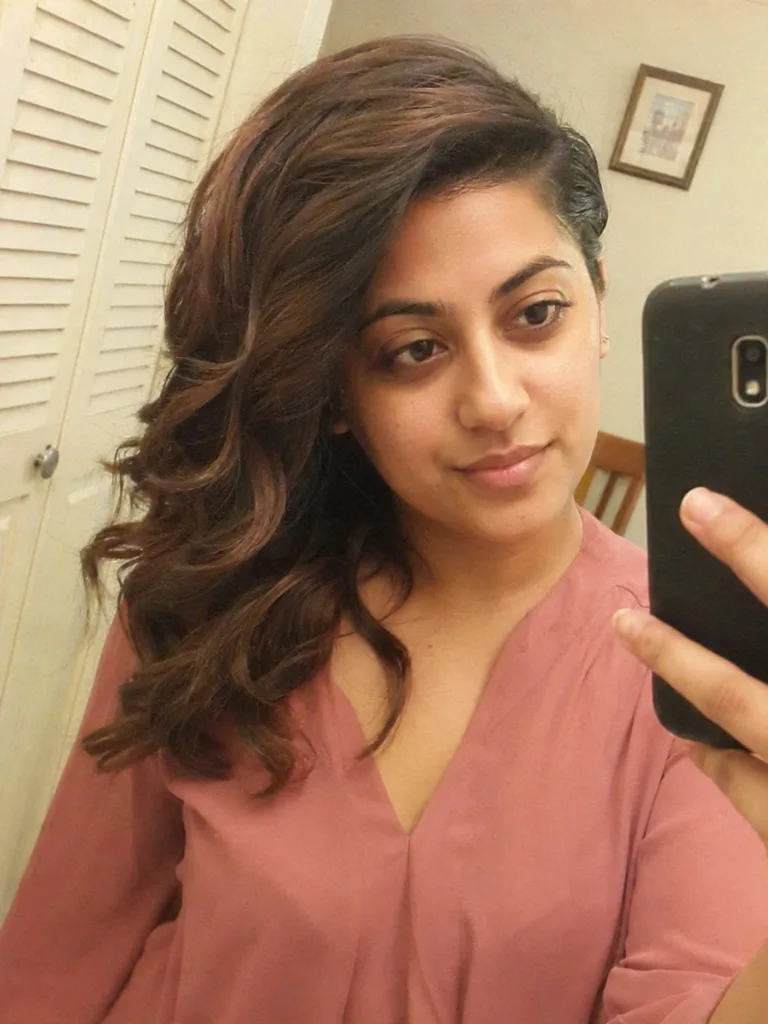
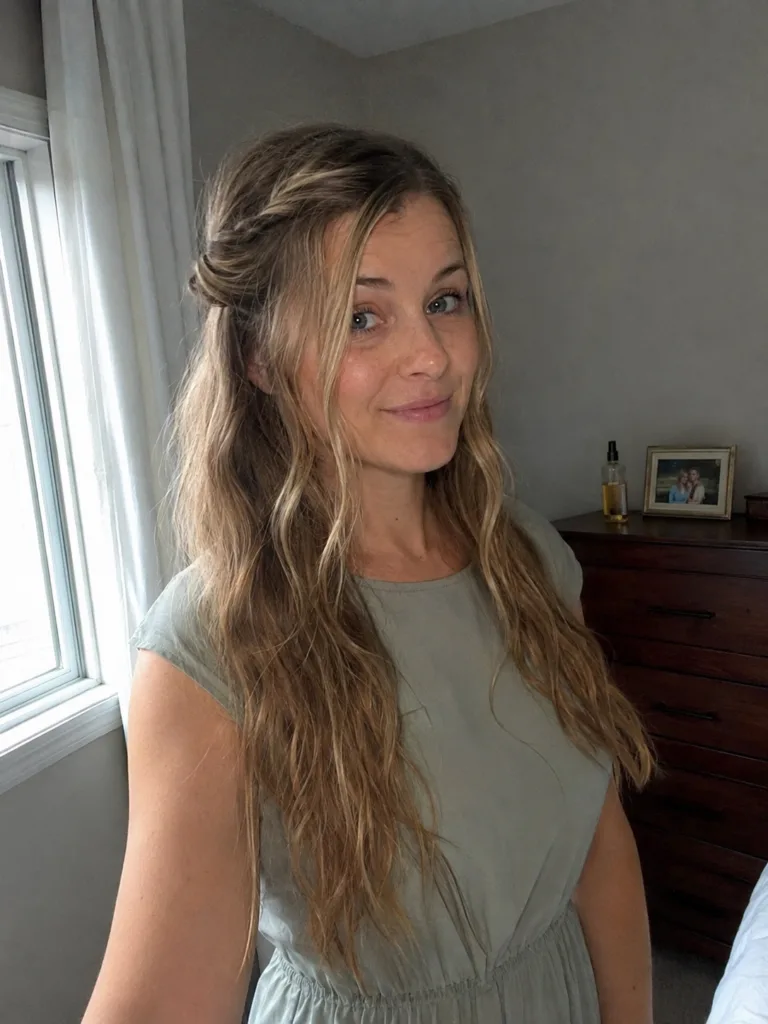
Half-Up Soft Waves
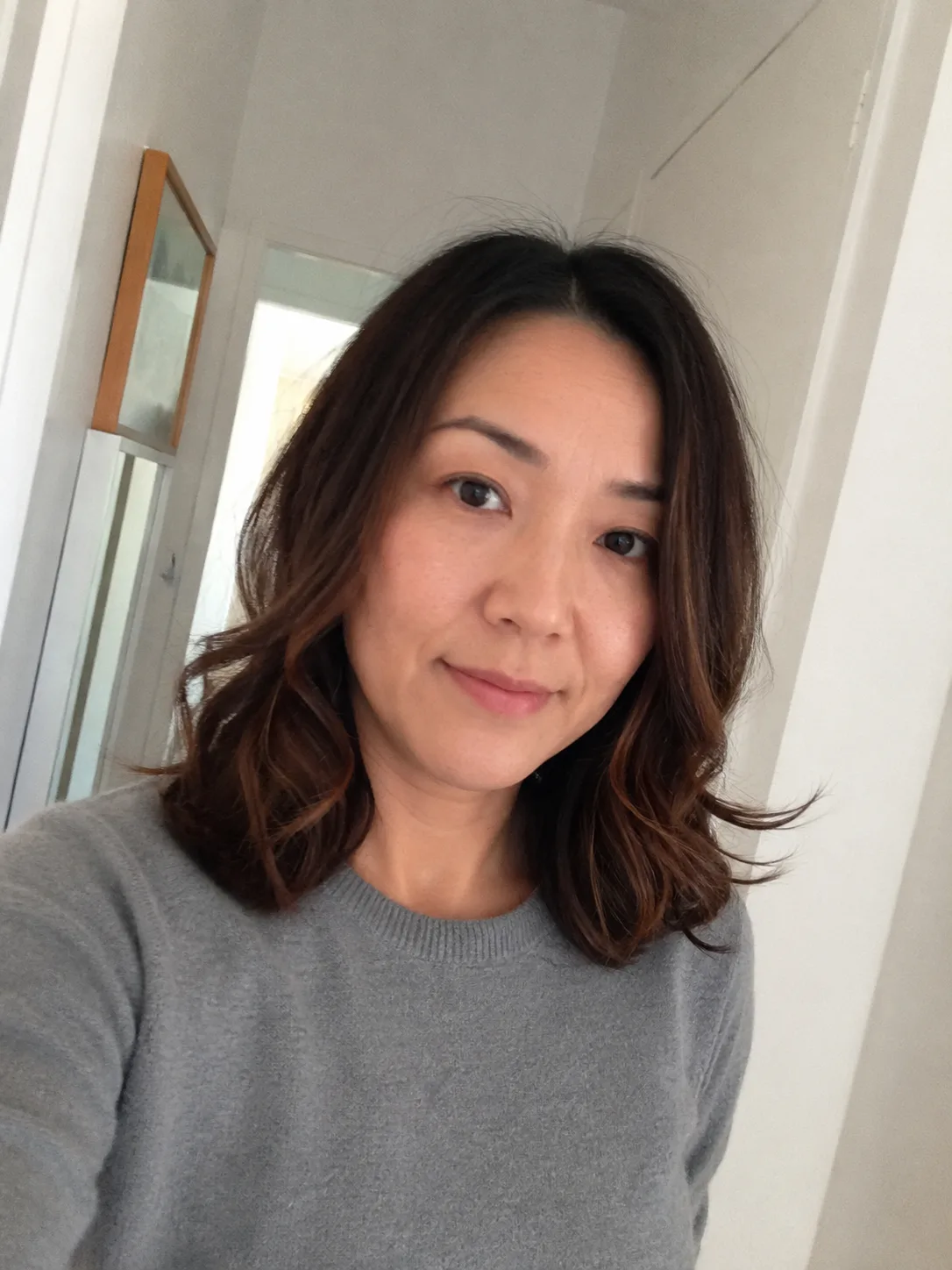
Half-up waves are a useful middle ground when you like wearing your hair down but don’t want the front sections falling into your face throughout dinner. Secure the upper section around the back of the crown while leaving the lower lengths loose.
The strongest version keeps some lift at the crown instead of flattening the top beneath a clip or elastic. Very long or dense hair may still feel warm because most of the length remains down, so this works better for temperature-controlled venues than for every hot-weather event.
Half-Up Twisted Curls
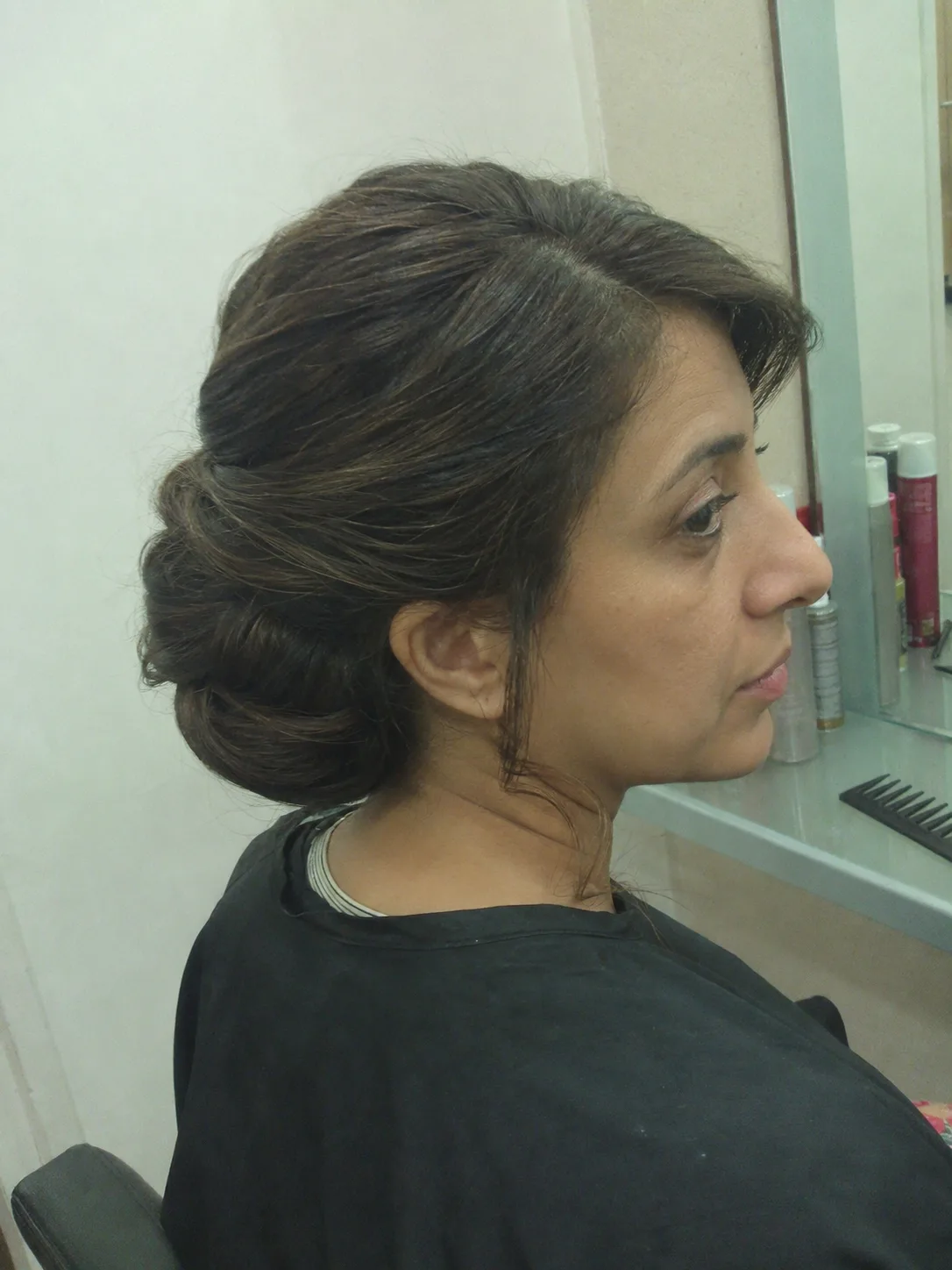
Twisting the front sections before joining them at the back adds visible construction without turning the style into a full updo. It works particularly well on naturally curly hair because the twists separate the face-framing area from the fuller curl pattern below. Avoid stretching the twists so tightly that they distort the curl groups around the temples. This option is easier to refresh discreetly than an intricate pinned style because the main texture remains loose.
Hollywood Waves
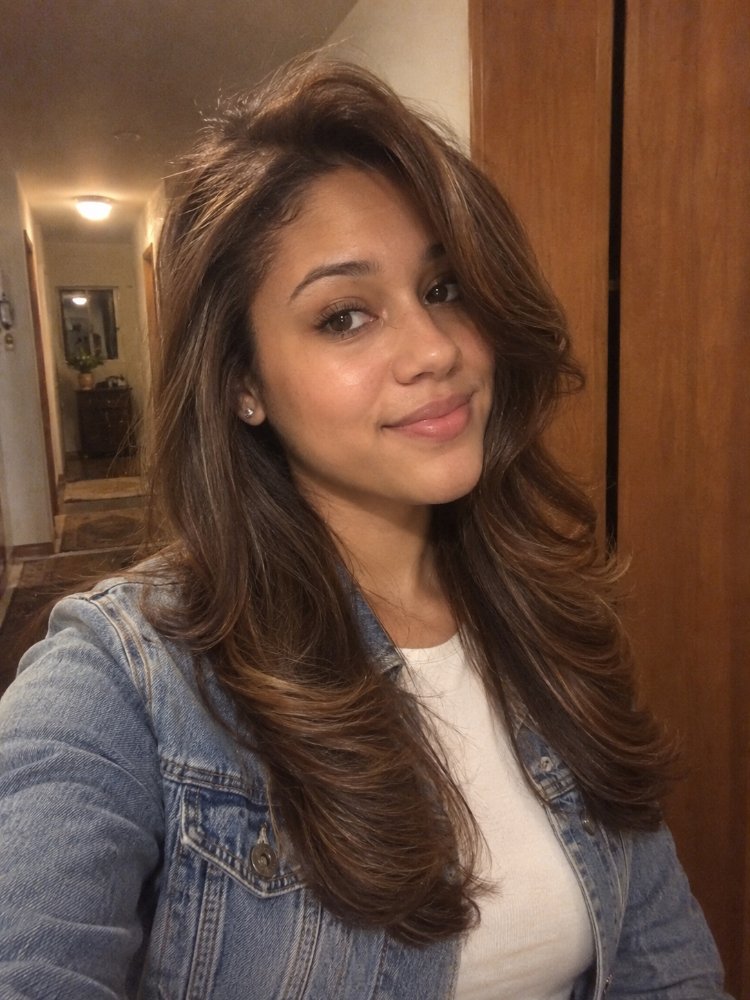
Few loose hairstyles create a more deliberate formal finish than large, connected waves. The key visual difference from everyday curls is the continuity: the bends line up through the lengths instead of separating into lots of individual spirals.
This style asks more from the hair’s preparation and hold than the photograph suggests. Constant touching quickly breaks up the wave pattern, and humid conditions can change both smoothness and definition.
It is strongest for indoor or controlled environments where the sculpted pattern is worth the extra work. Pairing the waves with a deep side part also gives you one clearly exposed side for earrings without adding another accessory.
Side-Swept Curls
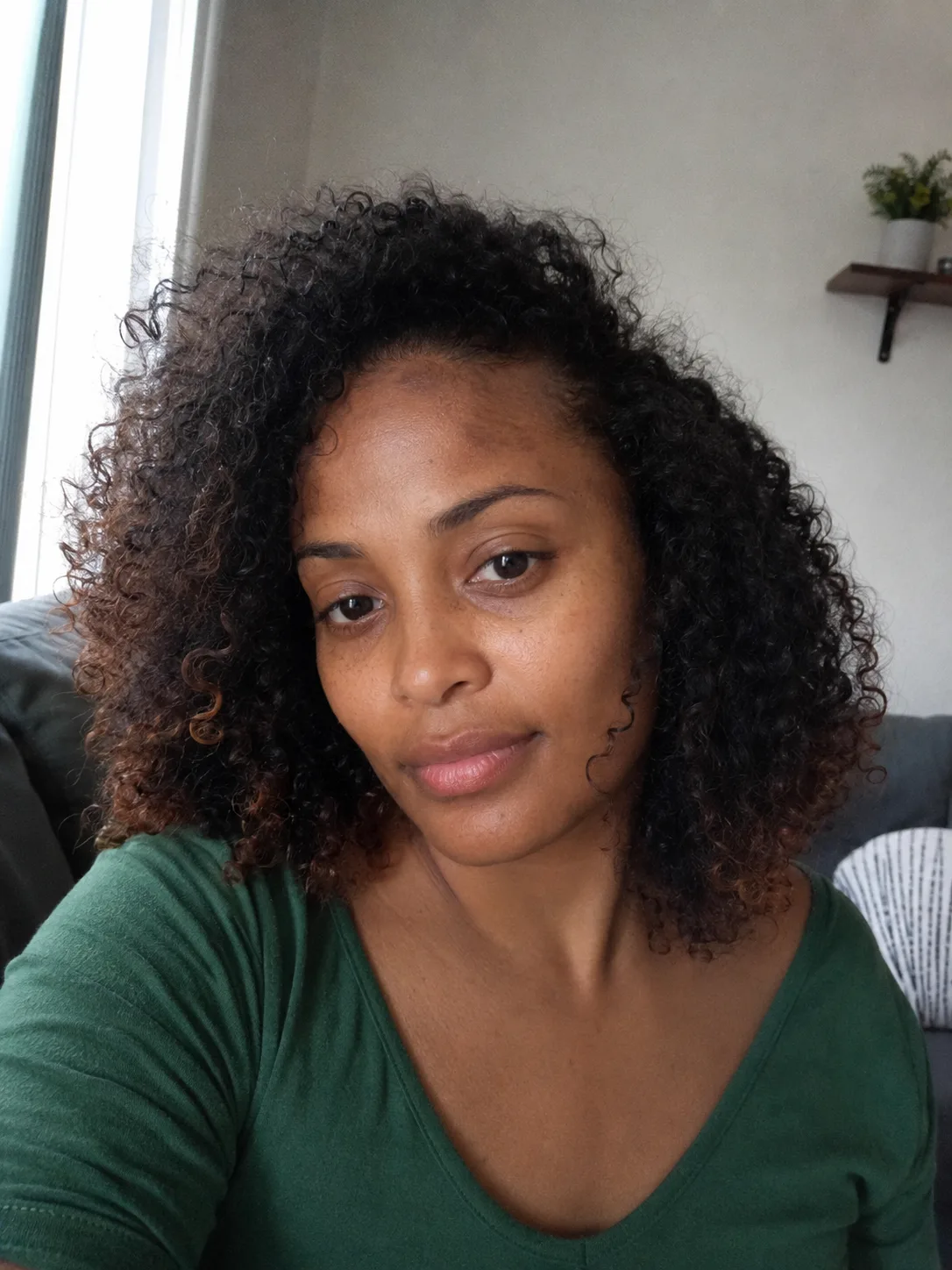
Side-swept curls make good use of existing curl volume by moving most of the length over one shoulder and securing the opposite side. The styling can be subtle, with only the temple tucked, or more formal, with the side pinned cleanly toward the back.
This is a particularly practical choice for photos because the hair stays visible from the front. Remember that all that length now sits against one shoulder, however. Beaded fabric, sequins, and textured straps can catch or roughen the ends through repeated contact.
Defined Twist-Out With Side Pinning
Natural hair doesn’t need an elaborate updo to suit a formal invitation. A defined twist-out becomes wedding-ready through its shape and finishing: keep the overall volume balanced, separate only as much as your desired fullness requires, then pin one side to reveal the cheekbone or earrings. Shrinkage determines where the finished length actually sits, so judge the style in the state you’ll wear to the event rather than basing the plan on stretched length alone.
Ponytails and Braids for a More Secure Finish
Polished Low Ponytail
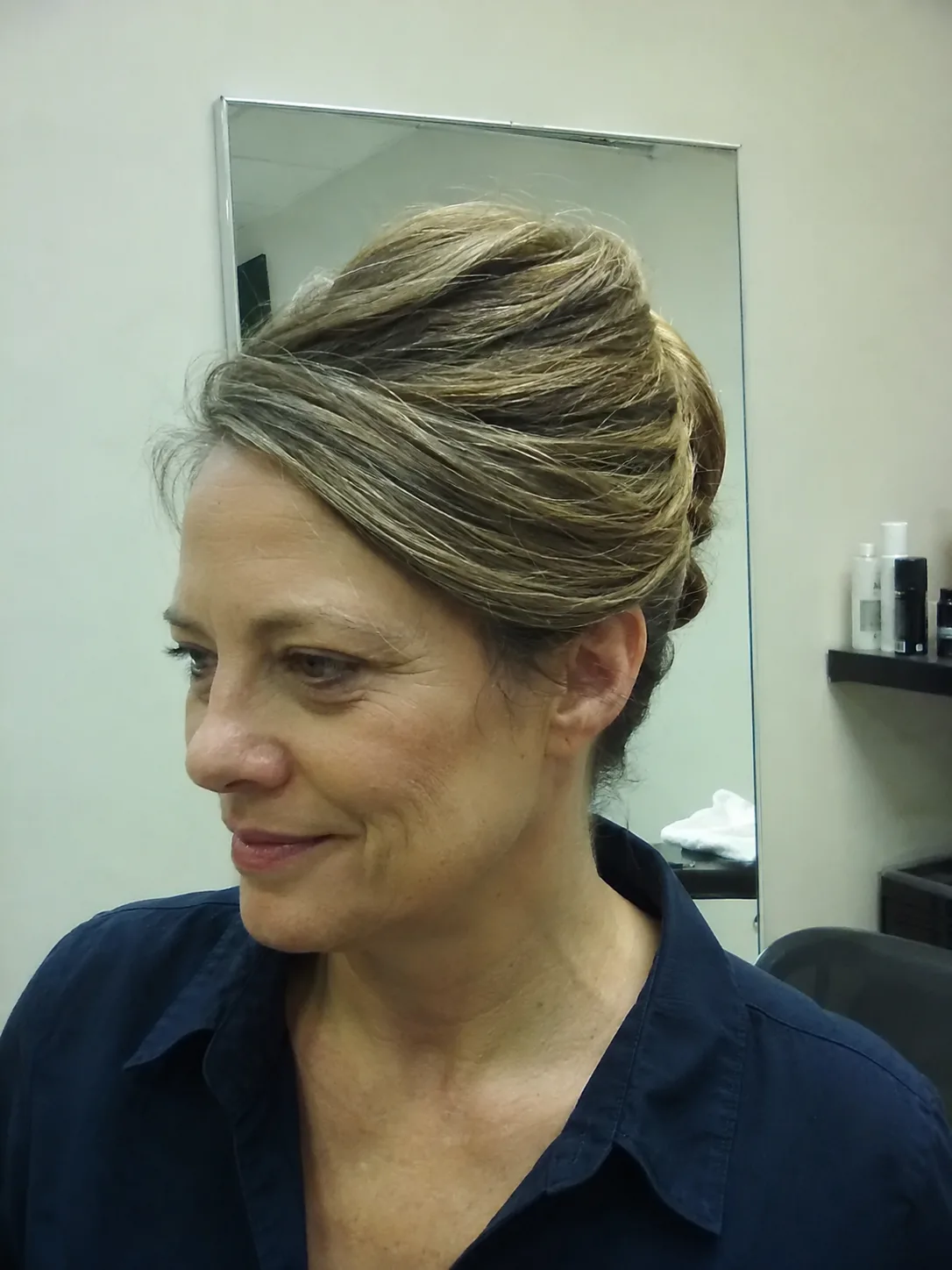
A low ponytail is an underrated wedding guest hairstyle because it works with many hair textures while keeping most of the construction simple. The important decision is whether you want the tail straight, waved, curled, braided, or naturally textured.
The base should look deliberate. A fabric-covered elastic can provide the main hold, with a small section of hair wrapped around it if you want to conceal the elastic. Built-in clips or attachments require their own comfort check when added hair is involved.
A low position is also easier to live with than an oversized bun when you’re travelling by car. Just check where the ponytail falls against the neckline; stiff collars can repeatedly push the base upward or disturb shorter pieces at the nape.
Bubble Ponytail
The bubble ponytail gives a basic ponytail much more graphic shape. Several secured points divide the tail into rounded sections, making it particularly effective on longer hair or added length. It is a stronger choice than loose curls when you want the hair to remain visibly structured through movement. Keep the bubbles proportionate to your density so the style looks full without requiring excessive pulling at the main anchor.
Braided Ponytail
A braided ponytail combines a clean base with a tail that is easier to control than loose extension hair. It works at low, mid, or higher placement, although moving a long braid upward increases the leverage you feel at the anchor during movement.
The braid itself can be simple and smooth or fuller and more textured. Added hair should match a comfortable root foundation rather than being chosen solely for maximum length. Long dramatic braids are worth the extra management when the length is central to the outfit; otherwise, a moderate braid is easier around chairs, bags, and crowded dance floors.
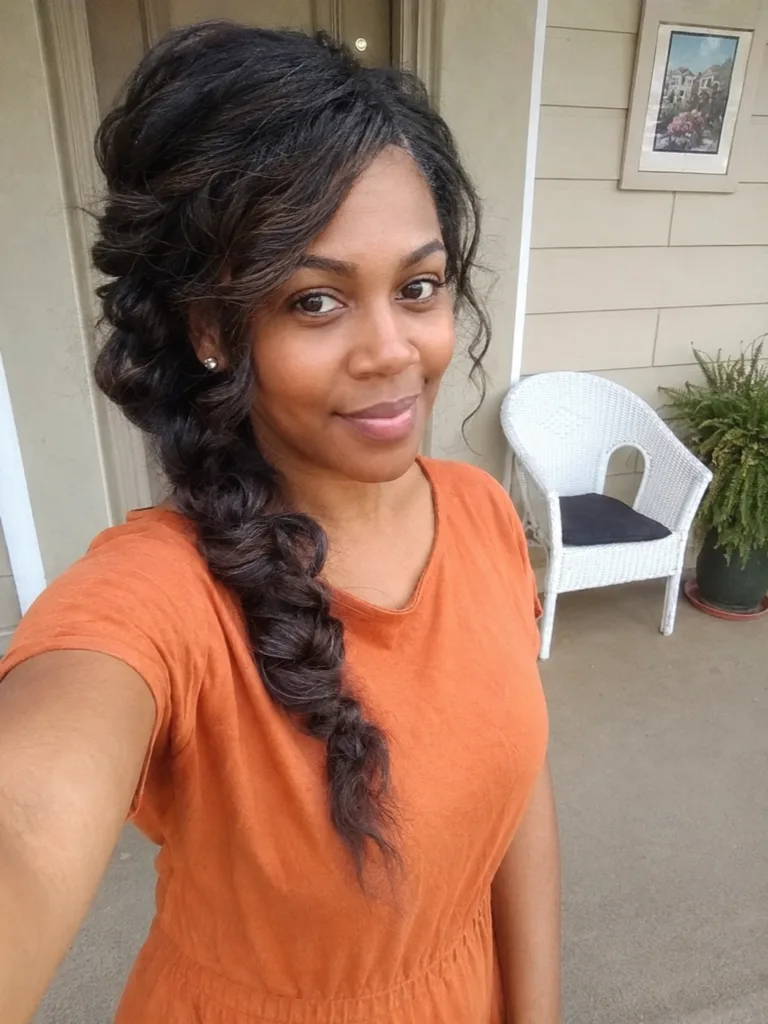
Loose Side Braid
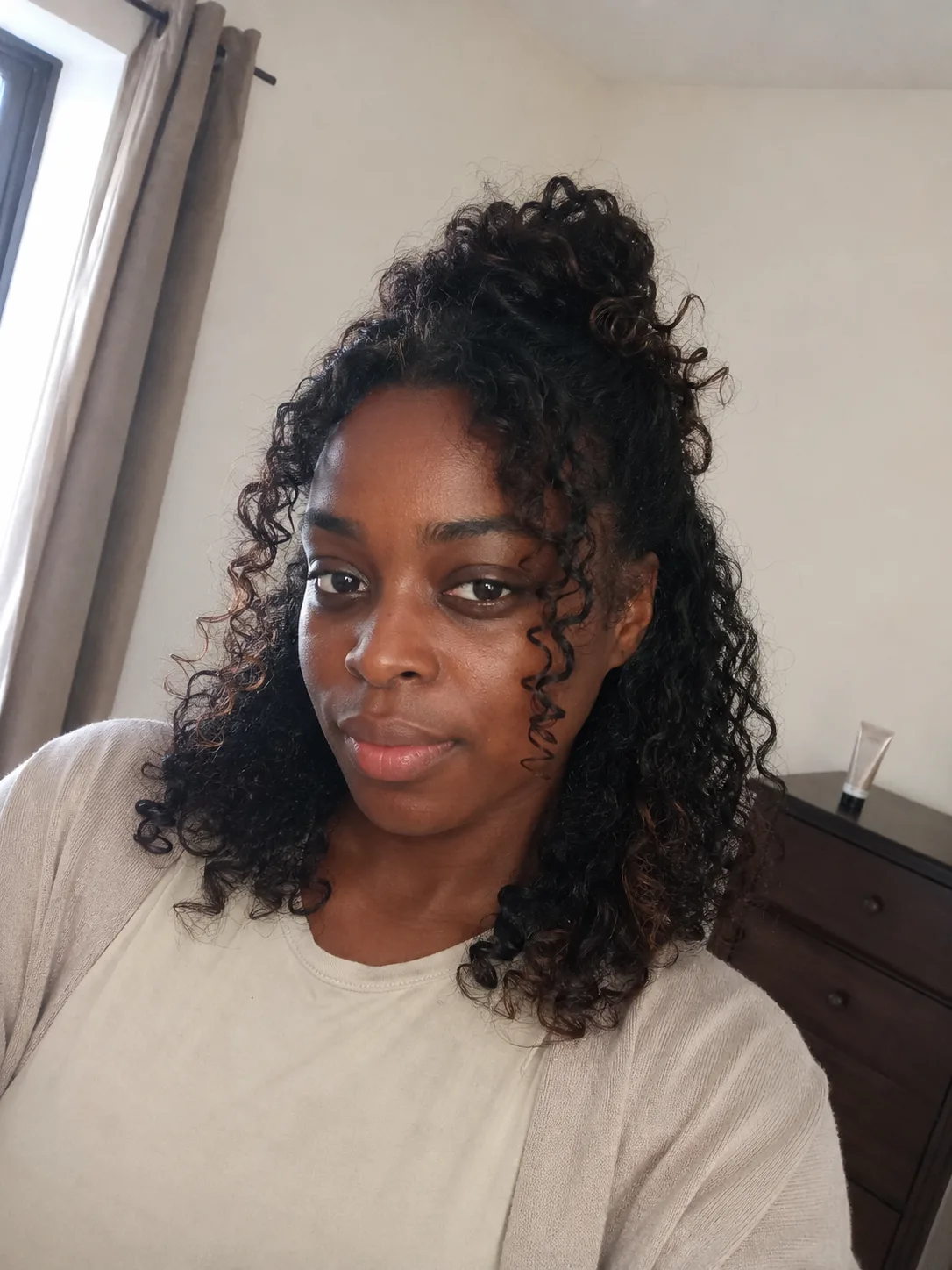
A side braid is softer and less structured than a braided ponytail because it begins without the same concentrated ponytail anchor. It suits romantic or outdoor dress codes particularly well, especially on long wavy, curly, or textured hair. Let some natural width remain through the braid instead of pulling every section tight for neatness. The main limitation is clothing friction: a braid resting over one shoulder will spend much of the event rubbing against the dress.
Short Hair and Locs Don’t Need Extra Length to Look Formal
Sculpted Bob With One Side Tucked
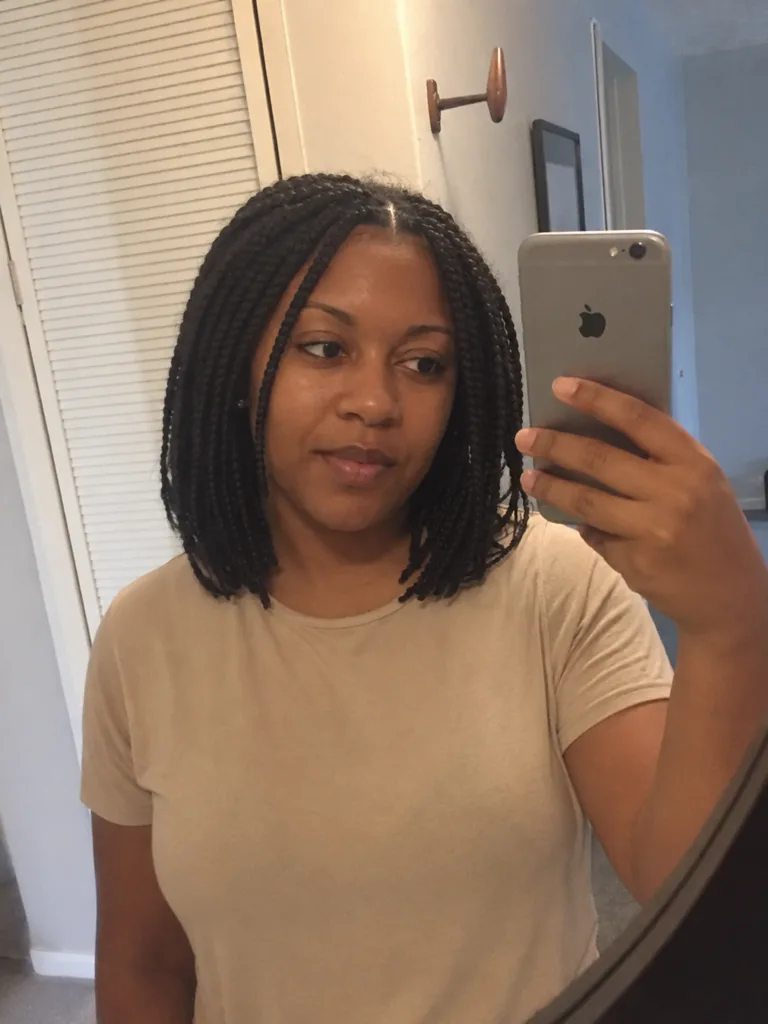
A bob already has a strong outline, so wedding styling can focus on surface and direction instead of disguising the haircut. Add a bend through the lengths, keep the ends smooth, then tuck or pin one side behind the ear to create asymmetry and reveal your jewellery.
Pay attention to the neckline. Bobs that land directly against a stiff collar can flip outward as you move. That movement may be part of the desired shape, or it may mean choosing a smoother tucked finish before the event.
Textured Pixie
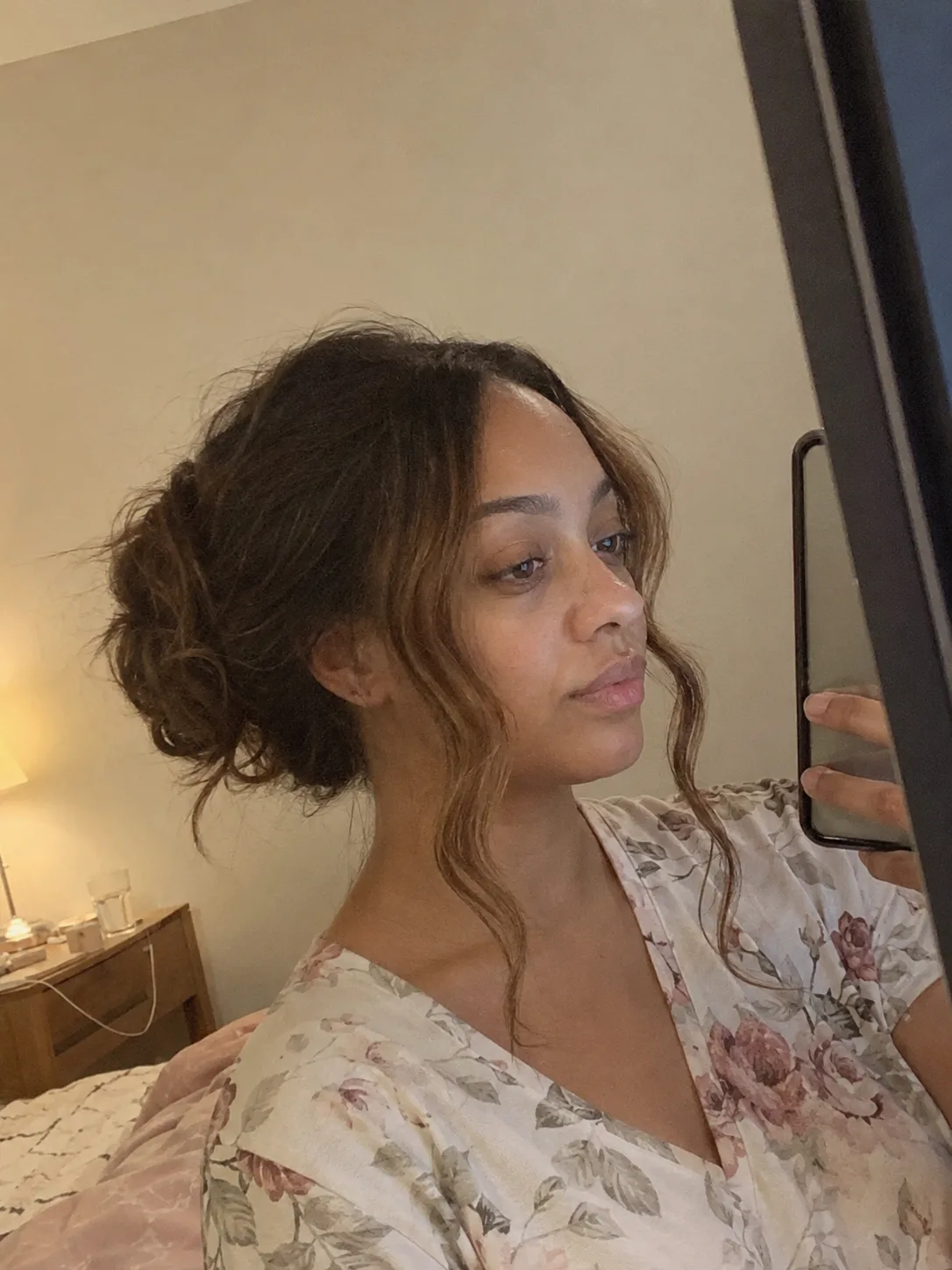
A pixie can look every bit as formal as a long updo when the cut’s existing structure is used well. Define the top, direct the fringe or curls deliberately, and smooth only the areas that need contrast. This is one of the most practical choices for a guest who doesn’t want to manage pins, extensions, or loose lengths throughout the evening. Short hair depends heavily on the haircut underneath, so styling works best when the perimeter and internal shape already support the direction you want.
Wrapped Loc Updo
Locs can be gathered and wrapped into an elevated style that exposes the neckline while keeping their texture visible. Mature or longer locs create substantial volume, which means the placement matters as much as the appearance.
A lower wrapped shape distributes the bulk differently from a high crown arrangement. Very high placement can make the style more noticeable during head movement or while sitting against a chair. Accessories should slide into secure areas without forcing tightly between locs or pulling at individual roots.
Loc weight varies considerably with length, density, and moisture, so comfort should guide the construction. An updo that feels painful or produces persistent pulling at particular roots needs adjustment before you commit to wearing it through the event.
What Wedding Photos Don’t Show
Reference images freeze a hairstyle at its best angle. The actual wedding includes weather, sitting, hugging, dancing, eating, travel, and hours of contact with clothing.
A hairstyle also needs to work from more than one direction. Before the wedding, check the front, side, and back rather than relying on the mirror angle you naturally use. Move your head normally. Sit against a chair. Put on the actual earrings and dress if possible. Those simple checks expose problems that a still photograph won’t.
Accessories Should Support the Hairstyle
Decorative clips, pins, combs, ribbons, and headbands can make a simple style feel more occasion-specific, but the accessory shouldn’t be doing the structural work unless it was designed for that job. Secure the hairstyle first, then add decoration where practical.
Scale matters. A small metallic pin can finish a side-swept bob without dominating it, while a larger comb makes more sense in a substantial chignon or loc updo. Very bridal-looking crystal or pearl pieces can also change how the hairstyle reads, so consider the dress code and overall styling before choosing something elaborate.
Flowers need similar judgment. A single bloom or small cluster works differently from a large floral arrangement, particularly at weddings where the couple or wedding party is using flowers heavily as part of their styling.
Planning the Style Around Your Hair
Start from the hair you actually have on the day: natural, stretched, blown out, pressed, relaxed, braided, loc’d, or wearing an extension method. Trying to reproduce a reference photo built on a completely different styling state may create far more work than choosing a design that respects your starting point.
Density and strand size also change the visual result. Fine strands describe individual hair diameter; low density describes the amount of hair present overall. A large airy updo may require different construction on low-density hair than it does on dense hair, while a compact bun may show off a strong perimeter beautifully.
Extensions can be useful for adding length, fullness, or a specific construction, but they also change drying, weight, attachment, and takedown. More hair isn’t automatically a better formal result. Use enough to create the shape you want while keeping the foundation comfortable.
For curly and coily hair, plan around shrinkage and the state in which the hairstyle will actually be worn. A style tested on stretched hair may sit quite differently after moisture encourages the curl pattern to contract.
Keep the Style Comfortable Through the Reception
A wedding isn’t the place to tolerate a hairstyle that hurts simply because it looks good. Pins can be repositioned, a ponytail can be lowered, and a heavy attachment can be reduced before you leave for the venue.
Repeated or sustained pulling deserves particular attention around the hairline and other fragile areas. Protective styling depends on comfortable tension, manageable added weight, scalp access, drying, friction, and careful removal; a braided or pinned style isn’t protective merely because the hair is put away.
Pack only the touch-up items your chosen hairstyle actually needs. That might be a few bobby pins for an updo, an extra elastic for a ponytail, or a small amount of your usual styling product for smoothing. Carrying an entire styling kit rarely compensates for a construction that wasn’t secure in the first place.
Persistent pain, sores, redness, or concerning changes in density go beyond ordinary formal-hair troubleshooting. Loosen or remove the source of pulling and consider speaking with a dermatologist or another qualified healthcare professional when symptoms persist or concern you.
Related Hairstyles to Explore
- Short hair styles for wedding
- Wedding guest hairstyles for long hair
- Hairstyles for long hair wedding guest
- Easy prom hairstyles to do yourself
FAQs
What is the easiest wedding guest hairstyle to maintain?
A low bun, low ponytail, sculpted short cut, or securely pinned natural style is usually easier to manage than a highly detailed loose style. The practical choice depends on your normal hair state and the venue. Outdoor humidity, heavy dancing, and long travel make styles with clear structure particularly useful.
Can I wear my natural curls or coils to a wedding?
Yes. Natural curls and coils can be worn loose, half-up, in a twist-out, puff, braided style, or updo. Formality comes from the overall shape and finishing rather than from straightness. Account for shrinkage, drying, and the way your curl groups behave in the conditions expected at the venue.
Are hair extensions worth using for a wedding guest hairstyle?
They are useful when added length or fullness is central to the style, such as a long braided ponytail or fuller updo. They aren’t necessary simply because the event is formal. Attachment comfort, added weight, movement, and removal should all make sense for one evening’s hairstyle.
How can I make a wedding guest hairstyle stay secure while dancing?
Build the hold into the construction instead of relying on decorative accessories. Use an appropriate elastic for ponytails, properly crossed or anchored bobby pins for pinned sections, and a stable base before attaching extra hair. Test the style by turning your head, bending slightly, and moving naturally before leaving.
Hair Texture & Upkeep Style Matcher
Select your natural hair texture and daily maintenance window to get an instant styling formula and heat safety cap.
Heat Cap: 320°F (160°C)
A versatile three-strand braid beginning at the parietal ridge, securing the top half while allowing natural wave texture to flow freely around the shoulders.
Conclusion
The strongest wedding guest hairstyle is rarely the most elaborate one in your saved photos. It’s the style that gives your outfit the right balance while still behaving well once you’re sitting, moving, dancing, and spending several hours away from a mirror.
Choose the construction first: hair fully up for control, half-up for a balance of movement and security, loose for maximum softness, or braided for stronger structure. Then refine the finish around your actual texture, length, neckline, venue, and comfort.
Editorial Standards & Hair Health Guidance
Every style featured on Tress Atlas is curated with a focus on real-world wearability, scalp tension management, and cuticle preservation. When trying protective styles or tight updos, ensure perimeter hairline sections remain tension-free to avoid traction stress on delicate follicles. For heat styling, cap tools below 350°F (180°C) to prevent thermal keratin denaturation.
Scientific Sourcing: Practices aligned with the American Academy of Dermatology (AAD) on traction alopecia risk reduction and cosmetic trichology research on hair tensile strength.