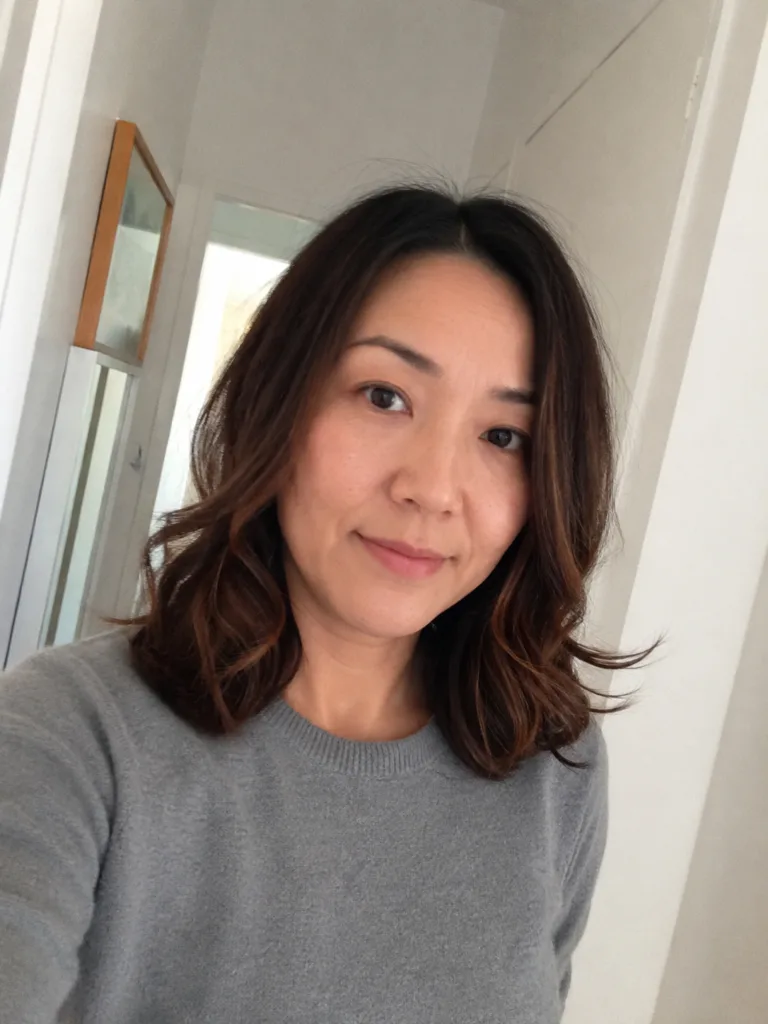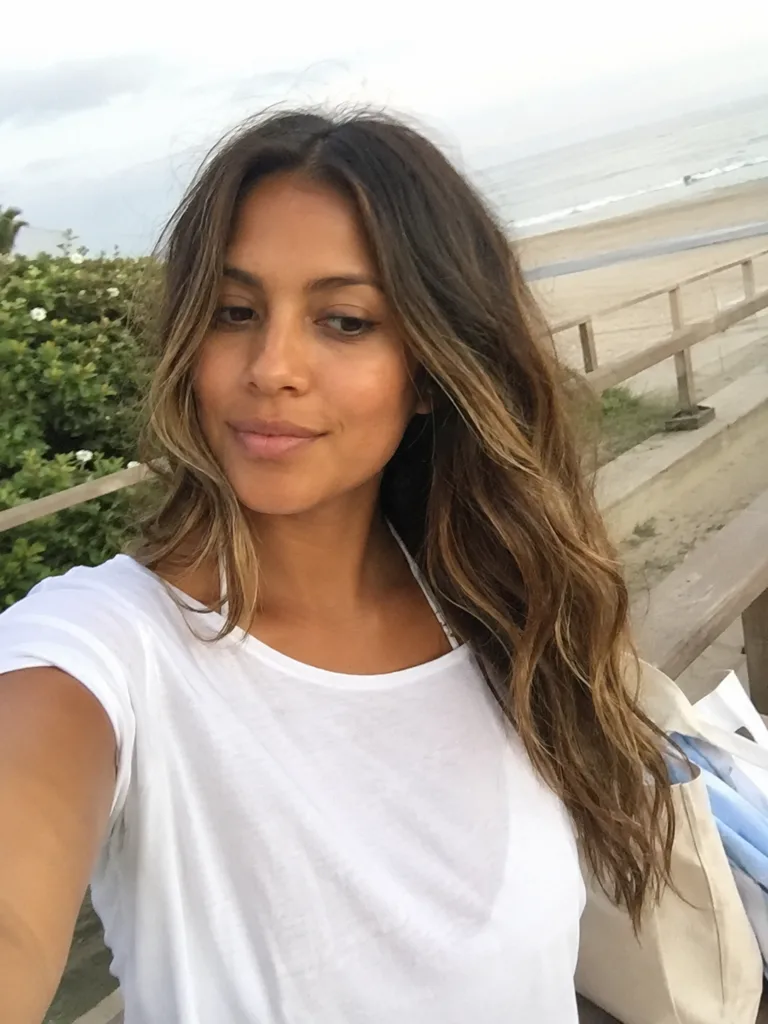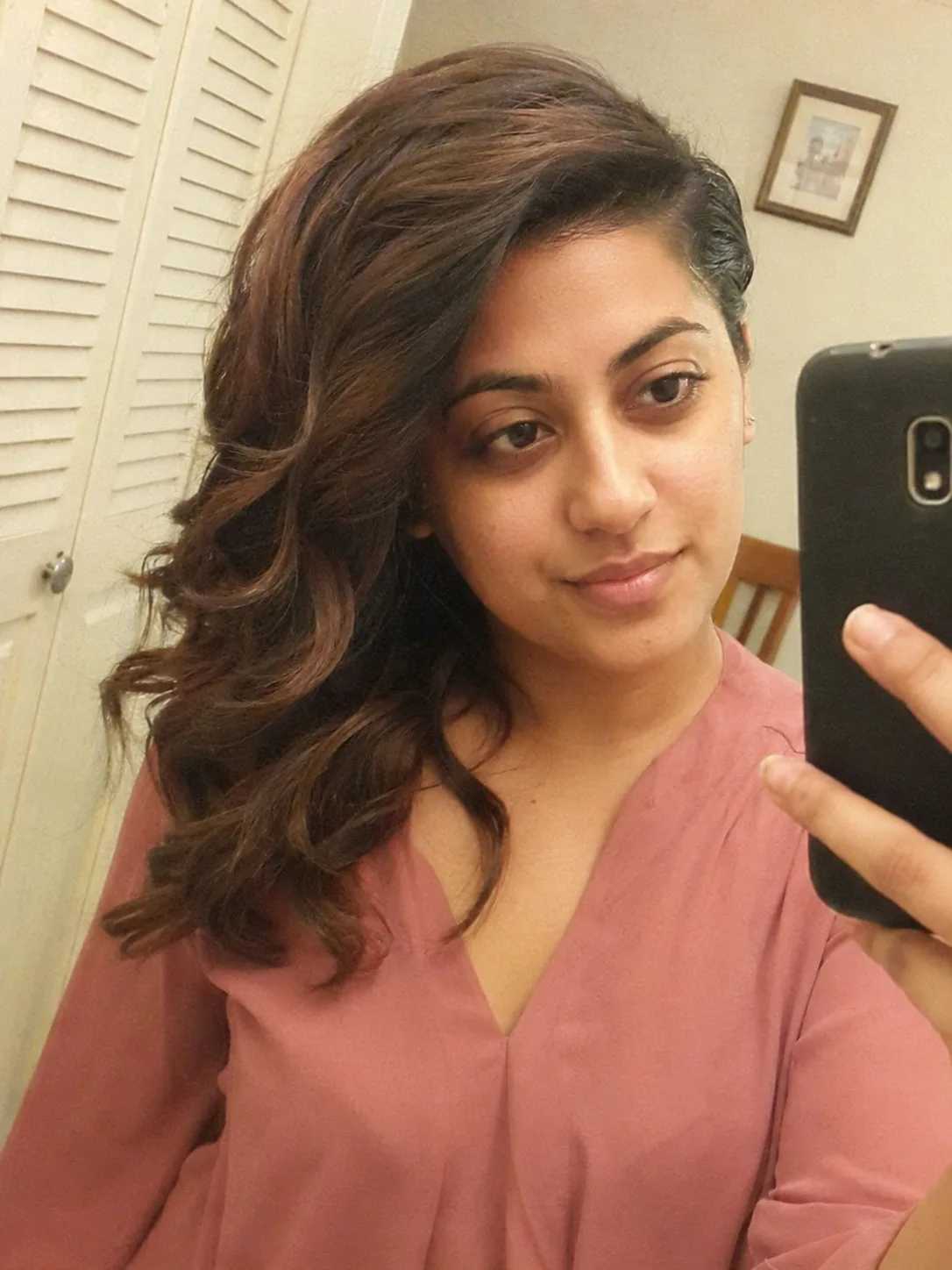
Graduation Hairstyles: Styling Guide & Cuts That Work With Caps, Photos, and Long Ceremonies
Graduation hairstyles have an unusual job. Your hair needs to look finished in photographs, survive a long ceremony, work with your outfit, and often fit beneath a graduation cap without collapsing the feature you liked most about the style.
That last point changes the decision. A high bun may look excellent before the ceremony but compete with the cap. Very full crown volume can be flattened exactly where you wanted height. Loose curls can work beautifully, although their final shape depends on humidity, your natural texture, and how much manipulation happens while repeatedly putting the cap on and taking it off.
A practical graduation hairstyle usually places its strongest visual feature below the cap line, around the face, or toward the back of the head. That still leaves plenty of room for curls, braids, locs, ponytails, sleek shapes, short cuts, and formal updos.
Graduation Hairstyles That Keep the Cap Area Simple
Sleek Low Bun
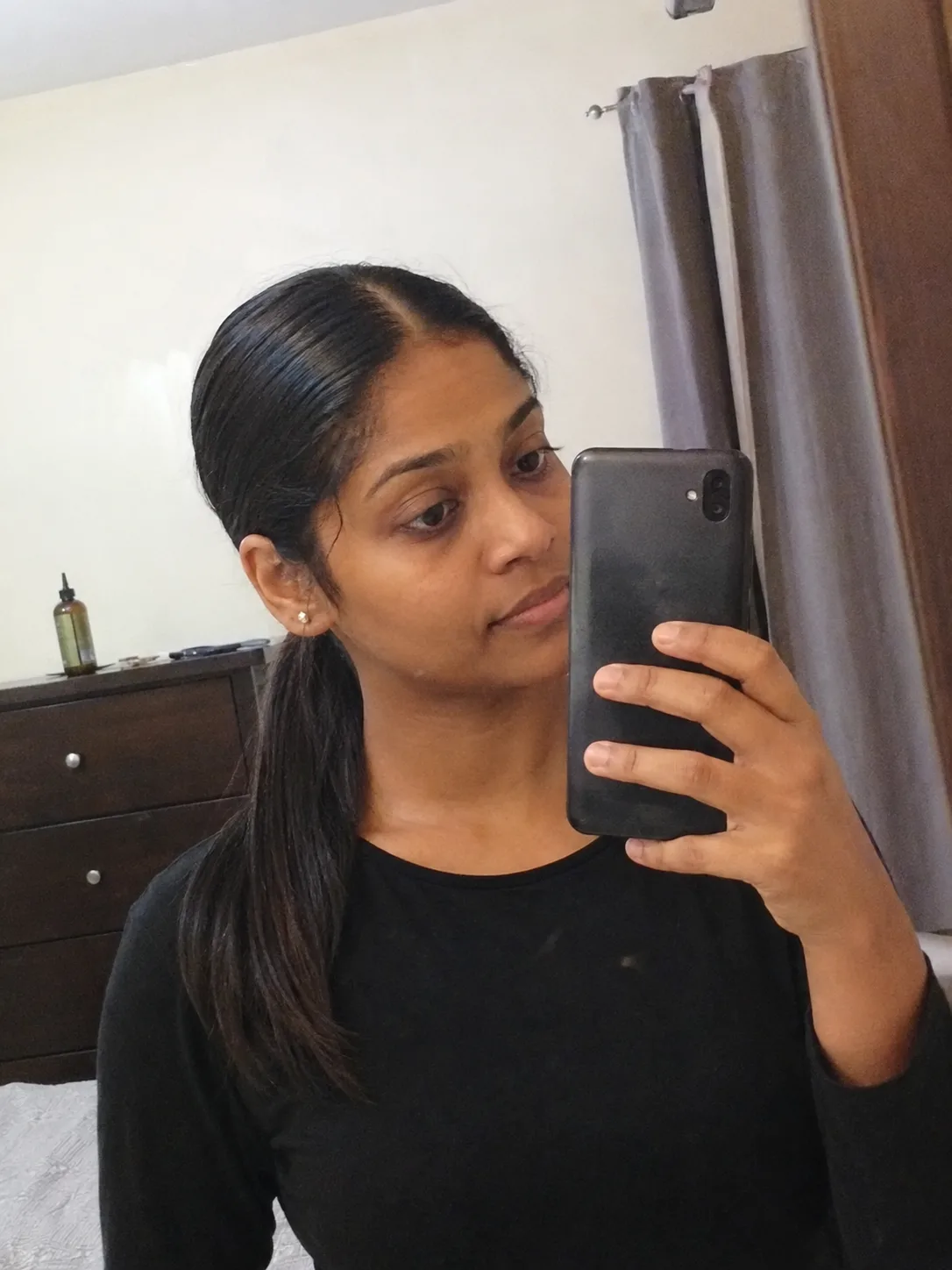
Few graduation hairstyles solve the cap problem as cleanly as a low bun. The anchor sits beneath the occipital area rather than on top of the crown, keeping the upper head relatively flat for the cap. From the front, you get a clean outline that works with statement earrings, detailed necklines, or minimalist outfits.
The main decision is how tightly you want the surface controlled. A smooth finish creates a formal effect, while leaving a little movement around the hairline makes the bun feel softer. Avoid forcing delicate perimeter hairs into extreme tension just to produce a glassy surface.
There is also a practical benefit after the ceremony: once the cap comes off, the bun still looks like a complete hairstyle. Nothing depends on rebuilding flattened crown volume for photographs.
Low Ponytail With Wrapped Base
A low ponytail gives you length and movement without placing a bulky anchor underneath the cap. Wrapping a small section of hair around the elastic can hide the fastening and make an otherwise simple ponytail feel more event-ready.
Straight, stretched, wavy, curly, and braided hair can all use the same basic placement. The tail determines the mood. Keep it smooth for a sharper finish or allow natural curl and fullness to remain through the lengths.
Soft Low Chignon
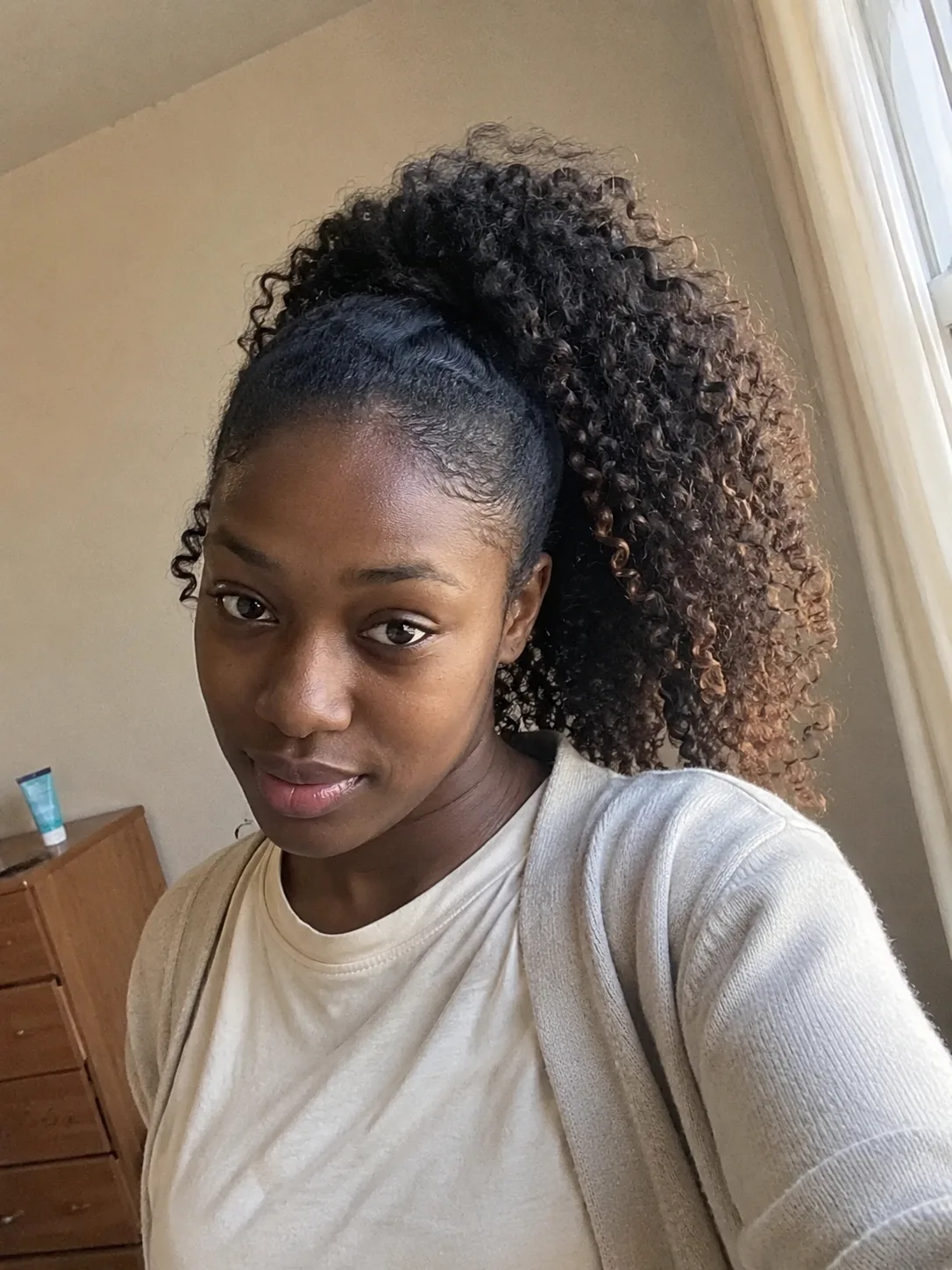
Compared with a tight round bun, a chignon can spread more softly across the lower back of the head. That makes it a strong choice for dresses or jumpsuits with romantic detailing and for anyone who wants an updo without creating height at the crown.
The most useful construction detail is placement. A chignon sitting too high can meet the lower edge of the graduation cap. Set lower, it becomes visually separate from the cap and remains visible from side and three-quarter photo angles.
A few face-framing pieces can soften the front, though they should be chosen deliberately. Hair that naturally swells or recoils in humidity may need a different finishing approach than hair that comfortably holds a loose bend.
Classic Straight Hair With a Clean Part
Straight hair is sometimes overlooked for graduation because it seems too simple. In practice, simplicity is one of its strengths. There is no elaborate crown construction for the cap to crush, and the hairstyle can move naturally after the ceremony.
A center part gives the result a balanced, modern line. A side part creates more movement across the forehead. Either can work; choose based on the way you normally like your hair to frame your face rather than following a rigid face-shape rule.
Curls and Waves That Still Look Good After the Cap Comes Off
Loose Waves With Face-Framing Movement
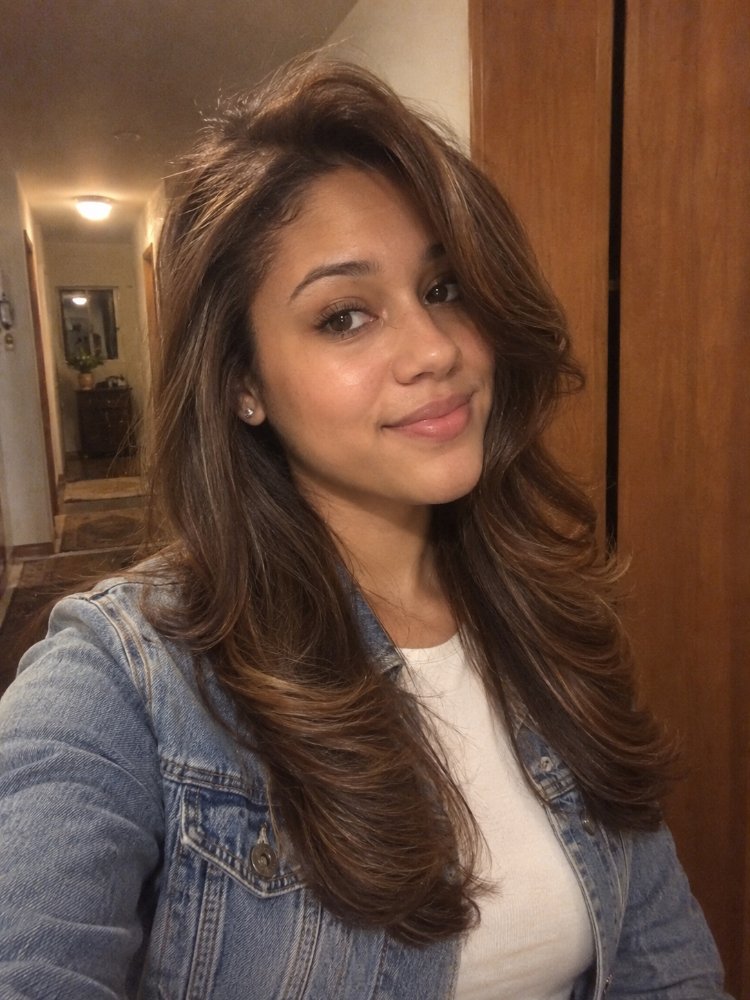
Graduation photos usually involve more than the official ceremony shot. There may be outdoor pictures, family photographs, close-ups, and cap-off portraits. Loose waves handle those transitions particularly well because a little movement or separation doesn’t destroy the style.
Concentrate the visible bend through the mid-lengths and ends instead of relying entirely on lifted roots. The cap will affect the crown far more than the lower lengths.
Hair condition and your usual styling state matter here. Naturally wavy hair may need only definition and controlled drying, while straight hair may require heat styling. Naturally curly hair that’s being stretched for waves needs a plan that respects its condition and previous chemical or color history.
Side-Swept Curls
Moving curls predominantly toward one side creates immediate asymmetry and gives graduation photographs a strong focal point. It also leaves the neckline visible on the opposite side, which can work well with asymmetric dresses or statement jewelry.
The hairstyle is more forgiving when the volume comes from the lengths instead of a heavily teased crown. Secure the side discreetly with bobby pins if needed, then check the style with the cap before the event.
Defined Natural Curls
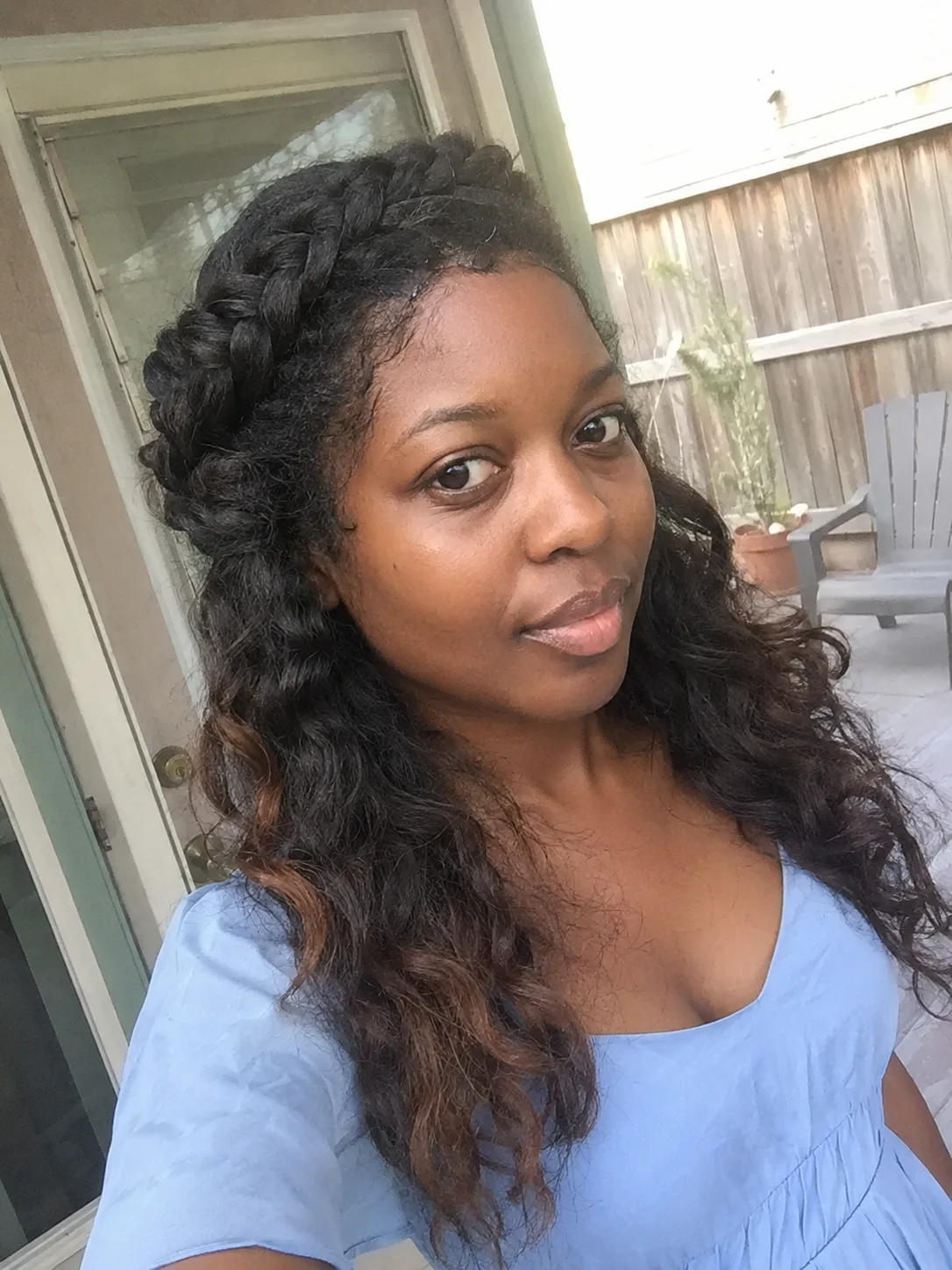
Natural curls don’t need to be straightened for graduation to look formal. A well-shaped curly cut or thoughtfully defined curl set can provide enough structure on its own.
Cap placement deserves attention before ceremony day. Curls directly beneath the cap will compress; curls outside its footprint retain more of their spring. Trying the cap on after styling gives you a clearer idea of where volume will shift.
Drying also matters. Dense curly hair can feel dry at the ends while moisture remains closer to the roots. Starting the ceremony with thoroughly dried hair makes the style easier to manage, particularly in warm conditions.
Twist-Out With Full Ends
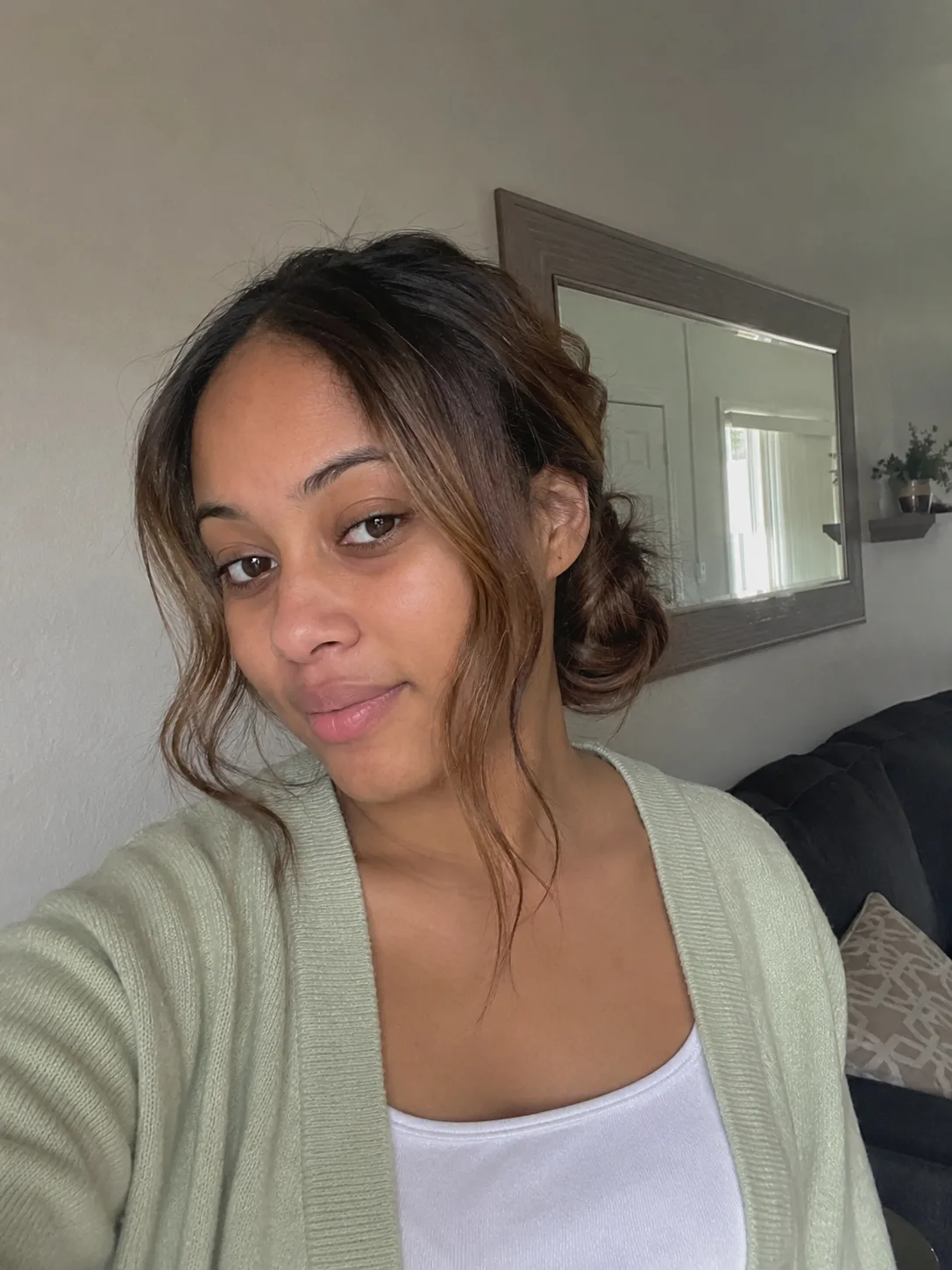
A twist-out is especially effective when you want natural texture with more elongated definition than a fully shrunken wash-and-go. The strongest visual feature sits through the body and ends, so temporary flattening beneath the graduation cap is less disruptive.
Graduates with considerable shrinkage should judge the style in the state they actually intend to wear. The apparent length and overall shape can change considerably between wet, stretched, and fully dried hair.
Curly Half-Up, Half-Down Style
The half-up shape works because it gives the front some structure while preserving curls through the back. For graduation, keep the anchor below or near the rear edge of the cap instead of creating a high top knot that competes for the same space.
This is a useful option for hair that feels too expansive worn entirely loose but too formal or restrained in a full updo.
Once the cap is removed, the secured upper section can also help prevent the crown from looking completely flattened. Gently separating the visible curls around the fastening is usually more realistic than trying to recreate large root volume in the middle of a graduation crowd.
Braids, Twists, and Locs for Graduation
Box Braids Worn Down
Box braids already provide structure, so they don’t require elaborate graduation styling to look finished. Worn down, they create clean vertical lines that remain recognizable with or without the cap.
Length and added-hair weight deserve more attention than tiny styling details. Very long, dense braids can become cumbersome during a ceremony, particularly against chair backs, seatbelts, robes, or bags. A moderate length is the more practical choice when easy movement matters.
Low Braided Ponytail
Gathering braids into a low ponytail keeps them controlled while allowing the length to remain visible. It’s especially helpful when loose braids keep falling forward over the graduation gown or catching beneath the stole.
The anchor should feel comfortable during normal head movement. Heavy braids pulled tightly into one small elastic can concentrate more load than the same braids worn loose, so a secure style still needs sensible tension.
A wrapped braid around the base can conceal the fastening without adding another accessory near the cap.
Cornrows Into a Low Bun
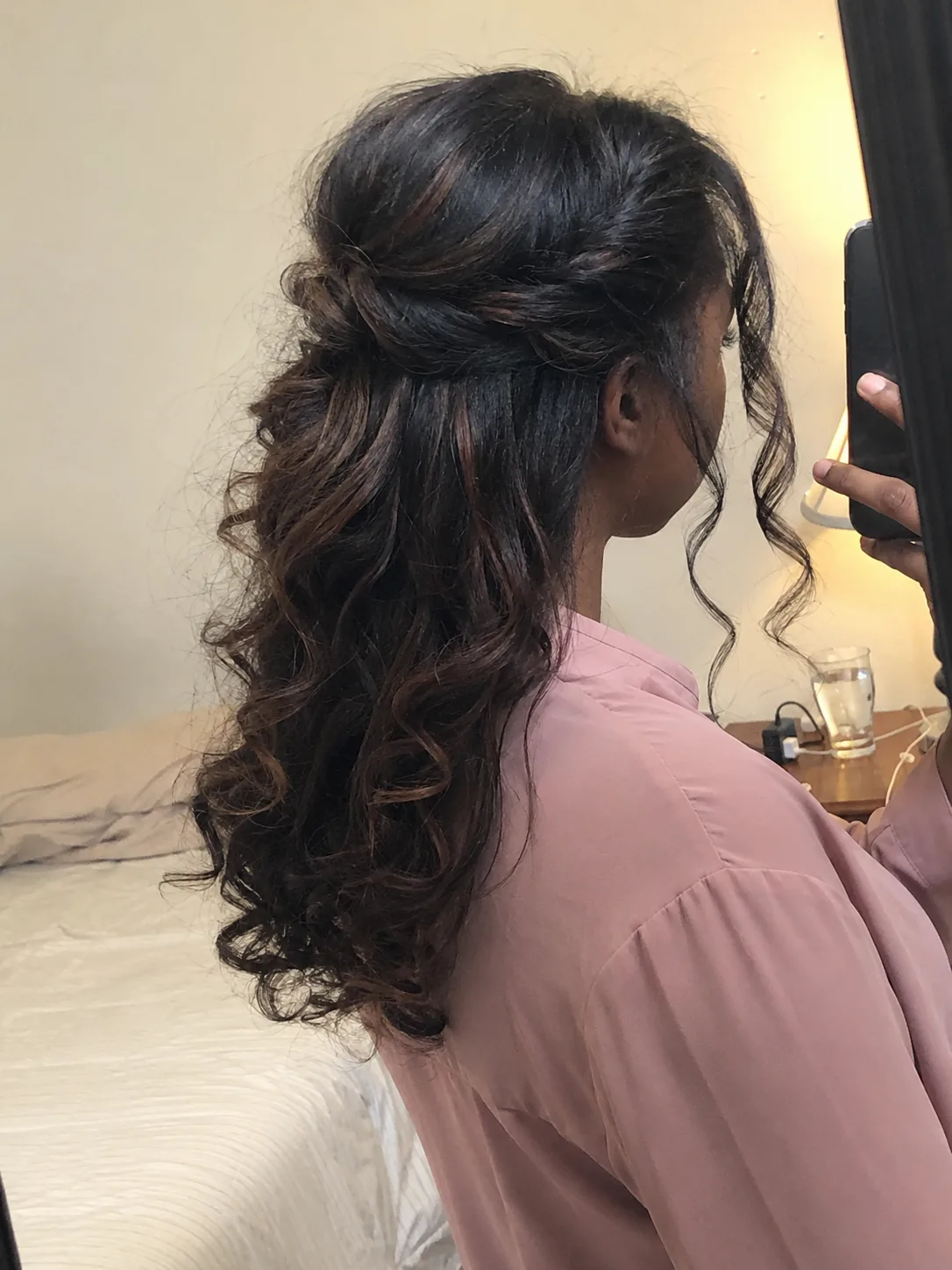
For a hairstyle that stays structured from the first photograph to the final celebration, cornrows feeding toward a low bun are worth considering. The scalp pattern supplies visual detail while the crown remains relatively streamlined.
The direction of the braids is important. Sections should travel toward a lower anchor rather than all converging at the top of the head, where the cap also needs space.
Comfort should be obvious from the beginning. A formal occasion isn’t a reason to tolerate painful roots, stinging, or excessive pulling. Sections around the hairline can be handled more gently without taking away from the finished design.
Two-Strand Twists Worn Loose
Loose two-strand twists give graduation hair definition without requiring a highly fixed shape. They can be arranged behind the shoulders for the ceremony, brought forward for photos, or gathered loosely afterward.
They are particularly useful when you want a natural-hair style that keeps individual sections organized while still showing texture. The result also avoids the cap-versus-crown problem because most of the visual interest sits through the twist lengths.
Locs in a Low Gathered Style
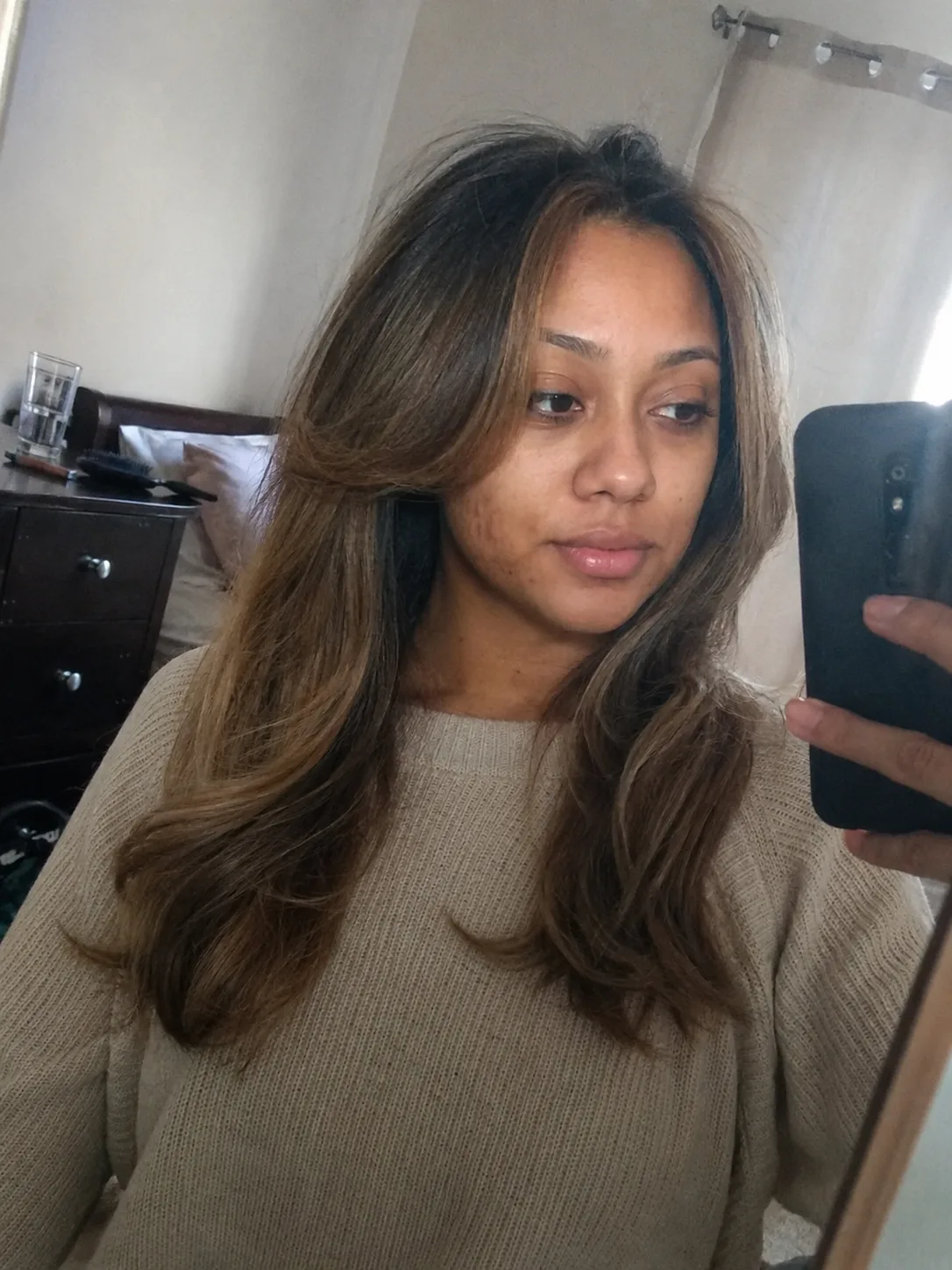
Mature locs can create substantial weight, making a high graduation updo less comfortable than photographs suggest. Gathering them low gives the cap more room and keeps the anchor away from the top of the head.
A low ponytail, folded arrangement, or loosely pinned cluster can all work. The exact construction should reflect loc length, thickness, and the amount of weight that feels comfortable at one point.
Leave fragile perimeter areas out of a tight anchor when necessary. Graduation photos are temporary; repeated pulling at the hairline can have longer consequences.
Locs Worn Down With a Side Sweep
Sometimes the stronger graduation choice is to leave locs largely alone. A side sweep changes the framing without asking the hair to support the weight of a complicated updo.
The cap may need thoughtful pinning or positioning depending on loc volume at the crown. Test that setup while moving your head rather than checking only in a mirror.
Once the cap comes off, the locs fall back into a familiar shape with minimal rebuilding. That simplicity is valuable on a day when you may be moving repeatedly between seating, photographs, transportation, and celebrations.
Ponytails and Half-Up Styles With More Drama
Mid-Low Curly Ponytail
A curly ponytail placed between the nape and mid-back of the head offers more visual lift than a very low pony while still avoiding the highest cap-contact area. It is a strong graduation choice for natural curls, a defined curl set, or an appropriate ponytail attachment.
Keep extension construction realistic. Added hair changes both weight and leverage at the anchor. The most dramatic tail isn’t always the most comfortable one for hours of movement.
Bubble Ponytail
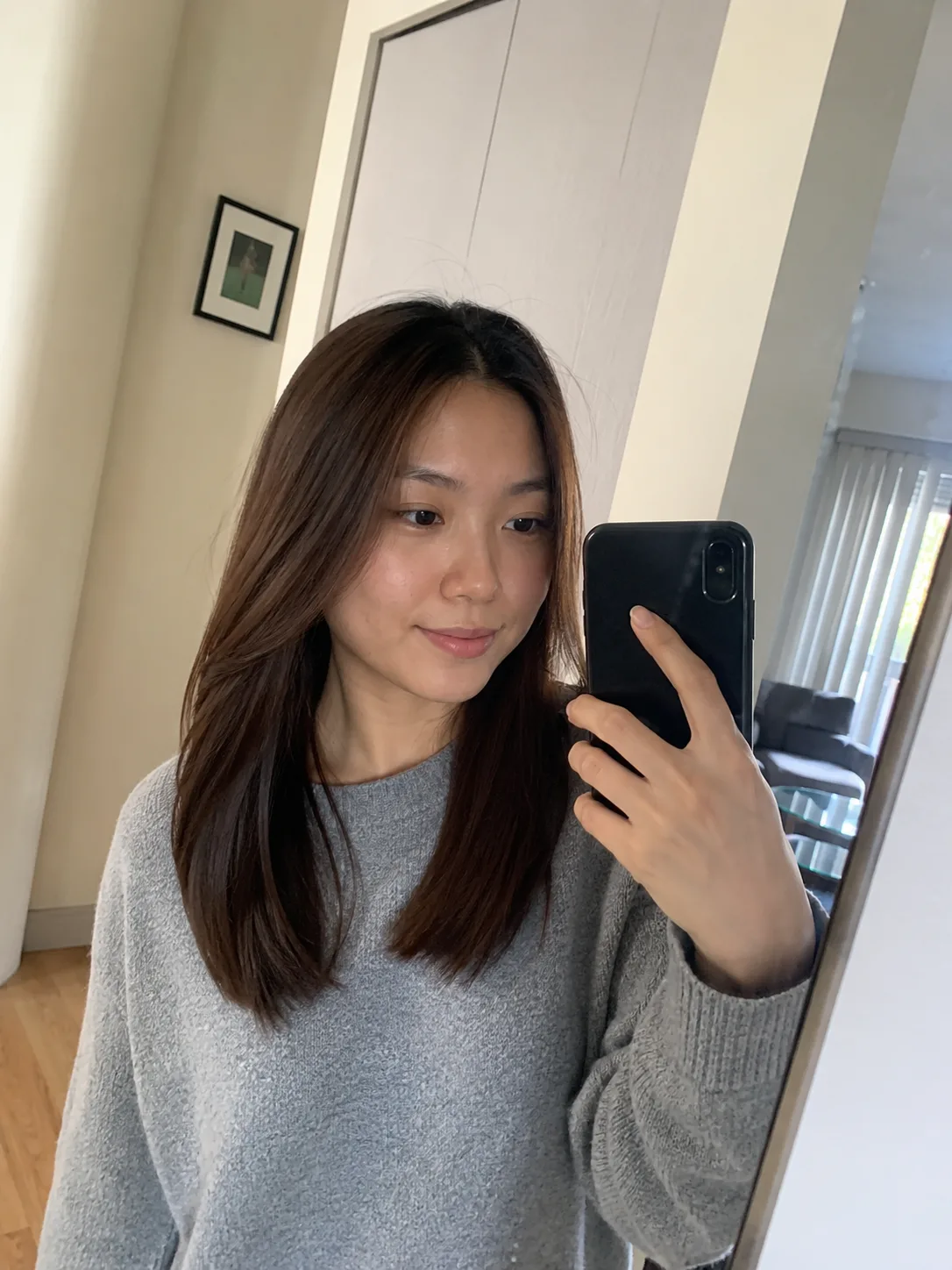
The bubble ponytail brings graphic structure to long hair without demanding crown volume. Elastics placed down the tail create rounded sections, which remain visible even when the graduation gown covers part of your hair from the front.
This style works especially well when you want something contemporary but don’t want curls that depend heavily on weather cooperation.
Length is the main visual requirement. Shorter hair may need an attachment to produce multiple distinct sections, while longer natural hair can create the shape without added length. An attachment should sit securely without excessive pulling or uncomfortable comb pressure.
Half-Up Twisted Crown
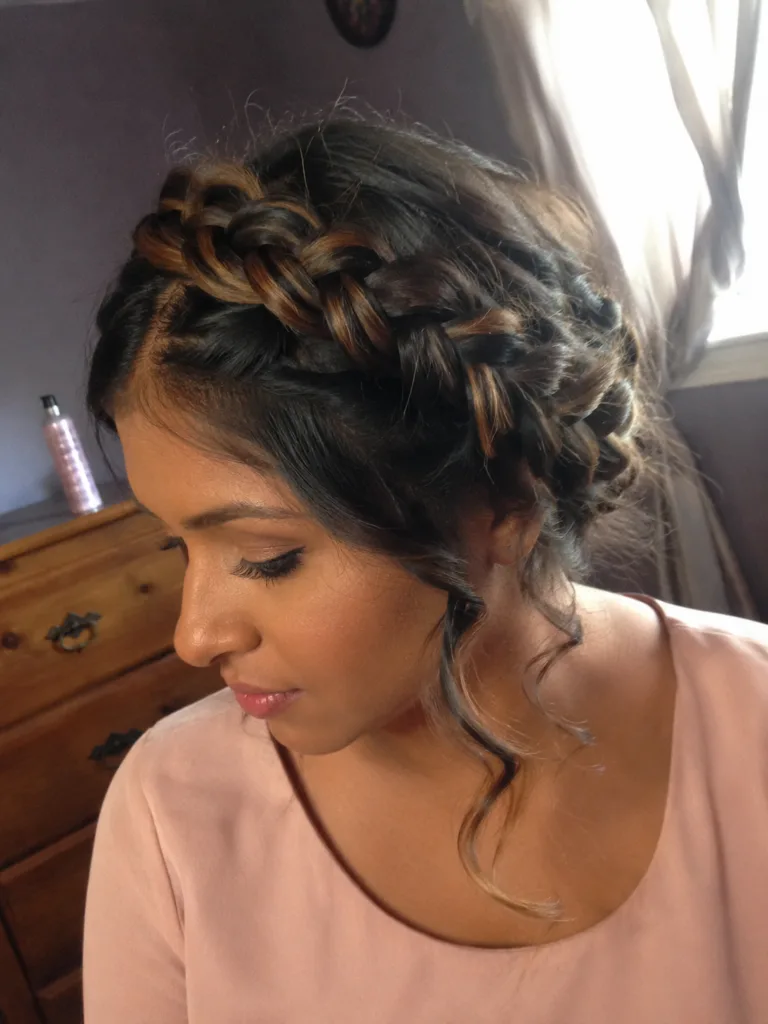
A pair of side sections twisted toward the back creates enough detail to make loose hair look styled while leaving the cap area largely unobstructed. Keep the joining point toward the back instead of directly on top.
This is one of the more practical choices for graduates who want a romantic hairstyle but know they’ll repeatedly remove the cap for pictures.
Short Graduation Hairstyles That Don’t Need an Updo
Sculpted Bob
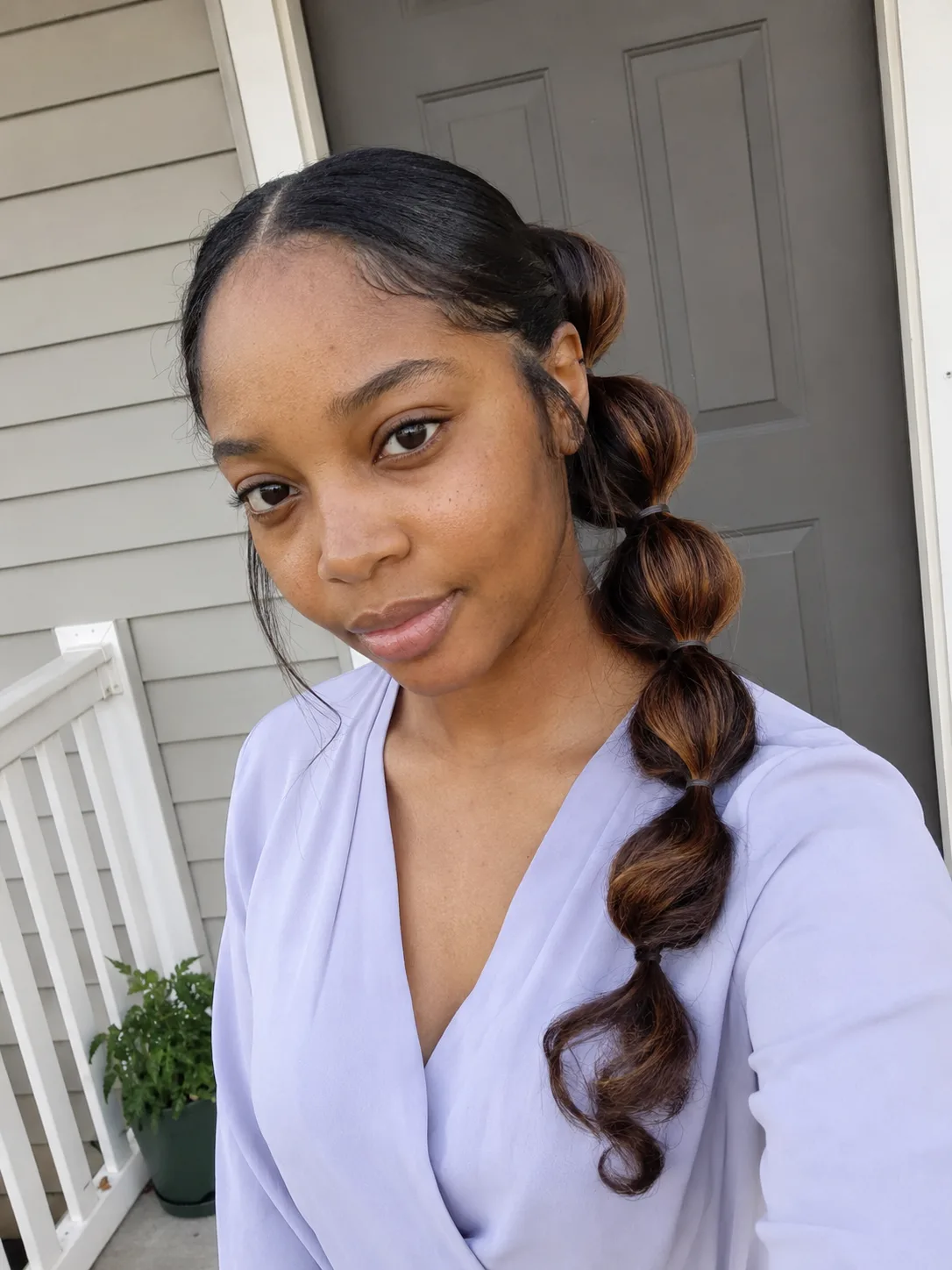
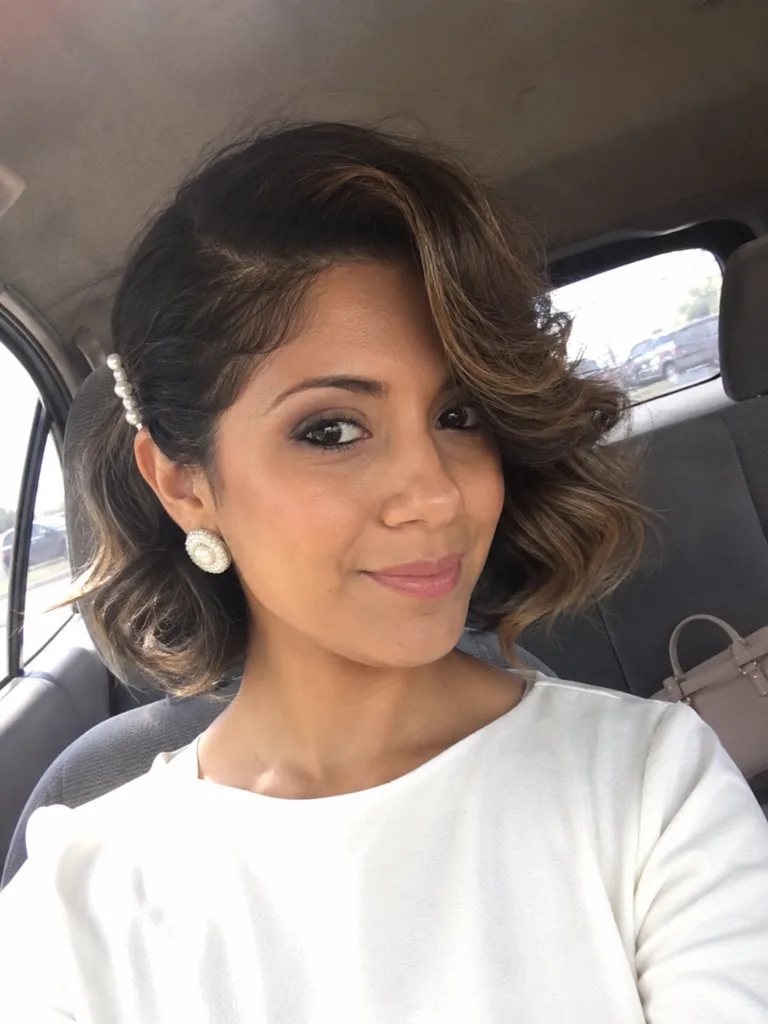
A bob can do something many elaborate graduation hairstyles cannot: keep essentially the same structure before, during, and after the ceremony.
The important detail is where the perimeter meets your clothing. A bob that hits directly against a stiff gown collar may flip or bend with repeated movement. A slightly shorter line clears the collar, while a longer bob has enough length to fall beyond it.
The finish can be straight, softly curved, wavy, or naturally curly. Hair density and strand diameter affect how full the perimeter appears, so a blunt-looking reference photo won’t reproduce the same weight on every head of hair. The haircut sets the architecture; styling controls how clearly that architecture appears.
Curly Bob
A curly bob offers movement around the face without requiring long hair or an elaborate formal arrangement. It also photographs well from multiple angles because the shape is visible from the front rather than hidden entirely behind the gown.
Shrinkage changes where a curly bob sits, so evaluate the cut in the texture and styling state you normally wear. A chin-level stretched shape may sit noticeably higher once fully curled and dry.
Textured Pixie
A pixie is arguably one of the easiest graduation hairstyles to manage around a cap because there’s very little length to trap, flatten unevenly, or reorganize afterward. The cut itself carries most of the visual work.
A textured top can give the style personality, but extreme height adds no real advantage under a cap. Directional texture, a defined fringe, or movement toward one side survives cap wear more predictably than a tall upright shape.
For cap-off photos, a small amount of restyling with your fingers may be enough to restore separation. The outline of a pixie depends heavily on the haircut, so a shape that’s already overgrown can be harder to sharpen with styling alone.
One Graduation Updo for Cap-Off Celebrations
Convertible Low Updo
A convertible low updo is the strongest choice for graduates who want one look for the ceremony and something more decorative afterward. Start with a secure low base that fits beneath the cap. Once the formal ceremony is finished, add visible pins, a decorative comb, loosen selected sections, or reshape the lower portion for photographs and celebrations.
This approach avoids building an elaborate style at the crown and then hoping the cap doesn’t damage it.
It is also smarter than planning a complete hairstyle change between events. Graduation days tend to involve changing locations, managing robes and accessories, and finding people for photographs. A base style that needs only a small adjustment is far easier to work with.
Keep graduation-specific accessories separate from the cap attachment itself. A decorative piece positioned where the cap rests can create pressure or prevent the cap from sitting evenly.
Which Graduation Hairstyle Fits Your Hair and Routine?
Choosing from photographs alone misses several practical differences. Start with the condition and styling state of your own hair, then consider what the ceremony requires.
Hair texture is only part of the decision. Fine strands and low density aren’t the same thing: fine refers to individual strand diameter, while density describes how much hair is present overall. A style that removes considerable interior volume may reveal more space in lower-density hair, while a secure perimeter or thoughtfully placed curl pattern can make the outline appear more substantial.
Your normal hair state matters too. A graduate who usually wears coily hair shrunken has different styling considerations from someone wearing the same hair stretched or pressed. Relaxed, braided, twisted, loc’d, naturally curly, and extension-supported styles all behave differently beneath a cap.
What Graduation Photos Don’t Show
Reference photos usually capture the best angle for a fraction of a second. Graduation happens over hours of ordinary movement.
The cap presses against the crown. The gown can rub long hair around the shoulders. A stole may trap sections underneath it. Long braids can fall behind a chair back. A low bun can meet a stiff collar. Wind may separate curls, and humid air can change a stretched finish.
None of those details make a hairstyle unsuitable. They simply change which styles remain easy.
Try on the full combination before graduation: hairstyle, cap, gown, stole or hood, glasses if you wear them, and any earrings or hair accessories. Turn your head. Sit in a chair. Check the back as well as the front. A style can look perfect standing upright and become irritating once a cap edge, bun, collar, and chair back occupy the same area.
Cap-off photographs deserve consideration as well. Styles such as low buns, braids, bobs, pixies, ponytails, and defined natural curls already have an established shape after the cap is removed. Hairstyles built around high crown volume may need more repair.
Keeping the Style Comfortable Through the Ceremony
Secure doesn’t need to mean painfully tight. Graduation involves enough distraction without spending the ceremony aware of pulling at your scalp.
For braided, twisted, loc’d, extension-supported, or tightly gathered styles, pay particular attention to the anchor and hairline. Added length increases weight, and gathering that weight into a small high point can make the style feel very different from wearing it down.
Repeated or sustained tension can contribute to hair and scalp problems, including traction-related hair loss. Persistent pain, sores, significant irritation, sudden shedding, or a concerning change in density deserves more than another layer of styling product; loosen or remove the source of tension where appropriate and consider speaking with a dermatologist or another qualified healthcare professional.
Loose styles have different maintenance concerns. Allow curls, waves, or washed hair to dry thoroughly enough for the intended finish. Carry only the small items you realistically need for touch-ups—perhaps a few bobby pins, an elastic, or the generic styling product already used for the hairstyle. Graduation isn’t an ideal day to experiment with an unfamiliar technique.
A Practical Graduation Hair Consultation Checklist
Bring the actual graduation cap to your styling appointment or use it during your at-home trial whenever possible. Its shape and fit are more informative than guessing where it will sit.
Discuss or check:
The hairstyle in the state you plan to wear it: natural, stretched, pressed, relaxed, braided, twisted, loc’d, or extension-supported.
Where the cap makes contact with the head.
Whether the main volume should sit below that contact area.
How the style behaves with your gown collar, hood, stole, glasses, or hearing devices.
Whether added hair is truly needed for the desired result.
How the hairstyle will look immediately after the cap comes off.
Whether the anchor remains comfortable while sitting, turning your head, and walking.
A trial matters most when the hairstyle has several moving parts: a new attachment, substantial added hair, an unfamiliar curl set, complex pinning, or a cap that fits tightly. Simple styles can still benefit from a quick dress rehearsal with the complete graduation outfit.
Frequently Asked Questions
What is the easiest hairstyle to wear with a graduation cap?
Low buns, low ponytails, loose waves, bobs, pixies, braids worn down, and other styles with minimal crown bulk are the easiest starting points. They leave space for the cap without sacrificing the hairstyle’s main feature. The strongest practical default is to keep elaborate construction below the cap line.
Can I wear natural curly or coily hair for graduation?
Yes. Defined curls, twist-outs, curly bobs, half-up styles, twists, braids, and other natural-texture options can all work. Account for shrinkage and expect some compression where the cap touches the crown. Shape the style around how you actually wear your texture rather than feeling that graduation requires straight hair.
Can I use extensions for a graduation hairstyle?
Extensions can add length, fullness, or create a ponytail and other shapes that your current length can’t support alone. Keep the attachment secure and comfortable, and consider how added length changes weight at the anchor. A lighter, simpler construction is usually more practical for a long ceremony than maximizing length purely for photographs.
What should I do with my hair after removing the graduation cap?
Choose a style that needs minimal reconstruction. Shake out loose lengths gently, separate compressed curls with your fingers, smooth a ponytail, or check visible pins around an updo. Carrying a few essential styling items is more useful than planning a complete restyle between the ceremony and photographs.
Related Hairstyles to Explore
- Easy prom hairstyles to do yourself
- Hairstyles for school
- Back to school hairstyles
- Hairstyles for wedding guest
Hair Texture & Upkeep Style Matcher
Select your natural hair texture and daily maintenance window to get an instant styling formula and heat safety cap.
Heat Cap: 320°F (160°C)
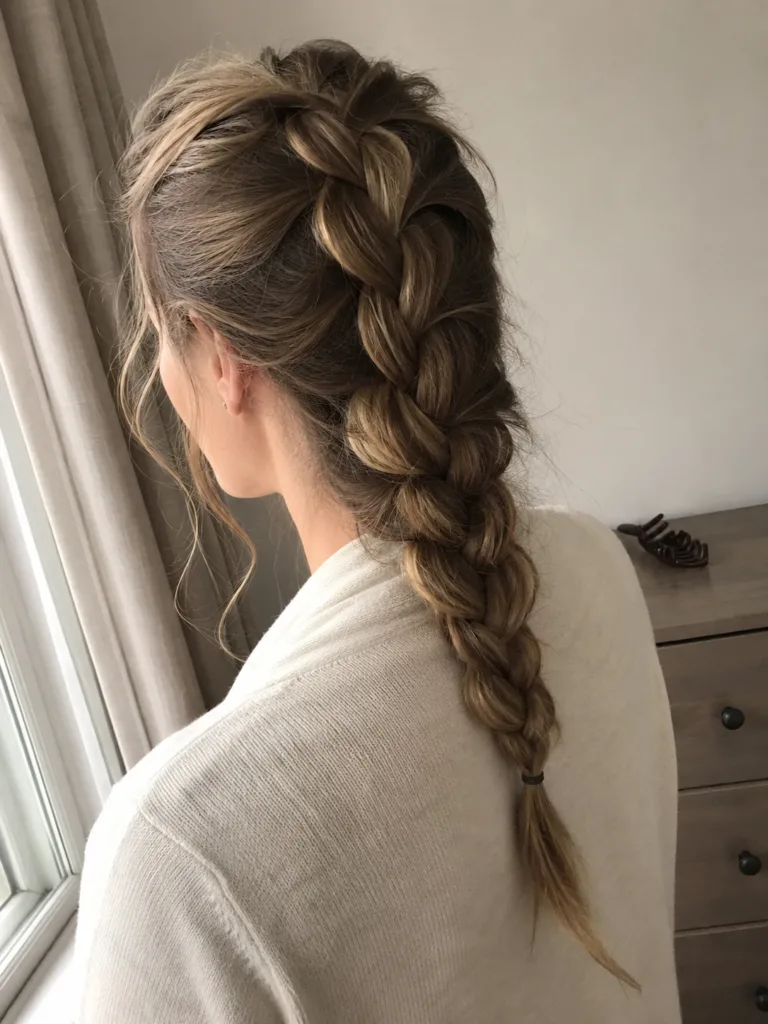
A versatile three-strand braid beginning at the parietal ridge, securing the top half while allowing natural wave texture to flow freely around the shoulders.
Conclusion
The strongest graduation hairstyle isn’t necessarily the most elaborate one. It is the hairstyle whose best feature survives the actual event.
Keep major volume and bulky construction away from the cap area, account for your real texture and styling state, and check how the hair interacts with the gown, accessories, seating, and cap before graduation day. A low bun may be the practical winner for one graduate; full natural curls, braids, a sculpted bob, or a textured pixie may make far more sense for another.
Choose the photograph you want to create, then make sure the hairstyle still works when you’re sitting in the ceremony rather than posing for it.
Editorial Standards & Hair Health Guidance
Every style featured on Tress Atlas is curated with a focus on real-world wearability, scalp tension management, and cuticle preservation. When trying protective styles or tight updos, ensure perimeter hairline sections remain tension-free to avoid traction stress on delicate follicles. For heat styling, cap tools below 350°F (180°C) to prevent thermal keratin denaturation.
Scientific Sourcing: Practices aligned with the American Academy of Dermatology (AAD) on traction alopecia risk reduction and cosmetic trichology research on hair tensile strength.