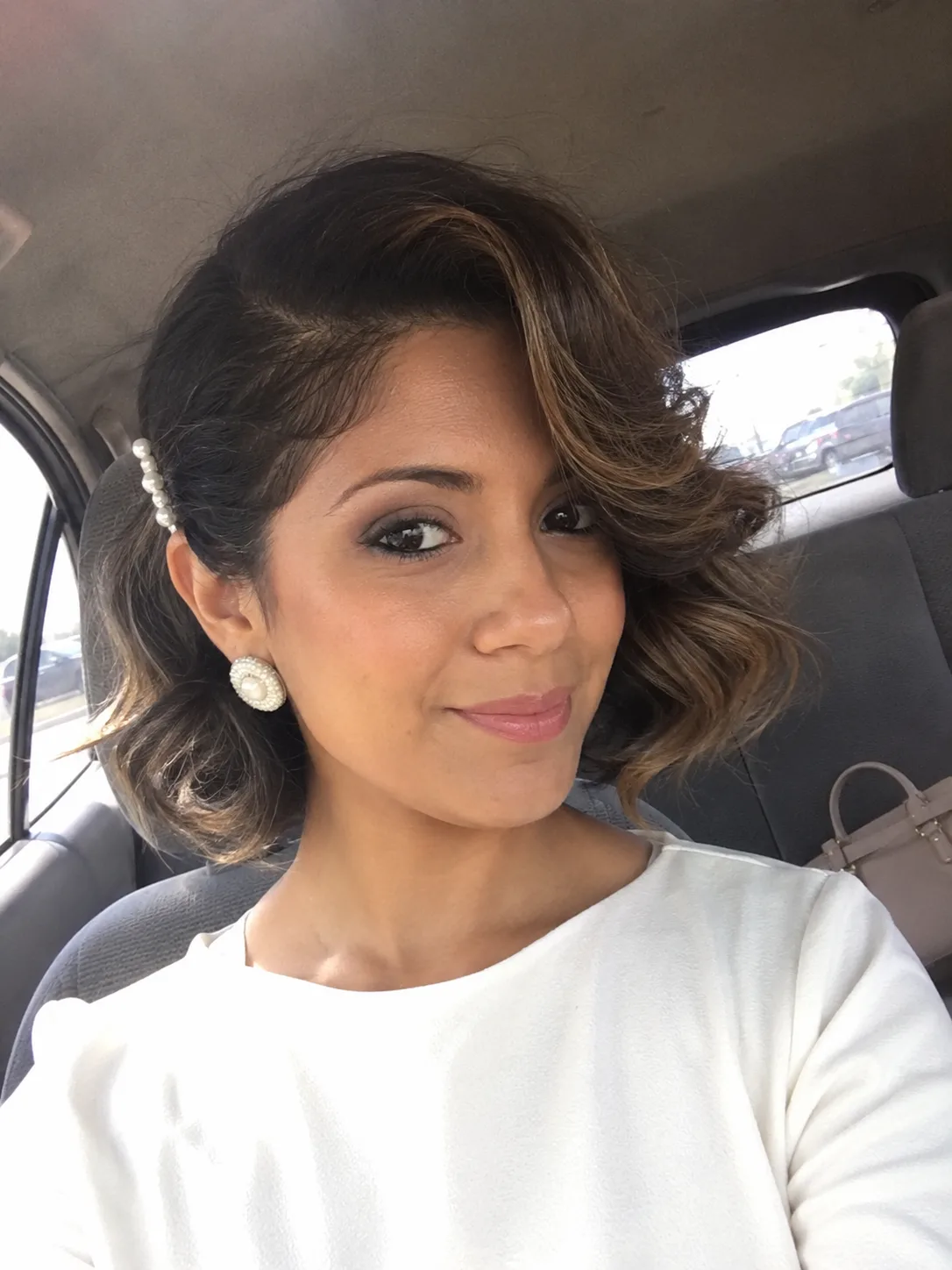
Short Hairstyles for Weddings: Styling Guide & Cuts That Work Beyond the Photo
Short hair doesn’t need to imitate a long-hair updo to look appropriate for a wedding. The stronger approach is to work with the haircut you already have: sharpen a pixie’s direction, change the surface of a bob, build height into curls, or use pinning and braiding where there is enough length to support it.
The hidden decision is where you want the visual focus. A sleek short style puts the haircut itself on display. Waves and curls create softness and movement. Pinned styles shift attention toward the crown or back of the head, which can be useful with a veil, decorative comb, statement earrings, or a higher neckline.
Your normal styling state matters too. A natural tapered cut, a stretched coily bob, a relaxed crop, short locs, and a straight chin-length bob behave differently even when the reference photos look equally compact. Shrinkage changes available length. Fine strands and low density create different styling problems. A heavily layered haircut won’t pin like a blunt bob.
This guide focuses on wedding styles that make sense mechanically as well as visually.
Wedding Styles That Let a Short Cut Stay Short
Sculpted Side-Swept Pixie
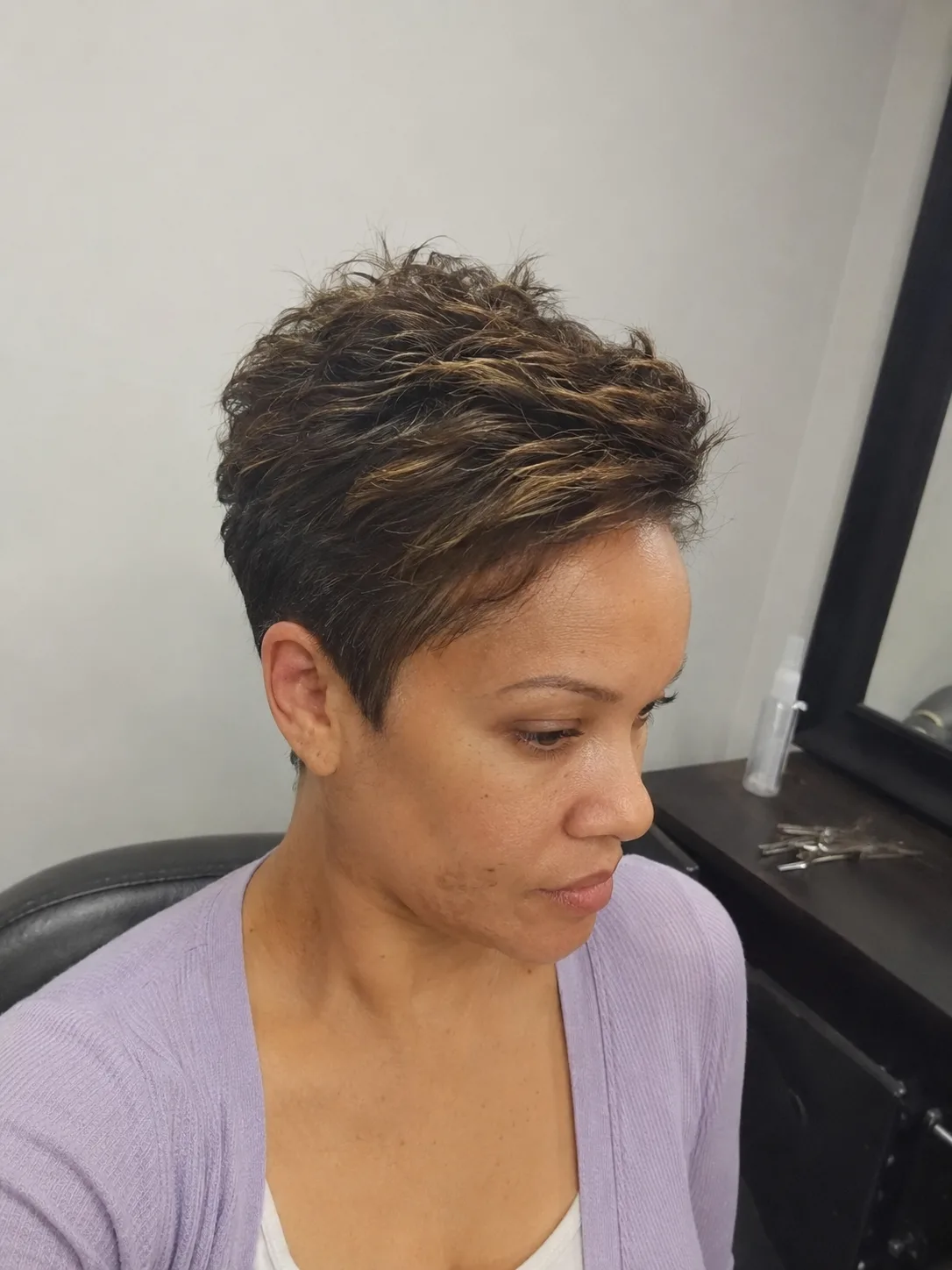
A side-swept pixie is one of the strongest wedding choices when the haircut already has enough length on top to create direction. The front can sweep across the forehead or move diagonally away from the face while the sides stay close and clean.
This style works because it doesn’t fight the cut. Instead of adding unnecessary height or trying to hide short layers with accessories, it makes the outline more deliberate. The ear area also stays open for earrings, which can become part of the overall balance.
Surface texture changes the mood. A smooth sweep reads sharper; separated pieces create a lighter, less formal finish. Glasses wearers should check how the hair sits around the temple before the event so the arms aren’t repeatedly pushing the style out of place.
Brushed-Back Pixie
Brushing a pixie away from the face changes the entire emphasis without requiring more length. The forehead, brows, earrings, and neckline become more visible, and short top layers can be directed upward and back rather than flattened.
The practical issue is movement at the front. Hair that naturally falls forward may need stronger preparation at the roots than a side-swept version. A flexible styling product is often easier to live with than a rigid shell, particularly when you want to touch the hair without the surface breaking into flakes or obvious sections.
A brushed-back pixie is especially effective with clean tailoring, high necklines, and veils or headpieces positioned farther back.
Curly Pixie With Volume on Top
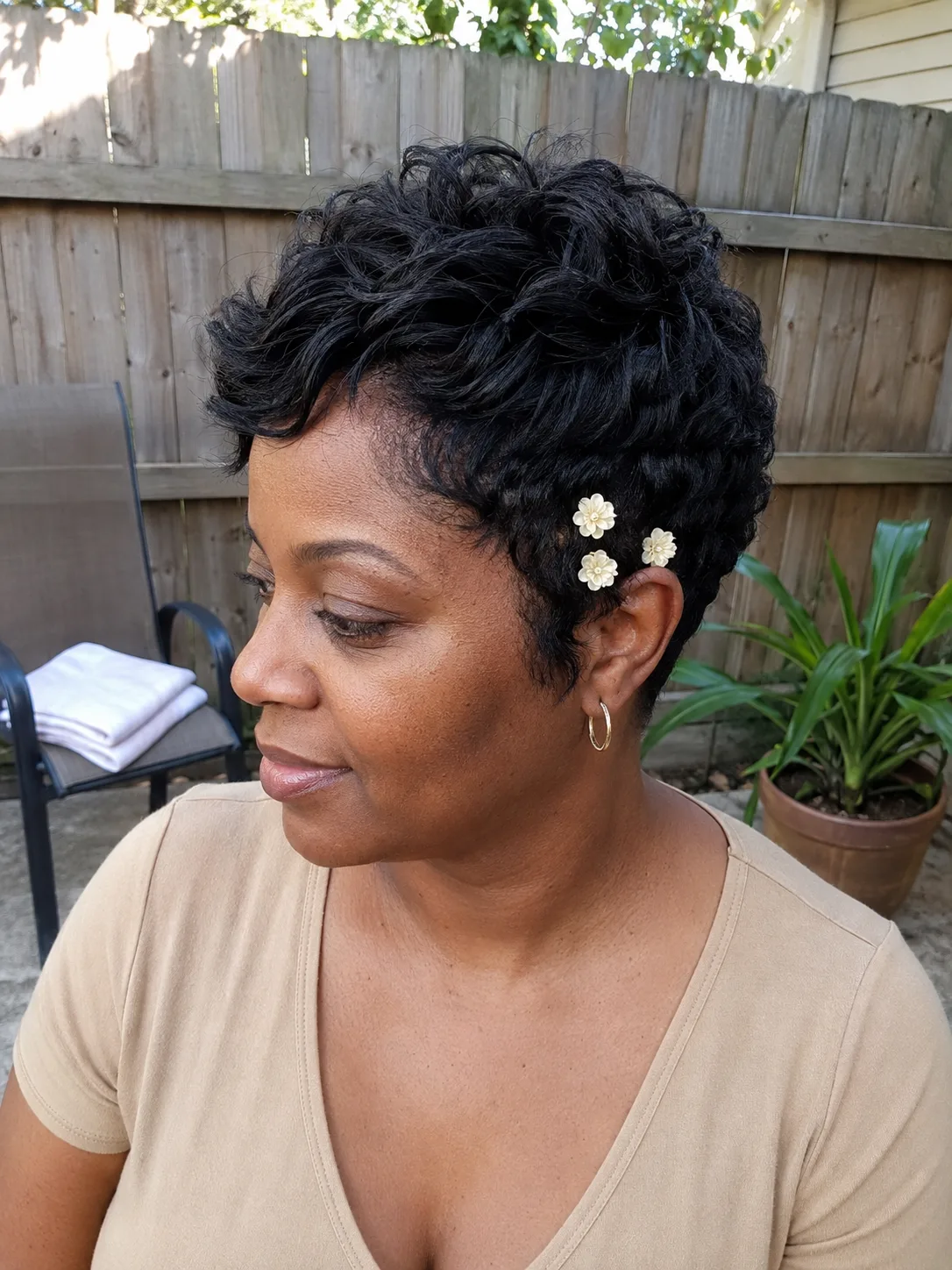
Curls give a short pixie enough dimension that you rarely need elaborate construction. Keeping more visible curl grouping through the top while the sides remain compact creates height without building an artificial updo.
The strongest version follows your actual curl behavior. Some hair forms larger clumps; some springs into tighter pieces. Over-separating can make the top broader and fuzzier than intended, while forcing every curl into identical definition can remove the movement that makes the style attractive.
Shrinkage also affects the apparent proportions. Judge the final shape in the state you plan to wear at the wedding, not from stretched hair before it fully settles.
Finger Waves on Cropped Hair
Finger waves turn very short hair into a deliberate formal style through surface pattern rather than volume. The S-shaped movement sits close to the head, making this a useful option when there isn’t enough length for braids, twists, or pinning.
Because the scalp and hairline remain visible, part placement and wave direction have more impact than they do in a fuller style. The finish can be sleek without being flat or plain.
Tapered Natural Crop With Defined Coils
A tapered natural cut already provides structure: shorter sides and back place most of the visual weight through the crown. For a wedding, defined coils can make that shape clearer while allowing natural texture to remain the main feature.
There is no need to straighten a short natural cut simply because the event is formal. Coil definition, a soft picked shape, or a combination of defined and gently separated areas can all work.
Pay attention to the haircut’s current outline. A tapered cut that has grown out significantly may feel wider at the sides or less distinct around the nape than the reference image you saved. Reshaping the cut can have more impact than adding extra styling steps.
Accessories are optional here. With very short coils, heavy combs and clips may have little hair to anchor into. A lightweight headband or securely placed decorative element can be more realistic than a large piece designed for an updo.
Short Bob Hairstyles With More Movement
Sleek Tucked Bob
The tucked bob is a clean choice when you want the neckline and face to stay visually open. One or both sides sit behind the ears, leaving the perimeter of the bob as the main design feature.
A strong lower edge makes this particularly effective on blunt or lightly layered bobs. Heavy interior layering produces a softer, more separated perimeter and changes the effect.
Before choosing a large earring, check it with the tucked section. Hair can repeatedly slide forward when an earring, glasses arm, or veil detail occupies the same small space around the ear.
Soft Waved Bob
Soft waves are the practical default for many wedding bobs because they add movement without requiring the hair to hold a complicated pinned structure. The waves can be loose and broad, with the ends left relatively calm so the bob still reads as a bob.
Collars matter more than photographs suggest. A chin- or jaw-length style may rub against a jacket, wrap, or high neckline and flip outward as you move. Testing the complete outfit gives you a more realistic picture than styling the hair while wearing a salon cape or T-shirt.
Rounded Curly Bob
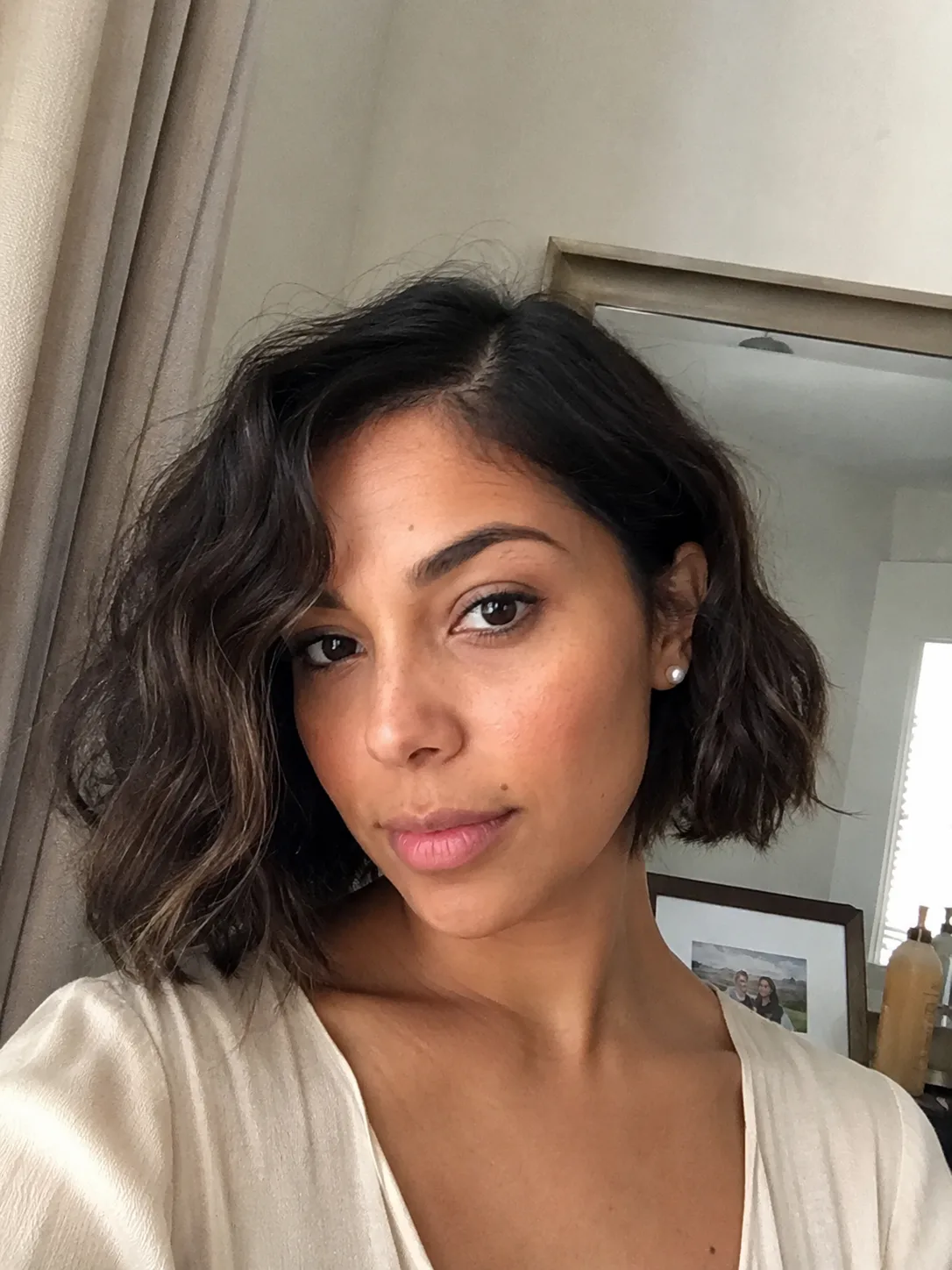
Natural or styled curls can create a fuller, rounder bob shape, placing volume beside the cheeks and through the lower sides instead of concentrating everything at the crown.
Density influences the appearance here. High-density curly hair may create a broad shape with little effort, while lower-density hair can show more separation between curl groups. Strand diameter is a separate characteristic; fine strands don’t automatically mean low density.
A wedding finish can preserve some expansion rather than compressing every curl. The outer shape matters more than achieving identical definition throughout.
Humidity may change the surface and width as the day progresses, particularly when the event moves between indoor and outdoor spaces. A slightly more relaxed reference image is often more realistic than a glass-smooth curl finish that depends on controlled conditions.
Asymmetrical Bob With a Deep Sweep
An asymmetrical bob creates drama through unequal length or weight distribution, so it rarely needs elaborate accessories. A deep sweep can emphasize the longer side and make the cut’s geometry more obvious.
This is a good choice when you want something more directional than conventional waves but still want your haircut to remain recognizable. Keep the shorter side visible instead of allowing both sides to fall forward and hide the asymmetry.
Blunt Chin Bob With an Inward Bend
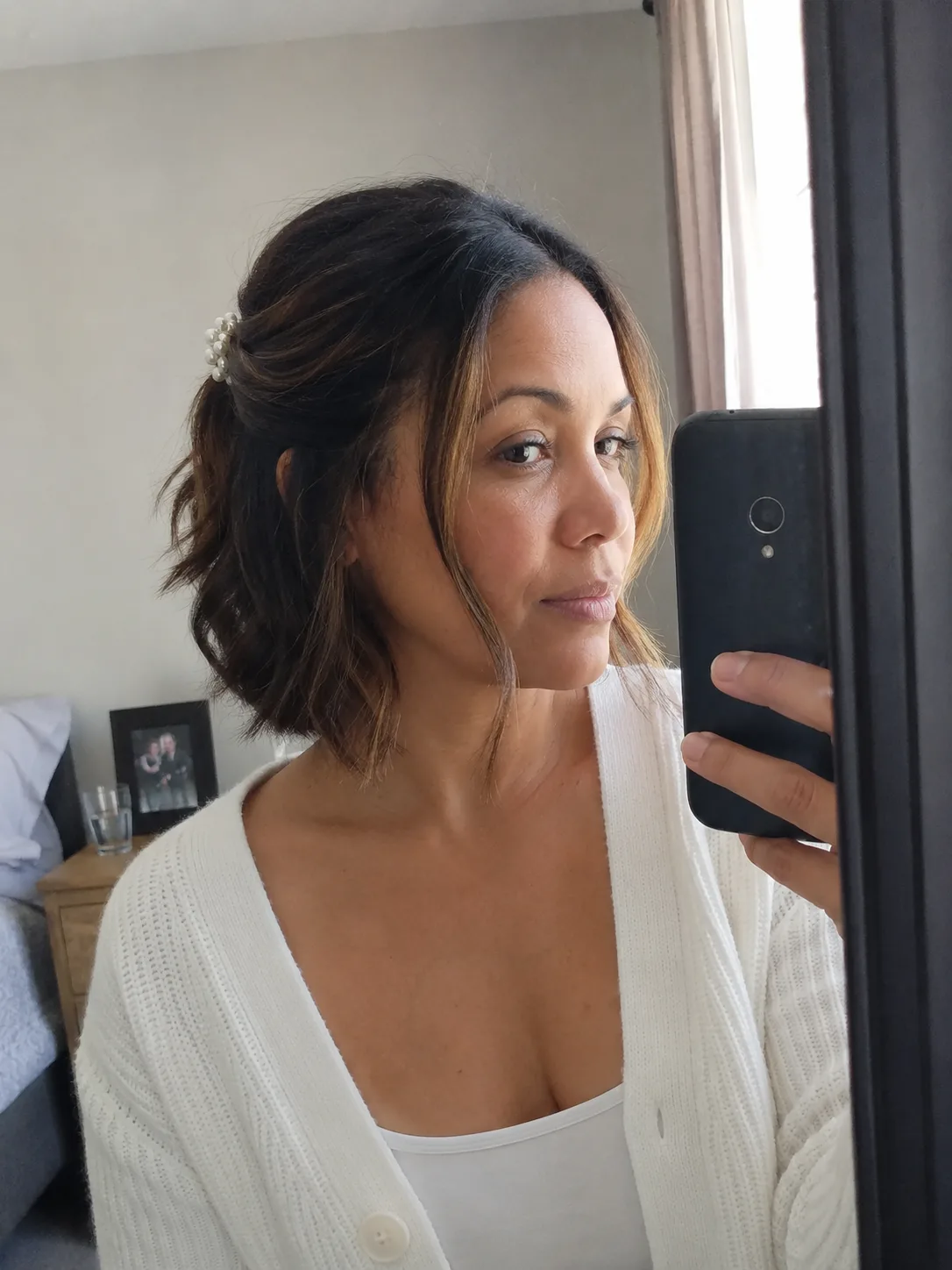
A blunt bob with a subtle inward bend has a completely different character from a loose wave. The ends turn gently toward the jaw or neck, creating a compact outline with fewer visible bends through the mid-lengths.
This finish is less forgiving of an uneven perimeter, so the haircut does more of the work. It pairs particularly well with minimalist dresses, structured necklines, and accessories that don’t compete with the clean lower edge.
Pinning and Braiding Short Hair Without Pretending It’s Long
Twisted-Back Short Hair
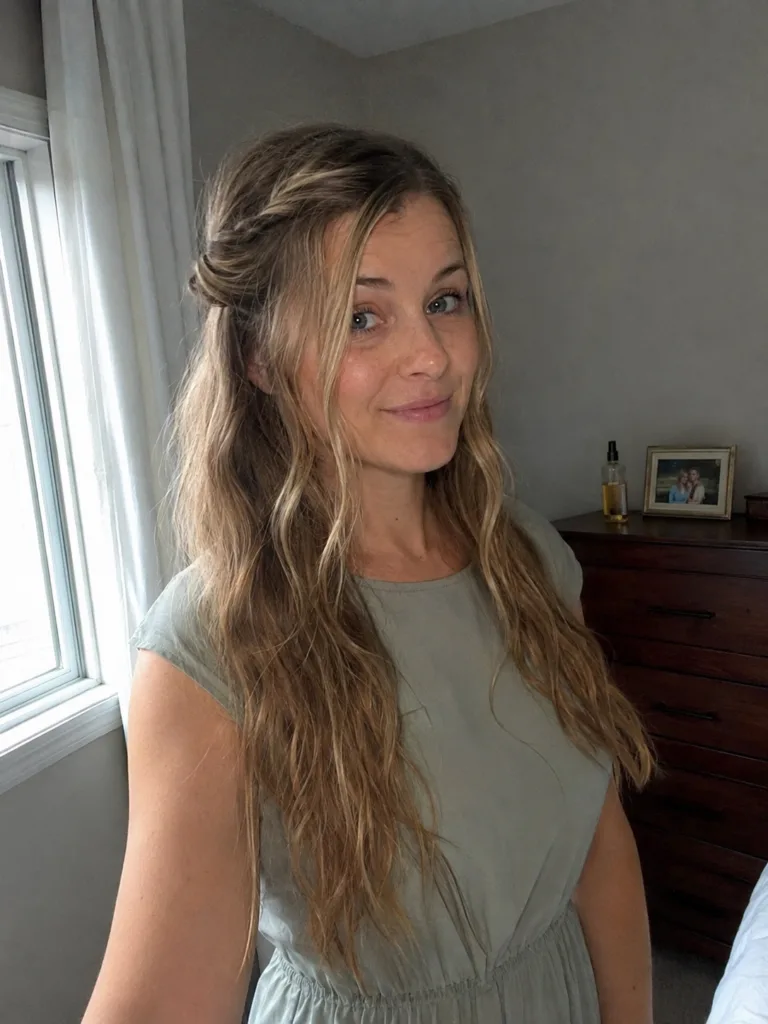
Temple sections can be twisted away from the face and secured toward the back, leaving the remaining hair down. This creates the usefulness of a half-up style without needing a long ponytail.
Short layers may escape from the twist, which isn’t always a problem. A few pieces can soften the finish, while very slippery hair may benefit from a little surface grip before pinning.
This is one of the easier options when you want a decorative comb or small veil attachment at the back but don’t have enough length for a bun.
Short Braided Crown
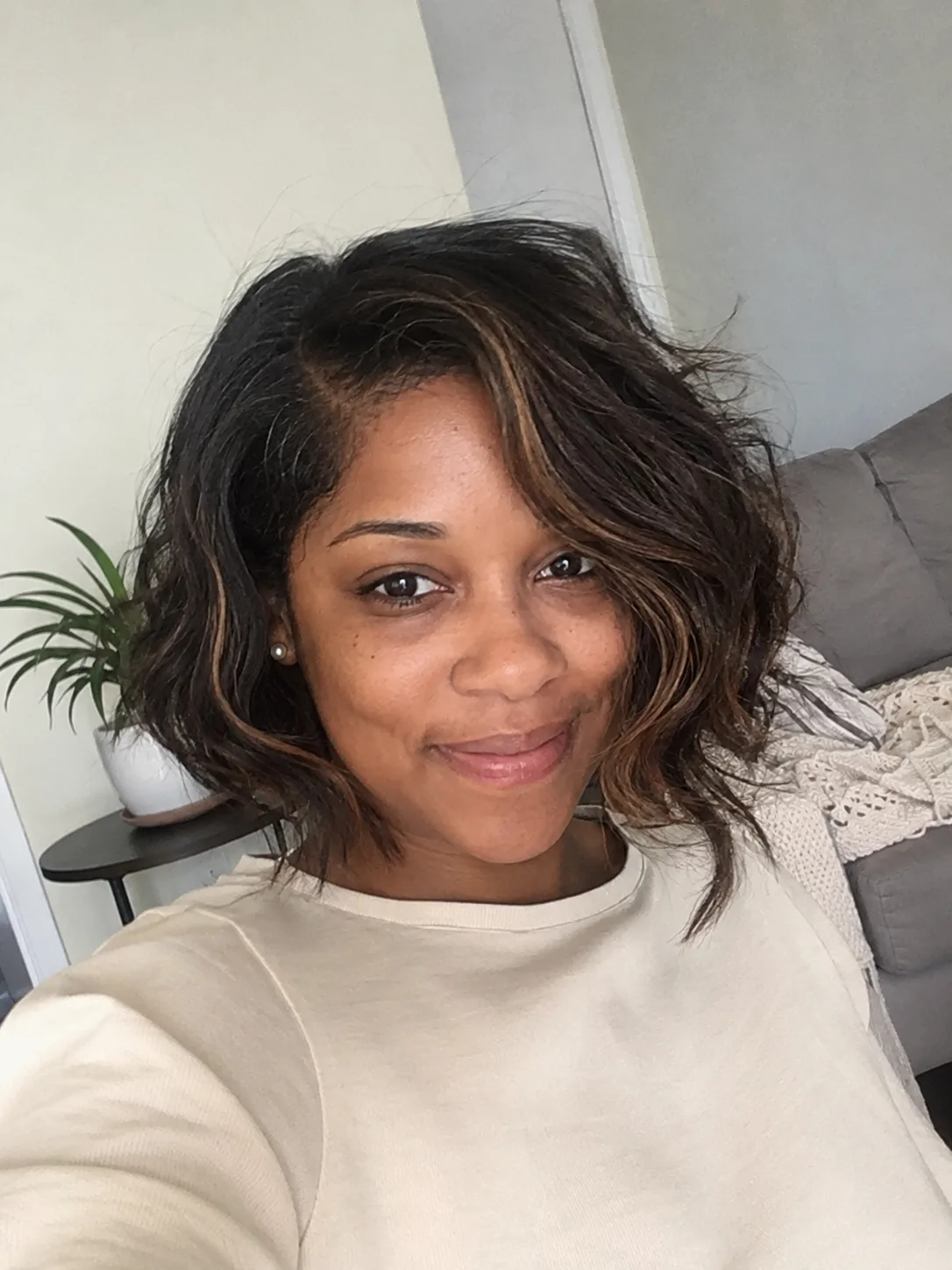
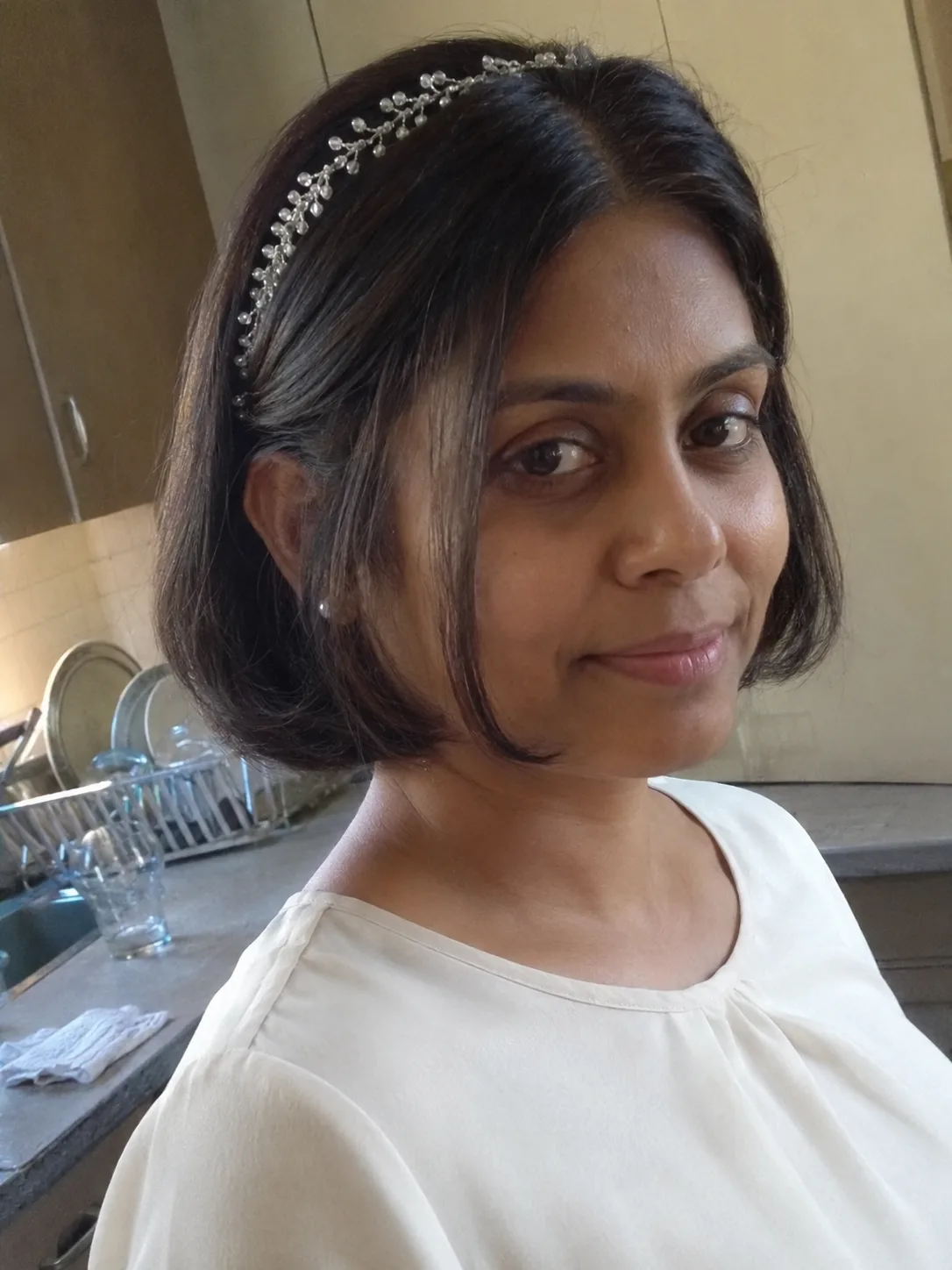
A crown braid on short hair works best when there is enough continuous length around the front and sides for sections to feed into the braid. On a bob, the braid can travel across the hairline or around part of the head while the shorter back remains loose or pinned.
Construction matters more than the finished photo reveals. A thick-looking braid may depend on generous density, stretched texture, or added hair. Short natural hair also loses visible length through shrinkage, so the braid that appears easy on straight bob-length hair may require a different approach on tightly coiled hair.
The braid should sit securely without pulling the hairline into discomfort.
Choose this style because you want visible braided construction, not merely because you need somewhere to place an accessory. A twisted-back style is usually simpler when the braid itself isn’t important to the look.
Pinned Faux Chignon on a Short Bob
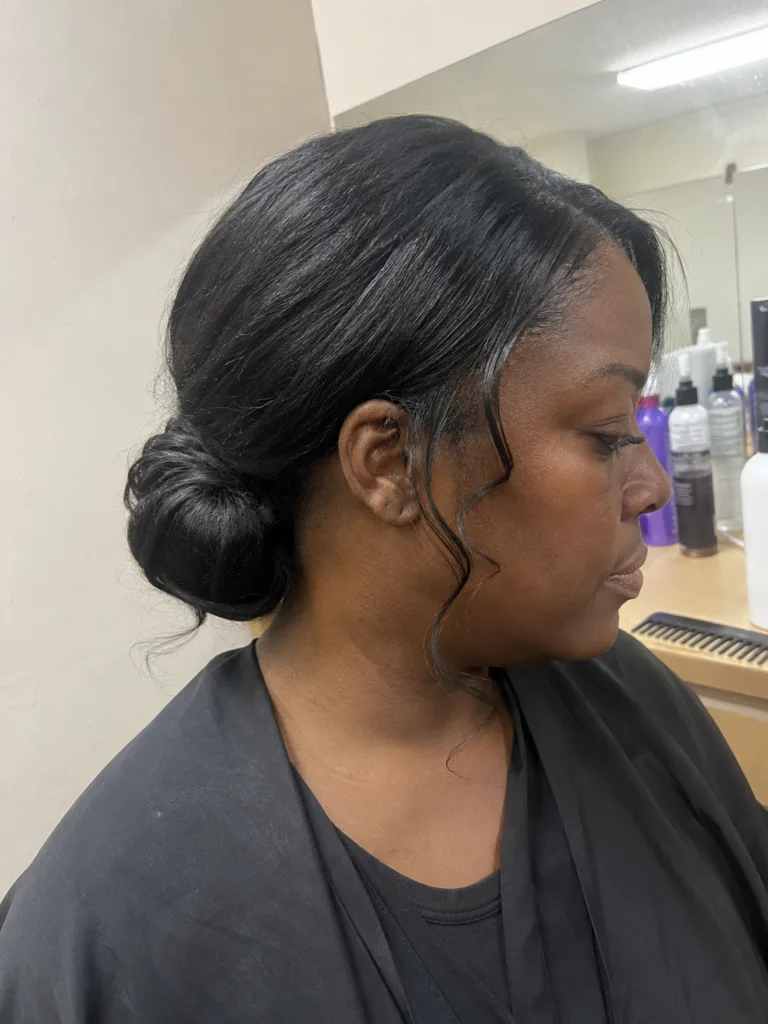
A true low chignon needs enough length to gather and wrap. Bob-length hair can create a similar impression by directing the ends inward and pinning them close to the nape.
From the front and side, you get the compact outline of an updo even though the back is built from tucked sections rather than one continuous bun. This makes it useful with open backs and necklines where loose ends would otherwise brush the clothing.
Pinned Curl Faux Updo
Short layers that refuse to form a conventional bun can work beautifully in a pinned curl arrangement. Individual curled sections are directed toward the back or crown and anchored where the haircut allows, creating the impression of a fuller updo.
This style is more salon-dependent than loose waves because pin placement controls both the shape and security. Randomly pinning every curl upward can produce bulk without a clear outline.
A better construction establishes the overall direction first. Some curls cover pins, some build height, and others soften the sides.
The advantage is flexibility. Shorter pieces can remain around the face instead of being stretched aggressively toward an anchor they can’t comfortably reach.
Half-Up Bob With Crown Lift
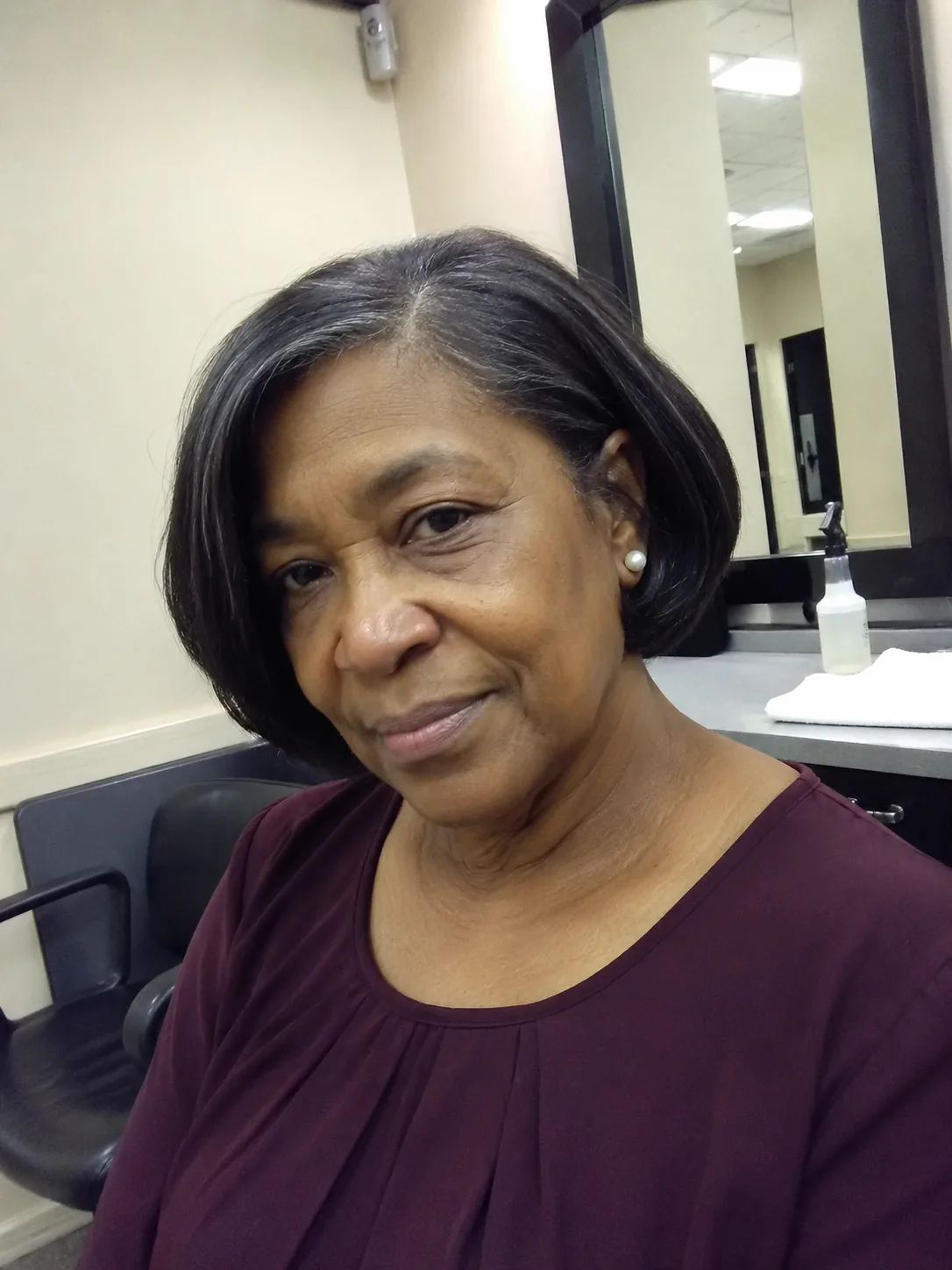
A half-up bob gives you a defined styling change while leaving enough hair down for the haircut’s length to remain visible. The upper section is gathered or pinned back, with subtle lift at the crown.
This is particularly useful for hair that collapses around the face after several hours. The pinned upper section stays out of the way while the lower perimeter can remain smooth, waved, or naturally textured.
Avoid overbuilding the crown when a veil comb needs to sit in the same area. The accessory and the hair need a shared plan.
Wedding Styles for Short Natural Hair and Locs
Flat-Twist Updo on Short Natural Hair
Flat twists can direct short natural hair toward the crown or back without requiring every strand to reach a single ponytail. That makes them a stronger updo option for some short coily cuts than trying to force the entire head into one tight anchor.
Parting becomes part of the visual design. Curved, diagonal, or cleanly spaced sections can remain visible while the ends are tucked, coiled, or pinned according to available length.
Shrinkage affects both reach and final scale. A style planned on stretched hair may contract after moisture is introduced, so the final form should be assessed in the state that will actually be worn.
Comfort takes priority over a perfectly flat root. Flat twists placed under excessive tension can create unnecessary pulling, particularly around finer perimeter hairs. Persistent pain, stinging, bumps, sores, or concerning shedding deserves more attention than preserving the hairstyle.
Short Loc Half-Up Crown
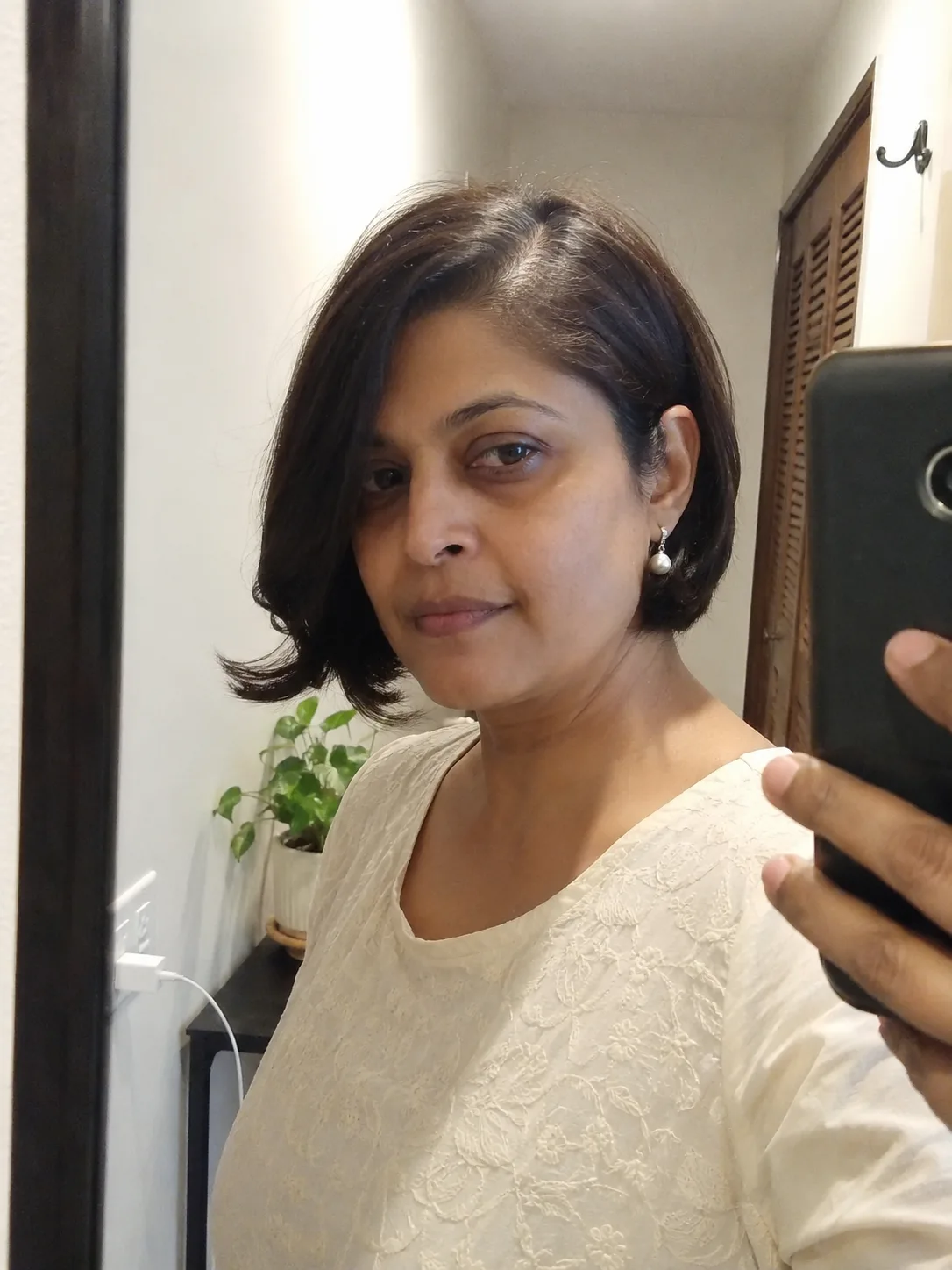
Short locs can be gathered through the upper portion of the head while the lower locs remain free. The result adds height and reveals the sides of the face without demanding enough length for a full loc bun.
Loc size changes the construction. Fewer larger locs create a different crown from many smaller locs, and mature loc weight can become noticeable when too much is concentrated at one point.
Pins or ties should hold the section without sharply bending or compressing individual locs. This style is strongest when the half-up shape feels balanced before any decorative piece is added.
Rolled-and-Tucked Short Natural Updo
A rolled-and-tucked style is worth considering when stretched or elongated natural hair has enough length to fold inward but still falls short of a conventional bun. Sections can be directed toward the center or nape and tucked under themselves, creating a smooth outer form with the ends hidden.
This gives a more continuous updo effect than flat twists. It also allows you to keep some natural volume instead of flattening every section against the scalp.
The haircut underneath still matters. Very short tapered sides may remain exposed, which can look striking rather than incomplete. Uneven lengths can also require several small tucked sections instead of one large roll.
This is a practical choice for someone who wants an updo appearance while keeping their natural hair as the visible material of the style.
Veils, Headbands, Pins, and Other Wedding Accessories
Accessories should support the hairstyle’s construction, not create a second styling problem. A large comb needs enough hair and the right angle to stay secure. A headband can compress crown volume. A veil placed directly over a sculpted pixie can flatten the area that gives the style its shape.
Try the accessory with the completed hairstyle and full outfit before the event. Check it standing, sitting, turning your head, and leaning against a chair. Something that feels fine during a mirror check can become distracting once a comb presses into the scalp or a low attachment meets a chair back.
A floral element, pearl detail, metallic pin, or decorative clip can look beautiful, but an accessory change alone won’t fix a hairstyle whose underlying shape isn’t working. Get the hair right first.
What Wedding Photos Don’t Show
Wedding inspiration photos freeze one angle for a fraction of a second. Your hairstyle has to survive a much less controlled situation.
A short bob can change where it meets a dress collar. A veil comb can press against the back of a chair. Wind can move a side-swept pixie away from its original direction. Defined curls may expand as humidity changes. A high decorative piece can feel completely different once you’ve worn it through a long reception.
There is also the question of removal. Elaborate pinning that looks beautifully compact from the outside may involve many crossed bobby pins underneath. A tightly built braided or twisted style can require more careful takedown than loose styling.
None of this means you need the most basic option. It means the wedding style should be tested as something you’ll actually wear, not treated as a still photograph.
Choosing the Right Style for Your Haircut
Start with the shortest important sections of your haircut, not the longest ones.
A bob may reach the chin at the front but have short layers at the back that won’t enter a low twist. A pixie can have substantial length through the fringe while remaining too short at the temples for a braided crown. Coily hair may appear long while stretched and much shorter in its finished shrunken state.
A useful consultation should establish:
the hair state you plan to wear: natural, stretched, pressed, relaxed, curled, or otherwise styled;
which parts of the haircut must stay visible;
whether a veil, comb, headband, or statement earring needs space;
where the hairstyle will touch the dress, collar, glasses, or headrest;
how much pinning or structured styling you realistically want.
Density deserves separate consideration from strand size. Lower-density hair may reveal more scalp in separated twists or heavily sectioned styles. Fine strands can still be very dense. A haircut or hairstyle can redistribute visible weight, but it can’t create actual density.
For many short-haired wedding guests and brides, the strongest choice is also the simplest one: use the haircut as the foundation and change one major feature—surface, direction, curl pattern, height, or pinning. Trying to transform every aspect at once can make the style harder to wear without making it more elegant.
Keeping Short Wedding Hair Looking Good Through the Event
Short styles often expose small changes quickly. A pixie losing lift at the front can alter the entire shape. A tucked bob sliding over one ear becomes visibly uneven. A pinned faux updo may look different once one structural section loosens.
Build the style around the area that matters most. Secure structural twists and pinned sections first, then refine face-framing pieces. For loose waves or curls, preserve movement instead of coating the hair so heavily that every strand becomes stiff.
Carry only what you can realistically use. A few suitable pins may help a twisted or tucked style. A small amount of the styling product already used on the hair can help with surface control. Rebuilding an elaborate hairstyle in a restroom mirror is a poor maintenance plan.
Natural curls and coils may change slightly as they absorb moisture from the air. That change doesn’t automatically ruin the style. A shape that still looks good with a little expansion is often a better wedding choice than one that depends on every curl remaining exactly where it started.
Most importantly, discomfort isn’t part of formal styling. A pin that scratches, a comb that digs into the scalp, or a braided section that feels painfully tight should be adjusted rather than endured for the photograph.
Related Hairstyles to Explore
- Hairstyles for wedding guest
- Wedding guest hairstyles for long hair
- Hairstyles for long hair wedding guest
- Short hairstyles for black women
FAQs
Can very short hair still look formal enough for a wedding?
Yes. Very short hair often looks strongest when the formality comes from deliberate shaping rather than added complexity. Finger waves, a sculpted pixie, a brushed-back crop, or defined coils can all create a clear event-ready finish without pretending the hair is longer than it is.
What wedding hairstyle works well for short curly or coily hair?
Start with the way you normally prefer the texture to behave. A curly pixie, rounded curly bob, tapered coil-defined crop, flat-twist updo, or rolled-and-tucked natural style can all work. Shrinkage, haircut shape, density, and available length determine which construction is practical.
Can extensions be added to short hair for a wedding?
They can be appropriate in some situations, but the attachment method, existing length, condition, density, and desired result matter. Added hair also introduces weight and another point of attachment. A qualified stylist can assess whether an extension-based option makes sense for the specific hairstyle you want rather than treating added length as the default solution.
Should I wash my hair on the wedding day or beforehand?
There isn’t one wash schedule that works for every short hairstyle. Base the timing on your scalp needs, hair texture, styling state, product buildup, drying needs, and the technique being used. The person creating the hairstyle should know whether they want the hair freshly cleansed, stretched, naturally dried, or prepared in another specific state.
Hair Texture & Upkeep Style Matcher
Select your natural hair texture and daily maintenance window to get an instant styling formula and heat safety cap.
Heat Cap: 320°F (160°C)
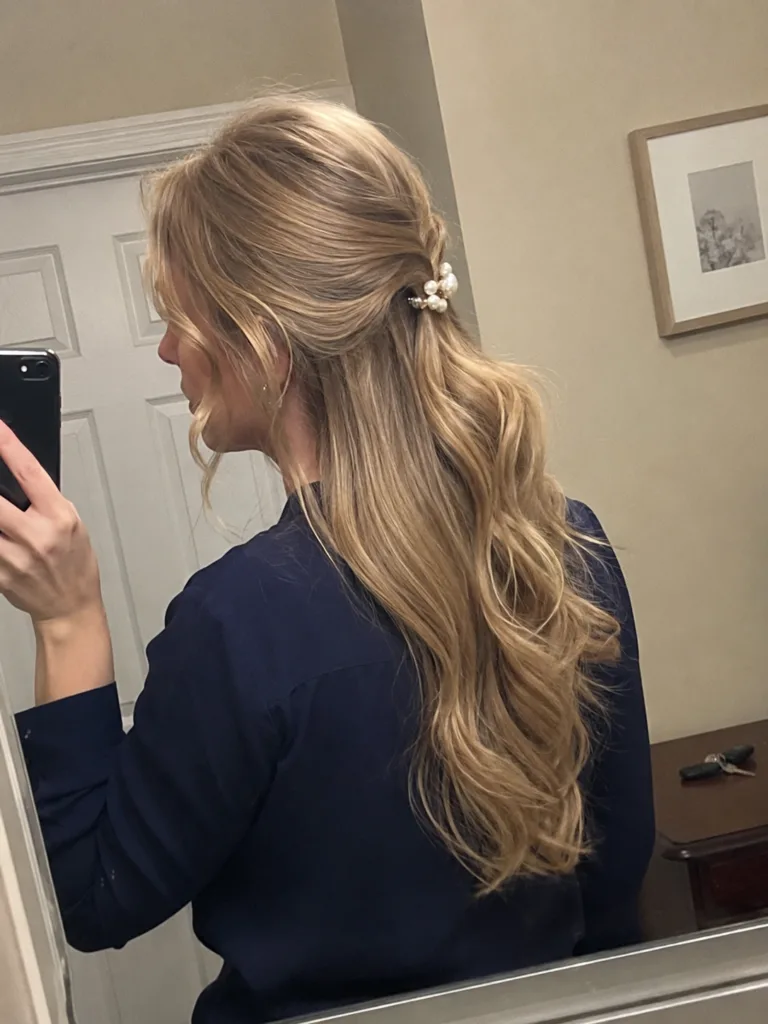
A versatile three-strand braid beginning at the parietal ridge, securing the top half while allowing natural wave texture to flow freely around the shoulders.
Conclusion
The most convincing short hairstyles for weddings don’t hide the haircut. They use its existing length and structure intelligently.
A pixie benefits from direction and surface control. A bob can gain softness through waves or formality through a strong tucked or blunt finish. Short natural hair opens up options through coils, flat twists, and tucked construction, while short locs can create height without needing to become a full updo.
Choose the style only after considering the accessory placement, clothing neckline, normal hair state, and how the hairstyle will behave once you’re sitting, moving, hugging people, and wearing it for more than a photograph. The right short wedding hairstyle should still feel like your hair—just with a clearer plan.
Editorial Standards & Hair Health Guidance
Every style featured on Tress Atlas is curated with a focus on real-world wearability, scalp tension management, and cuticle preservation. When trying protective styles or tight updos, ensure perimeter hairline sections remain tension-free to avoid traction stress on delicate follicles. For heat styling, cap tools below 350°F (180°C) to prevent thermal keratin denaturation.
Scientific Sourcing: Practices aligned with the American Academy of Dermatology (AAD) on traction alopecia risk reduction and cosmetic trichology research on hair tensile strength.