Hairstyles for School: Styling Guide & Cuts That Work in Real Life
A school hairstyle has to survive more than the morning mirror. Backpacks rub against the nape, sports and recess add movement, hoodies flatten volume, and a style that takes too much rebuilding halfway through the day quickly becomes inconvenient.
The most useful hairstyles for school balance three things: how much time you have in the morning, how securely the hair needs to stay contained, and what your hair naturally does as the day goes on. Straight hair may slip from loose pins. Curls can expand in humidity. Coily hair may shrink dramatically between freshly stretched and fully shrunken states. Added hair can make an otherwise simple style heavier.
That makes practicality more important than chasing one perfect look. A low ponytail is hard to beat on rushed mornings, while braids earn their place when you want more containment. Natural twists and puffs can reduce daily manipulation, and short cuts need their own approach rather than being treated as limited versions of long-hair styles.
Quick Styles for Ordinary School Mornings
Low Ponytail
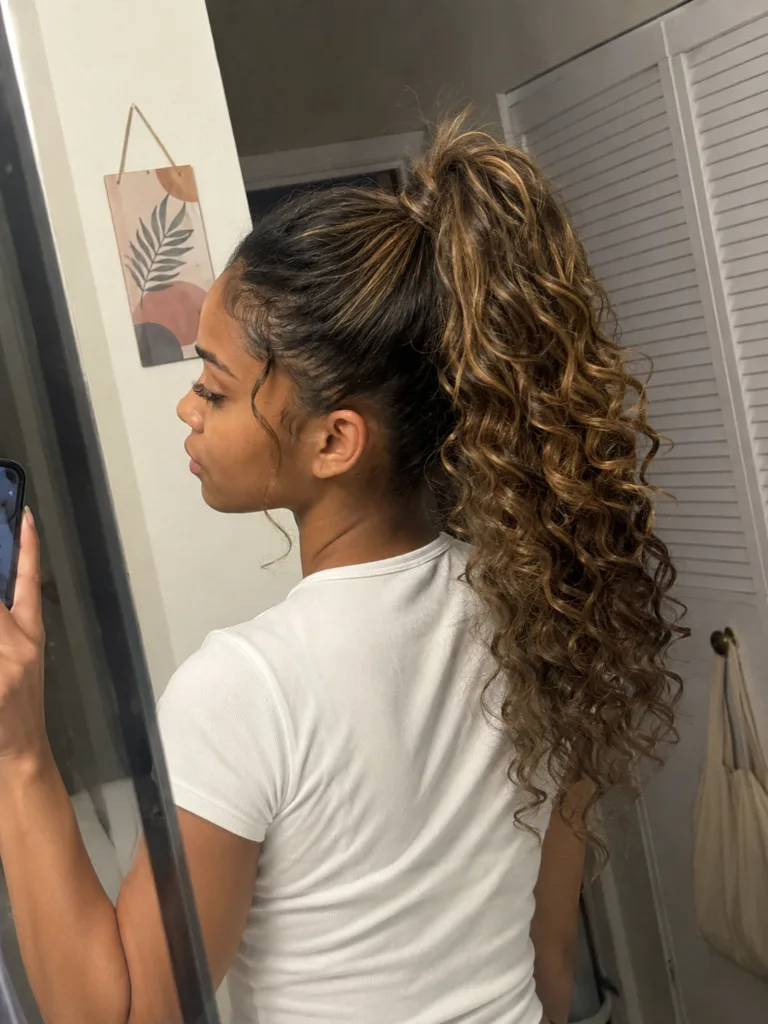
The low ponytail remains one of the strongest school-day defaults because it asks very little from the haircut. Gather the hair near the nape and secure it with a fabric-covered elastic, leaving the surface softly brushed or deliberately textured according to how you normally wear your hair. It sits comfortably beneath many hats and hoodies and doesn’t compete much with a backpack.
A low anchor also avoids the constant swinging of a very high ponytail. That matters during a long day, especially with thick hair or extensions.
You don’t need to flatten every flyaway to make the style look finished. A clean part, contained lengths, and an elastic that stays put usually do enough.
High Ponytail
A high ponytail gives the face a more open look and keeps long hair farther away from collars and backpack straps. It works particularly well when you want noticeable movement without leaving the hair completely loose.
Placement changes how the ponytail behaves. Very long or dense hair creates more leverage at a high anchor as you walk, run, or turn your head, so the highest possible position isn’t always the most comfortable one. A slightly lower crown ponytail often gives much of the same effect with less pulling.
Curly hair can stay full through the tail instead of being brushed into a straight-looking finish.
Low Bun
For days when loose lengths would simply get in the way, a low bun is more controlled than a ponytail while remaining easy to position.
Start with a low ponytail, twist or wrap the length around its base, and secure the bun with an elastic or bobby pins. Thick hair may sit better when the bun is made from two sections wrapped in opposite directions instead of one large coil.
Keep the bun away from the exact spot where a backpack or hoodie repeatedly presses against the nape. That small placement change can make a long school day noticeably more comfortable.
Double Buns
Two buns divide the hair’s weight and create a playful silhouette without leaving the lengths swinging freely. They can sit high for a more graphic look or lower toward the back of the head for something quieter.
The style is especially useful for medium-length hair that struggles to stay inside one neat bun. Dividing the hair gives shorter pieces less distance to travel before reaching an anchor.
Make the parting as simple as you need. The two-bun construction creates the visual effect; an elaborate zigzag part rarely adds enough to justify extra morning work.
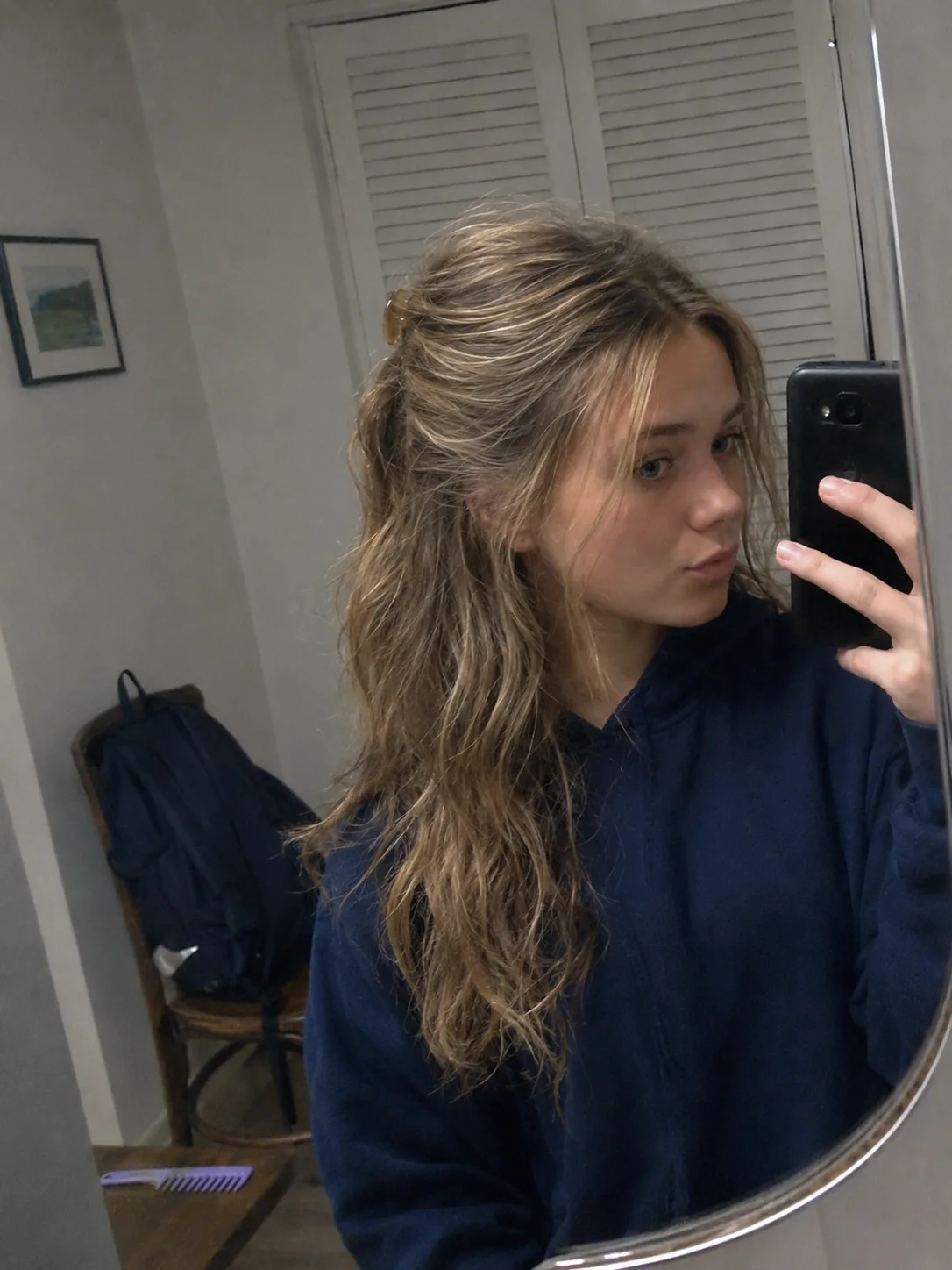
Half-Up, Half-Down Hair
The half-up style solves one of the most common school-hair problems: wanting to wear your length down without continually moving front pieces away from your face.
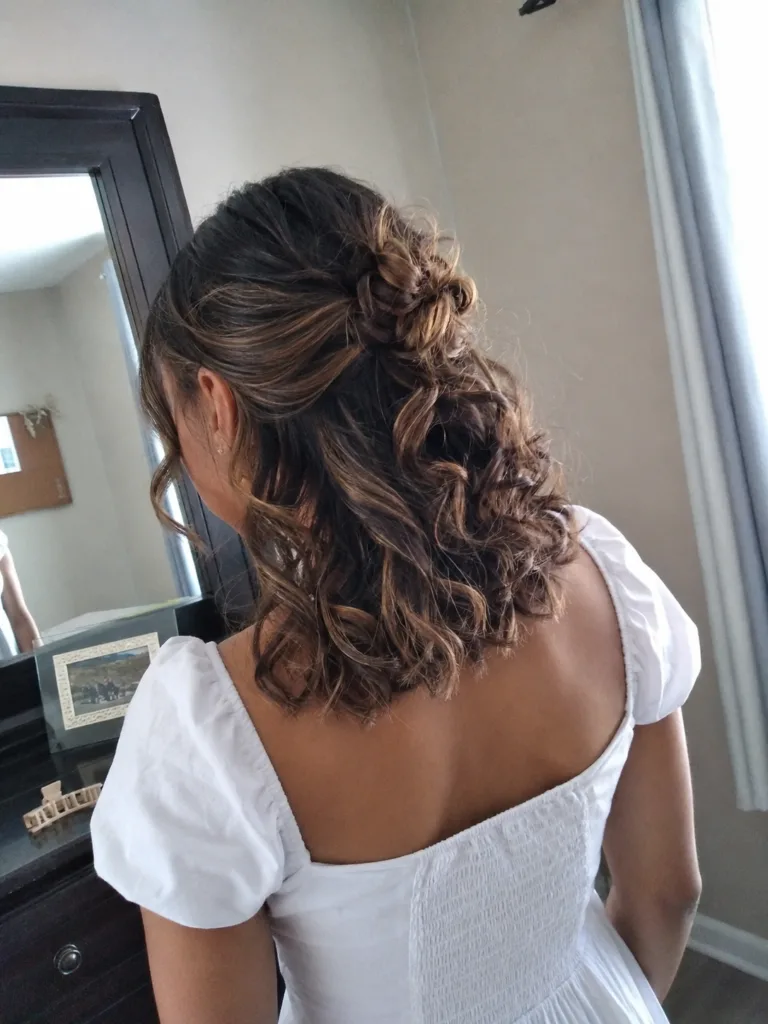
Gather the top and temple sections while leaving the lower half loose. An elastic gives stronger hold than a few decorative pins, which makes it the practical choice for a full school day. Straight, wavy, curly, and stretched hair can all use the same basic construction.
The loose section still interacts with coats, scarves, and backpack straps, so very long hair may need occasional detangling by the end of the day.
Braided Hairstyles That Stay Contained
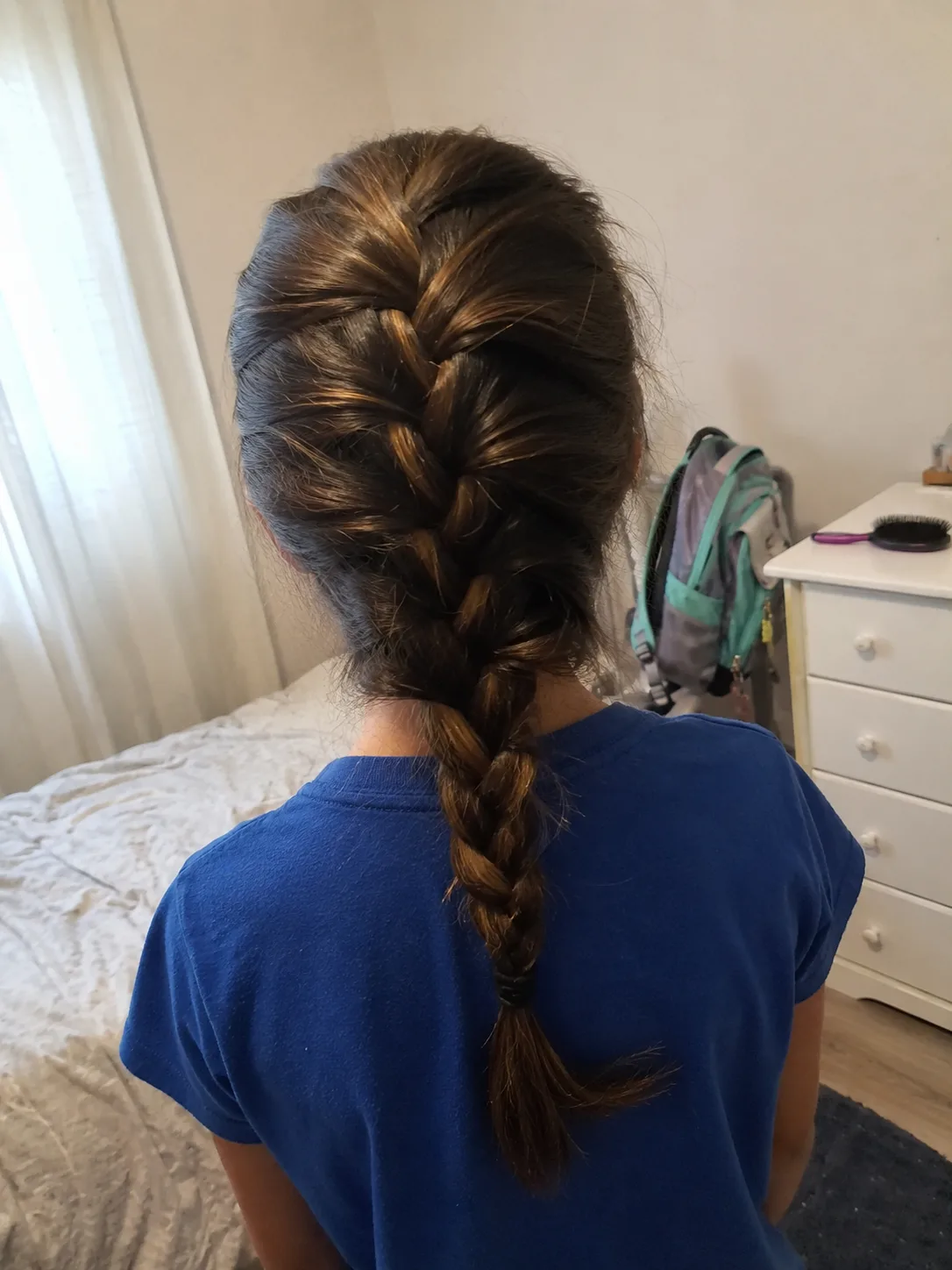
Single French Braid
A French braid gradually picks up hair as it travels down the head, making it much more useful for containment than a braid that begins only at the nape. Front and side sections become part of the braid instead of falling forward during class.
It also works across a surprisingly wide range of lengths, provided enough hair can reach the braid path.
A perfectly smooth braid isn’t required. Slight looseness can give the braid more fullness, though the foundation still needs enough security to survive movement. For sports days, the braid is generally more practical than long loose hair because there is less length swinging around the shoulders.
Double Dutch Braids
Two Dutch braids are the stronger choice when a single center braid struggles to capture shorter layers or dense hair evenly. Each side has less hair to manage, and the braids keep the lengths close to the head.
Because Dutch braiding crosses sections underneath, the braid sits visibly above the surrounding hair. That raised structure gives the style a more defined appearance even without accessories.
The convergence around the front hairline should still feel comfortable. Pulling every short edge hair into the braid isn’t necessary, especially where those strands are already fragile.
Braided Ponytail
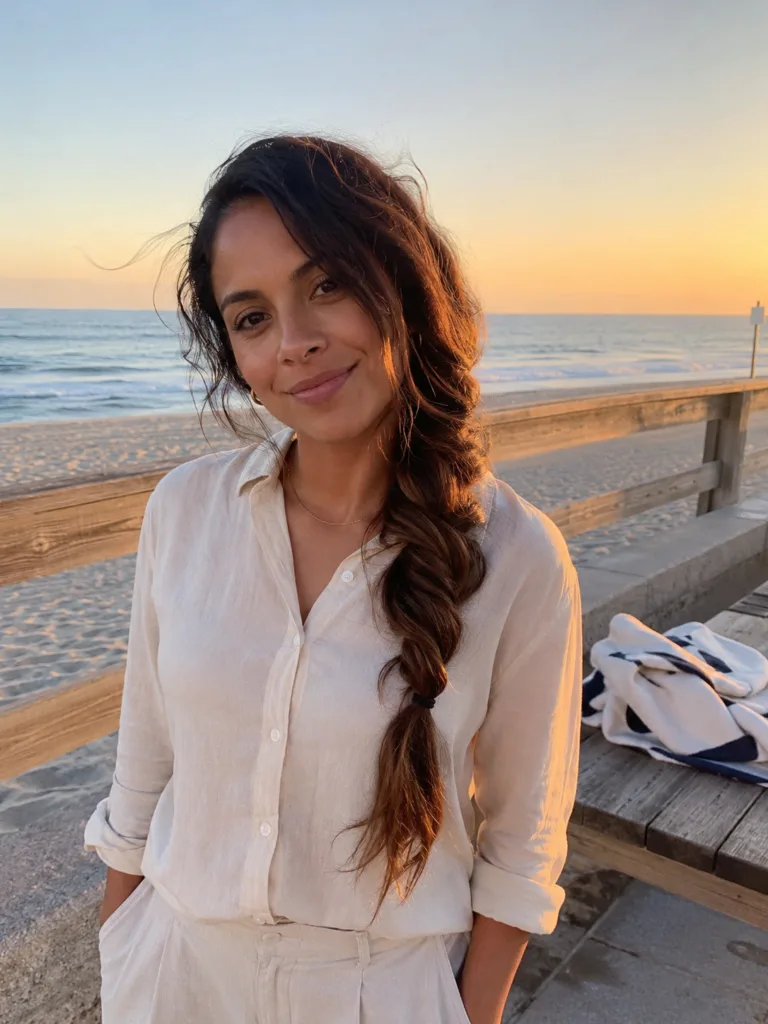
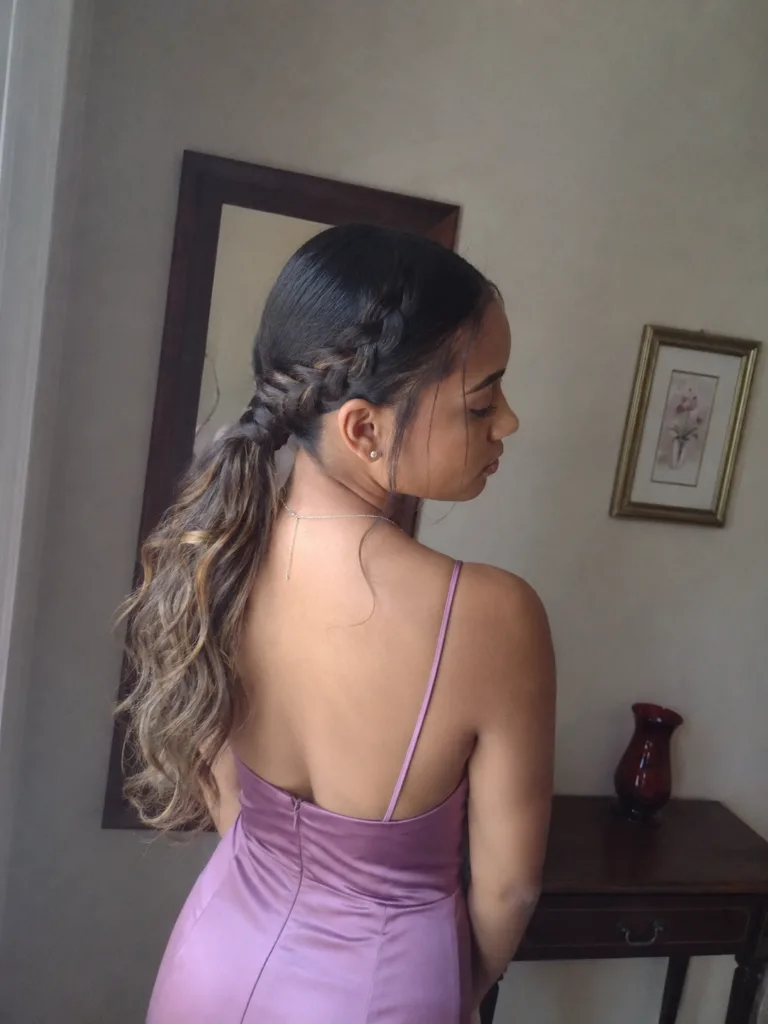
A braided ponytail keeps the simplicity of a ponytail but removes much of the swinging and tangling that comes with a loose tail. Secure the ponytail first, divide the length, and braid downward before fastening the end.
This is an underrated option for long hair on active days. The braid behaves as one contained length, so it is less likely to spread across a chair back or become caught under a backpack strap.
The anchor deserves more attention with very long, thick, or added hair because the braided tail can still carry substantial weight.
Braided Bun
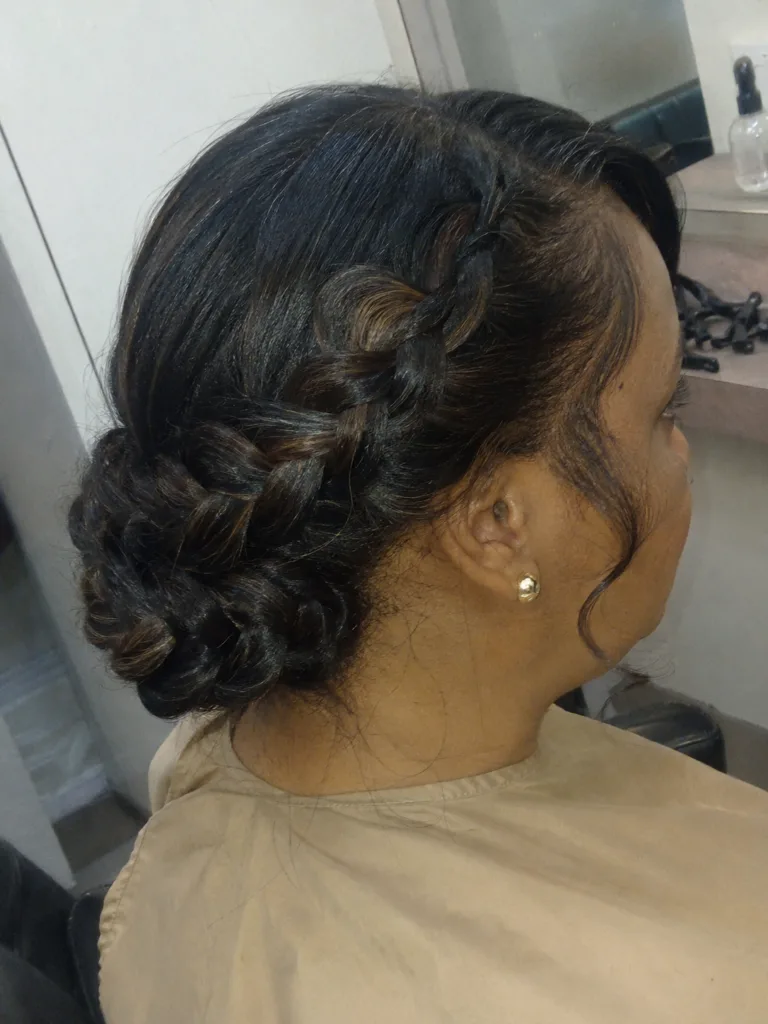
Start with a ponytail, braid the tail, then wrap the braid around the base. That small construction change gives a braided bun more visible pattern than a simple twisted bun while keeping the ends secured.
Medium and long hair usually provide enough length for the braid to wrap clearly. On shorter hair, a regular bun may be easier because the braided length can become too short to circle the base cleanly.
This style also handles a dressier school event well without requiring an entirely separate formal hairstyle.
Crown Braid
A crown braid moves the hair around the head instead of concentrating everything at one ponytail point. The finished shape has far more visual presence than an ordinary braid, yet the lengths stay contained.
It takes more planning, so this isn’t the style to choose for a morning when you’re already rushing. The braid path has to be balanced, and shorter pieces may need pins to stay incorporated.
For picture day, a performance, or another school occasion where you want the hairstyle itself to be noticeable, the extra work makes more sense.
Side Fishtail Braid
A fishtail braid creates a finer woven pattern than a standard three-strand braid. Wearing it over one shoulder also makes the detail easier to see from the front.
The tradeoff is straightforward: the construction requires more repeated sectioning than an ordinary braid, so it earns its place on mornings when appearance matters more than maximum speed.
Slightly loosening the outer edges after braiding can make the weave more visible. Keep enough tension through the central structure that the braid doesn’t simply unravel as it loosens.
School Hairstyles for Curly and Coily Hair
Curly Puff
Few school styles give naturally curly or coily hair as much visual impact for so little construction. The hair is gathered toward a chosen point while the curls or coils remain full rather than being compressed into a conventional ponytail.
The shape changes considerably with shrinkage. A puff created on stretched hair can appear longer and softer, while a puff on fully shrunken hair often looks rounder and more compact. Neither state is the default; use the state you normally prefer wearing.
Keep the base secure without repeatedly tightening it throughout the day. A puff should move comfortably without making the scalp feel sore.
Wash-and-Go
For students who prefer their natural curl pattern visible, a wash-and-go can be more practical than building a new updo every morning. The important work happens during cleansing, conditioning, styling, and drying rather than through complicated daily construction.
The result depends heavily on curl or coil grouping, shrinkage, density, product weight, and how fully the hair dries. Dense roots can remain damp after the outer lengths feel dry, so rushing out with a wet interior isn’t ideal.
A wash-and-go also leaves the hair exposed to backpack straps and clothing friction. Longer curls may benefit from being moved forward before putting on a backpack instead of being trapped beneath the straps.
Two-Strand Twists
Two-strand twists are worth considering when daily detangling and restyling take more time than you want to spend before school. Each section is divided in two and twisted down the length, creating a style that can remain loose, be gathered into a ponytail, or later be unraveled for a twist-out.
The section size changes both the appearance and the amount of installation and takedown work. Smaller sections create more individual twists. Larger twists create a bolder pattern and reduce the number of sections you have to manage.
Twists also keep the ends more organized than a fully loose style without requiring added hair.
Mini Twists
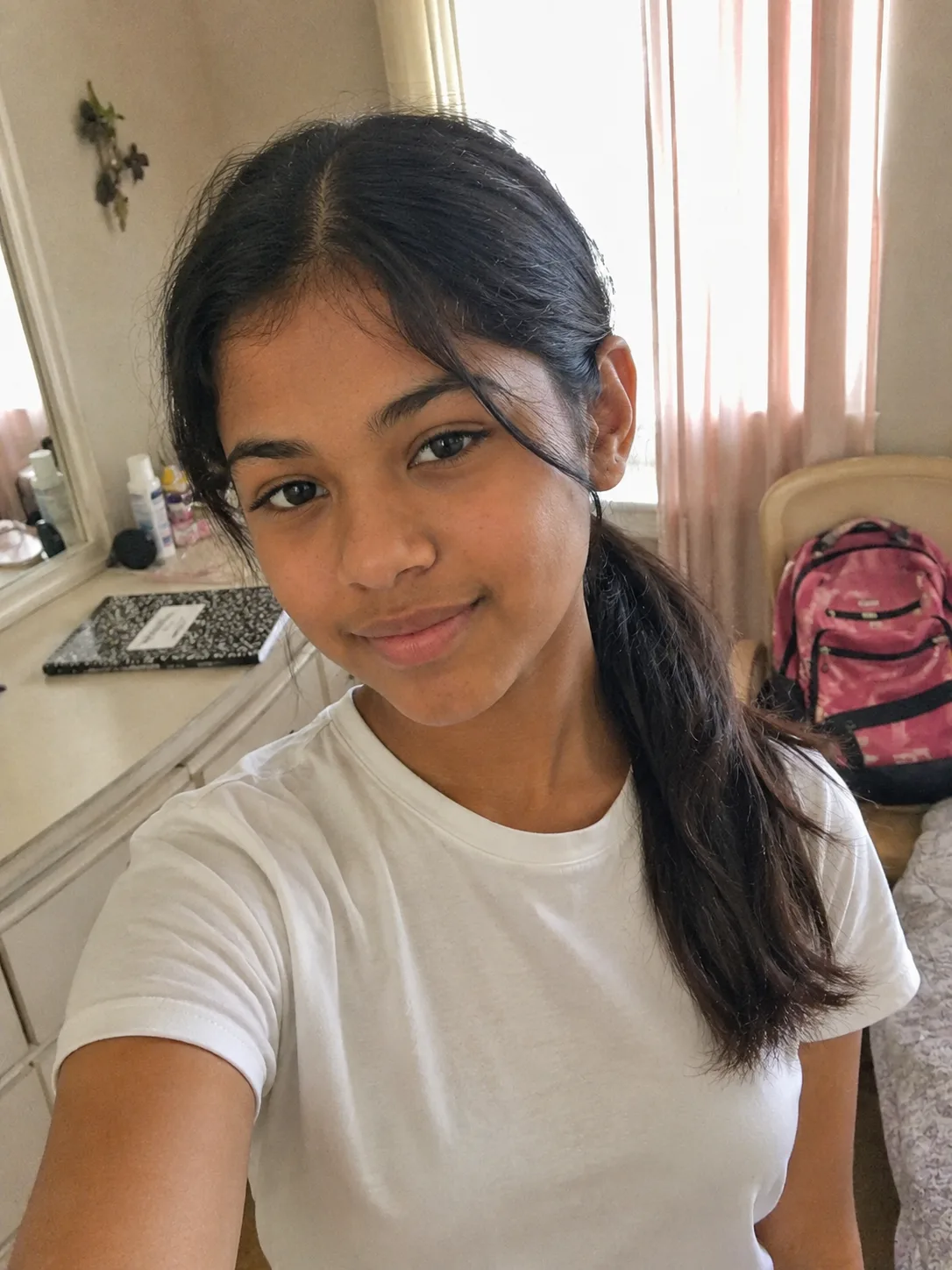
Mini twists provide more movement than large twists because each individual section is lighter and narrower. They can be worn loose, gathered partially up, or pulled gently into a low style without rebuilding the entire hairstyle.
Their advantage is flexibility across several school mornings.
The hidden cost appears at installation and takedown. More sections mean more individual twists to create and later undo, so mini twists make sense when reduced daily styling is worth that concentrated effort. Scalp access also matters; the sections should still allow cleansing and comfortable drying as needed.
Flat Twists Into a Low Ponytail
Flat twists give the front and sides a defined structure while a ponytail keeps the back simple. The twists travel along the scalp toward the low anchor, where the remaining lengths are gathered together.
This hybrid is particularly useful when front sections tend to shrink, expand, or fall forward during the school day. The ponytail can stay curly, stretched, twisted, or braided, so the entire head doesn’t have to share one texture or technique.
Avoid forcing very short hairline strands into tight twist sections merely to create a perfectly clean edge.
Twist-Out With the Front Pinned Back
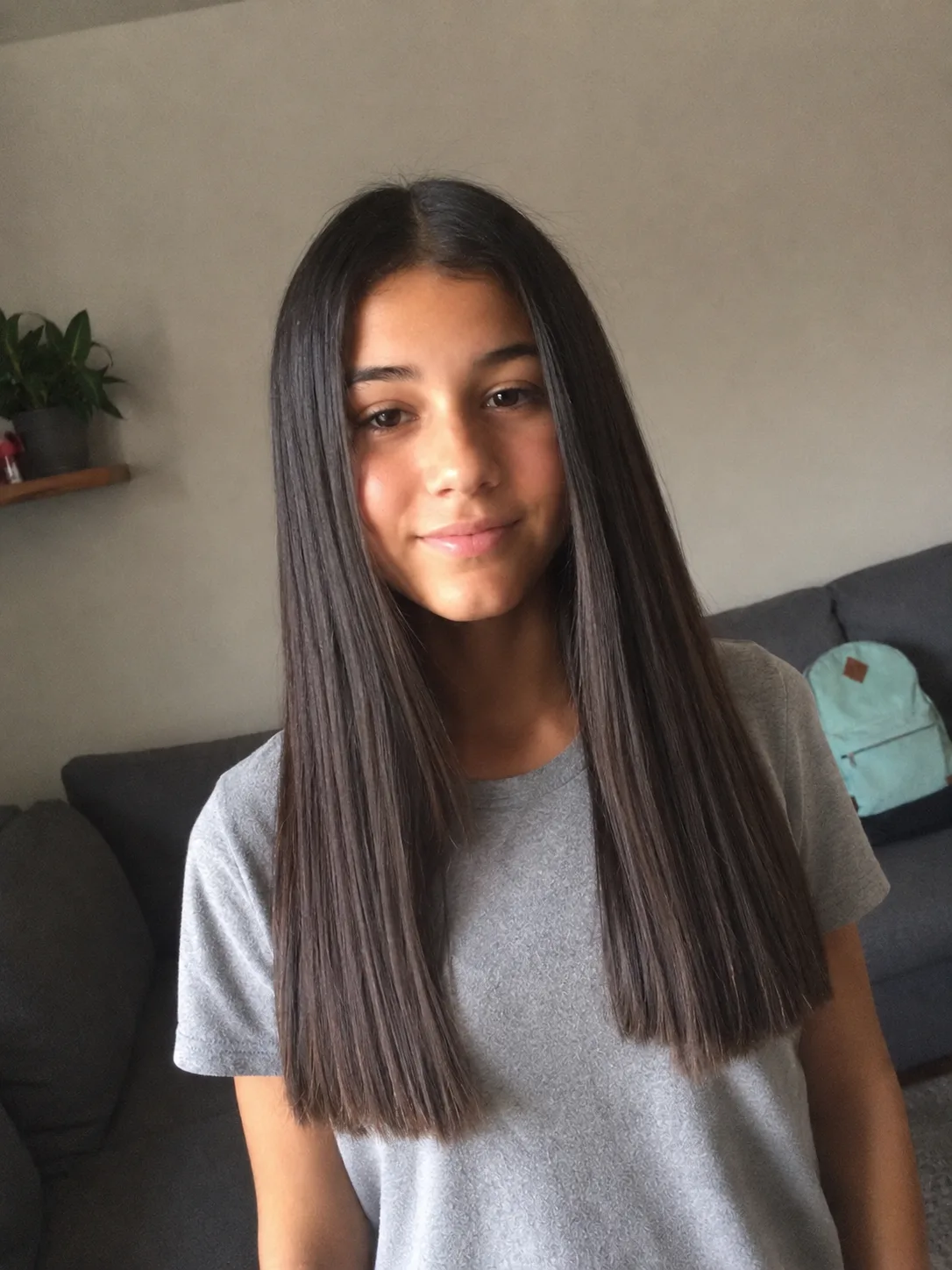
A twist-out leaves the curl pattern loose but more deliberately grouped than many wash-and-go results. Pinning or securing the front portion back makes it easier to wear through classes without constantly moving hair away from your eyes.
This works well when you want visible volume without committing to a full puff. The sides and back remain free, while the front gains enough structure for everyday movement.
Humidity, sleep, and friction can gradually soften the original twist definition. That change is part of the style’s real-life behavior, so plan around a look you still enjoy after the curls become less separated.
Longer-Wearing and Low-Manipulation Options
Medium Box Braids
Box braids can simplify school mornings because much of the styling work shifts to the installation. Once braided, the lengths can be worn down, gathered low, or placed into simple ponytails without daily detangling of loose hair.
The most practical school version is usually moderate in both length and added-hair density. Extra-long, dense braids bring more movement, more wet weight after washing, and more hair to reposition under backpacks or jackets.
Comfort matters more than how tight the roots look. Section size, added-hair weight, and the braider’s grip all influence how the installation feels.
Knotless Box Braids
Knotless box braids begin by building the braid from the natural hair before added hair is incorporated progressively. This creates a different root construction from traditional box braids and often produces a flatter transition at the base.
That flatter root can make ponytails and half-up styles easier to arrange, although the finished installation still depends on section size and overall length.
Choose an installation that leaves the scalp accessible and comfortable. Persistent pain, sores, unusual shedding, or a concerning change in density deserves more attention than preserving the hairstyle; remove the source of pulling and seek advice from a dermatologist or another qualified healthcare professional when symptoms are persistent or concerning.
Cornrows Into Two Braids

Cornrows that begin along the scalp and continue into two hanging braids give you close-to-the-head control through the front with enough loose braid length to retain movement.
Compared with double Dutch braids on loose hair, this construction can work especially well for coily hair that is being braided as a longer-wearing style. The sections and braid direction can be planned around the hair’s normal state instead of requiring daily smoothing.
Keep the design practical for the school routine. More intricate parting usually increases both installation and takedown work without necessarily improving everyday function.
Styles That Work With Shorter Hair
Textured Pixie
A pixie doesn’t need to imitate the slick finish of a longer updo to look school-ready. A textured top with the sides and perimeter kept in their intended shape can be quicker than trying to flatten every strand.
The haircut does most of the work here. As a pixie grows, the outline around the ears, nape, and front can change before the hair feels dramatically longer. Styling products can redirect or define the top, but they can’t restore a haircut shape that has grown away.
Glasses wearers should also notice how longer temple pieces interact with the arms of the frames. A small amount of excess bulk in that area can become more noticeable over a full day.
Short Bob With a Defined Part
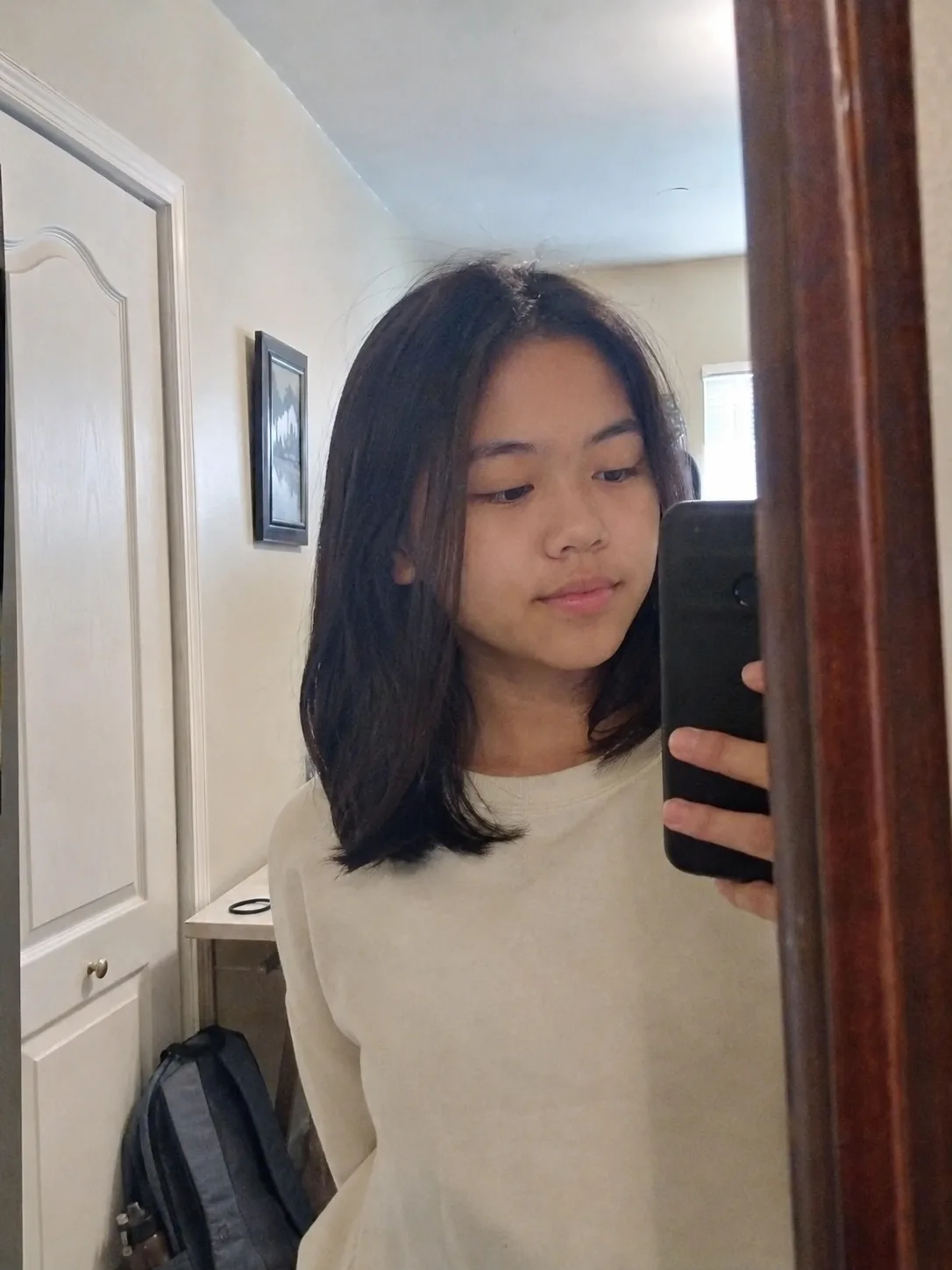
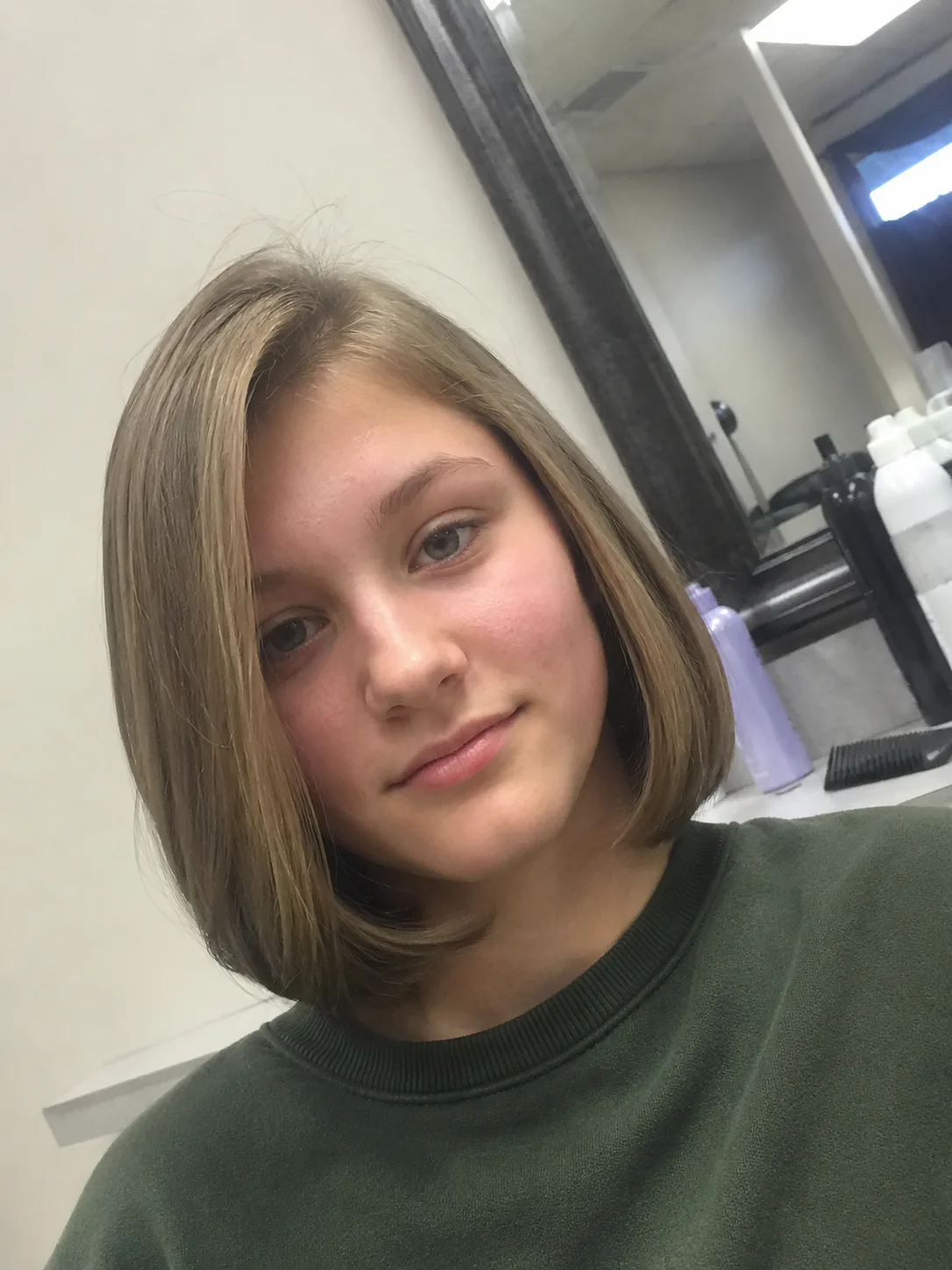
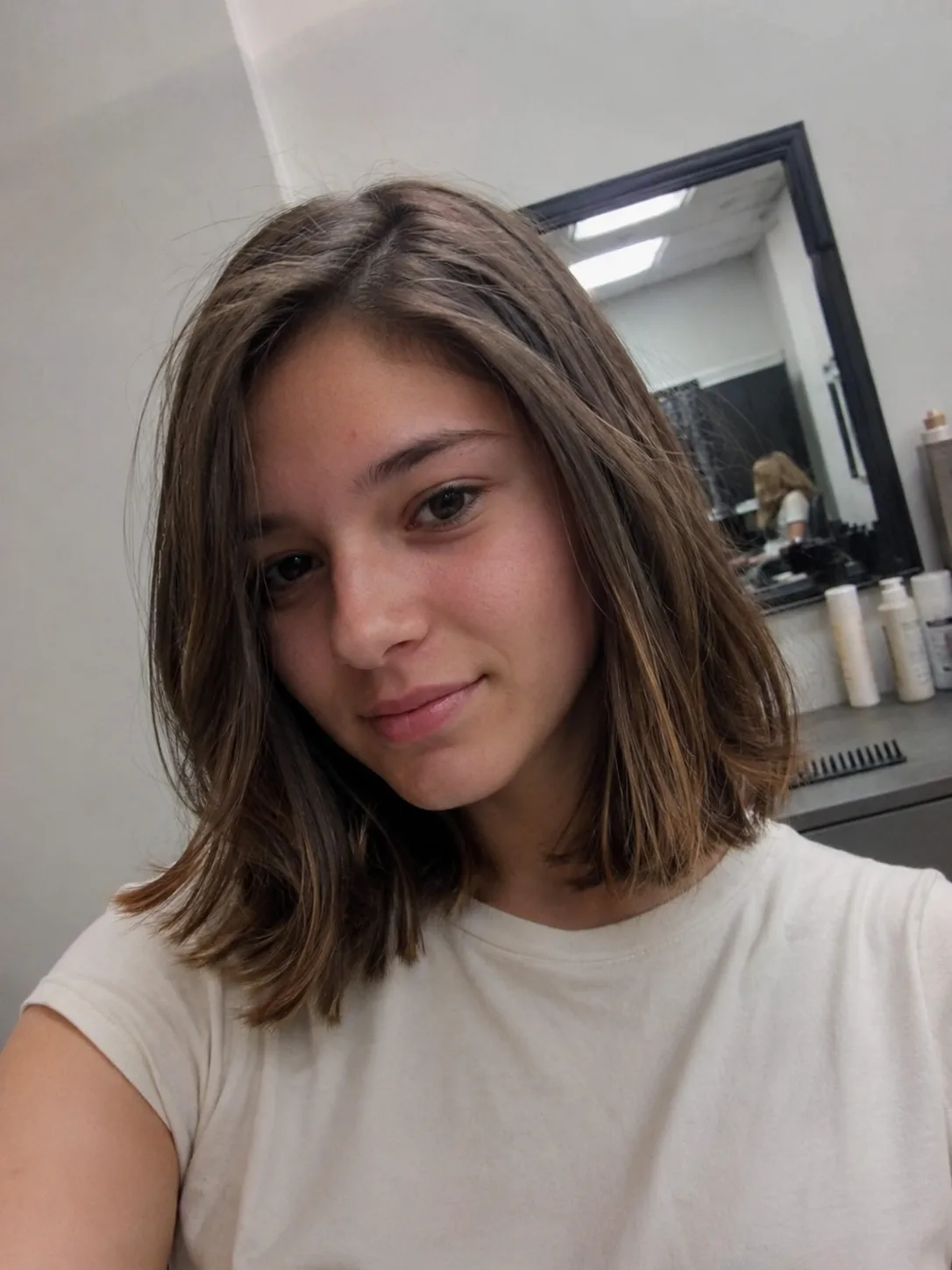
A bob already provides a strong perimeter, so a school-day style can be as simple as choosing a clean part and letting the cut carry the rest. Straight, wavy, curly, and pressed bobs will all behave differently, and the shape should be judged in the state you normally wear.
Collars create one of the biggest hidden annoyances. A bob that lands directly against a stiff hoodie or jacket collar may flip outward at the ends as the head moves.
Tucking one side behind the ear can keep the front clear during class, but the haircut itself remains the feature. This is a good reminder that not every school hairstyle needs an elastic, braid, or accessory.
Choosing the Right Hairstyle for Your School Day
Start with the actual day ahead instead of choosing only from appearance. A style that works beautifully through ordinary classes may become irritating during sports, band practice, laboratory work, or any activity that requires headgear.
For a very rushed morning, the low ponytail, low bun, curly puff, and half-up style are the strongest starting points. They require relatively little construction and can usually be adjusted without rebuilding the entire hairstyle.
Braids become more useful as containment matters more. French braids and double Dutch braids keep loose lengths organized, while a braided ponytail is easier to learn if you already know how to make a regular ponytail and three-strand braid.
Longer-wearing twists or installed braids make more sense when daily manipulation is the bigger problem. Their convenience comes with more work at the beginning and end of the style, plus a need for comfortable roots, scalp access, cleansing, and thorough drying.
School rules matter too. Some schools regulate hair accessories, hair color, or how hair can be worn during laboratory, technical, athletic, or uniformed activities. Check the rules that actually apply to you rather than assuming a style is permitted because it is common elsewhere.
What School Hairstyle Photos Don’t Show
A photo freezes hair at its most cooperative moment. School happens while you’re moving.
A long ponytail that looks light in a photograph can repeatedly catch beneath a backpack strap. A high bun may press directly into a bus or classroom headrest. Loose curls can expand after walking through humid weather. A low bob can flip where it hits a coat collar. Dense braided roots may need more drying than the visible braid lengths suggest.
Those details don’t make the hairstyles poor choices. They explain why two people can copy the same reference photo and have completely different opinions about whether the style is practical.
Nighttime care also changes the next morning. A bonnet, scarf, or smooth pillowcase can reduce friction and tangling for many styles, but it won’t correct an uncomfortable installation or repair damaged hair. Longer braids and twists may also need to be gathered loosely so they aren’t trapped beneath the body during sleep.
The strongest school hairstyle is one that still makes sense several hours after you’ve left home.
School-Hair Maintenance Without Making Mornings Complicated
Avoid building a routine around constant correction. A hairstyle that requires repeated tightening, heavy reapplication of styling products, or complete restyling during the school day is probably working against your schedule.
For ponytails and buns, check the elastic before adding more tension. A stretched-out elastic can allow slipping, while an excessively tight one can create unnecessary pulling. Moving the style slightly or replacing the elastic often solves more than another round of tightening.
Braids and twists need attention at the scalp as well as the visible lengths. Keep cleansing and drying practical for the construction you’re wearing. With added hair, remember that the installation can feel considerably heavier when wet.
Loose curly and coily styles may change in size and definition from one day to the next. Refresh only what needs refreshing. Reworking the entire head every morning can turn a convenient texture style into the most time-consuming option on the list.
Hair comfort is a useful boundary. Styling shouldn’t require accepting persistent pain, stinging, sores, or ongoing irritation as the price of neatness.
Related Hairstyles to Explore
- Back to school hairstyles
- Children Hairstyles For School
- Easy prom hairstyles to do yourself
- Hairstyles for wedding guest
FAQs
What is the easiest hairstyle for school when I’m running late?
A low ponytail is the most practical default for hair long enough to gather because it requires little sectioning and is easy to redo. A curly puff fills the same role for many curly and coily styles, while short hair may only need the front redirected or the part refreshed.
What school hairstyles work well for sports?
French braids, double Dutch braids, a braided ponytail, and a secure low bun keep more hair contained than loose lengths. Think about any helmet, cap, or other equipment before choosing the anchor position; a bun placed exactly where equipment rests against the head can become uncomfortable.
Can school hairstyles work without heat?
Yes. Ponytails, buns, braids, puffs, wash-and-go styles, twists, and many half-up looks can all be created without heat. The result will reflect your current styling state, so air-dried curls, stretched coils, and naturally straight hair won’t produce identical finishes from the same construction.
How can I make a school hairstyle last through the day?
Give the style a secure foundation without overtightening it. Use an elastic or pins suited to the amount of hair being held, keep loose lengths away from backpack straps where possible, and choose a construction that matches the day’s activity. A style that begins with slipping sections usually becomes harder to manage as the day continues.
Hair Texture & Upkeep Style Matcher
Select your natural hair texture and daily maintenance window to get an instant styling formula and heat safety cap.
Heat Cap: 320°F (160°C)
A versatile three-strand braid beginning at the parietal ridge, securing the top half while allowing natural wave texture to flow freely around the shoulders.
Conclusion
Hairstyles for school become much easier to choose once you stop expecting one look to handle every kind of day. A low ponytail may be perfect for an ordinary morning, while braids are more useful when you need containment and twists make more sense when reducing daily manipulation is the priority.
Choose the construction first: loose, gathered, braided, twisted, or longer-wearing. Then decide where the hair should sit and how much movement you actually want during the day. That approach produces a school hairstyle that works beyond the mirror and into the classroom, commute, sports field, and trip home.
Editorial Standards & Hair Health Guidance
Every style featured on Tress Atlas is curated with a focus on real-world wearability, scalp tension management, and cuticle preservation. When trying protective styles or tight updos, ensure perimeter hairline sections remain tension-free to avoid traction stress on delicate follicles. For heat styling, cap tools below 350°F (180°C) to prevent thermal keratin denaturation.
Scientific Sourcing: Practices aligned with the American Academy of Dermatology (AAD) on traction alopecia risk reduction and cosmetic trichology research on hair tensile strength.