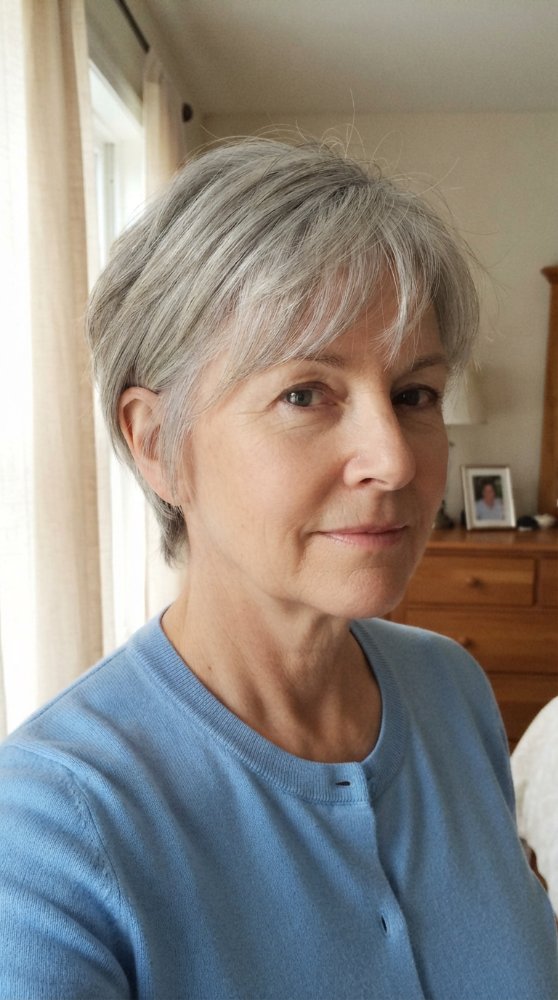
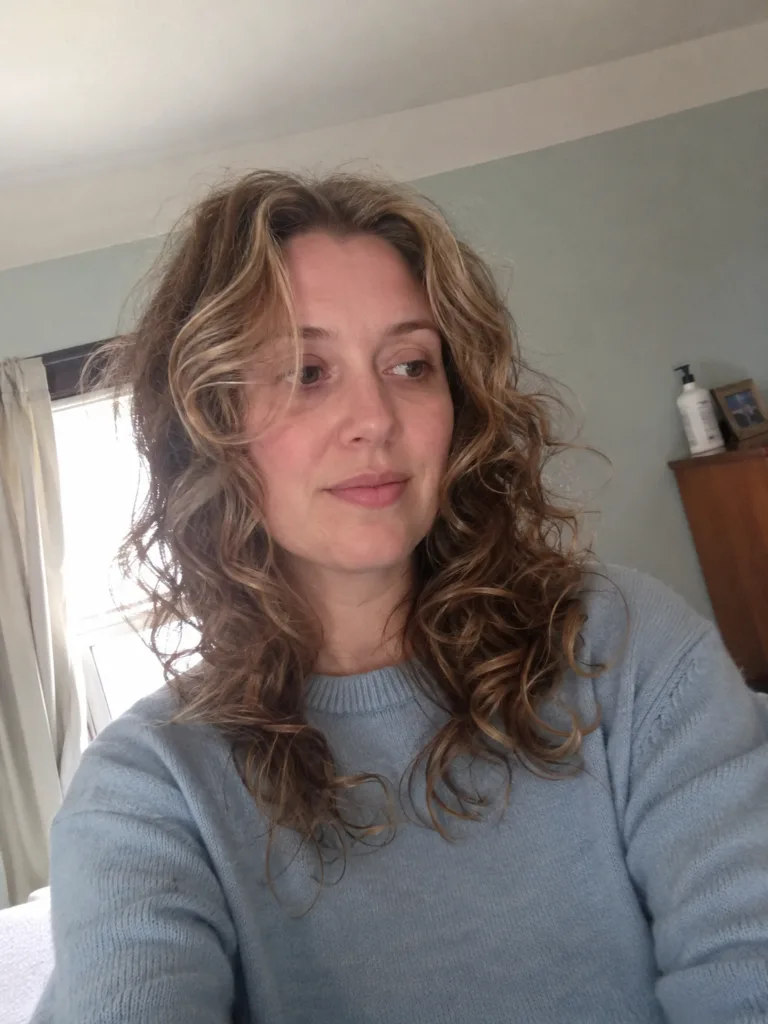
Collarbone Length Hair: What Changes the Result
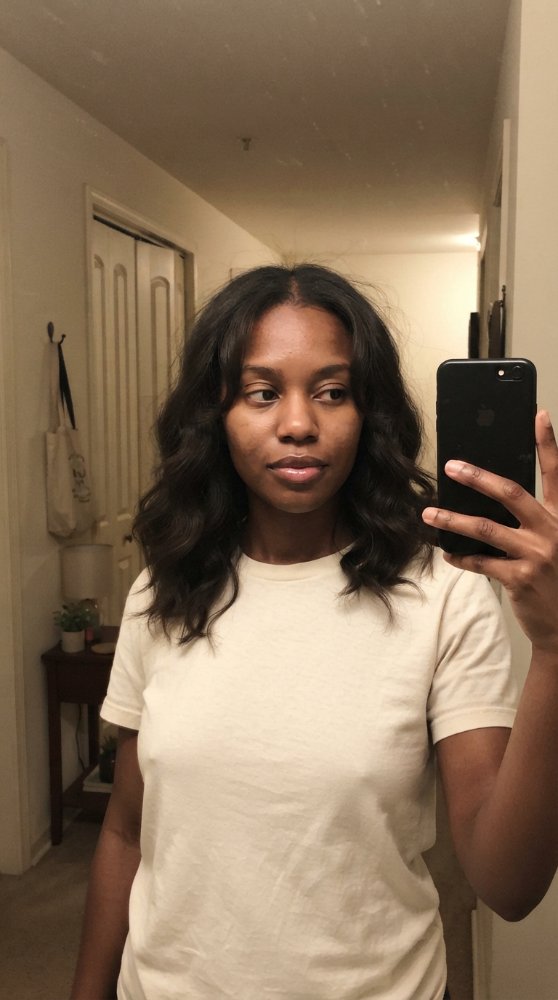
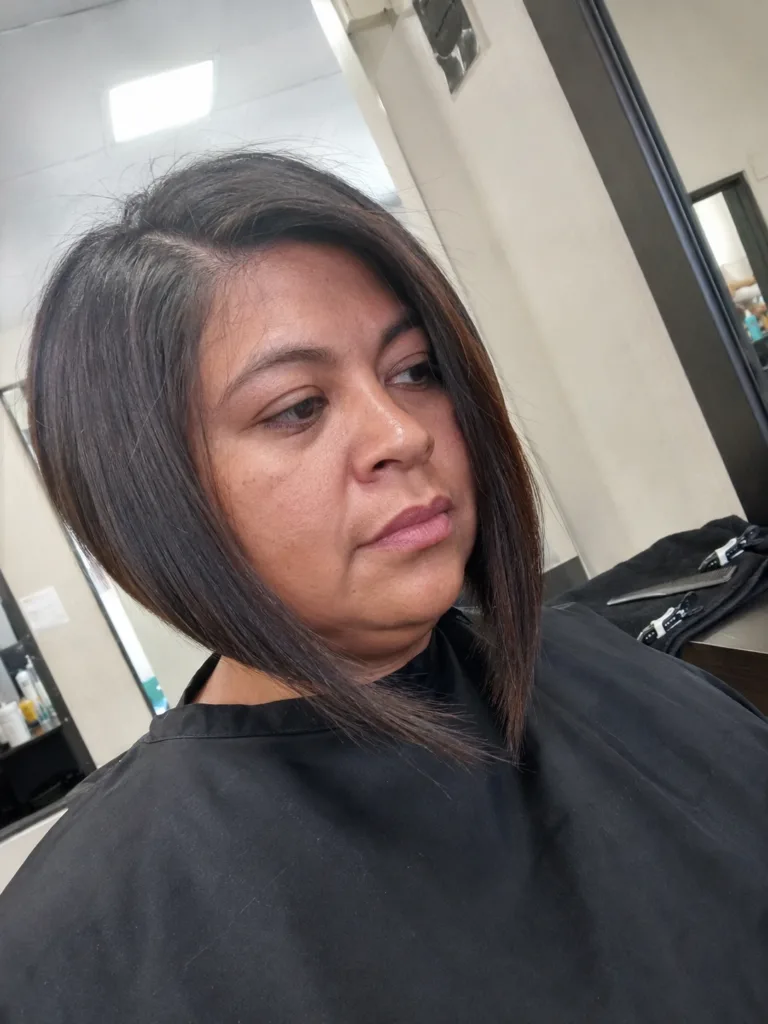
Collarbone length hair sits in a useful middle ground: long enough to tie back, short enough to create a noticeable change, and flexible enough to work with blunt cuts, layers, curls, waves, or a smoother finish. The difficult part is that “collarbone length” describes where the hair ends, not how the haircut will actually behave.
Two cuts ending at the same point can look completely different. A dense blunt perimeter can read almost like an elongated bob. Long layers create more movement and a narrower lower edge. Curly or coily hair may reach the collarbone while stretched but sit considerably higher in its usual state. Even clothing matters because jacket collars and shoulders repeatedly push against the ends.
For most people, the strongest starting point is a collarbone-length cut with enough perimeter weight to keep the bottom from looking sparse and only as much layering as the hair genuinely needs. From there, texture, density, styling habits, and the amount of movement you want should determine the details.
What Counts as Collarbone Length Hair?
Collarbone length usually describes hair whose lower edge falls around the clavicle area when worn in the styling state used to judge the cut. That last part matters.
Straight or pressed hair gives a fairly obvious visual reference point. Wavy hair can rise and fall depending on how strongly the wave pattern forms. Curly and coily hair can sit much higher after drying than it appears while wet or stretched. A photograph of freshly styled hair therefore doesn’t tell you everything about the actual cut length.
It also helps to separate collarbone length from nearby haircut categories. A long bob often keeps a more deliberate bob-like outline and may finish above or around the shoulders. Mid-length hair is a broader category that can extend well beyond the collarbone. Collarbone length sits between them and can borrow features from either.
The shoulder area creates another distinction. Ends that land directly where the shoulders slope outward may flip, bend, or separate more easily. Taking the perimeter a little above or below a troublesome contact point can change how cooperative the haircut feels between styling sessions.
That makes collarbone length less precise than asking for a specific measurement. During a haircut consultation, showing where you want the dry perimeter to sit is more useful than relying on the name alone.
The Shape Matters More Than the Length Label
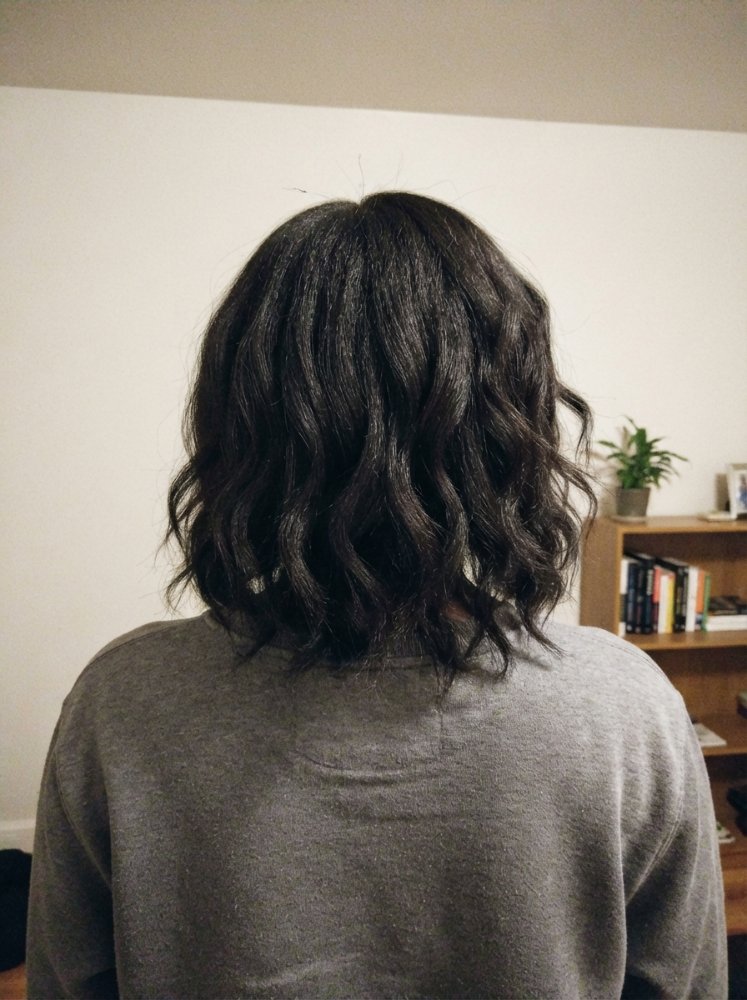
The perimeter and layering determine whether collarbone length looks thick, airy, rounded, shaggy, sleek, or heavily textured.
A relatively blunt version keeps more hair at the lower edge. This is often the practical default for anyone who wants their ends to appear substantial, particularly when excessive layering would leave the bottom looking transparent. Blunt doesn’t have to mean perfectly flat or severe; small adjustments around the front can soften the outline without removing much weight from the back.
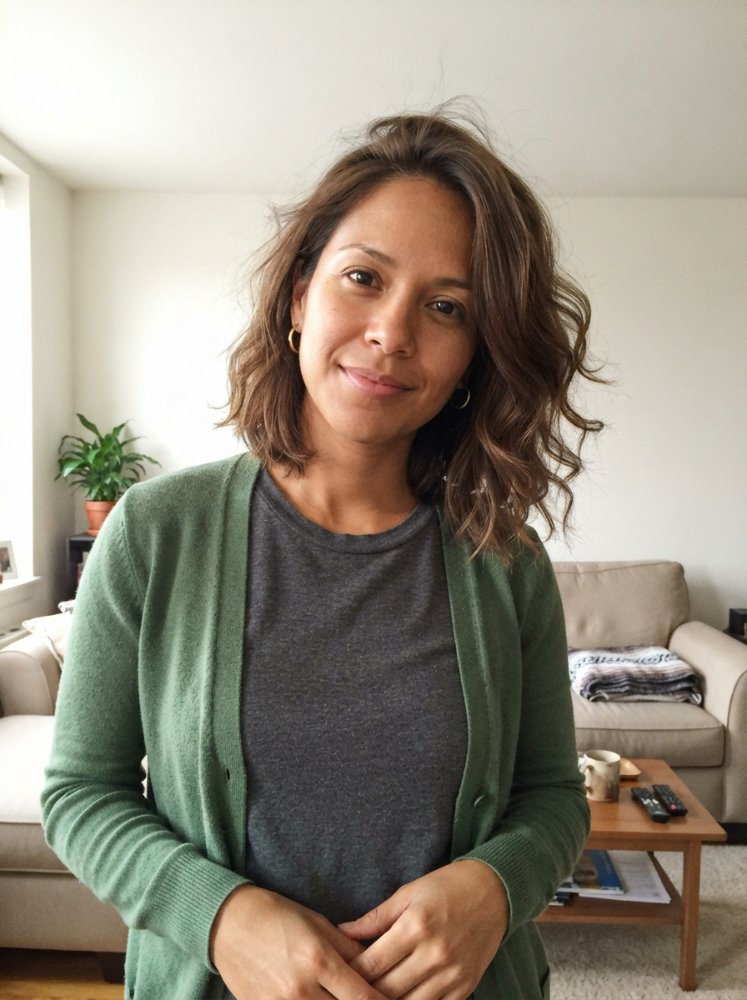
Long layers change the character of the cut. They allow sections to move more independently and can release bulk through dense hair. The tradeoff is a lighter perimeter. On hair with limited density, aggressive layering can expose more space between the ends.
Shorter internal layers create an even more animated shape. They can help waves and curls form with less weight pulling them downward, or give straight hair more lift through the upper portion. They also increase styling variables because the shortest pieces may behave differently from the longest ones.
Face-framing can be added to any of these structures, but it deserves a practical decision of its own. Pieces around the cheek, jaw, or chin change how much hair stays inside a ponytail and how often you’ll need to style the front separately. Dramatic framing looks expressive worn down; longer framing is easier when you regularly pull everything back.
Fine Strands, Low Density, and Thick Hair Need Different Decisions
Hair descriptions become confusing quickly because strand size and density are separate characteristics.
Fine hair refers to the diameter of each strand. You can have fine strands and a lot of hair. Low-density hair means there are fewer strands overall, regardless of whether those strands are fine, medium, or coarse. A haircut can’t create additional follicles or true density, but its weight distribution can change how substantial the perimeter appears.
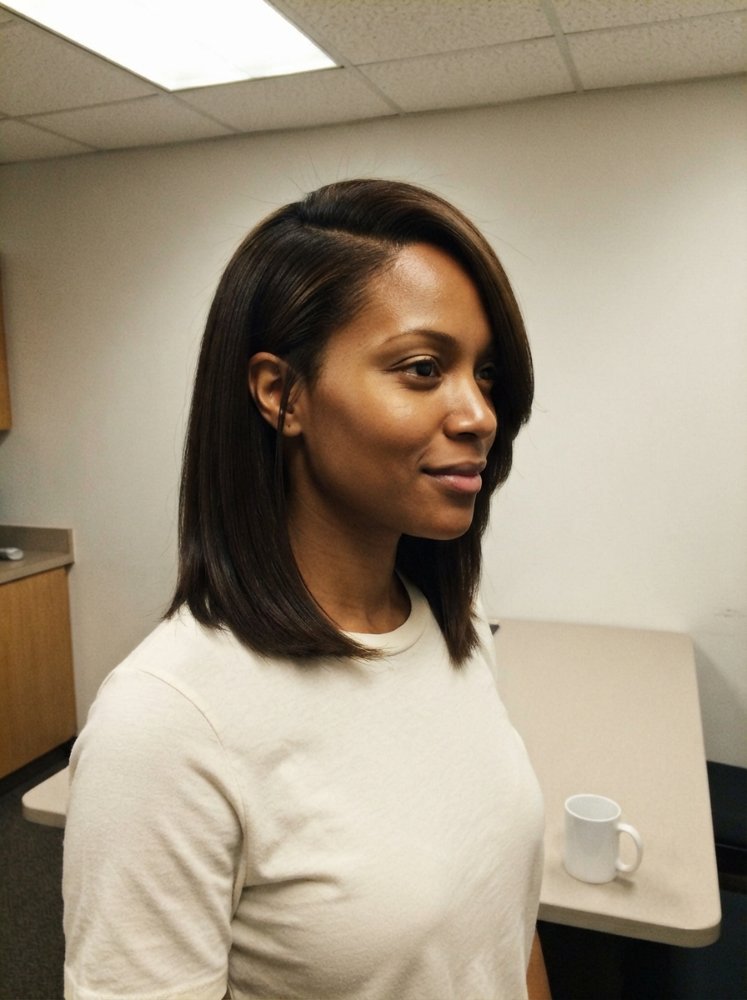
For lower-density hair, collarbone length is often a useful compromise. It preserves enough length for styling while avoiding the extremely long, tapered ends that can make a sparse perimeter more obvious. A cleaner lower edge usually contributes more visually than adding many short layers.
Fine but dense hair presents another problem: there may be plenty of hair, yet the individual strands can collapse together and feel flat. Controlled layering can create movement without sacrificing the entire lower edge. Styling method also has a strong influence here, particularly whether the roots are allowed to dry flat or with some lift.
Dense, thicker-stranded hair can become bulky around the shoulder line. Simply removing a large amount of hair isn’t always the strongest solution. The placement of that removal matters. Too much thinning at the perimeter can leave a puffy upper section sitting over wispy ends. Interior shaping or thoughtfully placed layers can reduce weight while keeping the haircut connected.
Hair that is thinning or experiencing a noticeable density change deserves different language from naturally fine hair. A new or concerning change in density, sudden shedding, scalp pain, redness, sores, or persistent irritation is better discussed with a dermatologist or another qualified healthcare professional than treated as a haircut problem.
Curly and Coily Collarbone Length Needs a Dry-Length Decision
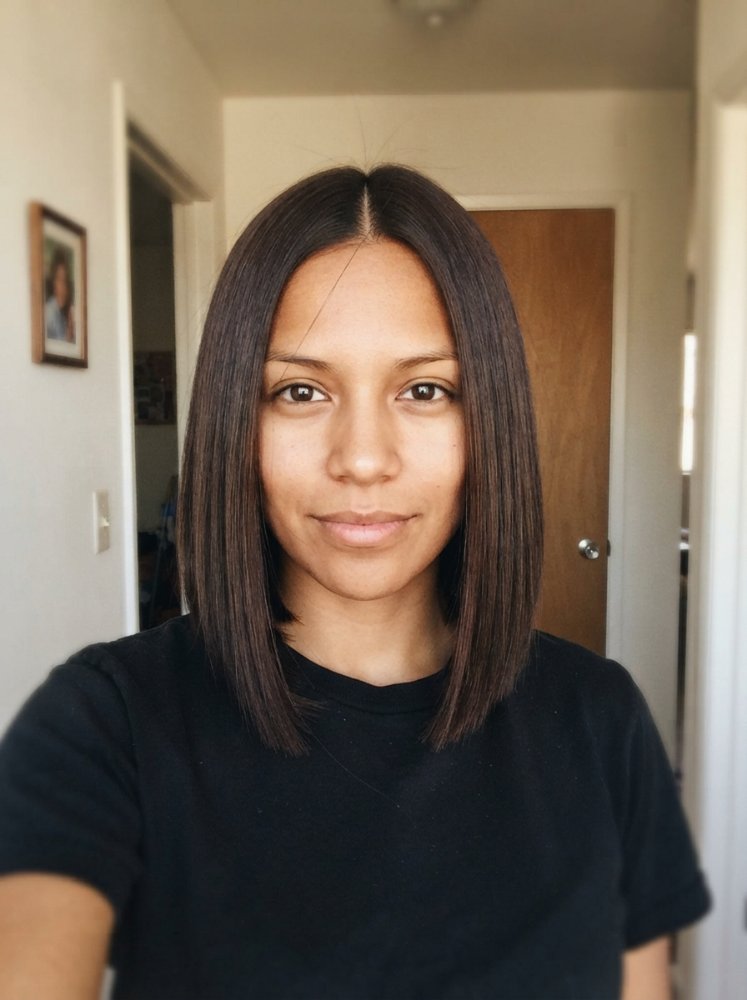
Collarbone length becomes much less straightforward once shrinkage enters the picture.
A curl can hang lower while wet, elongate under the weight of styling products, stretch during blow-drying, or spring considerably higher after it fully dries. Coils may show an even larger difference between stretched length and their natural resting shape. The useful reference is therefore the state you expect to wear most often.
Someone who usually wears natural curls should evaluate the haircut as a curly shape. Someone who regularly wears the hair stretched may want the perimeter planned around that stretched presentation. Neither choice is inherently better; problems arise when the cut is designed around one state and expected to perform identically in another.
Layer placement deserves special attention. Very long, minimally layered curls may form a heavier lower section with less volume near the crown. Shorter layers can create more lift and separation, but they also shorten visibly once the curl contracts. The strongest layer pattern depends on where you want fullness, how strongly the curls spring up, and whether you prefer a rounder shape or more length through the sides.
A curly collarbone cut can be assessed wet, dry, or with a combination approach. What matters is that the finished haircut is checked in a state that reflects how the hair actually lives day to day.
Shrinkage also affects face-framing. A front curl cut to chin level while stretched may finish well above the jaw once dry. This is one area where conservative length decisions tend to be easier to refine than pieces cut too short at the beginning.
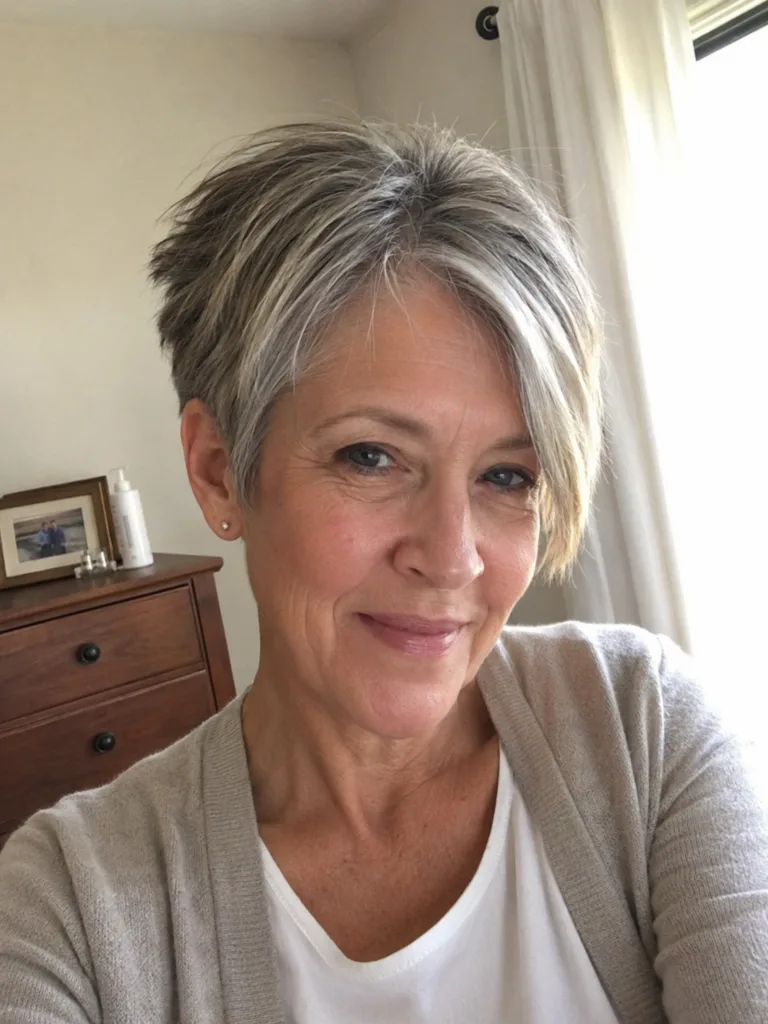
Gray hair doesn’t require a separate haircut purely because it has lost pigment. Gray describes color, not texture. Some people notice changes in feel or behavior over time, but the haircut should respond to the hair’s actual strand characteristics, density, curl pattern, condition, and routine.
Straight, Wavy, and Styled Versions Behave Differently at the Shoulders
The collarbone is an awkwardly useful location because it creates length without keeping the ends completely clear of the body.
Straight hair can develop bends where it repeatedly hits the shoulders. One side may kick outward while the other curves inward, especially around clothing or after sleeping. A sharply smooth reference photo may have been styled to control exactly the movement you’ll encounter at home.
That isn’t always a flaw. A slight bend can give a collarbone cut an easy, lived-in finish. It becomes frustrating mainly when you want a consistently sleek line and the perimeter sits directly on the shoulder ridge.
Wavy hair often benefits from this length because there is enough hair for wave patterns to develop while the cut is still short enough to release some weight. The exact balance depends on the pattern. Loose waves can stretch almost straight through heavy sections, while stronger waves may become more obvious as excess weight is removed.
Heat-styled hair adds another consideration. A collarbone cut may appear longer after smoothing and shorter once natural texture returns. Plan the cut around the state that matters most instead of expecting the same outline across every finish.
Routine should influence the haircut itself:
Frequent ponytails favor enough length around the temples and front to reach the elastic comfortably.
Air-dried waves benefit from shaping that works without requiring the ends to be manually turned under.
Regular smooth blowouts make shoulder contact more noticeable because a precise perimeter shows every bend.
Diffused curls need enough allowance for shrinkage and the volume created during drying.
Tucked-behind-the-ear styling can expose differences in face-framing length that aren’t obvious when the hair falls forward.
A cut that looks impressive only after one specific finishing method can become far more maintenance-heavy than its length suggests.
Bangs and Face-Framing Can Change the Workload
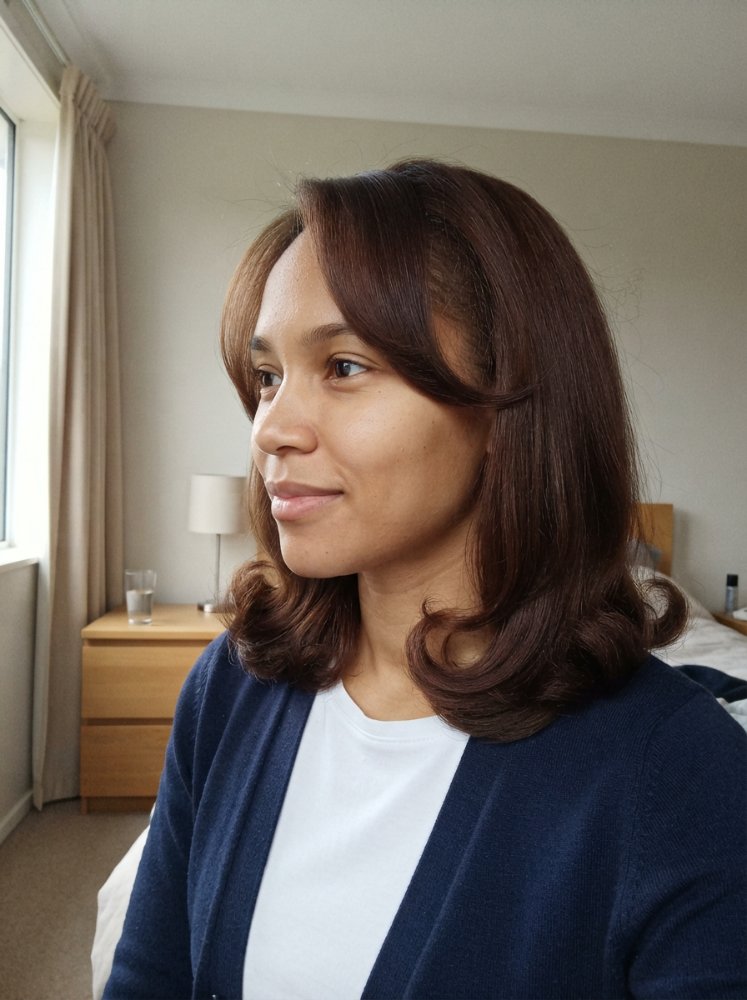
Collarbone length itself is fairly flexible. The shorter pieces added around it often determine how demanding the haircut feels each morning.
Long face-framing layers are the lowest-commitment option. They can soften the front while remaining easier to blend into ponytails, buns, and half-up styles. They also grow into the rest of the haircut with less obvious separation.
Shorter cheekbone or jaw-length pieces produce a stronger visual change. They remove more weight around the face and can make the overall haircut feel lighter even when the back stays relatively blunt. Their movement may need more deliberate styling, particularly on straight hair that tends to fall forward or wavy hair whose shorter sections develop a stronger pattern.
Curtain-style fringe can pair naturally with collarbone length because the lengths gradually connect into the rest of the cut. The practical question is how short the center becomes. Shorter fringe changes drying and styling habits more noticeably and won’t disappear into a ponytail as easily.
A full fringe creates the clearest separation between the front and the rest of the haircut. Choose it because you want that feature, not because bangs are assumed to make a medium-length cut more interesting. Fringe typically asks for more regular reshaping than the longer perimeter and reacts quickly to sweat, humidity, cowlicks, and changes in styling direction.
Curly fringe can stay curly. It doesn’t need to be straightened to function as fringe. Its dry spring and grouping should guide the length.
What Grow-Out and Maintenance Really Look Like
Collarbone length has one major advantage over shorter bobs: the shape usually has more room to change before it feels completely different.
A precision bob can lose its recognizable outline while the hair still feels short. Collarbone hair tends to transition into longer medium-length hair more gradually. That makes it a strong option for someone who wants a meaningful cut without choosing a shape that depends on a very crisp short perimeter.
Layered versions change differently. The longest pieces keep moving down while shorter layers gradually lose their relationship to the perimeter. Eventually the haircut can begin to feel bottom-heavy or disconnected, depending on the original design. A blunt or minimally layered version generally grows with fewer internal shape changes.
There is no single trim interval that suits every person. Your ends, haircut construction, heat and chemical history, styling habits, and tolerance for shape change are more useful signals than a rigid calendar. A person maintaining an exact perimeter will want reshaping sooner than someone deliberately growing toward longer hair.
Wash-day work also changes with the shape. Dense layered hair can require more attention to sectioning and drying because the shorter pieces overlap the longer ones. Curly cuts may need the shape reassessed after routine changes alter curl definition or shrinkage. Fine hair can begin to look stringier at the ends as damage accumulates even though the overall length remains manageable.
The simplest maintenance approach is to decide what feature you care about preserving: a strong bottom edge, visible layers, face-framing, bangs, or a specific curly outline. Maintain that feature instead of following an arbitrary schedule.
What Photos Usually Hide About Collarbone Length
Reference images are useful for communicating taste, but they often conceal the decisions that make the haircut work.
First, the model’s natural or usual styling state may be different from yours. A smooth collarbone cut could have been photographed after a blowout even though the hair naturally forms waves or curls. A voluminous wavy cut may rely on styling that creates more lift than air-drying produces.
Second, photographs rarely show the back after the hair has been resting against a jacket collar, scarf, car seat, or office chair. At this length, those physical interactions are common. The bottom few inches can bend or separate even when the haircut itself is sound.
Density can also be difficult to judge from a front-facing image. Hair may be positioned forward to create a fuller impression, while the actual perimeter at the back is lighter. Conversely, very dense hair photographed with careful sectioning can appear less bulky than it feels in everyday movement.
Extensions, hidden support pieces, or temporary styling can also change what appears achievable from a single photograph. You don’t need to assume every image uses them; you simply shouldn’t treat a picture as proof that one haircut will create the same volume on every head of hair.
Bring photographs for the qualities you want: perimeter strength, amount of layering, front length, volume placement, curl shape, or overall softness. Those specifics are more useful than requesting a perfect copy.
A Better Salon Consultation for Collarbone Length Hair
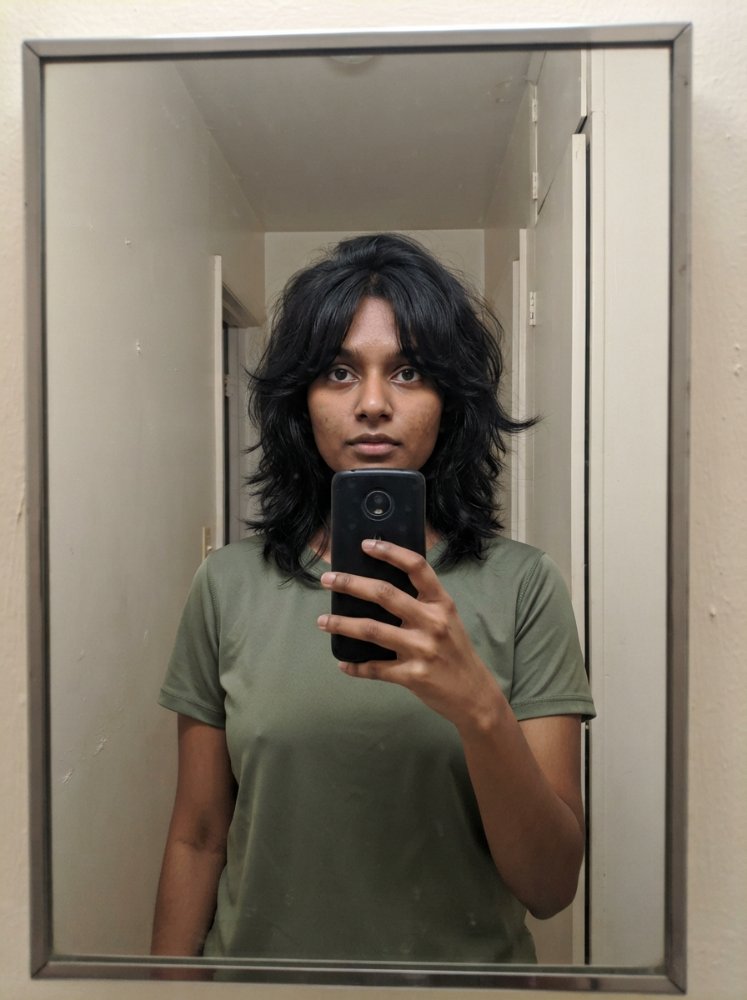
Start by deciding where you want the hair to land in its usual dry state. Pointing to the collarbone area on your own body avoids misunderstandings about what “medium” or “shoulder length” means.
Then work through the haircut in this order:
Choose the perimeter. Decide whether you want a stronger, fuller-looking lower edge or a lighter finish with more movement.
Set the amount of layering. Explain whether you want visible layers or simply enough internal shaping to control bulk.
Identify your main styling state. Natural curls, air-dried waves, pressed hair, and regular blowouts can all make the same cut sit differently.
Protect the styles you actually use. Mention ponytails, buns, clips, glasses, or frequent ear-tucking before very short front pieces are cut.
Discuss shrinkage where relevant. Judge curly and coily shapes in the state you normally wear.
Show more than one reference image. Use each image to identify a feature instead of expecting one photograph to dictate the entire cut.
Decide what you’re willing to maintain. Bangs and pronounced layers usually require more attention than a simple, longer perimeter.
Condition matters too. Chemically processed, heavily lightened, or fragile ends may influence how much length is worth keeping. Preserving a nominal collarbone length isn’t especially useful when the lower edge is severely compromised and no longer supports the shape you want.
The strongest consultation separates the length decision from the haircut design. “Collarbone length” establishes where the hair ends. Everything important happens in how the weight is arranged above that point.
Related Hairstyles to Explore
- Hair styles for long hair
- Curly Hairstyles For Medium Hair
- Baddie Curly Hairstyles
- Cute Hairstyles For Medium Hair
FAQs
Is collarbone length hair long enough for a ponytail?
Usually, yes. The back and sides generally provide enough length for many ponytails and buns. Very short face-framing layers or bangs may remain outside the elastic, so mention frequent tied-back styling before choosing dramatic front layers.
Does collarbone length make thin hair look thicker?
A haircut can’t create actual density. A strong perimeter at collarbone length can make healthy ends appear more substantial than a highly layered or very long, tapered cut. The effect depends on existing density, strand size, condition, and how much interior weight is removed.
Is collarbone length good for curly hair?
It can work very well, especially when the haircut is planned around the curl’s dry shape and shrinkage. The most important decision is whether you want more length through the sides or more layering and lift through the upper sections. Assess the finished shape in the styling state you wear most.
Can I grow collarbone length hair out without constantly reshaping it?
Yes. A simple perimeter with restrained layering generally transitions into longer hair more quietly than a highly structured cut. Pronounced layers, bangs, and shorter face-framing pieces may become less connected as they grow, so occasional reshaping can keep those elements working while the overall length increases.
Hair Texture & Upkeep Style Matcher
Select your natural hair texture and daily maintenance window to get an instant styling formula and heat safety cap.
Heat Cap: 320°F (160°C)
A versatile three-strand braid beginning at the parietal ridge, securing the top half while allowing natural wave texture to flow freely around the shoulders.
Conclusion
Collarbone length is most successful when you treat it as a location, not a complete haircut. Decide first where the dry perimeter should sit, then choose how much weight, layering, and face-framing belong above it.
A strong perimeter with restrained layering is the practical default when you’re unsure. Add more internal movement only when your density, texture, and styling routine benefit from it. For curls and coils, make the decision in the state you actually wear; for straighter finishes, pay attention to how the ends interact with the shoulders and clothing.
Go into the haircut knowing which feature matters most—fuller ends, movement, curl shape, easy ponytails, or pronounced framing. That one priority will do more to guide a good collarbone-length cut than the length label by itself.
Editorial Standards & Hair Health Guidance
Every style featured on Tress Atlas is curated with a focus on real-world wearability, scalp tension management, and cuticle preservation. When trying protective styles or tight updos, ensure perimeter hairline sections remain tension-free to avoid traction stress on delicate follicles. For heat styling, cap tools below 350°F (180°C) to prevent thermal keratin denaturation.
Scientific Sourcing: Practices aligned with the American Academy of Dermatology (AAD) on traction alopecia risk reduction and cosmetic trichology research on hair tensile strength.