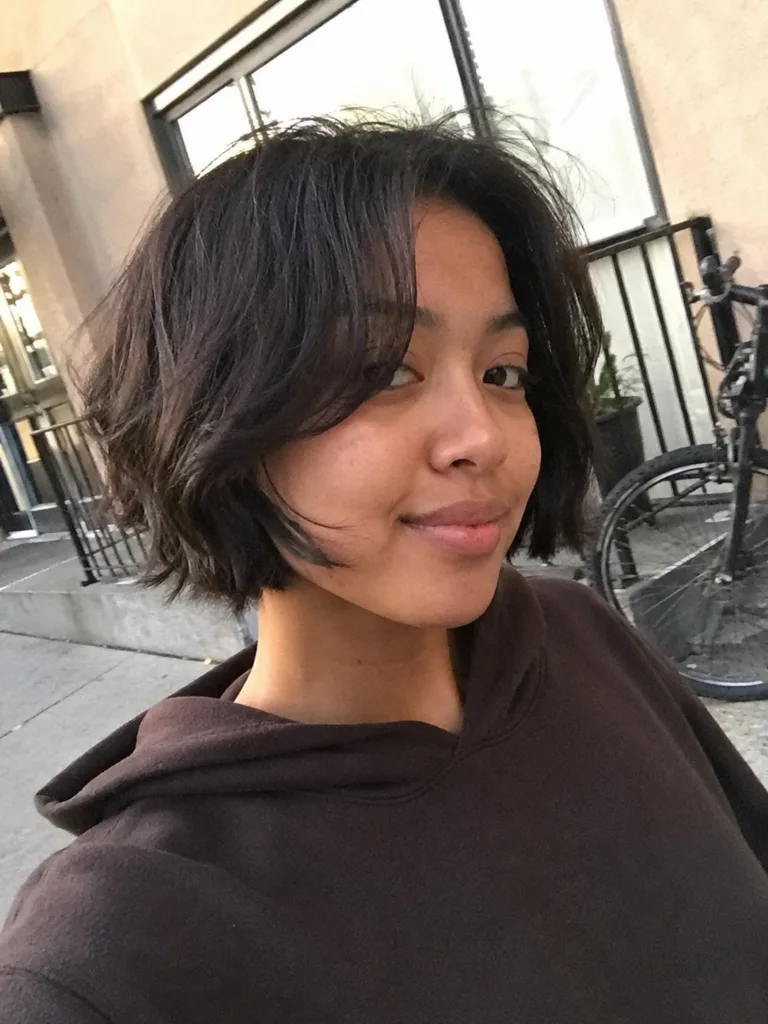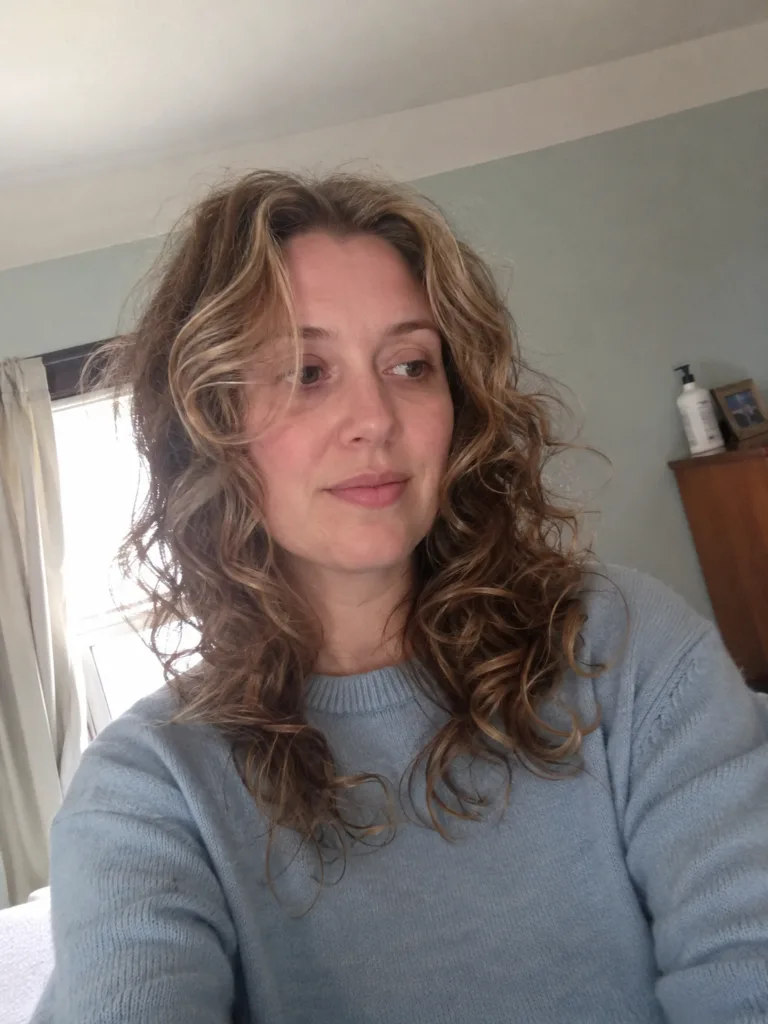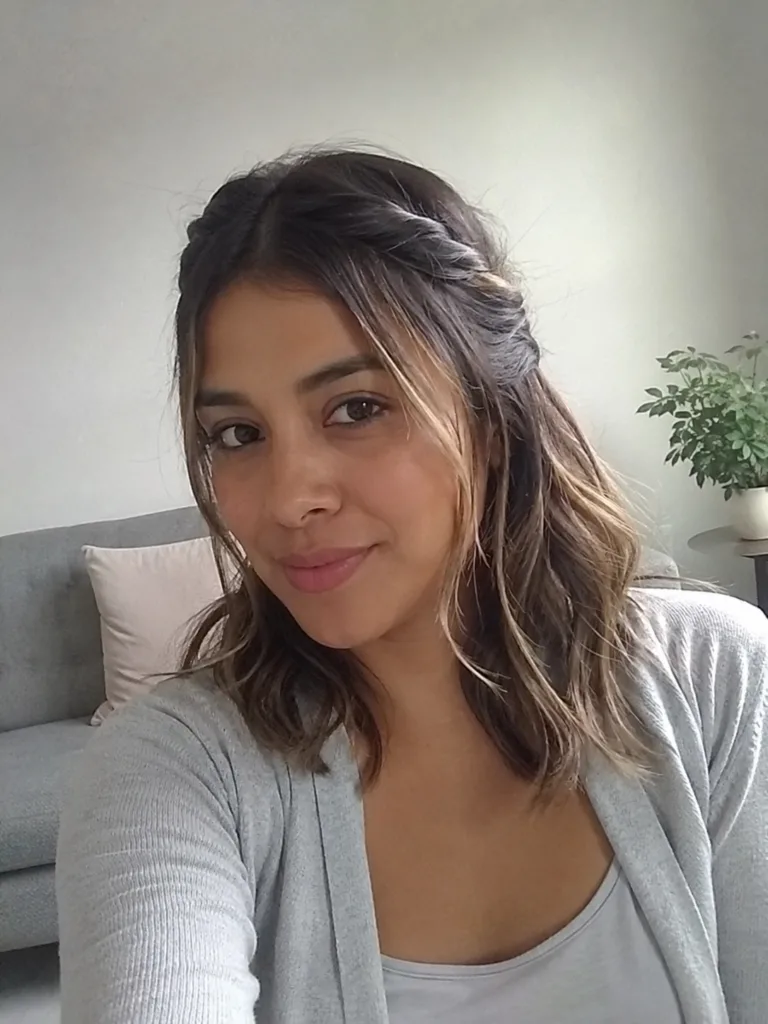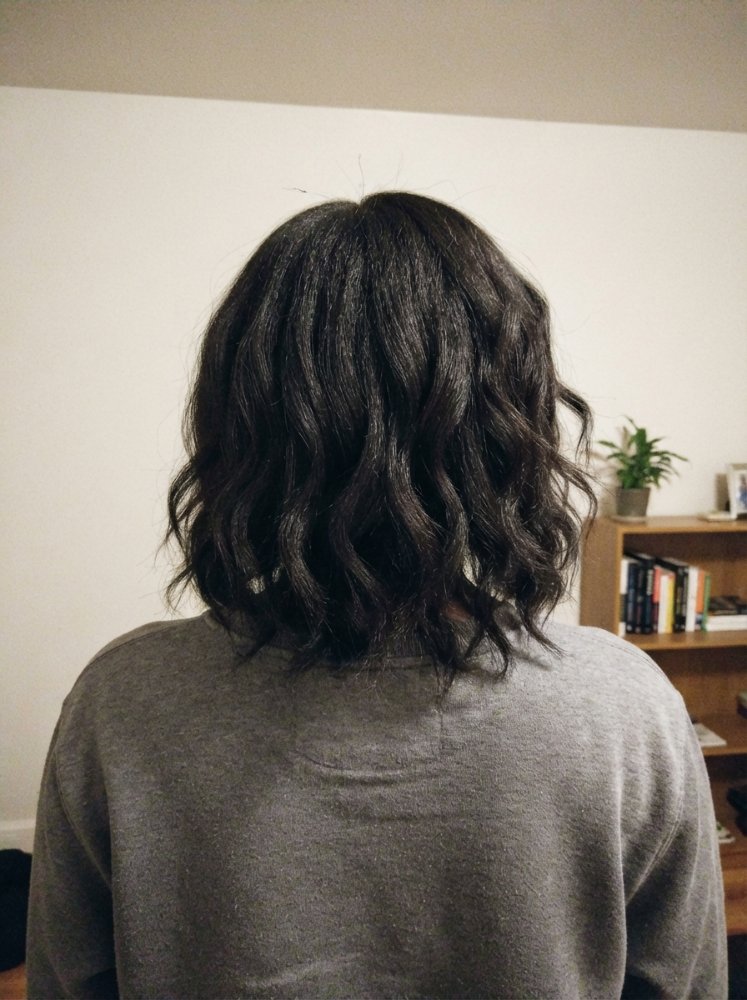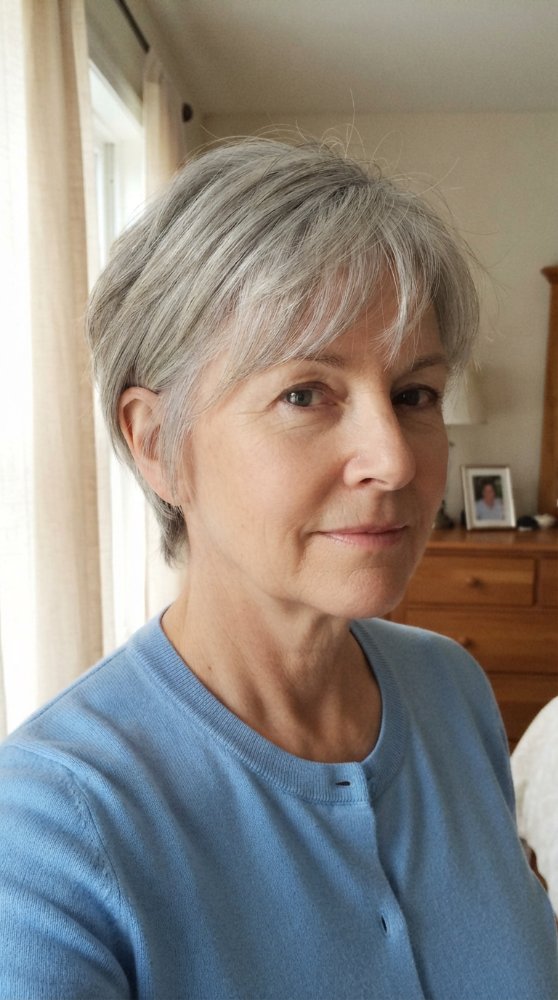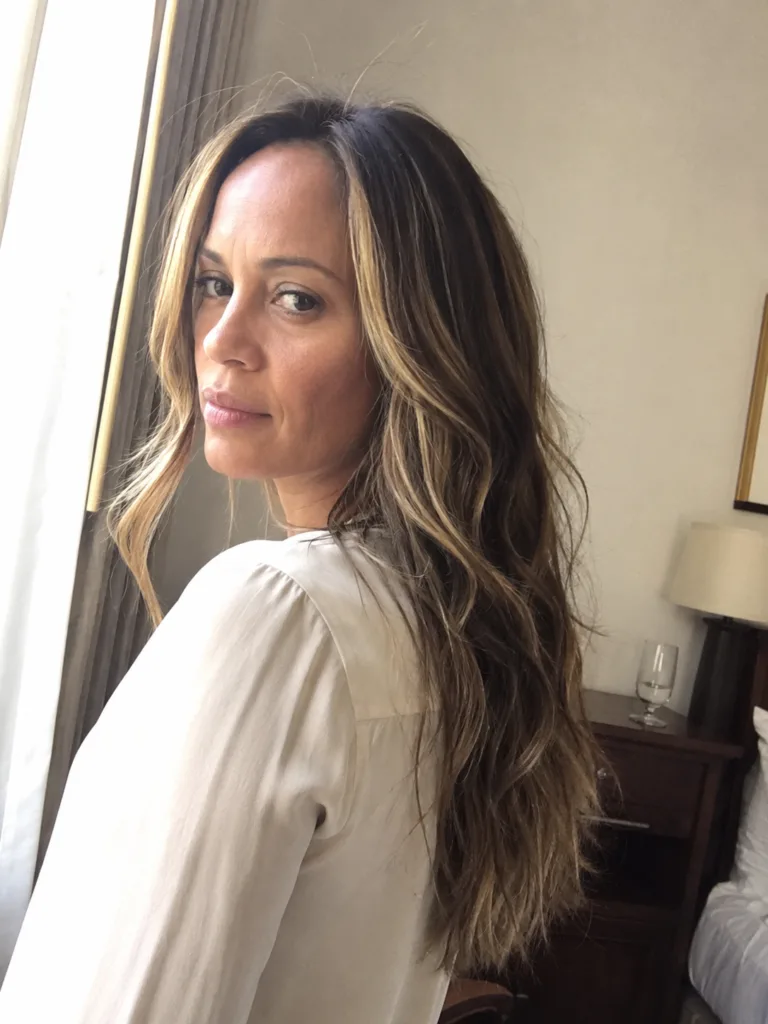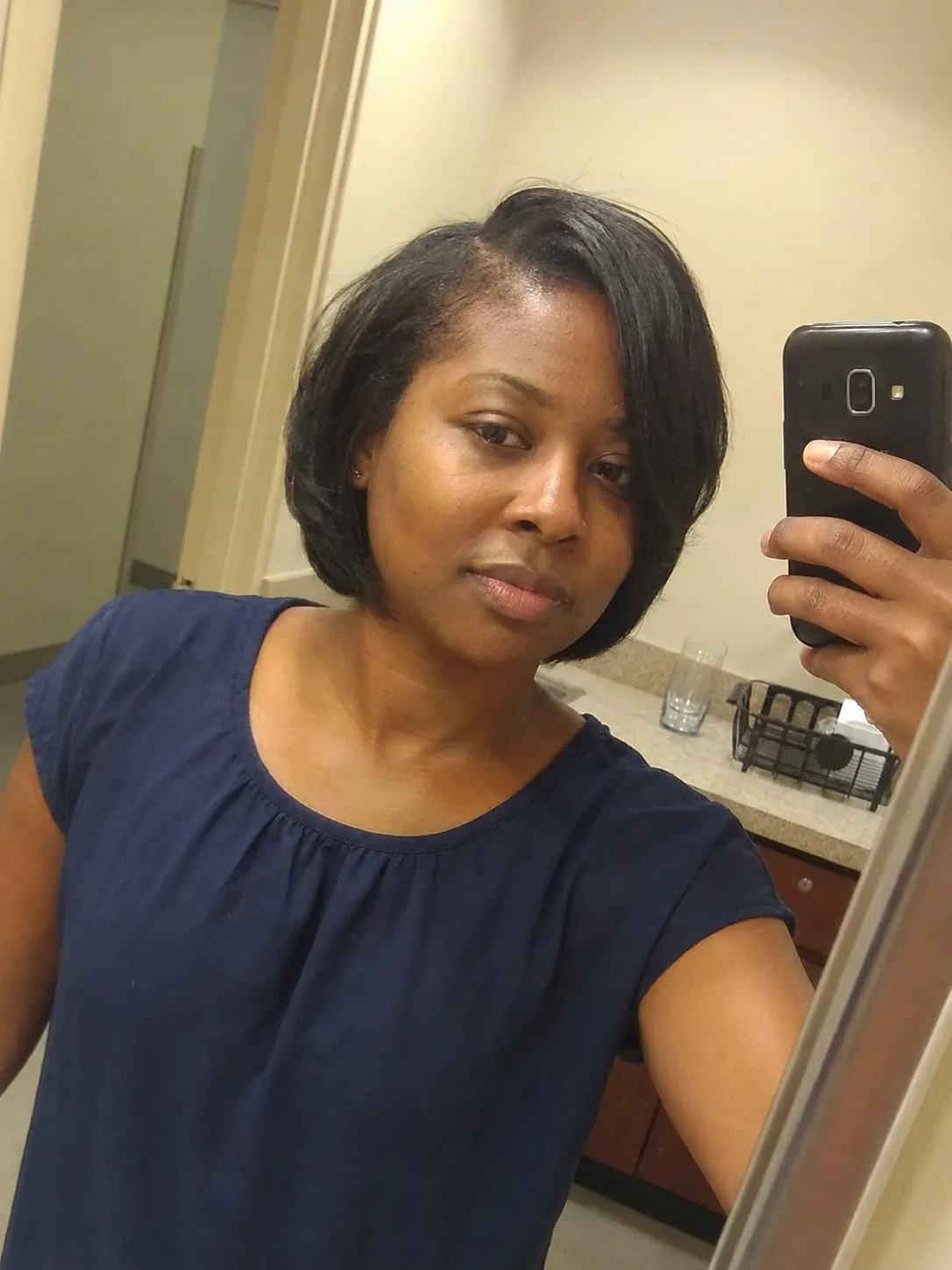
Short Haircuts: Complete Styling Guide for Women, Chosen by Shape and Upkeep
Short hair looks simple in photographs because the photograph freezes the exact moment the cut is sitting correctly. Real life adds growth, humidity, shrinkage, bedhead, glasses, collars, cowlicks, and the question of whether you actually want to style your hair before leaving the house.
That makes choosing among short haircuts for women less about finding the prettiest reference image and more about choosing where you want the haircut to carry its weight. A pixie exposes the outline around the ears and nape. A blunt bob concentrates attention at the perimeter. A shag depends more heavily on internal layers and movement. Curly and coily cuts can change dramatically between stretched and shrunken states.
The practical starting point is to decide whether you want a cut that stays close to the head, creates a strong lower edge, or keeps enough length for movement. From there, density, strand size, natural texture, styling habits, and willingness to reshape the cut will narrow the field.
Close-Cropped Cuts: Where the Outline Does Most of the Work
Classic Pixie Cut
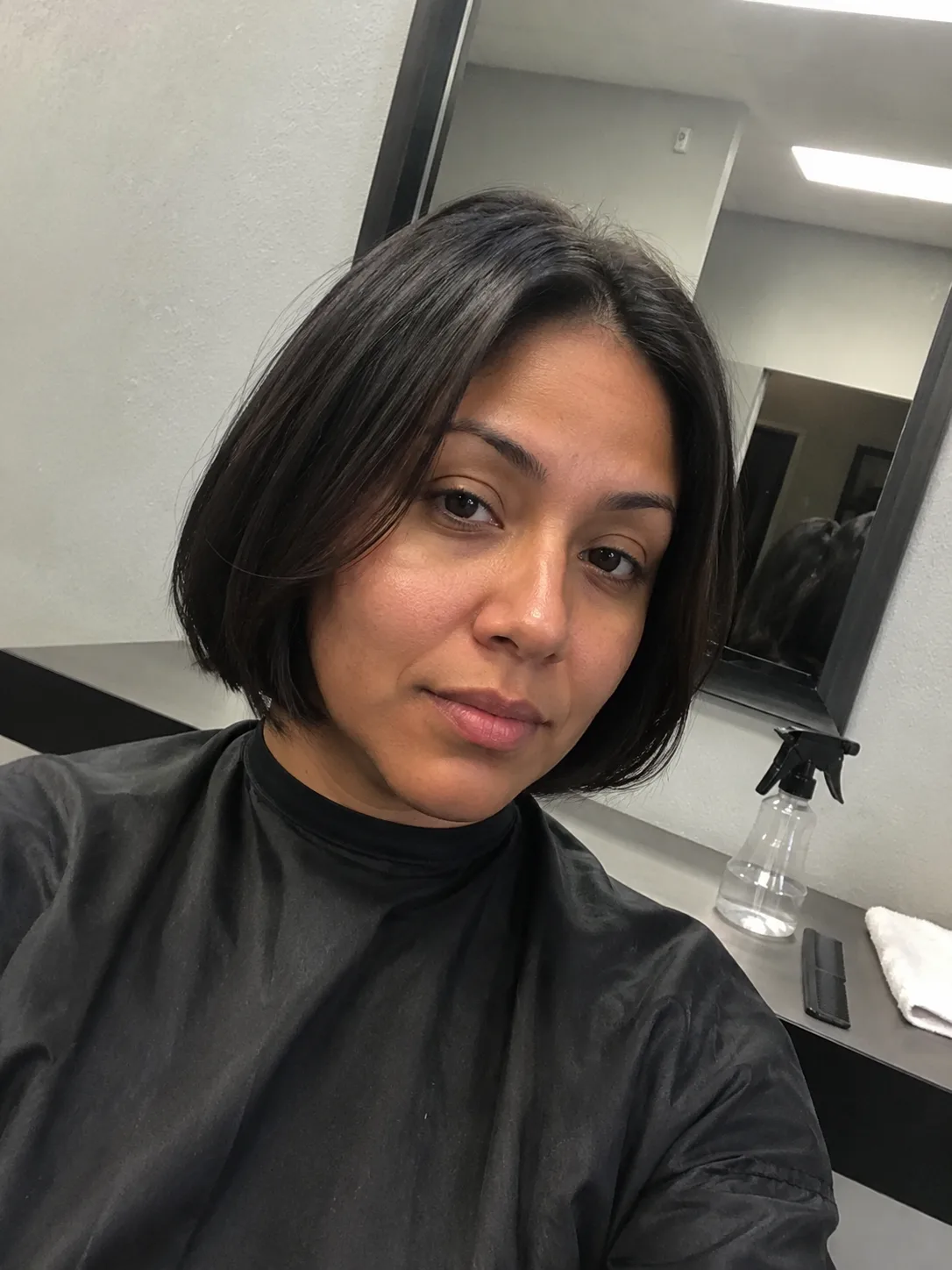
A classic pixie keeps the back and sides short while leaving enough length through the top to create direction. Its appeal is the exposed outline: ears, neckline, cheek area, and crown all become more visible, so small changes in the haircut have a large visual effect.
This is one of the stronger choices for someone who genuinely enjoys short hair rather than simply wanting less hair to manage. The haircut itself replaces much of the styling that longer hair relies on.
The hidden maintenance issue is growth around the perimeter. A pixie can still look attractive as it lengthens, but it stops looking like the same cut before it feels objectively long. Cowlicks and crown growth patterns matter too, so a good consultation should address how the hair naturally leaves the scalp.
Long Pixie
A long pixie keeps more hair through the crown, front, and often the sides. You gain styling flexibility without moving fully into bob territory.
It can be swept sideways, worn with more lift, tucked near the ears, or allowed to fall forward. That extra length also makes the cut more forgiving for readers who like the idea of a pixie but don’t want the entire side profile tightly exposed.
Fine strands and low density need separate consideration here. Fine hair can still be plentiful, while low-density hair may show more scalp when heavily layered. The amount of interior removal should suit the actual density rather than a generic assumption that short layers always create fullness.
Tapered Crop
The strongest feature of a tapered crop is the gradual reduction of length toward the sides and nape. More length remains on top, creating a clear contrast without requiring an undercut.
This cut works especially well when you want the neckline to feel clean while preserving texture at the crown. Straight hair can be directed or lightly separated; curls and coils can retain more visible volume through the top.
Because the taper controls the outer shape, it deserves as much attention as the top length during a consultation.
Buzz Cut
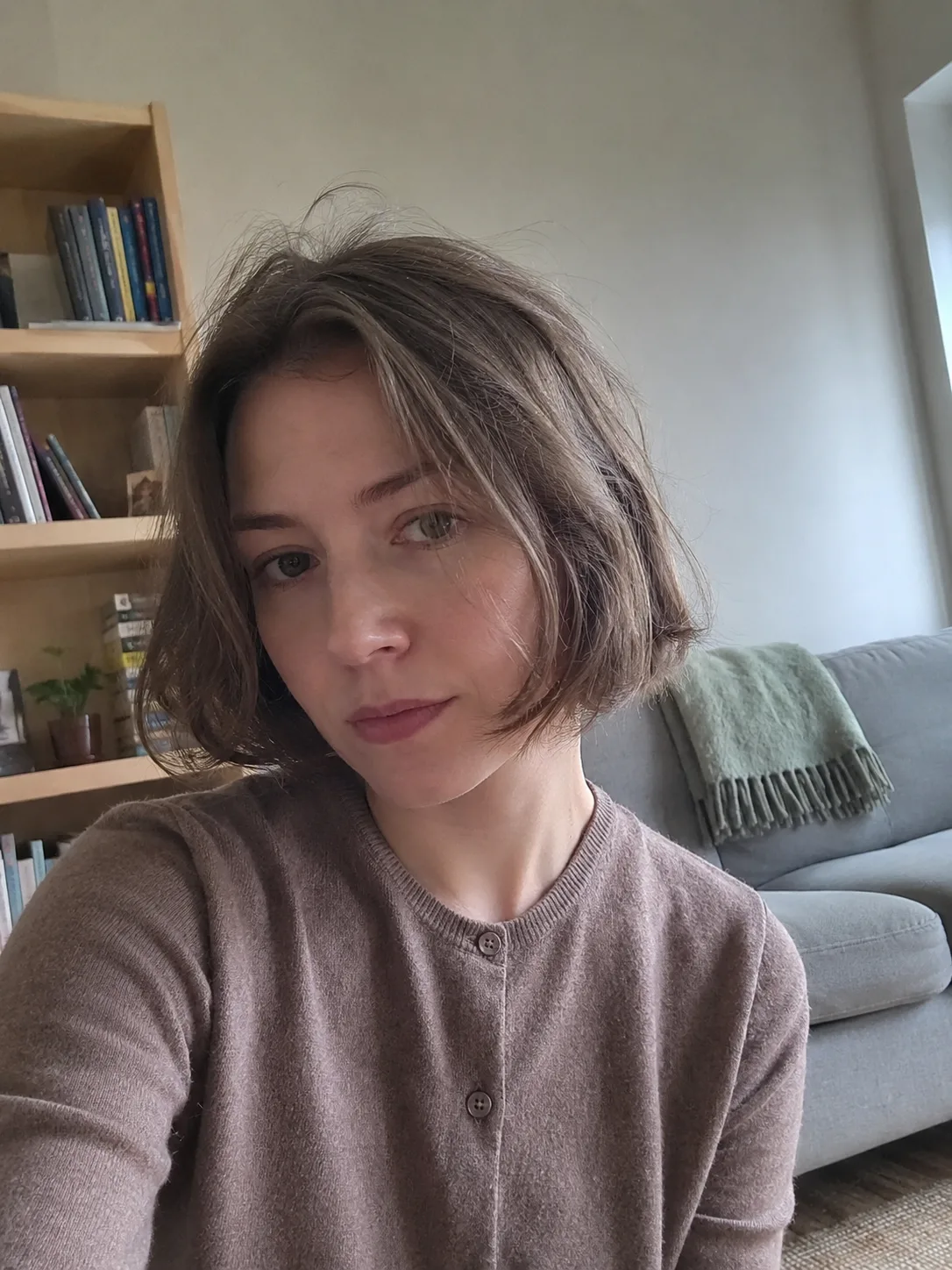
Few haircuts change the relationship between hair and facial features as decisively as a buzz cut. With almost no length available to reshape the outline through styling, the head shape, hairline, density pattern, and natural growth direction become highly visible.
It is physically simple to wear but not visually anonymous. Areas of lower density may become easier to see at very short lengths, and the haircut won’t create actual density where strands are sparse.
A buzz cut is a strong option for someone who wants deliberate minimalism and is comfortable with the haircut itself doing almost all the visual work.
Undercut Pixie
An undercut pixie removes substantially more length underneath while leaving a longer top section. The contrast gives the haircut a sharper architecture than a conventional pixie.
The longer hair can conceal some or most of the short section depending on placement, which makes the cut surprisingly versatile from certain angles. It also reduces bulk underneath dense hair.
Grow-out deserves consideration before committing. Once the undercut becomes longer, it can push against the top section or create an obvious short layer underneath. This cut makes most sense when you actively like the undercut effect rather than viewing it only as a way to remove weight.
Short Cuts With More Length and Movement
Bixie
A bixie occupies the useful territory between a pixie and a bob. It has more perimeter length and movement than a traditional pixie, but the crown and interior are usually more layered than a classic bob.
That makes it a practical transition cut for someone growing out a pixie. It also suits readers who want a short silhouette without exposing the nape and ears as completely.
The cut needs enough internal structure to keep the extra length from simply collapsing into an overgrown pixie. Ask how the back will sit as it grows and whether your usual styling state—air-dried, blow-dried, curled, or naturally textured—matches the reference photograph.
Cropped Shag

A cropped shag gets its character from broken-up layers, movement, and less emphasis on a perfectly solid perimeter. It feels looser than a pixie and less compact than many short bobs.
Natural bends and waves often make the layering especially visible, though straight hair can wear the cut with deliberate separation and movement. The stronger choice here is accepting some irregularity. Anyone who wants every section to lie in a fixed position may find a shag unnecessarily demanding.
Collars and high necklines can also disturb longer pieces at the nape, which rarely shows up in carefully styled reference photos.
Short Wolf Cut
A short wolf cut keeps noticeably more volume through the upper portion of the haircut while narrowing or breaking up the lower sections. Compared with a classic shag, the contrast between crown fullness and the lower outline is usually more pronounced.
This cut earns its place when you want obvious layering rather than subtle movement. Dense hair gives the stylist plenty of material to shape, while low-density hair may need a more restrained interpretation so that interior removal doesn’t leave the ends looking overly sparse.
The styling state matters. A version photographed with strong waves can appear considerably flatter when the same haircut is worn straight.
Bowl-Inspired Crop
Modern bowl-inspired cuts use a strong curved line around the head without requiring the stiff, perfectly uniform shape associated with older versions of the haircut. The perimeter may be softened, disconnected, or combined with closely cropped lower sections.
The shape makes a clear visual statement even with minimal styling. It also places considerable attention on where the line falls around the forehead, temples, and ears.
Glasses should be part of the consultation. A dense section sitting exactly where the glasses arms pass above the ears can behave differently from the same cut photographed without eyewear.
Asymmetrical Pixie
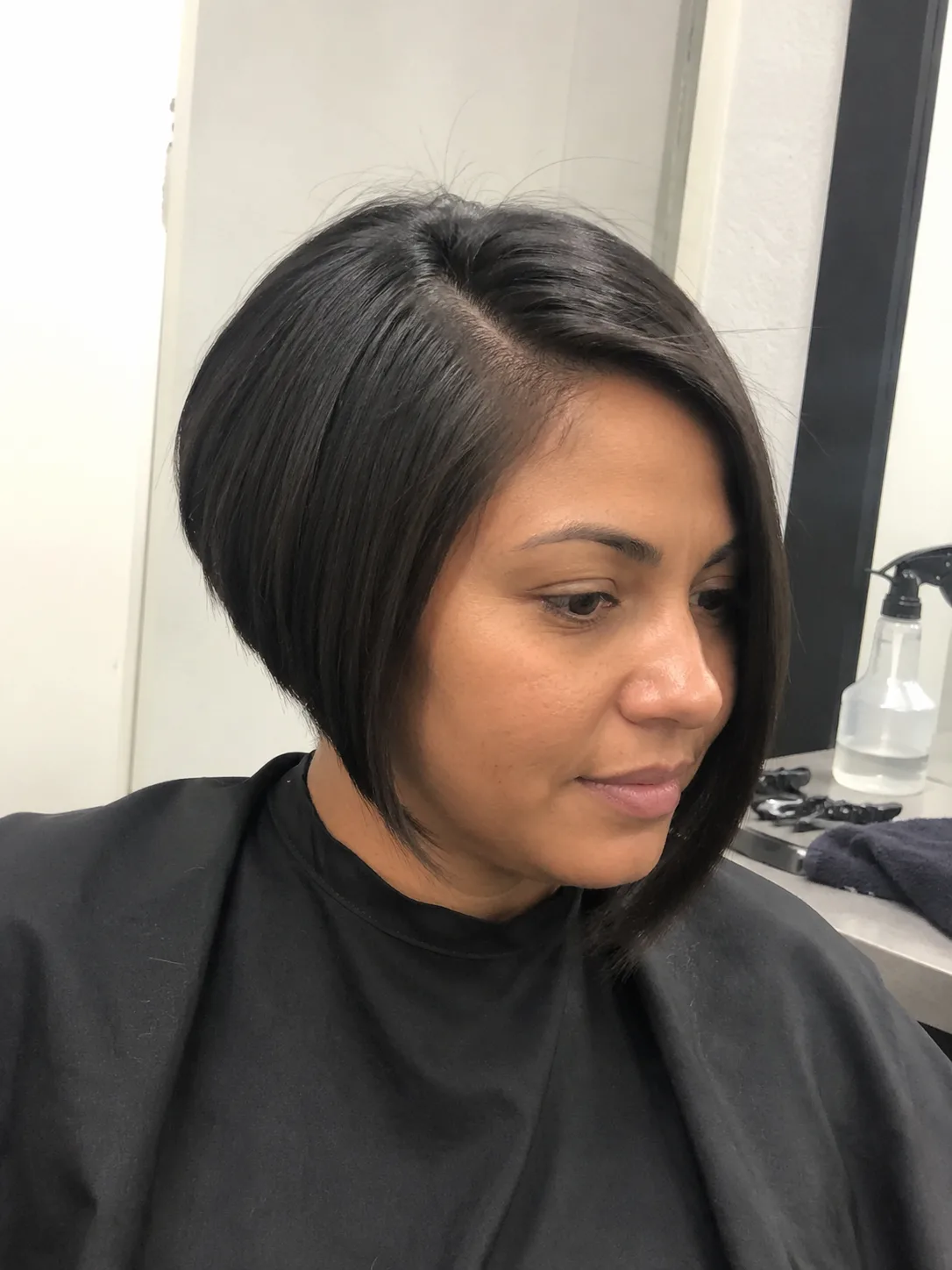
One side carries visibly more length than the other, giving an asymmetrical pixie movement without requiring a lot of overall hair.
The asymmetry can come from the front, side, or broader distribution of weight. What matters is that the difference is built into the haircut rather than created only by switching the part.
This is more salon-dependent than a casual side-swept pixie because the balance changes as the shorter and longer sections grow. The effect is worth the extra reshaping when you specifically want the uneven line to remain obvious.
Bobs Built Around the Perimeter
Chin-Length Blunt Bob
A blunt bob places most of its authority at the lower edge. Minimal layering preserves a substantial-looking perimeter, making the line itself the feature.
That can be particularly useful when healthy ends are the priority. A strong edge may make the bottom of the haircut appear fuller, although it doesn’t increase actual hair density.
The everyday complication is movement at the neckline. Hair that lands close to collars, scarves, or jacket necks may flip outward. A slightly shorter or longer endpoint can behave very differently, so deciding exactly where the perimeter should land is more useful than simply requesting “chin length.”
Micro Bob
The micro bob takes the bob above the conventional chin area, often exposing more of the jaw and neck. Its compact dimensions give it a sharper effect than a longer blunt bob.
There isn’t much length available to absorb imperfect shaping, which is exactly why the cut looks so clean when executed well. The lower line and front length need to make sense together.
This is an underrated option for someone who wants the visual impact of very short hair while retaining a continuous bob perimeter.
French Bob

A French bob generally keeps the length around the jaw or slightly above it and often pairs the compact shape with fringe. The useful distinction from a generic short bob is proportion: the cut feels intentionally concise rather than like a shoulder-length bob shortened by a few inches.
It can be worn sleek, softly waved, or with natural texture, and those styling states produce noticeably different results.
Fringe adds another growth pattern to manage. Cowlicks, curl formation, forehead contact, and your willingness to restyle the front matter more than whether bangs are theoretically flattering for a certain face shape.
Graduated Bob
A graduated bob builds weight through the back by cutting the lower sections shorter and allowing progressively more length above them. The result is a rounder back profile rather than a single flat perimeter.
This construction works well when the back shape is an important part of the haircut. The graduation can be subtle or visibly stacked.
It is less forgiving of neglected reshaping than a loose layered bob. As the internal graduation grows, the back can become bulky before the front feels particularly long.
A-Line Bob
An A-line bob moves from shorter hair at the back toward visibly longer pieces at the front. The difference in length creates the shape, so the effect survives even when the surface styling is simple.
Compared with a heavily graduated bob, an A-line version can keep the back flatter and the perimeter more graphic. That makes it a useful choice for someone who wants front length but doesn’t want a rounded stacked profile.
The front sections can also interact with scarves, coat collars, and habitual tucking behind the ears. Those small daily habits can gradually change how you perceive the cut.
Rounded Bob
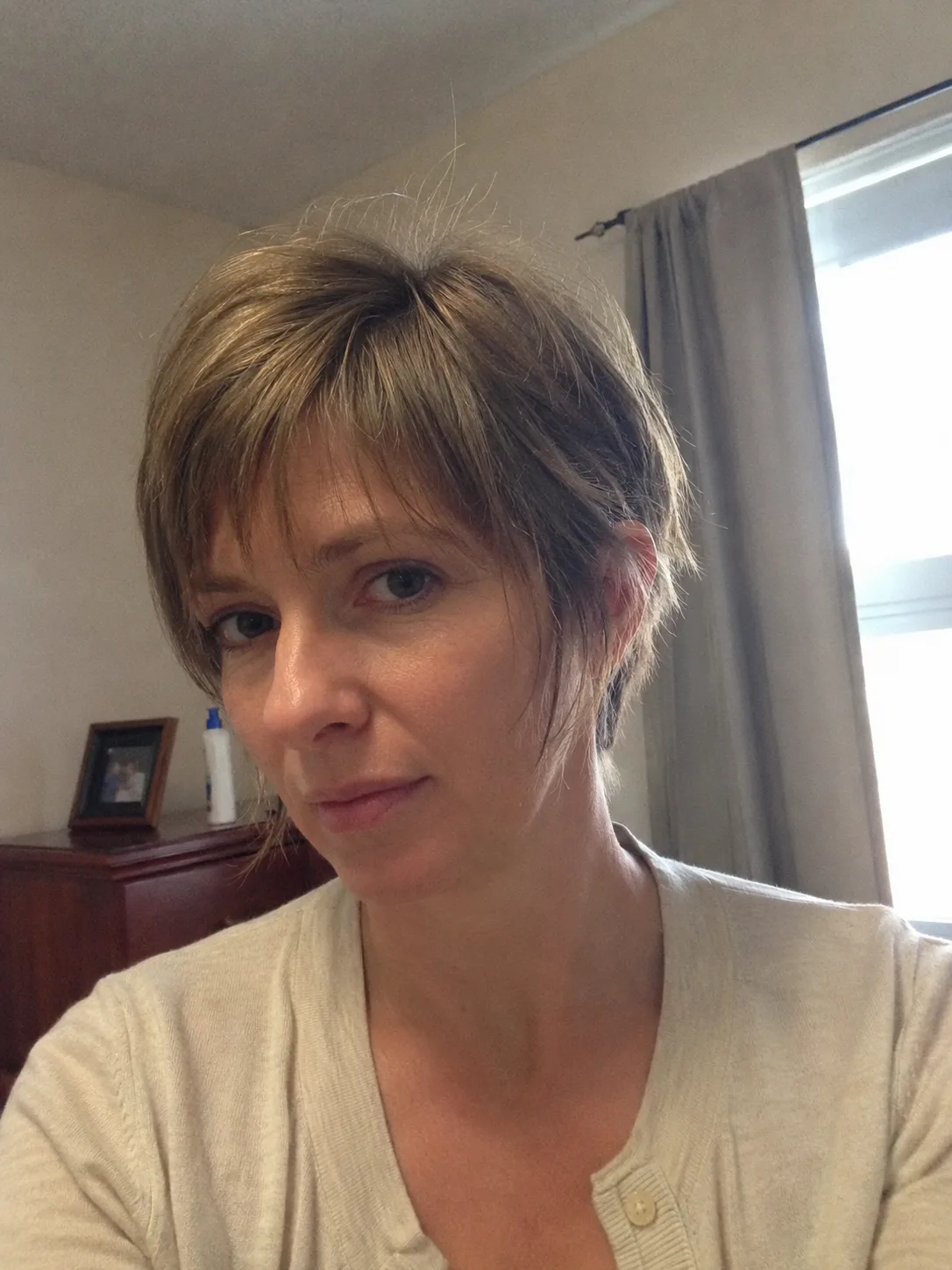
A rounded bob emphasizes curvature through the sides and back rather than an extremely sharp lower line. Controlled layering or graduation can help the hair sit closer to the intended shape.
This is especially useful for hair that naturally carries enough body to support the curve. Hair that is routinely styled sleek may require different shaping from hair worn with waves or curls.
A rounded bob is stronger than a highly fragmented cut when you prefer one connected shape instead of visible separation between layers.
Layered Short Bob
Layers give a short bob more movement and reduce the dominance of a single heavy perimeter. They can also help expose waves or bends that become compressed in a blunt shape.
The amount of layering matters more than the label. Heavy interior removal on low-density hair can reveal additional space between strands, while dense hair may benefit from more controlled weight distribution.
Bring reference images showing a similar styling state to your own. A heavily layered bob photographed after a full blowout won’t behave identically when air-dried.
Shaggy Bob
A shaggy bob keeps recognizable bob length while replacing the clean edge with more broken movement through the interior and perimeter.
It is more forgiving of a slightly undone finish than a precision blunt bob. Waves, bends, and irregular texture can become part of the haircut rather than something that must be smoothed away.
The cut is a poor match for someone who wants a dense, crisp bottom line. The two priorities compete: visible separation requires removing or redistributing some of the weight that creates a solid perimeter.
Short Haircuts for Curls and Coils
Curly Bob
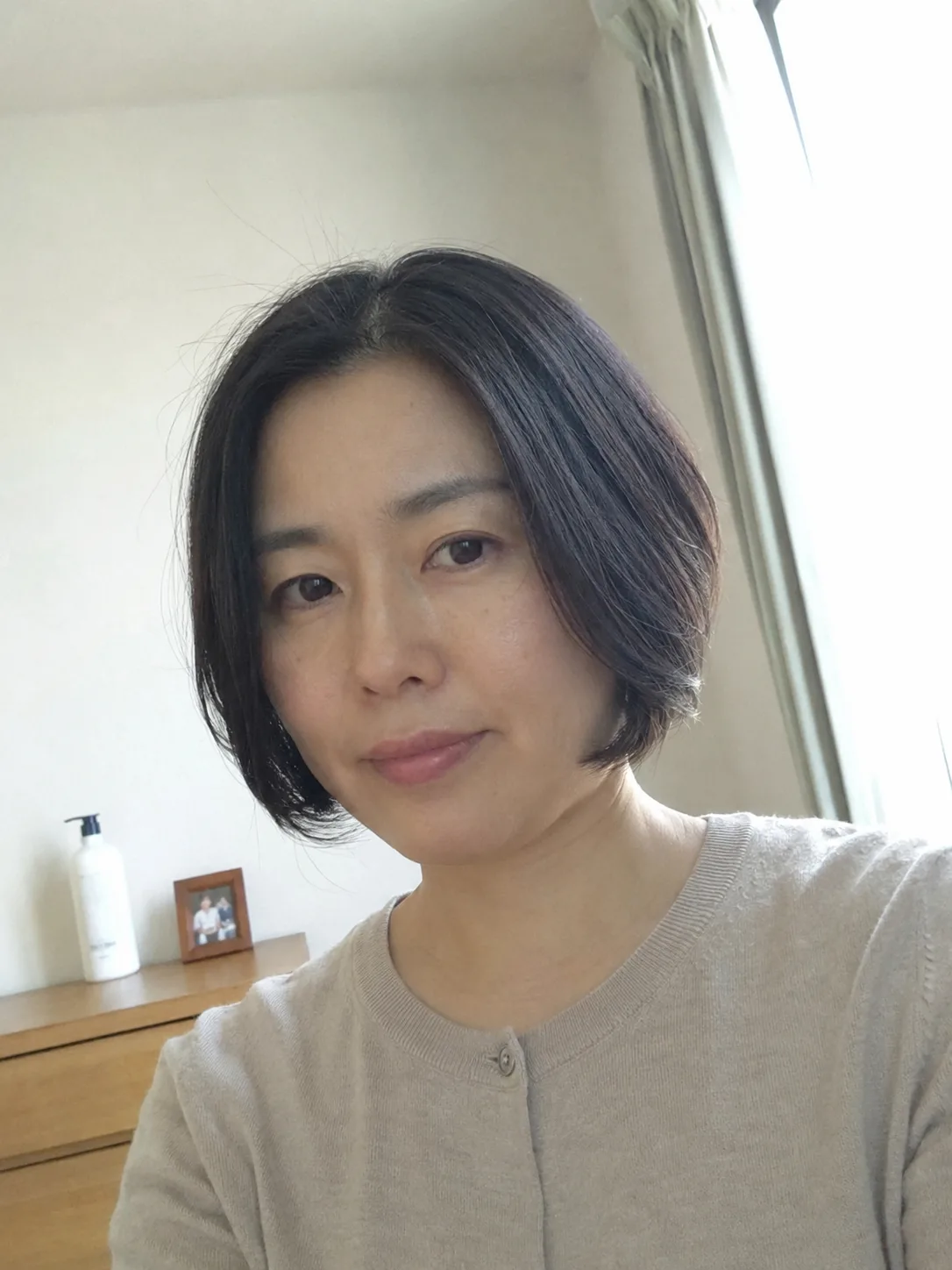
A curly bob is defined by the overall short bob shape as it appears in the curl pattern you normally wear. That last point matters because curls can sit at dramatically different lengths when wet, stretched, diffused, or fully dry.
The perimeter doesn’t need to form a perfectly straight visual line. Curl groups can create an irregular outer edge while still reading as a coherent bob.
A strong consultation should evaluate the haircut in its usual finished state. Shrinkage, curl grouping, density, and drying method all influence where the apparent length settles.
Tapered Curly Cut
More curl volume stays on top while the sides and nape become progressively shorter. The tapered outline keeps the overall shape compact without requiring the curls themselves to be flattened.
This is one of the most practical short cuts for someone who enjoys natural volume but wants less bulk around the perimeter. The top can remain relatively full while the sides provide definition.
Curl behavior near the temples and nape deserves individual attention; those areas may form differently from the crown.
Rounded Curly Crop
Instead of relying on a sharp taper, a rounded crop distributes curl volume into a softer, more continuous outline. The result can feel fuller through the sides than a tapered cut.
This shape works particularly well when the curl pattern naturally expands outward and you want to use that behavior rather than continually compress it.
Dry shape is crucial. Cutting only according to stretched length can miss where individual curls actually settle when they contract.
Tapered Coily Afro
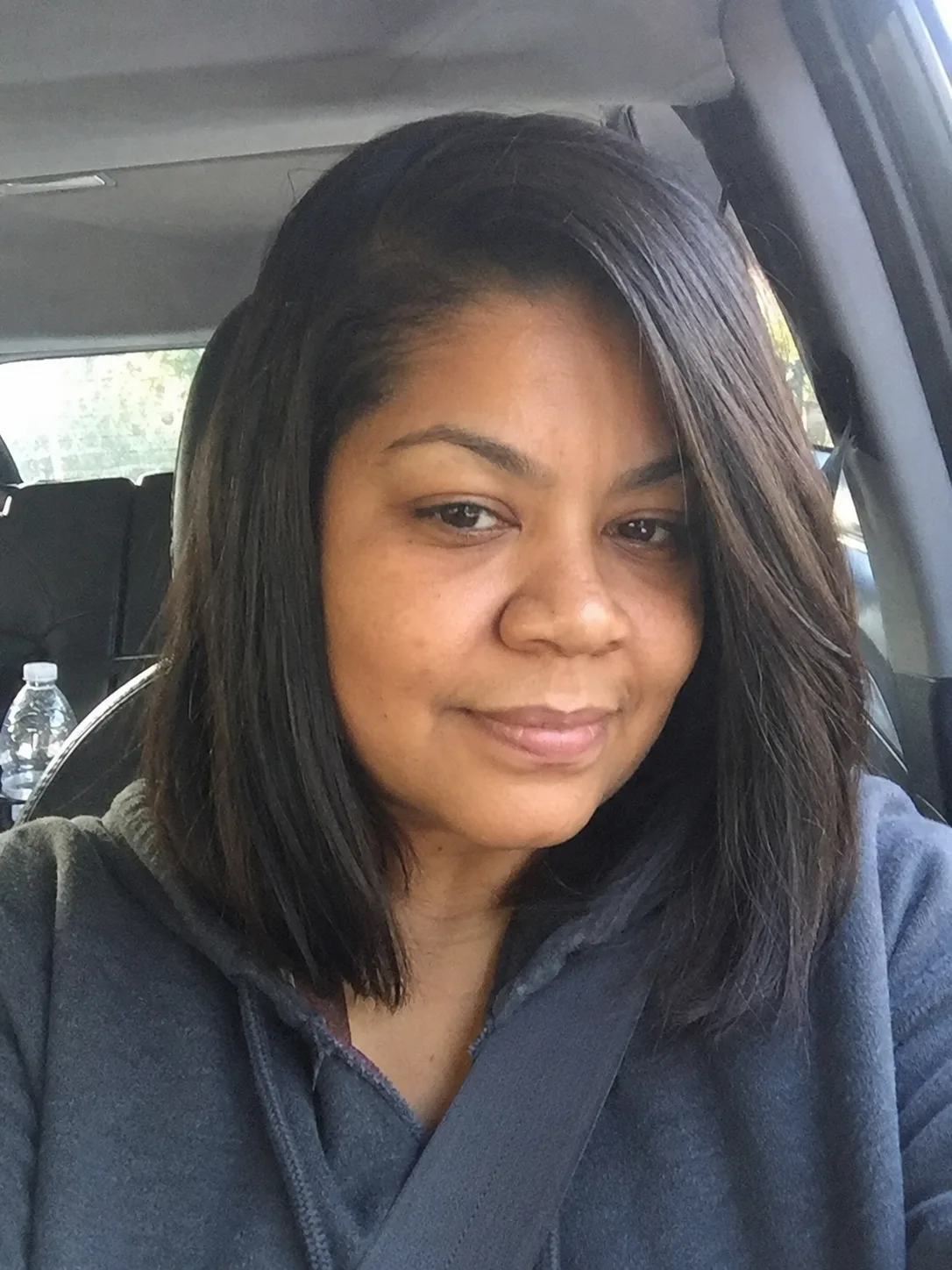
A tapered coily afro preserves visible coil volume while narrowing the sides or nape enough to create a defined outline. It isn’t dependent on straightening the hair to establish the shape.
The distribution of volume can be adjusted according to how the coils cluster and where the hair is densest. Fine strands shouldn’t be confused with low density; a head of fine strands can still contain plenty of hair.
This cut is worth considering when you want a compact natural shape with more visible structure than an evenly rounded afro.
Short Coily Round Cut
A short round cut keeps more balanced volume around the head than a taper. The emphasis shifts from contrast to a continuous cloud-like outline.
It can work beautifully with substantial shrinkage because the haircut is planned around the coiled state rather than fighting it. A stretched reference photo is far less useful when the hair is normally worn fully shrunken.
The perimeter can remain soft. A short natural cut doesn’t require every coil to land at the same visible point.
Statement Shapes and Short Cuts With Stronger Contrast
Short Disconnected Cut
A disconnected haircut deliberately leaves a noticeable difference between sections instead of blending every length gradually together. Longer top hair might sit over shorter sides, or one portion of the perimeter may remain substantially longer.
The construction creates a stronger graphic effect than conventional layering. It also gives thick or dense hair an alternative to uniformly removing weight throughout the interior.
The separation becomes more obvious during grow-out, so this isn’t the easiest option for someone hoping to forget about the haircut for long stretches.
Short Sculpted Shag With Fringe
This version of the short shag lets the fringe, crown layers, side pieces, and nape contribute to one deliberately broken outline. It keeps more movement around the face than a close crop while remaining clearly shorter than a mid-length shag.
The cut is worth the added styling variability when texture and movement are the entire point. Straight hair may need some directional styling to reveal the layers, while wavy or curly hair can create much of the separation naturally.
Fringe should be planned for the texture you actually wear. Curly fringe can stay curly; straightening it isn’t a requirement.
What Short Hair Photographs Often Hide
The first hidden factor is styling state. A pixie shaped on smooth, directed hair may look different after air-drying. A short shag photographed with waves can lose much of its visible separation when worn straight. Curly cuts may contract substantially from wet or stretched length.
The second is the back of the haircut. Front-facing inspiration photographs rarely show how the crown connects to the nape, yet that area often determines whether a short cut feels neat, bulky, flat, or difficult during grow-out.
Then there is ordinary physical contact. A bob can flip against a coat collar. Dense temple sections can compete with glasses arms. Longer nape pieces can sit differently after sleeping. None of those details make a haircut unsuitable, but they affect whether the attractive photograph translates into an easy routine.
Short hair also makes the existing density pattern more visible in some cuts. A haircut can redistribute weight and strengthen the appearance of a perimeter, but it can’t create new follicles. Sudden shedding or a concerning change in density deserves separate attention rather than being treated as a haircut problem.
Match the Cut to the Amount of Styling You Actually Want
“Short” and “low maintenance” aren’t interchangeable.
A precision pixie may use very little hair yet depend heavily on its outline. A shag can tolerate more irregular movement but ask you to work with the hair’s natural bends and volume. A blunt bob might require almost no complicated styling while relying on a clean perimeter to preserve its effect.
Think about your normal morning before the salon version of yourself. Do you air-dry? Use a diffuser? Blow-dry for direction? Tuck everything behind your ears? Need enough hair to move away from your face? Wear glasses every day?
Those habits are more useful than generic face-shape rules.
Curly and coily hair adds another decision: choose the state in which you want the shape evaluated. Someone who normally wears their hair shrunken needs a cut that reads correctly in that state. Someone who primarily wears it stretched has a different visual target.
Density and Strand Size Change the Same Haircut
A common mistake is treating fine hair, low-density hair, and thinning hair as the same situation.
Fine hair describes individual strands with a small diameter. You can have fine hair and high density.
Low density means fewer strands across the scalp. A heavily fragmented haircut can expose more space between those strands.
Thinning describes a reduction or change in density. That deserves different consideration from naturally low density, particularly when the change is sudden or concerning.
For a stronger-looking lower edge, a bob with a relatively intact perimeter may be more useful than aggressive internal layering. Dense hair has different challenges: a compact bob can accumulate substantial weight, and a carefully placed layer or graduation can change how that mass sits.
Hair color doesn’t determine texture either. Gray hair reflects pigment loss. Some people notice changes in how their hair behaves over time, but gray itself shouldn’t be treated as a texture category when choosing a cut.
Planning the Salon Consultation
A good reference photo shows the destination. It doesn’t explain the construction needed for your hair.
Bring more than one angle when possible, especially for pixies, tapers, graduated bobs, and disconnected cuts. The side and back views reveal information that the front image often hides.
Then identify the features you actually want copied. Maybe it’s the exposed nape, the solid chin-length perimeter, the full curly crown, or the broken shag layers. This prevents a vague request for “the same haircut” when the model’s density, texture, styling, and proportions differ from yours.
It also helps to state what you don’t want. A person who likes a bixie’s front length but dislikes a closely cropped nape needs a different construction from someone wanting the full reference look.
For curly and coily cuts, discuss the state in which you wear your hair most often and how much shrinkage you typically experience. The final shape should make sense in real life, not only while the hair is stretched during the cutting process.
Maintaining a Short Haircut Without Fighting It
Short hair tends to reveal growth through shape changes before dramatic length changes. A pixie may become fuller around the ears. A tapered crop can lose contrast at the sides. A graduated bob may accumulate bulk through the back. A blunt bob gradually moves away from the exact point where its perimeter originally landed.
There is no useful universal calendar that fits every short cut. Reshaping depends on how precise the haircut is, how quickly your hair grows, and how comfortable you are with its in-between stages.
Home styling should support the intended construction. A diffuser can preserve curl formation. A paddle brush can help direct a smooth bob where that finish is desired. Lightweight styling products may help separate a pixie or shag, but the haircut shouldn’t depend on a specific brand to make sense.
Friction matters too. A smooth pillowcase or bonnet can reduce tangling for some textures and styling states, though it won’t correct an unsuitable haircut or repair damaged hair.
Related Hairstyles to Explore
- Short hair korean style
- Round face haircuts short
- Short layered haircuts
- Short haircuts for older women
FAQs About Short Haircuts for Women
What short haircut is easiest to grow out?
Cuts with some retained perimeter length, such as a long pixie, bixie, or softly layered bob, usually offer more ways to reshape the hair as it lengthens than a dramatic undercut or highly precise asymmetrical cut. The easiest option still depends on the final length you’re trying to reach.
Can short hair work with naturally curly or coily hair?
Yes. Tapered curly cuts, rounded crops, curly bobs, and short coily shapes can all work without straightening the natural texture. The haircut should account for shrinkage, curl or coil grouping, density, and the state in which you normally wear your hair.
Which short haircut can make the ends look fuller?
A blunt or lightly layered bob can create a stronger-looking perimeter when the ends are healthy. This changes the visual distribution of hair rather than increasing actual density. Heavy interior removal may work against that goal on low-density hair.
Do I need to choose a short haircut based on my face shape?
Face shape can be part of the conversation, but it doesn’t need to dictate the haircut. Consider where you want volume, which features you enjoy emphasizing, how much of the ears and neckline you want exposed, and whether glasses or other devices interact with the hair around your temples.
Is a pixie easier to maintain than a bob?
A pixie uses less length but often depends more heavily on maintaining its outline. A bob may require more drying or surface styling, yet some bob shapes tolerate growth more quietly. “Easier” depends on whether salon reshaping or at-home styling is the part you would rather minimize.
What should I do if I’m worried about thinning before cutting my hair short?
Separate a haircut decision from a change in hair density. A stylist can discuss how different shapes distribute the hair you have, but sudden shedding, scalp pain, redness, sores, persistent irritation, or a concerning density change may warrant talking with a dermatologist or another qualified healthcare professional.
Hair Texture & Upkeep Style Matcher
Select your natural hair texture and daily maintenance window to get an instant styling formula and heat safety cap.
Heat Cap: 320°F (160°C)
A versatile three-strand braid beginning at the parietal ridge, securing the top half while allowing natural wave texture to flow freely around the shoulders.
Conclusion
The most useful way to choose among short haircuts for women is to decide which part of the haircut you want to carry the design.
Choose a pixie or taper when the outline around the head matters most. Look toward blunt and structured bobs when you want the perimeter to provide visual weight. Shags, bixies, and layered cuts make more sense when movement is worth giving up some precision. Curly and coily cuts should be planned around the texture and shrinkage you actually wear.
Before committing, identify the feature you want preserved as the haircut grows. That one decision often tells you more about whether a short cut will suit your routine than the front-facing photograph ever could.
Editorial Standards & Hair Health Guidance
Every style featured on Tress Atlas is curated with a focus on real-world wearability, scalp tension management, and cuticle preservation. When trying protective styles or tight updos, ensure perimeter hairline sections remain tension-free to avoid traction stress on delicate follicles. For heat styling, cap tools below 350°F (180°C) to prevent thermal keratin denaturation.
Scientific Sourcing: Practices aligned with the American Academy of Dermatology (AAD) on traction alopecia risk reduction and cosmetic trichology research on hair tensile strength.