Dark Brown Hair Color Ideas: 18 Shades and Placements Worth Considering
Dark brown hair gives you more room to change the result than the phrase “dark brunette” suggests. Two colors can sit at a similar depth yet look completely different because one reflects warm red-brown tones, another stays muted and cool, and a third relies on strategically placed lighter pieces rather than changing the base itself.
The most useful decision is therefore how much contrast you want to see. A nearly solid espresso brunette reads deep and glossy. Chocolate and chestnut create more warmth without making the hair look dramatically lighter. Balayage, ribbons, and face-framing pieces introduce visible separation, movement, and a different grow-out pattern.
Your starting color matters too. Natural dark brown hair, previously lightened hair, permanent dark color, gray hair, and chemically processed hair won’t all follow the same route to the same photograph. Condition, porosity, and previous color services can change what is realistic in one appointment and what is better approached gradually.
Use these 18 dark brown hair color ideas as different directions rather than interchangeable shade names.
Deep Brown Colors With Minimal Contrast
Espresso Brown
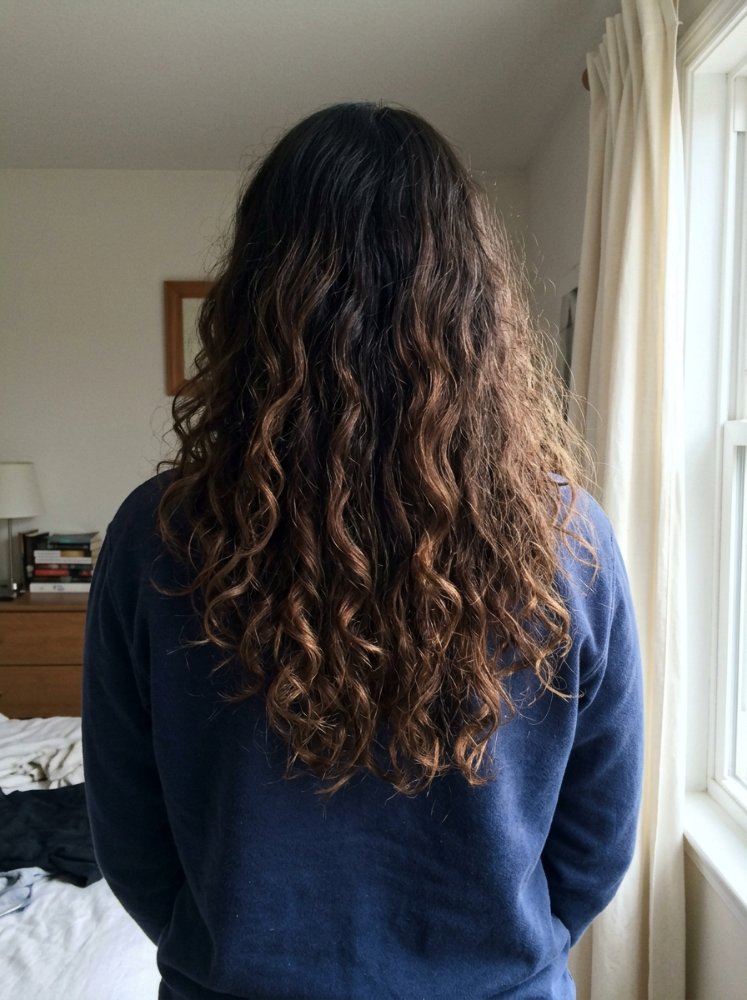
Espresso brown sits close to the deepest end of the brunette range while still reading brown under enough light. It works particularly well when you want the hair to look richer and more uniform without introducing obvious highlights.
The appeal is strongest on hair where shine and surface condition are part of the finished effect. Straight, pressed, wavy, curly, and coily hair can all wear espresso, although texture changes how the light moves across it. On curls and coils, the shade can look almost black in shadow and reveal its brown character across bends and raised sections.
This is also one of the cleaner choices for someone tired of high-contrast color. Keep in mind that making hair significantly darker with permanent color can affect future lightening plans. Anyone who regularly alternates between very dark brunette and highlighted hair should discuss that longer-term plan before committing.
Soft Black-Brown
Black-brown is useful when true black feels harsher or more absolute than you want. The result stays exceptionally deep, but subtle brown reflection prevents the color from looking as flat as an opaque black finish.
This direction suits sleek bobs, long straight hair, dense curls, and sculpted short cuts because it makes the overall outline prominent. There’s very little tonal distraction, so the haircut itself becomes more noticeable. That can be especially effective with a strong perimeter or carefully shaped layers.
It is a poor choice for someone already planning to become substantially lighter soon. Deep artificial pigment may complicate later color changes, particularly when it has been repeatedly applied through the lengths.
Neutral Dark Brunette
A neutral brunette avoids pushing strongly toward either red-gold warmth or ashy coolness. That restraint is the entire point. It gives dark brown hair a balanced appearance that feels natural without requiring the color to make a dramatic statement.
Neutral brown is also a practical reference point when you’re uncertain about undertone. Instead of choosing an extremely cool photograph because you dislike brassiness, you can discuss a balanced brown that keeps the hair from appearing overly warm while still retaining natural-looking depth.
It photographs quietly. Expect subtle tonal movement rather than obvious ribbons.
Dark Mocha Brown
Mocha sits between neutral brunette and chocolate territory, with enough softness to keep deep brown from looking severe. Depending on the starting base and chosen tonal direction, it can read slightly warm or relatively balanced.
This shade makes sense when you want a noticeable refinement but don’t want strangers to immediately identify the hair as highlighted. Layers and curls help expose the tonal variation because different sections catch the light at different angles.
Dark mocha is one of the stronger options for a brunette who values depth first and dimension second.
Warm Dark Brown Hair With More Visible Richness
Chocolate Brown

Chocolate brown brings warmth into a dark brunette base without necessarily moving into copper or red hair. Think of it as a richer, softer brown that becomes more noticeable in daylight and around curved or textured sections.
It works especially well when a very dark base is making the haircut look visually heavy. Slightly warmer reflection can reveal layers and movement while preserving a brunette identity.
The key salon discussion is how warm you actually want the result. “Chocolate” is interpreted broadly in photographs, so bring references showing the amount of red, gold, and overall brightness you like instead of relying on the shade name alone.
Dark Chestnut Brown
Chestnut introduces a more noticeable red-brown undertone than chocolate. It still belongs comfortably in the brunette family, but sunlight and bright indoor lighting reveal the warmer character quickly.
This is worth choosing when you want dark brown hair to look lively without adding separate highlighted pieces. Wavy and curly hair can show the shift beautifully because raised sections catch warmer reflections while deeper parts of the pattern stay dark.
Previously colored hair may require a different approach from untouched hair, particularly when the existing pigment is much darker than the target.
Cinnamon Dark Brown
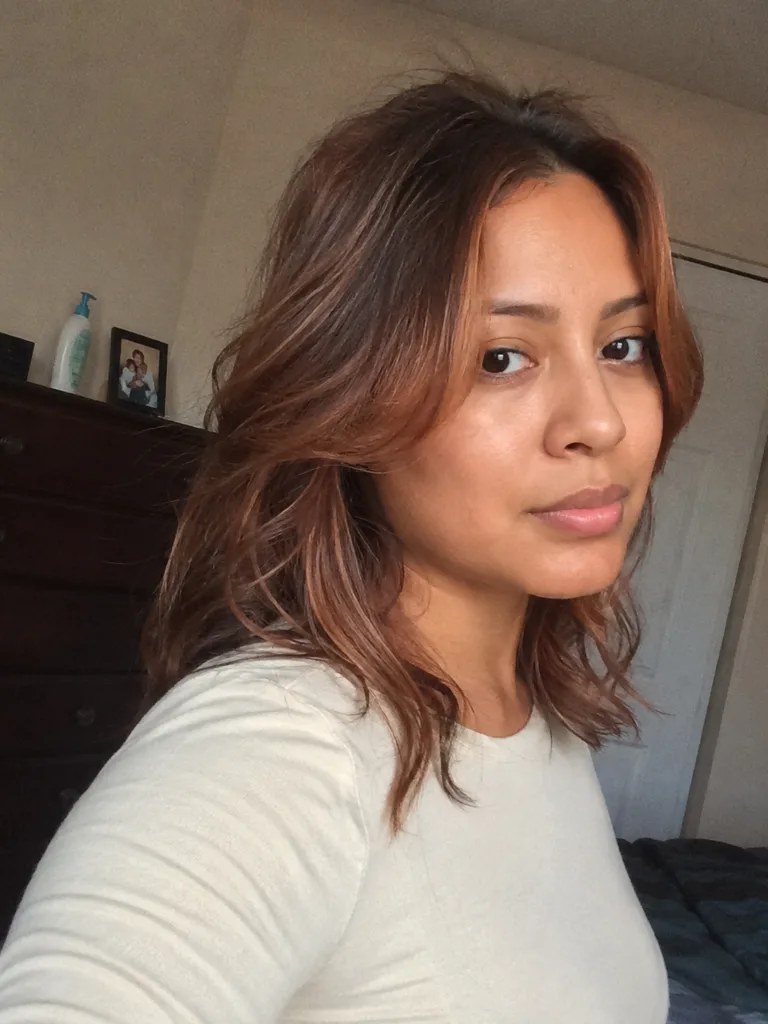
Cinnamon brown pushes warmth further toward a spicy copper-brown direction while keeping enough depth to read as dark brunette. Compared with chestnut, it usually gives the overall color a brighter, warmer impression.
This choice earns its upkeep when you actually enjoy seeing warmth. Someone who constantly tries to neutralize every copper or reddish reflection may find cinnamon frustrating because those visible warm notes are part of the design.
On textured hair, cinnamon can be especially dimensional without any separate highlighting pattern. The color shifts naturally as curls, coils, or waves turn toward the light.
Dark Mahogany Brown
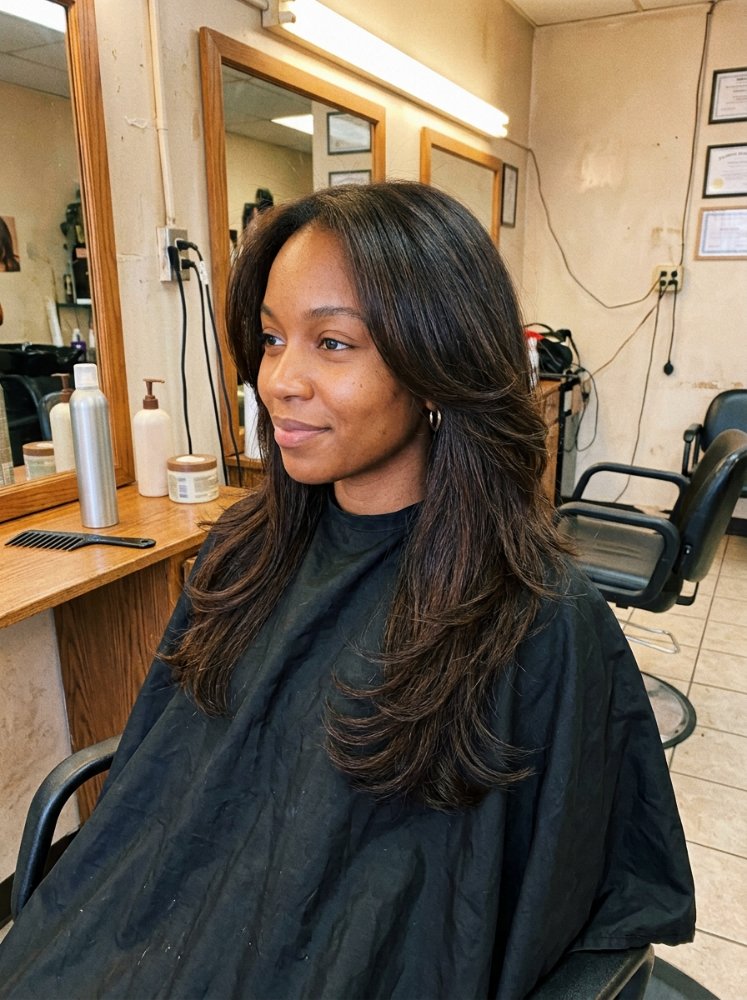
Mahogany brings red into dark brown in a deeper, more restrained way than bright auburn. The color can appear predominantly brunette in softer light and reveal stronger red tones outdoors or beneath direct lighting.
That changeability is part of its appeal. You get a richer color experience without creating light-dark contrast through highlights.
Mahogany is more color-committed than neutral brown, though. Red-family pigments and previously applied dark colors both matter when planning future changes, so mention any history of permanent color or lightening during the consultation.
Highlighted Dark Brown Hair for More Dimension
Caramel Balayage on Dark Brown Hair
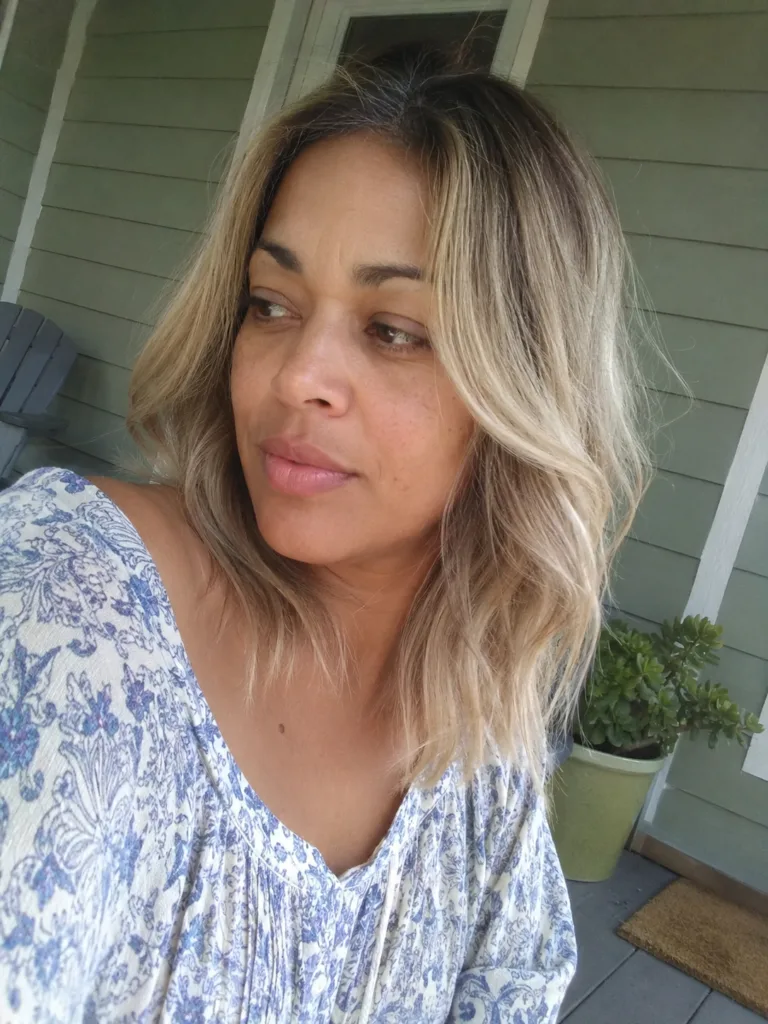
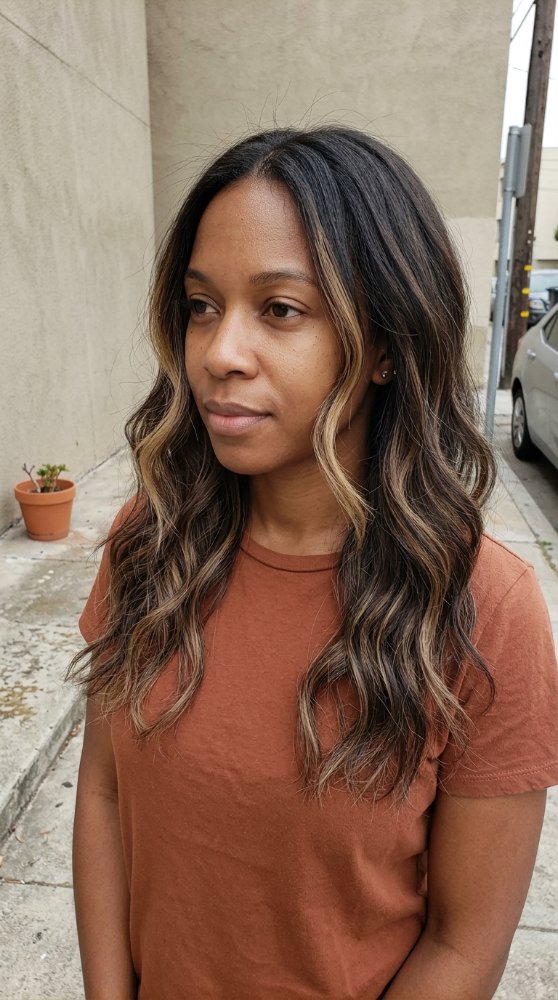
For a clearly visible change that still keeps dark roots, caramel balayage is one of the most useful directions. The lighter brown-gold pieces break up the depth and make long layers, waves, curls, and movement easier to see.
Placement matters as much as tone. Concentrating brightness through the mid-lengths and ends produces a different result from lifting numerous pieces close to the root. A restrained balayage can leave large areas of natural brunette intact; a heavier application can make the overall hair appear considerably lighter.
Previously permanently darkened hair deserves particular attention here. Artificial dark pigment may respond differently from natural dark brown, and a staged plan can be more realistic when substantial lightening is required.
Honey-Brown Ribbons
Honey-brown ribbons create more deliberate separation than a softly blended brunette. Instead of a general wash of brightness, selected strands show noticeably warmer, lighter brown-gold color against the dark base.
This works beautifully on hair with movement because the ribbons appear and disappear as the hair bends. Defined curls, loose waves, and layered blowouts all make the placement more visible.
The look is worth the extra color contrast when you actually want to see individual pieces. Someone seeking an almost-solid brunette will usually be happier with mocha or chocolate instead.
Beige-Brown Face Frame
You don’t need to lighten the entire head to make dark brown hair look different. A beige-brown face frame concentrates the change around the front, leaving most of the depth untouched.
The placement can range from very soft pieces near the hairline to broader sections that remain visible when the hair is worn down. Width matters: larger front panels create a graphic contrast, while finer sections blend back into the brunette more quietly.
Consider how you usually part and style your hair before choosing the placement. A piece positioned perfectly for a center part may sit very differently when the hair is regularly swept sideways.
Bronze Brunette Highlights
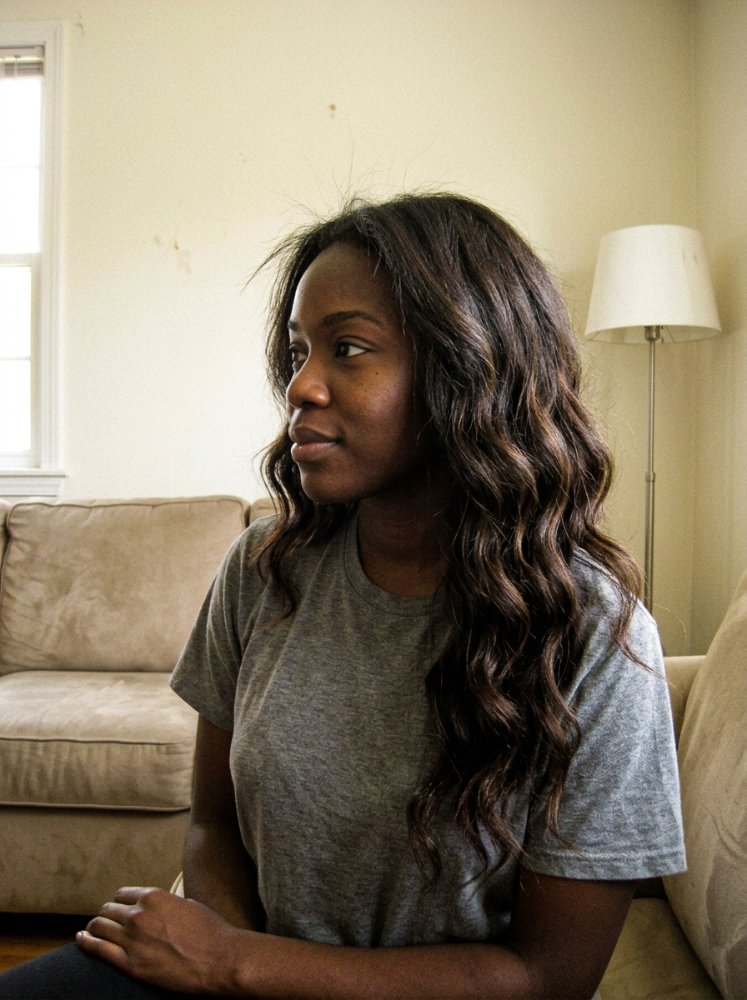
Bronze highlights sit in a warmer brown-gold zone that can look richer and slightly deeper than bright caramel. They are a strong match for someone who wants movement without pushing the highlights toward blonde.
The most convincing versions preserve enough dark brown between the lighter sections. That depth is what makes the bronze pieces visible.
This color also gives layered hair definition without requiring extremely light ends. For brunettes concerned about making a dramatic leap in brightness, bronze can be a more restrained direction to discuss.
Cooler and More Muted Dark Brown Ideas
Ash Dark Brown
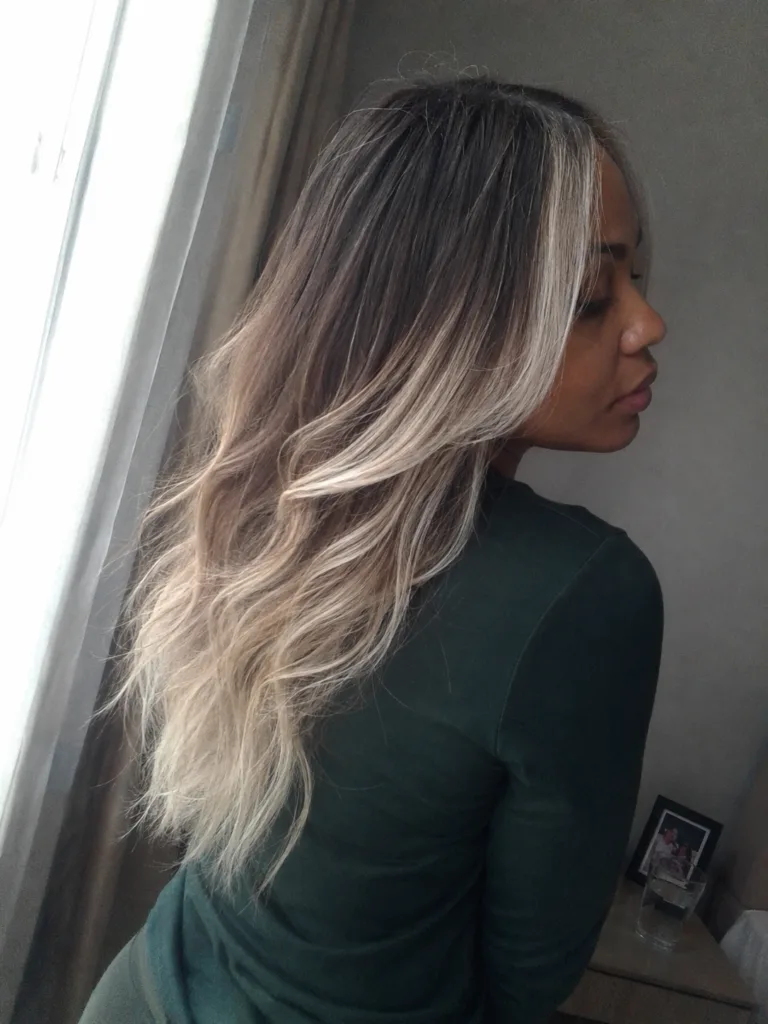
Ash brown reduces the impression of strong red, copper, or golden warmth. It creates a cooler brunette result that can look smoky or subdued compared with chocolate and chestnut.
Reference photos need careful reading here. Extremely gray-looking social media images may reflect lighting, editing, or a much lighter starting point than the label “dark ash brown” suggests. Ask for a cool brunette that remains believable at your desired depth rather than expecting every photograph to translate literally.
Cooler tonal effects also change as color wears and underlying warmth becomes more visible. Maintenance expectations should be part of the choice from the beginning.
Dark Mushroom Brunette
Mushroom brunette combines brown with muted beige-gray influence, giving the hair an earthy, low-saturation finish. It is less stark than an aggressively ashy brown and less golden than conventional beige brunette.
This is particularly effective when you prefer sophisticated, quiet dimension. Fine highlights or softly shifted sections can make the muted tones more visible without turning the hair into a high-contrast balayage.
Because mushroom shades rely on controlled tonal balance, they can be more salon-dependent than a simple deep neutral brown. Starting warmth and previous artificial pigment influence how easily that muted appearance can be achieved.
Smoky Brunette With Cool Ribbons
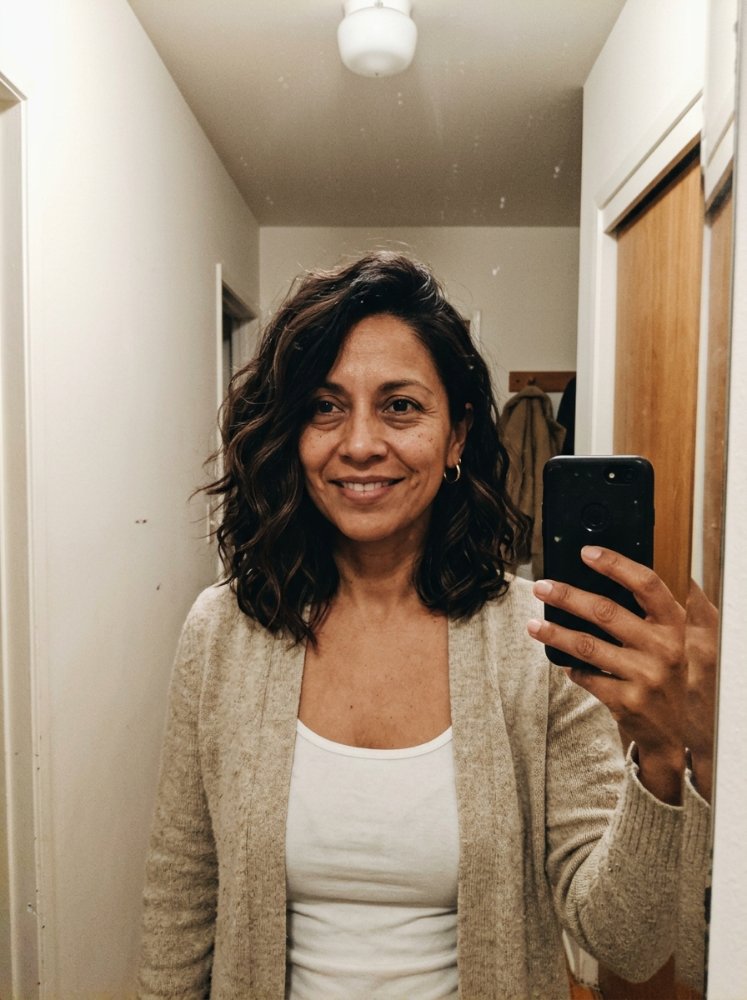
A smoky brunette keeps a dark base but introduces cool, restrained ribbons rather than changing the entire head to one ash shade. That creates separation while maintaining a moody, low-saturation effect.
The placement is useful on layered cuts because individual sections become visible without the brighter flash of caramel or honey. It can also keep plenty of natural-looking depth around the crown.
Choose this over solid ash brown when dimension matters as much as coolness. Choose solid ash brown when you prefer a more uniform surface.
Dark Brown With Red, Violet, and Copper Influence
Burgundy Brown
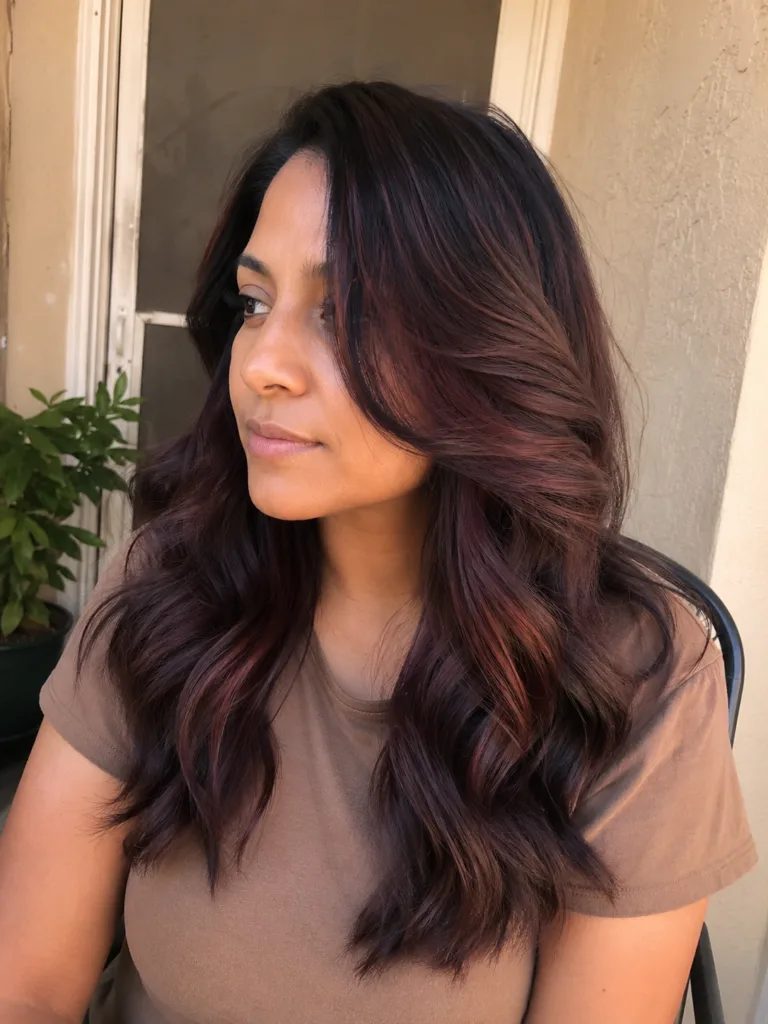
Burgundy brown gives a deep brunette base a red-violet cast. Indoors, the hair may stay quite dark. Under stronger light, the burgundy becomes much more obvious.
That makes it a good option for someone who wants expressive color without relying on light highlights. The shade has enough depth to keep the overall result brunette-adjacent while adding a clearly different tonal identity.
Color history deserves attention before committing, especially when future plans include becoming lighter or removing red-violet tones. Burgundy is more of a color direction than a temporary-looking accent.
Plum Brown
Plum brown shifts the emphasis farther toward violet while keeping a brown foundation. It feels cooler and moodier than mahogany and less conventionally warm than chestnut.
The color can be especially striking on glossy dark hair because the violet reflection appears selectively as the hair moves. On curls and coils, different bends reveal varying amounts of the plum tone, which can create dimension even without highlighting.
This is the stronger choice over burgundy when purple-violet reflection is the feature you actually want to notice.
Deep Auburn Brunette
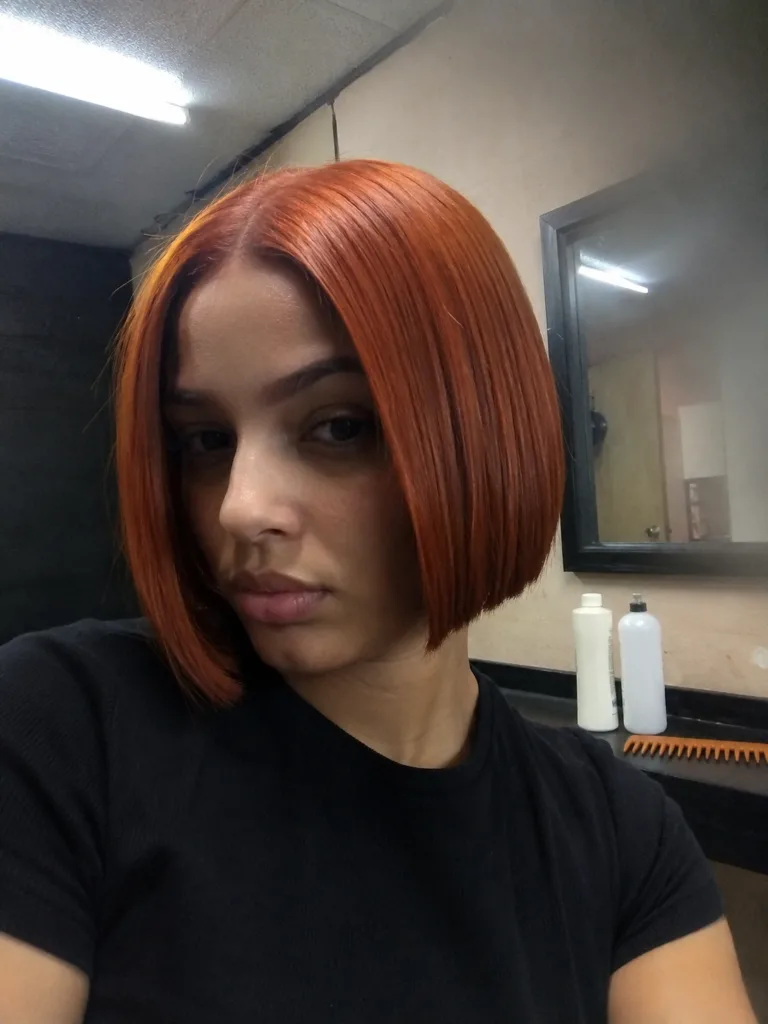
Deep auburn brunette sits at the warmest end of this list. It blends dark brown with enough copper-red character to make the hair feel substantially warmer while preserving depth at the roots or through selected areas.
Compared with cinnamon brown, auburn reads more decisively red. Compared with burgundy, it looks warmer and less violet. That distinction becomes important when choosing inspiration photographs because all three may be loosely described as reddish brown online.
Auburn is worth considering when warm reflection is the destination, not something you plan to fight with constant cooling products.
Choosing the Right Dark Brown Direction
Start with contrast before shade names. A person asking for “chocolate brown” may actually be attracted to the photograph because of its bright ribbons, while someone requesting “caramel brunette” may prefer a nearly solid warm brown once the highlight placement is removed from the reference.
Look at your inspiration photos and identify what you’re responding to. Is it the overall depth? Warmth? A brighter front section? Light ends? Individual ribbons? A glossy near-black surface? Those observations give a colorist much more useful information than a trendy shade label alone.
Your everyday styling also affects what you see. Straight and pressed hair exposes long, continuous sections of color. Waves break those sections into moving bands. Curls and coils reveal different tones around bends and can hide or expose highlighted pieces depending on shrinkage, definition, and parting.
Hair density is separate from strand thickness. Fine strands describe individual strand diameter; low density means fewer strands overall. Neither should be treated as a reason to rule out color automatically, but condition and existing chemical history matter when deciding how much lightening or repeated processing is sensible.
What Your Starting Hair Color Changes
Natural dark brown hair gives a colorist a different starting point from hair carrying years of permanent dark color. A reference image showing caramel ribbons on untouched brunette hair doesn’t establish what can be achieved immediately on previously dyed black-brown lengths.
Previously lightened hair presents another set of considerations. Porous sections can take or lose tonal color differently from less-processed roots, and the hair’s condition may limit how aggressively another transformation should be approached.
Relaxed or otherwise chemically processed hair also deserves a complete history during the consultation. Color planning should account for overlapping services and the condition of the hair rather than treating each chemical process in isolation.
Gray hair adds a pigment variable, not a texture category. Some people want full gray coverage, some prefer softer blending, and others want to preserve visible silver strands within the brunette. That decision changes both placement and maintenance.
Maintenance Is Mostly About the Type of Change
A nearly solid dark brown color and a highlighted brunette don’t age in the same way. With solid color, the most obvious change may appear at new growth or as the tone gradually shifts. With balayage and ribbons, you also have the condition and tone of lightened sections to consider.
Warm shades such as chestnut, cinnamon, and auburn are easier to enjoy when you genuinely like warmth. Choosing a very warm brunette and then trying to suppress every copper reflection creates unnecessary conflict with the original color direction.
Cooler brunettes can show warmth as tonal effects fade. A color-depositing or toning product may be useful in some routines, but it should match the specific unwanted tone rather than being treated as mandatory for every dark brunette.
Cleansing frequency, heat styling, sun exposure, water conditions, hair condition, and chosen products all influence how color wears. There isn’t one maintenance timetable that suits every head of colored hair.
Lightened ends also deserve gentler handling when they become more fragile. Pay attention to tangling, roughness, loss of elasticity, and breakage instead of assuming another lightening session is automatically the answer to a color issue.
What to Discuss Before a Color Appointment
Bring reference photographs that show both what you like and what you don’t want. A picture taken outdoors may show far more warmth than the same brunette appears to have indoors, so multiple examples help separate the actual color from the lighting.
Be clear about previous permanent color, lightener, relaxers, and other chemical services. Even old color through the lengths can affect the route toward caramel, beige, ash, or other lighter brunette effects.
It also helps to decide which matters more: keeping maximum depth or seeing obvious dimension. Trying to preserve an almost-black brunette while also requesting numerous bright pieces can create a different overall impression from the original reference.
Finally, look beyond the salon-day photograph. Decide whether you’ll be comfortable with visible new growth, tonal change, lighter ends, or periodic salon refreshing. A subtle mocha brunette is far more forgiving than a highly controlled cool color with obvious ribbons.
Frequently Asked Questions
Is dark brown hair the same as black hair?
No. Very deep brown can appear black in dim lighting, but enough light usually reveals brown reflection. Black-brown intentionally sits close to that boundary, while colors such as chocolate, chestnut, and mocha show their brunette character more readily.
Can curly or coily hair have balayage and highlights?
Yes. Placement should be planned around how the hair is normally worn because shrinkage and curl grouping change where lighter pieces appear. A highlight pattern designed only on stretched hair may look quite different once the hair returns to its usual curly or coily state.
Can permanently dyed dark hair be turned into caramel balayage?
It may be possible, but previously applied artificial dark pigment changes the process. Existing color, condition, porosity, and the desired brightness all affect whether a gradual approach is more appropriate. A photograph of caramel balayage on naturally dark hair shouldn’t be treated as a guaranteed one-session result for permanently colored lengths.
Which dark brown hair color is easiest if I don’t want obvious highlights?
Neutral dark brunette, espresso, mocha, and chocolate are the strongest starting points. They create tonal change without relying on pronounced light-dark separation. Espresso gives the deepest effect, while chocolate adds more visible warmth and mocha sits comfortably between rich and restrained.
Related Hairstyles to Explore
- Hair Color Ideas
- Dark Brown Hair With Highlights
- Chocolate Brown Hair With Highlights
- Dark brown hair with blonde ideas
Hair Texture & Upkeep Style Matcher
Select your natural hair texture and daily maintenance window to get an instant styling formula and heat safety cap.
Heat Cap: 320°F (160°C)
A versatile three-strand braid beginning at the parietal ridge, securing the top half while allowing natural wave texture to flow freely around the shoulders.
Conclusion
The most useful dark brown hair color ideas aren’t separated only by creative shade names. The real differences come from depth, undertone, placement, and contrast.
Choose espresso or neutral dark brunette when you want depth to dominate. Chocolate, chestnut, cinnamon, and auburn make warmth part of the result. Caramel balayage, honey ribbons, and a beige face frame create much more visible dimension. Ash, mushroom, and smoky brunette suit a quieter, cooler direction, while burgundy and plum give dark brown a stronger color identity.
Before settling on a photograph, identify the feature you actually want to copy and compare it with your current color, chemical history, condition, and normal styling state. That conversation is far more useful than choosing a brunette shade name on its own.
Editorial Standards & Hair Health Guidance
Every style featured on Tress Atlas is curated with a focus on real-world wearability, scalp tension management, and cuticle preservation. When trying protective styles or tight updos, ensure perimeter hairline sections remain tension-free to avoid traction stress on delicate follicles. For heat styling, cap tools below 350°F (180°C) to prevent thermal keratin denaturation.
Scientific Sourcing: Practices aligned with the American Academy of Dermatology (AAD) on traction alopecia risk reduction and cosmetic trichology research on hair tensile strength.