Bleached Hair for Women: What Changes the Result
H1: Bleached Hair for Women: What to Know Before Going Lighter
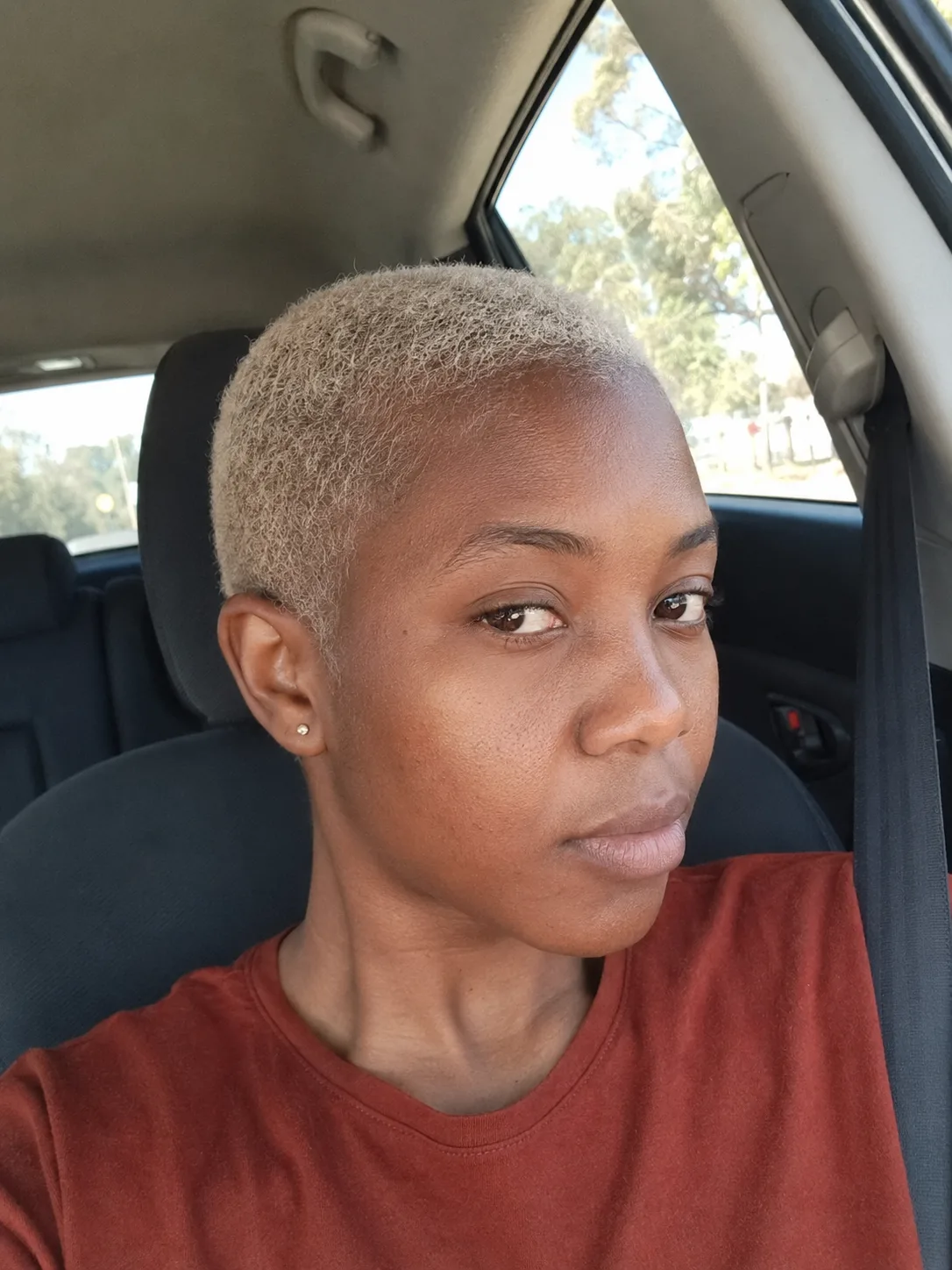
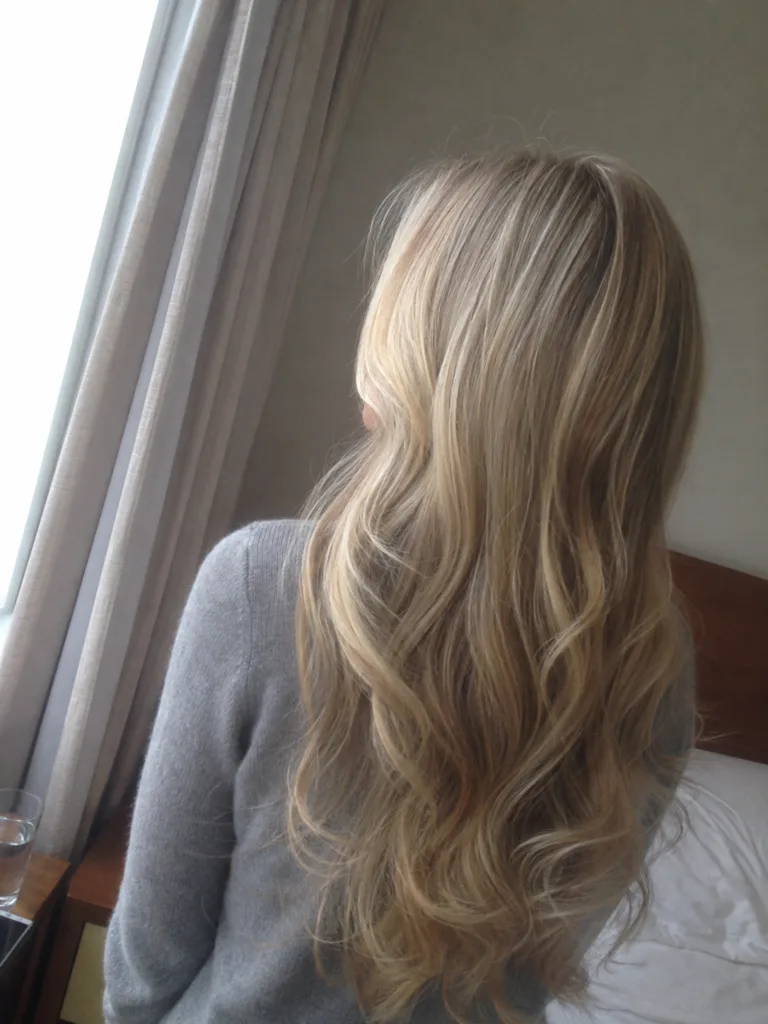
Bleached hair can look bright, dimensional, soft, icy, creamy, golden, or deliberately high-contrast. The photograph you save, however, shows only the visible color. It doesn’t show how much pigment had to be removed, whether the hair was previously colored, how the ends behaved afterward, or how much maintenance went into keeping the shade looking clean.
That hidden information matters because bleaching is a chemical lightening process. Lightener removes natural or artificial pigment so the hair can reach a lighter visible level. The farther your starting point is from the desired result, the more demanding the transformation may be on the hair.
For most women considering a major change, the most useful starting question is therefore not simply, “How blonde do I want to be?” You need to decide how light you want to appear, how much of the hair needs lightening, what condition the hair is currently in, and how much ongoing tone and texture maintenance fits your routine.
A full-head platinum transformation asks very different things of the hair than a few bright pieces around the face. Previously colored brunette hair behaves differently from untouched dark hair. Natural curls, relaxed hair, fine strands, gray hair, and heavily heat-styled lengths also bring different considerations.
This guide breaks down those decisions before the bleach goes on.
Your Starting Hair Determines How Complicated Bleaching Becomes
Two women can bring the same blonde reference photo to an appointment and need completely different plans.
Natural depth is one factor. Darker hair contains more visible pigment that must be exposed and shifted before very pale results become possible. During that process, underlying warm tones commonly become visible. Depending on the starting depth and target, the hair may move through red, orange, gold, or yellow-looking stages before reaching a lighter result.
Previous color matters even more than many reference photos suggest.
Permanent dark dye, repeated glosses, vivid color, henna or other plant-based colorants, old highlights, and previously bleached sections can create an uneven starting canvas. Artificial pigment may resist lightening or expose differently from untouched roots. Overlapping lightener onto already fragile areas can also increase the risk of breakage.
That is why a truthful color history is useful even when the old color seems to have faded. What you can see on the surface isn’t always a complete record of what has been applied to the hair.
Your usual styling state matters as well. Curly and coily hair may look dramatically shorter after washing because of shrinkage, while stretched or pressed hair shows the length differently. A blonde placement designed around straight styling may also read differently once curls spring back and separate.
For a major transformation, the strongest plan starts with the actual hair you have today rather than the shade name you hope to reach.
How Light Do You Really Need to Go?
“Bleached hair” covers a huge range of results.
A warm caramel brunette with lightened ribbons technically involves lightening, but it behaves very differently from an all-over pale blonde. Likewise, a dimensional blonde with deeper roots generally leaves more natural pigment intact than a uniform light result from scalp to ends.
That makes placement one of the most useful ways to control both impact and maintenance.
Full-head lightening
Lightening most or all of the visible hair gives the strongest transformation. It can create an even blonde canvas for pale, bright, pastel, or vivid tones, but it also puts more of the hair through chemical processing.
The regrowth line tends to be noticeable because new natural hair appears directly beside the lighter lengths. Very pale shades can make that contrast especially obvious.
This approach makes the most sense when the light color itself is the priority and you accept greater salon dependency.
Highlights and dimensional blonde
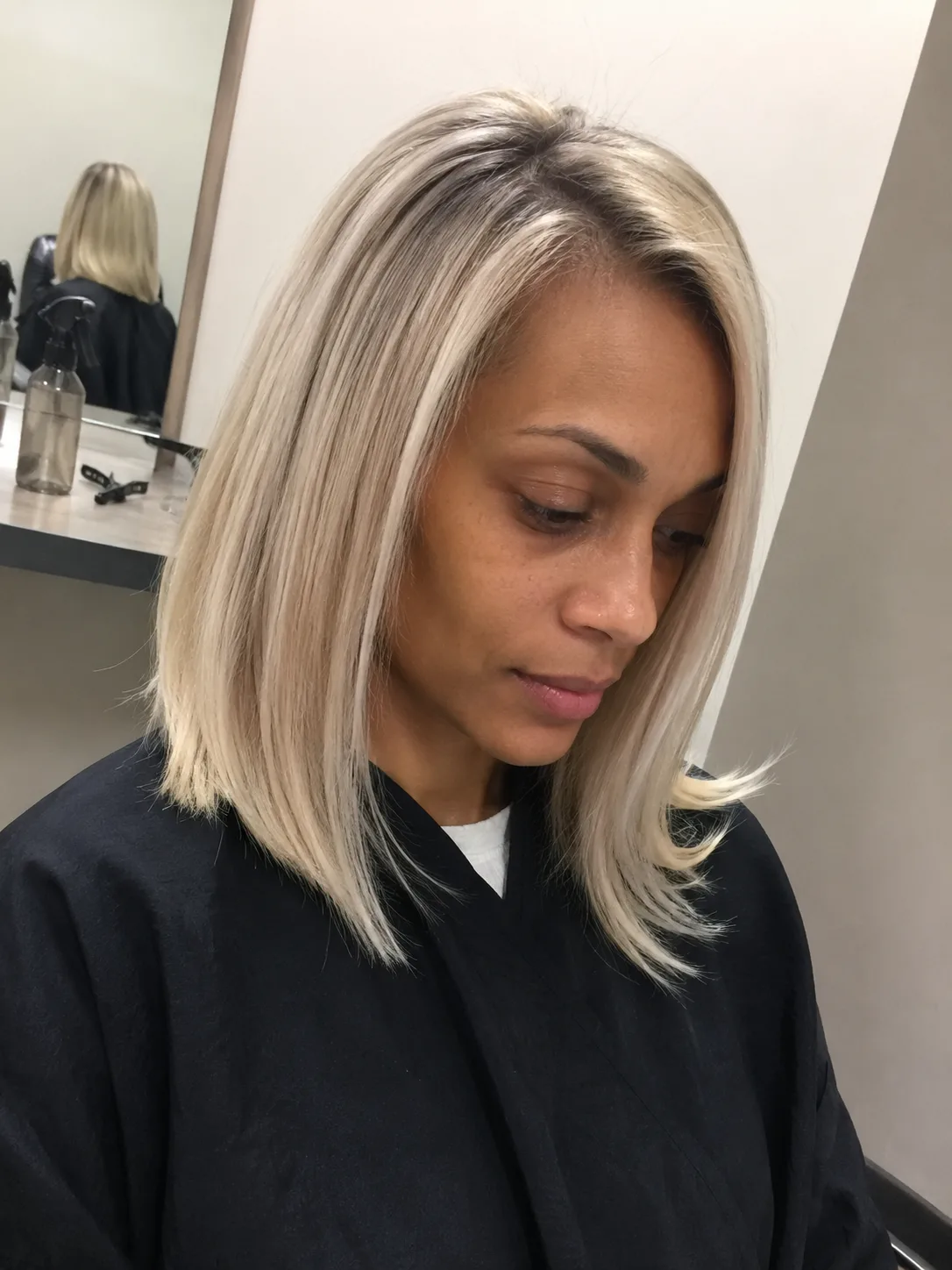
Highlights leave portions of the natural or existing base visible between lighter sections. The result usually has more depth, which can make regrowth feel less abrupt than a solid blonde.
Section size, spacing, brightness, and placement change the effect considerably. Fine distributed highlights can create an overall lighter impression, while larger pieces produce stronger contrast.
Dimensional lightening is a practical default for someone who wants to look noticeably blonder without removing pigment from every section of hair.
Balayage and gradient lightening
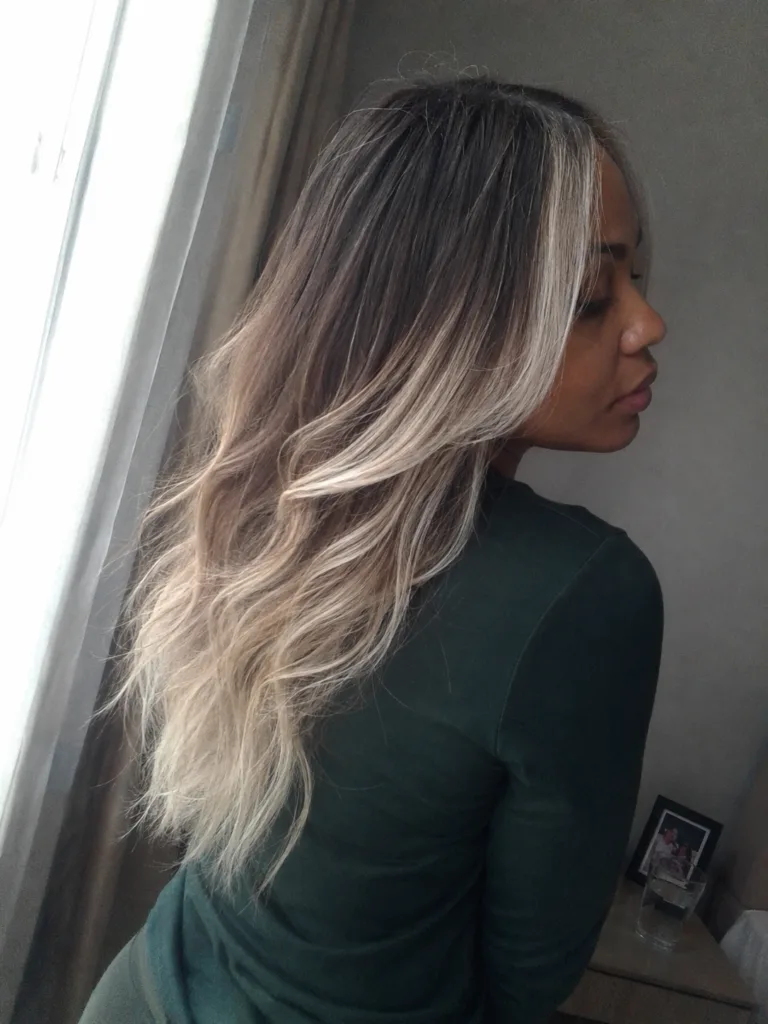
A gradient approach preserves more depth near the roots and concentrates brightness farther down the hair. The visible grow-out can feel softer because the color wasn’t designed to begin as a solid line at the scalp.
The tradeoff appears at the ends. They often carry the greatest concentration of lightened hair, so their condition matters. Long hair with old color or fragile, transparent ends may need a more conservative brightness plan than the inspiration photo suggests.
Face-framing brightness
Lightening around the hairline or front sections can change the overall impression of the hair without bleaching the entire head. It draws attention toward the face and can create a strong blonde effect in photographs.
Because those sections are highly visible and frequently manipulated during styling, their condition deserves attention. Hairline strands may also be finer or more fragile than the interior.
More blonde isn’t always the only way to create more impact. Strategic placement can deliver a much bigger visual change than the percentage of hair being lightened would suggest.
Hair Condition Should Set the Ceiling
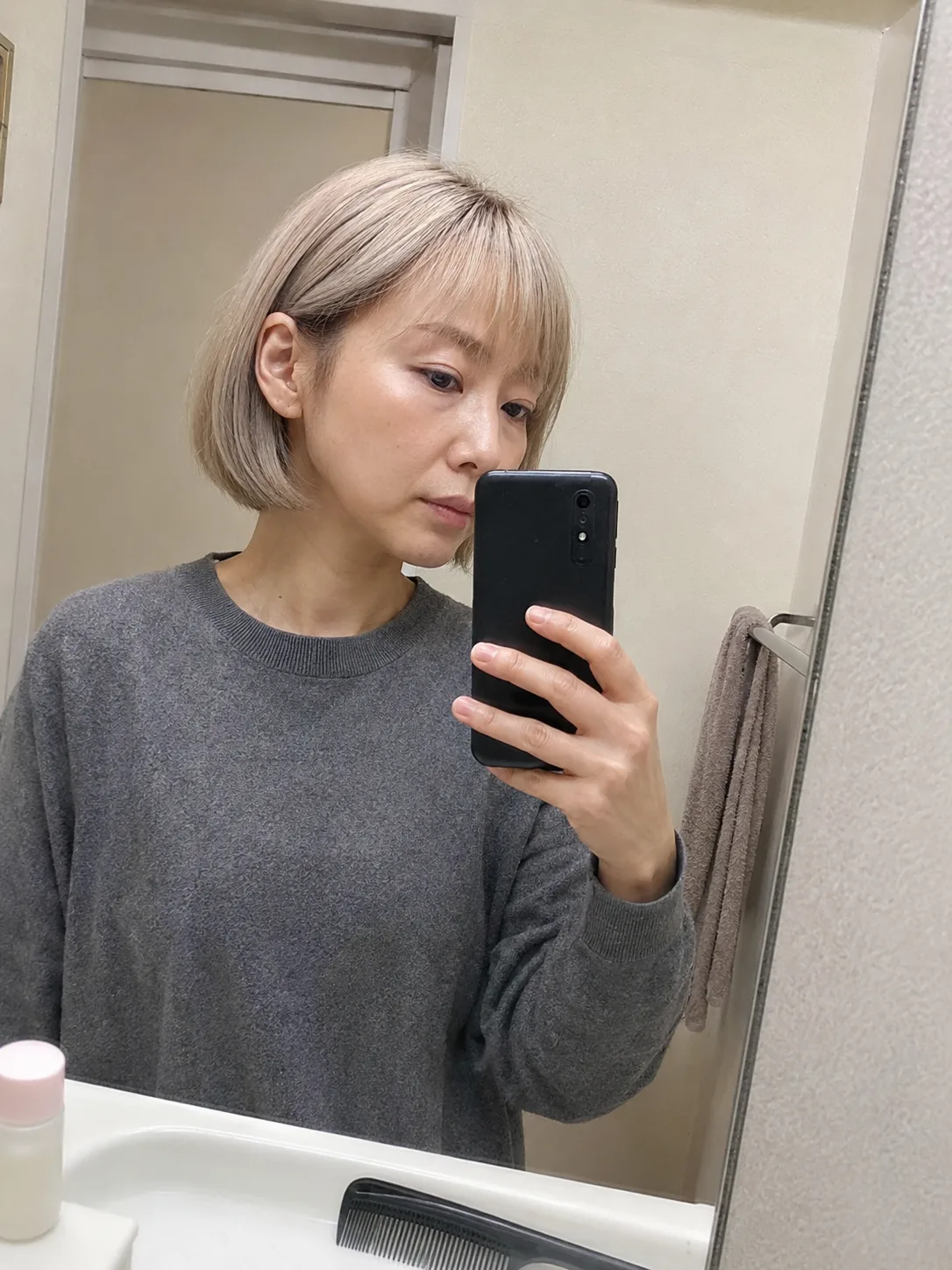
Your desired shade is the creative target. Hair condition determines how aggressively that target can be pursued.
Bleaching changes the hair fiber. As pigment is removed, the process can also affect the structural integrity of the strand. Hair that has been repeatedly lightened, colored, relaxed, chemically straightened, or subjected to substantial mechanical and heat stress may have less tolerance for another major transformation.
Look beyond whether the hair feels soft immediately after conditioning.
Persistent tangling, snapping, roughness, very weak ends, unusual elasticity when wet, and a perimeter that has become increasingly see-through can all be reasons to reassess how much more lightening makes sense. Breakage means strands are snapping along their length; it is different from thinning, which describes a reduction in density.
Fine hair requires another distinction. Fine describes strand diameter, not how much hair you have. Someone can have many fine strands and high overall density, while another person may have coarse strands but lower density.
Bleaching doesn’t change the number of follicles. What it can do is make existing damage or weak ends more obvious, especially when repeated chemical processing leads to breakage.
This is also where a haircut becomes part of the color decision. Keeping long lengths at any cost can work against the visual result when the bottom edge has become extremely sparse or damaged. A stronger perimeter may make healthy ends appear more substantial, although cutting cannot create actual density.
For compromised hair, a less extreme color can be the better-looking result. Dimension, deeper blonde tones, selective highlights, or maintaining more natural depth may preserve far more of the movement and body that attracted you to the reference image in the first place.
Bleached Curly, Coily, and Textured Hair Needs a Texture-Aware Plan
Natural texture does not prevent hair from being lightened, and there is no single bleaching rule for curly or coily hair. The useful distinction is how the hair behaves before and after processing.
Curl patterns depend partly on the condition and structure of the strand. Excessive chemical damage can leave some sections feeling weaker, rougher, or less consistent in the way they group. Hair that was already dry or fragile may also become less forgiving during detangling.
Shrinkage adds another planning issue. Highlights placed on stretched hair can appear more concentrated or scattered once the hair returns to its shrunken state. Conversely, color that looks subtle through a dense curly shape can appear much more obvious when the hair is blown out or pressed.
Choose the styling state that matters most to you and discuss the color in that context.
A woman who wears her coils shrunken almost every day may care most about where brightness appears within the three-dimensional shape. Someone who alternates between curls and stretched styles needs placement that makes sense in both states.
Density also affects visibility. Dense curls can conceal deeper interior color while exposing the brightest pieces across the surface. Lower-density hair may reveal more of the base between highlighted sections, producing stronger contrast.
After lightening, handling becomes part of maintaining the result. Aggressive detangling, repeated high-heat styling, and constant tension can add mechanical stress to hair that has already undergone chemical processing. Gentle manipulation becomes more valuable than chasing an artificially rigid routine.
Bleached Hair Rarely Stays the Same Tone It Had on Day One
Lightness and tone are separate decisions.
Bleaching removes pigment and reveals a lighter underlying canvas. The visible blonde you want may then depend on toning or color deposited over that canvas.
This explains why very different shade descriptions can exist at similar levels of lightness. Blonde can read creamy, beige, golden, neutral, cool, silvery, peachy, or deliberately warm depending on the remaining underlying pigment and the tone added afterward.
It also explains why tone changes between appointments.
Deposited tone can gradually fade. Hair may begin to look warmer as that tonal color diminishes and more of the underlying lightened base becomes visible. Environmental exposure, water, cleansing habits, heat styling, porosity, and the products used on the hair can all influence how the color appears over time.
Purple or blue-toned products are sometimes used to counter particular unwanted warm tones, but they aren’t a universal requirement for every blonde. The correct approach depends on what tone is actually showing and what finished shade you want.
Overusing corrective pigment can create another problem: dullness, uneven deposit, or a temporary cast you didn’t intend. More toning isn’t automatically better.
The practical decision is whether you enjoy a blonde that can shift slightly warmer between salon visits or prefer a cooler result that may require more active tone maintenance. Pale, cool shades tend to reveal tonal changes quickly because there is very little depth available to disguise them.
Warm blondes can be more forgiving for some routines. That doesn’t make them a compromise. Golden, honey, caramel, and beige families can look deliberate while reducing the pressure to keep every trace of warmth out of the hair.
Regrowth Changes the Look Before the Length Changes
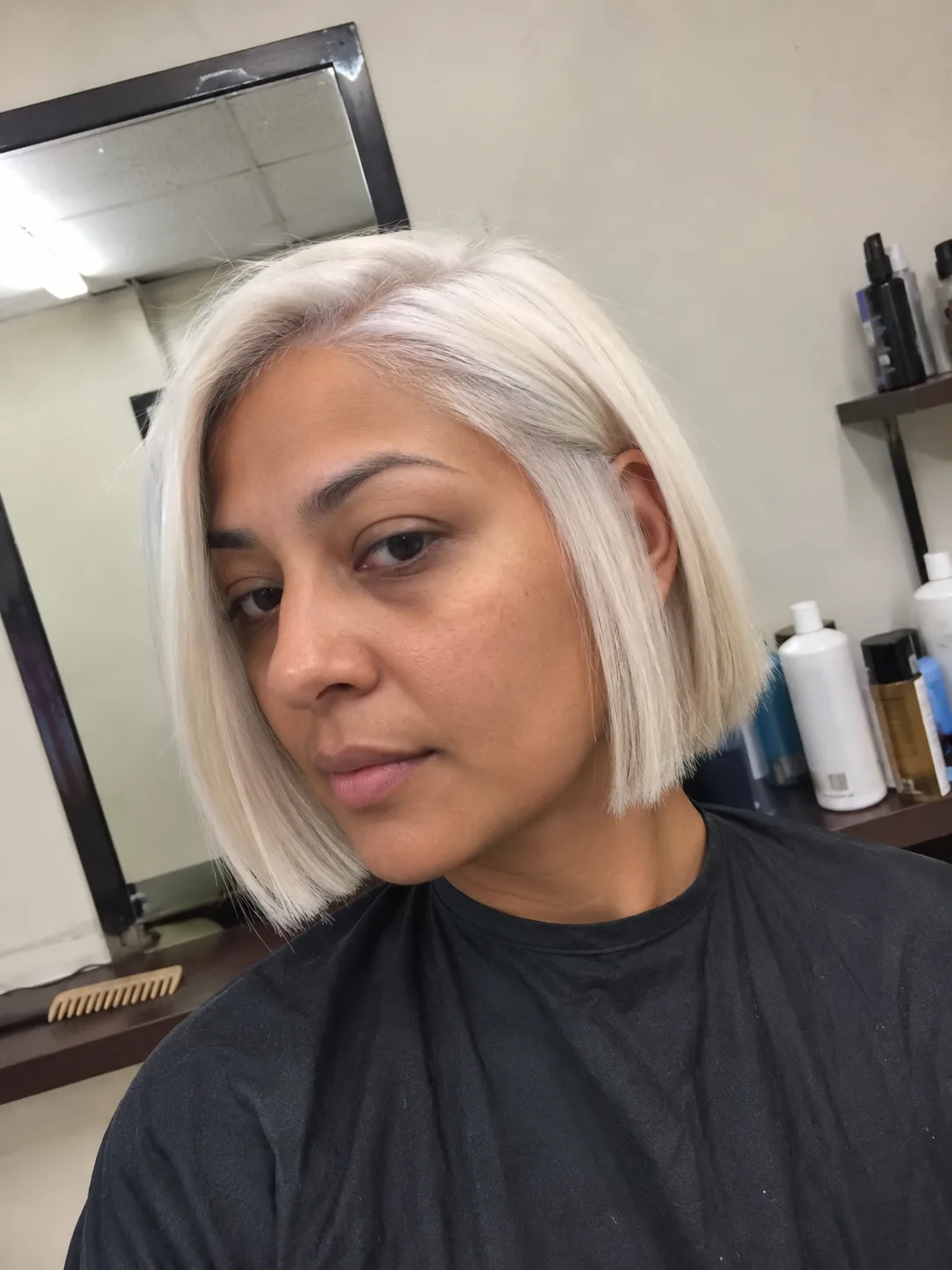
Fresh bleach gets most of the attention. Regrowth often determines whether you still enjoy the color later.
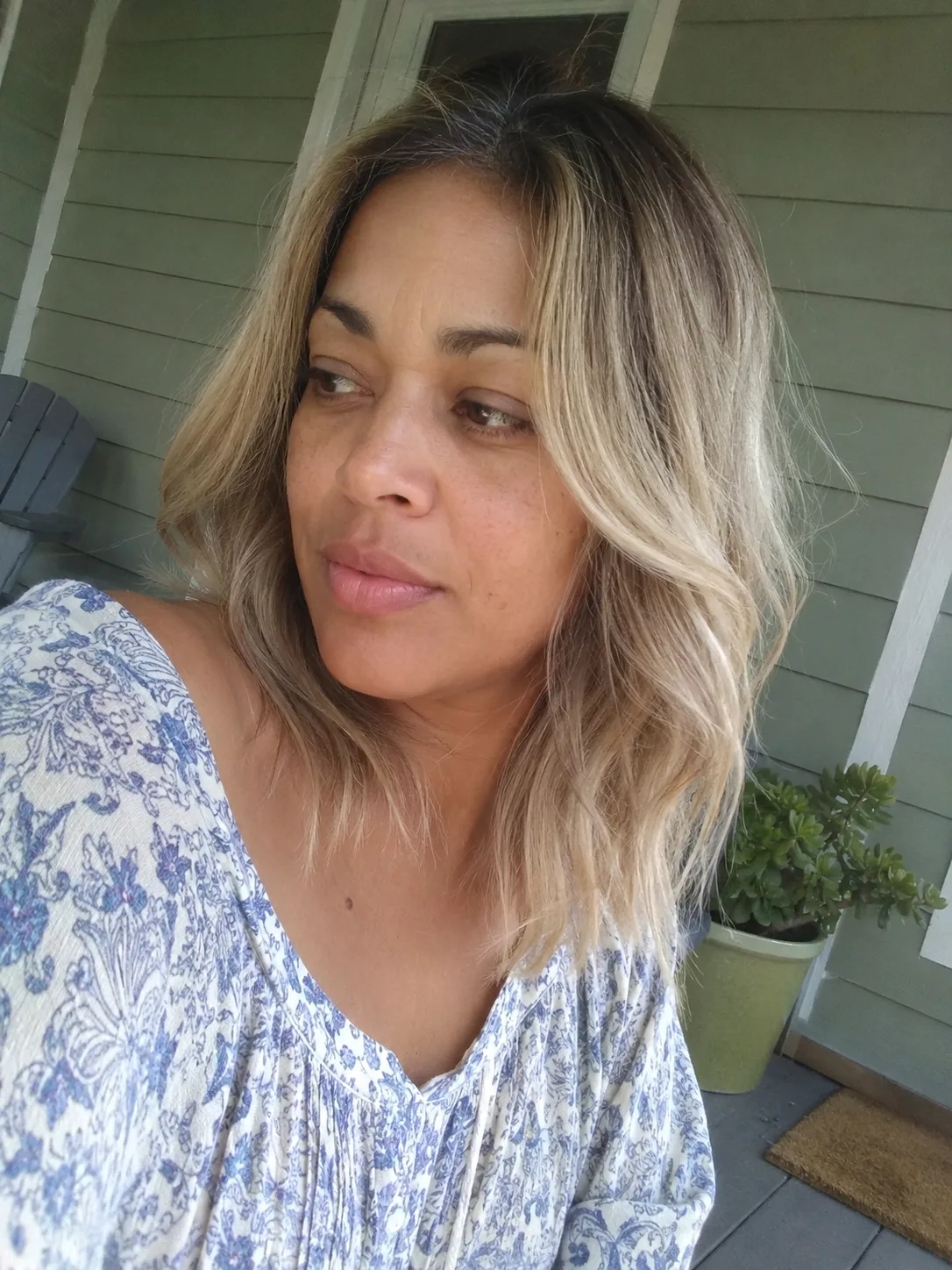
Hair grows from the scalp in your natural color, creating increasing contrast with the lightened lengths. How noticeable that becomes depends on the difference between your base and blonde, the placement technique, and whether the original color was designed with a softer root transition.
A very light, uniform blonde against a significantly deeper natural base creates an obvious line as new growth appears. That crisp contrast is part of the look, but it also makes the color more dependent on professional upkeep if you want to maintain an evenly blonde appearance.
Highlights, balayage, rooted blondes, and other dimensional placements distribute that contrast differently. Instead of one solid transition, darker hair remains incorporated into the design.
Your haircut can amplify the effect. A short crop may show a larger proportion of new natural color relatively quickly because the total visible length is short. Long hair retains far more previously lightened length, although maintaining old ends becomes a larger part of the equation.
Gray hair deserves a separate note. Gray describes pigment loss rather than a particular texture. Some women have a mixture of pigmented and non-pigmented strands, and those strands don’t necessarily behave identically during color services. A blonde plan for partially gray hair should therefore account for the existing pattern instead of treating every strand as one uniform starting color.
Think about the grow-out you are willing to see before choosing the lightest possible result. A color you like at eight different stages of wear is usually easier to live with than one you love only immediately after an appointment.
Daily Care Matters More Once the Hair Is Lightened
Bleached hair usually rewards a routine built around condition rather than a collection of rigid rules.
Cleansing frequency should fit your scalp, activity level, styling state, and buildup. There is no universal wash schedule that protects every blonde. Leaving the scalp uncomfortable or coated simply to avoid washing isn’t a useful trade.
Conditioning should focus on slip, manageability, and how the hair responds after cleansing. Lightened hair that tangles easily benefits from reducing unnecessary friction during detangling. Work through knots carefully instead of repeatedly pulling a brush through resistant sections.
Heat also needs context. Tool type, technique, hair condition, and the number of passes matter. Bleached hair that already shows fragility deserves more conservative heat habits than strong, minimally processed hair.
A smooth pillowcase or bonnet can reduce friction and tangling overnight, particularly for long, curly, or highly manipulated hair. It can’t repair chemical damage, but reducing repeated abrasion can make daily handling easier.
Pay attention to the ends. They’re typically the oldest part of the hair and may have accumulated more coloring, heat, friction, and environmental wear than the roots. Reapplying lightener unnecessarily through previously processed lengths can make those differences more significant.
Wet hair needs thoughtful handling too. Saturated hair is heavier and can be easier to stretch or snag during rough manipulation. Detangle in a way that gives you control and use enough slip for your texture instead of forcing through resistance.
The strongest maintenance routine is responsive. Hair that suddenly becomes much harder to detangle, breaks excessively, or changes substantially in feel is giving you more useful information than a fixed calendar ever could.
What to Discuss Before a Bleaching Appointment
A good consultation needs more than a blonde picture.
Bring reference images because they communicate visible preferences: brightness, warmth, contrast, placement, and depth. Then discuss the starting point that the photograph cannot communicate.
Your color history comes first. Mention previous permanent color, bleach, highlights, chemical straightening or relaxing, and other significant processing. Old color can remain relevant even after the visible shade has changed.
Next, identify which part of the photograph matters most. Is it the overall paleness? The bright pieces near the face? The deep root? The contrast through the ends? The cool tone?
That distinction can open better options. Someone attracted to the impact of a pale blonde photo may discover that strong face-framing brightness and dimensional lengths deliver the effect she actually wants without requiring uniform lightness everywhere.
Talk about how you normally wear the hair. Include natural curls, stretched styles, heat styling, braids, extensions, or frequent updos where relevant. Color placement has to work with the hair that appears in daily life, not only with the blowout used in a salon photograph.
Condition should influence the final decision. A strand assessment or other professional evaluation may lead to a different target from the original reference. Previously compromised hair may be better served by staged lightening, selective placement, or stopping at a deeper result.
A useful consultation checklist includes:
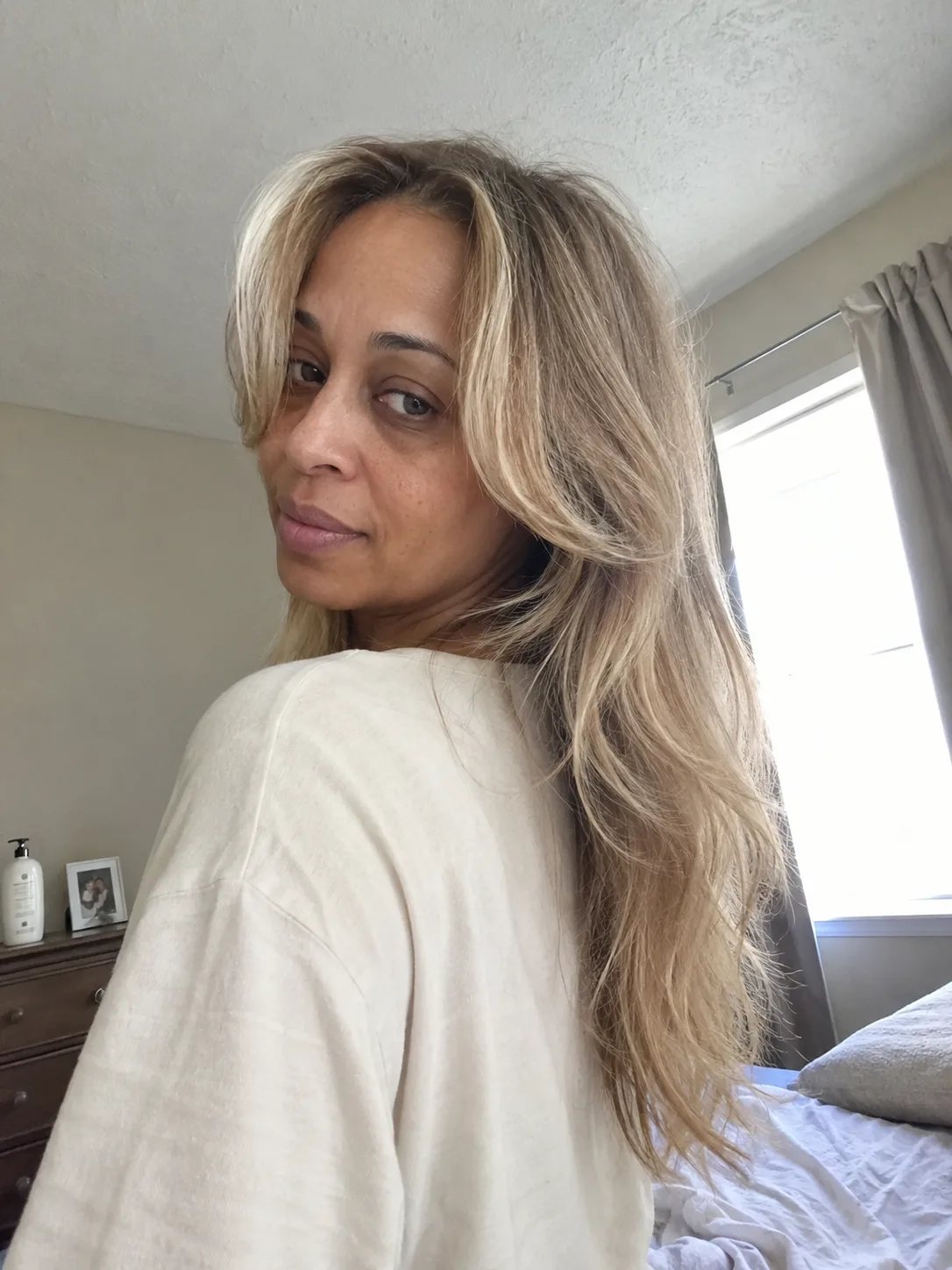
Your natural and current visible color
Previous color and chemical services
The lightest areas you actually want
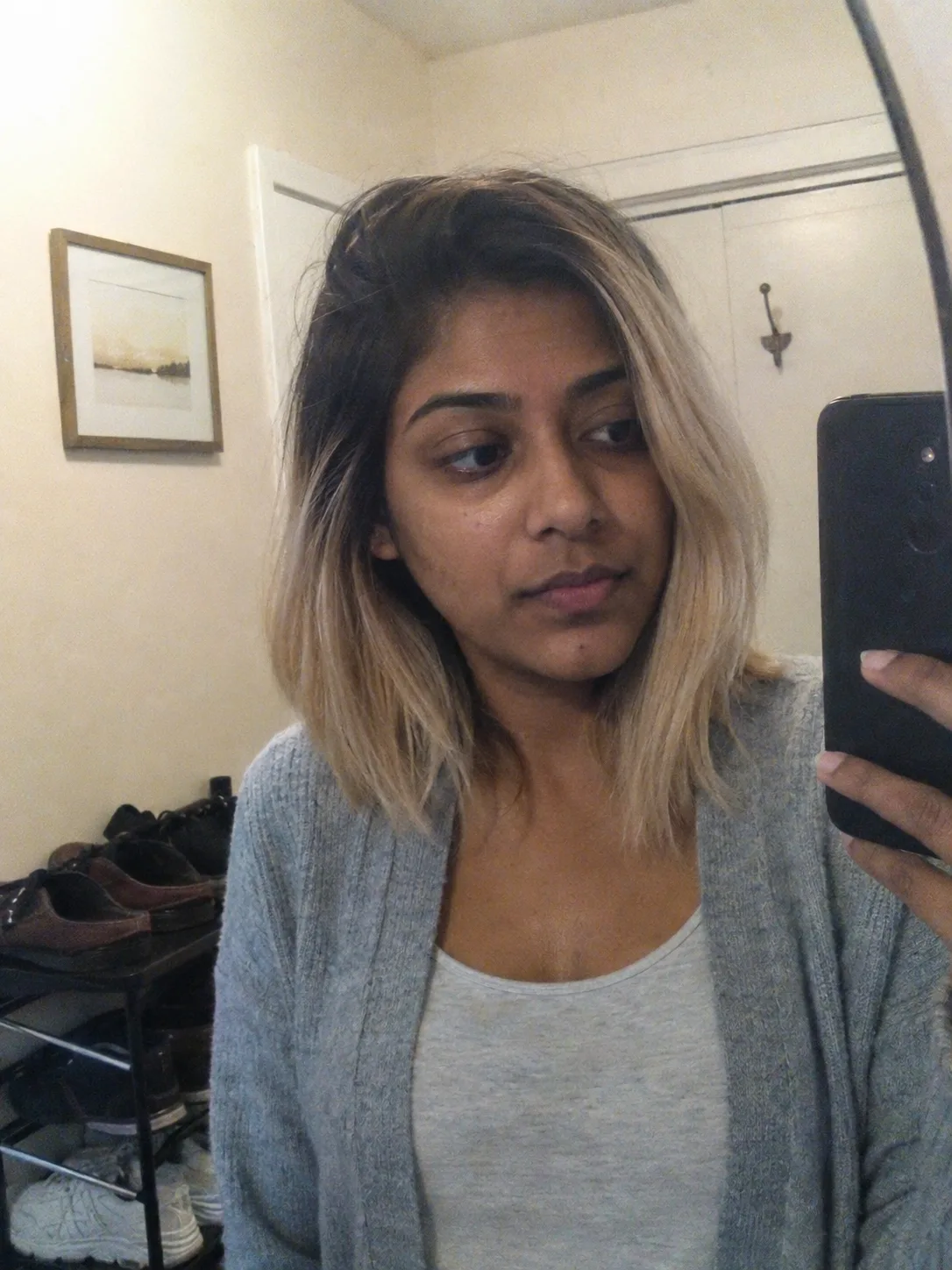
The tone you prefer
Your normal styling state
Current concerns about breakage or weak ends
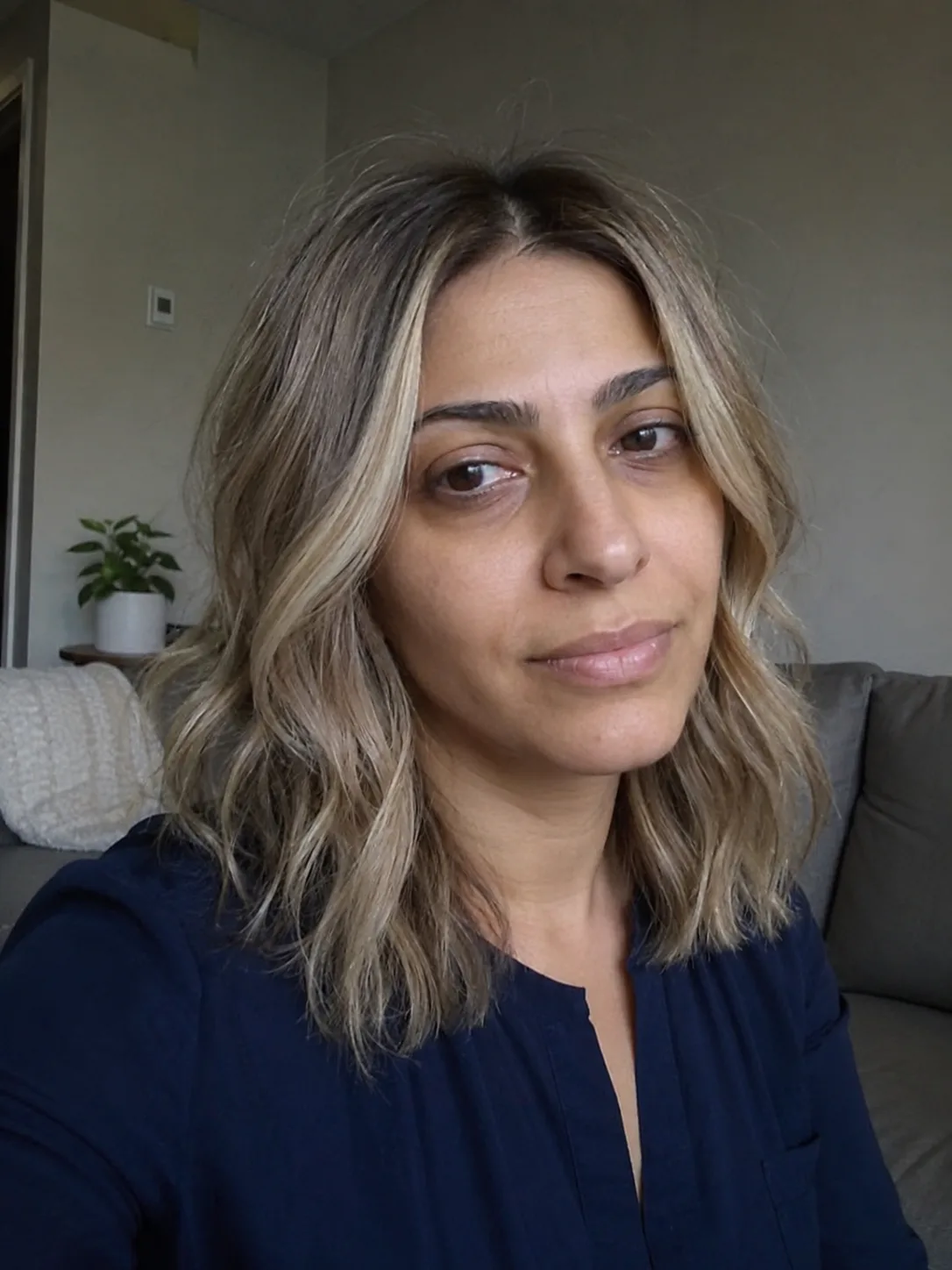
How visible you are comfortable letting regrowth become
Whether you prefer a high-impact result or easier grow-out
For dramatic color changes, flexibility usually produces better decisions than treating one exact photograph as a promise.
Know When More Bleach Is the Wrong Fix
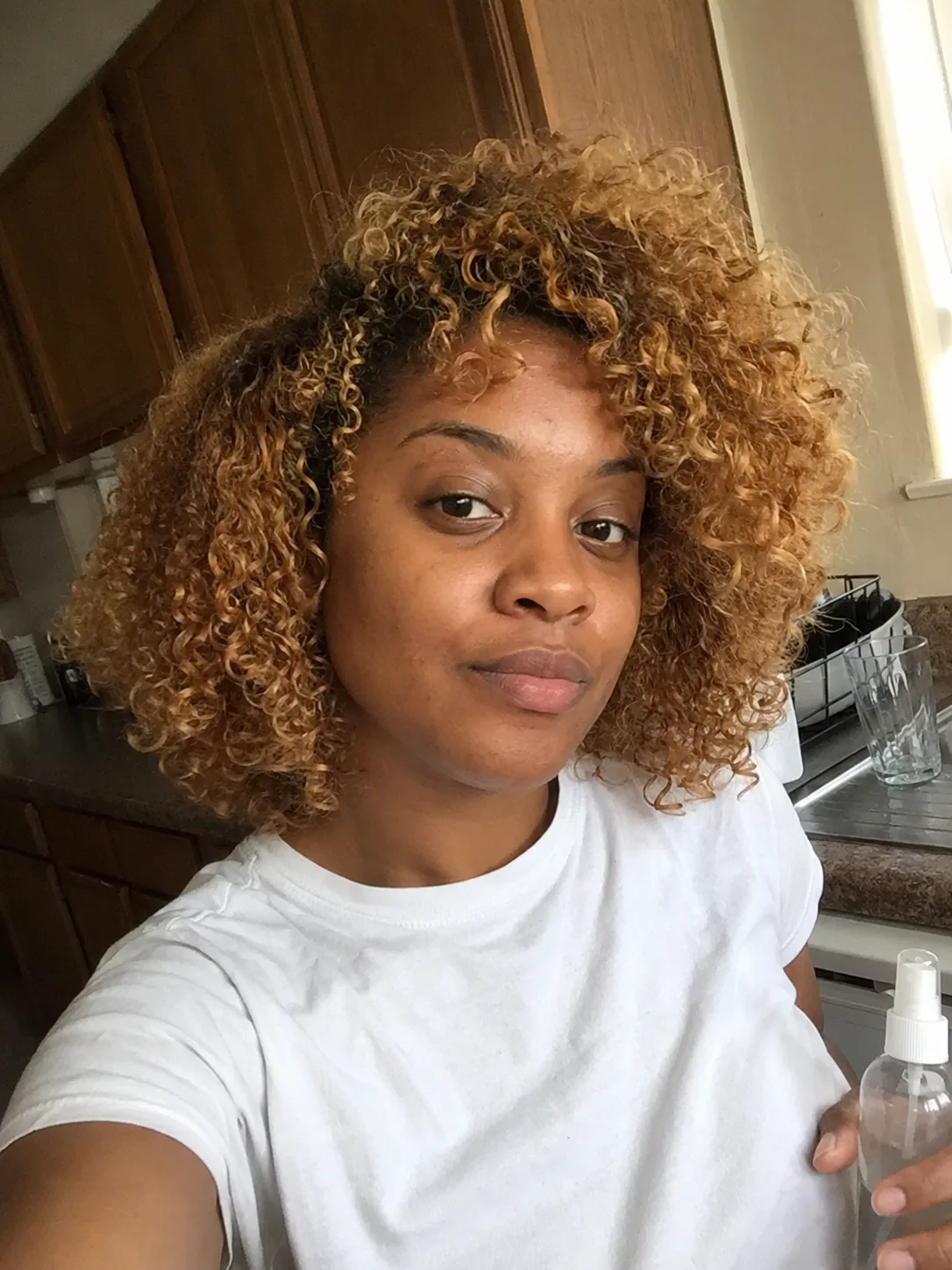
Warmth is one of the most common reasons people assume their hair needs additional lightening. Sometimes that is true because the target requires a lighter underlying level. In other situations, the hair is already light enough and the issue is tone.
That distinction matters because applying more lightener to hair that doesn’t need additional lift creates chemical exposure without necessarily solving the visible problem.
Uneven color also requires diagnosis of the color situation—not a medical diagnosis, but a careful assessment of where pigment remains and which sections have already been processed. Dark bands, bright roots, porous ends, and old highlights may each need different treatment. Repeatedly covering the entire head with the same process can worsen the imbalance.
Home correction becomes particularly risky once several histories overlap. Hair with old dark dye, bleach, uneven porosity, and fragile ends doesn’t behave like an untouched single-color canvas.
The same principle applies to chasing platinum. Extremely pale results can be beautiful, but the final few levels of lightness may require more from the hair than the visible difference is worth. Keeping a slightly deeper blonde while preserving stronger lengths is often the better trade when condition is already questionable.
Pain, sores, persistent scalp irritation, sudden shedding, or a concerning change in density belongs outside ordinary cosmetic troubleshooting. Stop treating the issue as a color-maintenance problem and speak with a dermatologist or another qualified healthcare professional when those symptoms are persistent or concerning.
Related Hairstyles to Explore
- Platinum blonde hair color ideas
- Blonde hair transformations
- Hair Dye Ideas for women
- Pink hair color ideas
FAQs About Bleached Hair for Women
Can dark brown or black hair be bleached blonde?
Yes, darker natural hair can be lightened, but the distance between the starting depth and the desired blonde affects the complexity of the process. Underlying warm pigment becomes visible during lightening, and very pale targets may require a staged approach depending on condition and chemical history. Previously dark-colored hair can be less predictable than untreated hair because artificial pigment is also involved.
Can I bleach my hair if it has already been dyed?
Previously dyed hair can sometimes be lightened, but the existing color changes the plan. Permanent dark color, old highlights, vivid dyes, and earlier bleach may leave different pigments and different levels of structural wear throughout the hair. A professional colorist needs an accurate history to judge what can reasonably be lightened and which areas should be treated more cautiously.
Does bleached hair have to be cut short?
No. Hair length alone doesn’t determine whether bleaching is appropriate. Long hair can remain long when its condition supports that goal, although older ends deserve particular attention because they have accumulated more wear and may have been processed repeatedly. Cutting becomes useful when damaged or transparent ends are weakening the shape, not simply because the hair has been bleached.
Can you bleach relaxed hair?
Relaxed hair has already undergone chemical processing, so additional lightening requires careful assessment of its current integrity and previous service history. The most aggressive blonde target may be a poor trade when the hair is already fragile. A qualified professional can assess whether selective lightening, a deeper target, staged work, or avoiding additional chemical processing is the safer direction.
Hair Texture & Upkeep Style Matcher
Select your natural hair texture and daily maintenance window to get an instant styling formula and heat safety cap.
Heat Cap: 320°F (160°C)
A versatile three-strand braid beginning at the parietal ridge, securing the top half while allowing natural wave texture to flow freely around the shoulders.
Conclusion
The biggest decision with bleached hair isn’t simply which blonde shade looks most attractive. It is how much pigment needs to be removed from your particular starting point to create that result—and whether the condition of your hair supports the journey.
Untreated hair, previously colored lengths, curls, relaxed hair, gray strands, short cuts, and long hair can all be lightened, but they don’t ask for the same plan. Placement can also change the equation dramatically. Strategic highlights or face-framing brightness may give you the impact you want with less processed hair, while an all-over pale blonde makes lightness itself the priority and brings more obvious regrowth and tone maintenance.
Before committing, decide which part of the inspiration image you actually want to reproduce: the level of brightness, the placement, the contrast, or the tone. Then let your chemical history and current condition set the realistic boundary. A blonde that leaves you with hair you still enjoy styling is a stronger result than reaching the palest possible shade at the expense of the hair underneath it.
Editorial Standards & Hair Health Guidance
Every style featured on Tress Atlas is curated with a focus on real-world wearability, scalp tension management, and cuticle preservation. When trying protective styles or tight updos, ensure perimeter hairline sections remain tension-free to avoid traction stress on delicate follicles. For heat styling, cap tools below 350°F (180°C) to prevent thermal keratin denaturation.
Scientific Sourcing: Practices aligned with the American Academy of Dermatology (AAD) on traction alopecia risk reduction and cosmetic trichology research on hair tensile strength.