Blonde Hair Transformations: What Changes the Result
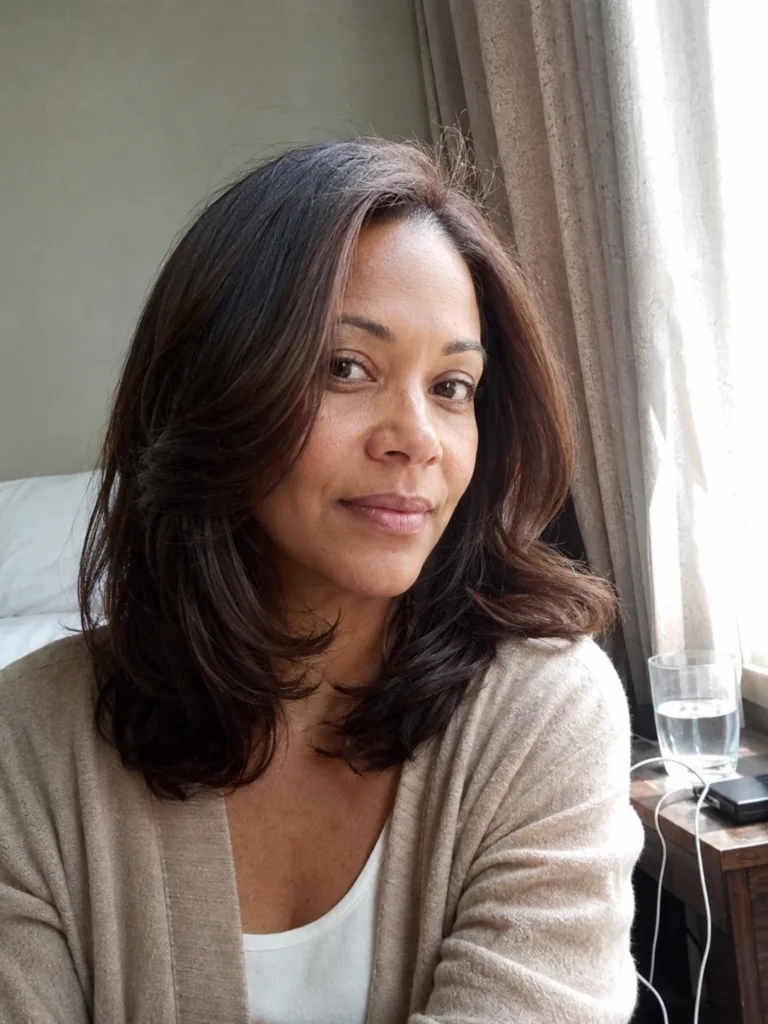
A blonde hair transformation can mean anything from a few light pieces around the face to a near-total change in how your hair reads. Those results may all be called blonde, but they ask very different things of the hair.
The biggest decision comes before choosing between beige, honey, ash, or platinum. You need to decide how much of your existing depth you want to keep. Retaining darker roots and interior pieces creates dimension and a softer grow-out. Removing most of that depth creates a brighter, more obviously blonde result, but the maintenance and condition demands usually increase with it.
Your starting color matters too. Natural dark hair, previously colored brunette hair, faded highlights, gray hair, and hair that has already been lightened are different starting points. Artificial pigment and previous chemical services can change both what is realistically achievable and how carefully the transformation should be approached.
The most successful blonde transformation is therefore less about copying a shade from a photograph and more about matching the brightness, placement, contrast, and upkeep to the hair you actually have.
First Decide How Blonde You Want to Look
“Going blonde” is too broad to be a useful consultation goal.
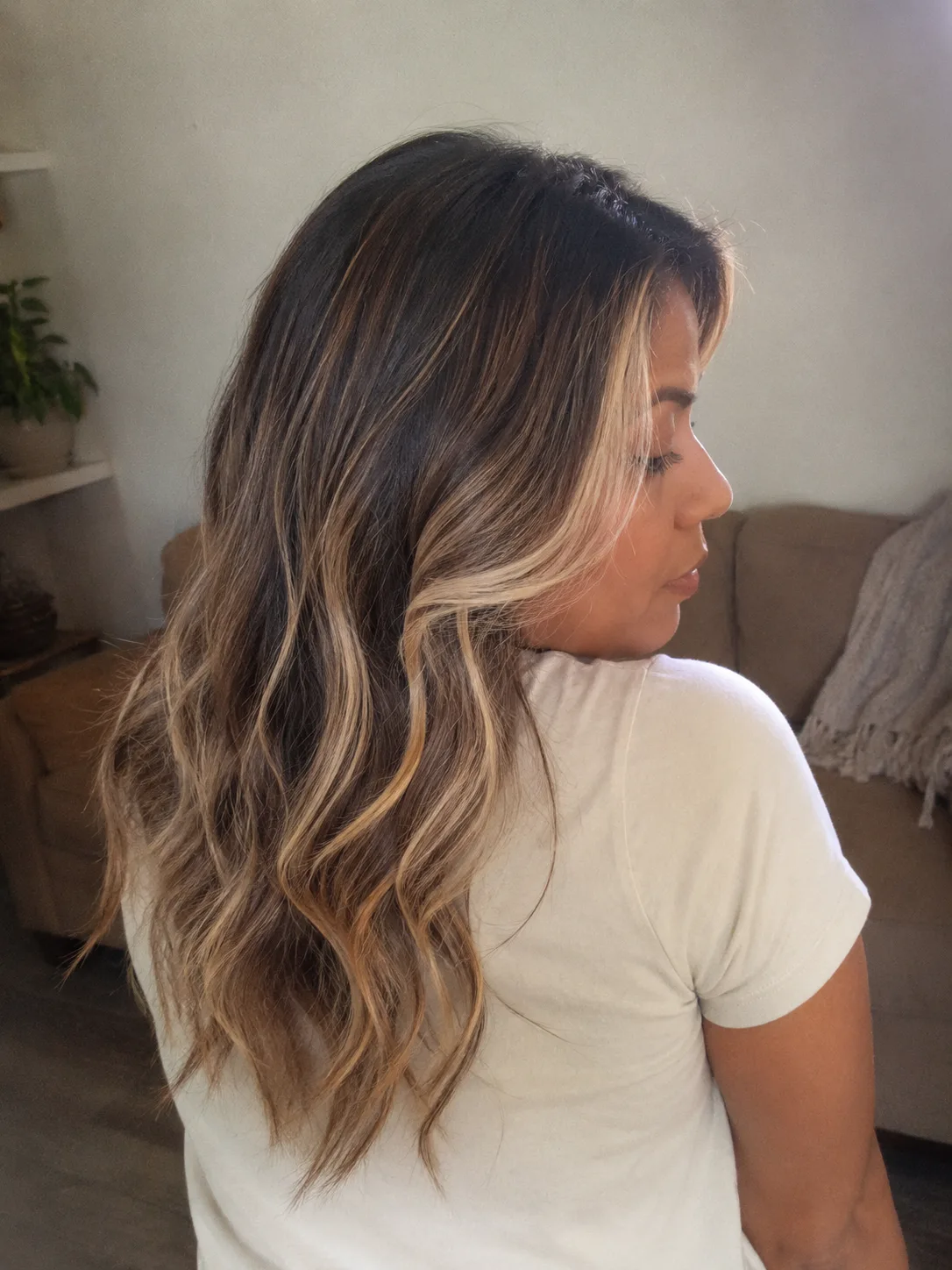
Two people can have similar amounts of lightened hair while looking completely different. One may retain a deeper root, dark underneath sections, and lowlights, giving the color considerable contrast. Another may have brightness running close to the scalp and through most of the ends, so the overall impression is much lighter.
Think about your target in terms of visible effect.
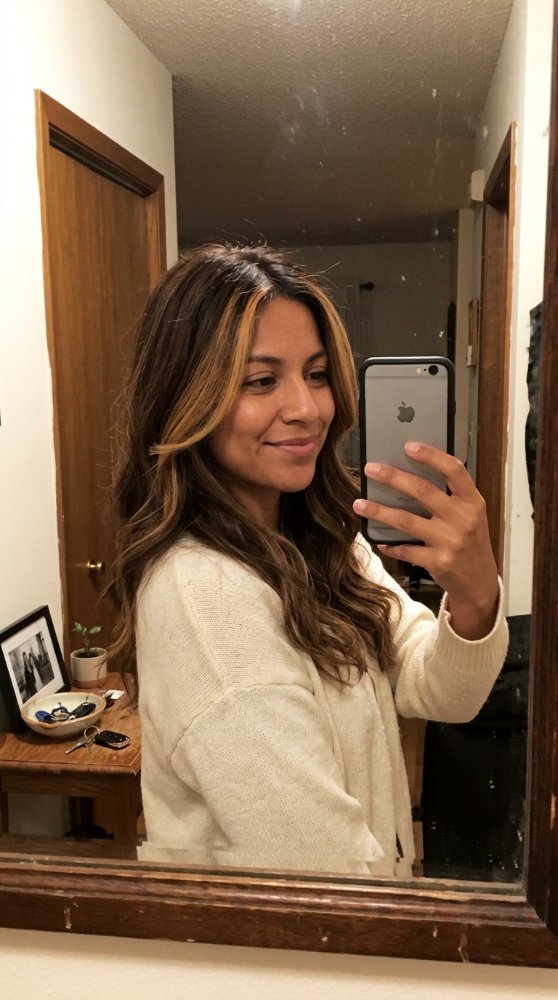
A dimensional blonde keeps noticeable depth. Darker pieces break up the lightness, which can make waves, curls, and layered cuts appear more defined.
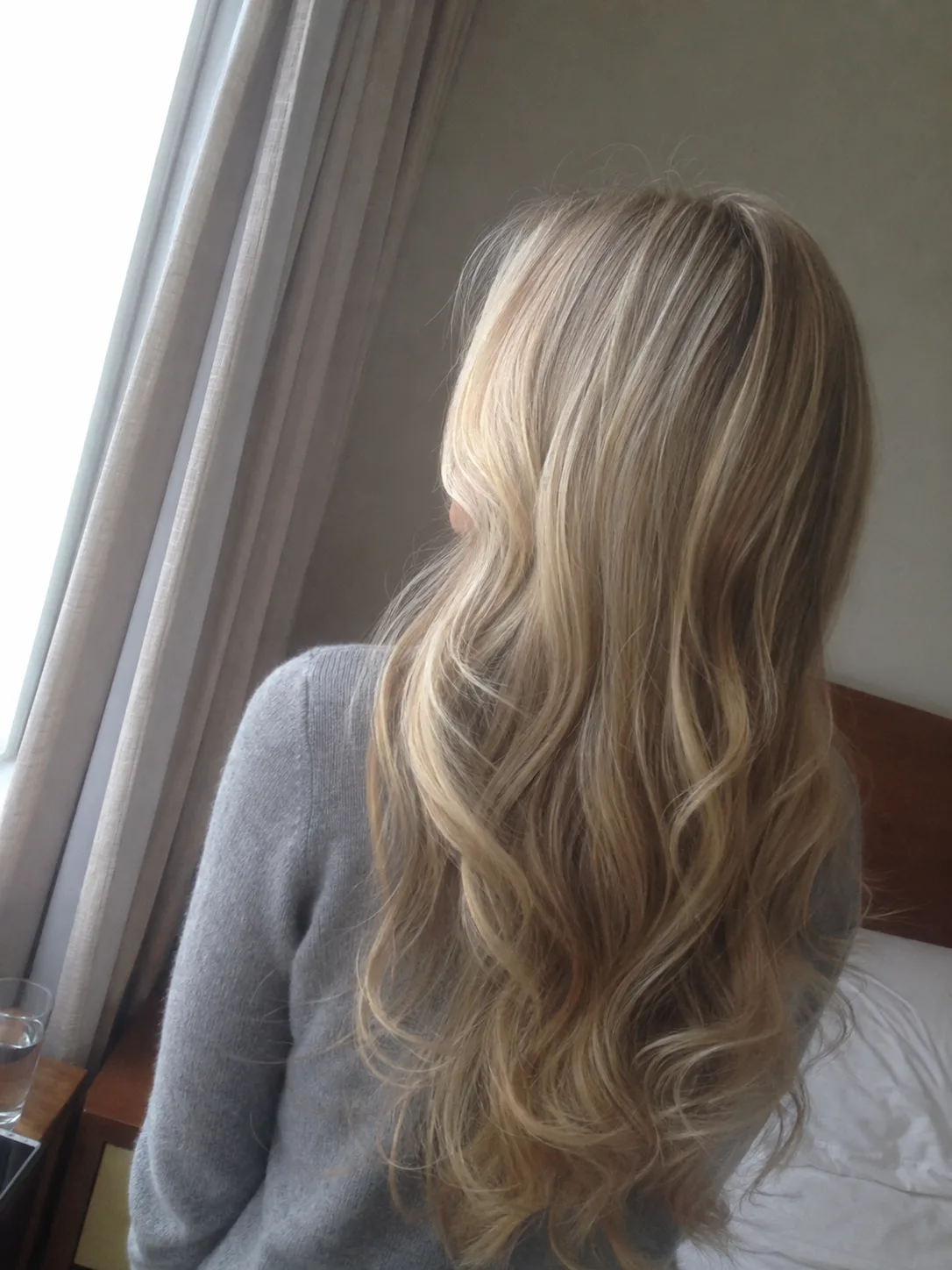
A bright blonde reduces more of that depth. The eye sees blonde first, even if some shadow remains around the root or underneath.
A high-impact light blonde pushes the transformation further. The darker starting color becomes much less visible, so regrowth and changes in tone tend to stand out sooner.
None of those targets is inherently better. The brighter result simply gives you less room to hide contrast between new growth and previously lightened hair.
A useful reference photo should show more than the front view. Look at the root area, underneath the hair, and the back. A style photographed under strong lighting may appear dramatically brighter than the same color in normal indoor light.
Your Starting Base Controls More Than the Shade
Natural hair depth changes how large the transformation feels.
Light brown or dark blonde hair already has relatively little visual distance to travel before it reads as blonde. Deep brunette hair creates a much stronger before-and-after contrast, even when the target itself isn’t extremely pale.
Natural color is only one part of the starting point.
Hair with permanent dark color through the lengths behaves differently from untouched dark hair. A person may see medium brown in both cases, yet the artificial pigment in one head of hair introduces another variable during a lightening service.
Previously highlighted hair creates a different puzzle again. Some strands may already be light while others contain natural depth, old color, or several generations of previous services. Treating every strand identically can work against an even-looking result.
Gray hair deserves separate consideration as well. Gray describes pigment loss; it doesn’t tell you whether the strands are fine, coarse, dry, smooth, curly, resistant, fragile, or anything else about their texture. A blonde plan for graying hair should account for the distribution of pigmented and non-pigmented strands instead of assuming all gray hair behaves the same way.
This is one reason a consultation should begin with the current hair rather than a shade name.
Natural dark hair
The transformation may be visually dramatic, especially around the hairline and part. Keeping some natural depth often makes the change easier to integrate into the haircut and eventual grow-out.
Previously darkened hair
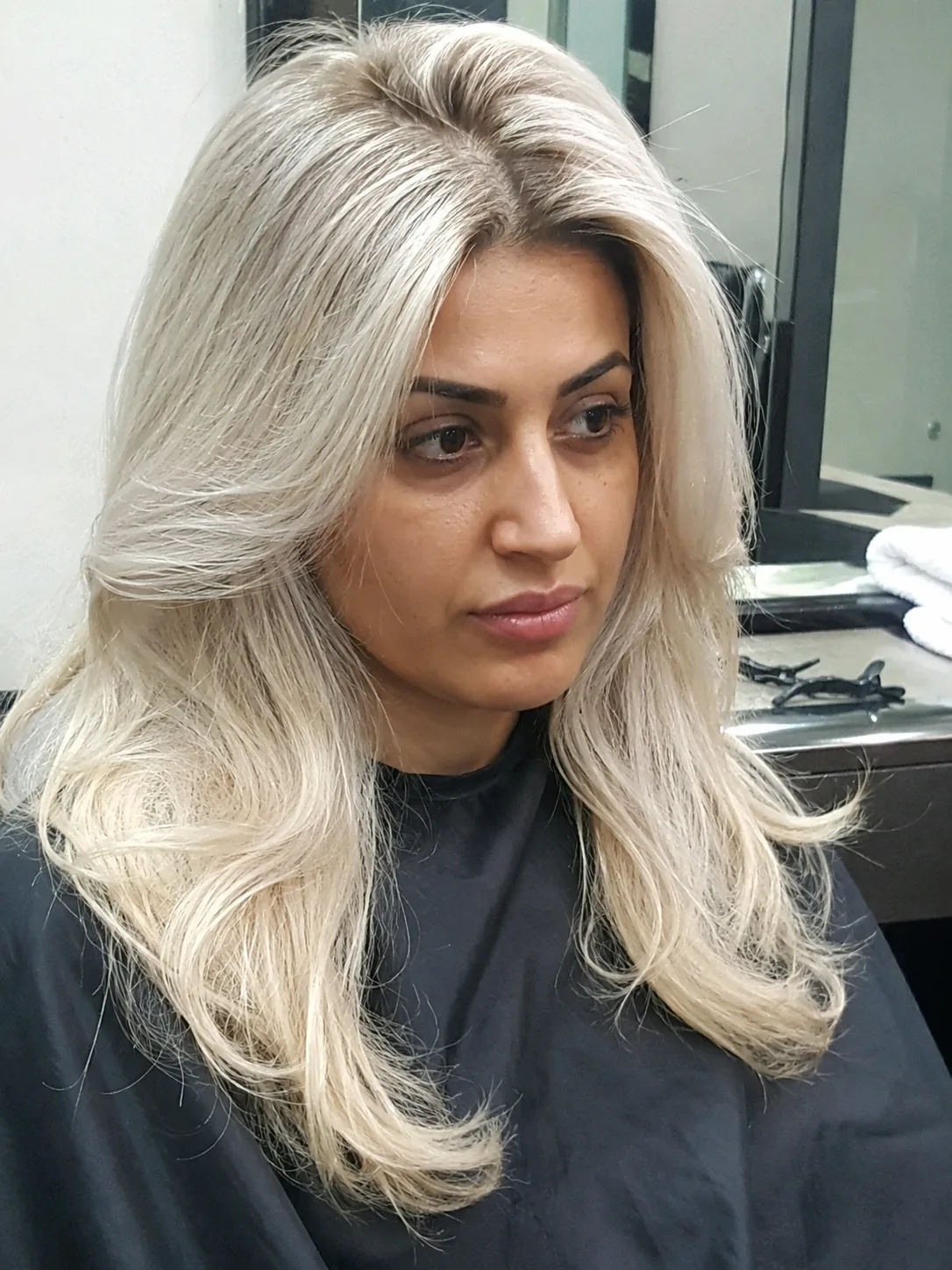
Old artificial pigment can complicate the route toward a lighter result. The visible starting shade alone doesn’t reveal what is sitting inside the lengths.
Existing blonde or highlighted hair
The priority may shift from creating maximum lightness to balancing uneven areas, preserving stronger sections, or changing the overall tone.
Gray-blended hair
Strategic lightness can reduce the visual contrast between some gray strands and darker pigmented hair, but the placement should respond to where the gray actually grows.
Chemical History Can Change the Entire Plan
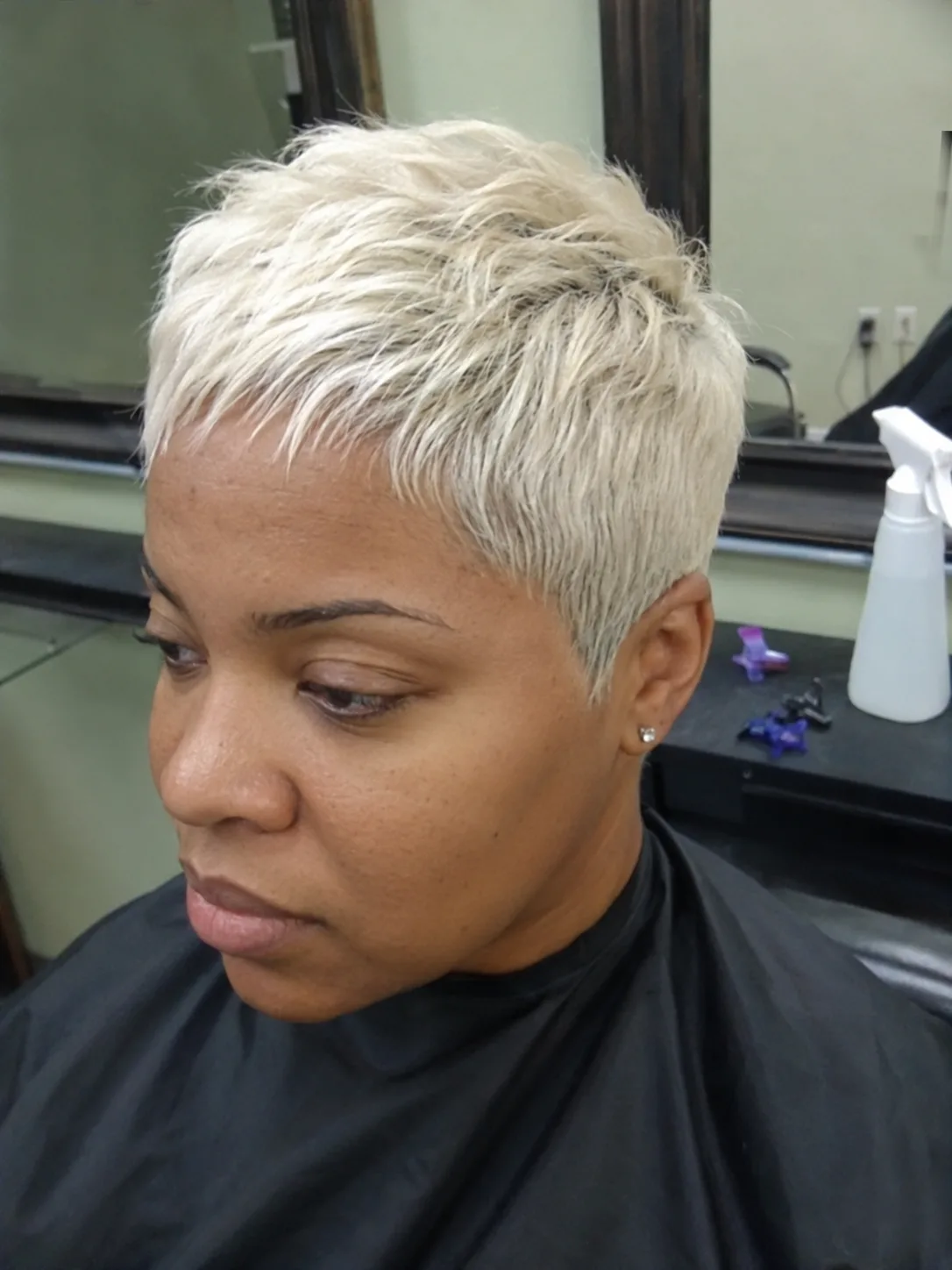
A dramatic blonde transformation is one of those situations where hair history matters more than the photograph on your phone.
Previous permanent color is important. So are earlier lightening services and chemical texture treatments. Hair that has been repeatedly processed may have very different condition from newer growth, even when the color looks fairly uniform.
That history should affect the target.
Suppose the ends are already significantly lightened while the upper lengths remain dark. Making the darkest hair catch up to the lightest pieces may demand more from those darker sections, while the pale ends may need to be treated much more conservatively.
Another common situation is a dark artificial color that has faded enough to look softer. Fading can change what you see without removing every trace of artificial pigment from the hair. A blonde transformation planned only from the surface appearance can therefore be misleading.
This is where staged transformations make sense. A first appointment may move the color toward a lighter, more dimensional result while retaining enough depth to work with the hair’s current condition. Future changes can then be considered based on how the hair responds and what remains realistic.
Staging isn’t a consolation prize. For a major color change, it can produce a more wearable intermediate result than forcing every section toward the palest possible target immediately.
Be particularly cautious about promising that a specific dark starting point will become a particular pale blonde in one visit. Starting depth, artificial pigment, porosity, condition, texture, and chemical history all influence the outcome, so an exact lift cannot responsibly be guaranteed from a photograph or color label alone.
Placement Can Transform the Hair Without Making Everything Blonde
The placement of the lightness can matter as much as the shade.
This is useful when you want a noticeable transformation but don’t necessarily want to lighten the maximum amount of hair.
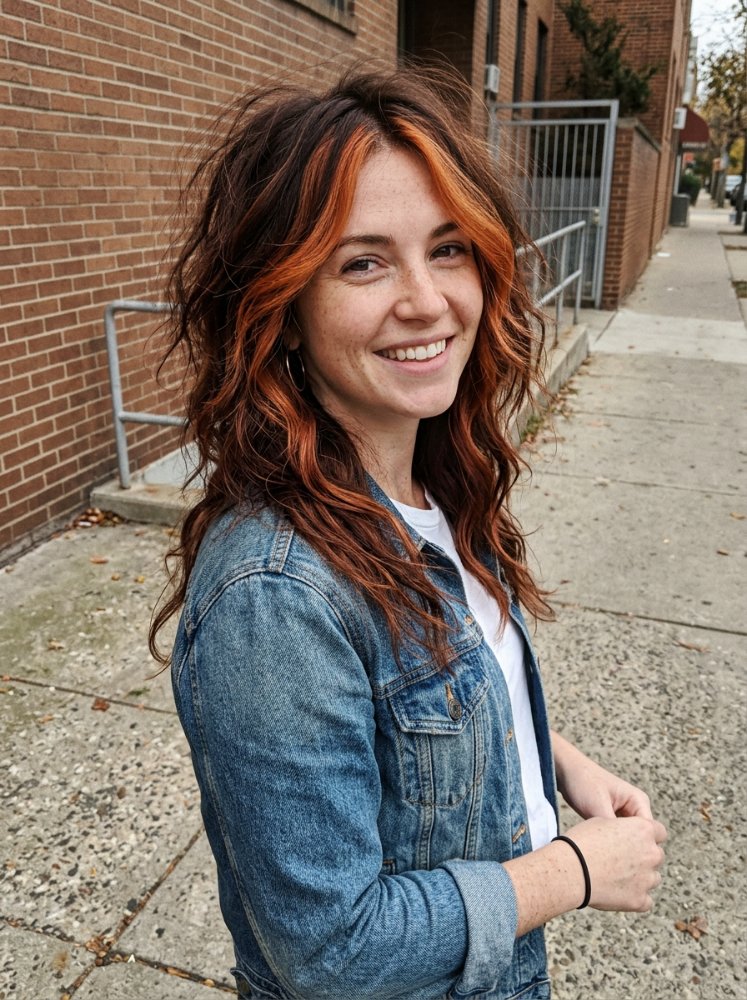
Face-framing brightness
Light pieces near the hairline create immediate contrast because they sit beside the face and around the part. The rest of the hair can remain considerably deeper while the overall change still looks significant from the front.
This is a strong option when visual impact matters more than being blonde from every angle.
The tradeoff appears when you pull the hair back. A high ponytail or bun may reveal much more of the darker interior than a loose front-facing photograph suggests.
Surface brightness
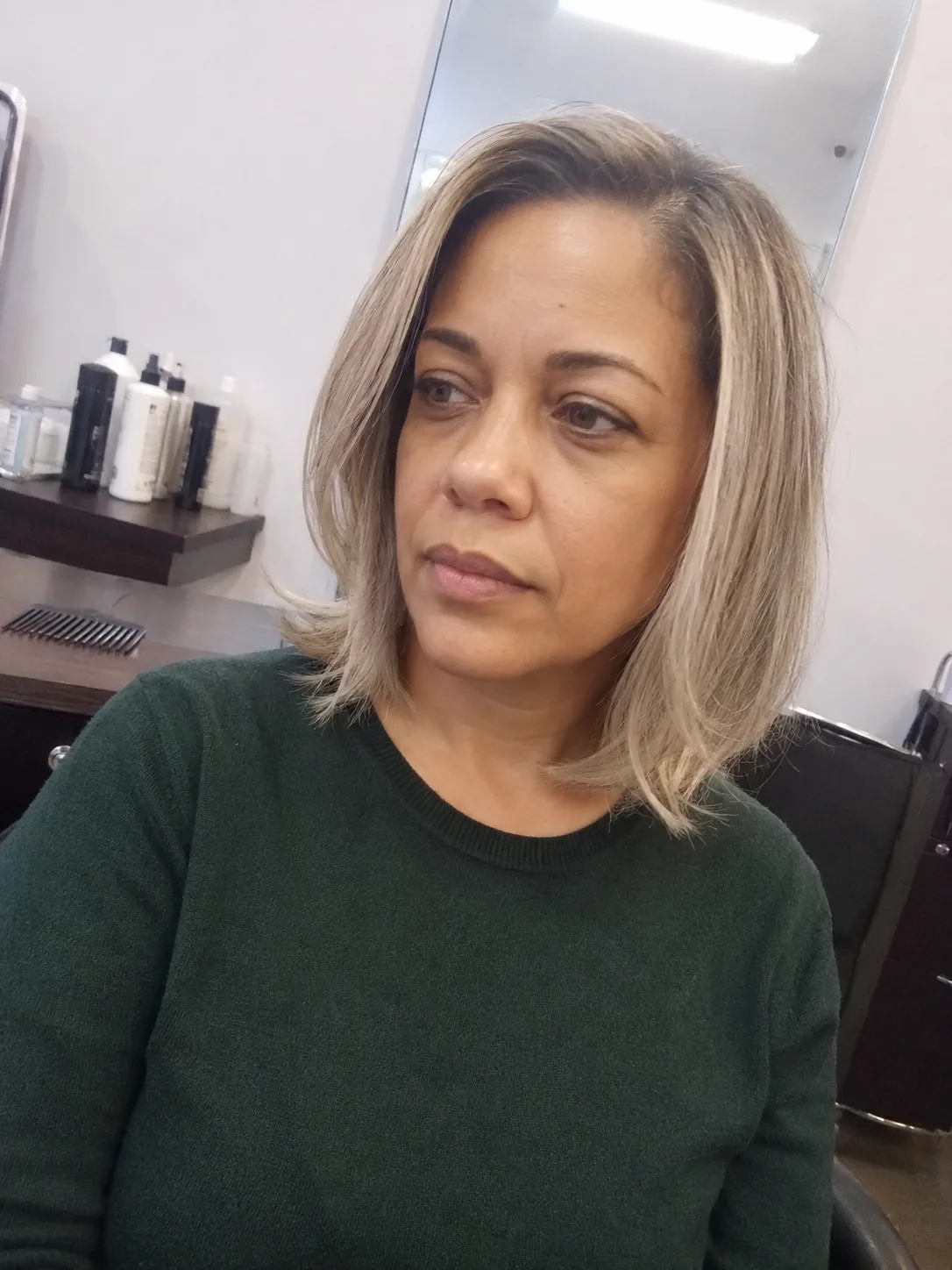
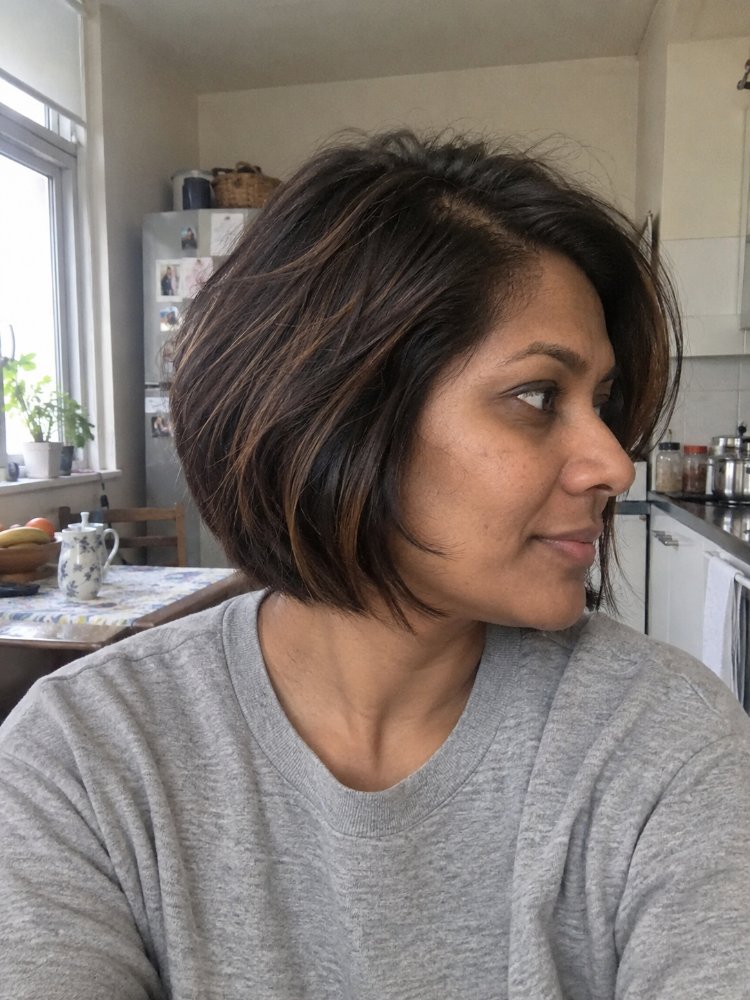
Concentrating lighter pieces through the visible top layers changes what people see while leaving more depth underneath. Movement exposes flashes of the darker base, giving the hair more contrast than an evenly lightened result.
Layered and wavy hair often makes that separation especially visible because different sections move independently.
Distributed dimension
Smaller light and dark sections spread throughout the hair create a more blended effect. You see blonde throughout the shape, but there isn’t one isolated bright zone doing all the work.
This approach makes sense when you like visible depth and don’t want the transformation to depend entirely on a bold money piece or very pale ends.
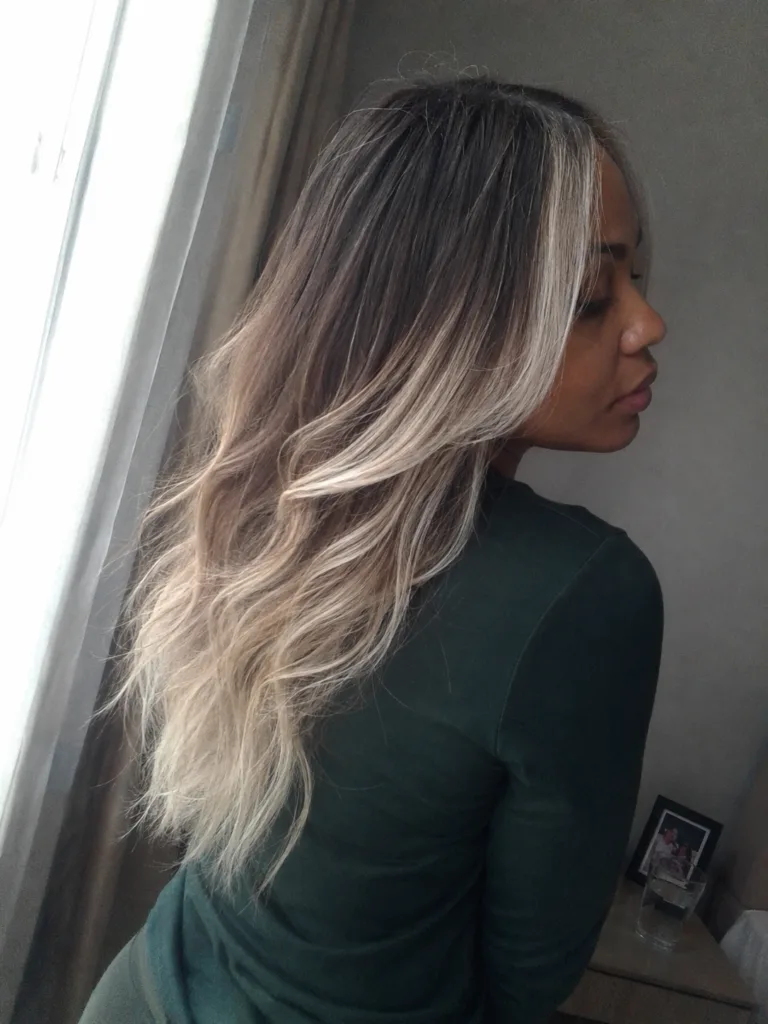
Light ends with deeper roots
Keeping substantial depth near the scalp and increasing brightness toward the ends creates one of the clearest ways to soften grow-out.
It also changes where the eye reads the transformation. Long hair may look very blonde through the lower half while still appearing brunette or bronde around the crown.
That can be a great trade when preserving root depth is intentional. It is less satisfying for someone whose idea of becoming blonde specifically means seeing blonde immediately around the part.
Warm, Neutral, and Cool Blondes Behave Differently
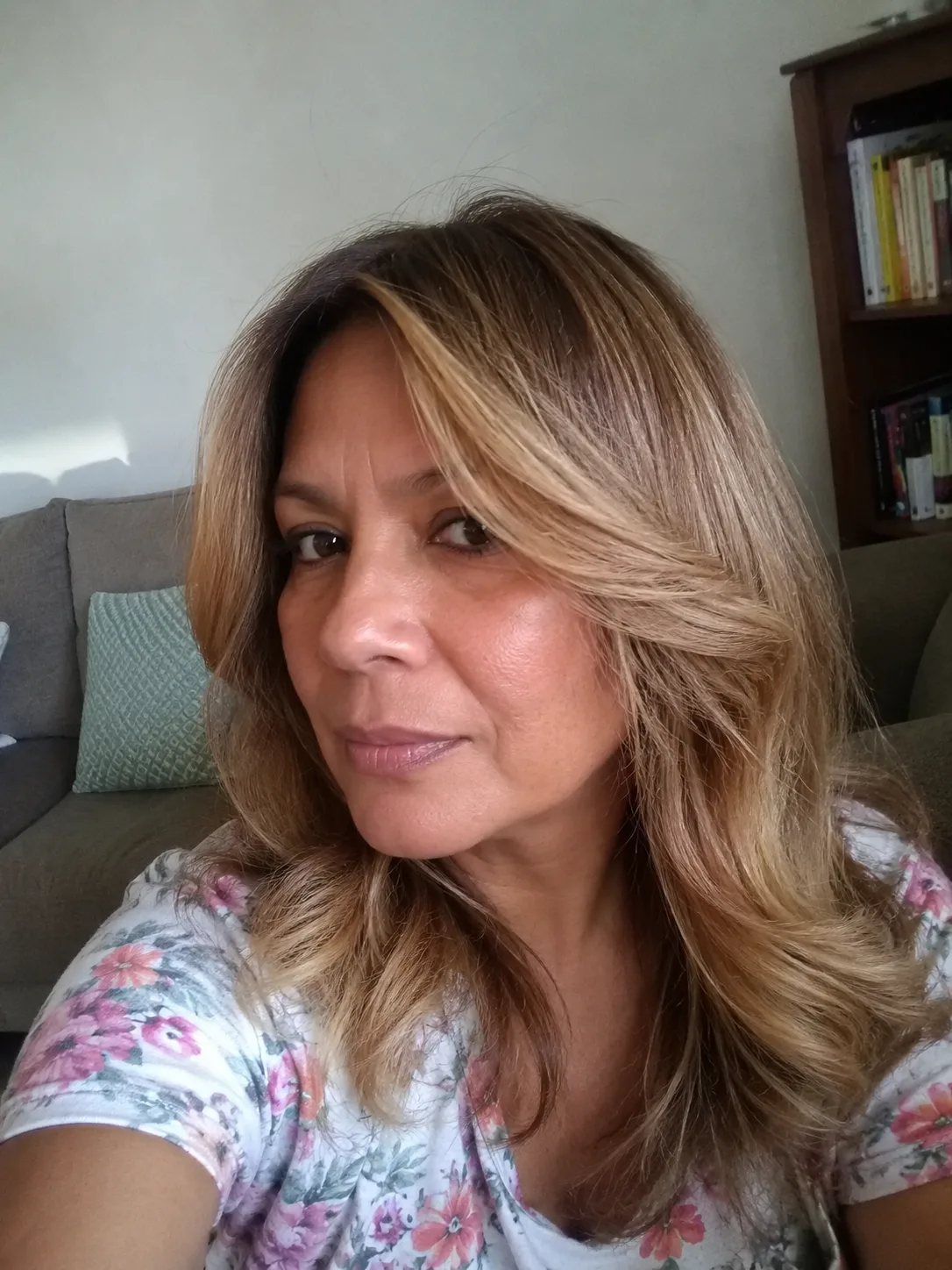
Once the amount and placement of blonde are settled, tone becomes easier to discuss.
Warm blonde includes visible golden, honey, caramel, or buttery character. Neutral blonde sits more centrally, without pushing strongly toward either warmth or a distinctly cool cast. Cooler blondes reduce the appearance of yellow or golden warmth and may read beige, smoky, pearly, or ash depending on the depth and overall color.
Those labels aren’t interchangeable with lightness.
A dark honey blonde can be warmer and deeper than a pale beige blonde. An ash-toned result isn’t automatically lighter than a golden one. “Platinum” describes a very light blonde target; simply making a darker blonde cooler doesn’t turn it into platinum.
Your preferred tone should also account for what happens between appointments.
Blonde hair can shift in appearance as toner fades, mineral deposits accumulate, environmental exposure changes the surface, or previously lightened sections become more visible against new growth. That means the shade you love on the day of the service isn’t the only version of the color you’ll live with.
Very cool results are often less forgiving when warmth starts to reappear because the change is easier to notice. A slightly warmer or more neutral blonde can make that tonal movement feel less dramatic.
Toning products can be useful when there is a specific unwanted tone to address, but they aren’t a substitute for assessing the underlying color. More lightening is also not automatically the solution to every warm blonde result.
Choose tone after establishing what level of lightness is realistically present. Trying to force a darker orange-gold base to look like a much paler icy reference through tone alone creates the wrong expectation.
Hair Condition Sets the Ceiling
Blonde transformations are visually exciting, but the condition of the hair has to remain part of the decision.
Look beyond whether the hair feels dry.
The perimeter matters. Ends that appear thin, transparent, or heavily weathered change how a long blonde transformation will look. Additional lightness can make variation in the ends more obvious because pale colors reflect light differently and draw attention to the outline of the haircut.
Breakage matters too, and it shouldn’t be confused with thinning. Breakage involves strands snapping along their length. Thinning refers to a reduction or change in density. They require different conversations.
Porosity and existing damage can also vary across one head of hair. Ends may behave differently from roots, and previously highlighted sections may respond differently from untouched pieces.
This is why the palest possible target isn’t always the strongest visual choice. A slightly deeper blonde on healthier-looking lengths can be more convincing than chasing extreme brightness while the lower edge becomes increasingly fragile or uneven.
The haircut can support the transformation as well. Removing compromised, see-through ends may create a stronger perimeter before or alongside a major color change. That doesn’t create actual density, but it can make the lower edge of the hair appear more substantial when enough healthy length remains.
Texture should be evaluated in the state you normally wear it. Curly or coily hair may look dramatically different stretched versus shrunken, and color placement moves with those curls. A highlight that looks neatly separated on straightened hair can scatter through a completely different part of the shape once the hair returns to its usual curl pattern.
What Blonde Transformation Photos Often Hide
The before-and-after image gives you the reveal. It rarely gives you the maintenance story.
One missing detail is the back of the head. A front view can show bright framing pieces and pale ends while leaving a surprisingly dark underneath section outside the frame.
Lighting is another. Strong daylight, studio lighting, and warm indoor lighting can make the same blonde appear like three different shades.
Styling changes perception too. Waves separate light and dark pieces, making dimensional color more obvious. Straight hair places those sections beside each other in longer uninterrupted lines, so the blend may read differently.
Root appearance is easy to miss in photographs as well. Hair may be lifted away from the scalp, parted strategically, or photographed at the point where the color is freshest. Everyday regrowth becomes more visible as the natural base begins to contrast with the lightened sections.
Then there is condition. Glossy styling and carefully arranged waves can make ends appear smoother in a photograph than they behave through normal washing, detangling, heat styling, exercise, and sleep.
For reference photos, focus on five visible clues:
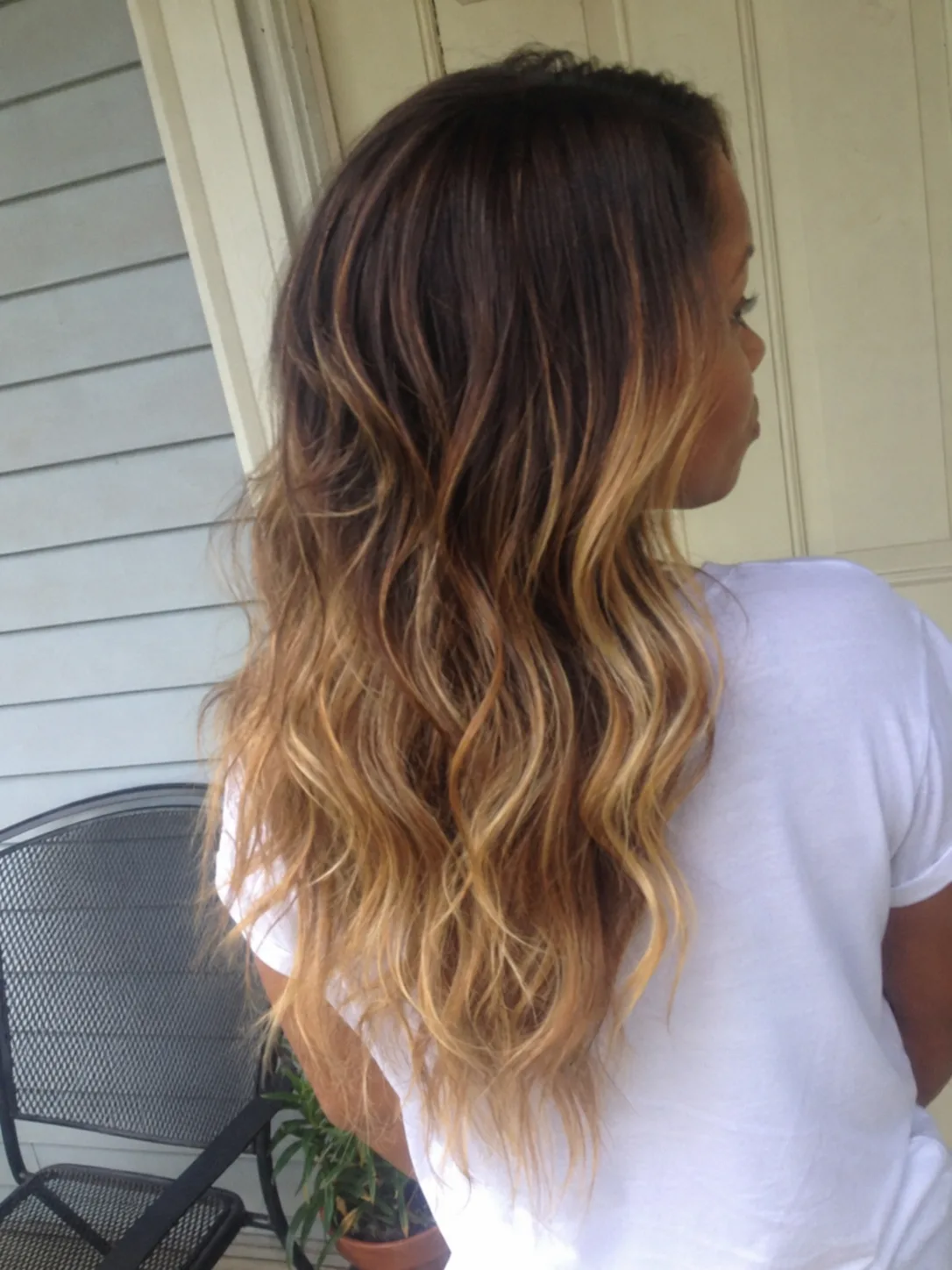
How much natural or darker depth remains at the roots
Whether the underneath hair is light or dark
Where the brightest pieces sit
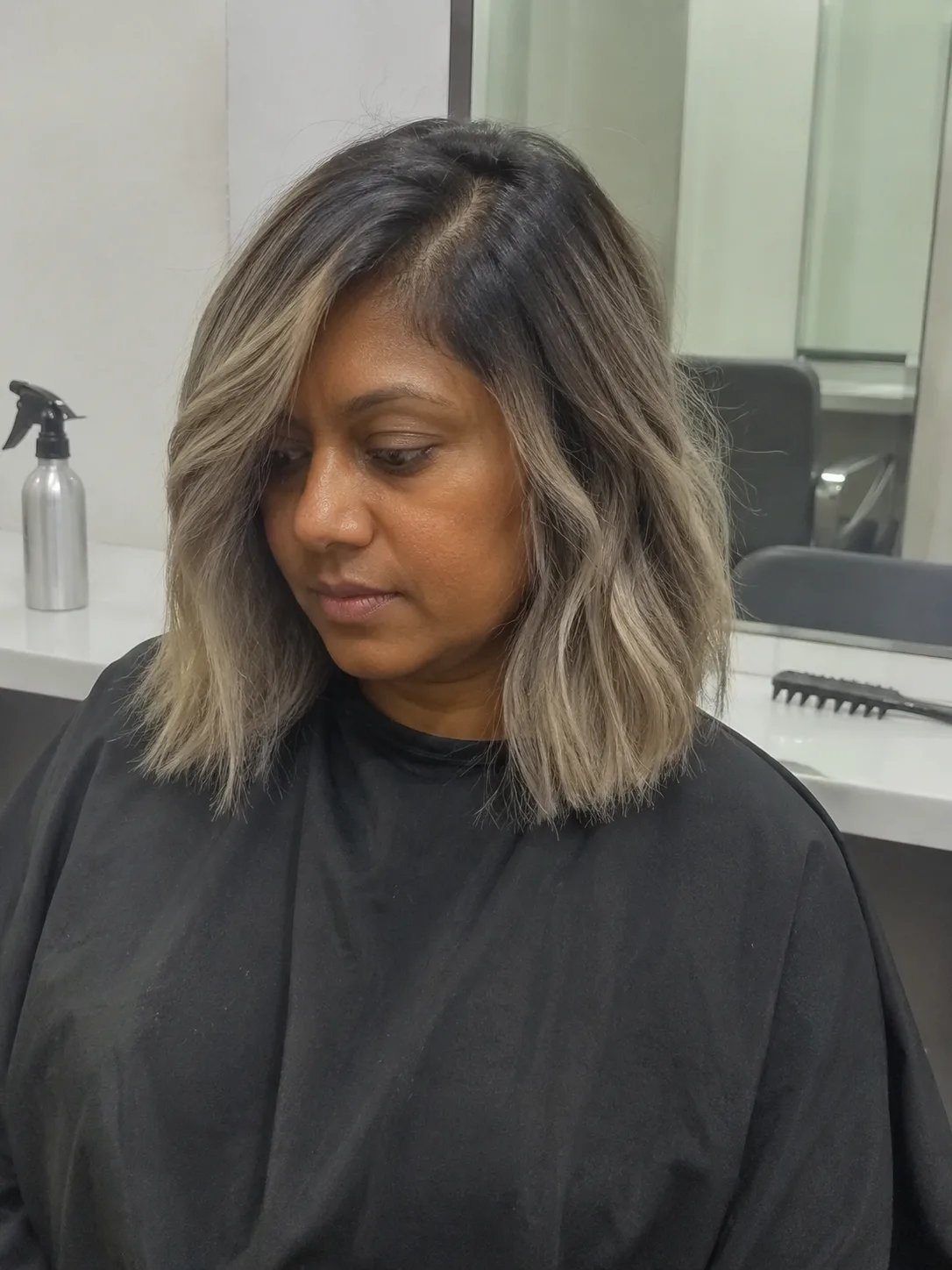
How light the ends are compared with the mid-lengths
Whether the photograph shows the hair in your usual styling state
Those details tell you far more than asking for “that blonde.”

Plan the Grow-Out Before You Commit
Maintenance isn’t only about how frequently you visit a salon. It begins with the way the color is constructed.
Blonde placed close to the scalp across much of the head produces a clearer line between new growth and lightened hair. A shadowed or intentionally deeper root can make that transition less abrupt.
Highly contrasted face framing has its own grow-out behavior. Because those pieces sit in such a visible location, new growth around the hairline may attract your attention even while the rest of the color still feels fine.
Dimensional blondes have more built-in camouflage. Darker sections remain part of the design, so new darker growth doesn’t instantly look unrelated to the rest of the color. That makes dimension the practical default for someone who wants a substantial change without building the entire look around maximum brightness.
Home care should follow the hair’s actual condition and styling routine rather than a rigid universal schedule. Cleansing needs can change with scalp comfort, activity, buildup, styling products, texture, and how frequently the hair is heat styled.
Heat deserves the same individualized thinking. Blonde hair doesn’t come with one universal safe styling temperature. Tool design, technique, condition, previous processing, and the number of passes all affect how much stress the hair experiences.
Pay attention to friction as well. A smooth pillowcase or bonnet may help reduce tangling and rubbing during sleep, particularly on longer hair, although it cannot reverse existing chemical damage.
And don’t forget the haircut. Blonde ends eventually expose whatever condition is already present at the perimeter. A maintenance plan that protects the color while ignoring increasingly weak ends can leave the shade looking expensive and the shape looking tired.
A Better Consultation for a Blonde Transformation
Bring reference photos, but use them as visual vocabulary rather than a fixed guarantee.
The most useful consultation starts with your own hair.
Be ready to discuss previous permanent colors, earlier lightening, chemical texture services, and any areas that already feel more fragile. Old color matters even when it isn’t recent or especially obvious.
Then break your goal into decisions:
How blonde should the hair look overall?Decide whether you want brunette depth to remain obvious, appear only at the roots, or become a minor part of the finished color.
Where do you want the brightness?Hairline, surface, mids and ends, or throughout the head can produce very different transformations.
How much contrast do you like?Some people want clearly separated ribbons of light and dark. Others want the transition softened until individual pieces are difficult to identify.
Which tone are you actually drawn to?Separate warm, neutral, and cool preferences from the question of how light the hair is.
How do you normally wear your hair?Straight, waved, naturally curly, stretched, or coily styling changes where the light pieces sit and how much separation you see.
How visible can the grow-out be before it bothers you?Someone comfortable with a deeper root can choose a very different construction from someone who wants blonde close to the scalp.
A consultation should also leave room for the target to change after the hair is assessed. Previously processed or compromised lengths may support a more moderate blonde transformation better than the palest reference image.
That adjustment isn’t a failure of the original idea. It’s the difference between choosing a photograph and choosing a color that has to live on real hair.
Related Hairstyles to Explore
- Platinum blonde hair color ideas
- Dark brown hair with blonde ideas
- Hair Dye Ideas for women
- Bleached Hair for women
FAQs
Can very dark brown or black hair be transformed to blonde?
Dark hair can be lightened, but the route depends heavily on whether the starting color is natural or artificial, along with the hair’s condition and chemical history. A very pale target represents a much larger transformation than a warm dimensional blonde, and some hair is better approached in stages rather than assuming a specific one-session result.
Can curly or coily hair have a blonde transformation?
Yes. Curl and coil patterns can display highlights beautifully because the lightness moves around the shape of each curl. Planning should account for shrinkage, porosity, condition, previous processing, and whether the hair is normally worn shrunken, stretched, or straightened. Placement should be judged in the state you actually wear most often.
What if I want blonde hair without a harsh root line?
Keep deliberate depth near the scalp and blend brightness progressively through the lengths. Dimensional highlights, a deeper root area, or more concentrated lightness through the mids and ends can make new growth less abrupt than an extremely bright color taken close to the scalp throughout the head.
Can I go back to brunette after a blonde transformation?
You can choose to darken previously lightened hair, but returning to brunette is still a color transformation rather than simply reversing the original process. Previously lightened hair may absorb and display darker color differently from untreated hair, so the existing blonde, desired brunette depth, porosity, and condition all need to be considered before deciding how dark to go.
Hair Texture & Upkeep Style Matcher
Select your natural hair texture and daily maintenance window to get an instant styling formula and heat safety cap.
Heat Cap: 320°F (160°C)
A versatile three-strand braid beginning at the parietal ridge, securing the top half while allowing natural wave texture to flow freely around the shoulders.
Conclusion
The strongest blonde hair transformations begin with a decision about where to keep depth.
Once that is clear, the rest of the plan becomes easier: determine how bright the hair should look, where the blonde should sit, which tone suits the target, and whether the current condition and chemical history support that amount of change.
For most people who want a noticeable transformation without making every inch of regrowth highly visible, dimensional blonde is the more forgiving starting point. Going significantly brighter makes sense when that extra impact is worth the additional attention to tone, regrowth, and the condition of the lightened lengths.
Bring the blonde photo you love to the consultation, but pay just as much attention to the roots, underneath sections, and ends. Those are usually where the real transformation plan is hiding.
Editorial Standards & Hair Health Guidance
Every style featured on Tress Atlas is curated with a focus on real-world wearability, scalp tension management, and cuticle preservation. When trying protective styles or tight updos, ensure perimeter hairline sections remain tension-free to avoid traction stress on delicate follicles. For heat styling, cap tools below 350°F (180°C) to prevent thermal keratin denaturation.
Scientific Sourcing: Practices aligned with the American Academy of Dermatology (AAD) on traction alopecia risk reduction and cosmetic trichology research on hair tensile strength.