Fall Hair Color Ideas for 2026: Styling Guide & Cuts That Balance Richness, Dimension, and Upkeep
Fall hair color in 2026 is less about making every shade dramatically darker and more about controlling depth, warmth, contrast, and shine. Rich brunette is a major direction, but so are
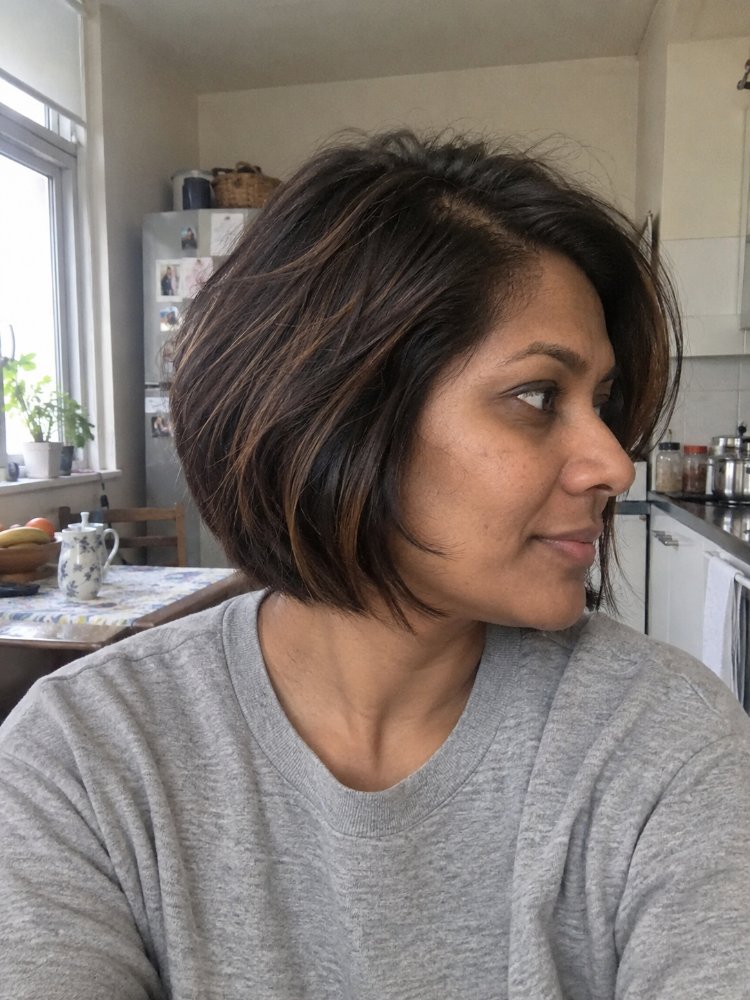
Recent fall 2026 trend coverage points in the same general direction: chocolate and espresso brunettes are becoming richer, blonde is shifting toward beige and gold, copper remains important, and obvious high-contrast highlighting is giving way to softer placement. Smoked suede brunette, maple cinnamon, mushroom blonde, amber highlights, and bubblegum pink are among the specific shades appearing in current coverage.
The harder decision happens before the shade name. Your natural depth, existing artificial color, previous lightening, condition, and willingness to maintain tonal changes determine which version of a trend makes sense. A brunette adding amber ribbons has a very different color project from a permanently dark-haired brunette asking for creamy blonde.
| Your priority | Good fall 2026 direction | Main tradeoff |
|---|---|---|
| Stay close to brunette | Smoked suede or amber ribbons | Subtle dimension needs good tonal balance |
| Go noticeably darker | Dark chocolate or soft black | Harder to reverse later |
| Add warmth without bright red | Teak or maple cinnamon | Warm tones can shift as they fade |
| Keep blonde but soften it | Beige blonde or honey bronde | Existing lightness affects the plan |
| Choose a cooler muted result | Mushroom blonde | Requires careful control of unwanted warmth |
| Make a statement | Bubblegum pink or steely platinum | Higher tonal and condition demands |
4
Brunettes Are Getting Richer Without Losing Dimension
Dark Chocolate Color Drench
Dark chocolate works especially well when you want the fall shift to be obvious without introducing red or blonde contrast. A color-drenched version keeps the hair predominantly one deep brunette family, with only enough tonal variation to prevent it from reading flat.
This is one of the stronger choices for naturally medium-to-dark brunette hair because the visual change can come from added richness rather than extensive lightening. On previously highlighted hair, the route back to an even deep brown needs more consideration because porous lighter areas can take and release pigment differently.
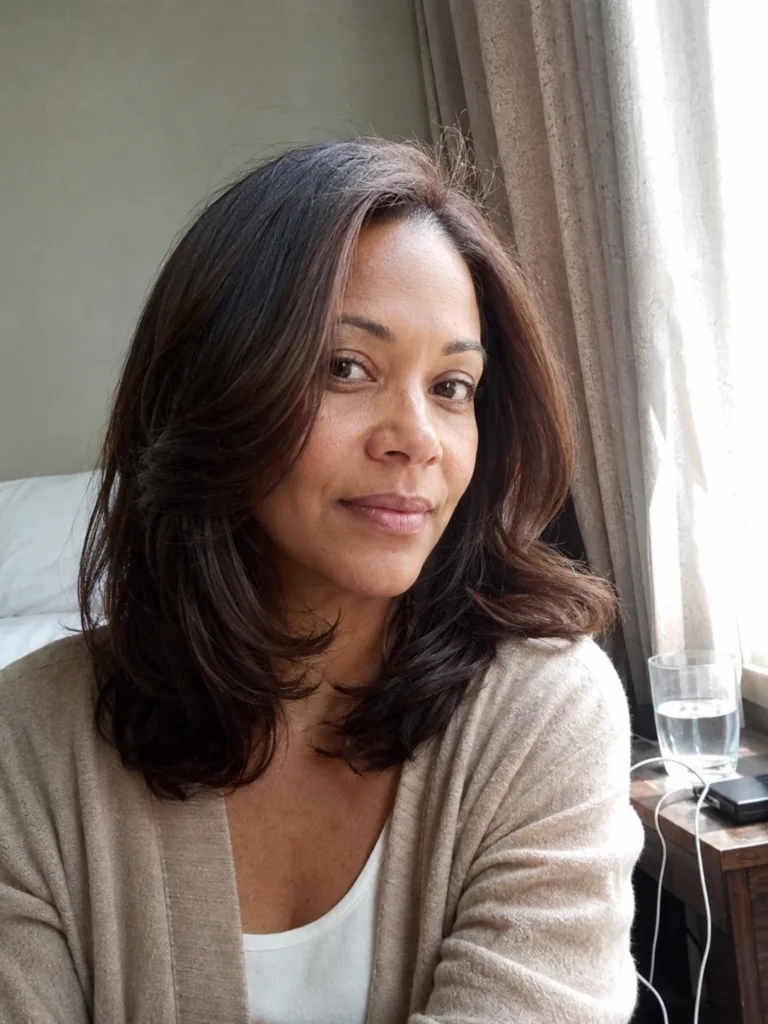
Smoked Suede Brunette
Smoked suede is the brunette to consider when caramel feels too golden and an opaque dark brown feels too severe. Current fall 2026 coverage describes it as a deep coffee-like brunette built with smoky, muted dimension and very little harsh contrast.
Its appeal is clearest in movement. Soft lowlights and related brunette tones reveal themselves as the hair bends, curls, or catches light; they don’t need bright ribbons to make the color dimensional.
A naturally brunette starting base also gives this shade one of the more forgiving grow-outs in the group. Bring photographs that show the degree of coolness you actually want. The phrase smoked suede alone is too open to interpretation, particularly because taking the hair excessively ashy can remove the richness that makes the color interesting.
Soft Black Color Drench
The deepest 2026 color direction goes beyond espresso into glossy, soft black. It creates a strong uninterrupted field of color, so the haircut, curl pattern, and shine become more visually prominent than highlighted pieces.
The commitment deserves more thought than the application photo suggests. Artificially darkening lightened hair can make a future return to blonde or bright copper much more involved. Someone who changes colors frequently may get more flexibility from deep brunette than from pushing all the way to black. Color drenching and very dark, silky tones have both been part of the broader 2026 trend conversation.
Teak Brown
Teak sits in useful territory between brown and copper. Think warm brown first, with honey-amber reflection appearing through the lengths when light hits it. That makes it easier to wear than a vivid orange copper when you still want to identify as brunette.
The shade also suits fall because it adds warmth without relying on obvious blonde streaks. Teak has been singled out among 2026 color directions as a golden-brown, amber-reflective option.
Amber Ribbons on Brunette
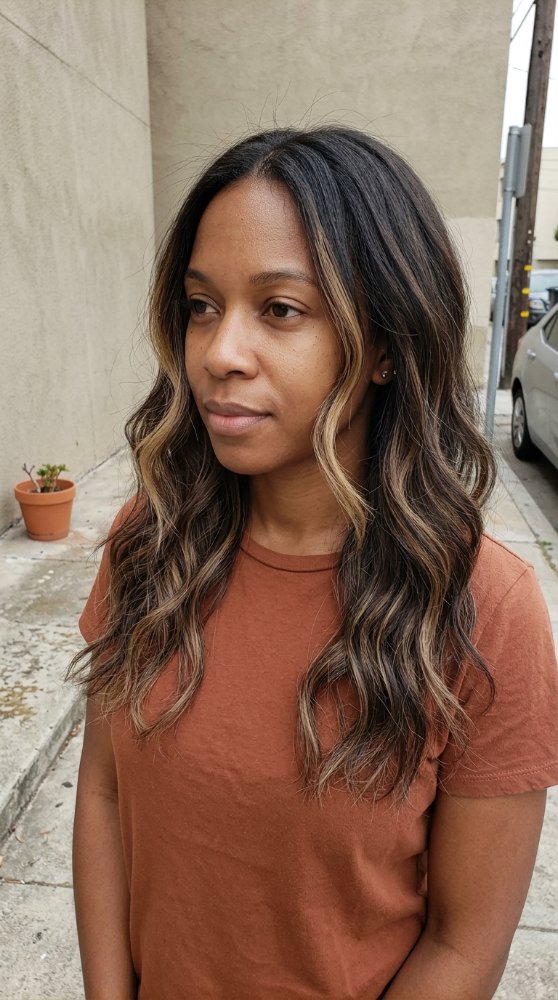
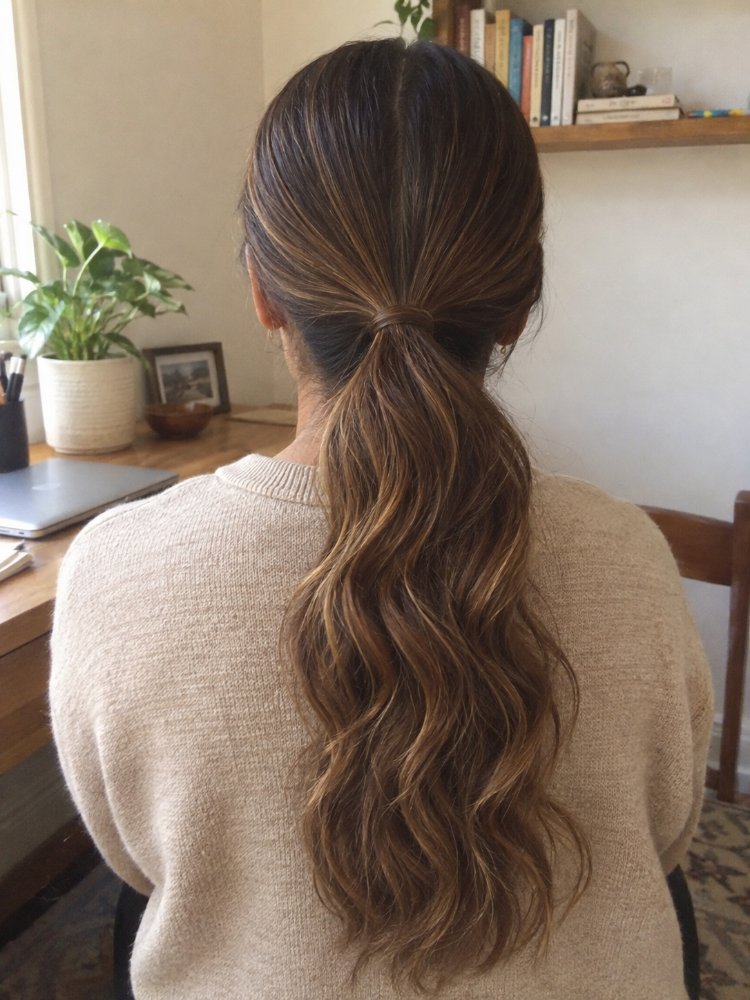
You don’t have to deepen your whole head for a seasonal change. Amber ribbons create warm golden-caramel movement against brunette, particularly through the areas where curls, waves, or layers separate.
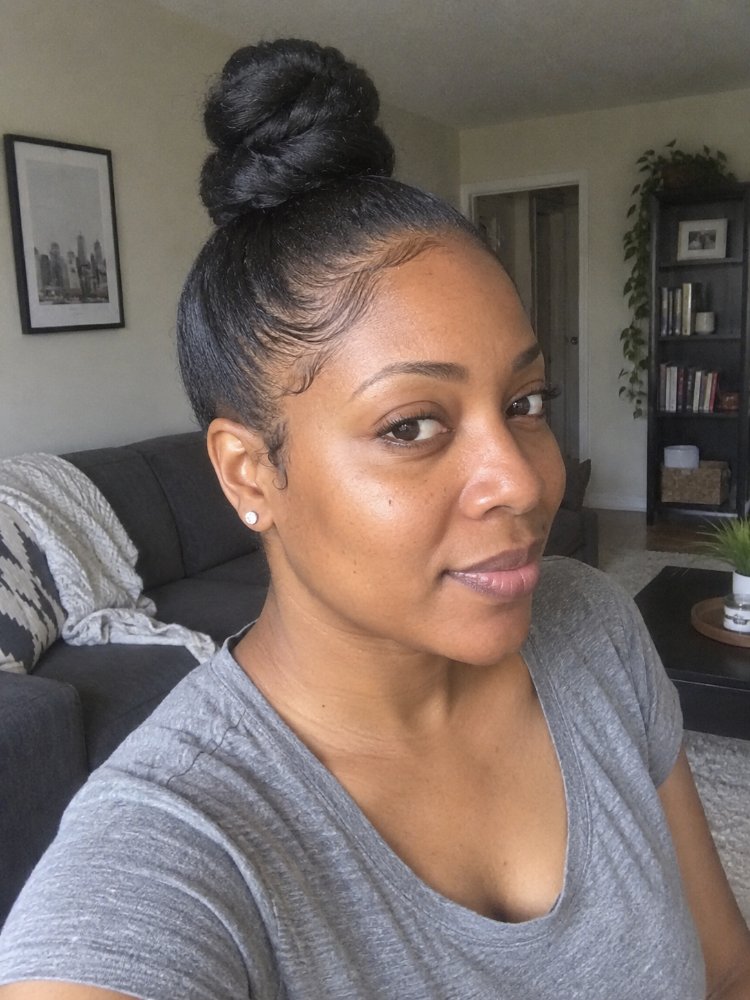
Placement matters more than quantity here. A few broader areas can look decidedly highlighted, while finer blended pieces create a quieter glow. Keeping more natural brunette between the lightened sections also leaves visible depth, which is part of why amber highlights fit the lower-contrast direction appearing in fall 2026 coverage.
Red Has More Than One Fall Direction
Maple Cinnamon Brunette
Maple cinnamon is a practical entry into red when full copper seems like too large a jump. The base remains brown while cinnamon warmth runs through it, producing a red-brown reflection instead of an unmistakably orange result. Allure includes maple cinnamon among its fall 2026 color directions.
That distinction is especially useful for brunettes who want warmth visible in daylight but don’t want their entire color identity to become copper.
Red tones tend to announce tonal drift more readily than many neutral browns. Choose the shade because you like both its fresh and slightly softened states, and discuss how your starting color affects the amount of change required.
Burnt Sienna Brunette
Burnt sienna keeps the drama low in brightness and high in depth. It combines a brunette foundation with restrained copper-red warmth, so it looks earthier than classic ginger and less burgundy than a wine-toned red.
It’s an underrated option for someone leaving summer caramel behind. Instead of covering every lighter piece with an opaque brown, some of that dimension may be redirected toward a deeper copper-brown result. The exact route depends on what artificial pigment and lightening are already present.
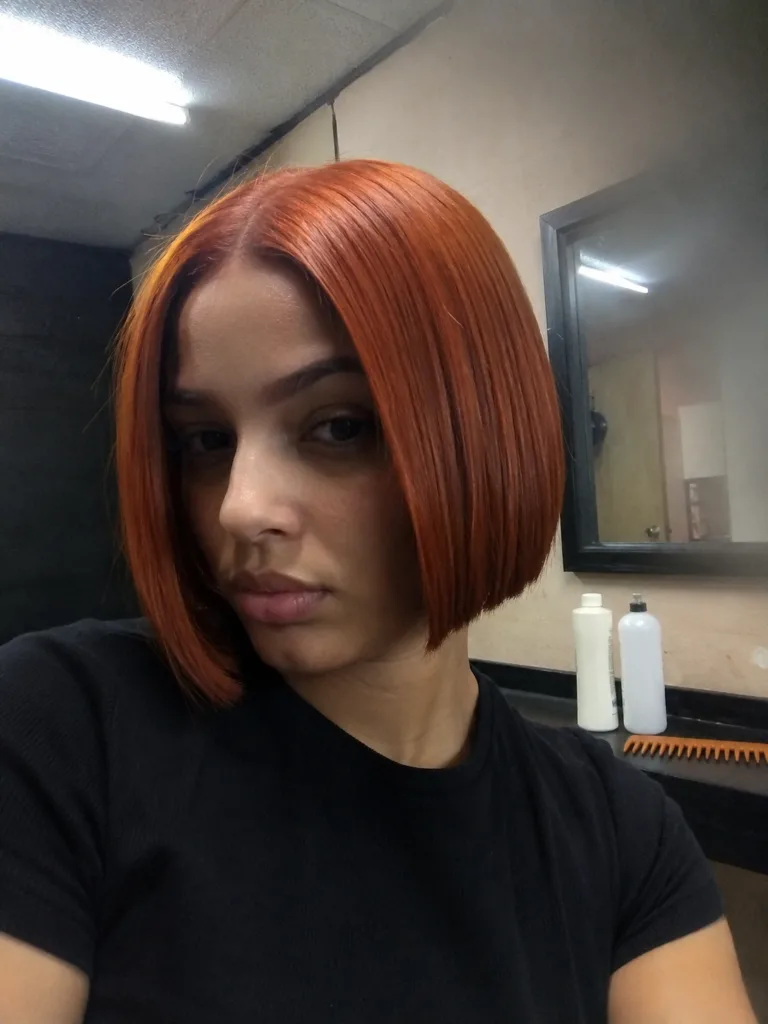
Cinnamon Copper
Cinnamon copper pushes farther into red than maple cinnamon. Brown gives it depth, but copper is clearly visible rather than appearing only as a reflection.
This shade earns the extra upkeep when you specifically want warmth to be part of the look. Curls and waves can make its multiple tones particularly obvious because different surfaces catch light at different angles. On very dark natural or previously colored hair, reaching a bright enough copper may involve more transformation than the finished photograph suggests.
Copper Rose
Copper rose is the lighter, softer counterpoint to fall’s earthy red-browns. Instead of creating a deep auburn field, it combines copper with strawberry or rosy notes for a more translucent result. Copper rose has been part of 2026’s broader movement toward gentler, more wearable reds.
This direction makes the most sense when the hair is already light enough to show that delicacy. A dark brunette reference transformed into pale rosy copper represents a much larger project than a naturally dark blonde moving toward the same target.
Porosity matters after lightening, too. More porous sections can release fashion-forward rosy or copper tones faster or take them differently from healthier areas. The salon conversation should therefore cover condition and previous processing alongside the reference color.
Golden Cherry
Golden cherry brings a brighter red presence while keeping warmth through the result. Compared with wine or burgundy, it looks more illuminated; compared with copper, the red component is more obvious.
This is one of the better fall choices for someone who wants color that reads clearly even without perfect lighting. Golden cherry appears among current warm-toned fall 2026 recommendations, alongside honey, chestnut, peach, and rich brown directions.
Charred Chestnut
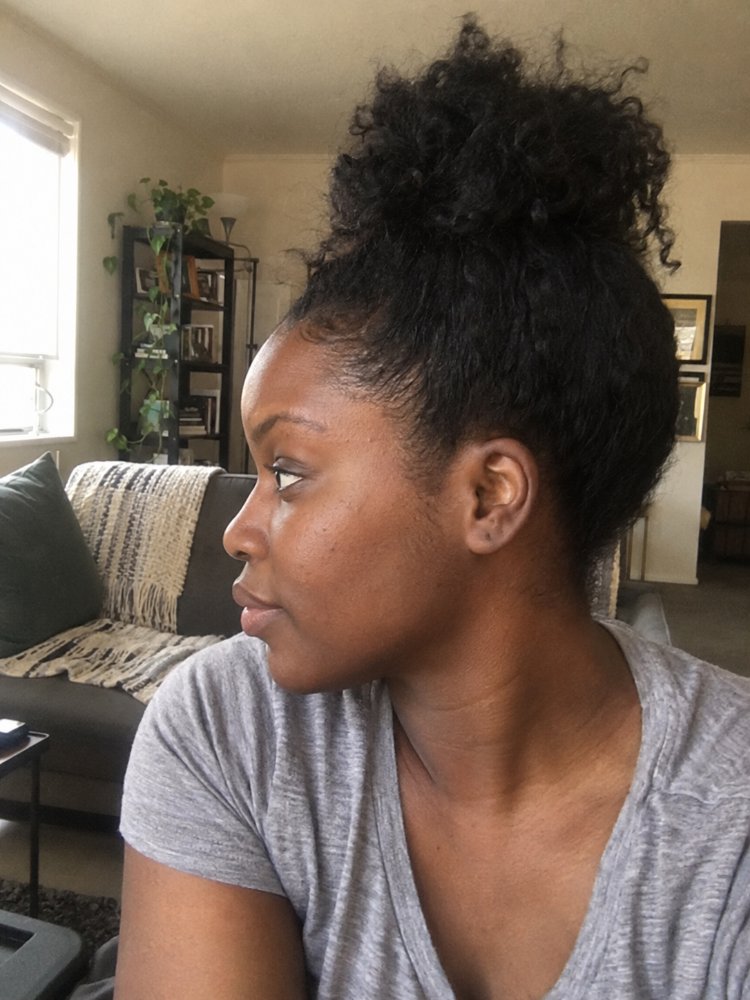
Charred chestnut belongs to the reader who likes the idea of red but wants brown to dominate. Deep chestnut sits underneath restrained warmth, giving straight hair a glossy dark surface and textured hair subtle flashes where individual sections separate.
It also makes more sense than bright copper when you prefer a quieter grow-out from a brunette base. Don’t judge the reference only by the ends: check how warm the roots appear, where the red is strongest, and whether the photograph was taken in warm indoor light or neutral daylight.
Blonde Is Warmer, Softer, and More Rooted
Ultra-icy blonde hasn’t disappeared, but fall 2026 blonde coverage is giving far more attention to beige, almond, honey, champagne, strawberry, and bronde variations. The common thread is depth: blonde is being allowed to contain darker and warmer notes instead of being pushed uniformly pale.
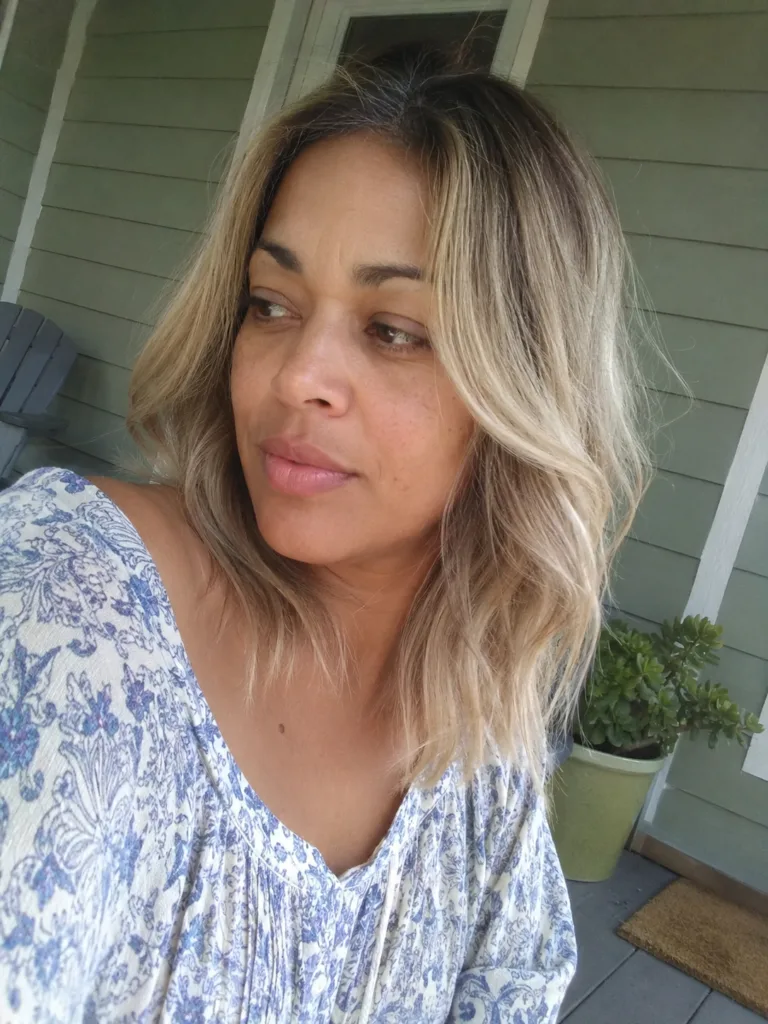
Grown-Up Beige-Gold Blonde
This blonde keeps enough beige and gold to look luminous without becoming yellow or aggressively cool. Its main advantage is dimension. A slightly deeper root and related blonde tones through the lengths give the eye more to read than one uninterrupted pale shade.
It is a particularly sensible fall adjustment for an existing blonde who doesn’t want to become brunette. You can change the mood of the color without automatically pursuing additional lightness.
Creamy Almond Blonde
Creamy almond has a softer, milkier appearance than honey blonde while avoiding the starkness of icy platinum. It sits comfortably among the warmer, dimensional blonde shades being highlighted for fall 2026.
The shade is easiest to appreciate on hair with enough lightness to reveal subtle beige warmth. On a much darker base, the question becomes whether the amount of lifting required is worth the final tonal difference.
Mushroom Blonde
Warmth may be dominant this season, but mushroom blonde gives cooler-color lovers a convincing alternative. It blends beige, muted ash, and a slightly smoky cast, creating a blonde that feels shaded rather than bright. Allure specifically includes mushroom blonde in its fall 2026 color lineup.
The effect depends heavily on having dimension. A completely flat gray-beige result can look very different from a reference containing deeper blonde lowlights and natural root depth.
Mushroom blonde is also more salon-dependent than its subdued appearance implies. Previously brassy, heavily colored, or unevenly lightened hair may need a different plan from naturally lighter hair. Tonal control should follow what the hair is actually showing; adding more lightener isn’t a universal solution to unwanted warmth.
Honey Bronde Balayage
Honey bronde is the practical middle ground for brunettes who want noticeably lighter hair without turning the entire head blonde. Keep brunette depth at the root and interior, then let warm blonde become more visible through selected lengths and around the face.
That distribution usually matters more to grow-out than the trendy shade name. A softly blended transition leaves less of a hard demarcation as new growth appears.
This is also one of the strongest options for curly and coily hair when placement is planned in the texture’s normal worn state. Shrinkage and curl grouping can hide or concentrate highlighted sections, so a placement that looks evenly spaced on stretched hair may read differently once the hair returns to its usual shape.
Rooted Champagne Blonde
A champagne blonde with visible root depth keeps some of summer’s lightness while making the autumn transition softer. The blonde can stay creamy or gently beige through the lengths, while the root area provides contrast without an abrupt stripe.
This is more practical than chasing uniform pale blonde when you prefer a blended grow-out. Existing highlights can sometimes become part of the design rather than something that must be erased.
Two Deliberate Outliers From the Cozy Fall Palette
Sheer Bubblegum Pink
Bubblegum pink breaks the brown-and-copper rule completely, which is precisely why it works. Fall 2026 coverage includes soft pink among the season’s playful color options, providing a cooler visual interruption to all the chocolate, cinnamon, and amber.
A sheer version lets some underlying blonde variation remain visible, while a more saturated result reads much more graphic. Either direction depends heavily on the canvas underneath. Pale pink won’t show on deep hair the way it does on pre-lightened blonde, and previously lightened areas may hold or release the tone unevenly.
Steely Platinum With Root Contrast
Platinum remains the highest-commitment option in this group. A steely or silvery finish creates deliberate contrast with fall’s prevailing warmth, especially when some root depth is retained.
Choose it because you genuinely want very light hair, not merely because you want a cooler tone. Dark artificial pigment, previous chemical services, porosity, and current condition can all change what is realistic. Broader 2026 trend coverage has kept steely platinum in the conversation even as fall-specific blonde trends lean warmer.
Trend Names Matter Less Than the Color You Can Actually Point To
Terms such as smoked suede, teak, and mushroom blonde are useful shorthand, but the same name can describe noticeably different photographs. Translate the nickname into visible characteristics before a salon consultation.
| Trend name | Visible result to identify | Detail worth checking |
|---|---|---|
| Smoked suede | Deep neutral-to-cool brunette | How much warm brown remains |
| Maple cinnamon | Brown with restrained red warmth | Brown-first or red-first result |
| Copper rose | Light copper with rosy softness | How light the base must become |
| Mushroom blonde | Muted beige-ash blonde | Depth of roots and lowlights |
| Steely platinum | Very light cool blonde | Condition and previous color |
Save references that show the color in more than one lighting situation. Look closely at the roots, mid-lengths, and ends instead of focusing only on bright face-framing pieces. A photo with dramatic waves can also make dimension appear stronger than the same color worn straight.
Texture changes the reading of placement as well. Curly and coily hair separates into groups, and shrinkage changes where highlighted sections visually land. Straight or pressed hair exposes the continuity of every ribbon. The reference should resemble the styling state you expect to wear most frequently.
Plan the Transformation Around Your Starting Hair
The most useful salon discussion starts with history. Natural depth is only one part of it; permanent dark color, older highlights, previous lightening, relaxers, and other chemical services can all affect the route to a new shade.
A dark chocolate refresh on naturally brown hair is a fundamentally different job from mushroom blonde on permanently darkened lengths. Similarly, putting a deep brunette over very light hair might look simple now but can influence what is practical when you want to lighten again.
Condition deserves equal weight. A photograph can’t show elasticity, porosity, breakage, or which sections have already been processed repeatedly. A staged color plan is sometimes the better decision even when the final shade itself looks understated.
Use one concise consultation checklist:
Bring several references that agree on depth, warmth, and placement.
Show photographs of your current hair in ordinary lighting.
Explain previous permanent color, lightening, and chemical services.
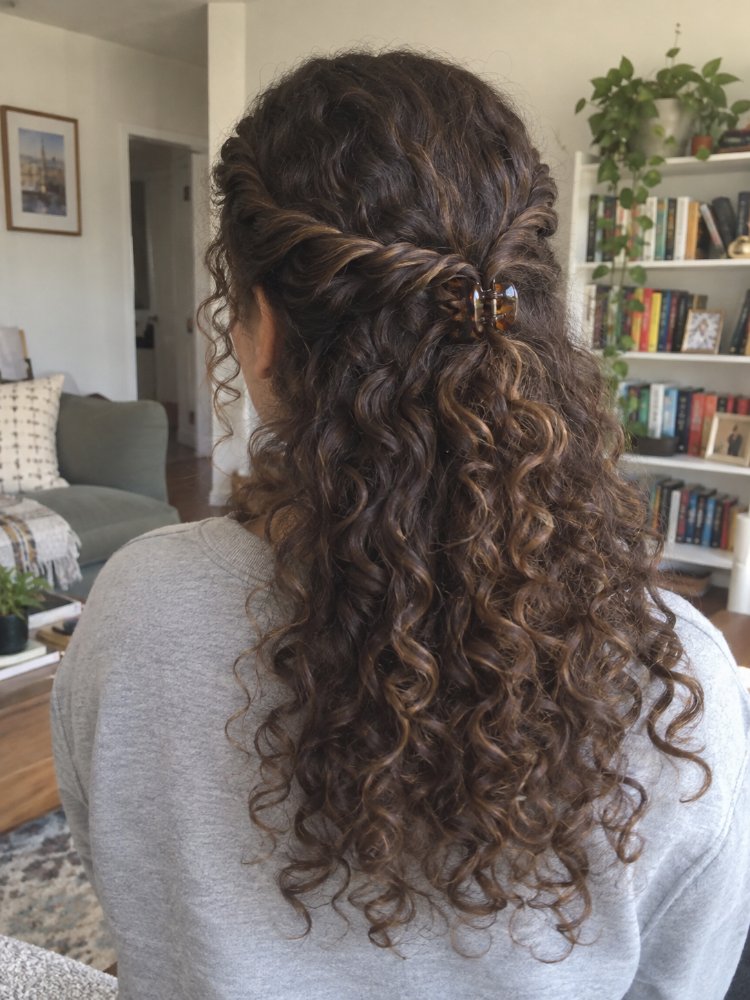
Decide whether preserving natural root depth matters to you.
Discuss how the color should look in your usual curly, natural, stretched, pressed, or straight state.
Ask what tonal changes to expect as the color fades rather than judging only the fresh salon finish.
Fall Color Maintenance Is Mostly About Managing Tone
Rich brown, copper, pink, blonde, and red don’t fade in the same visual way. A brunette may gradually reveal more warmth. Copper can lose some of its initial intensity. Blonde can show unwanted yellow or golden tones depending on the starting hair and environment. Pastel pink can become increasingly sheer.
That doesn’t mean every color needs a rigid refresh calendar. Wash habits, heat styling, water exposure, porosity, hair condition, and the chosen shade all affect how quickly the result changes. Refresh the tone according to what the hair is actually doing.
Color-treated hair also benefits from reducing unnecessary stress. Repeated high heat, rough handling while wet, and aggressive attempts to correct fading at home can create more problems than a slightly softened tone. Toning products are useful only when their pigment addresses the unwanted tone you’re seeing; using increasingly strong toning simply because the color has changed can push blonde or brunette farther from the target.
For curly and coily hair, keep drying behavior in the maintenance plan. Dense roots can remain damp after the outer lengths feel dry, particularly when hair is worn in styles that limit airflow. Color doesn’t remove the need to maintain scalp access and handle the hair according to its normal texture and condition.
FAQs
What is the biggest fall hair color trend for 2026?
Rich, dimensional color is the clearest overall direction. Current fall coverage is especially strong on chocolate and smoky brunette, warmer beige-gold blonde, copper-red shades, and low-contrast placement. There are still deliberate exceptions such as pink and icy platinum, so the season isn’t limited to one warm palette.
Which fall 2026 hair colors are easier for brunettes to grow out?
Smoked suede, amber ribbons, teak brown, maple cinnamon, and honey bronde can all preserve substantial brunette depth. A softly blended root usually creates a less obvious transition than high-contrast lightening beginning close to the scalp. Previous artificial color can still change how simple the service and future grow-out will be.
Do these fall colors work on naturally curly or coily hair?
Yes. Plan placement around how the hair is normally worn. Curl grouping and shrinkage change where highlights appear, while stretching or pressing reveals more continuous ribbons of color. Color processing should also respect the hair’s current condition and chemical history; texture alone doesn’t determine how much processing the hair can comfortably tolerate.
Can I use a fall hair color to blend gray hair?
Gray hair can be incorporated into many of these directions through coverage, blending, highlighting, lowlighting, or allowing natural silver to remain visible. Gray describes loss of pigment, not a specific texture, so its behavior varies from person to person. Bring references showing the amount of gray visibility you actually want rather than asking only for a trend name.
Hair Texture & Upkeep Style Matcher
Select your natural hair texture and daily maintenance window to get an instant styling formula and heat safety cap.
Heat Cap: 320°F (160°C)
A versatile three-strand braid beginning at the parietal ridge, securing the top half while allowing natural wave texture to flow freely around the shoulders.
Conclusion
The most useful fall hair color for 2026 is the one that gives you the seasonal change you want without requiring a transformation you don’t want to maintain. Brunettes have particularly strong options in smoked suede, dark chocolate, amber, and maple cinnamon, while existing blondes can shift toward beige, almond, mushroom, champagne, or honey without automatically going darker.
Start by deciding how much depth, warmth, contrast, and root visibility you want. Then compare that target with your current color and chemical history. The trend name can come last.
Editorial Standards & Hair Health Guidance
Every style featured on Tress Atlas is curated with a focus on real-world wearability, scalp tension management, and cuticle preservation. When trying protective styles or tight updos, ensure perimeter hairline sections remain tension-free to avoid traction stress on delicate follicles. For heat styling, cap tools below 350°F (180°C) to prevent thermal keratin denaturation.
Scientific Sourcing: Practices aligned with the American Academy of Dermatology (AAD) on traction alopecia risk reduction and cosmetic trichology research on hair tensile strength.