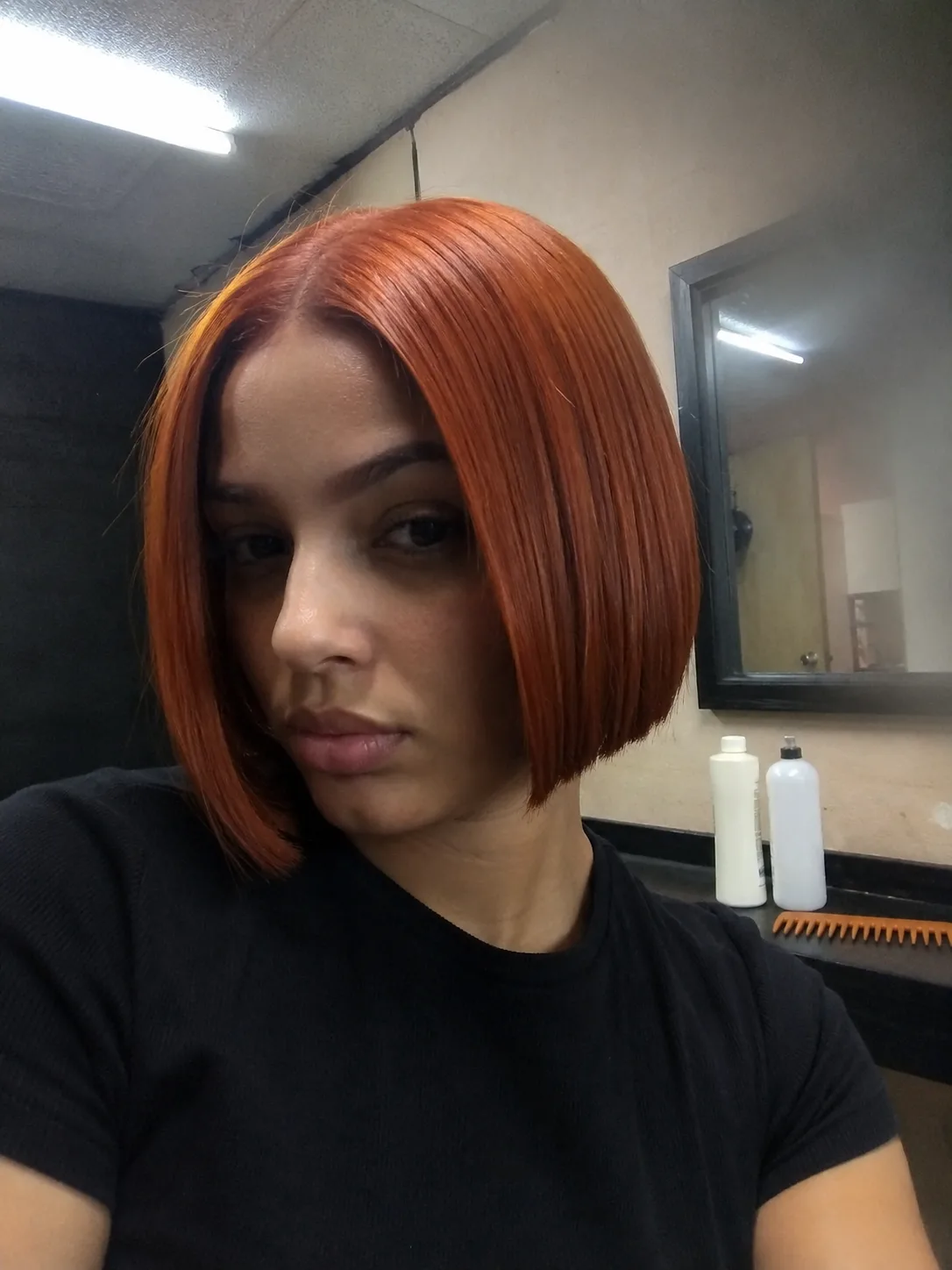
Copper Hair Color Ideas by Depth, Tone, and Placement: Complete Styling & Placement Guide
Copper hair is easy to recognize and surprisingly difficult to choose. Two photos labeled copper can sit at opposite ends of the spectrum: one may look softly golden and almost blonde, while another reads as deep auburn with only a flash of orange-red in direct light.
The most useful decision is therefore bigger than picking a favorite shade. You need to decide how light or deep you want the hair to appear, whether copper or red should dominate, and how much of your natural or current base you want to keep visible. Your starting color, existing artificial pigment, condition, porosity, and previous chemical services also affect what is realistic.
Placement changes the commitment just as much as tone. An all-over bright copper makes the color the main event and gives regrowth nowhere to hide. Balayage, ribbons, deeper roots, and underlayers leave more contrast in the hair, which can make the grow-out feel less abrupt.
Use the ideas below as consultation directions rather than formulas. A colorist can then adapt the depth, warmth, and placement to the hair you actually have.
Lighter Copper Colors With More Glow
Light Copper Blonde
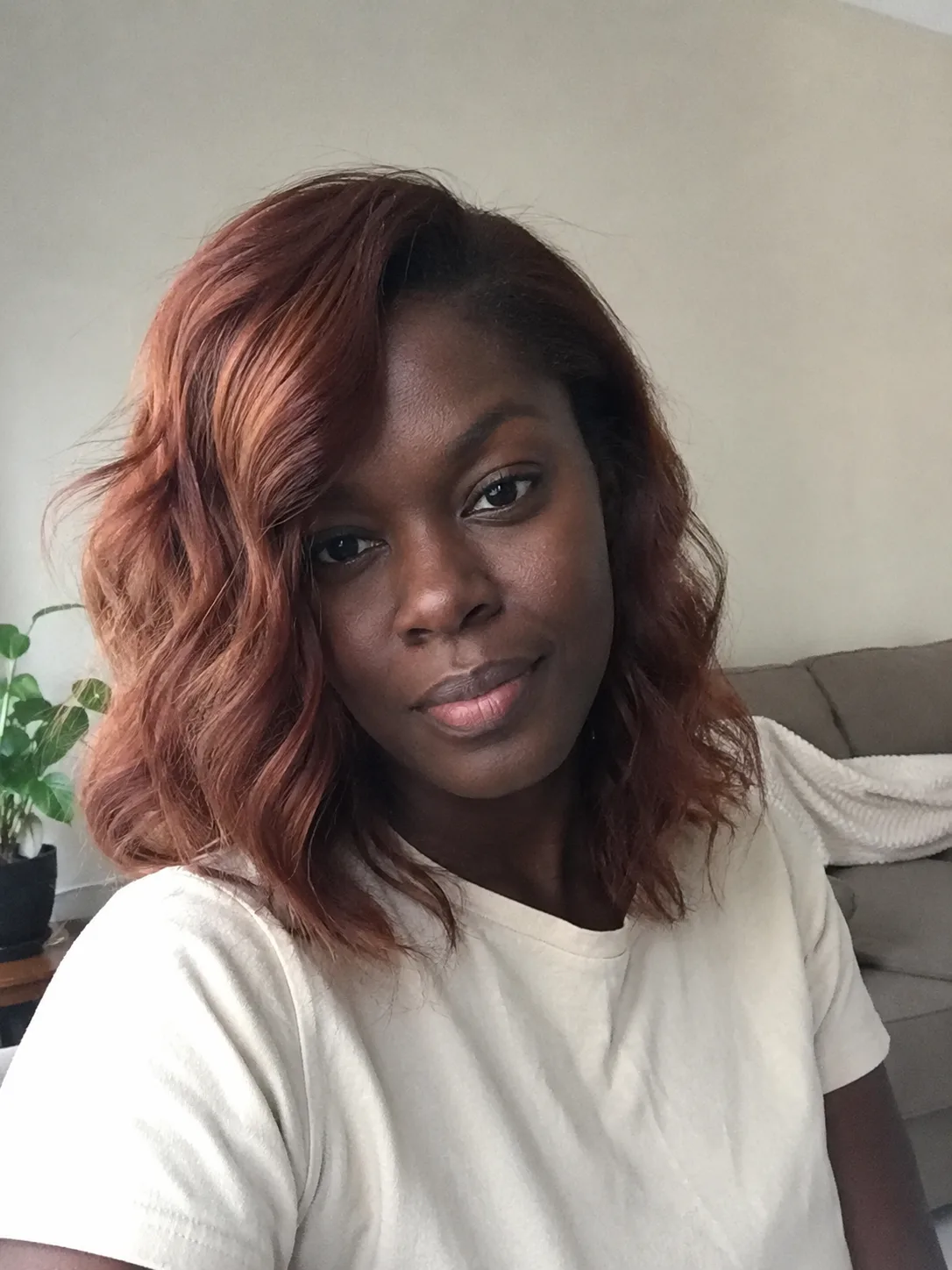
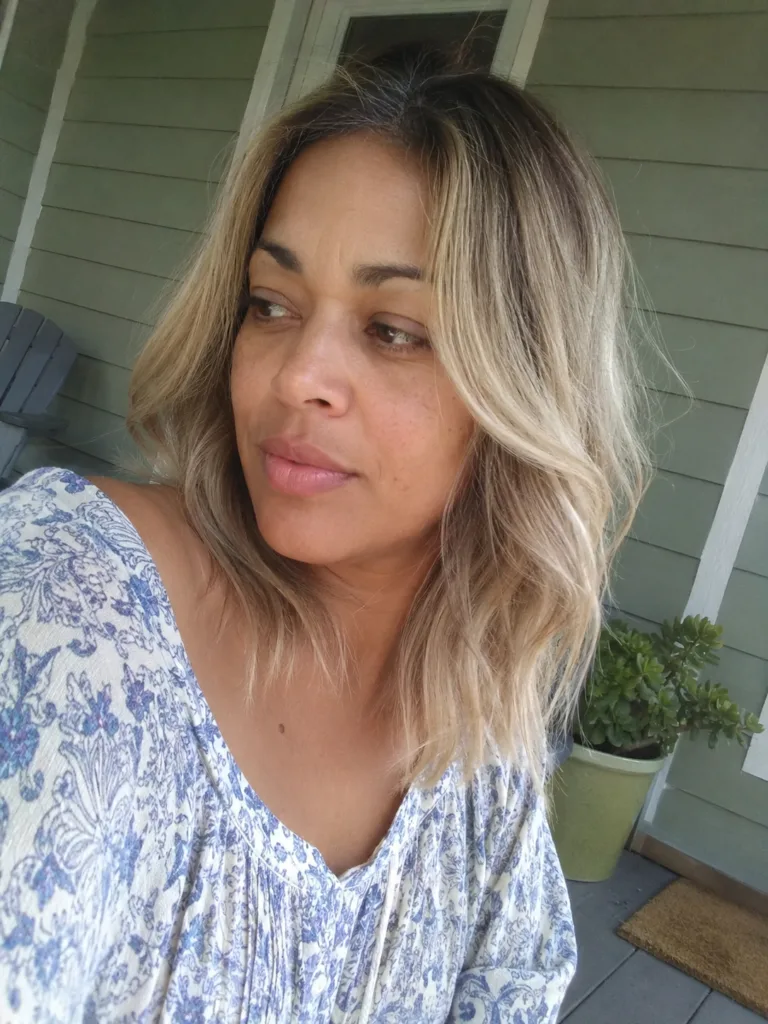
Copper blonde keeps the overall depth light enough that the hair still reads as blonde, but the dominant reflection shifts toward warm orange-gold. It works particularly well for someone who likes the brightness of blonde yet finds beige or icy finishes too muted.
This direction is more dependent on the starting base than deeper copper shades. Naturally dark hair or hair carrying permanent dark color may need considerably more preparation to reach the airy background that makes copper blonde look luminous. Previously lightened hair brings a different challenge: porous areas can absorb warmth unevenly, so condition matters as much as the target photo.
Soft Ginger Copper
Soft ginger has less visual saturation than a vivid copper. Think muted orange warmth, a little gold, and enough softness that the color can look remarkably natural in indirect light.
It is one of the strongest choices for someone attracted to copper but hesitant about a dramatic redhead transformation. The shade still changes noticeably under sunlight, yet it doesn’t rely on maximum brightness to make an impression. A slightly deeper root can make it even easier to integrate with naturally darker hair.
True Copper
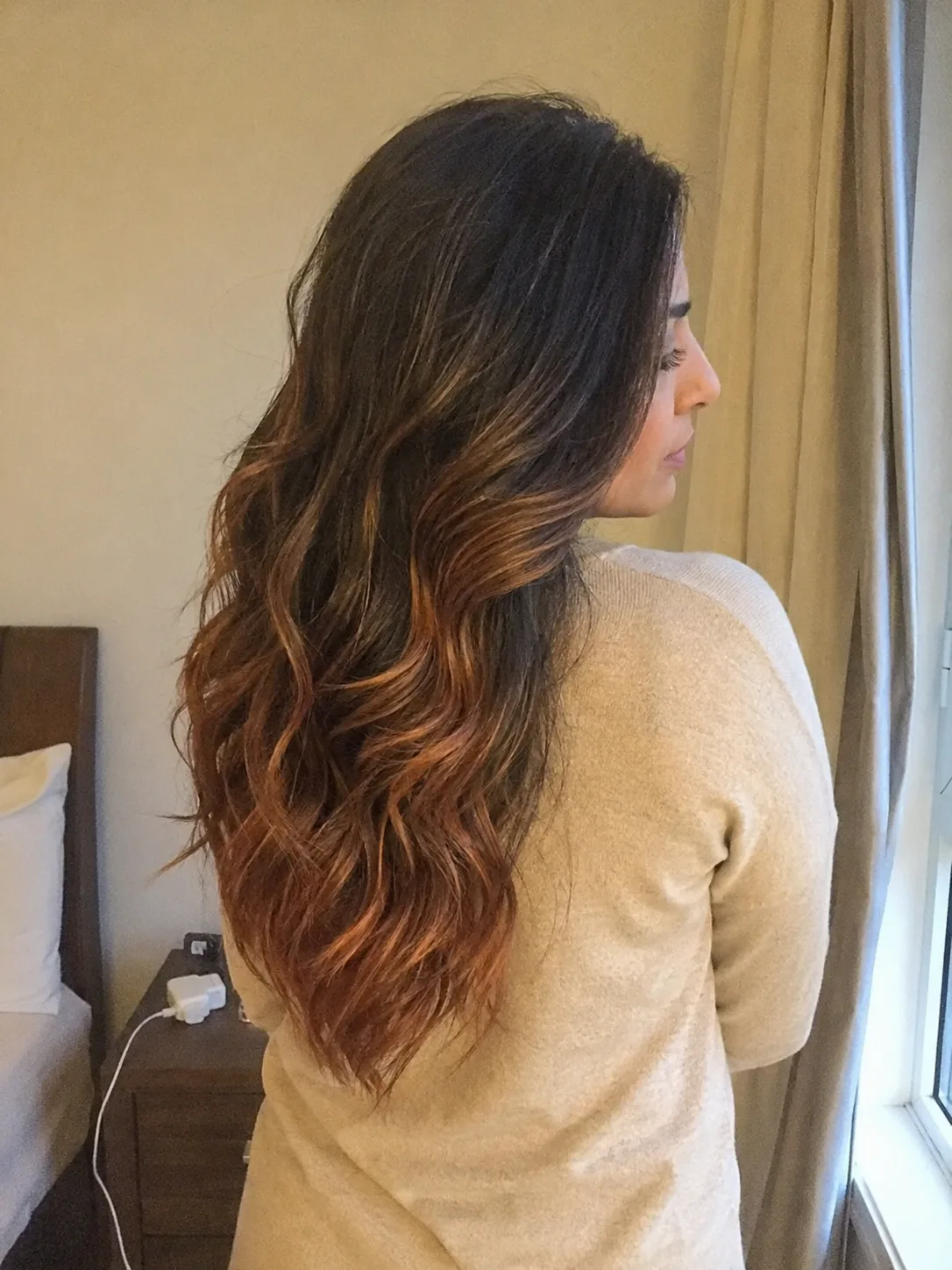
For unmistakably copper hair, keep the color centered on a strong orange-red balance instead of pushing it heavily toward blonde, brown, or burgundy.
True copper is visually demanding in a good way. The color catches light across the entire head, so shine, condition, and evenness become highly visible. A flat one-tone finish can look striking on sleek hair, while curls and waves break the color into lighter and darker reflections.
This is also one of the less forgiving directions for someone who wants substantial regrowth camouflage. Because the copper itself is the feature, a contrasting natural root becomes obvious sooner than it would with balayage or a deliberately rooted design.
Golden Copper
More gold changes copper quickly. Golden copper looks sunlit and warm, with an orange cast that stays present without allowing red to dominate.
This is worth considering when traditional auburn feels too dark and true copper feels too fiery. The golden reflection can also emphasize movement in layered or wavy hair because raised sections catch more light than the hair underneath. On very light starting hair, restraint matters: too much yellow influence can pull the result away from copper and toward a warm blonde.
Strawberry Copper
Strawberry copper sits between strawberry blonde and a fuller copper. Its lighter base gives it softness, while a subtle rosy-red influence separates it from yellow-gold copper shades.
The visual result is delicate rather than earthy. That makes it especially effective on haircuts where movement matters—soft layers, long waves, loose curls, and airy bobs all give the shifting warm tones room to show.
Hair that starts much deeper may need a larger transformation to create the light background associated with this shade. Keeping some natural depth through the root is another option when an all-over pale result would require more lightening than the hair’s condition comfortably supports.
Peach Copper
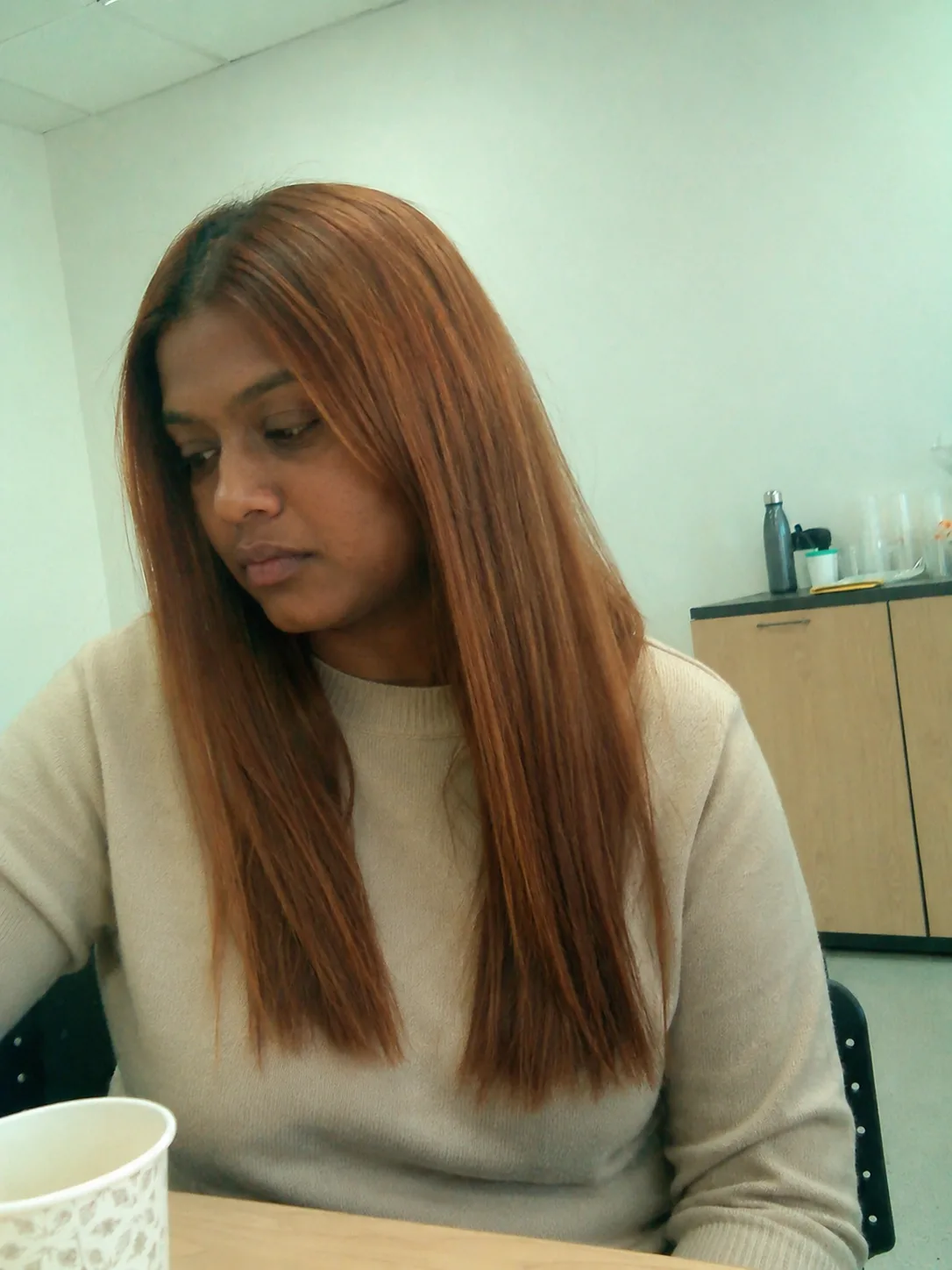
Peach copper moves away from classic redhead territory and toward a lighter orange-pink finish. It is softer and more playful than traditional copper, particularly on a pale or previously lightened base.
Choose it because you genuinely want a pastel-influenced result. On deeper hair without lightening, the subtle peach character is unlikely to show with the same clarity seen in very bright reference photos. It also makes sense to discuss fading before committing, since delicate tonal distinctions can shift as the color wears.
Deeper Copper Ideas With Brunette Weight
Cinnamon Copper Brown
Cinnamon copper brown is a practical bridge between brunette and red. Brown remains the visual foundation, while copper warmth becomes noticeable through the mid-lengths and reflective areas.
This is easier to live with than a very light copper for many naturally brunette starting points because the final depth doesn’t need to move as far from the base. It can also preserve a stronger sense of depth at the roots.
The important consultation choice is how visible you want the orange warmth to be. A very restrained version can read primarily brown indoors, while a stronger copper balance becomes obvious in natural light. Bring reference photos taken under more than one lighting condition if that difference matters to you.
Bronze Copper
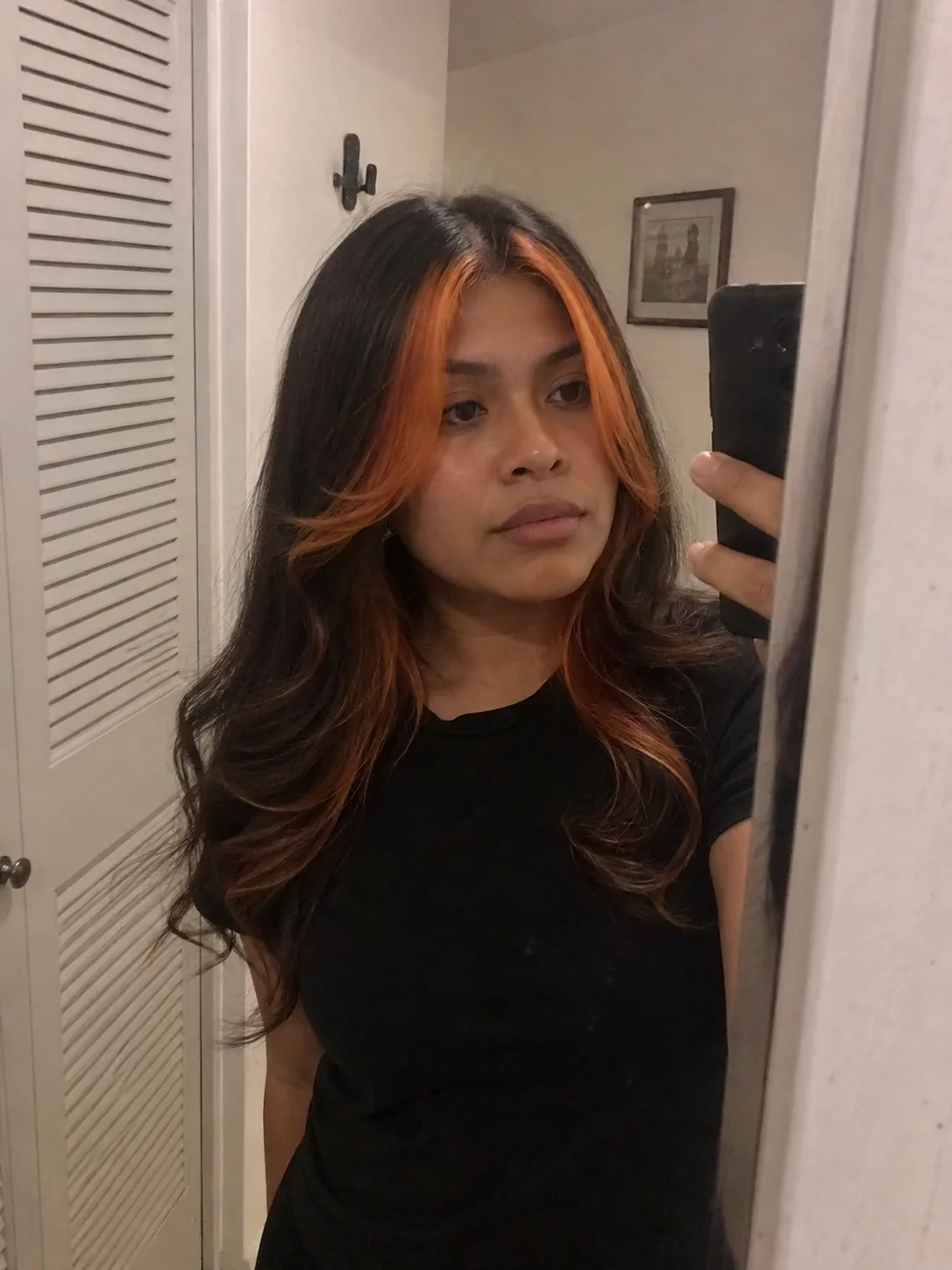
Bronze copper combines brunette depth, golden warmth, and a controlled copper reflection. The overall impression is metallic and dimensional rather than vividly red.
It suits hair that already has several visible depths especially well. Waves, curls, and layered cuts allow the bronze effect to shift as the hair moves; a sleek blunt cut produces a denser sheet of warmth. Compared with true copper, bronze is the quieter option and usually the stronger choice when you want richness without making orange the first thing people see.
Copper Chestnut
Chestnut already lives in warm brunette territory, so adding copper creates a believable red-brown result without losing the grounding effect of brown.
This direction works especially well when you want hair to look richer rather than dramatically brighter. The copper can appear strongest around the surface and ends, while the deeper interior prevents the whole head from becoming visually flat. It is also a useful reference family for brunettes who like auburn but want a little more orange and a little less red.
Auburn Copper
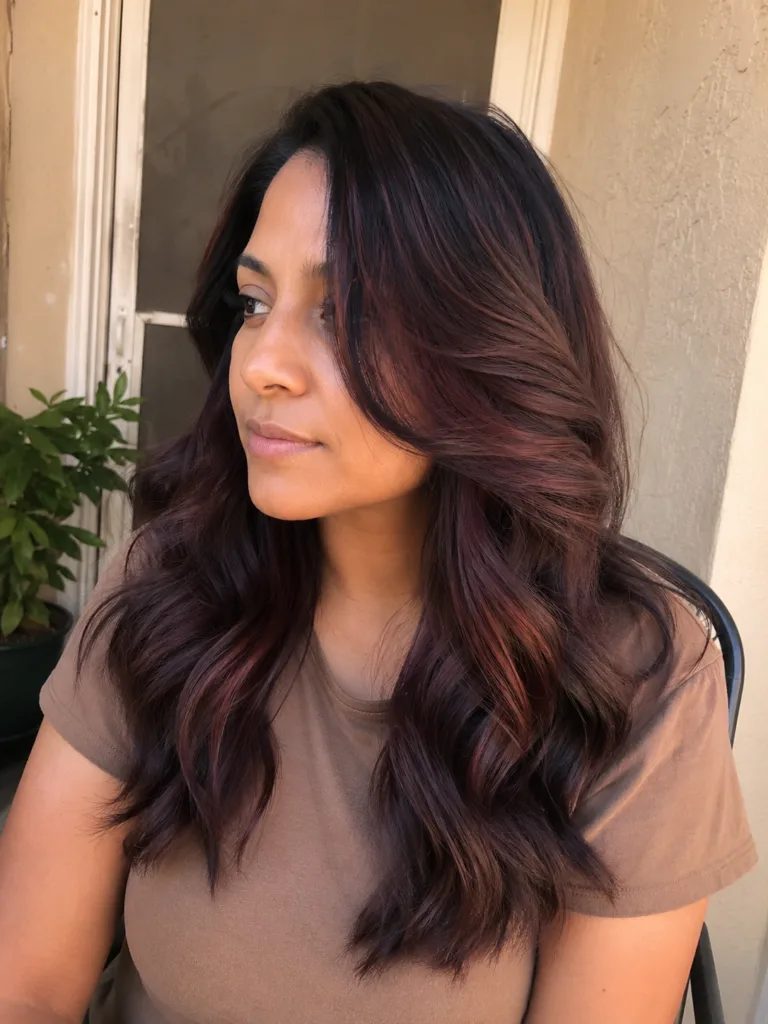
Auburn copper gives red more authority. It stays warm enough to belong in the copper family, but the deeper red-brown base makes the finished result moodier than ginger or golden copper.
On long hair, that depth keeps the color substantial from roots to ends instead of creating one large field of bright orange. On short cuts, it can make a strong perimeter or fringe look even more graphic.
Auburn copper is particularly useful when a bright reference shade fights against the reality of a deeper starting base. Maintaining more depth can reduce the amount of lightness required while still creating an obvious redhead transformation.
Mahogany Copper
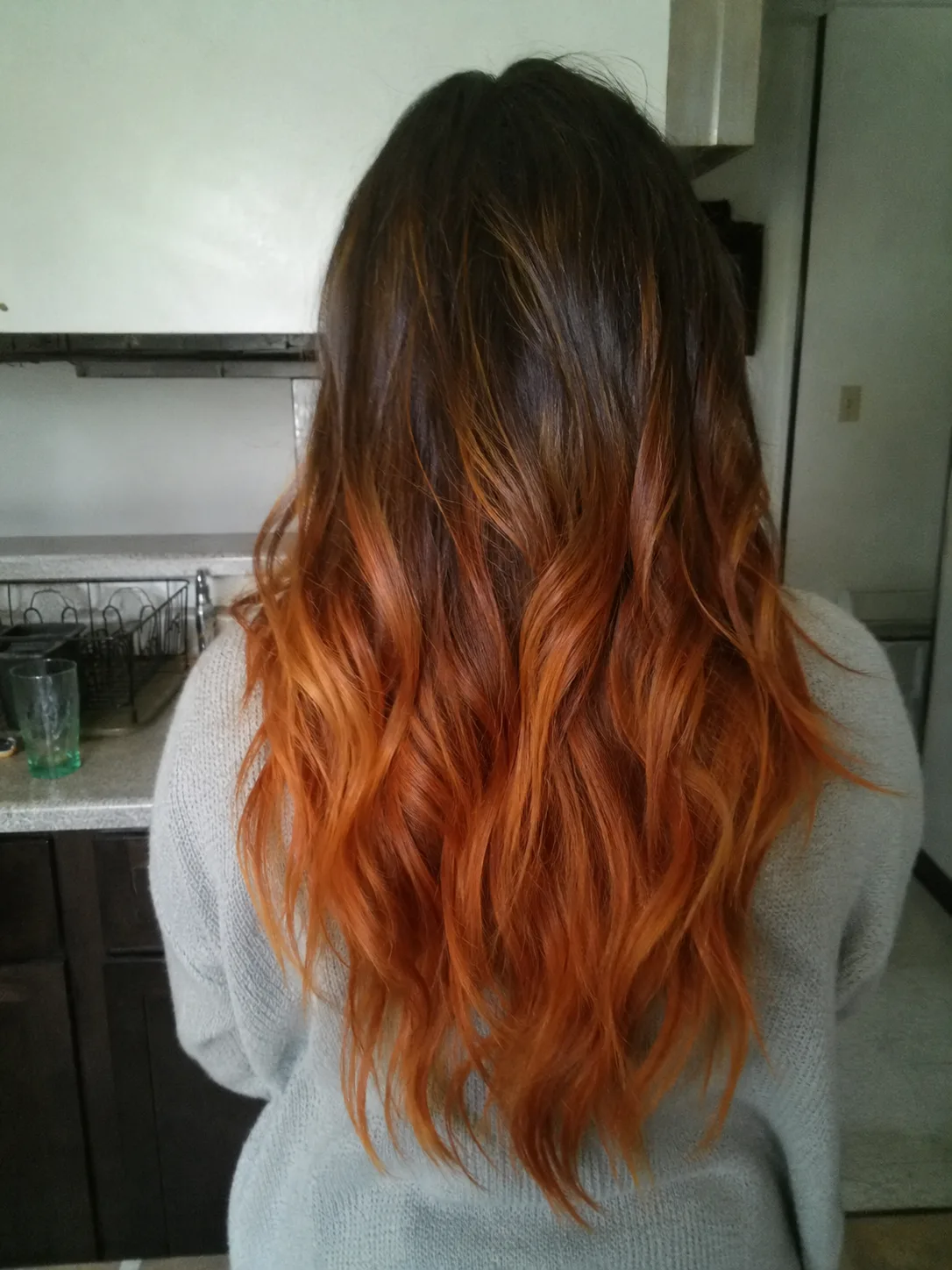
Mahogany copper leans farther toward deep red and brown, with copper appearing as warmth rather than as the dominant surface color.
The effect is richer and less orange than classic copper. Straight hair can make the dark red-brown base look almost solid until light catches it; curls and textured movement reveal more separation between the deeper and warmer areas.
This is a poor choice for someone whose real goal is a bright ginger result. It is much stronger for a reader who wants copper influence while keeping the overall hair color deep and substantial.
Deep Burnished Copper
Burnished copper resembles a dark metallic copper surface: warm, reflective, and deep enough that the color changes noticeably between indoor and outdoor light.
It gives thick-looking visual weight to bobs, long blunt cuts, and dense waves because the shade isn’t relying on pale highlights for dimension. The depth itself creates the richness. Ask for this family when bright copper feels too light but brown-heavy auburn feels too restrained.
Copper Dimension Without Coloring Every Strand the Same Way
Copper Balayage on Brunette Hair
Balayage is one of the most practical ways to introduce copper while keeping brunette hair visible. The warm pieces are concentrated through selected mid-lengths and ends, creating brightness without requiring the root area to match.
Placement determines whether the result feels subtle or transformative. Widely spaced copper sections preserve plenty of brunette contrast. Greater brightness through the surface and around the face makes the overall hair read much warmer.
The reference photo can hide an important reality: balayage still depends on what sits underneath the copper. Dark artificial pigment, previous lightening, uneven porosity, and compromised areas can change how light and even the warm pieces can become. The placement should be designed around the current canvas rather than copied section for section from someone else.
Wide Copper Ribbon Highlights
Wide ribbons create obvious bands of copper that remain visible even when the hair is curled or waved. They are more graphic than fine highlights and more controlled than a heavily blended balayage.
This placement is particularly effective when you want to see both colors at once. Darker hair creates the negative space; copper creates the movement. Chunkier sections also give a colorist room to vary depth, with some ribbons appearing brighter and others more burnished instead of forcing every highlighted section into the same tone.
Fine Copper Highlights on Dark Brown Hair
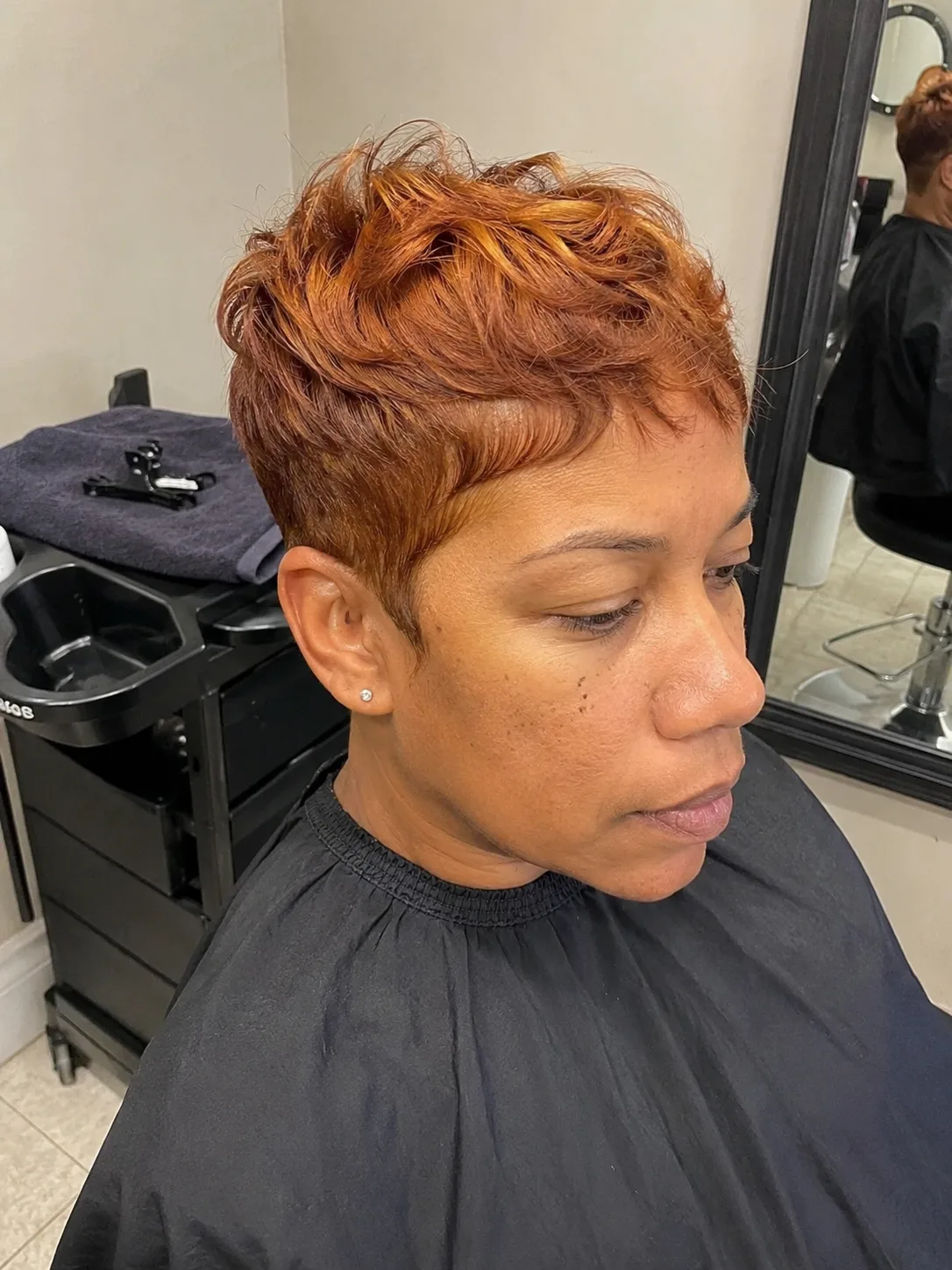
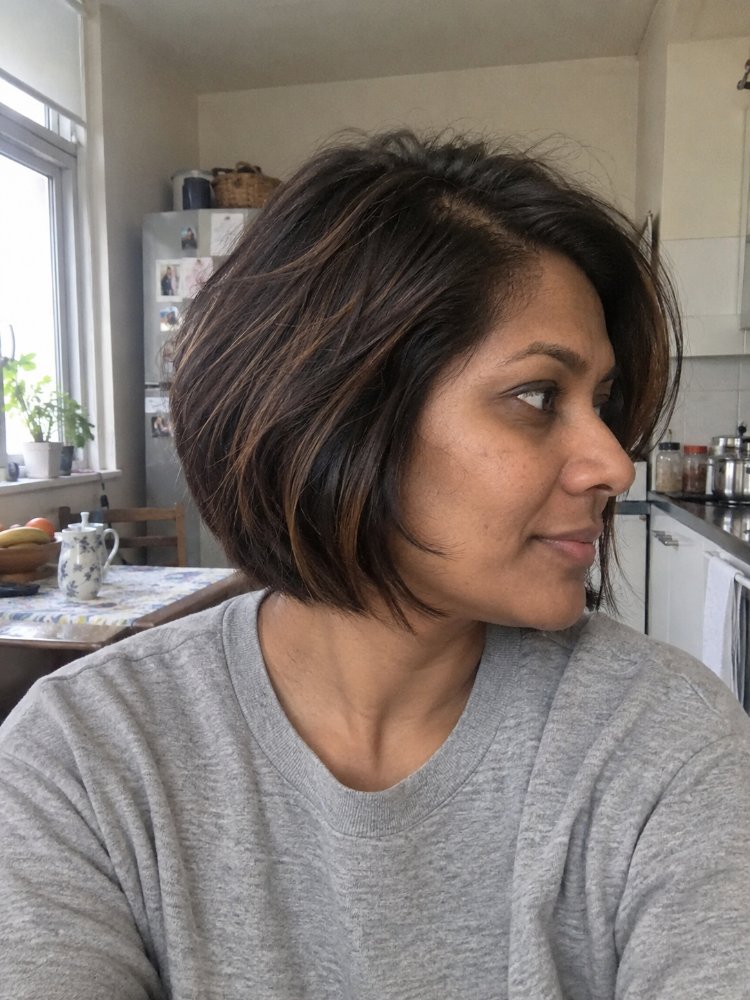
Fine highlights are the quieter route. Small warm pieces woven through dark brown hair can create a copper cast across the surface without turning the full head orange-red.
The effect becomes more obvious under movement and strong light, which makes this an underrated option for someone who likes dimensional brunette hair more than a full redhead identity. Fine placement can also work around an existing haircut without asking the color to overpower the shape.
Copper Lowlights in Warm Blonde Hair
Starting from blonde changes the strategy. Instead of adding more lightness, deeper copper lowlights can return dimension to hair that feels too uniformly pale.
The added depth separates layers, waves, and curls while shifting the overall color warmer. Because some blonde remains visible, the result can look lighter and more varied than an all-over copper.
This is especially useful when the desired photo contains visible bright areas and deep warm ribbons. Turning every strand copper would remove that contrast.
Rooted Copper
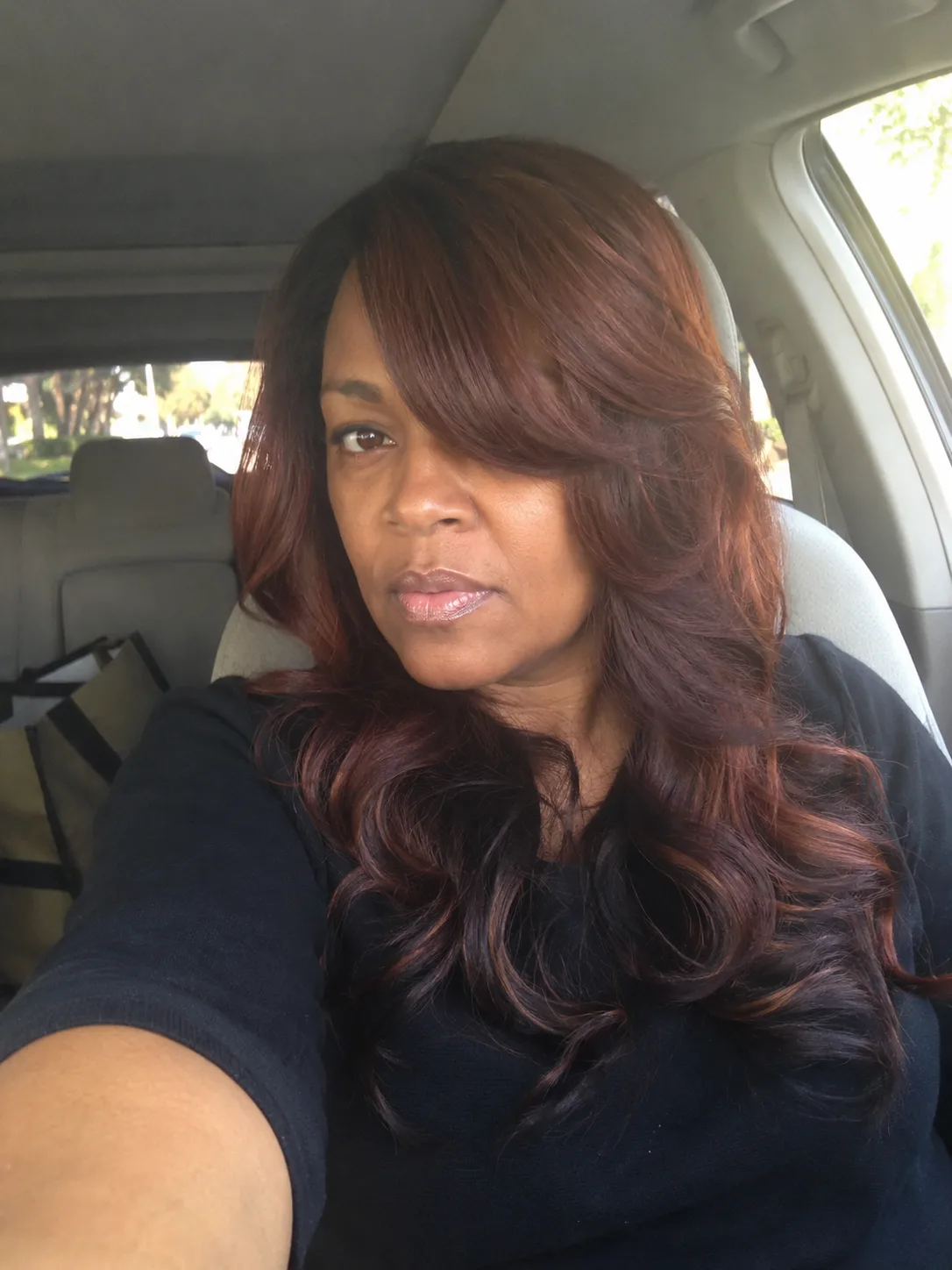
A deliberately deeper root gives all-over copper more structure and makes regrowth part of the design rather than an interruption.
The root can stay close to the natural depth while the lengths carry the stronger copper effect. That creates shadow around the scalp, which can make waves and curls look deeper at their base and prevents bright lengths from appearing visually detached.
Rooted copper is one of the better choices for someone who loves an obvious redhead result but dislikes the appearance of a sharply contrasting new-growth line. The exact transition matters: a soft blend reads very differently from a dark root followed by an abrupt band of copper.
Bold Copper Placement for More Contrast
Copper Money Piece
A copper money piece concentrates the strongest warmth around the face while leaving much of the surrounding hair darker. Because the color sits at the front, even a relatively small section creates substantial visual impact.
It is a useful trial direction for someone curious about bright copper but unwilling to convert an entire brunette base. The front sections also live under close scrutiny, so their condition and tonal match deserve more attention than their small size might suggest.
Copper Ombré
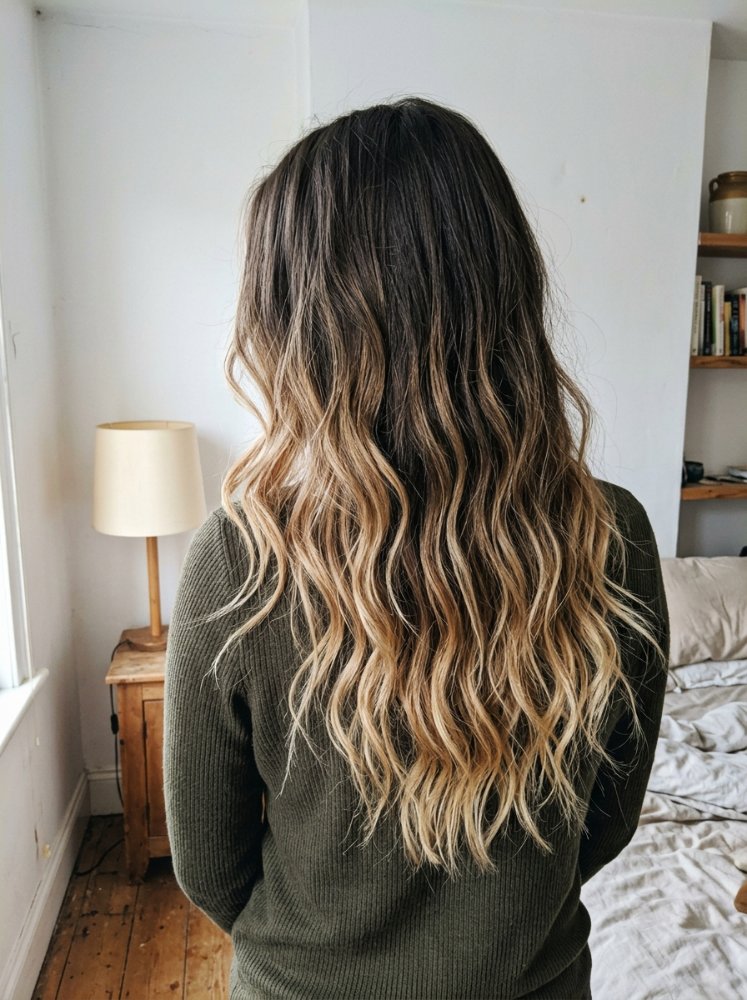
Ombré keeps the roots deeper and moves progressively toward copper through the lower lengths. Unlike scattered balayage, the color transition affects most of the perimeter, so the ends create a broad warm block.
Long hair gives this effect the most room to develop from dark to bright. Medium lengths can still carry it, but the transition needs enough space to avoid looking like an accidental band.
This is a strong option when you want to preserve substantial natural depth while still seeing a large amount of copper. Very bright ends on a dark base may require more preparation than a deeper auburn-copper finish, particularly where permanent dark pigment already exists.
Copper Underlayer
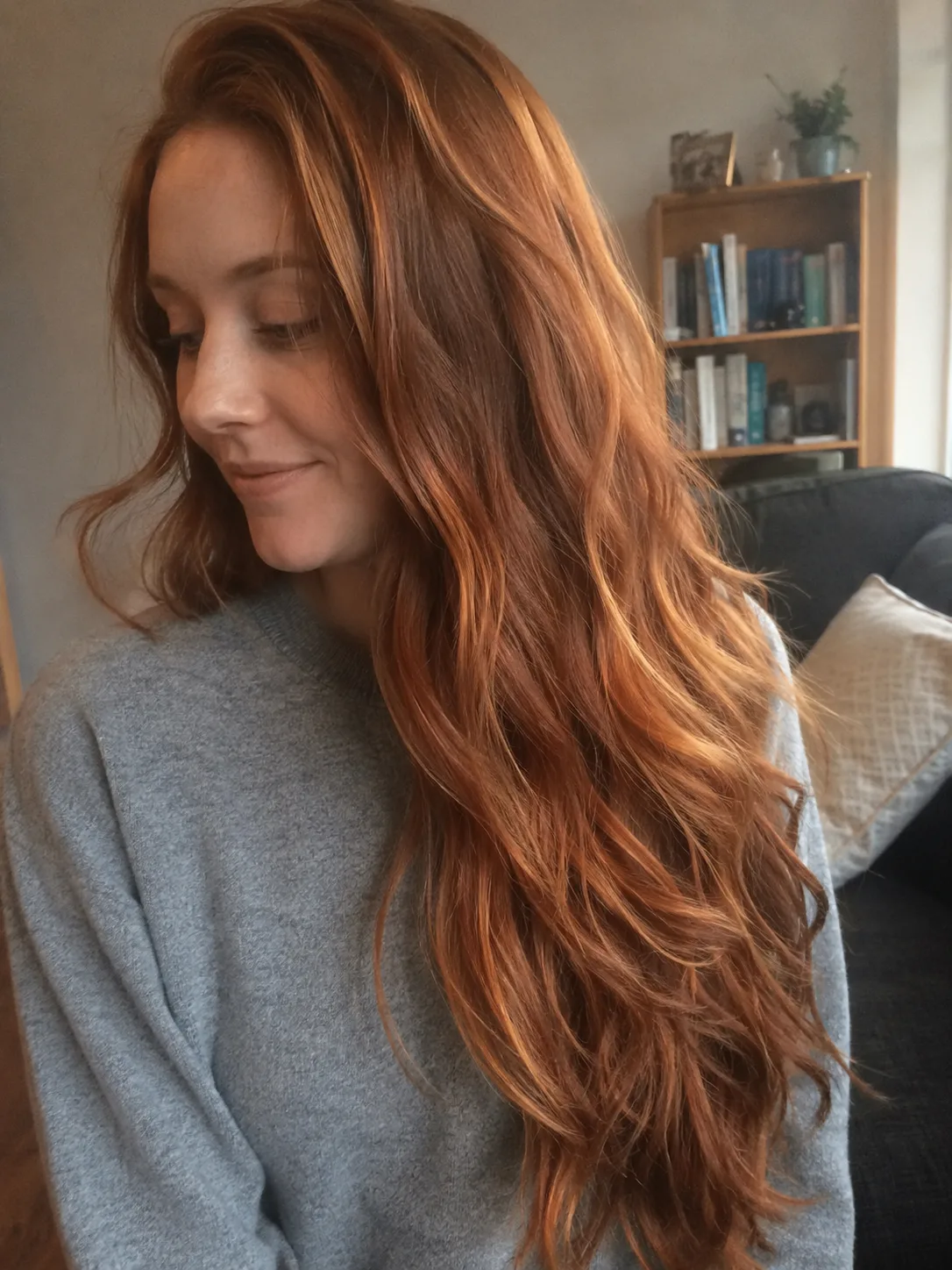
An underlayer hides copper beneath a darker or more natural surface color. The warmth flashes through when the hair moves, is tucked behind the ear, or is worn half up.
That makes the placement more discreet in a stationary hairstyle and much bolder in motion. It also changes the way you should choose a haircut: strong layering exposes more of the underneath color, while a dense one-length perimeter keeps more of it concealed.
Color-Blocked Copper Panels
Large copper panels create deliberate separation instead of a blended highlight effect. A section near one side, through the fringe area, or beneath a major part can sit next to brunette hair as a clear graphic contrast.
This works best when you like visible color placement as much as the copper shade itself.
It is also less forgiving of vague planning. The location of the block changes where the eye goes, how the color looks with different parts, and what happens as the haircut grows.
Bring photos that show the entire head rather than only the front. A color block that looks small in a face-on image may cover a much larger section toward the side or back, and that construction affects both upkeep and future color changes.
Copper Ribbons Placed for Curls
Curly and coily hair gives dimensional copper a different visual rhythm because a single colored section may appear, disappear, and reappear through a curl grouping. Strategic ribbons can emphasize that movement without requiring every strand to be lightened or colored to the same depth.
The finished placement should be judged in the state you normally wear. Hair that is colored while stretched but usually worn shrunken will compress the visible spacing between highlights. Conversely, a pattern designed around natural curl groupings may look quite different after a blowout or press.
This is a stronger direction than extremely fine, evenly distributed highlights when your main goal is to make individual curls visibly catch the light. The color plan should respect both shrinkage and the hair’s existing condition, especially where previous lightening is already present.
Match the Copper Idea to Your Starting Hair
Reference photos show the destination. They rarely show how much work separated the starting hair from the finished color.
Natural light brown hair, untreated dark brown hair, old permanent black color, faded red, blonde highlights, and previously bleached ends are completely different canvases even when the target image is identical. Chemical history can matter more than the shade name written under the photo.
Hair with substantial previous lightening, permanent dark color, relaxer, or other chemical processing deserves a condition-led consultation before another major transformation. A different copper target can sometimes produce a better-looking result than forcing the hair toward the lightest reference photo.
The question to settle is which feature of the photo you actually love. Is it the pale brightness? The orange reflection? The contrast against dark roots? The ribbons around the face? Once that is clear, the shade becomes much easier to adapt.
What Copper Photos Often Hide
Lighting can change copper dramatically. Direct sun intensifies orange and gold. Cooler indoor light can make a deep copper look browner, while warm artificial lighting can exaggerate the red.
Look at several images of the same general color family before committing. A shade that only appeals to you in bright sunlight may feel very different during most of your day.
Texture changes perception too. Straight, smooth hair displays broad uninterrupted areas of color. Waves split those areas into highlights and shadows. Tight curls and coils may make dimensional placement look more scattered because the colored sections curve through several viewing angles.
Length matters as well. A bright all-over copper on long hair creates a large field of color, while the same shade on a pixie appears in a much smaller area and is visually broken up by the cut. Strong fringes and face-framing sections bring copper closer to the skin, making their tone particularly noticeable.
Plan for Copper Upkeep Before Choosing the Brightest Shade
Warm red and copper tones can change noticeably as the color wears, so maintenance should be part of the shade decision from the beginning. The direction of that change depends on the starting canvas, color service, porosity, exposure, and home routine.
A pale peachy copper may lose its delicate tonal balance differently from a deep auburn. High-contrast roots will also become visible differently from a deliberately rooted balayage.
Use a routine built around the actual condition of your hair. Cleansing frequency should reflect scalp comfort, activity, buildup, and styling needs rather than a rigid universal schedule. Heat styling should also be adjusted to the tool, technique, hair condition, and desired finish instead of relying on one temperature recommendation for everyone.
The easiest copper to maintain is often the one whose grow-out already fits your life. Someone who dislikes visible roots may be happier with balayage or a rooted copper than with a pale all-over ginger shade, even if the all-over photo initially looks more dramatic.
What to Take to a Copper Color Consultation
Bring more than one reference image. One should show the depth you like, another can show the tone, and a third can clarify placement if highlights or darker roots are involved.
Then be ready to discuss:
Your natural color and how much of it you want to keep visible
Permanent color, lightener, relaxer, or other chemical history already in the hair
Any areas that feel unusually dry, fragile, or prone to breakage
Whether you normally wear the hair straight, wavy, curly, coily, stretched, or pressed
How much regrowth contrast you are comfortable seeing
Whether your priority is brightness, dimension, or a lower-commitment grow-out
A good target should work with the hair’s current condition as well as the photograph. Changing the placement or choosing a slightly deeper copper can be a better decision than chasing maximum brightness at the expense of the hair you need to live with afterward.
Related Hairstyles to Explore
FAQs
Is copper hair more red or orange?
Copper usually sits in the orange-red family, but the balance varies widely. Golden and ginger copper lean lighter and more orange, while auburn and mahogany copper contain more red and brown depth. Reference photos are more useful than relying on the word copper alone.
Can brunettes get copper hair without going very light?
Yes. Copper brown, chestnut copper, auburn, bronze, and deeper burnished shades can create a noticeable warm transformation while maintaining brunette depth. Bright copper blonde or pale ginger targets generally demand a lighter background than these deeper options.
Does copper work on curly and coily hair?
Yes. Curl pattern changes how the placement is seen rather than preventing the color itself. Shrinkage, curl grouping, porosity, condition, and previous chemical services should be considered. Dimensional ribbons can look especially pronounced as curls move through light and shadow.
Can I try copper without coloring all of my hair?
Balayage, ribbon highlights, a money piece, an underlayer, or color-blocked panels can introduce copper while leaving a substantial amount of your existing color visible. These options also make it easier to control where the strongest warmth appears.
What if my hair already has permanent dark dye on it?
Previously darkened hair needs a different plan from naturally dark hair because artificial pigment remains part of the starting canvas. A colorist may recommend a deeper target, dimensional placement, or a staged approach depending on the history and condition. Avoid assuming that a bright reference result can be reproduced in one service.
Which copper shade is easiest for noticeable regrowth?
Placement usually matters more than the shade name. Rooted copper, balayage, and highlights leave deliberate depth near the scalp, so new growth can integrate more softly than it does with a light, uniform all-over copper. The amount of contrast between your natural color and the copper lengths still affects how obvious the grow-out appears.
Hair Texture & Upkeep Style Matcher
Select your natural hair texture and daily maintenance window to get an instant styling formula and heat safety cap.
Heat Cap: 320°F (160°C)
A versatile three-strand braid beginning at the parietal ridge, securing the top half while allowing natural wave texture to flow freely around the shoulders.
Conclusion
The strongest copper choice is the one that gets the part of the look you actually want without demanding a starting canvas you don’t have. Bright copper blonde and ginger make sense when lightness is essential. Auburn, chestnut, and burnished copper keep more depth. Balayage, ribbons, and rooted color are usually the smarter directions when dimensional grow-out matters as much as the first-day result.
Before choosing a shade name, decide on three visible features: how light the hair should look, how orange or red you want the warmth to read, and how much of your existing base should remain visible. Those decisions give a colorist far more useful information than asking for copper alone.
Editorial Standards & Hair Health Guidance
Every style featured on Tress Atlas is curated with a focus on real-world wearability, scalp tension management, and cuticle preservation. When trying protective styles or tight updos, ensure perimeter hairline sections remain tension-free to avoid traction stress on delicate follicles. For heat styling, cap tools below 350°F (180°C) to prevent thermal keratin denaturation.
Scientific Sourcing: Practices aligned with the American Academy of Dermatology (AAD) on traction alopecia risk reduction and cosmetic trichology research on hair tensile strength.