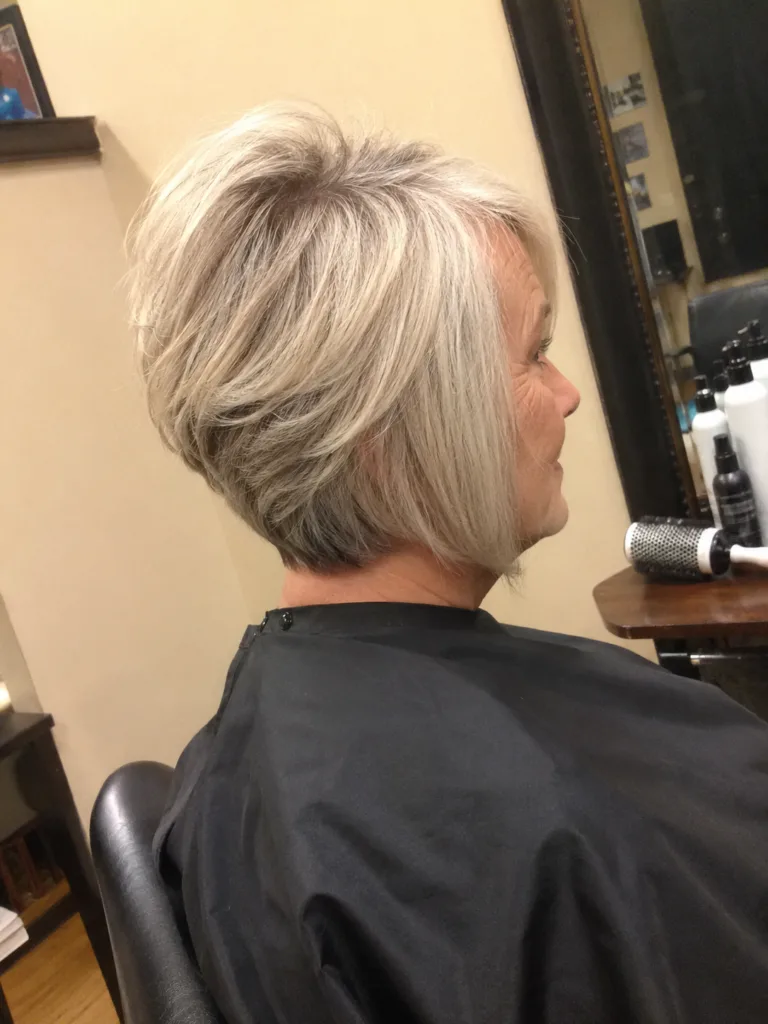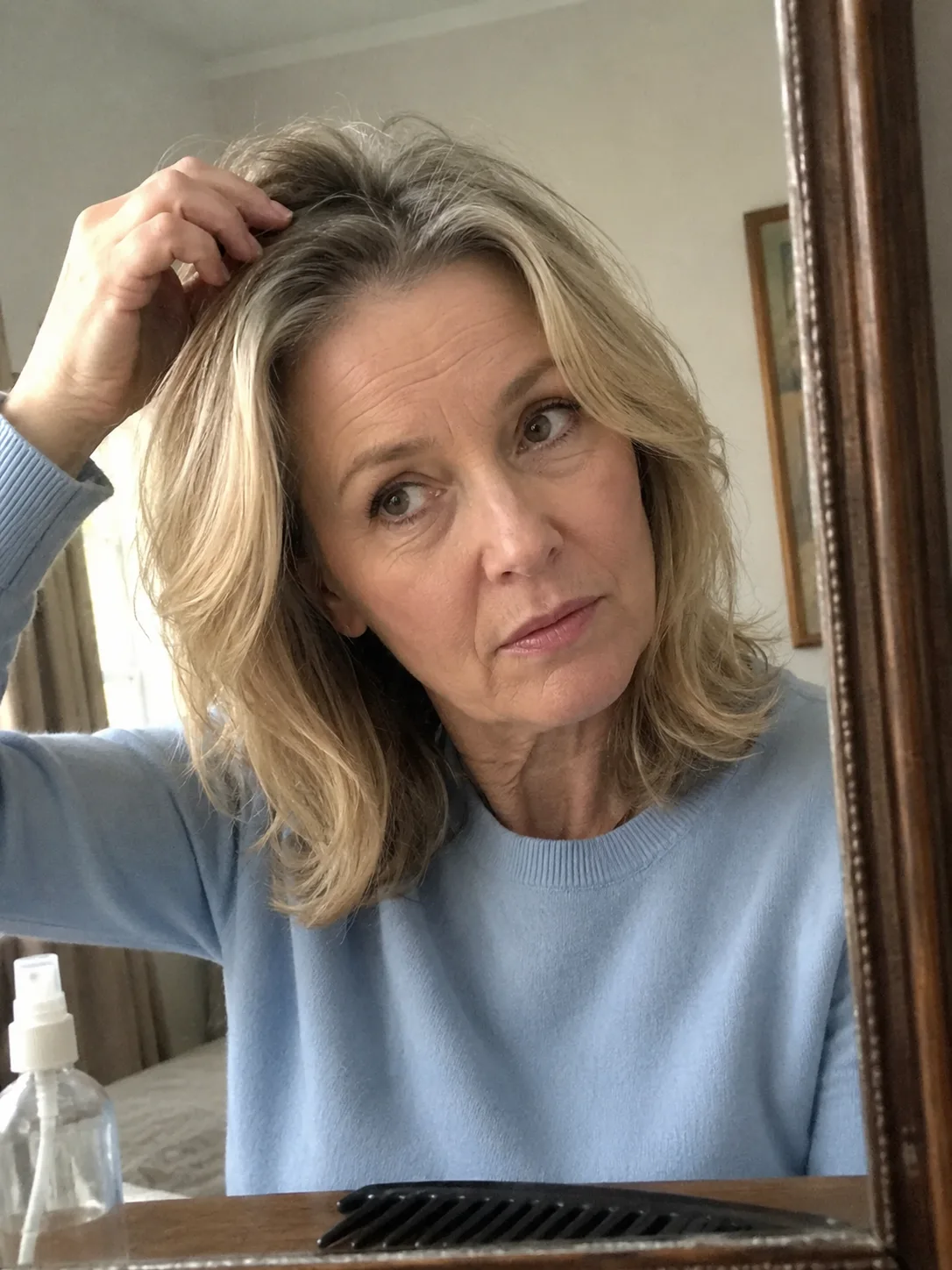
Hairstyles for Women Over 40: 22 Looks Chosen for Shape, Routine, and Real Life
A hairstyle doesn’t become suitable or unsuitable because you cross 40. What changes the decision is usually more practical: how much styling you want to do, whether your current haircut works with your natural texture, how substantial you want the perimeter to look, and how often you’re willing to have the shape refined.
That makes photographs only a starting point. A smooth shoulder-length cut may depend on regular blow-drying. A soft pixie can look effortless while relying heavily on precise cutting. Full curls may appear very different once shrinkage, density, and drying are taken into account.
The strongest hairstyles for women over 40 are the ones that still make sense after the inspiration photo disappears. These 22 options cover short cuts, bobs, medium lengths, longer hair, curls, coils, gray hair, and lower-effort styling without treating age as a hair type.
Short Hairstyles With a Stronger Shape
Soft Tapered Pixie
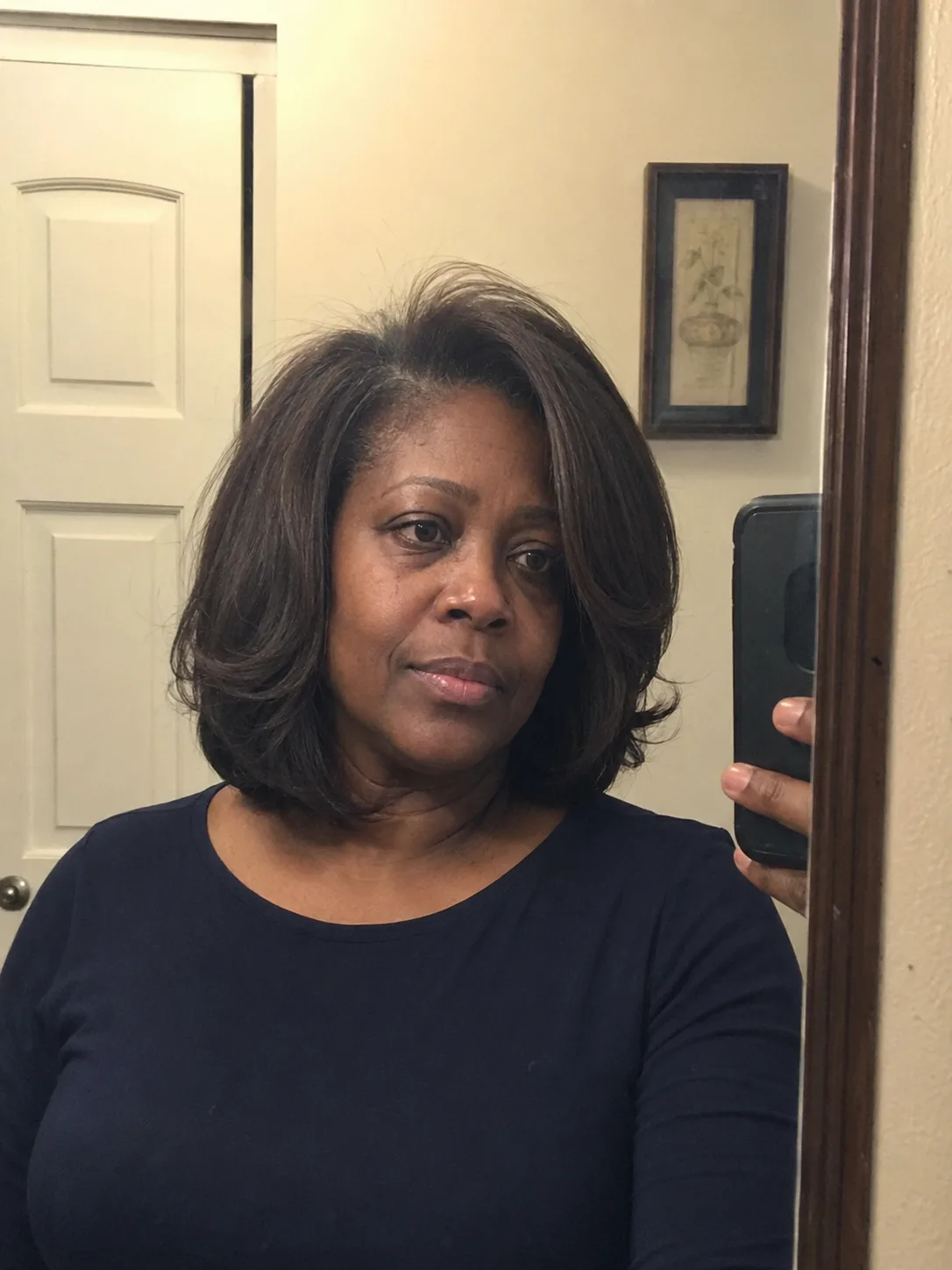
A tapered pixie is one of the strongest choices when you want a clearly defined haircut with little excess length to manage. Keeping some softness through the crown and front prevents the cut from feeling severe, while closer sides and nape give the outline structure. It works particularly well for someone who enjoys styling with fingers, a small brush, or natural texture rather than building a full blowout.
The tradeoff is haircut dependency. A pixie’s outline changes before the hair actually feels long, especially around the ears and neckline. Choose it because you like a maintained short shape, not because short hair is automatically maintenance-free.
Textured Pixie With a Longer Front
The extra length at the front changes a pixie dramatically. It can sweep sideways, lift away from the forehead, separate into soft pieces, or work with waves and curls instead of forcing the hair into one fixed finish.
This version is especially useful when you want short hair without exposing the entire forehead or keeping every area equally cropped. Fine strands can still work beautifully, although fine hair and low density need different planning. Fine describes strand diameter; low density describes how much hair is present overall.
Ask for enough internal support that the front doesn’t collapse while the sides remain tidy. Too much thinning through already sparse areas can make scalp show-through more obvious.
Curly Pixie
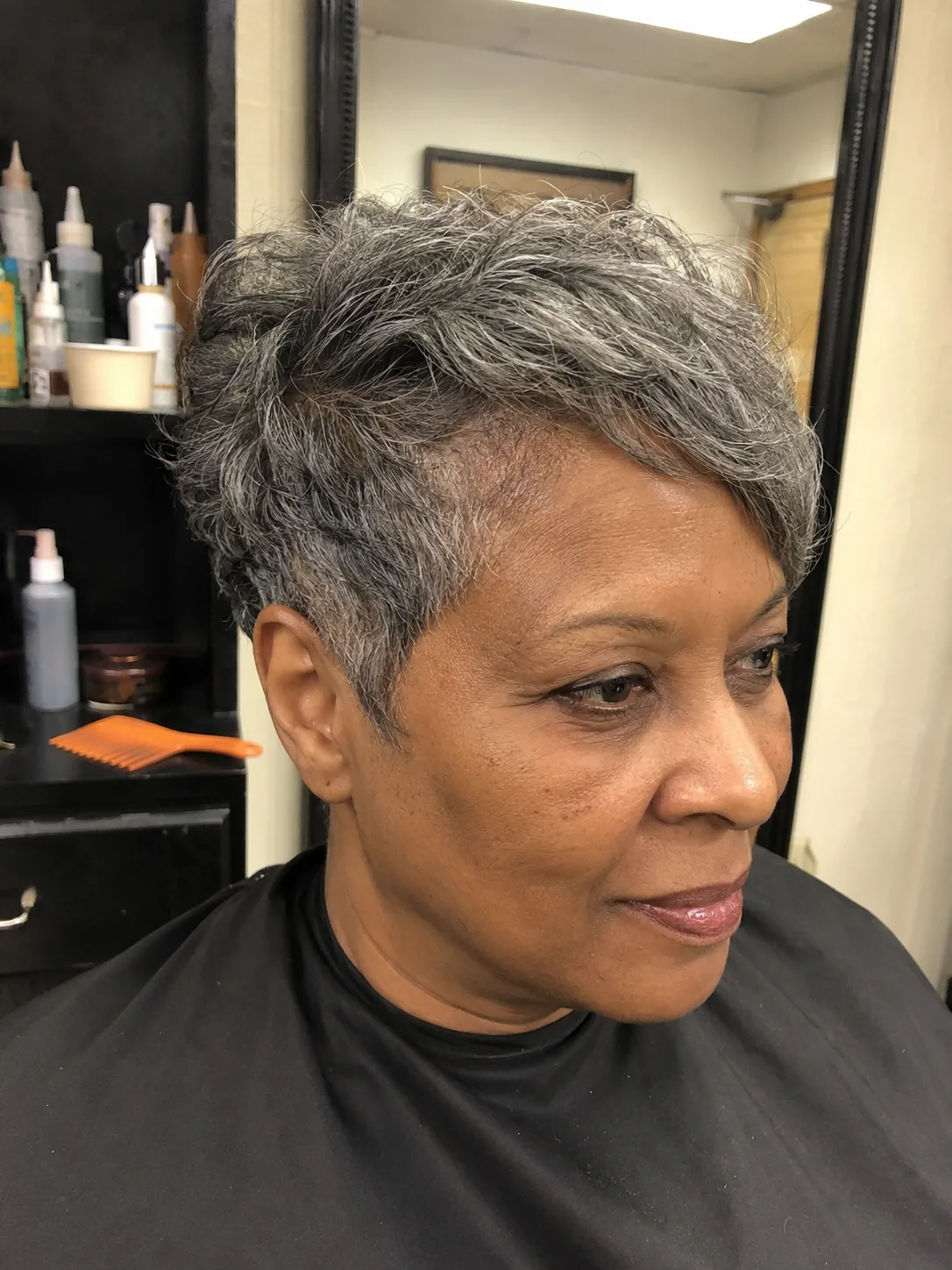
Natural curls turn a pixie into a compact, dimensional shape rather than a flat short cut. The curls can remain fuller through the top with a cleaner perimeter around the ears and nape, giving you height without a great deal of length.
The finished shape should be judged in the state you normally wear it. Curl grouping and shrinkage can move the apparent length significantly, so a cut that looks balanced while stretched may sit differently once the hair recoils.
Curly fringe is also an option. It doesn’t need to be straightened simply because the rest of the haircut is short.
Bixie Cut
A bixie sits between a pixie and a bob, with more coverage around the ears and nape than a classic pixie but less perimeter weight than a full bob. That middle ground makes it useful for anyone attracted to short hair but hesitant about committing to a close crop.
Its best feature is movement. Pieces can tuck behind the ears, fall forward around the cheek area, or pick up natural wave. The less convenient part is the grow-out: once the original proportions shift, the cut can lose its deliberate shape even while the length remains perfectly wearable.
Short Crop With Natural Coils
For coily hair, a short crop can place most of the visual interest in the natural pattern rather than in elaborate daily styling. The perimeter may be softly tapered or kept fuller depending on how much width you want around the temples and nape.
Shrinkage deserves more attention than the number on a length chart. The same amount of cut hair can create a very different visible result across coil patterns and styling states. A consultation is more useful when you can describe whether you usually wear your hair shrunken, picked out, twisted, stretched, or defined.
A shorter shape also makes scalp access easier, but cleansing and drying still need to suit your own scalp, activity level, and product use.
Bobs That Balance Shape and Flexibility
Blunt Chin-Length Bob
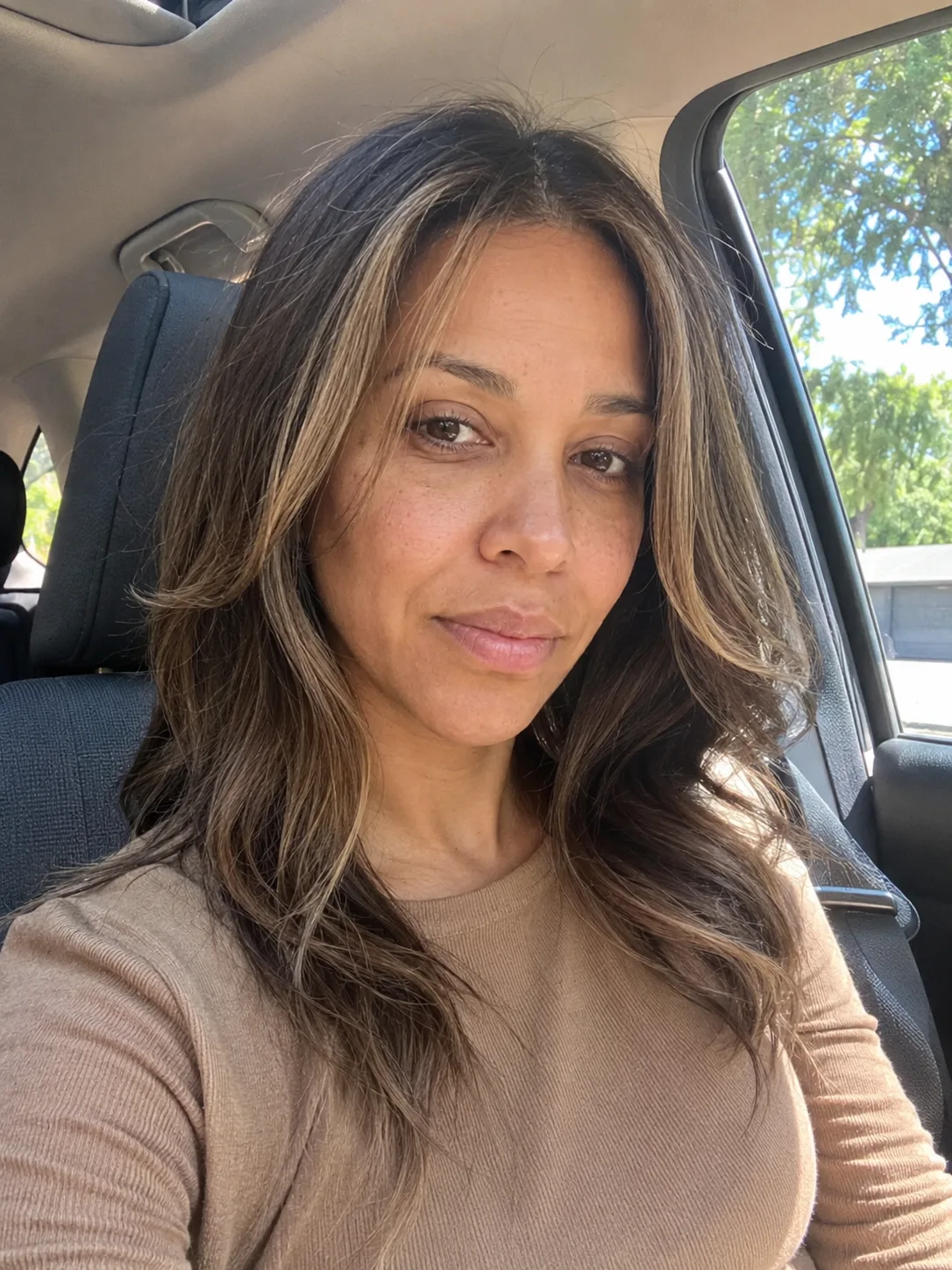
The blunt bob is the strongest option in this article when the lower edge of the haircut is meant to look substantial. Keeping the perimeter relatively solid avoids removing unnecessary weight from the ends.
That can be especially helpful for lower-density hair with healthy ends, although a haircut cannot create actual density. Its job is visual: a cleaner edge can make the bottom of the haircut appear fuller than a heavily layered perimeter.
Chin length also puts the jaw and neck in focus, which is a style preference rather than an age rule. Check where the bob meets your glasses, earrings, coat collars, and natural wave pattern before settling on the exact length.
French-Inspired Bob With Soft Fringe
A shorter bob paired with a light fringe has a relaxed, slightly undone character that works well with subtle wave and movement. It doesn’t require the precision of a glassy, perfectly straight bob to look complete.
Fringe is the real decision here. It changes what you need to style in the morning and how quickly the haircut looks different as it grows. A soft, less dense fringe is more flexible than a heavy horizontal line, particularly when you like to sweep or separate it.
Jaw-Length Curly Bob
Curls at jaw length create width and bounce near the lower face, making this a very different proposition from a straight blunt bob. The perimeter may look compact when wet and much rounder after drying.
Shrinkage, curl grouping, and density should guide the shape. A few strategically placed layers can prevent an overly triangular result, but aggressive interior removal can leave the ends looking thin or disconnected. The haircut needs to support the curl pattern you actually wear.
Classic Long Bob
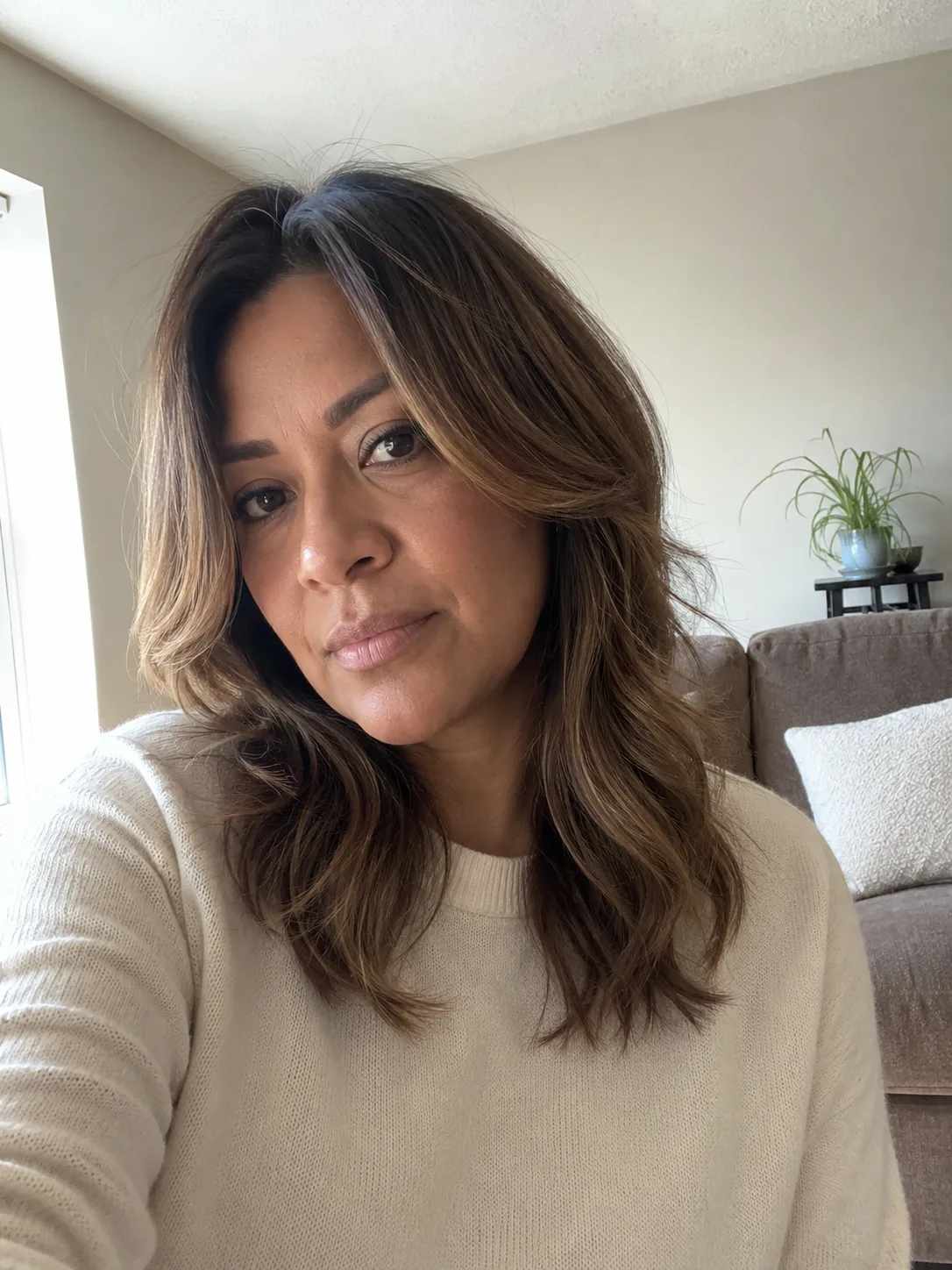
The long bob, or lob, remains one of the most practical choices for women who want a visible haircut without giving up ponytail potential. It can sit around the shoulders or above them, depending on how much movement and styling flexibility you want.
It also grows out more gracefully than a very short geometric bob. The downside is collar contact: hair that lands directly on a jacket or shirt collar can flip outward, especially with natural bends or waves. Sometimes moving the perimeter slightly above or below that point produces an easier everyday result.
Angled Bob
An angled bob keeps more length toward the front while the back sits shorter. That creates a directional outline without relying on lots of layers.
This cut earns its place when you want a bob that looks designed even in a simple styling state. It is more salon-dependent than a lob because the angle needs to remain balanced as the hair grows. Strong asymmetry also becomes more obvious when the hair isn’t styled the way the original cut intended.
Wavy Bob With Light Layers
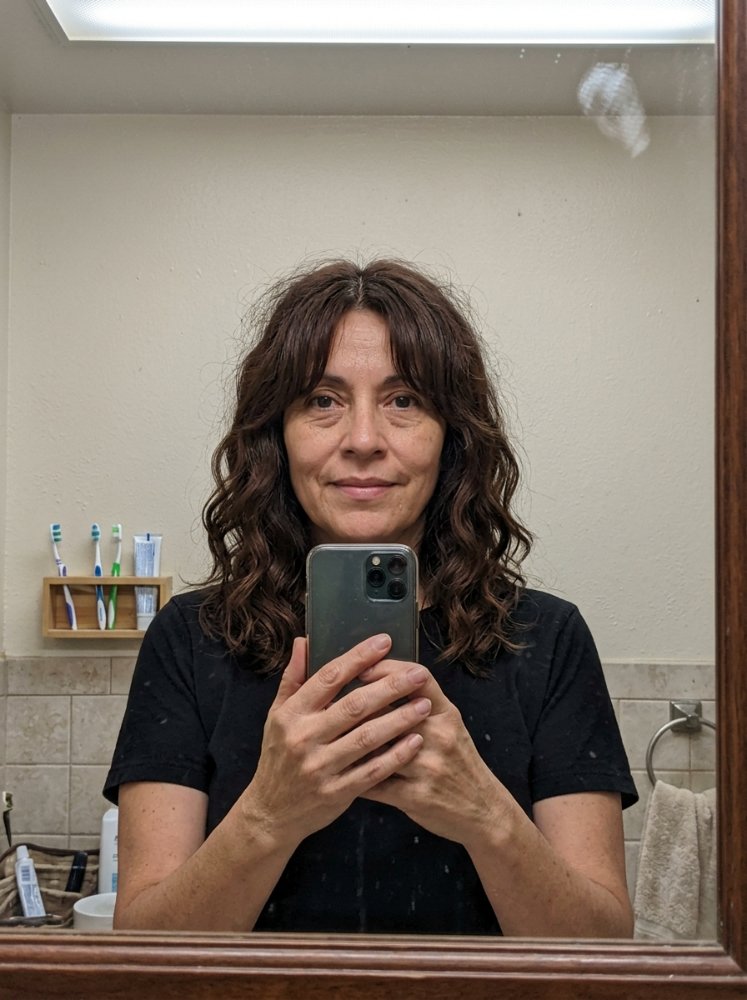
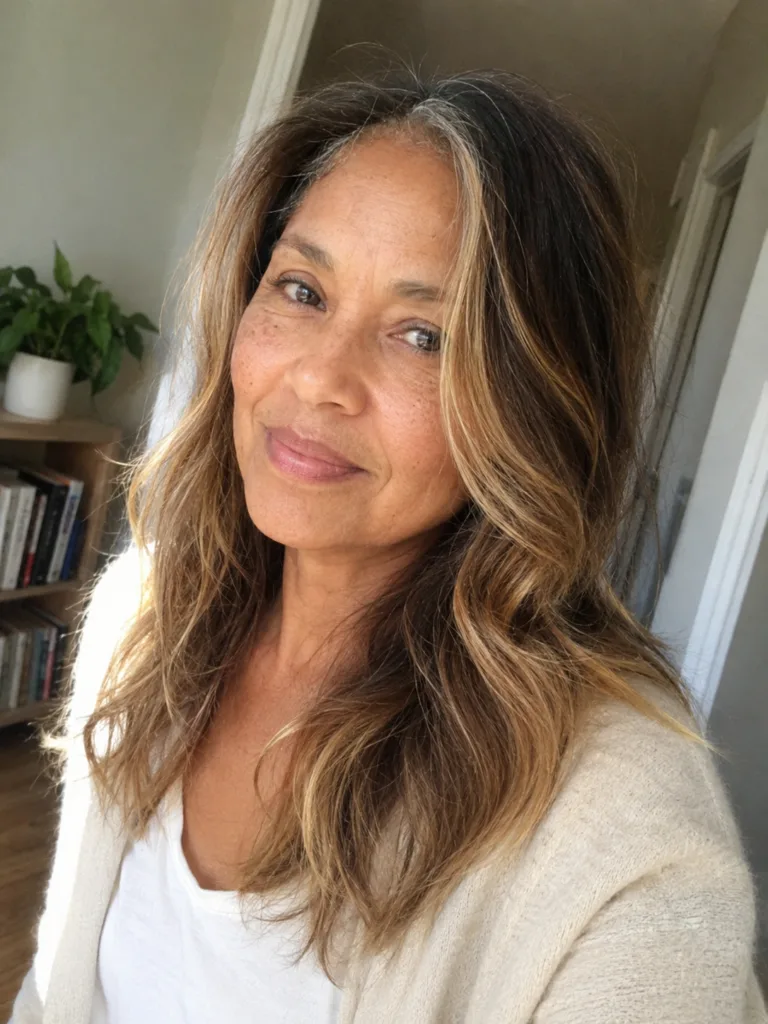
A wavy bob works best when the haircut supports bends already present in the hair instead of turning every wave into a separate layer. Too much layering can reduce the strength of the perimeter, while too little may leave dense hair sitting wider at the bottom.
The sweet spot is usually a clear outer shape with enough internal movement for waves to separate. Air-drying, diffusing, and heat styling can each produce a different version of the same haircut, so bring a reference photo that resembles your real styling routine.
Medium-Length Hairstyles With More Movement
Collarbone Cut With Soft Layers
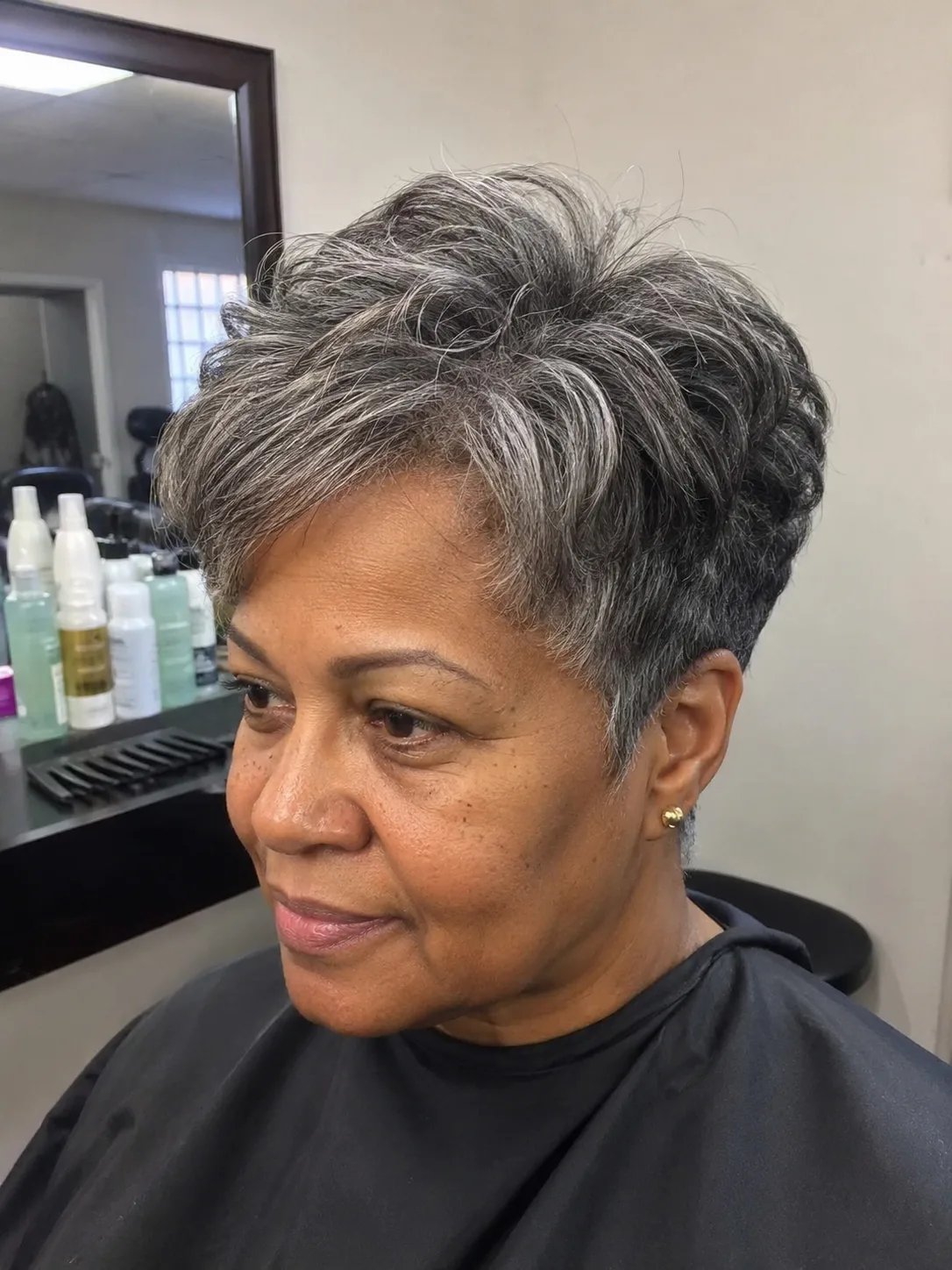
Collarbone length is an underrated option when you want change without losing the conveniences of medium hair. It is short enough for the perimeter to feel deliberate but long enough for ponytails, loose waves, and simple updos.
Soft layers can add movement without turning the lower edge wispy. This is especially important for low-density hair, where extensive interior removal may expose more space between strands.
The cut also handles gradual grow-out well. That makes it more practical than a high-maintenance short shape for someone who prefers wider gaps between major reshaping appointments.
Medium Shag
A shag redistributes weight upward through shorter layers and keeps more separation around the face and crown. It suits readers who want visible texture and don’t mind a haircut that looks deliberately piecey.
It is a poor match when your main goal is preserving a thick-looking lower perimeter. The very construction that gives a shag its movement removes weight from areas a one-length cut would keep full.
Wavy and curly textures can make the shape especially expressive, but the layer placement should account for shrinkage. A shag intended for natural curls should be assessed with those curls in mind rather than copied directly from a straight-haired reference.
Shoulder-Length Cut With Face-Framing Layers
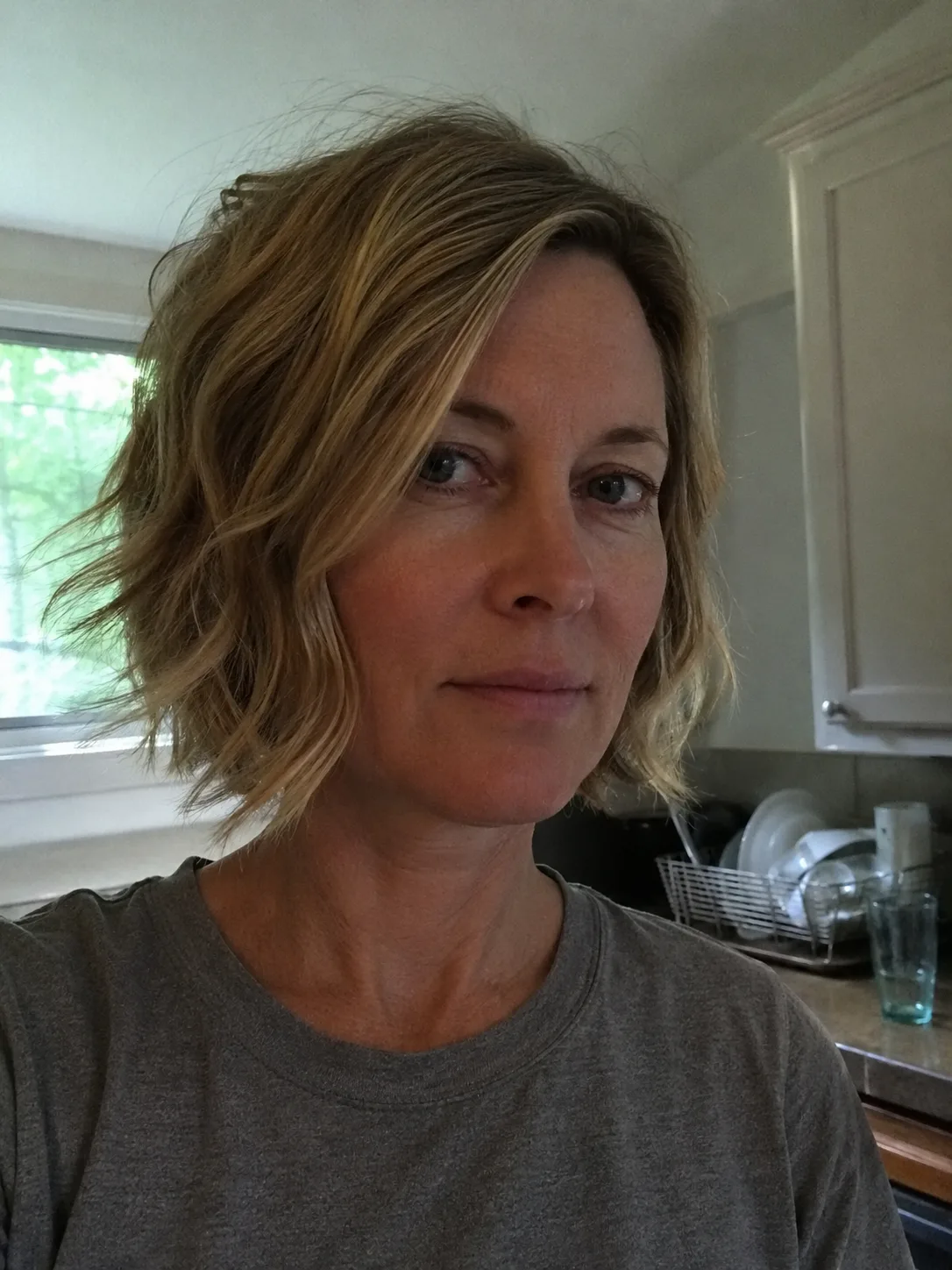
Face-framing pieces offer a noticeable update without restructuring the entire haircut. They can begin around the cheek, jaw, or lower depending on how much movement you want near the front.
This option makes sense for someone who likes tying the hair back but wants softer pieces around the face when it is worn loose. Make sure those shorter sections still fit the ways you actually style your hair; pieces that look attractive in a blowout can become frustrating if they constantly fall out of a ponytail.
Medium Curly Layers
Medium curls often need a different kind of layering from straight hair. The objective is usually to distribute bulk and help curl groups sit together while preserving enough weight to stop the ends becoming sparse.
Dry, wet, and combined cutting approaches can all be appropriate. The useful question for your appointment is how the final shape will be evaluated in the state you wear most often.
Volume through the sides and crown can look beautiful at this length, while dense curls may take longer to dry than the surface suggests. The roots can still hold moisture after the outer curls feel dry.
Rounded Natural Curls
A rounded shape lets natural curls or coils build fullness around the head instead of hanging primarily downward. It is a stronger choice than a long, heavily stretched style when you enjoy visible volume and want the natural pattern to lead the haircut.
The outline can be compact or expansive depending on shrinkage, density, and how much the hair is picked or separated. Glasses are worth considering too: a very full temple area can compete with the arms of the frames, so slight shaping around that zone may improve comfort without flattening the whole haircut.
Longer Hairstyles That Still Have a Clear Shape
Long Hair With Minimal Layers
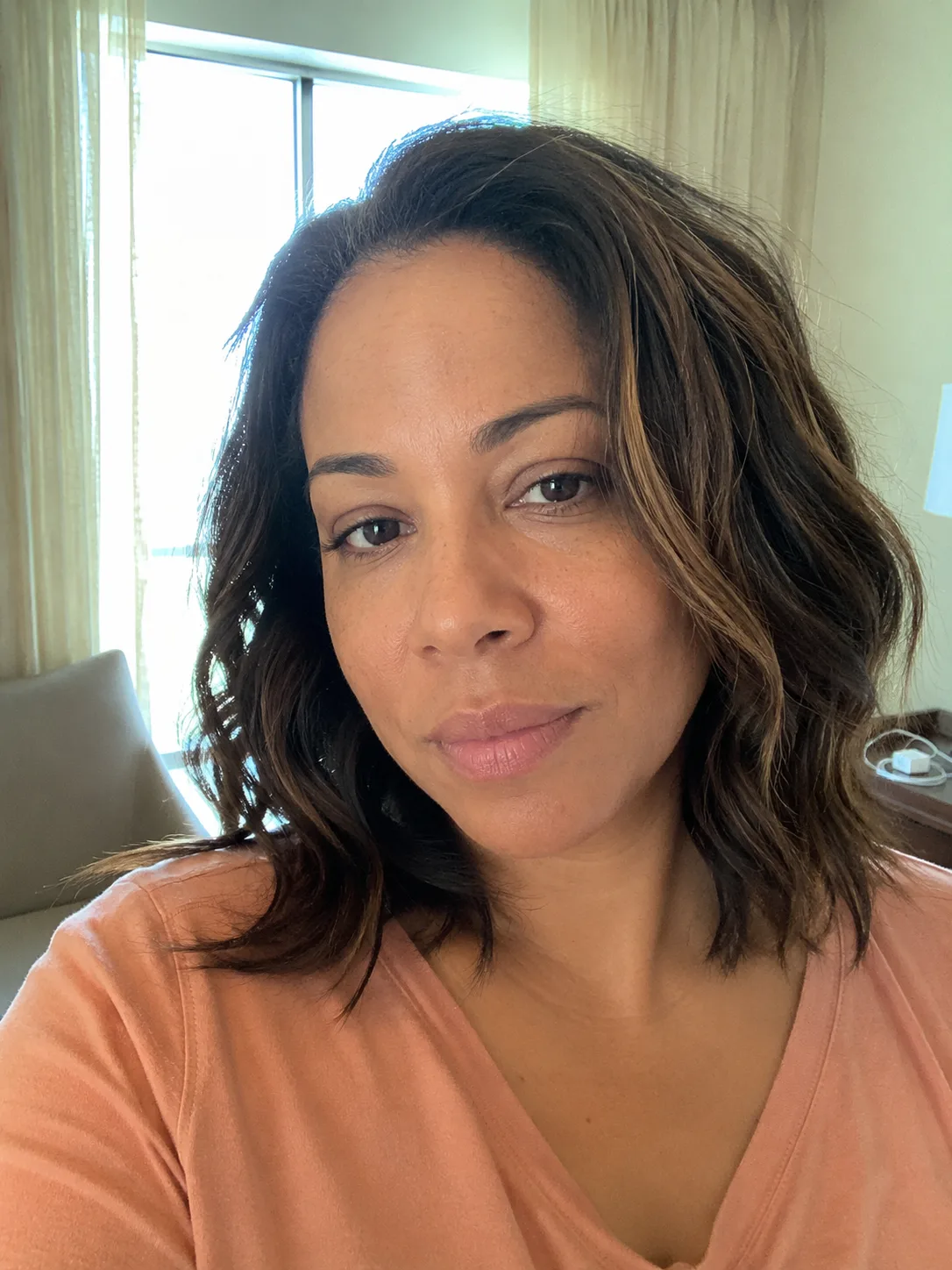
Long hair doesn’t need heavy layering to stay current. A mostly solid perimeter with restrained layering can preserve fullness through the ends while allowing a little movement.
This is particularly useful for people who like long hair but find their lower edge becomes transparent after too much interior cutting. Transparent ends describe the appearance of the perimeter; they shouldn’t be confused with fine strands or true thinning.
Length also increases friction against clothing, seatbacks, and bag straps. That everyday contact matters more than it appears to in a posed photograph.
Long Layers With Movement
Long layers are worthwhile when you want hair to move through the mid-lengths instead of falling as one heavy curtain. They work especially well with blowouts, large waves, and naturally textured hair that holds shape through the lengths.
The layers should still leave enough weight at the bottom for the result you want. Starting them too high changes the entire profile of the haircut and can create much more styling work than a few longer layers beginning farther down.
Long Curly Hair With Graduated Shape
Long curls need room to move, but simply keeping every strand long can produce a bottom-heavy outline. Graduated shaping creates lift and separation while preserving the presence of the overall length.
This is one of the hairstyles where reference photos hide the most. A photo shows the final curl arrangement but rarely reveals shrinkage, how much manipulation created the definition, or how long dense hair takes to dry.
A good consultation should therefore focus on the shape you want when the curls are fully dry, not only on how many inches you want removed.
Long Hair With Curtain Fringe
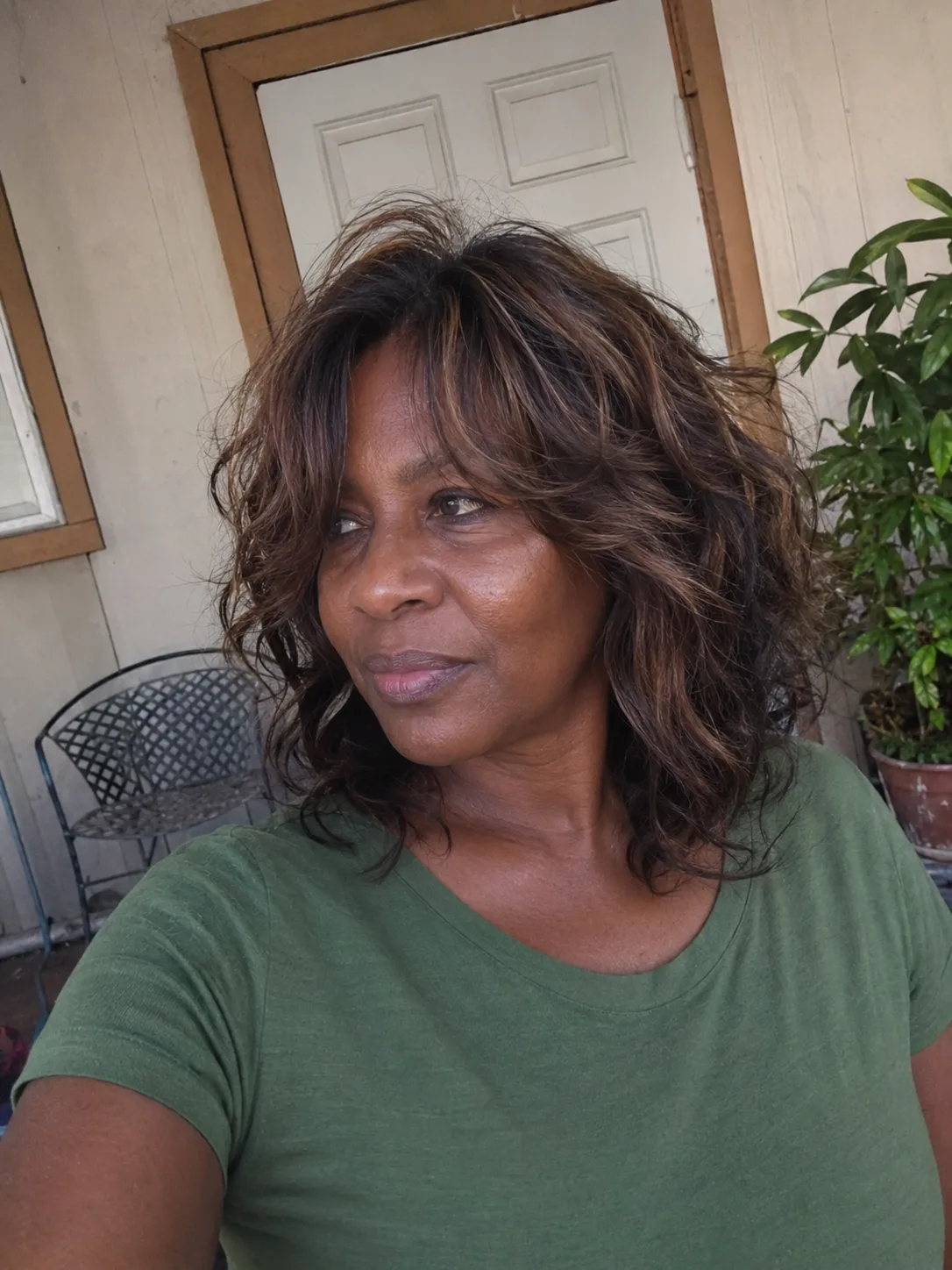
Curtain fringe creates movement around the center of the face while keeping enough length to blend into the rest of a longer haircut. Compared with a short blunt fringe, it is easier to sweep sideways or incorporate into a blowout.
Still, it adds a separate styling zone. Hair at the front may behave differently because of cowlicks, curl pattern, humidity, or glasses. The look is worth the extra attention when you specifically want framing around the forehead and cheek area, not simply because fringe is trending.
Texture-Forward and Gray-Hair Options
Tapered Natural Shape
A tapered natural haircut keeps more fullness through the top while gradually reducing bulk toward the sides and nape. On curls and coils, that produces a compact shape with clear structure while still allowing the texture to remain visible.
This is more flexible than a very close crop because the top can be worn defined, lightly stretched, picked, twisted out, or allowed to shrink more fully. Those styling states won’t produce identical proportions.
Keep the perimeter comfortable and avoid forcing fragile hairs around the temples into a shape that depends on sustained pulling. A tapered cut itself relies on cutting, not tension, for its outline.
Silver or Gray Hair in a Defined Cut
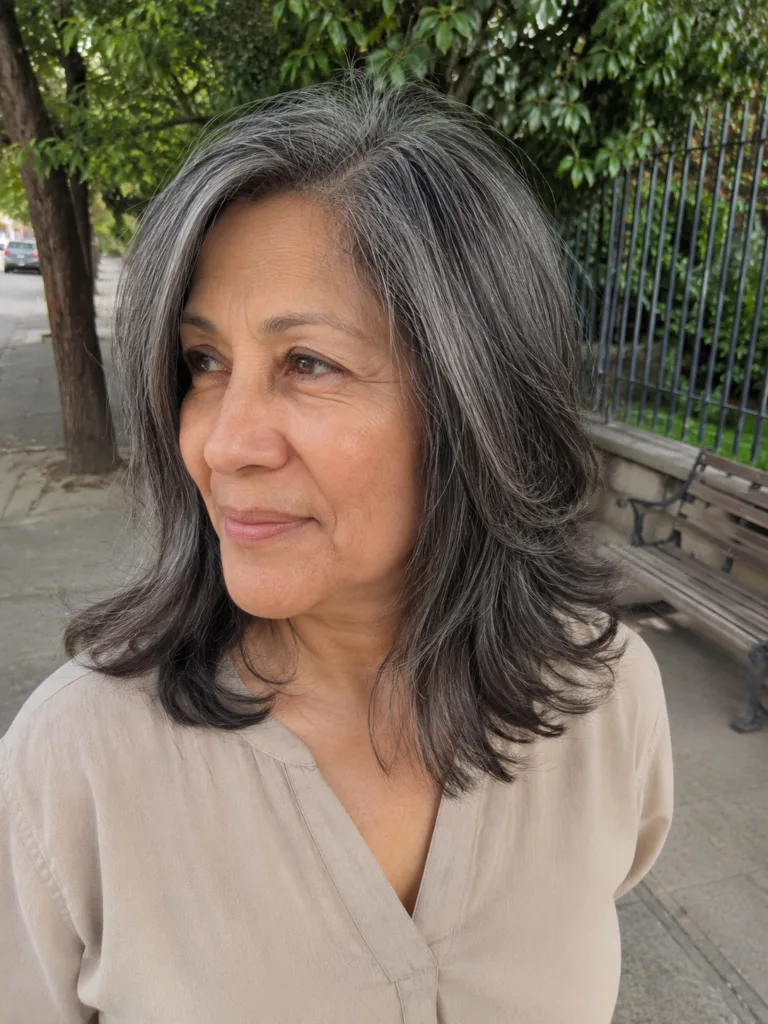
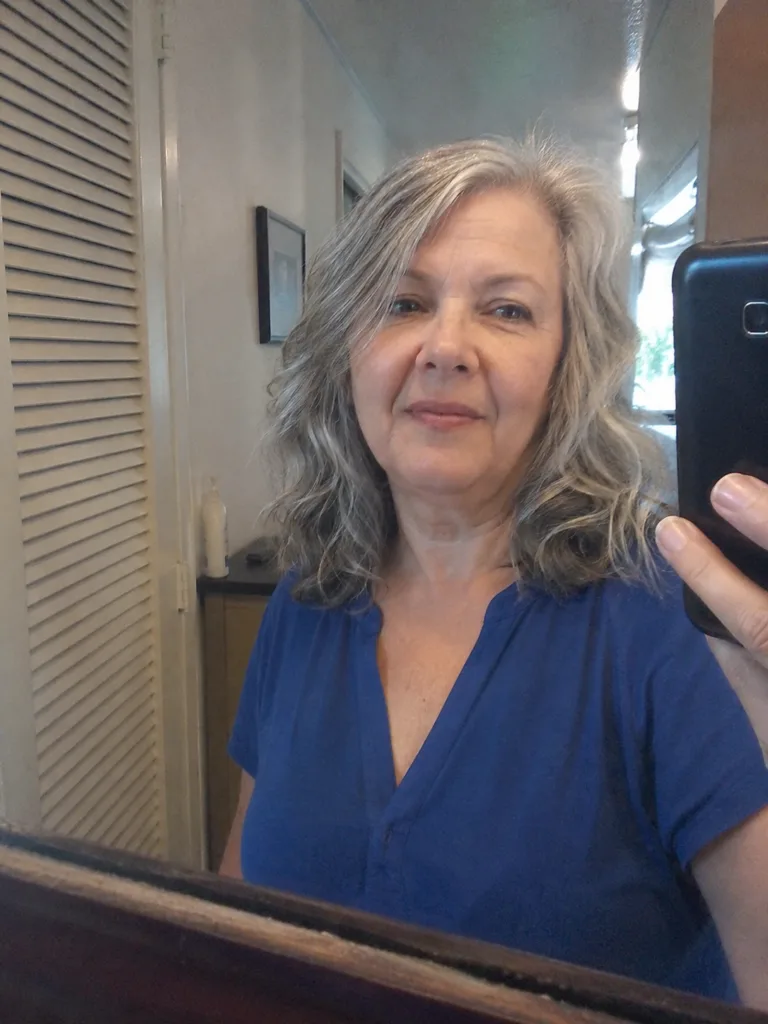
Gray hair can work with every haircut in this article. The particularly effective approach is pairing visible gray with a strong shape—perhaps a bob, pixie, lob, curls, or long layers—so the haircut carries as much visual information as the color.
Gray describes pigment loss, not a specific texture. Some gray strands may feel different from neighboring pigmented hair, but you can’t assume that all gray hair will be coarse, dry, wiry, or resistant.
A defined haircut also helps when you’re transitioning away from artificial color because the eye reads both the color placement and the overall shape. Color history still matters if you plan additional chemical services; previously colored or lightened hair may respond differently from untouched growth.
Choosing Between Short, Medium, and Long Hair After 40
Length is less important than what you want the haircut to accomplish.
Short styles place more emphasis on the outline. A pixie, bixie, or short bob often needs more deliberate reshaping because a small change around the ears, nape, or perimeter can alter the whole cut.
Medium lengths give you the widest compromise. A lob, collarbone cut, or medium layered shape can still go into many ponytails and updos while providing enough structure to feel like a real haircut.
Long hair provides styling flexibility but puts more responsibility on the condition and appearance of the ends. Holding onto length while the perimeter becomes increasingly transparent rarely produces the substantial effect people are hoping for. Sometimes removing compromised length makes the remaining hair look stronger even though the haircut hasn’t changed actual density.
Hair Density, Strand Size, and Changing Hair Needs
Hair conversations after 40 often use the word thinning too loosely. Keeping the terms separate leads to better haircut choices.
Fine hair has small-diameter strands. You can have fine hair and plenty of it.
Low-density hair means fewer strands overall. A relatively strong perimeter may help the lower edge appear more substantial, while excessive layering can expose more space.
Thinning describes a reduction or change in density. It isn’t the same thing as naturally having lower density.
Breakage means strands are snapping along their length. Short broken pieces and a compromised perimeter need different thinking from hair that is shedding from the root.
These distinctions affect whether a stylist should preserve weight, introduce layers, shorten weak ends, or rethink a shape that exposes areas you would rather keep visually fuller.
Sudden shedding, pain, redness, sores, persistent scalp irritation, or a concerning change in density deserves more than a haircut recommendation. A dermatologist or another qualified healthcare professional can assess symptoms that fall outside routine styling.
What Inspiration Photos Don’t Show
Before taking a hairstyle photo to an appointment, look past the cut itself.
Notice whether the hair appears naturally curly, diffused, stretched, pressed, curled with heat, or blown smooth. A shoulder-length style on straightened hair may sit much shorter once natural curls recoil. A fluffy rounded shape may depend on separating curls that you normally prefer to keep highly defined.
Density affects the photograph too. A heavily layered cut photographed on very dense hair can look full through every area; the same layer pattern may leave lower-density hair with less coverage through the ends.
Then consider normal life. Bobs can flip against collars. Long hair gets trapped beneath bag straps. Full temple sections may interfere with glasses. Very short cuts expose their grow-out sooner. Dense curls and coils can hold moisture near the roots after the outside appears dry.
Bring the photograph, but explain what you actually do between wash day and your next appointment.
A Practical Salon Consultation Checklist
Before choosing among these hairstyles, clarify the result in terms a stylist can use:
Describe the state you wear most often: natural, curly, coily, stretched, pressed, relaxed, or heat-styled.
Point out where you want the perimeter to sit when the hair is finished.
Explain whether keeping ponytail or updo options matters.
Mention glasses, hearing devices, work headwear, or anything else that interacts with the sides of the haircut.
Discuss whether you want to preserve weight through the ends or prefer more movement from layers.
Show how much daily styling you realistically enjoy doing.
For curls and coils, discuss shrinkage and how you normally dry and define the hair.
Share relevant chemical and color history before planning major color changes or services.
Ask how the cut is likely to change as it grows so you understand the maintenance consequence before committing.
A reference photo becomes much more useful once those details are attached to it.
Maintenance That Matches the Haircut
Maintenance should follow the construction of the style rather than a universal calendar.
A pixie or precision bob needs attention when the outline stops doing what you chose it for. A longer layered cut may remain wearable for much longer because a small amount of growth doesn’t immediately alter its proportions.
Heat styling works the same way: tool design, technique, hair condition, and how frequently heat is used matter more than prescribing one temperature to every head of hair. Use the least aggressive approach that produces the finish you need, particularly on already fragile or chemically processed areas.
Curly and coily styles benefit from planning around drying as well as definition. Dense roots may need more airflow even after the outside feels dry. Friction management can also make a difference; a smooth pillowcase, scarf, or bonnet may help reduce tangling and rubbing, although it can’t reverse existing damage.
Keep the routine proportional to the haircut. A style that only looks right after a level of effort you dislike is rarely the practical choice.
Related Hairstyles to Explore
- Medium length hairstyles for women over 40
- Hairstyles for older women
- Curly hairstyles for women over 60
- Hairstyles for women over 60 with fine hair
FAQs
What hairstyle makes a woman over 40 look younger?
No haircut can guarantee a younger appearance, and age doesn’t create one required hairstyle. A cut often looks fresher when its shape works with your current texture, the perimeter is in good condition, and the styling routine suits how you actually wear your hair. Movement around the face, a cleaner short outline, fuller-looking ends, or natural curls can all create different effects.
Is short or long hair better for women over 40?
Neither length is inherently better. Short hair gives the haircut more visible structure and usually makes the outline a bigger part of the look. Long hair offers more tying-up options but places more attention on the condition of the ends. Medium hair is the easiest compromise for many routines because it preserves styling flexibility while still allowing a distinct shape.
What hairstyles work well for fine or low-density hair over 40?
A blunt bob, lob, collarbone cut, or restrained layered shape can preserve visual weight through the perimeter. Fine strands and low density aren’t the same, so the haircut should be planned around the specific issue. Heavy interior removal can be less forgiving on low-density hair when the goal is fuller-looking coverage.
Can women over 40 wear long hair with gray hair?
Yes. Gray hair can be worn at any length. Pigment loss doesn’t determine the texture or the appropriate haircut. Long gray hair tends to look strongest when the lower edge remains in good condition and the shape has enough structure that the length feels deliberate rather than simply uncut.
Are bangs a good choice after 40?
Bangs can work at any age. The more useful question is whether you want a separate section of hair that may need regular styling and reshaping. Curtain fringe offers more flexibility, while a short or dense fringe creates a stronger commitment. Cowlicks, curls, glasses, and humidity can all affect how the front sits.
Should changing hair density affect the haircut I choose?
Yes, particularly when density changes are visible through the perimeter or part. Preserving more weight may create better coverage than extensive layering in some cases. A haircut can change the appearance of fullness but can’t create new follicles. A sudden or concerning density change should be assessed separately rather than treated only as a styling problem.
Hair Texture & Upkeep Style Matcher
Select your natural hair texture and daily maintenance window to get an instant styling formula and heat safety cap.
Heat Cap: 320°F (160°C)
A versatile three-strand braid beginning at the parietal ridge, securing the top half while allowing natural wave texture to flow freely around the shoulders.
Conclusion
The most useful way to choose hairstyles for women over 40 is to stop using age as the main filter. Decide what you want the haircut to do: create a sharper outline, preserve fullness through the ends, show off curls, reduce styling work, keep enough length for updos, or make gray hair part of a more defined overall look.
Then choose the construction that supports that goal. A pixie asks more from the haircut itself. A blunt bob protects perimeter weight. Medium layers favor flexibility. Long shapes depend more heavily on the condition of the ends. Curly and coily cuts need to make sense after shrinkage and drying, not only in the reference photo.
Take your preferred style to the salon together with a clear description of your normal hair state and routine. That information will usually matter more than the age attached to the search.
Editorial Standards & Hair Health Guidance
Every style featured on Tress Atlas is curated with a focus on real-world wearability, scalp tension management, and cuticle preservation. When trying protective styles or tight updos, ensure perimeter hairline sections remain tension-free to avoid traction stress on delicate follicles. For heat styling, cap tools below 350°F (180°C) to prevent thermal keratin denaturation.
Scientific Sourcing: Practices aligned with the American Academy of Dermatology (AAD) on traction alopecia risk reduction and cosmetic trichology research on hair tensile strength.