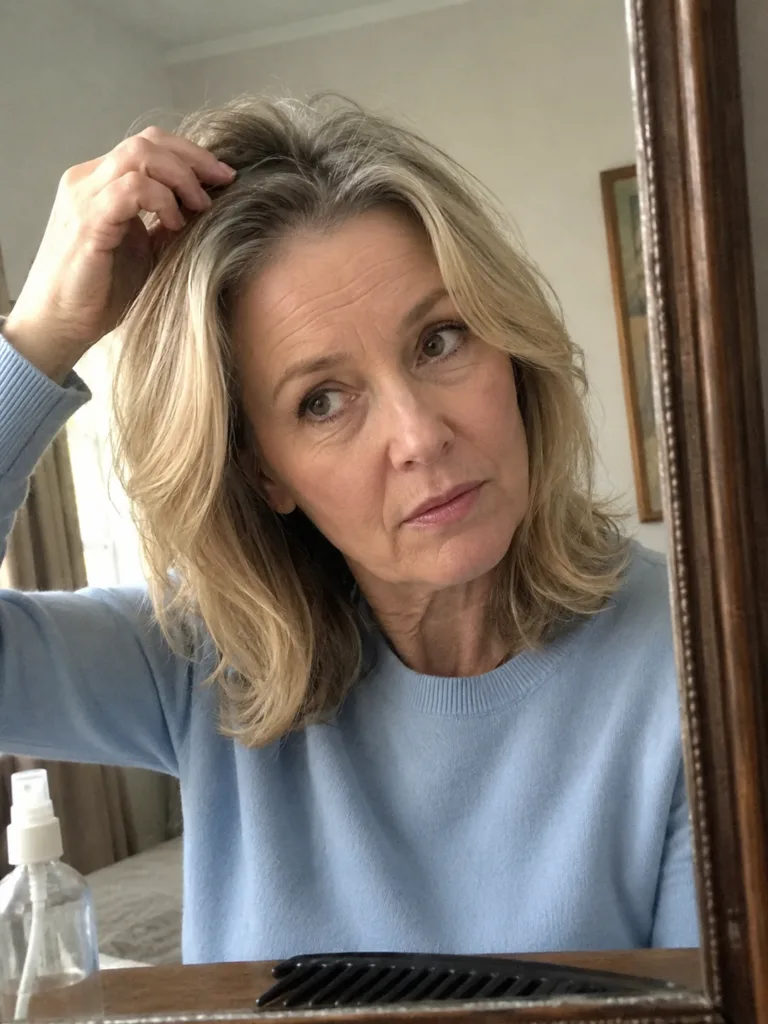
Medium Length Hairstyles: Complete Styling Guide for Women Over 40: Shape, Movement, and Upkeep
Medium-length hair earns its popularity because it gives you room to change the shape without committing to either a short cut or long-hair maintenance. Around the shoulders and collarbone, you can build a strong perimeter, add substantial layers, wear natural texture, create an updo, or pull everything back on a busy day.
The important decision after 40 isn’t whether a hairstyle looks youthful enough. It’s whether the cut works with your current hair, routine, and preferred styling state.
Fine strands, low density, thinning, breakage, gray hair, curls, and straight hair all require different thinking. Fine hair refers to strand diameter, while low density means there are fewer strands overall. Gray describes pigment loss rather than a particular texture. A good medium-length cut works with those realities instead of treating age as a hair type.
Photos also hide practical details. Shoulder-length ends can catch on coat collars. Shorter face-framing pieces may need styling before they sit as neatly as they do in a reference image. A heavily layered cut can look wonderfully airy after a blowout yet behave very differently when air-dried.
Start with the shape you want to see most often.
Medium Cuts With a Stronger Perimeter
Blunt Collarbone Lob
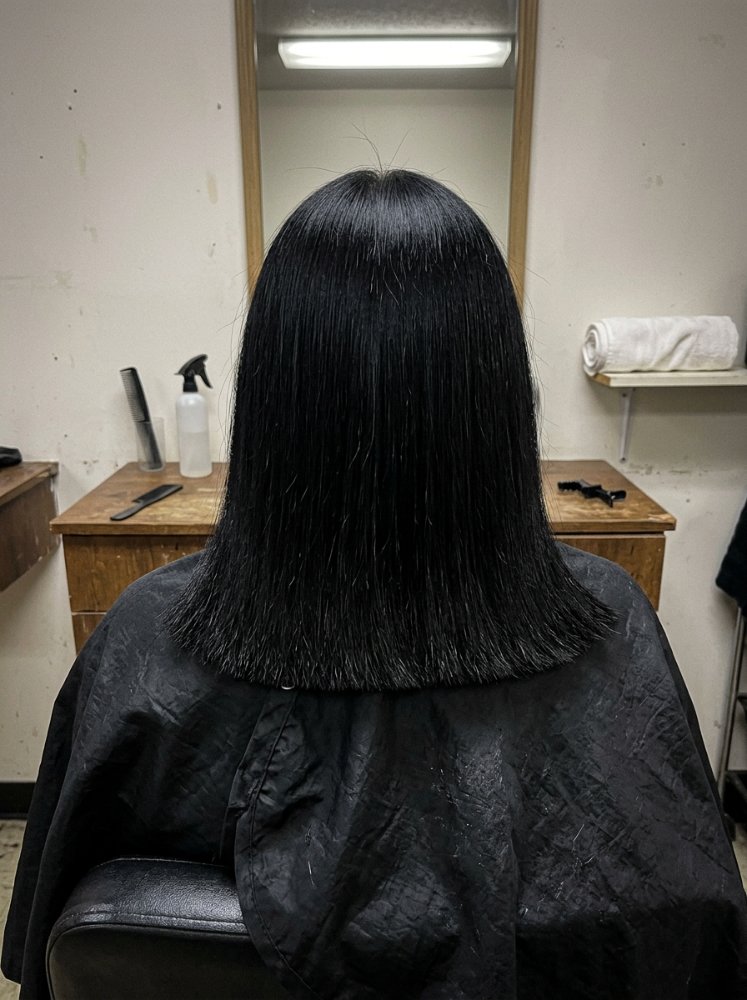
A blunt collarbone lob is one of the strongest choices when you want medium hair to look substantial at the bottom. Keeping the perimeter relatively solid reduces the wispy appearance that can happen when too much hair is removed from the lower edge.
This is particularly useful for fine strands or lower density when the ends are healthy, although the haircut can’t create actual density. The visual benefit comes from concentrating more of the available hair at one clear line.
Collarbone placement also offers more flexibility than a shorter bob. You can tuck it behind the ears, pull much of it into a low ponytail, or create waves without losing the basic outline.
Soft U-Shaped Medium Cut
Long hair isn’t required to create a graceful U-shaped perimeter. On medium hair, the center back can sit slightly longer while the sides travel forward without the dramatic angle of a V-shaped cut.
It’s an understated option for someone who likes movement but doesn’t want obvious layers dominating the haircut. The ends retain presence, and the subtle curve becomes especially visible from the back.
This shape works well with straight, wavy, or softly blown-out hair. Dense hair may need thoughtful internal weight management, while lower-density hair generally benefits from preserving enough hair near the bottom edge.
Graduated Long Bob
A graduated long bob creates more structure through the back, with the shape becoming slightly longer toward the front. Compared with a one-length lob, it gives the haircut a stronger built-in direction even on days when styling is minimal.
The construction matters more than the dramatic angle. A modest graduation can keep the back from feeling heavy while leaving useful length around the face. A very pronounced angle demands more precise reshaping as it grows because the geometry is the feature.
It also deserves a quick wardrobe check. A back perimeter sitting directly on a stiff jacket or coat collar can flip outward from repeated contact.
Shoulder-Length Cut With Curved Ends
Sometimes the hairstyle change you want comes from styling the perimeter rather than adding more layers. A shoulder-length cut with softly curved-under ends gives medium hair a clean, rounded finish.
The look is especially effective on hair worn straight, stretched, or blown out. A round brush, suitable hot tool, or heatless setting method can create the bend depending on your hair and routine.
Because the shape relies on the ends looking deliberate, worn or transparent ends become more noticeable. The haircut is strongest when the lower edge is healthy enough to hold that curved line.
Medium Cut With an Off-Center Sweep
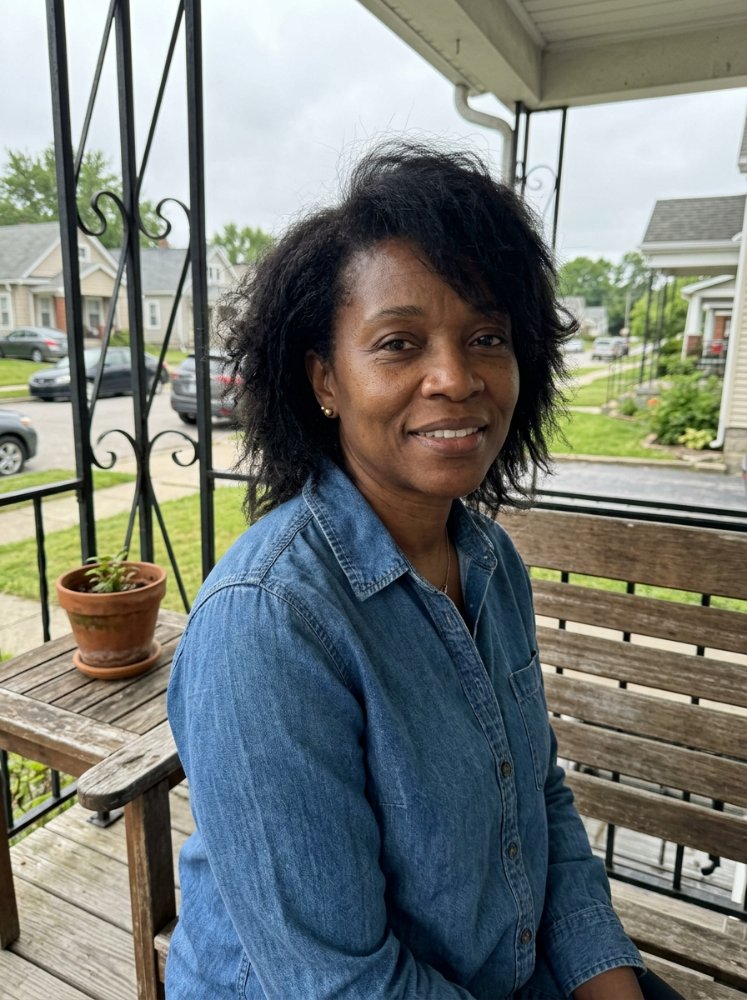
Volume around the face doesn’t always require cutting a fringe. A medium cut styled with an off-center sweep can shift fullness toward one side while maintaining most of your length.
This works particularly well when you switch parts occasionally or dislike the commitment of short bangs. The movement can also sit neatly around glasses because you control where the front section falls instead of forcing a dense fringe over the frames.
Treat the sweep as a styling feature, not a completely different haircut. The underlying medium shape should still look balanced when you wear your normal part.
Layers That Create More Movement
Shoulder-Length Cut With Soft Long Layers
Long layers are the practical default when a one-length cut feels too heavy but you still want an easy ponytail and uncomplicated grow-out. The layers remove some weight and allow the ends to move without turning the haircut into a heavily textured style.
The placement deserves more attention than the word layered. Starting the shortest sections too high can dramatically reduce fullness through the lower half, especially on low-density hair.
Keeping the changes lower through the shape gives you movement while protecting more of the perimeter.
Medium Butterfly Layers
Butterfly-inspired layers bring more activity around the cheek and upper shoulder area while leaving longer pieces underneath. The finished photograph often shows a voluminous blowout, which is important context: the haircut supplies the framework, while the dramatic sweep usually comes from styling.
This choice is worth the extra effort when you enjoy lift, curved sections, and a more animated outline. It can be disappointing for someone who expects air-dried hair to reproduce a brushed-out reference photo automatically.
Ask yourself how you wear your hair most days. The cut should still make sense in that state after the blowout is gone.
Face-Framing Layers With a Solid Back
You don’t have to layer the entire haircut to change what happens around your face. Keeping the back relatively full while adding face-framing pieces creates a useful compromise between structure and movement.
The shortest front section determines a lot. Pieces beginning around the cheek create a stronger framing effect; longer sections blend more quietly into the perimeter and are easier to pull back.
Glasses can influence the most comfortable placement too. A bulky layer ending exactly where the arms of your frames sit may keep bouncing forward, while slightly longer pieces can tuck more easily.
Medium Shag
A medium shag shifts the emphasis from a strong bottom line to movement throughout the haircut. Shorter crown layers, a broken perimeter, and visible texture give the style its character.
It’s a stronger choice for hair that benefits from separation and movement than for someone whose main goal is making a sparse lower perimeter appear more substantial. Removing too much interior weight from low-density hair can expose more space between strands.
Wavy and curly hair can make a shag especially expressive because the layers release different curl and wave groups. Straight hair usually shows the cut in a more graphic, piecey way.
Medium Wolf-Inspired Cut
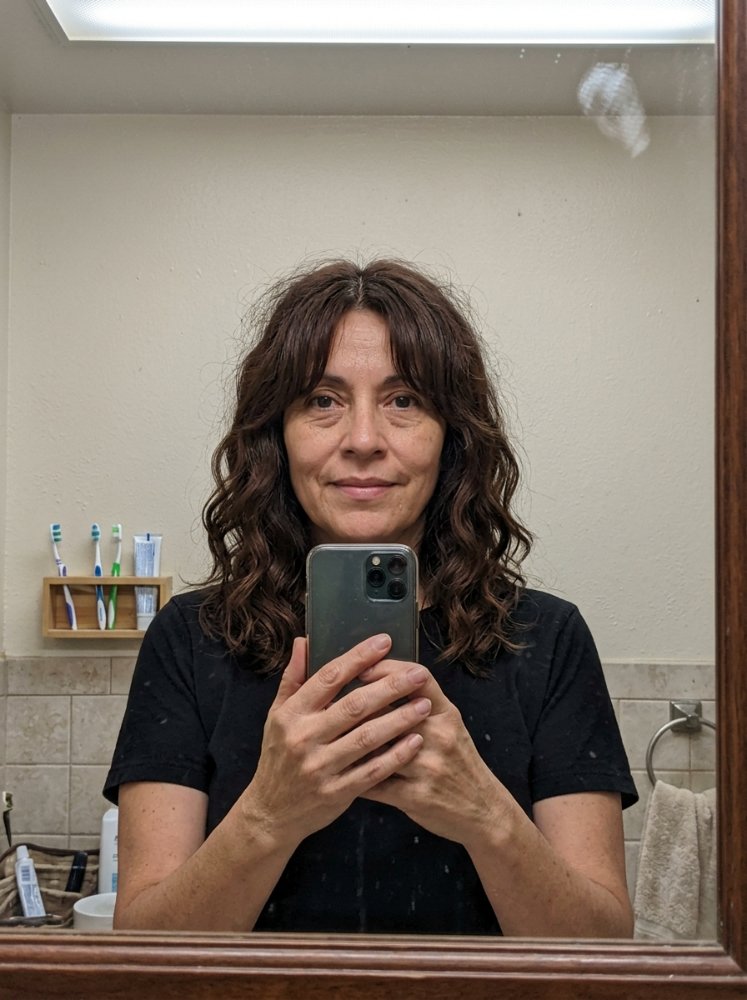
The wolf-inspired medium cut is the bolder relative of a soft shag. More visible crown volume and a narrower lower section create contrast between the top and bottom of the hairstyle.
Choose it because you genuinely like that distribution of weight. It’s a poor match for someone asking a stylist to keep the ends as full as possible.
The grow-out is also more noticeable than with long, blended layers. Shorter crown sections remain separate from the lower length for a while, so the haircut keeps a layered identity even as everything gets longer.
Collarbone Layers With Flipped Ends
A medium layered cut can look considerably lighter when the ends are styled away from the neck. Flipped ends create horizontal movement and keep the shape from falling straight downward.
This is a useful option when you like a visible styling finish but don’t want short layers through the entire crown. The flip can be created around selected sections rather than every strand.
Keep your usual clothing in mind. Ends sitting exactly against a collar may be pushed outward whether you intended a flip or not, so placement a little above or below that contact point can make daily styling more predictable.
Medium Hairstyles for Waves, Curls, and Coils
Rounded Shoulder-Length Curly Cut
A rounded curly cut distributes volume around the sides and crown instead of concentrating everything at the lower edge. On medium hair, that creates an expansive shape without requiring very long curls.
The finished length should be judged in the state you normally wear. Curl formation and shrinkage can place dry hair substantially higher than stretched or wet hair, so a reference based only on stretched length can be misleading.
The strongest version has enough layering to release the curl pattern without carving away so much hair that the lower portion becomes sparse. Dry, wet, or combined cutting approaches may all be used; what matters is assessing the final shape in the normal worn state.
Curly Shag With a Fringe
Curly fringe paired with a medium shag changes the entire distribution of the haircut. Instead of keeping the front long and swept away, curls occupy the forehead while shorter layers support movement around the crown.
The fringe can remain curly. Straightening it isn’t a requirement.
This look makes sense when you already enjoy wearing hair around your face. Anyone who constantly pushes front pieces back may find a longer face frame easier to live with, especially alongside glasses or during exercise.
Medium Wavy Cut With Minimal Layers
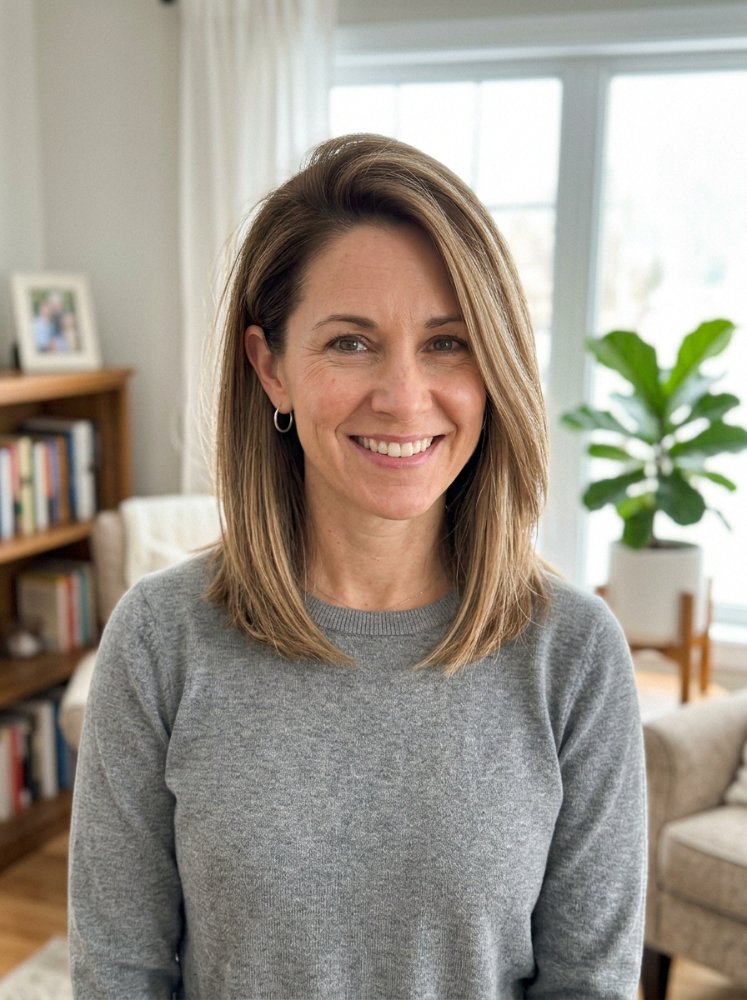
Natural waves don’t always improve with more layering. A medium cut with limited interior removal lets wave groups form while keeping a comparatively substantial edge.
This is an underrated option for loose waves that become overly expanded or stringy when extensively layered. Styling can focus on encouraging the existing wave rather than manufacturing crown volume.
The exact balance depends on density and how strongly the hair waves at different lengths. A cut assessed only after a smooth blowout can hide what the perimeter will do after air-drying.
Shoulder-Length Twist-Out
A twist-out gives medium natural hair an entirely different shape without requiring a new haircut. The set encourages definition and elongation, allowing the perimeter and layers to show with less shrinkage than the fully shrunken state.
Section size, starting moisture, setting product, and how thoroughly the hair dries all influence the result. Those variables can be adjusted without trying to force every twist-out into the same finish.
The haircut underneath still matters. Very uneven ends or layers designed exclusively for a pressed state may appear different once the hair returns to textured styling.
Stretched Natural Hair With Long Layers
Wearing coily or tightly curled hair in a stretched state opens up medium silhouettes that may look much shorter when fully shrunken. Long layers can create movement while leaving enough length to return to twists, braids, buns, or natural shrinkage.
This is especially useful for someone who alternates styling states. The cut needs to make sense beyond one perfectly stretched finish.
Heat-free stretching, blow-drying, and pressing also produce different levels of elongation. Any heat routine should be adapted to your hair’s condition, the tool being used, and the result you’re trying to create rather than following one universal temperature.
Sculpted Coily Medium Shape
A sculpted coily shape focuses on the outline created by natural shrinkage. The sides, crown, and lower perimeter are balanced according to where the coils actually sit instead of treating stretched length as the final result.
That makes this a haircut decision before it becomes a styling decision. A rounded version can keep width through the sides; a more tapered outline can concentrate volume higher up.
Photos taken immediately after shaping also won’t show every wash-day change. Coil grouping, humidity, elongation from products, and day-to-day shrinkage can slightly alter the outline while the underlying cut remains the same.
Styles That Change Medium Hair Without Another Haircut
Soft Brushed-Out Waves
Brushed-out waves turn medium hair into a wider, softer shape and are particularly useful when you want movement for an event without changing the cut itself.
Compared with tight curls, the larger bends keep more visual length. The effect also works on relatively simple one-length hair because the wave pattern supplies the movement that layers normally create.
This is more styling-dependent than it looks. Hair that falls straight quickly may need a different setting approach from hair that naturally holds bends, and humidity can change how long the surface stays smooth.
Bouncy Medium-Length Blowout
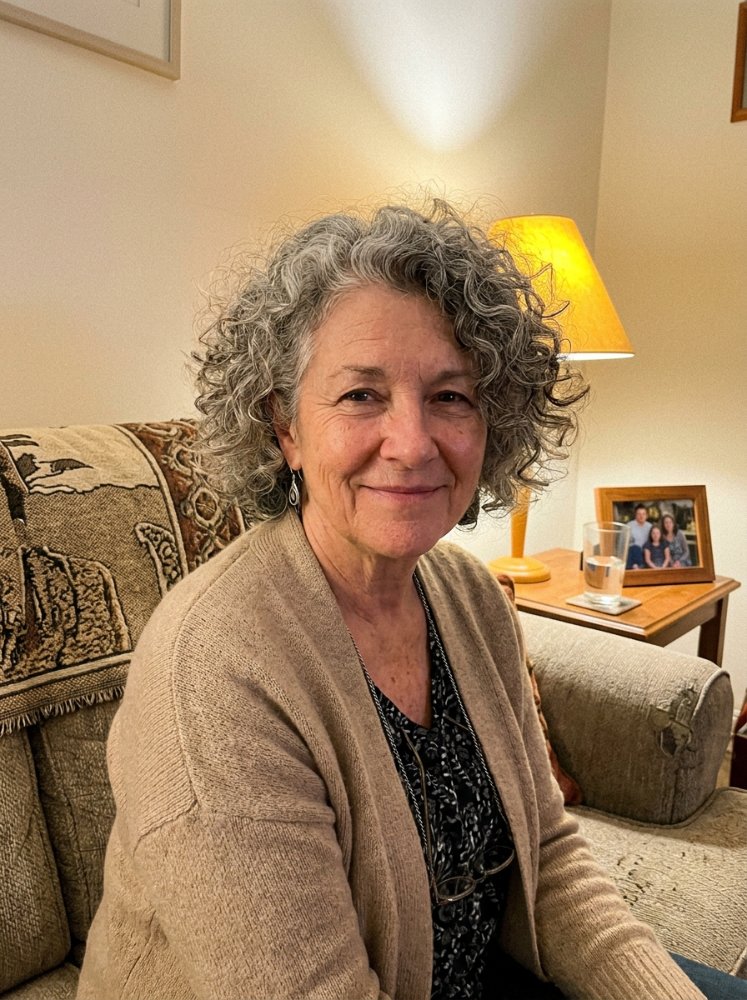
A bouncy blowout highlights nearly every structural decision in a medium cut: layers lift, the perimeter bends, and face-framing sections become much more visible.
It’s the strongest styling match for butterfly layers and many long-layered cuts because the brushing direction helps separate each level of the haircut.
The catch is routine. A photo showing lifted roots and curved ends represents a styled state. Someone who usually air-dries should also judge the haircut without that volume before committing to short face pieces or extensive crown layering.
Half-Up Twist
The half-up twist solves a common medium-length problem: you want hair away from the face, but the lower sections are too short or too layered for a satisfying full updo.
Gathering the crown and side sections into a twist leaves the remaining length loose. Bobby pins or a small suitable clip can secure the twist without requiring every shorter piece to reach one central elastic.
It works across straight, wavy, curly, and stretched-texture states. Keep the temple sections comfortable and leave fragile hairs out rather than pulling them tightly merely to make the style look cleaner.
Low Chignon for Medium Hair
Medium hair can form a low chignon once enough of the length reaches the nape, making this one of the most useful reasons to stay around shoulder or collarbone length.
A low anchor also tends to be easier to accommodate with layered hair than a high bun because shorter pieces have less distance to travel. Bobby pins can secure sections that don’t fully wrap around the base.
Very layered cuts create a softer chignon with more escaping pieces; blunt cuts form a denser bundle. Neither needs to look better than the other. They simply produce different results from the same basic construction.
French Twist With Soft Front Pieces
A French twist uses medium length vertically, so it can create the impression of a taller, more formal hairstyle without requiring hair to hang far below the shoulders.
The hair is swept toward the center back, folded or rolled inward, and pinned along the seam. Medium layers can actually contribute to a softer finish because every end doesn’t need to disappear into one heavy roll.
Leave a few front pieces out only when they fit your preferred look. They aren’t necessary for making the hairstyle suitable after 40. A cleaner front can be just as effective, particularly with statement glasses or earrings.
What Medium Length Actually Requires Day to Day
Medium hair often gets described as low maintenance because it avoids the extremes of very short and very long hair. The reality depends much more on the haircut.
A blunt lob may need relatively little daily shaping while making perimeter grow-out more obvious. Butterfly layers can stretch longer between dramatic shape changes, but recreating their airy movement may involve more styling. A shag can work beautifully with natural texture yet feel completely different when straightened.
The styling state deserves equal weight. A shoulder-length curly shape, a pressed collarbone cut, and a twist-out might all be described as medium length even though they behave differently during washing, sleeping, exercise, and humidity.
Sleeping habits matter too. A smooth pillowcase or bonnet can reduce friction and tangling where appropriate, though neither can correct damaged ends or excessive pulling. Hair rubbing against collars, scarves, and jacket shoulders also experiences repeated friction at exactly the point where many medium cuts end.
Gray hair needs individual assessment rather than a separate age-based rule. Pigment loss doesn’t specify whether strands will be fine, coarse, straight, curly, dry, smooth, dense, or sparse. Choose the haircut for what the hair is doing now.
Choosing the Right Medium-Length Hairstyle Before Your Appointment
Bring reference photos, but use them to discuss construction rather than asking for an exact copy. A stylist needs to know which feature you’re actually choosing: the strong perimeter, airy crown, face-framing movement, curly outline, fringe, or ability to pull the hair back.
Look closely at the model’s styling state as well. A sleek reference may involve stretched or heat-styled hair. A voluminous layered photo may rely on a blowout. Curly and coily reference photos should be compared with your own shrinkage and typical curl grouping rather than wet length alone.
A useful consultation checklist includes:
How do you wear your hair on an ordinary day?
Do you need enough length for a ponytail or low bun?
Is a fuller-looking perimeter more important than maximum movement?
Will you regularly style the layers, or do you prefer air-drying?
Do glasses, hearing devices, collars, helmets, or work requirements affect where hair can comfortably sit?
Are you trying to accommodate a recent change in density, breakage, or hair condition?
Sudden shedding, persistent scalp irritation, pain, sores, or a concerning density change deserves separate attention from the haircut itself. A dermatologist or another qualified healthcare professional can assess symptoms that styling decisions can’t explain.
Related Hairstyles to Explore
- Hairstyles for women over 40
- Medium length hairstyles for women over 50
- Medium length hairstyles for women over 60
- Prom hairstyles for medium length hair
FAQs
Is medium-length hair flattering for women over 40?
It can be an extremely versatile length because the shape can be adapted rather than tied to age. A blunt collarbone cut creates a stronger edge, layers add movement, and curly or coily shaping can redistribute volume. The most flattering version is the one that places volume and length where you want them while fitting the way you actually style your hair.
What medium hairstyle makes fine hair look fuller?
A relatively strong perimeter, such as a blunt lob or softly shaped one-length cut, often gives fine hair a more substantial lower edge. Fine strands and low density aren’t the same thing, so layering decisions should also consider how much hair is present overall. Heavy interior removal can expose more space in lower-density hair.
Can women over 40 wear medium hair with bangs?
Yes. Bangs aren’t limited by age. The more useful question is whether you want hair resting on the forehead and whether the fringe works with your texture, glasses, styling habits, and preferred maintenance. Curly fringe can stay curly, while longer curtain-style sections offer an easier transition back into the rest of a medium cut.
What medium-length hairstyle works well with glasses?
Cuts that give the temple area some flexibility are often easiest to manage. Longer face-framing layers can tuck behind the ears, while an off-center sweep can keep a heavy front section away from the frames. Very bulky pieces ending directly around the glasses arms can require more repositioning during the day.
Can medium curly or coily hair be layered?
Yes, but the layer pattern should be designed around shrinkage, density, curl or coil grouping, and the state in which the hair is normally worn. Layers can release movement and redistribute volume, while excessive removal may leave some areas looking too light. Assessing the finished dry shape is especially important when shrinkage is substantial.
Is medium hair long enough for updos?
Many shoulder-to-collarbone cuts offer enough length for low ponytails, half-up styles, French twists, and some chignons. Heavy layering changes what reaches the anchor, so shorter pieces may require pins or a softer finish. Someone who wears frequent updos should mention that before significant face-framing or crown layers are cut.
Hair Texture & Upkeep Style Matcher
Select your natural hair texture and daily maintenance window to get an instant styling formula and heat safety cap.
Heat Cap: 320°F (160°C)
A versatile three-strand braid beginning at the parietal ridge, securing the top half while allowing natural wave texture to flow freely around the shoulders.
Conclusion
The most useful medium-length hairstyle after 40 isn’t the one attached to an age rule. It’s the cut whose shape survives your ordinary routine.
Choose a blunt or softly curved perimeter when fullness at the ends matters most. Choose longer layers when you want movement without sacrificing much pull-back length. Shags and butterfly cuts make more sense when visible layering is worth additional styling or a more distinctive grow-out. Curly and coily cuts should be judged in the texture state you actually wear.
Before committing to the reference photo, identify the part of it you’re really choosing. The perimeter, layer placement, amount of volume, shrinkage, and styling state will influence your daily result far more than the number on your birthday.
Editorial Standards & Hair Health Guidance
Every style featured on Tress Atlas is curated with a focus on real-world wearability, scalp tension management, and cuticle preservation. When trying protective styles or tight updos, ensure perimeter hairline sections remain tension-free to avoid traction stress on delicate follicles. For heat styling, cap tools below 350°F (180°C) to prevent thermal keratin denaturation.
Scientific Sourcing: Practices aligned with the American Academy of Dermatology (AAD) on traction alopecia risk reduction and cosmetic trichology research on hair tensile strength.