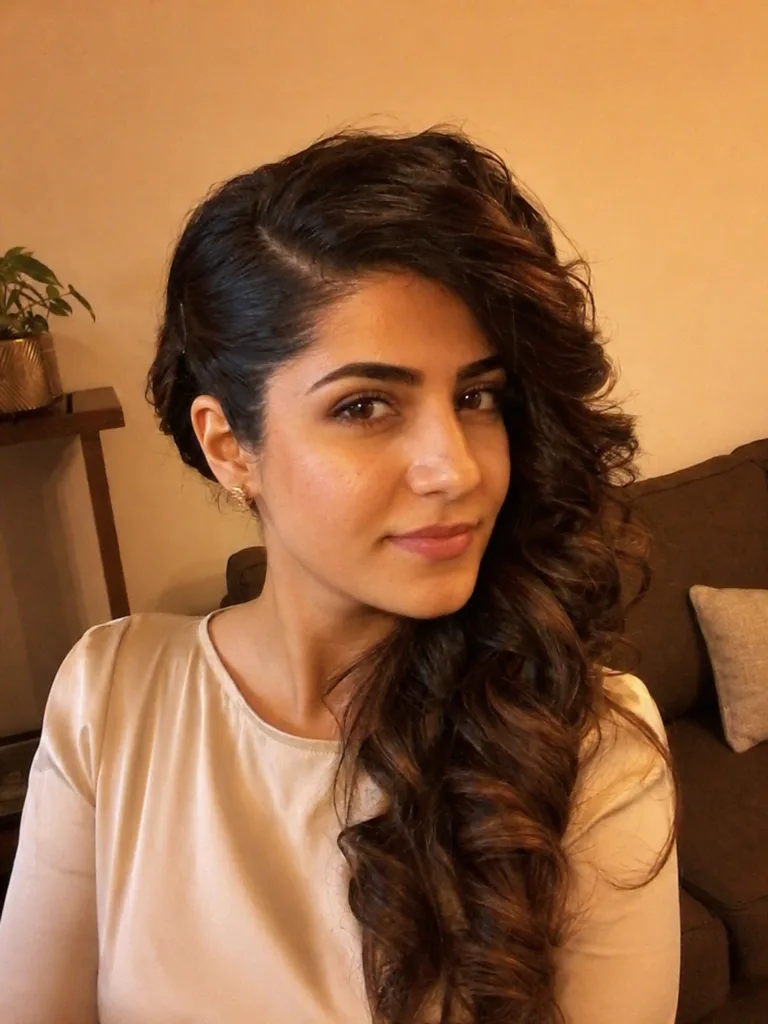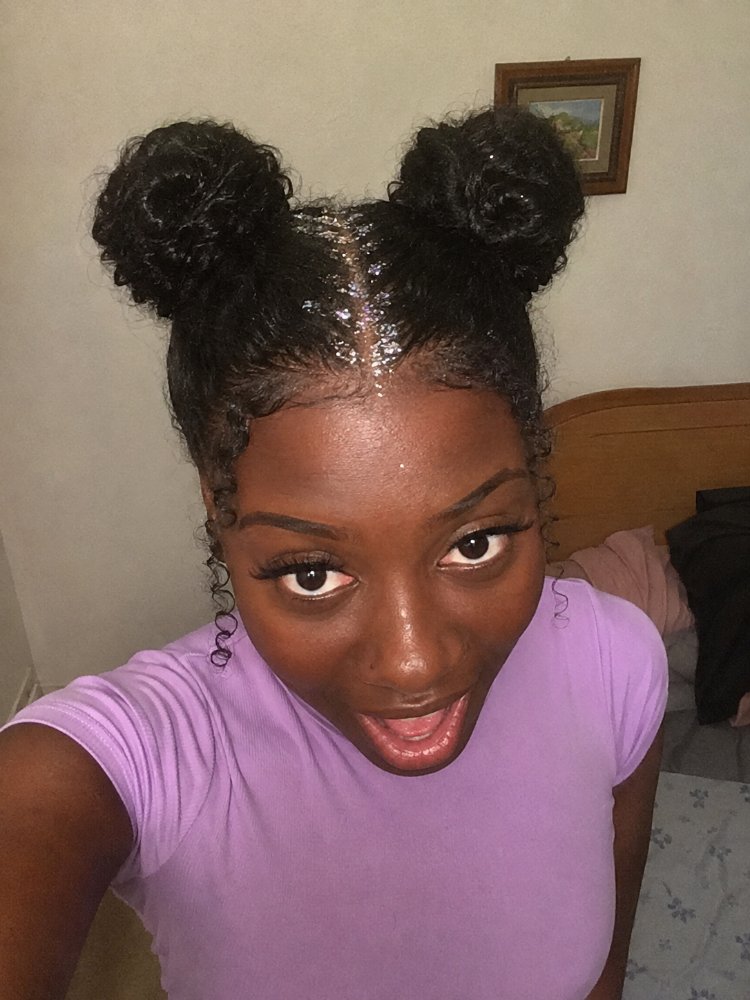
Beach Hairstyles: Styling Guide & Cuts That Handle Wind, Water, and Humidity Better
A beach hairstyle has to do more than look good when you leave the house. Wind separates carefully arranged pieces, humidity changes volume, sunscreen transfers around the hairline, and swimming can turn a secure style into a heavy one. Even a hairstyle that survives the water may become annoying once damp hair starts rubbing against your shoulders or swimsuit straps.
The most useful choice depends on what you’re actually doing. A low braided bun makes sense for repeated swimming. Loose curls are much easier to justify when the day is mostly lounging, walking, or eating near the water. Braids, twists, and locs can simplify styling, but their weight and drying behavior still matter.
Think about the version of your hair that will exist after the first swim, not only the dry version in the mirror.
Styles That Make the Most Sense Around Water
Low Braided Ponytail
A low braided ponytail keeps most of the length together without creating a large knot at the crown. Gather the hair near the nape with a fabric-covered elastic, then braid the tail so individual strands can’t whip around as easily in the wind.
It’s particularly practical for longer hair because the braid stays narrow against your back. After swimming, release the base once you’re somewhere suitable to let the roots dry instead of leaving dense, damp hair compressed beneath an elastic.
Two French or Dutch Braids
For an active beach day, two braids are one of the strongest all-around options. The hair is distributed between two sections, the lengths remain contained, and you don’t have one heavy ponytail swinging from a single anchor.
The construction matters. Braids can be secure without feeling as though the scalp is being pulled backward. Hairline sections that don’t comfortably reach the braid are better left soft than forced into a tight grip.
They also reset well. After swimming, squeeze excess water from the braids gently instead of twisting them like a towel, then give the roots air and time to dry.
Braided Low Bun
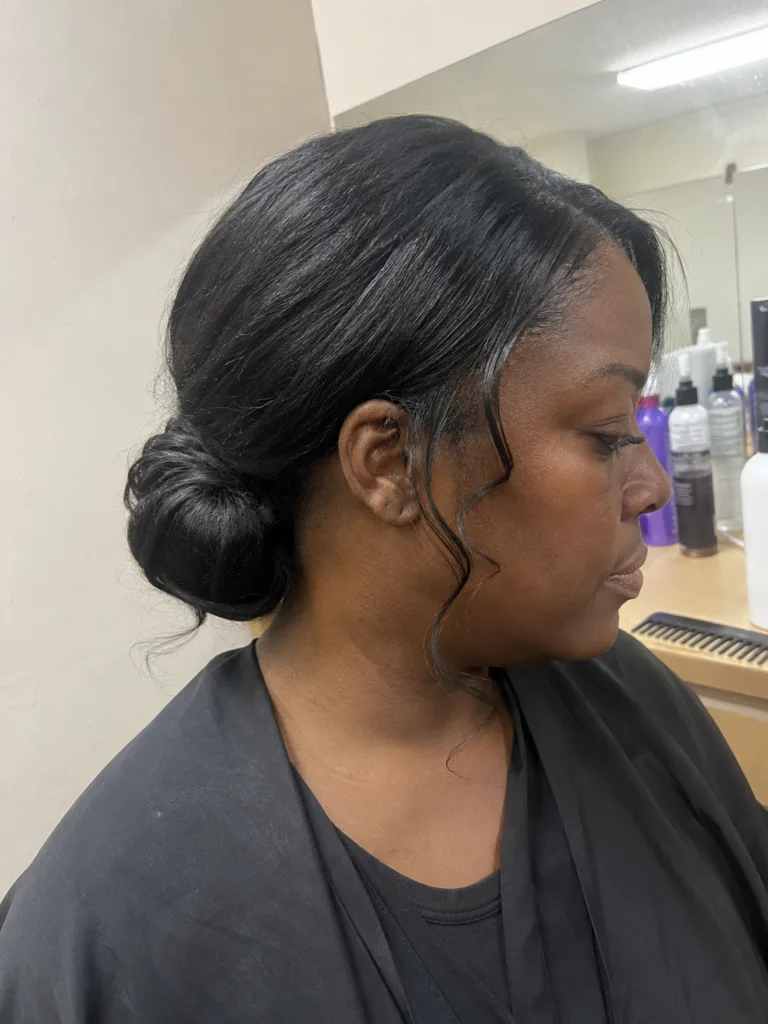
This is the more contained cousin of the braided ponytail and an excellent choice when loose length keeps getting caught beneath backpack straps or swimsuit ties. Make a low ponytail, braid it, coil the braid around its base, and secure the coil with pins that don’t dig into the scalp. The compact shape stays away from the face and keeps wet ends off your back.
Crown Braid
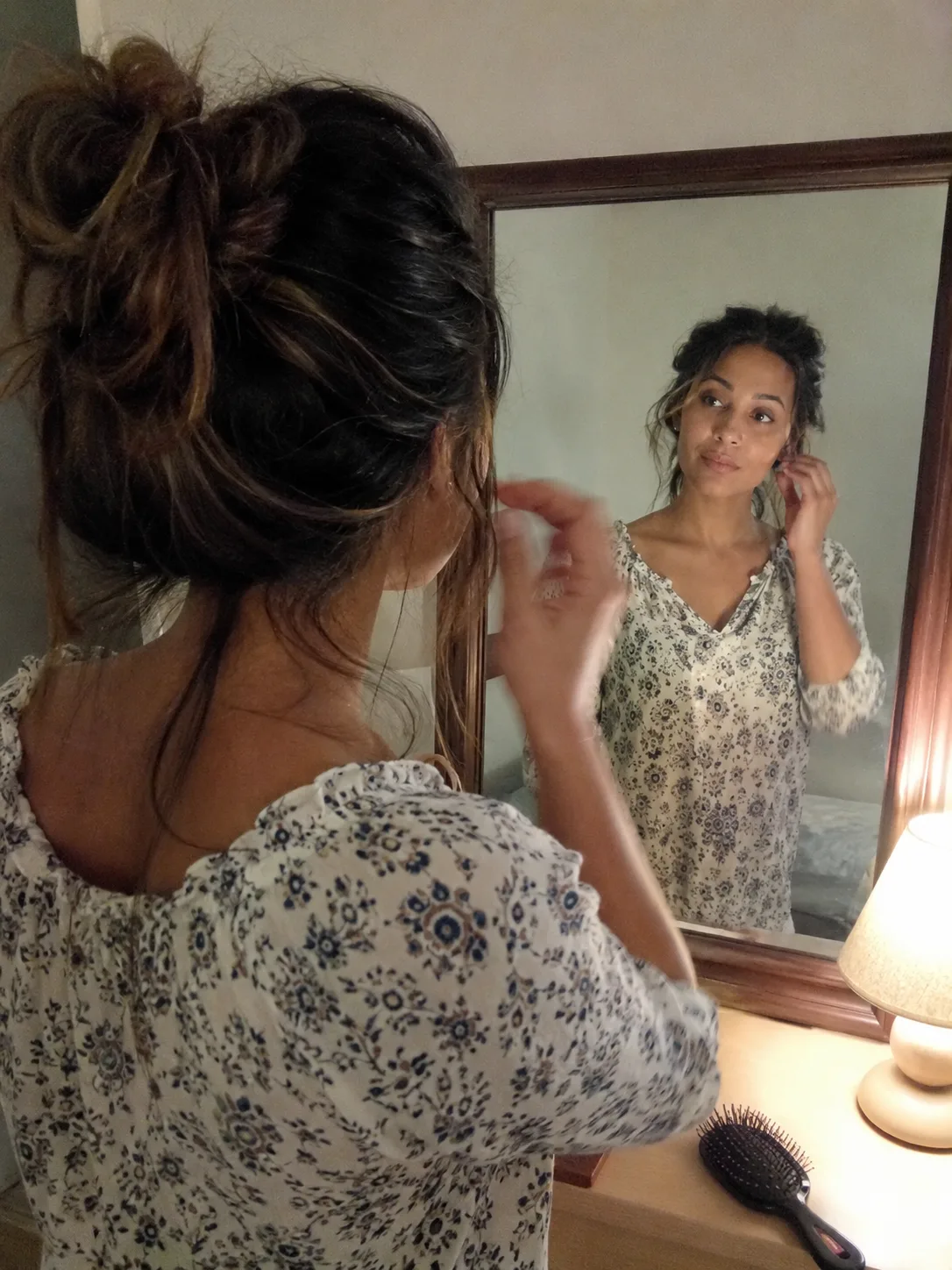
Wind is often more disruptive than water. A crown braid solves that problem by moving the length around the head instead of letting it hang behind you.
It also works well when you want a beach hairstyle that can transition to dinner without a complete rebuild. Keep the braid secure enough to stay in place, but avoid turning the hairline into the main anchoring point. A slightly softer front usually wears more comfortably than a tightly stretched perimeter.
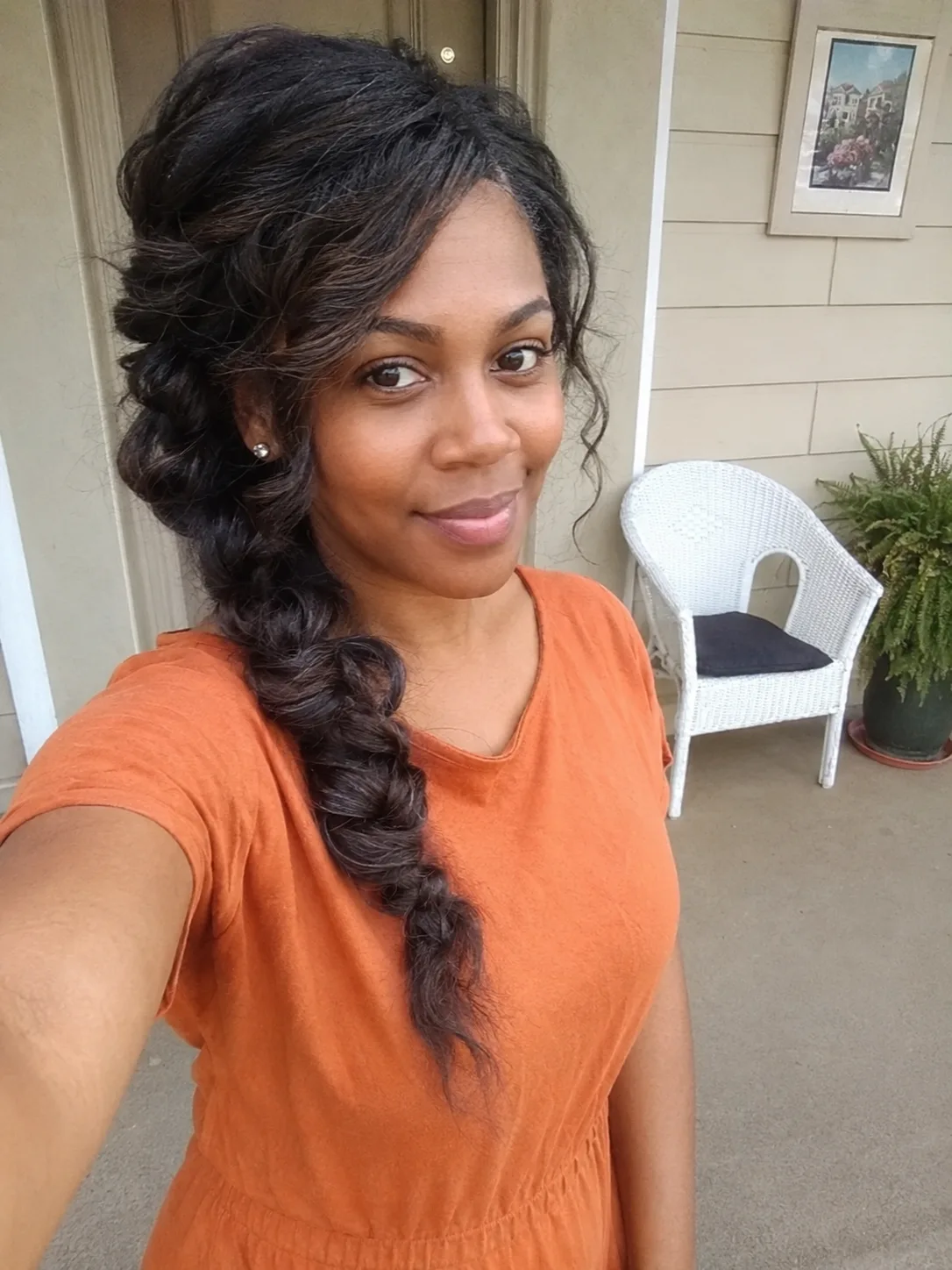
Fishtail Braid
A fishtail braid earns its place on a mostly dry beach day because its textured construction already looks relaxed as small pieces loosen. It has more visual detail than a basic three-strand braid without requiring an elaborate updo. Swimming can make a tightly woven fishtail harder to separate later, so this is better for wading, lounging, or breezy walks than repeated dunking.
Beach Hairstyles for Curly and Coily Hair
High Puff
A high puff keeps curls and coils off the neck while preserving their natural volume. It works especially well when your goal is containment at the base without stretching every curl into a sleek finish.
Placement deserves attention. A puff that feels comfortable standing still should also feel comfortable while you turn your head or lie back on a towel. Pulling harder to make the base perfectly smooth usually adds little practical benefit.
Shrinkage after swimming can make the puff shorter and denser than it appeared when dry. That change is part of the style’s real beach behavior, so choose it because you like the compact post-water shape too.
Low Puff
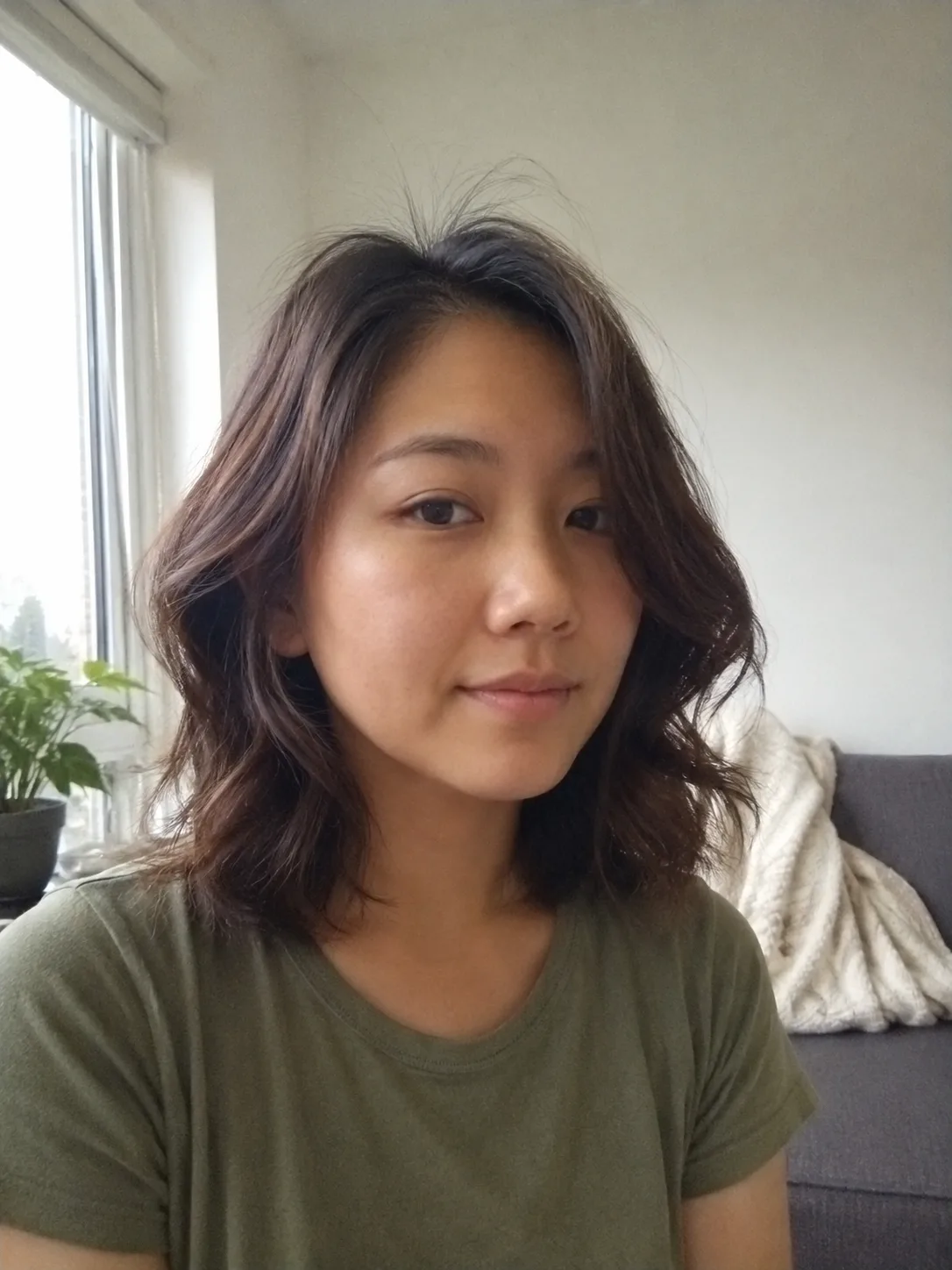
A low puff creates a softer profile and is often easier around hats than a high version. Hair can be gathered toward the nape while the ends remain curly, coily, or stretched according to how you normally wear them.
The main drawback is contact. Damp ends may sit against your neck or upper back after swimming. A scarf, towel, or swimsuit strap can also rub against that area, so the style works better when the puff isn’t extremely dense or heavy.
Wash-and-Go
Sometimes the easiest beach strategy is to work with the texture that water is going to reveal anyway. A wash-and-go avoids building an elaborate style that immediately needs reconstruction after swimming. Curl grouping and shrinkage will vary with your hair, and sea air may increase frizz, but that can be easier to live with than trying to preserve a stretched finish through repeated water exposure.
Flat Twists Into a Puff
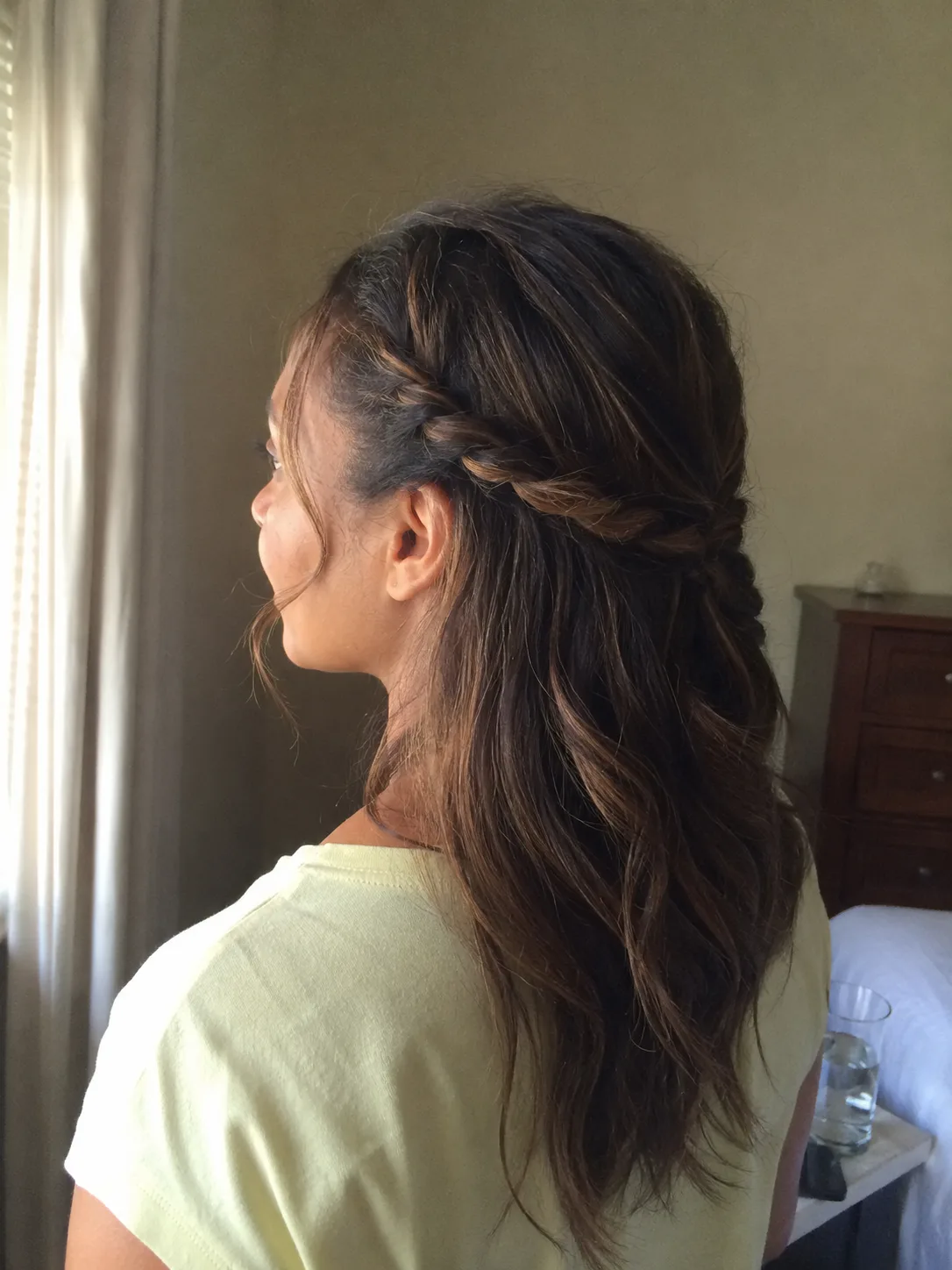
Flat twists give the front and sides more structure while leaving the bulk of the texture free at the back or crown. They’re useful when loose curls around the face become distracting in wind.
The direction of the twists changes the result. Sections can travel toward one central puff or toward a lower gathering point, depending on where you want the volume.
Keep the sections large enough for comfortable handling. Extremely small, tight twists create more work during removal and aren’t necessary simply because the style is going to the beach.
Pineapple Ponytail
A pineapple places curly hair loosely toward the top of the head, keeping much of the length away from the neck. It’s easy to adjust and works well for lounging, short walks, or a dry beach afternoon.
It becomes less convincing for vigorous swimming because the loose curls remain exposed and the high base can shift with movement. Treat it as a convenient volume-preserving beach style rather than the most secure water style.
Braids, Twists, and Locs at the Beach
Installed styles reduce the amount of loose-hair styling you have to do, but they bring different practical questions. Added-hair weight increases once wet, dense roots can stay damp after the lengths feel dry, and long installations may sit beneath straps or against wet clothing.
Mini Twists Worn Loose
Mini twists give natural hair movement without leaving individual curls completely loose. They can be gathered, pinned, or worn down during the same trip, which makes them more versatile than a single fixed updo. Smaller sections take longer to undo, though, so choosing an extremely tiny twist size purely for appearance can create more work at takedown.
Mini Twists in a Low Ponytail
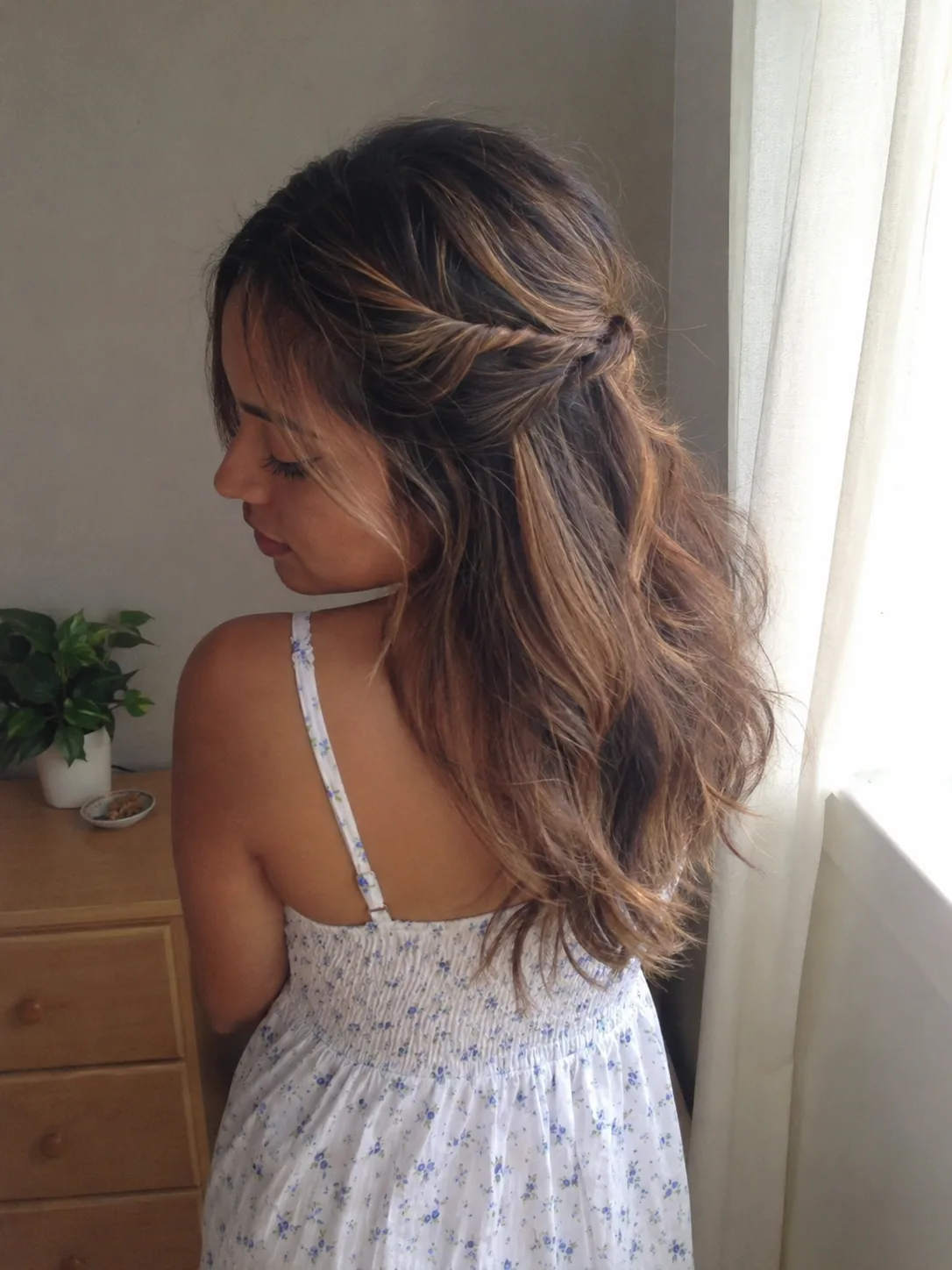
Gathering twists at the nape immediately reduces movement in wind. A soft elastic keeps the lengths organized while still allowing easy access when you want to release the style.
This is more practical than piling long twists into a high bun for someone who expects to recline frequently. A low ponytail also avoids creating a bulky knot exactly where your head meets a chair or beach lounger.
Box Braids in a Low Bun
Long box braids become much easier to manage once their length is gathered close to the head. A low bun keeps them out of the water while you’re walking along the shore and prevents individual braids from slipping beneath straps.
Wet weight changes the calculation. Added hair can feel substantially more cumbersome once saturated, and a large bun may hold moisture close to the base.
Choose this style because the installation already feels comfortable before you start rearranging it. A heavy set of braids doesn’t become gentler because it’s wrapped into a prettier shape.
Half-Up Box Braids
A half-up arrangement moves the front braids away from the face but leaves most of the length down. It’s a good compromise for a beach day built around photos, food, or lounging rather than constant swimming. Long lower braids can still drag across damp shoulders and catch beneath bags, so the visual payoff comes with more movement than a full bun or ponytail.
Cornrows Into a Low Bun
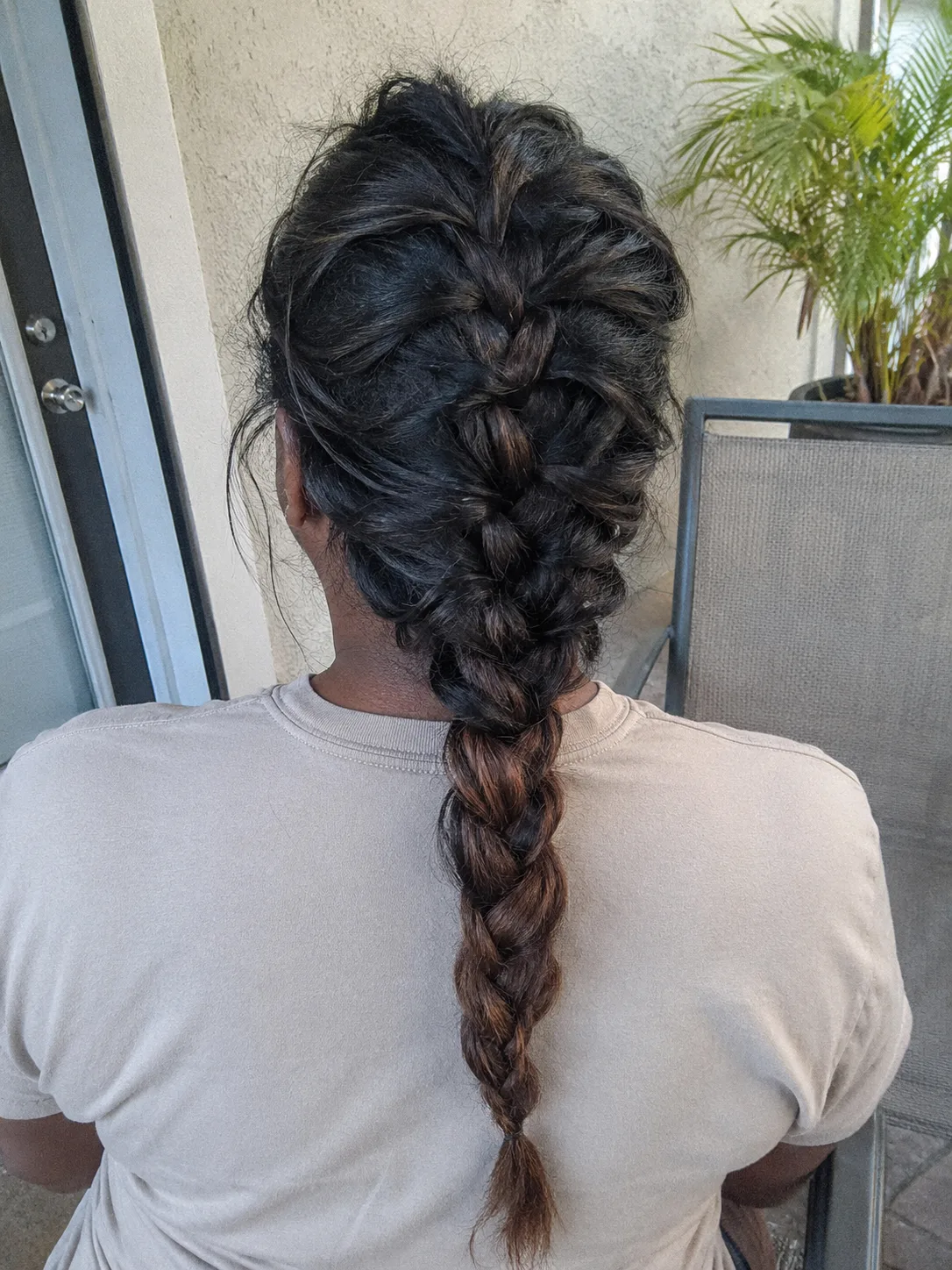
Cornrows that travel toward the back can finish in a compact bun, creating a hairstyle with very little loose length. This is one of the more convenient constructions for swimming because the hair stays close to the head.
Root comfort still deserves priority. Cornrows shouldn’t rely on painful tightness to survive the beach. Cleansing and drying access also matter, particularly through dense areas where moisture can linger.
Locs in a Low Ponytail
A low ponytail is one of the simplest ways to manage locs around water without building a complicated structure. It gathers the length quickly, keeps the hair away from the face, and is easy to release so the roots can dry. Mature or long locs can become noticeably heavier when wet, making a low anchor more practical than balancing all that weight at the crown.
Beach Styles for Short Hair and Loose Length
Swept-Back Pixie
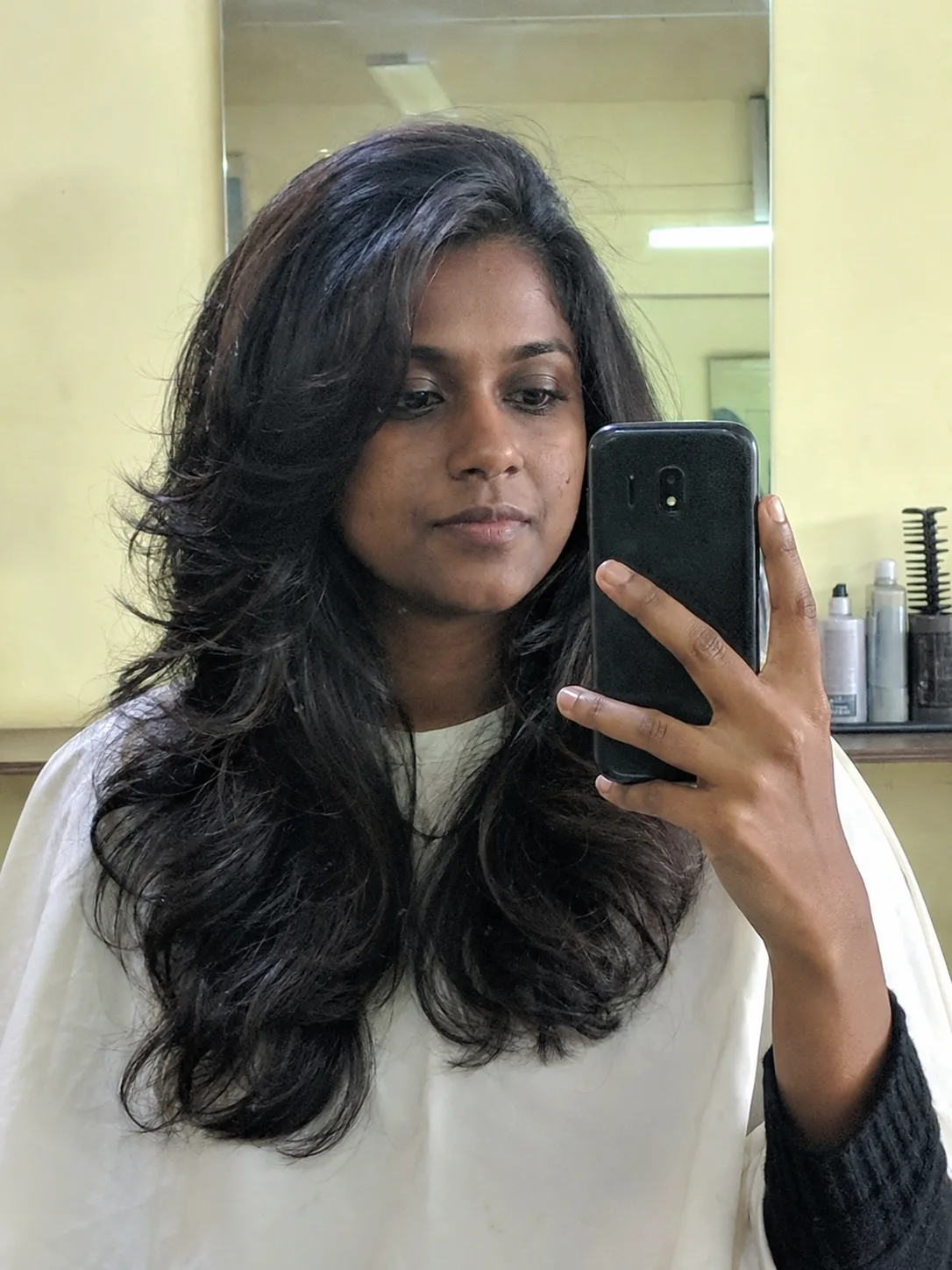
Short hair doesn’t need an elaborate beach solution. A pixie can be combed or finger-styled back from the forehead with a small amount of an appropriate styling product, letting the cut itself do most of the work.
This approach is particularly useful in wind because there’s little length available to tangle. The post-swim version will usually reveal the haircut’s natural growth patterns more clearly than a carefully dried version.
That makes the cut quality important. A pixie with a shape you like in its less-styled state is much easier to live with around water than one that depends heavily on heat styling or precise directional control.
Textured Bob Tucked Behind the Ears
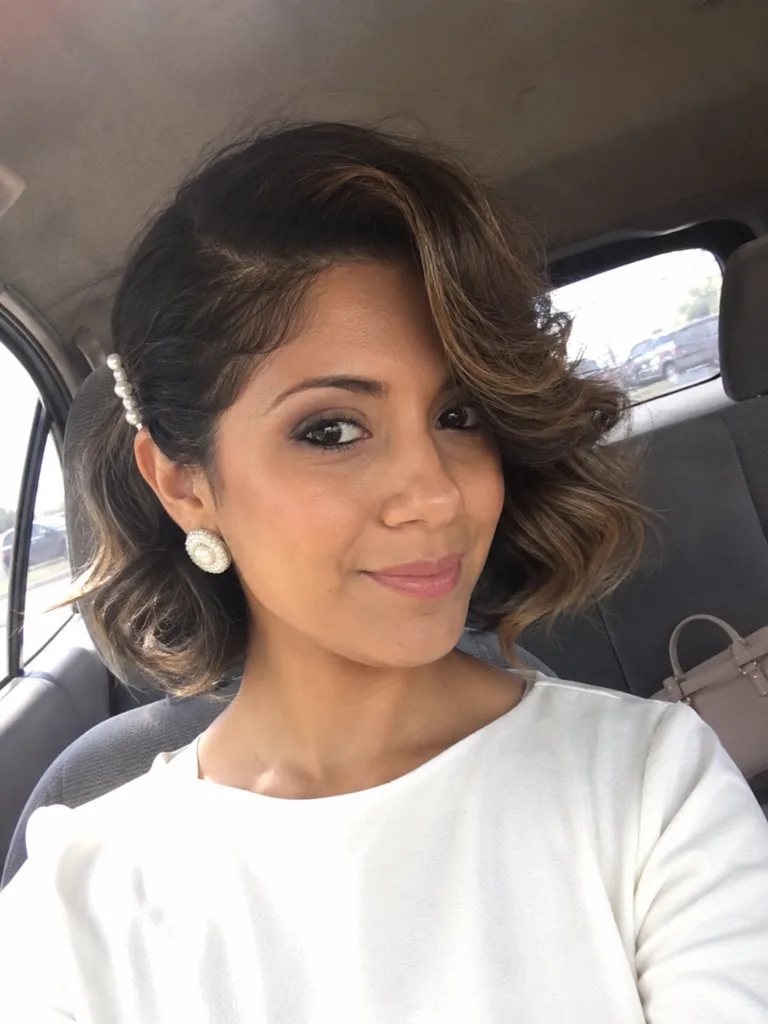
A bob can work beautifully at the beach when you accept that the ends may expand, bend, or flip as humidity rises. Tucking the front behind the ears prevents shorter pieces from blowing repeatedly across the face.
Collars and shoulders become part of the equation. A bob that ends exactly where it meets the neck of a cover-up may flip more than one that sits clearly above or below that point.
Short Hair With Front Mini Braids
Adding a few small braids through the front can control the section most likely to fall into your eyes while leaving the rest of a short cut loose. This works particularly well for chin-length or shorter textured hair on a mostly dry beach day. Keep the braids large and comfortable enough that they function as styling details rather than tiny, tight anchors along the hairline.
Bubble Ponytail
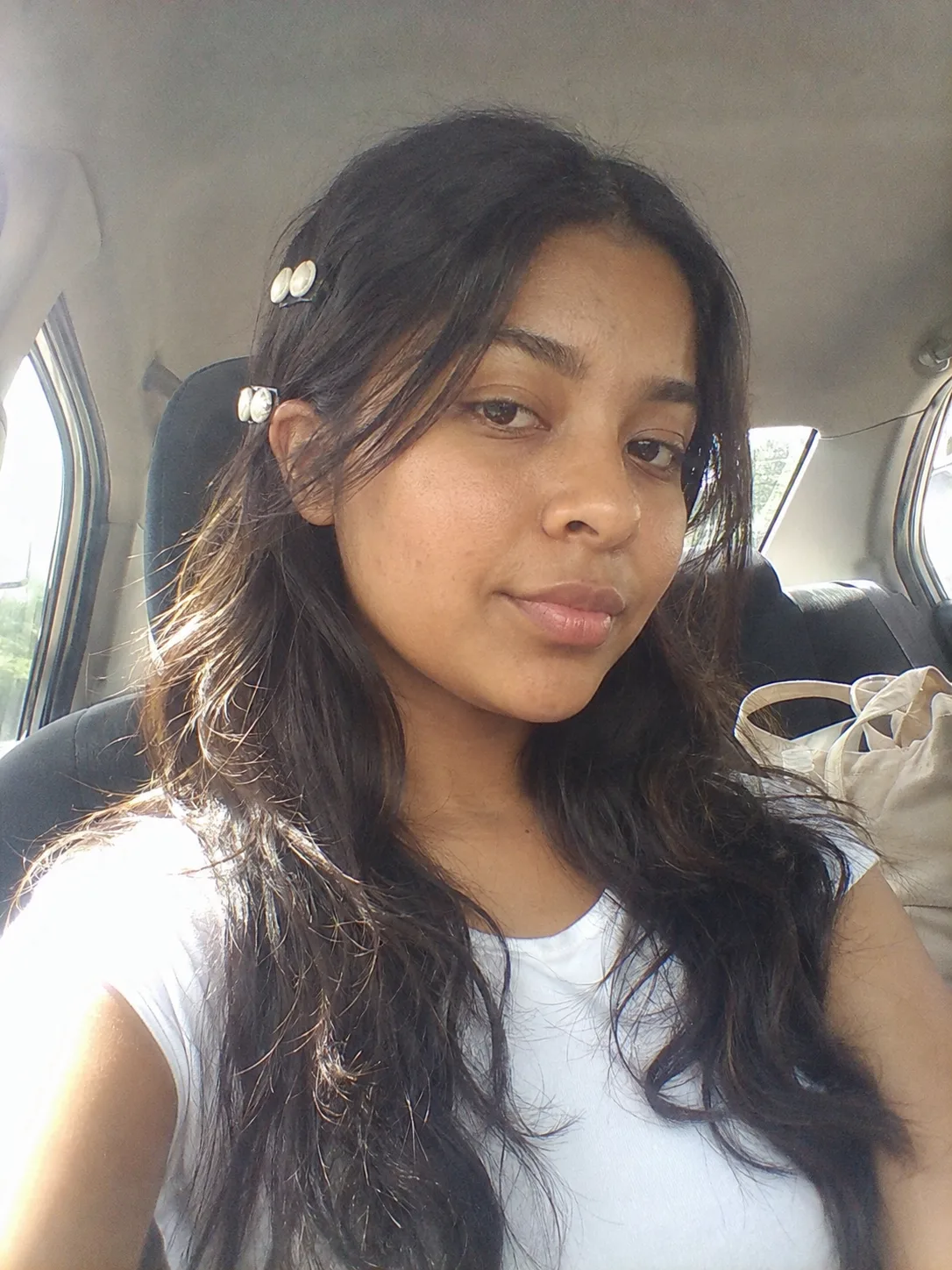
A bubble ponytail uses additional elastics down the length to divide a ponytail into rounded sections. Compared with a loose ponytail, it limits how widely the hair can fan out in strong wind.
It’s a stronger choice for thick or long hair on a dry beach day than for repeated swimming. Multiple elastics through wet, tangled hair can make removal unnecessarily fiddly. Use smooth, snag-conscious ties and leave enough room between them that the hair isn’t sharply cinched.
Easy Styles for Lounging, Boardwalks, and Post-Beach Plans
Claw-Clip Twist
A claw-clip twist is excellent when convenience matters more than swim-level security. Twist the length upward, fold or tuck the ends, and place the clip where it feels stable without scraping the scalp.
Its biggest advantage is speed. You can take it down, shake out the hair, and rebuild it after changing clothes without dealing with several elastics or pins.
The limitation is physical. A large clip can press uncomfortably against a chair, car headrest, or lounger, and clips aren’t an ideal choice for diving or rough water. Save this one for a beach walk, café stop, or dry afternoon.
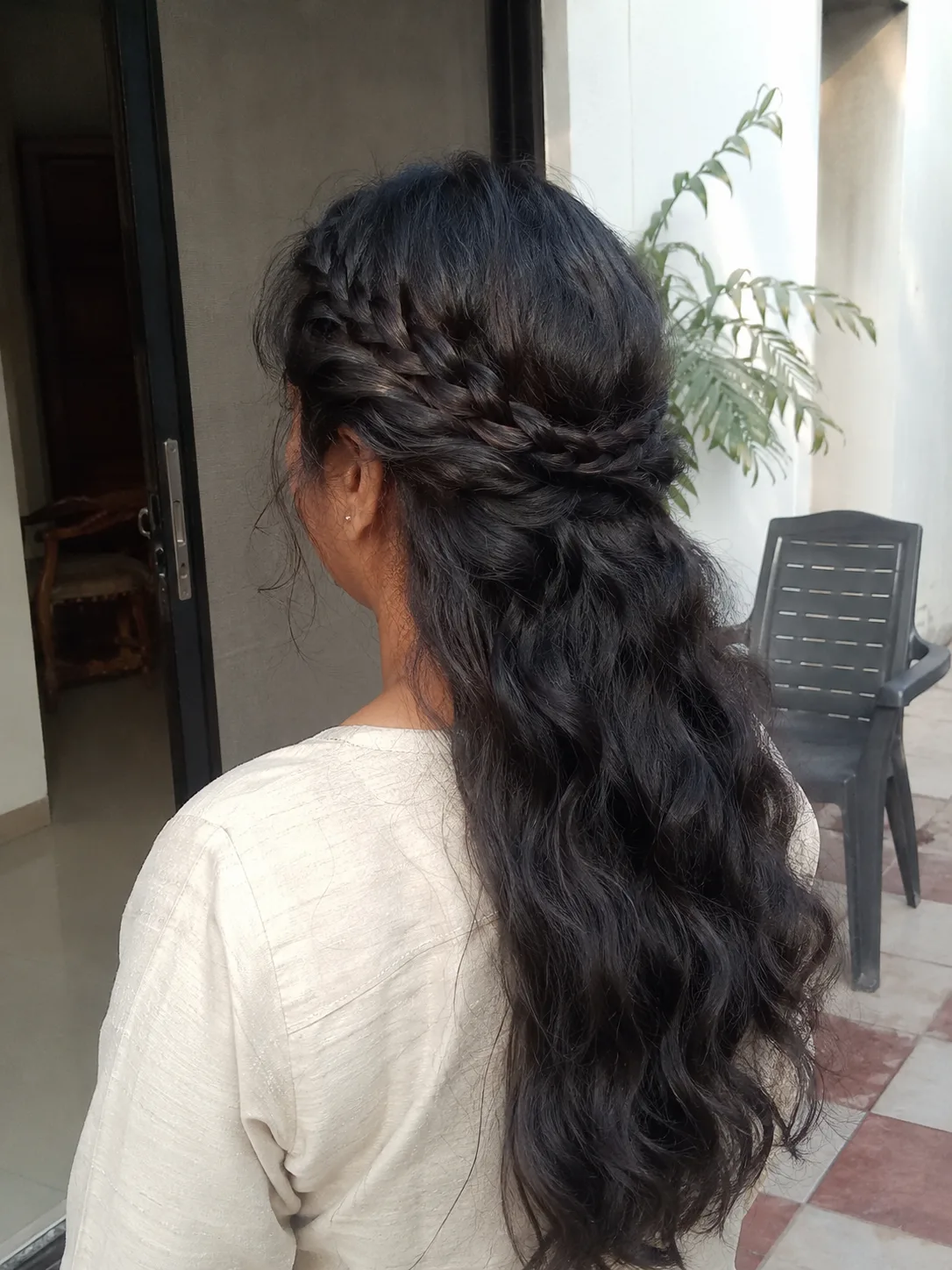
Half-Up Braided Style
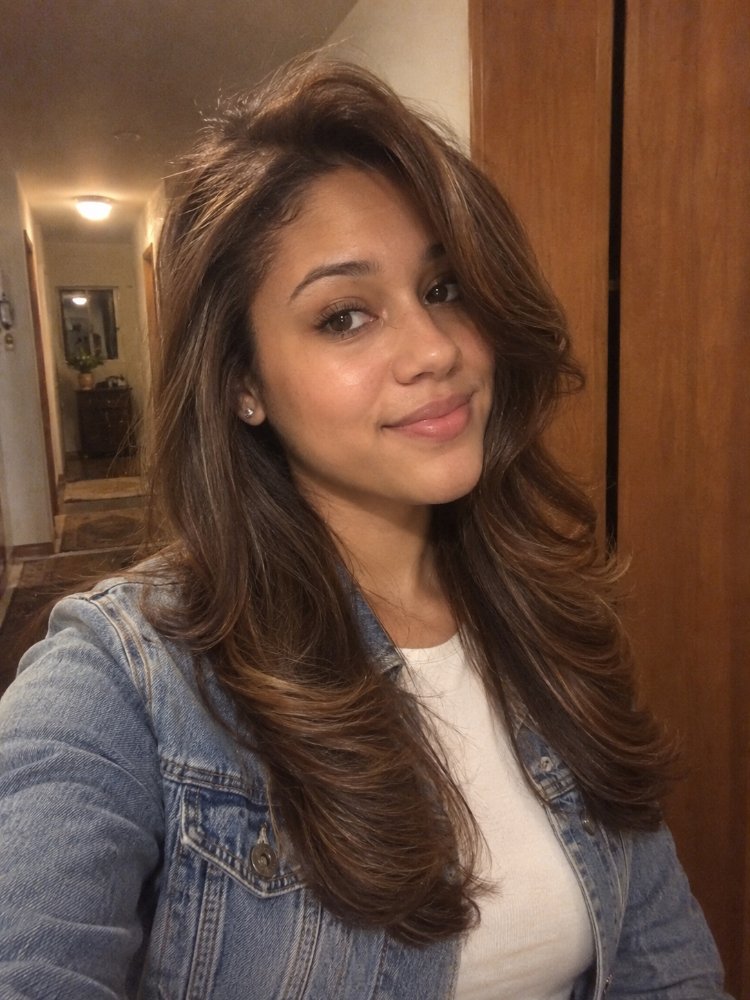
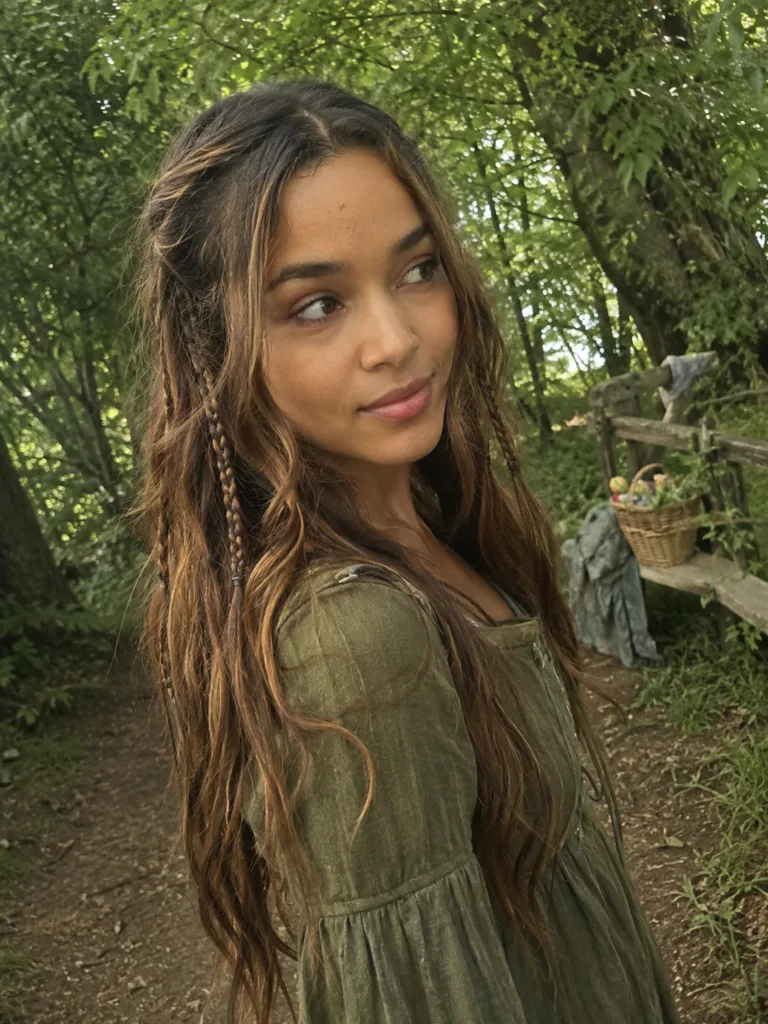
A half-up braid keeps the front controlled while leaving movement through the lower half. The upper section can be braided toward the back and secured before the remaining hair is left straight, wavy, curly, or naturally textured. It gives you more face clearance than fully loose hair without committing to an updo, making it one of the better choices for a beach day where swimming is optional rather than central.
What Beach Photos Usually Don’t Show
A hairstyle can look effortless in a photograph taken ten minutes after styling. The harder test comes later.
Wet length sits differently. Hair that felt light when dry can cling to the shoulders after swimming. Added hair and locs gain weight. A high bun that looks great standing up may sit exactly where a headrest presses. Long braids can become trapped beneath backpack straps, and a low puff may rub repeatedly against damp clothing.
Humidity matters too, but its effect depends on how you started. Straightened hair may begin reverting toward its natural texture. Curls and coils may shrink or expand. A bob may bend at the neck. These aren’t necessarily styling failures; they’re part of choosing a hairstyle for an environment that changes the hair.
The strongest beach hairstyle is usually one whose post-water state you can tolerate without rebuilding from scratch.
After-Swim Resets That Keep the Style Practical
Avoid keeping saturated hair tightly compressed into a dense bun simply because the style still looks neat. Give the scalp and roots reasonable access to air, and account for how long your hair normally takes to dry.
For overnight care, a smooth scarf, bonnet, or pillow surface may reduce friction and tangling once the hair is in an appropriate state for covering. It won’t correct an uncomfortable installation or excessive pulling.
Planning Your Beach Hairstyle Before the Trip
Start with your actual itinerary. Swimming every morning calls for a different decision than spending most of the day beneath an umbrella.
For repeated water exposure, two braids, a braided low bun, comfortable cornrows, mini twists, or an easy low ponytail usually make more sense than an intricate loose style. The easier you can access and dry the roots, the better the hairstyle fits an active beach routine.
A mostly dry vacation gives you more freedom. Half-up styles, a fishtail braid, loose texture, a claw-clip twist, or a textured bob can be worth the extra movement because preserving swim-level security isn’t the priority.
Anyone having braids, twists, extensions, or another installation done before a beach trip should consider the finished weight before choosing dramatic length or density. An installation that already feels heavy on dry land can become more cumbersome once wet.
Comfort gets the final vote. Persistent pain, stinging, sores, redness, or concerning changes around the hairline deserve more attention than preserving a vacation hairstyle. Loosen or remove a source of uncomfortable tension when needed, and speak with a dermatologist or another qualified healthcare professional about persistent or concerning scalp or density changes.
Related Hairstyles to Explore
- Beach hairstyles for long hair
- Cute beach hairstyles
- Beach waves hairstyles
- Easy prom hairstyles to do yourself
FAQs
What is the easiest beach hairstyle for long hair?
A low braid or braided low bun is one of the most practical starting points. Both keep the length contained, reduce wind tangling, and can be released easily afterward so damp roots aren’t trapped inside a large updo.
What beach hairstyle works best for naturally curly hair?
A puff, wash-and-go, flat-twist style, or loose pineapple can all work, depending on how much swimming you plan to do. For frequent water exposure, choose a style that still looks and feels manageable after shrinkage rather than one that depends on keeping the curls stretched.
Can I swim with braids or twists?
Yes, provided the installation is comfortable and appropriate for your hair and scalp. The bigger practical issues are added weight when wet, access to the scalp, and drying the roots thoroughly afterward. Very long or dense added hair can be more cumbersome in the water.
Are claw clips good for the beach?
They’re useful for lounging, walking, changing clothes, and keeping hair off the neck, but they’re less suited to active swimming. A large clip can shift in the water and may press against a headrest or lounger when you lean back.
How should I wear short hair at the beach?
Use the haircut’s natural shape to your advantage. A pixie can be swept back, while a short bob can be tucked behind the ears or given a small front braid. Styles that require perfect heat-styled smoothness usually demand more rebuilding after humidity or swimming.
How do I keep a beach hairstyle from becoming uncomfortable?
Avoid relying on extra tightness for security. Check how the style feels while turning your head, leaning back, and moving normally. Wet hair or added hair can increase weight, so releasing a heavy bun or repositioning a ponytail after swimming may make the style easier to wear.
Hair Texture & Upkeep Style Matcher
Select your natural hair texture and daily maintenance window to get an instant styling formula and heat safety cap.
Heat Cap: 320°F (160°C)
A versatile three-strand braid beginning at the parietal ridge, securing the top half while allowing natural wave texture to flow freely around the shoulders.
Conclusion
The most successful beach hairstyles aren’t necessarily the most elaborate ones. They’re the styles that still make sense after wind, humidity, swimming, and a few hours of real movement.
Choose a compact braid or bun when water is the main event. Keep natural texture accessible when you expect shrinkage and repeated resets. Save claw clips, half-up styles, and looser finishes for beach days where staying dry is realistic.
Before deciding, picture the hairstyle wet, heavier, slightly frizzier, and pressed against a towel or headrest. If you’d still be happy wearing it that way, you’ve probably found the right beach style.
Editorial Standards & Hair Health Guidance
Every style featured on Tress Atlas is curated with a focus on real-world wearability, scalp tension management, and cuticle preservation. When trying protective styles or tight updos, ensure perimeter hairline sections remain tension-free to avoid traction stress on delicate follicles. For heat styling, cap tools below 350°F (180°C) to prevent thermal keratin denaturation.
Scientific Sourcing: Practices aligned with the American Academy of Dermatology (AAD) on traction alopecia risk reduction and cosmetic trichology research on hair tensile strength.