Cute Concert Hairstyles: Styling Guide & Cuts That Balance Style, Hold, and Comfort
A concert hairstyle has a harder job than an ordinary going-out look. It needs to photograph well before the show, survive movement and humidity, stay comfortable while you dance, and avoid becoming something you constantly have to push out of your face.
That changes which styles are genuinely worth choosing.
A loose, elaborate style may look beautiful in a mirror but become frustrating once you’re standing in a crowd. An extremely tight updo can solve the movement problem while creating a different one: pressure at the roots. Very long extensions add drama, yet they also move across your back, catch under straps, and become more noticeable as the night goes on.
The strongest concert hairstyles usually have one clear priority. Some keep your neck open. Others preserve natural volume, work beneath a hat, secure short front layers, or make accessories part of the look.
Use the ideas below as starting points, then adjust the placement and finish to suit your usual hair texture and styling state.
| Your priority | Good starting styles | Main consideration |
|---|---|---|
| Hair off your neck | Space buns, high puff, braided bun | Comfort at the roots |
| Maximum movement | Bubble ponytail, braided ponytail | Ponytail length and swing |
| Hair mostly down | Half-up waves, mini-braid half-up style | Heat and tangling |
| Strong all-night structure | Dutch braid pigtails, crown braid | Secure without excessive pulling |
| Quick styling | Claw-clip twist, low ponytail | Clip or elastic placement |
Updos That Keep Hair Away From Your Face
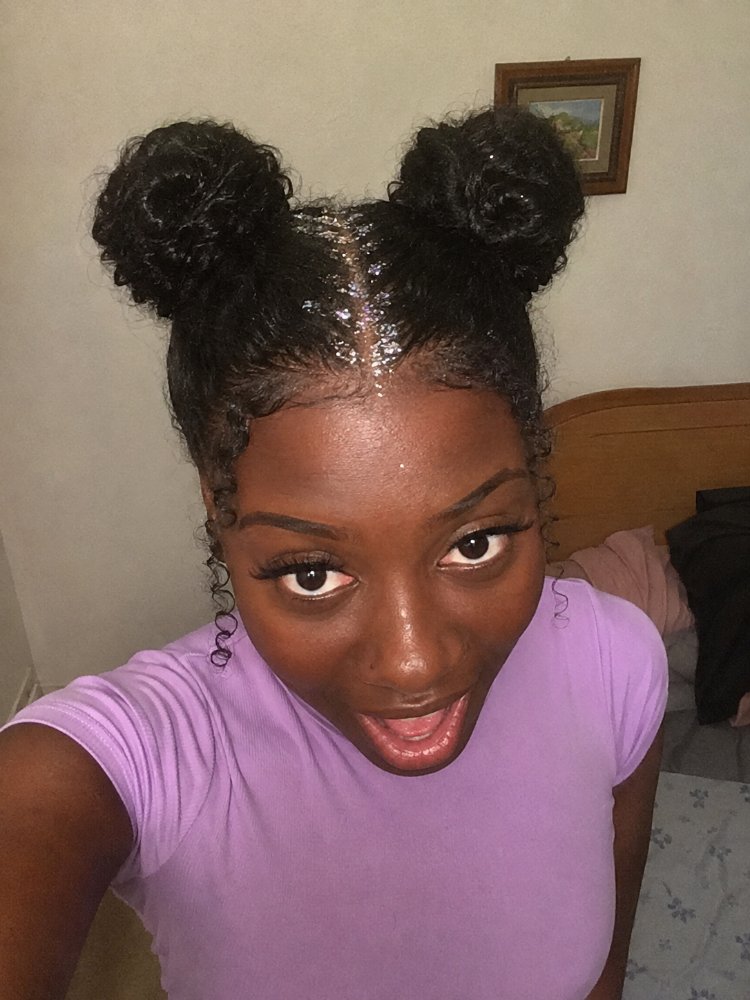
Double Space Buns
Space buns earn their place at concerts because they combine a playful shape with a very practical benefit: most of your hair stays above your shoulders. Wear them high for a more animated look or closer to the back of the head when you want less height.
They work on straight, wavy, curly, and stretched natural hair, though the surface doesn’t need to be perfectly smooth. Leaving some texture visible usually makes the style feel more relaxed.
Placement matters more than symmetry down to the millimeter. Two very tight anchors can become uncomfortable after hours of standing and dancing, so secure the buns firmly enough to stay put without repeatedly tightening them once they’re already stable.
Textured High Bun With Loose Front Pieces
A high bun can look formal or casual depending on the surface. For a concert, a little movement through the crown and a few deliberately loose pieces around the front keep it from reading like an event updo.
This is especially useful when you want your neck clear but don’t want the sharper finish of a slicked bun. Hair that’s naturally wavy or curly can provide much of the texture on its own; straighter hair can be gathered without flattening every bit of volume.
A very large bun also changes how you move. Check its position against car seats and headrests before leaving, particularly when the bun sits directly at the back of the crown.
High Curly or Coily Puff
Natural volume does most of the visual work here. A high puff gathers the base while allowing curls or coils to remain full, which makes it one of the strongest options when you want a recognizable concert look without rebuilding your natural texture.
Start with hair in the state you normally enjoy wearing it. A shrunken puff creates a rounder, more compact shape, while stretched hair tends to give the puff more length and separation.
The base deserves most of your attention. A wide fabric-covered elastic, scarf-style tie, or another comfortable securing method can gather the hair without forcing every fine perimeter strand into the same tension.
Once secured, arrange the puff from the outside instead of repeatedly pulling at the base. Pick apart curl groupings where you want more width, let shorter sections sit naturally, and leave the perimeter alone if pulling it tighter would create discomfort. The final shape should still move when you do.
Low Braided Bun
Crowded venues make low, compact styles surprisingly useful. A low braided bun keeps the ends contained and takes up less vertical space than a topknot, which can make it easier around hats, hoods, and tall headrests.
Gather the hair at the nape, braid the ponytail, then wrap the braid around its base and pin it securely. The braid gives the bun visible structure even when the surface of the hair isn’t perfectly smooth. Keep the bun slightly above a thick coat collar so constant rubbing doesn’t push it upward.
Ponytails With More Personality
Bubble Ponytail
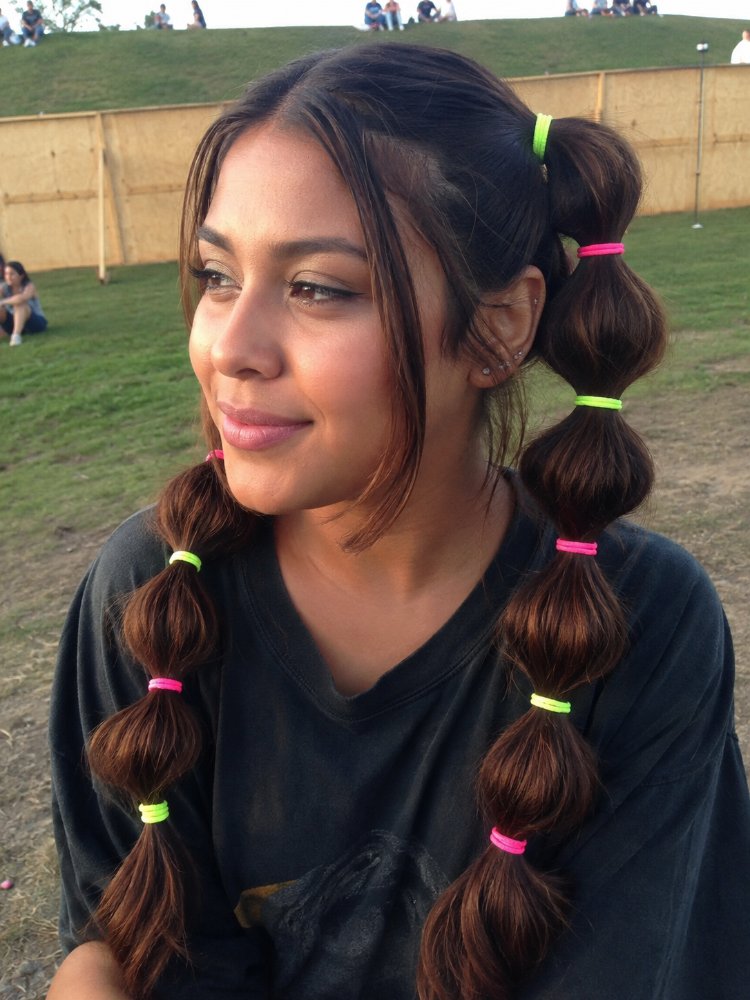
A bubble ponytail gives you a graphic shape without complicated braiding. Secure one main ponytail, then place additional elastics along its length and gently expand the hair between them.
The look changes considerably with density and texture. Thick or curly hair tends to create fuller bubbles quickly, while fine strands may produce a narrower result. Added hair can increase fullness, but more length also increases the amount of hair swinging from the anchor as you move.
Braided High Ponytail
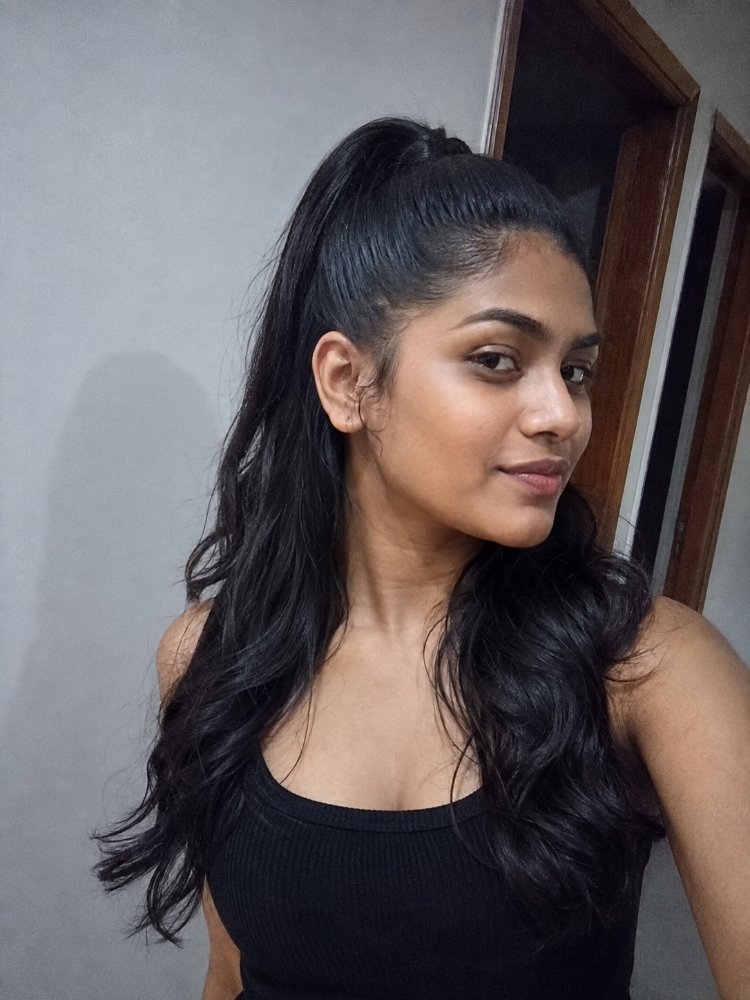
A braided ponytail feels sharper than an ordinary pony and keeps the tail from expanding or tangling as freely in a crowd. It works particularly well when your outfit already has a clean, strong line.
The ponytail base carries most of the movement, so choose its height with comfort in mind. A mid-high anchor still gives plenty of lift without placing the braid at the absolute top of the head.
Braid the natural ponytail directly when the length allows. Another construction uses added hair secured around an established ponytail base. With extensions, attachment security and added weight matter as much as the appearance.
Extra-long braids look dramatic in photographs, but the length continues moving after your head stops. The braid can slide beneath a jacket, backpack strap, or crossbody strap. Moderate length is the more practical concert choice when you expect constant dancing.
Soft Mid-Height Ponytail
Not every concert style needs an obvious gimmick. A mid-height ponytail with crown volume and a softly finished tail gives you movement while keeping the front controlled.
It is particularly forgiving when you have layers that don’t naturally reach a very high ponytail. Let the tail keep its natural bend, curl, or wave instead of forcing a glassy finish. Wrapping a small section of hair around the elastic can hide the base when you want a cleaner look.
Sleek Low Ponytail
A low ponytail is the better choice when you want understated hair beside a dramatic outfit, statement makeup, or large earrings. The visual line stays close to the head instead of competing with everything else.
Smooth the hair back with the amount of control your texture and preferred styling state support, then secure the ponytail near the nape. A center part creates a sharper result; wearing the hair straight back makes the style feel simpler and more athletic.
Be aware of clothing contact. A low ponytail repeatedly rubbing against a bulky collar can loosen around the nape or encourage tangling through loose lengths. A braid through the tail solves more of that problem while changing the finished look.
Braids That Handle Movement Well
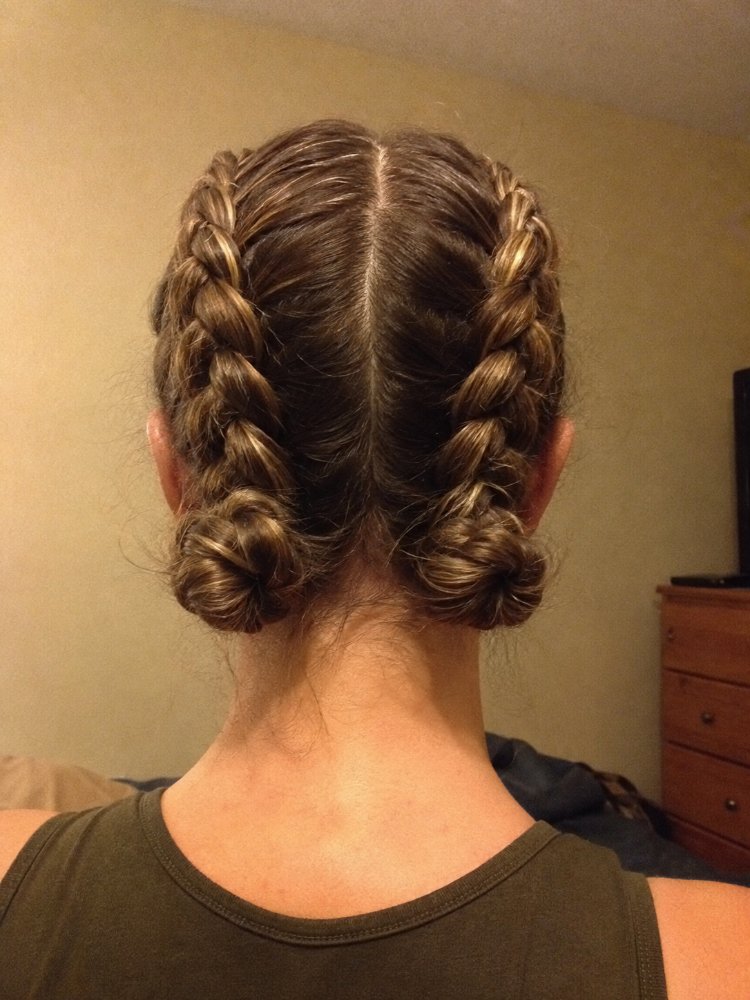
Dutch Braid Pigtails
For a concert where you plan to move a lot, two Dutch braids are difficult to beat. They distribute the hair into two structured sections instead of hanging everything from one elastic, and shorter layers can be incorporated gradually as each braid travels down the head. Leave the braids neat for stronger definition or gently widen the outer loops for a fuller effect. Curly and coily hair can be braided in its natural or stretched state according to the finish you want; straightening isn’t required.
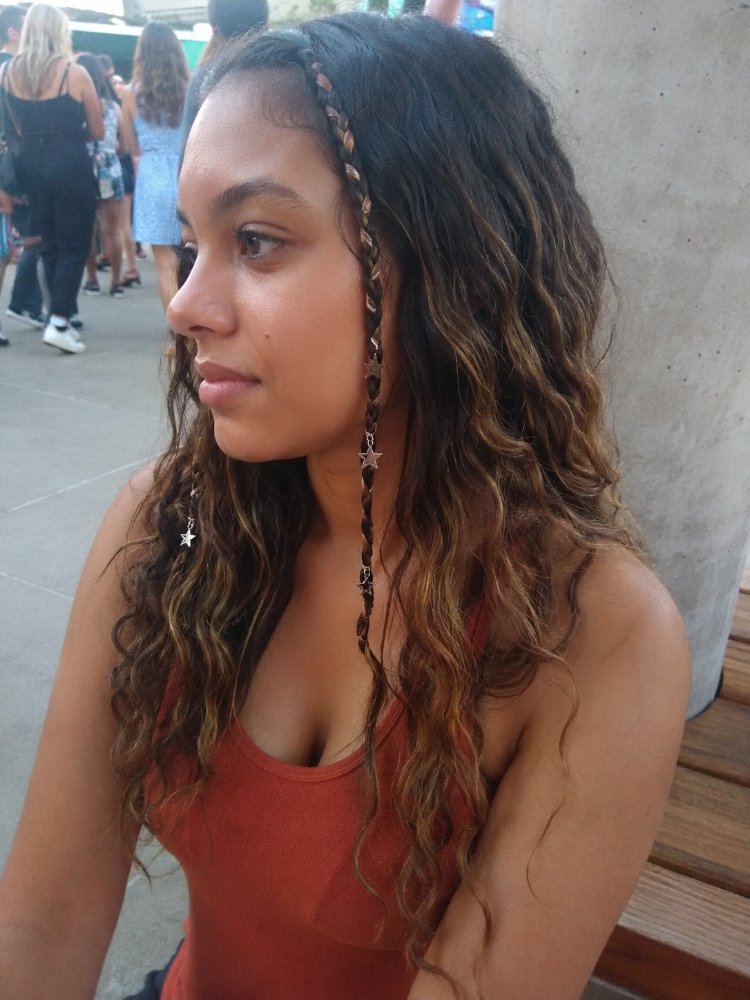
Half-Up Style With Face-Framing Mini Braids
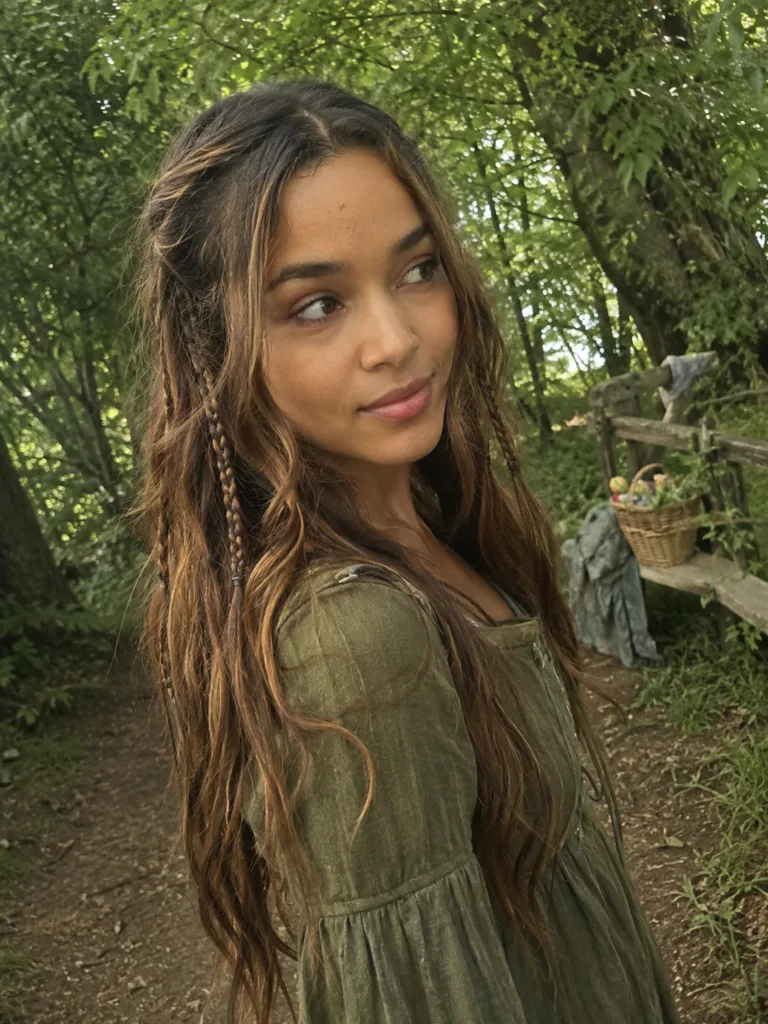
Mini braids near the face solve a very specific concert problem: you want your hair down, but you don’t want the front pieces falling forward every time you move.
Create a small braid on each side near the hairline, then connect or secure the upper section at the back. Leave the remaining length loose. Waves, curls, coils, and straighter textures all give the style a different character without changing the basic construction.
The braids can stay slim and decorative rather than becoming the main hairstyle. Avoid pulling tiny sections sharply backward just to make the front look cleaner.
This option is especially strong for shoulder-length and longer hair because the loose portion still provides visible movement in photos. It also works around statement earrings better than a completely loose style, since fewer strands keep sweeping across them.
Crown Braid
A crown braid makes more of a statement than standard pigtail braids while keeping the lengths fully contained. The braid follows around the head, creating a continuous border that works well with bold makeup, metallic accessories, or an outfit with a romantic direction.
Construction is the deciding factor. The braid should remain secure around its route without feeling progressively tighter near the temples or behind the ears. Hairpins can support sections that want to lift away from the head.
Because the style sits close to the scalp, it doesn’t swing against your back while dancing. It also leaves the neckline completely visible.
Side Braid With Natural Texture
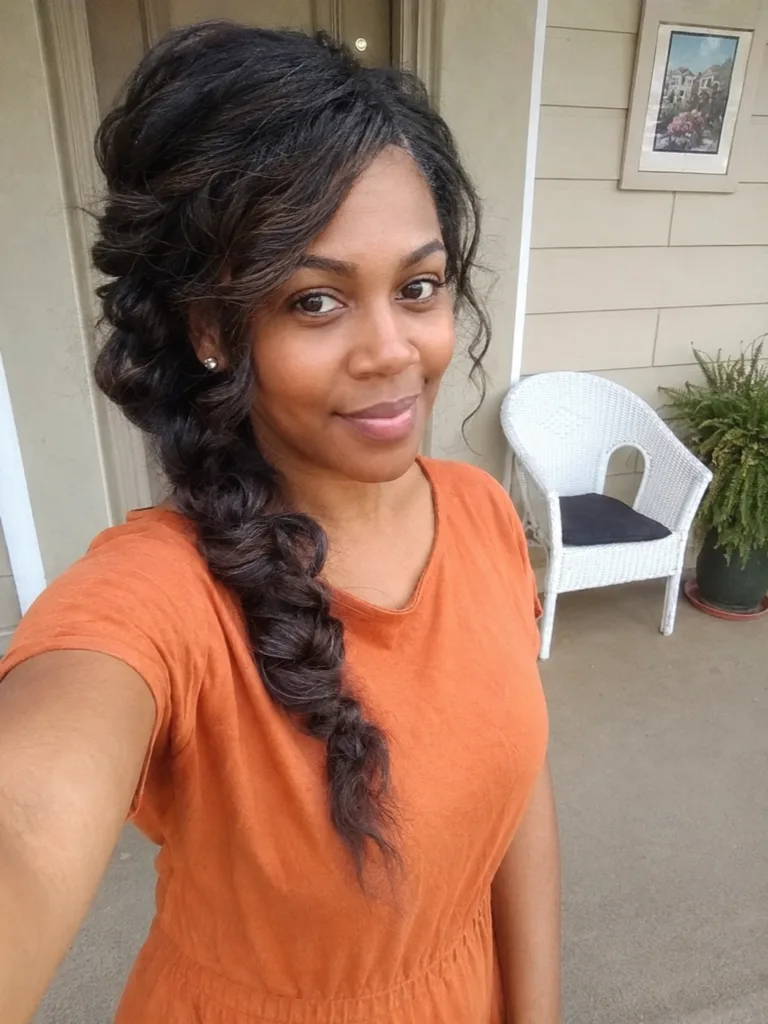
A single side braid is an underrated concert hairstyle for longer hair. It pulls most of the length to one side, gives you a visible braid from the front, and reduces the amount of loose hair moving around your shoulders.
Let shorter curls, waves, or layers remain soft around the face instead of forcing them into the braid. A slightly expanded braid usually suits the casual setting better than one pulled extremely tight from roots to ends.
Half-Up Styles for the Best of Both Worlds
Half-Up Topknot
The half-up topknot gives you the height of a bun without losing the movement of wearing your hair down. It’s particularly effective when your crown tends to collapse during a long evening, because the upper section creates its own lifted shape.
Take enough hair to create a visible knot without stripping too much fullness from the lower half. Hair below the knot can stay straight, wavy, curly, or coily.
A small topknot positioned too far back can disappear in front-facing photos. Moving it slightly higher makes the shape more visible while still allowing the loose lengths to frame the shoulders.
Texture makes this style more forgiving. A perfectly smooth knot can require more adjustment throughout the night, while a softly wrapped bun tolerates a little movement without looking unfinished.
The style also leaves room for clips or small decorative pins around the base. Accessories should support the look rather than become the only thing holding a loose bun together.
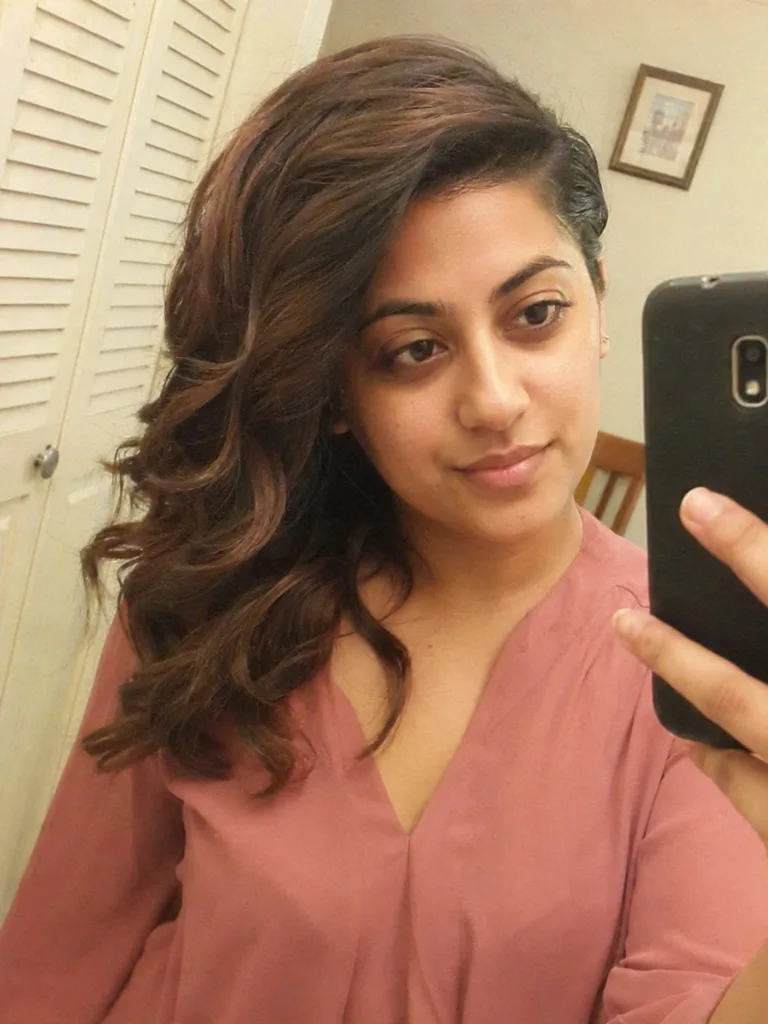
Half-Up Ponytail With Loose Waves
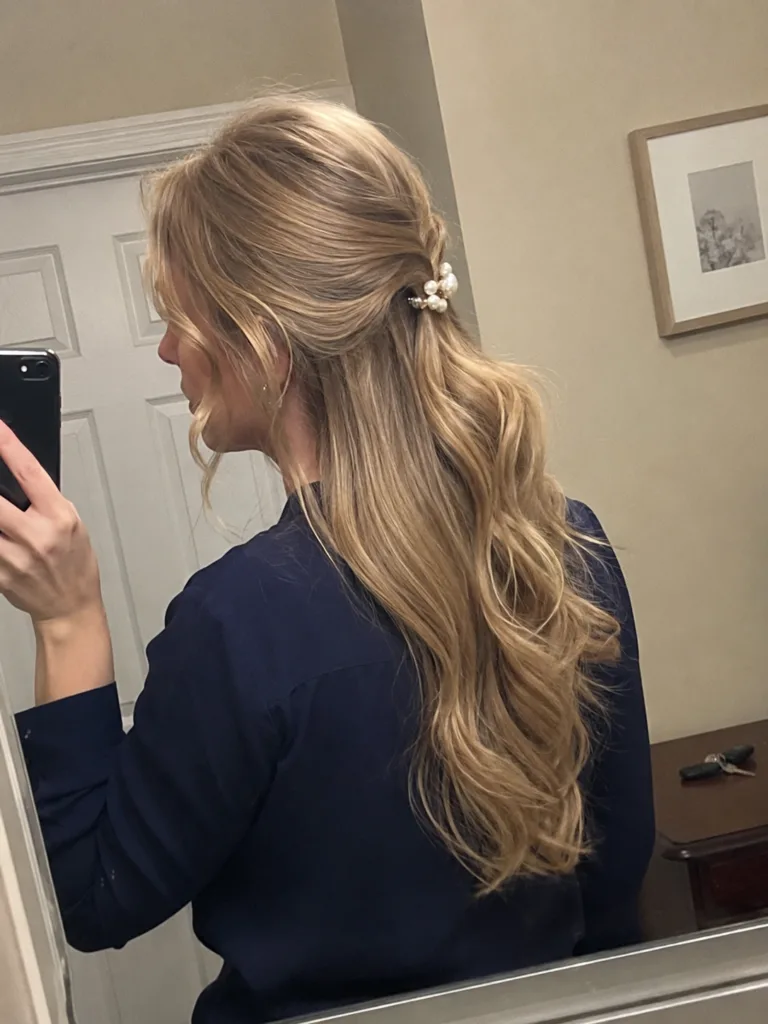
This version is softer than a topknot and faster to adjust. Gather the hair from the temples toward the crown and secure it in a half ponytail while leaving the lower lengths loose.
The higher placement lifts hair away from the cheeks while preserving fullness through the back. Loose waves work naturally with the shape because the upper pony blends into the remaining hair instead of looking like a separate tail. Humid or outdoor venues can soften highly defined waves, so a less rigid starting texture is often easier to live with.
Half-Up Twist With a Statement Clip
A twist secured with a decorative clip works when the outfit needs a cute detail more than the hairstyle needs complicated construction. Take the front and side sections backward, twist them lightly, and clip them together above the occipital area.
Choose a clip that actually holds the amount of hair inside it. A decorative piece that constantly slides is far less useful once you’re in a crowded venue and can’t easily redo the style.
Loose and Quick Styles
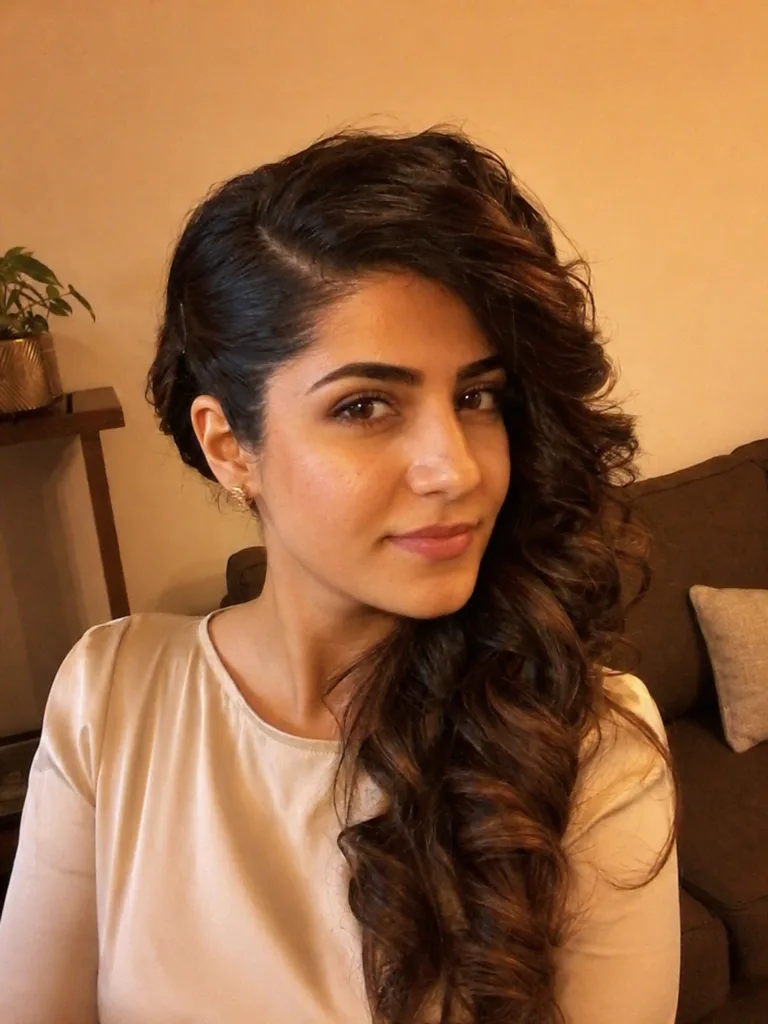
Voluminous Natural Curls or Coils With the Front Pinned Back
Leaving curls or coils mostly free gives you maximum shape and movement, while pinning the front sections back keeps them from repeatedly falling across your eyes.
Instead of flattening the entire crown, secure only the sections causing the problem. Small clips or bobby pins near the temples can preserve fullness through the rest of the hair. The style works particularly well when your natural curl pattern is already the main feature you want to show.
Humidity can increase shrinkage or frizz depending on the hair and environment. Build the shape around how your hair normally behaves rather than expecting the exact stretched length visible at the beginning of the night to remain unchanged.
Claw-Clip French Twist
The claw-clip twist is the practical emergency option that can still look deliberate. Gather the hair low, twist it upward, fold or contain the ends according to your length, and secure the twist vertically with a clip.
It works best when the clip’s size and grip match the amount of hair you’re asking it to hold. Dense hair in a small clip tends to escape; very fine or low-density hair may slip inside an oversized clip.
This is also one of the easiest styles to release briefly and redo. That flexibility can be valuable before a concert if you’ve been traveling with your hair down.
Its weak point is contact. A large clip at the back of the head can press against a car seat or headrest, so the style is often more comfortable when you put it up after the drive rather than before.
Check the clip during normal head movement before leaving. A style that feels stable while you’re standing still may behave differently once you’re turning your head and dancing.
Loose Waves With a Headband
Loose waves paired with a headband create a clear concert look with very little structural styling. The headband keeps the front area controlled, while the lengths stay free and mobile.
This choice makes the most sense for a lower-movement show, seated venue, or anyone who simply prefers wearing their hair down. Very long loose hair can tangle against clothing and bag straps in a packed standing crowd, so consider how much movement your night will involve.
Headband width matters around glasses and hearing devices. Check where all three sit around the temple and ear before committing to the placement.
Choosing a Hairstyle for the Type of Concert
Your outfit and aesthetic matter, but the venue changes the practical side of the decision.
A seated indoor concert leaves more room for loose waves, large curls, clips, and elaborate accessories. A crowded standing show rewards styles that keep front sections controlled and reduce loose length around your shoulders.
Outdoor concerts add weather. Heat can make hair against the neck uncomfortable. Wind moves loose sections constantly. Humidity can alter a carefully stretched or heat-styled finish. None of those conditions require you to abandon the style you want, but they make flexible texture much easier than a finish that depends on every strand staying exactly in place.
| Concert situation | Stronger choice | Less convenient choice |
|---|---|---|
| Hot outdoor show | High puff or space buns | Heavy loose lengths on the neck |
| Lots of dancing | Dutch braids or braided ponytail | Loose style needing frequent adjustment |
| Seated concert | Half-up waves or loose curls | Large bun directly against the headrest |
| Hat or hood planned | Low ponytail or low braided bun | High topknot |
| Statement earrings | Low bun or pinned-back curls | Loose front sections covering the ears |
What Concert Photos Don’t Show
Reference photos usually capture the hairstyle at its most controlled moment. They rarely show what happens after the wearer starts moving.
Ponytails swing. Extra-long braids move across your back. Loose curls mingle with jacket collars. A large bun can meet a headrest. Hair worn entirely down can become trapped beneath a shoulder strap or coat. Those details aren’t reasons to avoid a hairstyle; they’re useful information when two styles appeal to you equally.
Accessories deserve the same reality check. Large clips, rigid headbands, and decorative pins can become more noticeable after several hours. Make sure they remain comfortable around your ears, glasses, or hearing devices and stay secure while you turn your head.
Hair extensions can expand your options, particularly for long ponytails and braids. Added length and density also change the load at the attachment point. Choose an amount that gives you the visual result you want without turning the hairstyle into something you spend the whole evening managing.
A Simple Concert-Day Hair Check
Finish the hairstyle early enough to test it through ordinary movement rather than judging it only from the front of a mirror.
Turn your head fully to each side. Look down. Shake your hair lightly. Sit against the type of headrest you’ll encounter on the way there. Put on your jacket, bag, hat, glasses, or earrings. These simple checks reveal clips that dig in, buns that sit in awkward places, and long hair that keeps getting trapped under straps.
Your scalp should feel comfortable. Repeated pulling won’t make a fundamentally unstable hairstyle more reliable. Redistribute or simplify the style if securing it requires excessive tightness.
For braids, puffs, ponytails, and other tension-based styles, avoid forcing fragile perimeter hairs into an anchor simply for a cleaner photograph. Persistent pain, stinging, redness, sores, or a concerning change in density deserves attention; loosen or remove the source of pulling and consider speaking with a dermatologist or another qualified healthcare professional when symptoms persist or concern you.
Once the structure is comfortable, concentrate on the parts that will actually show: the front shape, crown, ponytail or bun outline, and any accessory placement. A few naturally loosened strands during the night usually matter far less than an uncomfortable base.
FAQs
What is the easiest cute concert hairstyle for beginners?
A half-up ponytail is one of the easiest starting points. It keeps the front controlled, works across many hair textures and lengths, and doesn’t require braiding skills. A low ponytail or properly fitted claw-clip twist can be similarly straightforward.
What concert hairstyles work well for short hair?
Short hair can work with pinned-back front sections, mini braids, small half-up ponytails, headbands, or texture-focused styling. You don’t need enough length for a full bun to create a hairstyle that feels different from your everyday look. Decorative clips placed where they can grip securely are especially useful.
Can I wear my natural curls or coils to a concert?
Absolutely. A high puff, pinned-back curls, half-up style, or fully loose shape can all work without straightening. Account for your normal shrinkage and the weather conditions instead of building the hairstyle around a stretched length you need to preserve perfectly. Keep any gathered base comfortable around the hairline.
How can I stop my hairstyle from falling apart while dancing?
Start with construction rather than trying to compensate with tighter tension. Secure the main anchor well, use bobby pins where sections genuinely need reinforcement, and test the hairstyle by moving before you leave. Braids, compact buns, and styles that contain the front sections generally need less mid-show adjustment than fully loose hair.
Hair Texture & Upkeep Style Matcher
Select your natural hair texture and daily maintenance window to get an instant styling formula and heat safety cap.
Heat Cap: 320°F (160°C)
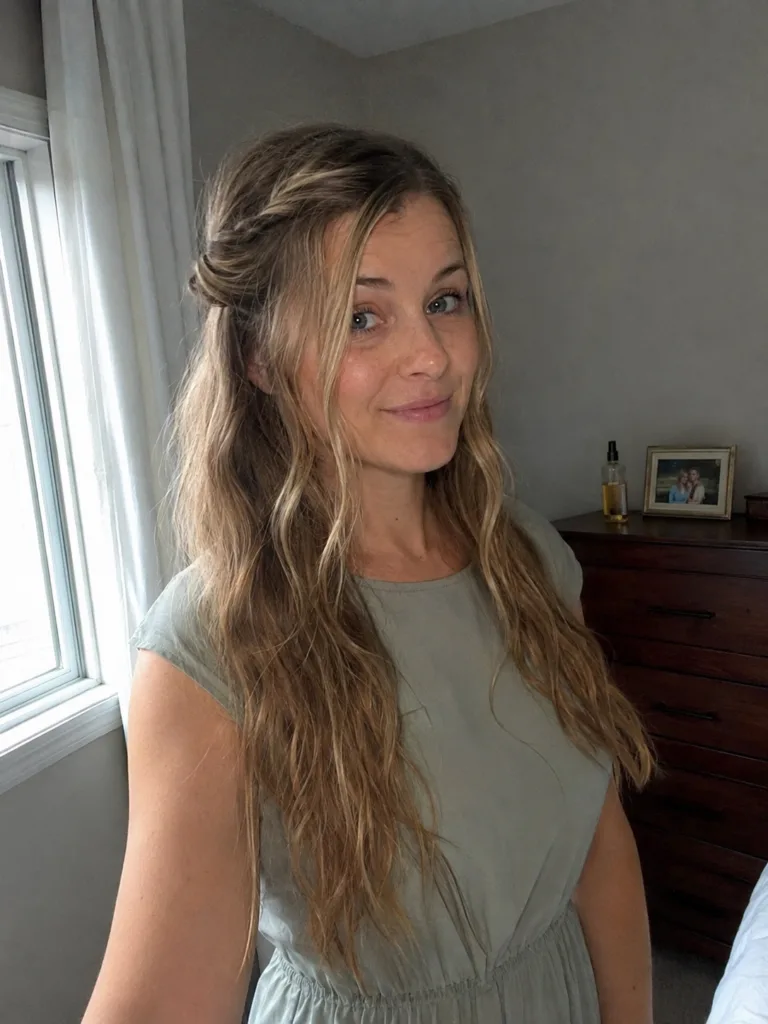
A versatile three-strand braid beginning at the parietal ridge, securing the top half while allowing natural wave texture to flow freely around the shoulders.
Conclusion
The cutest concert hairstyle is the one whose visual payoff matches the kind of night you’re actually planning.
For heavy dancing or a packed standing venue, structured braids, space buns, a puff, or a secure ponytail remove a lot of unnecessary fuss. Loose waves and full curls make more sense when movement and tangling are less of a concern. Half-up styles sit comfortably between those extremes.
Choose the shape first, then check how it behaves with your outfit, accessories, transportation, and normal hair texture. A hairstyle that still feels good once you start moving has a much better chance of looking good when the concert is actually underway.
Editorial Standards & Hair Health Guidance
Every style featured on Tress Atlas is curated with a focus on real-world wearability, scalp tension management, and cuticle preservation. When trying protective styles or tight updos, ensure perimeter hairline sections remain tension-free to avoid traction stress on delicate follicles. For heat styling, cap tools below 350°F (180°C) to prevent thermal keratin denaturation.
Scientific Sourcing: Practices aligned with the American Academy of Dermatology (AAD) on traction alopecia risk reduction and cosmetic trichology research on hair tensile strength.