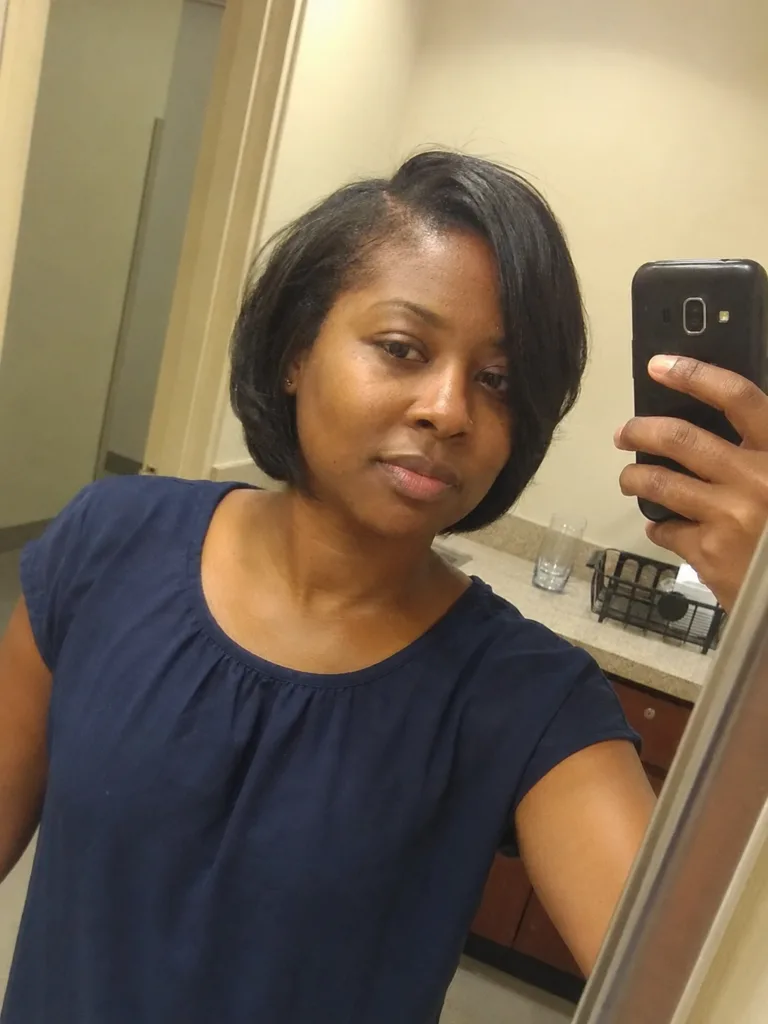
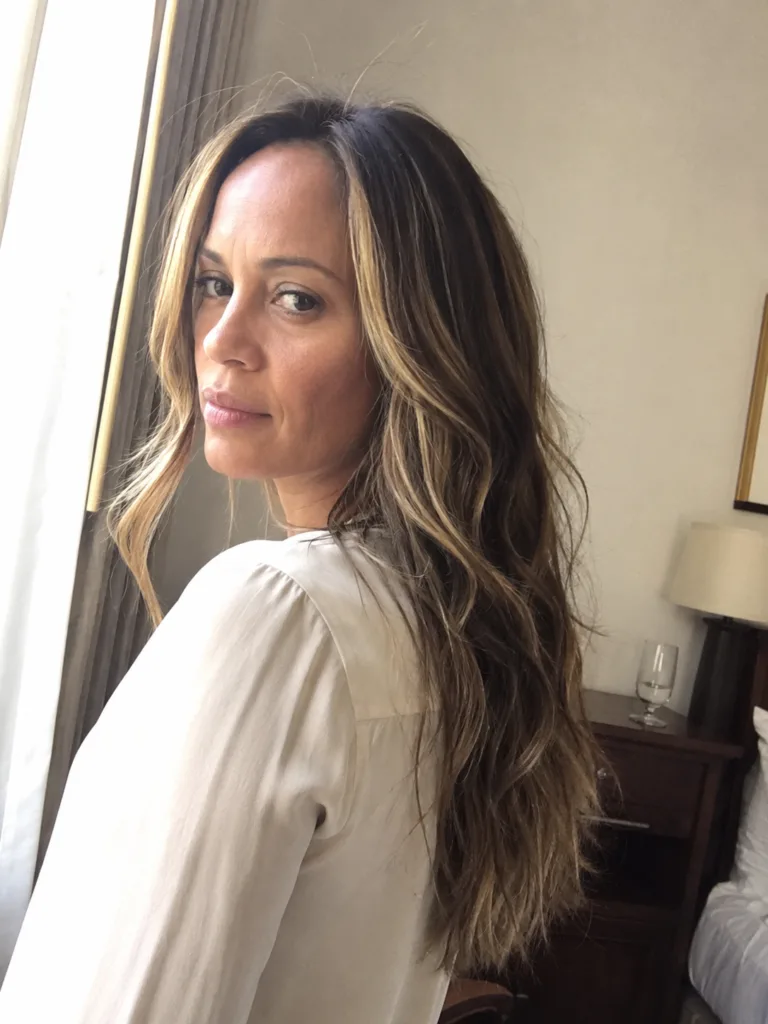
Shoulder Length Hair: What Changes the Result
Shoulder length hair sounds precise until you try to describe the haircut you actually want. One person’s shoulder-length cut falls neatly above a shirt collar. Another person’s reaches the shoulders only after blow-drying. A curly cut may sit near the jaw when dry even though the stretched strands reach much farther.
That variation matters because the real decision isn’t simply where the ends stop. It’s where the weight sits, how much movement you want, and which styling state you expect the haircut to work in most often.
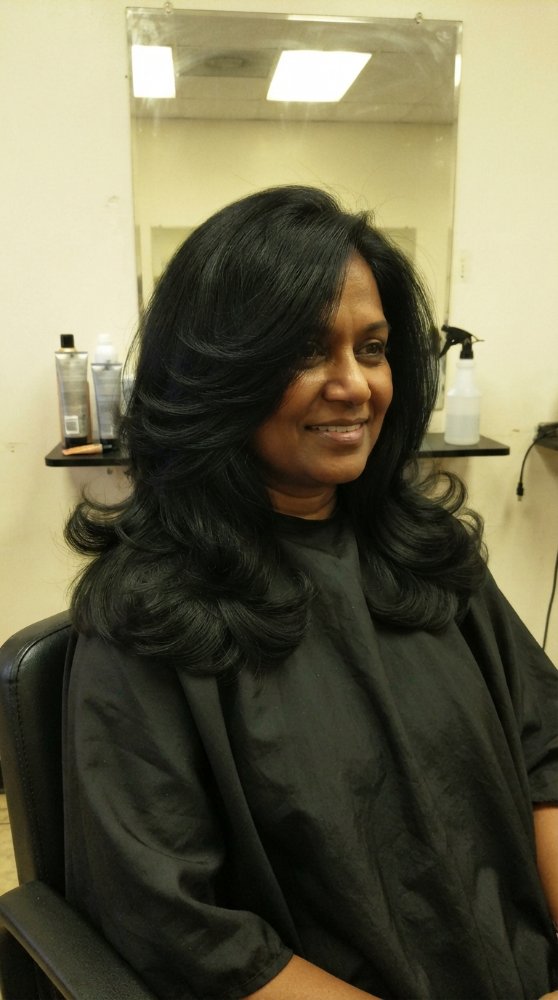
A strong, fairly blunt perimeter gives shoulder length hair more visual weight through the bottom. Layers create movement and can keep dense hair from feeling blocky, but aggressive interior removal can leave the lower edge looking thin. Bangs, face-framing pieces, shrinkage, cowlicks, and your usual part can change the impression further.
The shoulder itself creates another practical issue. Hair at exactly this length repeatedly meets collars, jackets, scarves, and your upper back. Straight or softly waved ends may flip where they hit clothing. Curls can expand outward. Hair that looks sleek in a standing reference photo may behave very differently after a commute, workout, or humid afternoon.
So before asking for shoulder length, decide what you want the haircut to do.
Shoulder Length Is a Zone, Not One Exact Line
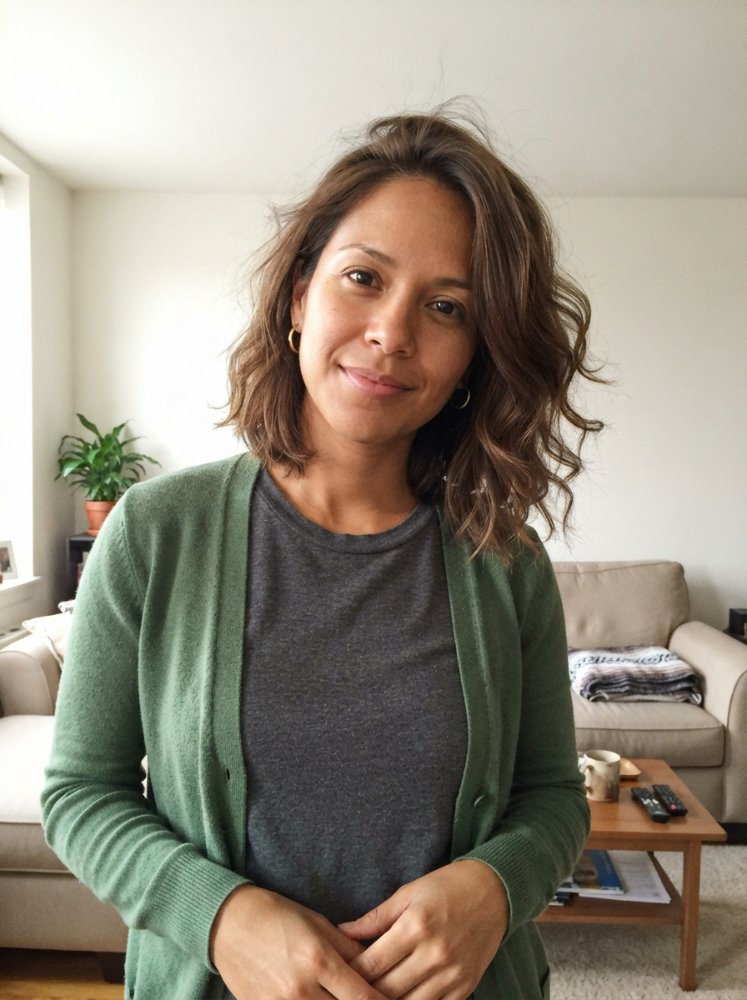
Haircuts near the shoulders usually work within a fairly narrow visual zone, but a small change in length can alter how the cut behaves.
A cut that stops above the shoulder clears most clothing and tends to keep a cleaner outline. Once the ends begin resting directly on the shoulders, they encounter friction and can turn outward. A little more length allows the hair to fall past that contact point, although it starts moving toward medium-long territory.
Your normal styling state should guide where the stylist establishes the length.
Straightened hair exposes the full drop of the cut. Waves shorten it slightly as bends form. Curls and coils may shorten much more as they spring into their usual pattern. Hair with strong shrinkage can therefore require a very different cutting plan from hair worn stretched most days.
This is particularly important for anyone switching between natural and stretched styles. A perimeter that looks exactly shoulder length after a silk press may sit considerably higher when the hair returns to its natural curl or coil pattern. Neither result is wrong; they represent two different states of the same haircut.
Bring reference photos showing the state you actually wear most. A photo of blown-out hair won’t fully explain how you want a wash-and-go to sit.
Blunt, Layered, or Somewhere Between?
The biggest structural choice is usually how much weight to keep through the perimeter.
A blunt or minimally layered shoulder cut keeps the bottom edge prominent. It works especially well when you want the haircut itself to look substantial, simple, and graphic. Fine strands can work beautifully with this shape, and low-density hair may benefit visually from keeping more material at the edge instead of removing too much from the interior.
Fine strands and low density aren’t the same thing. Fine describes the diameter of an individual strand; density describes how many strands are present. Someone can have fine strands and very high density, or coarse strands and relatively low density.
Layers solve a different problem. They remove or redistribute weight so the hair moves more freely. On dense straight or wavy hair, they can prevent shoulder length from expanding into a heavy triangle. On curly hair, thoughtfully placed layers can help curls stack instead of collecting all their fullness at the bottom.
The mistake is treating layering as an automatic upgrade. A heavily layered cut may sacrifice the strong lower edge you were hoping to see.
For most people who aren’t sure how much layering they want, a strong perimeter with restrained internal movement is the safer starting point. You can remove more weight later. Restoring an over-layered lower edge requires growing it back.
Your Texture Changes Where the Cut Lives
Shoulder length behaves very differently across straight, wavy, curly, and coily hair, even when the stretched measurement is similar.
Straight hair makes the perimeter easy to see. Small inconsistencies in length, graduation, or density can therefore be quite visible. The shoulder itself also becomes part of the styling equation because the ends may tuck under, kick outward, or separate after touching clothing.
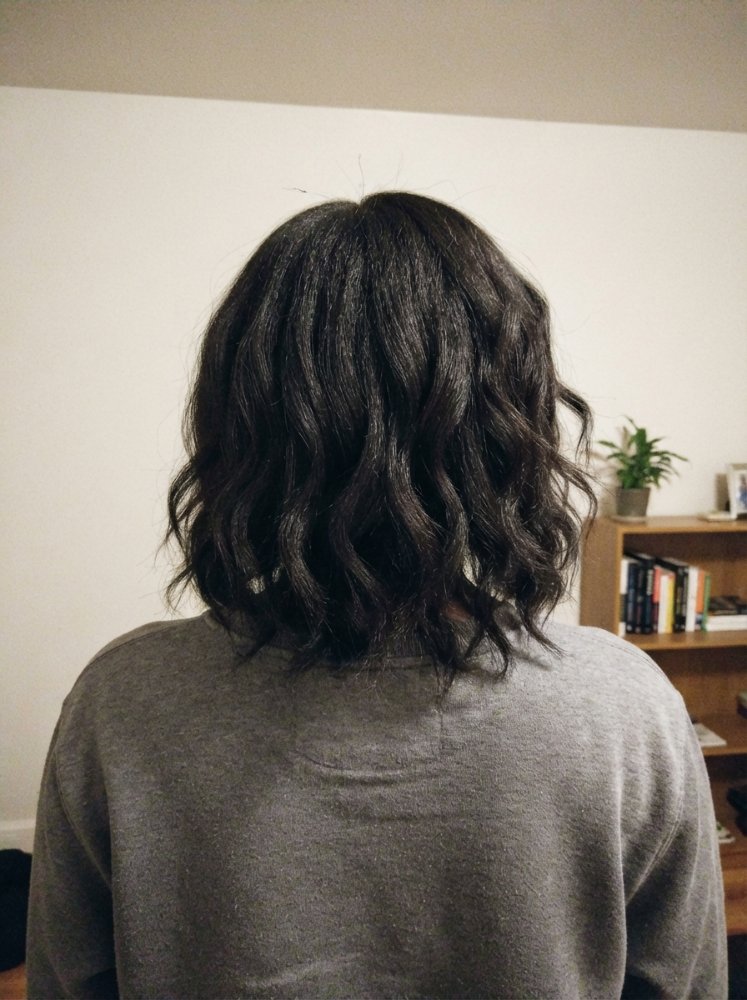
Wavy hair often gains more character at this length because there is enough length for bends to form without the weight of much longer hair pulling them downward. The exact outcome depends on the individual wave pattern, density, haircut, humidity response, and styling method. Removing too much weight can make some areas look disconnected; leaving everything one length can make dense waves feel bottom-heavy.
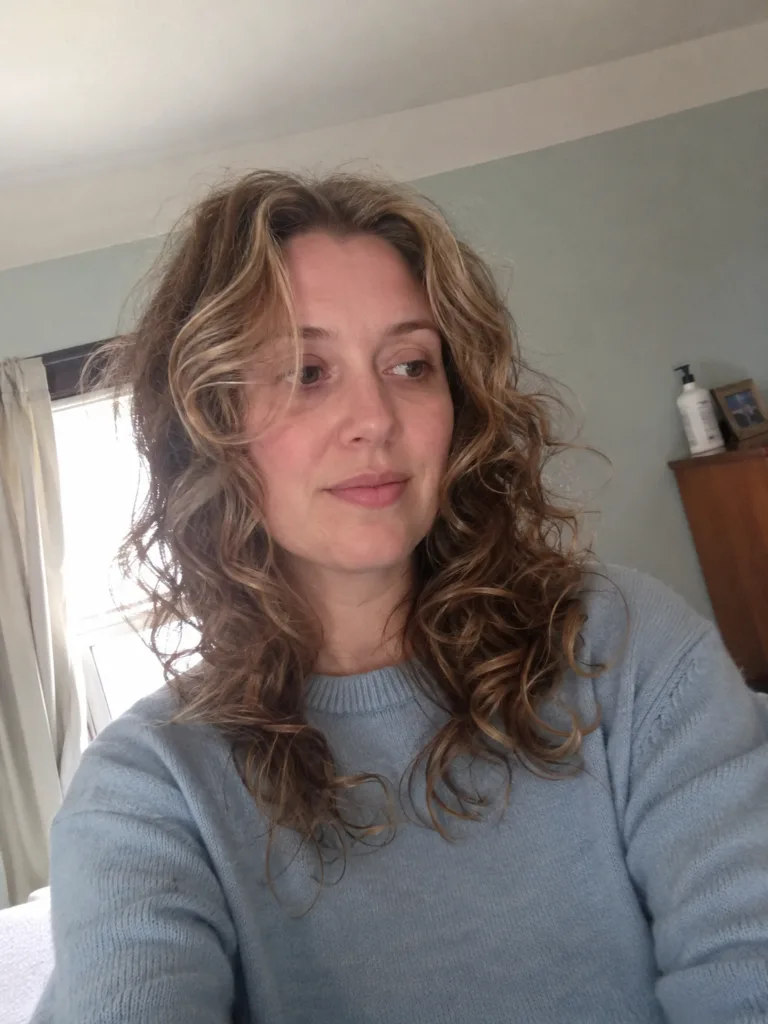
Curly hair needs more attention to how the curls group and where they spring when dry. A conventional straight-line perimeter can transform once the curls contract. Some curl patterns benefit from rounded layering, while others look stronger with more weight left at the bottom.
Coily hair makes the distinction between stretched length and visible length especially important. A shoulder-length stretched section may sit well above the shoulders in its shrunken state. The haircut should therefore be evaluated in the state you expect to wear most often.
Curly and coily cuts may be performed wet, dry, or through a combined approach. What matters most is that the finished shape is assessed in a relevant wearing state rather than judged only by stretched strand length.
Density and Strand Size Matter More Than Face-Shape Rules
Shoulder length is often discussed through rigid face-shape formulas: round faces need this, square faces need that, long faces should avoid something else. Those rules are much less useful than looking at the actual haircut.
Start with where you want volume.
Fullness around the jaw creates a different effect from fullness at the cheekbones or crown. A strong horizontal perimeter emphasizes the line where the hair ends. Layers can move attention upward or create more width through the middle of the cut. Bangs alter how much forehead is visible, while longer face-framing pieces pull the eye vertically.
Then consider density.
High-density hair can produce a very substantial shoulder-length shape. Leaving every strand at nearly the same length may create more bulk than you want, especially with waves or curls. Strategic layering or internal weight removal can make the cut easier to style while preserving enough fullness around the perimeter.
Low-density hair generally requires more restraint. Heavy interior removal exposes more space between strands and can make the bottom edge look increasingly transparent. Keeping a clearer perimeter is often the stronger choice.
Strand size changes how those decisions feel. Fine strands can collapse together and show separation quickly when overloaded with heavy styling products. Coarser strands may produce more visible structure and require different weight distribution. Neither characteristic tells you how much hair is on the head.
Glasses deserve consideration too. Thick face-framing layers or wide temple volume may repeatedly compete with the arms of your frames. Hearing devices can create similar practical interference around the ears. Those details are more useful during a consultation than trying to force your features into a geometric category.
Bangs and Face Framing Change the Commitment
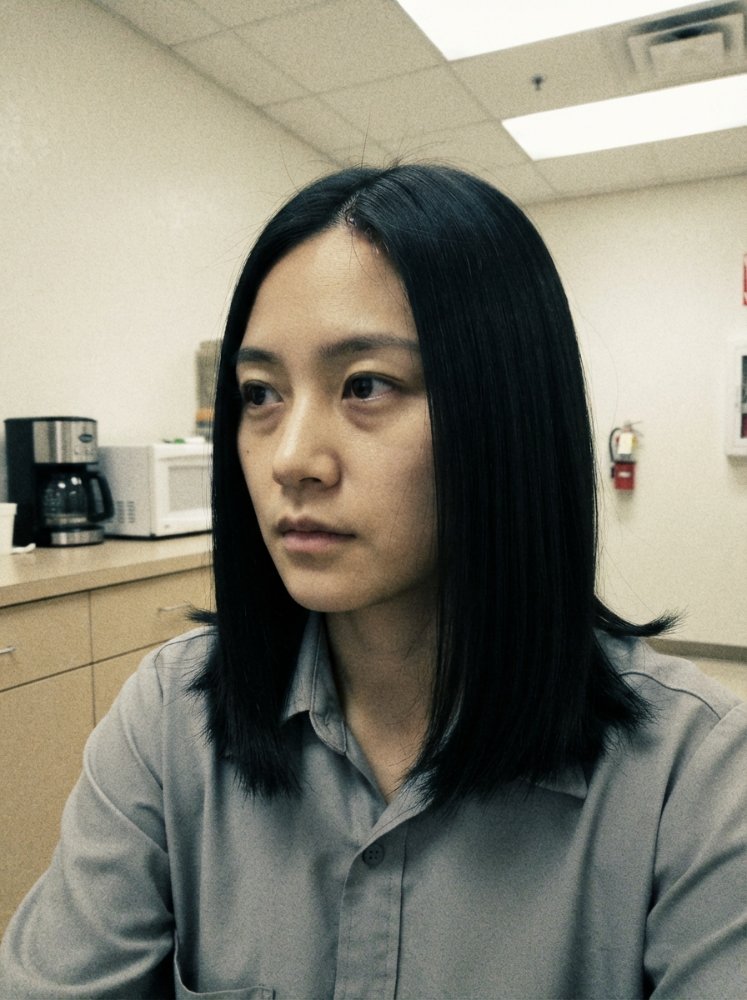
A shoulder-length cut with no fringe has a very different grow-out from one built around bangs and short facial layers.
Long face-framing pieces are the lowest-commitment option. They can begin around the cheek, jaw, or lower and blend into the rest of the haircut. They also tend to remain easier to tuck behind the ears or gather into a ponytail.
Shorter face framing creates more obvious movement around the front but demands more from your routine. Pieces near the cheekbones may fall out of ponytails, react strongly to humidity, or need separate heat styling if your natural pattern differs from the finish you want.
Bangs make the front of the haircut its own styling area.
A blunt fringe produces a strong graphic effect, while softer or divided bangs integrate more gradually with shoulder-length layers. Curly fringe can be worn curly; straightening it isn’t a requirement. The length should allow for the curl pattern’s spring and normal variation from wash to wash.
Cowlicks and growth direction matter here. A photograph can show where bangs finish, but it can’t show how easily your roots naturally cooperate with that placement. Mention any areas that consistently split, lift, or reverse direction before the fringe is cut.
People who regularly wear ponytails should be especially cautious about very short front pieces. Shoulder length is already close to the minimum range where some perimeter sections may barely reach a back or high ponytail. Adding aggressive face framing can make gathering the haircut considerably less convenient.
What Shoulder Length Hair Does in Daily Life
The appeal of this length is its flexibility. It feels clearly shorter than long hair while still leaving enough material for many ponytails, half-up styles, braids, twists, buns, and heat-styled finishes.
The inconvenient part is its relationship with everything around your shoulders.
A coat collar can push the ends outward. A scarf can disturb a smooth finish. Backpack straps trap sections against clothing. Sleeping can leave one side bent where the ends pressed into your shoulder or pillow. None of these issues makes the length difficult; they simply explain why the haircut sometimes looks different at home from the controlled image used as inspiration.
Hair near the shoulders can also feel deceptively bulky during air-drying. Dense curls or waves may spread outward before settling. Straight hair can develop a pronounced flip exactly where the ends meet the shoulders.
Your styling routine determines whether those behaviors are charming or annoying.
Someone who likes visible movement may enjoy a slight outward bend. Someone seeking a sleek, uniform line may find a cut that clears the shoulders easier to maintain than one resting directly on them.
This is also a good length for changing your part without completely rebuilding the haircut, provided the layers haven’t been designed too aggressively around one side. A deep side part can shift volume substantially, while a center part tends to expose differences in symmetry more clearly.
Styling Shoulder Length Hair Without Fighting the Cut
The easiest styling routine is the one that supports the haircut’s construction.
For straighter finishes, start by controlling root direction and the perimeter rather than repeatedly working the entire length. A paddle brush can create a smoother, flatter result during blow-drying, while a round brush can add bend or lift depending on the technique. Heat use should match the hair’s condition, tool, and desired finish rather than a single universal temperature.
Wavy hair usually benefits from preserving the bends that already form well. Applying an appropriate styling product through damp hair and encouraging the wave pattern can create more consistent grouping. Diffusing can help support shape when air-drying leaves the roots flatter than you prefer.
Curly and coily hair should be styled with the final haircut in mind. Product distribution, curl grouping, shrinkage, and drying method can all change the visible outline. Stretching the roots produces a different shape from allowing maximum shrinkage, even though the cut itself hasn’t changed.
Updos need realistic expectations at this length. A low ponytail is generally more forgiving than a very high one because more perimeter hair can reach the anchor. Bobby pins can secure shorter nape pieces instead of forcing them under excessive tension. Half-up styles are especially useful because they create height or keep hair away from the face without requiring every section to reach one elastic.
The cut should support more than one styling option unless you specifically want a highly specialized shape.
Maintenance Is Mostly About Preserving the Shape
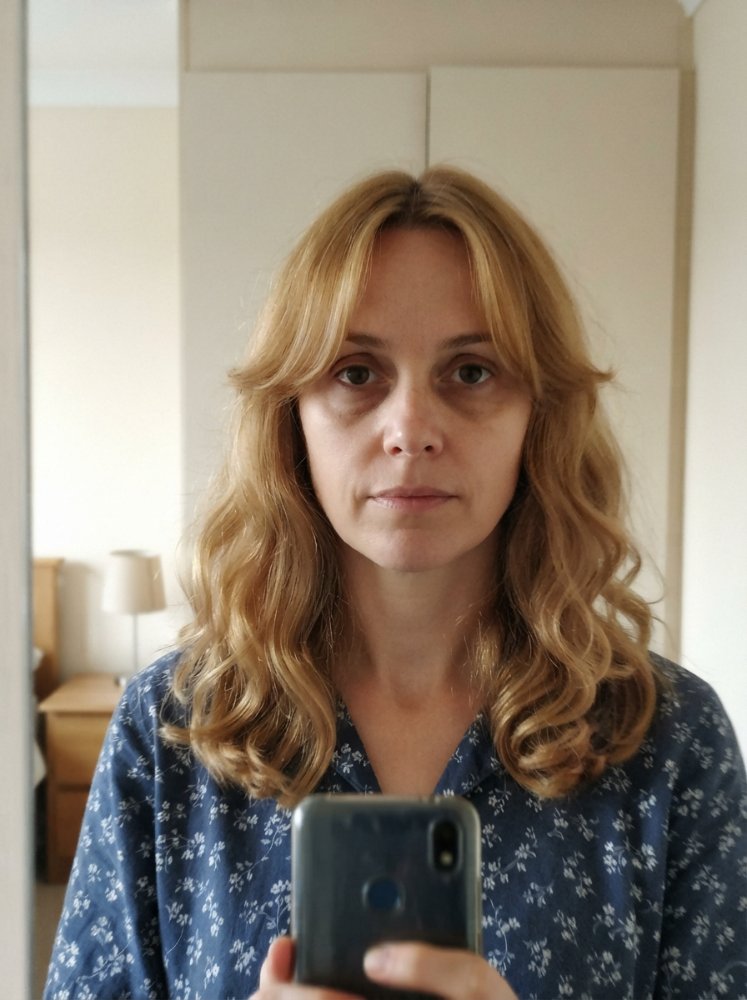
Shoulder length doesn’t require one universal trim interval. The useful signal is what the haircut begins doing.
A blunt perimeter may lose its crispness as individual sections grow at slightly different rates or as the ends develop wear. Layered cuts can start feeling heavy through certain areas as the layers descend. Face-framing pieces may stop sitting where intended long before the overall length feels excessive.
Watch the shape rather than the calendar.
Wash frequency also depends on your scalp, activity level, styling state, product use, and hair characteristics. Shoulder length itself doesn’t create a cleansing schedule.
Tangling often becomes noticeable around the nape because that area repeatedly contacts clothing. Smooth pillowcases or a bonnet may reduce friction overnight, especially for textured hair, but they can’t reverse existing damage. Gentle detangling and keeping the nape from matting matter more than chasing a rigid maintenance routine.
Split or transparent-looking ends deserve attention because the perimeter is visually important at this length. A see-through lower edge may come from damage, breakage, low density, a highly layered cut, or a combination of factors. Cutting more layers into it without identifying what you’re seeing can make the edge look even lighter.
Sudden shedding, persistent scalp irritation, sores, pain, or a concerning change in density goes beyond ordinary haircut maintenance. A dermatologist or another qualified healthcare professional can assess symptoms that suggest more than routine styling or breakage.
What to Ask for at the Salon
“Shoulder length with layers” leaves a lot unresolved. A more useful consultation explains the result you want in normal life.
Discuss these points:
Where the perimeter should sit in your usual styling state
Whether you want a blunt edge or visible layering
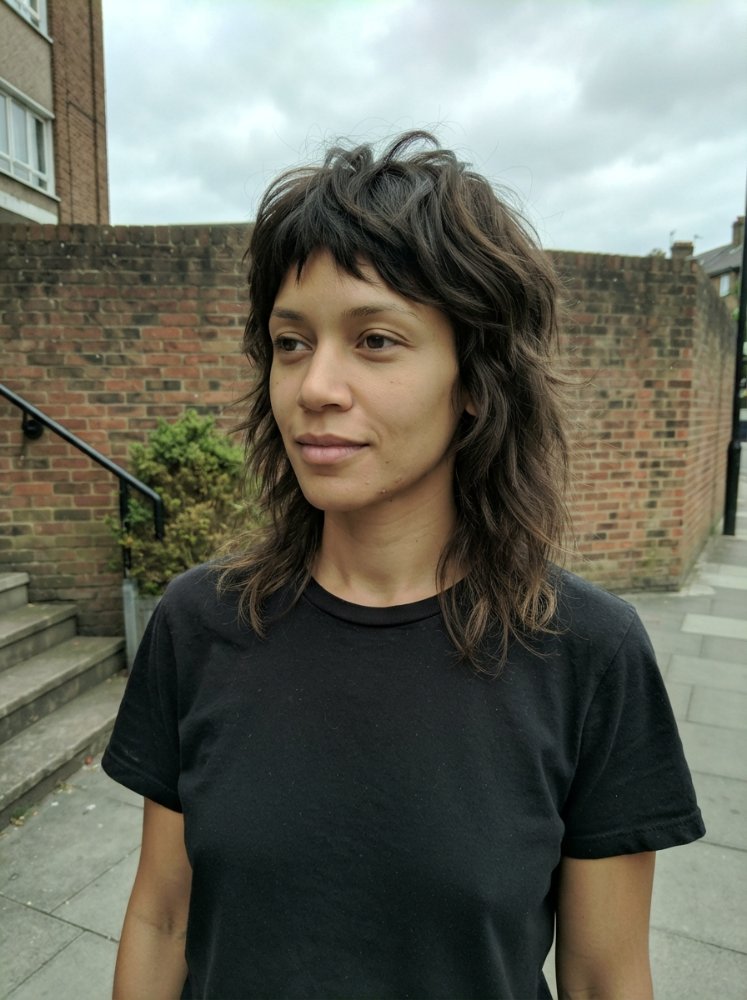
Where you like the fullness to concentrate
How often you wear the hair natural, stretched, straightened, or heat styled
Whether being able to tie most of the hair back matters
How much face framing you’re willing to style separately
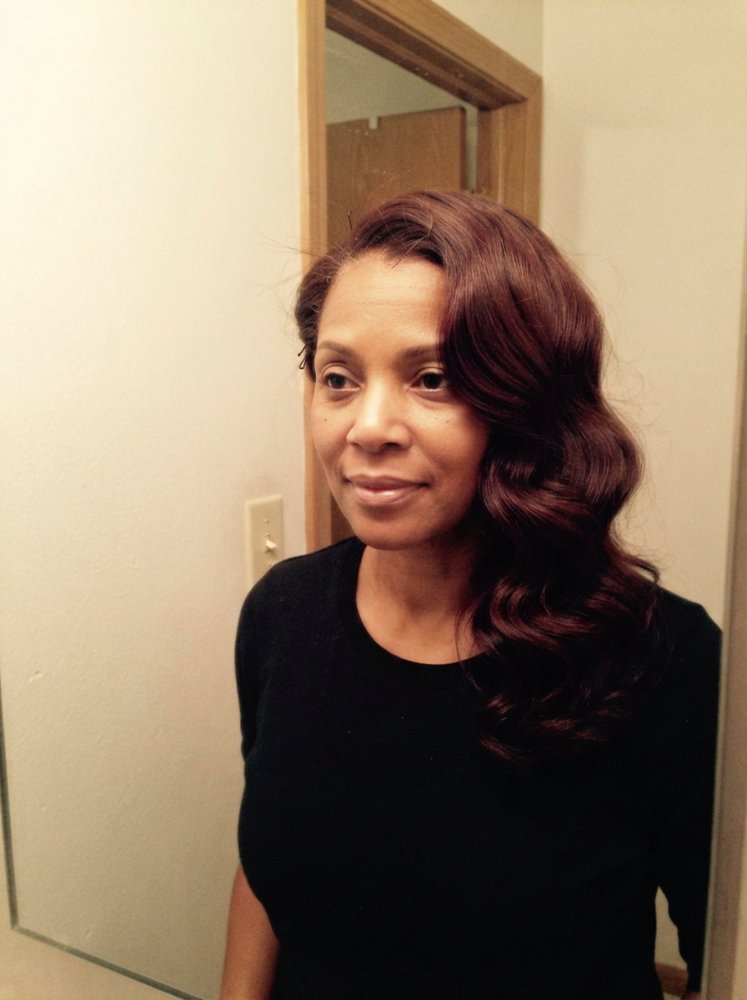
Which parts of your current haircut feel too heavy, flat, sparse, or difficult
Reference photos help most when you can explain what you like about them. One photo might show your preferred perimeter, another the amount of layering, and another the front shape. Expecting a single photograph to dictate every cutting decision can be misleading because the model’s density, texture, styling, extensions, and previous haircut may differ from yours.
For curly or coily hair, talk specifically about shrinkage and which state should define the finished shape. Someone who wears a wash-and-go most days needs a different assessment from someone who keeps the hair stretched.
The most practical default for an uncertain first cut is enough length to work with your daily styling habits, a perimeter that still looks substantial, and only as much layering as the hair actually needs for movement. Going shorter or adding more internal shape later is much easier than rebuilding length that was removed too aggressively.
Related Hairstyles to Explore
- Hair styles for long hair
- Curly Hairstyles For Medium Hair
- Baddie Curly Hairstyles
- Cute Hairstyles For Medium Hair
FAQs
Is shoulder length hair easy to maintain?
It can be a manageable middle ground because it uses less length than long hair while retaining several styling options. Maintenance depends more on the haircut, texture, density, condition, and desired finish than on length alone. A highly layered blowout that requires regular heat styling may demand more effort than a simple shoulder-length wash-and-go, even though both end in the same general area.
Can low-density hair look good at shoulder length?
Yes. A clear perimeter can make the lower edge appear more substantial when the ends are healthy. Heavy layering or aggressive thinning may expose more gaps, so restraint is often useful. Low density describes the number of strands present and shouldn’t be confused with fine strand diameter.
Will shoulder length hair still go into a ponytail?
Often, although the exact result depends on the perimeter, layers, face framing, texture, and ponytail height. Low ponytails are typically easier because shorter nape and front sections have less distance to travel. Very short layers may require bobby pins or leave deliberate loose pieces.
Should curly hair be cut longer than shoulder length because of shrinkage?
The cutting plan should account for how much the hair springs up in the state you normally wear. That doesn’t require one standard amount of extra length because shrinkage varies considerably between people and even between areas of the same head. Assessing the shape while the curls are behaving close to their normal finished state gives a more useful target.
Hair Texture & Upkeep Style Matcher
Select your natural hair texture and daily maintenance window to get an instant styling formula and heat safety cap.
Heat Cap: 320°F (160°C)
A versatile three-strand braid beginning at the parietal ridge, securing the top half while allowing natural wave texture to flow freely around the shoulders.
Conclusion
Shoulder length hair works best when you choose the shape before the measurement. Decide whether the perimeter should feel strong or layered, where you want fullness, how much shrinkage changes your visible length, and whether ponytails or low-effort styling matter to you.
The shoulder itself is part of the haircut: collars can flip the ends, curls can expand around it, and stretched versus natural styling can move the apparent length substantially. A salon consultation should therefore focus on your normal wearing state and the behavior you want from the cut, not simply a line drawn across your shoulders.
Editorial Standards & Hair Health Guidance
Every style featured on Tress Atlas is curated with a focus on real-world wearability, scalp tension management, and cuticle preservation. When trying protective styles or tight updos, ensure perimeter hairline sections remain tension-free to avoid traction stress on delicate follicles. For heat styling, cap tools below 350°F (180°C) to prevent thermal keratin denaturation.
Scientific Sourcing: Practices aligned with the American Academy of Dermatology (AAD) on traction alopecia risk reduction and cosmetic trichology research on hair tensile strength.