Children’s Hairstyles for School: 18 Practical Looks That Make Mornings Easier
A good school hairstyle has to survive more than the first photograph of the morning. Children lean against backpacks, pull sweaters over their heads, run at recess, wear headphones, sit against chair backs, and sometimes come home with a style that looks very different from the one they left with.
That makes comfort and construction more important than perfection. A hairstyle that takes longer to create, pulls around the hairline, or needs constant fixing may be a poor school choice even when it looks impressive. The strongest everyday options keep hair reasonably contained, allow normal movement, and come apart without turning removal into another battle.
Hair texture changes the equation too. Loose straight or wavy hair may slip out of soft styles more readily. Curls and coils can shrink, expand, or tangle when repeatedly manipulated. Braided and twisted styles reduce some daily handling, but section size, tension, drying access, and the child’s comfort still matter.
The 18 ideas below cover genuinely different ways to approach school hair, from five-minute-looking ponytail shapes to longer-lasting braided foundations.
Fast School-Morning Styles
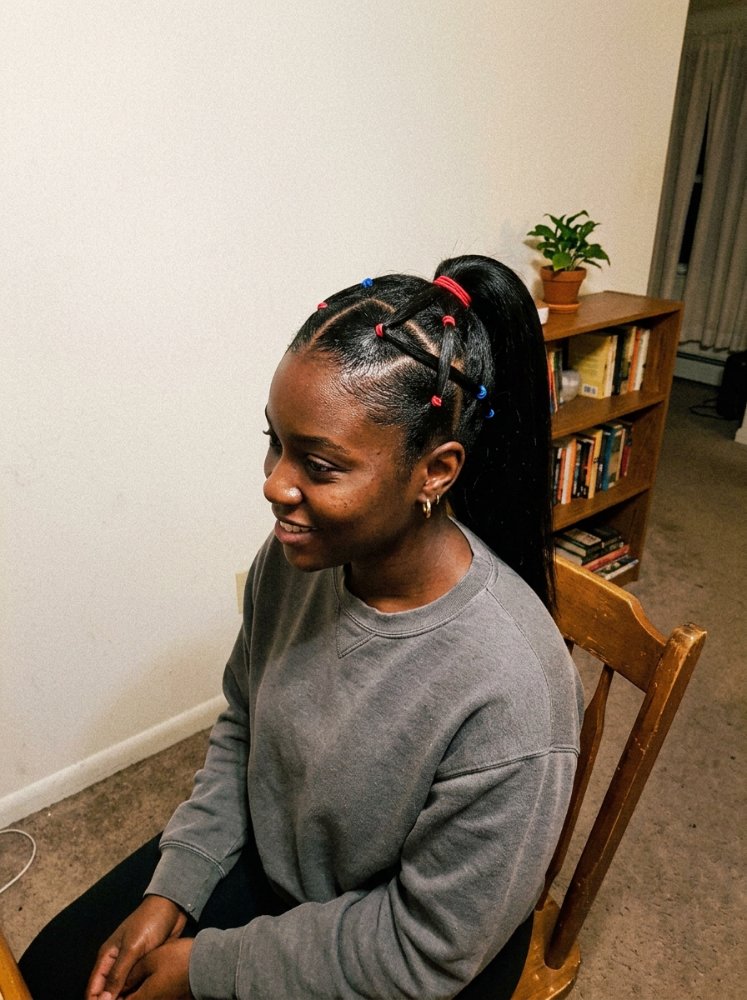
Low Ponytail
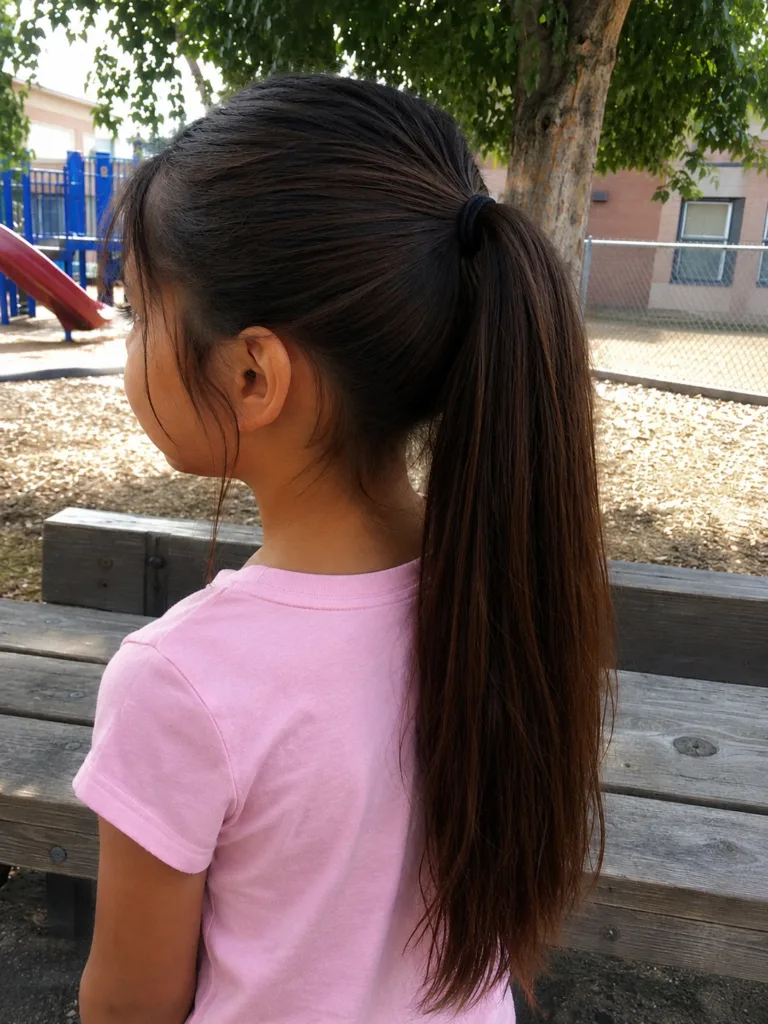
A low ponytail is one of the most useful defaults because the anchor sits away from the top of the head and generally works comfortably with hats, hoods, classroom headrests, and active play. It can be smooth, loosely gathered, or created from stretched curls without forcing every strand flat. A fabric-covered elastic is usually easier on the hair than an exposed rubber band, especially when the ponytail is removed carefully rather than pulled down the length.
Half-Up, Half-Down Hair
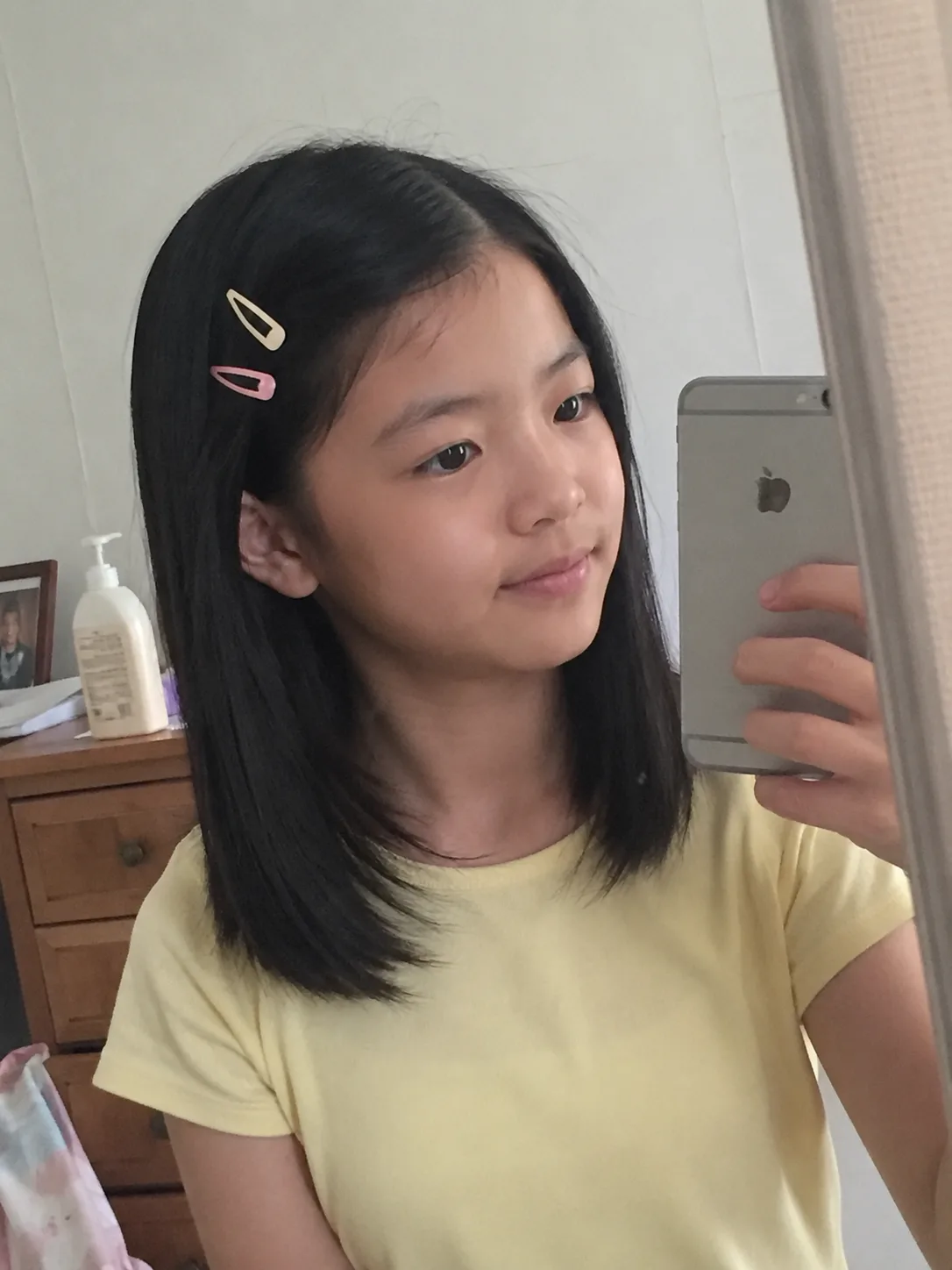
This style solves the main problem of wearing hair loose at school: the front sections stay away from the eyes while the rest of the hair keeps its natural movement.
On straight or wavy hair, a small ponytail or clipped section at the crown can provide enough control without flattening all the length. Curly and coily hair can be gathered more loosely so the lower curls remain full. Keep the anchor comfortable; the half-up section doesn’t need to be pulled tightly to look finished.
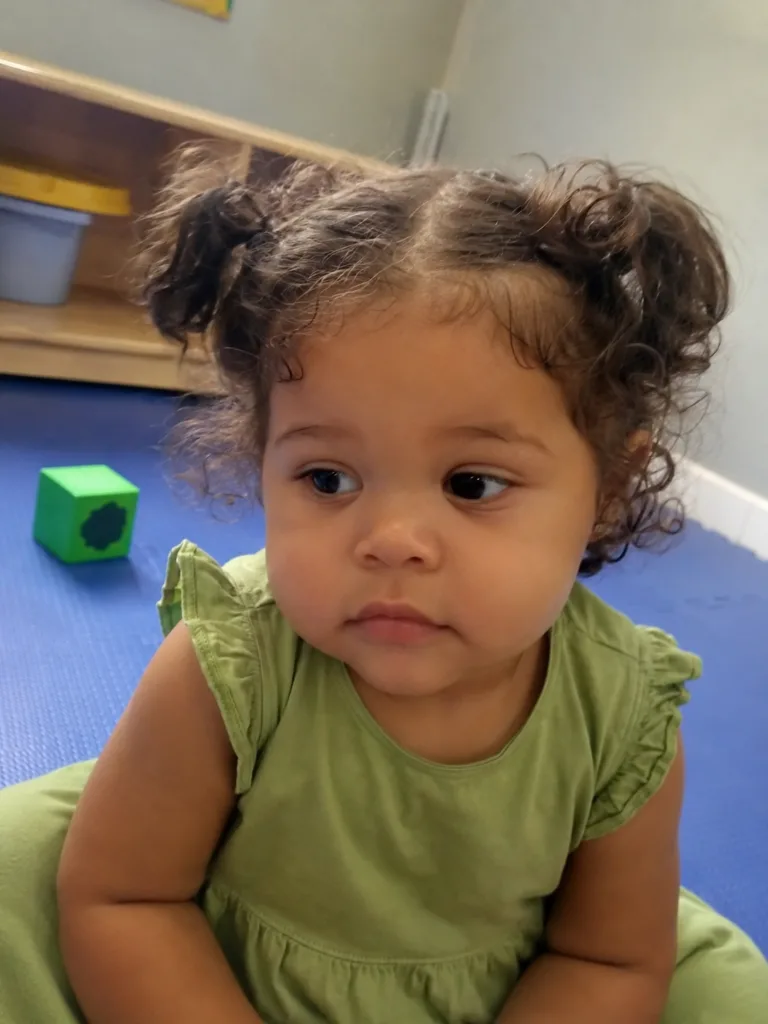
Two Low Ponytails
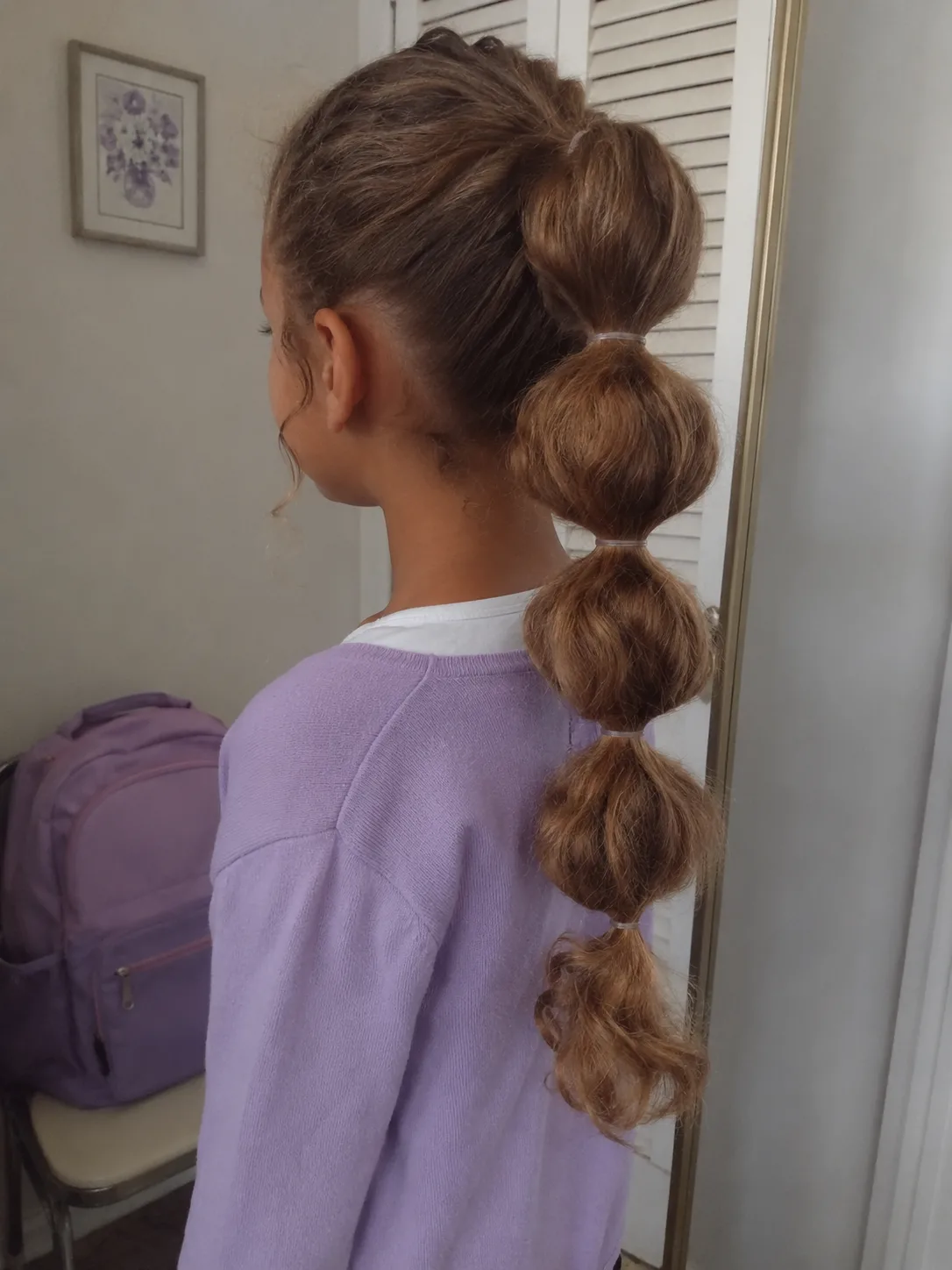
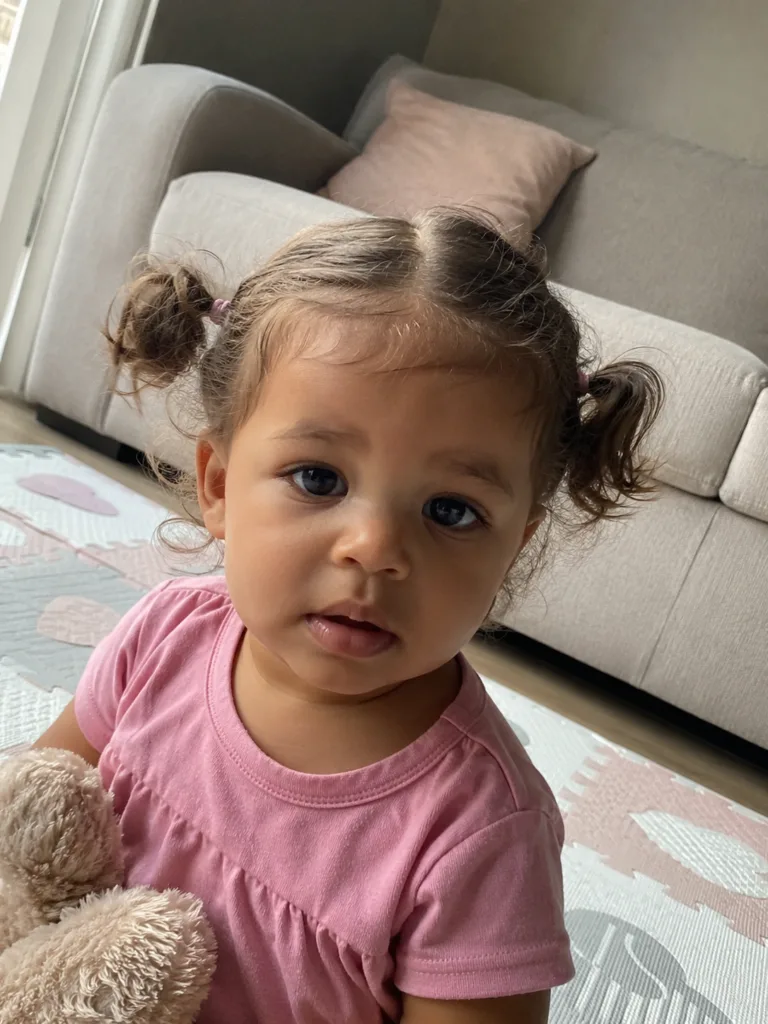
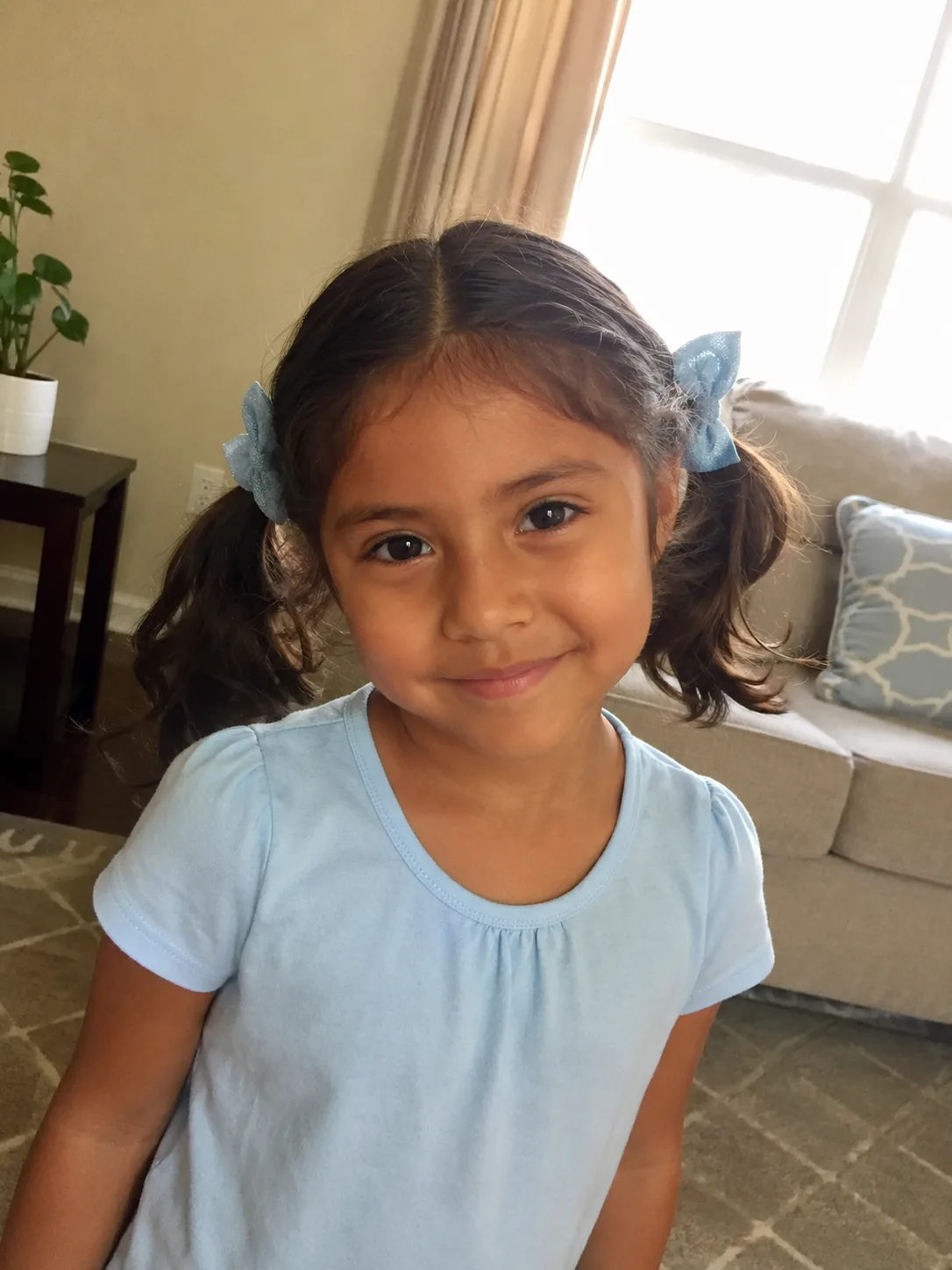
Two ponytails distribute the hair across both sides of the head and work particularly well when one large ponytail feels bulky. They can sit behind the ears or lower toward the nape.
The position matters more than making the part perfectly straight. Low placement keeps the style from bouncing as dramatically during running and makes it easier to wear a hood over the hair.
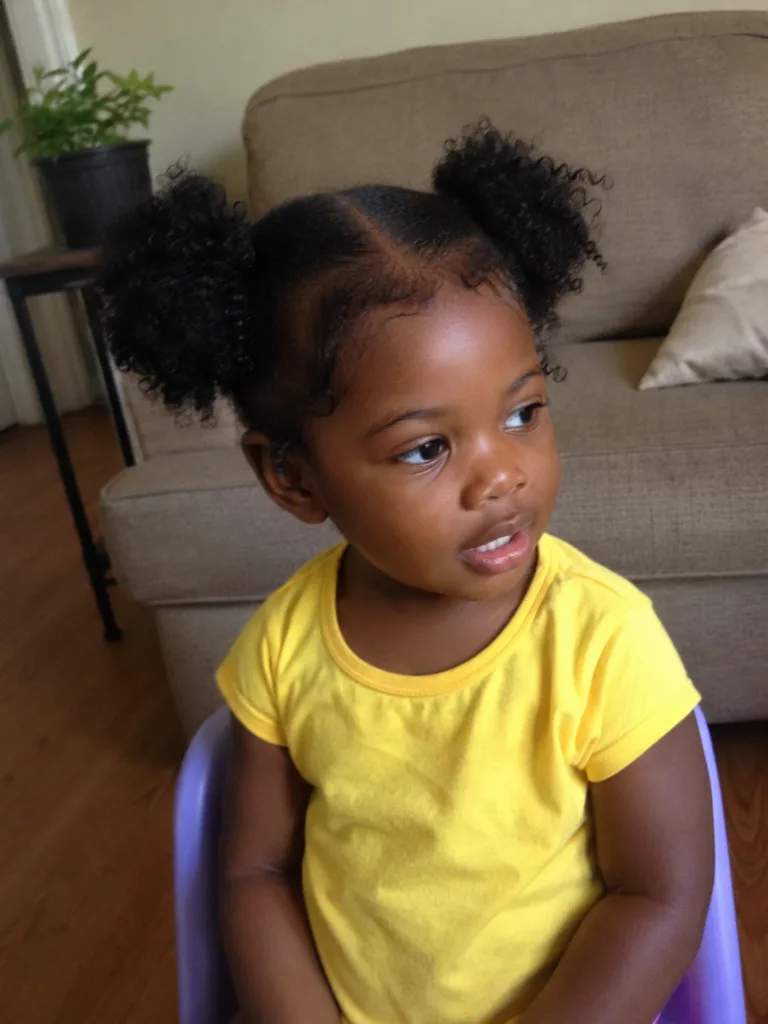
For curly or coily hair, two ponytails can also become two full puffs. Leave some natural fullness at the roots instead of repeatedly brushing until the surface is completely flat.
Wide Headband With Loose Hair
Some mornings don’t justify rebuilding the entire hairstyle. A comfortable headband can move growing fringe, curls, or short layers away from the face while leaving the rest of the hair loose.
This works best when loose hair is already manageable for the school day. Choose a headband that stays in position without pressing hard behind the ears or gripping the temples. It is a particularly useful option for short cuts that won’t reach a ponytail.
Braids That Keep Hair Contained
Single French Braid
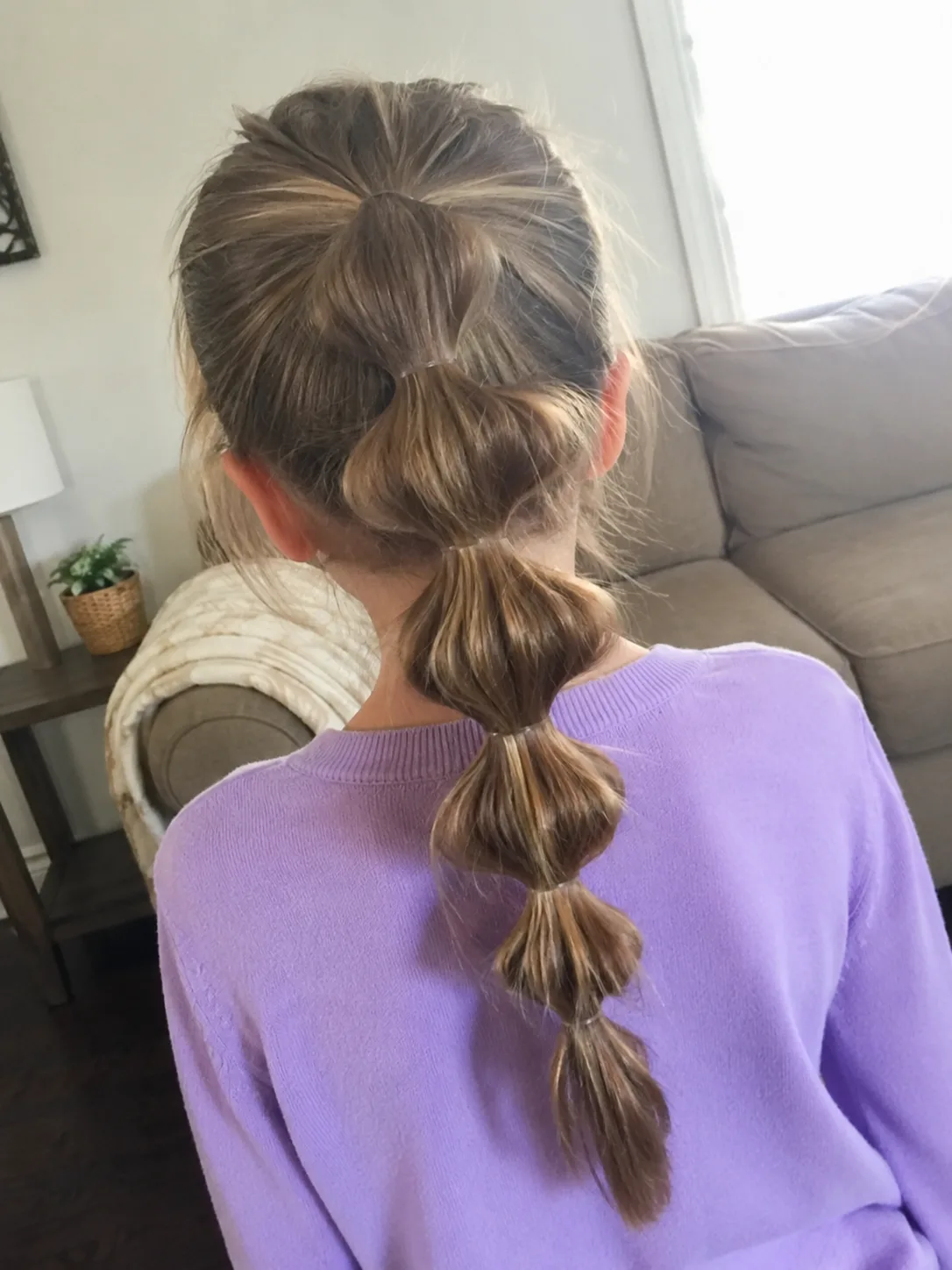
A French braid gathers new hair progressively as it travels down the head, so there are fewer loose sections around the face than with a basic ponytail. It is especially practical for straight, wavy, or stretched hair that tends to escape from elastics.
The braid doesn’t need to begin with a tightly pulled hairline. Moderate, even sections create the structure. A slightly softer braid may develop some flyaways during the day, but that is often a better tradeoff than excessive pulling at the front.
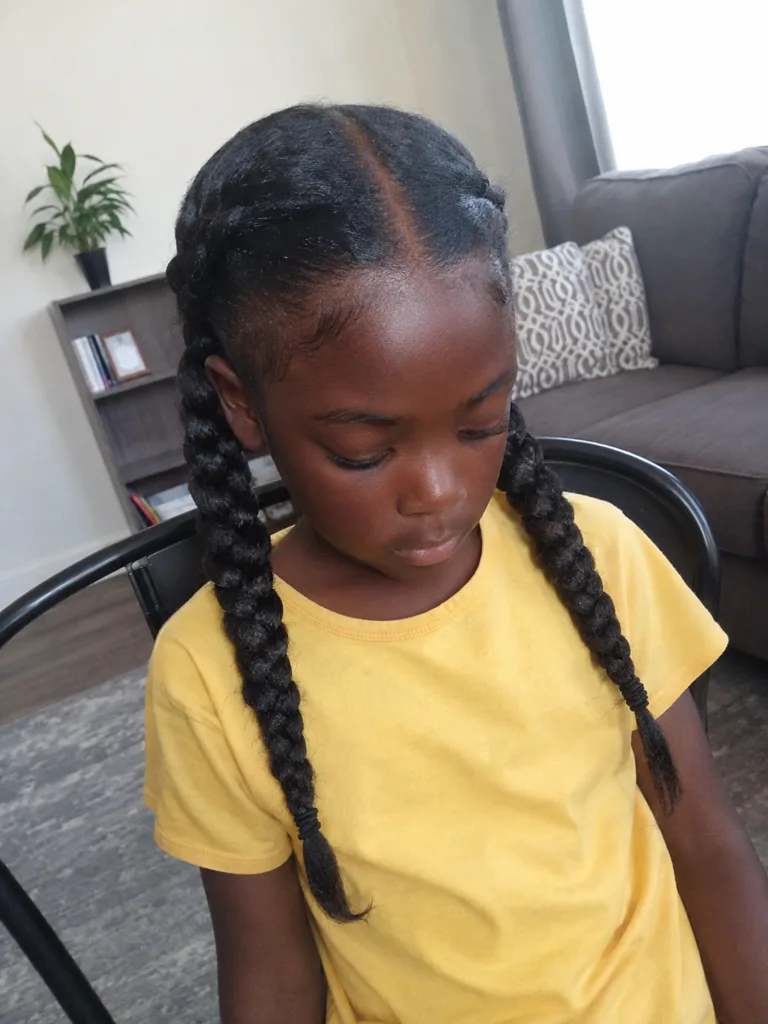
Two French Braids
Two French braids are worth the extra construction when the child is very active or when one central braid feels too thick. Dividing the hair creates smaller sections and keeps the length from swinging as one large tail.
Start each braid without forcing short hairs at the temples into the first crossing. Those finer perimeter hairs can be left softly incorporated or allowed to sit naturally.
This style also works well under many hoods because the braids lie relatively flat along the head instead of creating a bulky crown. The ends can remain braided or be secured once the scalp braid transitions into free-hanging lengths.
Two Simple Three-Strand Braids
Basic braids deserve a place in the school rotation precisely because they aren’t complicated. Divide the hair into two sections, secure or hold each side, and braid the lengths without adding hair from the scalp.
They are easier to redo than French braids and particularly useful for long hair that otherwise tangles against coats, backpack straps, and chair backs. A softer braid also preserves some natural texture when the hair is released.
Braided Ponytail
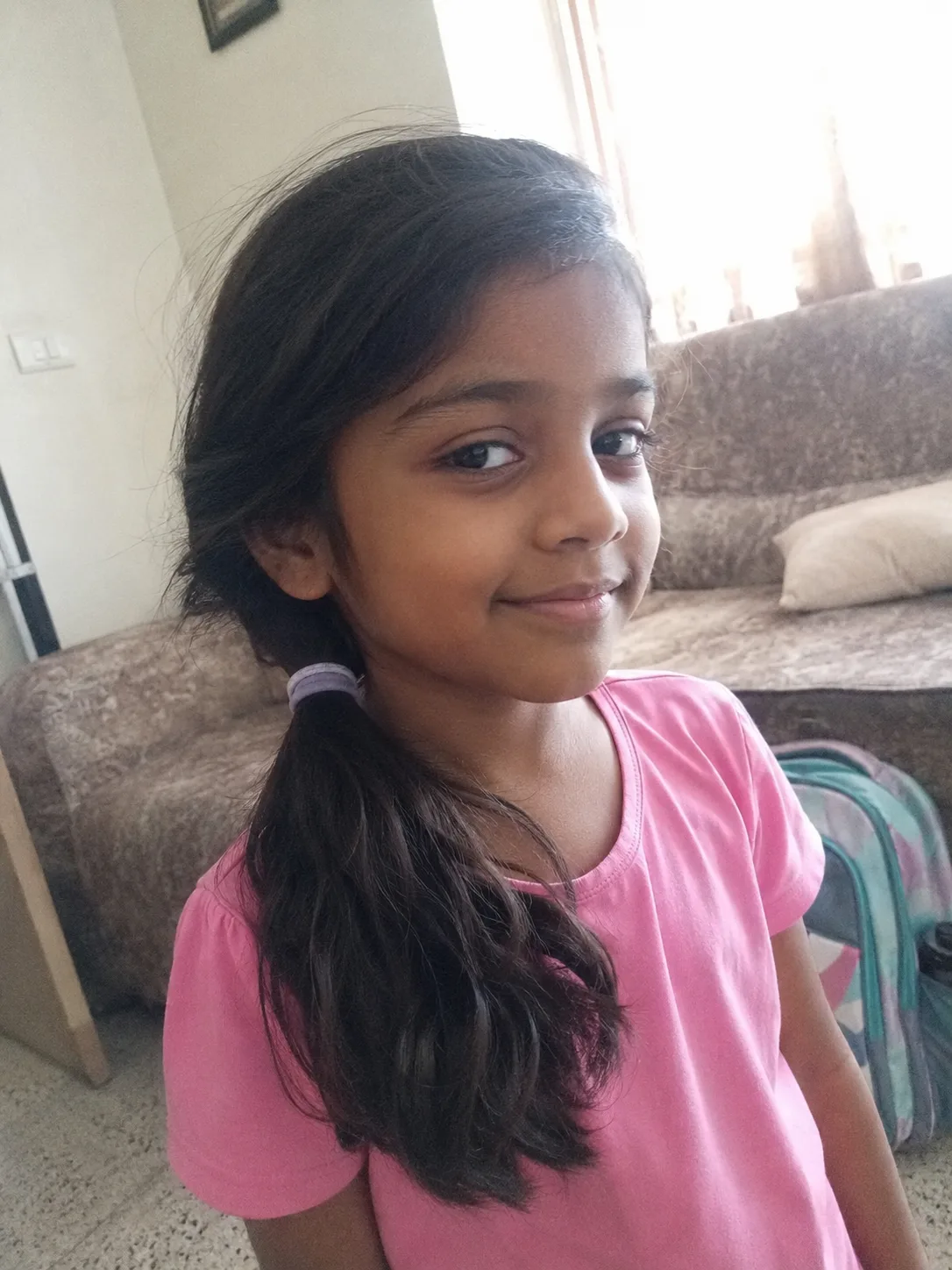
A ponytail becomes more contained once the loose tail is braided. That small construction change makes a noticeable difference during sports, playground activity, or windy walks to school.
Gather the hair at a comfortable anchor first, then braid only the hanging length. Because all the pulling force is still concentrated at the ponytail base, higher and tighter placement isn’t necessary. A mid or low anchor is often the more practical everyday choice.
Curly and Coily School Hairstyles
Two Puffs
Two puffs let curly and coily hair retain volume without leaving the entire head loose. They also give you more control over the shape than one large central puff.
Divide the hair according to where it naturally separates comfortably. Each side can be gathered with a soft elastic or another secure, hair-friendly tie without aggressively stretching the roots.
Shrinkage will influence both the apparent size and position of the puffs. Style the hair in the state the child normally wears rather than choosing placement based on a stretched-hair photograph.
Single Low Puff
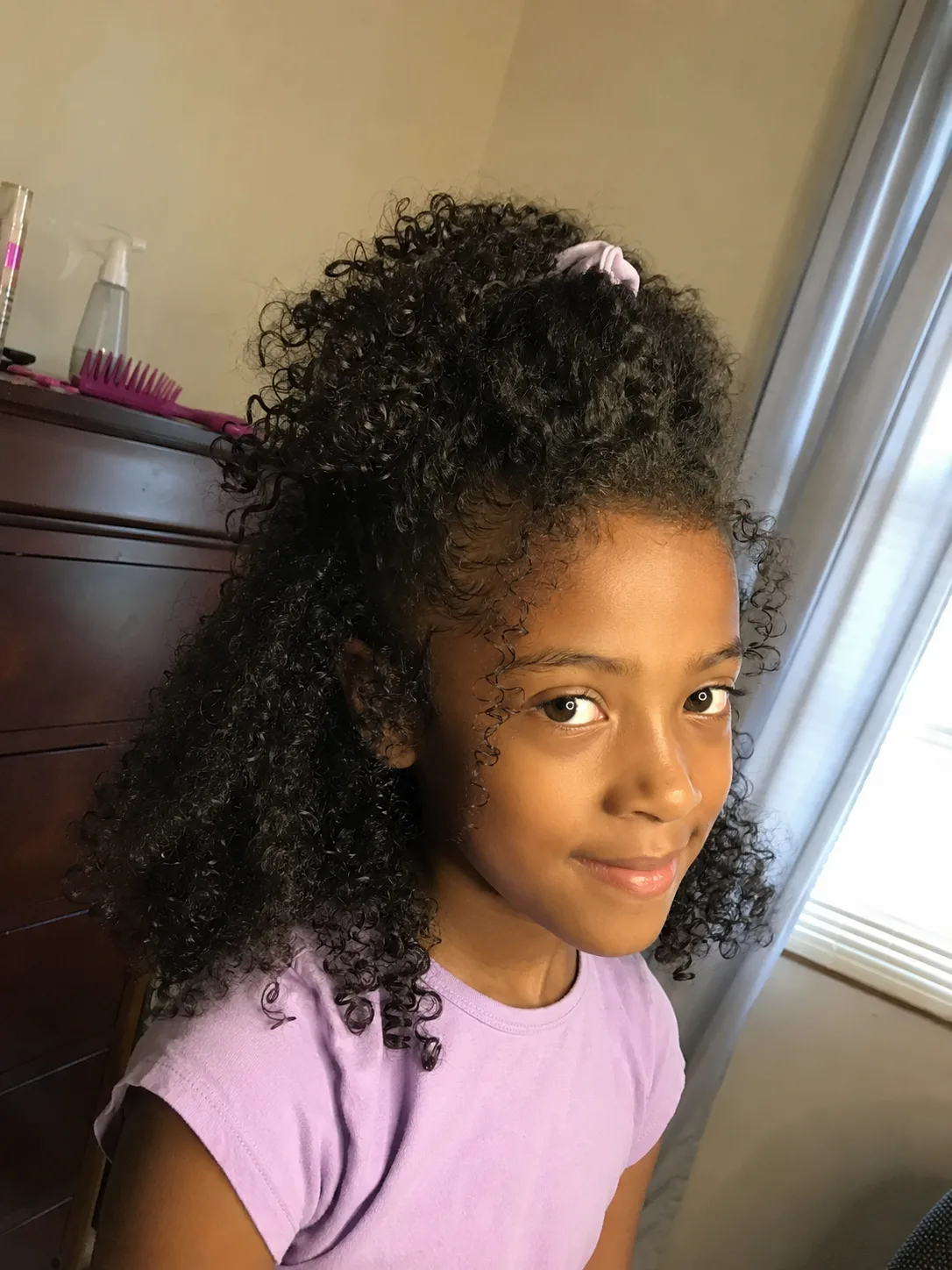
A low puff is an underrated choice for school because it combines natural texture with a relatively quiet anchor point. The hair sits toward the back instead of high on the crown, so it is less likely to compete with hoods or create pressure when the child rests their head back.
The front can stay softly gathered. There is no need to force curls or coils completely flat for the puff to look neat.
Two-Strand Twists
For curly and coily hair, two-strand twists can reduce the amount of detangling and restyling required each morning. Larger, manageable sections are usually more practical for school than creating an extremely dense set of tiny twists.
Each twist is made by dividing a section into two pieces and wrapping them around one another down the length. The finished result has movement without leaving every strand free.
Maintenance depends heavily on the child’s activities and hair behavior. Twists that become fuzzy can still be functional; repeatedly undoing and tightening the roots simply to restore a freshly installed appearance can add unnecessary manipulation.
Flat Twists Into Loose Lengths
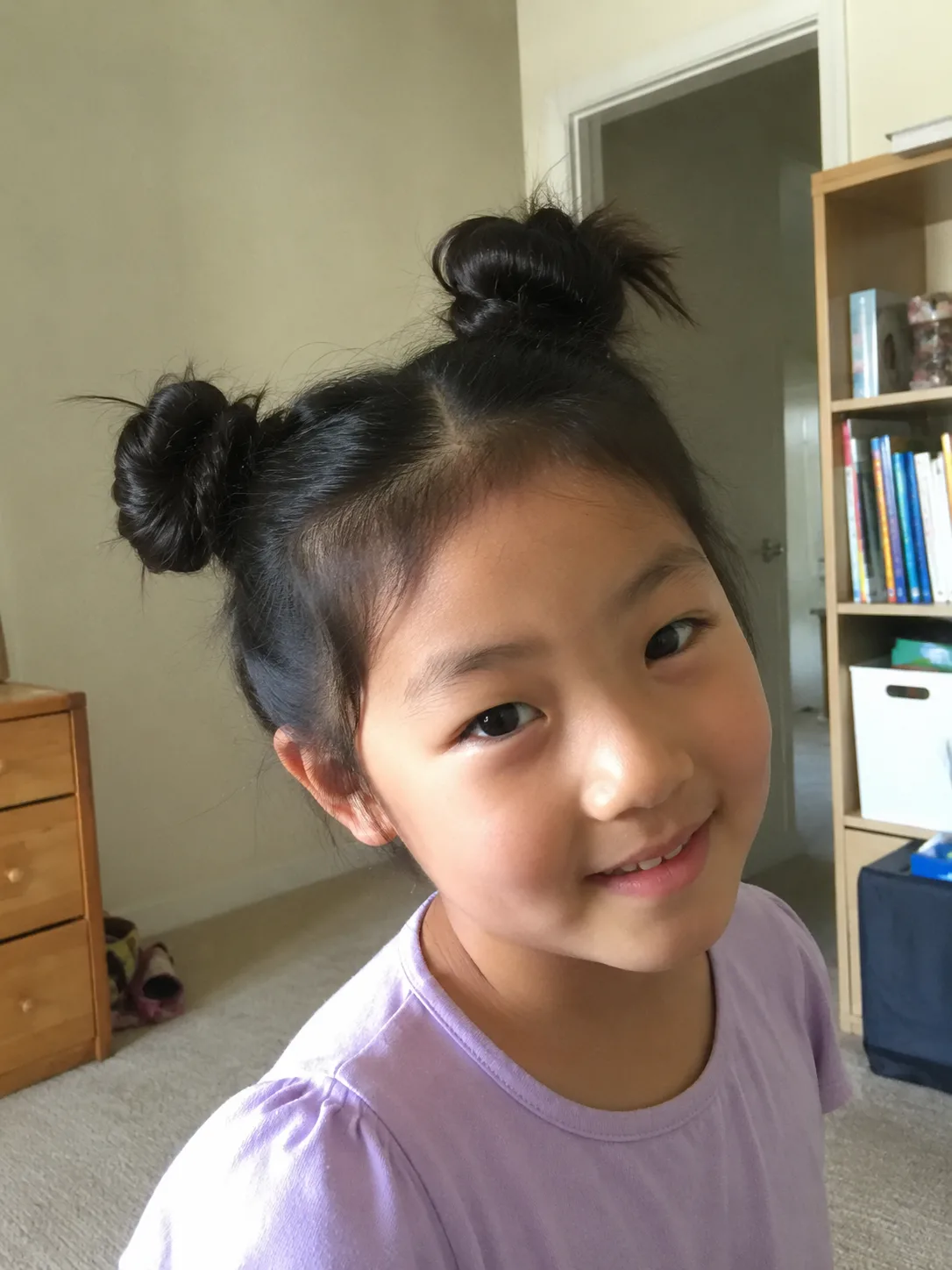
Flat twists keep the front or sides controlled while allowing curls, twists, or a puff to remain visible behind them. They are particularly useful when front sections repeatedly fall into the face.
Unlike individual two-strand twists, flat twists are built against the scalp as more hair is incorporated along the path.
Keep the sections large enough that the scalp remains reasonably accessible. The strongest version for school is usually simple: a few clear pathways directing the hair backward, followed by loose or gathered lengths.
Complex patterns can look impressive but increase both installation and takedown work. Save that extra detail for occasions when the pattern itself is worth the effort.
School Styles With a Braided Foundation
Straight-Back Cornrows
Straight-back cornrows offer one of the cleanest options when reducing daily manipulation is the priority. The braids travel from the front toward the back, keeping the hair close to the scalp and removing the need to recreate a ponytail every morning.
Comfort should determine how firmly each row begins. Cornrows shouldn’t require pulling the hairline tightly to stay recognizable.
Cleansing and drying also matter. Dense braided roots can remain damp after exposed hair feels dry, so any braided school style should leave enough scalp access for the child’s normal care routine.
Cornrows Into a Low Puff
This combination gives you a defined braided front with natural volume at the back. Cornrows guide the hair toward a low gathering point, where the remaining curls or coils form the puff.
It suits children who enjoy the look of braids but don’t need the entire length braided. Compared with cornrows that continue all the way to the ends, there is more loose hair to detangle and refresh, yet less daily work around the face.
Larger Individual Braids With Natural Hair
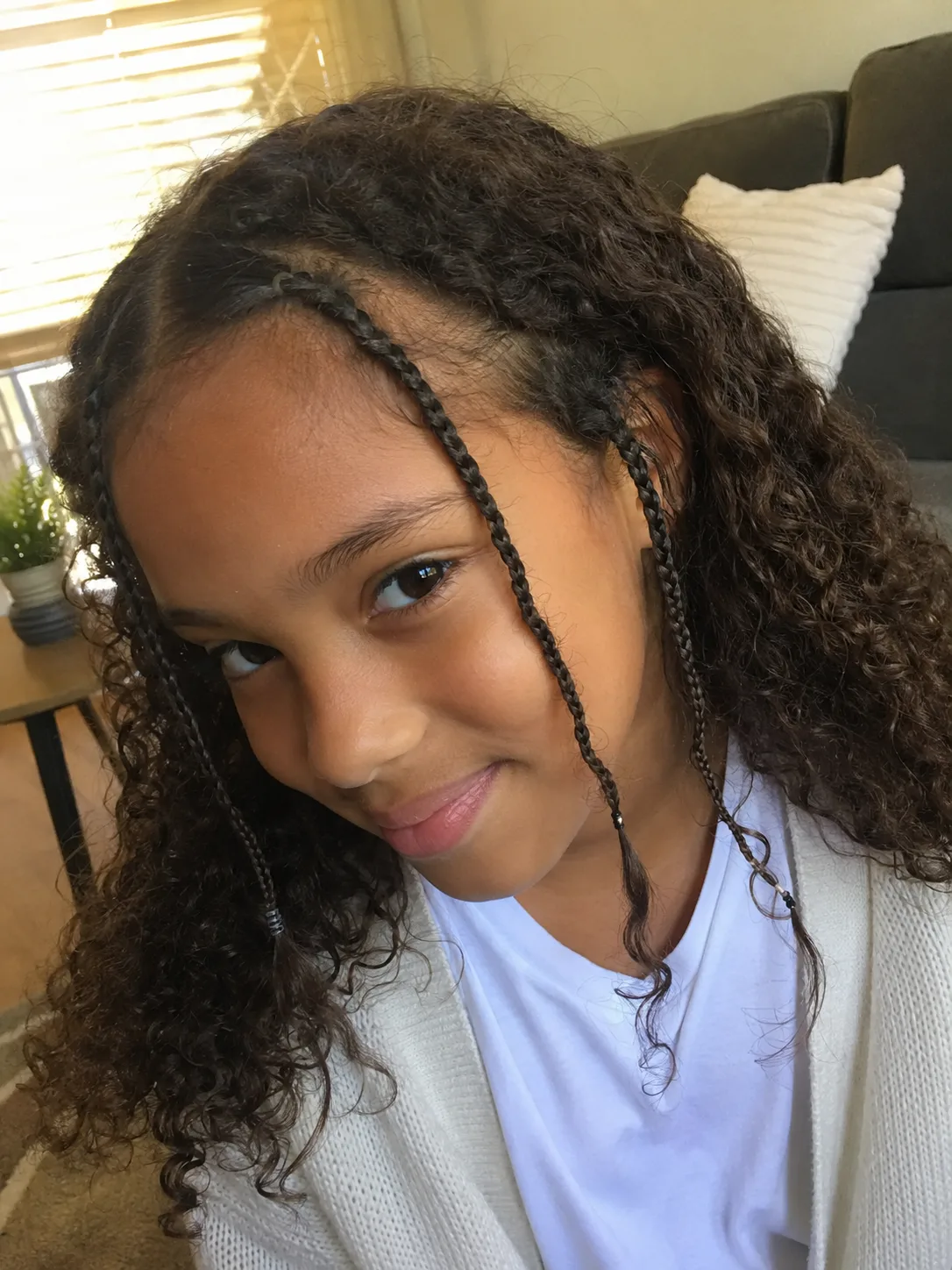
Individual braids made from the child’s own hair can be useful when a full twist set unravels too readily or when braid texture is preferred. Larger sections keep the style easier to remove and make the scalp easier to reach than a very small, dense installation.
The braid should move freely at the root without causing pain. Very small sections around the perimeter deserve especially gentle handling.
Braids Gathered Into a Low Ponytail
Existing braids can be collected at the nape for a completely different school-day function. Instead of multiple braid ends swinging independently, the lengths stay grouped behind the shoulders.
Avoid repeatedly securing the same area with excessive pressure. A soft tie around the finished braids is enough to organize them.
This is particularly helpful around backpack straps. Long loose braids can become trapped under straps when a child puts a bag on quickly; gathering the lengths first reduces that interference.
Buns and Tucked Styles for Busy Days
Low Bun
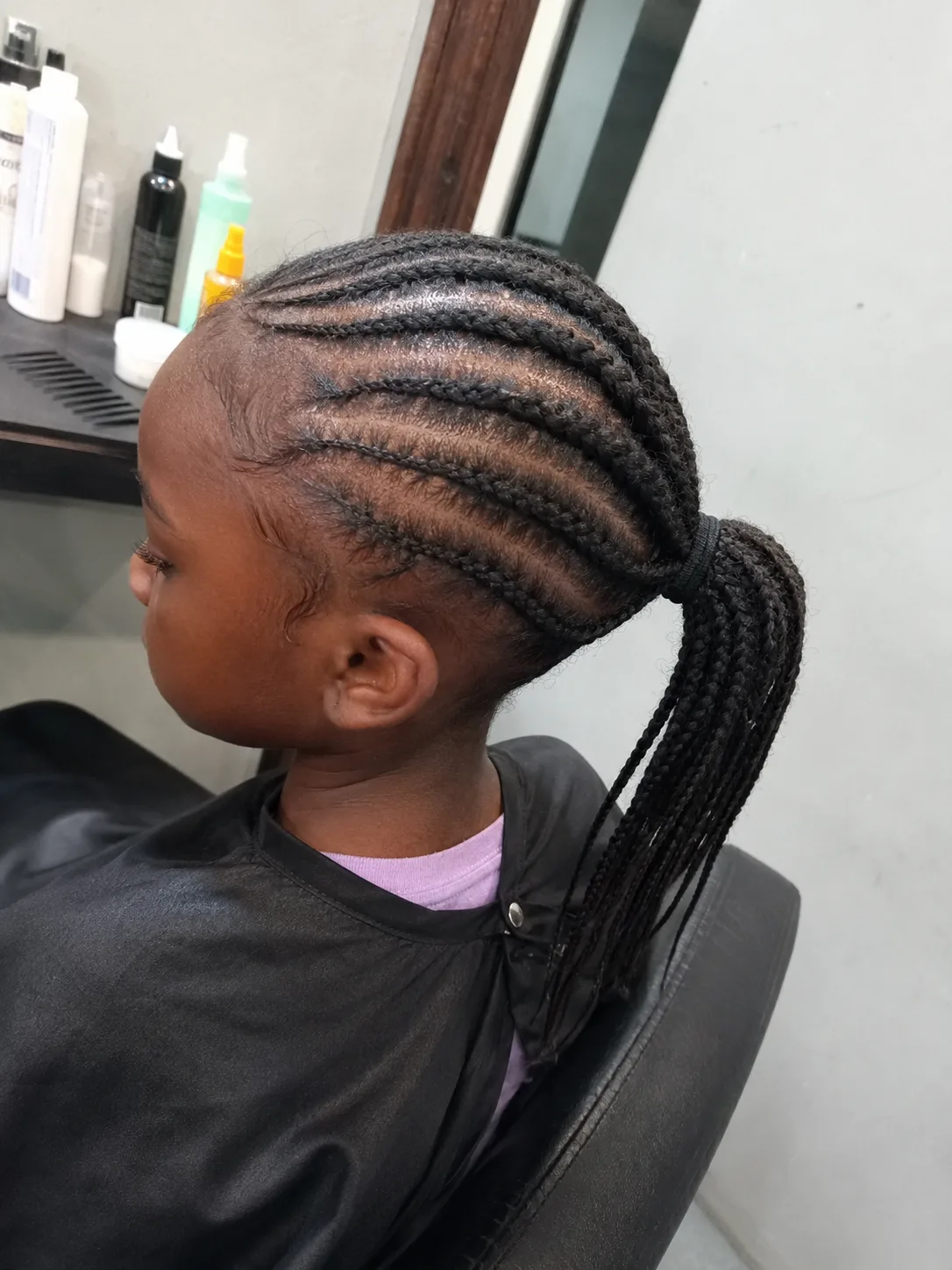
A low bun keeps longer hair fully off the shoulders and is more headrest-friendly than a large bun positioned at the crown. Begin with a comfortable low ponytail, wrap the length around its base, and secure it according to the child’s hair length and texture.
The bun should feel stable during normal head movement without requiring increasingly tight elastics. For children who wear glasses, keeping bulky sections away from the area directly behind the ears can also make the style more comfortable through a full school day.
Two Low Buns
Two low buns work well when one bun becomes too thick or heavy. The divided construction spreads the hair across both sides and gives shorter layers another point to reach.
They can be created from ponytails, braids, or twists depending on the child’s normal hair state.
Placement just behind or below the ears generally creates less interference than two large buns high on the head. Keep in mind what the child will wear that day: winter hats, costume headwear, sports equipment, or a hood can turn an otherwise comfortable bun position into an awkward one.
This is one of the stronger choices when you want the hair completely contained without building an intricate scalp-braided style.
Choosing the Right Style for the School Day
The most elaborate hairstyle isn’t automatically the most useful one. Start with what the child actually needs that day.
A child’s own opinion deserves weight here. A style that looks neat but causes headaches, feels too tight, prevents comfortable resting, or makes the child eager to remove it isn’t a successful school style.
Think about independence as well. Older children may need to retie a ponytail after physical education or move a headband themselves. Simple construction can be an advantage because the hairstyle remains understandable when an adult isn’t there to repair it.
The school environment matters too. A large bow or high bun that is perfectly comfortable at home can become annoying with headphones, a hood, a classroom headset, or sports equipment. Long loose hair may catch beneath backpack straps. Very long braids or ponytails can require repositioning before sitting down.
Those small physical details usually matter more than whether every hair stays perfectly in place.
Comfort, Tension, and Scalp Access
School hairstyles should feel comfortable from the beginning. Pain isn’t evidence that a braid, ponytail, or bun has been secured properly.
Children’s hairlines can include shorter or finer hairs that don’t need to be forced into every style. Pulling those sections tightly for a perfectly smooth edge adds stress without improving the basic function of the hairstyle. The same principle applies to cornrows, twists, braids, puffs, and buns.
Added hair deserves extra consideration. Extra length and density increase weight, and very small sections can concentrate that load at the roots. A child doesn’t need heavy extensions for a school hairstyle to be attractive or long-lasting.
Scalp access matters during longer-lasting styles. Parents should still be able to observe the scalp and manage normal cleansing and drying. A style that makes either difficult may create more maintenance than it saves.
Persistent pain, redness, sores, irritation, sudden shedding, or a concerning change in hair density deserves attention. Remove or loosen the source of obvious pulling, and talk with a dermatologist or another qualified healthcare professional when symptoms persist or seem concerning.
Making School Hairstyles Easier to Maintain
The easiest routine begins before the morning rush. Detangling, sectioning, or preparing hair while there is enough time makes it less tempting to pull through knots quickly the next morning.
For loose hair, focus on maintaining enough order that the chosen style can be rebuilt without starting from zero. A braid may simply need to be redone. A curly style may need the front repositioned while the rest remains untouched.
Braids and twists benefit from gentle handling at night. A bonnet, scarf, or smooth pillowcase can reduce friction and tangling, although none of these will correct a style that was installed with excessive tension.
Don’t chase perfect edges every morning. A little fuzz around braids or twists is normal wear, particularly on active children. Continually adding tension to make an older style look freshly installed can defeat the purpose of choosing a lower-manipulation hairstyle.
Removal deserves the same patience as installation. Elastics should be unwound or opened carefully, and braids or twists should be separated without rushing through tangles. Hair shed naturally while a style is in place may become visible during takedown; that shouldn’t automatically be confused with breakage. Broken strands appear along the hair length, while shedding involves whole strands released from the root.
A Simple School-Hair Consultation Checklist
Before choosing tomorrow’s hairstyle, run through a few practical questions:
Will the child be comfortable sitting, running, and resting their head normally?
Does the style work with glasses, hats, hoods, headphones, or sports equipment?
Can the hair and scalp be cared for properly while the style is in place?
Is the hairstyle appropriate for the hair’s current natural, stretched, braided, twisted, or relaxed state?
Can it be removed without excessive pulling or complicated takedown?
Does the child actually like wearing it?
The final question shouldn’t be treated as an afterthought. School hair is worn for hours in a social, active environment. A practical hairstyle should help a child get on with the day, not make the hair the day’s main problem.
Frequently Asked Questions
What is the easiest hairstyle for a child to wear to school?
A low ponytail is a strong general-purpose option for hair long enough to gather because it is quick, easy to understand, and compatible with many hats and hoods. Two ponytails, puffs, a headband, or simple braids may be easier depending on texture and length. Comfort and easy removal matter more than choosing one universal school style.
What school hairstyles work well for short hair?
Short hair often needs less construction. A soft headband, small front twist, clipped half-up section, or simply wearing the haircut in its natural state can work well. Trying to force every short section into a tiny ponytail may create more pulling than the hairstyle is worth.
Are braids a protective hairstyle for children?
Braids can reduce daily manipulation and keep hair contained, but their effect depends on how they’re installed and maintained. Section size, root tension, added-hair weight, scalp access, friction, drying, and takedown all matter. A comfortable braid using manageable sections is a better school choice than a heavy or painfully tight installation.
How can I keep a child’s school hairstyle neat without restyling it completely?
Concentrate on the parts that actually need attention. Retie a loose ponytail, smooth a displaced front section, or redo one unraveling braid instead of dismantling everything. Reducing nighttime friction with a bonnet, scarf, or smooth pillowcase may also help certain textures. A school hairstyle can look lived-in and still be tidy and functional.
Related Hairstyles to Explore
Hair Texture & Upkeep Style Matcher
Select your natural hair texture and daily maintenance window to get an instant styling formula and heat safety cap.
Heat Cap: 320°F (160°C)
A versatile three-strand braid beginning at the parietal ridge, securing the top half while allowing natural wave texture to flow freely around the shoulders.
Conclusion
The most useful children’s hairstyles for school aren’t necessarily the ones with the most complicated parts or the smoothest finish. A low ponytail, two braids, comfortable puffs, twists, cornrows, or a simple low bun can all work when the construction fits the child’s hair and daily routine.
Choose the style around the school day first. Think about movement, clothing, scalp access, removal, and whether the child feels comfortable wearing it. Once those pieces work, the visual details become much easier to decide.
Editorial Standards & Hair Health Guidance
Every style featured on Tress Atlas is curated with a focus on real-world wearability, scalp tension management, and cuticle preservation. When trying protective styles or tight updos, ensure perimeter hairline sections remain tension-free to avoid traction stress on delicate follicles. For heat styling, cap tools below 350°F (180°C) to prevent thermal keratin denaturation.
Scientific Sourcing: Practices aligned with the American Academy of Dermatology (AAD) on traction alopecia risk reduction and cosmetic trichology research on hair tensile strength.