Gentle Hairstyles for Babies: Styling Guide & Cuts That Put Comfort First
Baby hairstyles work best when the construction stays simpler than the photograph. A neat part or tiny puff can look adorable, but babies also rub their heads against car seats, nap in unpredictable positions, pull at their own hair, and rarely care whether a style stays perfectly smooth.
Comfort should lead the decision. Low tension, easy removal, light handling, and access to the scalp matter more than making a style last. Added hair, very tight edges, heavy decorations, and complicated installations offer little practical advantage for a baby.
The strongest everyday choices usually leave plenty of hair free: natural curls, a half-up puff, two loose puffs, or a few chunky twists. More structured options make sense once there is enough length to gather or braid without repeatedly stretching short hairs into place.
This guide gives you 15 genuinely different ways to style baby hair while keeping the real-life routine in view.
Comfort Matters More Than Staying Perfect
A baby’s hairstyle shouldn’t depend on firm pulling to keep every strand in place. Short hairs around the hairline can stay free. Uneven fullness from one side to the other is normal. Fine strands and low density also mean different things: a baby can have very fine individual hairs but plenty of them, or thicker strands with more visible scalp between them. A hairstyle won’t create actual density.
Texture changes the picture too. Curly and coily hair can shrink significantly after drying, so a section that appears long enough while damp or stretched may retract once released. Letting that natural shrinkage remain is usually easier than repeatedly pulling the hair into a style designed for more length.
Pain, persistent pulling, redness, sores, or obvious irritation are reasons to stop and loosen or remove the style. Babies don’t need to become accustomed to tight styling for a hairstyle to be considered successful. Tress Atlas guidance for children specifically prioritizes comfort, low tension, age-appropriate handling, and easy removal.
Natural Styles With Almost No Tension
Natural Curl or Coil Cloud
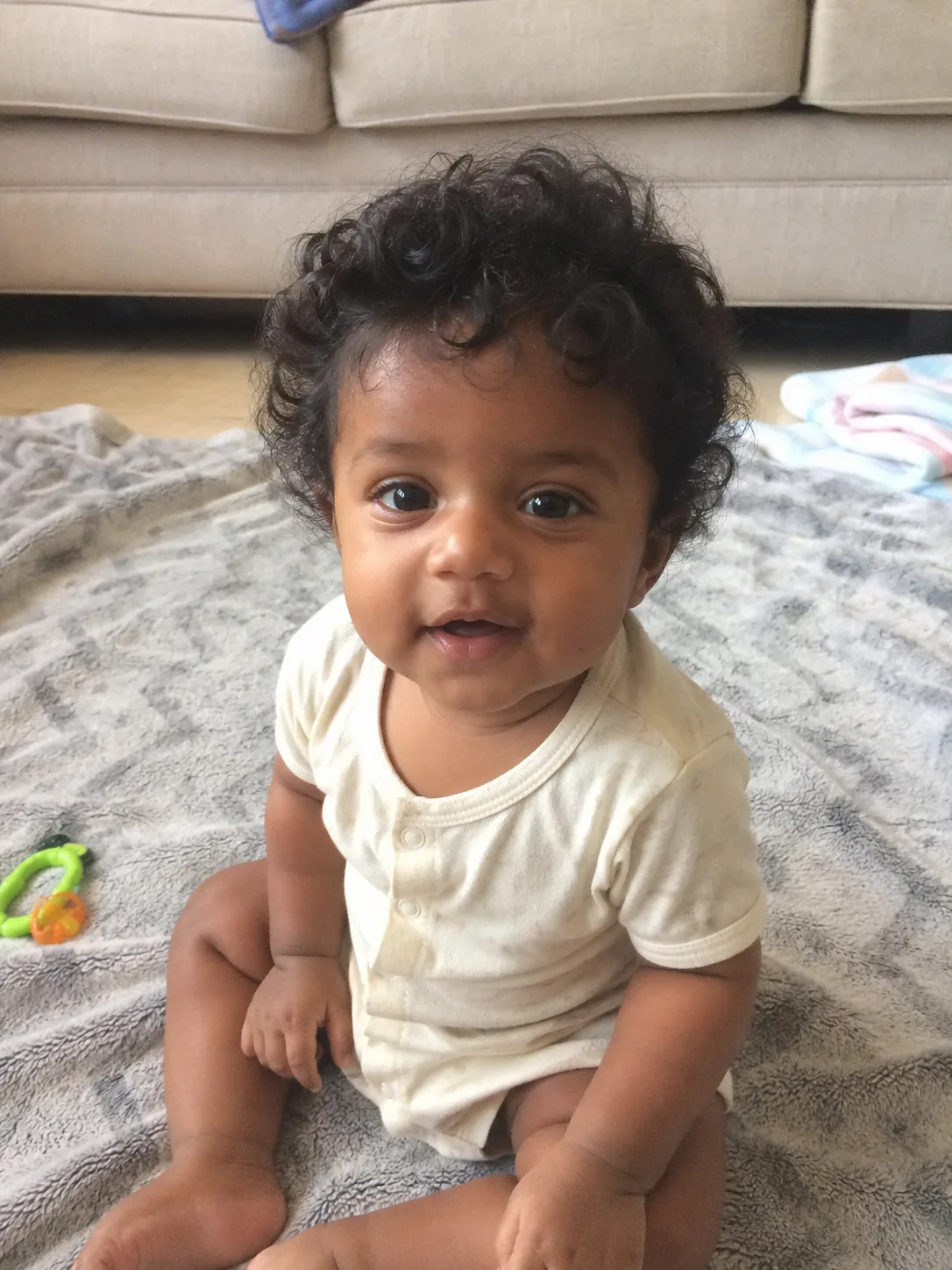
Leaving curls and coils mostly free is one of the strongest everyday options for babies. The hair keeps its own shrinkage, direction, and volume without needing to reach an elastic or braid. Finger separation can help organize larger curl groups without turning the style into a highly controlled set. This works especially well when the baby dislikes prolonged styling or when the hair is still too short to gather comfortably.
Soft Brushed-Out Halo
A fluffy halo gives naturally curly, coily, or tightly textured hair a rounder appearance without creating an anchor point anywhere on the scalp. The shape comes from gently arranging the hair outward rather than pulling it toward the crown.
This look is less about keeping every curl defined and more about allowing softness and fullness. It can also make sense on days when curl groups have separated and you don’t want to wet and restyle the entire head simply for appearance.
Natural Texture With a Side Sweep
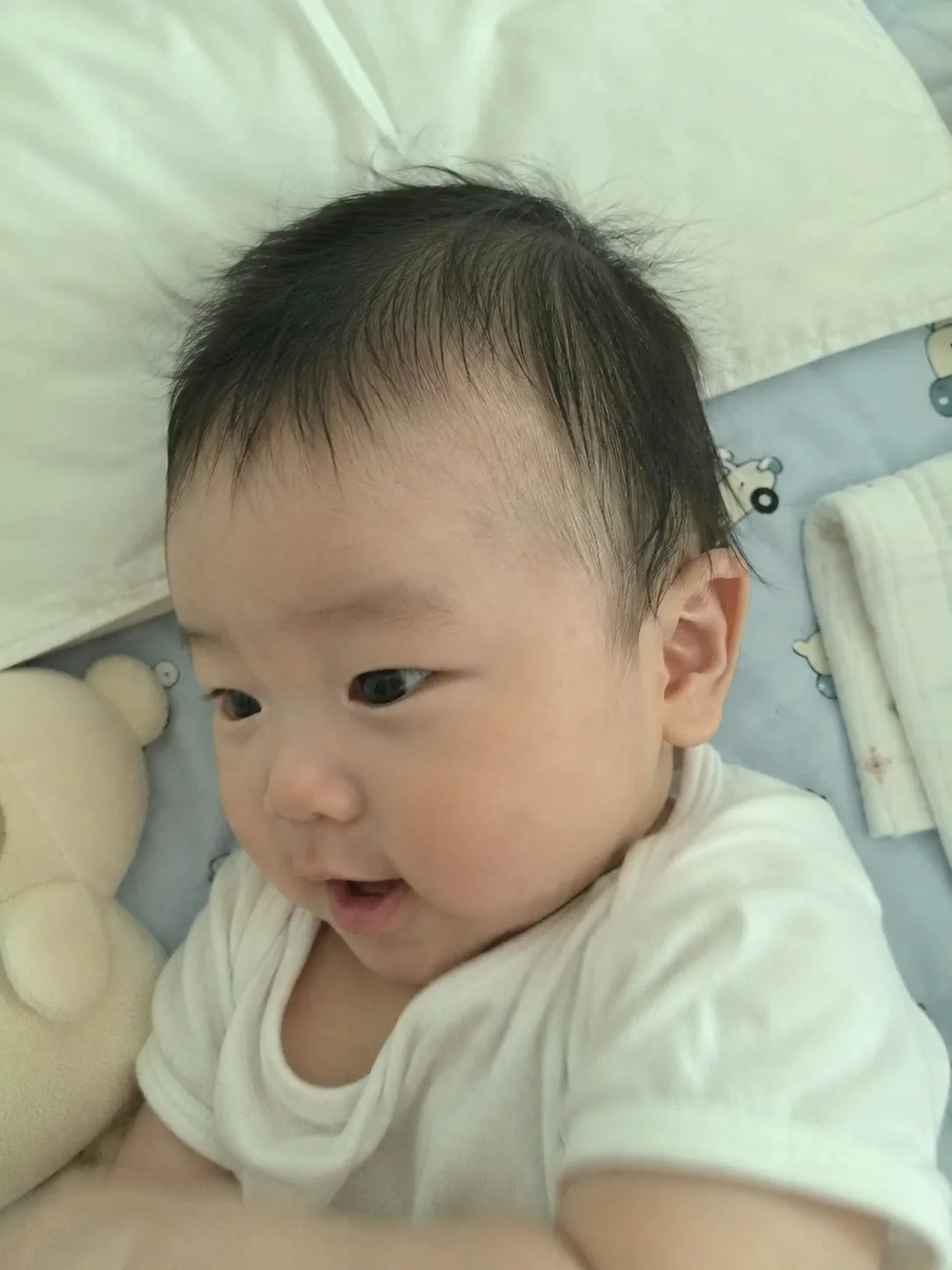
Sometimes the only change needed is direction. A loose side sweep moves more hair toward one side while the rest stays free, giving the front a little structure without requiring a full ponytail.
This works best when the hair already tends to fall that way. Trying to force very short hair across the head defeats the simplicity of the style, so let shorter pieces stay where they naturally settle.
Puffs and Ponytails for Enough Length to Gather
Mini Top Ponytail
A small ponytail near the top of the head is useful when the front and crown have enough length to come together easily. It clears some hair away from the face while leaving the sides and back untouched.
The placement matters more than making the ponytail look perfectly centered. Hair that barely reaches the elastic will create more pulling than hair that naturally gathers into the same point. Short temple and hairline pieces can remain loose.
A soft top pony also behaves differently from an elaborate high style. There’s less hair concentrated at the anchor, and takedown stays straightforward. It’s a good choice when you want visible styling without manipulating the whole head.
Half-Up Puff
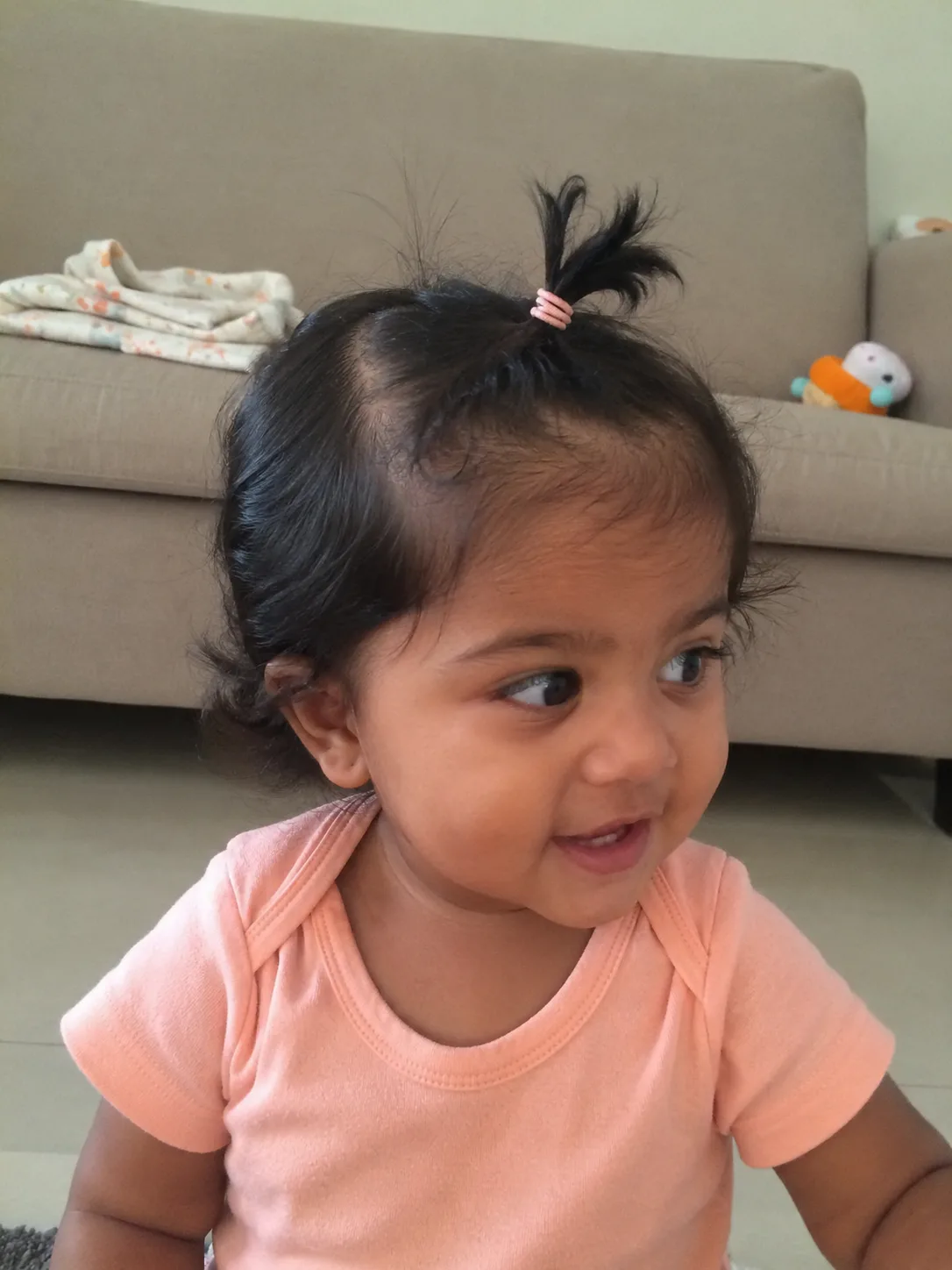
The half-up puff is often more practical than a full puff because only the upper section needs to reach the elastic. The lower hair keeps its natural curl, coil, or soft texture.
That makes this especially useful during an in-between stage when the front is long enough to gather but the nape is still short. The contrast between the gathered crown and free lower section gives the hairstyle a clear shape without demanding extra length.
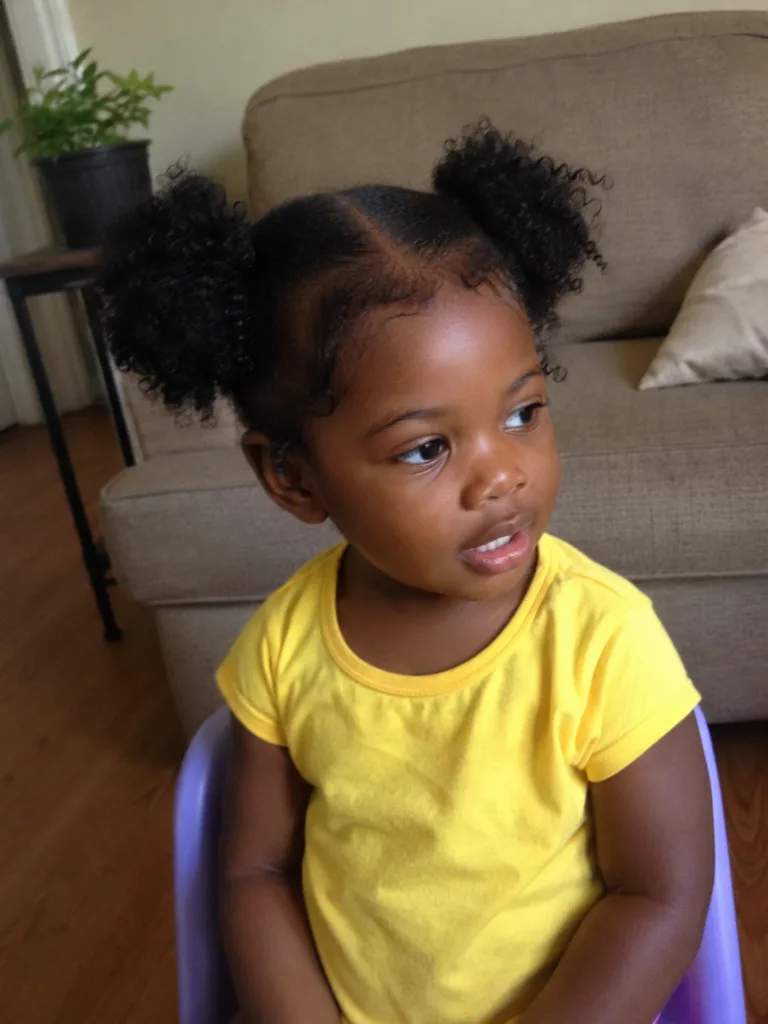
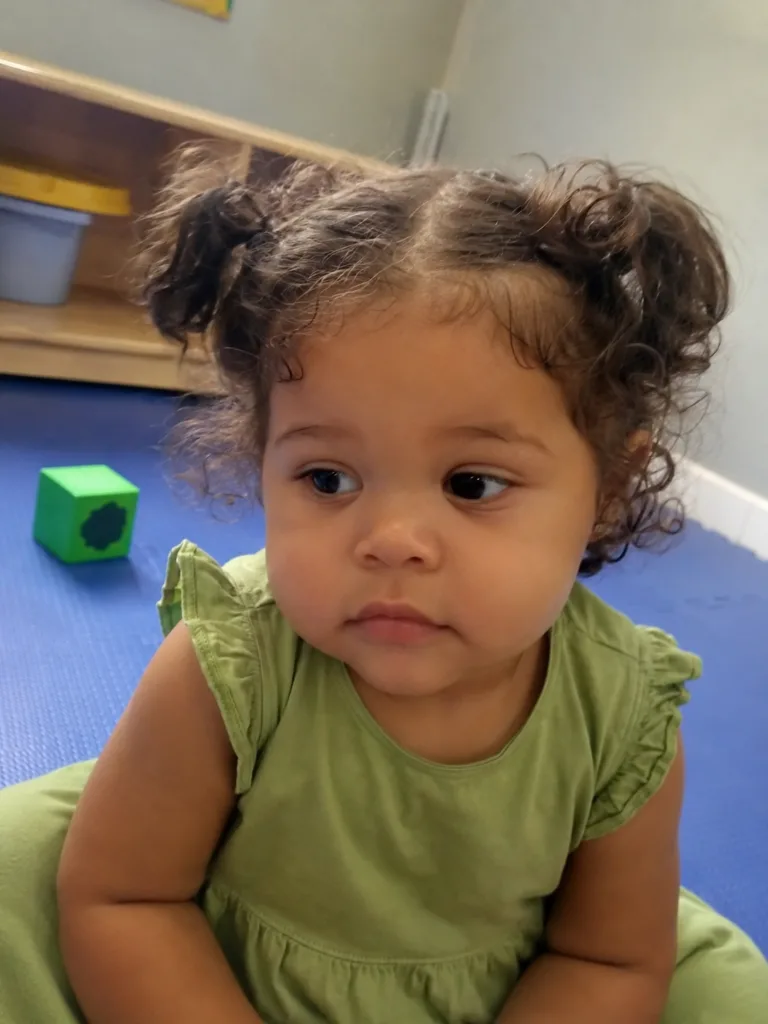
Two Loose Side Puffs
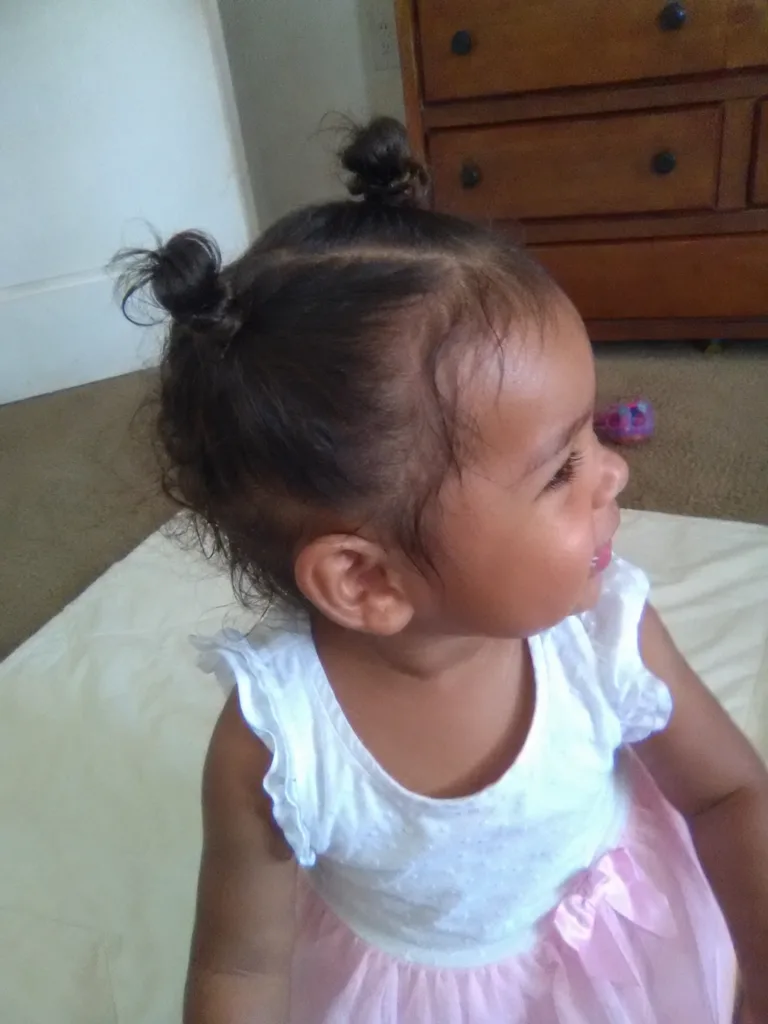
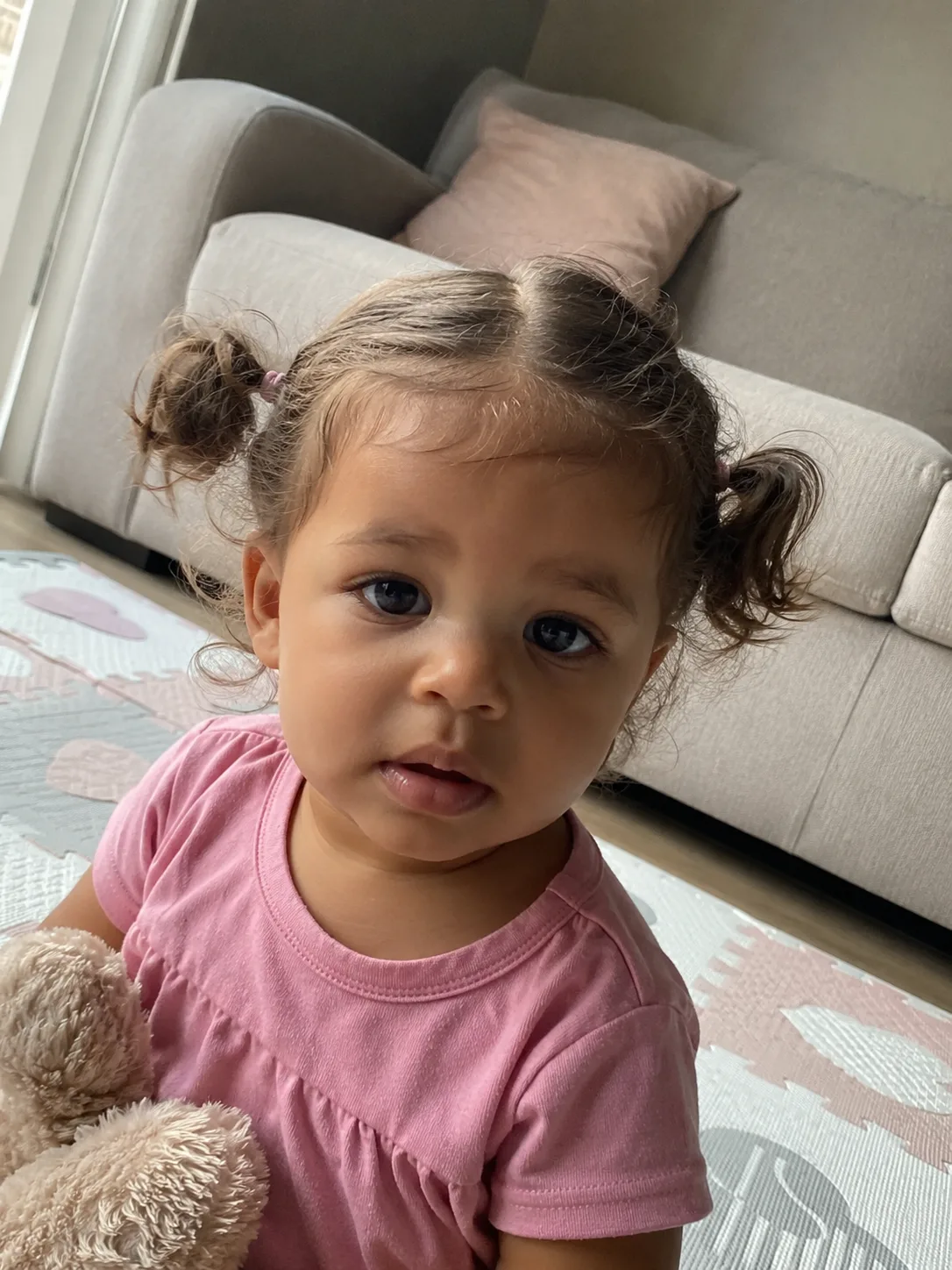
Two puffs divide the hair into left and right sections instead of pulling everything toward one central point. They create a playful, balanced outline and can accommodate hair that reaches comfortably to the sides but struggles to reach a single ponytail.
Keep the puffs soft. A slightly uneven pair is preferable to repeatedly tightening one side simply to make both shapes match.
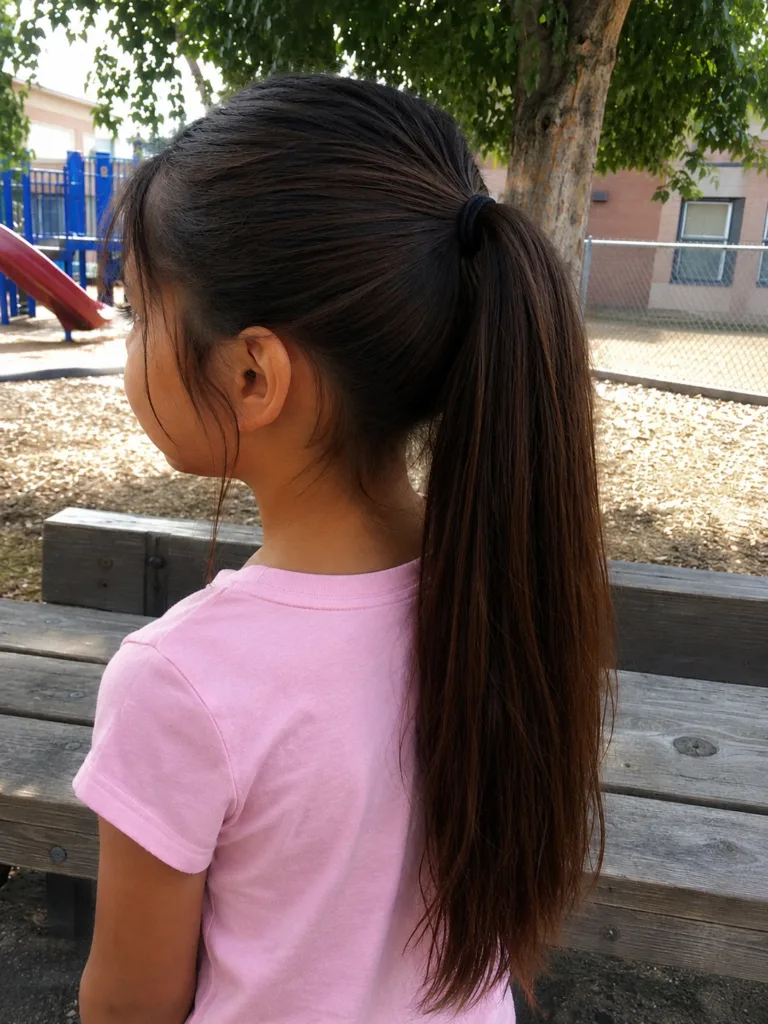
Low Center Ponytail
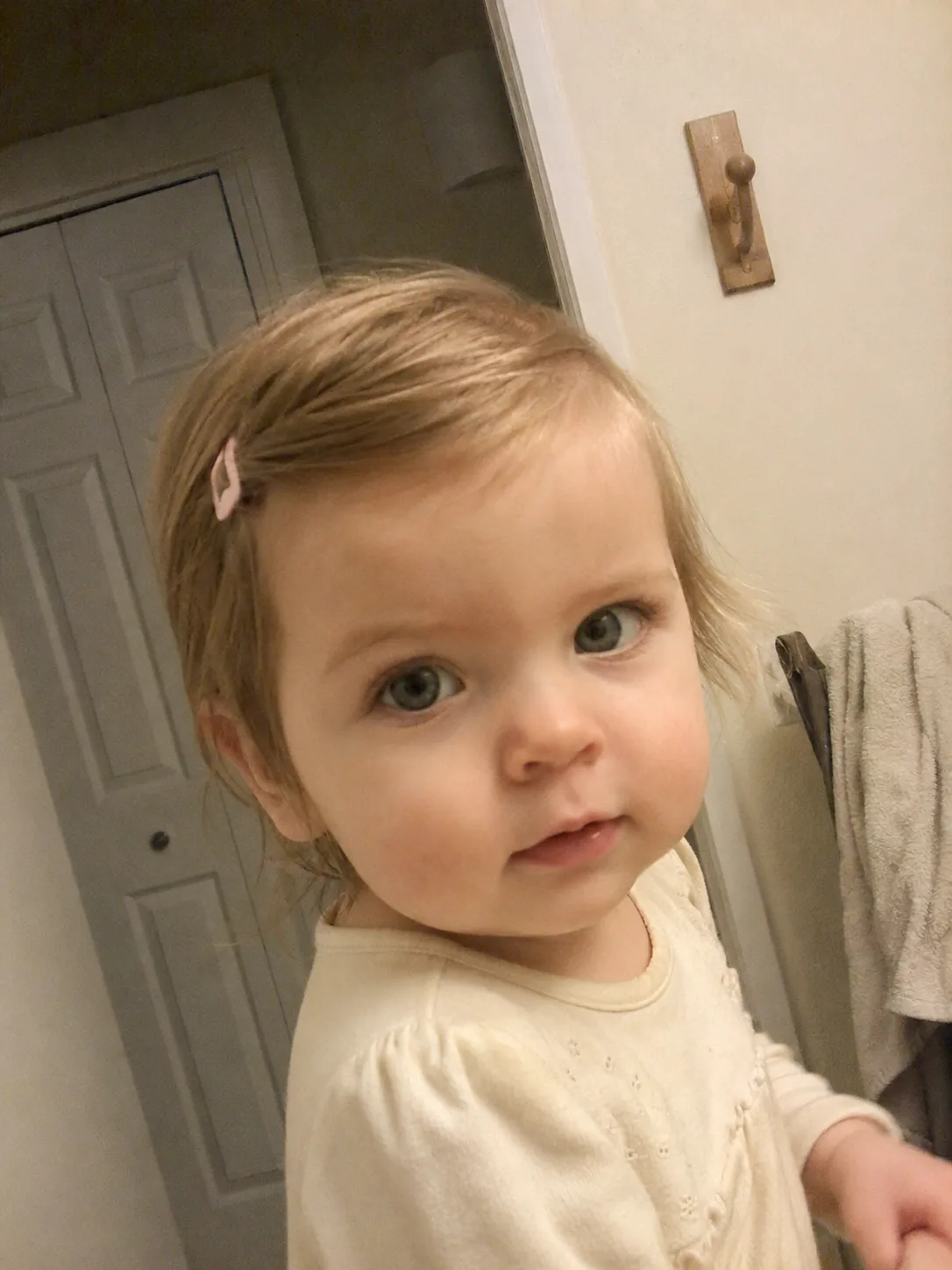
Hair that grows longer around the back may settle more naturally into a low ponytail than a high puff. The gathered section sits closer to the nape, leaving the crown comparatively smooth without pulling everything upward.
This is worth trying before forcing a high ponytail on hair that doesn’t have enough crown-to-anchor length. Clothing and head contact can flatten the ponytail during the day, but that is a styling inconvenience rather than a reason to secure it more tightly.
Three-Section Puff Row
A row of small gathered sections running from front to back can solve a particular length problem: the hair may be long enough to gather locally while still being too short for one ponytail.
Each section needs to collect only the hair around it. That can create a soft fauxhawk-like line of puffs without stretching the shortest pieces across a large distance.
This style involves more elastics and more takedown than a single puff, so it’s better reserved for babies who tolerate sectioning comfortably. The sections should release easily; lasting power isn’t worth repeatedly tightening each anchor.
Twist Styles That Keep the Construction Simple
Two Chunky Twists
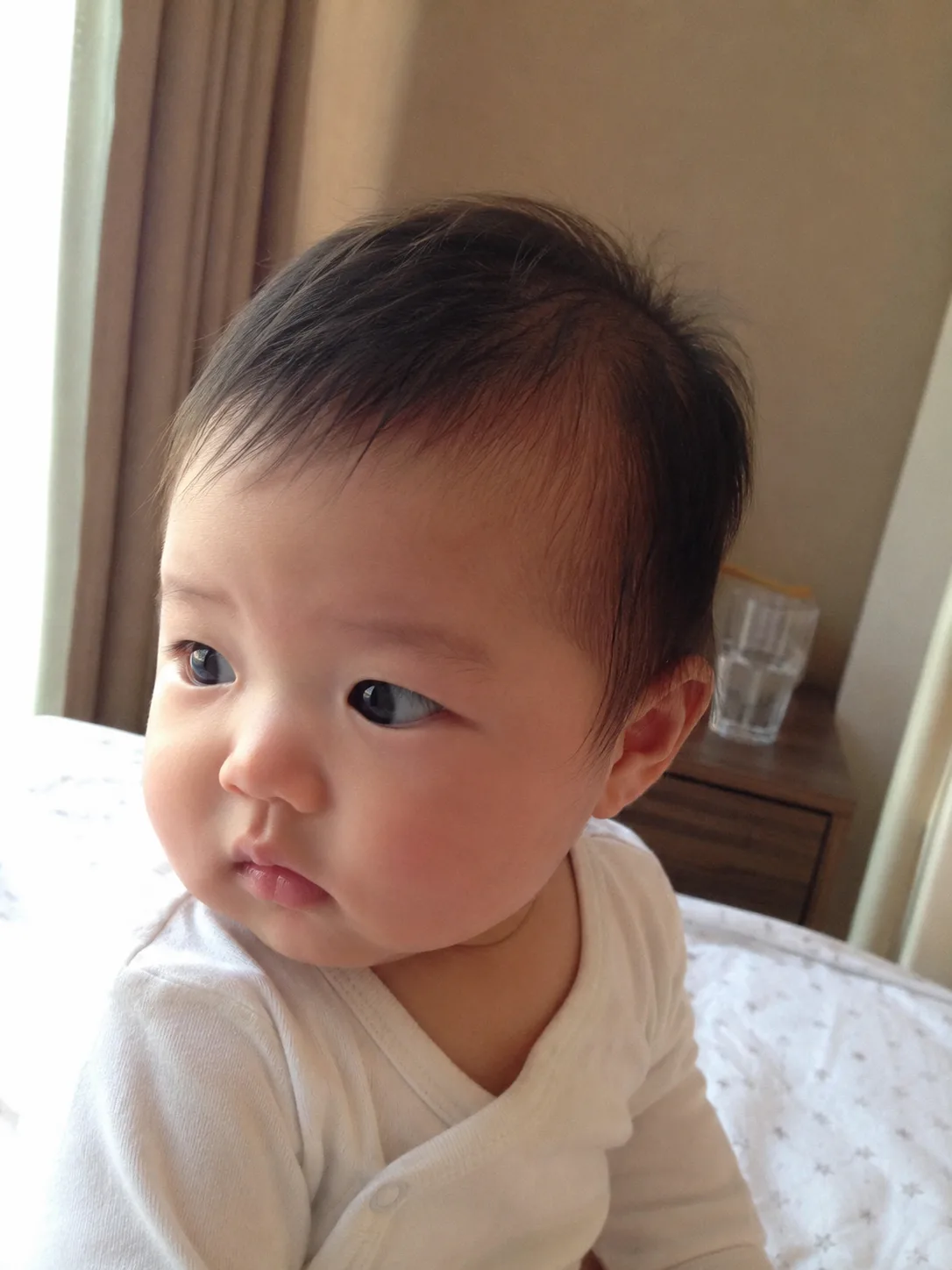
Two large two-strand twists are an underrated option when the hair has enough length to twist but you don’t want to create many small sections. Divide the hair broadly, twist each section gently, and allow the ends to curl or coil naturally. Chunky twists are quicker to remove than a head full of tiny twists and make it easier to notice whether a section feels too tight.
Loose Mini Twists
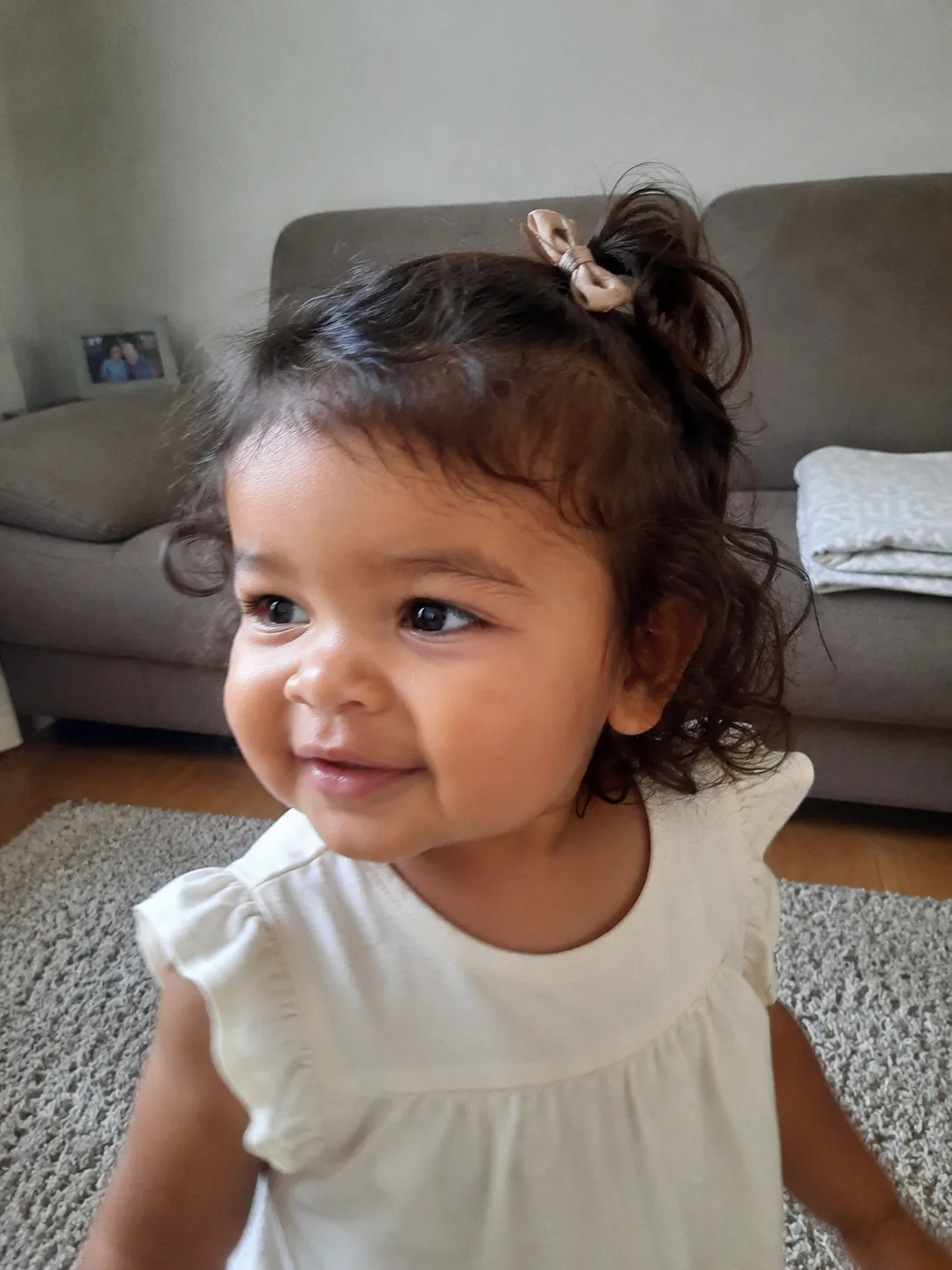
Mini twists give more separation and definition than two chunky twists, but the word “mini” should stay relative on a baby. Creating extremely tiny sections adds handling and makes takedown more tedious.
A modest number of loose two-strand twists can help keep longer curls from tangling together while preserving movement. They are most useful when the hair already separates easily into sections and twisting doesn’t require firm gripping at the roots.
Front Twist-Back With the Back Left Free
Hair falling forward into the face can be managed without gathering the entire head. Take a front section, divide it into two strands, and twist it gently back while leaving the rest of the hair loose.
The beauty of this style is the limited work area. Most of the hair remains untouched, so there’s less detangling and sectioning compared with a full-head twist style.
It also keeps the finished shape soft. The back can remain curly, coily, fluffy, or lightly stretched according to the baby’s normal hair state. There’s no need to smooth the free hair to match the twisted front.
Paired Flat Twists With Free Ends
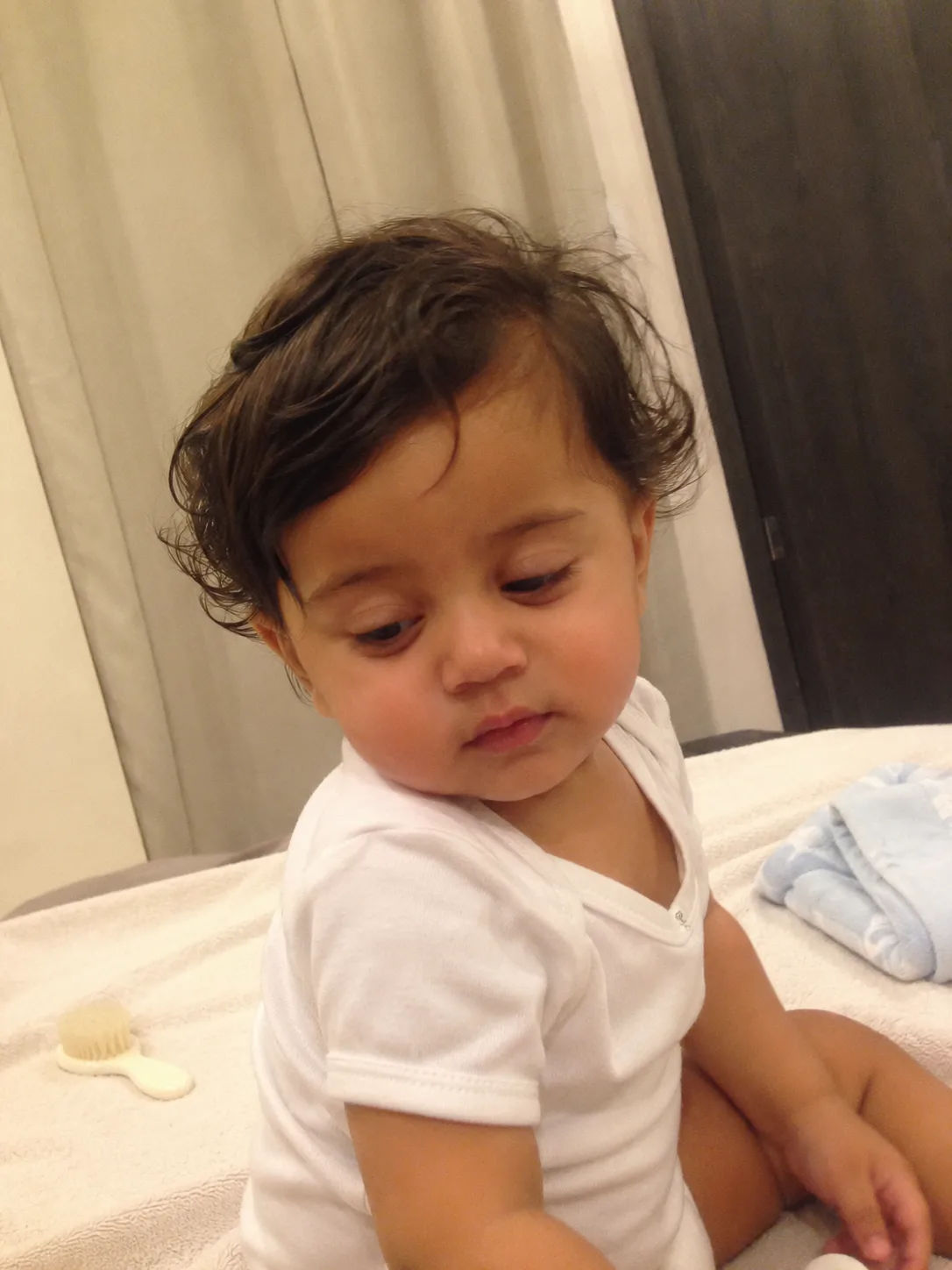
Flat twists travel along the scalp instead of hanging freely from the root. A simple pair can direct the front or side sections backward while allowing the ends and remaining hair to stay loose.
This option is more technique-dependent than ordinary two-strand twists. The stronger version is broad and gentle, with enough hair in each section to avoid gripping tiny hairs tightly. Skip elaborate part patterns; the construction should make styling easier, not turn the baby’s scalp into a detailed design surface.
Simple Braided Styles for Longer Baby Hair
One Loose Low Braid
A single three-strand braid can work once the hair naturally gathers low without stretching short pieces into the base. It keeps longer hair together while avoiding multiple parts and anchors. Let a few strands escape if necessary. A soft braid with imperfect edges is usually more appropriate for baby hair than a tightly controlled braid built around maximum neatness.
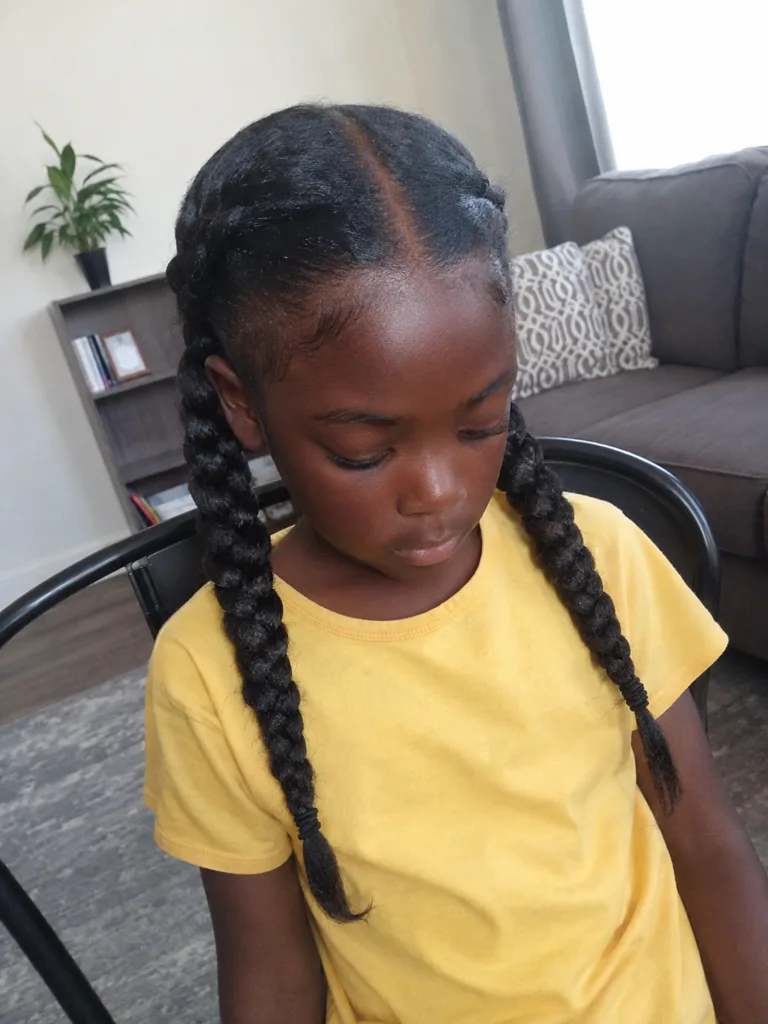
Two Loose Low Braids
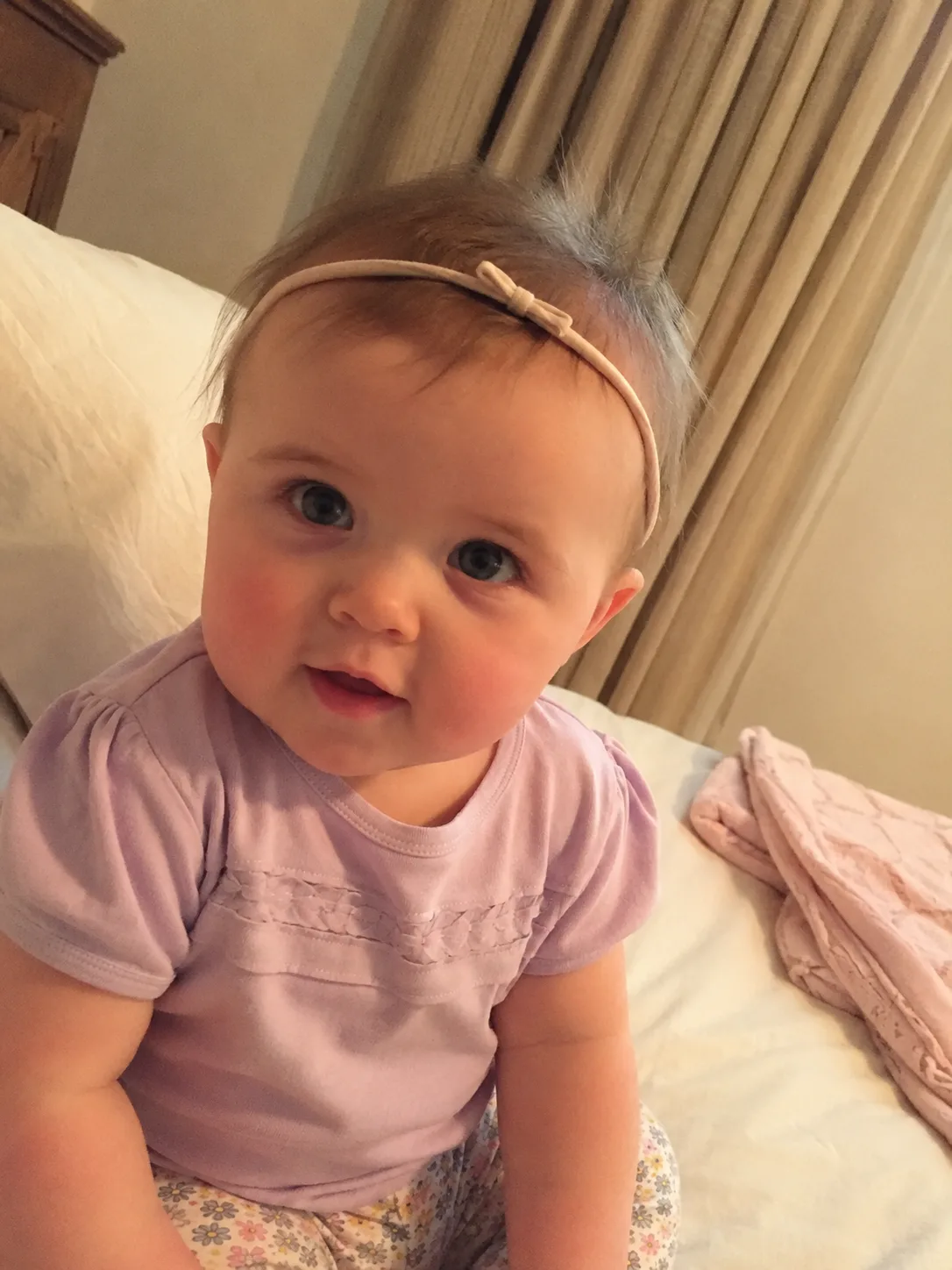
Two braids are useful when dividing the hair makes gathering easier. A center or slightly off-center division separates the hair into two larger sections, each of which can be braided independently.
This construction also gives the head a flatter profile than bulky buns or high puffs, which can be more comfortable against a seat or during supervised quiet time. Keep the braid roots soft enough that the hair can move naturally when the baby turns their head.
Braid-and-Puff Combination
A braid-and-puff style gives you structure in one area without braiding the whole head. A broad front section can be braided back gently while the remaining hair forms a loose puff, or one side can be braided while the rest stays free.
This is a stronger special-occasion choice than adding more and more tiny braids. It looks detailed because two constructions are visible, yet most of the hair remains easy to remove and restyle.
Choose the Hairstyle the Hair Can Already Support
Reference photos can make baby hairstyles appear more interchangeable than they are. Hair length, shrinkage, density, and natural growth direction determine whether the same construction will sit comfortably on another child.
Start with the hair’s resting state. Coils that appear longer while wet may spring much shorter after drying. Straight or loosely wavy baby hair may slip out of twists that stay together easily on tighter curls. Sparse-looking areas also shouldn’t be pulled toward a part line simply to make a photographically neat section.
The practical default is simple: choose a style that requires the hair to travel the shortest reasonable distance. Front hair that naturally reaches the crown can go into a half-up puff. Hair that reaches outward more comfortably may suit two side puffs. Longer nape hair can work better in a low ponytail or braid.
Don’t use styling to disguise an area of concerning density change. Hair density naturally varies, but sudden shedding, obvious irritation, or a change that concerns you is better discussed with an appropriate qualified professional than covered with a tighter hairstyle.
Maintenance Should Be Easier Than the Styling Session
Baby hair rarely needs complicated preservation. A style that takes major effort to keep intact may simply be too elaborate for the routine.
Pay attention to what happens after the hairstyle is finished. Head movement can loosen a back section. Natural curls can expand as the day goes on. A puff may lean after rubbing against a seat. These are normal physical consequences of baby movement.
Takedown deserves equal attention. Remove elastics and undo twists or braids gently instead of pulling the hair apart quickly. Tangled ends can be separated before working upward through the rest of the section.
A smooth sleeping surface may reduce some friction and tangling, but it won’t correct an uncomfortable style or excessive tension.
A Practical Baby Hairstyle Checklist
Before choosing one of these hairstyles, check the basics:
Does the hair reach the intended position easily?
Can the style be secured without pulling short hairline pieces?
Is the baby comfortable while you work?
Can you remove the style without a long or complicated takedown?
Does the scalp remain accessible enough for normal care?
Are you choosing neatness over comfort anywhere in the style?
A baby who becomes upset every time one specific section is tightened is giving useful information. Simplify that section, move the anchor, or choose another hairstyle.
Related Hairstyles to Explore
FAQs About Hair Styles for Babies
Can a baby wear braids?
Yes, once there is enough hair to braid gently without repeatedly stretching short strands into the section. Broad, loose braids are more practical than very small or tight ones. Added hair and heavy installations offer little benefit for a baby and increase the amount of weight and handling involved.
What hairstyle works for a baby with very short or sparse-looking hair?
Natural texture is usually the easiest starting point. A soft side sweep may also work where the hair naturally changes direction. Avoid trying to gather sections that don’t comfortably reach an elastic. Visible scalp alone doesn’t tell you the strand thickness or whether there is a density problem.
Are puffs suitable for curly and coily baby hair?
They can be, provided the hair reaches the anchor without excessive stretching. Shrinkage affects how much usable length you have, so judging the style on the hair in its normally worn state gives a more realistic result. One half-up puff can be easier than gathering the entire head.
What should I do if a baby hairstyle keeps coming loose?
Simplify it before tightening it. Fewer sections, a lower anchor, a chunkier twist, or leaving short pieces free often works better than repeatedly increasing tension. Baby hairstyles have to tolerate constant head movement, and some loosening during the day is normal.
Hair Texture & Upkeep Style Matcher
Select your natural hair texture and daily maintenance window to get an instant styling formula and heat safety cap.
Heat Cap: 320°F (160°C)
A versatile three-strand braid beginning at the parietal ridge, securing the top half while allowing natural wave texture to flow freely around the shoulders.
Conclusion
The most useful baby hairstyles are the ones the hair can support without being forced into place. Natural curls, soft puffs, chunky twists, and loose braids give you plenty of visual variety while keeping the construction manageable.
Choose the version that asks the least from the shortest hairs and the baby’s patience. A style that loosens a little but stays comfortable is a much better result than one that remains perfectly neat because it was secured too tightly.
Editorial Standards & Hair Health Guidance
Every style featured on Tress Atlas is curated with a focus on real-world wearability, scalp tension management, and cuticle preservation. When trying protective styles or tight updos, ensure perimeter hairline sections remain tension-free to avoid traction stress on delicate follicles. For heat styling, cap tools below 350°F (180°C) to prevent thermal keratin denaturation.
Scientific Sourcing: Practices aligned with the American Academy of Dermatology (AAD) on traction alopecia risk reduction and cosmetic trichology research on hair tensile strength.