Long Hairstyles: Styling Guide & Cuts That Change How Length Looks and Moves
Long hair gives you options, but length alone doesn’t create a strong hairstyle. The real decision is where the weight sits, how much movement you want, and how often you’re willing to restyle the hair.
A blunt waist-length cut behaves very differently from long butterfly layers. A high ponytail changes how the same hair feels against your scalp. Defined curls can appear considerably shorter than stretched hair because of shrinkage. Even a simple braid changes tangling, friction, and how much hair you need to manage throughout the day.
That makes the most useful long hairstyles the ones that solve a specific problem: adding movement without sacrificing too much perimeter weight, keeping hair contained on active days, showing off natural texture, or getting the length away from collars and straps.
Use the table below as a starting point before choosing a specific look.
Long Haircuts That Make the Length Work Harder
Blunt One-Length Hair
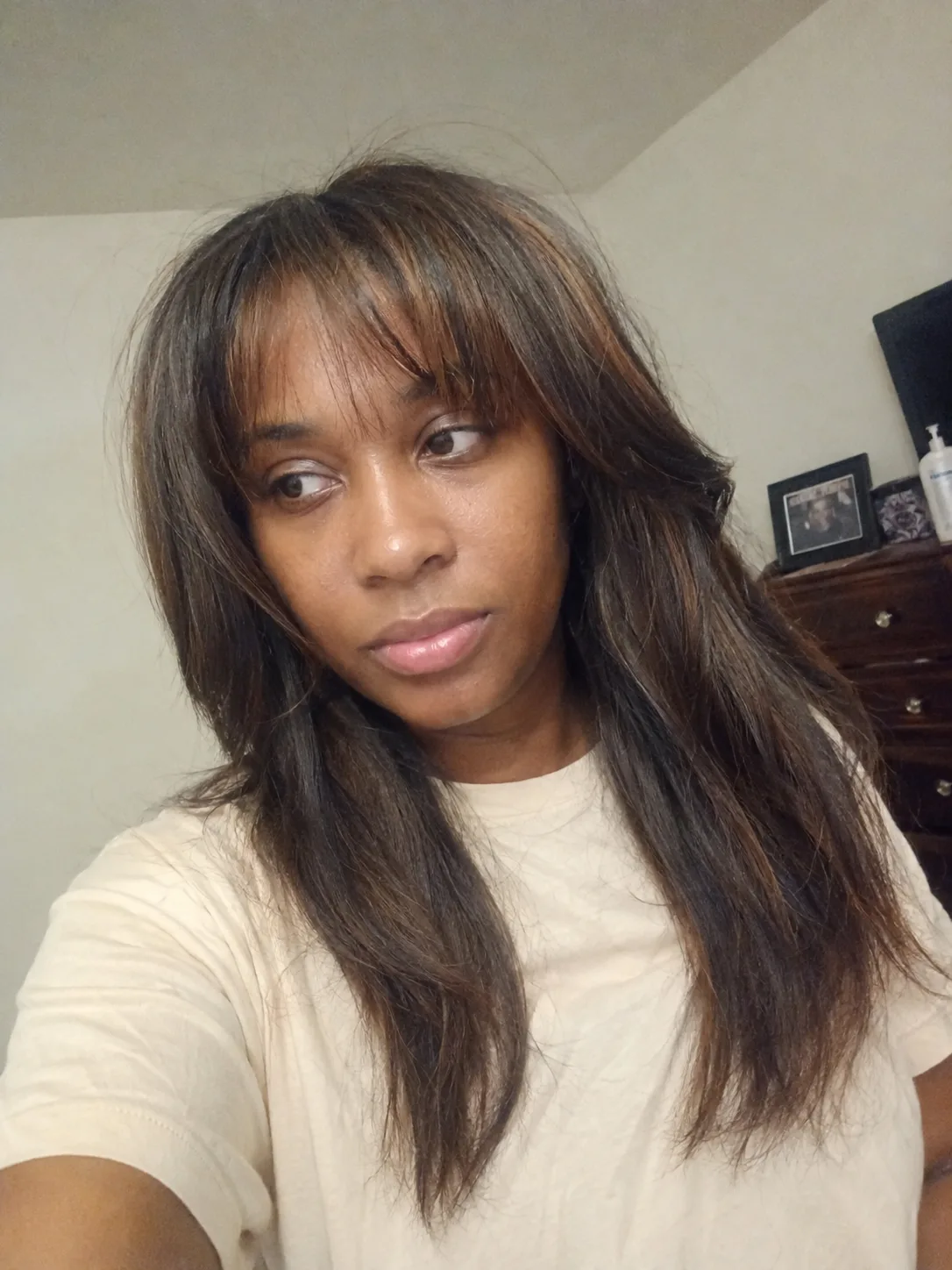
A blunt long cut puts most of the visual weight at the bottom edge. It’s especially useful when healthy ends are a priority or when heavy layering makes the lower half look too sparse. Straight, stretched, and softly wavy hair show the strong perimeter most clearly. On very dense hair, however, the same construction can feel heavy through the bottom and may need thoughtful internal shaping without sacrificing the line.
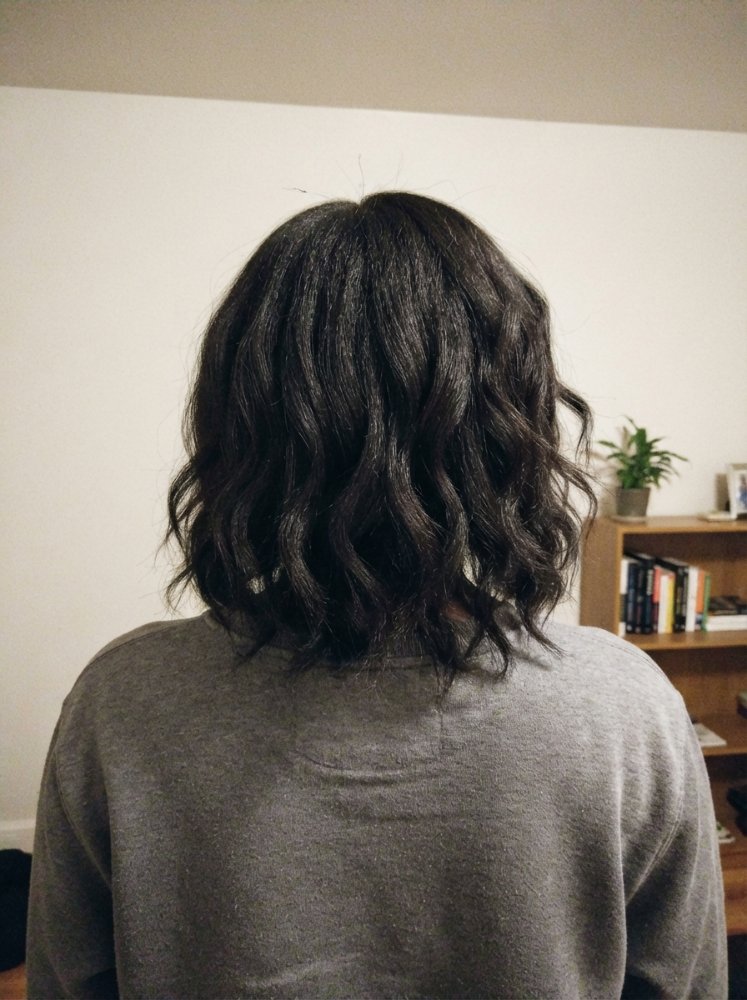
Long Seamless Layers
Long layers are the practical middle ground between a solid one-length cut and a heavily graduated shape. The shortest layers stay long enough to blend into the overall haircut, so the result moves more freely without looking obviously tiered.
This works well for hair that tends to collapse into one heavy curtain. The exact effect still depends on density and styling state: fine strands can exist in very dense hair, while coarse strands can exist at lower density. The amount of hair removed matters more than simply asking for “layers.”
Butterfly Layers
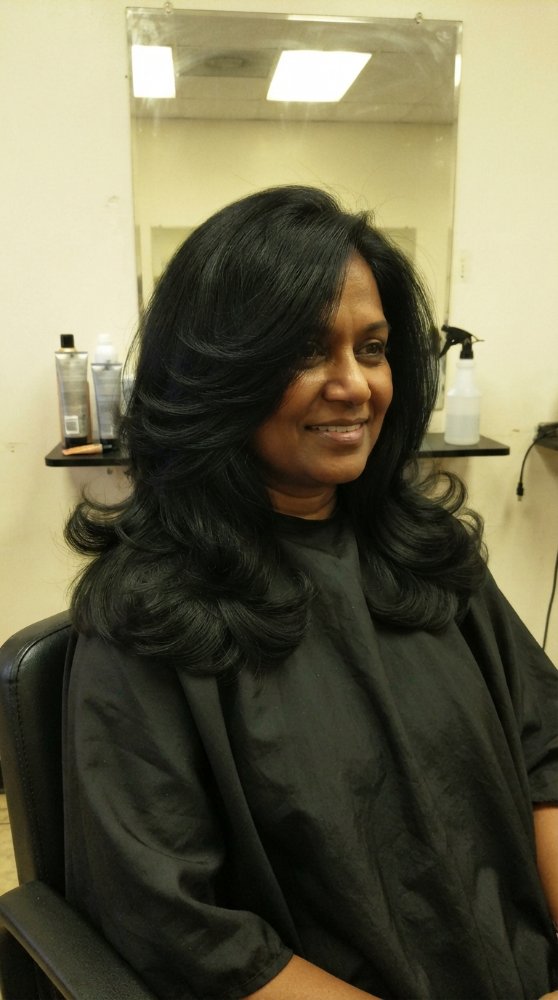
Butterfly layering creates a dramatic change around the front and upper sections while keeping substantial length through the back. The shorter pieces sweep away from the face, giving long hair more lift and width near the upper half.
The photograph often hides one important requirement: this cut relies heavily on how those shorter sections are styled. A round-brush blowout, rollers, or another shaping method makes the separation between the layers more obvious. Left completely untouched, the cut can settle flatter depending on texture.
It’s worth the extra styling when you want long hair to feel visibly different without cutting away most of the length. Someone who prefers air-drying with minimal manipulation may get more predictable mileage from subtler layers.
Long Shag
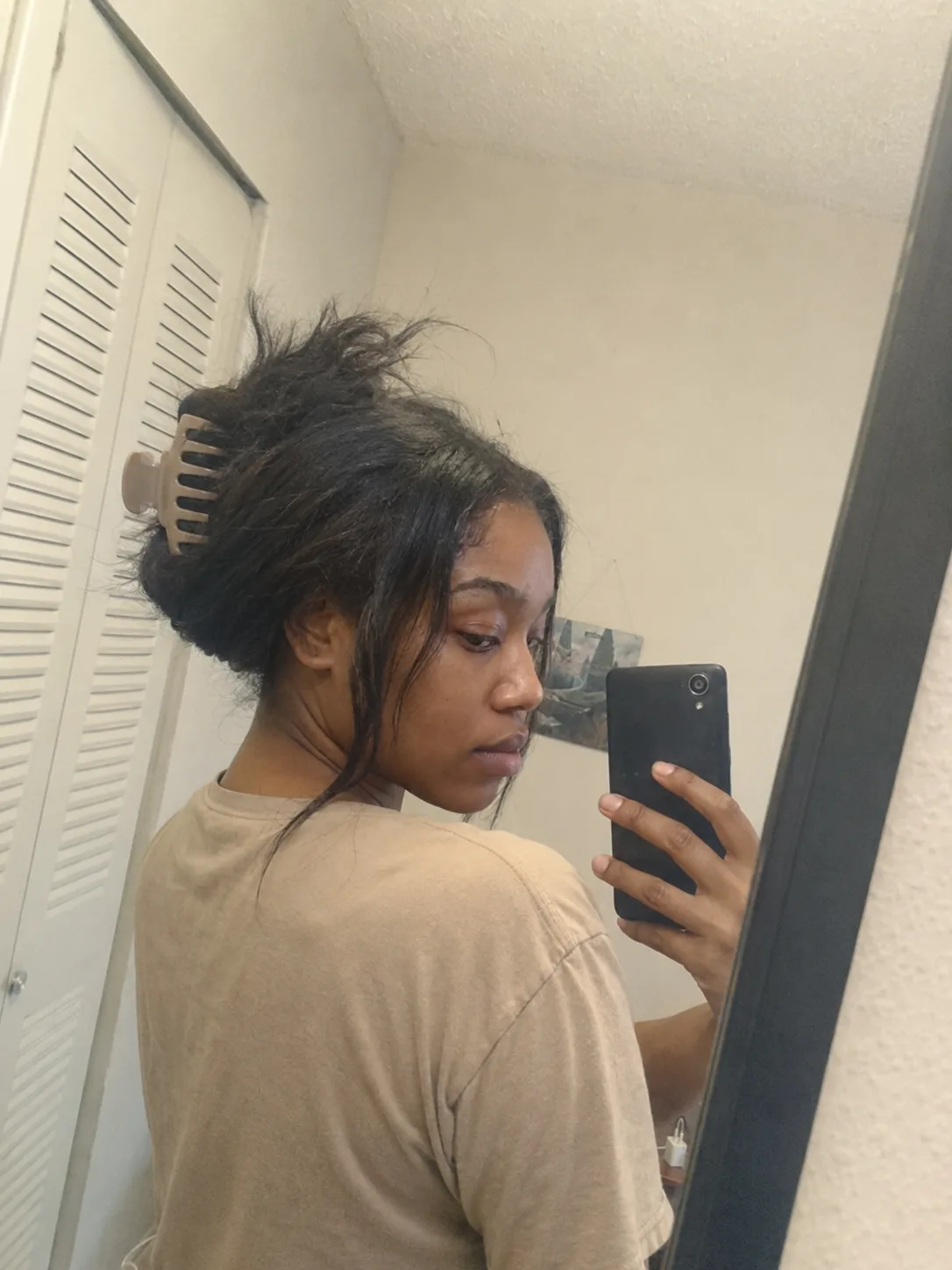
A long shag deliberately moves weight upward through shorter crown pieces, noticeable layering, and a more broken-up perimeter. It suits readers who want separation and texture rather than a dense sheet of hair. Waves and curls can give the cut plenty of movement with relatively little smoothing, while straighter hair may need added bend or texture to emphasize the shape. This is a poor match when maintaining maximum fullness at the bottom edge matters more than volume through the top.
Rounded Layers for Long Curly Hair
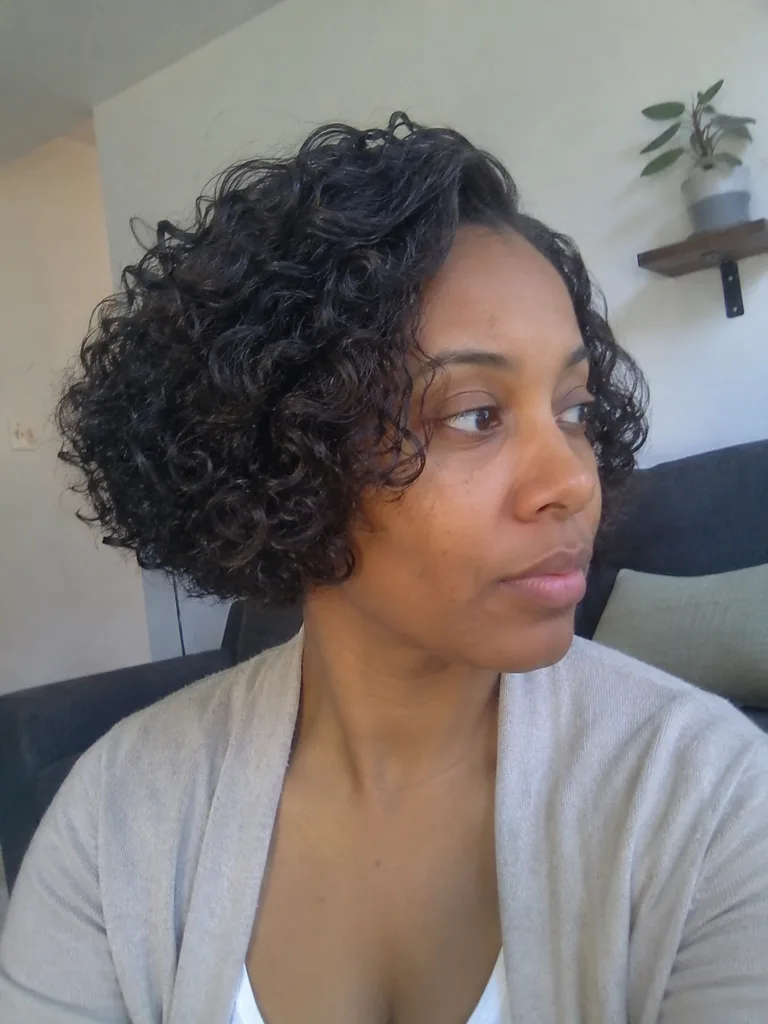
Long curls can become visually narrow at the crown and wide at the ends when too much weight settles low. Rounded layering redistributes some of that bulk so curls can build a fuller outline through the sides and upper sections.
The haircut should be evaluated in the state you actually wear most often. A curl pattern viewed wet can sit much higher once dry, and different areas may shrink by different amounts. Long curly hair can be shaped wet, dry, or with a combined approach; the important part is judging the final outline after the curls return to their normal position.
Long Layers for Coily Hair Worn Stretched
Hair that is usually worn stretched needs a different consultation from hair that is primarily worn in its fully shrunken state. Long layers can create movement in blow-dried, banded, threaded, or otherwise stretched coils while retaining an elongated outline.
Shrinkage still needs a place in the plan. Hair may be stretched for styling one week and worn more compactly after the next wash, causing the same layers to stack differently.
A useful reference photo should therefore match the styling state you expect to maintain. Asking for a cut that only looks right when the hair is pressed can create unnecessary styling work if you normally prefer a softer stretch.
Long Hair With a Hidden Undercut
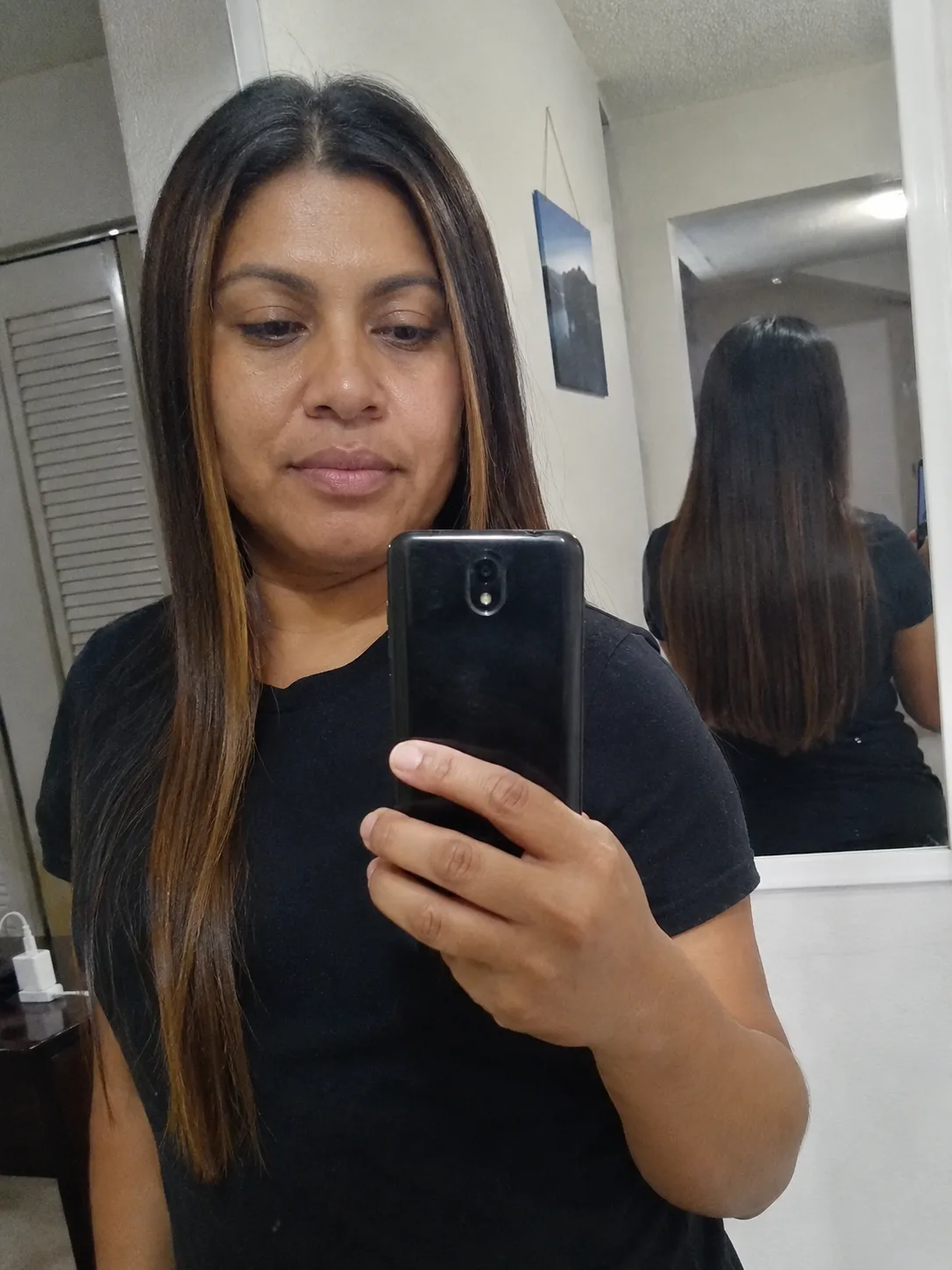
An undercut removes hair from a concealed section near the nape or sides while allowing the upper lengths to fall over it. The change can reduce bulk and create a dramatically different feel when the hair is tied up.
Grow-out is the compromise. The shorter hidden section eventually has to blend back into much longer hair unless you keep maintaining it. It makes the most sense for someone who actively wants that construction, not simply as a quick fix for dense long hair.
Long Hairstyles Worn Down
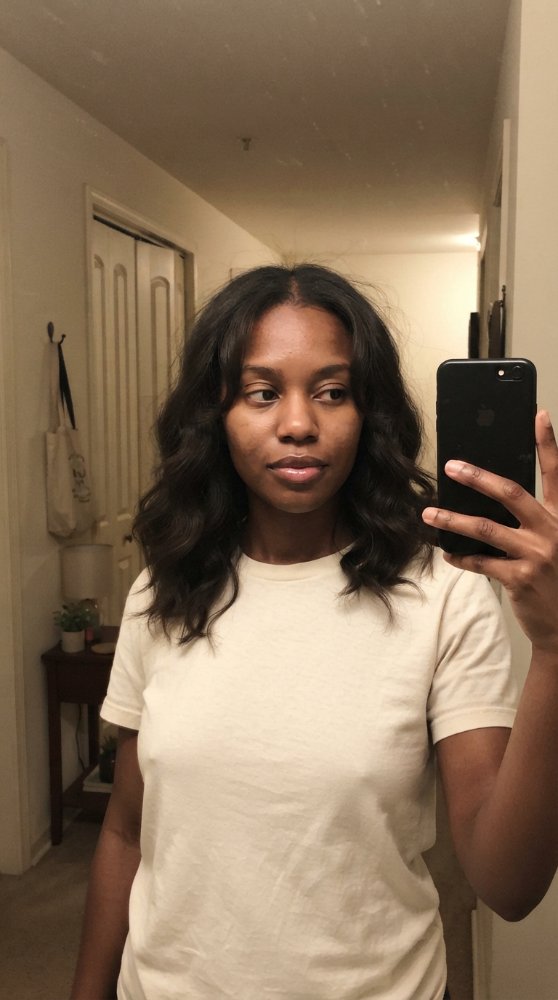
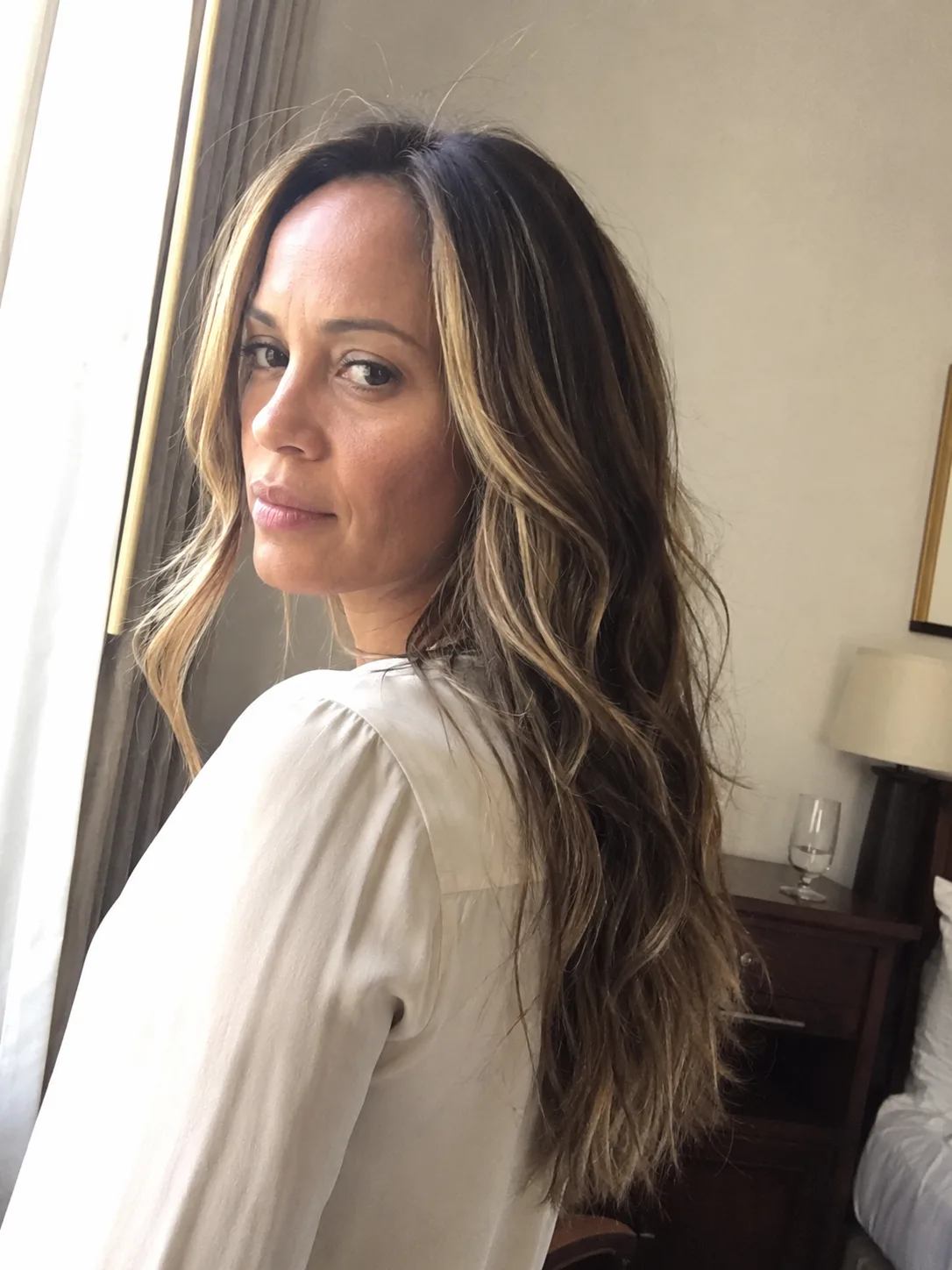
Side-Swept Waves
Moving long waves strongly toward one side changes the entire balance of the hairstyle without changing the haircut. The heavier side shows off length and bend, while the exposed side keeps the look from becoming one continuous curtain around the face. This is especially effective for occasions when you want visible drama but still want the hair down. Remember that repeated contact with a coat, handbag strap, or seatbelt can disturb the lengths on the fuller side.
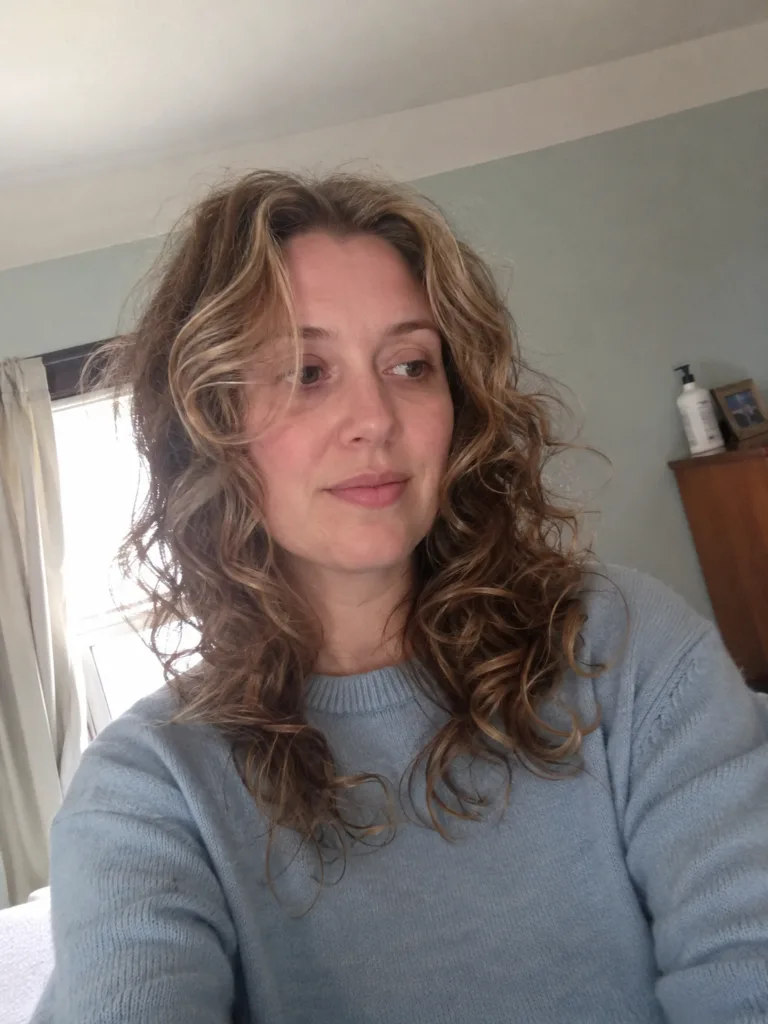
Defined Long Curls
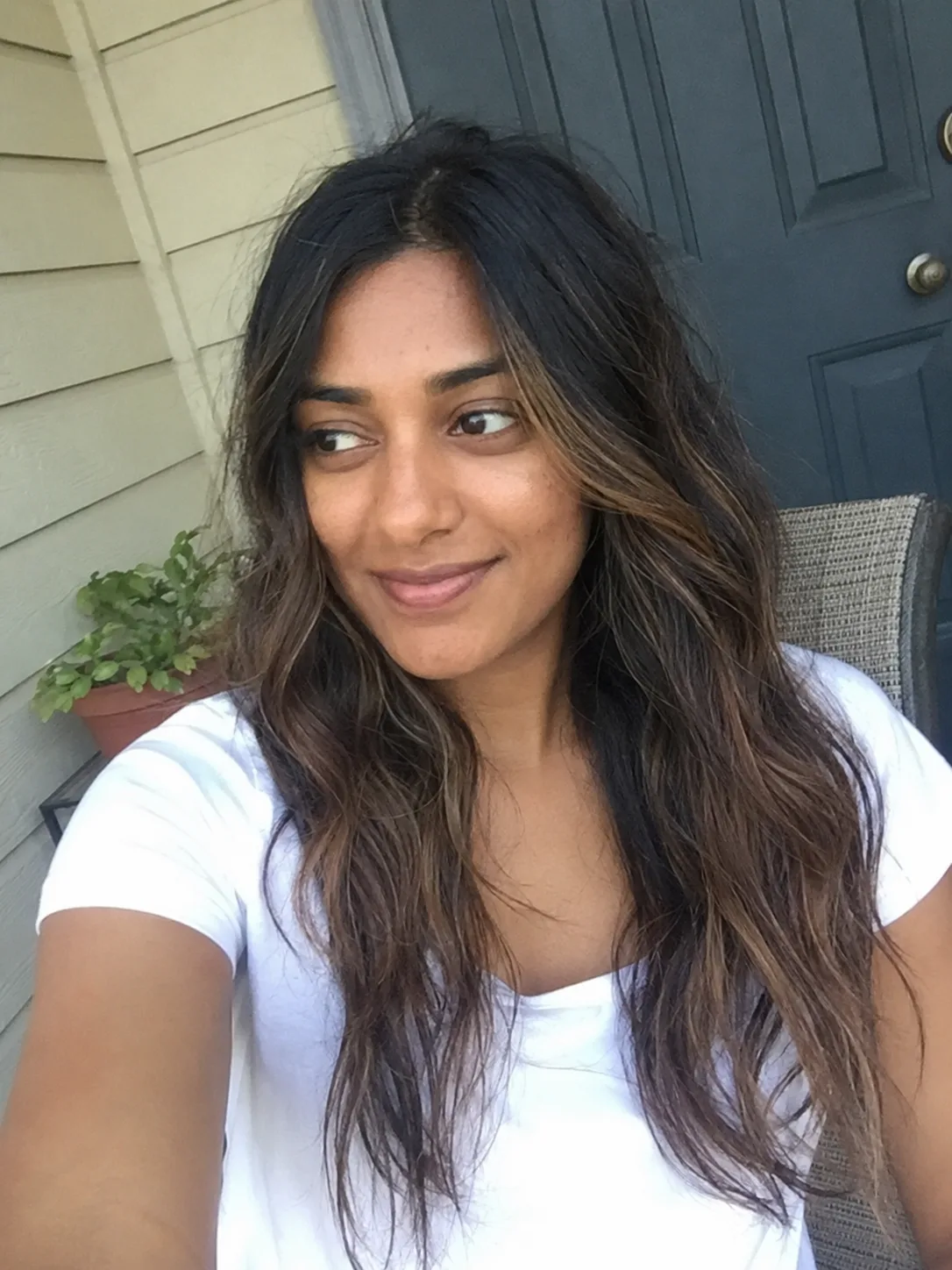
Definition lets the curl pattern become the main feature instead of forcing long hair into a straighter outline. The finished length depends heavily on shrinkage, curl grouping, humidity, and how the hair dries.
Long curls also make drying strategy more important. The outer layers can feel dry while dense areas closer to the scalp remain damp. Sectioning during product application and giving the roots adequate airflow can make the routine easier to manage.
Avoid judging this look by stretched length alone. Two people with hair reaching the same point while wet or stretched can have completely different dry silhouettes. For this hairstyle, the dry shape is the more useful reference.
Stretched Twist-Out
A twist-out gives long textured hair an elongated pattern without requiring a completely straight finish. The twists temporarily organize the hair into larger sections, and the released result combines definition with more apparent length than many fully shrunken styles.
Larger sections usually create a broader pattern, while smaller sections create more individual definition and more manipulation during both setup and takedown. The stronger choice depends on whether you want volume, separation, or a more controlled pattern.
Smooth Blowout With Curved Ends
A blowout makes long layers and perimeter shape especially easy to see. Keeping the lengths smooth while bending the ends creates movement without turning the entire style into full curls. It’s a useful option before deciding whether your haircut genuinely lacks shape, because texture and shrinkage can hide how the underlying cut is behaving. Heat use should suit the hair’s condition, tool design, and previous chemical history rather than following one universal temperature.
Heatless Set With Large Bends
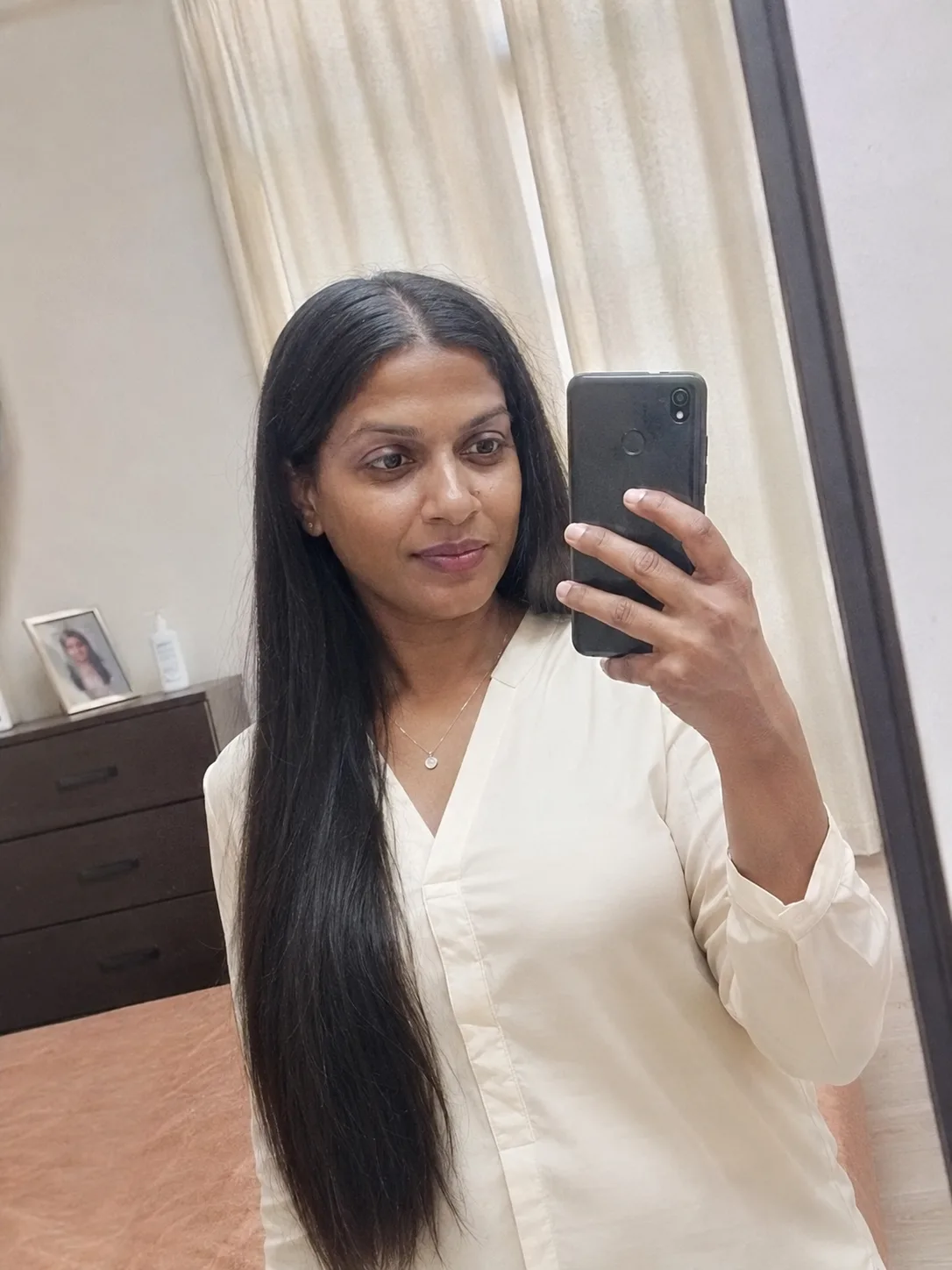
Long hair doesn’t need tightly formed curls to gain movement. A heatless set can create broad bends through the mid-lengths and ends, giving a one-length or lightly layered cut more dimension.
The result depends on how the hair is wrapped, its starting moisture level, and whether the hair tends to hold a set. Very long hair also needs enough room around the wrapping method so the ends don’t become crumpled into a small section.
Ponytails and Half-Up Styles for Long Hair
Low Ponytail
A low ponytail is one of the easiest ways to control substantial length because the anchor sits near the nape rather than pulling the entire mass upward. It works with straight, curly, coily, stretched, braided, or twisted hair, although each state produces a different tail shape.
A fabric-covered elastic can reduce some friction compared with a narrow exposed elastic. The front can stay sleek, softly textured, or deliberately loose depending on the finish you want.
This is the more practical ponytail for long days involving headrests, hats, or frequent movement. A high anchor looks more dramatic, but a low one usually interferes less with the weight and leverage created by very long hair.
High Ponytail
A high ponytail concentrates the length near the crown, immediately exposing the neck and making the tail a major visual feature. Long straight hair creates a clean falling line; curls and coils produce more width and volume around the tail. Because all of that hair is supported at one elevated point, comfort matters more as length and density increase. Keep fragile hairline sections out of a tight anchor when they don’t comfortably reach it.
Bubble Ponytail
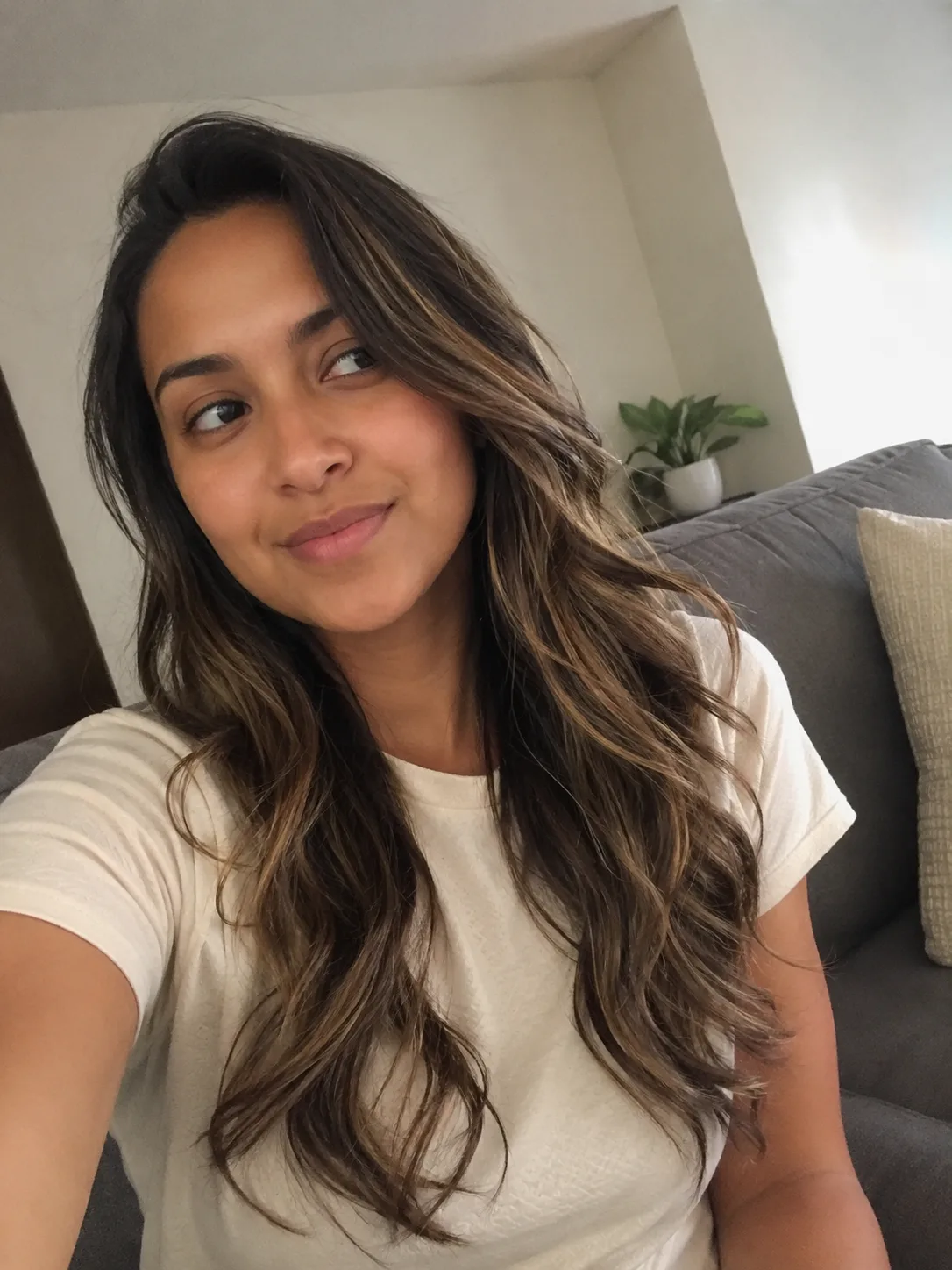
The bubble ponytail turns a long tail into a segmented style by placing additional elastics down its length and gently expanding each section. It’s far more visually distinctive than a plain ponytail while still keeping most of the hair contained.
It also works especially well when elaborate braiding isn’t part of your skill set. The tradeoff is increased contact from multiple elastics, so removal should be patient instead of pulling bands through tangled hair.
Half-Up Top Knot
Half-up styles solve a particular long-hair problem: you can clear the front and crown without giving up the visual impact of wearing most of the length down. A top knot adds height while the lower section remains loose.
The amount of hair placed in the knot changes the result considerably. Taking too much can leave the lower lengths looking thin, particularly on lower-density hair. A smaller section often gives better balance.
Placement also affects daily comfort. A very high knot can press against car seats or headrests, while a slightly lower position is easier during long periods of sitting. Secure the knot with pins or an elastic according to the thickness of the section rather than forcing a large amount of hair into a tiny anchor.
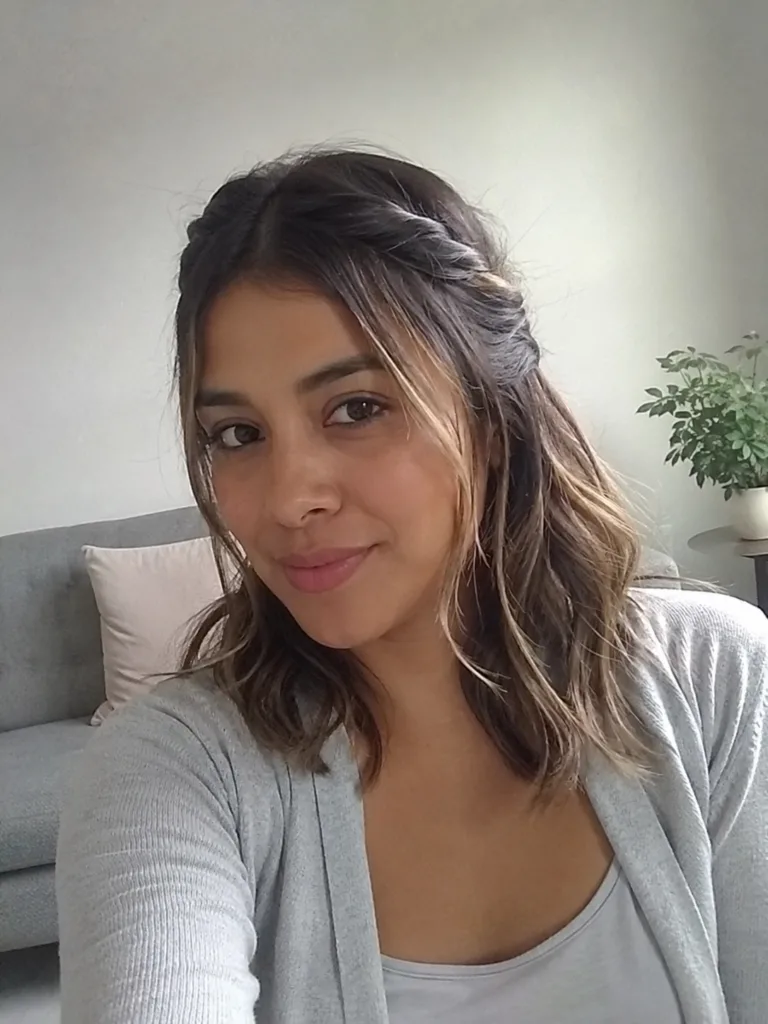
Half-Up Braided Crown
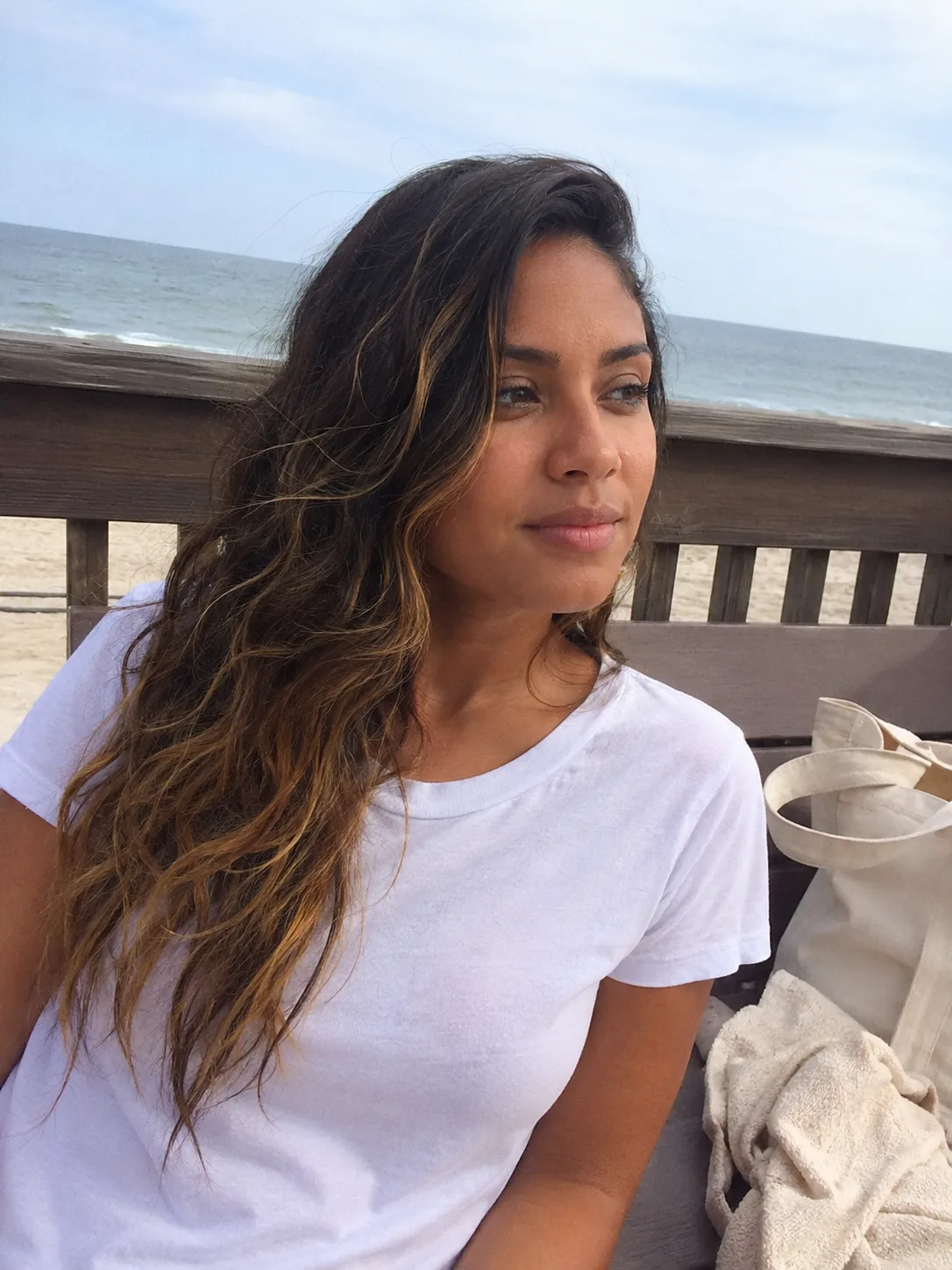
Braiding the upper section back creates more structure than a basic half-up ponytail while leaving the main length visible. It’s useful when shorter front pieces tend to fall forward or when you want detail around the crown without building a full updo. The braid can travel from the temples toward the back and join at the center. Curly and coily textures can stay textured through the loose lengths; straightening the hair first isn’t required.
Braided Styles That Control Long Length
Single Long Braid
One braid down the back is difficult to beat for practical containment. It reduces the amount of loose hair rubbing against clothing and stops long lengths from moving independently during activity.
A lower starting point also keeps the braid easier to position over one shoulder when sitting. Very long braids can still become trapped beneath backpack straps or behind the body against a chair, so bringing the braid forward is often more comfortable during travel.
Double Dutch Braids
Two Dutch braids divide the hair from the scalp downward, making them substantially more secure than a single loose braid. They’re useful for exercise, windy conditions, or days when loose lengths are simply inconvenient. Because the construction begins close to the scalp, sectioning and grip determine comfort. The braid should feel stable without requiring painful pulling at the hairline or part.
Braided Low Bun
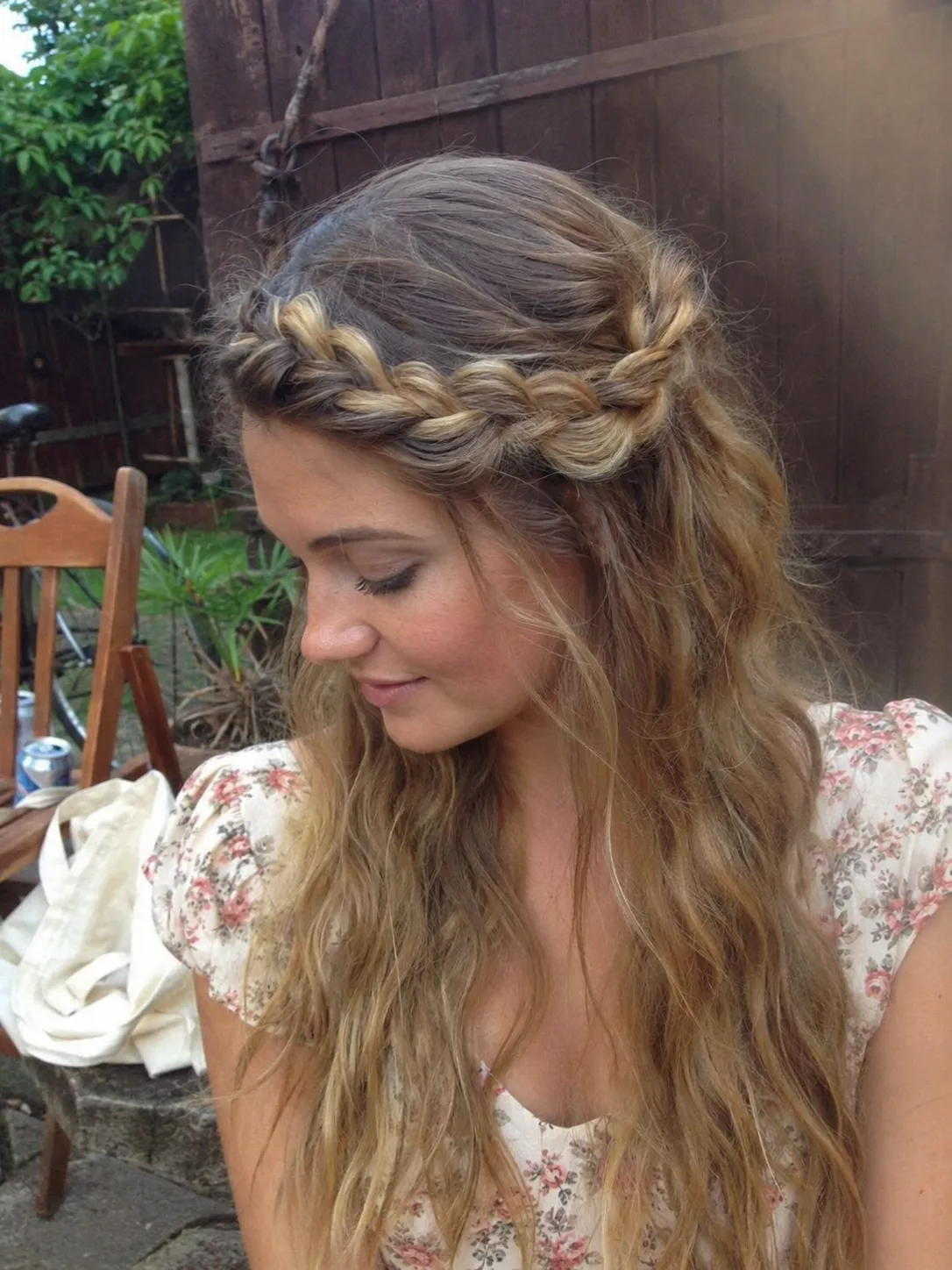
A braided bun offers more control than wrapping loose long hair directly into a knot. First gathering the hair low, braiding the tail, and then coiling that braid around the base keeps the ends contained and gives pins more structure to hold.
The hairstyle is particularly useful for thick or slippery long hair that tends to escape from a simple bun. A wider bun distributes the braid differently from a tiny, tightly wound knot.
Take care with weight distribution when the hair is exceptionally long or dense. A bun that repeatedly pulls downward during normal head movement needs repositioning or a different anchoring method. Comfortable security is more useful than making the bun as compact as possible.
Updos That Use Length Instead of Fighting It
Low Chignon
A low chignon turns long hair into a compact shape at the nape, making it one of the strongest formal options for someone who doesn’t want hair falling over the shoulders.
The challenge is managing the ends. Very long hair may need to be folded, twisted, or wrapped more than once before pinning, and hiding all that length inside a tiny bun can create unnecessary bulk. A slightly wider chignon gives the hair somewhere to go and often looks more balanced.
French Twist
The French twist uses long hair vertically, gathering the lengths inward and pinning them into a roll along the back of the head. That construction creates a completely different outline from a round bun while keeping the ends hidden. Long hair provides plenty of material for the roll, though exceptionally thick lengths can make a narrow twist harder to secure. It’s worth learning when you want an updo that looks structured without positioning a large knot at the nape.
Choosing Between Layers, Length, and Daily Styling
Reference photos of long hair can be misleading because they capture one styling state. A haircut photographed after a full blowout may sit very differently after air-drying. Curly hair shown immediately after styling can develop more volume later. A ponytail photographed from the front tells you very little about how the tail behaves against a chair.
Start by deciding which part of your long hair you actually want to change.
Keep the perimeter strong when you like the impression of maximum length and substantial ends. A blunt or lightly layered haircut usually serves that goal better than aggressive layering.
Move weight upward when your hair feels like one heavy mass. Seamless layers, butterfly layering, or a curly rounded shape can create more movement, but the amount removed should suit your density.
Use styling instead of cutting when you like your existing haircut but want more variety. Ponytails, braids, sets, half-up styles, and updos can change the appearance dramatically without removing length.
Density deserves particular attention. Low density means fewer strands overall; fine hair refers to individual strand diameter. A person can have fine strands and high density, or thicker strands and low density. Heavy interior removal may expose more space in lower-density hair, while a strong perimeter can make healthy ends appear more substantial.
What Long Hair Maintenance Really Depends On
Long hair creates more surface area for friction, tangling, and weather exposure, especially through the oldest ends. That makes handling technique more useful than following a rigid universal schedule.
Detangle according to your texture and styling state. Some curl patterns are easier to detangle while conditioned and sectioned; straighter hair may tolerate a different routine. Start where tangles are easiest to control and avoid turning small knots into larger ones through aggressive pulling.
Sleep also changes how the lengths behave. A smooth pillowcase or bonnet can reduce friction, while very long hair may be more comfortable loosely contained so it isn’t trapped under your shoulders. Neither approach repairs damaged strands, so transparent or repeatedly breaking ends still deserve attention.
The table below highlights the maintenance issue that tends to matter most for each construction.
Long hair also makes scalp changes easy to overlook because attention naturally goes to the lengths. Pain, persistent irritation, sores, sudden shedding, or a concerning change in density deserve more than another styling adjustment. A dermatologist or another qualified healthcare professional can assess symptoms that seem unusual or persistent.
Salon Planning for a Long Hairstyle
Bring reference images that show more than the front view. Side and back views reveal where layers begin, how much weight remains at the perimeter, and whether the hairstyle depends on significant styling.
Tell your stylist how you normally wear your hair. Natural curls, stretched coils, blow-dried hair, pressed hair, and chemically relaxed hair can display the same haircut very differently. Your usual styling state should influence where the shape is evaluated.
It also helps to identify what you’re unwilling to lose. Someone who has spent years growing a strong perimeter may regret dramatic face-framing layers even when the finished blowout looks beautiful. Someone bored with a heavy one-length cut may find that preserving every last inch prevents the movement they actually want.
A useful consultation question is simple: Which part of this reference comes from the haircut, and which part comes from the styling? That distinction can prevent a lot of disappointment with long hairstyles.
Frequently Asked Questions
Which long hairstyle is easiest to maintain?
A lightly layered or one-length cut is usually simpler than a heavily shaped haircut when you prefer minimal daily styling. For putting the hair up, a low ponytail or single braid provides straightforward control without an elaborate construction. Texture, density, and your normal routine still affect what feels easiest.
Can long hair work well with curls and coils?
Yes. Long curly and coily hair can be worn shrunken, defined, stretched, twisted, braided, or arranged in updos. Shrinkage changes how the length appears, so haircut decisions are most useful when the final shape is assessed in a styling state you actually wear.
Do extensions make sense for trying long hairstyles?
Extensions can create additional length or fullness, but the attachment method, added weight, existing hair condition, and scalp comfort matter. Added hair should never require painful tension to stay secure. Wigs and other removable options may be more practical when you want dramatic length without making it a permanent haircut decision.
How can I stop very long hair from getting in the way during exercise?
A secure braid, double braids, or a well-supported ponytail usually controls movement better than leaving the hair loose. Very long hair can become caught beneath straps or swing heavily from a high anchor, so containment and placement matter as much as tightness. Choose a style that stays stable during normal movement without pulling painfully at the scalp.
Related Hairstyles to Explore
- Hair styles for long hair
- Layered haircuts for long hair
- Prom hairstyles for long hair
- Beach hairstyles for long hair
Hair Texture & Upkeep Style Matcher
Select your natural hair texture and daily maintenance window to get an instant styling formula and heat safety cap.
Heat Cap: 320°F (160°C)
A versatile three-strand braid beginning at the parietal ridge, securing the top half while allowing natural wave texture to flow freely around the shoulders.
Conclusion
The most successful long hairstyle isn’t necessarily the one that preserves the greatest possible length. Sometimes a stronger perimeter is the priority. Sometimes removing strategic weight makes the hair easier to live with. On other days, a braid or low ponytail solves the problem without changing the haircut at all.
Before your next cut or styling change, decide what you want the length to do: hang heavily, move more freely, show your natural pattern, stay contained, or disappear into an updo. That decision narrows the choices much more effectively than length alone.
Editorial Standards & Hair Health Guidance
Every style featured on Tress Atlas is curated with a focus on real-world wearability, scalp tension management, and cuticle preservation. When trying protective styles or tight updos, ensure perimeter hairline sections remain tension-free to avoid traction stress on delicate follicles. For heat styling, cap tools below 350°F (180°C) to prevent thermal keratin denaturation.
Scientific Sourcing: Practices aligned with the American Academy of Dermatology (AAD) on traction alopecia risk reduction and cosmetic trichology research on hair tensile strength.